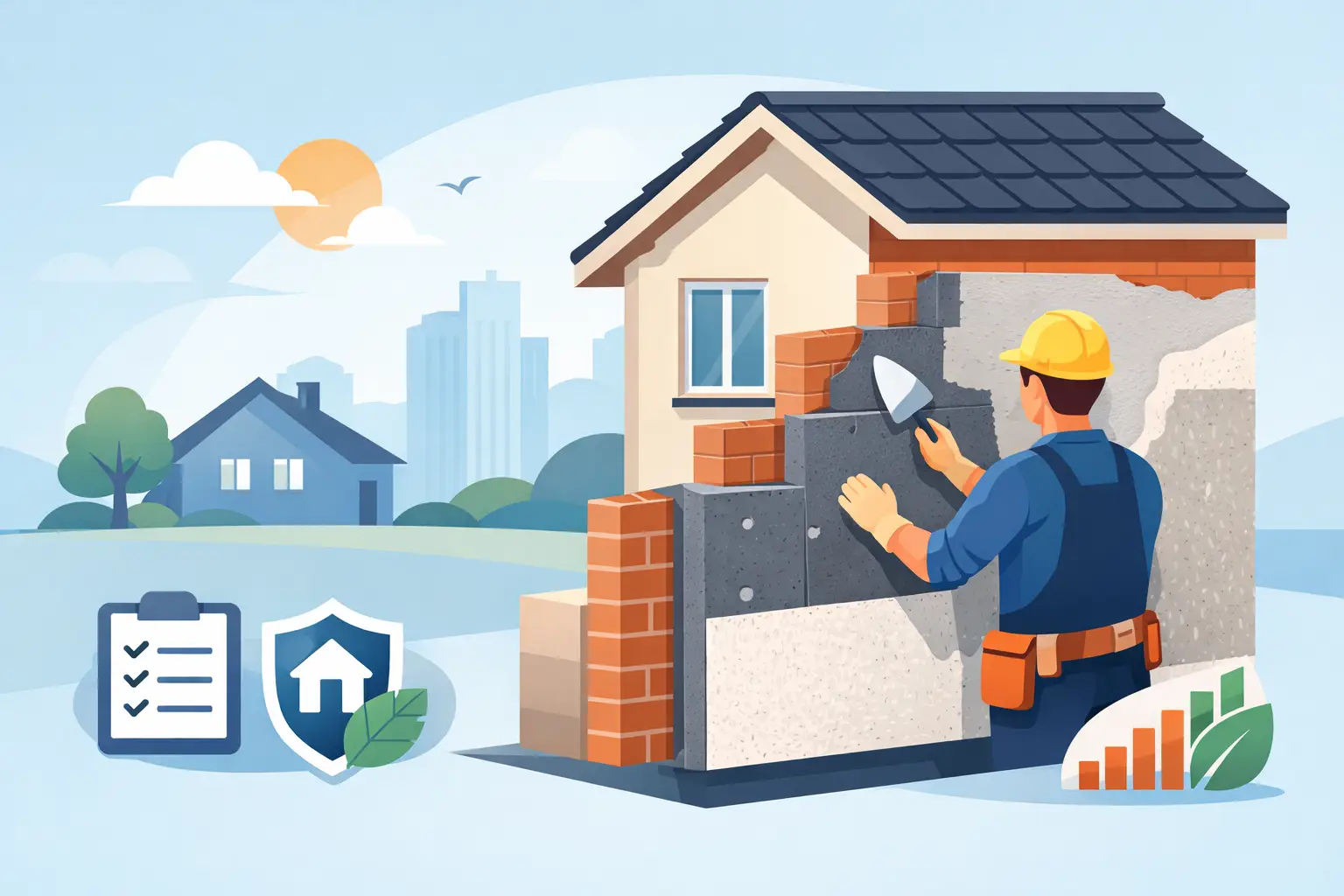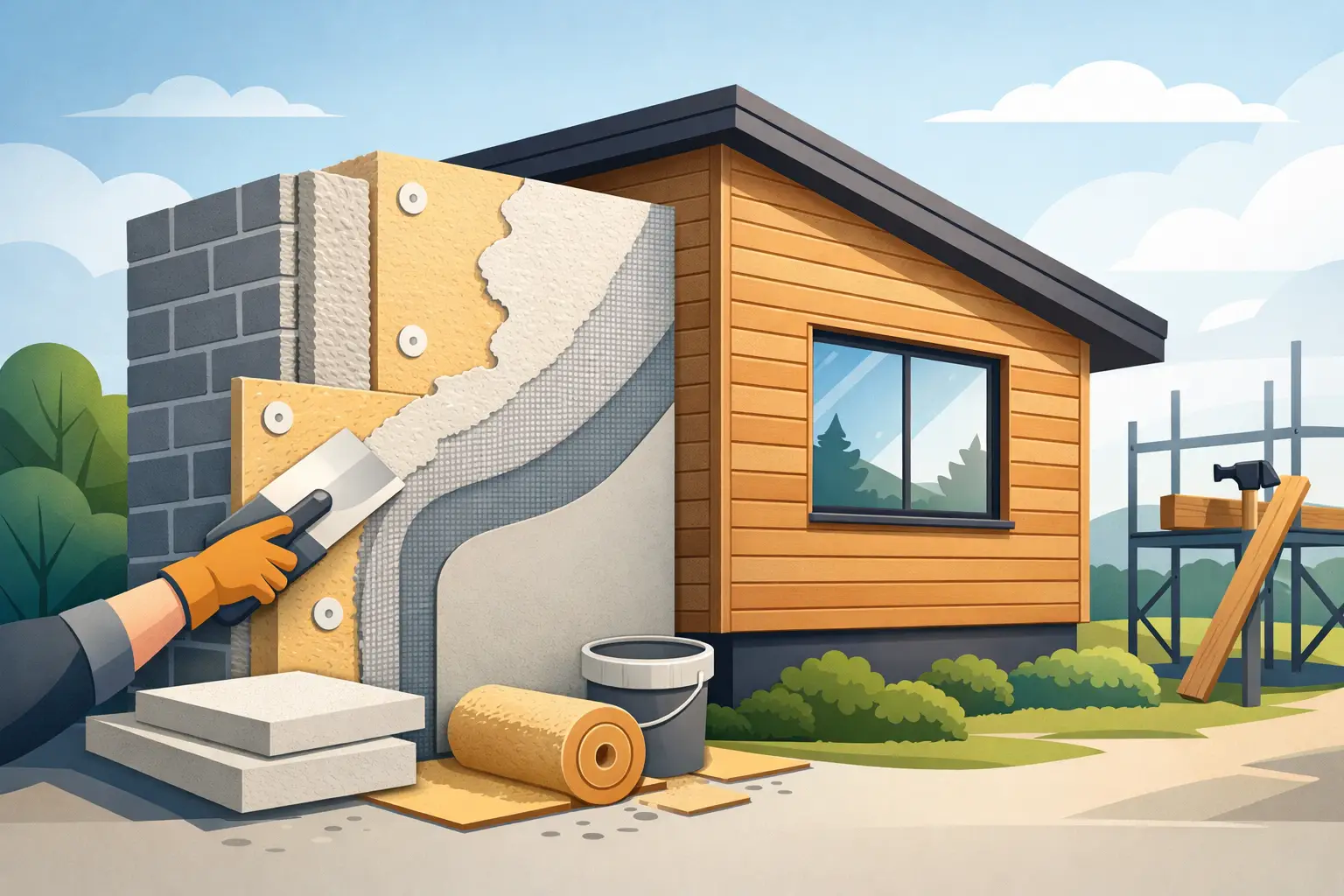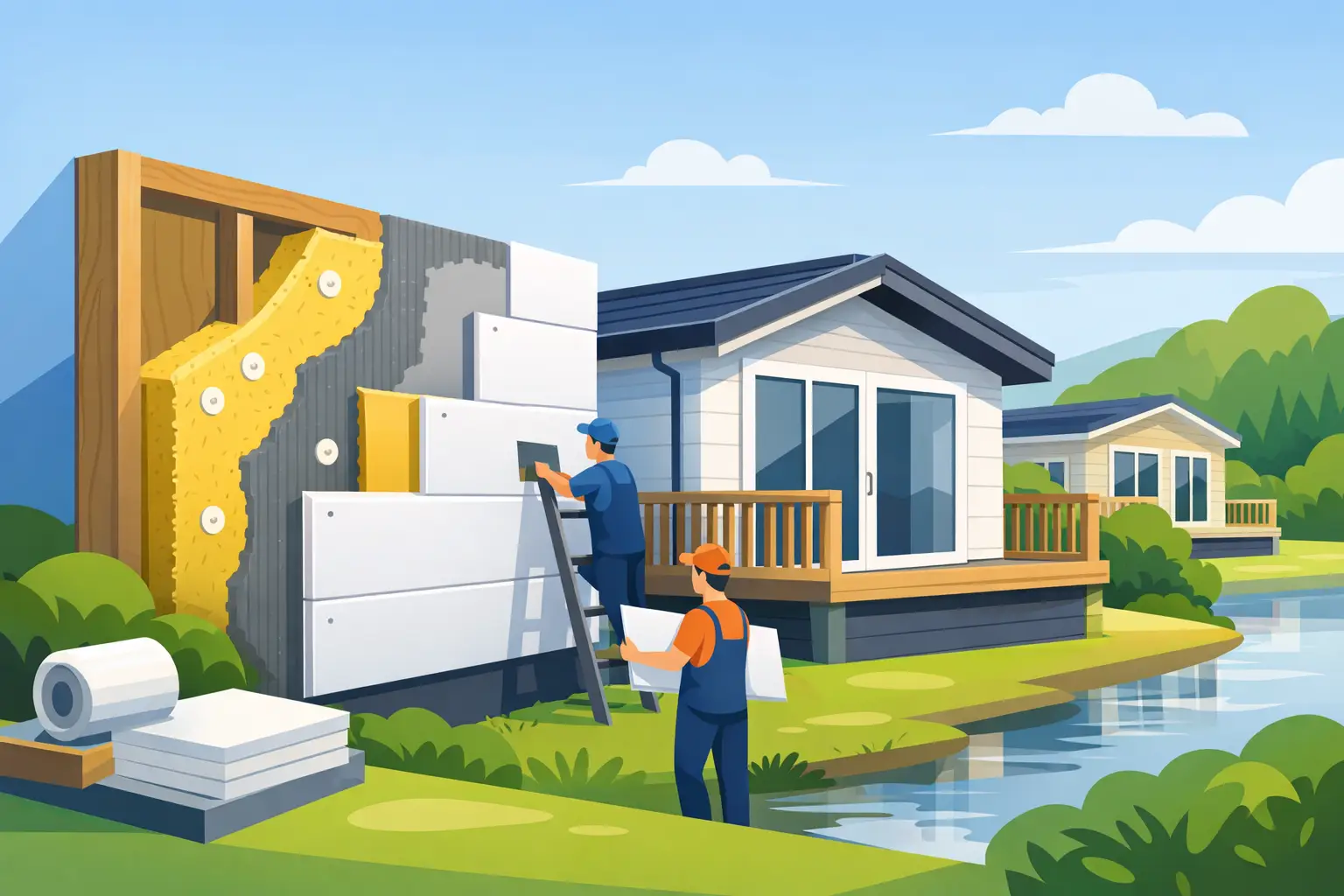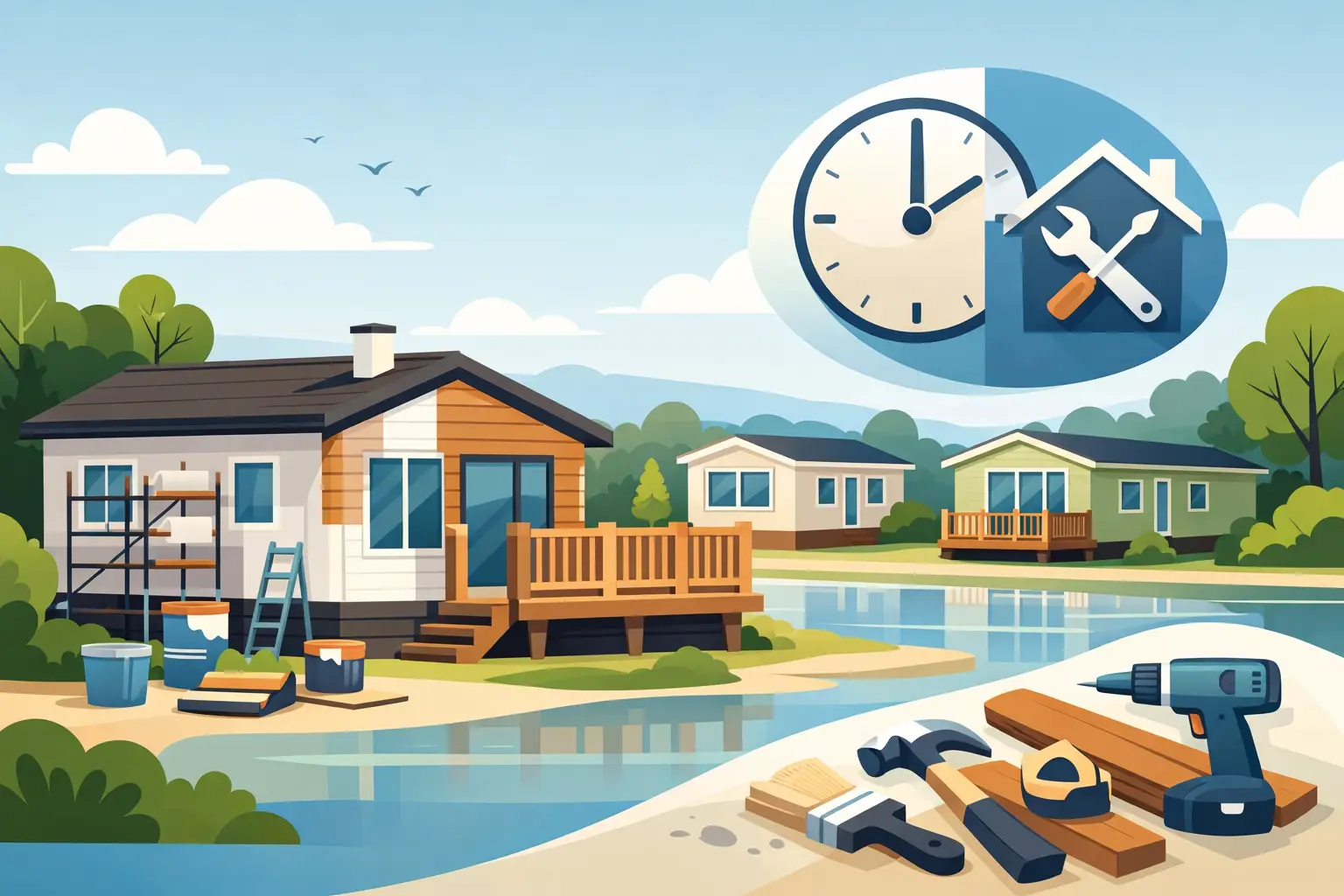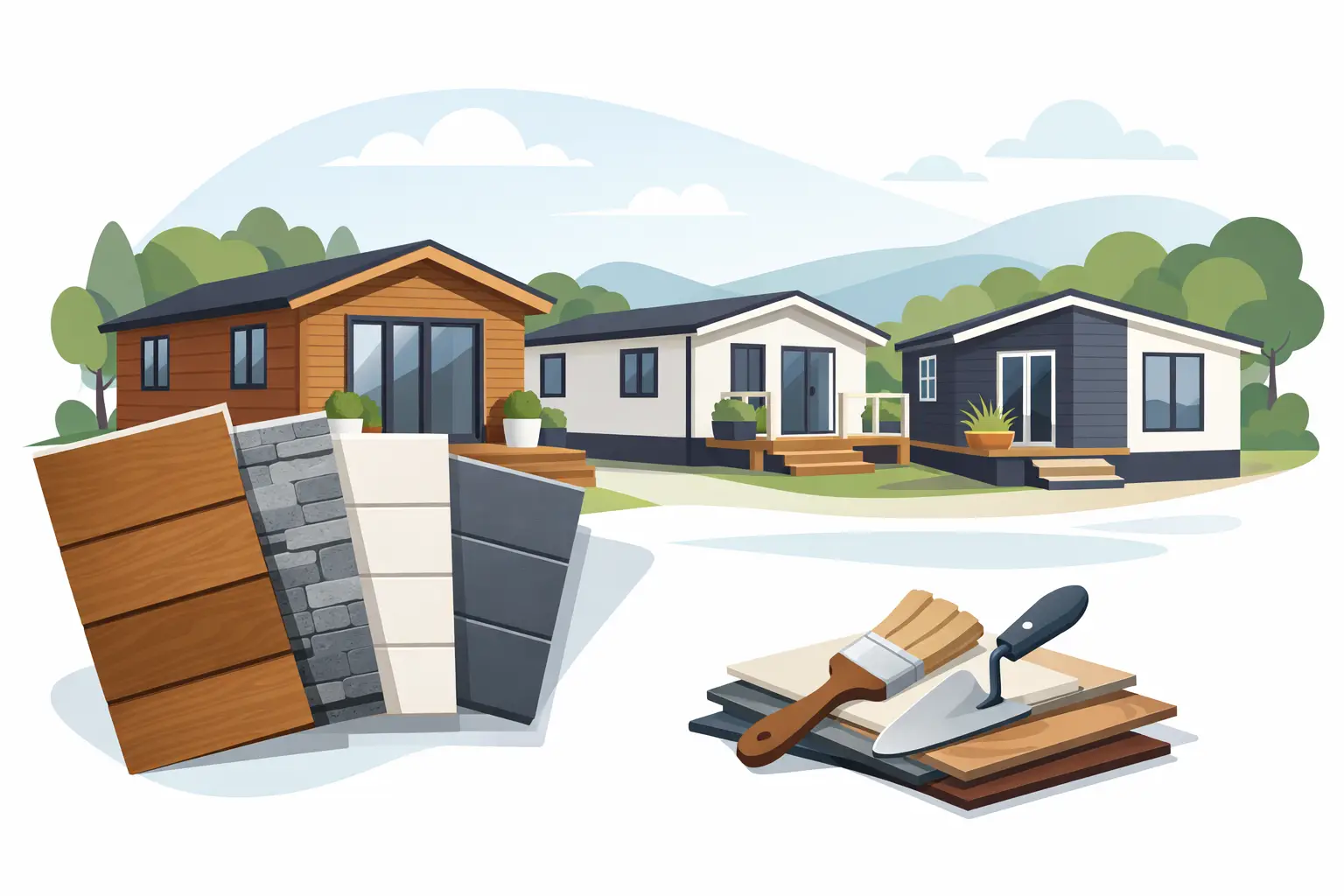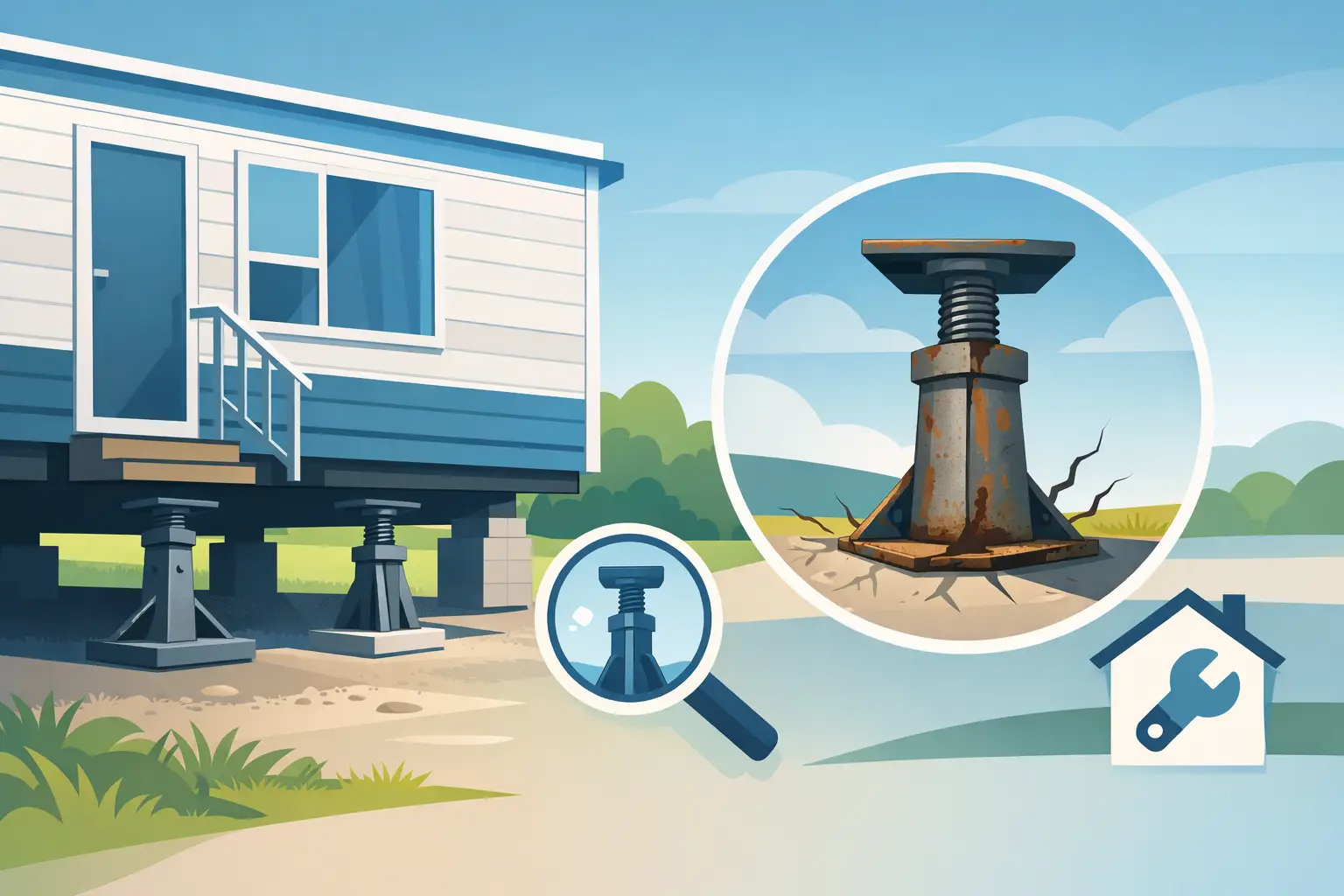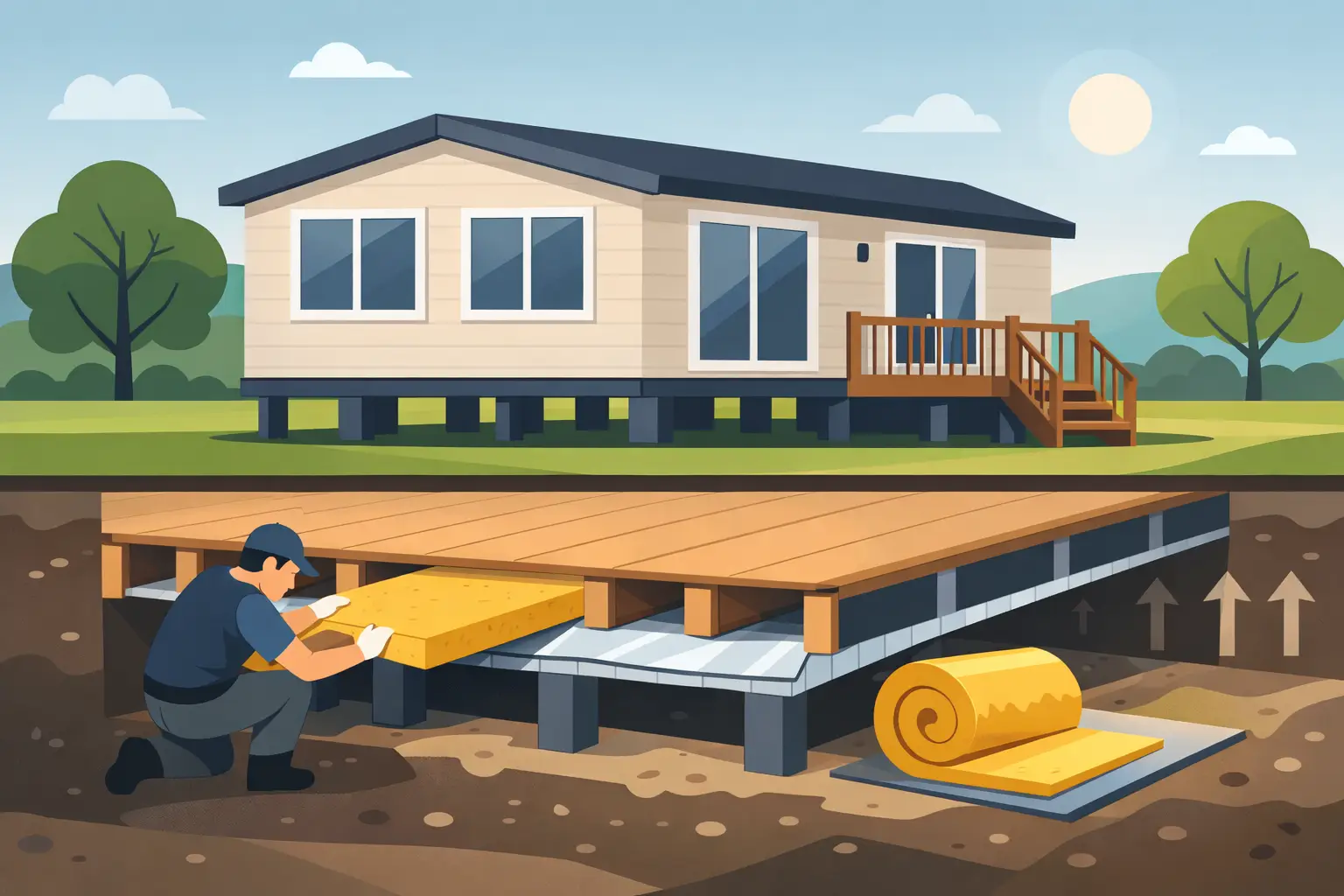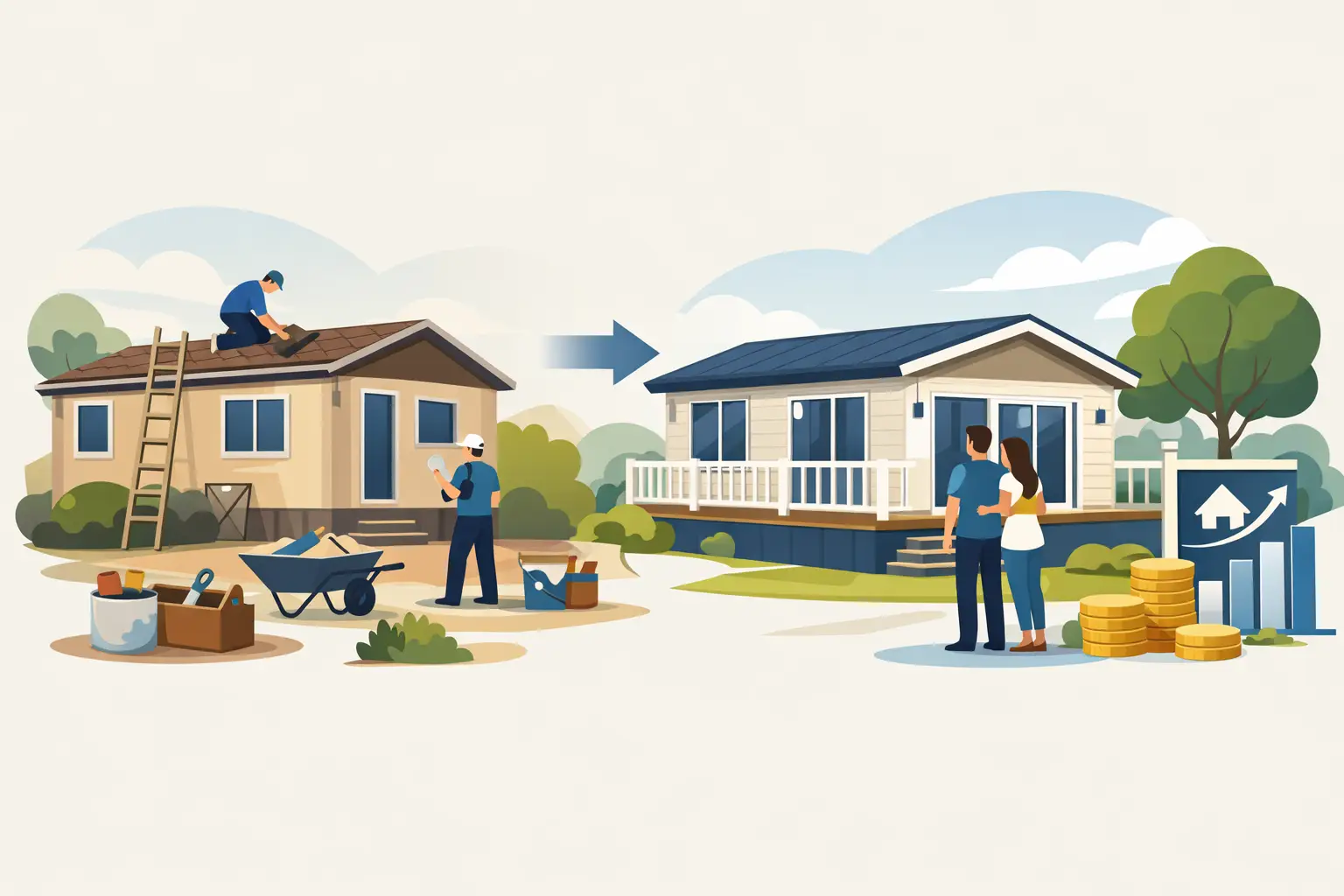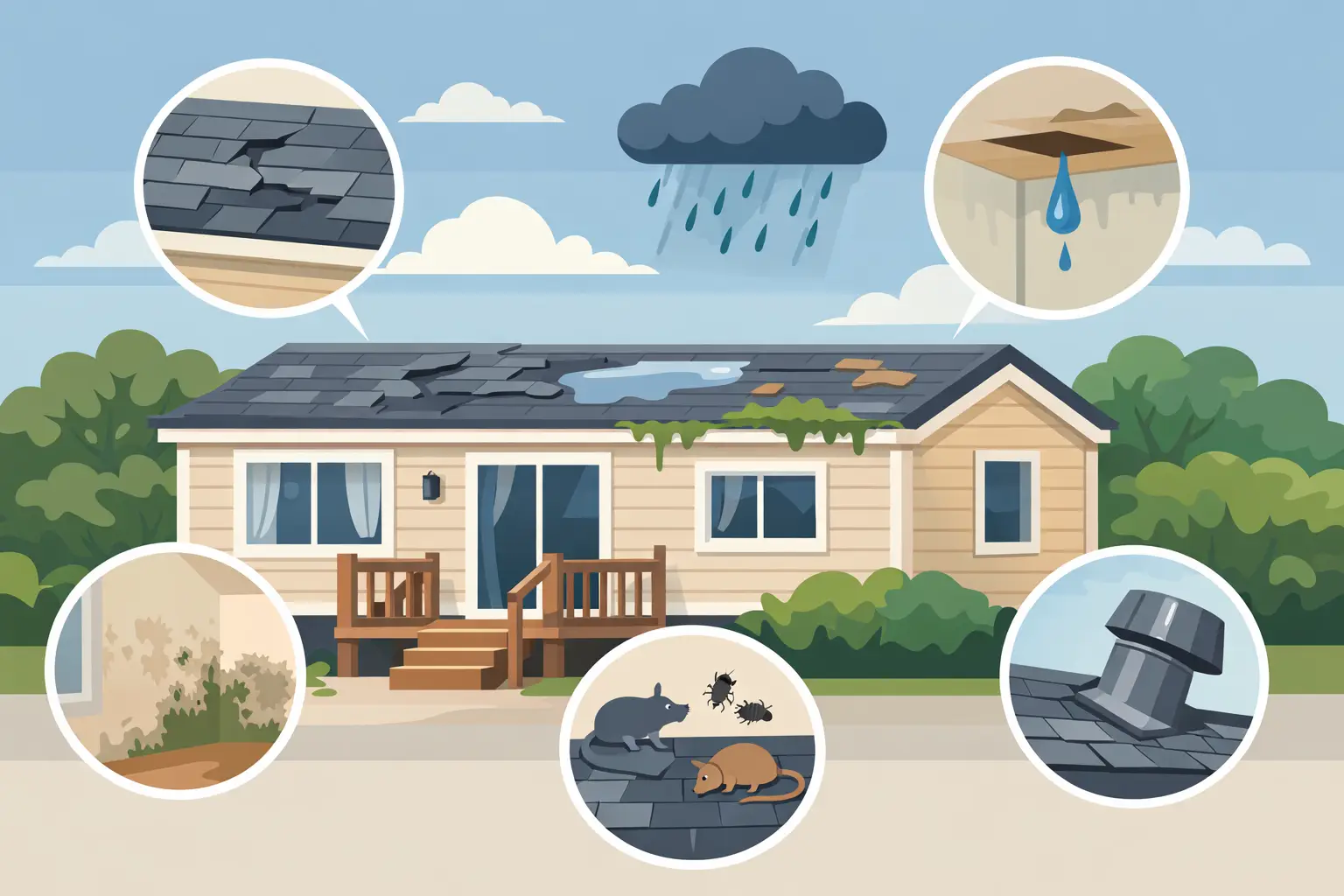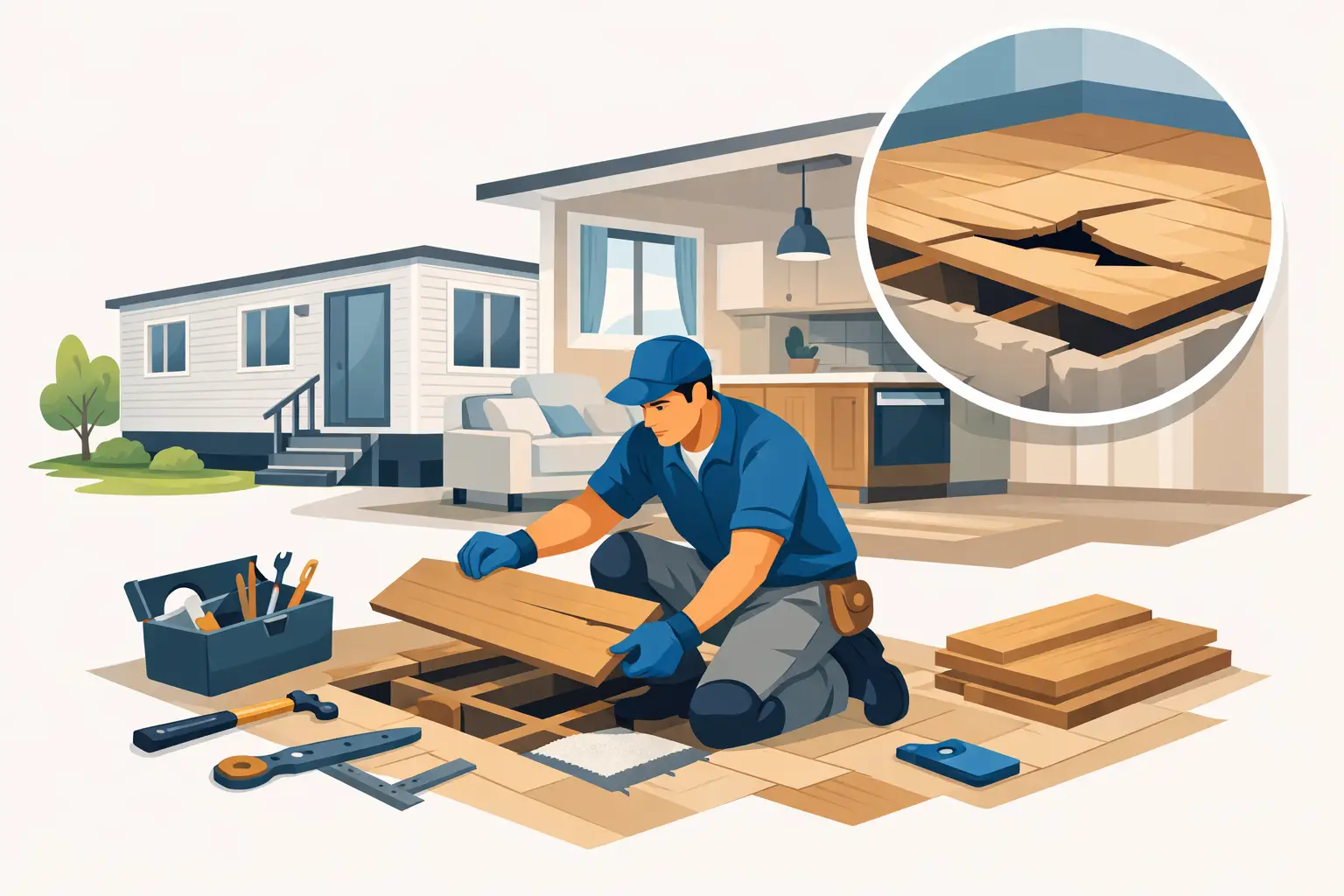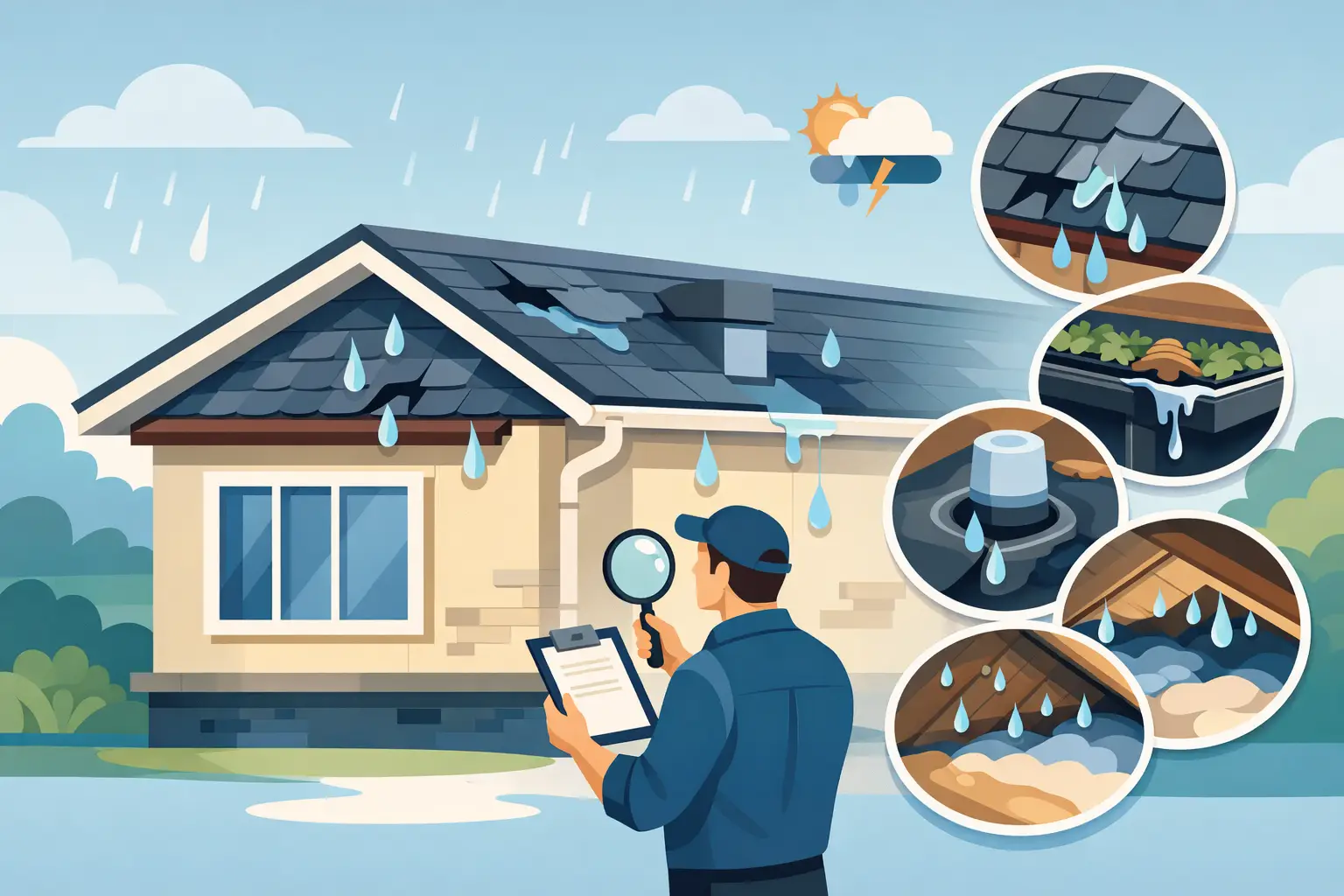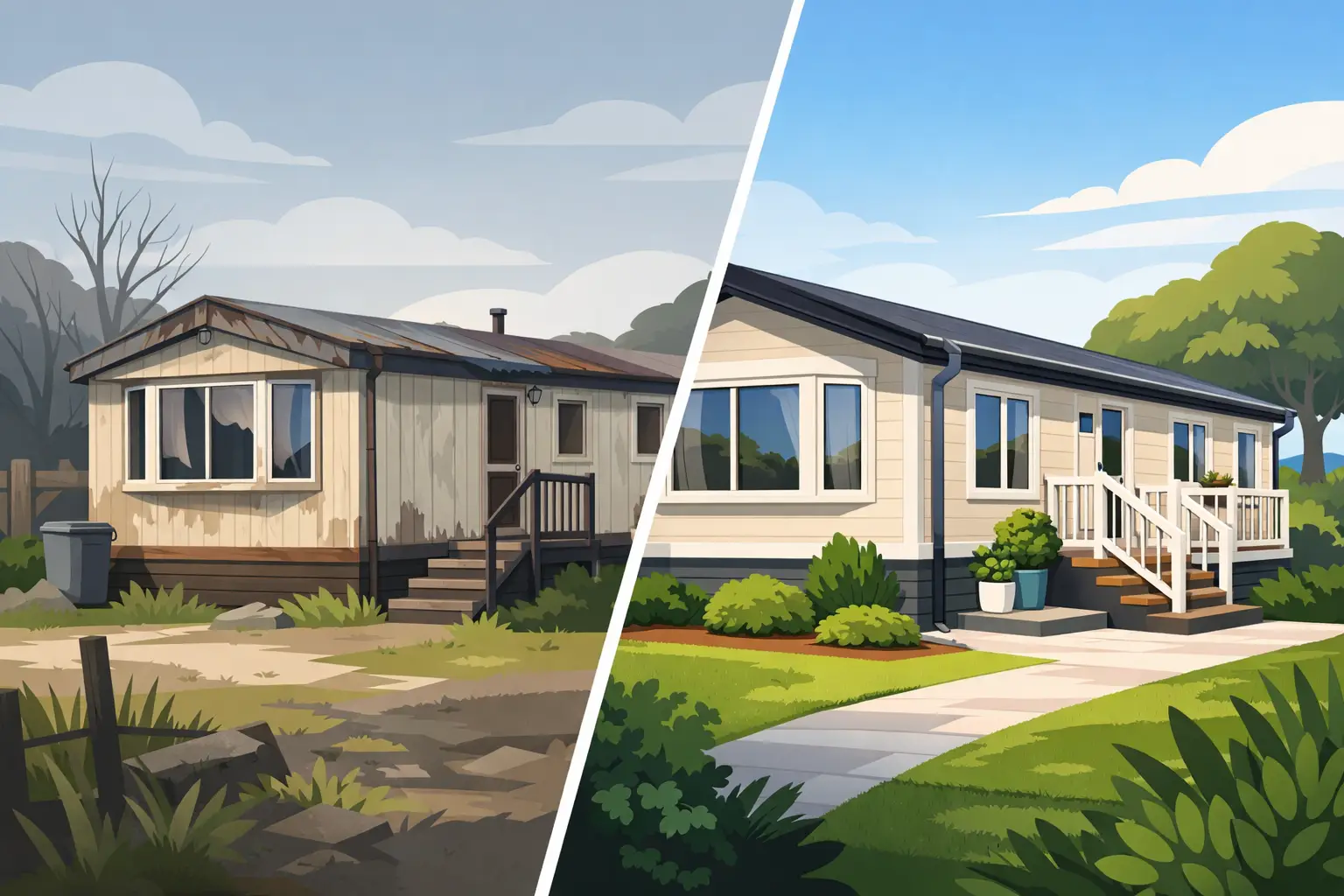
A tired exterior can make an otherwise well-kept park home feel cold, dated and harder to protect. External cladding is one of the most effective ways to refresh the appearance of a park home while also addressing draughts, weather exposure and heat loss from the walls.
For many owners, it is not simply a cosmetic improvement. A properly planned cladding project can reduce maintenance, improve everyday comfort and help preserve the condition and value of the home for years to come. The key is making sure the work suits the construction of a park home, rather than treating it like a conventional brick-built property.
Park homes and static homes are built differently from traditional houses. Their walls are generally lighter in construction, and the external finish works alongside the frame, insulation, roofline and ventilation to keep the home dry and comfortable. When the original panels become worn, cracked, faded or poorly sealed, moisture and cold air can find their way into vulnerable areas.
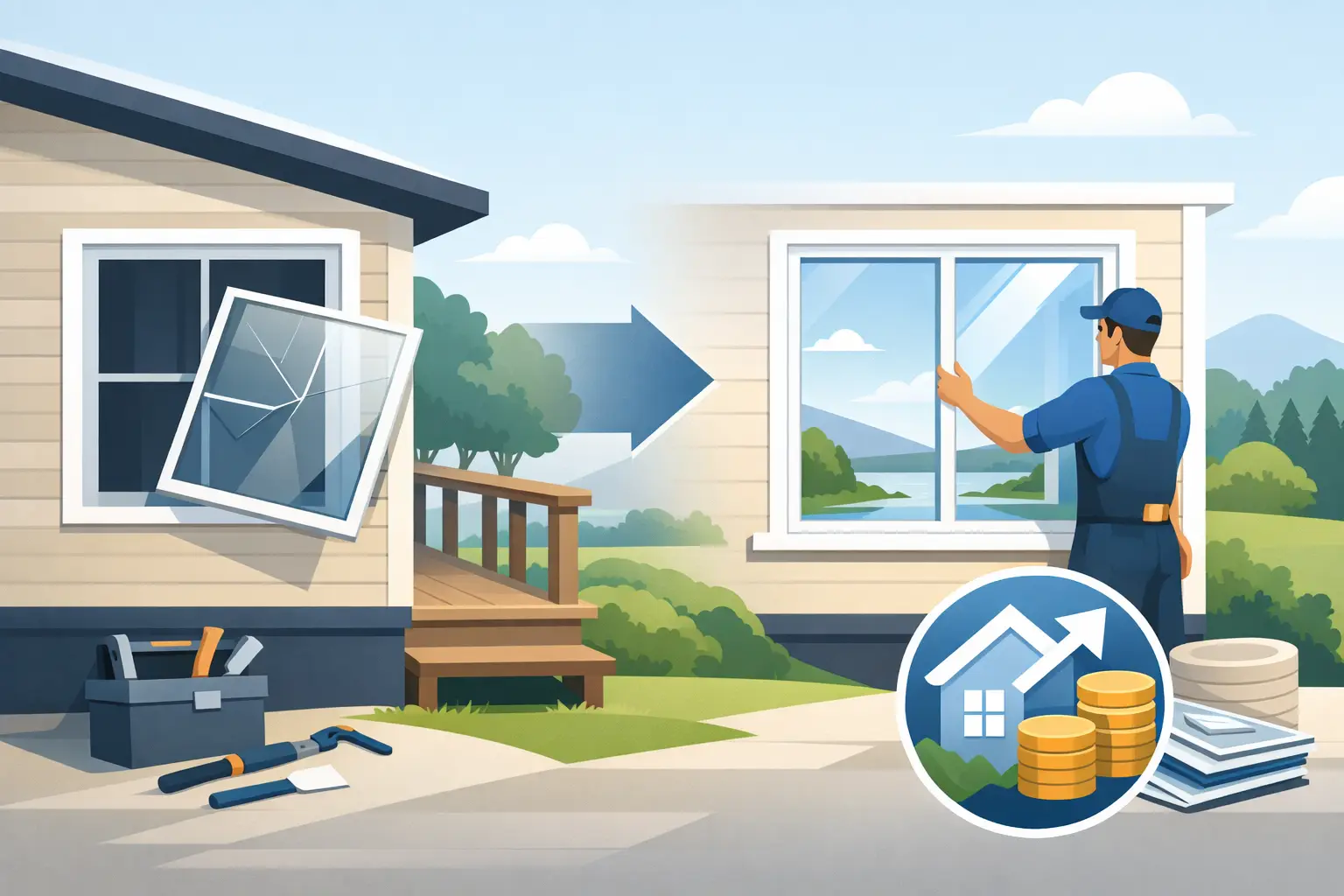
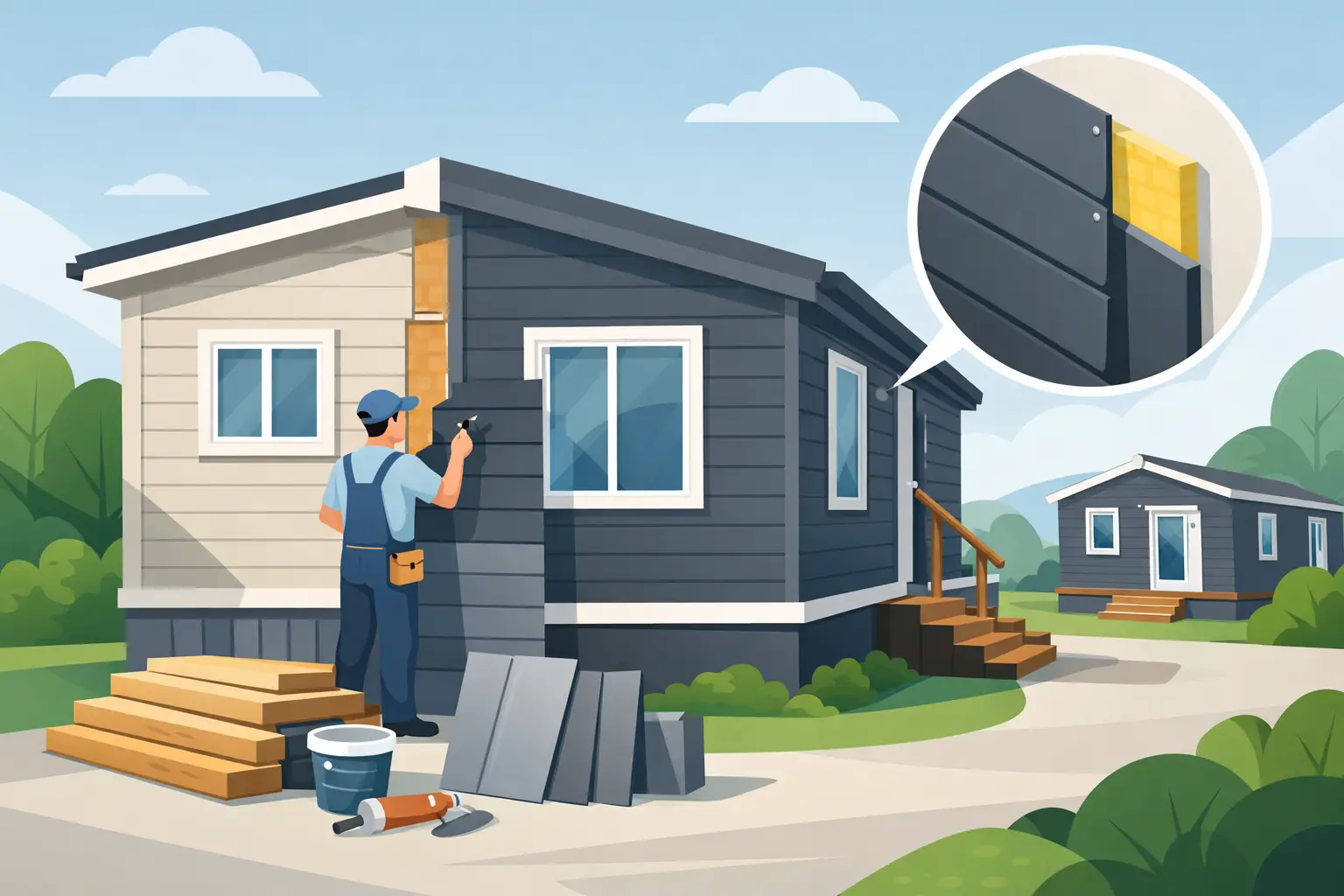
New external cladding gives the outside of the home a durable protective layer. It can dramatically improve kerb appeal, particularly where existing finishes have faded or started to look patchy. More importantly, it provides an opportunity to inspect the wall structure beneath, renew poor seals and consider insulation improvements where required.
The result should be a home that looks cared for and feels more comfortable through every season. However, the improvement achieved depends on the condition of the existing walls, the materials selected and the standard of installation.
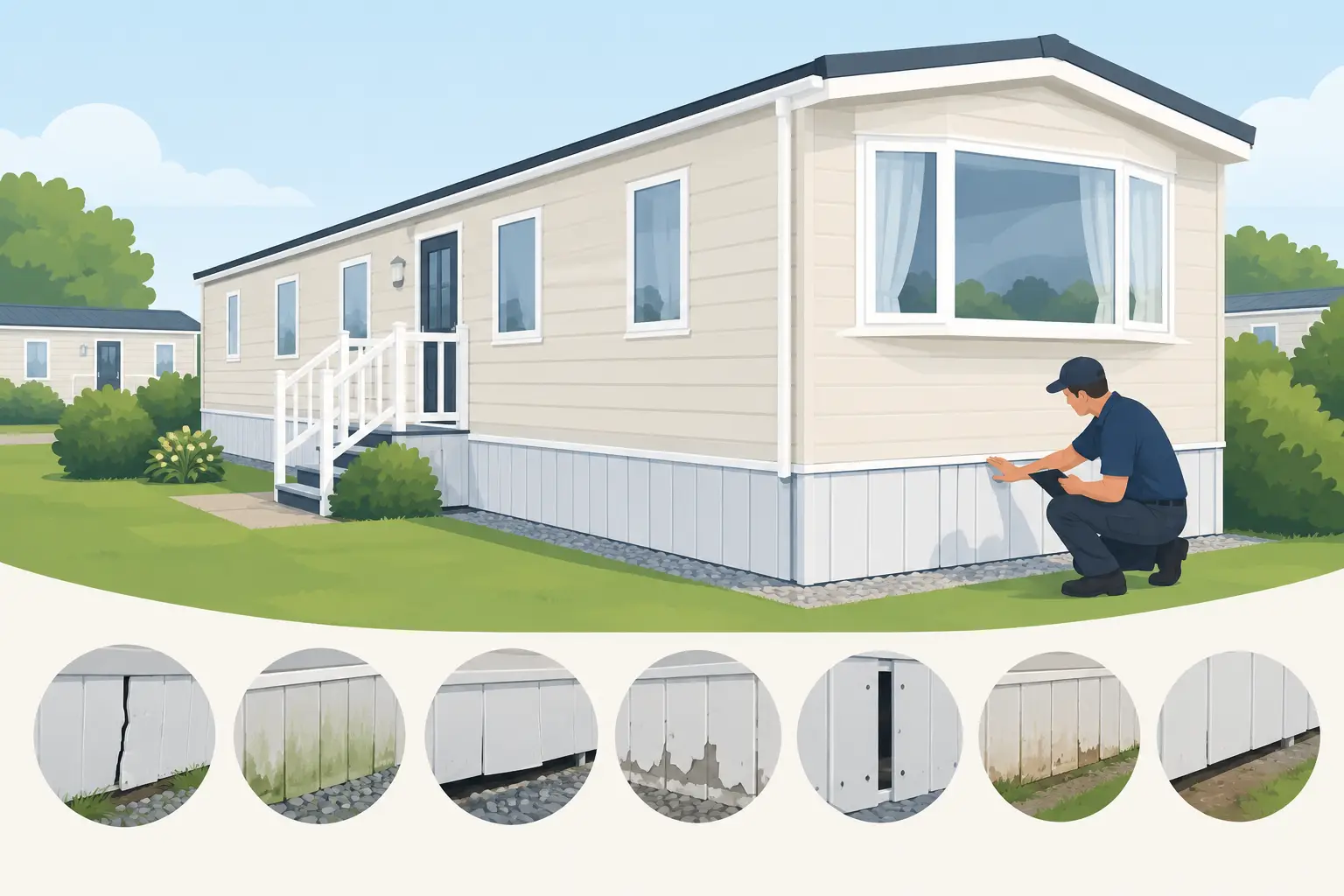
Cladding is often considered when a park home is beginning to show its age. Visible cracks, loose panels, damaged joints, staining around windows, persistent draughts and peeling finishes are all signs that the exterior needs attention. A home may also look sound from a distance but still lose heat through poorly insulated or badly sealed walls.
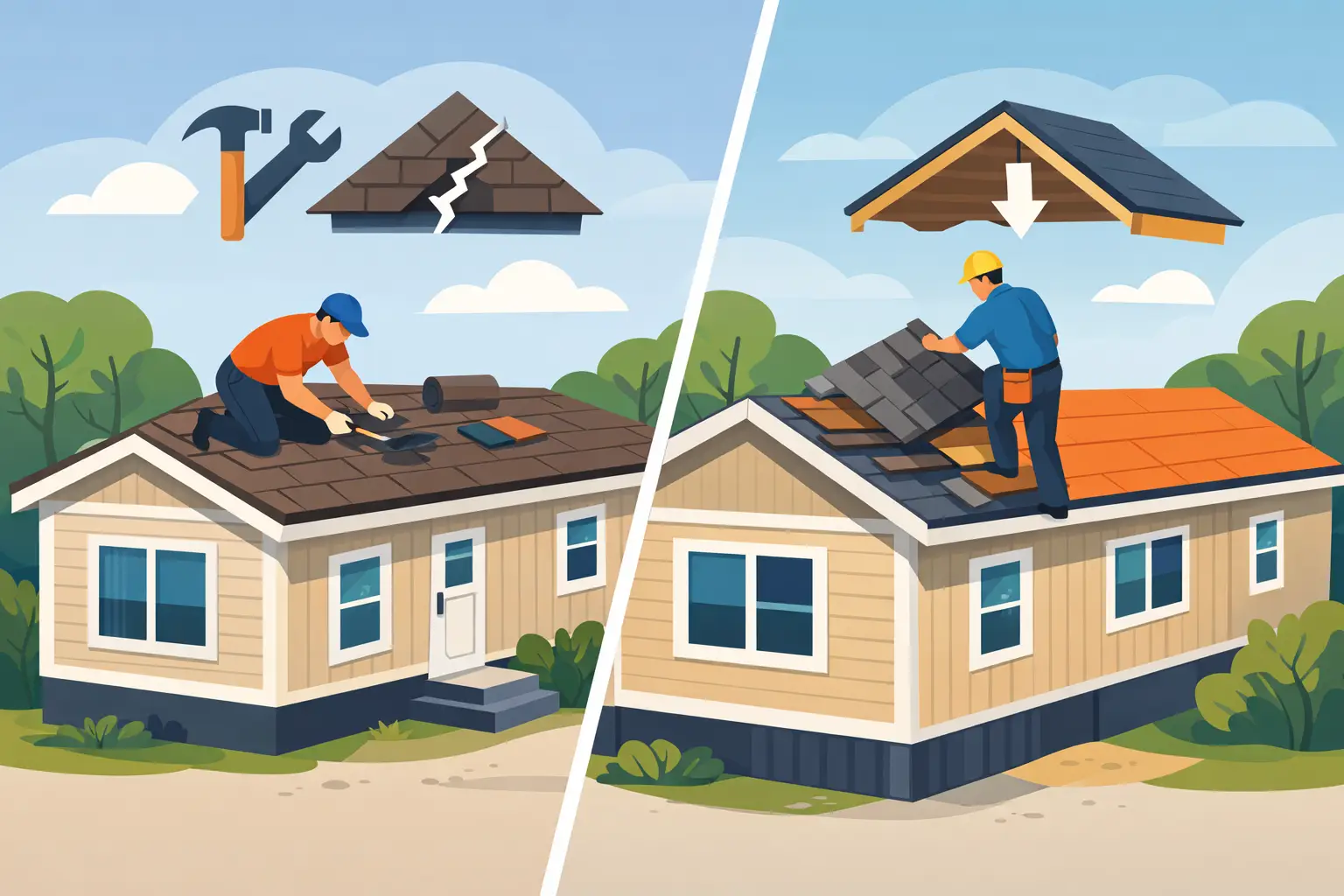
Owners sometimes choose cladding as part of a wider refurbishment. If roofing work, replacement windows, wall insulation or underfloor insulation is also needed, planning these jobs together can avoid disruption later. It also allows each part of the home to work properly with the next. For example, new wall finishes should meet roof edges, trims and window surrounds neatly so water is directed away from the structure.
There is also a practical financial point. Regular patch repairs may be sensible where damage is small and localised. But where several areas are failing, a full external upgrade can offer better long-term value than repeatedly repairing tired materials.
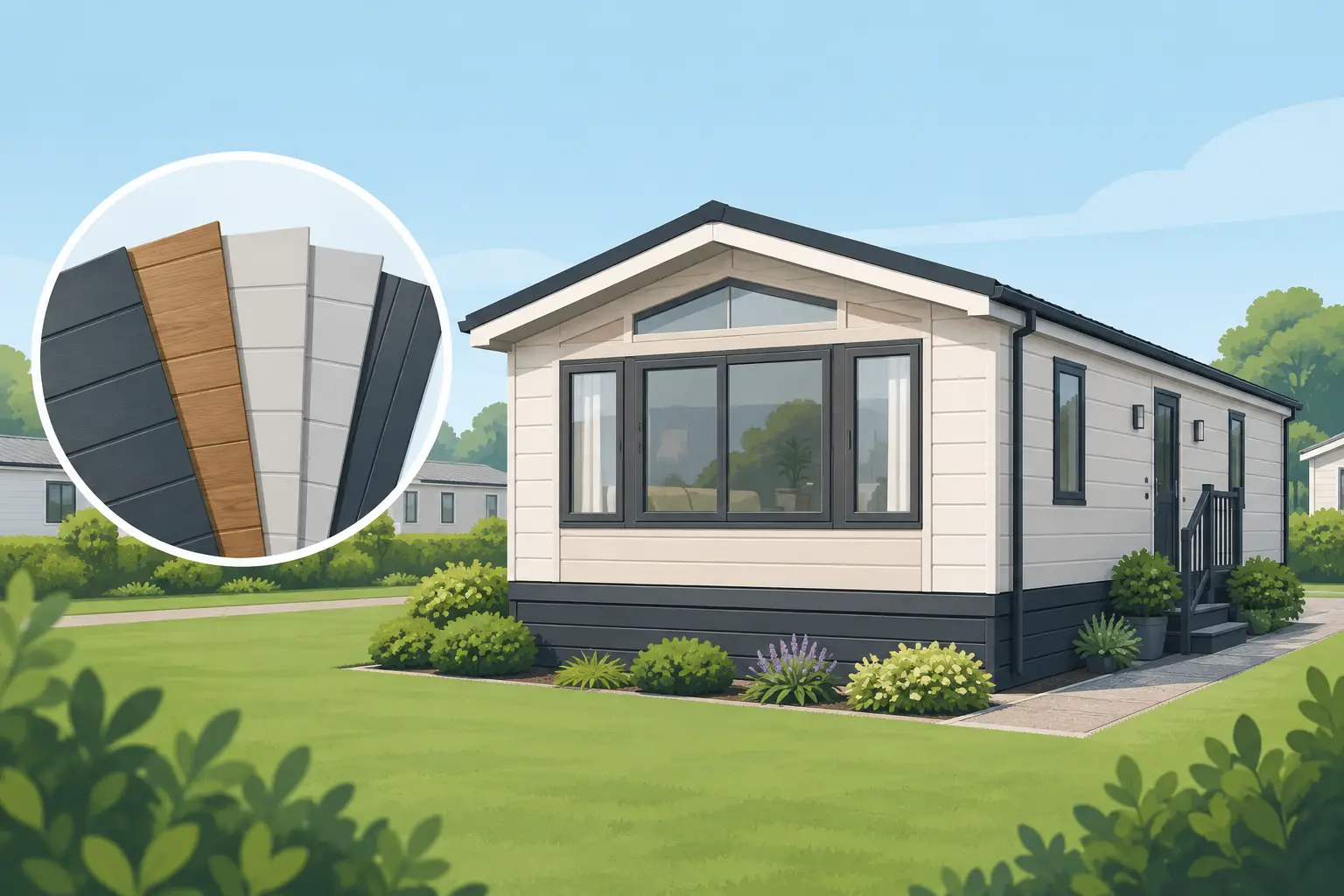
The most obvious benefit is a cleaner, smarter appearance. Modern cladding finishes can give an older park home a much fresher look without changing the character of the property. Colours and profiles should be chosen carefully, particularly on residential parks with appearance guidelines, but there is often scope to create a finish that feels more personal and well maintained.
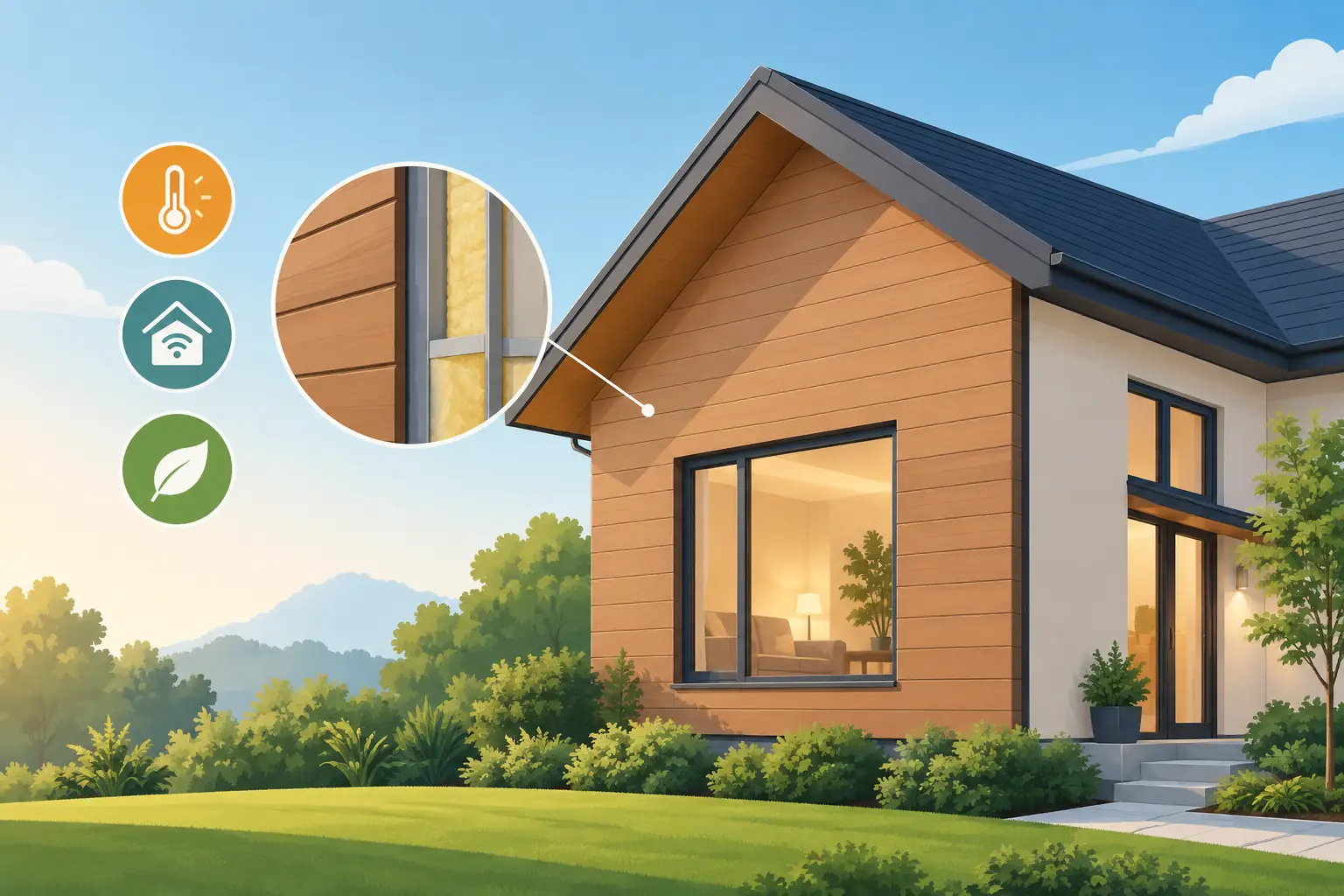
Comfort is another major consideration. Cladding itself is not a substitute for insulation, but when installed as part of a suitable wall upgrade, it can help improve thermal performance. Better protection from wind-driven rain and air movement can make rooms feel less draughty, while appropriate insulation behind the new finish can help retain warmth.
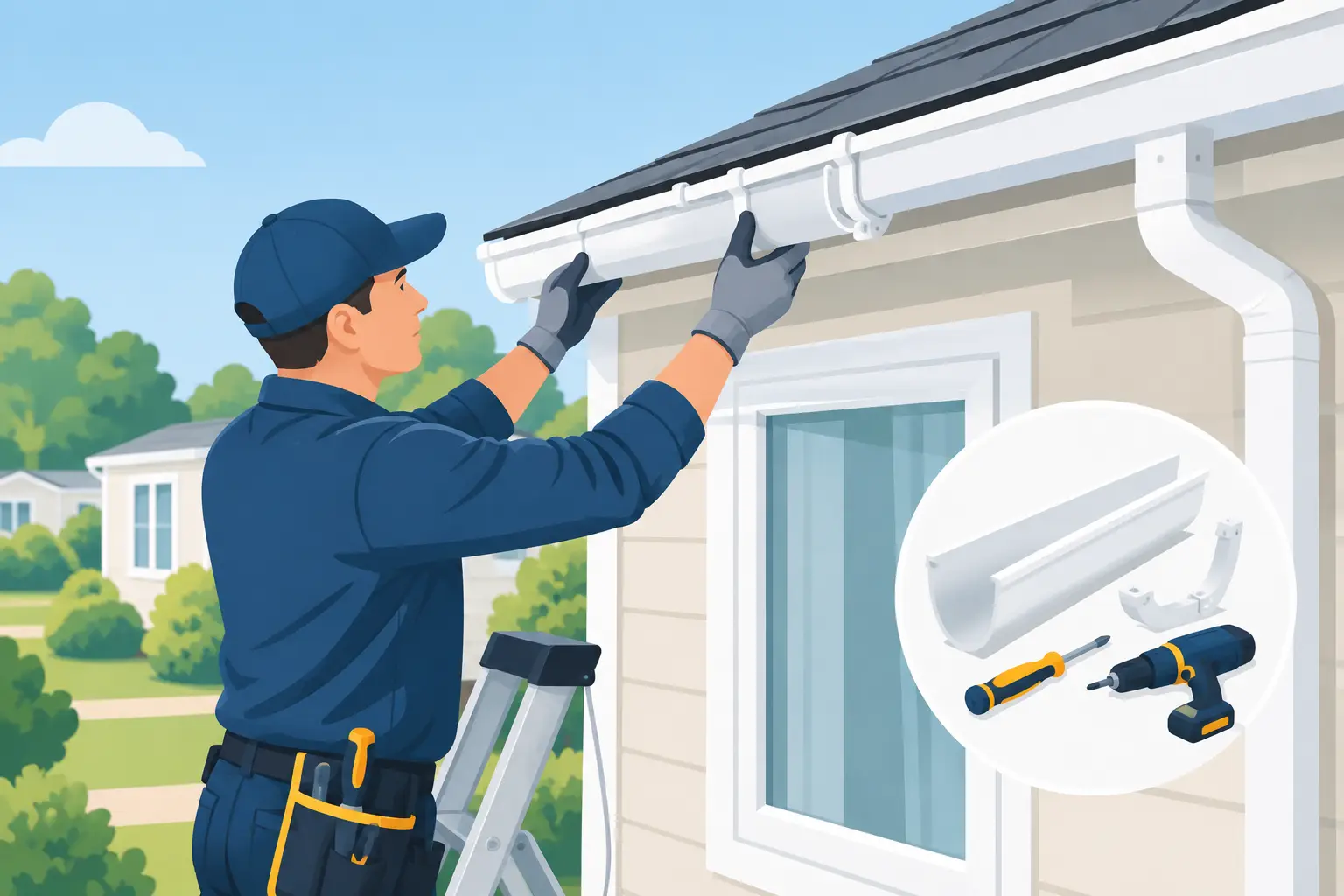
Lower maintenance is equally valuable. A quality exterior should be easier to keep clean and less reliant on frequent repainting than some older finishes. That does not mean it requires no care at all. Gutters, roof edges, sealants and joints still need periodic checks, especially after severe weather. Yet a sound cladding system can remove much of the worry associated with a deteriorating exterior.
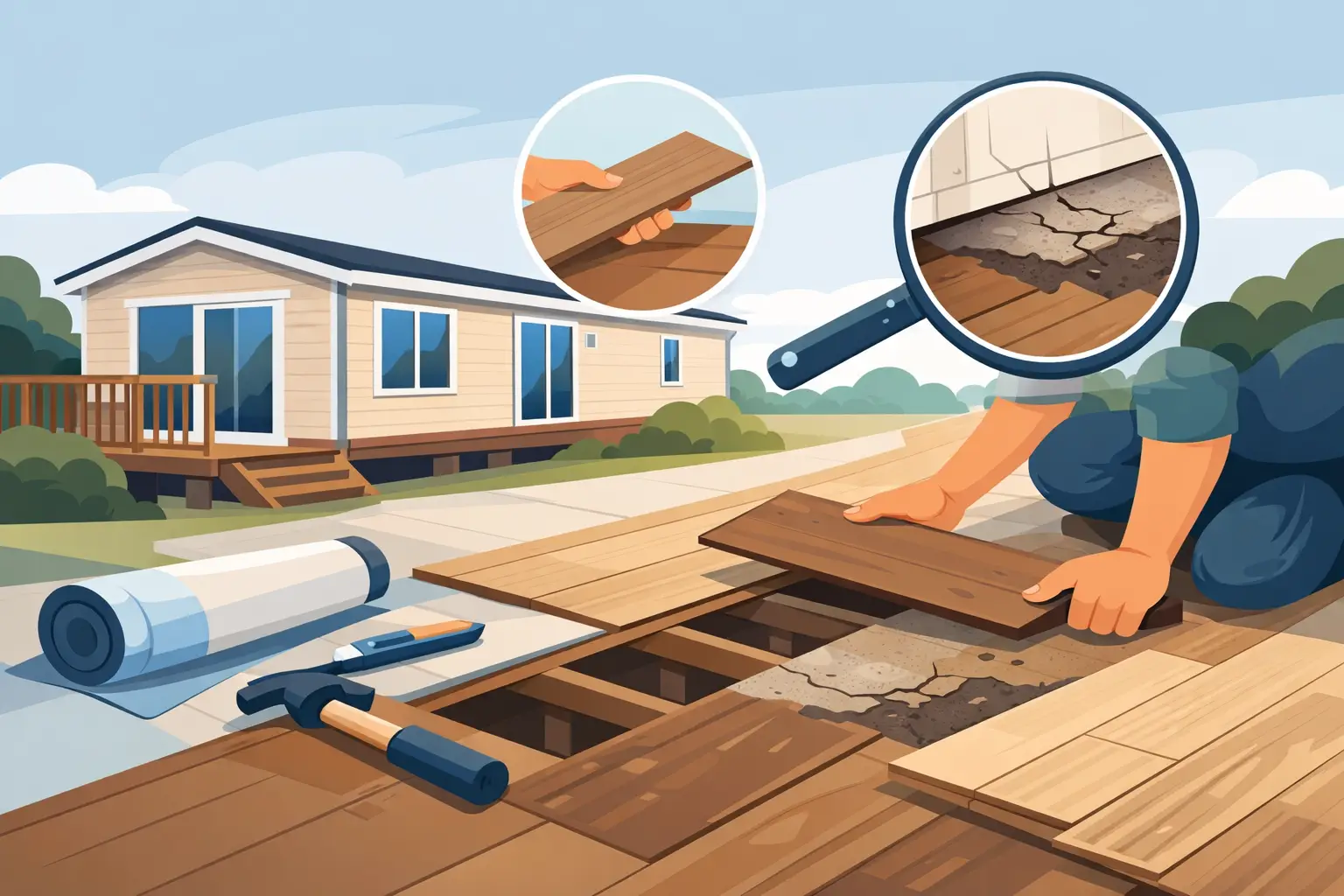
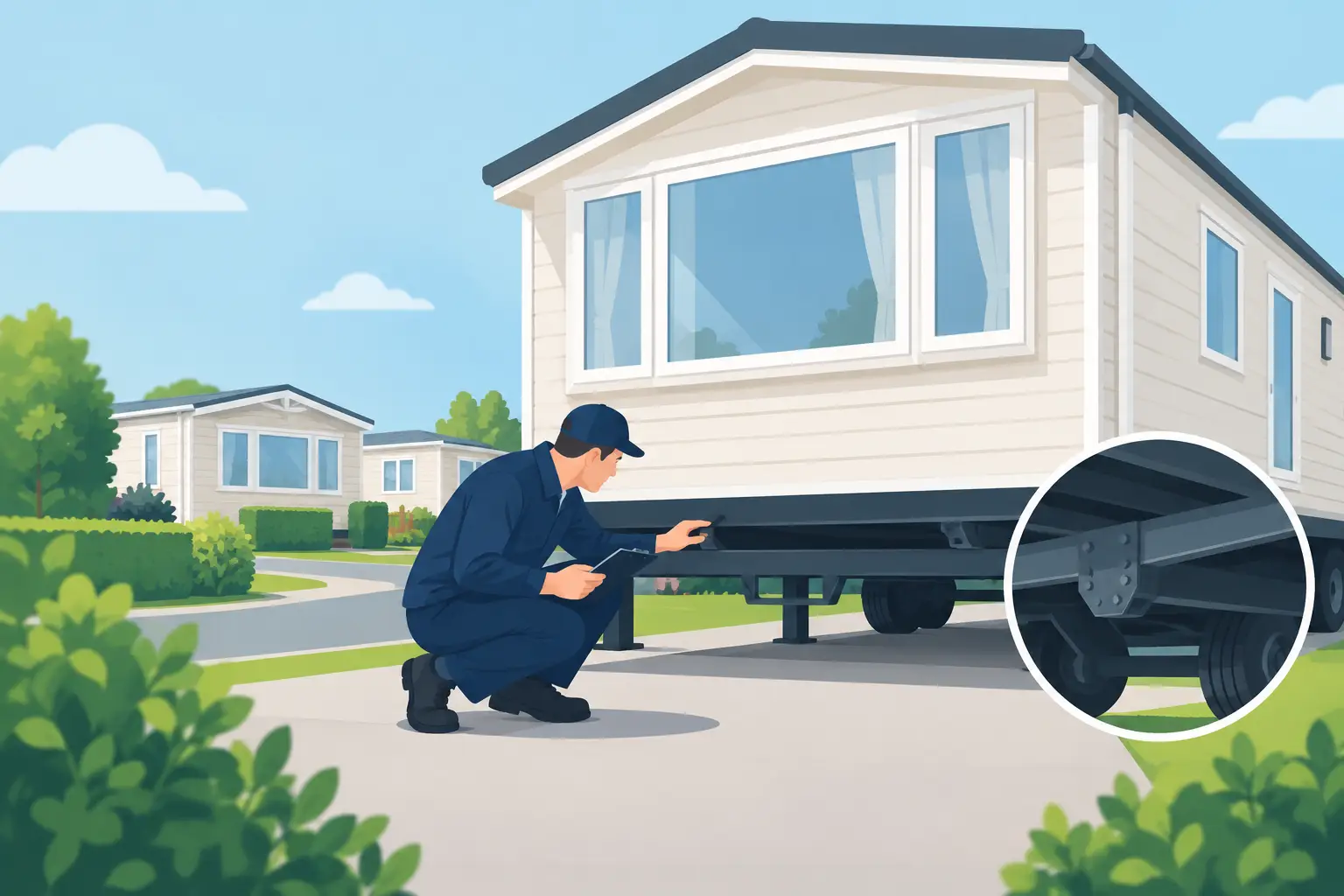
The visible panels are only one part of the job. Before any new cladding is fitted, the existing condition of the park home needs to be assessed carefully. A specialist should check for signs of damp, soft or damaged wall areas, failed sealants, rotten timber where applicable, and issues around windows, doors, vents and roofline details.
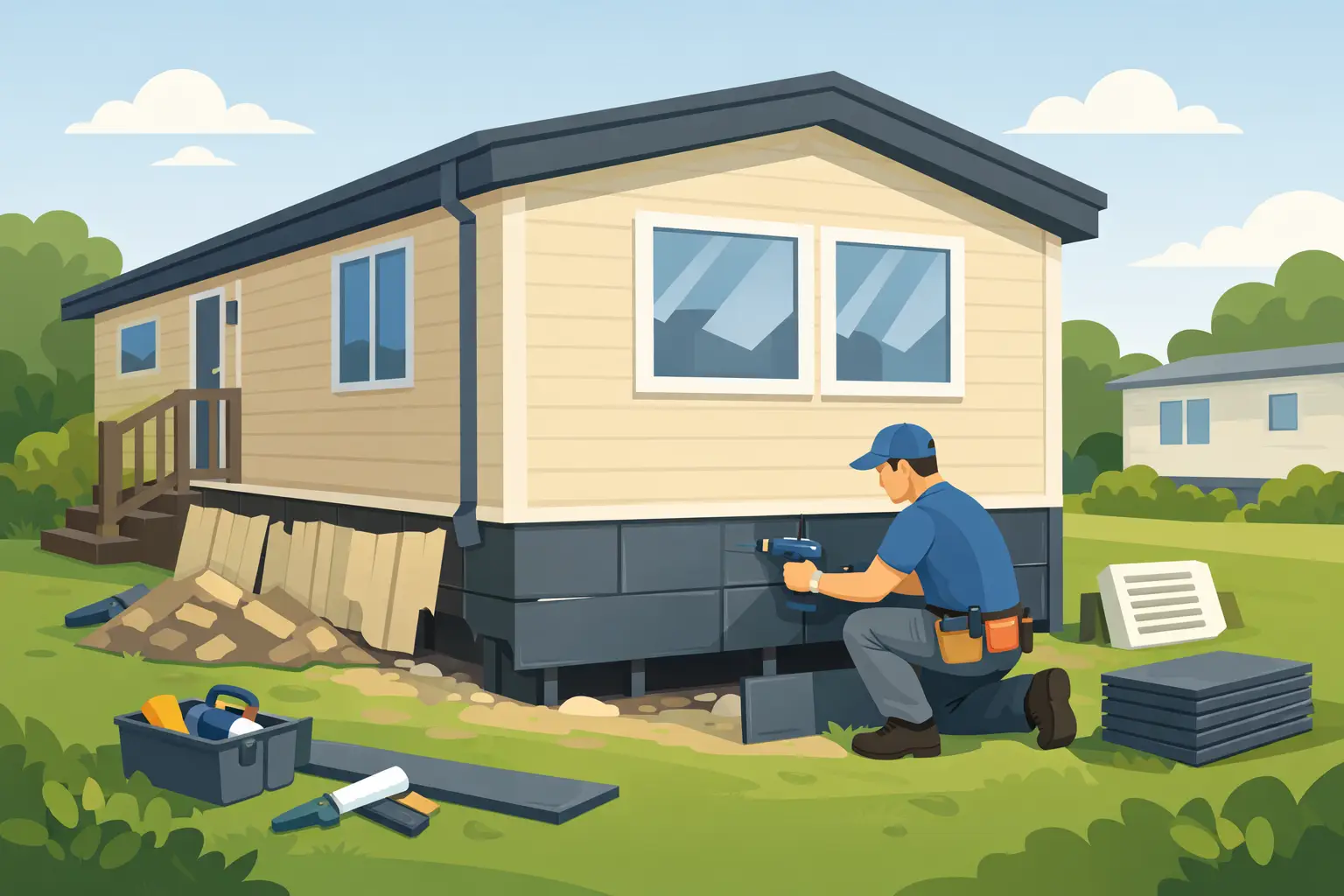
Covering over a problem is never a proper repair. If water has entered behind existing panels or the wall construction has deteriorated, those issues must be dealt with first. The same applies to ventilation. Park homes need suitable airflow to manage moisture within the building, so vents should not be blocked or sealed off during an exterior upgrade.
Older homes may also have materials that require specialist identification and safe handling. If there is any uncertainty about existing boards or finishes, work should pause until the material has been properly assessed. This protects both the homeowner and the people carrying out the refurbishment.
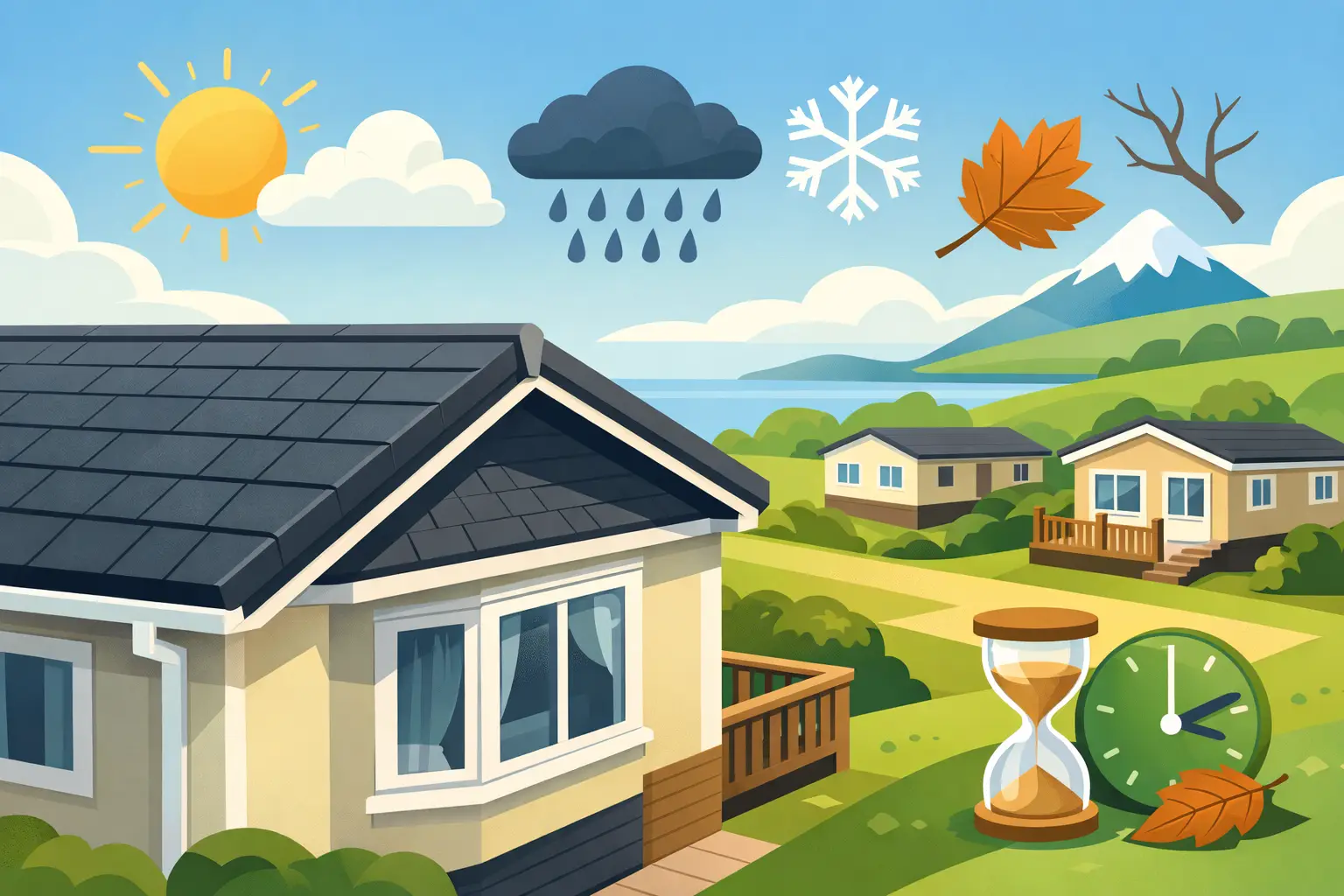
There is no single cladding choice that suits every park home. The best option depends on the age and construction of the property, its location, the condition of the walls and the finish you want to achieve. A home exposed to coastal weather or open countryside may need particular attention to weather resistance and fixing methods, while a sheltered home may have different priorities.
Appearance matters, but it should not be the only deciding factor. Ask how the material will perform over time, how it handles temperature changes, how easy it is to clean and what is included around corners, trims, windows and door openings. Neat detailing is what separates a lasting refurbishment from a superficial makeover.
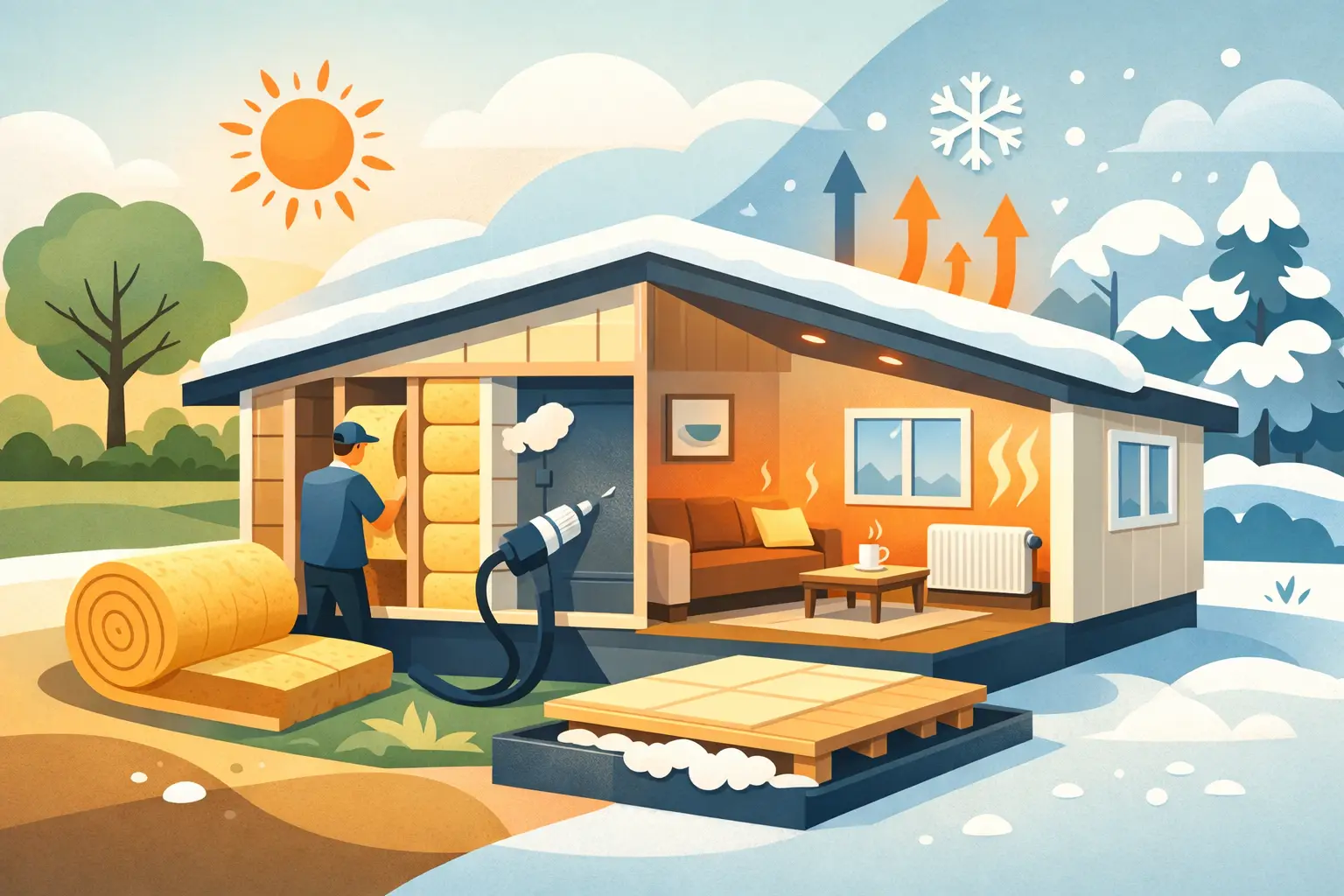
It is also sensible to consider whether insulation should be included. Where wall heat loss is a concern, combining insulation and cladding can be more practical than completing the exterior finish now and reopening it later. In some cases, though, the existing wall may already perform adequately, or the budget may be better directed towards underfloor insulation or roof repairs first. An honest assessment should identify where your money will make the biggest difference.
Before work begins, check the requirements of your residential park. Many parks have rules covering external colours, finishes, working hours and contractor access. Some may require written approval before significant changes are made to the appearance of a home. It is always better to have this confirmed early rather than face avoidable delays once materials have been ordered.
Access also needs planning. Contractors may need room around the home for safe working, materials and ladders or access equipment. Garden furniture, planters and ornaments near the walls may need moving temporarily. A considerate contractor will explain what needs to be cleared, protect surrounding areas and keep the site as tidy as possible throughout the job.
You should also ask how windows, doors, pipework, meter boxes and exterior lights will be finished. These details affect both the appearance of the completed project and its ability to keep water out. They should be discussed before work starts, not treated as an afterthought.
Park home refurbishment calls for a different approach from general domestic building work. The walls, frame, roof connections and service routes all require an understanding of how park homes are put together. Incorrect fixings, poor sealing or ignored ventilation can create problems that are expensive to put right.
Choose a contractor who is prepared to inspect the home, explain the recommended work in plain language and be clear about what is included. You should expect quality materials, careful workmanship and a proper guarantee for the work completed. At New Look Park Homes, projects are approached with that specialist knowledge, from the initial assessment through to the final finishing details.
A cheap quote can be tempting, particularly where the exterior looks like a straightforward panel replacement. But compare specifications, not just prices. Check whether damaged areas will be repaired, whether trims and seals are included, how waste will be handled and what protection is offered if an underlying issue is found during the work.
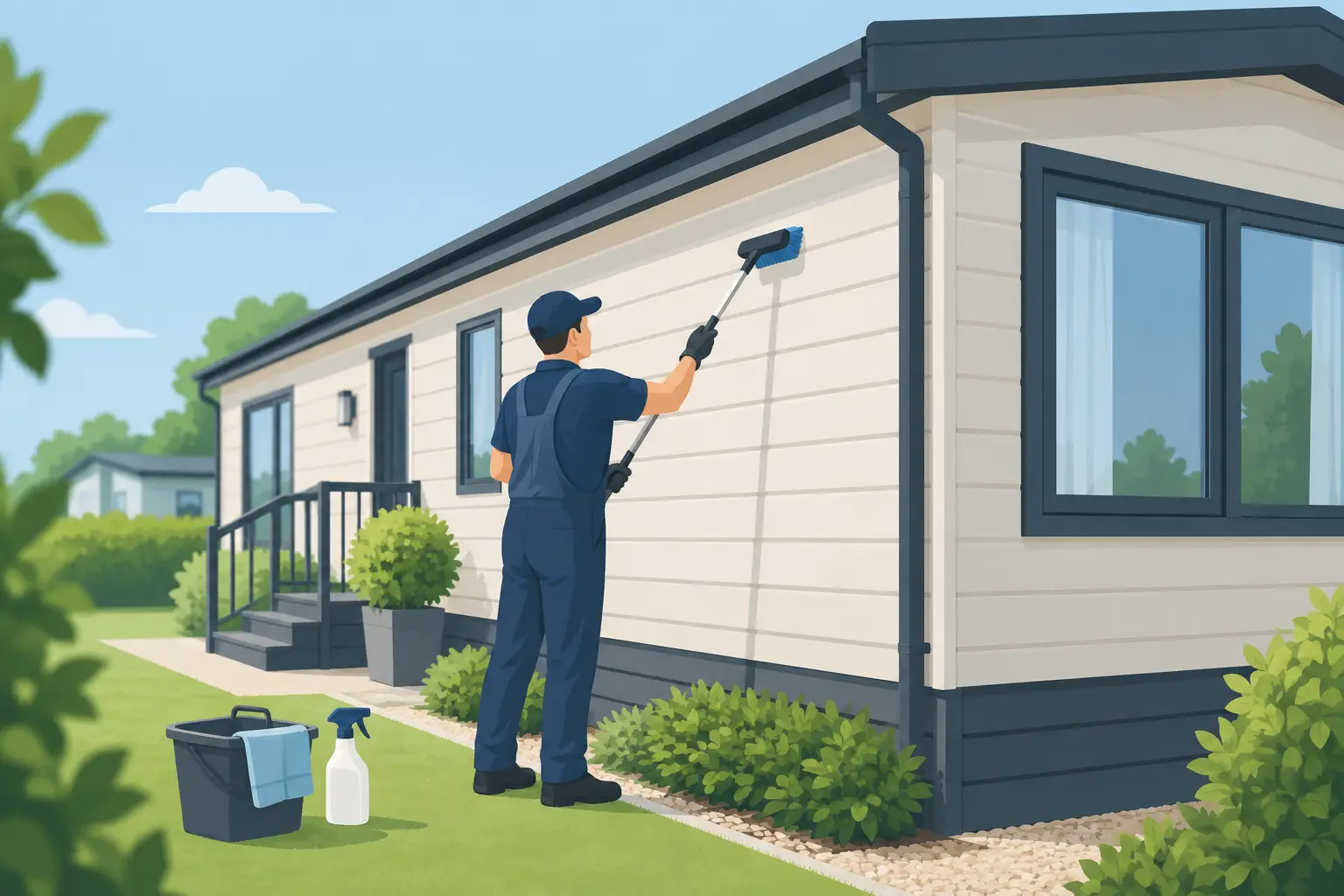
Once the work is complete, a little routine attention will help keep the exterior in good condition. Wash away surface dirt as needed using a gentle method recommended for the material, and avoid harsh abrasive cleaners. Keep gutters and downpipes clear so rainwater does not overflow onto the walls.
Each year, take a walk around the home and look at joints, trims, sealants and areas around windows and doors. If you spot damage, movement or staining, arrange an inspection rather than waiting for a minor issue to worsen. A well-maintained exterior protects far more than the appearance of your park home – it protects the comfort and security you rely on every day.