A roof can look acceptable from the ground while allowing water into insulation, timber and ceiling spaces. That is why a park home roof replacement guide should start with the condition beneath the outer surface, not simply what can be seen from the driveway. For park home owners, acting early can prevent a small leak becoming a more expensive structural repair.
Park homes are built differently from conventional brick houses. Their lighter construction, wall systems, roof profile and supporting chassis all need to be considered before any roofing work begins. A replacement roof should improve weather protection without adding unsuitable weight, creating condensation issues or causing problems with drainage and flashings.
A roof does not always need full replacement at the first sign of wear. Localised repairs can be the sensible choice where damage is limited to a flashing, joint, gutter outlet or small area of failed covering. However, repeated repairs are rarely good value if the roof surface, underlying boards or insulation are reaching the end of their serviceable life.
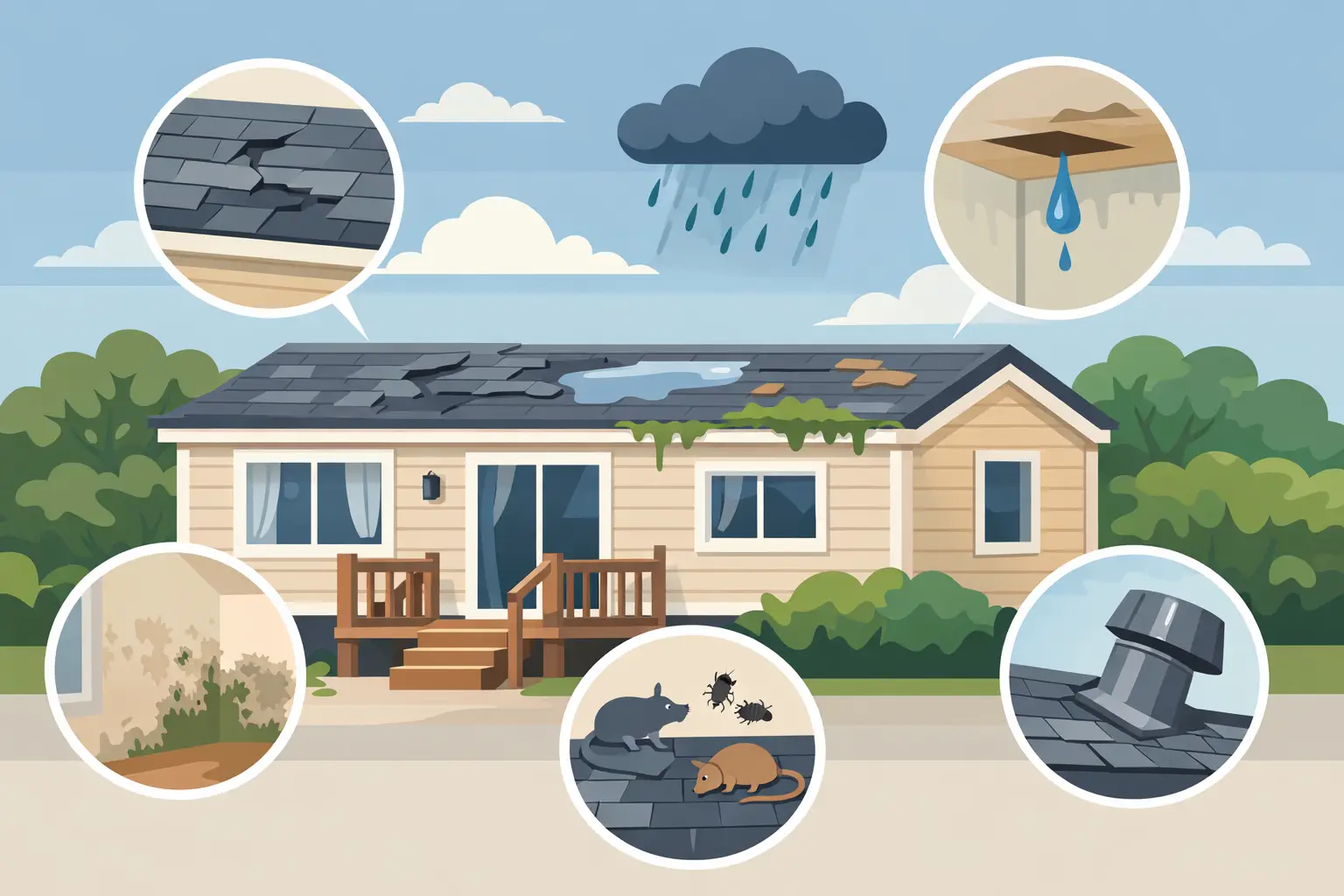
Water marks on ceilings, damp patches around wall tops and a musty smell inside cupboards are clear warning signs. Other problems can be less obvious, such as cracked roof coatings, lifted edges, loose fixings, sagging areas or gutters that regularly overflow despite being cleared. A cold ceiling or condensation forming in the roof space may also point to poor insulation or ventilation rather than a simple leak.
The age of the home matters, but it is not the only factor. Some roofs deteriorate quickly because of exposed locations, overhanging trees, poor drainage or previous repairs completed with unsuitable materials. A proper inspection should establish whether the issue is confined to the covering or whether moisture has affected roof timbers, insulation, internal finishes or the upper wall structure.
The best roofing decisions are made after a close inspection. A specialist should assess the existing roof type, pitch, condition of the deck or supporting structure, drainage arrangement, flashings and any evidence of movement. They should also look at how the roof meets the walls, as these junctions are common places for water to enter.
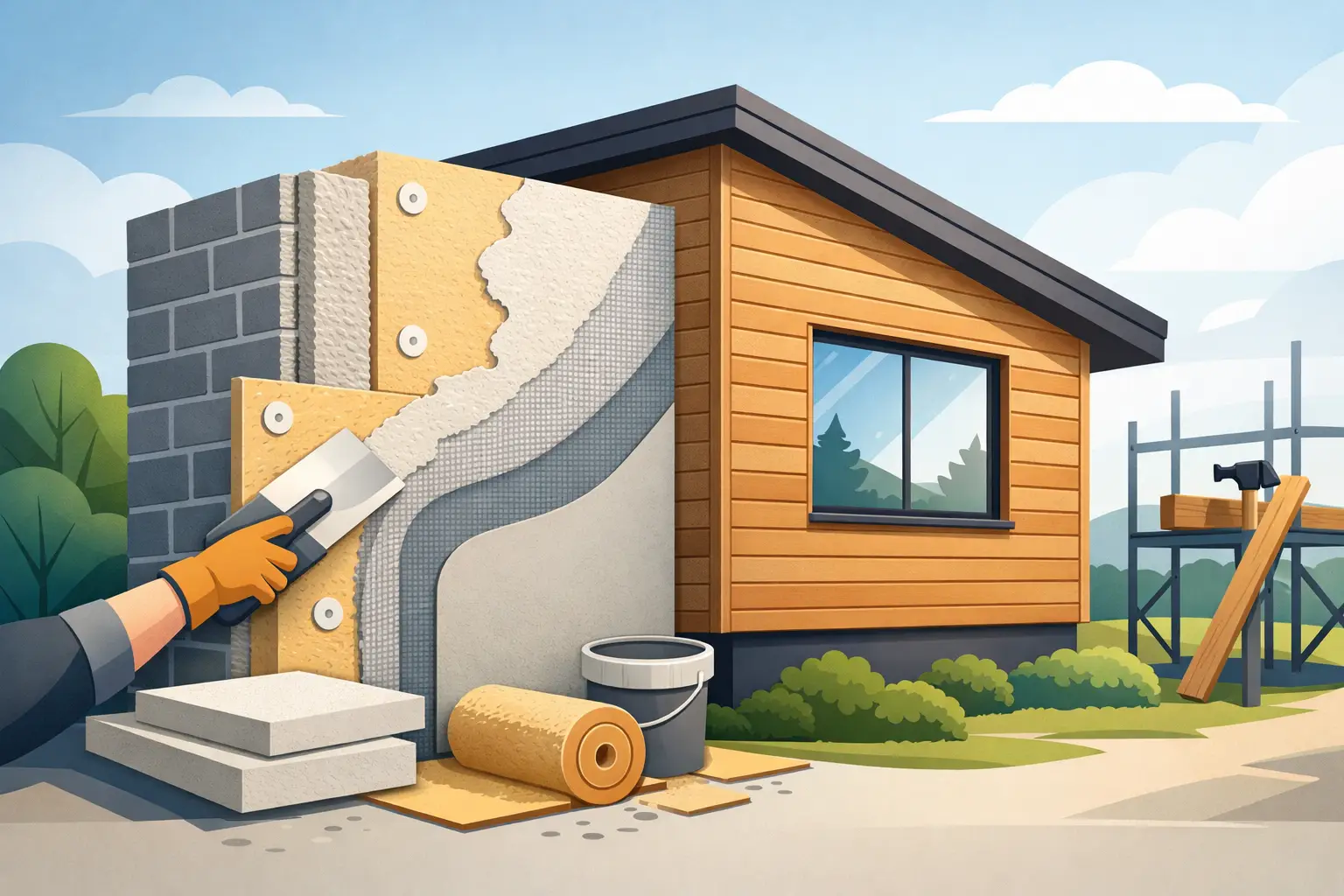
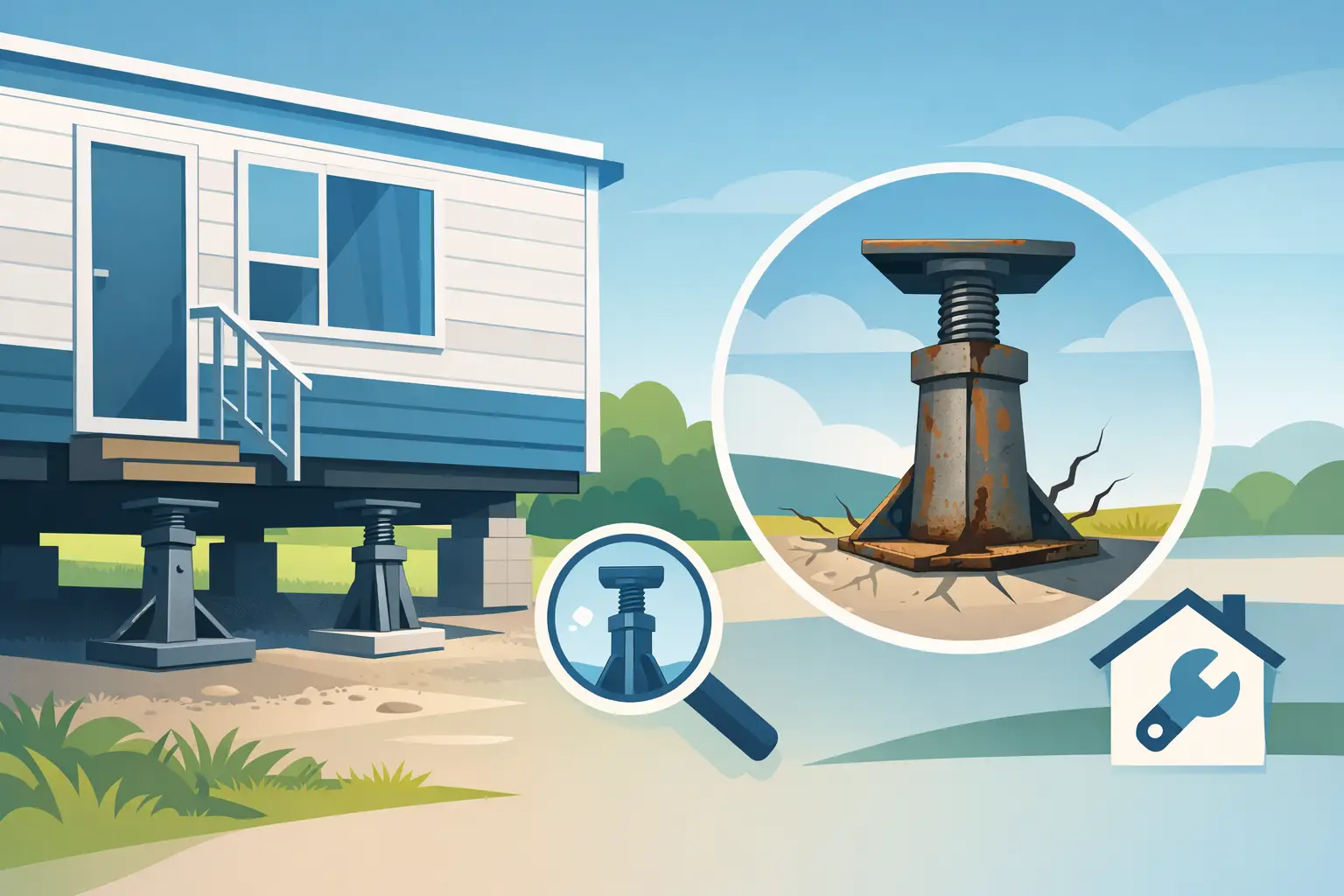
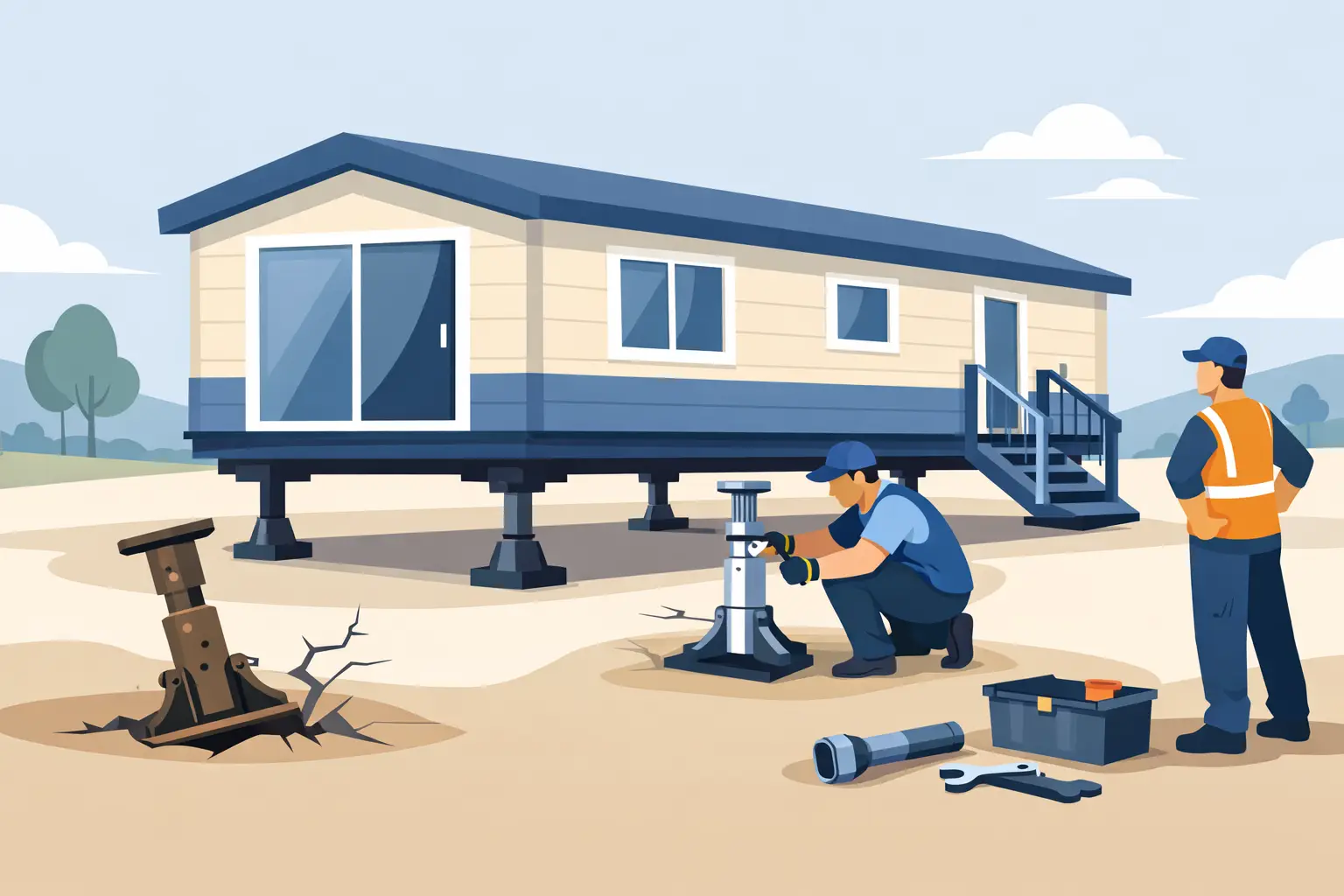
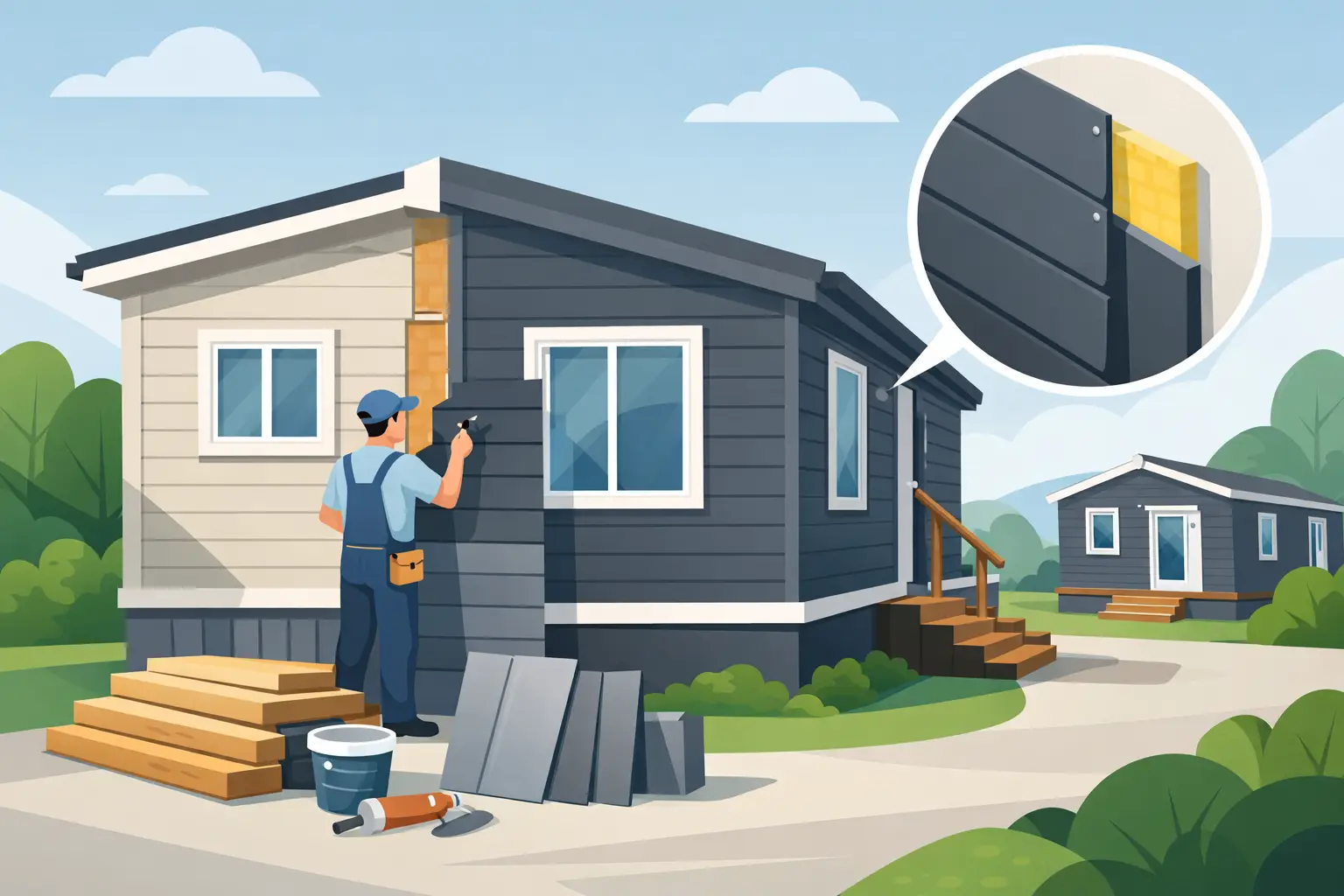
It is equally important to consider the wider home. If external cladding is tired, wall insulation is being upgraded or gutters need replacing, carrying out the work together can avoid disruption and ensure each part is correctly sealed. Where there are signs of uneven support, chassis deterioration or movement, these issues should be addressed before a new roof is installed.
Older homes deserve particular care. Materials used in previous construction or repair work may need specialist identification and safe handling. No contractor should disturb suspect materials without the appropriate checks and a clear plan for the work.
Residential park owners often have site rules covering external alterations, access, working hours and the appearance of homes. A replacement that changes roof height, pitch or external finish may require the park operator’s agreement. Depending on the scope of the project and local requirements, other permissions or building control considerations may apply.
A reputable specialist will explain what information is needed before the work is booked. This is particularly useful where access is tight, scaffolding is required or materials need to be delivered along narrow park roads. Clarifying the practical arrangements early helps keep the project orderly and respectful of neighbours.
There is no single best material for every park home. The right solution depends on the existing structure, the roof shape, the desired appearance, exposure to wind and rain, and the amount of weight the home can safely carry. The objective is a durable, properly detailed roof system, not the heaviest or most expensive option.
A lightweight, insulated roofing system can improve warmth and reduce the risk of condensation when it is designed and fitted correctly. It may also give an older home a cleaner, more traditional pitched-roof appearance. Yet increasing the roof profile is not suitable in every case. The structure must be assessed, drainage must be planned and the finished height must suit the home and park requirements.
For a low-pitched or flat-style roof, a modern waterproof membrane or coating system may be appropriate where the underlying structure remains sound. These systems can offer strong weather resistance, but preparation is critical. Covering a damp, rotten or poorly draining roof merely hides the problem until it returns.
Metal roof finishes can be long-lasting and low maintenance when specified for the setting and fixed properly. They are not automatically the answer, though. Noise in heavy rain, condensation control, edge details and insulation all need careful attention. A good contractor will set out the advantages and limitations of the proposed material rather than offering a one-size-fits-all answer.
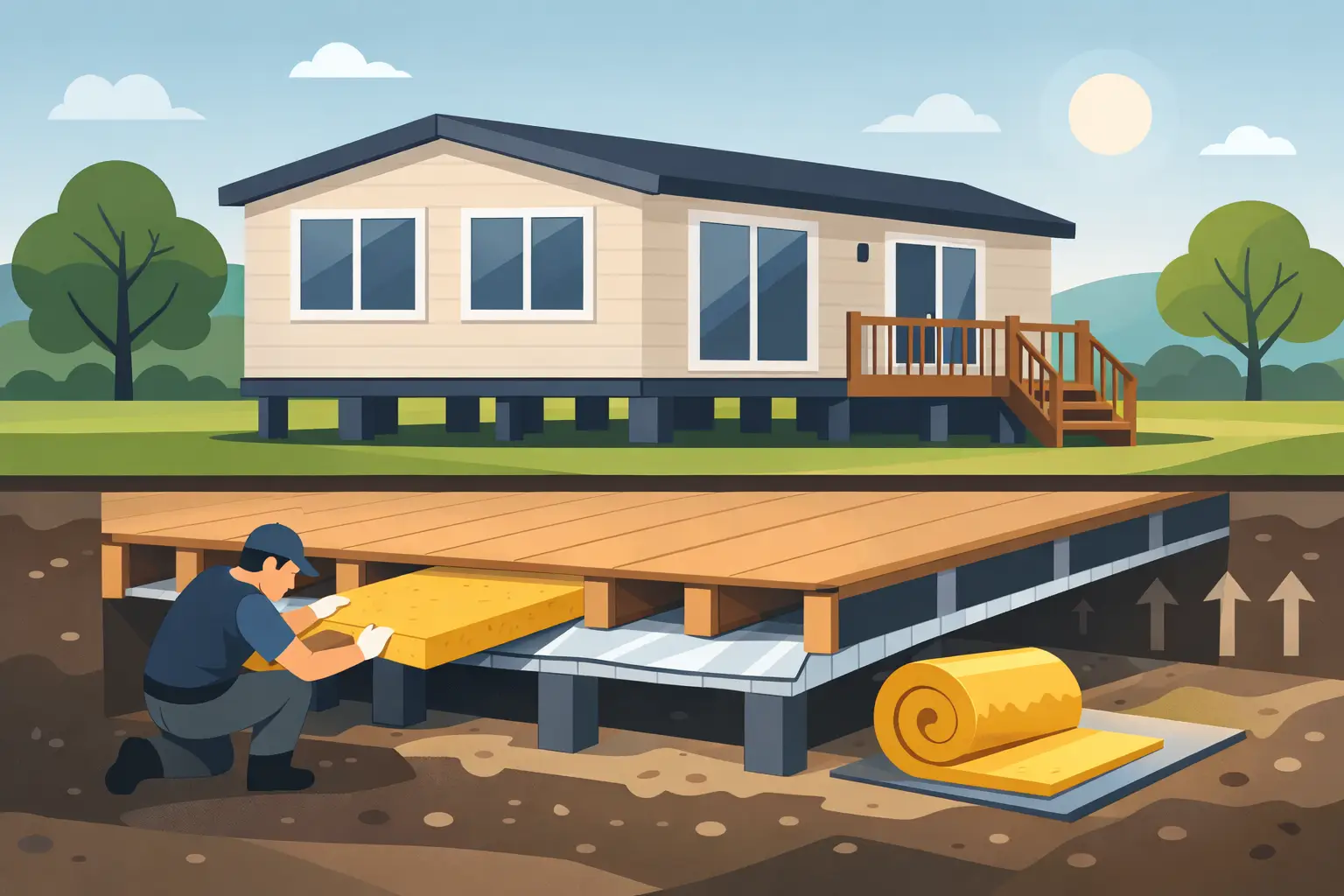
Many owners consider roof work because rooms feel cold in winter. Replacing the roof creates a valuable opportunity to improve insulation, but insulation must be paired with suitable ventilation and vapour control. Without this balance, warm moist air from inside the home can condense in colder parts of the roof construction.
The result may be hidden moisture, reduced insulation performance and eventual timber decay. A specialist roof design takes account of how the home breathes, where moisture can escape and how the new layers work together. This is one reason park home roofing should not be treated as a standard domestic reroof.
Before work begins, you should receive a clear scope explaining what will be removed, repaired or retained. It should state the roof material, insulation provision where included, guttering and flashing details, waste removal, access arrangements and the expected timescale. Vague quotations make it hard to compare work properly and can lead to avoidable extras later.
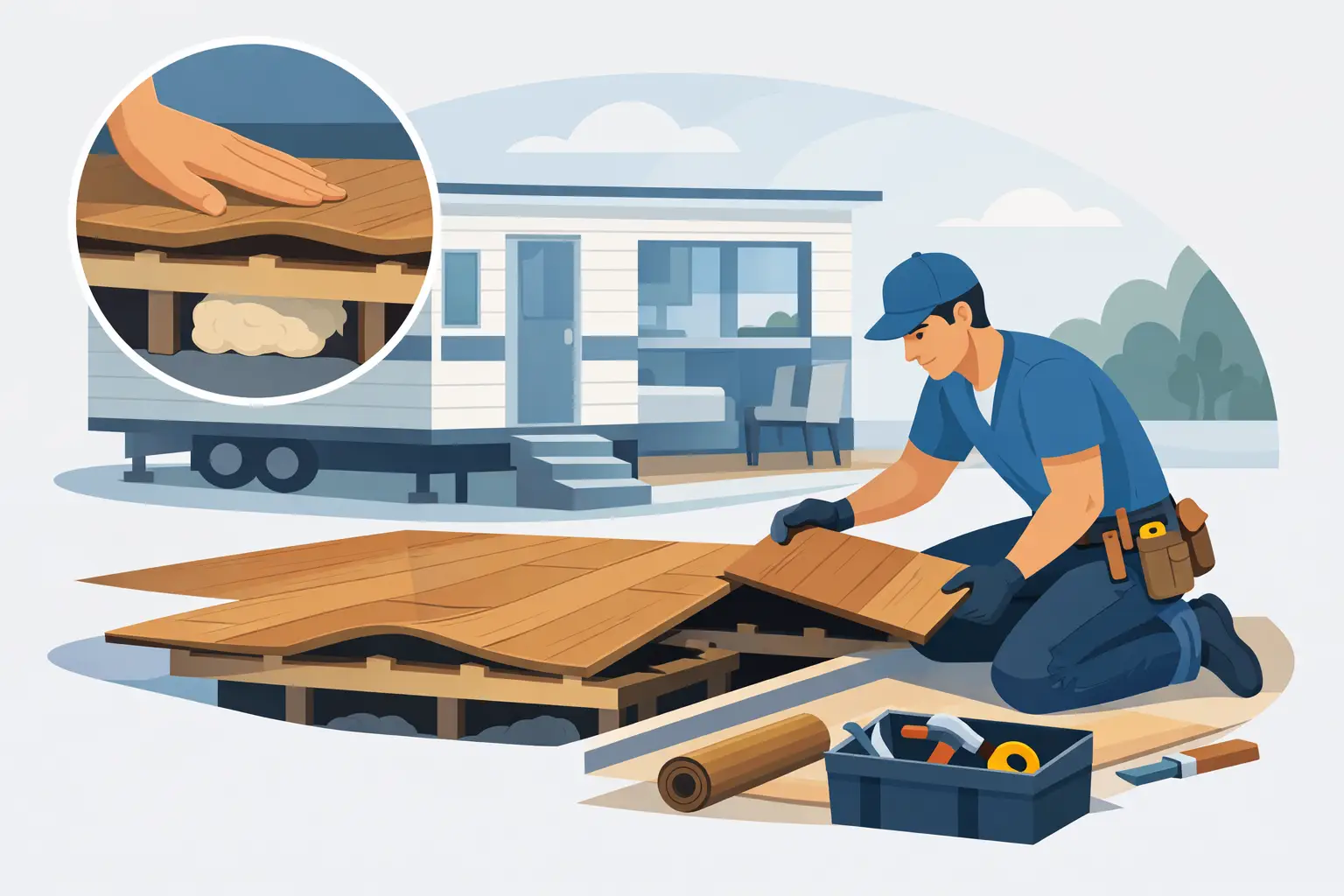
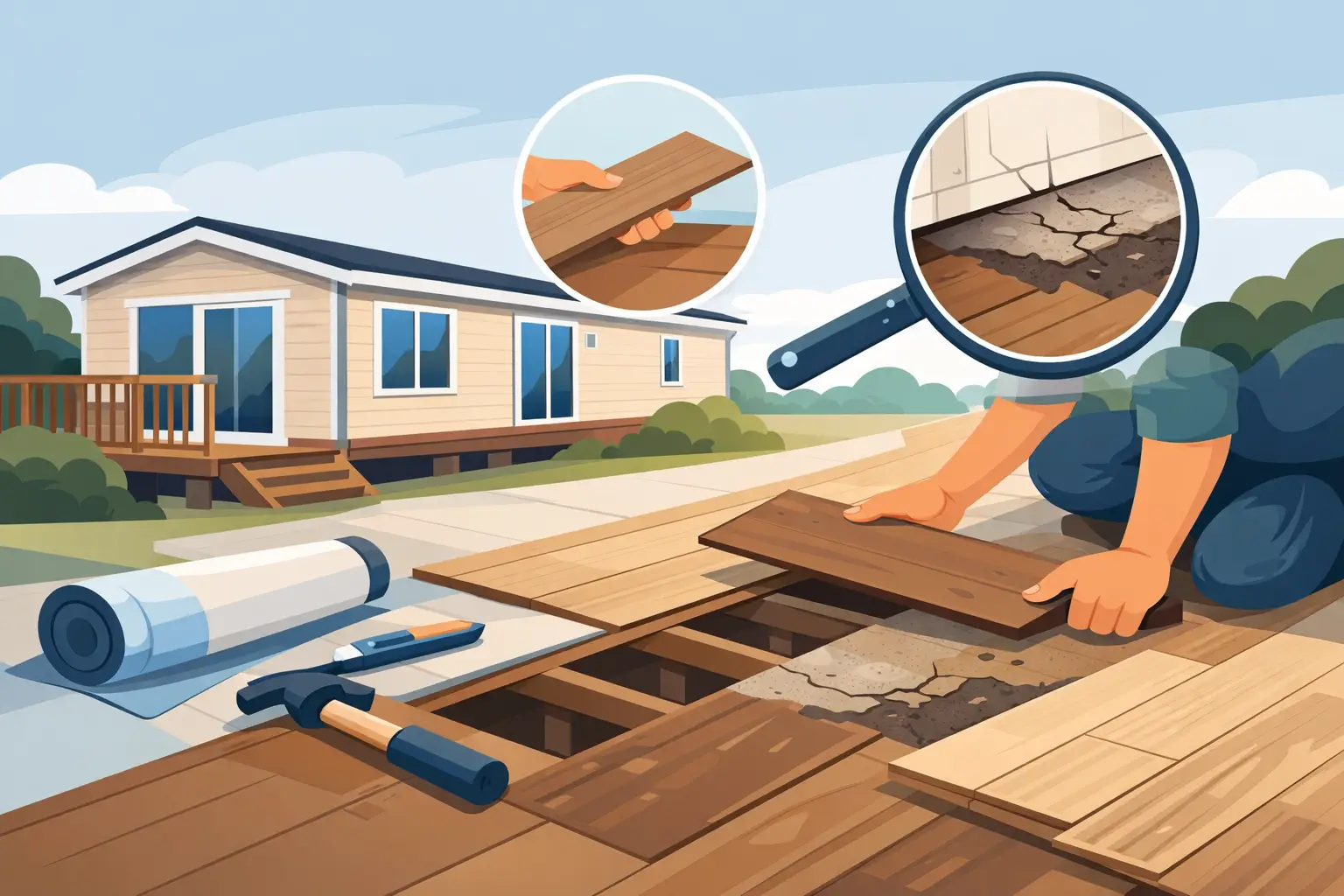
During the project, the existing roof should be opened up carefully so that hidden damage can be identified. If rotten timber, wet insulation or damaged fixings are found, the contractor should explain the issue, show where practical and agree the necessary remedial work before proceeding. This direct approach protects the home and avoids surprises being buried beneath new materials.
The replacement itself is only as reliable as its details. Edges, joints, roof penetrations, valleys, gutters and wall abutments all need particular attention. Water naturally finds the weakest point, so neat-looking panels or coverings are not enough on their own. The roof must direct rainwater safely into a working gutter system and away from the base of the home.
Once completed, the site should be left tidy and the owner should understand any care requirements. Most modern roof systems are low maintenance, not no maintenance. Occasional visual checks, clearing leaves from gutters and reporting any new staining promptly will help protect the investment.
A low quote can be tempting, especially when a roof issue has arrived unexpectedly. However, compare what each contractor has allowed for, not just the final figure. One price may include structural repairs, insulation, new fascias and guttering, while another covers only a surface layer. Those are very different jobs.
Ask whether the company specialises in park homes and static homes, what guarantee is provided for workmanship, and how unforeseen damage is handled. Experience with park home construction matters because the job often involves more than laying a new covering. It requires an understanding of lightweight structures, moisture control and the way roofing ties into cladding and wall systems.
At New Look Park Homes Ltd, this specialist knowledge is central to every assessment. With more than 20 years of experience in park home refurbishment, the focus is on practical work that improves protection, warmth and long-term value rather than applying a general-building solution to a specialist home.
A new roof should give confidence, but it still benefits from routine attention. Check gutters after autumn leaf fall, keep nearby branches from rubbing against the roof and look for loose seals or damage after severe weather. Inside, take new ceiling marks, mould growth or unexplained draughts seriously, even if the roof was recently replaced.
If you are planning a roof upgrade, give the survey the time it deserves. A carefully assessed, properly specified replacement can make a park home warmer, drier and easier to maintain for many years, while giving you the reassurance that the work above your head is built for the home beneath it.