A park home can look much like a bungalow from the outside, but it is built, supported and insulated in very different ways. That is why learning how to choose park home contractors is so important. The right team can make your home warmer, safer and easier to maintain. The wrong one may apply general building methods that fail to address the real cause of the problem.
Whether you are dealing with cold floors, damaged cladding, a tired bathroom, roof concerns or ageing supports beneath the home, start by looking for a contractor who works specifically with park homes and static homes. Experience in this sector is not an added extra. It is the foundation of a sound refurbishment.
Park homes have a steel chassis, specialist wall construction, limited underfloor access and a particular relationship with their plot and services. Repairs or upgrades need to take account of movement, ventilation, weight distribution and the materials already in place.
A general builder may be excellent at brick-built homes, but that does not automatically mean they understand park home construction. For example, adding insulation without considering moisture management or ventilation can create issues later. Replacing exterior finishes without properly assessing the framework beneath can simply cover a developing problem.
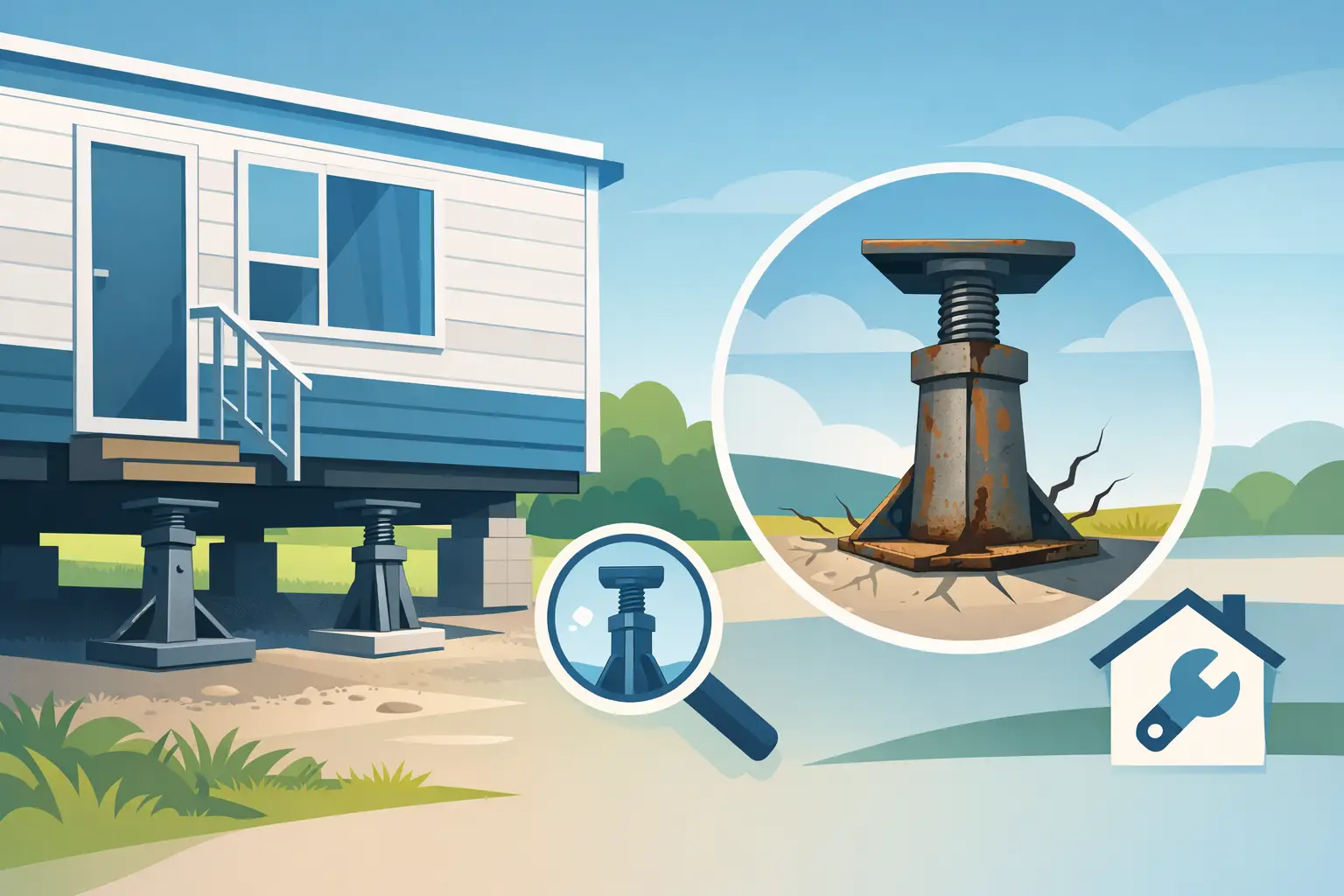
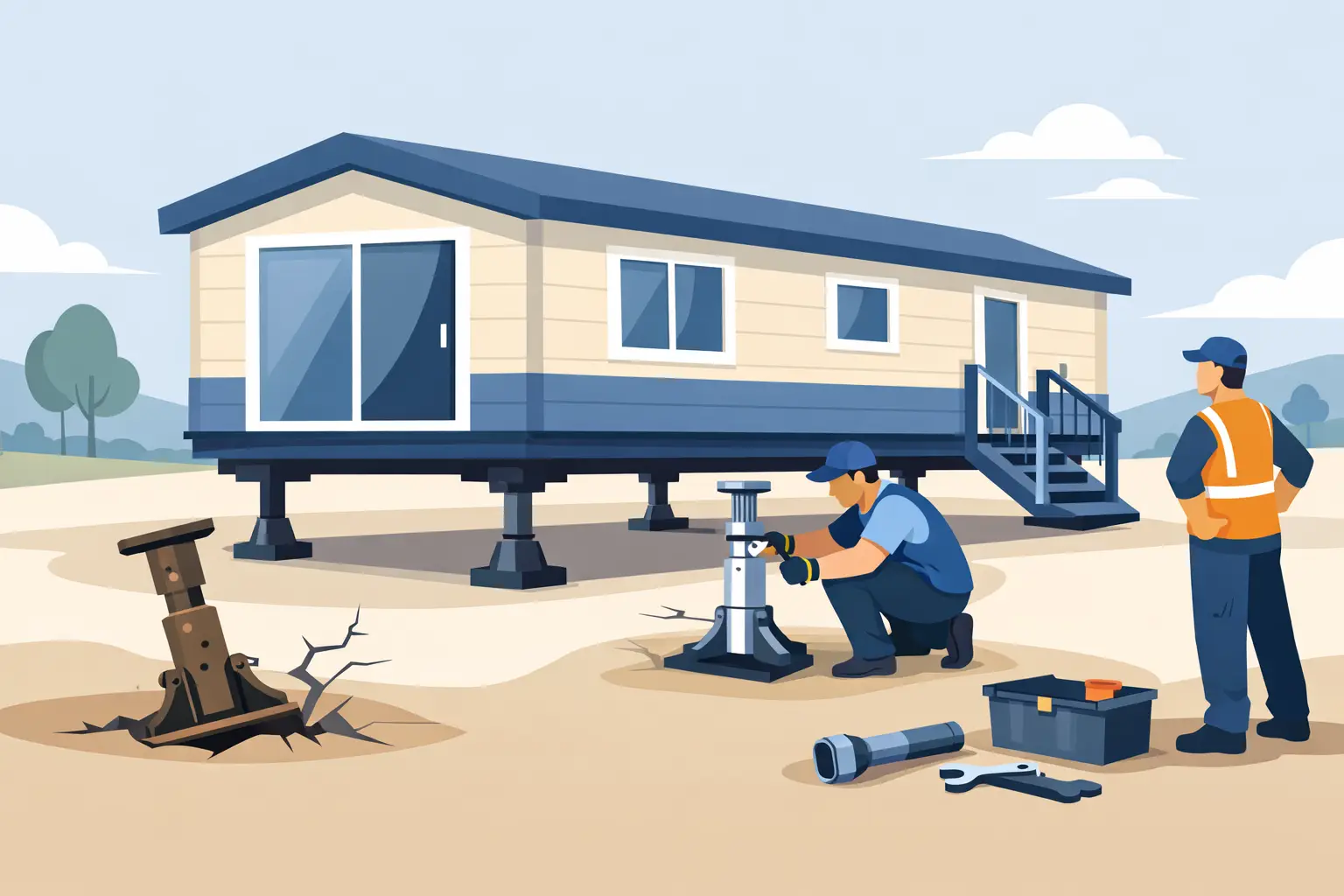
Ask potential contractors how often they work on park homes and what types of projects they complete. A specialist should be comfortable discussing subjects such as chassis refurbishment, support jack replacement, underfloor insulation, wall insulation, external cladding and roof repairs in clear, practical terms. They should also explain what they would inspect before recommending work.
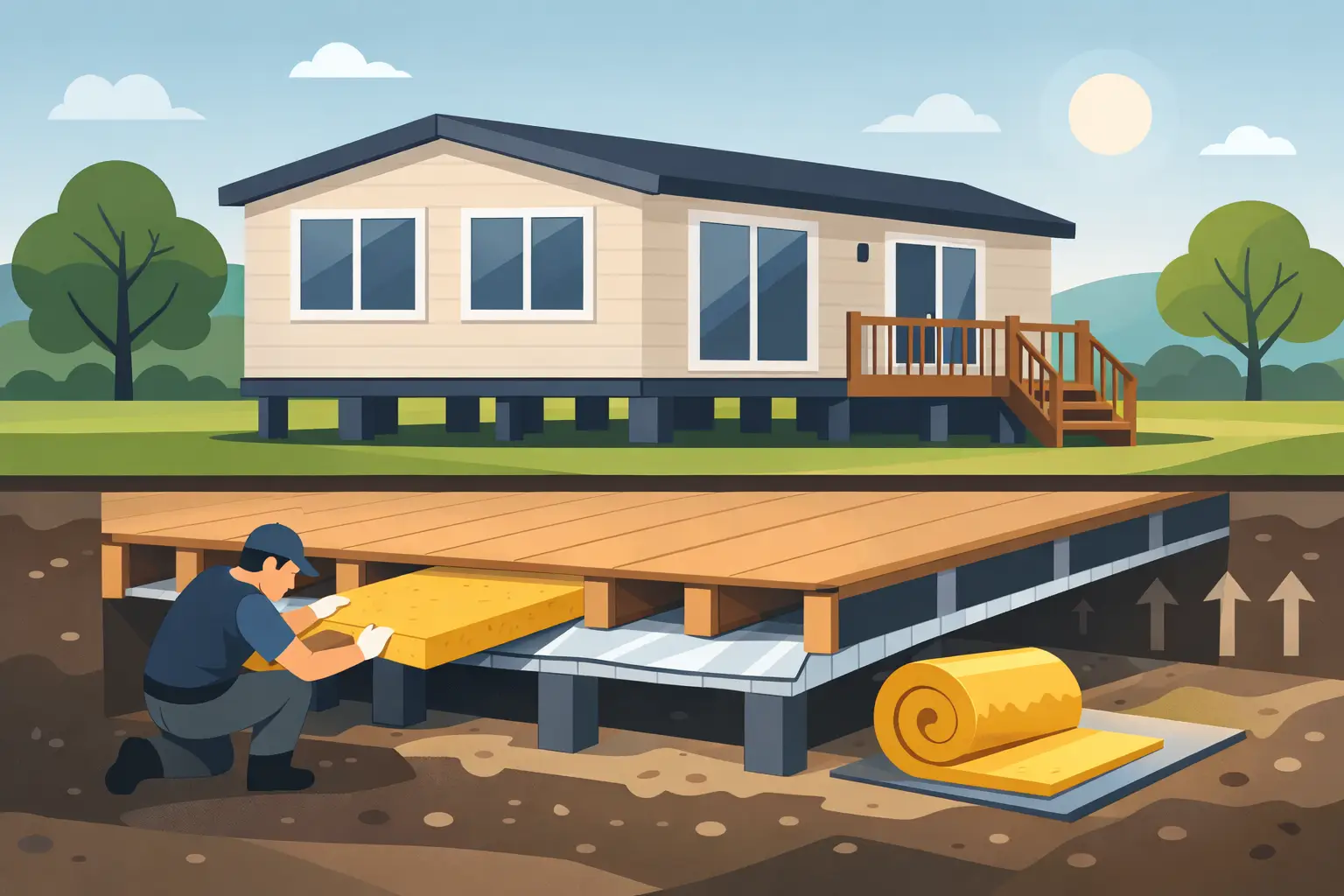
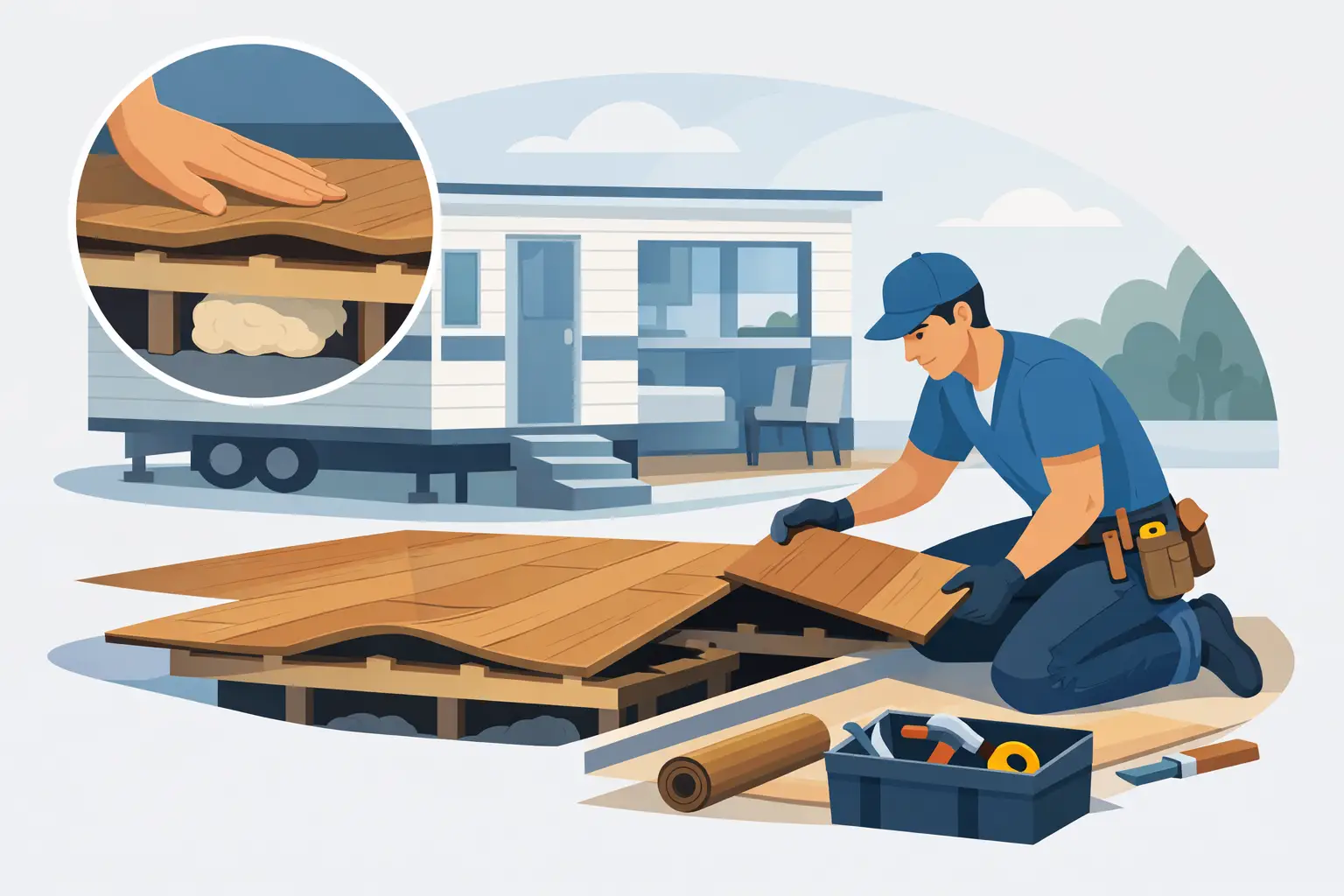
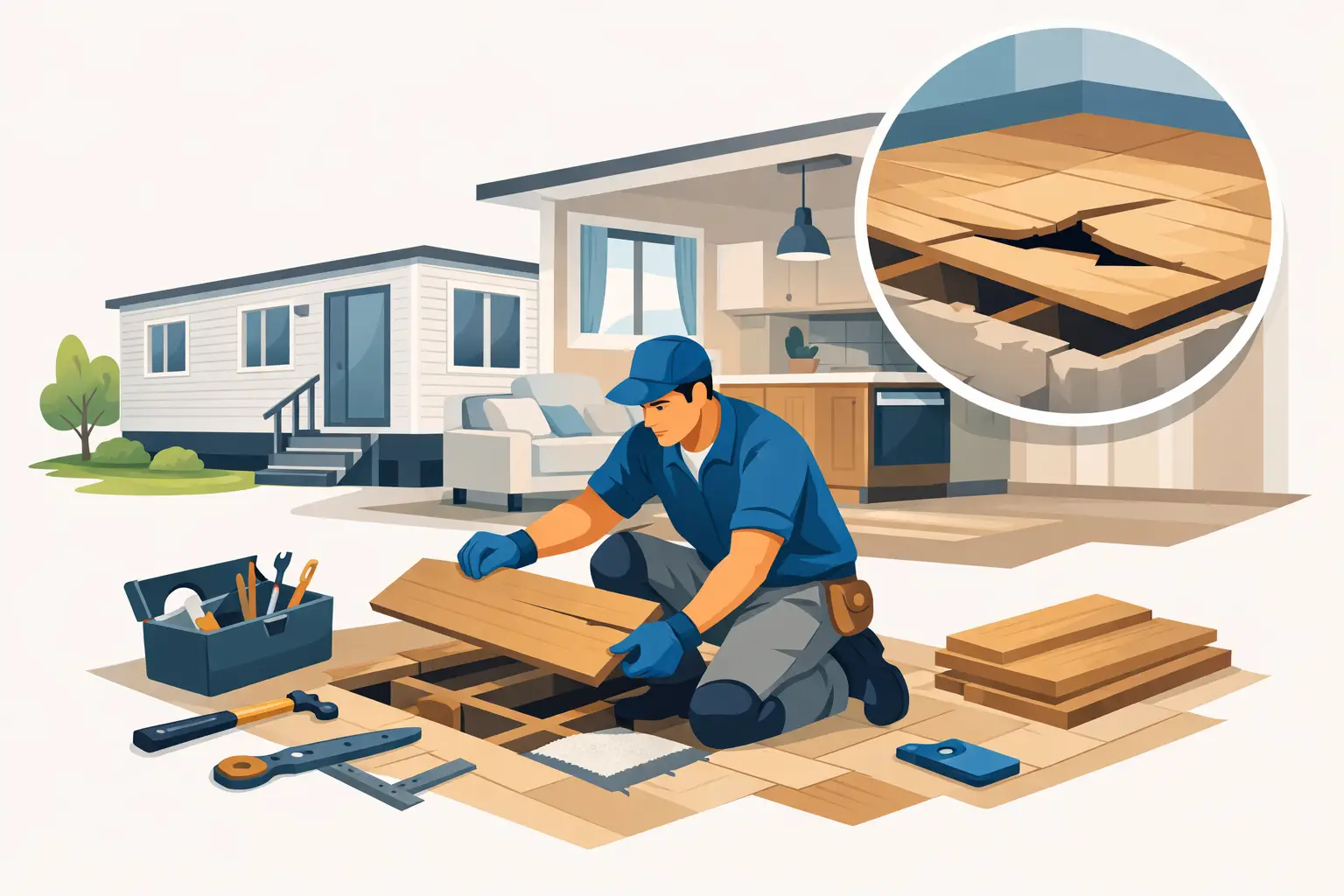
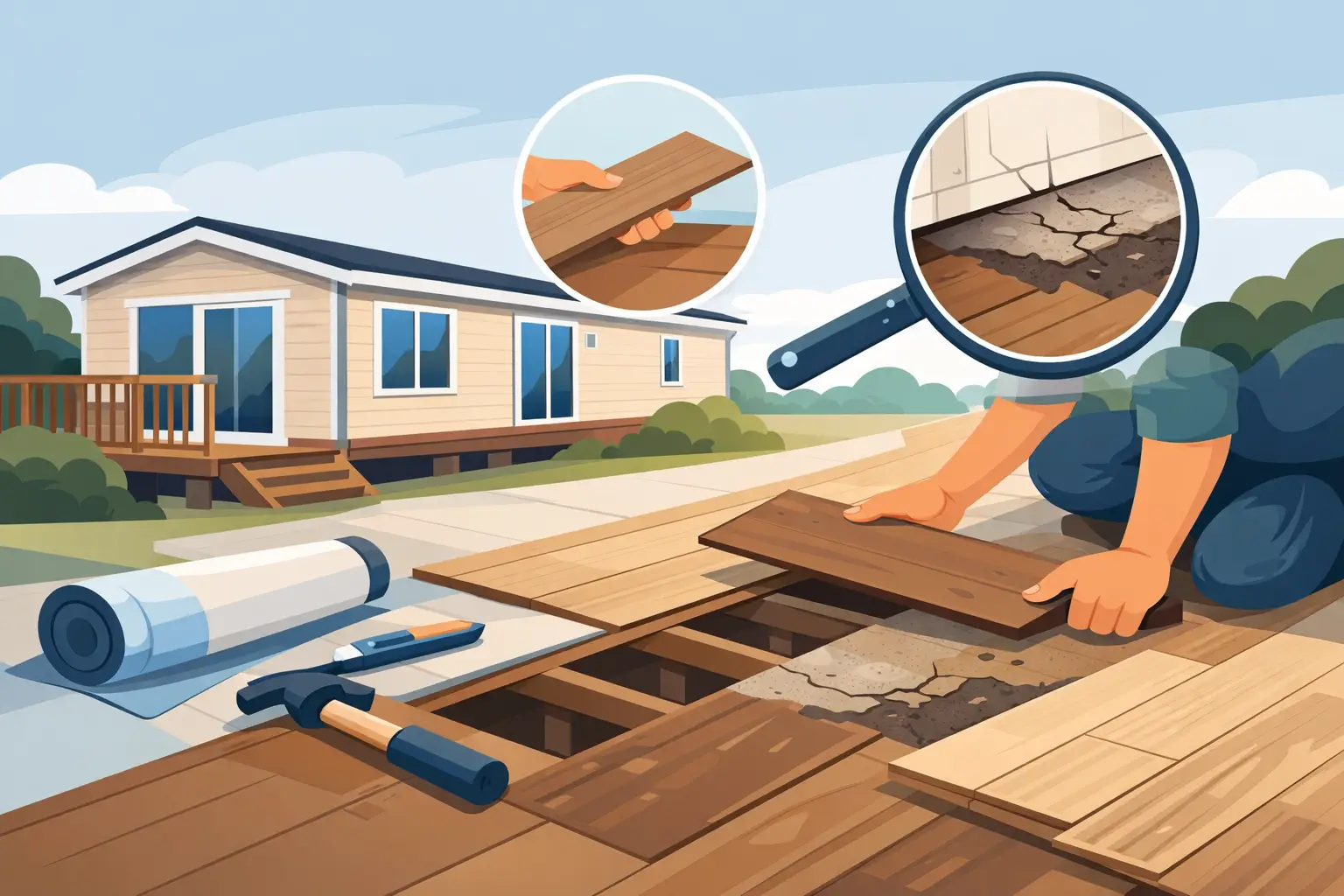
An experienced contractor will inspect the areas that matter to the job. For a cold-floor complaint, this may include checking the condition of the underfloor insulation, the integrity of the belly board, draught paths and access beneath the home. For exterior refurbishment, it should include looking at cladding, trims, seals, windows, roof edges and any signs of damp or movement.
The assessment should not be used to frighten you into a larger job than you need. It should give you a clear picture of what is urgent, what can be planned for later and what outcome the recommended work is intended to achieve. Honest advice is often as valuable as the repair itself.
A quotation should be more than a total figure at the bottom of a page. It needs to set out what is included, the materials proposed, the preparation required and how the work will be finished.
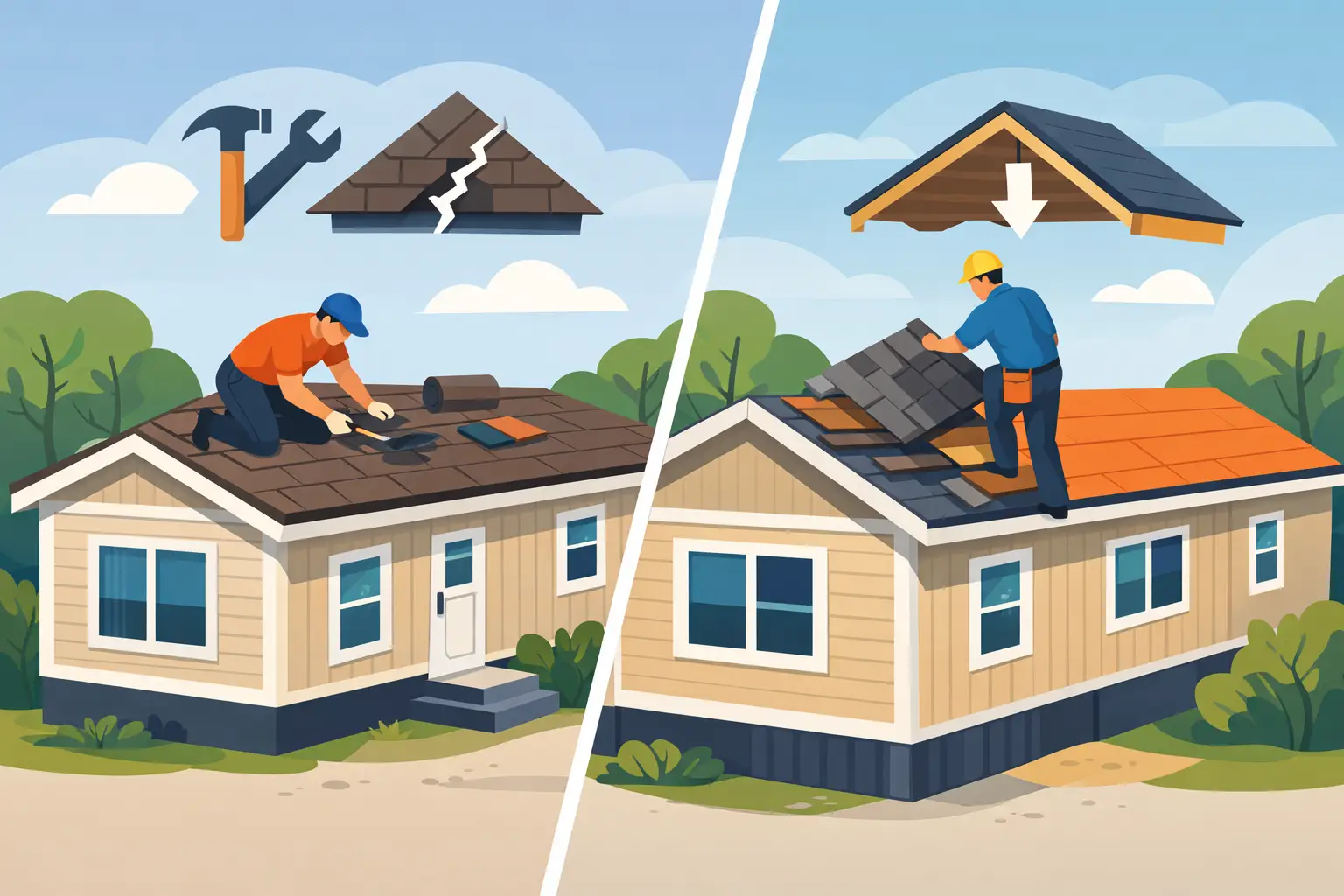
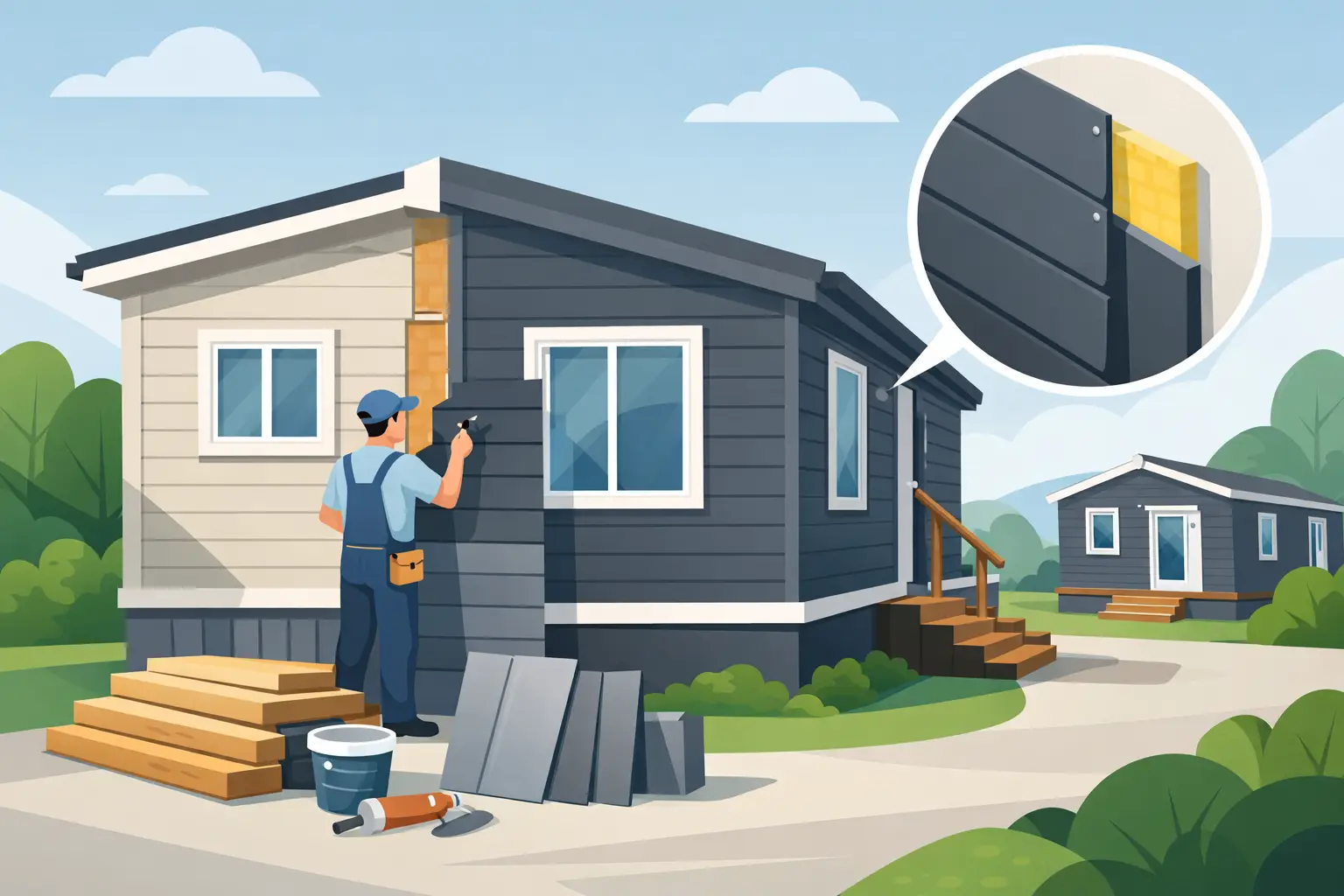
For example, an external cladding quotation should make clear whether old materials will be removed, how the wall beneath will be checked, what insulation is included if any, and how corners, joints, windows, doors and roofline details will be finished. A roof quotation should explain the condition being addressed, the roof covering or repair method, and what happens to flashings, gutters and trims.
It is also sensible to ask what is not included. If hidden damage is found once work begins, you should know how this will be recorded, priced and agreed before additional work is carried out. No contractor can predict every concealed issue, but a dependable one will have a straightforward process for dealing with them.
It is natural to compare quotations, especially when a refurbishment is a significant investment. However, the cheapest price is only useful if the work, materials and finish are genuinely comparable. A lower quote may omit preparation, use thinner insulation, allow less time for repairs or leave out essential finishing details.
Ask each contractor to explain the practical difference between their proposal and another quote. You are looking for plain answers, not pressure. The best option may not always be the most expensive either. A smaller repair can be the right choice if an inspection shows that a full replacement is unnecessary.
Consider the long-term benefit as well as the initial cost. Quality underfloor insulation can improve comfort on cold mornings and reduce heat loss. Well-fitted external cladding can refresh the appearance of an older home while reducing future maintenance. Chassis and support work may not be visible once complete, but it can protect the stability and condition of the home for years to come.
Ask who will carry out the work and who will be responsible for the project from start to finish. Some firms pass work between sales staff, subcontractors and site teams, which can make communication difficult. You should know who to contact if you have a question during the project and who will inspect the completed work.
Look for contractors who are prepared to stand behind their workmanship and explain any guarantee in writing. Read what the guarantee covers, how long it applies and whether it relates to labour, materials or both. It is also reasonable to ask about public liability insurance and how the team protects your home, surrounding areas and neighbouring plots while work is under way.
The quality of materials matters, but fitting matters just as much. Premium cladding, insulation or roofing products will only perform properly when they are installed with care. Good workmanship shows in the details: straight lines, tidy seals, secure trims, sensible drainage and a finish that looks right from every angle.
Residential park sites often have rules about contractor access, working hours, parking, skips and approval for certain exterior alterations. Before committing, check what your park operator requires and discuss this with the contractor. A team that regularly works on parks will understand the need to respect site rules and neighbours.
Access can affect both cost and timing. Limited space around the home, uneven ground, restricted vehicle access or poor underfloor clearance may change how work is carried out. A realistic contractor will identify these points early rather than arriving on the first day with a plan that does not fit the site.
Ask for an expected start date, likely duration and a clear outline of the work sequence. Weather can affect exterior projects, and unexpected repairs can occasionally extend a programme, but you should still receive regular communication. Knowing when areas will be inaccessible, when water or power may need to be interrupted, and how waste will be managed makes the whole process less stressful.
Customer reviews can give useful insight into reliability, tidiness, communication and aftercare. Look beyond a star rating. Read whether homeowners mention the type of work completed, whether the team kept them informed and whether any issues were resolved properly.
It can also help to ask for examples of similar projects. If you need underfloor insulation, a bathroom installation or a full exterior refurbishment, previous work of that type is more relevant than a generic building project. You are not looking for a glossy sales pitch. You are looking for evidence that the contractor understands the same challenges your home presents.
New Look Park Homes Ltd, for example, focuses solely on the repair, improvement and refurbishment needs of park and static homes. This level of specialism matters because it keeps the assessment, materials and methods centred on the way your home is actually built.
Never feel rushed into signing for work you do not understand. A good contractor will answer questions patiently, explain the order of priorities and give you time to consider the quotation. If a repair is urgent, they should be able to explain exactly why, using clear evidence rather than vague warnings.
Your park home should be a comfortable place to live, not a source of worry every time the temperature drops or the rain arrives. Choosing a contractor with the right specialist knowledge gives you a better chance of work that solves the problem properly and continues to pay back in warmth, appearance and peace of mind.