A park home can look perfectly presentable from the outside while a small issue develops beneath the floor, around the roofline or within the chassis supports. That is why homeowners often ask, how often should park homes be inspected? For most residential park homes, a thorough inspection every year is a sensible starting point, supported by simple visual checks in spring and autumn.
The right schedule will depend on the age, condition and location of the home. A newer, well-maintained property may need little more than an annual professional assessment. An older home, one exposed to coastal weather, or one already showing signs of damp, movement or heat loss may need closer attention. Catching problems early is nearly always less disruptive and less costly than waiting for a repair to become urgent.
As a practical rule, inspect the exterior and accessible areas twice a year, ideally after winter and before the colder months return. This gives you the opportunity to spot loose trims, cracked seals, blocked gutters, damaged cladding or areas where water could enter.
Arrange a more detailed specialist inspection once a year. This should look beyond cosmetic appearance and assess the parts of a park home that general builders can easily overlook: the chassis, support jacks, underfloor condition, insulation, roof, wall system and external weatherproofing. Park homes are built differently from brick properties, so their maintenance needs are different too.
You should also arrange an inspection without waiting for the annual date if there has been severe wind, prolonged heavy rain, flooding nearby, a fallen branch, or any concern about movement. If the home has been unoccupied for a period, a check before regular use is worthwhile, particularly through the winter months.
A useful inspection is not simply a walk around the outside. It should consider how the home is performing as a whole: whether it is staying warm and dry, whether it remains properly supported, and whether its outer shell is keeping weather out.
The roof is the first line of defence against rain. Look for lifted or damaged roof coverings, failed seals around vents and edges, sagging guttering, overflowing gutters and staining on soffits or internal ceilings. Small failures at the roofline can allow water into wall and ceiling spaces long before a visible leak appears in the room below.
Clearing leaves and debris from gutters is a straightforward job, but recurring leaks, cracked roof materials or soft areas should be assessed by a specialist. Temporary patches can sometimes buy time, but they are not always the right long-term answer for an ageing roof.
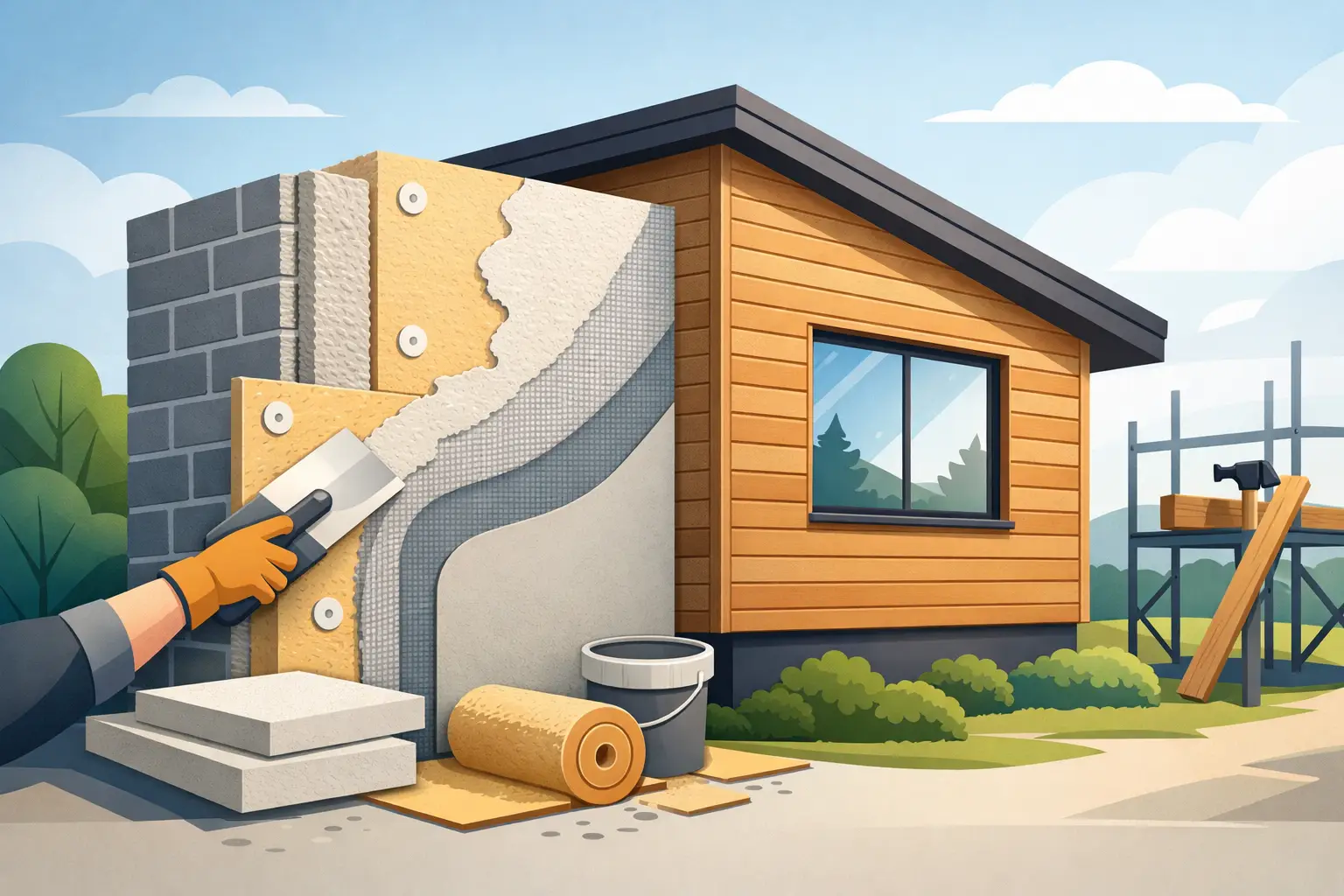
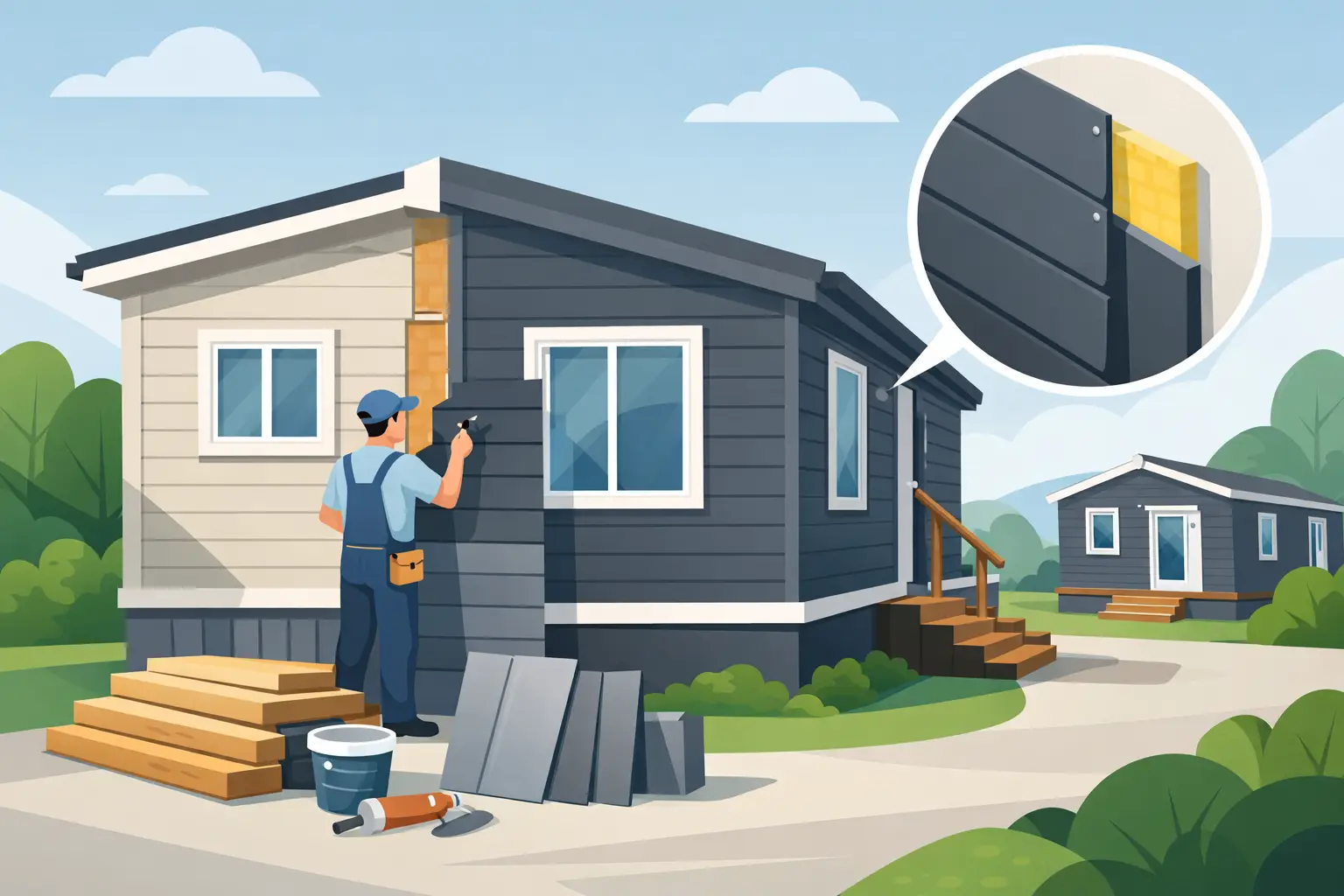
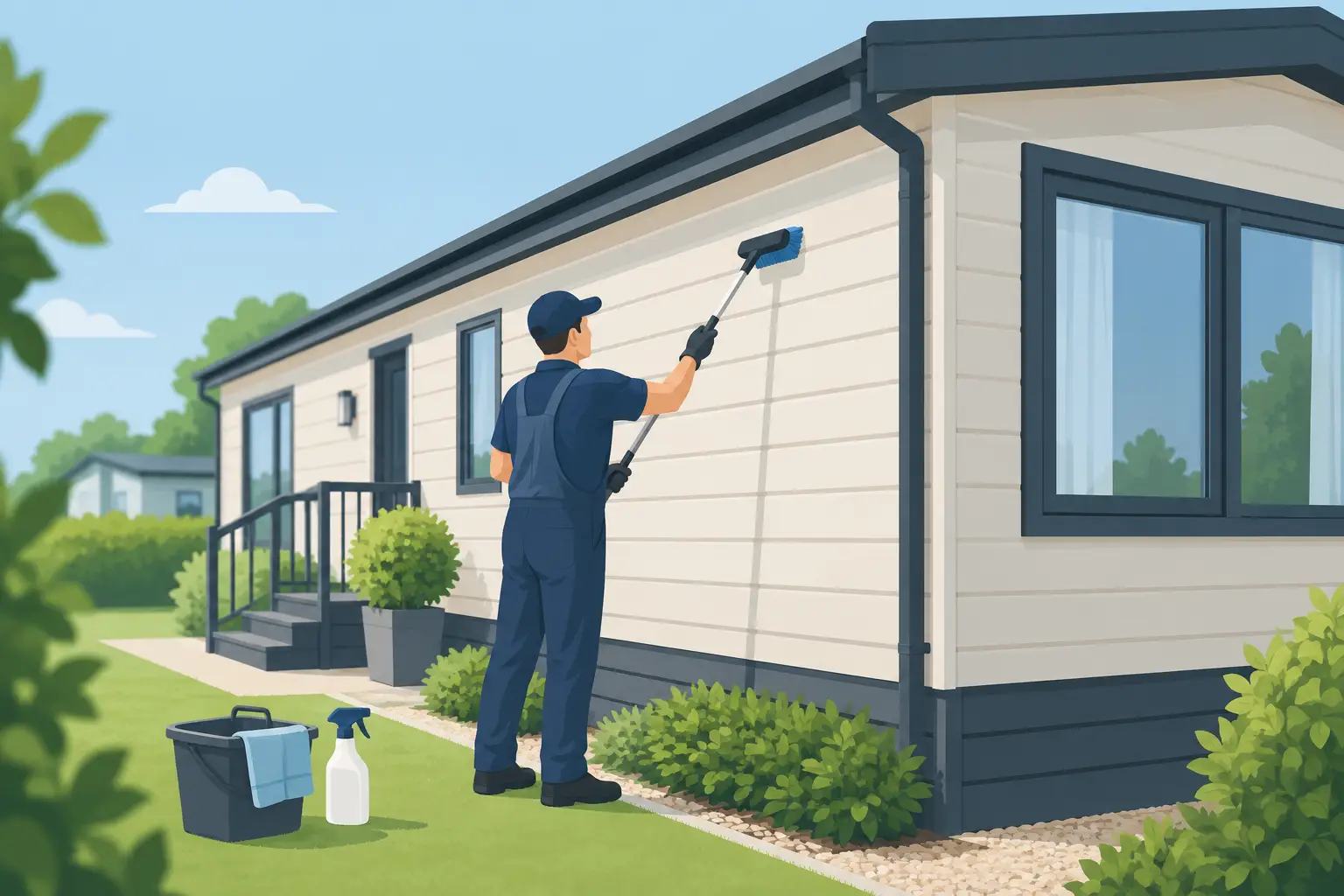
External cladding protects the structure as well as shaping the appearance of the home. During checks, look for cracks, loose boards or panels, faded and brittle areas, gaps at joins, failed sealant around windows and doors, and any section that feels soft or uneven.
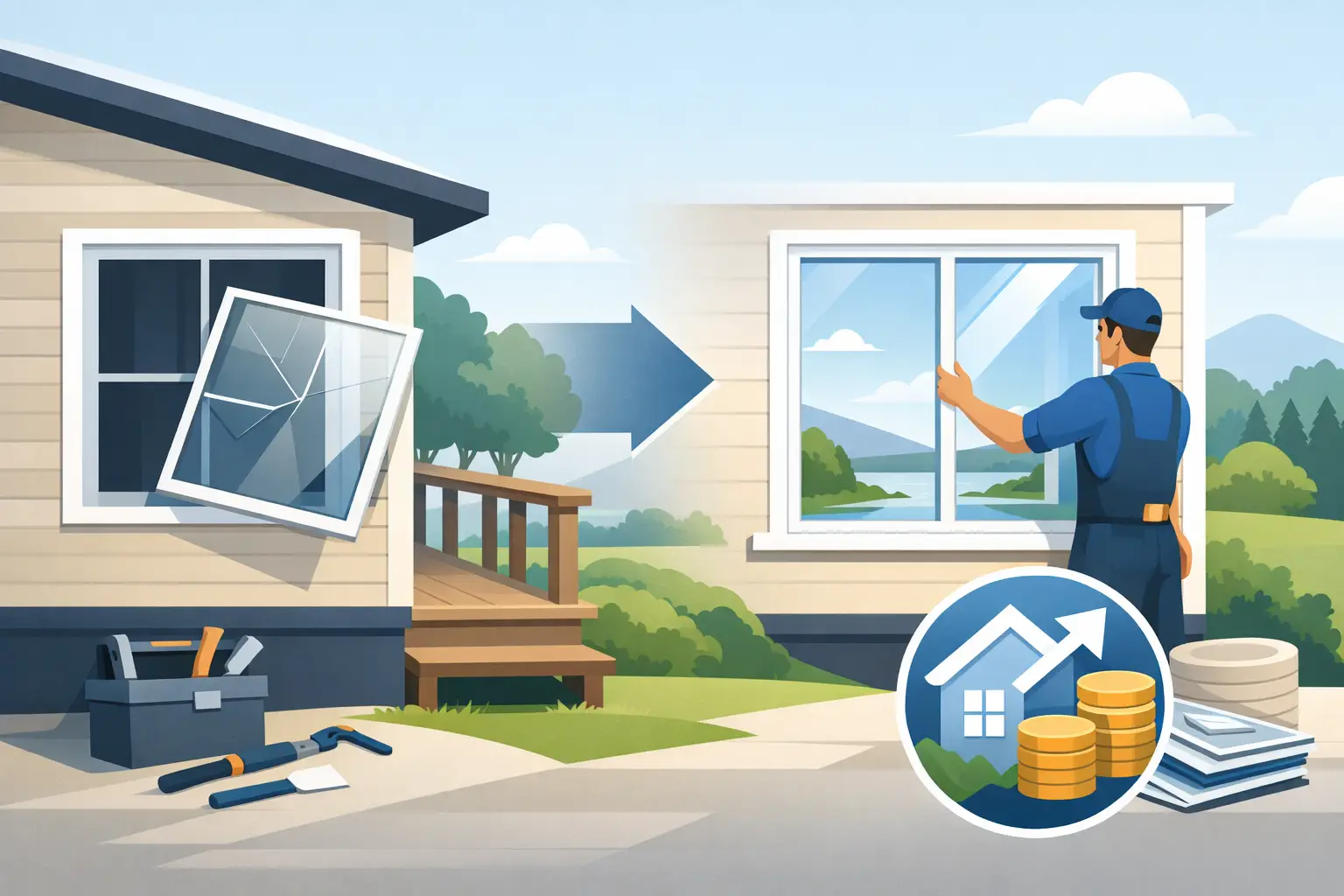
Draughts around openings are often put down to older windows, yet the issue may be the seal between the frame and external wall. Water ingress around these areas can affect insulation and timber behind the cladding. Addressing it early helps preserve the fabric of the home and avoids a larger refurbishment later.
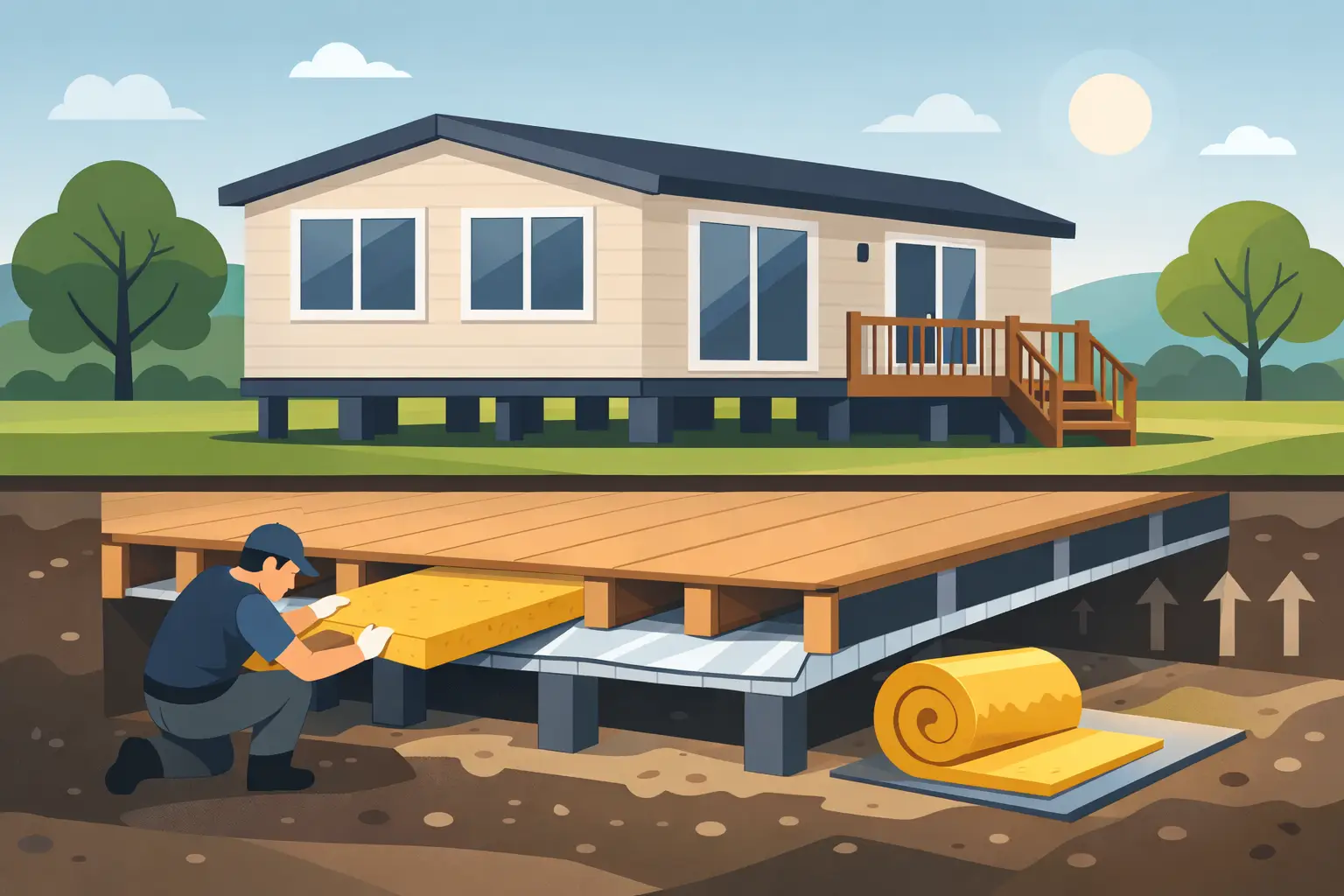
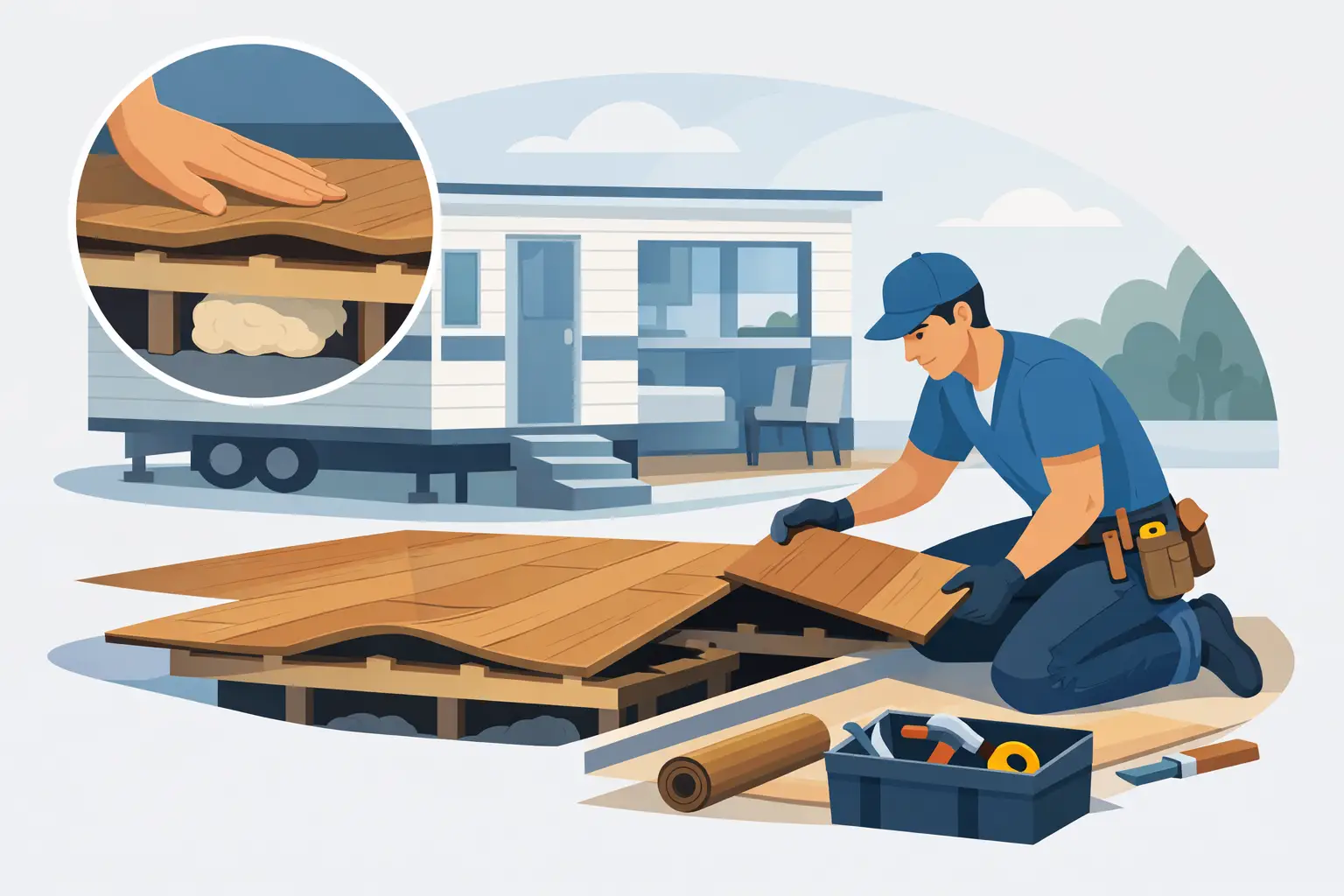
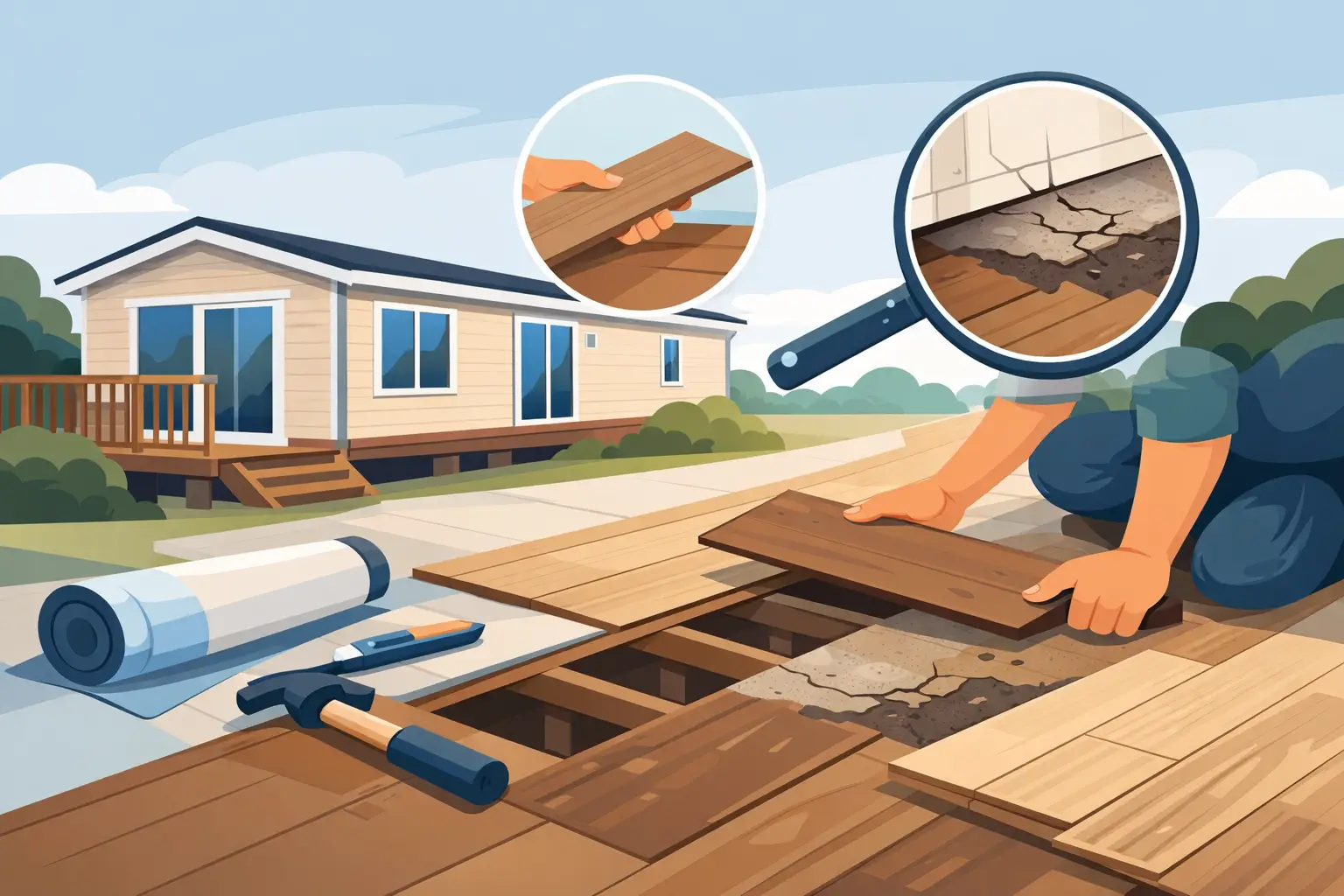
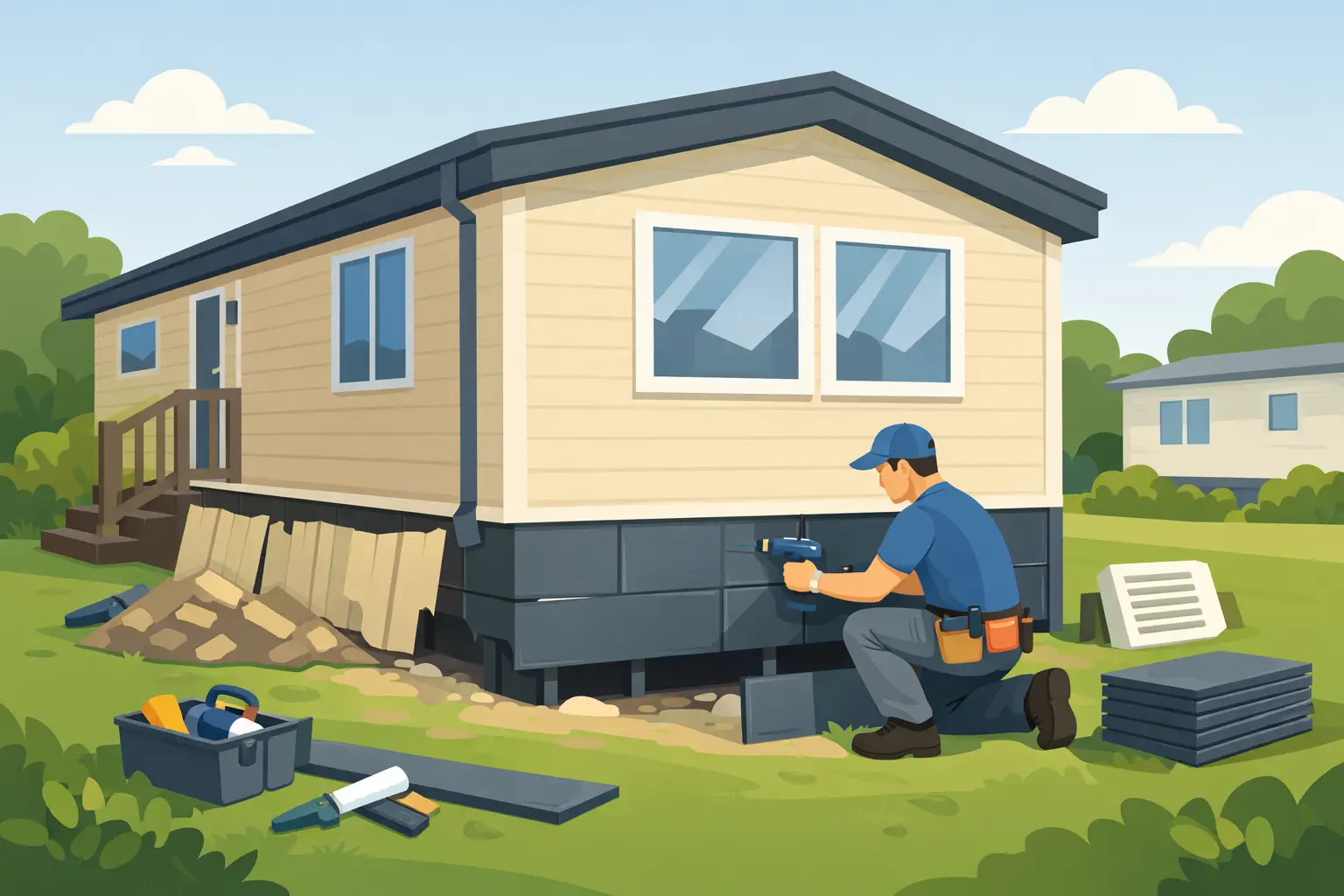
Cold floors are one of the most common complaints from park home owners. They can indicate missing, compressed or damaged underfloor insulation, but they can also point to draughts around the skirting, damp beneath the home or gaps in the floor structure.
A proper underfloor check should consider the condition of insulation, the presence of moisture, ventilation and any signs of pest activity. The aim is not just to make the floor feel warmer. It is to reduce heat loss, improve comfort in every room and help prevent damp-related deterioration.
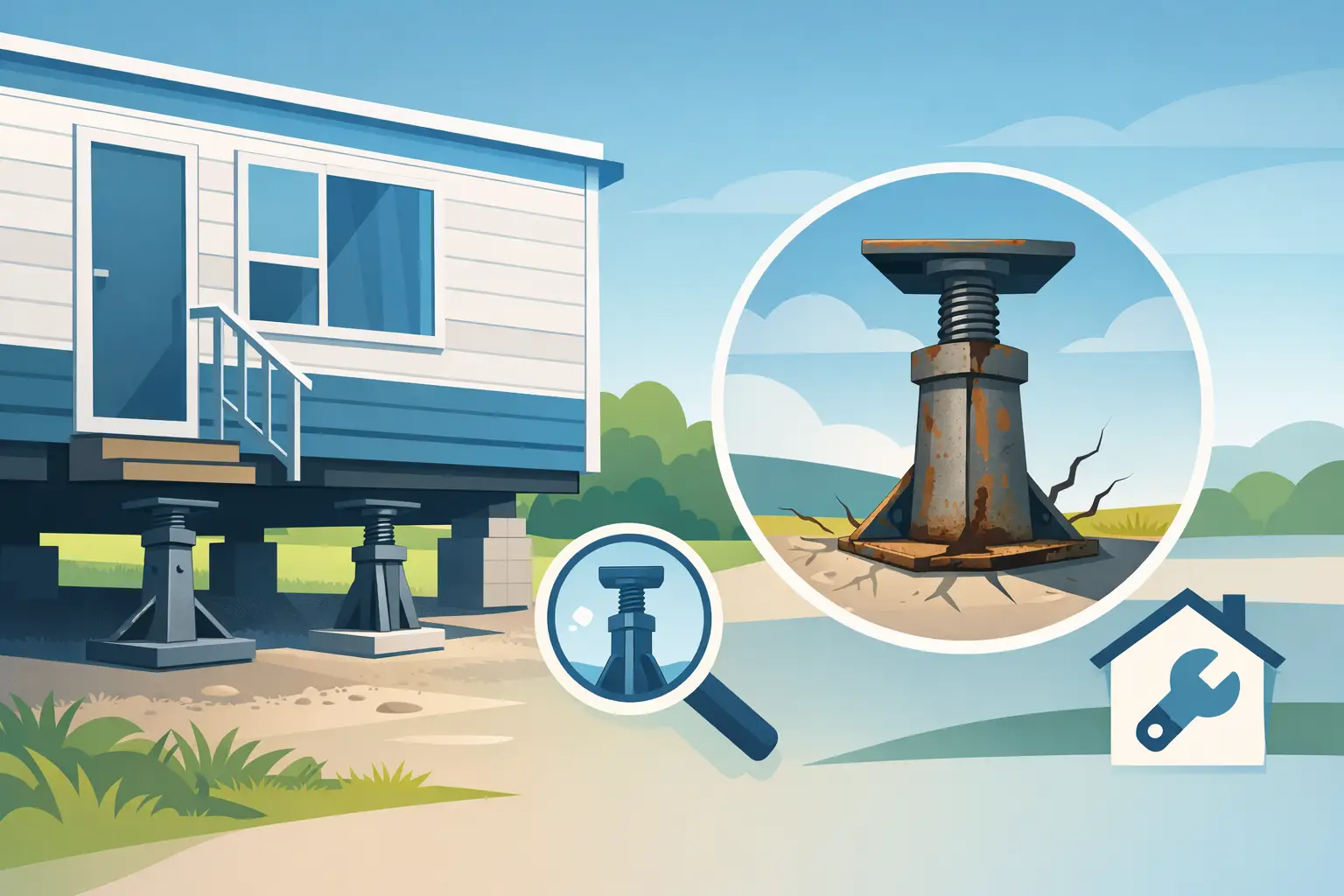
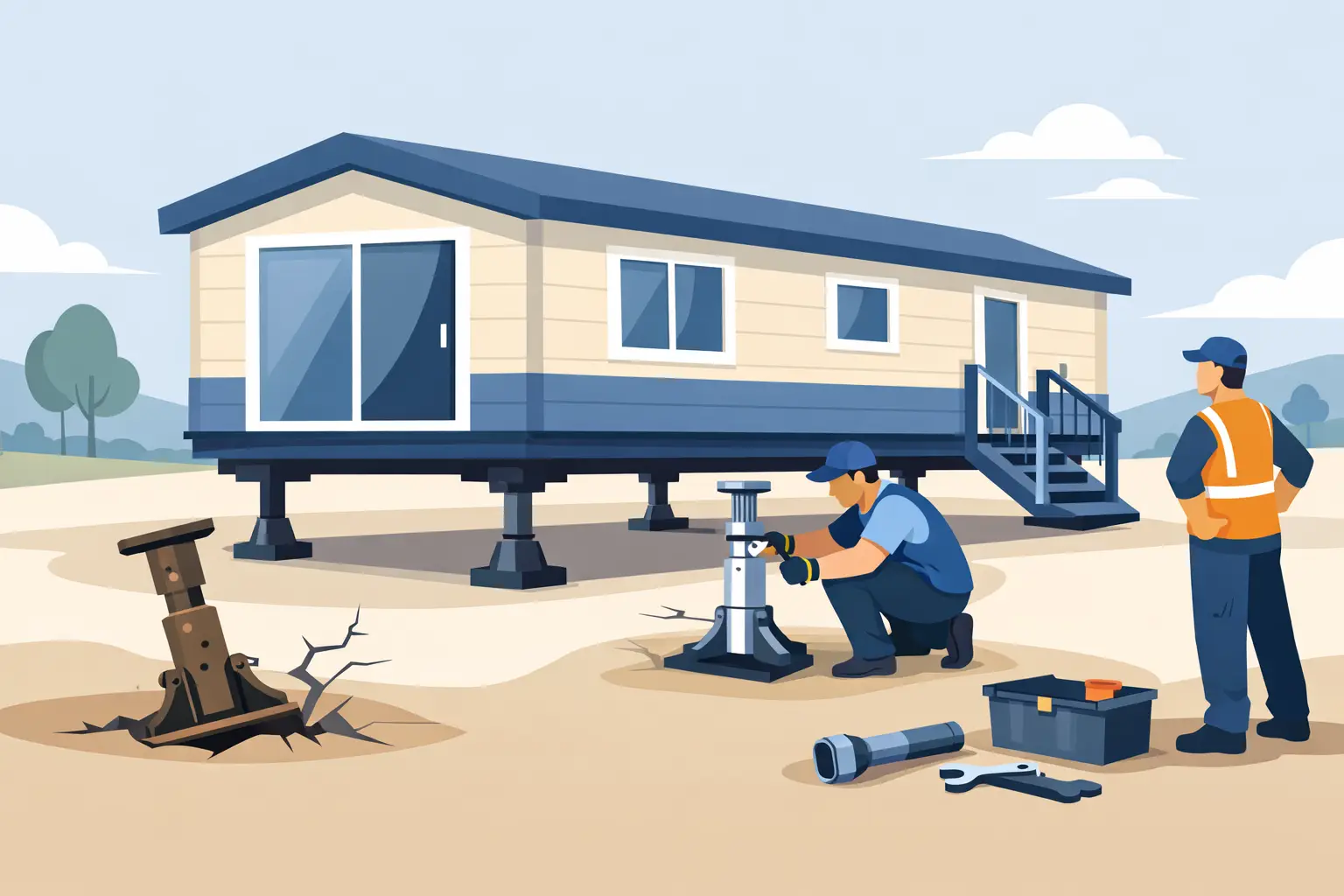
The steel chassis and support system are fundamental to the home’s stability. They deserve regular attention, especially on older properties. Signs such as doors sticking, new cracks around internal finishes, uneven floors or a change in how windows open can suggest movement, although they do not automatically mean there is a serious structural problem.
A specialist should assess the condition of the chassis, visible corrosion, supports and jacks, as well as whether the home remains level. Support jack replacement and chassis refurbishment should be carried out with a clear understanding of the home’s construction and load points. This is not an area for guesswork or a quick fix.
Inspections should include the inside of the home too. Condensation that has become worse, musty smells, bubbling wall finishes, damp patches, cold corners and unexplained increases in heating use are all worth investigating. They may be caused by ventilation habits, but they can also reveal faults in insulation, sealing, roofing or cladding.
Bathrooms and kitchens deserve particular care because a slow leak from plumbing can damage floors and walls in a confined space. Check around shower trays, toilets, basins and pipework for staining, swollen flooring or loose finishes. Early repair protects the surrounding structure as well as the room itself.
Once a park home reaches around 15 to 20 years old, a yearly inspection becomes particularly valuable, even when no obvious fault is visible. Materials age at different rates. Sealants can shrink, cladding can become less weather-resistant, insulation may no longer perform as it should, and the chassis may need attention depending on its history and exposure.
Homes near the coast, in open countryside or on elevated parks face more wind-driven rain and weathering. In these locations, an additional exterior check after winter is sensible. The same applies if mature trees overhang the home or gutters regularly collect leaves.
More frequent checks do not necessarily mean major work is required. Often they provide reassurance and allow sensible maintenance to be planned around your budget, rather than dealing with an unexpected failure in the middle of winter.
Some issues need a prompt professional opinion. If you notice any of the following, do not wait for the next planned check:
These signs can have simple causes, but they are easier to resolve when investigated early. A small gap in cladding or a failed seal may be a targeted repair. Left exposed to repeated rain, it can become a wider issue involving insulation, wall structure and internal finishes.
Keeping a folder of inspection notes, photographs and repair invoices is a good habit. Record the date, what was checked and any work completed. Take photographs of roof edges, cladding joins and visible areas beneath the home where safe to do so.
This creates a useful maintenance history, helps you monitor gradual changes and can be valuable if you decide to sell. It also gives a specialist a clearer picture of previous repairs and recurring concerns. A well-documented home is easier to maintain with confidence.
Park home inspections should be practical, honest and focused on what will make a real difference to the home. A specialist will be able to distinguish between a cosmetic issue and a fault that could affect warmth, weather protection or structural support. They can also explain whether a repair is sufficient or whether a planned upgrade, such as new cladding, improved insulation or roof replacement, offers better long-term value.
At New Look Park Homes Ltd, the focus is on the details that matter to day-to-day living: warmer floors, a sound exterior, dependable support and work completed to a high standard. An annual inspection is a modest investment in protecting the comfort, safety and future condition of your home – and it gives you the chance to deal with concerns before they become a major project.