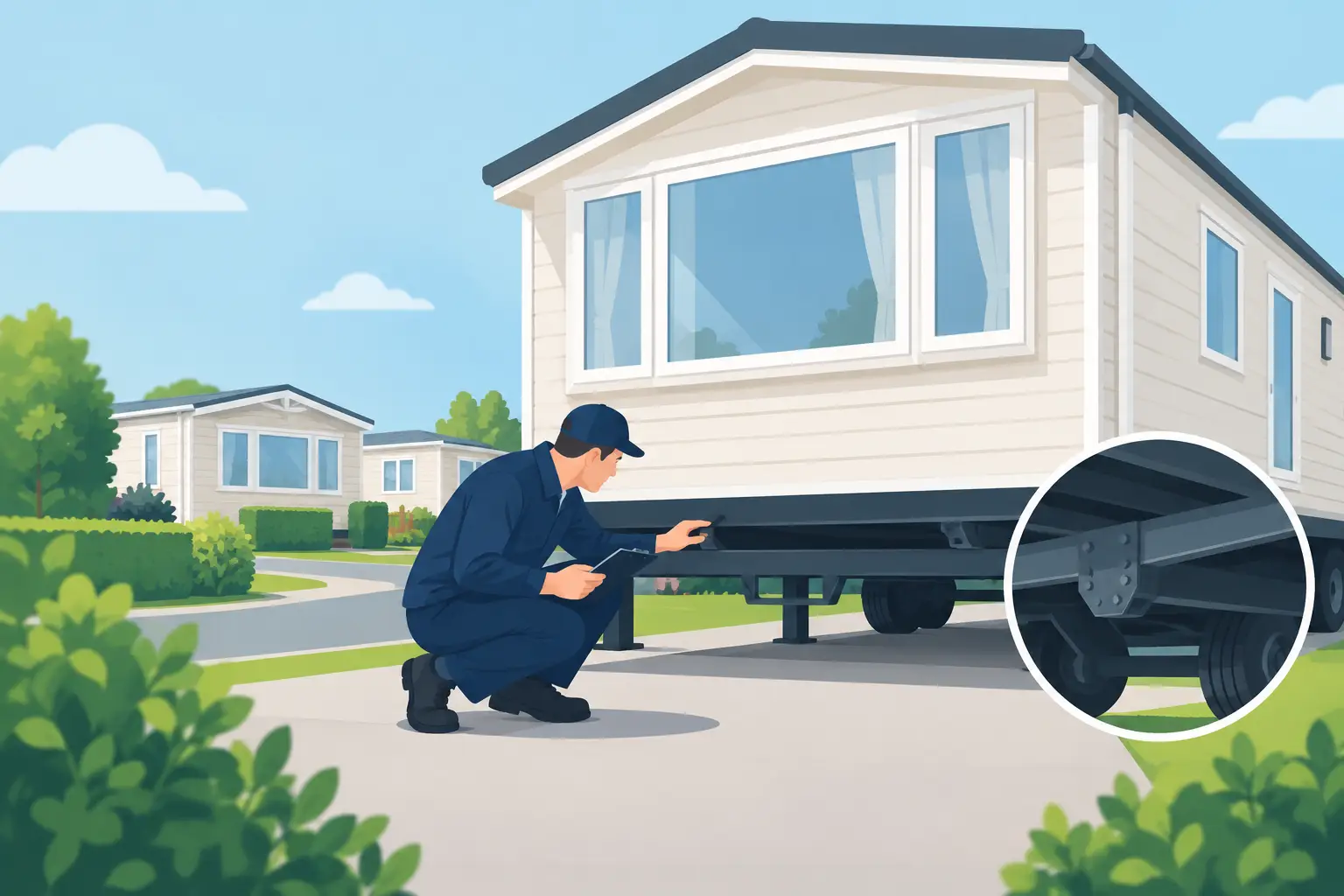
A park home can look well cared for above ground while an important part of its structure is quietly deteriorating underneath. So, do park homes need chassis checks? In most cases, a regular chassis inspection is a sensible part of protecting an ageing park home, particularly where there are signs of movement, damp, draughts or corrosion.
The chassis is not something most owners see every day. It sits beneath the home, supports the structure and works alongside the jacks and base to keep the property level and secure. When it is in good condition, it helps doors, windows, floors and walls perform as they should. When it is neglected, relatively small faults can become more involved and costly repairs.
There is not usually a single annual rule that applies to every park home owner in the same way. Requirements can vary according to the home, its age, the park’s rules, insurance conditions and any concerns identified during other work. However, the absence of a fixed annual requirement does not mean the chassis should be ignored.
A professional check is particularly worthwhile for older homes, homes that have not been inspected for several years, or properties with limited ventilation beneath the floor. Park homes are built differently from conventional brick houses. Their steel chassis, support jacks, timber floor structure and underfloor insulation all need to be considered together.
An inspection gives you a clear picture of what is happening below the home. It can identify whether the chassis remains sound, whether surface corrosion needs treatment, and whether supports are doing their job properly. This is practical maintenance, not unnecessary work – early attention can prevent deterioration from affecting comfort and stability inside the home.
The chassis is the steel framework on which the park home was built. Although the home is normally stationary once sited, the framework still carries the load of the property and relies on correctly positioned, sound supports.
Over time, moisture beneath the home can affect steel components. Condensation, poor airflow, blocked ventilation, ground water and leaks can all create conditions that encourage corrosion. Coastal locations can also be harder on exposed metal because of salt in the air.
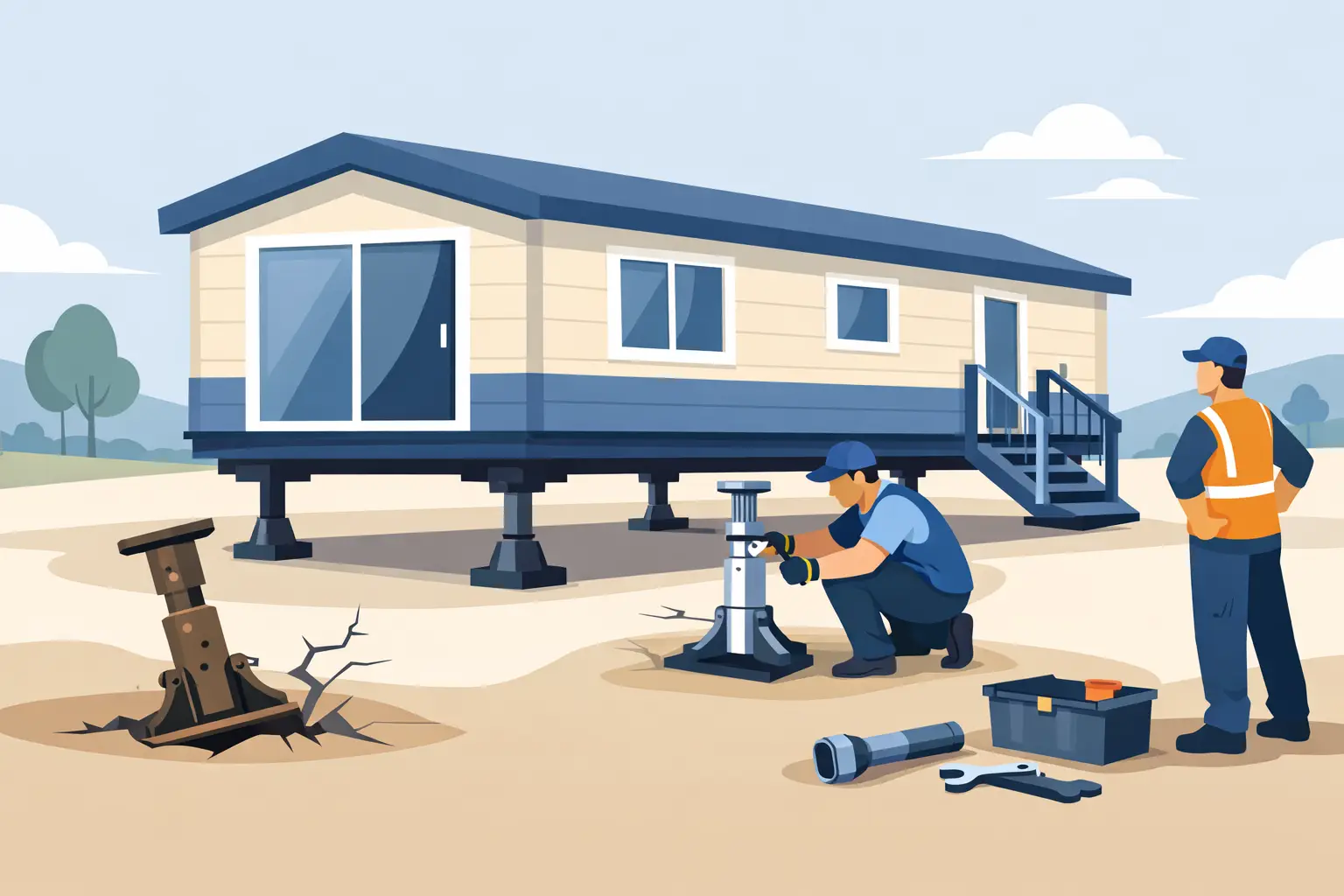
Movement is another concern. Ground conditions can change, supports can settle, and jacks can corrode or become less effective. A home that is no longer level may place stress on other areas. You might notice doors catching, windows becoming difficult to open, cracks around internal finishes, uneven floors or gaps developing around skirting and services.
These symptoms do not automatically mean there is a serious chassis problem. Doors and windows can also be affected by normal settlement or local issues. But they are good reasons to have the underside assessed by someone who understands park home construction rather than guessing from inside the property.
For a well-maintained home with no obvious concerns, checking the chassis every few years is a sensible approach. The right interval depends on its age, the condition found at the previous inspection, how exposed the location is and whether the underside is dry and well ventilated.
It is wise to arrange a check sooner if you have bought an older park home and do not know its maintenance history. The same applies after flooding, a significant leak, damage to the underfloor area, or any work that has revealed corrosion or weakened supports.
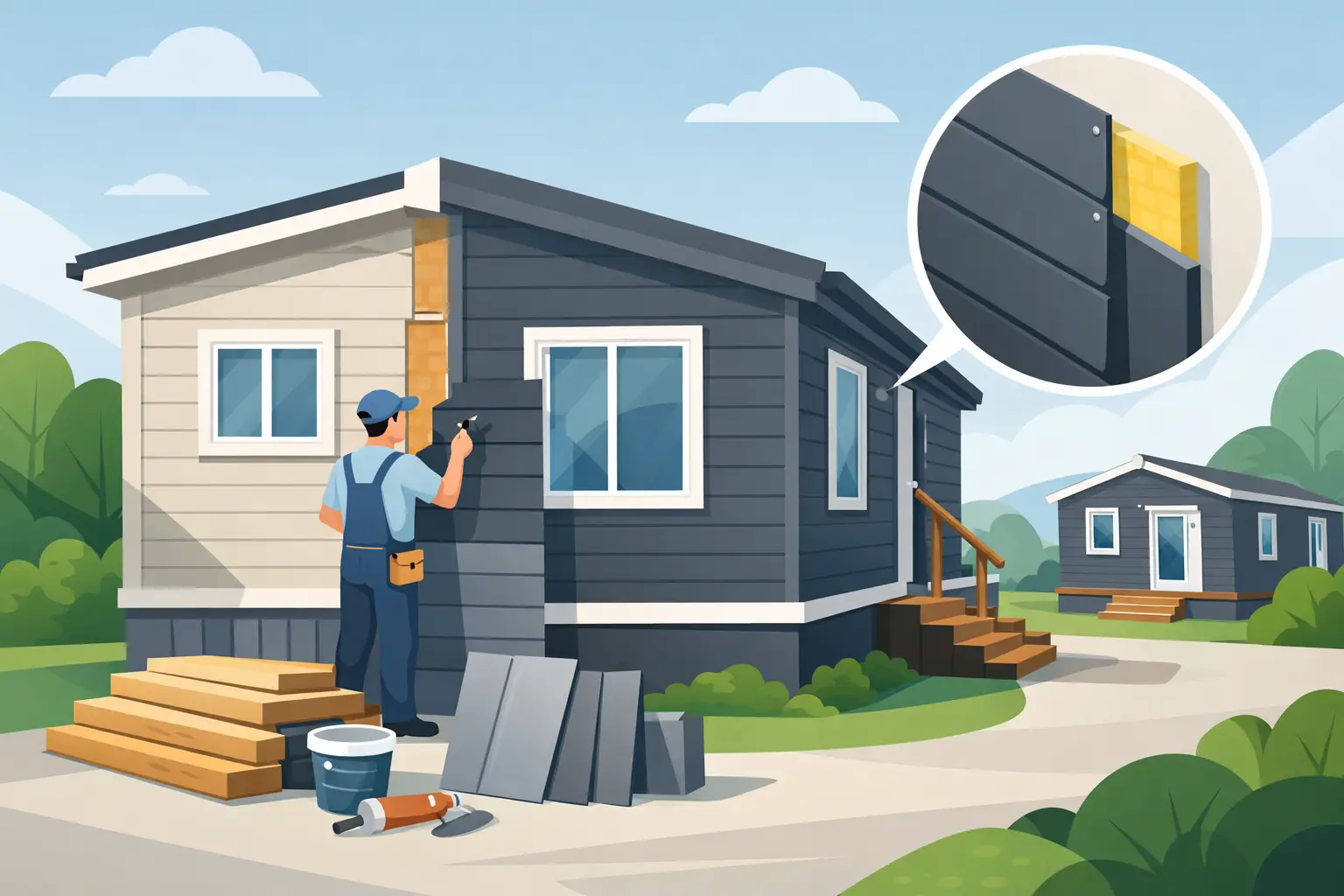
A chassis assessment is also worth considering before a major refurbishment. If you are investing in external cladding, replacement roofing, wall insulation, new bathrooms or internal improvements, it makes sense to understand the condition of the structure supporting the home. There is little value in improving the appearance and warmth of a property while a hidden issue beneath it is left unresolved.
A useful inspection should be more than a quick look from the edge of the home. Safe access underneath is needed so the key structural parts can be examined properly.
The condition of the steel chassis is central. A specialist will look for rust, flaking paint, areas of corrosion, damage and signs that metalwork may need cleaning, treatment or repair. Not all rust is the same. Light surface corrosion may be manageable with careful preparation and protective coating, while more advanced deterioration needs a closer assessment before a repair plan is agreed.
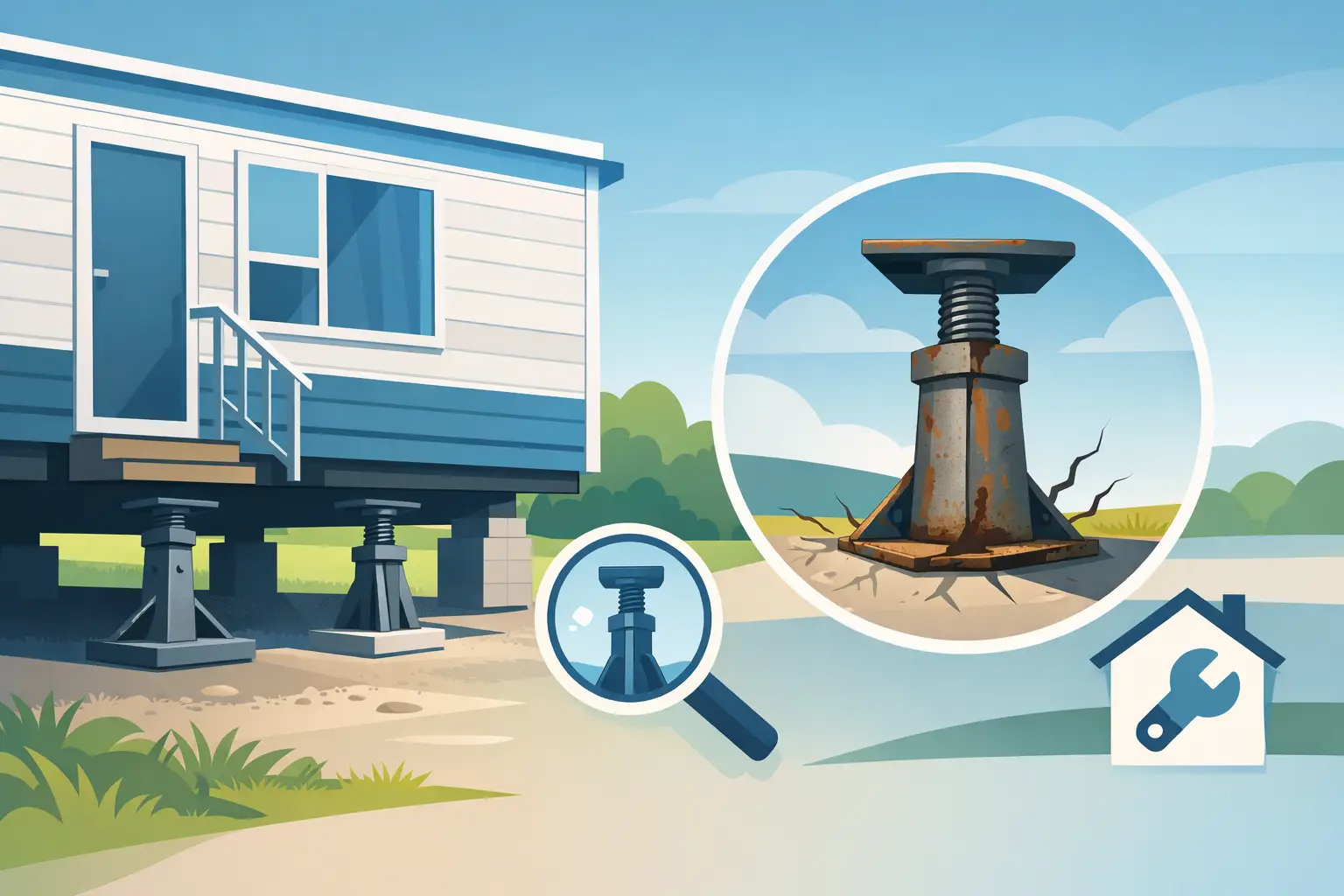
The supports and jacks should also be checked. They need to be in suitable condition and positioned to support the home evenly. Corroded, damaged or unsuitable jacks can contribute to movement. Where replacement is needed, the work should be carried out carefully to avoid placing unnecessary strain on the structure.
The inspection should consider the ground beneath the home, ventilation and signs of moisture. If the area is damp, simply painting the chassis may not provide a lasting answer. The cause might be poor drainage, leaking pipework, restricted airflow or damaged underfloor protection. Dealing with the source of the problem is what helps a repair last.
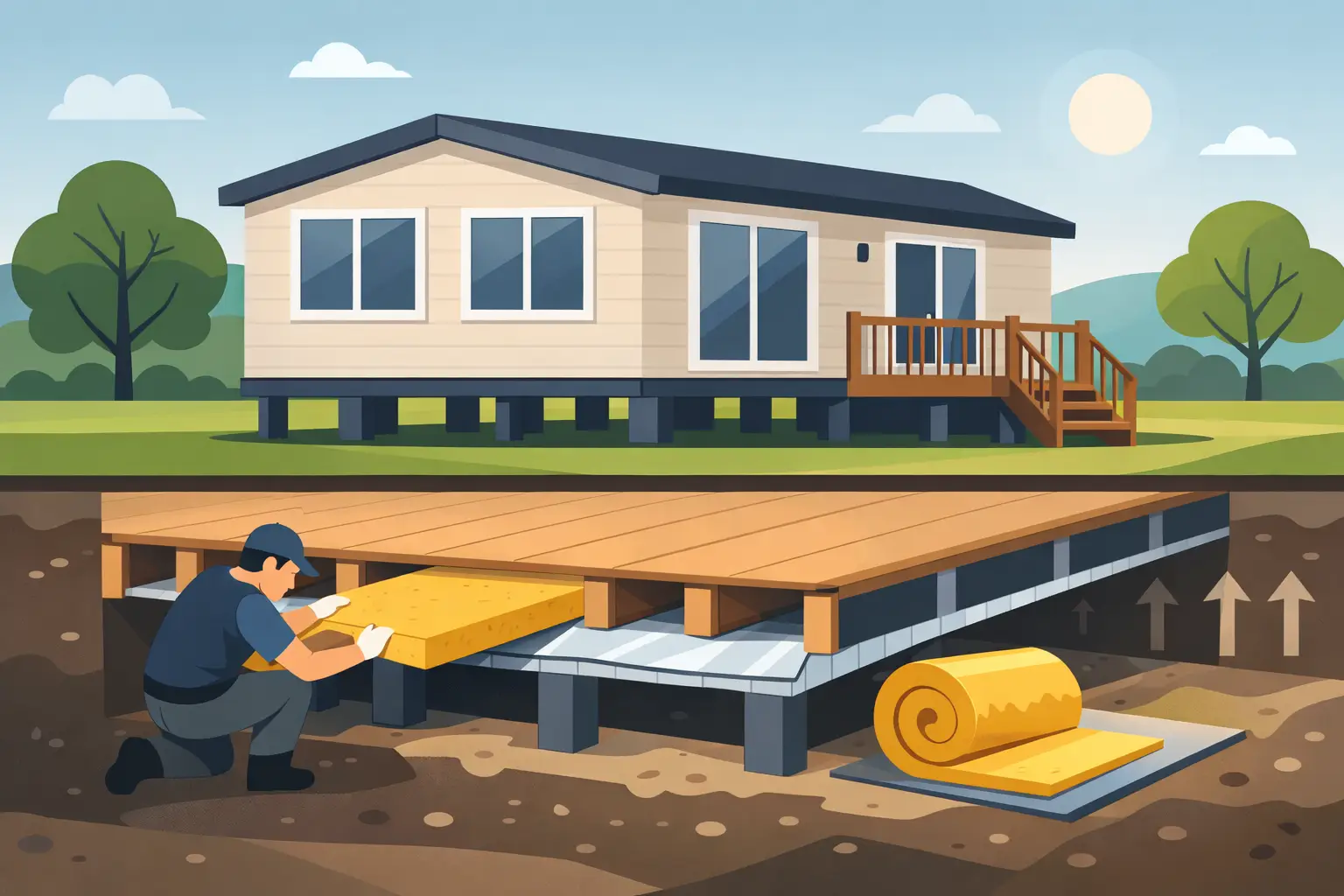
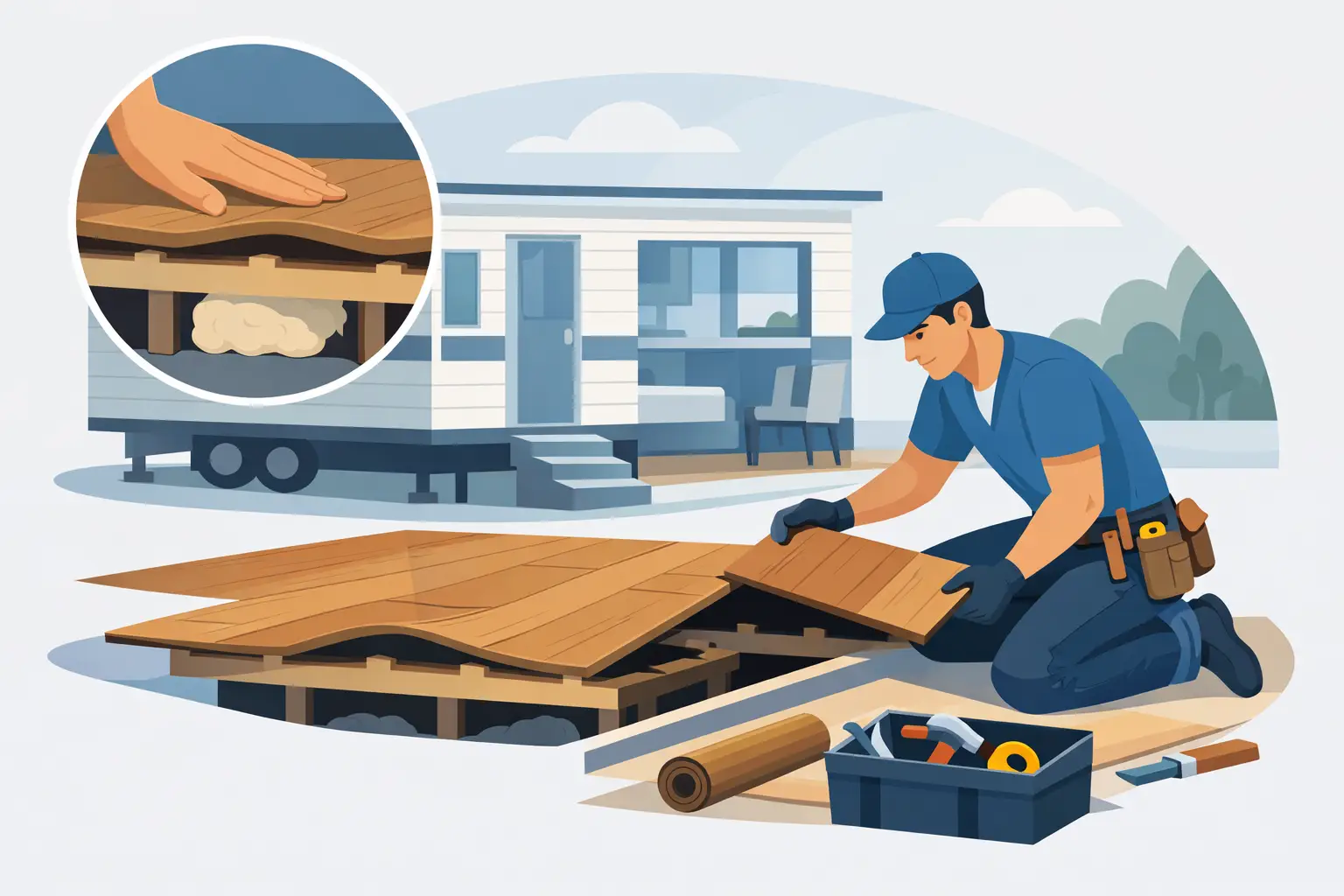
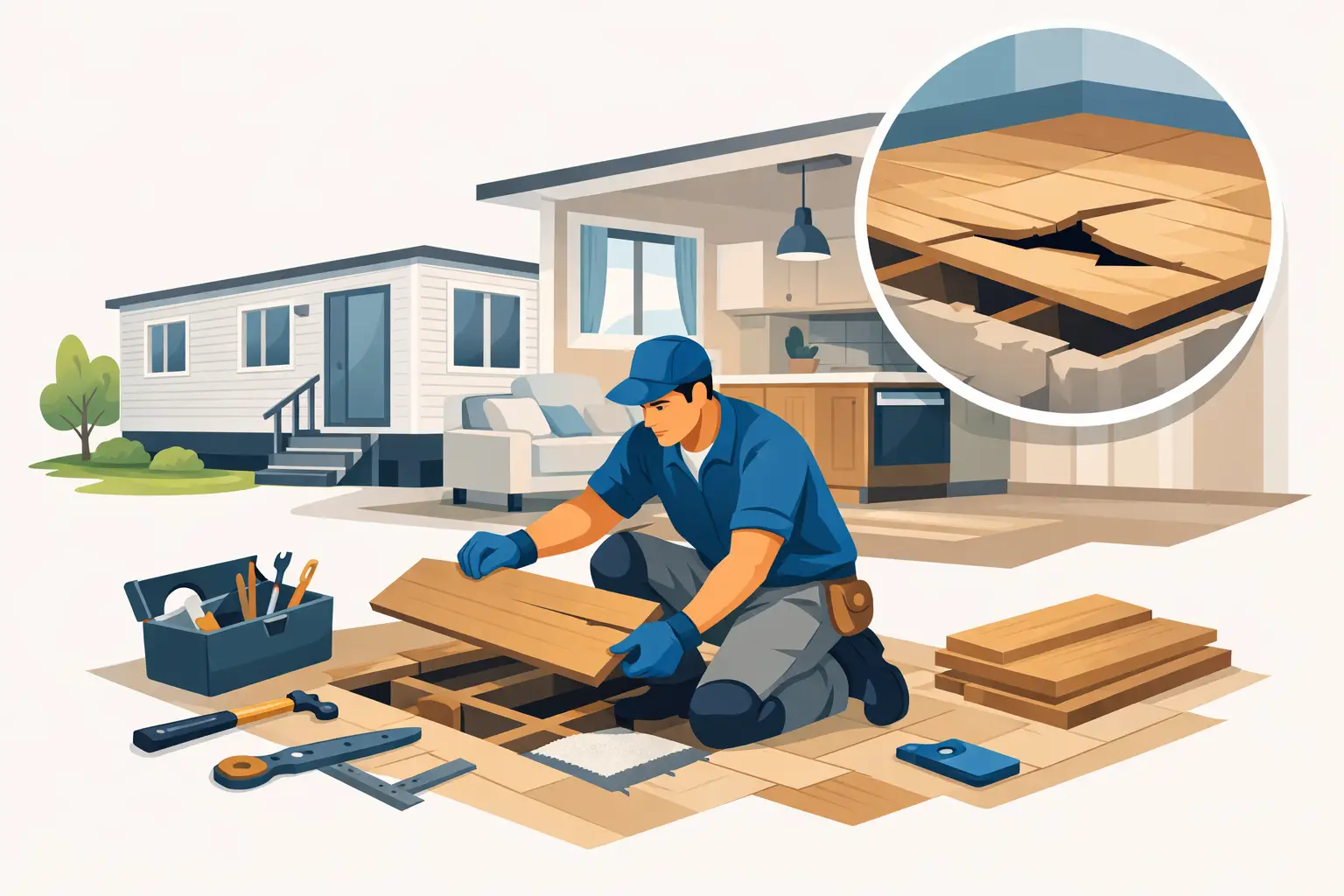
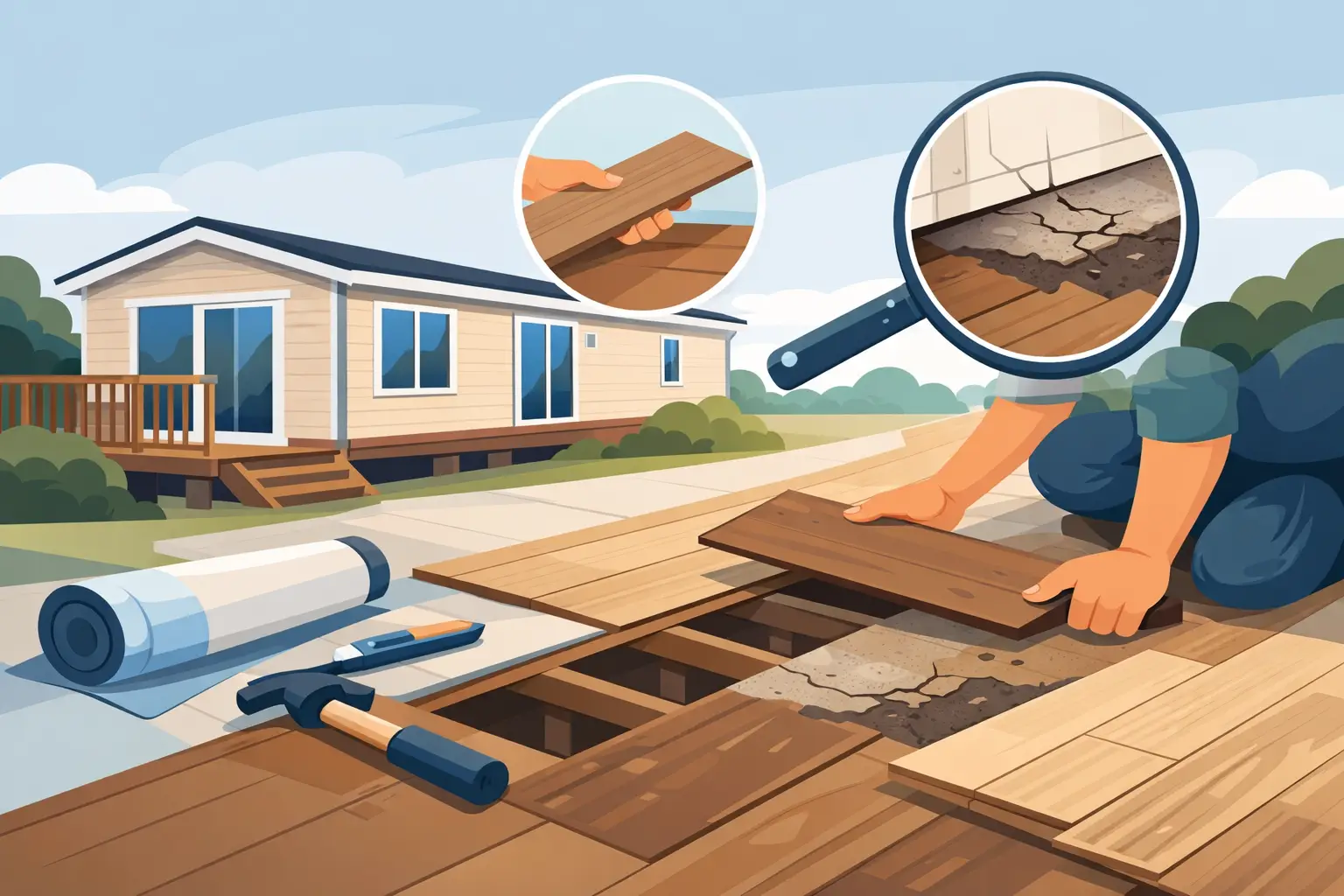
Finally, the condition of the floor structure, insulation and service routes may be reviewed where access allows. A cold, draughty floor is not always a chassis issue, but damaged insulation and damp beneath the home often appear alongside one another. Looking at the whole underside leads to better decisions.
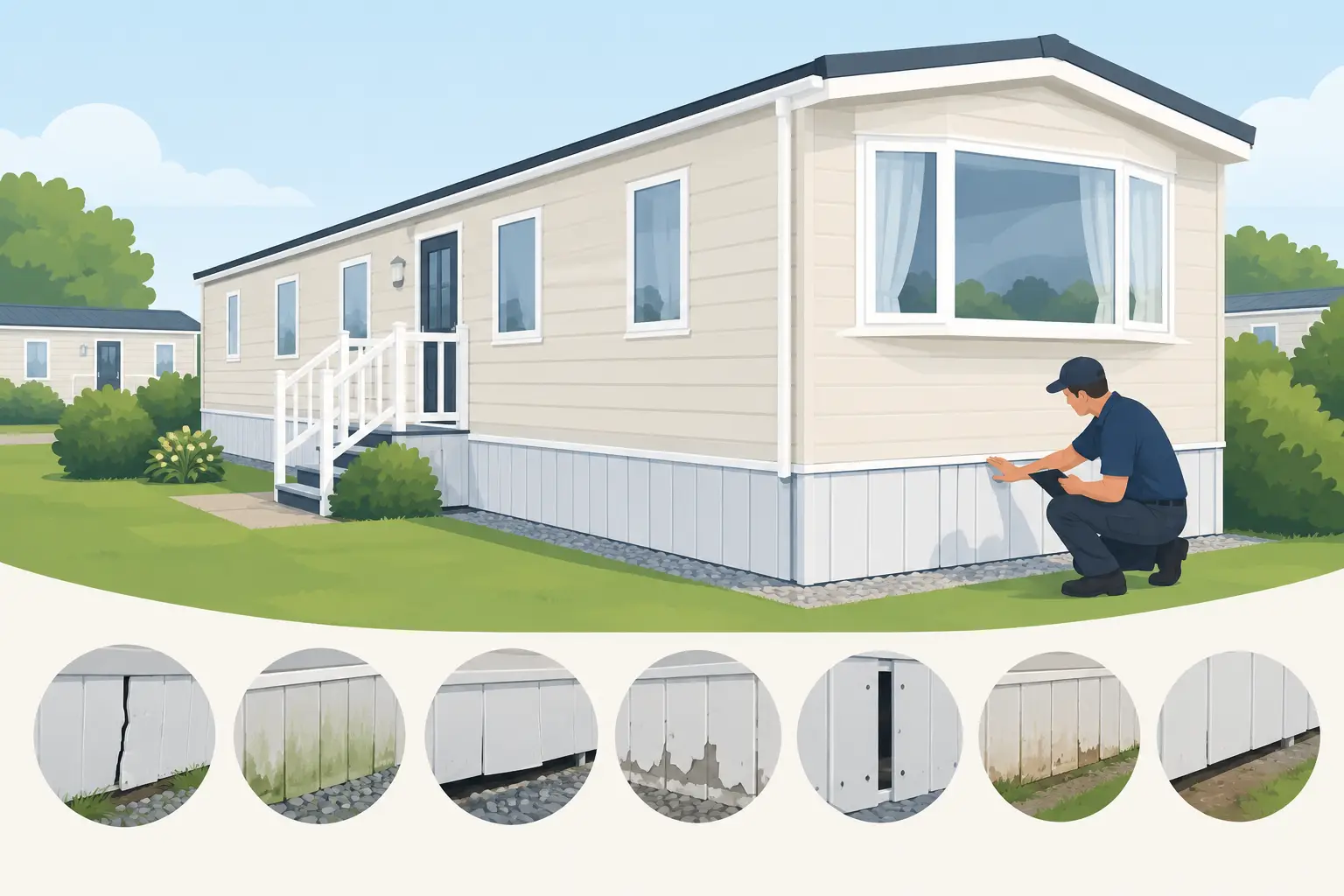
Park homes often give subtle warnings before a problem becomes more serious. A floor that feels uneven or bouncy, doors that suddenly start sticking, and new gaps around walls or fitted units are all worth investigating. So are recurring draughts at floor level, unexplained damp smells and visible staining around the lower parts of the home.
Outside, look for skirting that appears out of line, vents that are blocked or damaged, and water collecting beneath the property. If you can see rust on accessible metalwork, do not assume that a coat of paint is all that is required. The visible area may only show part of the picture.
It is also worth acting on changes rather than waiting for a problem to become urgent. A home that has been level and comfortable for years but now has several small issues deserves a proper inspection. Prompt maintenance is normally less disruptive than repairs after substantial corrosion or movement has developed.
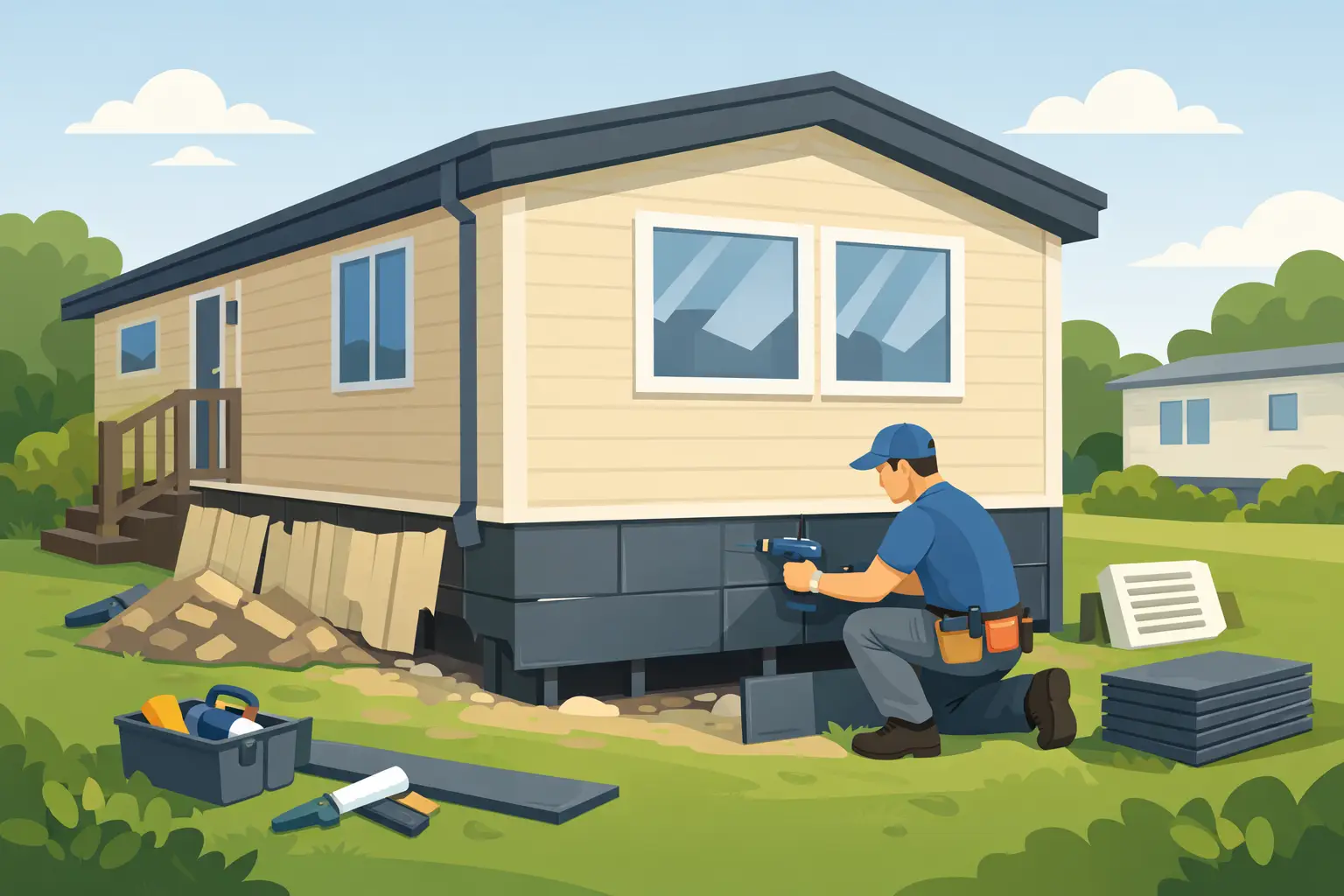
Many chassis concerns can be addressed through refurbishment rather than full replacement. The appropriate work may include removing loose corrosion, preparing the steel, applying suitable protective treatments and replacing worn support jacks. Improving underfloor insulation, ventilation or protection may be recommended at the same time where this will reduce the chance of future moisture-related issues.
The right solution depends on the extent of corrosion and the overall condition of the structure. Surface rust is common on older park homes and is not, by itself, proof that the chassis has failed. Equally, it should not be covered over without understanding what is underneath. A hands-on assessment is the only reliable way to distinguish a cosmetic issue from a structural concern.
Owners should be wary of one-size-fits-all recommendations. A good contractor will explain what has been found, show the areas of concern where possible and set out the practical options. Some homes need straightforward protective maintenance; others may need support work alongside chassis repairs. The aim should always be safe, durable work that is proportionate to the home.
After repairs or refurbishment, simple ongoing care makes a real difference. Keep vents clear, check that rainwater drains away from the home and deal with plumbing leaks promptly. Avoid storing items beneath the property where they restrict airflow or trap dampness.
It is also sensible to look beneath the home after severe weather and to mention the chassis whenever other underfloor work is being planned. Combining suitable repairs with insulation improvements can make everyday living noticeably better – warmer floors, fewer draughts and greater confidence that the home is being looked after properly.
For park home owners, a chassis check is not about finding problems for the sake of it. It is about knowing that the part of the home you cannot easily see is still doing its job. If something does need attention, dealing with it early gives you more choices, better protection for your investment and a more comfortable home to enjoy.