A musty smell beneath the floor, staining around a window, or a cold patch on an outside wall can be easy to dismiss. In a park home, however, small signs of moisture deserve prompt attention. This park home damp prevention guide explains where damp commonly starts, what you can safely check yourself and when a specialist repair is the sensible next step.
Park homes are built differently from traditional brick properties. Their lightweight construction, ventilated underfloor area and panelled walls make them comfortable and efficient when properly maintained, but they also mean that water ingress, poor ventilation and ageing seals can affect the home quickly. Preventing damp is usually far less disruptive and less costly than repairing the damage it leaves behind.
Damp is not one single problem. The cause may be water entering from outside, moisture condensing inside the home, or damp air becoming trapped beneath the floor. Each needs a different solution, which is why simply treating a stained wall or using a dehumidifier may only hide the issue for a while.
External water ingress often begins at weak points in the weatherproof shell. Worn roof coverings, cracked sealant, loose flashing, damaged cladding, blocked gutters and poorly sealed windows or doors can all allow rainwater behind the exterior. Once water reaches timber framing, insulation or internal boards, it may travel before it becomes visible indoors.
Condensation is more common during colder months. Warm air from cooking, showering, drying clothes or everyday living meets a cold surface and turns to moisture. Windows, corners of rooms, cupboards against external walls and uninsulated areas are typical trouble spots. A little condensation on a cold morning is not necessarily a sign of serious damp, but regular surface moisture and black mould should not be ignored.
Underfloor moisture is another concern unique to many park homes. The void beneath the home needs adequate airflow to allow moisture to disperse. If ventilation is restricted, ground moisture can linger around the chassis and floor structure. At the same time, a draughty and poorly insulated floor can make the home colder, increasing the likelihood of condensation above.
A calm, dry day is ideal for a basic visual inspection. You do not need to climb onto the roof or disturb cladding to identify many early warning signs. Look along the roofline for slipped, cracked or uneven panels, damaged edges, loose trim and areas where rainwater could collect. Check gutters and downpipes for leaks, sagging sections and blockages, particularly after autumn leaf fall.
Pay close attention to joints around windows, doors, vents and service pipes. Sealant that has shrunk, cracked or pulled away can let water in during wind-driven rain. Also check that external ground levels, paths, flowerbeds and stored items are not directing water towards the home or blocking ventilation grilles beneath it.
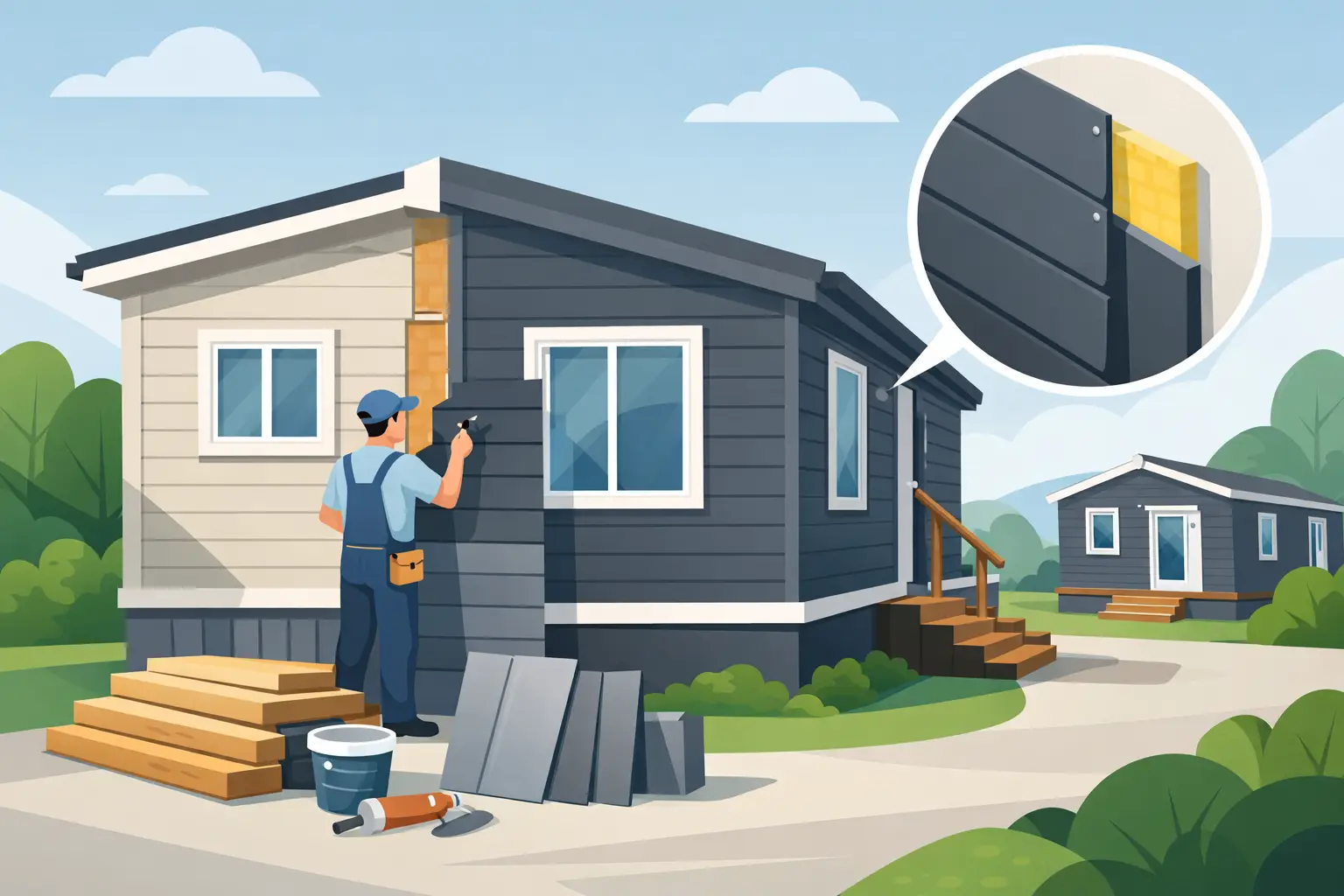
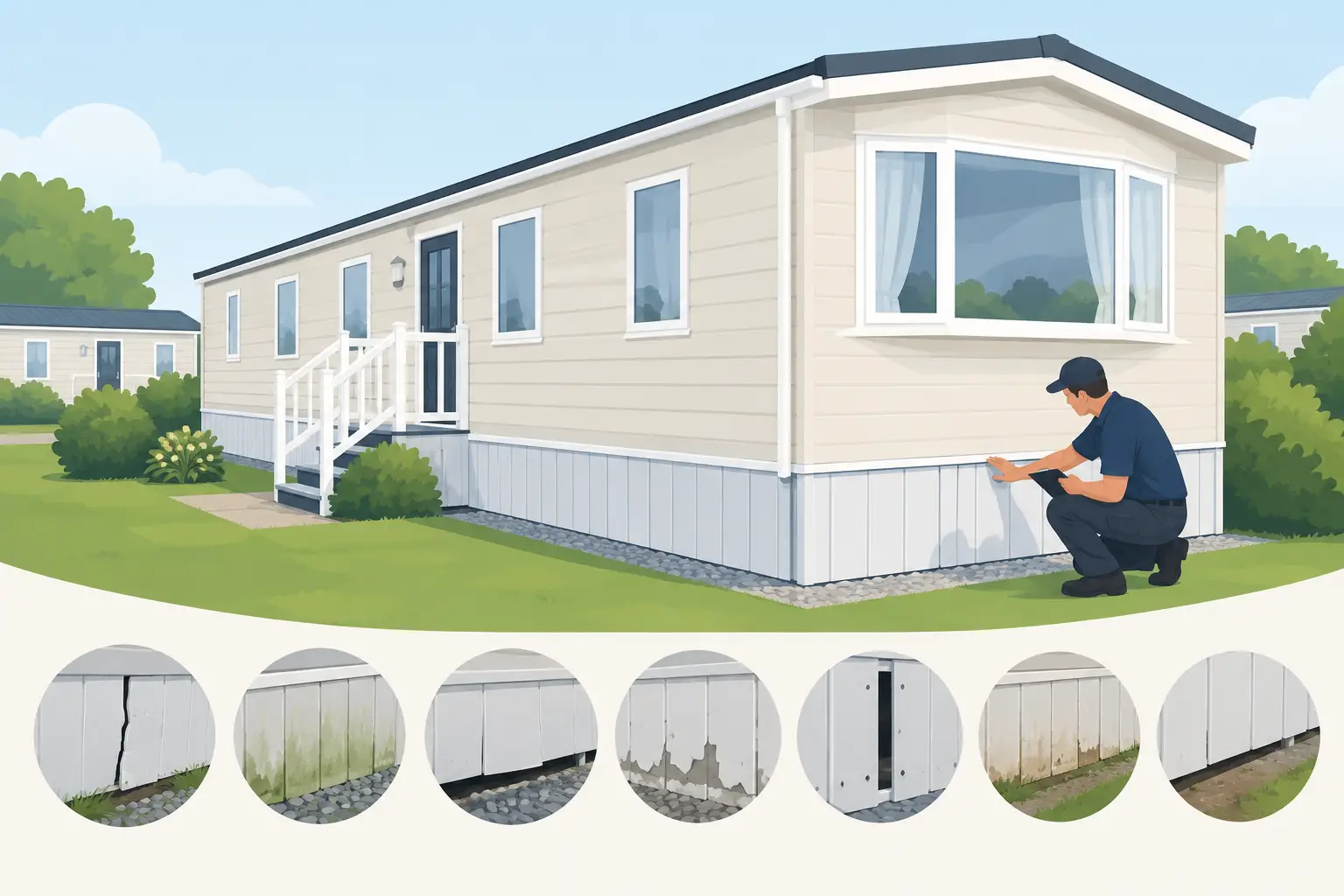
Cladding should be secure and free from obvious cracks, gaps or impact damage. It is tempting to apply more sealant over every joint, but this can trap water if the underlying detail has failed. The right repair depends on the cladding system and the reason water is getting behind it. A specialist assessment can distinguish a simple resealing job from a problem with trims, backing materials or the structure behind the panel.
Your roof is the first line of defence against damp. Small defects can become major ones because water may spread through insulation and ceiling spaces before a ceiling stain appears. Arrange repairs promptly if you see damaged roof materials, persistent moss growth holding moisture, loose flashings or water marks inside the home.
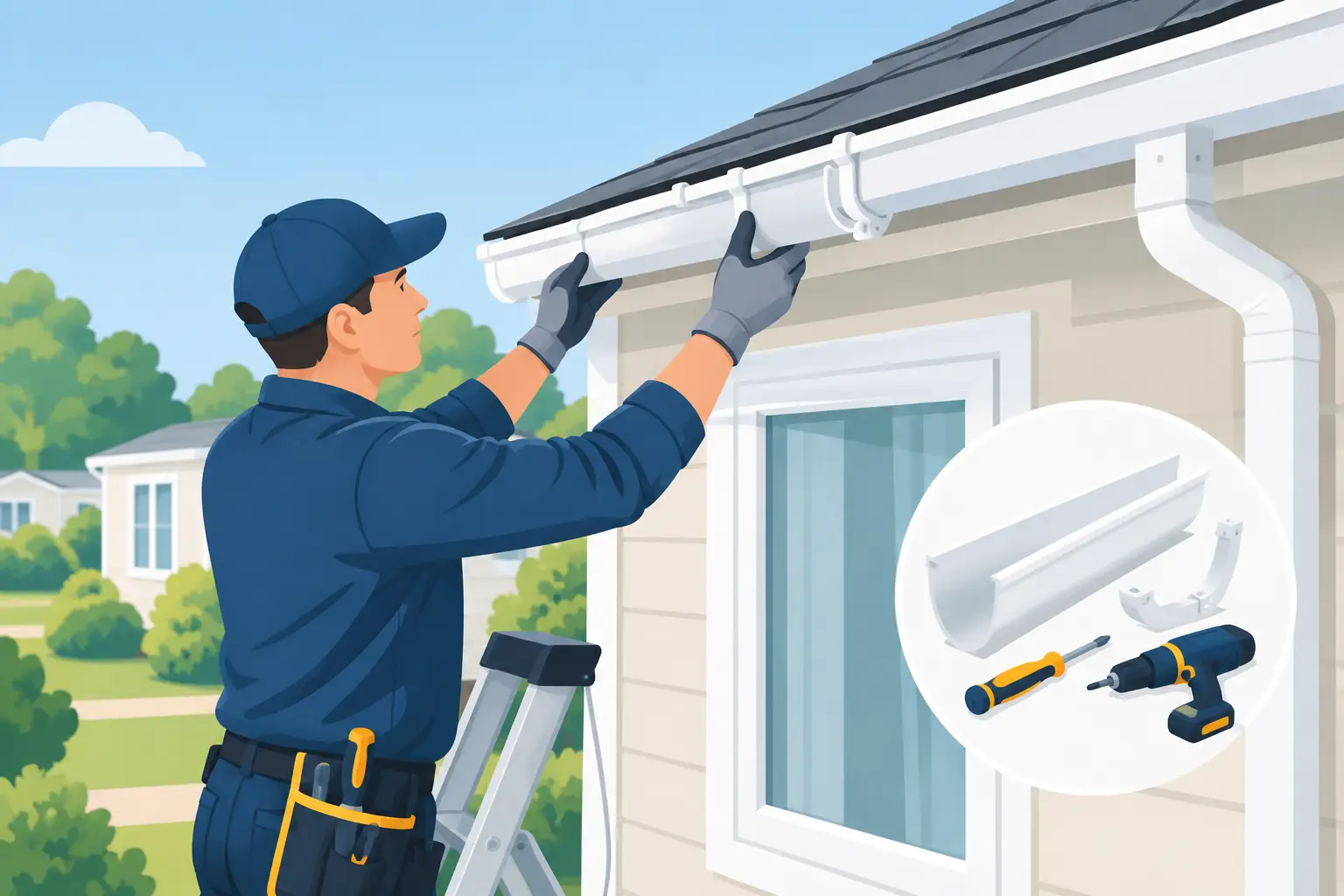
Gutters matter just as much. Overflowing water can run down external walls and soak the area around the base of the home. Clear leaves and debris regularly, and make sure downpipes discharge away from the park home rather than directly beneath it. If access is difficult or the roof is ageing, professional inspection is the safer choice.
Roof replacement is not always necessary. Localised repairs may be appropriate where the covering is otherwise sound. However, repeated leaks, widespread deterioration or an older roof nearing the end of its serviceable life may make replacement better value over time. A proper inspection should explain the condition clearly, rather than recommending work that is not needed.
Good ventilation and good insulation work together. Opening a window for a short period after showering or cooking allows humid air to escape, while extractor fans should be used consistently and kept clean. If clothes are dried indoors, choose a well-ventilated room and avoid placing them directly against radiators or external walls.
Keep a steady background temperature where possible. Letting the home become very cold, then heating it intensely for a few hours, can increase condensation on cold surfaces. This does not mean heating every room to an uncomfortable level. It means avoiding prolonged cold spots, especially in bedrooms, spare rooms and areas with limited airflow.
Furniture placed tightly against external walls can also restrict air circulation. Leaving a small gap behind wardrobes and cabinets helps, particularly where there has been previous condensation. Check inside cupboards from time to time, as mould can develop there before it is noticeable elsewhere.
A dehumidifier can be useful during a particularly damp spell or while drying a room after a minor leak, but it is not a cure for failed insulation, a roof defect or persistent water ingress. If it is filling quickly every day, find the reason for the excess moisture rather than relying on the machine indefinitely.
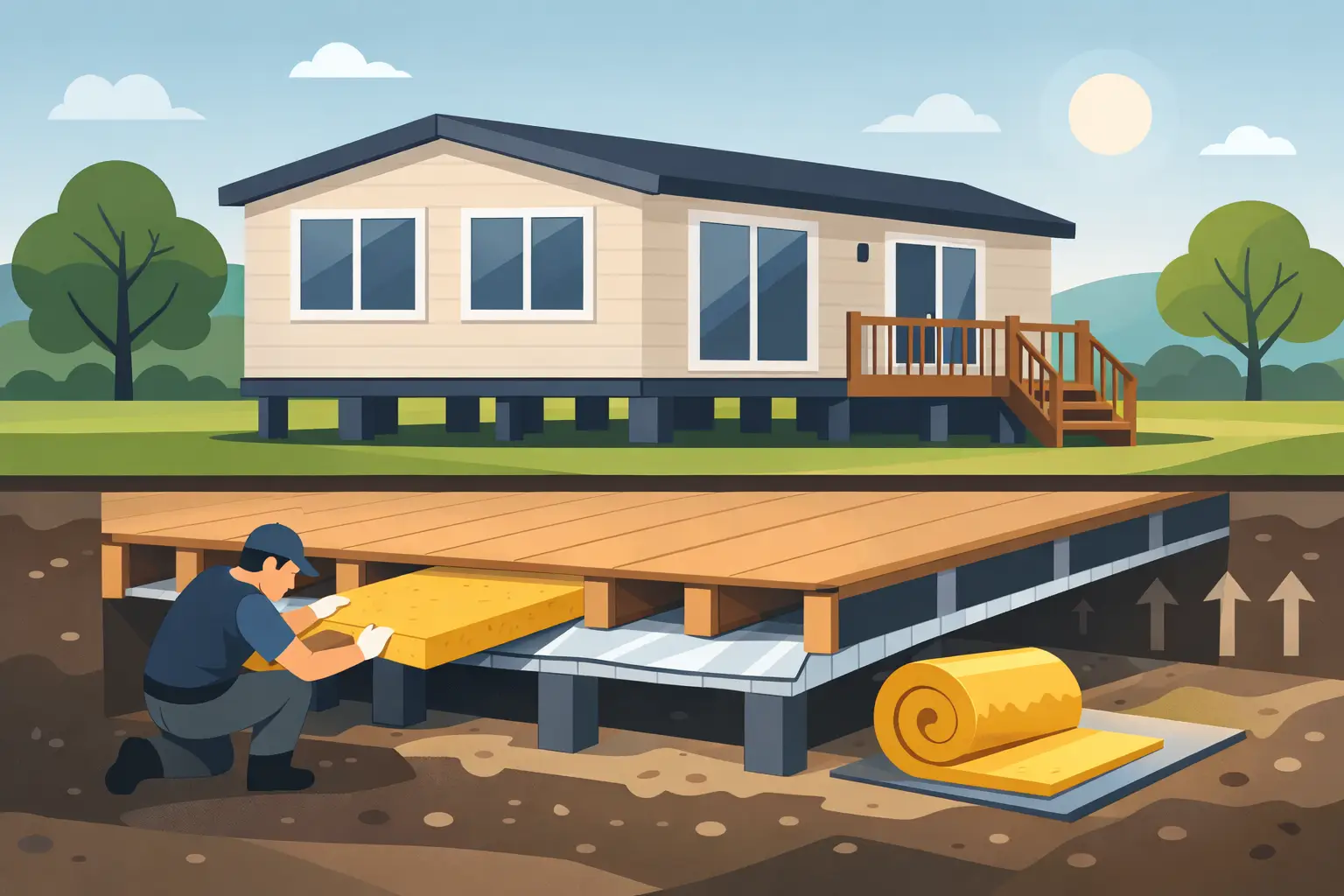
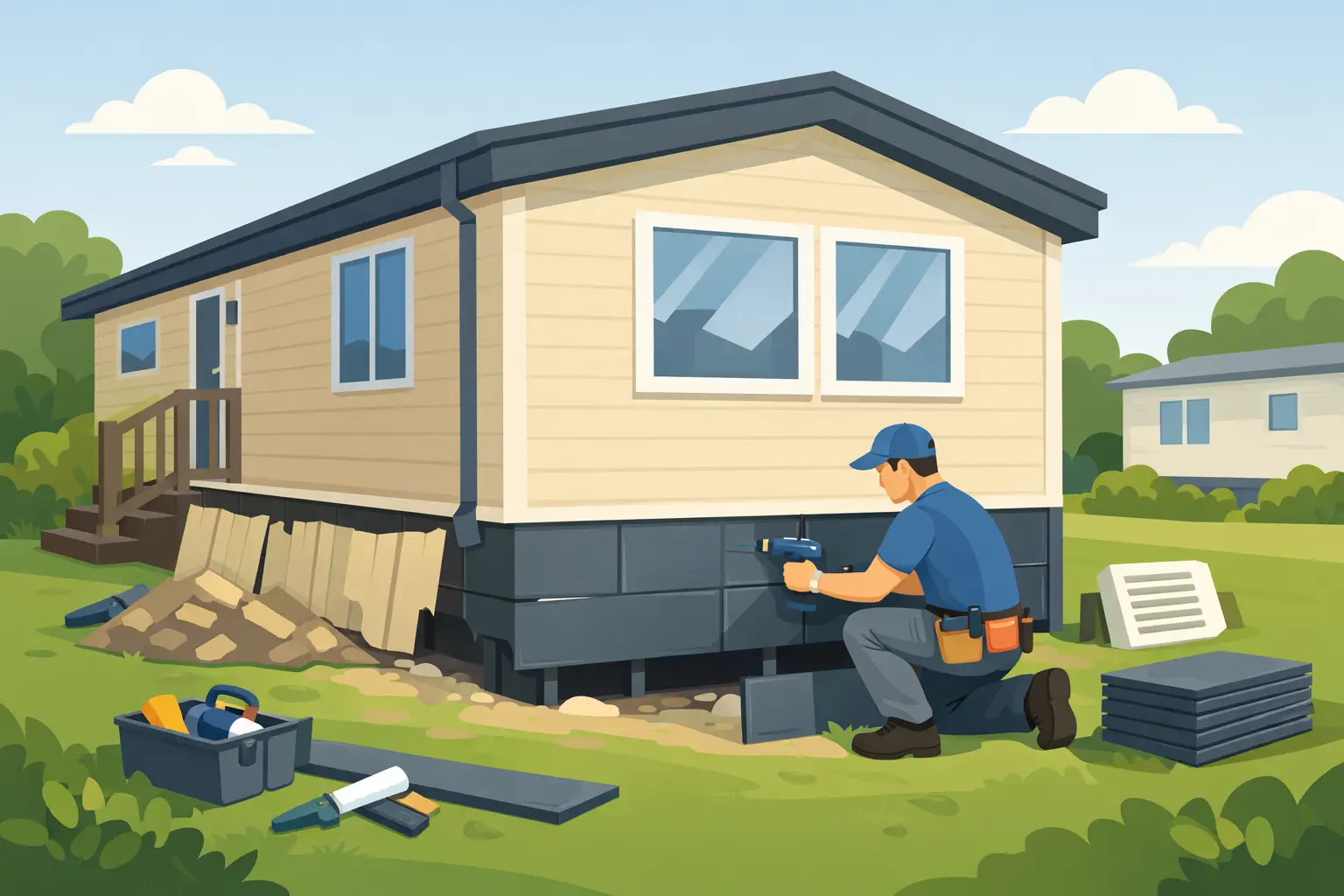
The space beneath a park home is easily overlooked because it is out of sight. Yet it is vital to the home’s warmth, stability and moisture control. Air bricks and ventilation openings must remain clear. Do not block them with stored belongings, skirts, soil, leaves or vegetation in an effort to stop draughts.
The answer to a cold floor is not to seal the underfloor area completely. It is to retain suitable ventilation while improving the thermal performance of the floor structure. Professionally installed underfloor insulation can make rooms feel warmer underfoot and reduce heat loss, helping to limit the cold surfaces that attract condensation.
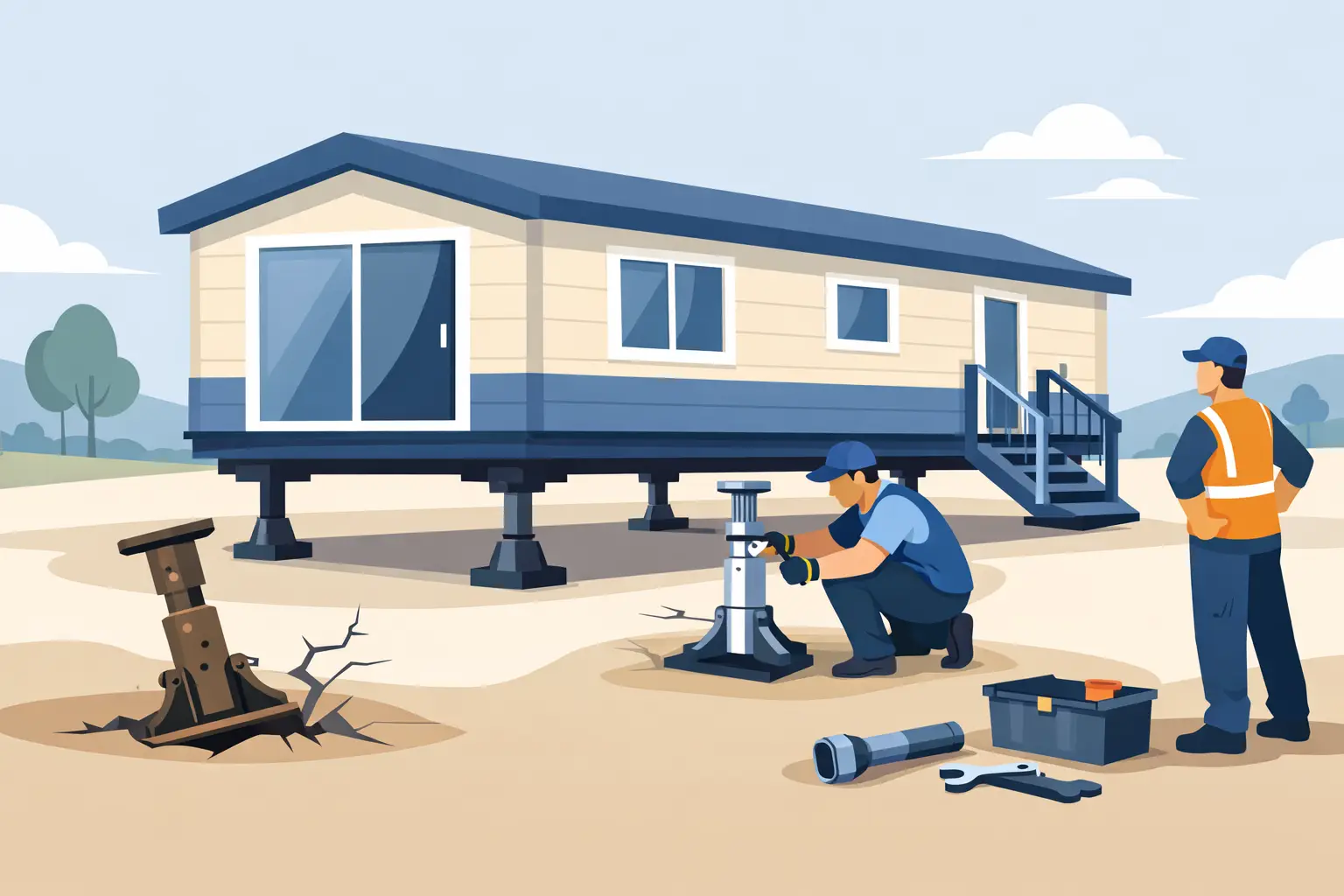
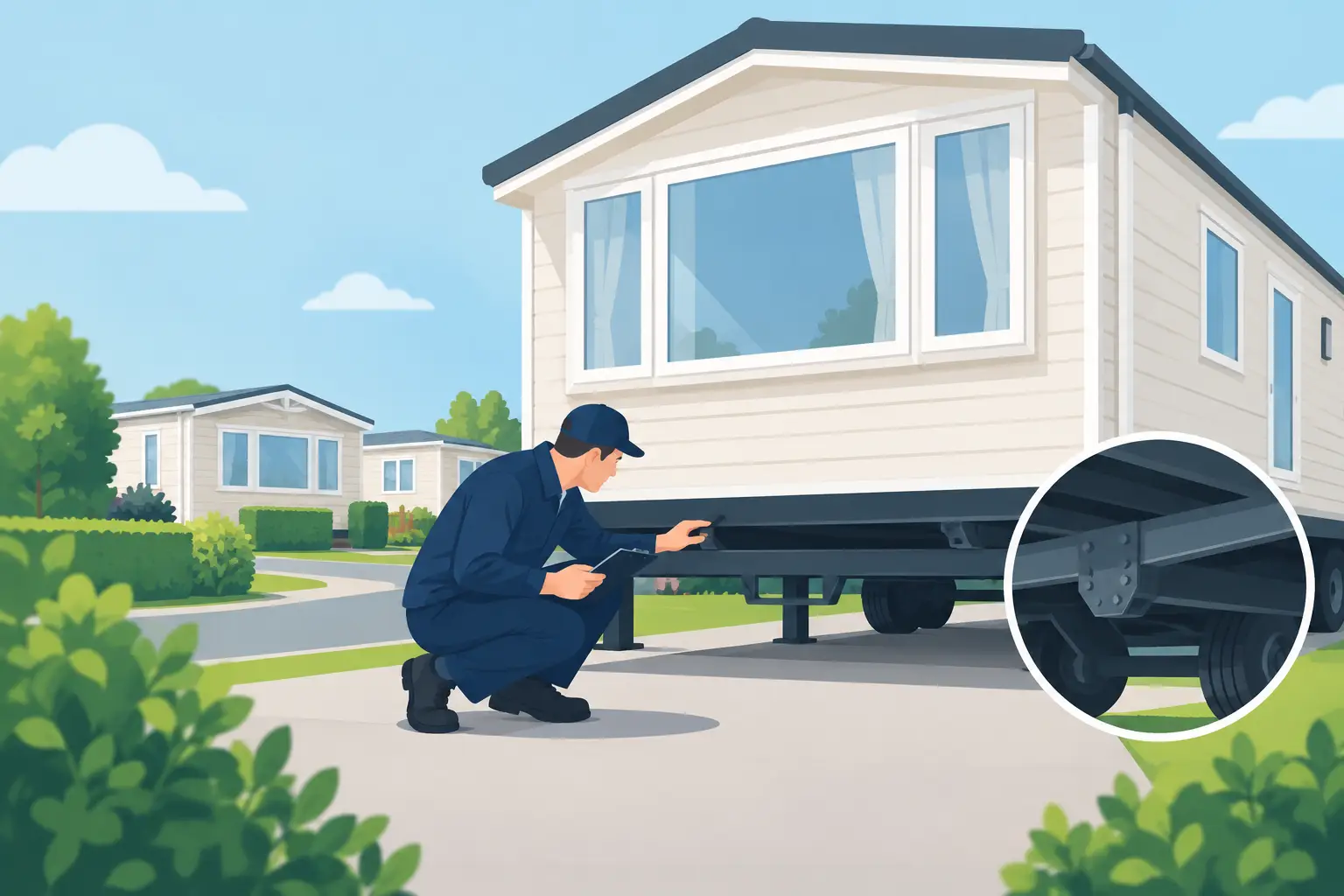
While the underfloor area is being inspected, it is sensible to check for signs of standing water, damaged insulation, corroded chassis components, deteriorated timbers and unstable or ageing support jacks. These issues do not always cause damp directly, but they can make a moisture problem more serious and complicate repairs later. Park homes need an approach that considers the whole structure, not just the visible symptom inside a room.
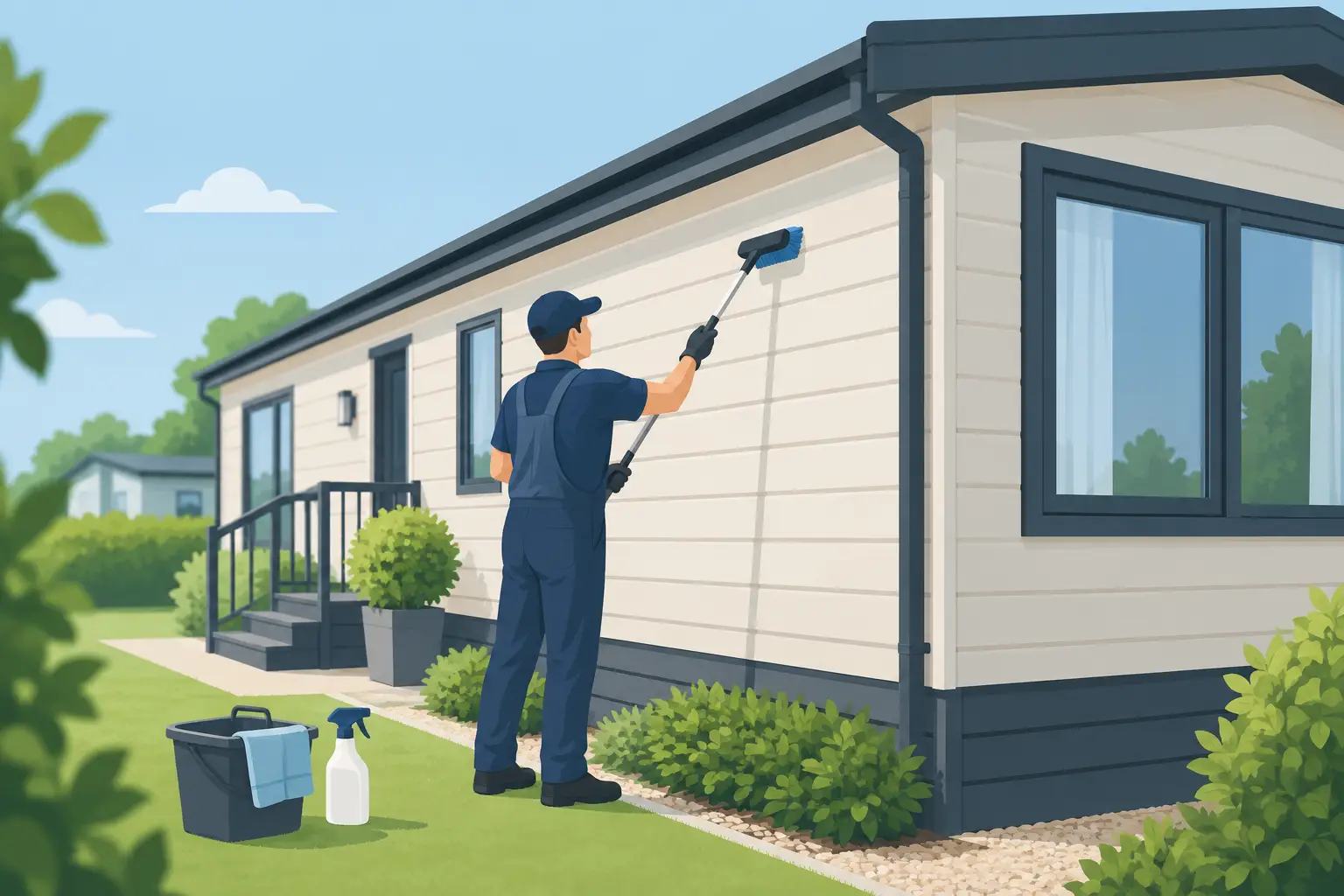
Surface mould around a window or in a bathroom may be caused by condensation, and it should be cleaned using an appropriate mould treatment while the ventilation issue is addressed. Always follow the product instructions, wear suitable gloves and avoid simply painting over affected areas.
Mould that returns quickly, spreads across walls, appears alongside soft plasterboard or produces a persistent musty odour needs further investigation. Likewise, call for advice if you notice bubbling wall finishes, warped flooring, staining that grows after rain, or a sudden increase in draughts and cold patches. These can indicate water entering the building fabric.
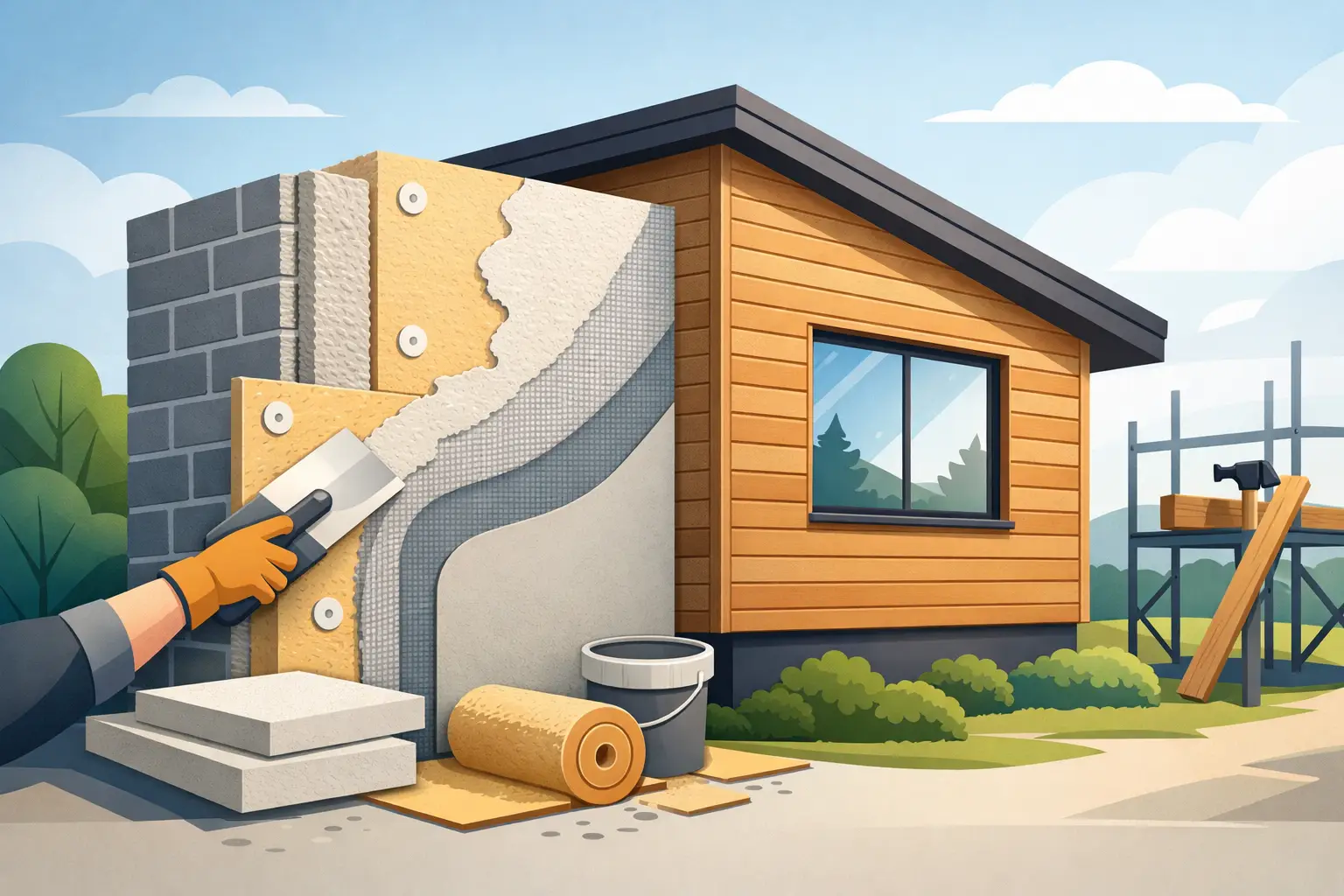
Do not assume that an older park home is bound to be damp. Ageing materials may need attention, but well-planned refurbishment can greatly improve weather protection, insulation and comfort. Repairs to roofing, external cladding, wall insulation, windows, floor insulation and seals should be considered together where appropriate, so one improvement does not create a new weak point elsewhere.
A simple maintenance routine gives you the best chance of catching defects early. Check gutters, roof edges and external seals in spring and autumn, and after severe weather. During winter, monitor condensation on windows and use ventilation consistently. In warmer months, inspect beneath the home for blocked vents, signs of water pooling and damage that may have been hidden by vegetation.
Keep a note of when you first notice staining, smells or mould, and whether it worsens after rain, showers or cold weather. This information helps identify the cause and gives a specialist a clearer picture when assessing the home.
New Look Park Homes Ltd works specifically with the construction and refurbishment needs of park and static homes, from weatherproofing and roof repairs to underfloor insulation and exterior upgrades. Where damp is suspected, an experienced inspection can identify the source before work begins, helping to protect your home rather than just improve its appearance.
A dry park home should feel calm, warm and straightforward to live in. Acting when the first signs appear, rather than waiting for visible damage to spread, gives you more repair options and helps preserve the comfort and value you have worked hard to maintain.