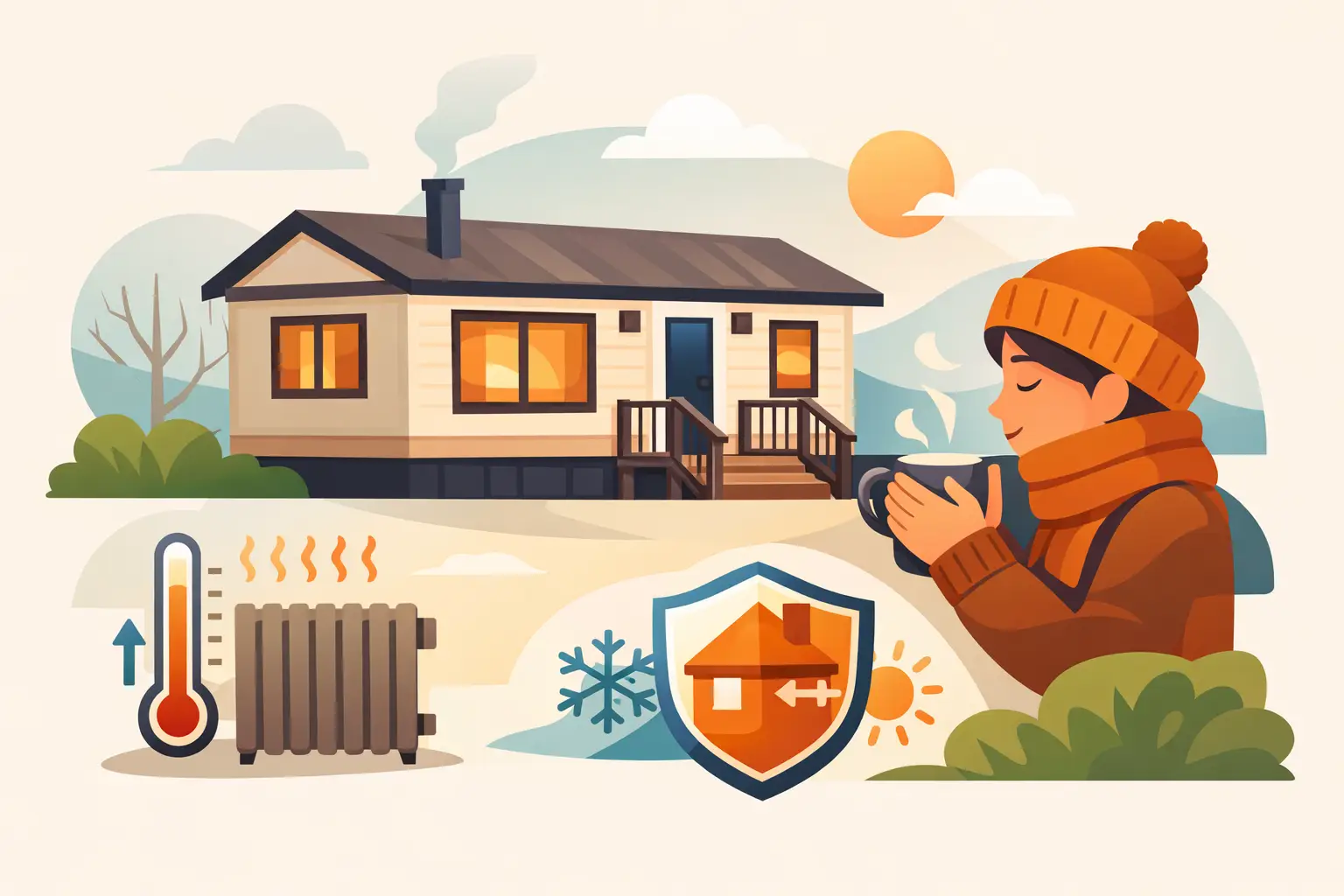
If your feet are cold by breakfast and the heating seems to work overtime without making the home properly comfortable, it is fair to ask: why are park homes cold? In many cases, the problem is not one single fault. It is a combination of heat loss through the floor, walls, roof, windows and small gaps that let cold air in all day long.
Park homes are built differently from traditional brick houses, and that matters. They sit on a chassis, they have ventilated space beneath them, and many older units were not built to the insulation standards people expect today. That does not mean a park home has to stay cold. It does mean the cause needs to be identified properly, then dealt with in the right order.
This is one of the most common complaints we hear from park home owners. The heating may be on for hours, but the home still feels chilly, especially around the floor, near windows, or in one particular room. That usually points to heat escaping faster than the system can replace it.
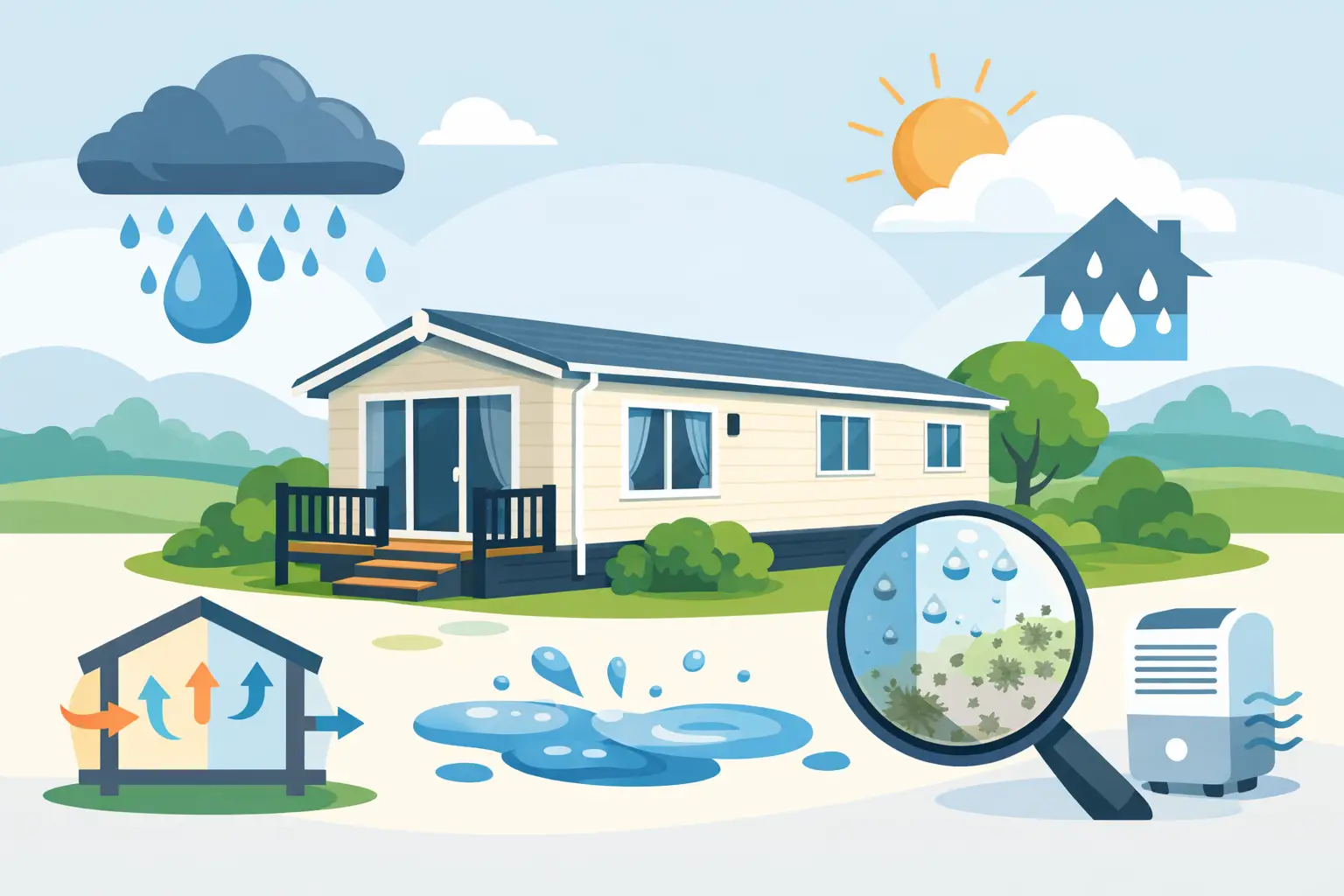
In a park home, warmth can disappear from several directions at once. Cold air may come up from underneath. Wall insulation may have settled or deteriorated over time. Roof insulation may be thin, damp or patchy. Older windows and doors may allow both draughts and heat loss. The result is a home that never seems to hold an even temperature.
Sometimes owners assume the boiler or radiators are at fault, when the real issue is the building fabric. Heating a poorly insulated park home is a bit like trying to warm a room with the window slightly open. You can keep adding heat, but comfort remains inconsistent and bills rise without much reward.
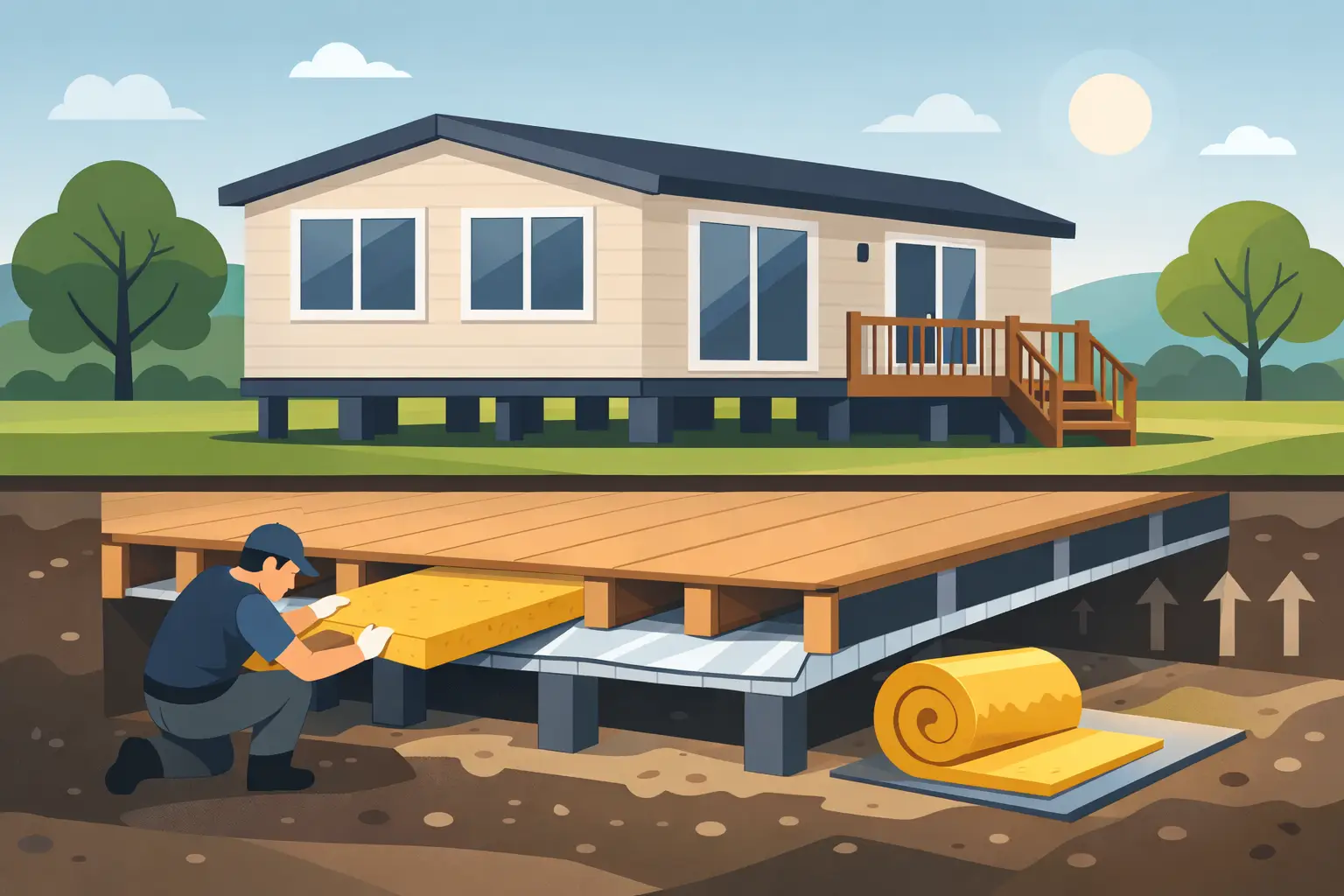
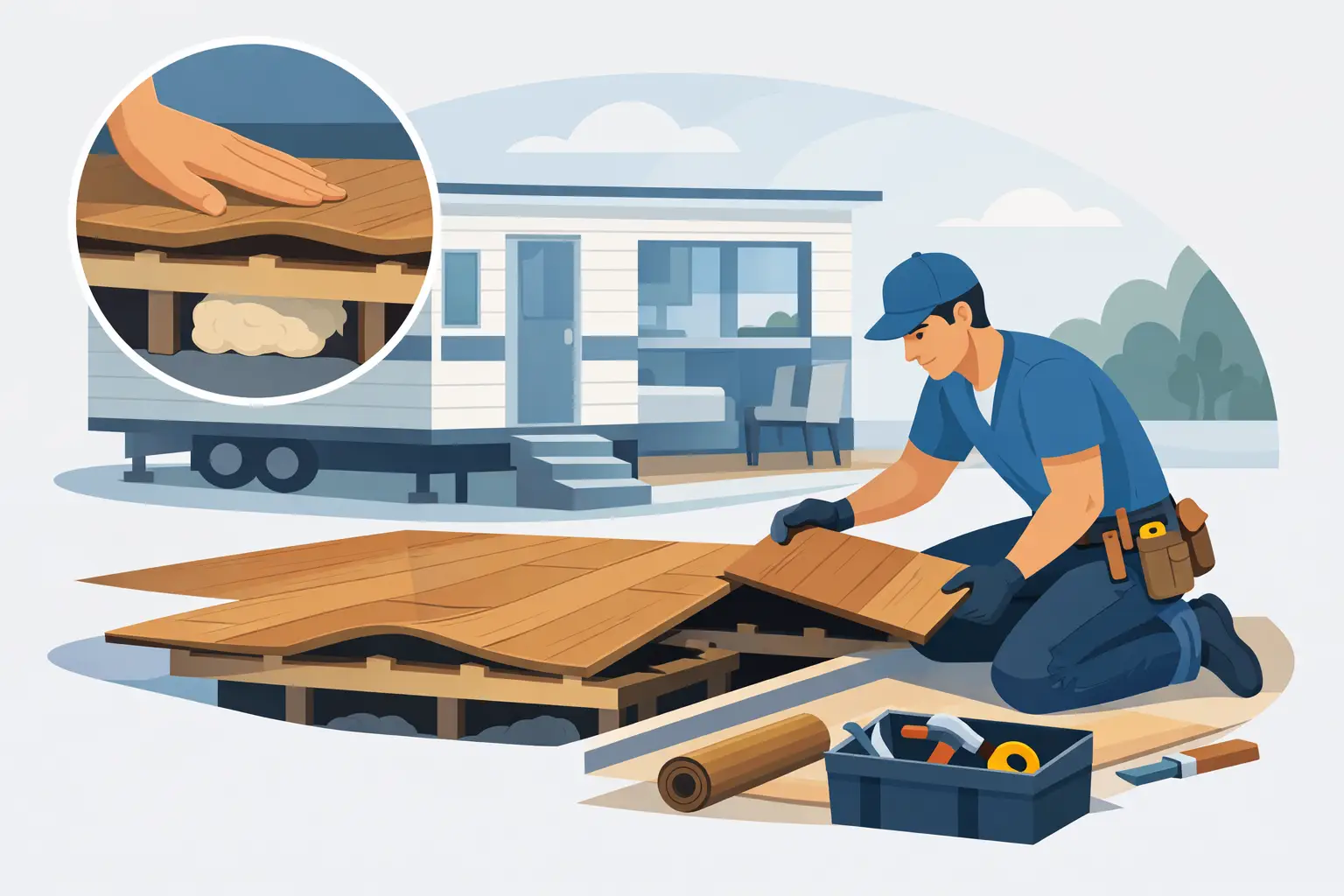
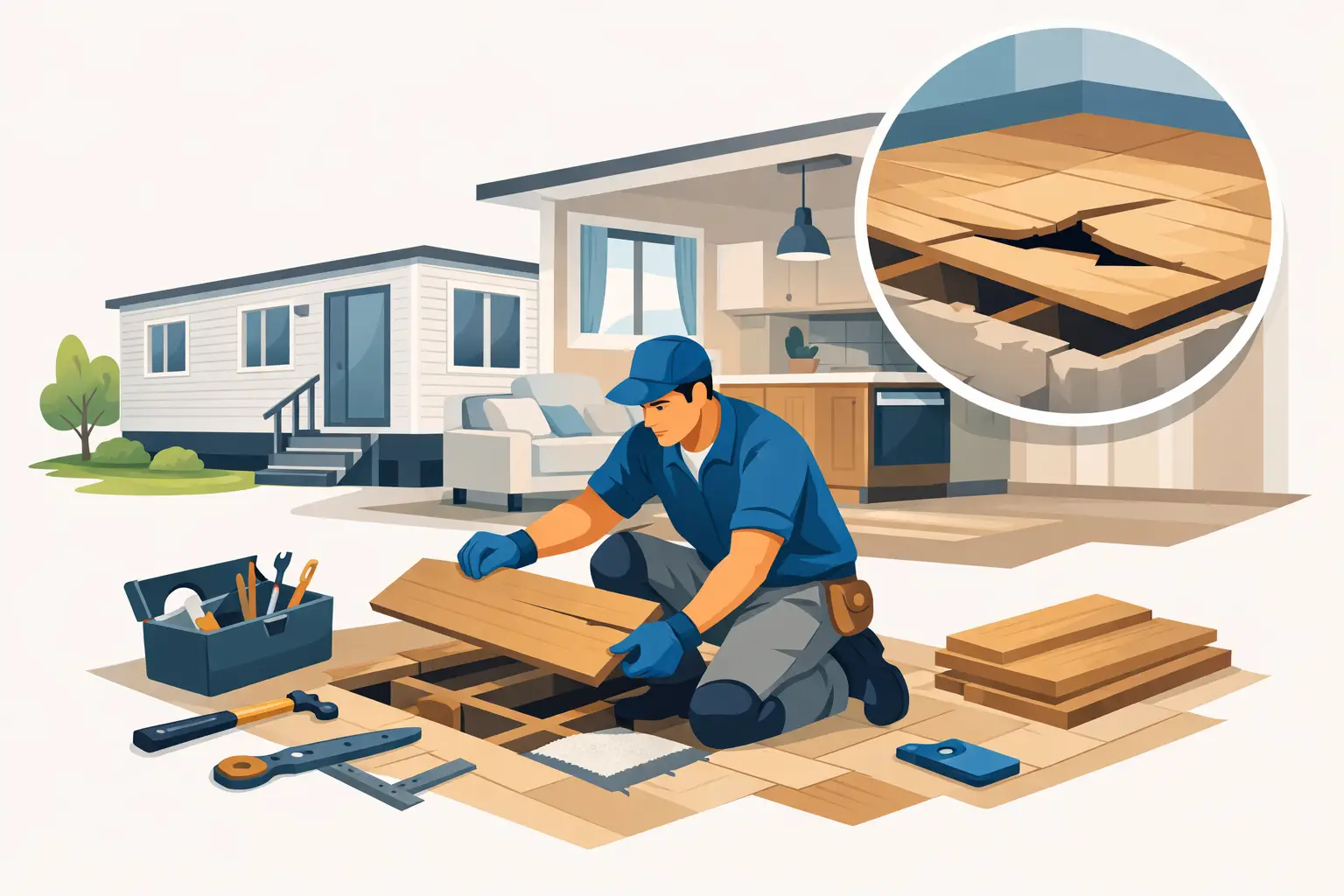
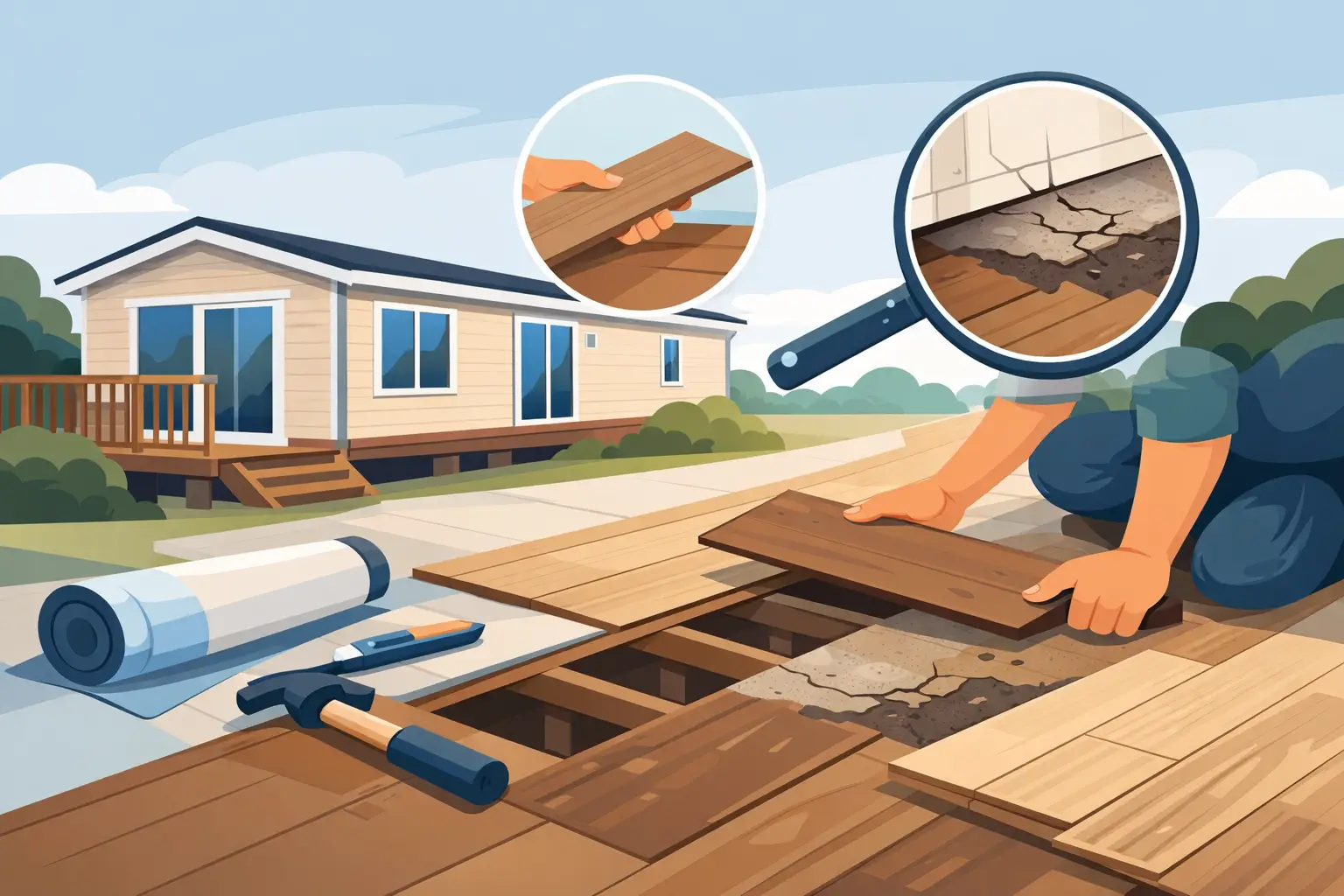
If a park home feels especially cold underfoot, the floor is usually the first place to inspect. Unlike a standard house built on solid foundations, a park home has open air circulating beneath it. That design is normal, but it also creates one of the biggest routes for heat loss.
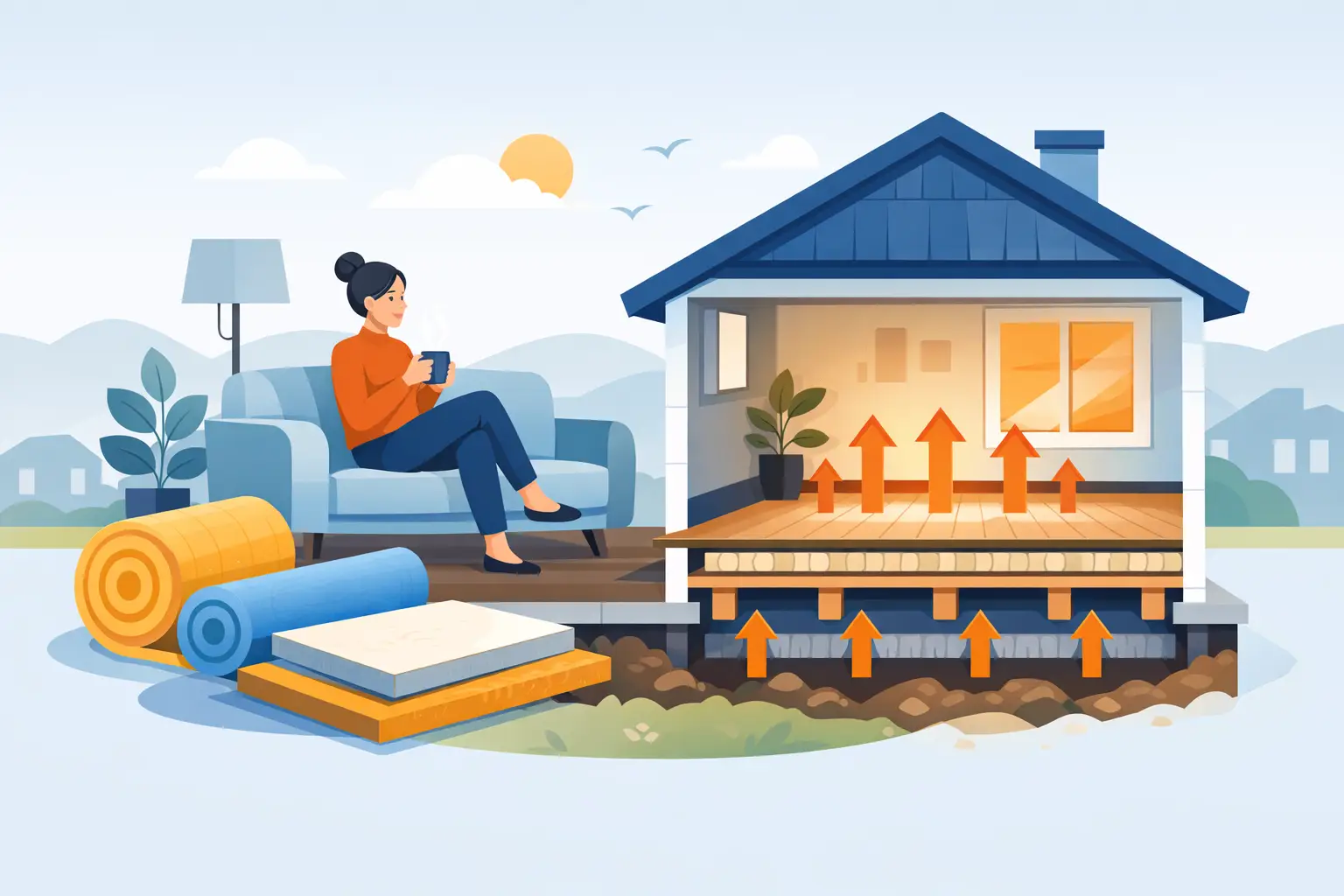
When underfloor insulation is missing, damaged or inadequate, cold air below the home cools the floor structure from underneath. You notice it first in winter, but in truth it affects comfort for much of the year. Even if the rest of the room feels reasonable, cold rising through the floor can make the whole home feel less comfortable.
This is why underfloor insulation can make such a noticeable difference. It helps reduce heat loss, cuts draughts at floor level and creates a more even indoor temperature. For many owners, it is the upgrade they feel most quickly in day-to-day living.
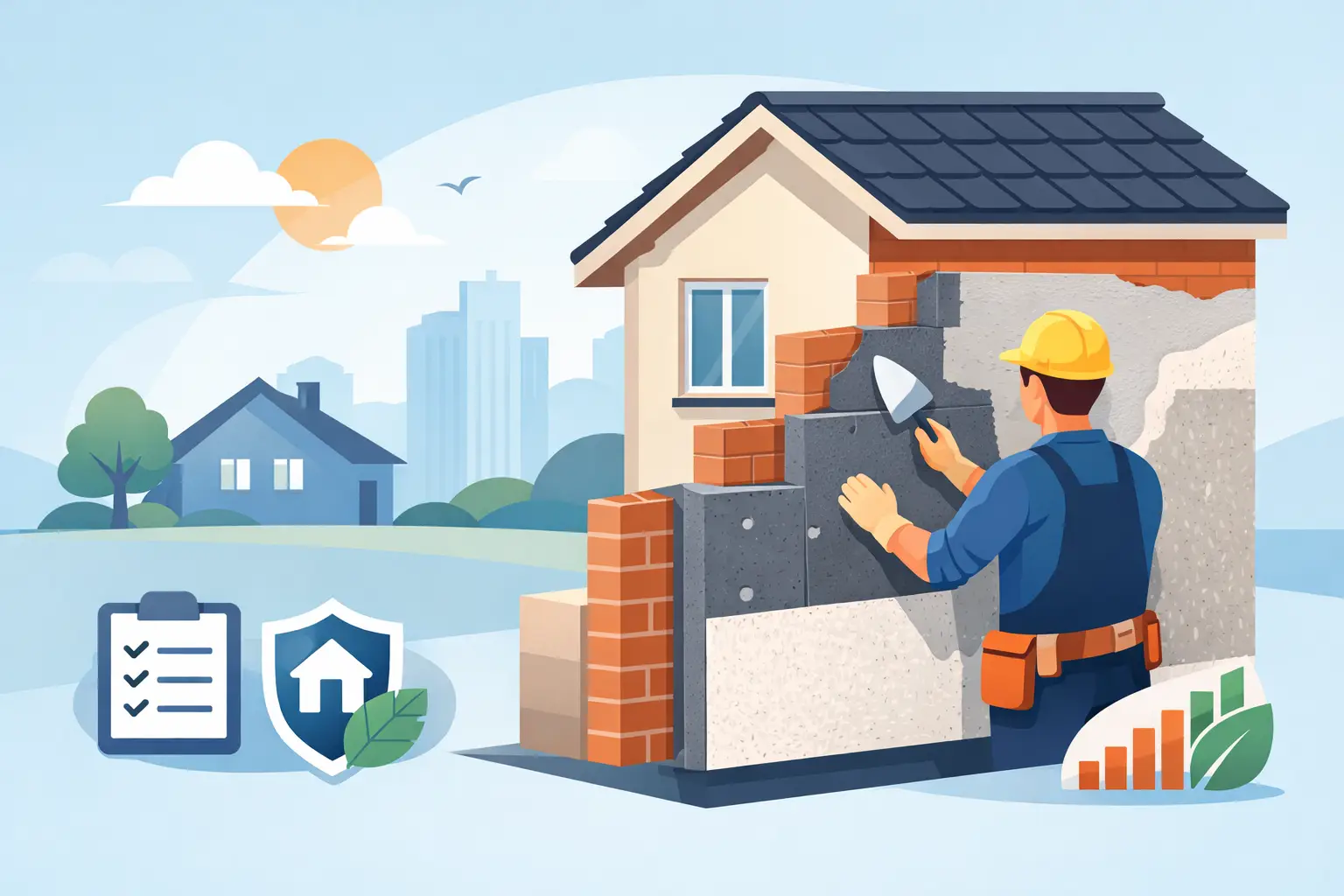
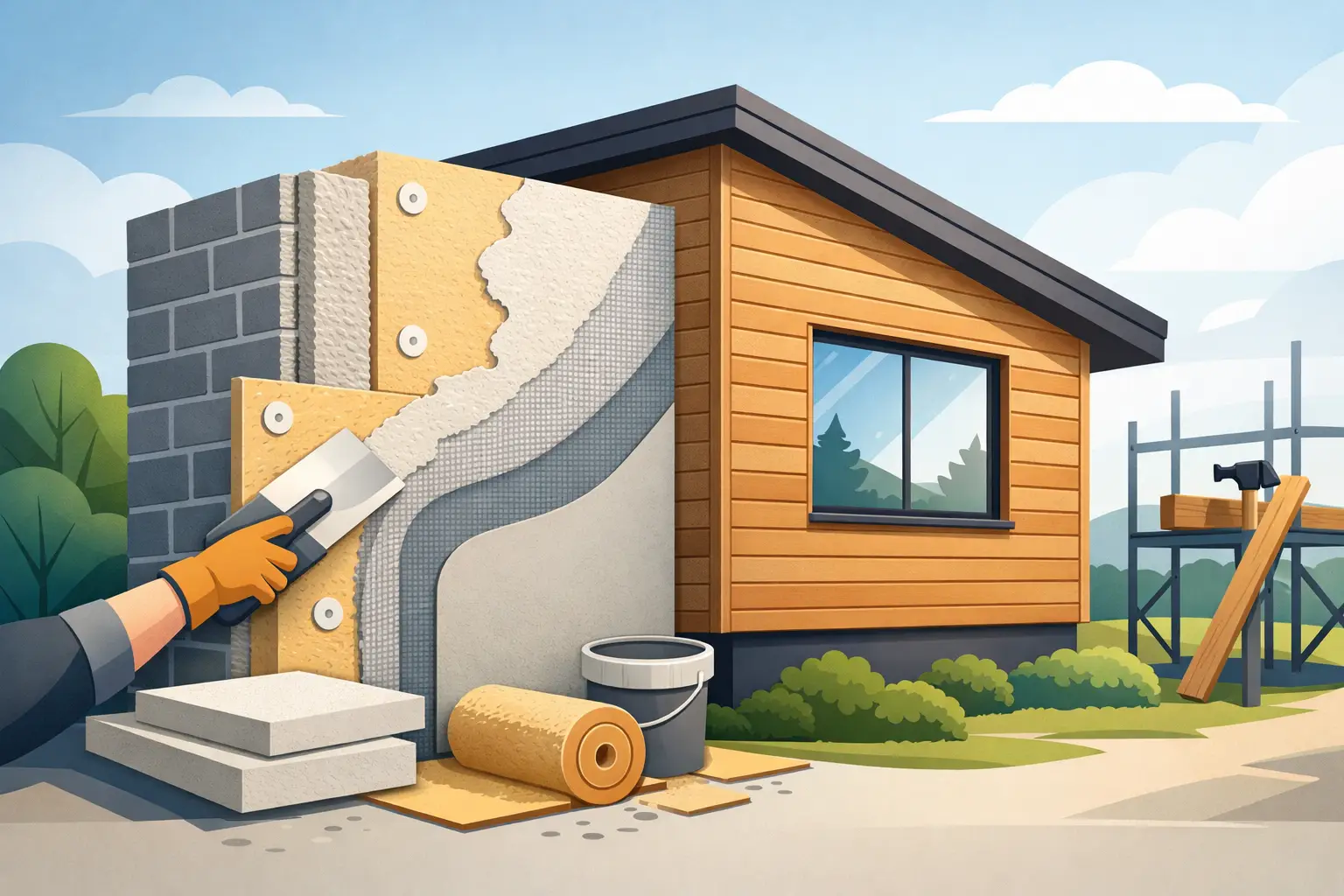
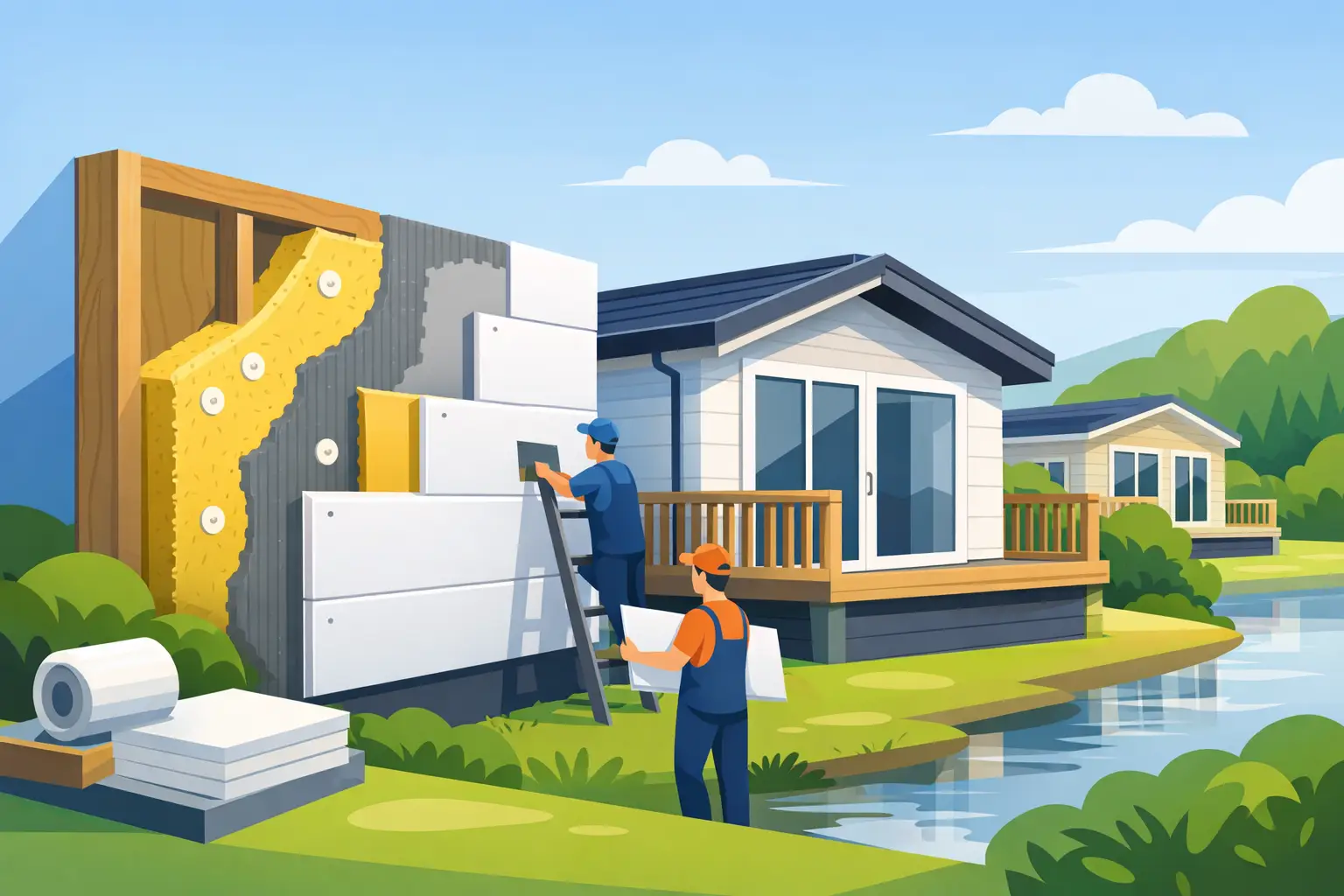
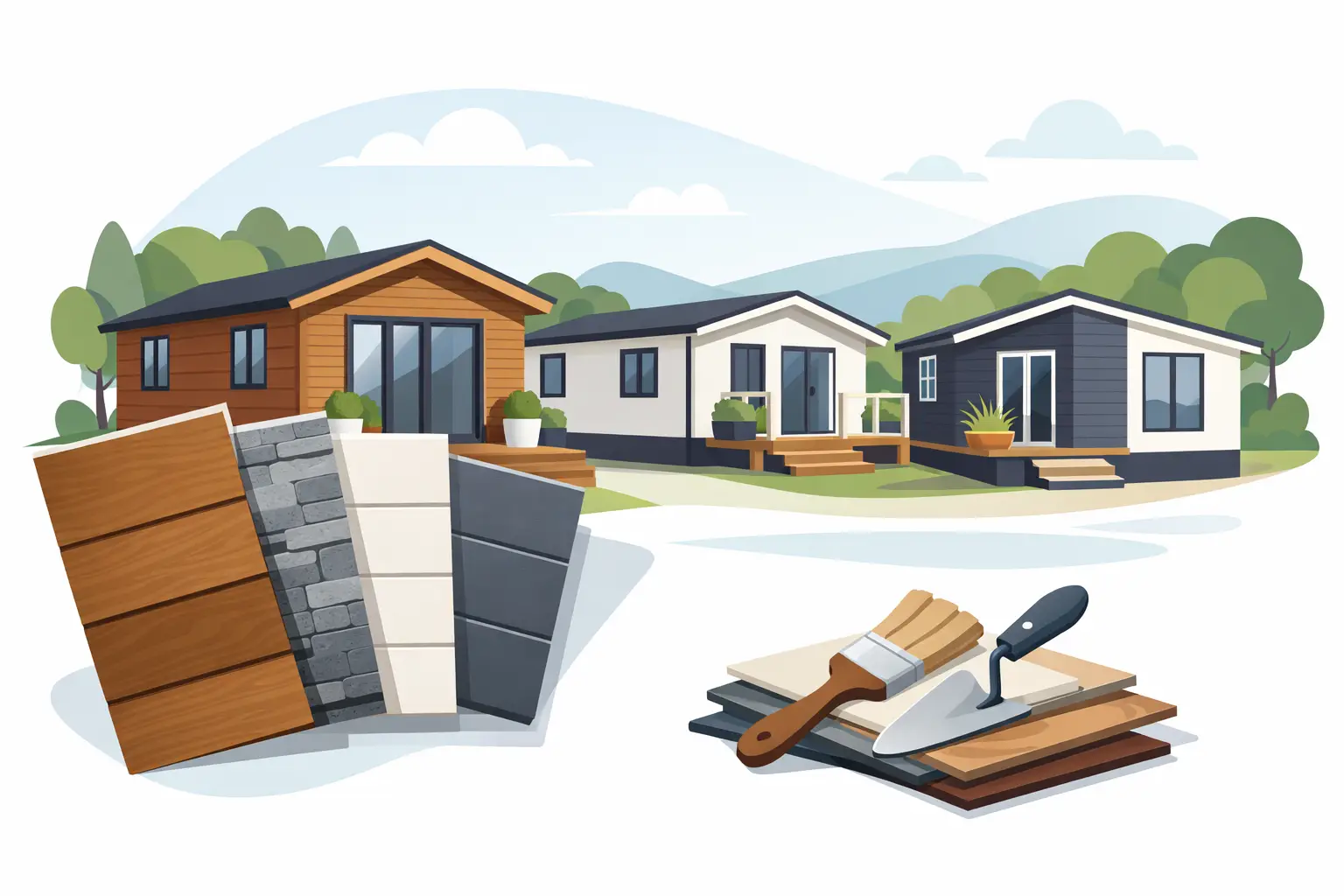
Wall insulation in park homes varies a great deal depending on the age, construction and condition of the property. Older homes are often the worst affected. Materials used years ago may no longer be performing as they should, and in some cases there may simply not be enough insulation in the structure.
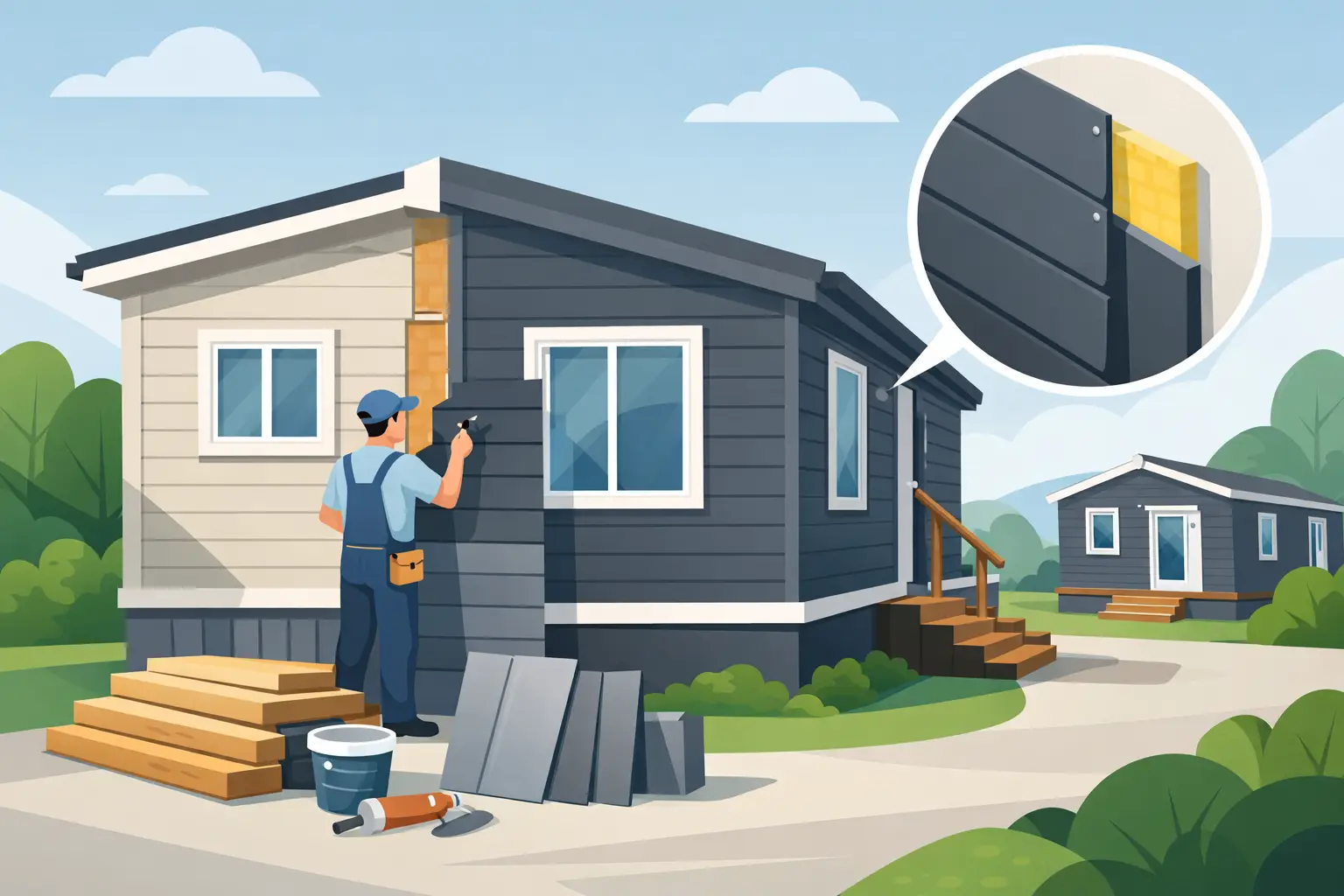
External walls also take the full force of British weather. Driving rain, wind exposure and years of temperature changes can all affect how well the outer shell performs. If cladding is tired, joints are failing or insulation behind the wall has degraded, heat loss becomes much more noticeable.
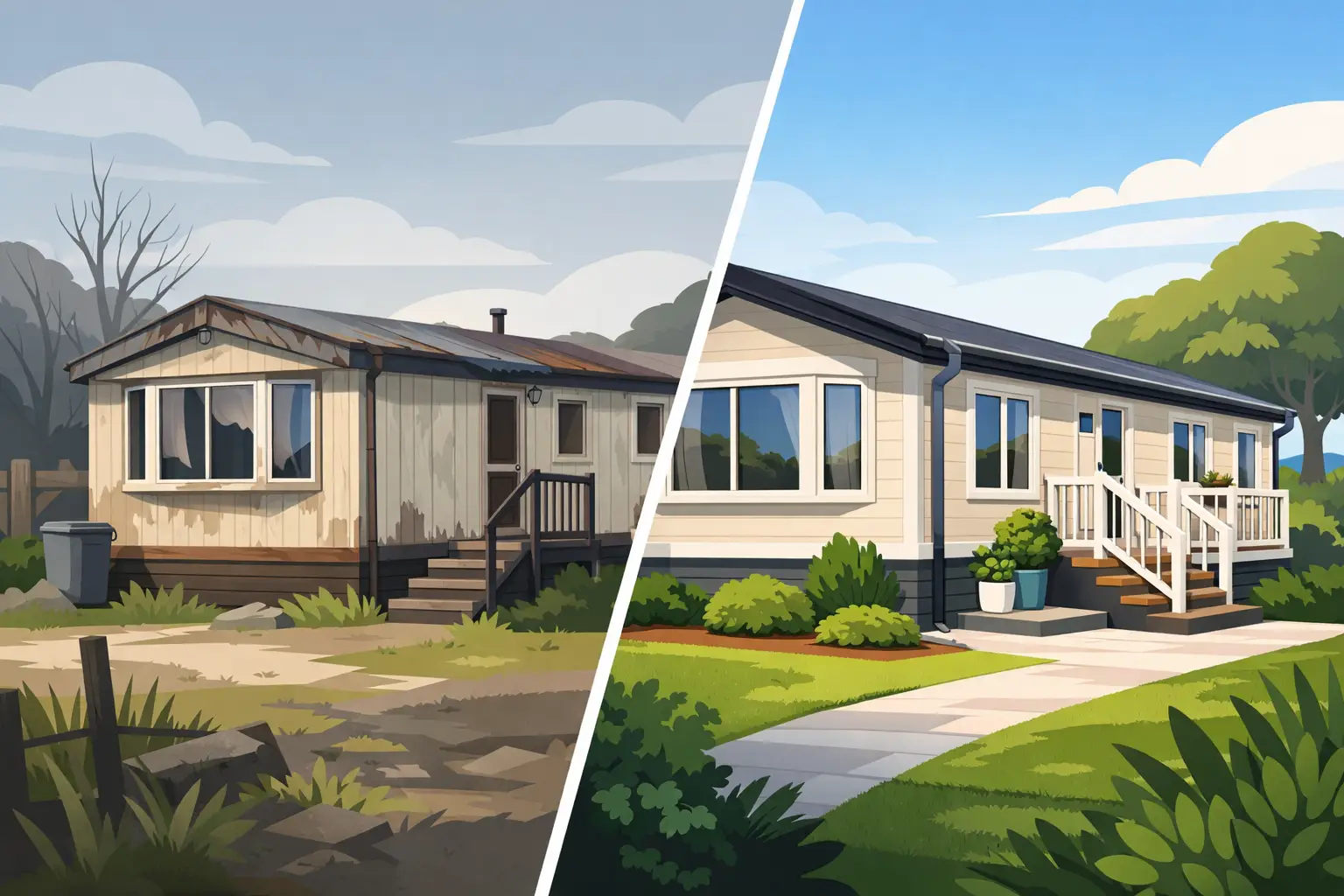
A wall upgrade is not only about warmth. It can also improve the appearance of the home, reduce maintenance and help protect the structure over the long term. The right solution depends on the condition of the existing walls. Sometimes repair is enough. Sometimes a full external refurbishment gives better value.
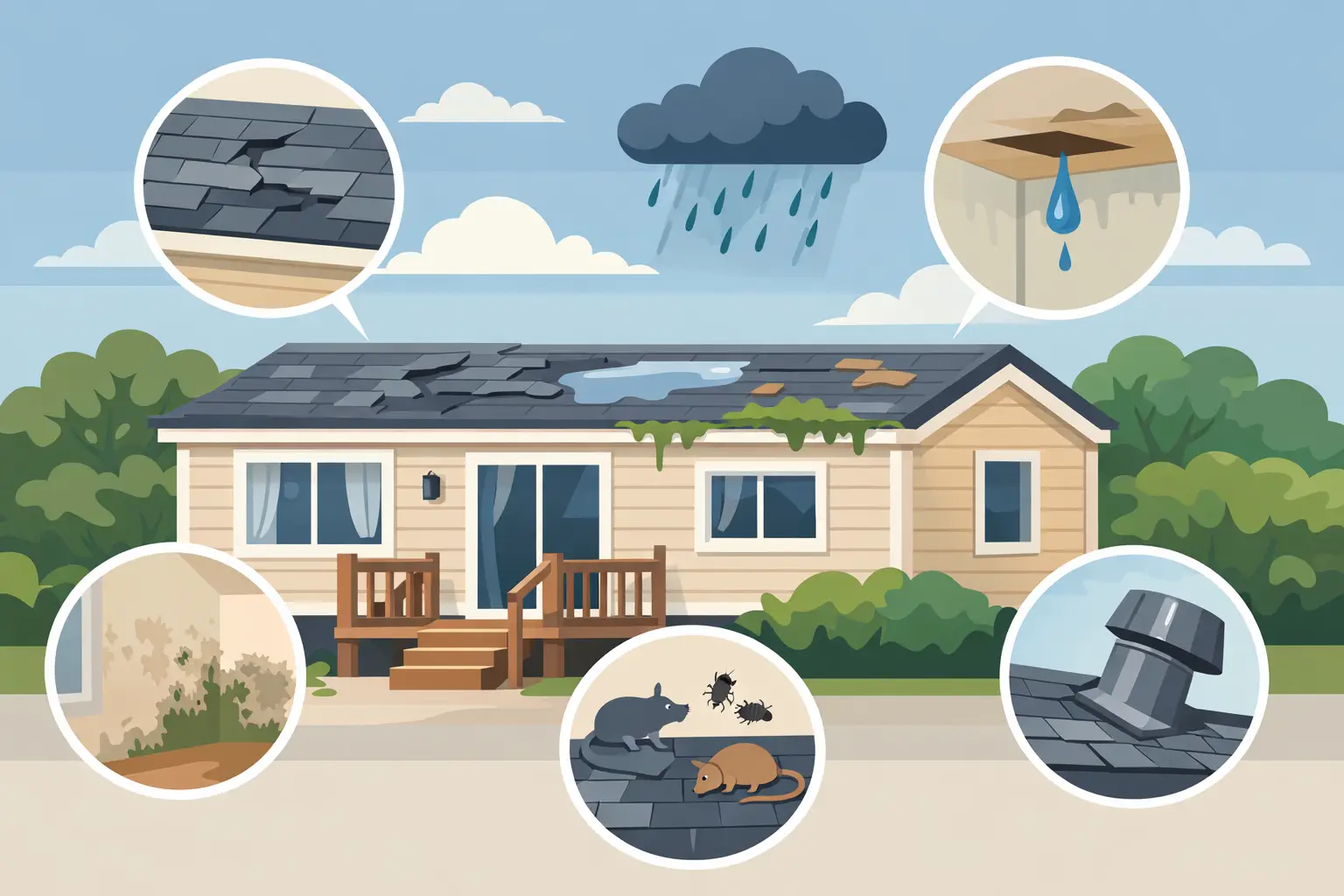
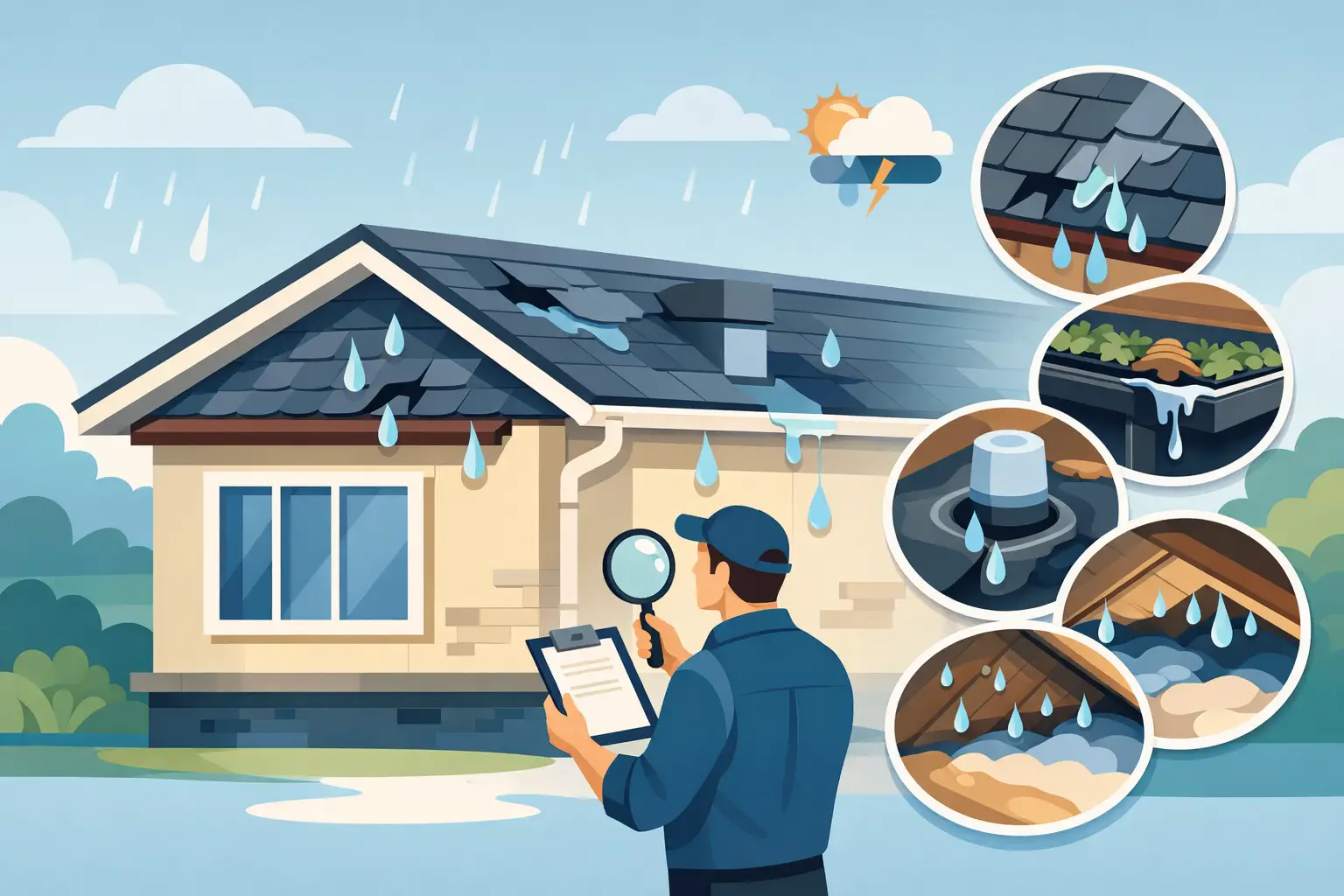
Warm air rises, so any weakness in the roof structure can have a direct effect on how warm the home feels. In some park homes, the roof is letting out more heat than owners realise, especially where insulation is thin or where age and moisture have caused deterioration.
A roof does not need to be visibly failing to affect thermal performance. Even if there is no active leak, older roof systems may not retain heat well. If the home feels cold despite the heating running, and upper parts of rooms cool quickly, the roof should be part of the assessment.
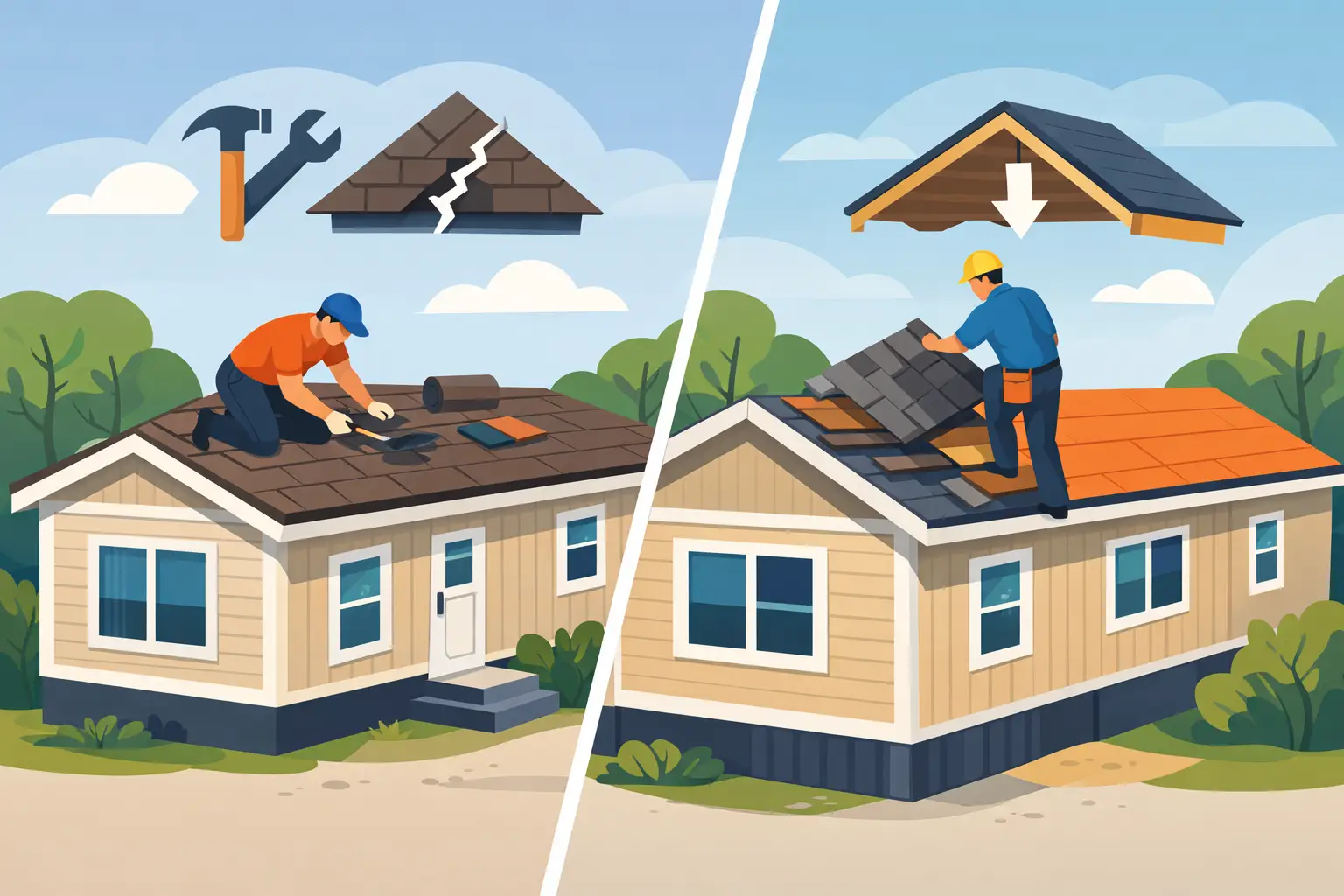
Where roofing materials are damaged or nearing the end of their life, replacement can improve both weather protection and energy efficiency. Where the issue is more localised, repairs may be enough. It depends on condition, age and how the roof was originally built.
Not every cold park home has a major structural problem. Sometimes a large part of the discomfort comes from small but persistent draughts. Gaps around doors, ageing window seals, vents that are not working as intended and poorly fitted trim can all make a room feel colder than it should.
Draughts are particularly noticeable when you are sitting still, such as in the lounge during the evening or in bed at night. They can also create cold spots that make you turn the heating up unnecessarily. That pushes running costs higher without solving the real problem.
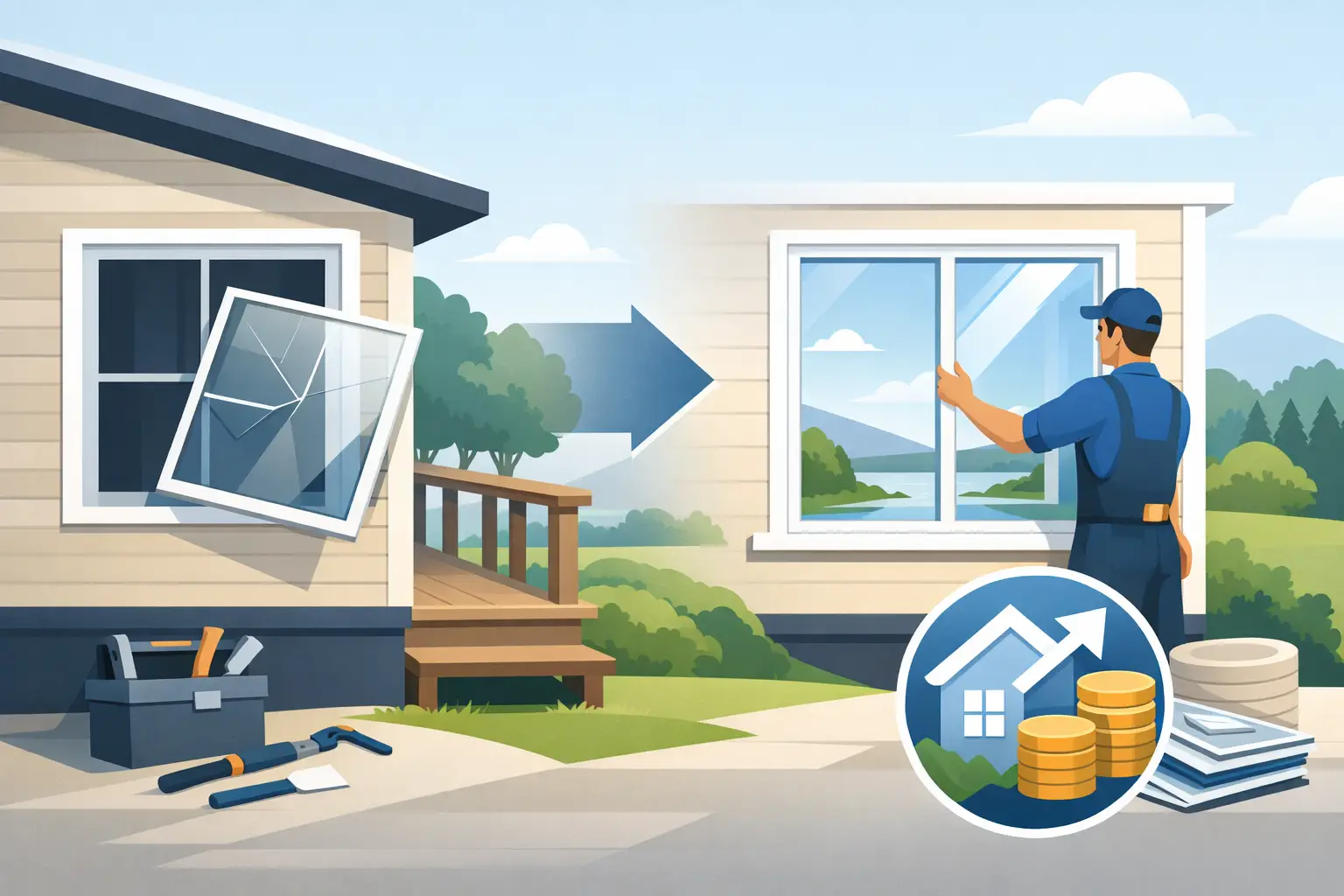
Older glazing can be another factor. If windows are dated or not sealing properly, the inside surface becomes cold and the room loses heat more quickly. Condensation can also become an issue, which is uncomfortable in its own right and may point to a wider insulation or ventilation problem.
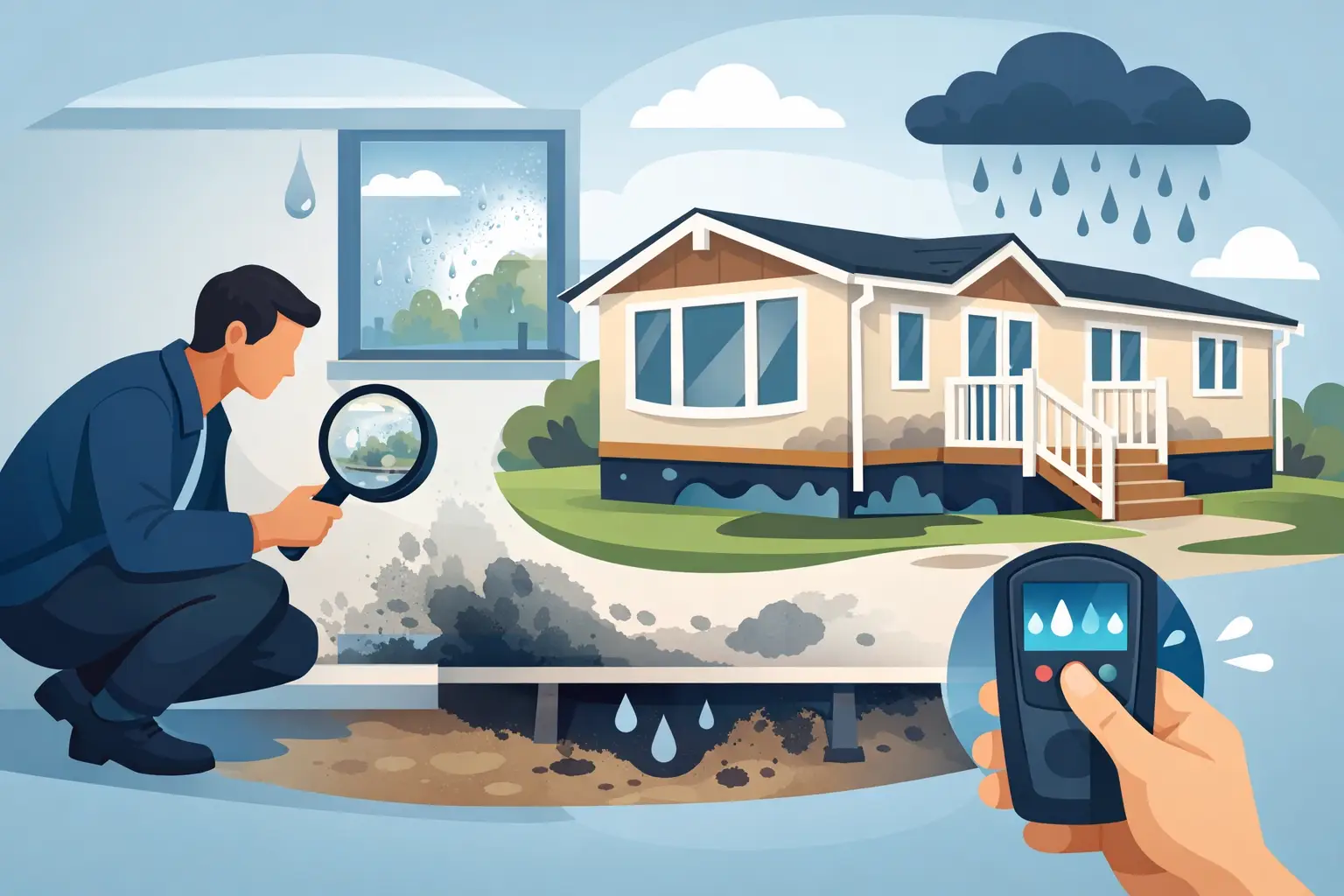
A home that feels cold can also feel damp, and the two issues are often linked. When insulation is poor and surfaces are cold, moisture in the air is more likely to settle as condensation. That can make the home feel clammy as well as chilly.
This is where it is important not to guess. Some owners focus only on adding more heat, but if cold surfaces and poor ventilation are part of the problem, the result may be high bills and ongoing condensation. Likewise, blocking ventilation completely is rarely the answer. Park homes need proper airflow, but it must be balanced with good insulation and well-sealed construction.
A specialist assessment helps separate what is normal ventilation from what is unnecessary draughting or heat loss.
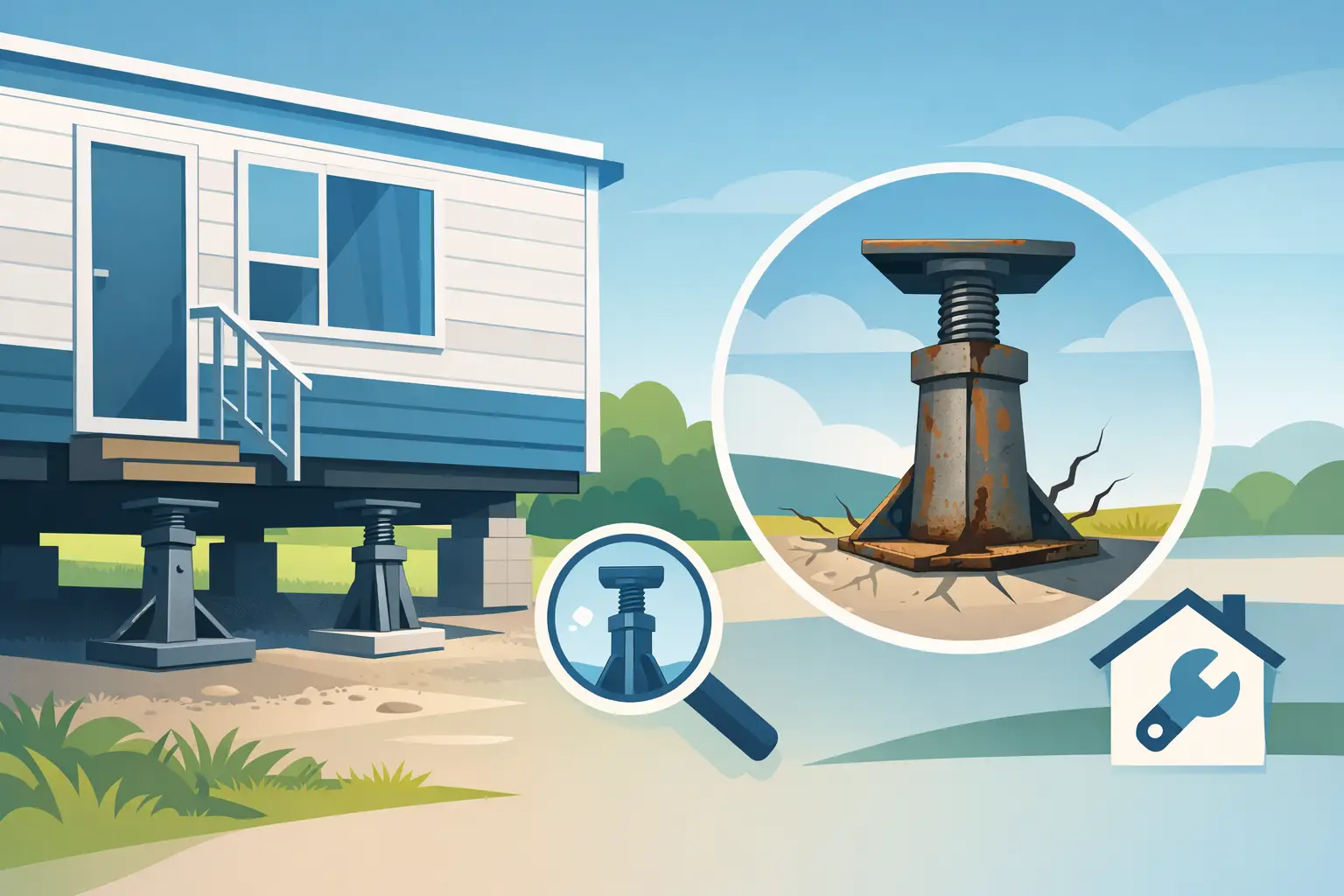
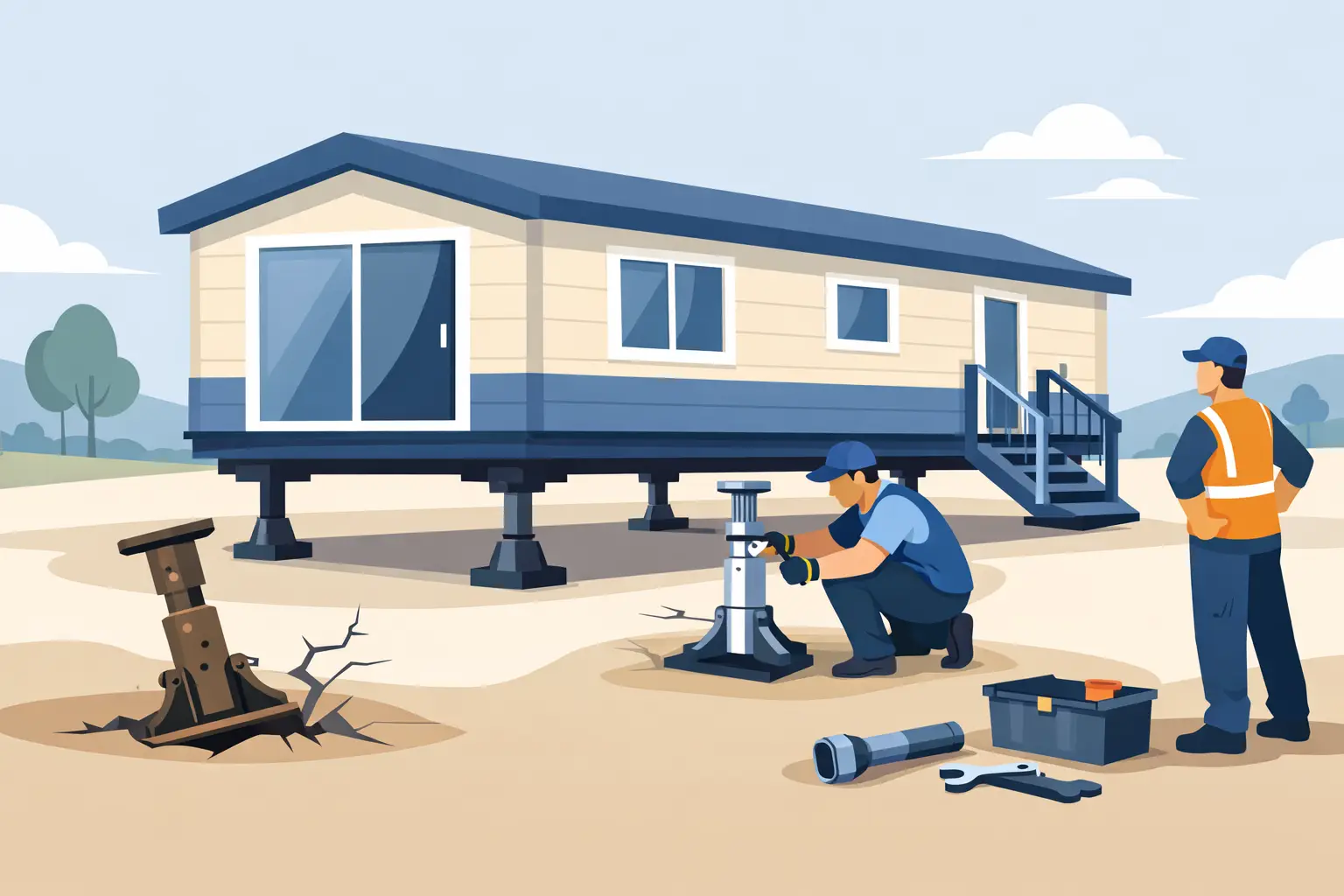
Older park homes are more likely to suffer from a combination of issues rather than one obvious defect. The original insulation may be below modern expectations. The cladding may have aged. The roof may have had repairs over the years without a full thermal upgrade. Support systems beneath the home may also have shifted, affecting how the structure sits and how exposed the underside becomes.
This is one reason general building advice does not always fit. Park homes have their own construction details, and those details affect warmth, movement, maintenance and repair methods. A park home specialist will usually look at the home as a whole rather than treating the cold as just a heating issue.
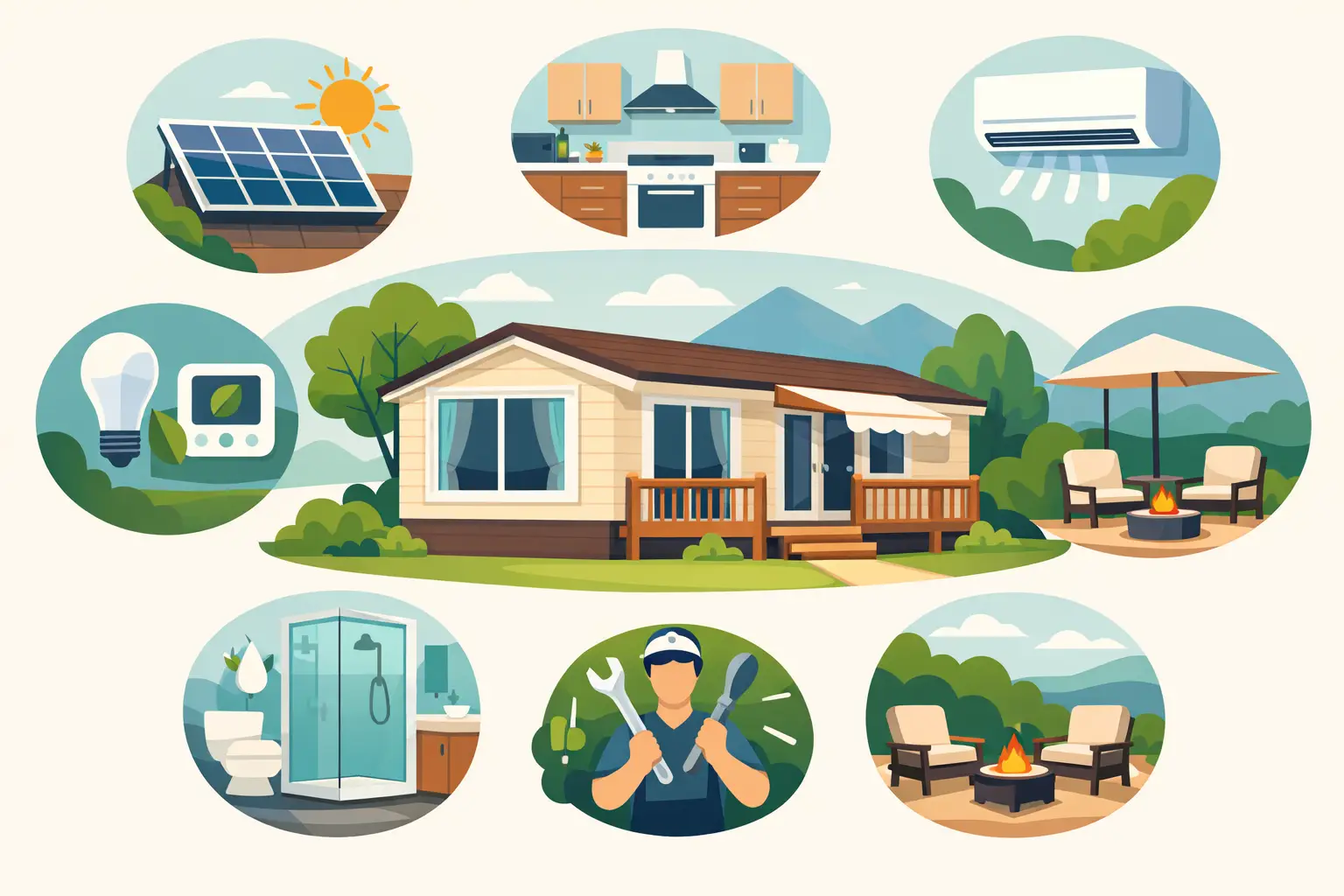
The best results usually come from addressing the biggest areas of heat loss first. In many cases that means underfloor insulation, followed by wall and roof improvements where needed. If windows, doors or external finishes are in poor condition, they should be part of the plan as well.
There is no single answer that suits every home. One property may need immediate attention underneath because the floor is losing most of the heat. Another may benefit more from external cladding and wall insulation. Another may have a tired roof that is affecting both comfort and weather resistance.
The key is to avoid spending money in the wrong place first. Replacing heating equipment without tackling insulation often leads to disappointment. The home may heat up a little faster, but it still will not retain warmth properly.
For that reason, practical inspection matters. A proper look at the floor, walls, roof, windows and external condition gives a much clearer picture of what is causing the cold. From there, improvements can be prioritised in a sensible way based on comfort, budget and the condition of the home.
Small repairs have their place, but repeated patching can become false economy if the home has several ageing elements at once. If the floor is draughty, the cladding is tired and the roof is underperforming, a more joined-up refurbishment may offer better long-term value.
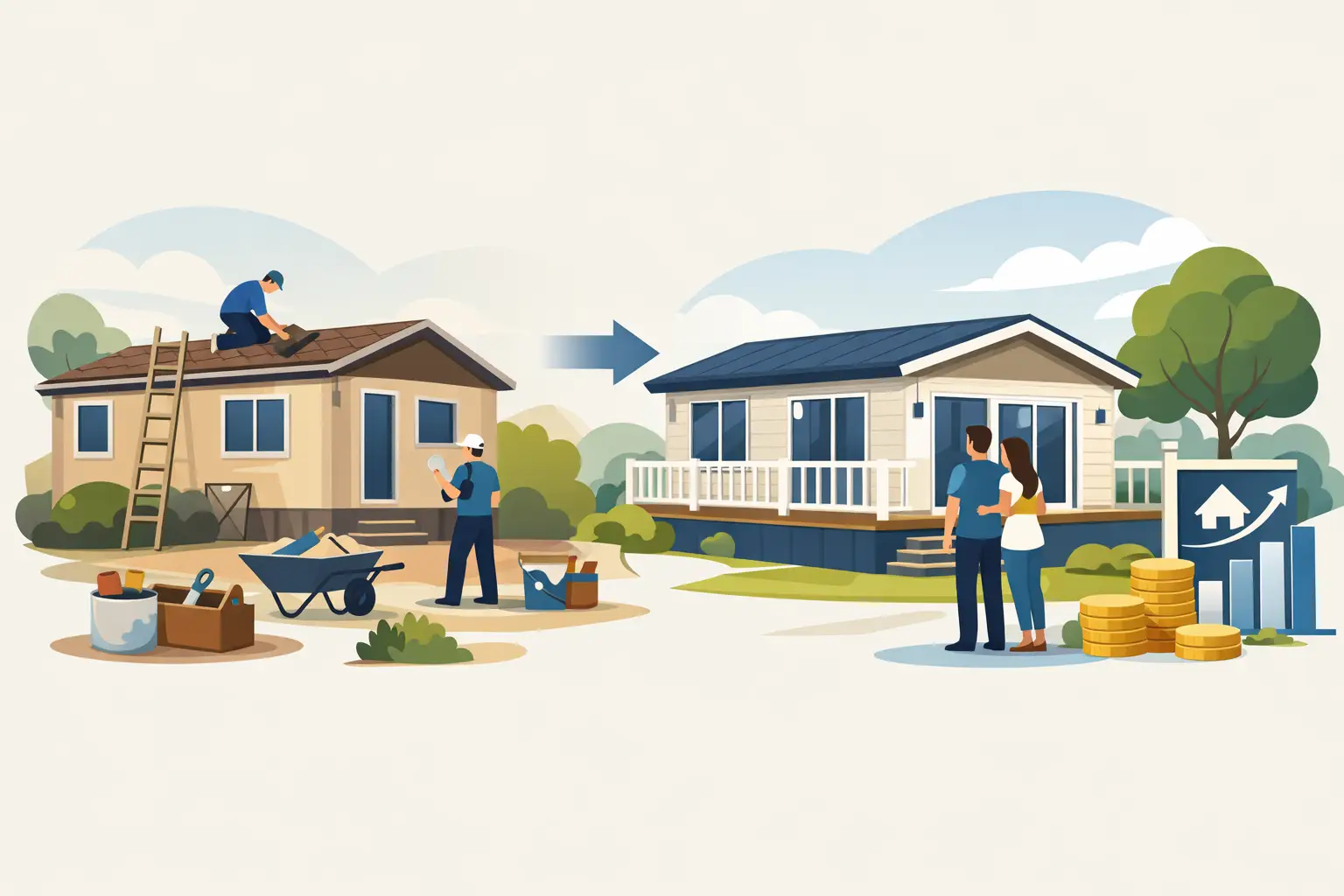
That is especially true for owners planning to stay in the home for years to come. A warmer park home is not only more comfortable in winter. It can be cheaper to heat, easier to maintain and more attractive if you ever come to sell. Work carried out properly also helps protect the structure itself.
At New Look Park Homes Ltd, we see time and again that comfort problems are usually solved best by specialist work, not guesswork. Park homes need the right materials, the right methods and people who understand how these homes are built.
If your park home never seems to warm up properly, the cold is usually telling you something practical. Find the source, deal with it properly, and the home can feel very different next winter.