A clean, well-kept exterior does more than make a park home look smart. It helps keep moisture out, protects the structure beneath and preserves the value of the property. Knowing how to maintain park home cladding properly means dealing with small marks, failed seals and early signs of movement before they become an expensive repair.
Park homes are built differently from conventional brick properties. Their lighter construction and exposed position on many residential parks mean the outer cladding, trims and seals work hard throughout the year. Rain, wind, frost, summer heat and airborne dirt can all affect the finish over time. A simple routine will keep the exterior looking its best and give you a clearer view of any issues that need specialist attention.
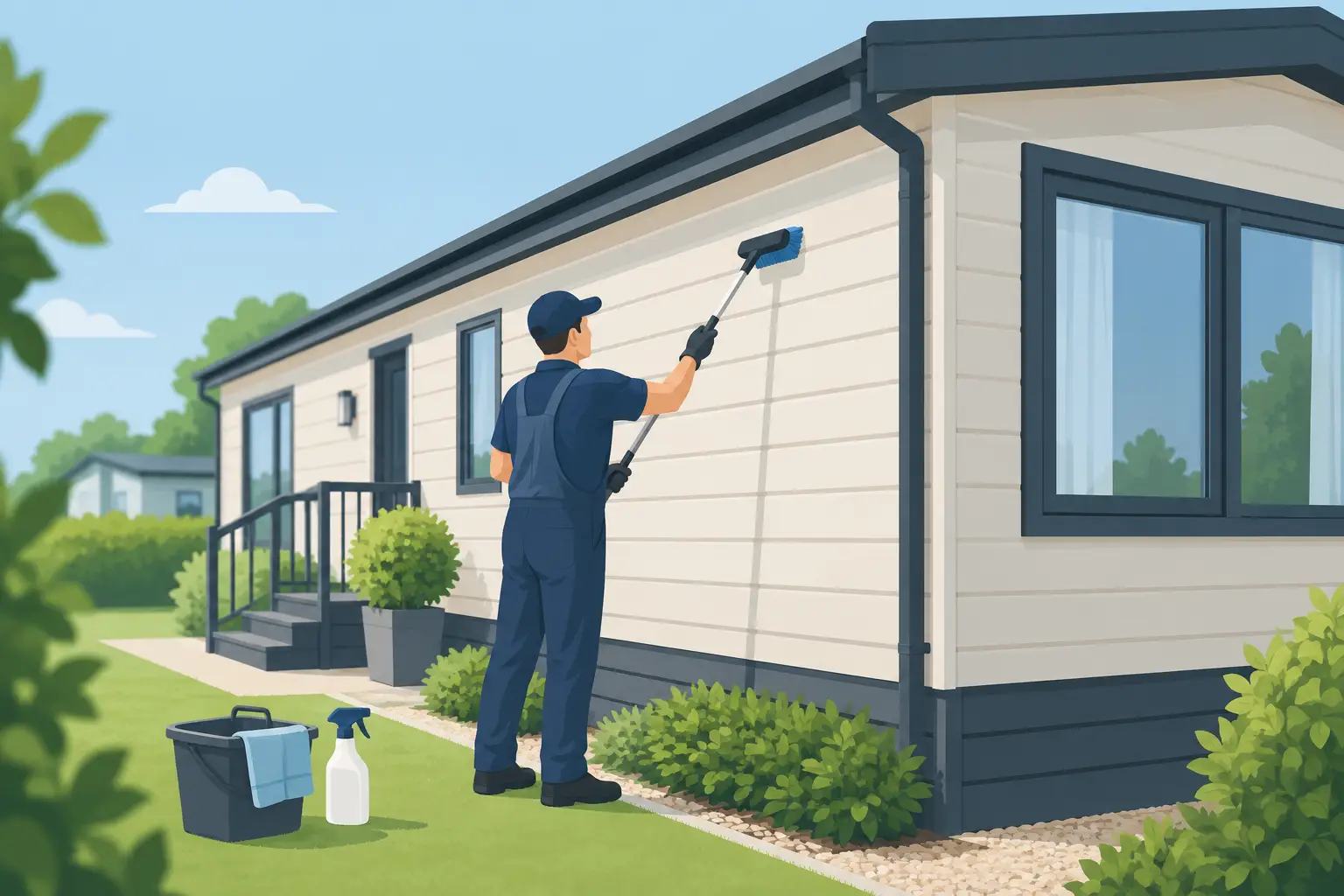
Most cladding benefits from being washed once or twice a year, usually in spring and autumn. This removes dirt, algae, cobwebs and traffic film that can dull the surface and hold moisture against joints or trims.
Use warm water with a mild household detergent and a soft brush, sponge or microfibre cloth. Work from the top down, rinsing as you go. Pay particular attention to sheltered areas beneath windows, around doors and behind downpipes, where green growth and dirt often build up first.
Avoid abrasive pads, strong solvents and harsh bleach products unless the cladding manufacturer specifically recommends them. These can scratch the surface, fade the colour or damage protective coatings. A pressure washer may seem convenient, but it can force water behind lap joints, lift seals and damage older panels. If one is used at all, it should be on a low setting, kept well back from the surface and never directed upwards into joints.
The right cleaning method depends on the material. Vinyl and uPVC cladding generally need only gentle washing, while painted timber or composite boards may need more careful treatment. If you are unsure what has been fitted to your home, it is safer to ask a park home cladding specialist before applying a cleaner or coating.
Cleaning is the ideal time to inspect the full exterior. You do not need to climb ladders or dismantle anything. A slow walk around the home from ground level is enough to spot many early warning signs.
Look along the lines of the cladding rather than only at individual boards. Panels should sit evenly, with no obvious bowing, cracking, gaps or loose edges. Check corners, window surrounds, door frames, vents and service entry points closely, as these are common areas for sealant to fail.
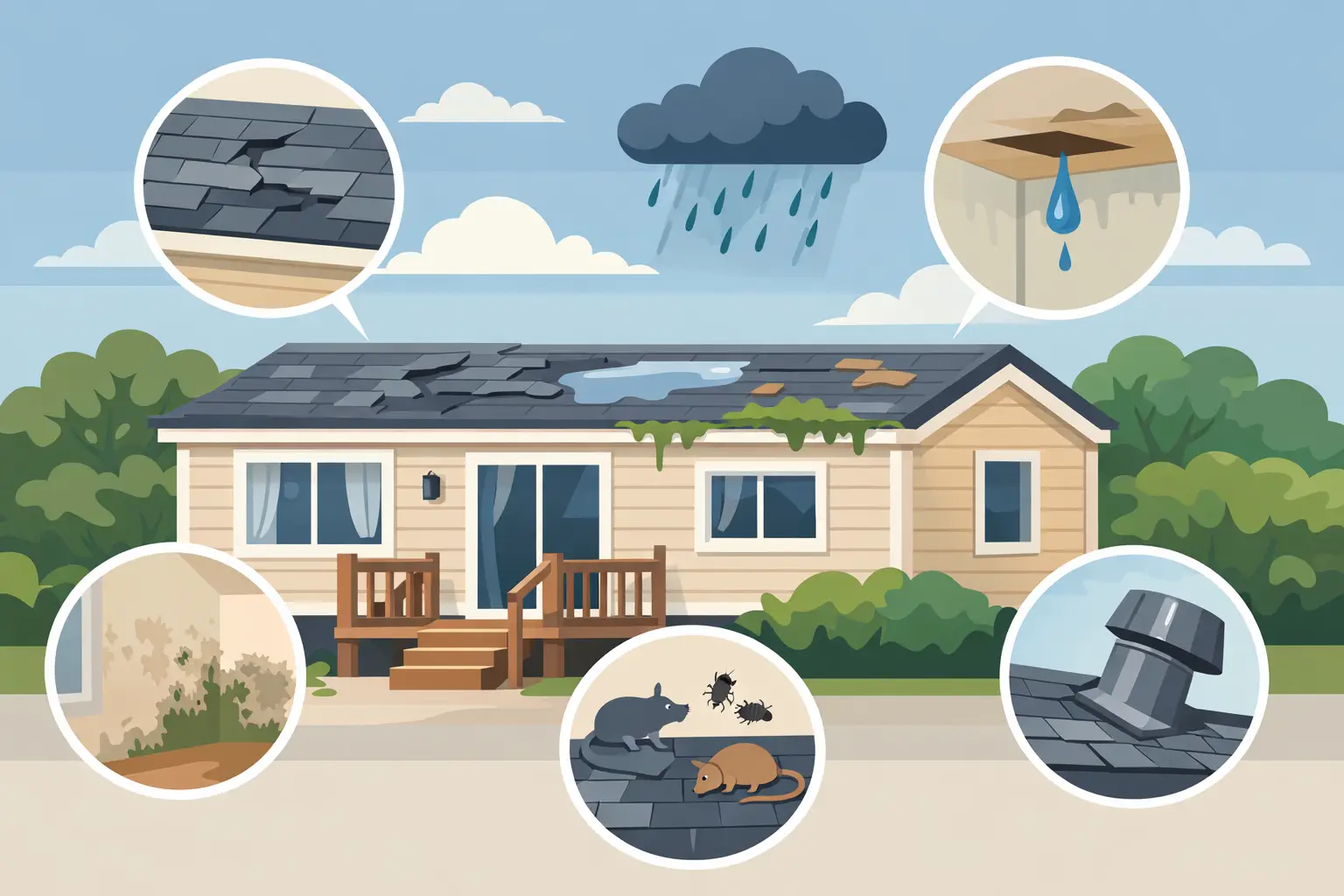
You should also watch for staining that returns quickly after cleaning. A dark patch beneath a window, a persistent damp mark near a corner or green growth concentrated in one place can point to overflowing gutters, a failed seal or water tracking behind the cladding. The cladding itself may not be the original cause, but it is often the first visible sign that something needs attention.
Inside the home, be alert to unexplained draughts, cold spots, damp smells or marks on internal walls. These do not automatically mean the cladding has failed. Park homes can lose heat through floors, roofs, windows and poorly insulated walls too. However, when external and internal symptoms appear in the same area, a professional inspection is sensible.
Cladding performs best when the surrounding details are maintained. Blocked gutters and leaking downpipes allow water to run repeatedly down the side of the home, leaving staining and increasing the chance of moisture reaching vulnerable joints. Clear leaves and debris regularly, especially after autumn, and make sure downpipes discharge away from the base of the property.
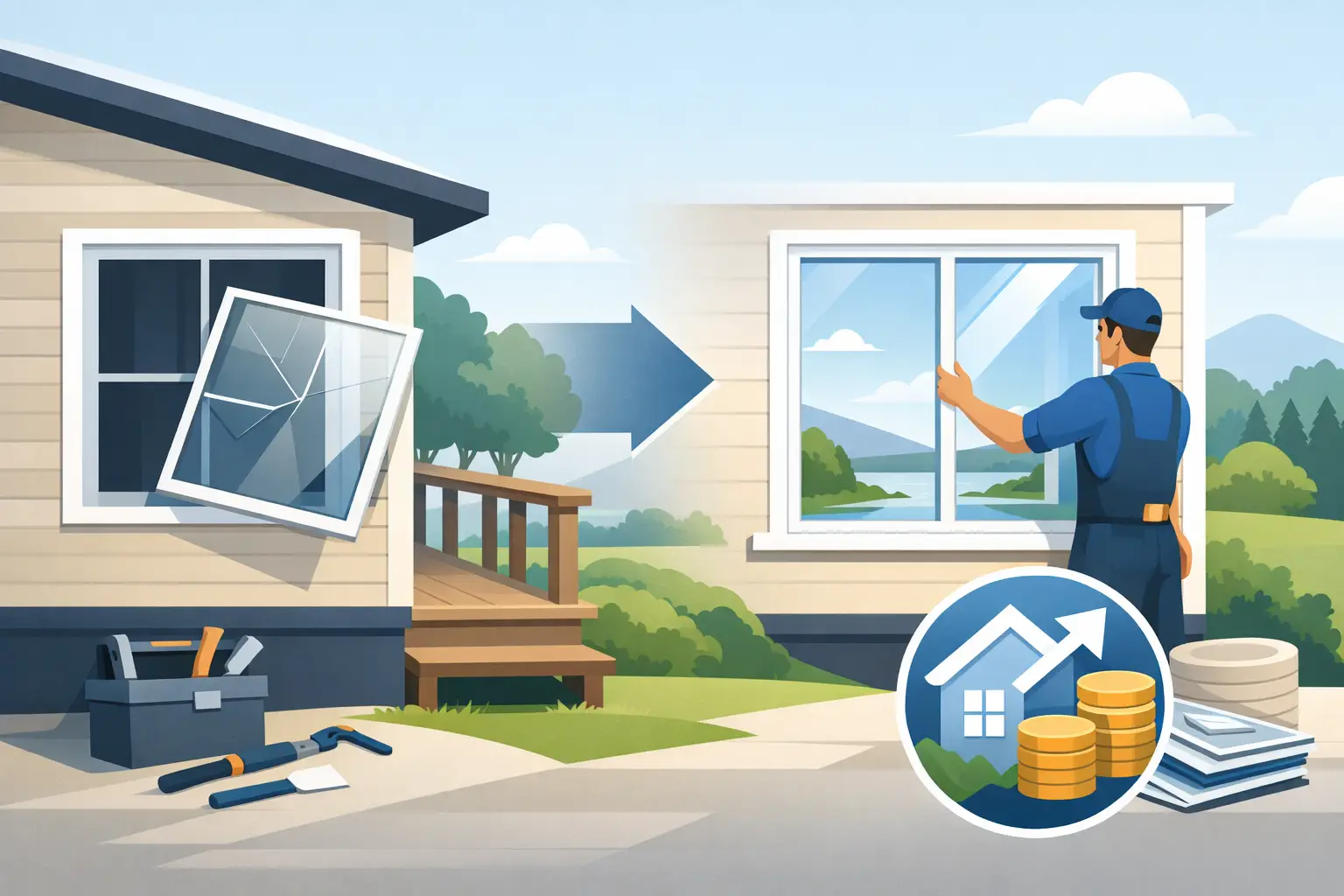
Sealant around windows, doors and external fixtures should remain flexible and fully bonded. If it has shrunk, cracked, pulled away or become brittle, water may find its way behind the outer finish. Small sections of failed sealant can often be renewed, but the area needs to be dry, clean and correctly prepared first. Simply applying fresh sealant over old, loose material rarely provides a lasting result.
Do not overlook trims, vents and corner pieces. Loose trims can allow wind-driven rain behind the cladding, while blocked vents can restrict the airflow needed beneath parts of the structure. If a trim is moving, missing fixings or repeatedly coming loose, there may be movement underneath that should be assessed rather than covered over.
Much of the damage seen on ageing park homes is caused gradually rather than by a single event. Shrubs growing against the walls trap dampness, scratch the surface and make inspections difficult. Keep planting cut back so air can circulate around the home, leaving a clear gap between foliage and cladding.
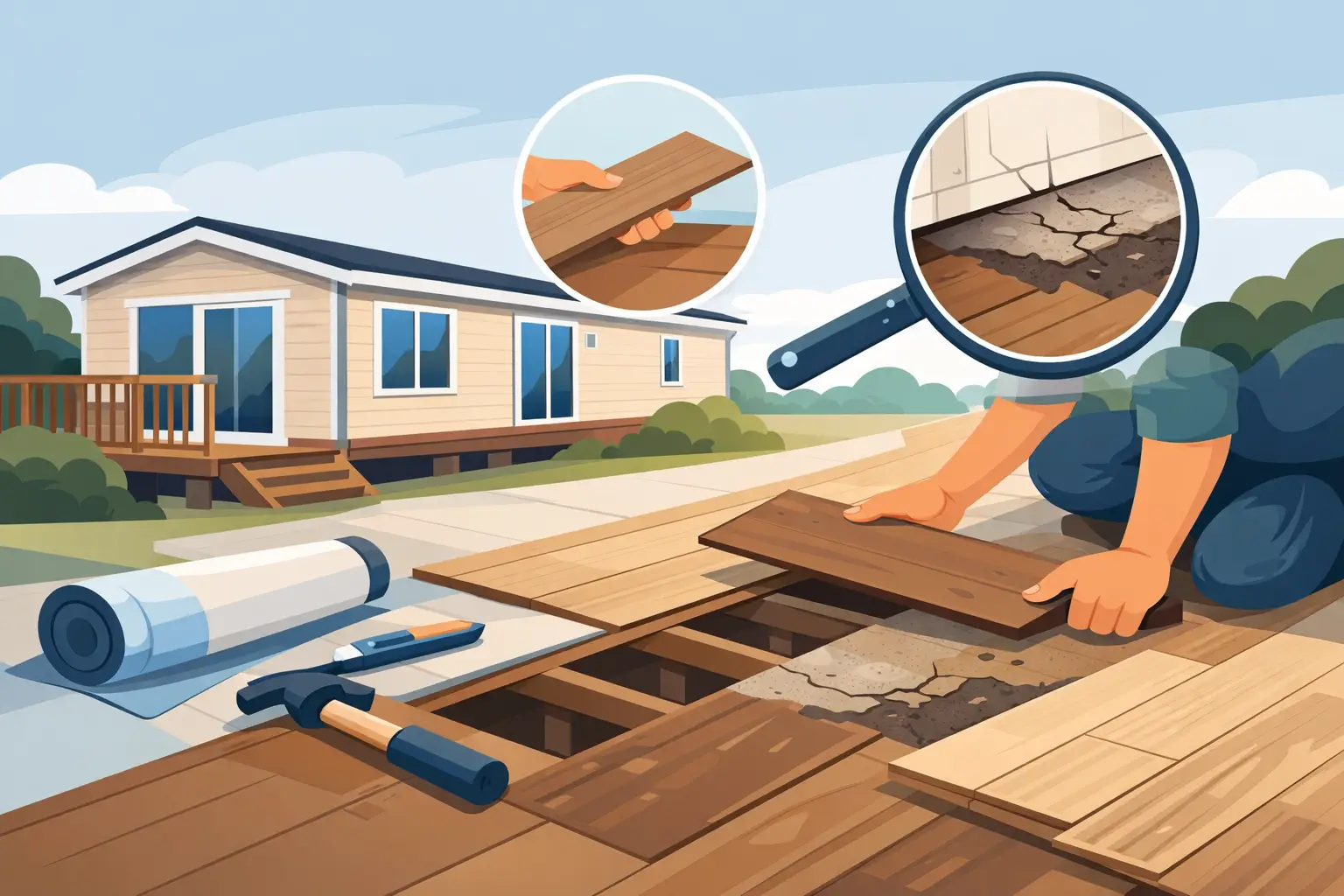
Take care when placing garden furniture, wheelie bins, ladders and stored items against the exterior. Even a small repeated knock can crack a panel or loosen a joint. It is also worth checking that paving, decking and flower beds have not been raised too high against the home. The lower edge of the exterior needs to remain clear so moisture does not bridge into vulnerable areas.
After strong winds or storms, inspect the home for loose panels, displaced trims and damaged guttering. Deal with obvious problems promptly. Wind can turn a minor loose edge into a larger repair surprisingly quickly.
Surface dirt, light algae and isolated marks are normal maintenance issues. Cracked boards, widespread fading, soft areas, repeated leaks or visible movement are different. They can indicate that the cladding has reached the end of its useful life or that water has affected the wall system behind it.
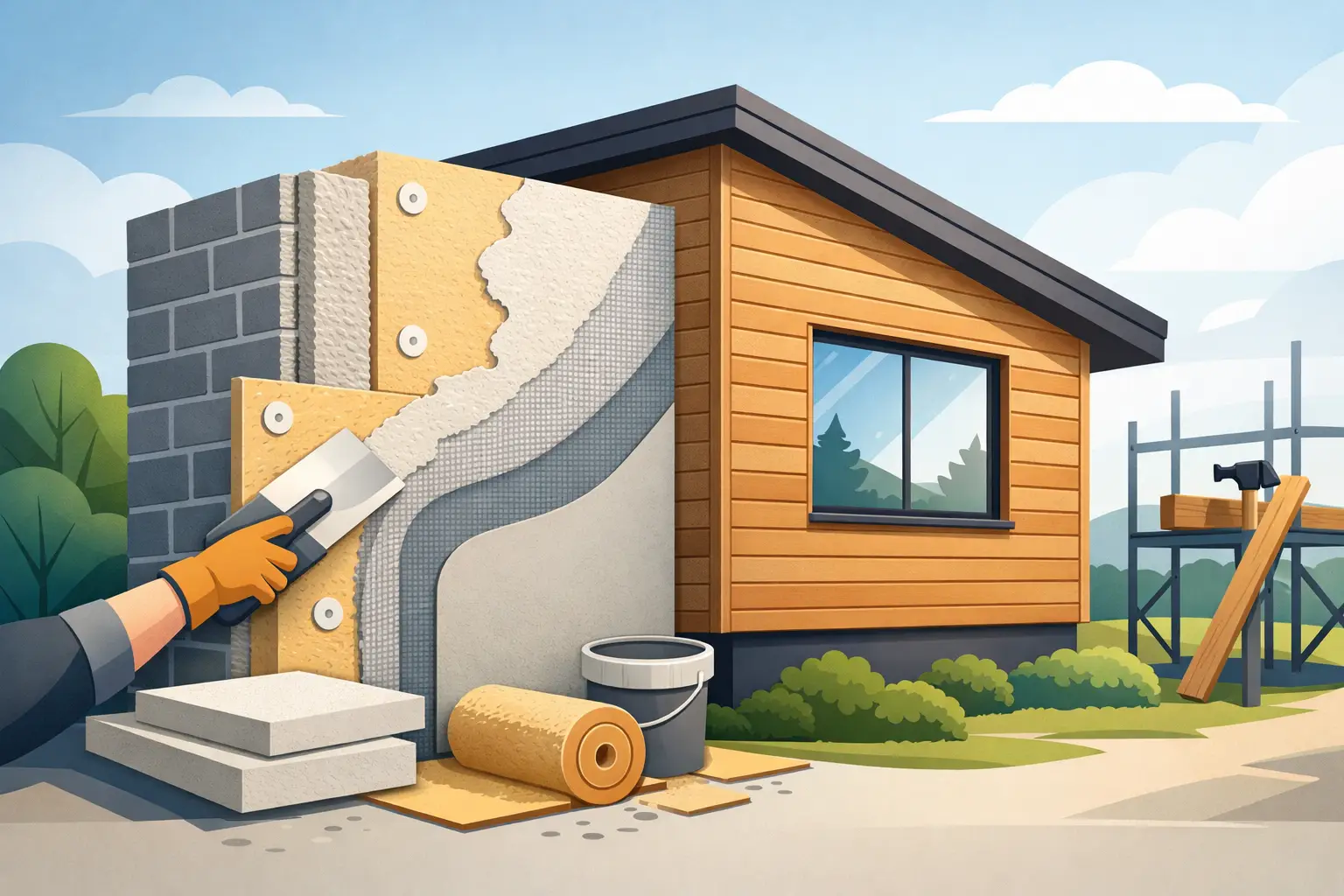
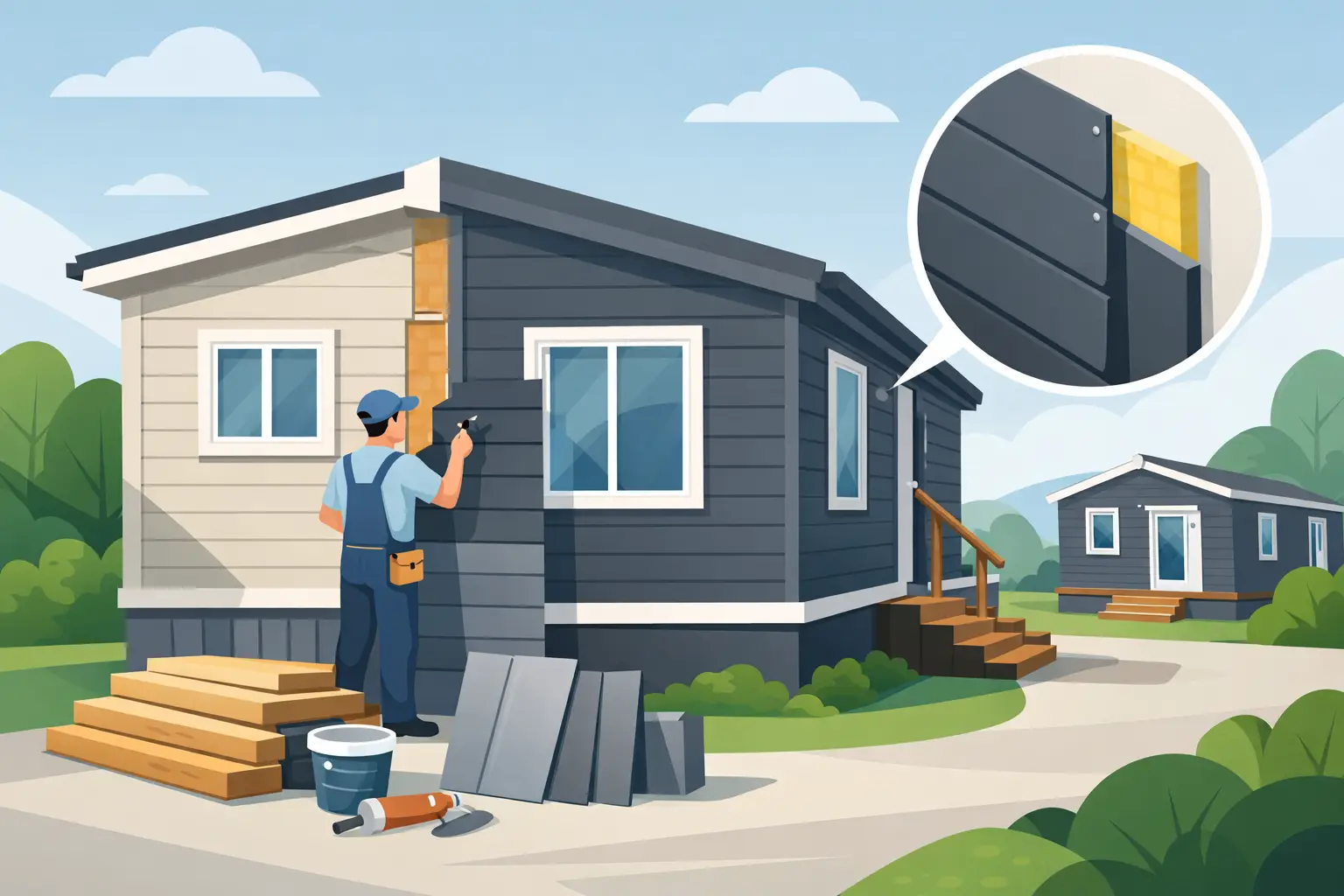
It is tempting to replace a single damaged board and assume the job is done. Sometimes that is the right approach, particularly where the surrounding cladding is sound and a matching material is available. On an older home, however, a patch repair can reveal larger issues with insulation, battens, vapour control or the condition of the original structure. Colour matching may also be difficult after years of weathering.
A specialist assessment helps establish whether a repair, partial replacement or full external refurbishment offers the better long-term value. A full upgrade can be the practical choice when cladding is tired across several elevations, when heat loss is a concern or when insulation work is planned at the same time. It allows the external wall system to be inspected and improved properly rather than concealing problems behind a fresh finish.
Spring is a good time to wash away winter grime, check for frost damage and clear gutters. During summer, look for heat-related movement, faded areas and vegetation touching the home. Autumn is the time to remove fallen leaves, clean gutters again and check seals before prolonged wet weather arrives.
In winter, avoid trying to wash, seal or repair cladding during freezing, very wet or windy conditions. Materials and sealants need suitable temperatures and dry surfaces to perform correctly. Instead, carry out visual checks from the ground and make a note of anything that needs attention when the weather improves.
Keeping a short record of cleaning dates, repairs and photographs of any concerns can be useful. It makes gradual changes easier to spot and gives a contractor a clearer picture if an issue develops.
Park home cladding is not a job for a general builder who treats it like a conventional house extension. The materials, lightweight construction, ventilation requirements and insulation details all need to be understood together. Poorly fitted cladding can trap moisture, restrict airflow or leave gaps that reduce thermal performance.
For repair or replacement work, choose a company experienced specifically in park and static homes. They should explain what they have found, what preparation is required and whether there are related issues with wall insulation, roofing, windows or the chassis that need consideration. At New Look Park Homes Ltd, this specialist approach is central to assessing the whole exterior rather than simply fitting new panels over an unresolved problem.
A well-maintained exterior is one of the clearest signs of a cared-for park home. Give the cladding regular attention, act on early changes and seek specialist advice when the condition suggests more than a simple clean. That steady approach helps protect the comfort and appearance of your home for many years to come.