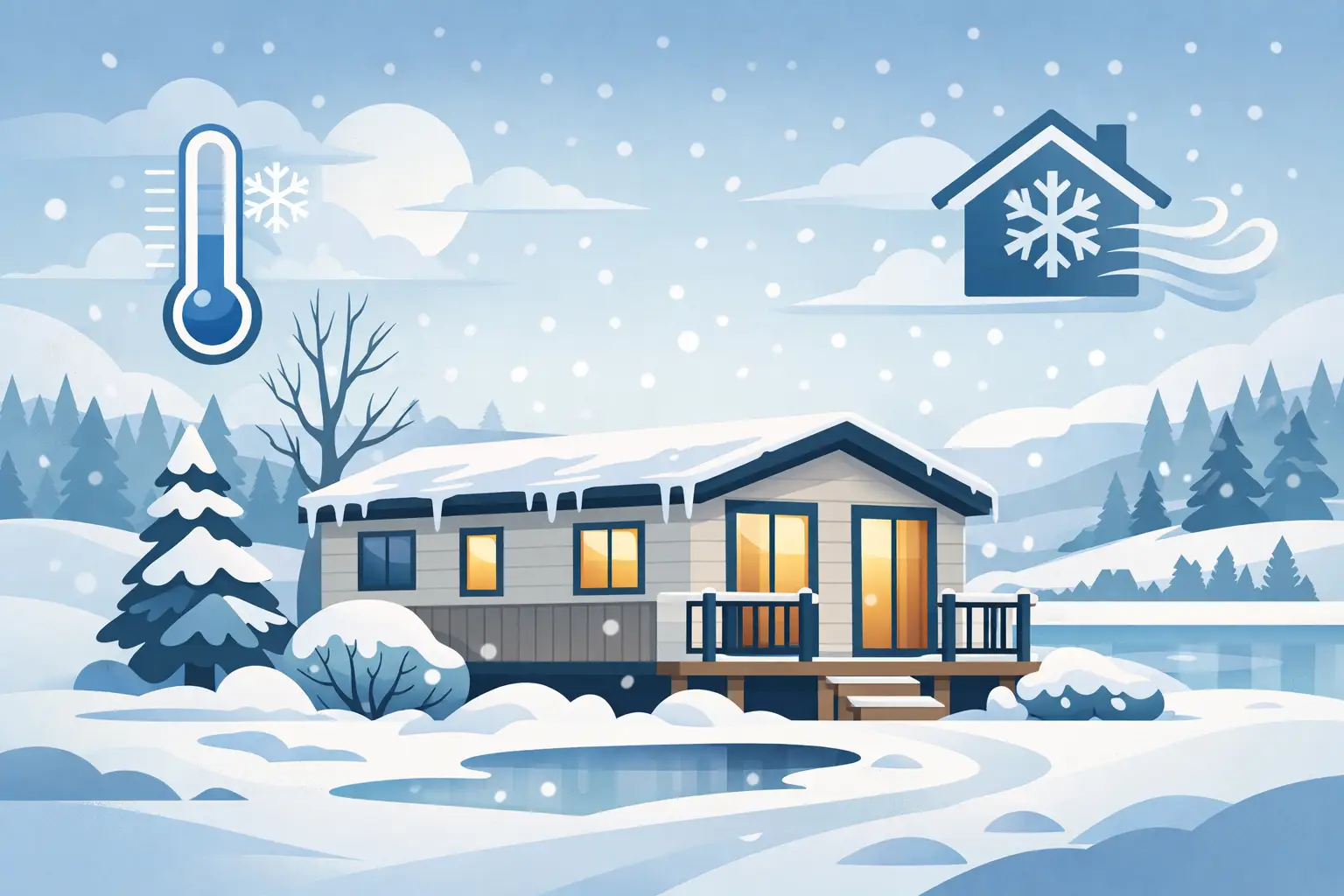
A park home can look perfectly sound from the outside and still feel cold the moment your feet touch the floor. That is usually the first sign when people ask how to improve park home warmth – the heating is on, but the comfort is not there. In most cases, the issue is not one single fault. It is a combination of heat loss through the floor, walls, roof, windows and gaps that have developed over time.
Park homes are built differently from traditional houses, so they need a different approach. General advice about insulation is only useful up to a point. If the structure, ventilation and external condition of the home are not properly understood, you can spend money in the wrong area and still feel cold next winter. The best results come from identifying where the home is losing heat first, then improving the parts that make the biggest day-to-day difference.
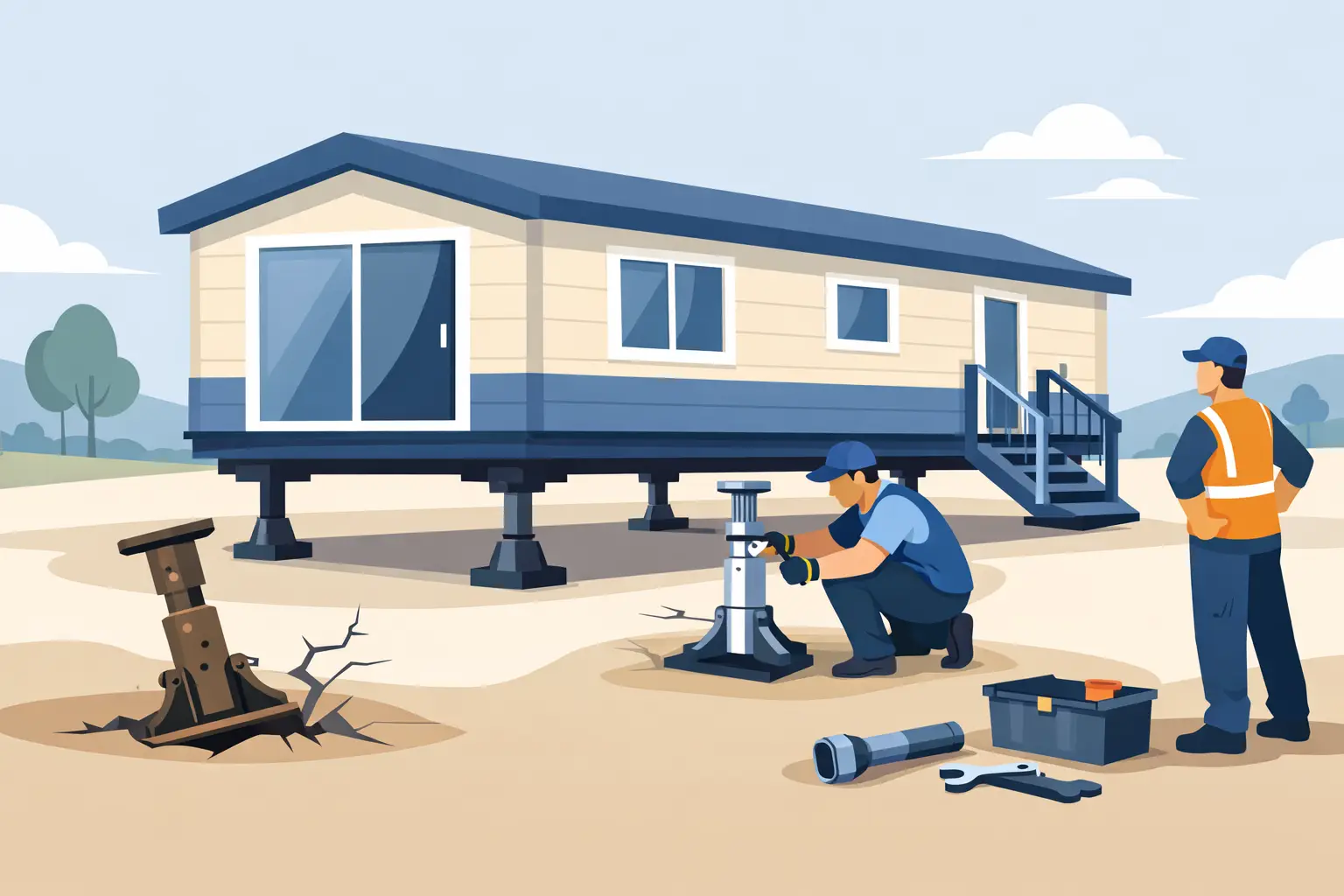
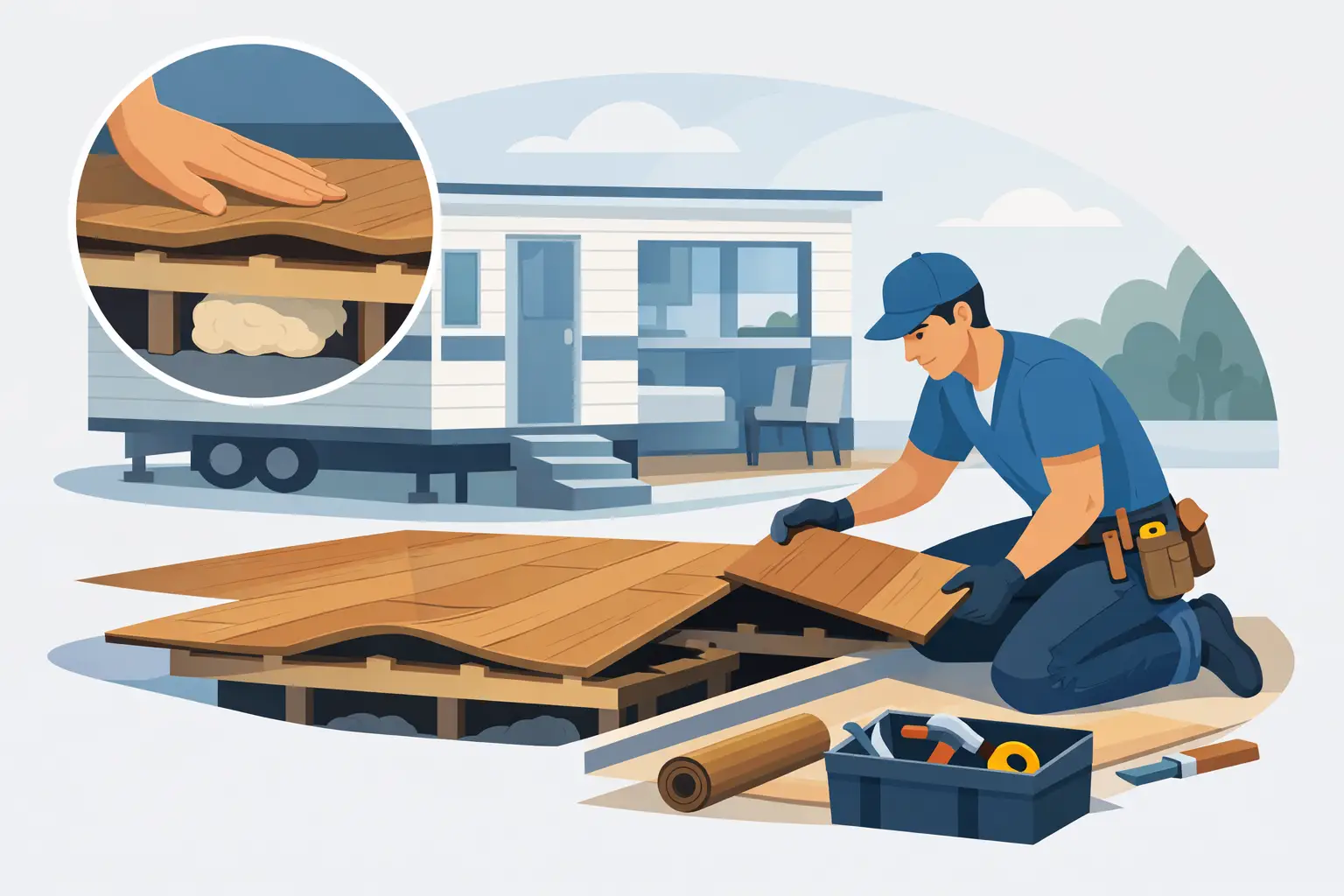
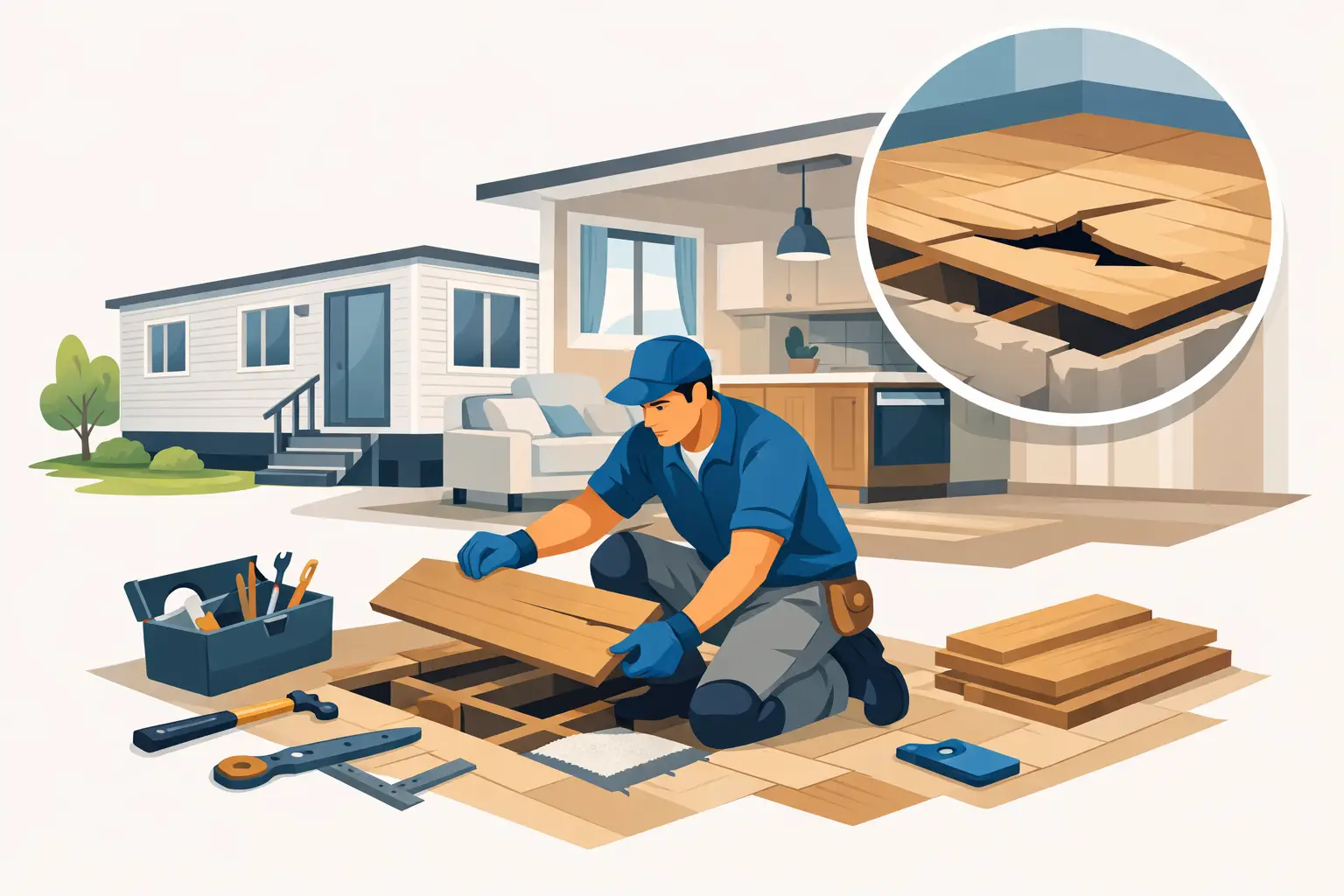
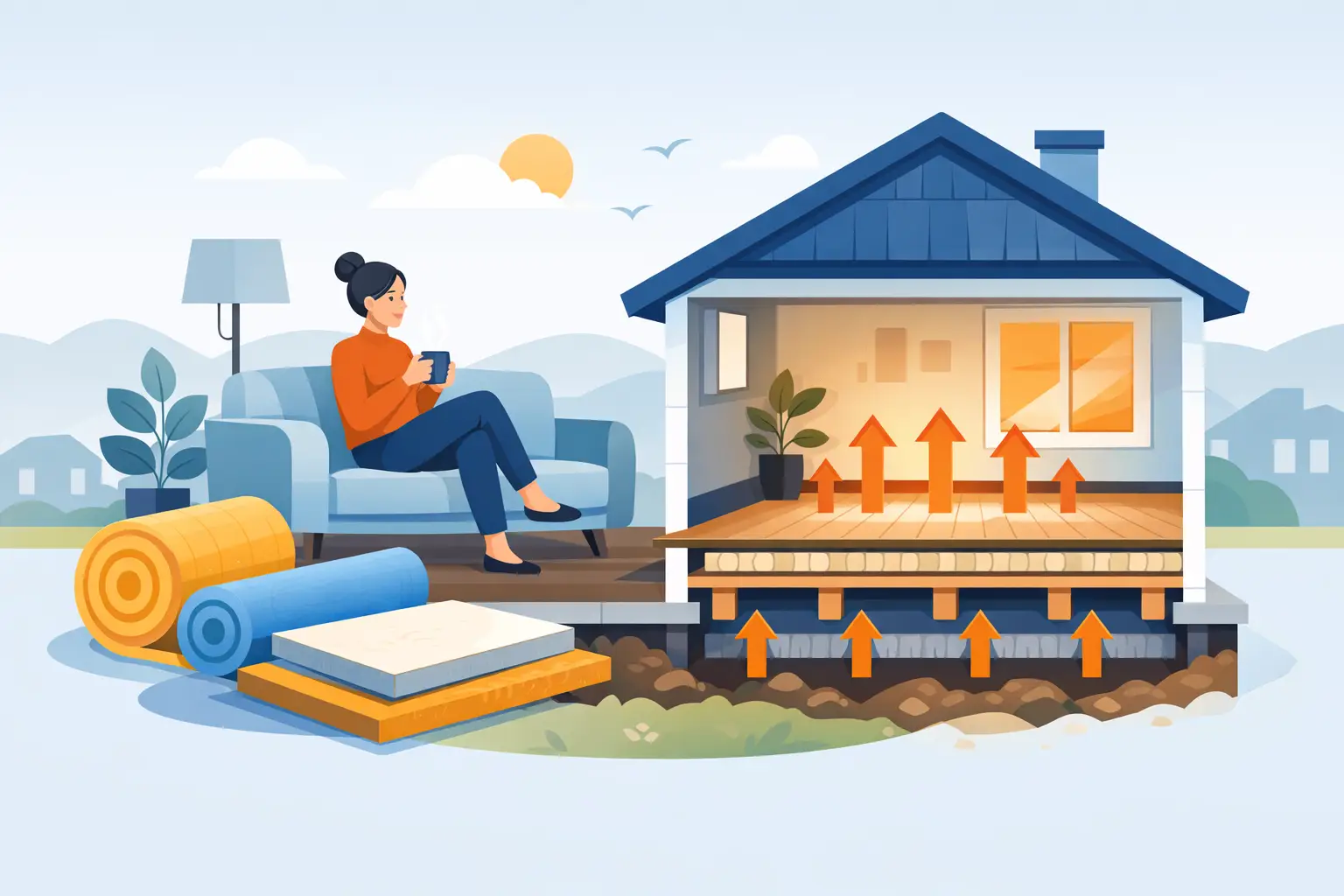
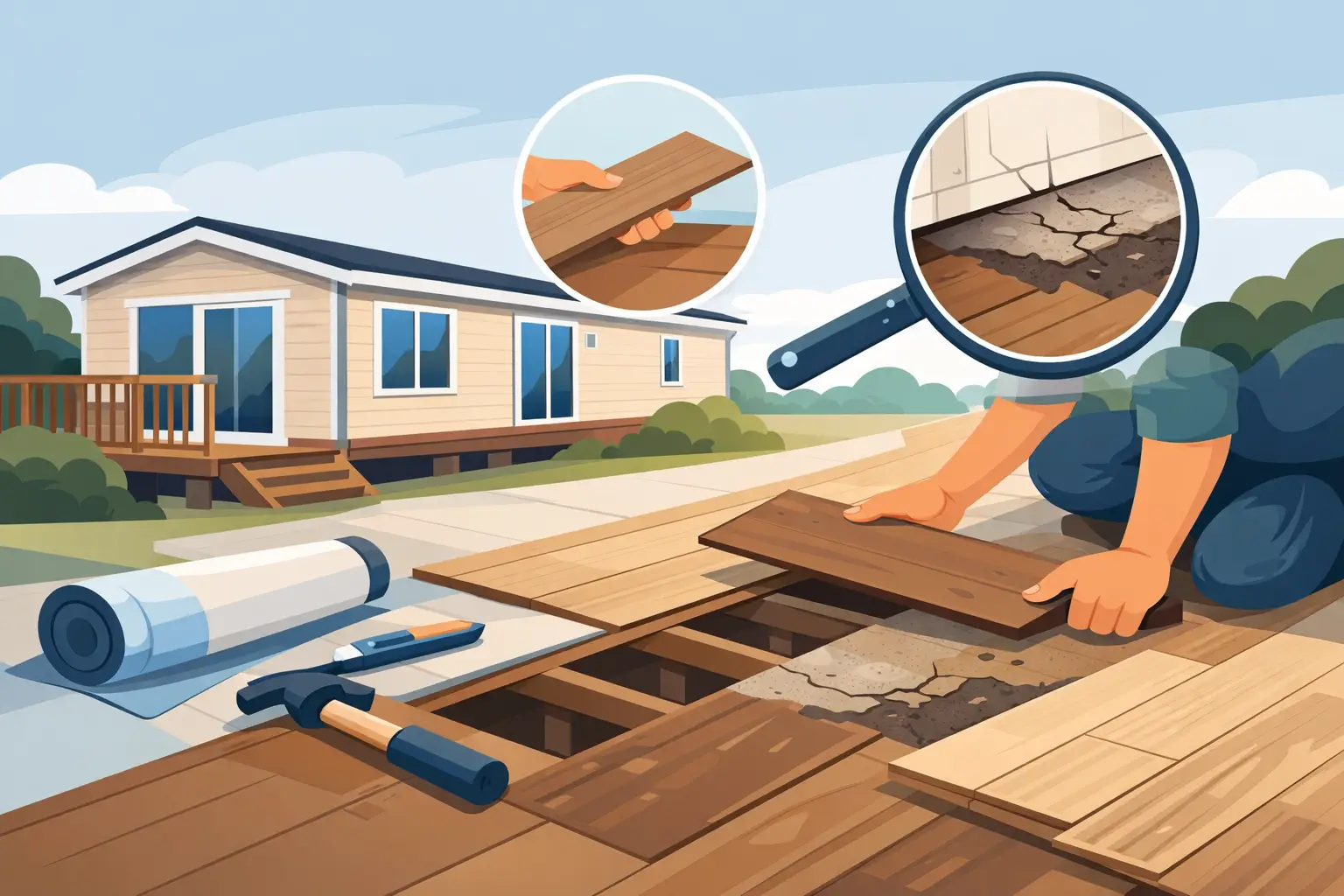
In older park homes, underfloor heat loss is often the biggest problem. If the floor feels cold underfoot, the warm air in the room is already working against a cold surface. That makes the whole space feel harder to heat, even when the radiators or electric heaters are running properly. A cold floor can also create that familiar draughty feeling around your ankles, particularly in the lounge, hallway and bedrooms.
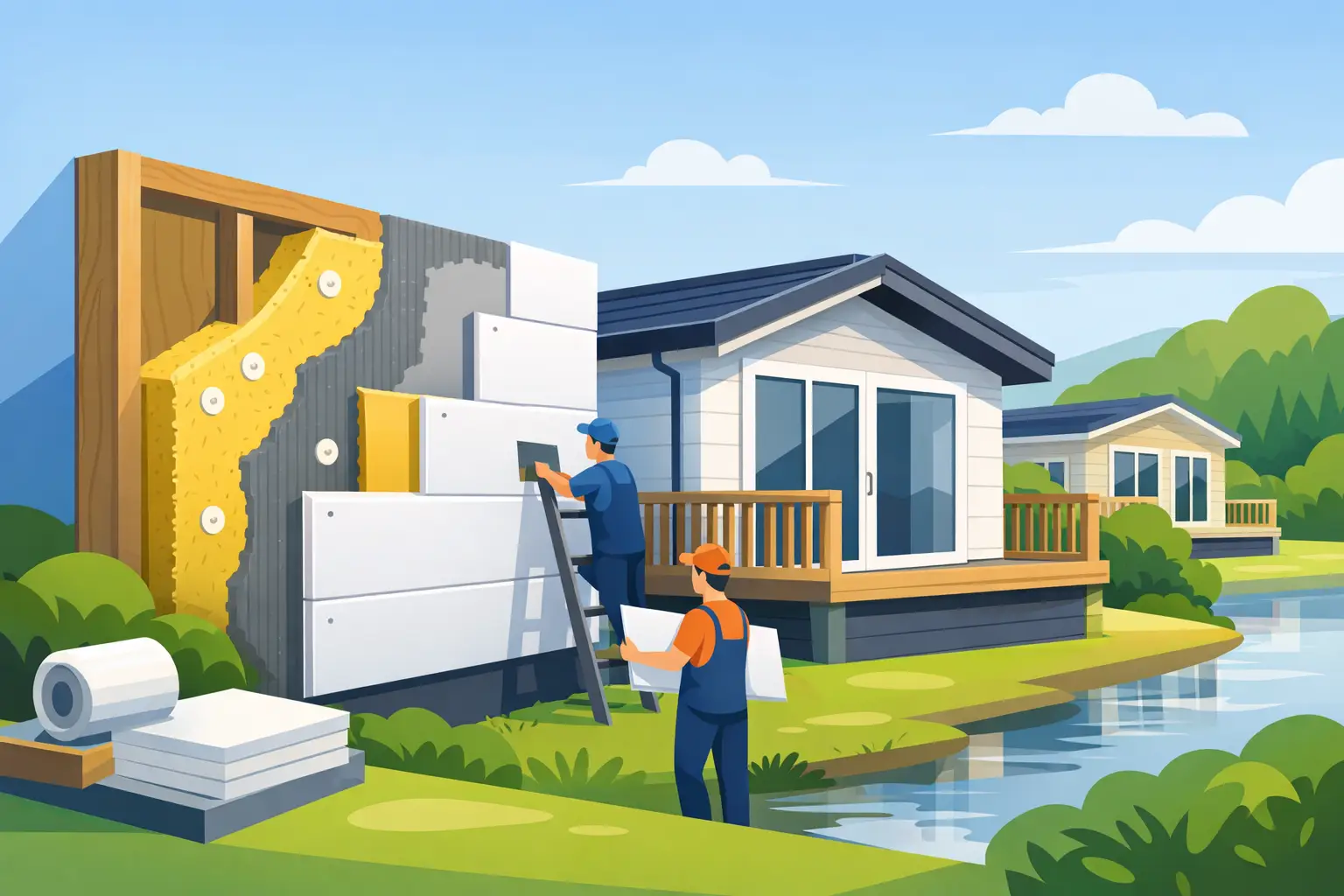
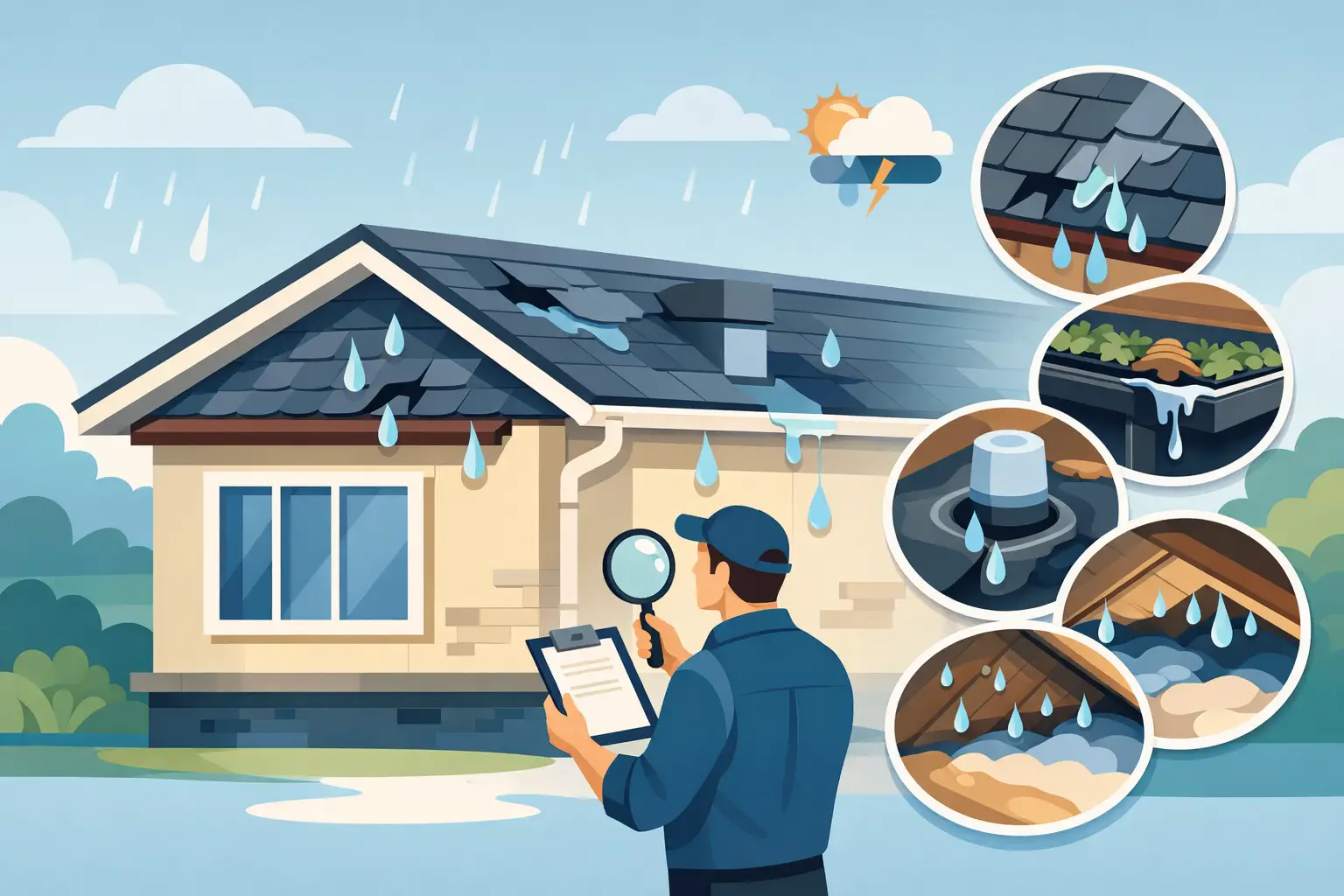
Walls are another common weak point, especially where insulation has aged, settled or was never particularly effective to begin with. External cladding that is worn or damaged can allow more exposure to wind and weather, which reduces thermal performance over time. Roofs also matter more than many owners realise. Warm air rises, so if the roof structure is tired, poorly insulated or letting in damp, the home can struggle to retain heat.
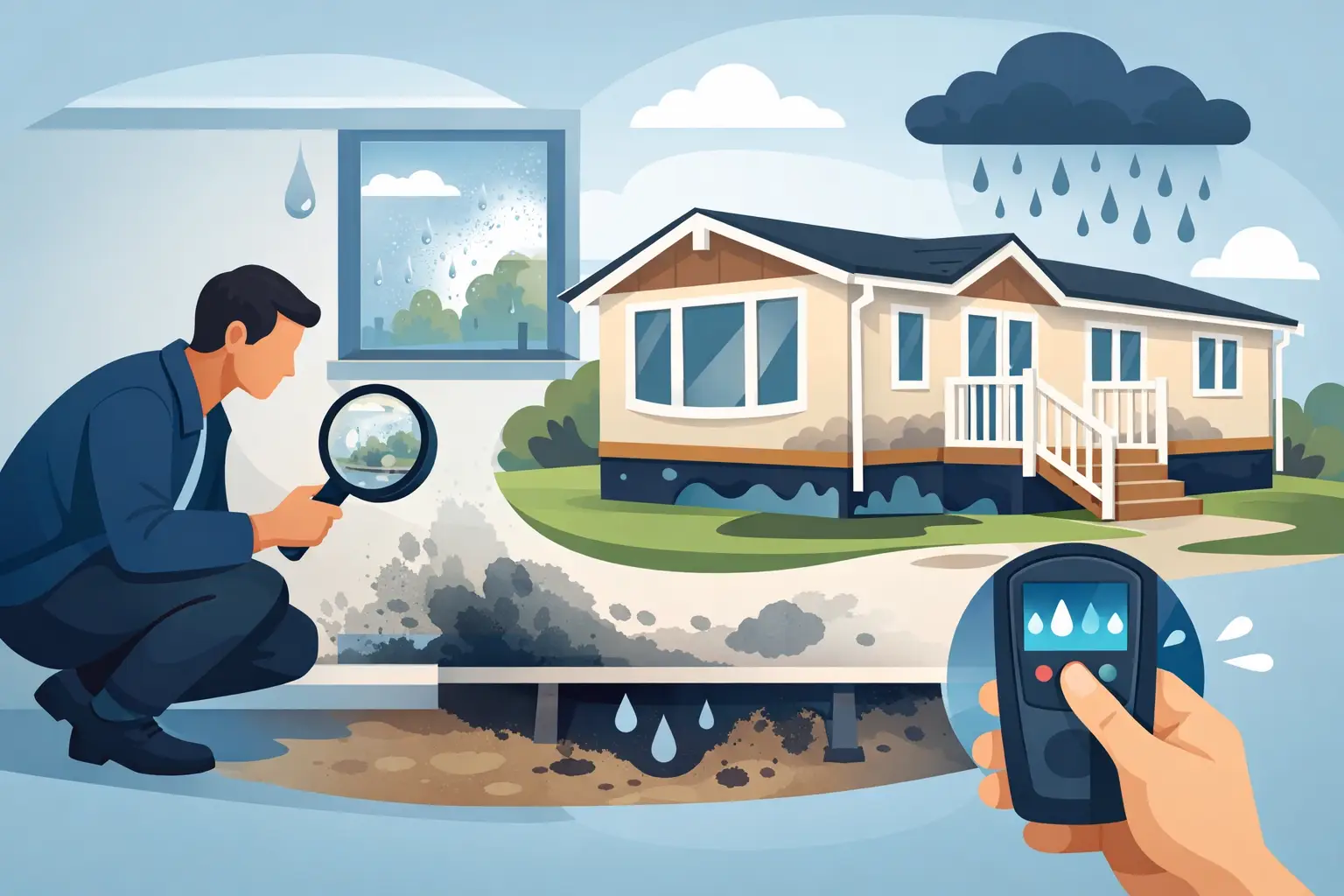
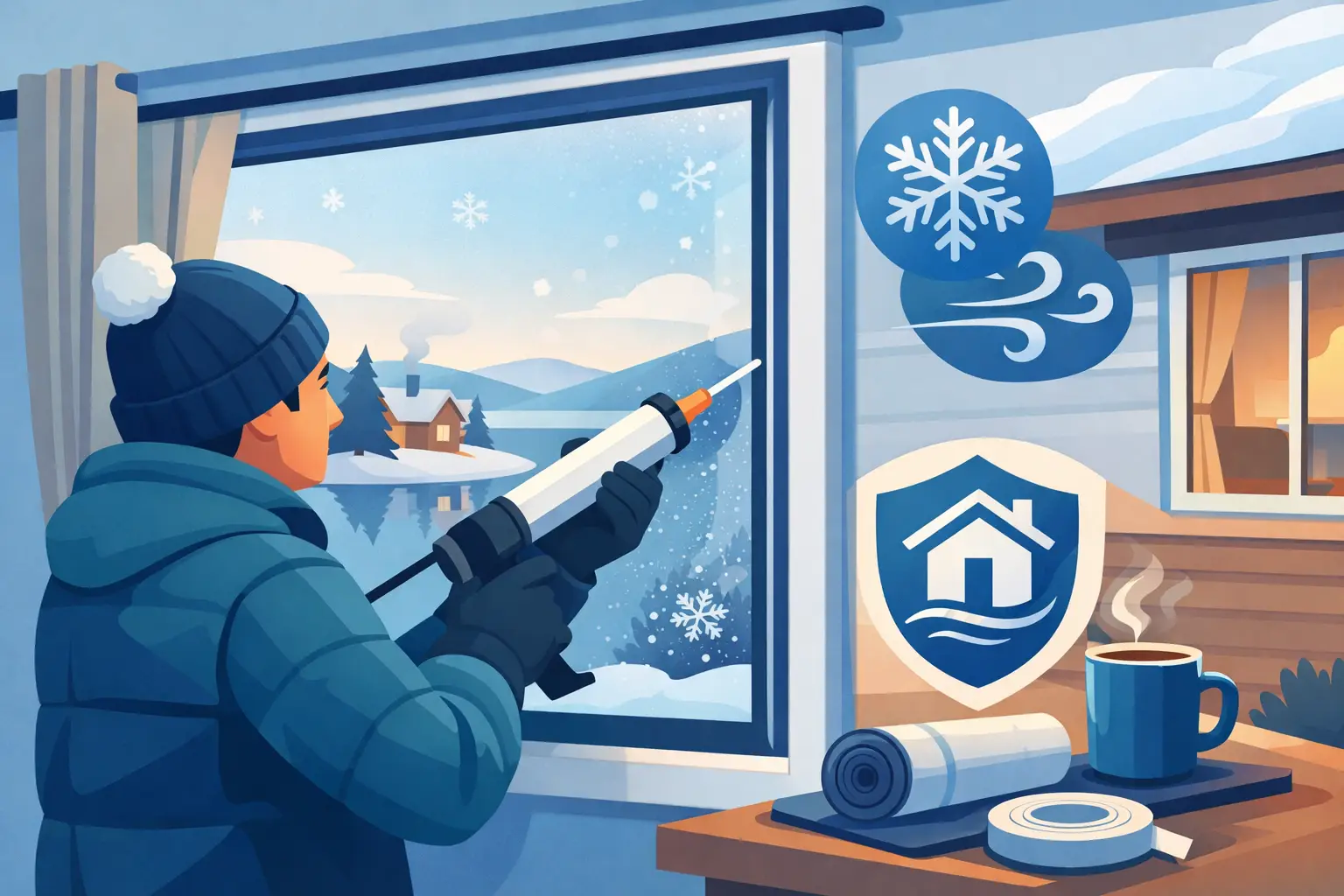
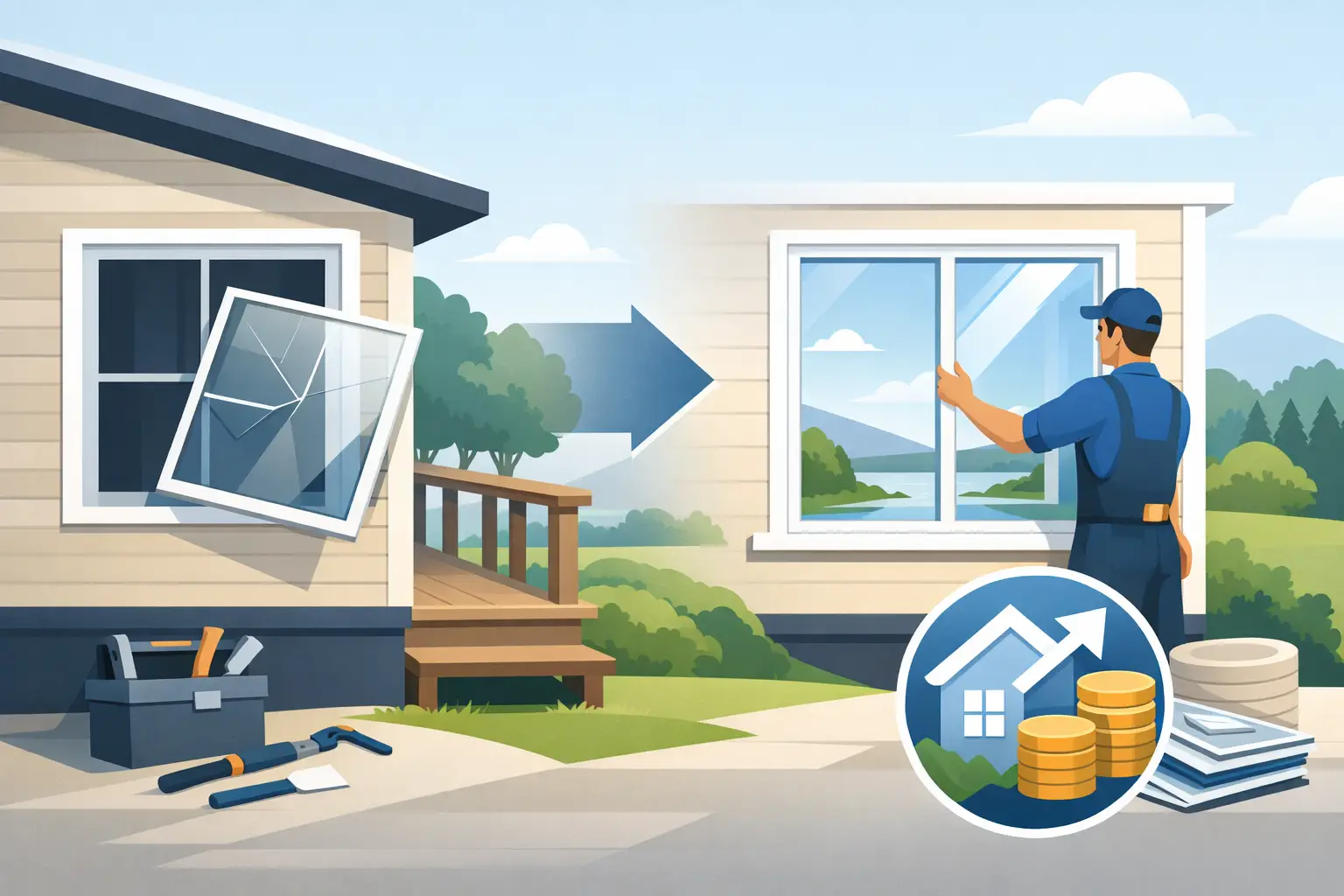
Windows and doors are usually easier to notice because the symptoms are obvious. You may feel a breeze near the frame, see condensation, or find certain rooms are always colder than others. However, replacing windows alone does not always solve the wider problem. If the floor and walls are still losing heat, new glazing may improve comfort, but not as much as expected.
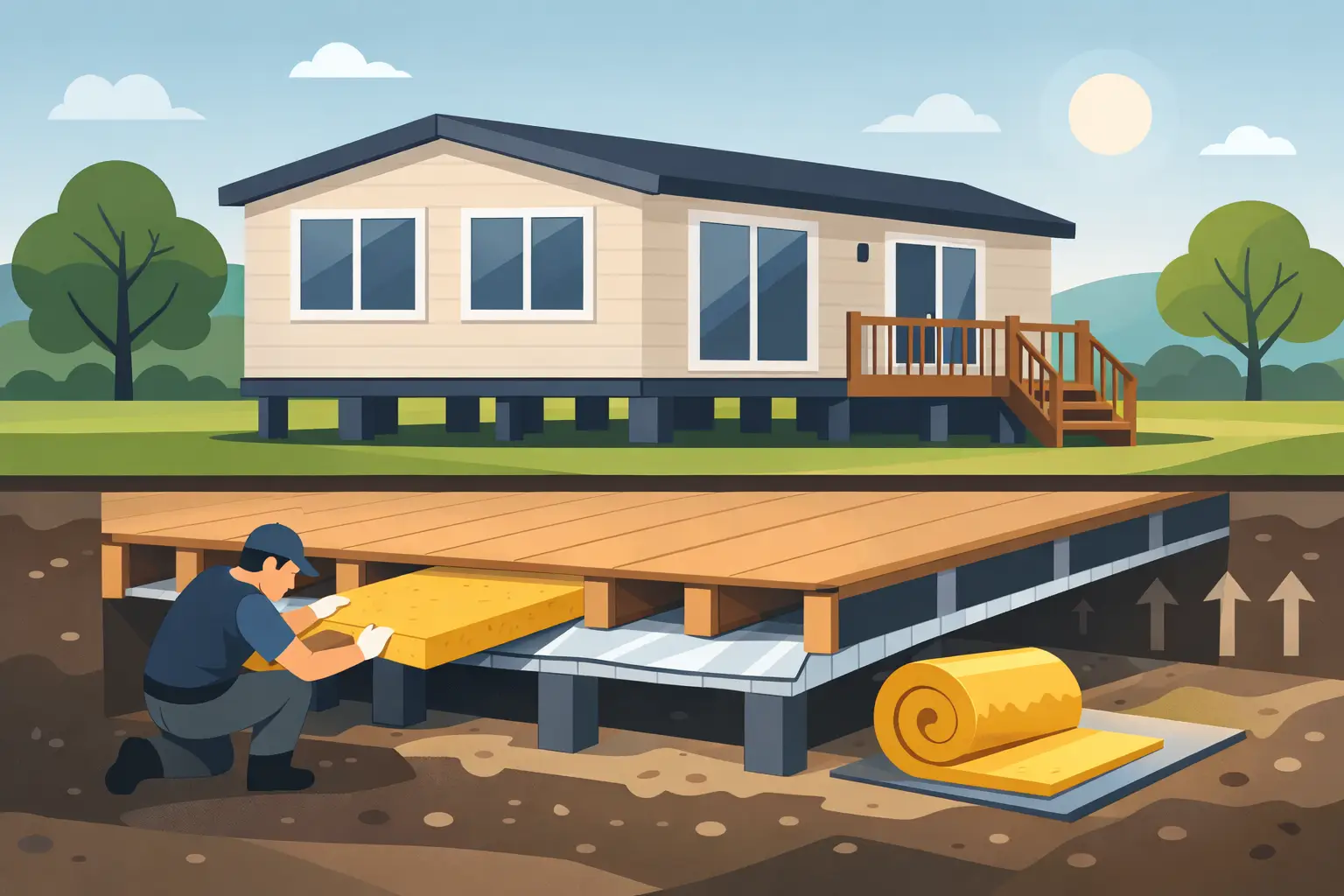
The right order depends on the condition of the home, but underfloor insulation is very often the best place to start. It tackles one of the most noticeable sources of discomfort and can transform how the home feels in everyday use. Warmer floors make rooms feel more stable in temperature, and the heating does not have to work as hard to maintain comfort.
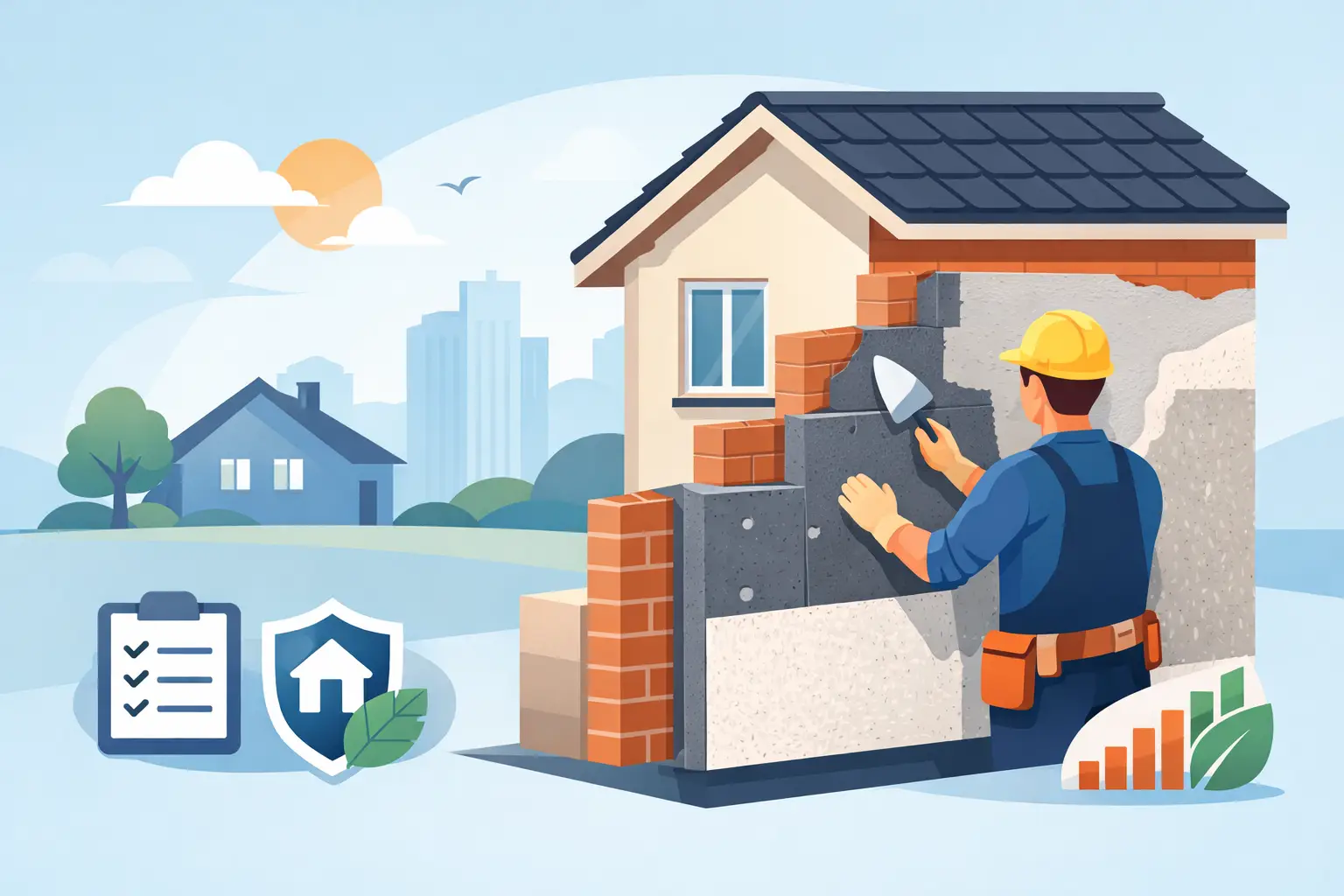
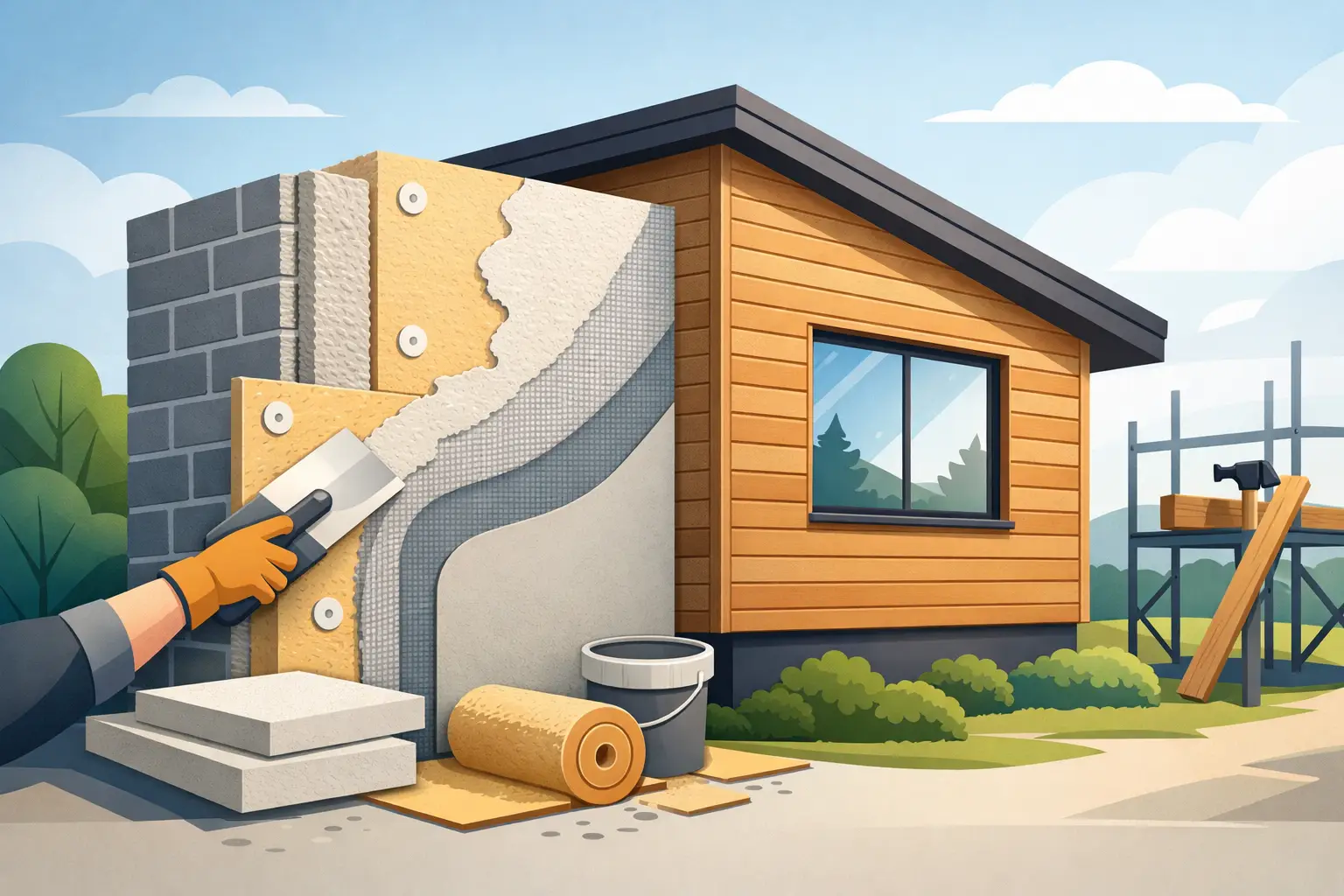
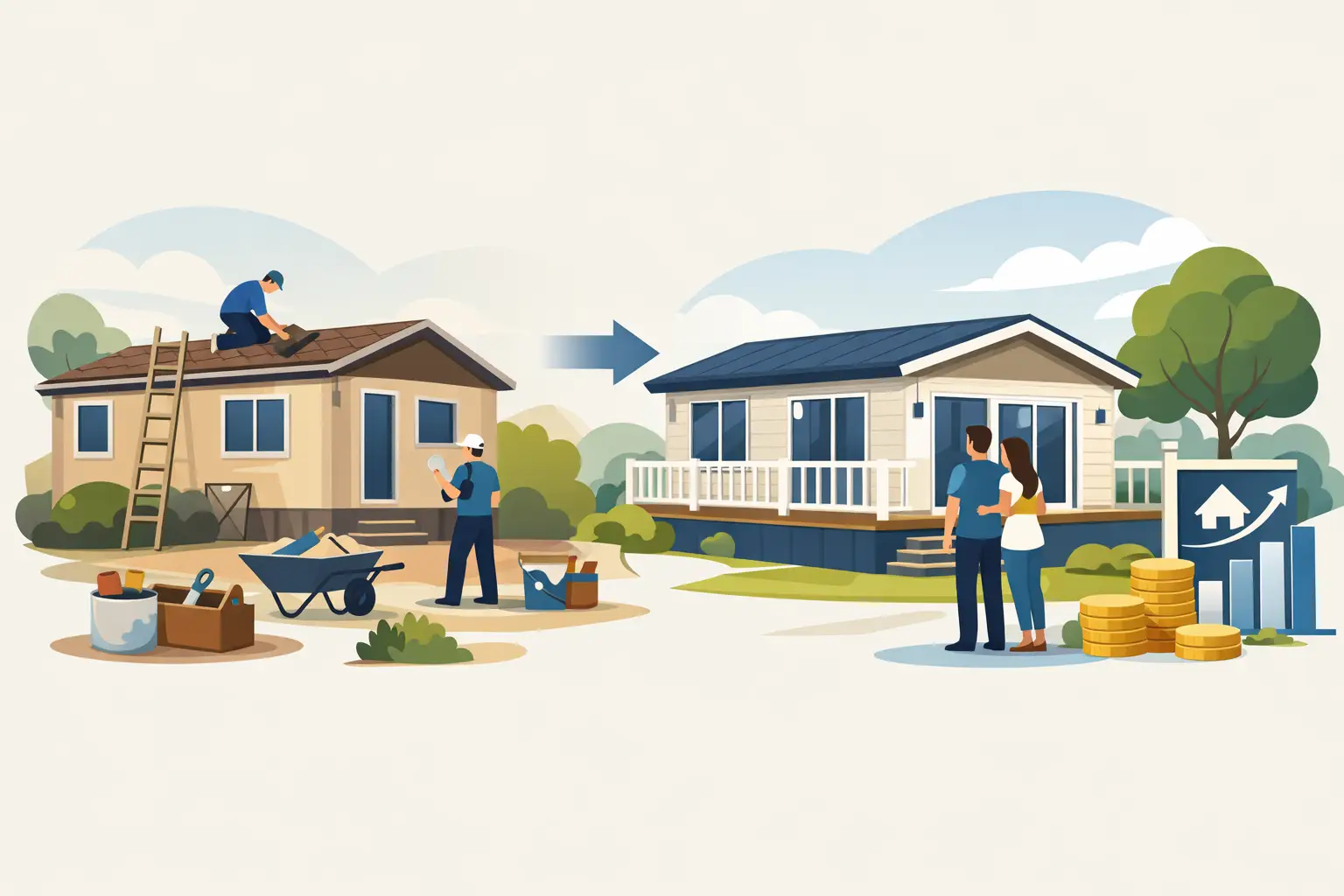
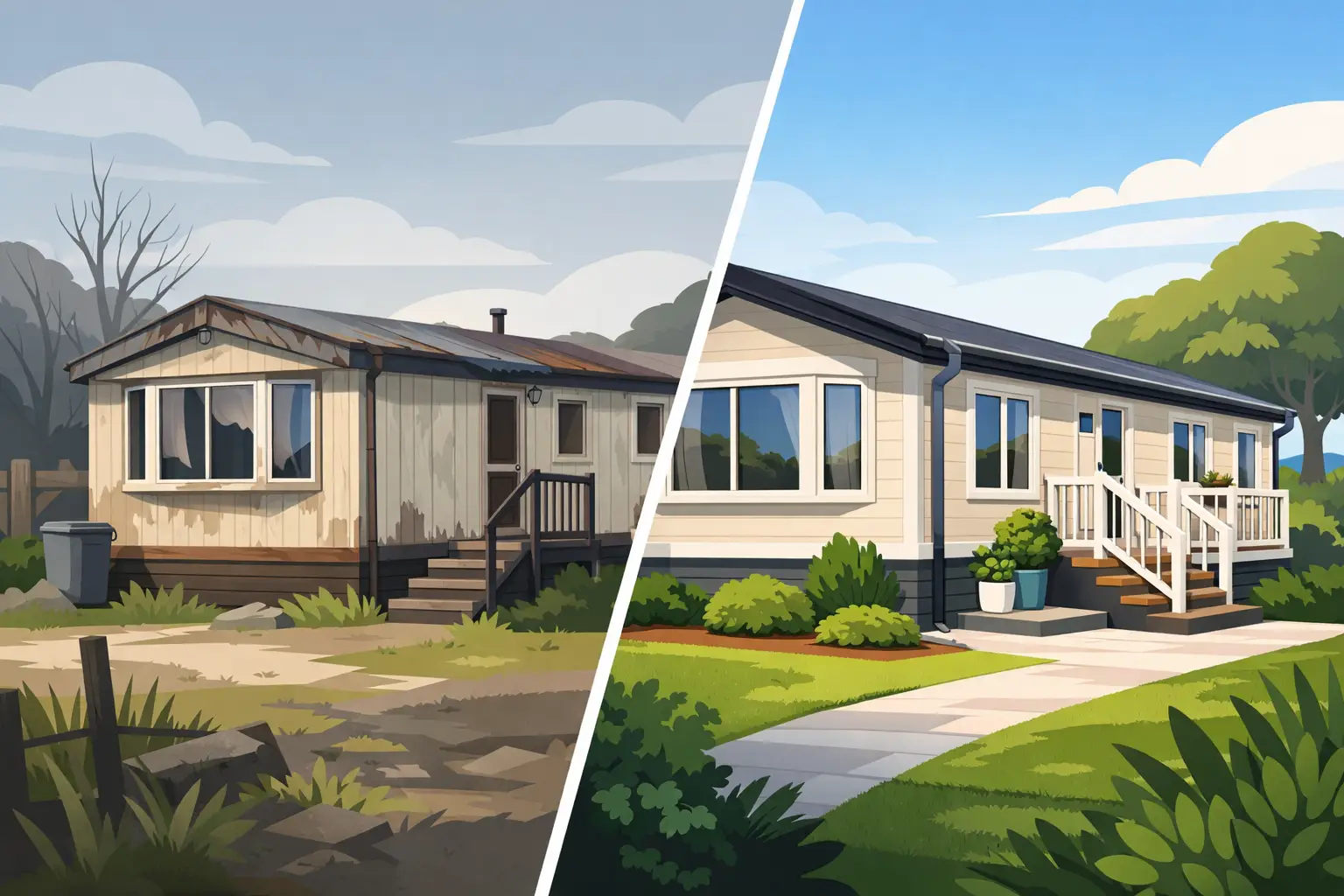
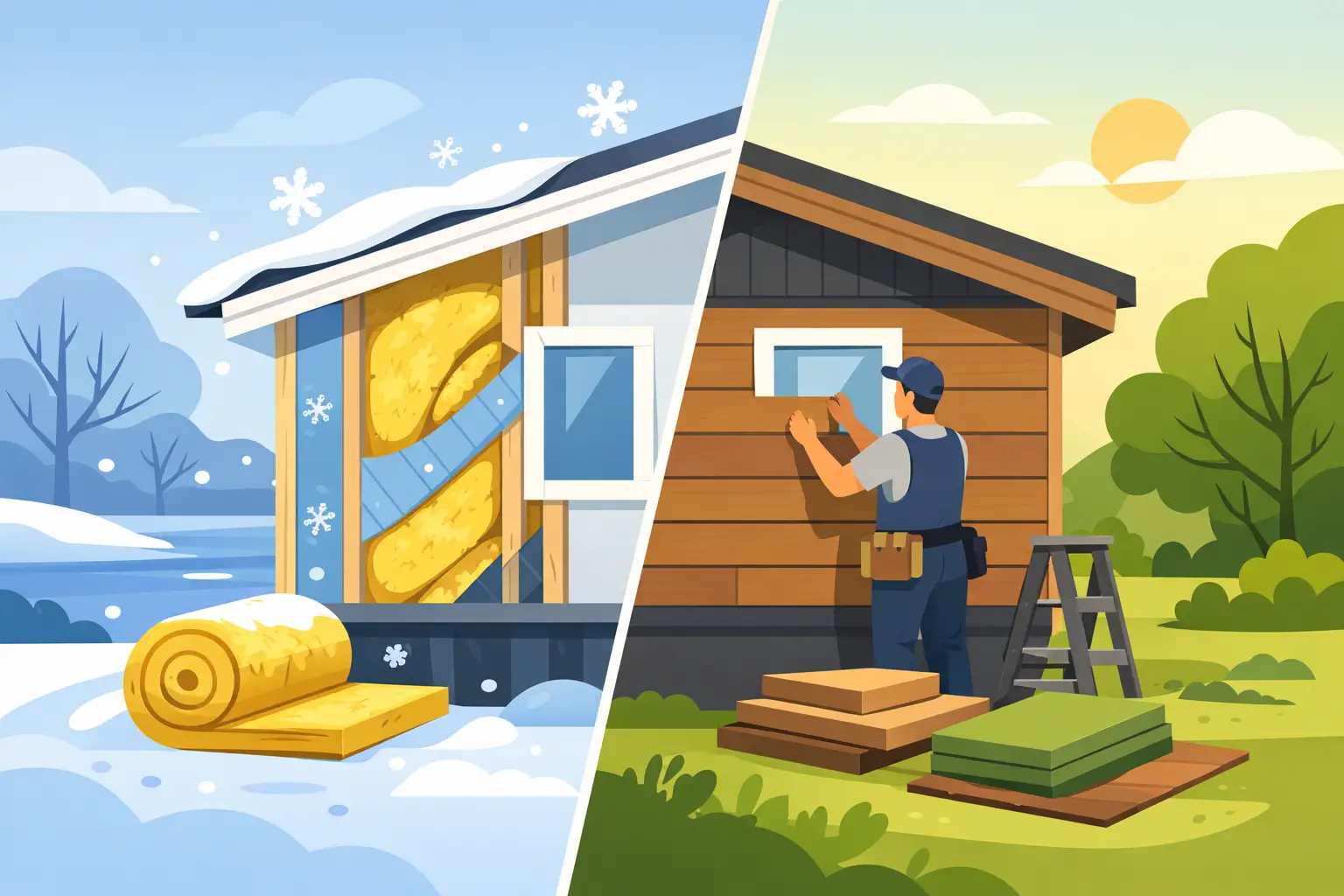
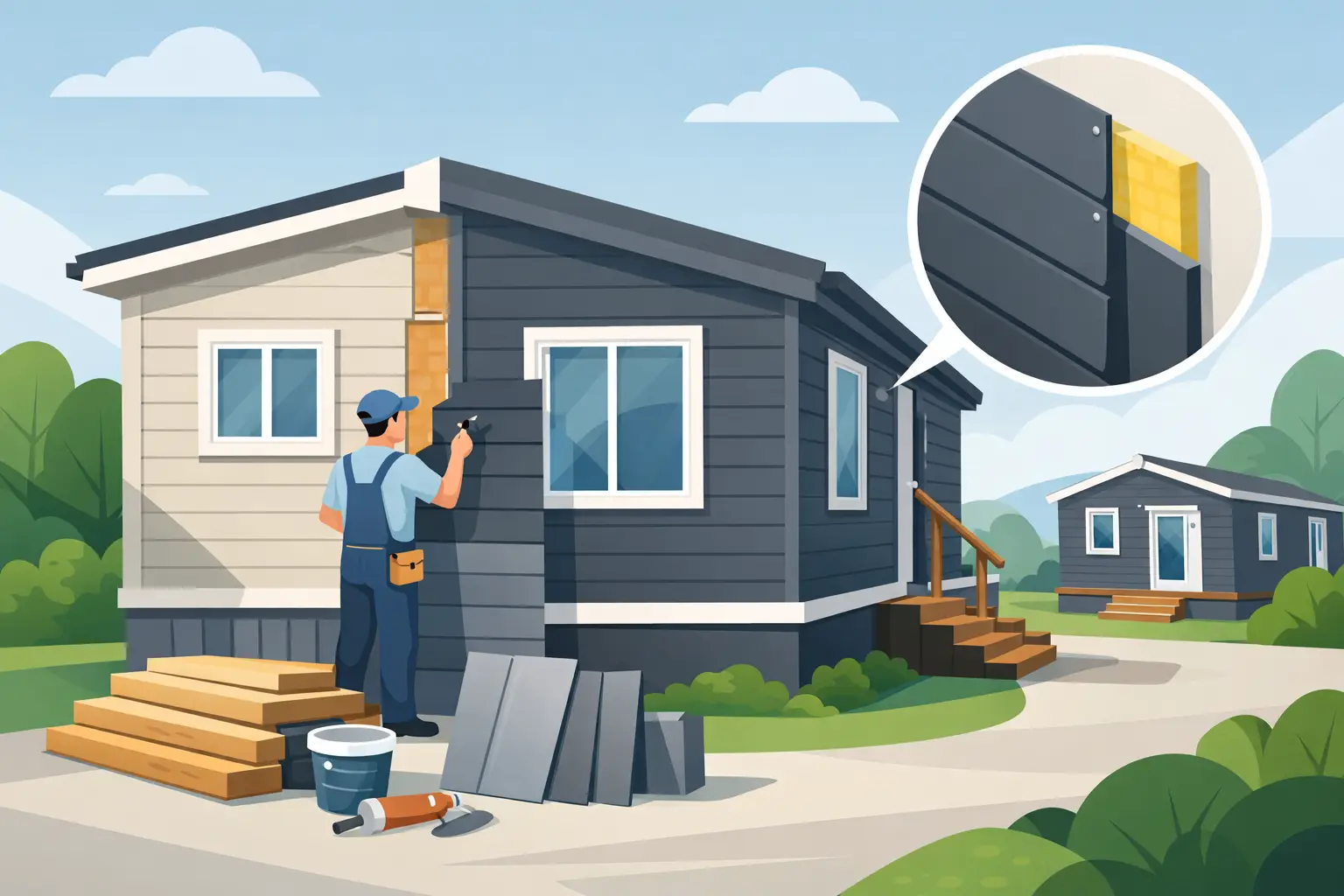
After that, wall insulation and external cladding are usually worth serious attention. These upgrades do more than help retain warmth. They can also improve weather resistance, freshen the appearance of the home and reduce future maintenance. If your park home exterior is ageing, improving the wall system can deliver both cosmetic and practical value at the same time.
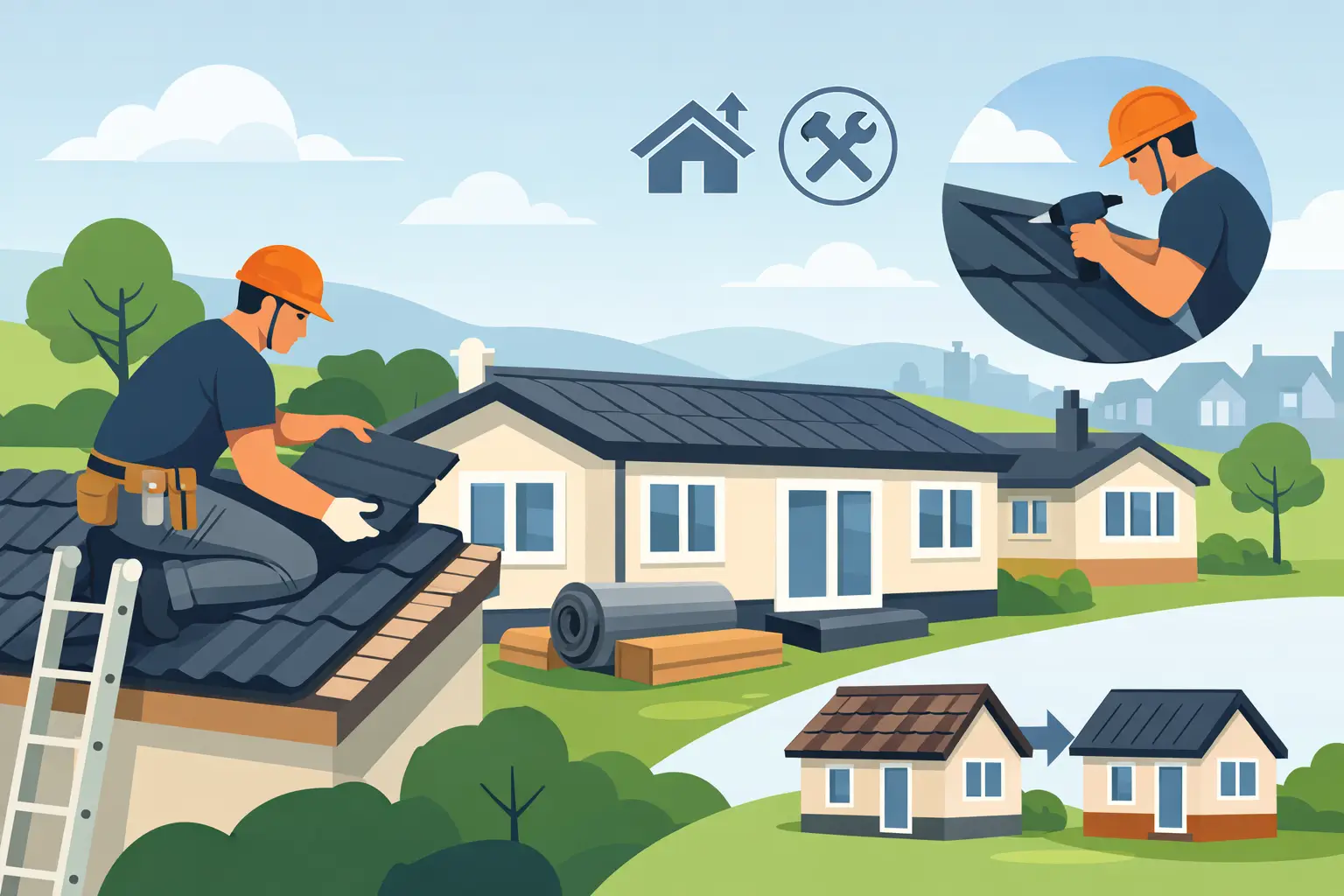
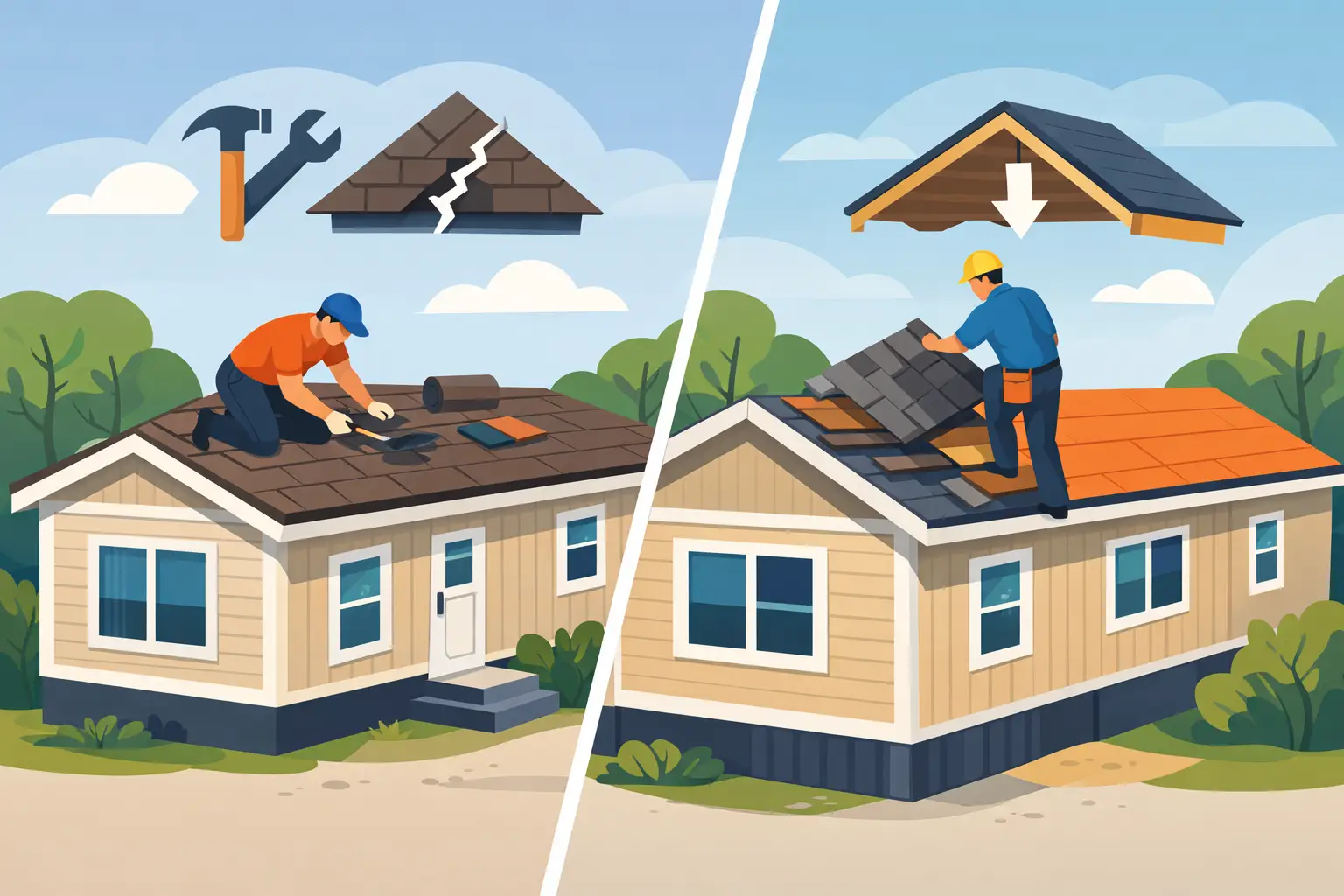
Roof improvements should not be overlooked, particularly if there are signs of wear, leaks or poor insulation levels. A roof in poor condition can undermine every other improvement. In some homes, targeted repair is enough. In others, replacement is the more sensible long-term option. It depends on age, condition and whether the existing roof is still doing its job properly.
Windows and doors come next in many cases, especially if they are clearly draughty or no longer sealing well. Good-quality replacements can help reduce cold spots and improve overall comfort, but they work best as part of a wider plan rather than a quick fix on their own.
If there is one upgrade that park home owners consistently notice straight away, it is underfloor insulation. A cold floor changes the whole feel of a property. Even when the room temperature reads reasonably well, the home can still feel chilly because the cold is coming up from below.
Proper underfloor insulation helps create a more even internal temperature and reduces the sense of draughts moving through the home. It can also help with energy use, because the heating system is no longer constantly trying to make up for lost warmth. For many residents, especially older homeowners who spend a lot of time indoors during colder months, this can make a real difference to comfort.
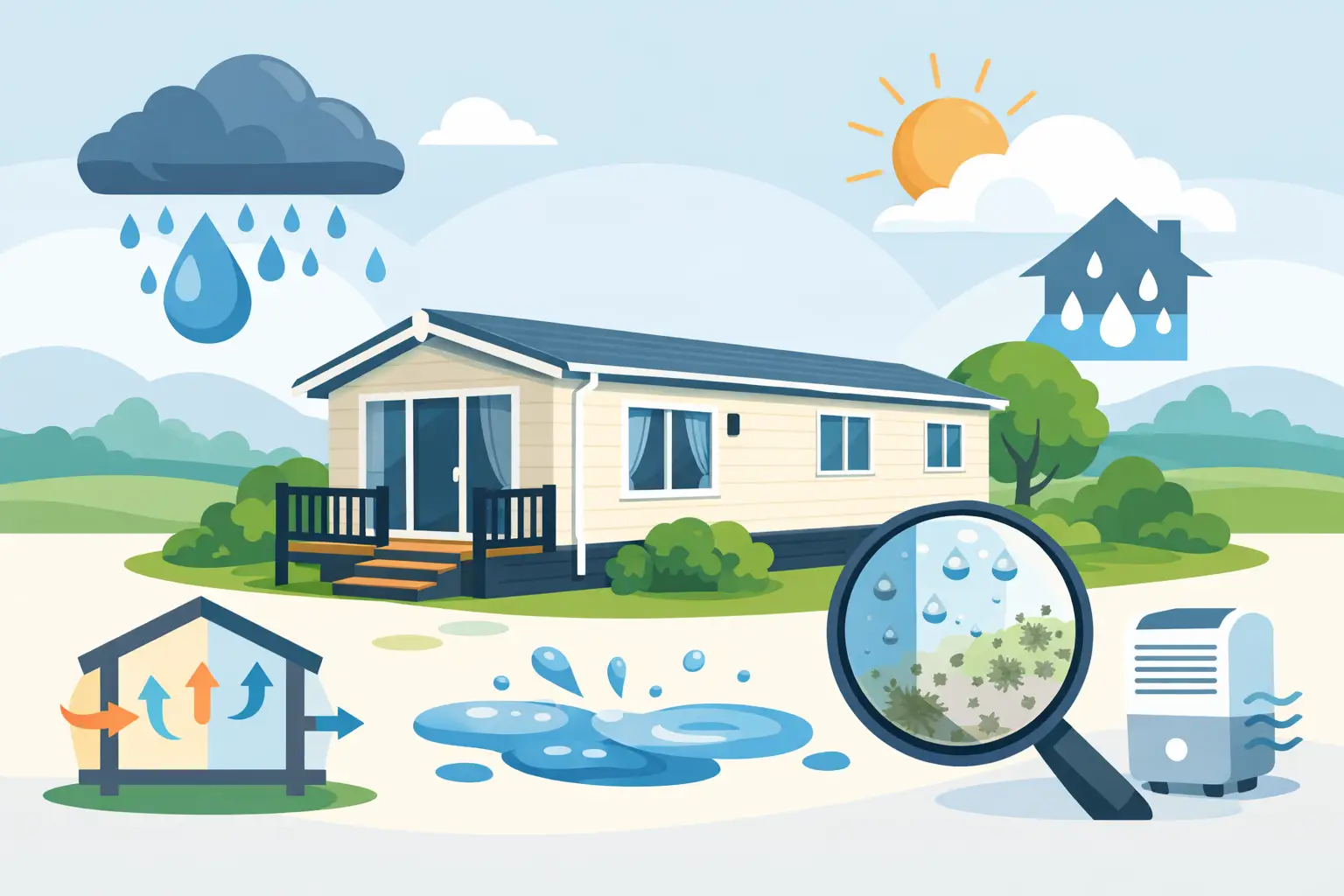
There is a trade-off to keep in mind, though. Underfloor work needs to be carried out with a proper understanding of the home’s structure and ventilation. Park homes need specialist attention here. It is not just about packing in insulation. The work needs to protect warmth without causing moisture problems underneath the home.
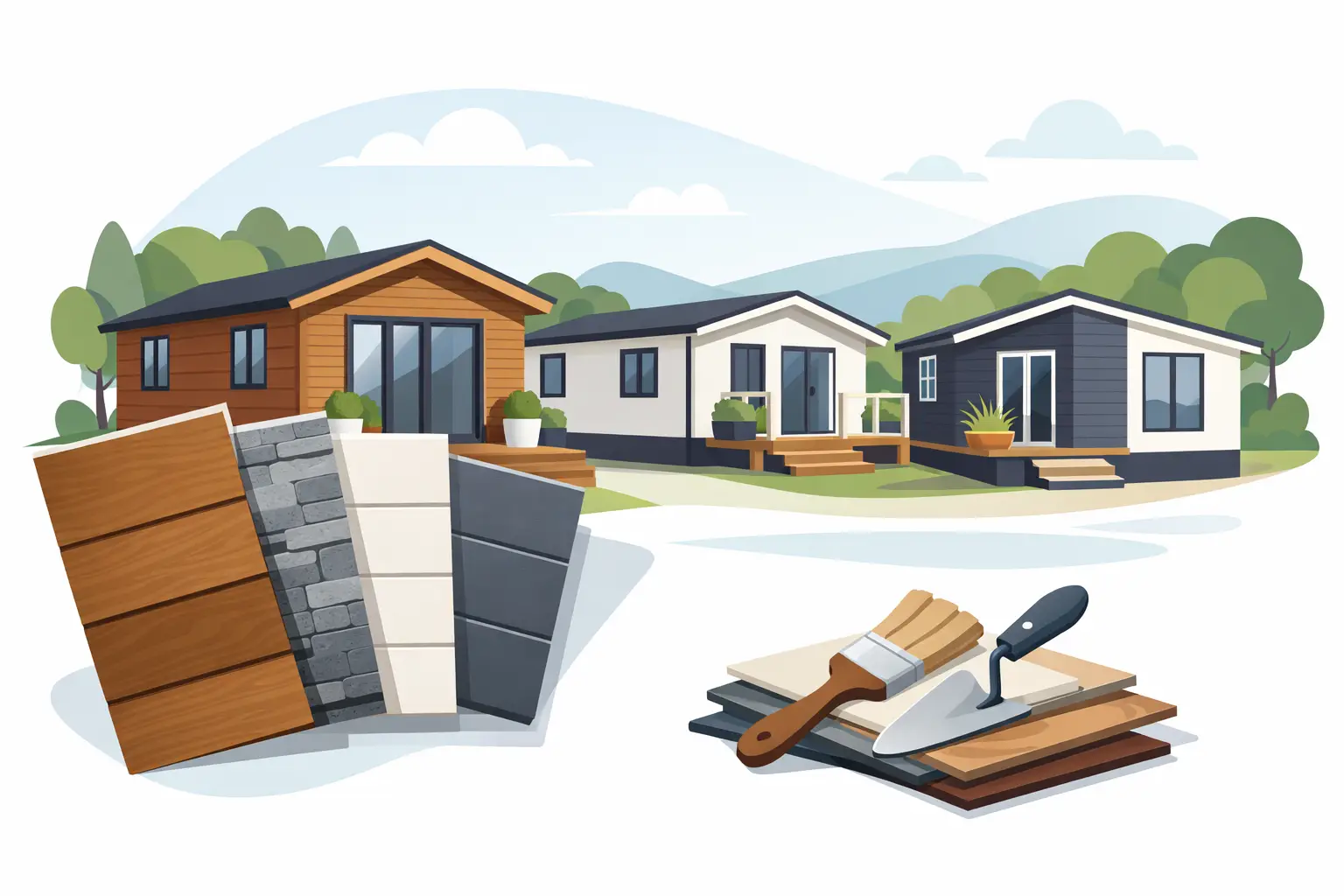
When owners think about external cladding, they often think first about appearance. A tired park home can certainly benefit from a refreshed exterior, but cladding and wall insulation can also play a major part in warmth and weather protection.
If the outer shell of the home has deteriorated, wind and moisture can begin to affect thermal performance. Even small areas of weakness can make rooms feel colder and increase the strain on your heating. Upgrading the wall system can help create a more insulated, more stable living environment.
This is one of those areas where cheap, like-for-like repairs are not always the best value. If the cladding is near the end of its life, a more complete upgrade may cost more upfront but deliver better comfort, lower maintenance and a longer-lasting finish. For many park home owners, that is money better spent.
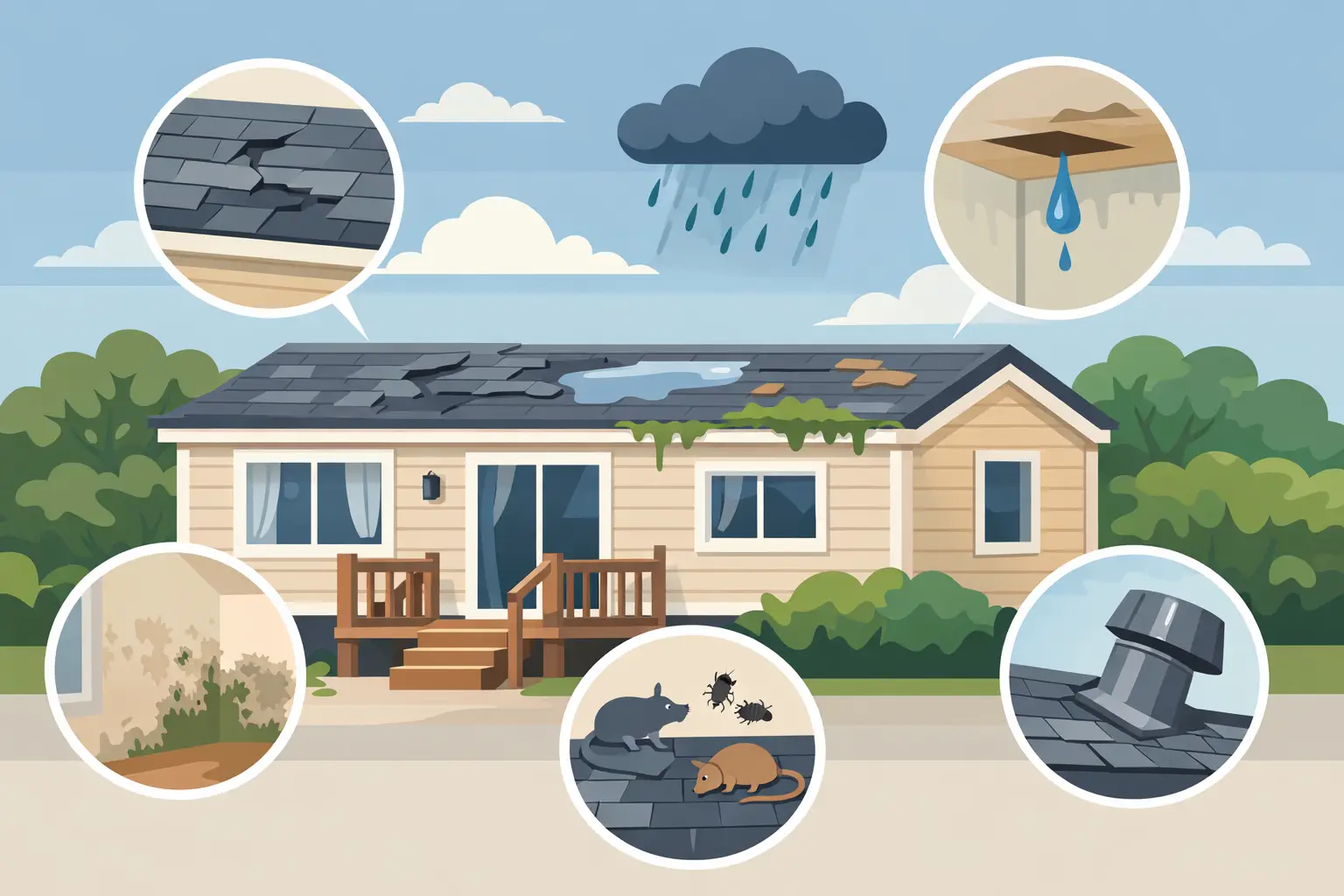
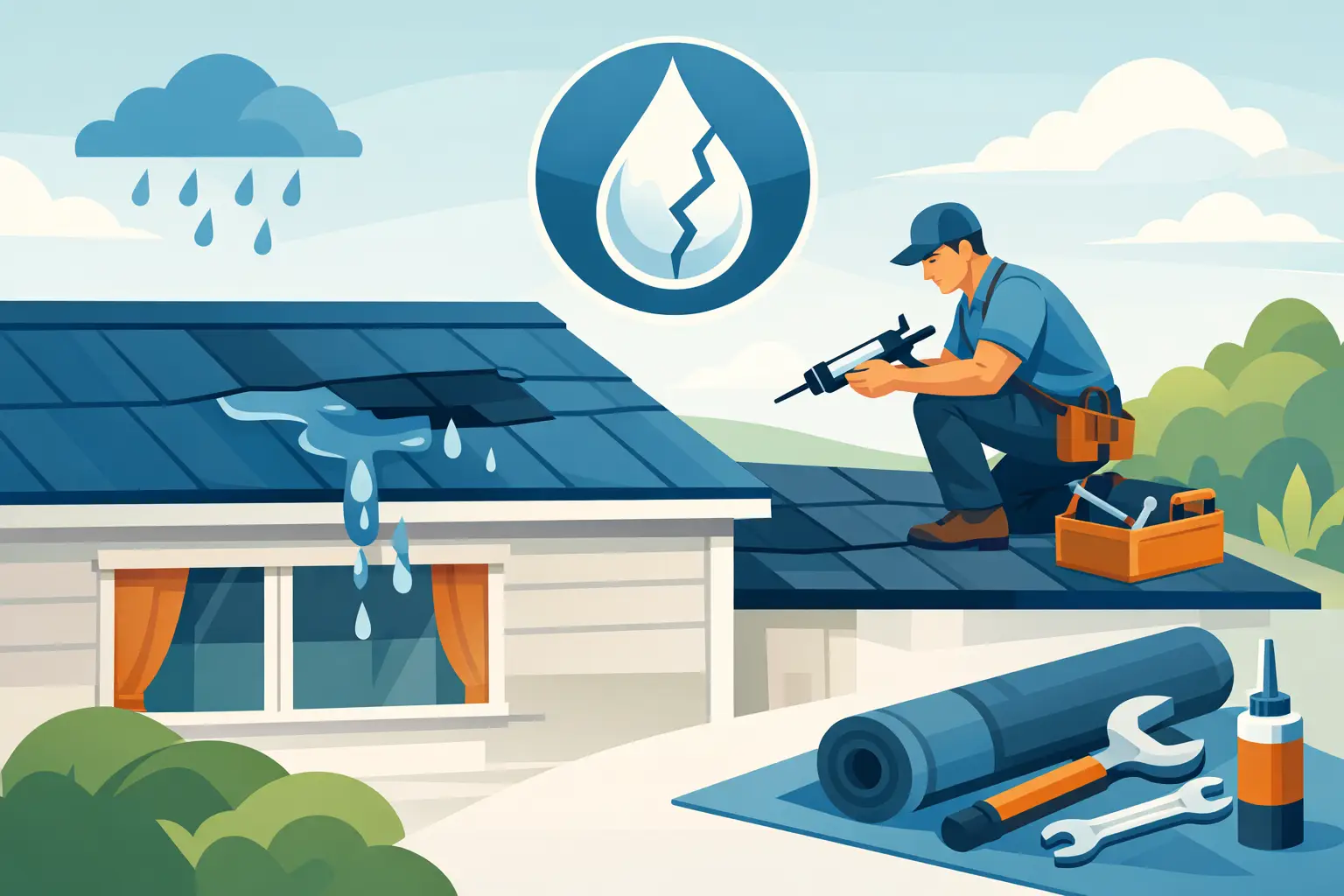
A roof does not need to be actively leaking to cause problems. Ageing materials, weak insulation and small areas of water ingress can all affect how well a park home holds heat. If the ceiling feels cold, or if certain rooms lose warmth quickly after the heating goes off, the roof may be part of the problem.
Roof repairs can be enough where damage is limited, but if the roof is worn throughout, replacement may be the more dependable solution. A sound roof helps keep warmth in, protects the structure beneath and reduces the risk of moisture-related issues that can become more costly later.
For park home owners thinking long term, roof work is often about more than this winter’s heating bill. It is about preserving the condition and value of the home as a whole.
Some heat loss comes from the obvious structural areas, but smaller gaps also matter. Poor seals around doors and windows, service entry points and ageing trim can all let in cold air. On their own, these may seem minor. Together, they can make a home feel permanently chilly.
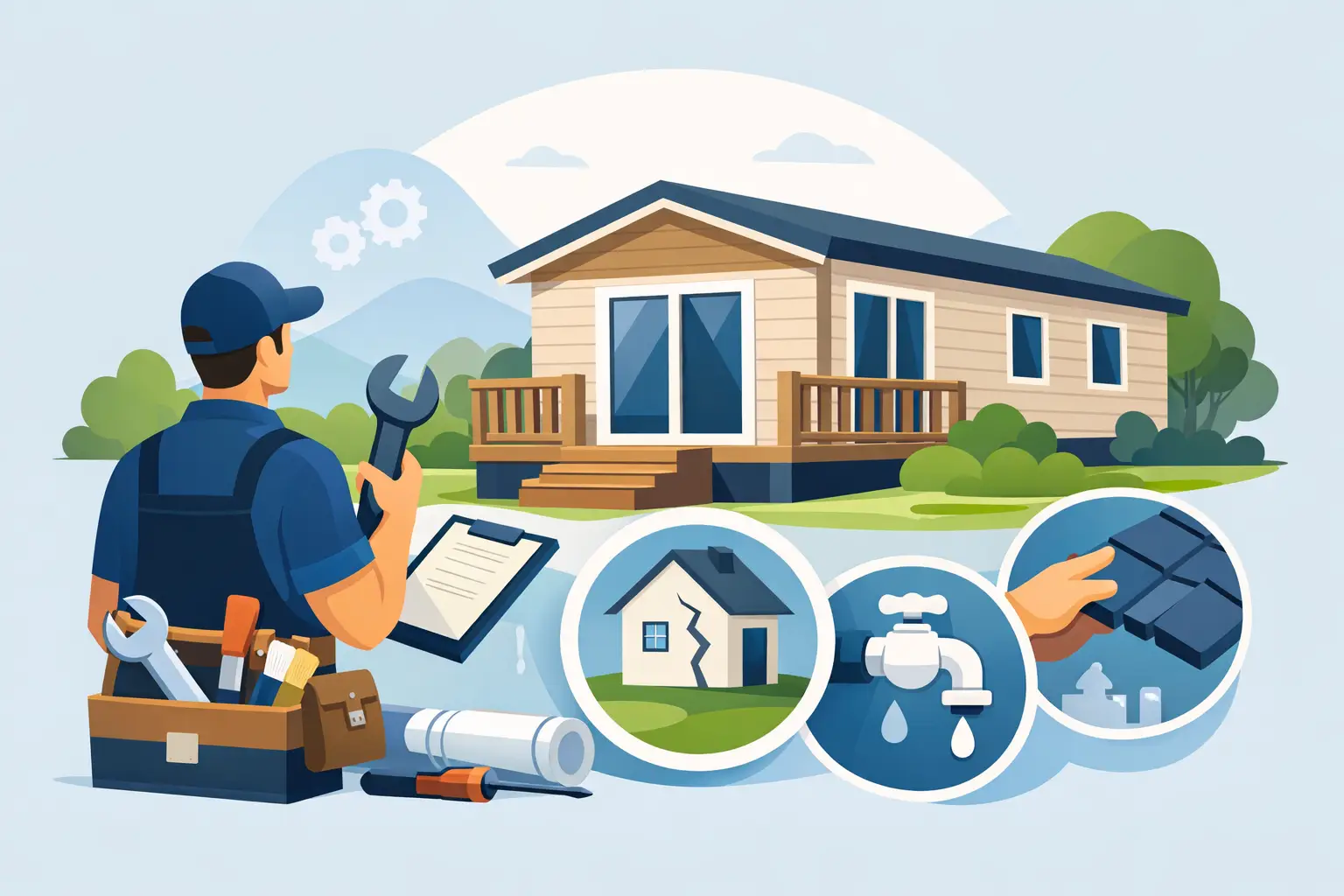
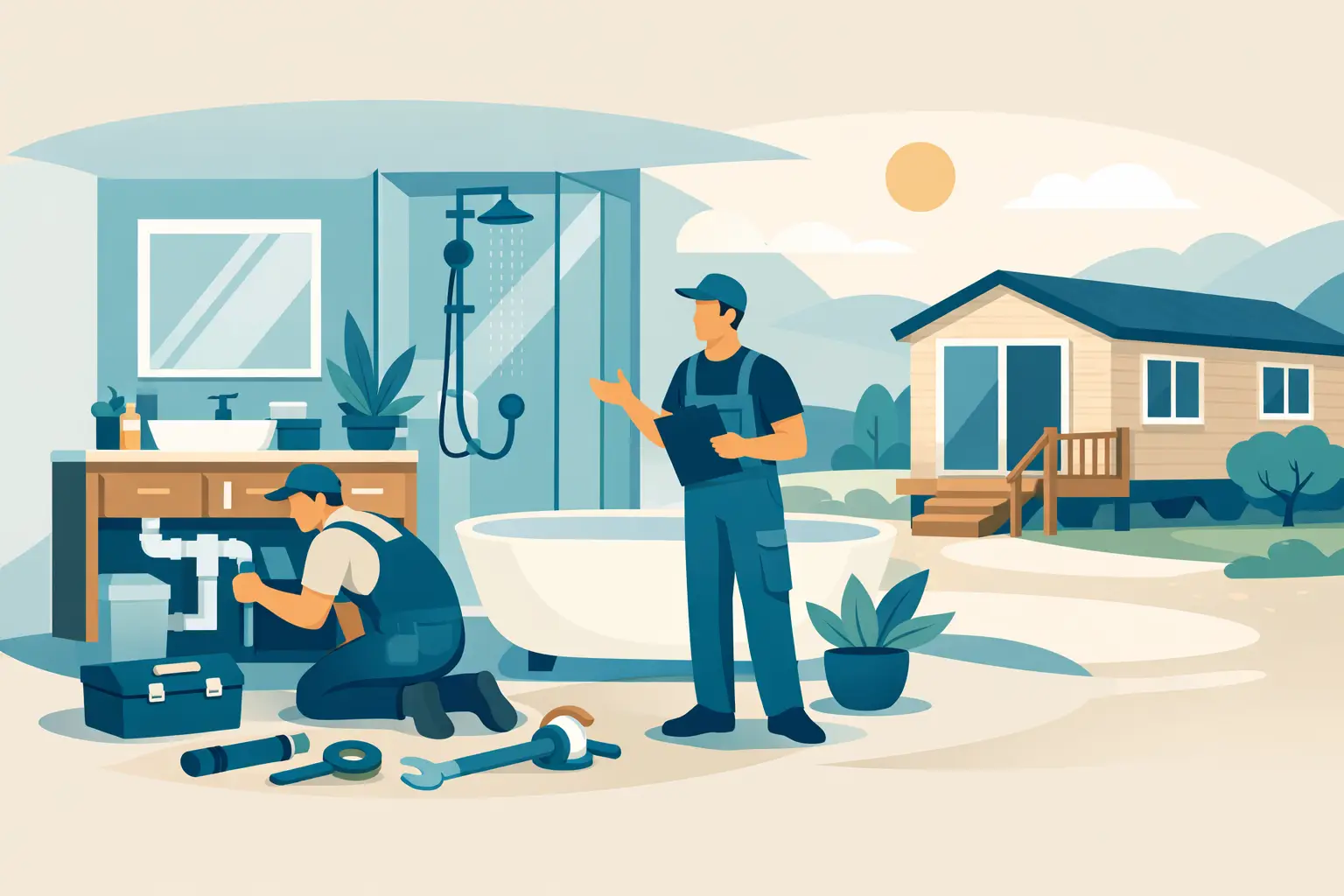
This is why a proper inspection matters. Guesswork often leads people to spend money in the wrong place. One room may feel cold because of the window, while the main cause is actually beneath the floor or behind an ageing wall section. A specialist assessment helps identify the real priorities before work starts.
When people are uncomfortable, the first instinct is often to upgrade the heating system. Sometimes that is necessary, especially if the existing setup is outdated or inefficient. But if the home is losing warmth badly, better heating alone will not solve the root issue.
Think of it this way. There is little point paying for more heat if the structure cannot hold onto it. In most park homes, improving the fabric of the building first gives the best return. Once floors, walls, roof and openings are performing as they should, the heating system can do its job far more effectively.
The most cost-effective route is usually to prioritise the work that improves comfort and stops ongoing deterioration at the same time. Underfloor insulation, wall upgrades, roof repairs and better weather protection often achieve both. They make the home warmer now and help prevent larger problems later.
It also helps to think beyond one season. A park home that is warmer, drier and better protected is easier to live in, easier to maintain and often more appealing in terms of value. That matters whether you plan to stay for years or simply want to keep the property in the best possible condition.
At New Look Park Homes Ltd, we see this regularly. Owners come to us wanting a warmer home, and the answer is rarely a single product or quick patch. It is careful, specialist work that suits the way park homes are actually built.
If your park home never seems to hold its heat, the best next step is not to guess. It is to look closely at what the home is telling you – cold floors, draughts, tired cladding, ageing rooflines and rising heating costs usually point in the right direction.