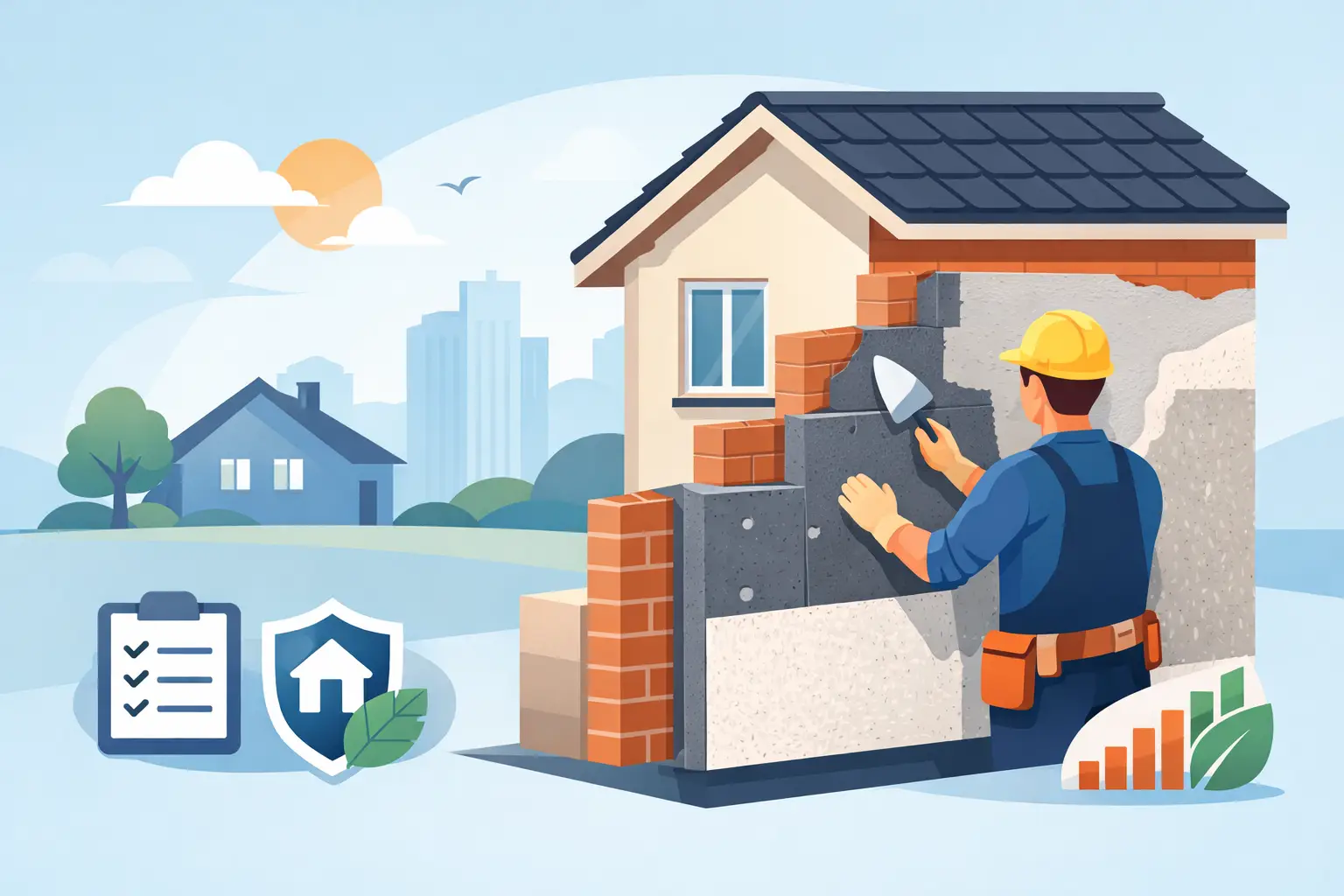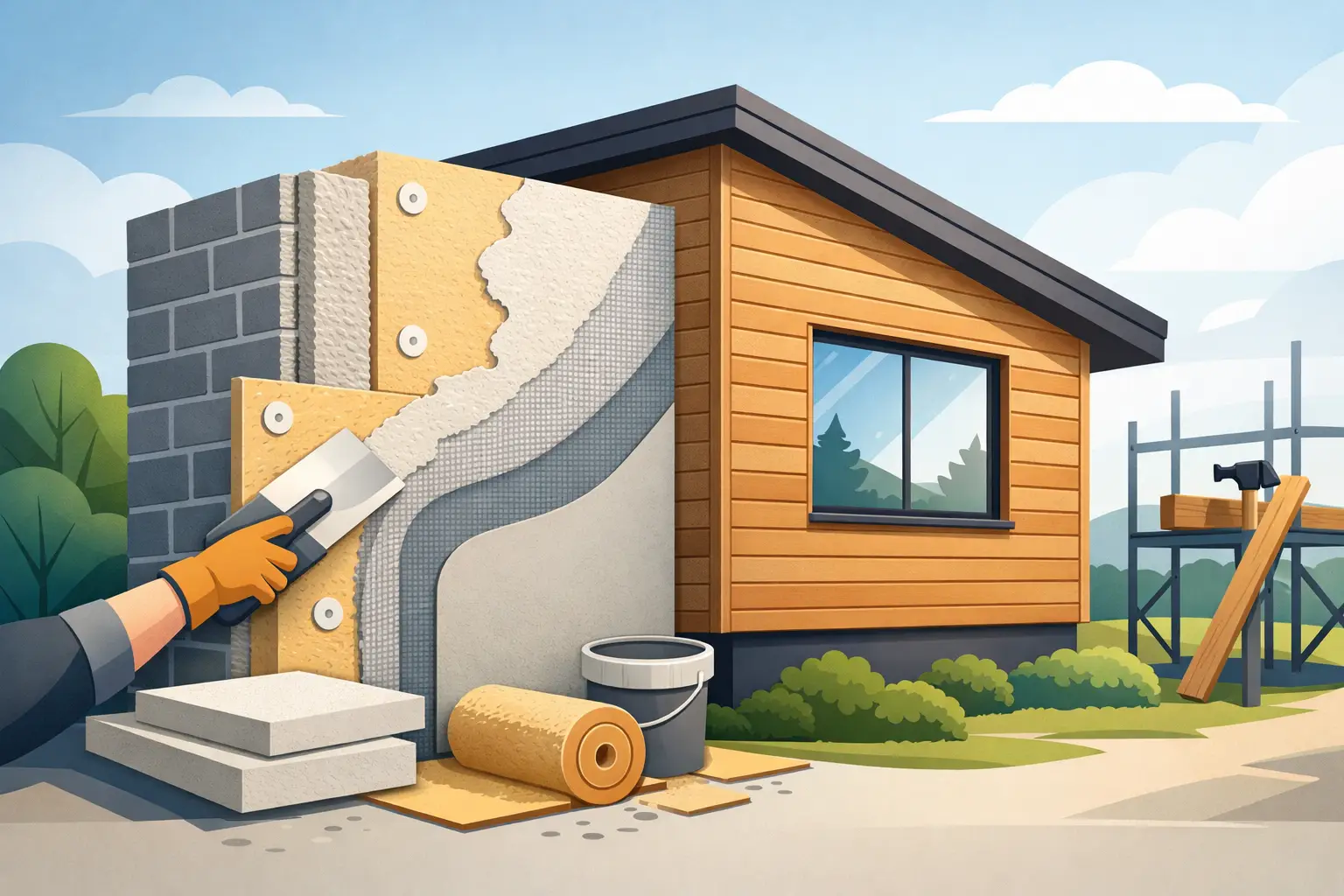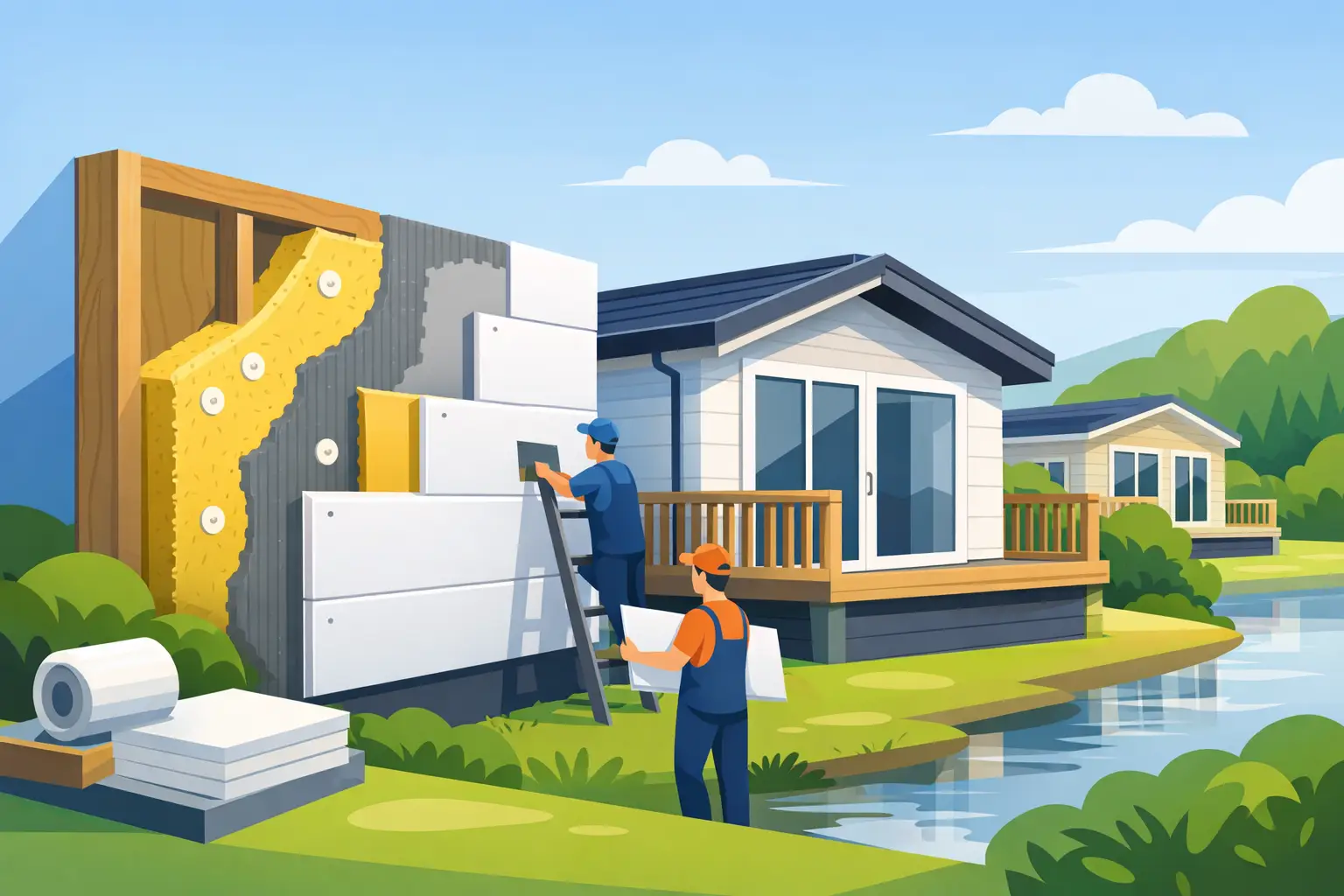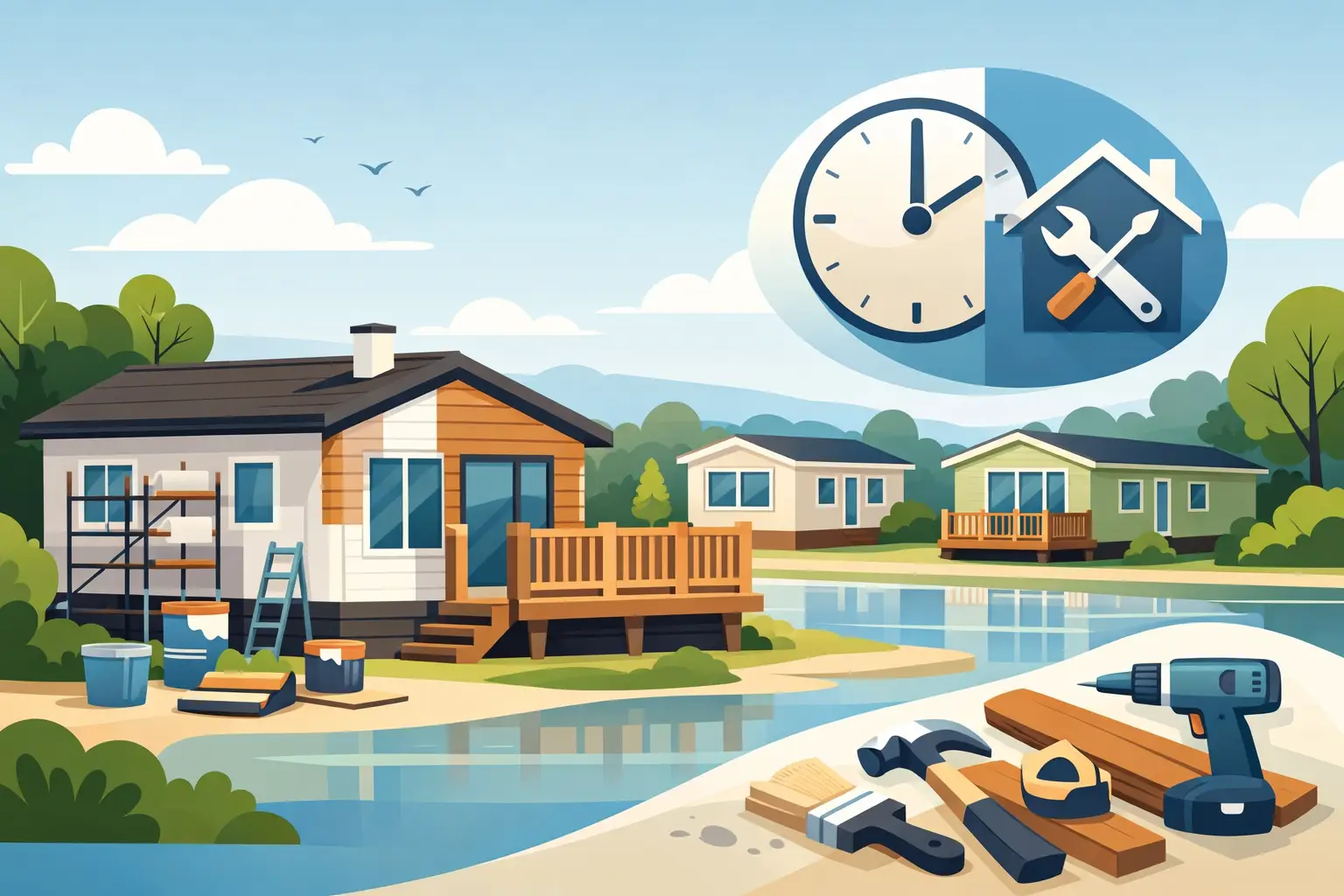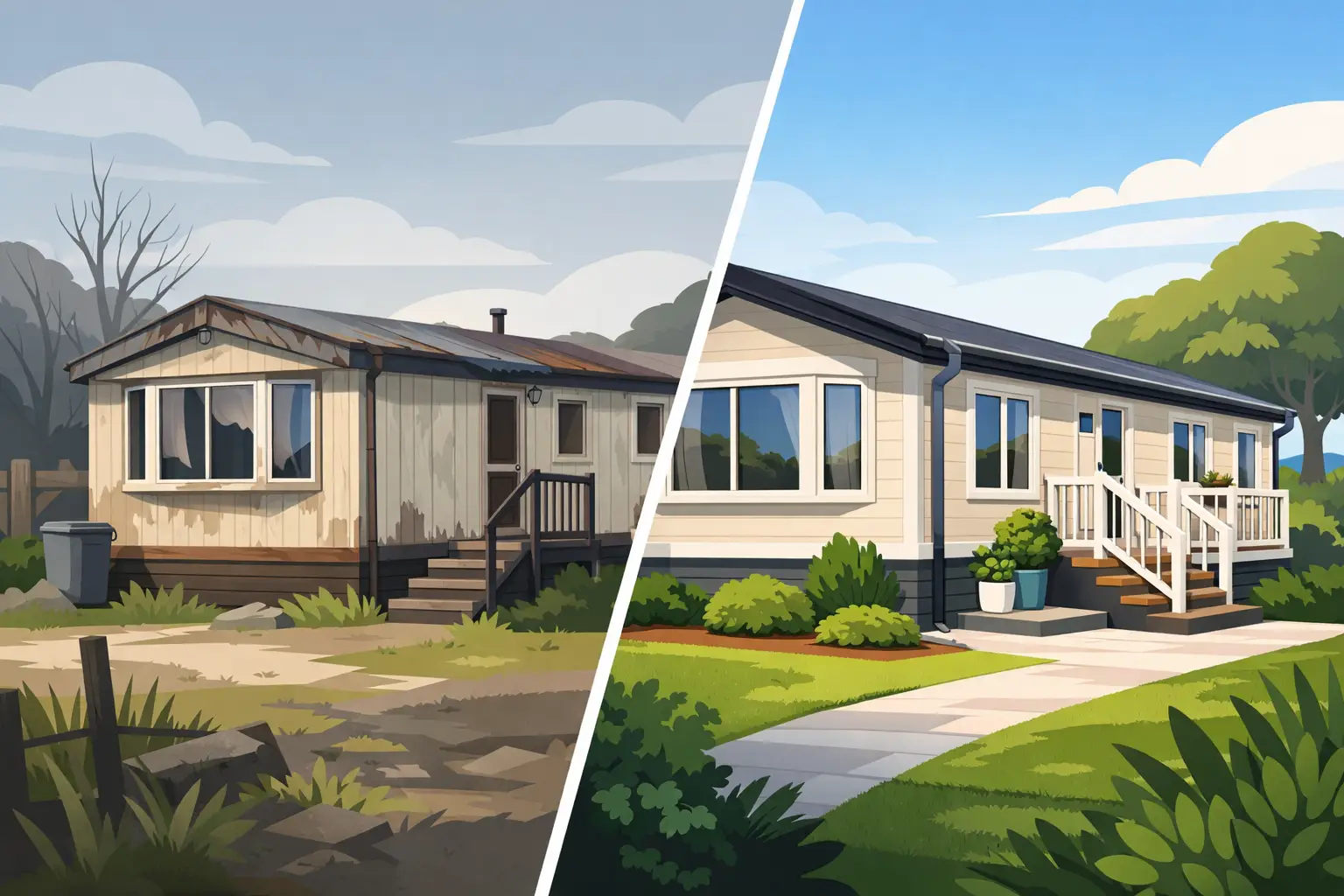
A tired exterior shows up quickly on a park home. Faded panels, draughts around joints and constant repainting are not just cosmetic issues – they often point to bigger problems with weather protection and insulation. If you are weighing up the best cladding for park homes, the right choice can make a real difference to warmth, maintenance and how your home looks for years to come.
Park homes are not built in the same way as traditional brick houses, so cladding needs to be chosen with that in mind. Weight, fixing methods, movement in the structure and exposure to wind and rain all matter. What works well on a standard house is not always the right answer for a park home.
The best cladding is not simply the one that looks smartest on day one. It needs to suit the structure of the home, stand up to British weather and keep maintenance to a sensible level. For many owners, the right answer is the one that balances appearance, durability and thermal performance without creating problems later.
A good cladding system should help protect the outer wall, reduce the effect of damp and improve the overall finish of the home. It should also work properly with trims, corners, insulation and ventilation. When these parts are treated as one system rather than separate jobs, the result is usually neater, warmer and longer-lasting.
There is also the question of budget. Some materials cost more at the start but save money over time because they need less upkeep. Others may look affordable at first, then bring repeat repair and decorating costs. That is why the cheapest panel is rarely the cheapest option in the long run.
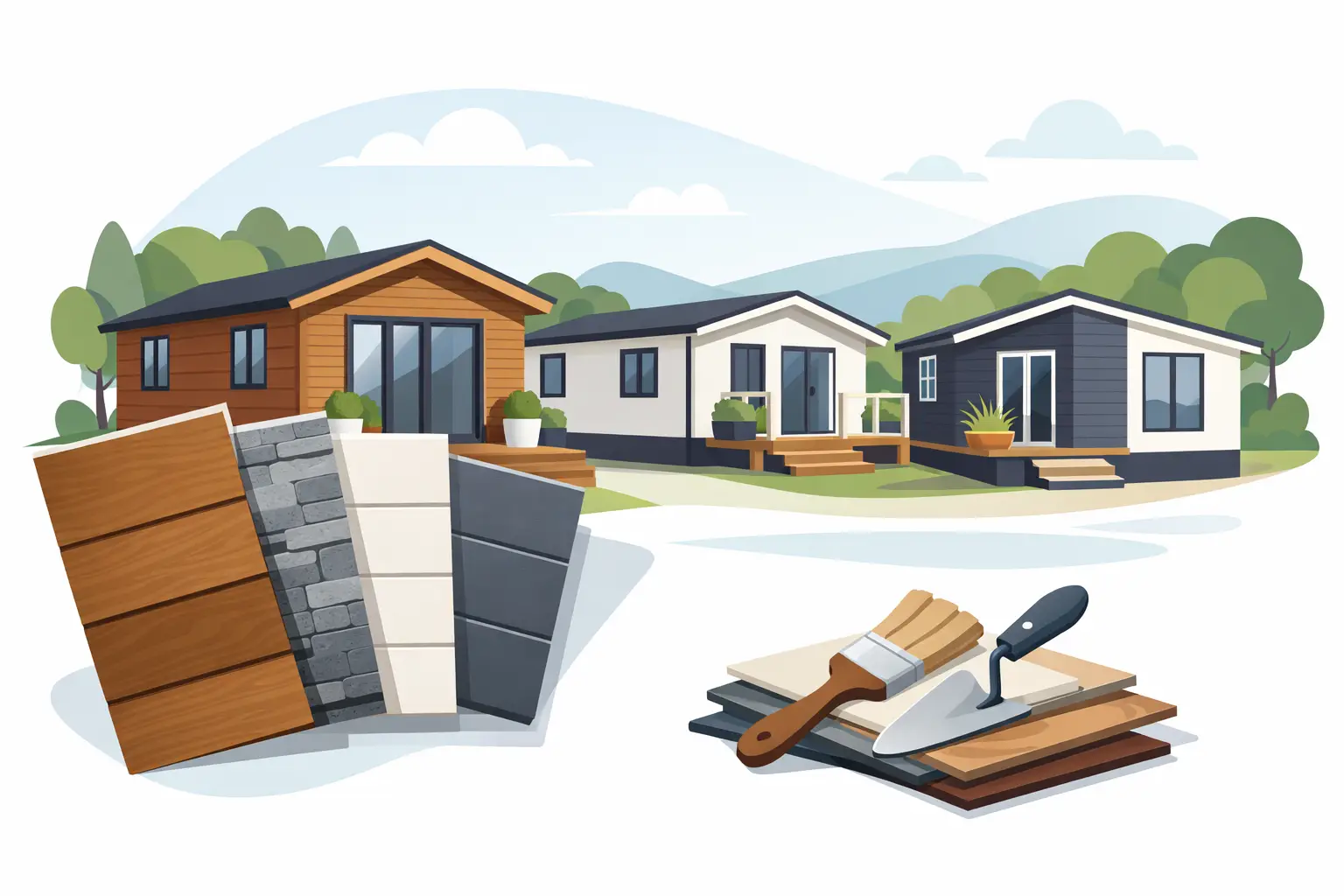
uPVC remains a popular choice for park homes because it is low maintenance, lightweight and available in a wide range of finishes. For many owners, its biggest advantage is simplicity. It does not need regular painting, it is easy to keep clean and it can give an older home a much fresher appearance.
When fitted properly, uPVC cladding also offers solid weather protection. It suits many refurbishment projects, especially where the existing exterior is looking tired but the owner wants a practical solution rather than a high-maintenance one. White remains common, though wood-effect and coloured finishes have become more popular where owners want a more modern look.
The trade-off is that not all uPVC products are equal. Lower-grade boards can discolour, become brittle over time or look too thin and plastic-like. On a park home, quality matters. The finish, thickness and installation all play a part in how well it performs.
Composite cladding is often chosen by owners who want a smarter, more contemporary finish. It is designed to offer the appearance of timber with less maintenance, which can be very appealing if you like a more natural style but do not want the burden of repainting and treatment.
It usually performs well against rot, moisture and everyday wear. In the right setting, composite can lift the overall look of a park home and add a more premium feel. It is particularly useful where kerb appeal matters and the owner wants something that will keep its finish with minimal fuss.
That said, composite is not always the best fit for every project. It can be heavier than other options, and some products hold heat differently or need very careful installation to allow for expansion and contraction. On park homes, specialist fitting is important so the material works with the property rather than against it.
Timber has a character that many manufactured finishes struggle to match. It can look warm, traditional and high quality, especially on homes in rural or well-kept park settings. For owners who value appearance above all else, timber is often tempting.
The drawback is upkeep. Timber cladding needs regular attention if it is to stay in good order. In the British climate, that usually means staining, painting or treating at intervals to protect against moisture and surface wear. If maintenance slips, the boards can quickly lose their finish and become vulnerable.
For some owners, that is a price worth paying. For others, especially those looking for a practical long-term solution, timber can become more work than expected. It is best chosen with open eyes and a realistic view of future maintenance.
Fibre cement cladding has become a strong option where durability is the priority. It is tough, stable and more resistant to rot, insects and weathering than natural timber. It can also give a clean, high-end appearance that suits both traditional and modern park homes.
This type of cladding tends to perform well over time and usually needs less upkeep than timber. It is also available in a range of textures and colours, so owners can get a timber-style look without the same level of maintenance.
Its main consideration is installation. Cement board products need correct support, proper detailing and experienced fitting. They are not the sort of material that should be treated as a quick cosmetic fix.
For most park home owners, uPVC or composite will often be the most practical answer. They strike the balance many people are looking for – a cleaner exterior, less maintenance and good long-term protection. If your priority is ease of upkeep and dependable performance, these are usually strong contenders.
If appearance is the main driver and you are happy to invest more in the finish, composite or fibre cement may be the better route. If you love the look of real wood and are prepared for the ongoing care it needs, timber still has its place. The best option depends on how you live, what level of maintenance you want and the condition of the existing structure underneath.
This is where specialist advice matters. Cladding should never be chosen on appearance alone. The condition of the wall structure, insulation levels, ventilation and the age of the home all need to be considered before any material is specified.
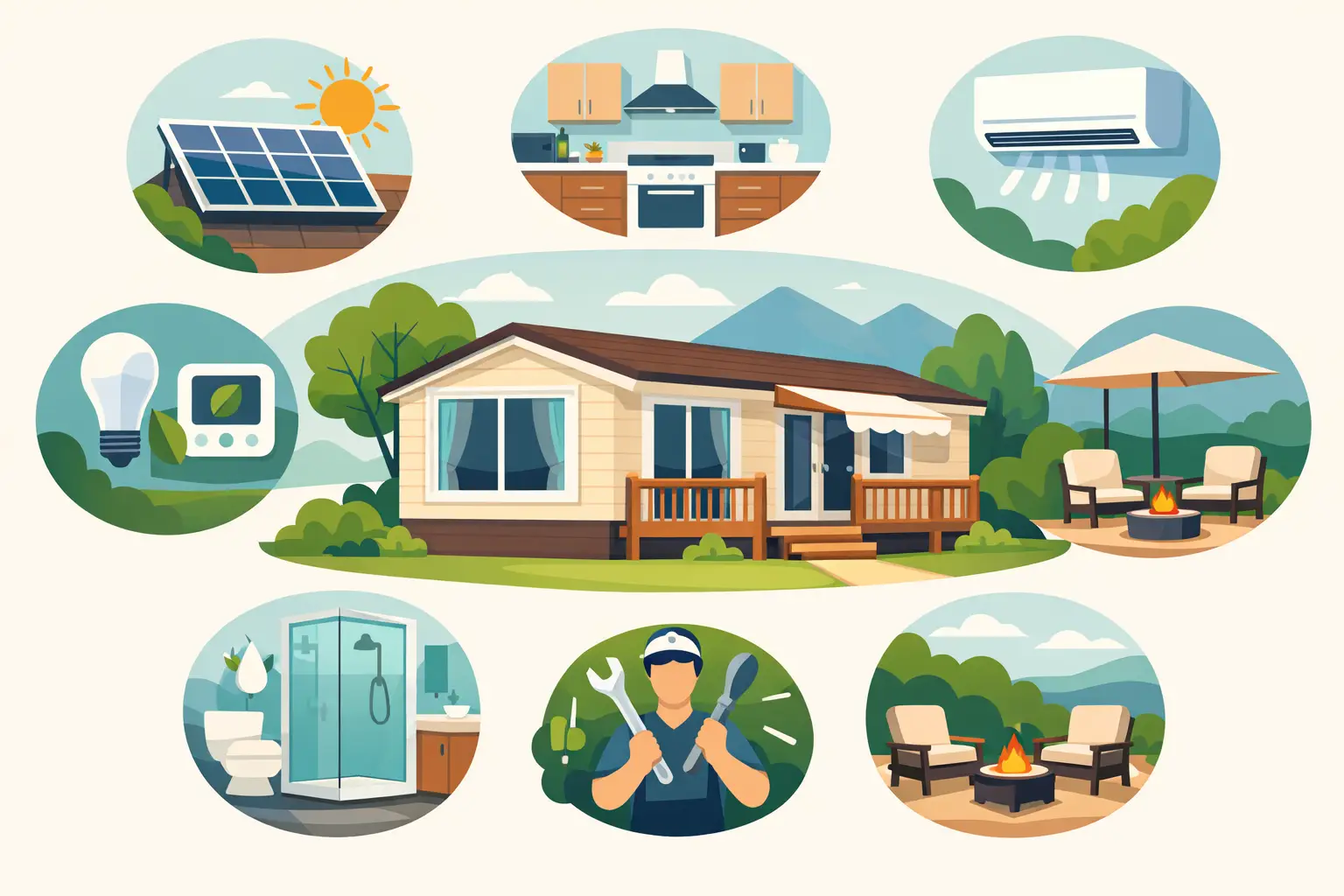
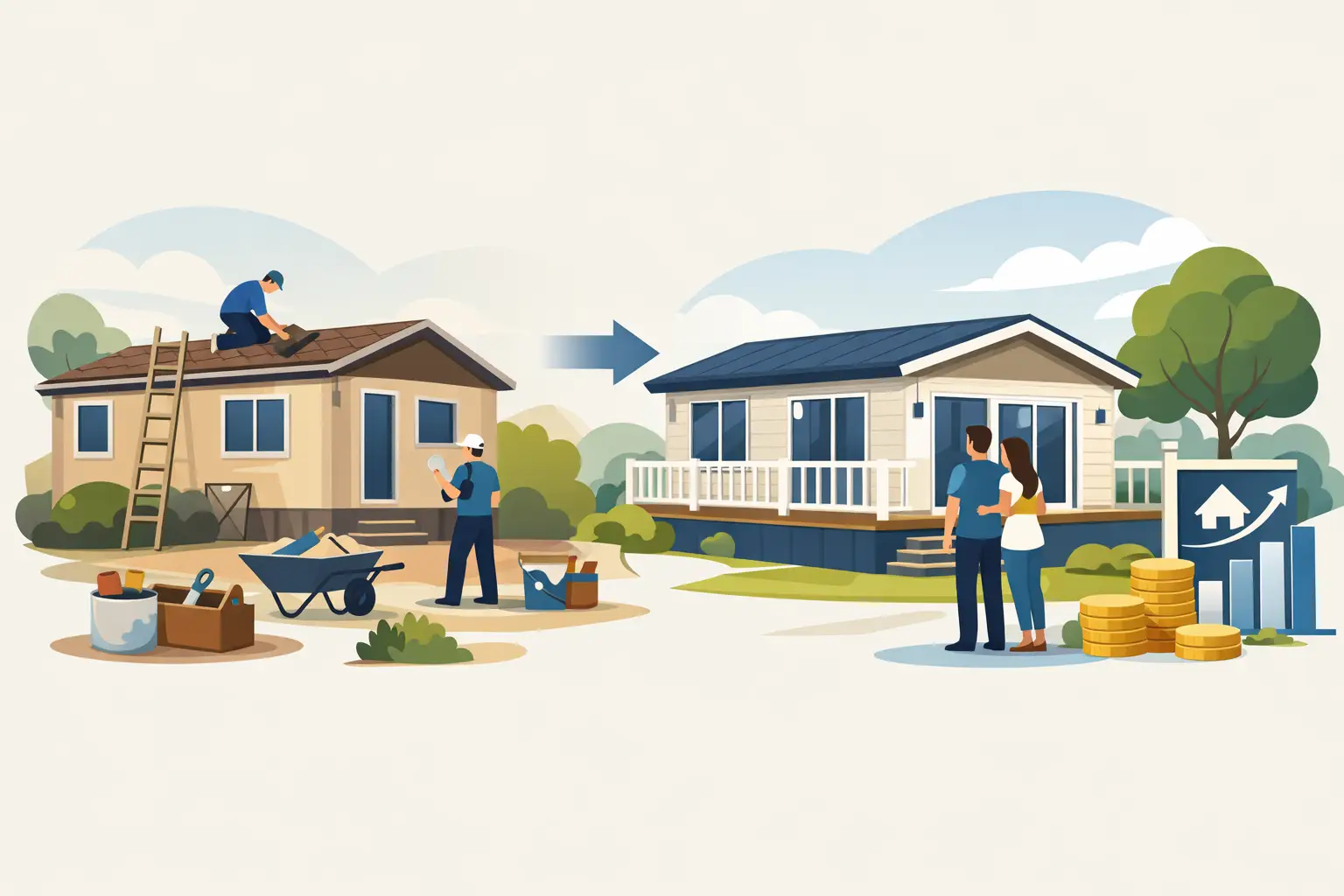
Many owners first ask about cladding because they want the home to look better, and that is perfectly reasonable. A refurbishment can transform a dated exterior. But appearance is only part of the job.
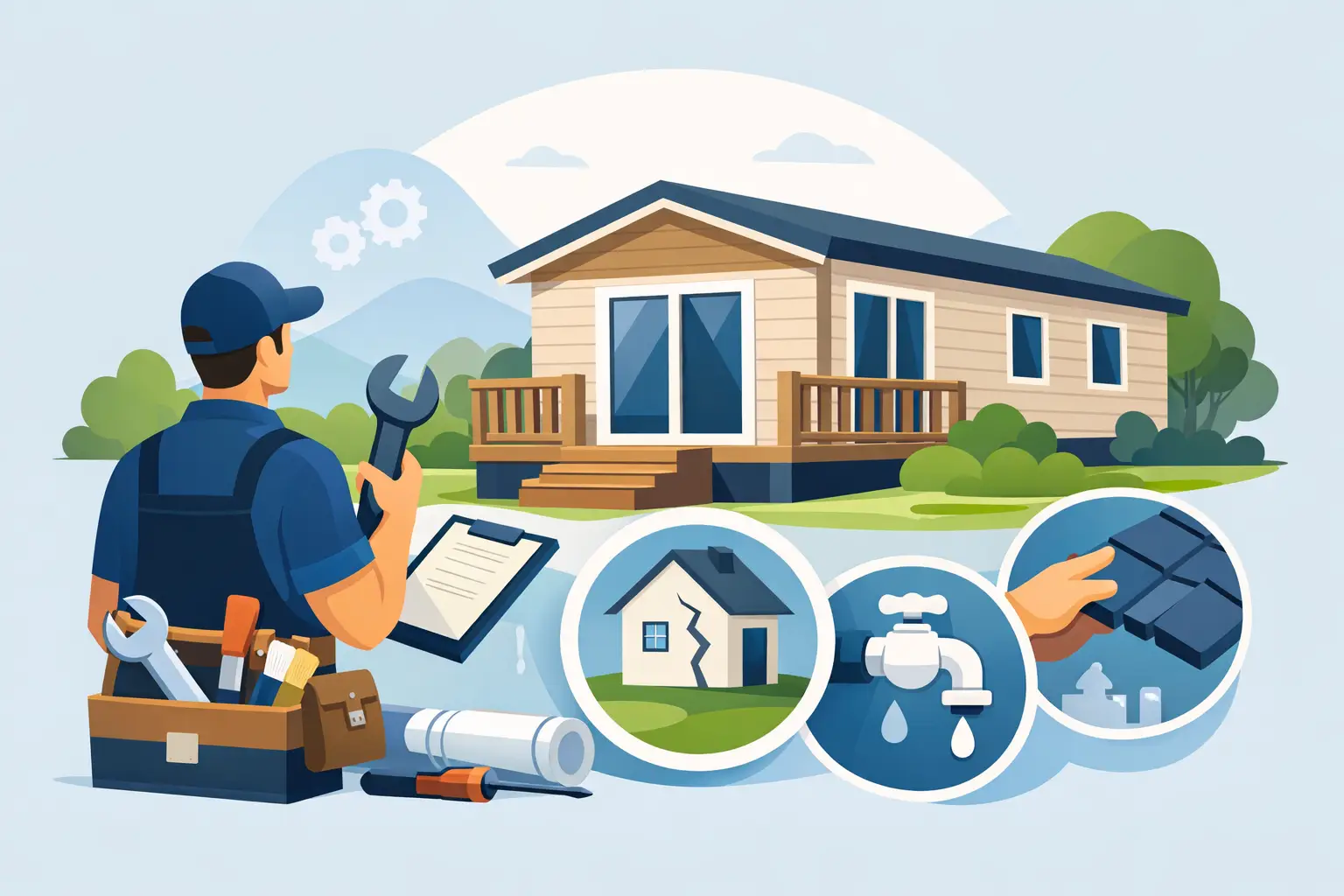
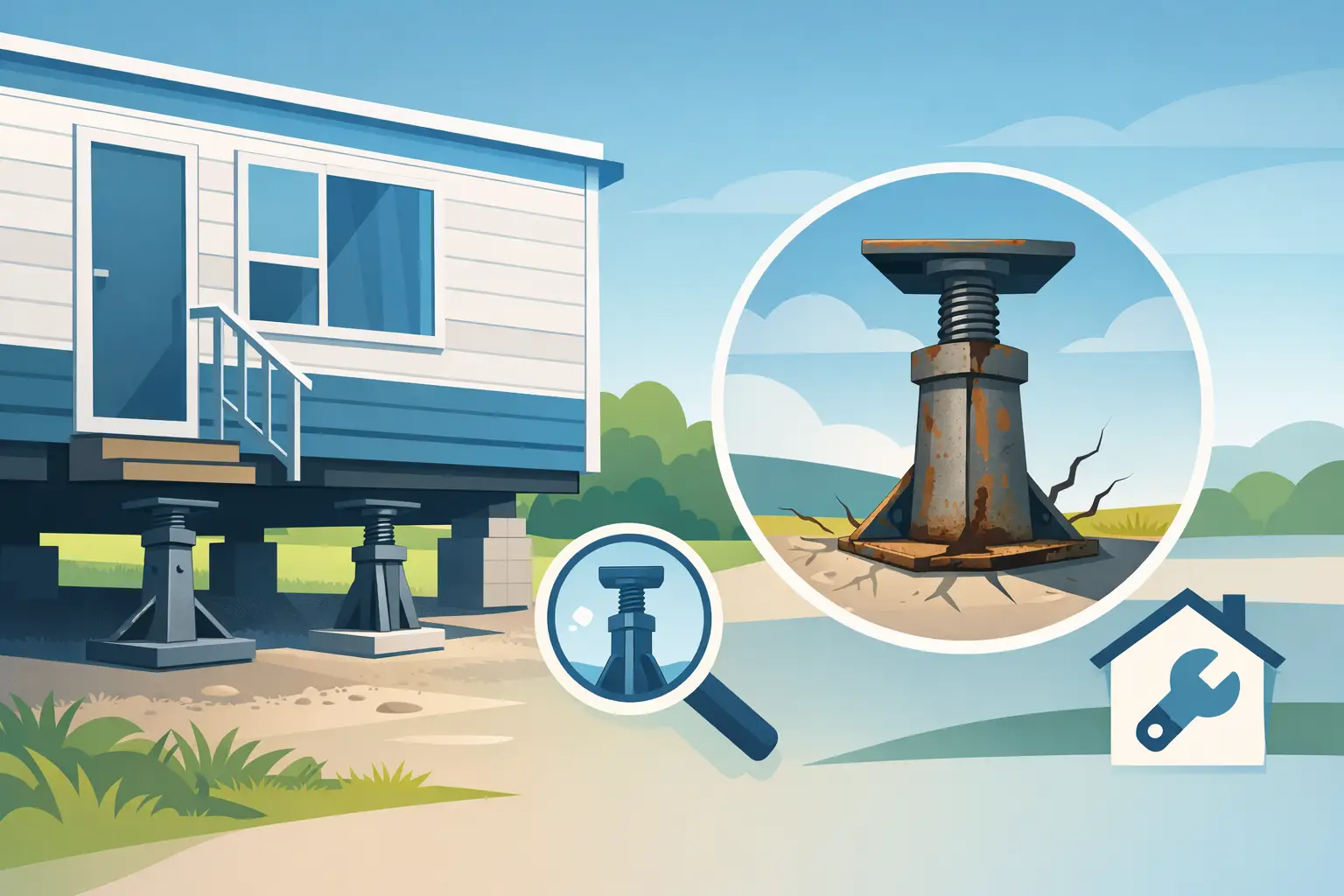
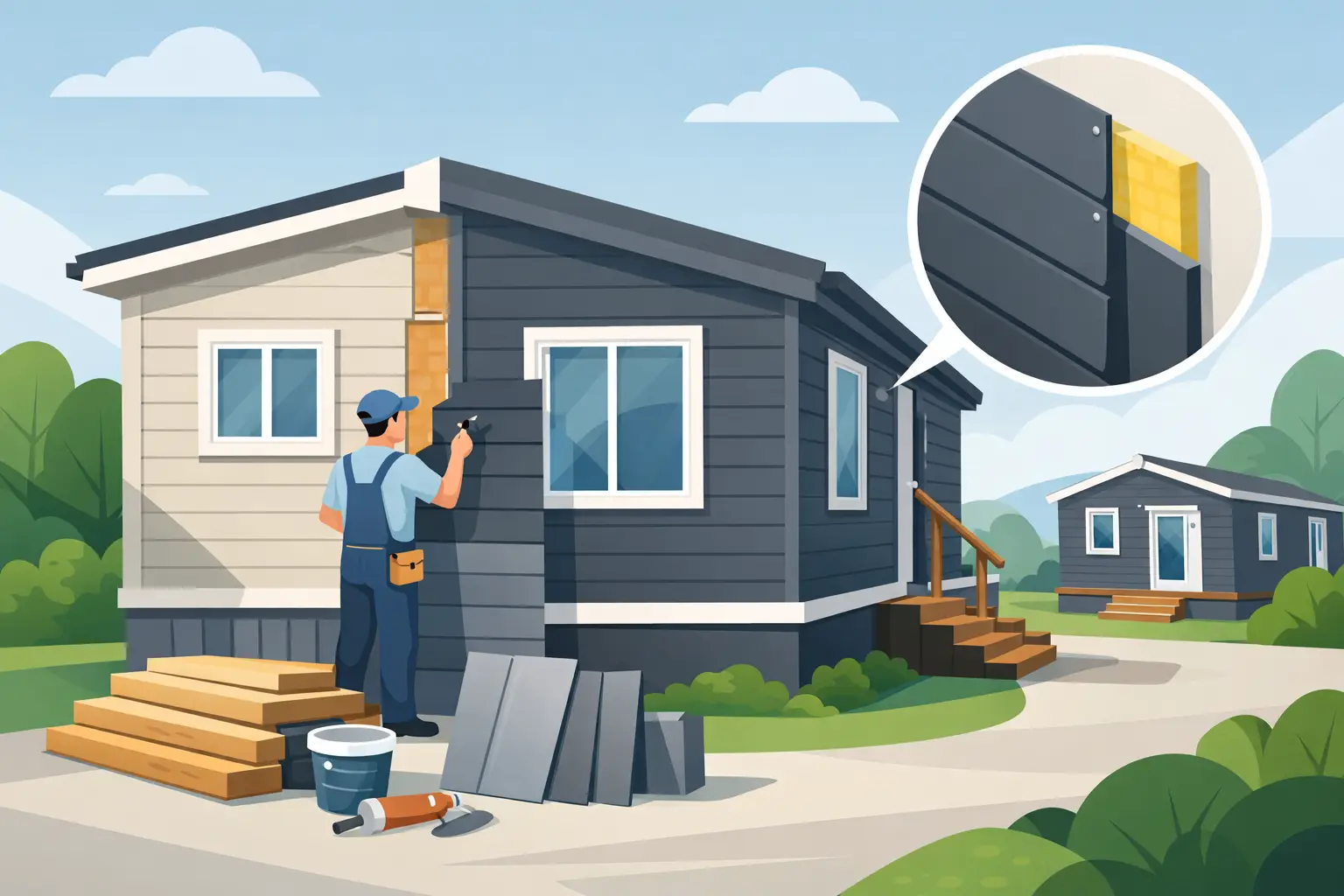
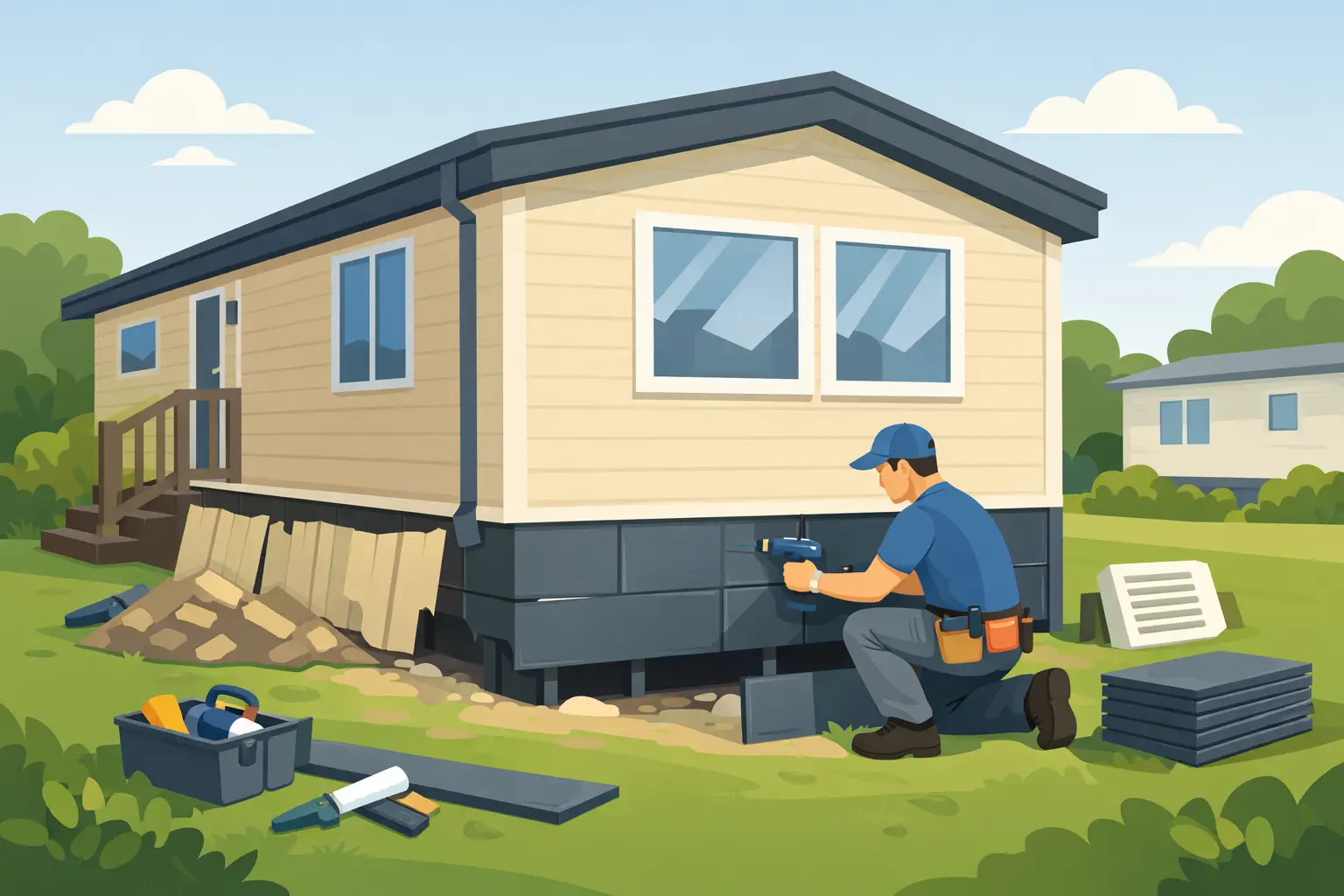
When old cladding is removed or upgraded, it is often the ideal time to inspect what is happening beneath the surface. Damaged battens, weak points around windows, poor insulation or signs of moisture can all be picked up at the same stage. Dealing with those issues before new cladding goes on is what protects the value of the investment.
That is also why a proper park home refurbishment company will look at the whole exterior system, not just the face finish. At New Look Park Homes Ltd, that specialist approach is central because park homes need solutions tailored to their construction, not general building methods.
Before making a decision, think about how long you expect to stay in the home and how much maintenance you are realistically prepared to do. A finish that looks attractive in a brochure may be far less appealing after a few winters if it needs regular attention.
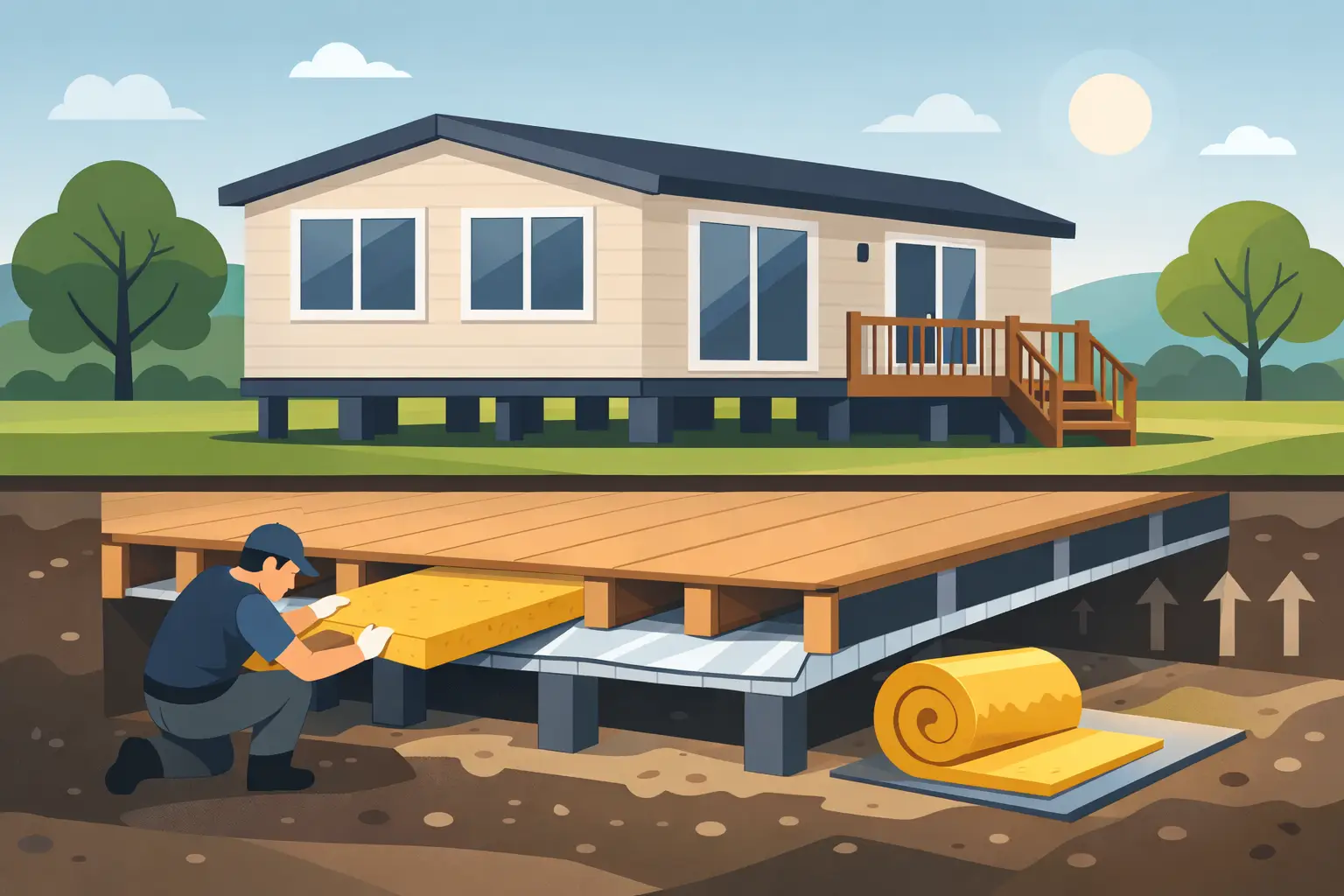
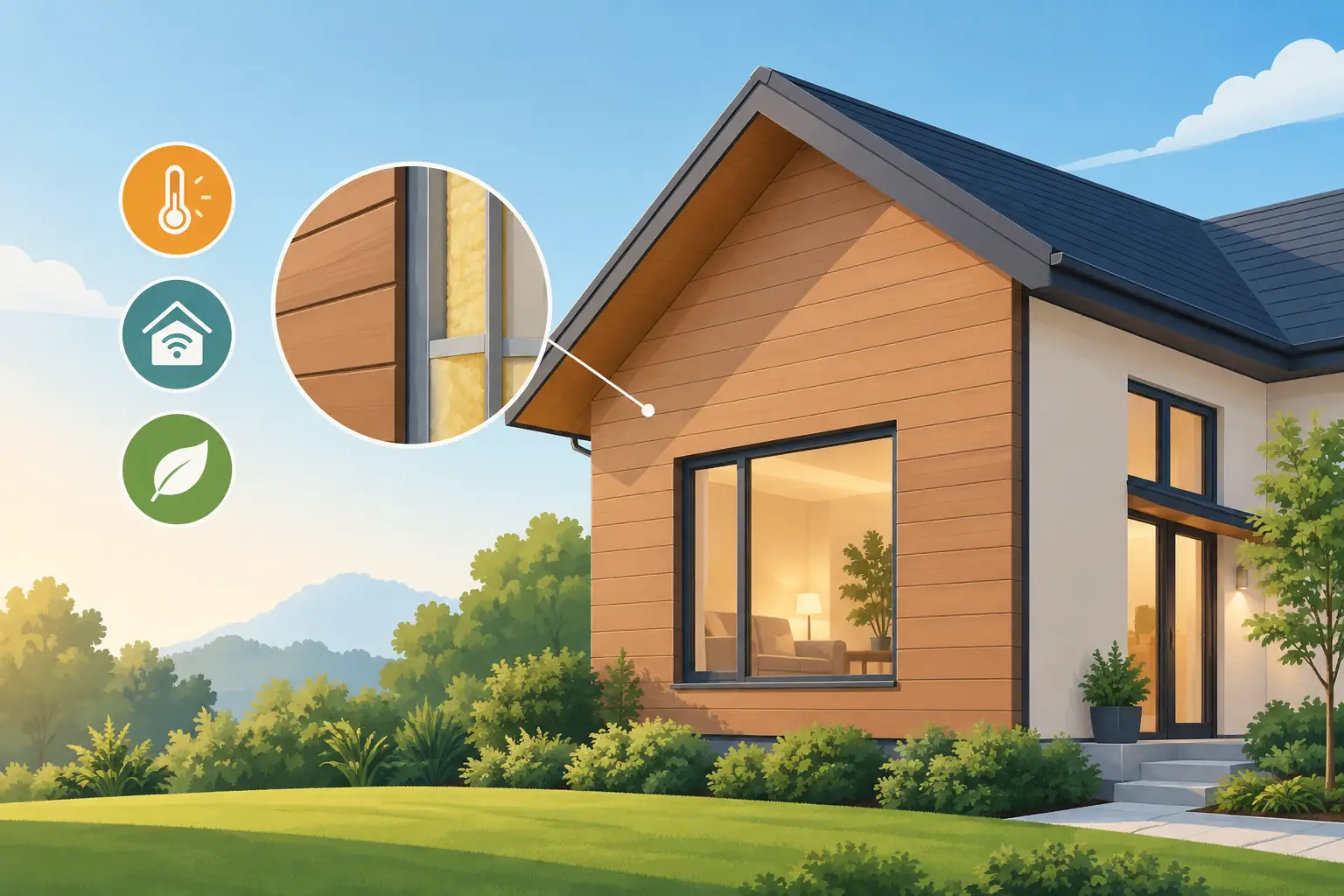
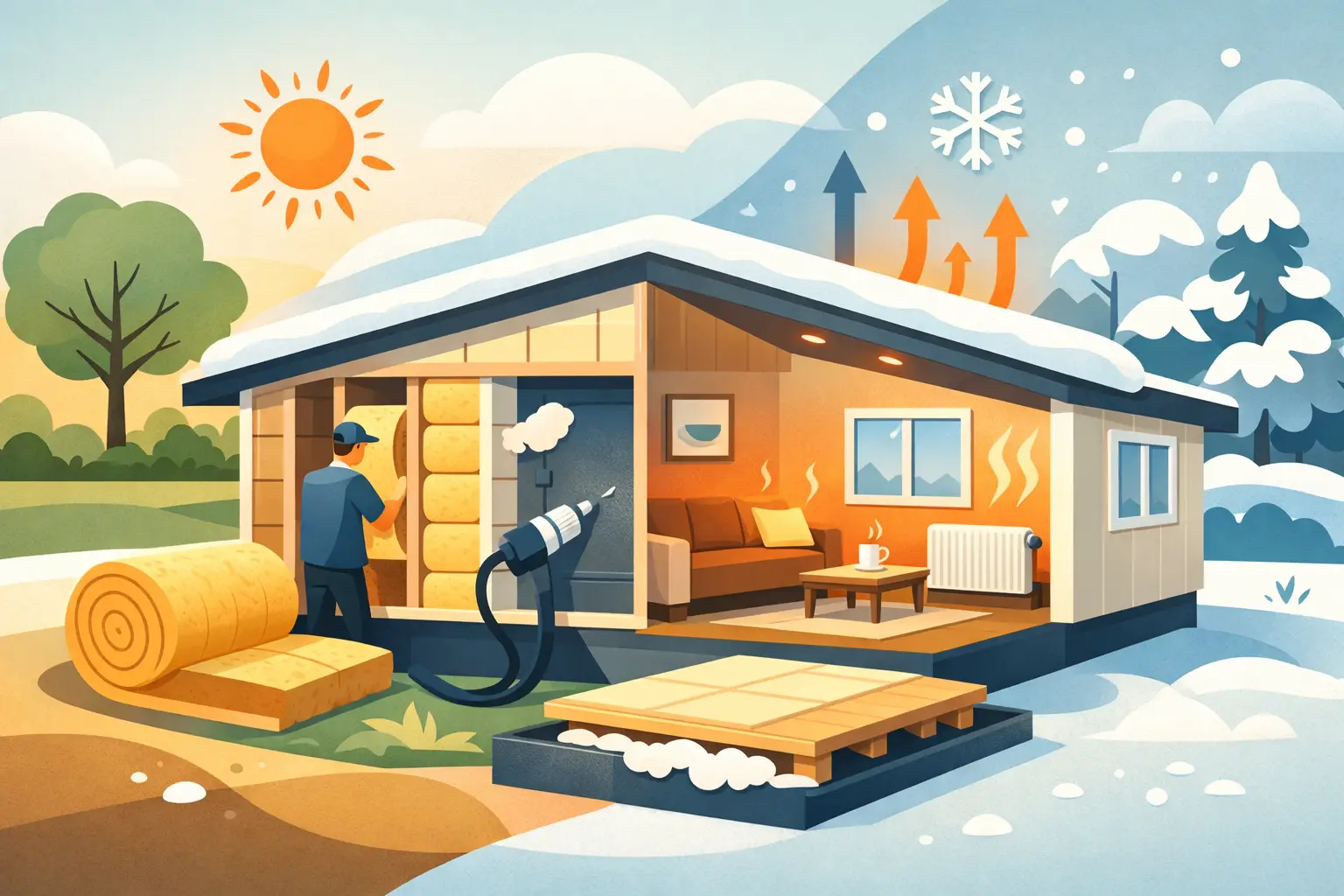
It is also worth asking how the cladding will work with insulation. In many cases, owners are not only trying to improve appearance but also to make the home warmer and more efficient. The best result often comes from combining new cladding with insulation improvements rather than treating them as separate jobs.
Finally, ask who is carrying out the work. Park homes require specialist knowledge. Weight loading, movement, detailing and weatherproofing all need to be handled properly. A neat finish is important, but correct installation is what determines whether the cladding performs well over time.
If you want the shortest answer to the question of the best cladding for park homes, it is this: choose the material that suits the home, the exposure, your maintenance expectations and the quality of installation available. For many owners, that will mean a professionally fitted low-maintenance system such as uPVC or composite. For others, a more premium or traditional finish may be worth the added cost and care.
The key is not chasing the newest product or the cheapest quote. It is choosing a cladding system that will keep your park home protected, comfortable and smart-looking through the years ahead. A good refurbishment should give you confidence every time you pull onto the drive, and that starts with getting the exterior right.