A park home can look perfectly sound from the outside while problems are developing underneath. If you have started to notice sloping floors, doors catching, cracks around internal joints or a general feeling that the home is not sitting quite right, it is fair to ask: when should park home jacks be replaced? In most cases, the answer comes down to condition rather than age alone, but there are clear signs that should never be ignored.
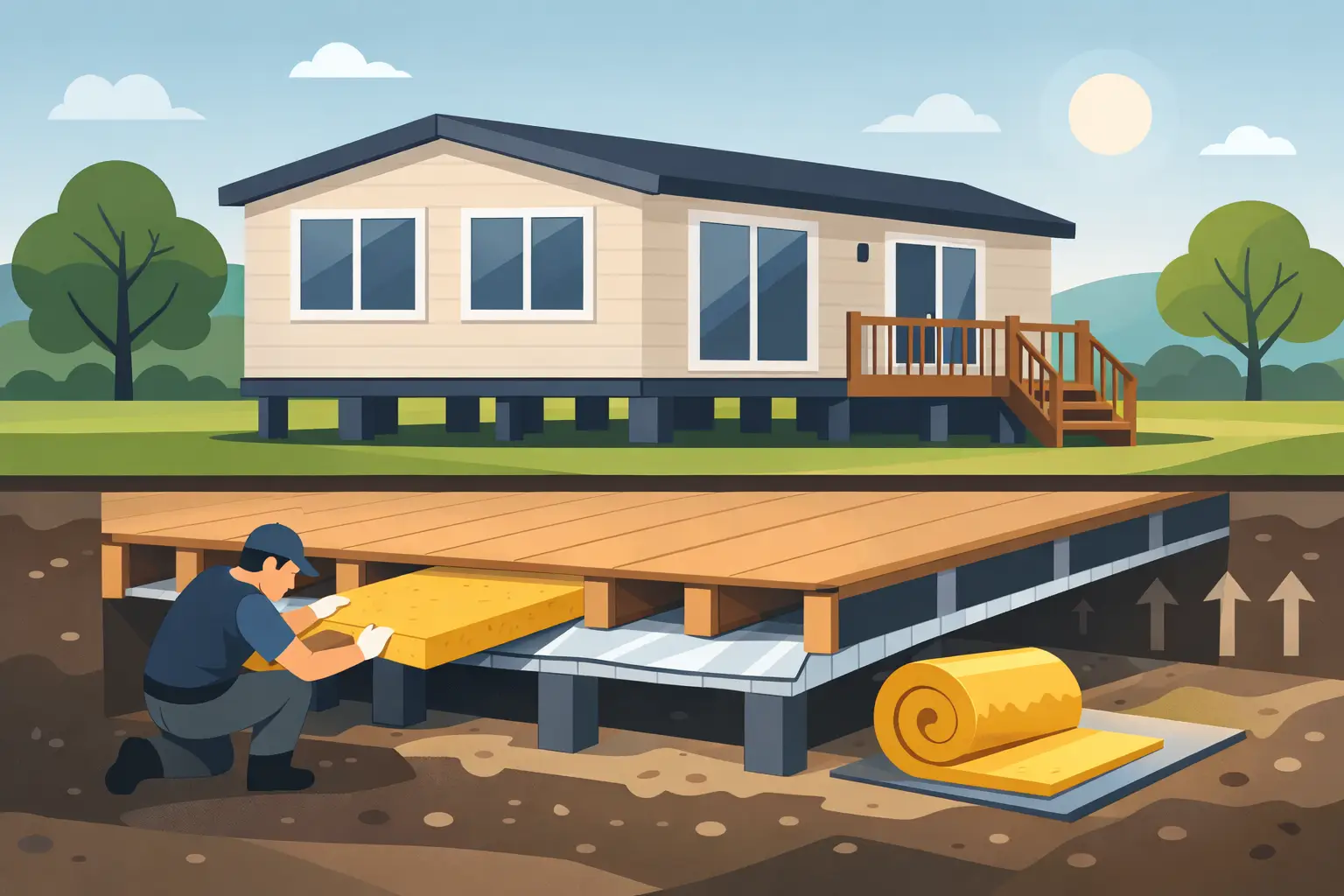
Park home jacks play a vital role in supporting the chassis and keeping the home level and stable. When they are in good order, everything above them tends to work as it should. When they begin to fail, the effects often show up inside the home first, long before the supports themselves are inspected.
There is no single replacement date that suits every park home. Some jacks remain serviceable for many years, while others need attention much sooner because of poor installation, ground movement, corrosion or long-term moisture exposure. That is why a proper inspection matters more than guessing based on age.
As a rule, park home jacks should be replaced when they are corroded, distorted, no longer carrying weight correctly or when the home has moved enough to affect stability. Replacement is also sensible when previous repairs have been piecemeal and the support system is no longer consistent across the chassis.
In practical terms, if a jack is no longer structurally sound, it should not be left in place simply because it is still standing. A support can look intact but be weakened enough to put extra strain on neighbouring jacks and the chassis itself.
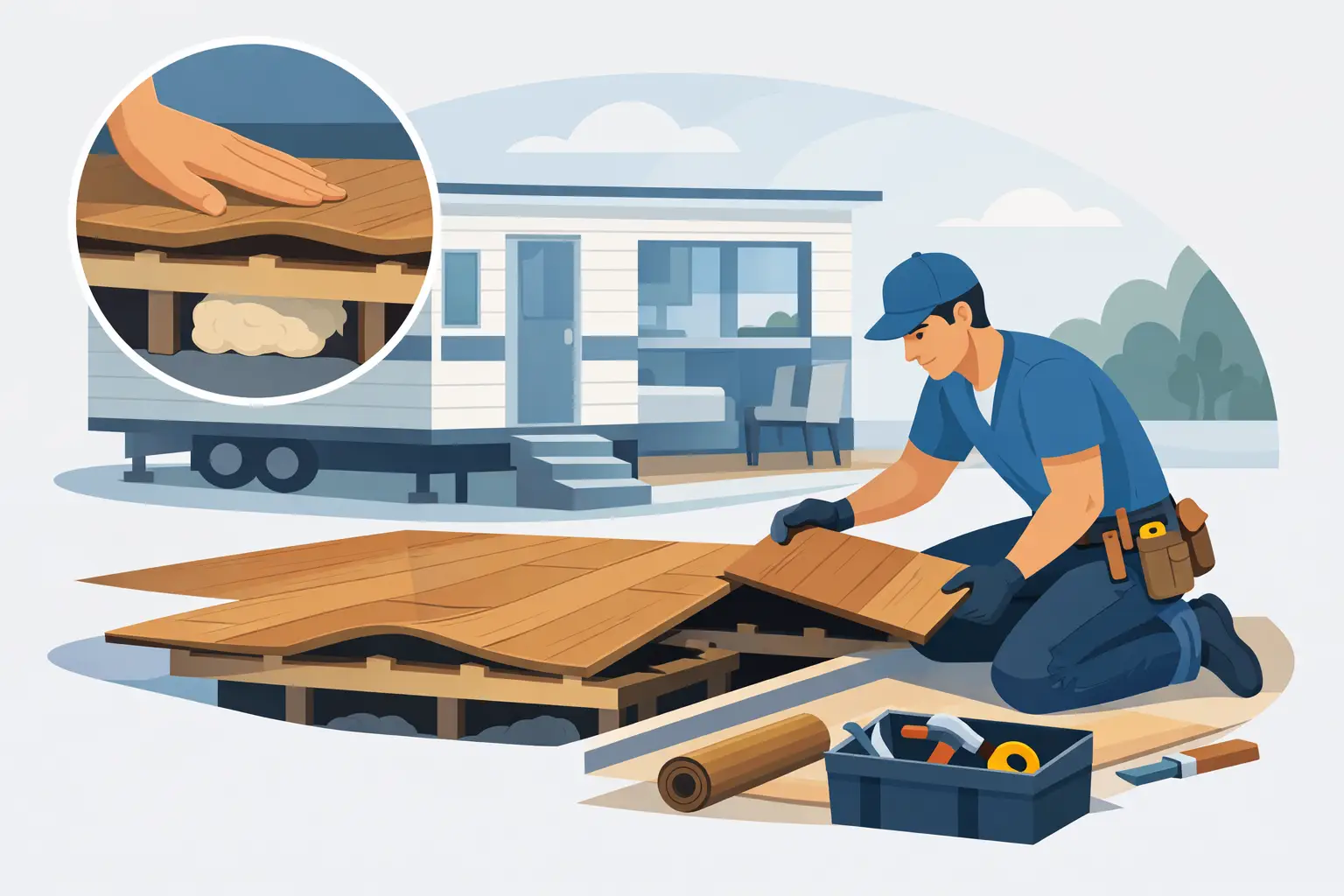
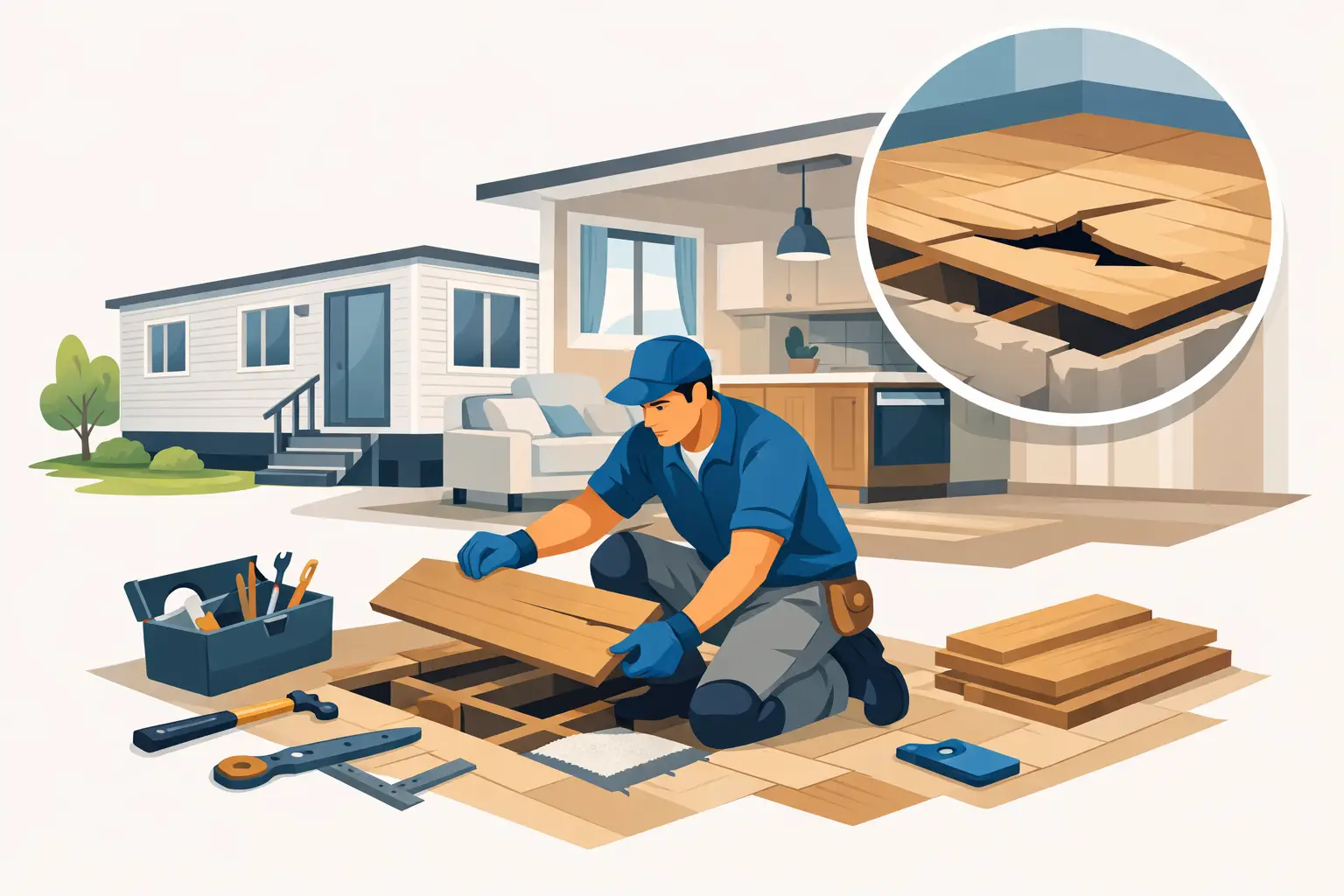
Most homeowners do not spend time looking under the home, so the first clues are usually above floor level. Doors and windows that suddenly become harder to open can indicate movement. So can skirting gaps, cracks in wall finishes, uneven flooring and worktops that no longer appear level.
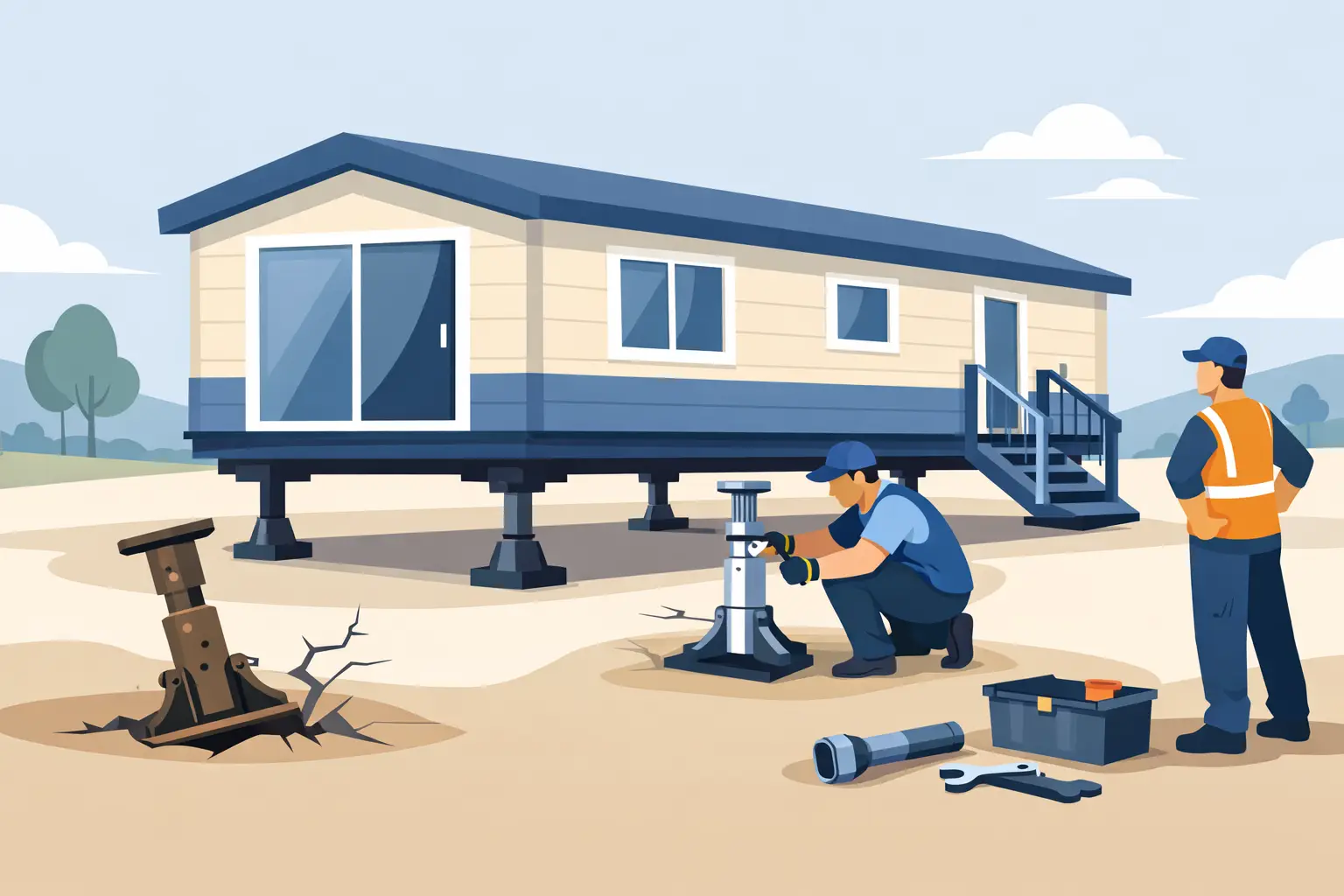
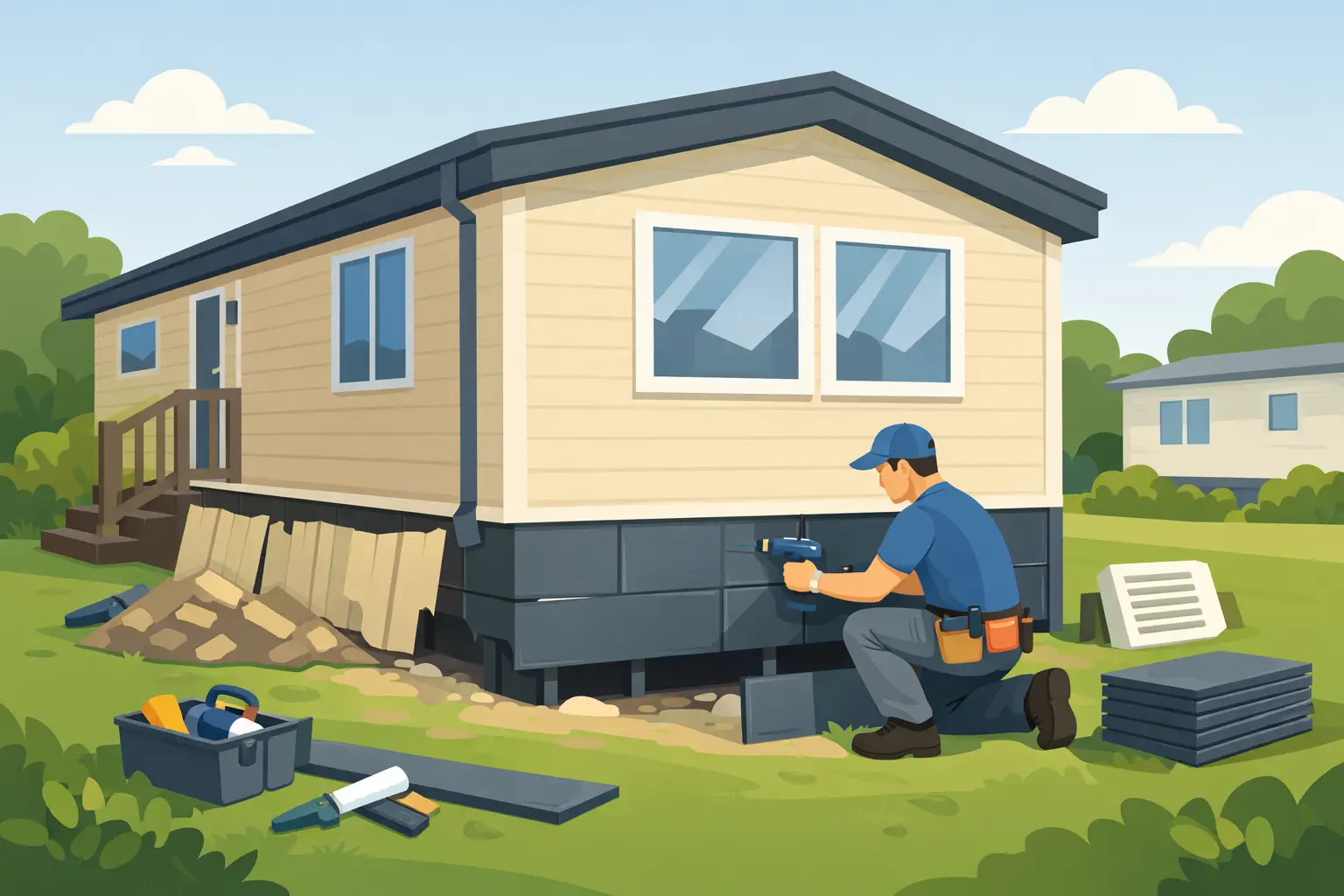
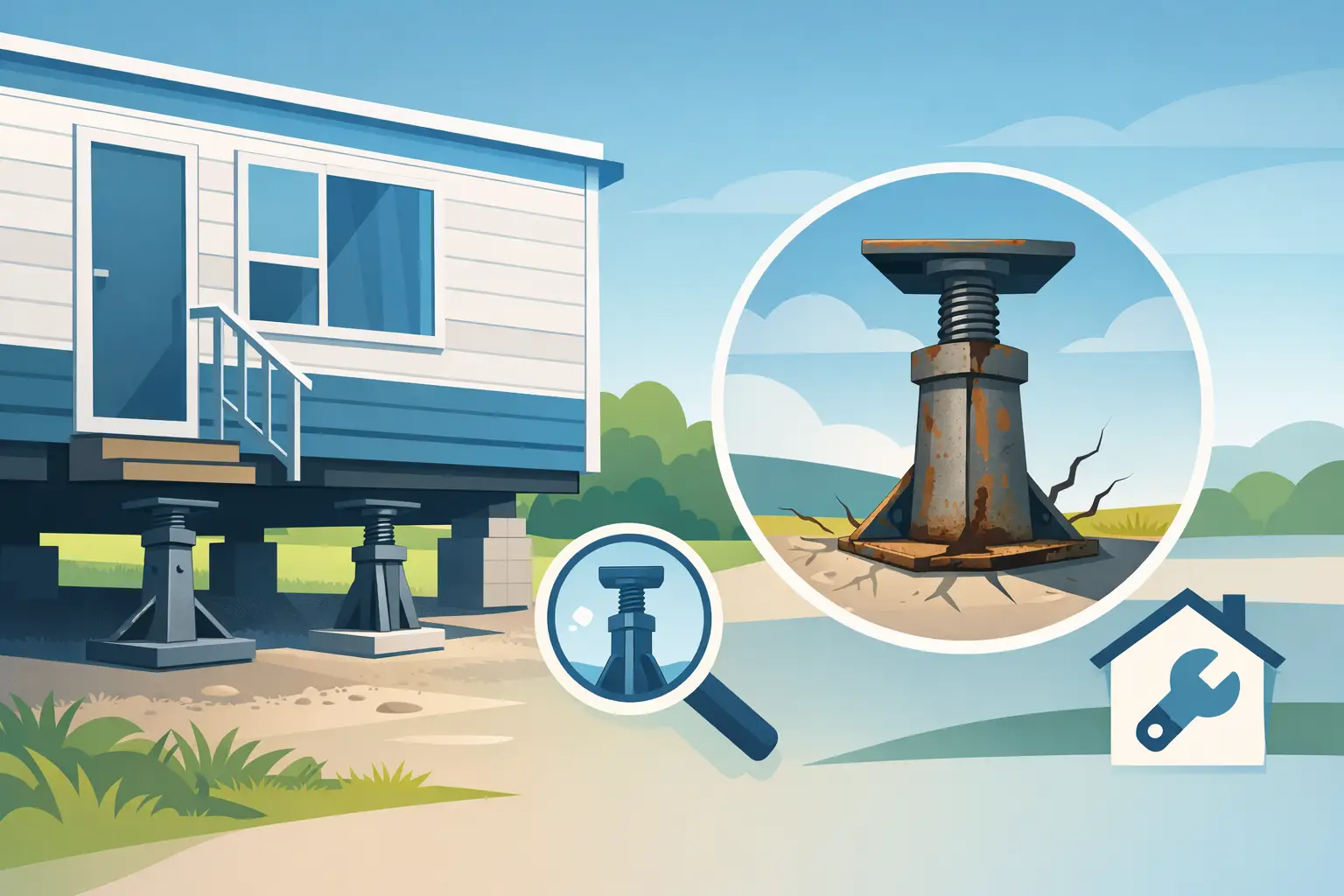
Underneath the home, visible rust is one of the biggest warning signs. Surface rust is not always a reason for immediate replacement, but heavy corrosion around the base, threads or load-bearing sections is a different matter. If metal has started to pit, flake or weaken, the jack may not be offering the support it should.
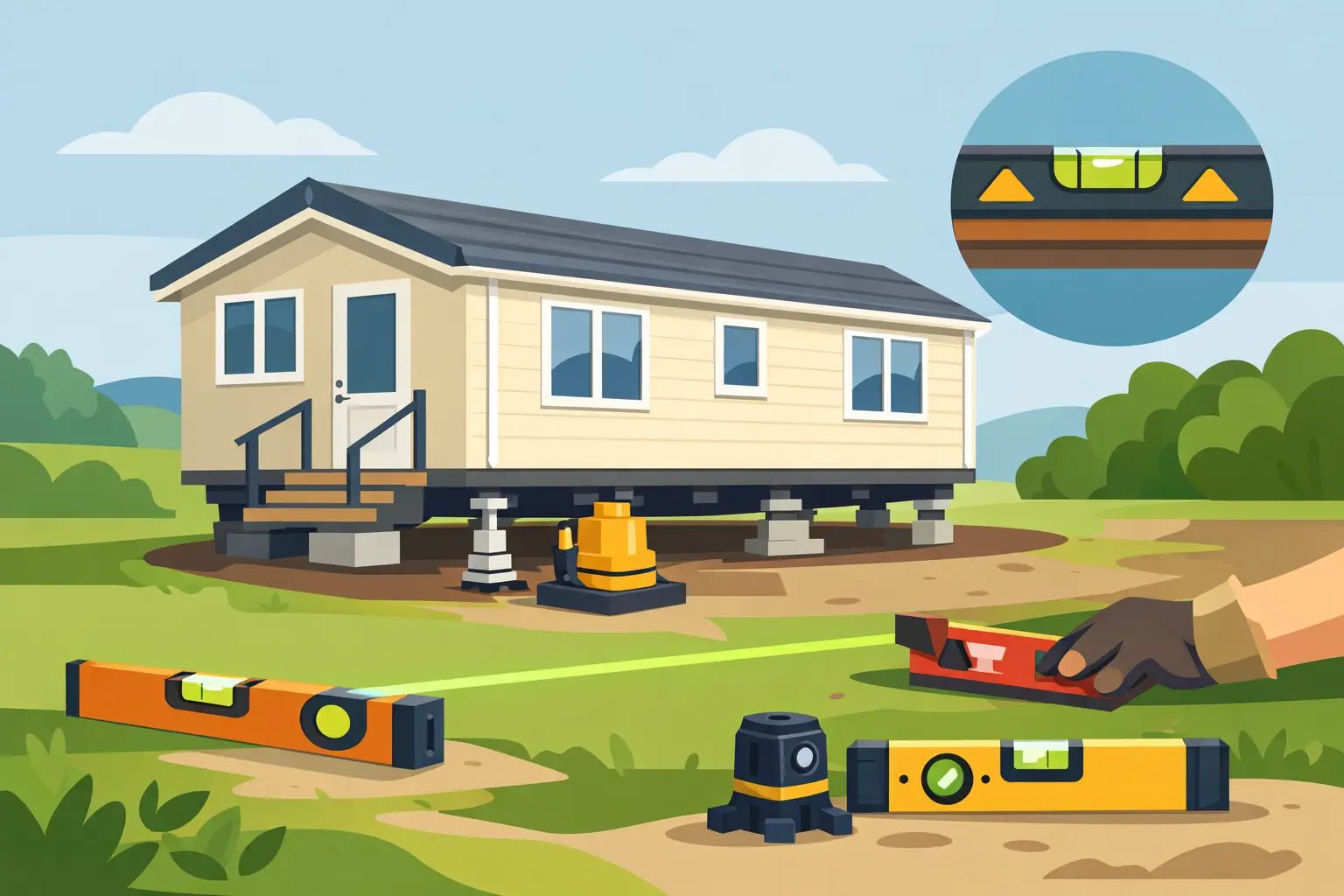
You may also find jacks that have shifted, settled unevenly or are no longer vertical. A leaning support is a concern in its own right, but it can also point to movement in the base or problems with load distribution. In some cases, timber packing or makeshift adjustments have been added over the years. That usually suggests the original support arrangement has already been compromised.
If there is any doubt, it is best to have the entire support system checked rather than focusing on one visible issue. Jacks work together, and one failing support often means others are under strain.
The most common cause is age combined with exposure. Park homes are subject to damp conditions beneath the floor, seasonal temperature changes and the gradual effects of weather over time. If the underside has poor ventilation or water is regularly getting in, metal supports can deteriorate faster than expected.
Ground movement is another factor. Even slight settlement can alter how weight is carried through the chassis and onto the jacks. Over the years, that can leave some supports overloaded while others are doing very little. Once that balance is lost, movement inside the home often follows.
Poor previous workmanship can also shorten the life of the support system. We sometimes see homes where the jacks were never set correctly in the first place, where unsuitable materials have been used, or where only the most obvious failed support was replaced rather than dealing with the wider issue. That may keep things going for a while, but it rarely offers a lasting fix.
Not always. Some older park homes still have jacks that are performing adequately, while newer homes can develop problems sooner if conditions are poor. The better question is whether the supports are still safe, stable and appropriate for the load they are carrying.
That said, older support systems deserve closer attention. If your home has not had an under-home inspection for many years, or if you know the jacks have been in place for decades, arranging a professional assessment is a sensible step. It is much easier and usually less costly to deal with worn supports before they lead to wider structural movement.
There is also a practical point here. When one or two jacks are clearly failing in an older set-up, replacing only those may not always be the best long-term choice. If the rest are of similar age and condition, a more complete replacement can provide better stability and avoid repeat disruption later on.
This depends on what is wrong. If the issue is minor adjustment and the jacks themselves are sound, a correction may be enough. But if the metal is corroded, the support is bent, the threads are damaged or the jack has lost structural integrity, replacement is the safer option.
Repairs can sometimes appear cheaper at first, but they are not always the most economical route. A temporary fix on a weakened support may only delay the proper work and allow further movement to develop elsewhere. In a park home, that can affect floors, walls, plumbing connections and external finishes.
The aim should always be to restore proper support across the chassis, not just to patch the nearest problem. That is why experienced park home specialists look at the full condition of the supports, the chassis and the base together.
The longer the issue is left, the greater the chance of secondary damage. Small shifts in level can become more pronounced, making doors and windows harder to use and putting strain on internal finishes. Over time, movement can affect pipework, insulation performance and the overall feel of the home.
There is also the matter of safety. A park home depends on correct support for day-to-day stability. If one area is no longer properly supported, the load has to go somewhere else. That places stress on adjacent jacks and parts of the chassis not designed to carry it unevenly.
For homeowners, the problem is often noticed as comfort issues first – draughts, springy floors, cracks or a sense that the home has settled awkwardly. By the time those signs are obvious, the support system usually needs careful inspection rather than guesswork.
Park homes are not the same as brick-built houses, and their support systems need to be assessed by people who understand how these homes are constructed. It is not simply a matter of looking for rust and swapping out a part. The condition of the chassis, the spacing of the supports, the ground beneath and the overall level of the home all need to be considered.
A proper inspection should identify whether the issue is isolated or part of a wider pattern. It should also establish whether replacement can be limited to selected jacks or whether a broader programme of support work is the better answer. Honest advice matters here. Some homes need a straightforward replacement of failed jacks. Others will benefit from a more complete approach to restore stability properly.
For park home owners, especially those planning to stay in the property for the long term, this is not just about fixing a defect underneath the floor. It is about protecting comfort, value and peace of mind. Companies such as New Look Park Homes deal with these issues regularly, and that specialist experience makes a real difference when judging what should be replaced and what can safely remain.
If you suspect support problems, the best step is not to wait for a more obvious failure. Arrange an inspection if floors feel uneven, openings are sticking, cracks are appearing or you know the home has older supports that have not been checked in years.
There is no benefit in replacing jacks too early without evidence, but there is real risk in leaving worn ones in place once they are no longer doing their job properly. Condition, stability and safety should lead the decision. A well-supported park home feels solid, stays level and performs better in daily life – and that is exactly how it should be.