You usually notice a draught in a park home long before you see the cause. It is the cold patch by the sofa, the chill under your feet first thing in the morning, or the way one room never seems to warm up properly. If you are wondering how to stop draughts in a park home, the right answer starts with finding where the heat is escaping and dealing with the structure properly, not just covering the symptoms.
Park homes are built differently from traditional brick houses, so draughts behave differently too. Cold air often gets in through the floor structure, around windows and doors, through ageing seals, or from gaps in cladding and roofing details. Some fixes are quick and worthwhile. Others need a proper inspection and specialist repair if you want lasting results.
A park home is more exposed than a standard house. There is air moving beneath the home, external walls are lighter in construction, and older units may have thinner insulation than modern standards would expect. Over time, normal movement, weather exposure and general wear can open up small gaps that allow cold air in.
That is why draughts in a park home are rarely down to one issue alone. A chilly floor might point to poor underfloor insulation, but it can also be made worse by gaps around skirting, ageing vents, or a door that no longer closes tightly. In many cases, several smaller faults combine to create a home that feels far colder than it should.
Before spending money on repairs, it helps to narrow down where the problem is coming from. On a cold, breezy day, walk slowly through the home and pay attention to the obvious trouble spots – around external doors, under windows, near the edges of the floor, in corners, and where walls meet the ceiling.
If one room feels noticeably colder, that is useful information. Bedrooms at the end of the home, bathrooms and lounge areas near large windows are common weak points. You may also notice curtains moving slightly, cold air around sockets on external walls, or flooring that never feels warm even when the heating is on.
A simple check can tell you a lot, but some draught problems sit within the structure. If the home is older, or if previous repairs have been patchy, a proper assessment is usually the best route. It saves guessing and helps you fix the real cause rather than adding temporary products that do little in the long term.
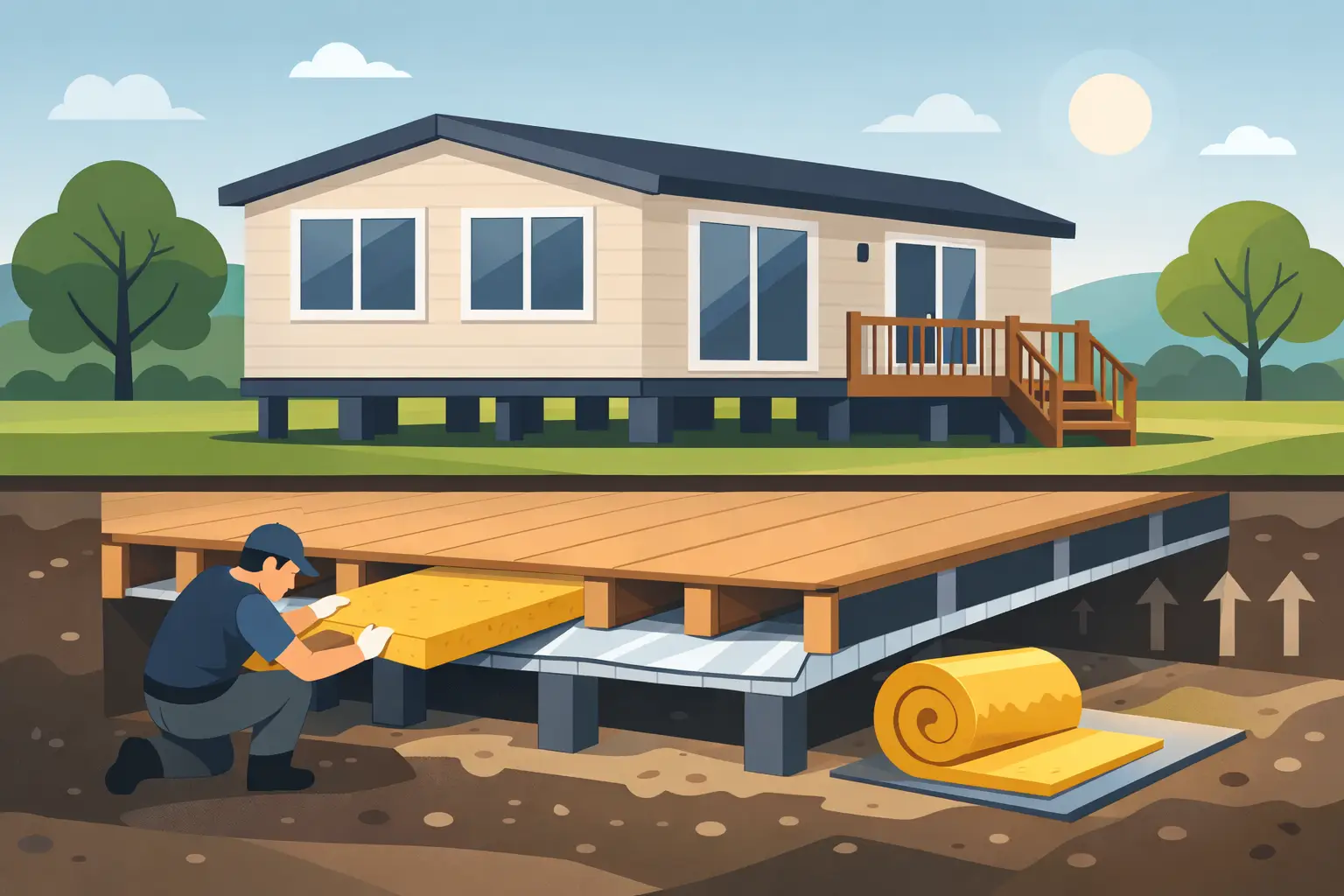
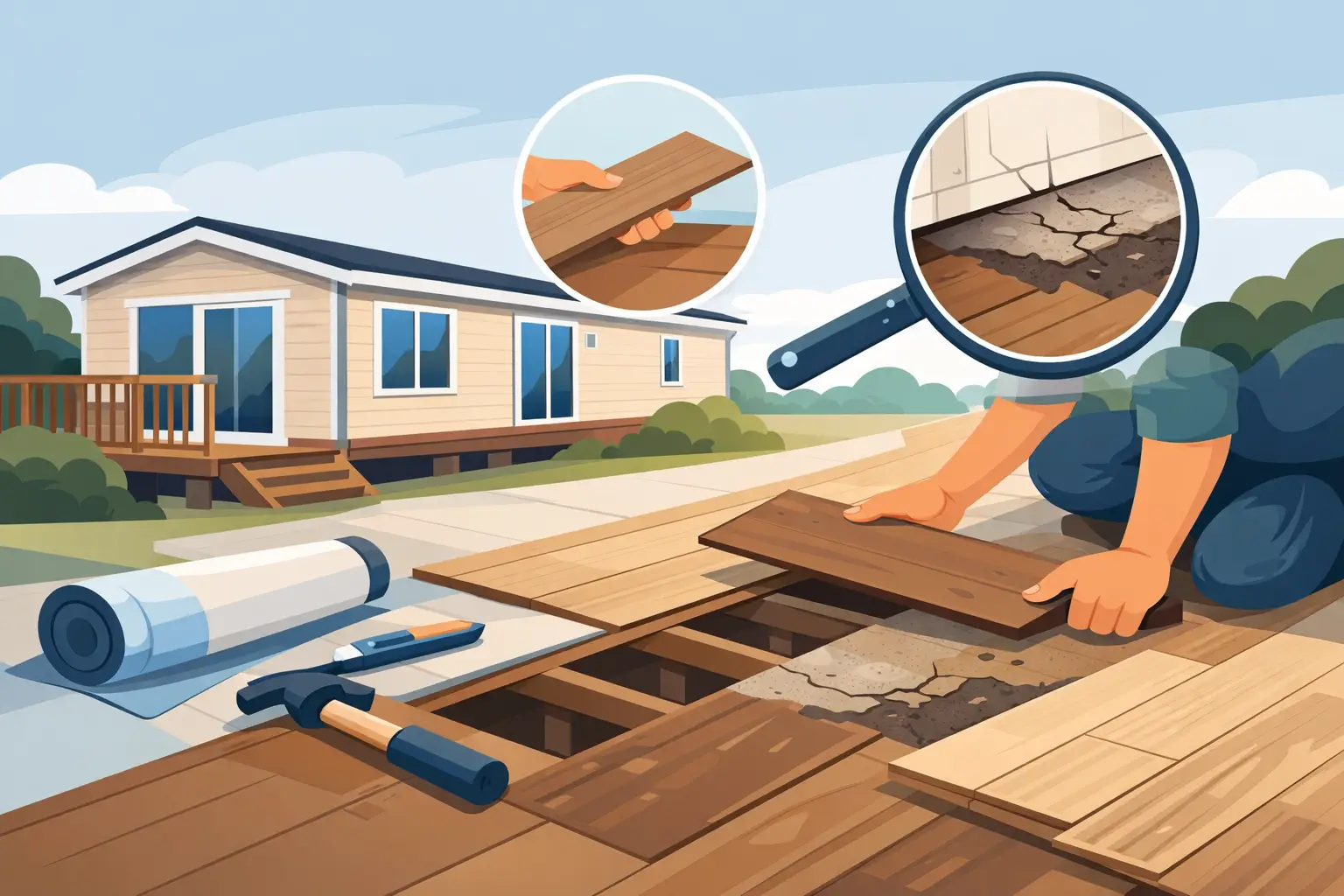
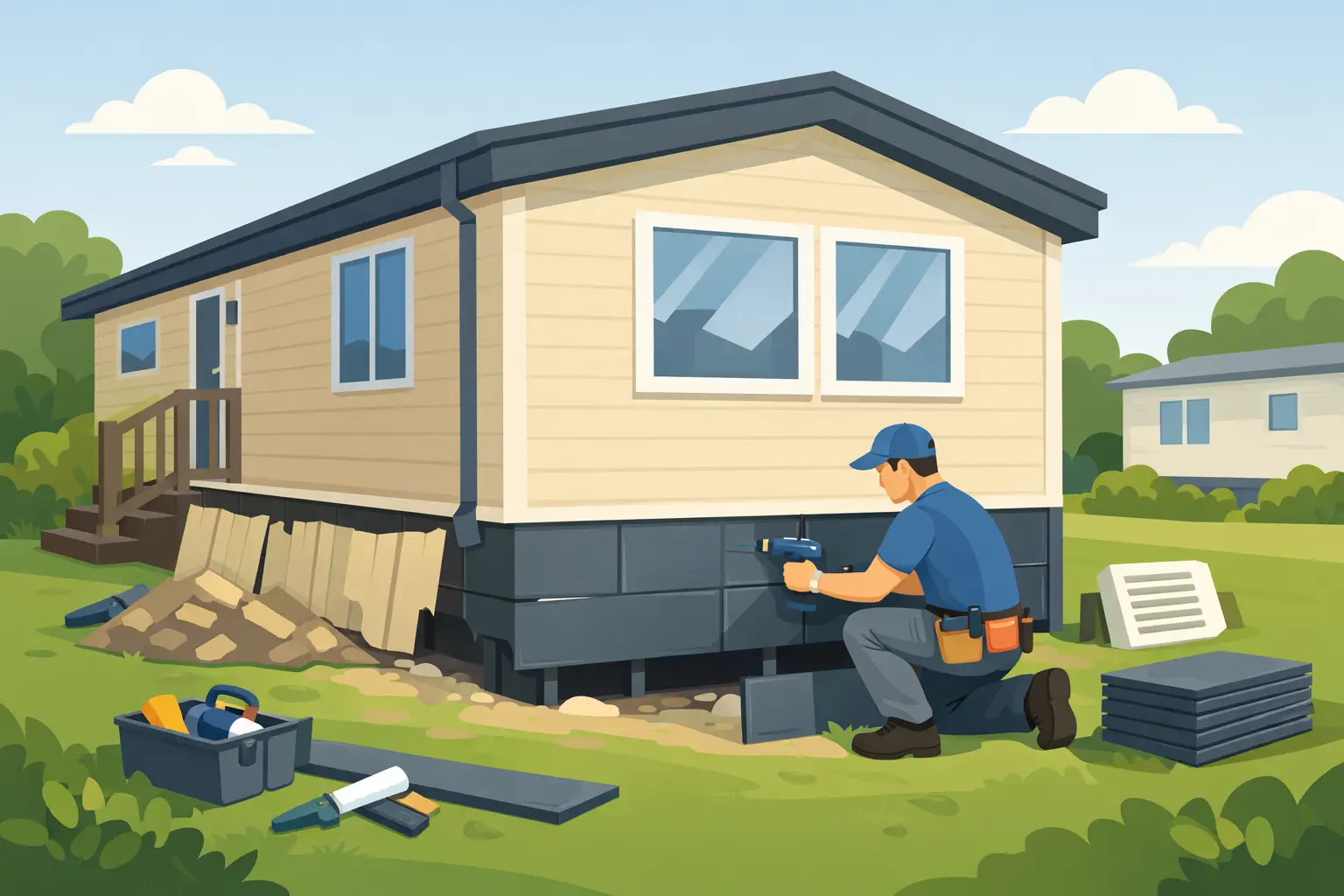
For many owners, the floor is the main culprit. If the home feels cold from the ground up, underfloor insulation is often either missing, damaged or no longer doing its job. Because park homes are raised from the ground, cold air can move freely underneath. Without effective insulation, that cold transfers straight through the floor.
This is one of the most important areas to address if you want a real improvement in comfort. Proper underfloor insulation helps stop heat loss, takes the chill out of the floor surface and can make the whole home easier to heat. It is also one of the upgrades that tends to pay back in day-to-day comfort, especially during winter.
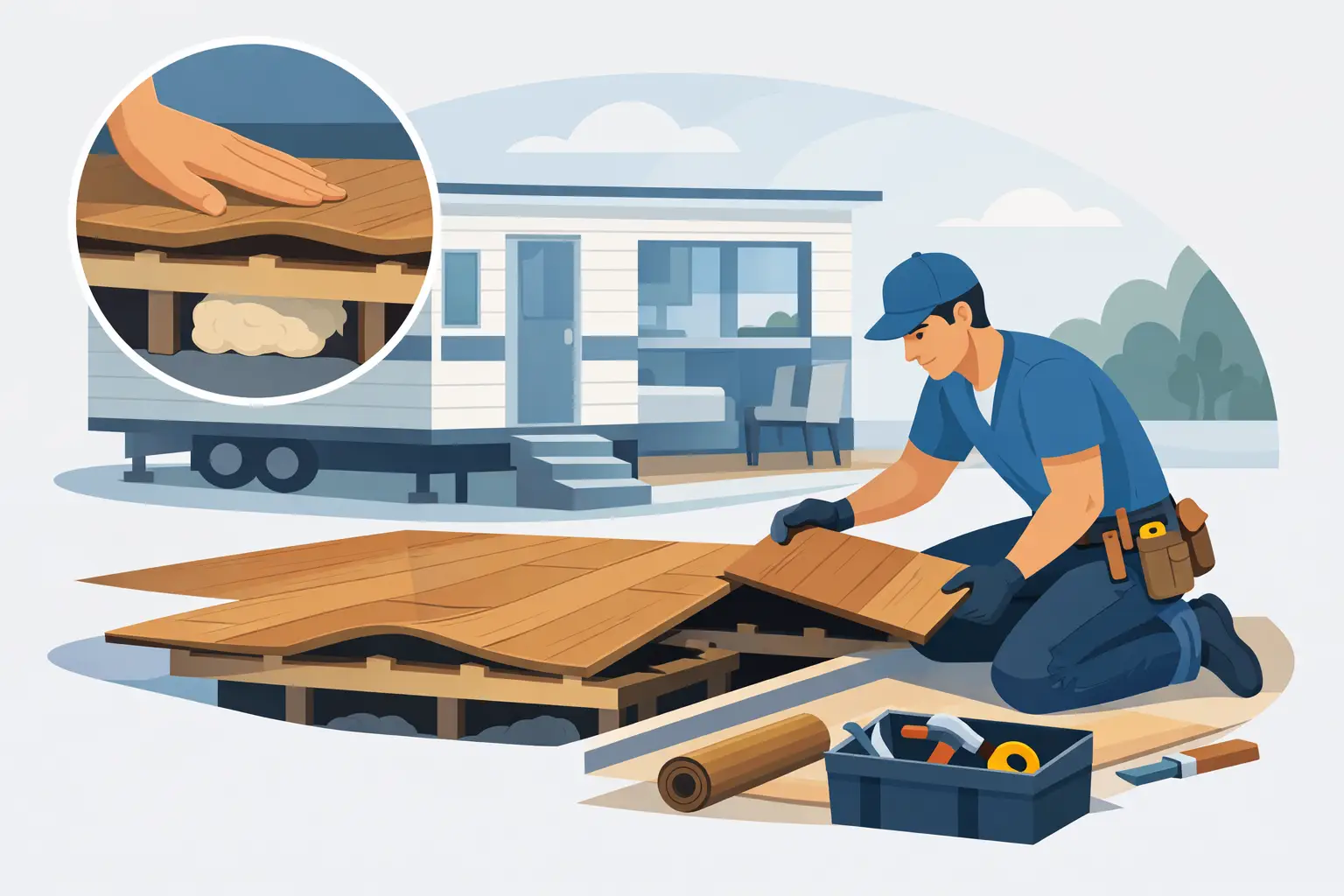
There is a difference between a quick patch and a proper system. If insulation has sagged, become damp, or been poorly fitted in the past, simply filling one gap may not solve the issue. In those cases, a full underfloor inspection is the sensible option.
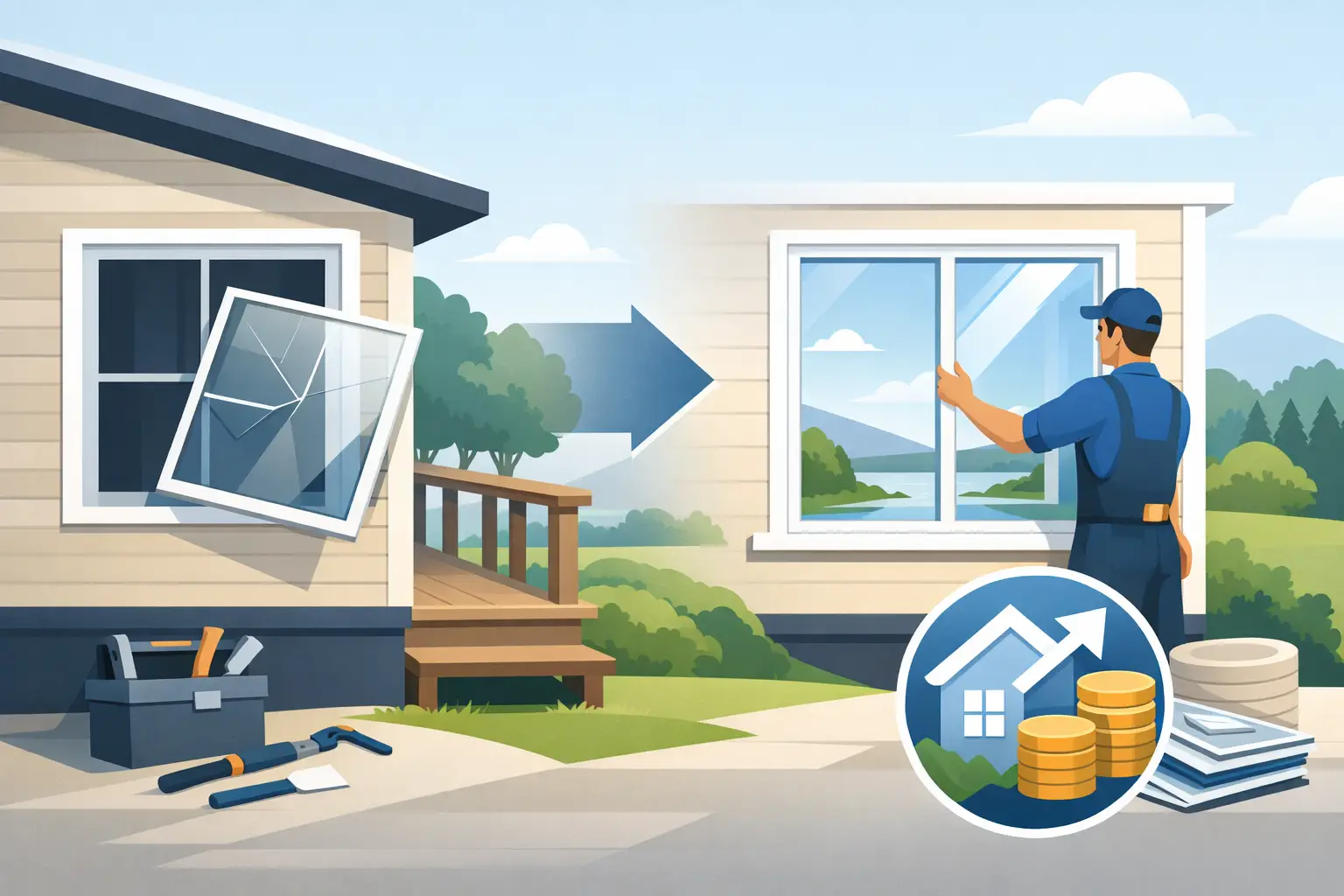
Windows and doors are another common source of draughts, particularly in older park homes where seals have perished or frames have shifted slightly over time. You might feel a draught at the handle side of the door, along the bottom threshold, or around window edges during windy weather.
In mild cases, replacing seals or adjusting fittings may be enough. In more advanced cases, the frame itself may need attention, especially if there is movement, wear or water ingress. It depends on the age of the installation and the condition of the surrounding wall.
It is worth being realistic here. Brush strips and foam seals can help with minor gaps, but if the frame is distorted or the opening has deteriorated, those small fixes will only go so far. A proper repair gives a neater finish and a much more dependable result.
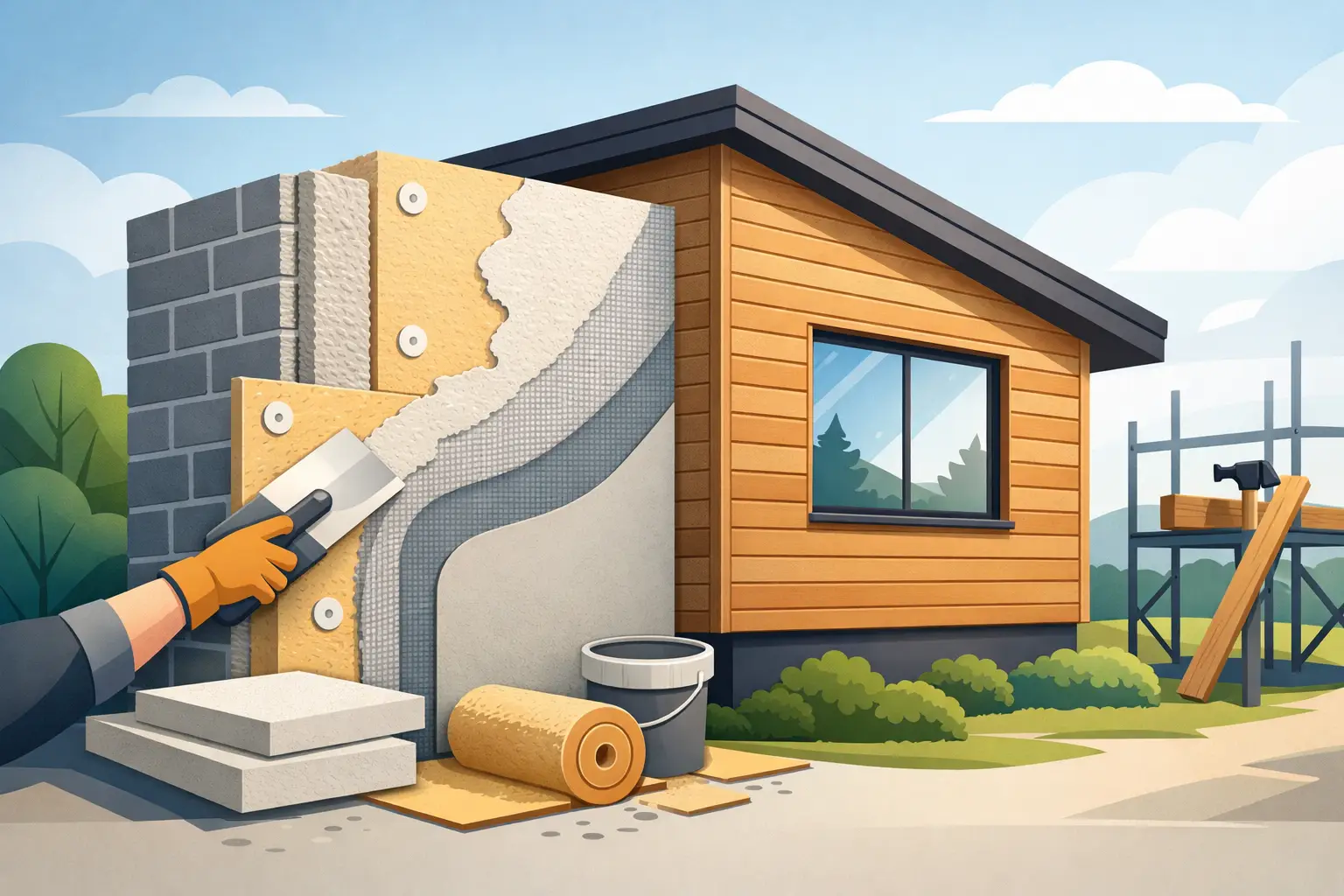
If the heating is constantly running but the home still cools down quickly, the walls may be part of the problem. Thin or ageing wall insulation allows warmth to escape and can leave rooms feeling draughty even when there is no obvious gap to point to.
This is where owners sometimes confuse heat loss with a direct draught. The two often come together. You may not feel a strong stream of cold air, but the room never feels settled or comfortable because the building envelope is not holding heat properly.
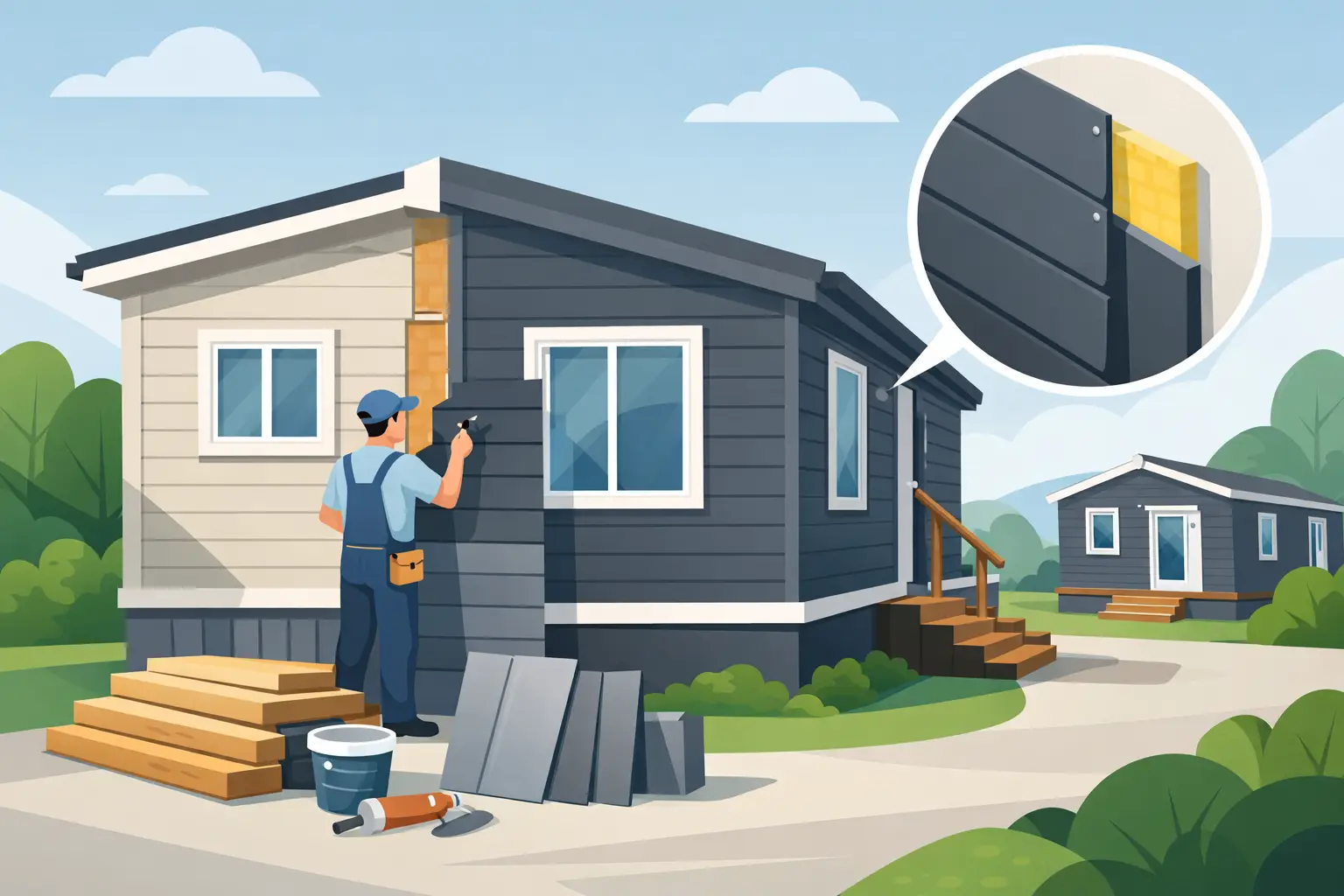
Upgrading wall insulation or external cladding can make a significant difference. Besides improving warmth, it can also refresh the look of the home and reduce ongoing maintenance. That matters if your park home is showing its age externally as well as internally.
Roofing details are easy to overlook when dealing with draughts, but they matter. Gaps around roof edges, ageing trims, failed seals and poorly performing vents can all contribute to cold air movement and heat loss. In some homes, what feels like a wall or ceiling draught is actually linked to the roof structure above.
Again, this is an area where a surface fix may not be enough. If roof coverings or trims are deteriorating, you need to know whether it is purely a draught issue or part of a wider maintenance problem. Catching that early is always better than waiting until damp or water ingress develops.
Not every draught needs major work. If you have one worn seal around a door or a small gap at a window opening, a straightforward repair can be enough. The key is knowing whether the problem is isolated or whether it points to something more structural.
A good rule is this: if the draught is localised and recent, it may be a simple repair. If the home has been cold for years, if several rooms are affected, or if the floor and walls both feel chilly, the answer is usually more than a strip of sealant.
That is where specialist knowledge matters. Park homes are not standard housing, and general trades do not always understand how the construction works. A repair that looks tidy on the surface can still leave the real source of the draught untouched.
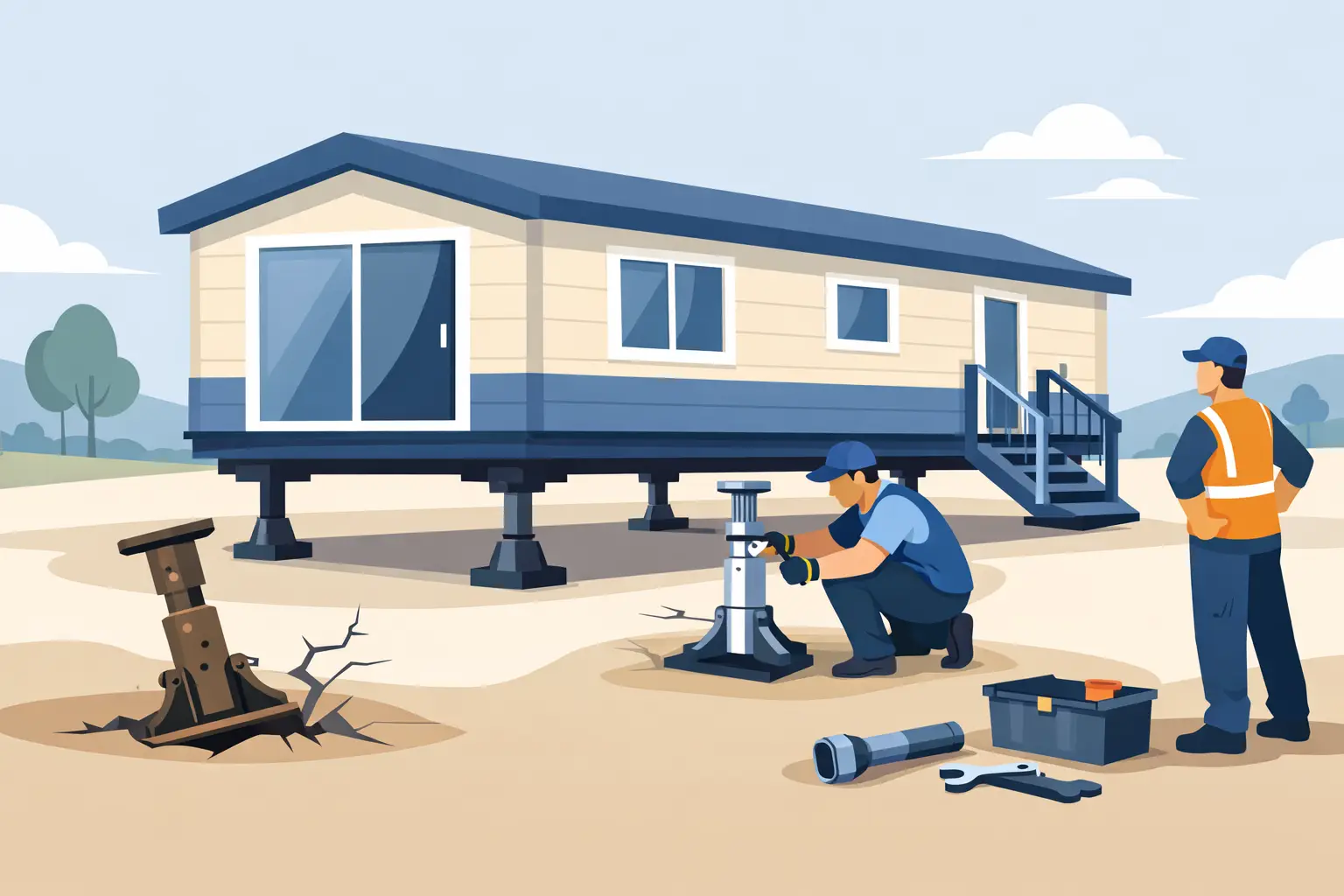
The best long-term results usually come from treating the home as a whole rather than chasing one cold spot at a time. Underfloor insulation, wall insulation, external cladding improvements, window and door repairs, and roof maintenance all work together to create a warmer, more efficient home.
That does not mean every property needs every upgrade. It depends on the age of the park home, the condition of the structure, and where the heat loss is most severe. Some owners benefit most from underfloor work first. Others need external refurbishment to deal with wider wear and tear that is letting cold in.
A proper inspection gives you a clearer order of priority. That helps you spend money where it will make the biggest difference, whether your main concern is comfort, running costs, or protecting the value of the home.
For many residents, especially those who are at home for much of the day, warmth is not a luxury. It affects comfort, health and the general enjoyment of the property. A draught-free home feels better to live in, costs less to heat and often needs less reactive maintenance over time.
At New Look Park Homes Ltd, this is exactly the kind of work we see every week – not just obvious draughts, but the underlying issues that cause them in the first place. The right repair or upgrade should leave you with a home that feels warmer, sounder and more comfortable, not one that needs the same problem revisiting next winter.
If your park home always feels cold no matter how high the heating is set, that is usually the building telling you something. The sooner you deal with the source, the sooner the home starts working as it should.