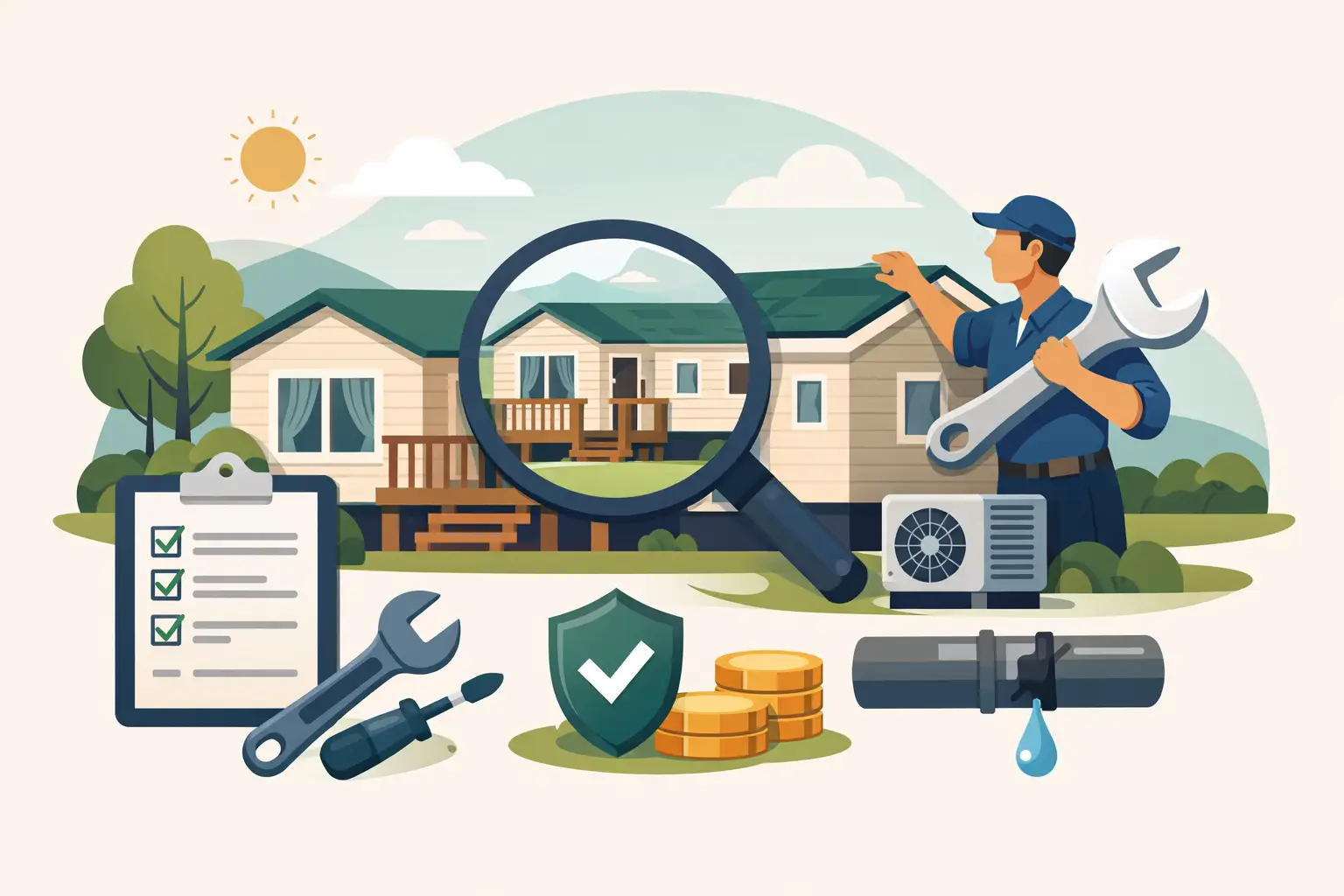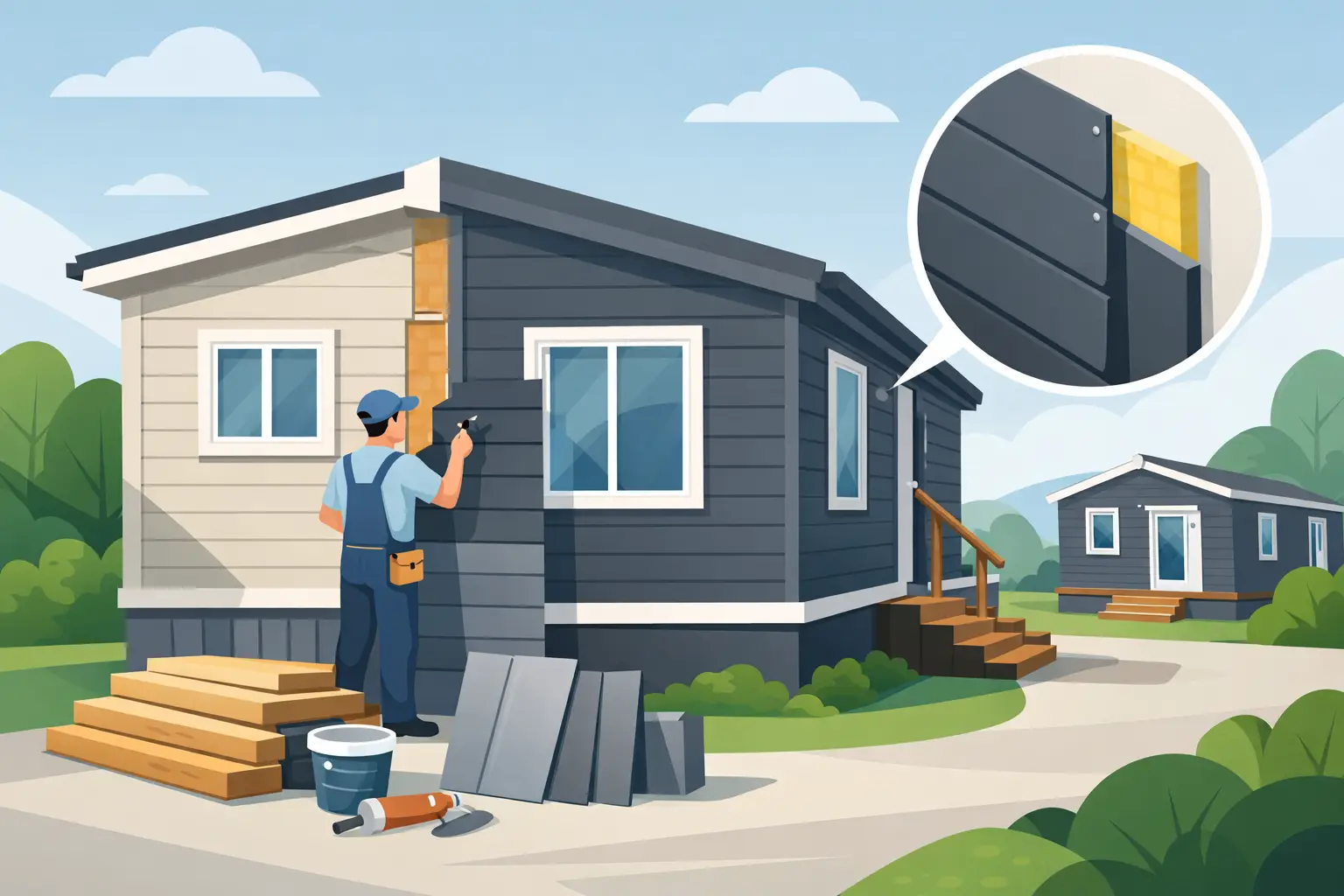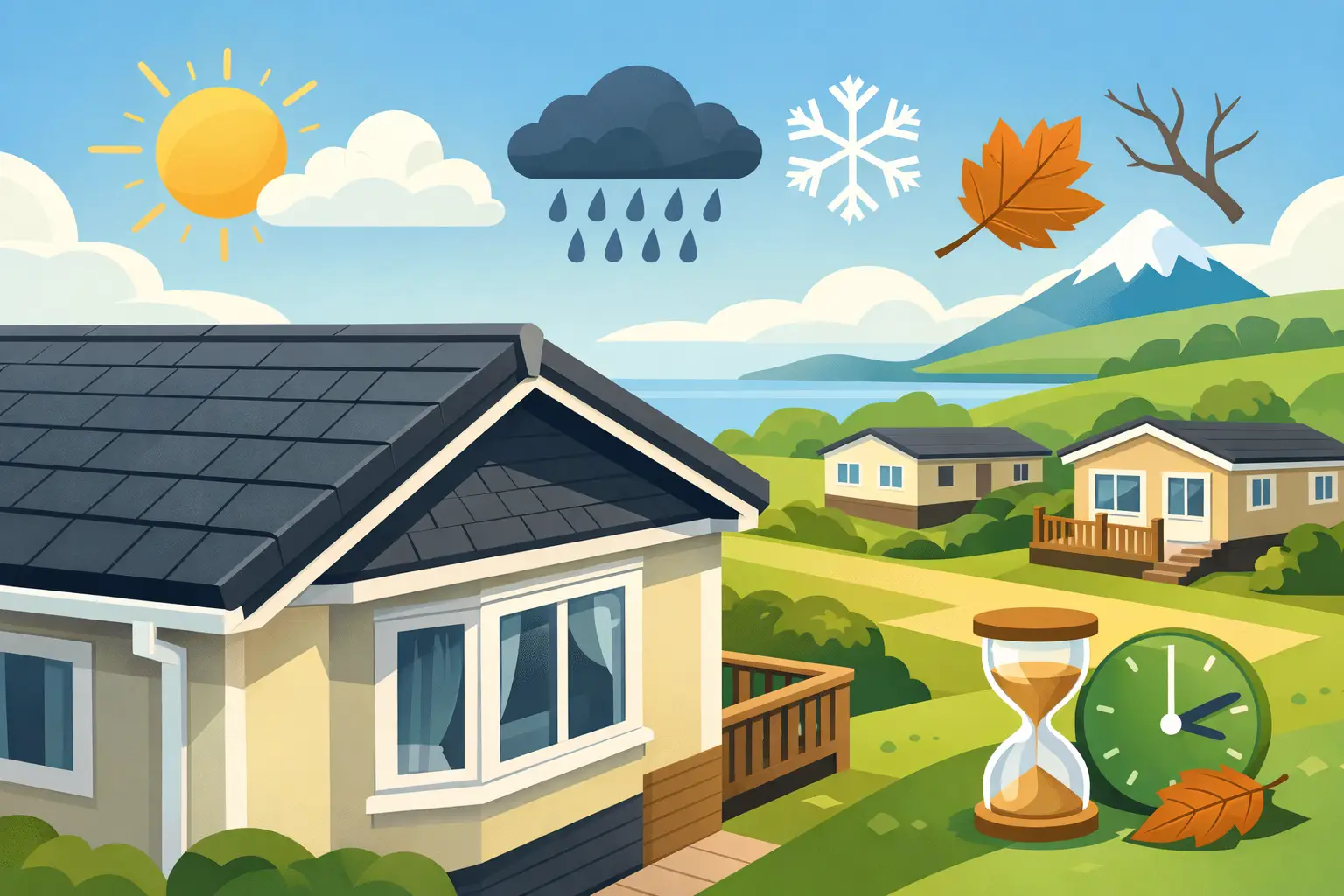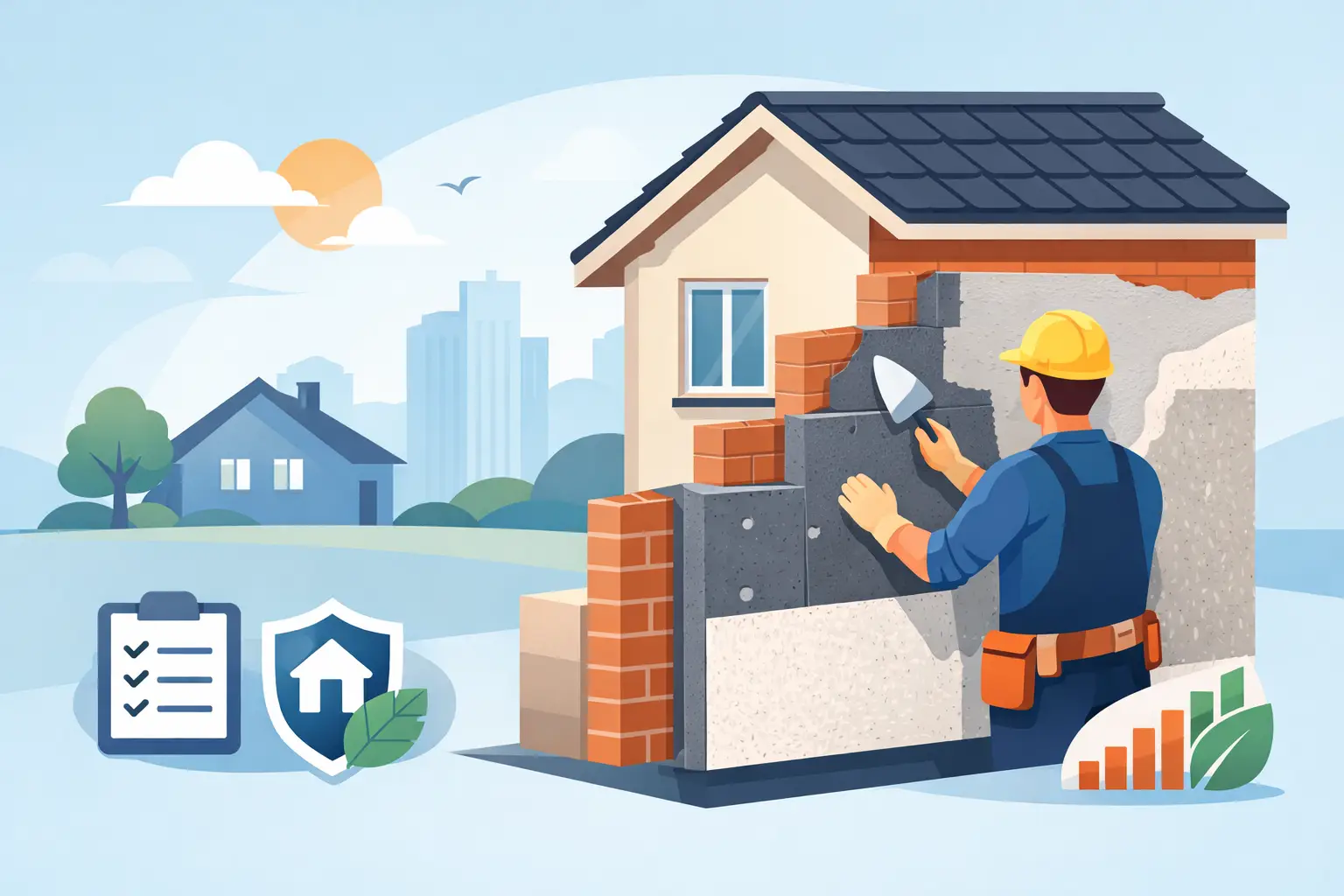
If your park home feels cold even when the heating is on, or the walls seem to lose warmth as quickly as they gain it, it is fair to ask: is external wall insulation any good? For many park home owners, the short answer is yes – but only when it is specified and fitted properly for this type of property.
That last part matters. Park homes and static homes are not built like brick houses, so the answer is not simply a matter of adding insulation and hoping for the best. The structure, ventilation, cladding system and condition of the walls all affect whether external wall insulation will deliver the comfort and savings you expect.
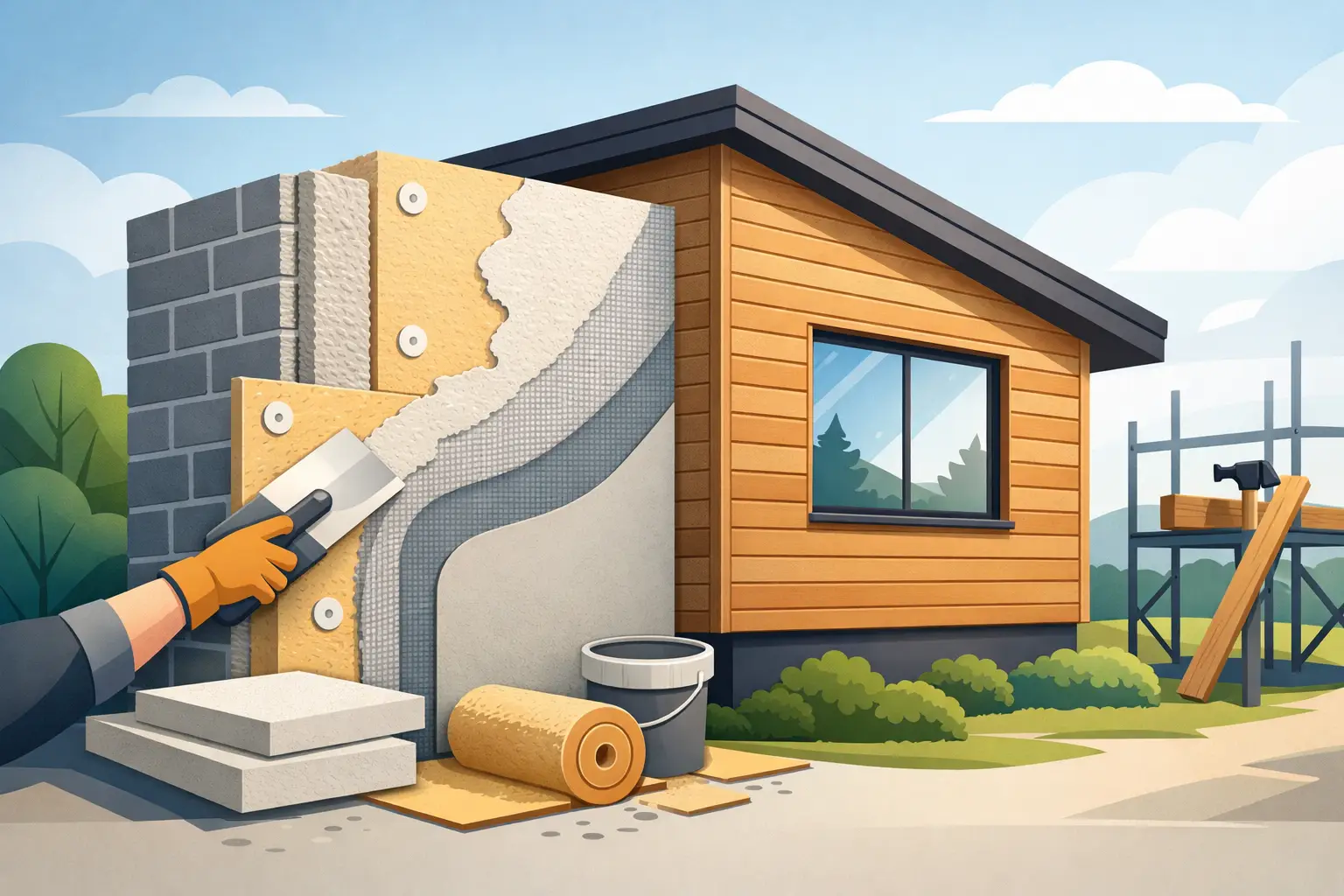
In many cases, it is one of the most effective ways to improve warmth and reduce heat loss through the walls. Because it is fitted to the outside of the home, it helps create a more continuous thermal layer. That means fewer cold spots, a more stable indoor temperature and less strain on your heating system.
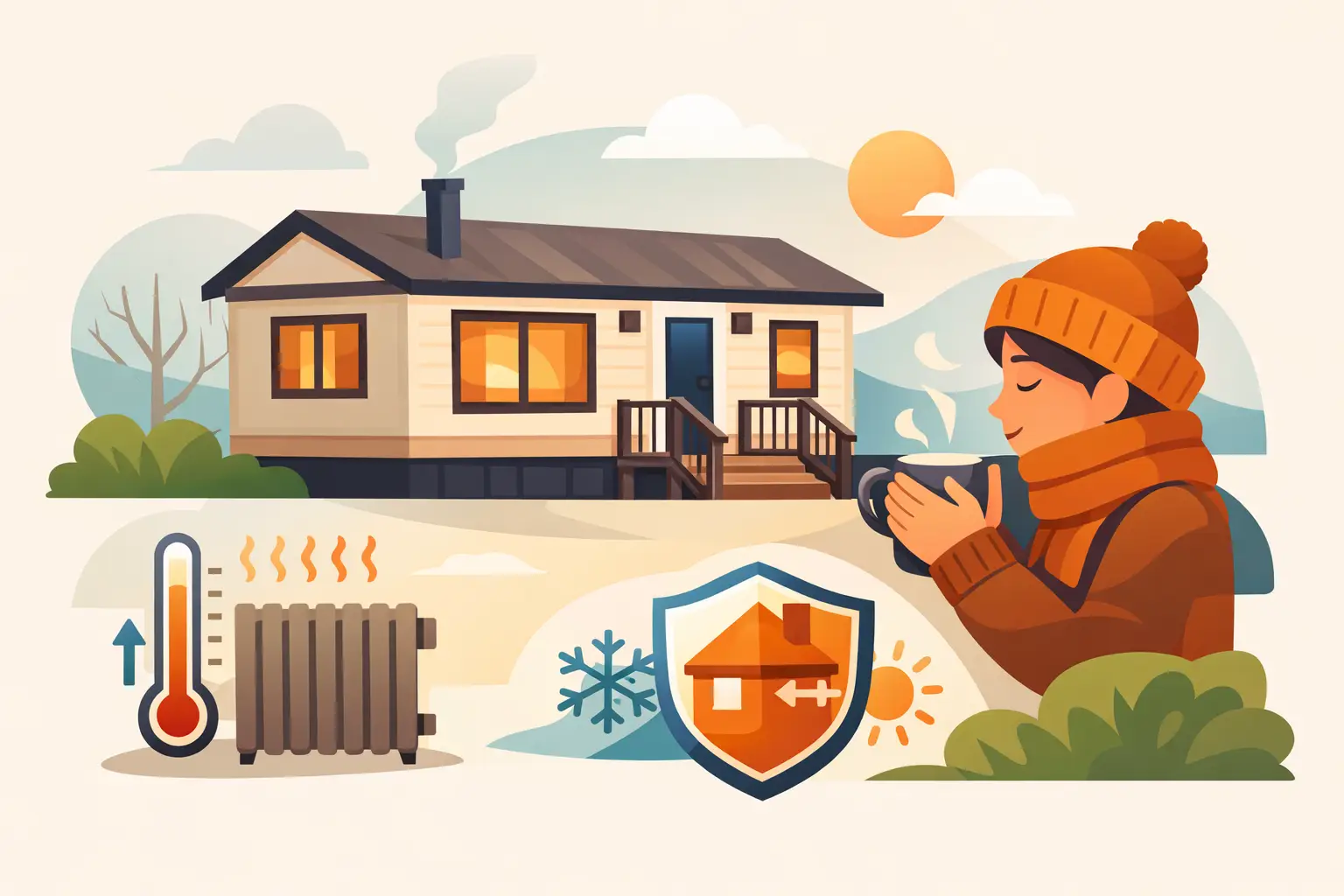
For park homes, this can make a noticeable difference in day-to-day living. Rooms often feel warmer for longer, draughts can be reduced, and the inside of the home tends to feel less chilly around the edges in colder months. Many owners also like the fact that external wall insulation can improve the appearance of an older home at the same time, especially when it is finished with new cladding.
That said, it is not a magic fix for every problem. If there are issues with damp, damaged wall sections, poor ventilation or worn external finishes, those need proper attention first. Good insulation works best as part of a well-planned refurbishment, not as a shortcut.
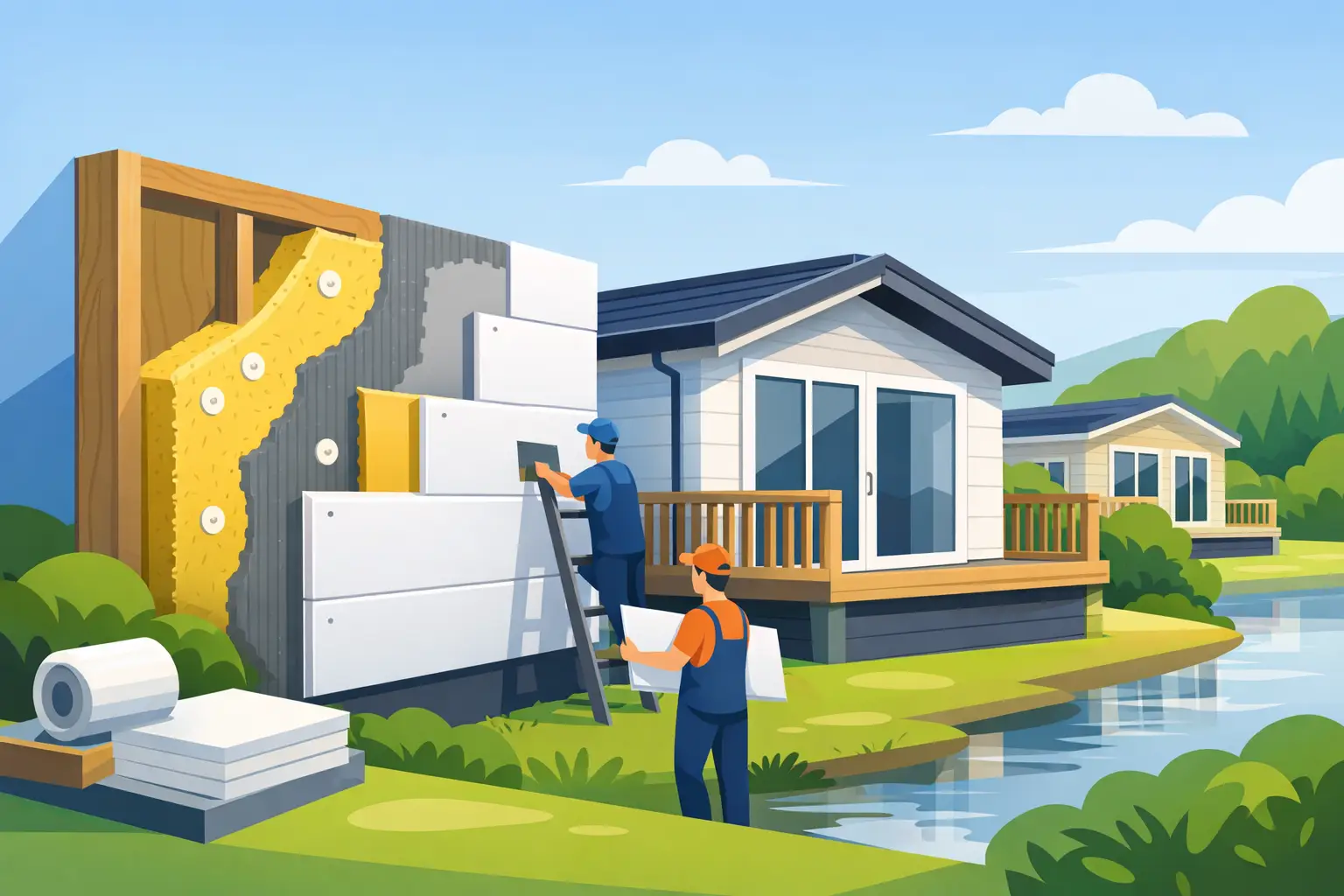
The main job of insulation is to slow down heat escaping from the property. In older or poorly insulated park homes, the external walls can be a major source of heat loss. When insulation is added externally, it helps shield the structure from cold weather while keeping more warmth inside.
This approach has practical advantages. Internal room space is not reduced, and there is usually less disruption inside the home compared with internal insulation methods. For many residents, especially those living in the property full time, that is a major benefit.
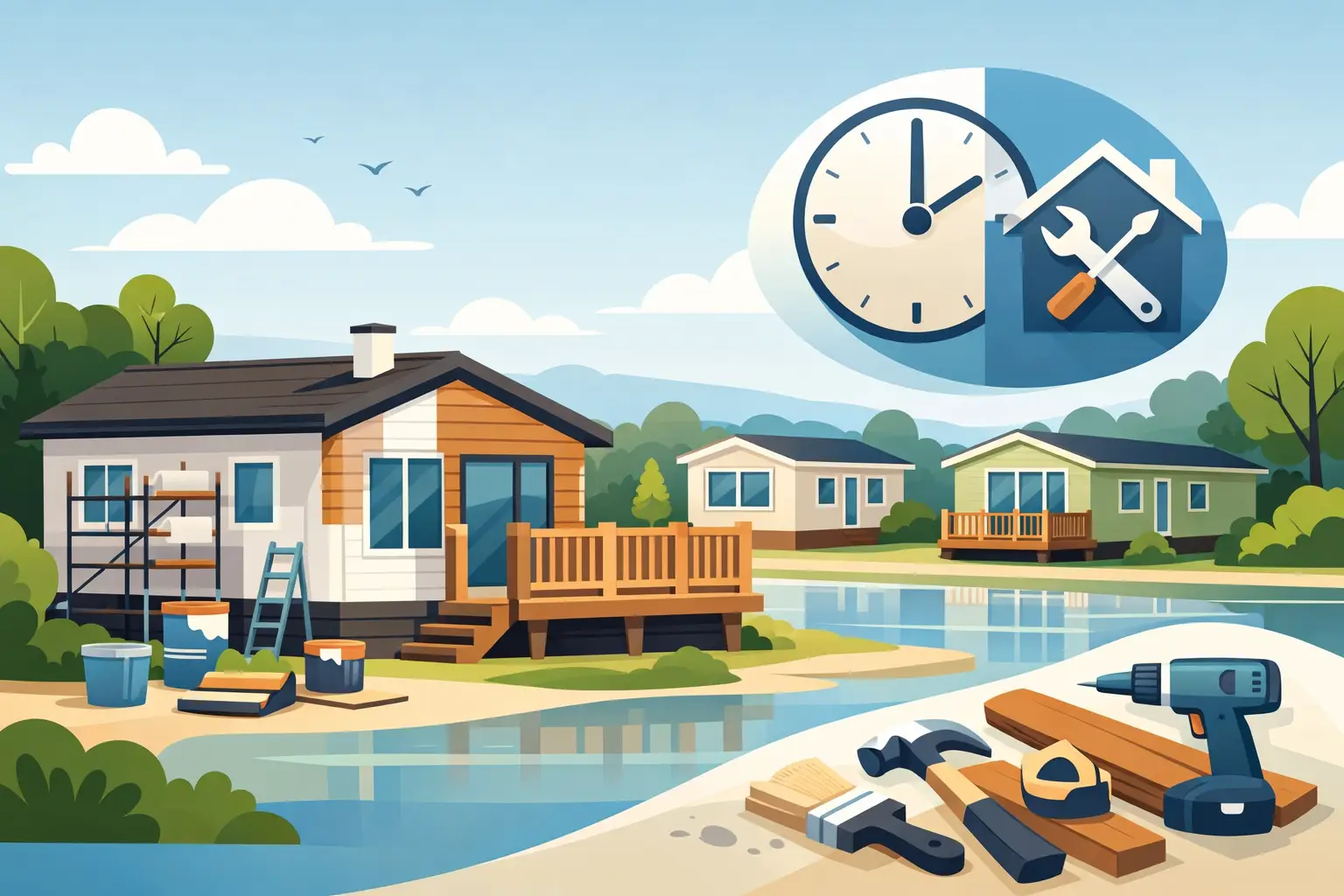
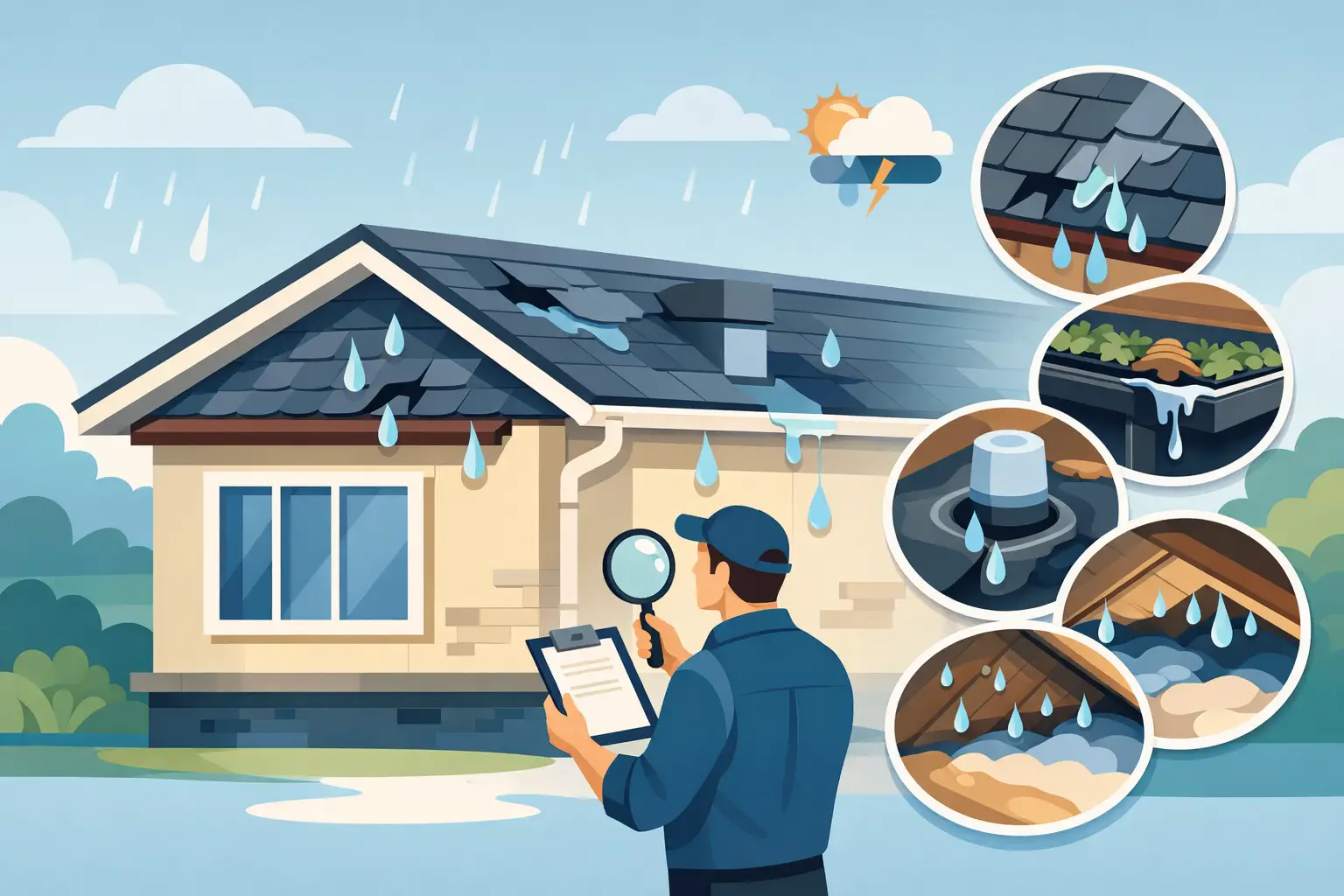
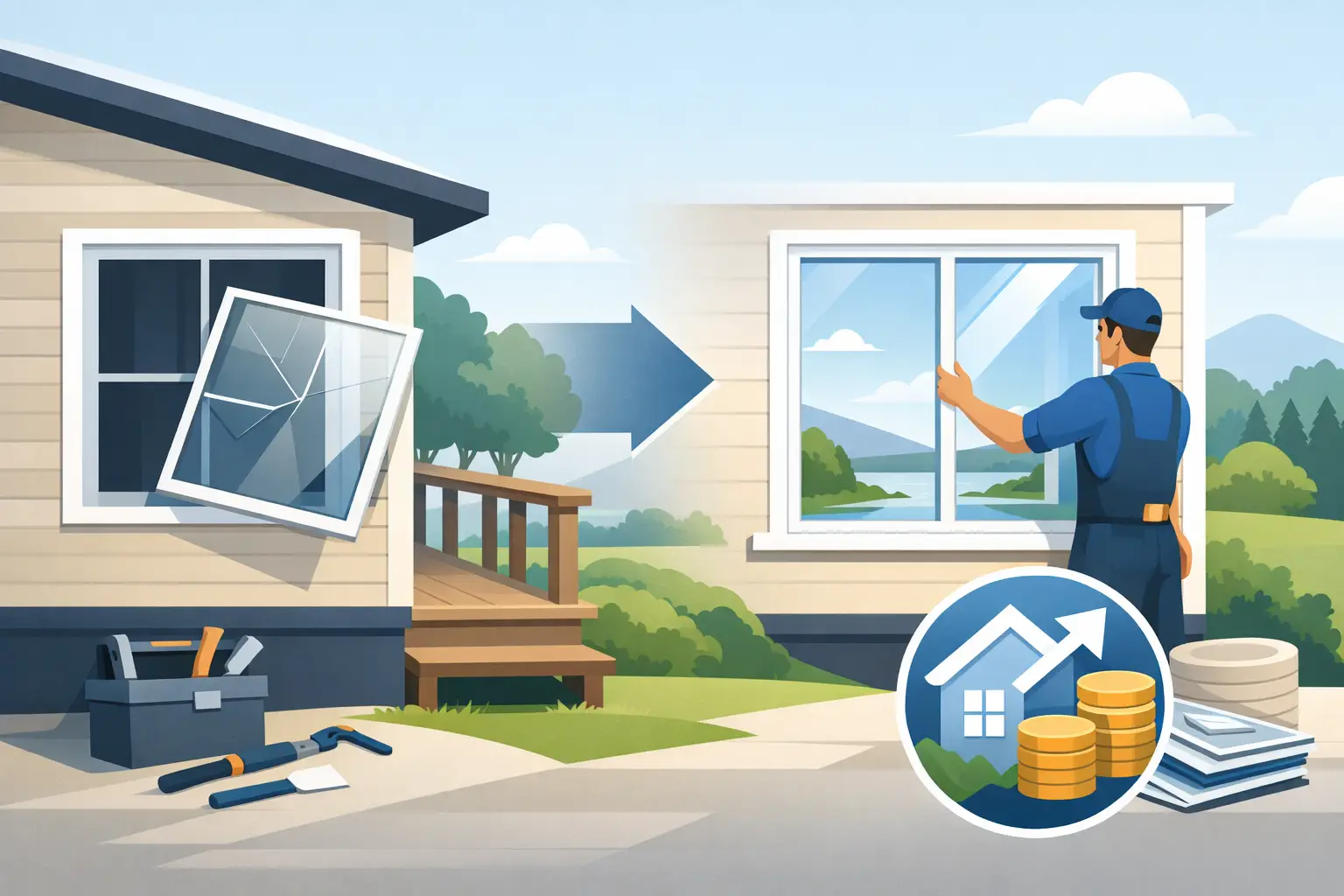
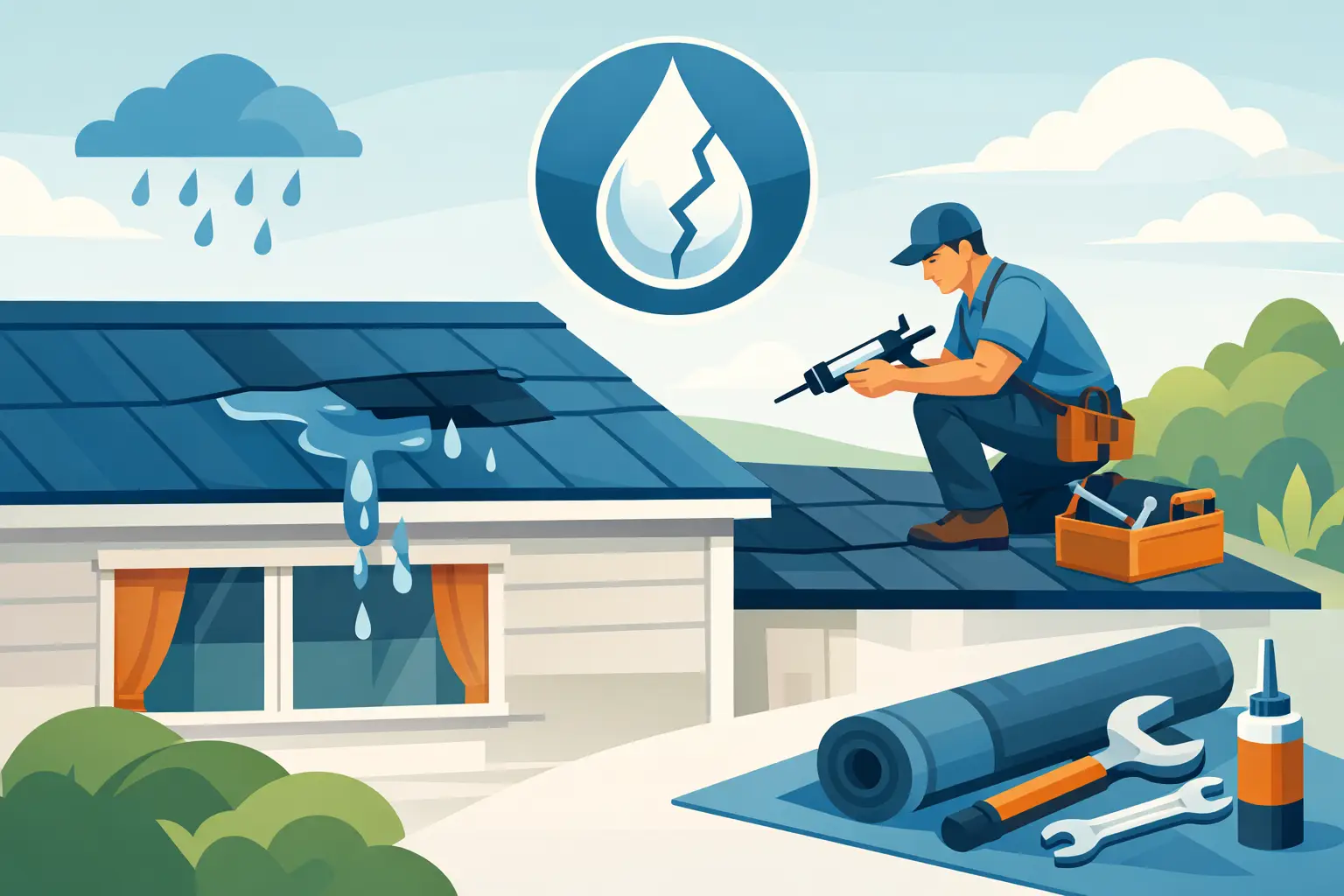
There is also a protective element. A properly installed external wall system can help defend the home from weather exposure, which is particularly useful on older units where existing exterior finishes may be tired or vulnerable. If the outside of the home already needs attention, combining insulation with refurbishment often makes more sense than tackling each issue separately.
The biggest benefit is comfort. People often focus on energy bills first, and savings do matter, but the immediate change most owners notice is that the home feels easier to heat. You are not constantly chasing warmth.
Another benefit is consistency. Instead of one room feeling fine and another feeling cold, temperatures tend to become more even throughout the home. That can make a real difference in winter, especially for older residents who spend a lot of time indoors.
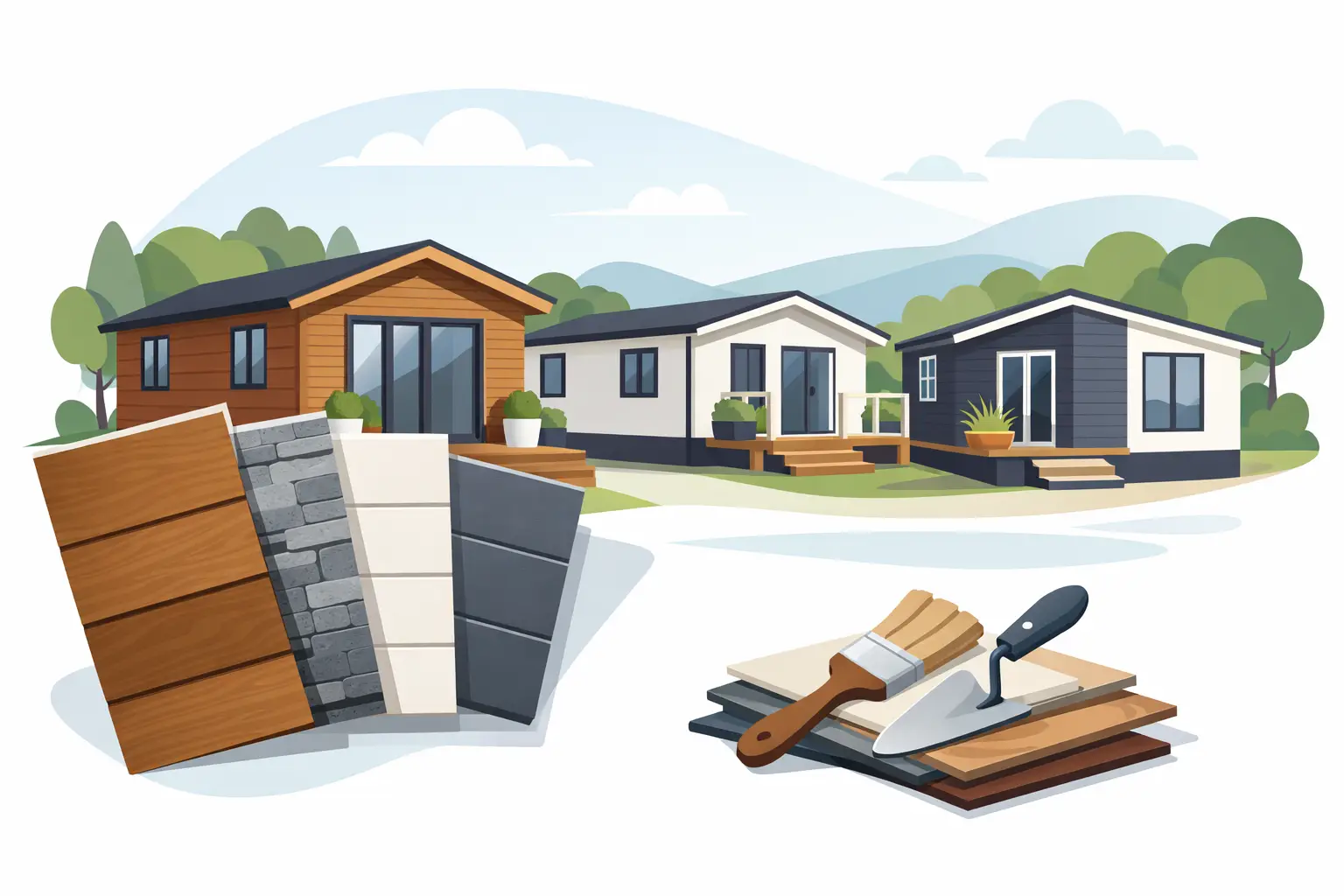
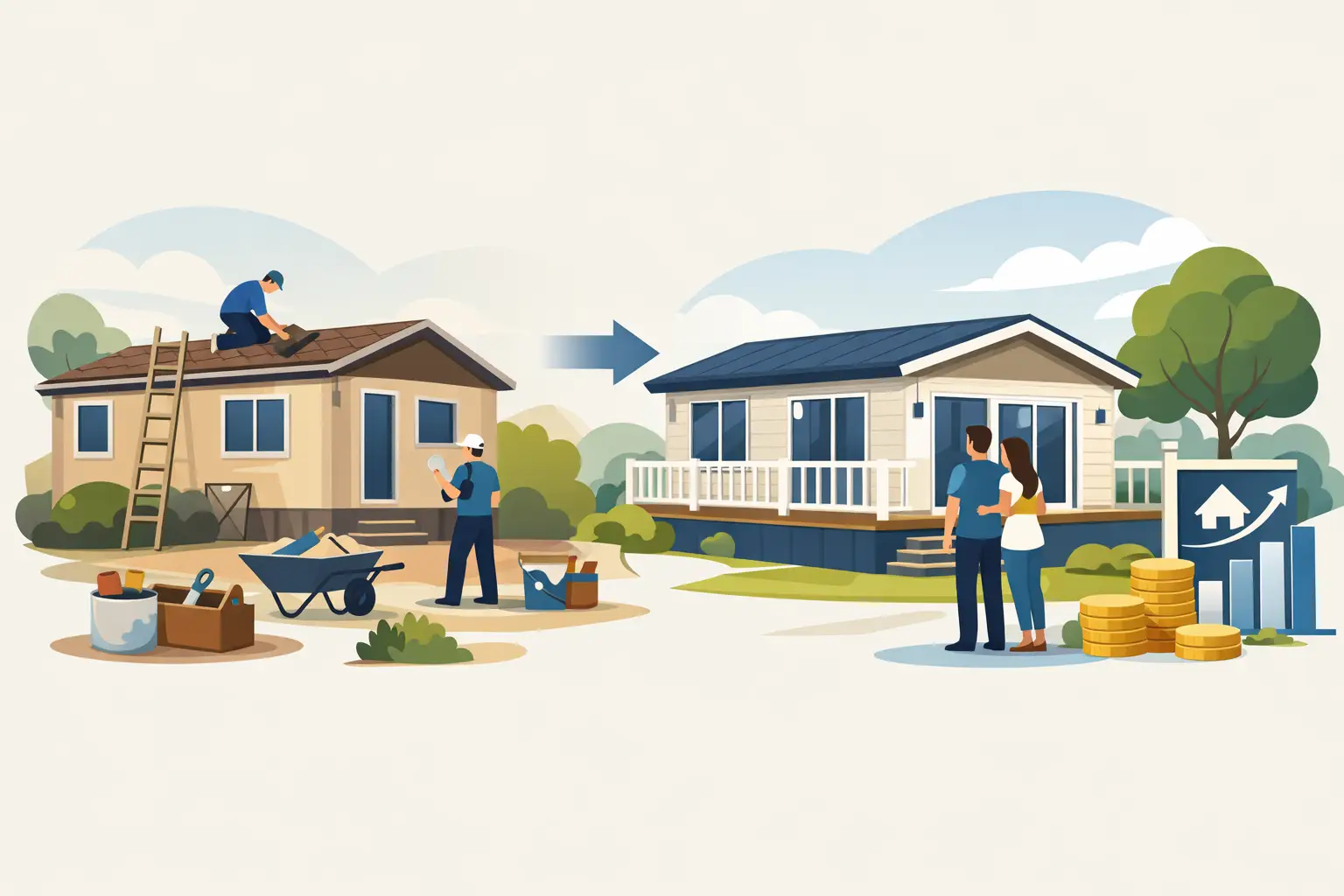
External wall insulation can also improve the look of an ageing park home. If the original exterior has started to show its age, a new insulated system can give the property a cleaner, more modern finish. That may help protect resale value as well, though it should be seen as a long-term improvement rather than a quick profit exercise.
There can also be a maintenance benefit, depending on the system used. New external finishes are often more durable and easier to keep in good order than old, worn cladding.
This is where an honest answer matters. External wall insulation is good, but not in every situation and not as a stand-alone cure for all thermal problems.
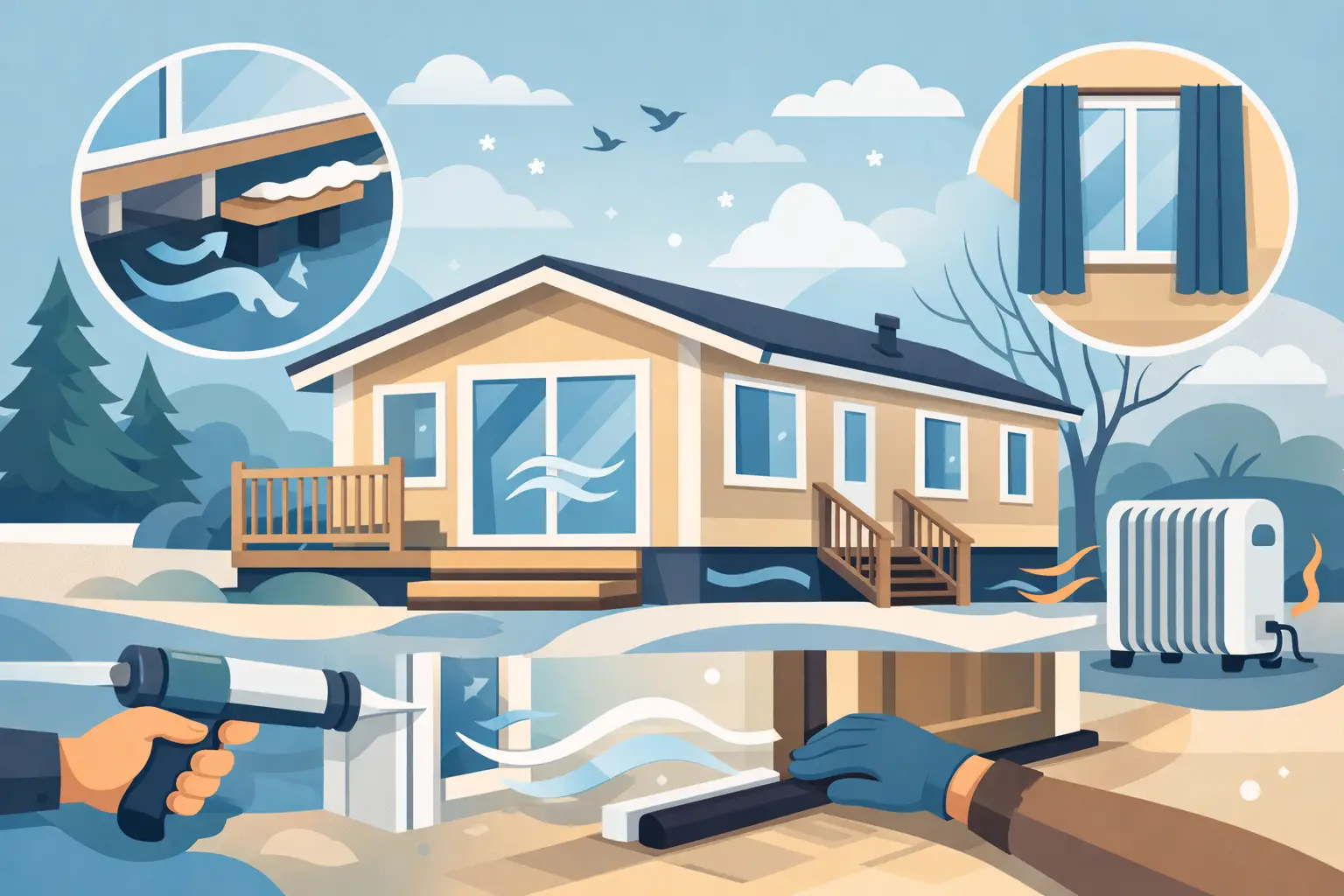
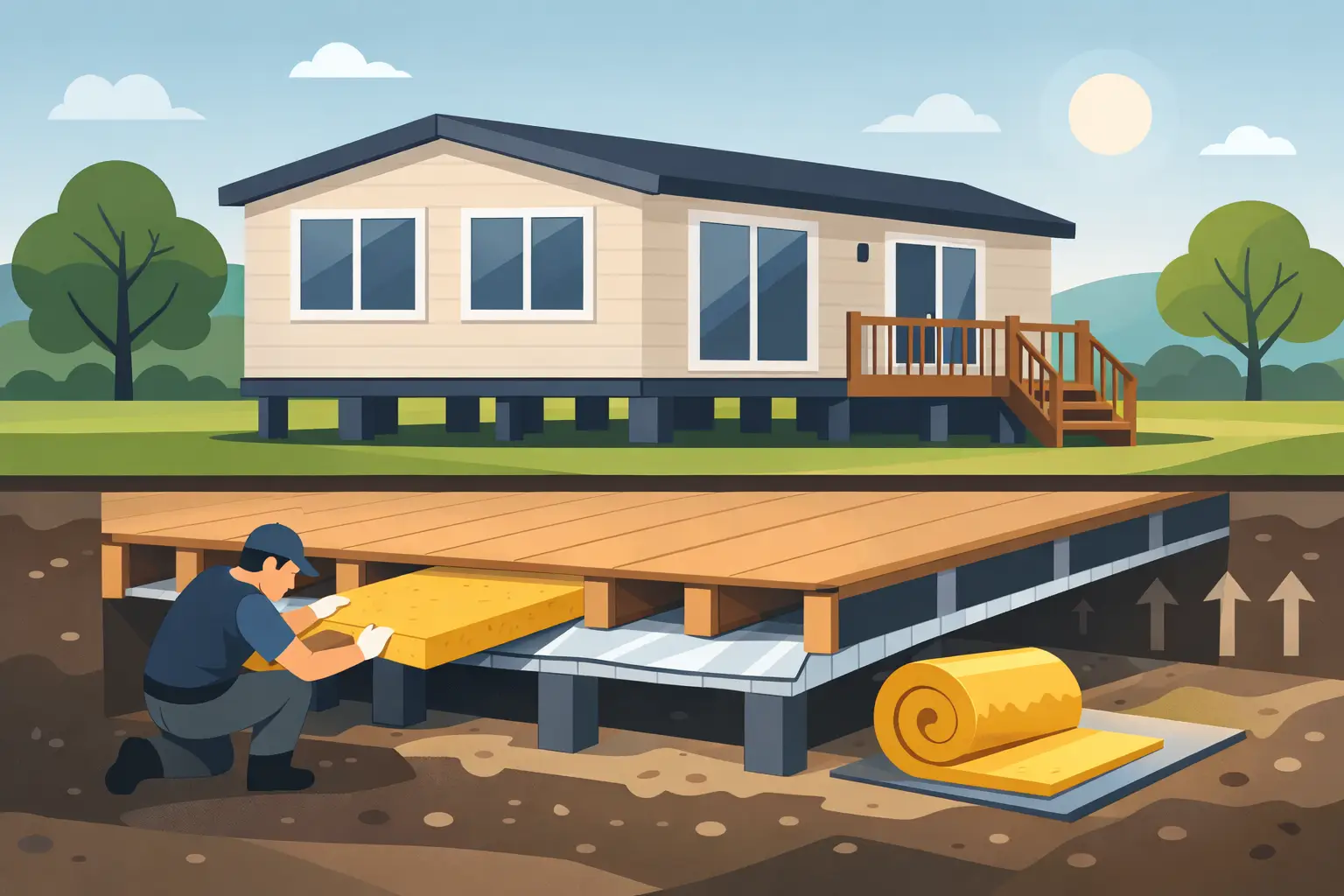
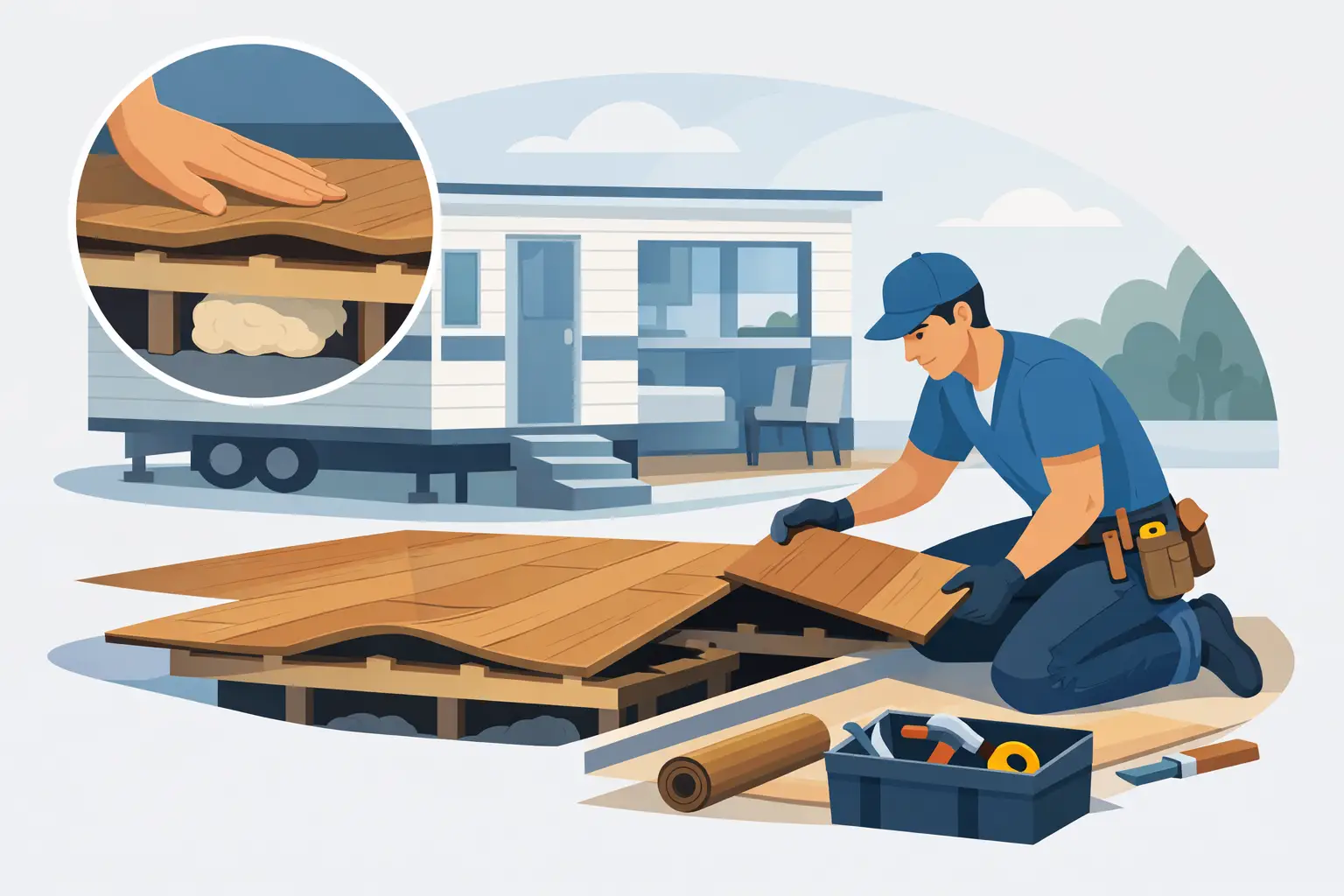
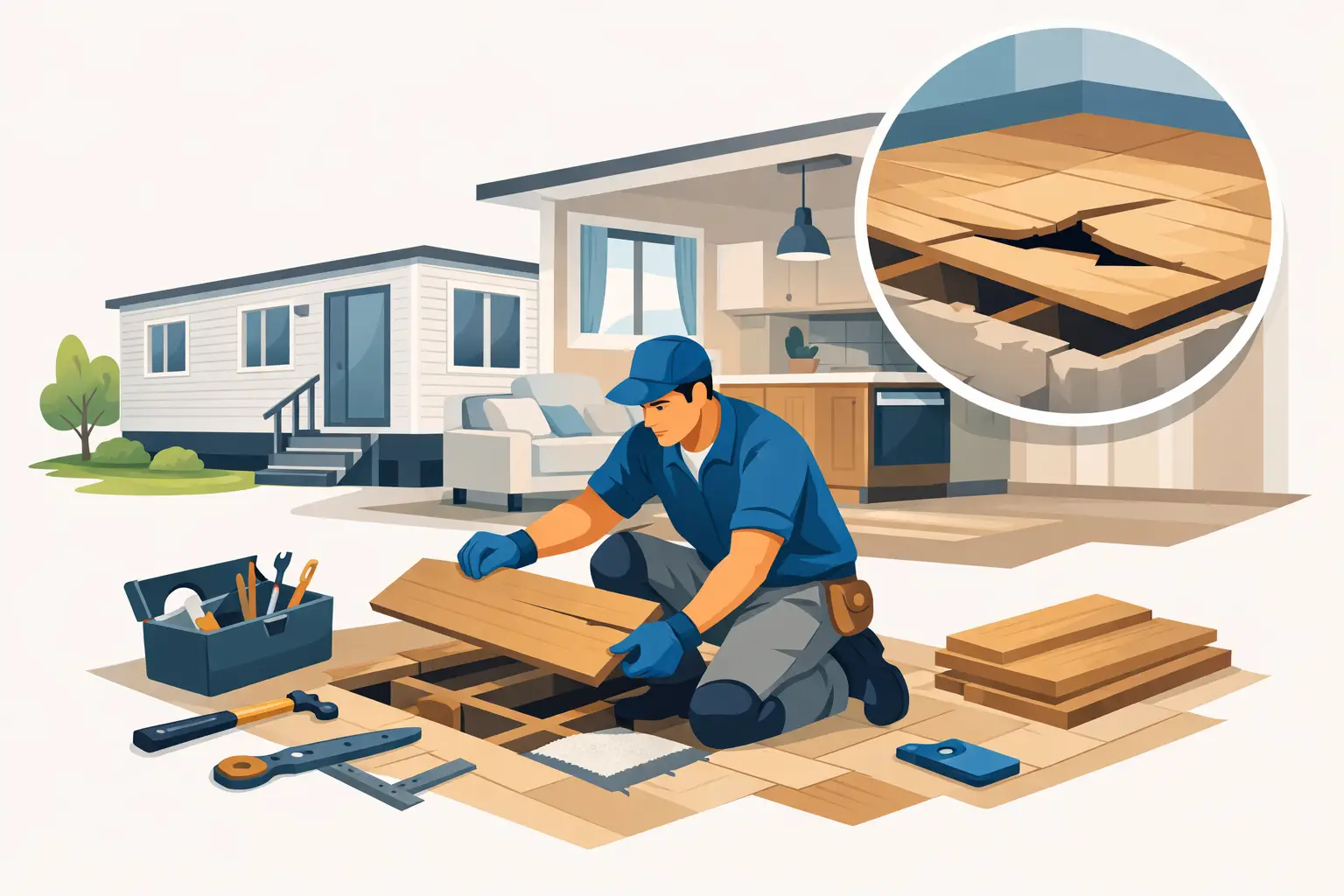
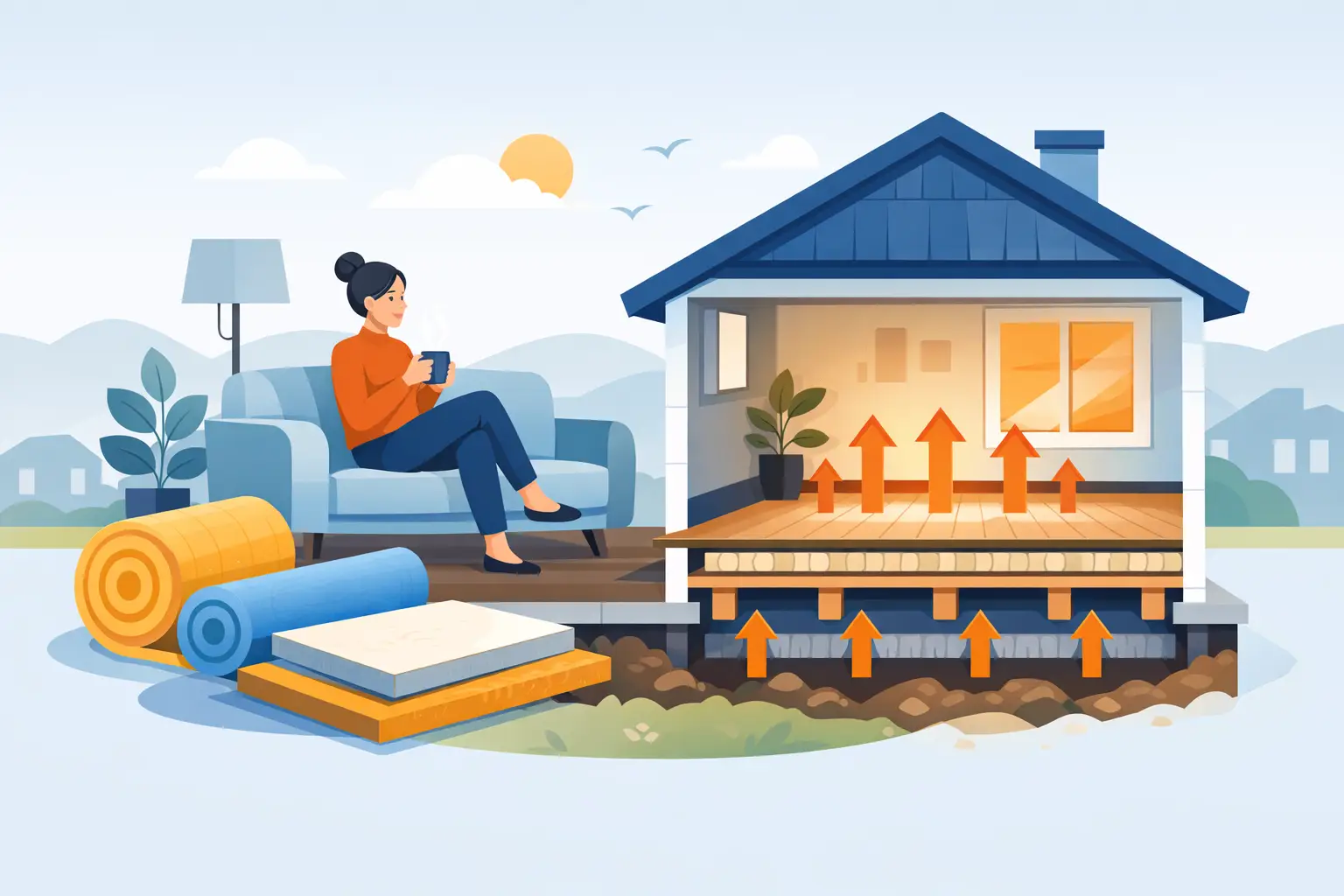
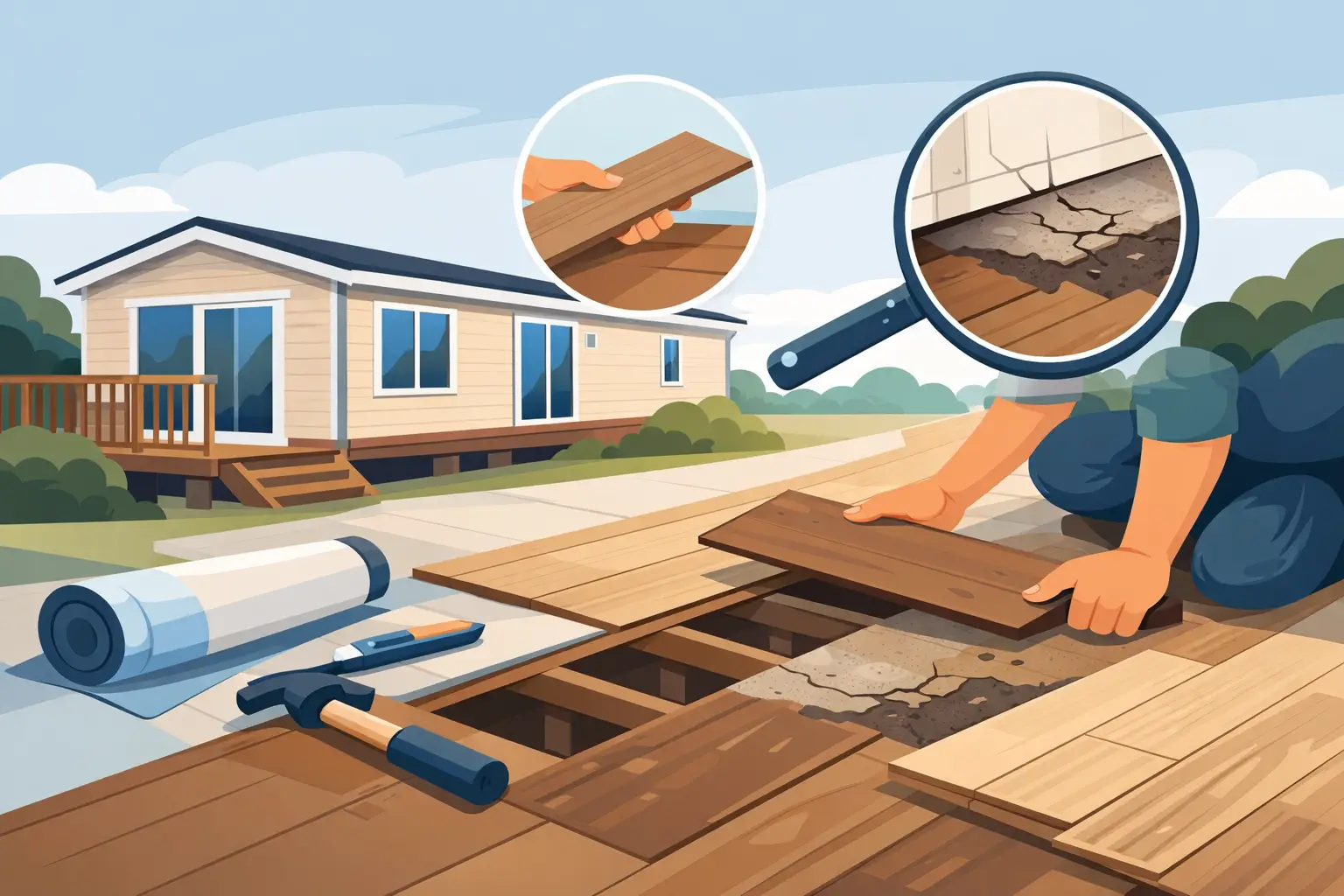
If your biggest heat loss is coming from the floor, skirting void, roof or windows, wall insulation alone may only partly solve the issue. In park homes, underfloor insulation is often just as important, sometimes more so. A home with insulated walls but cold air moving under the floor can still feel uncomfortable.
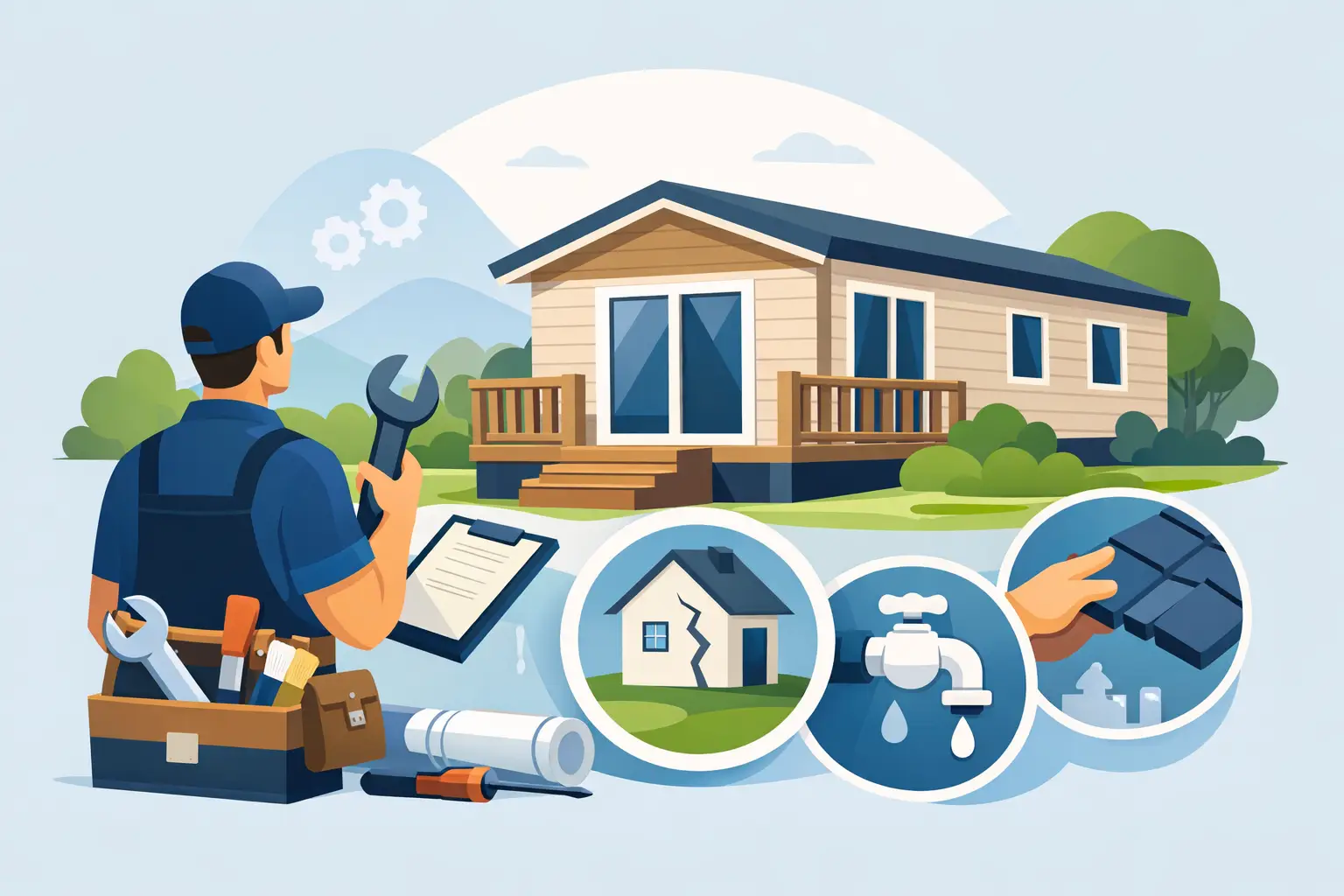
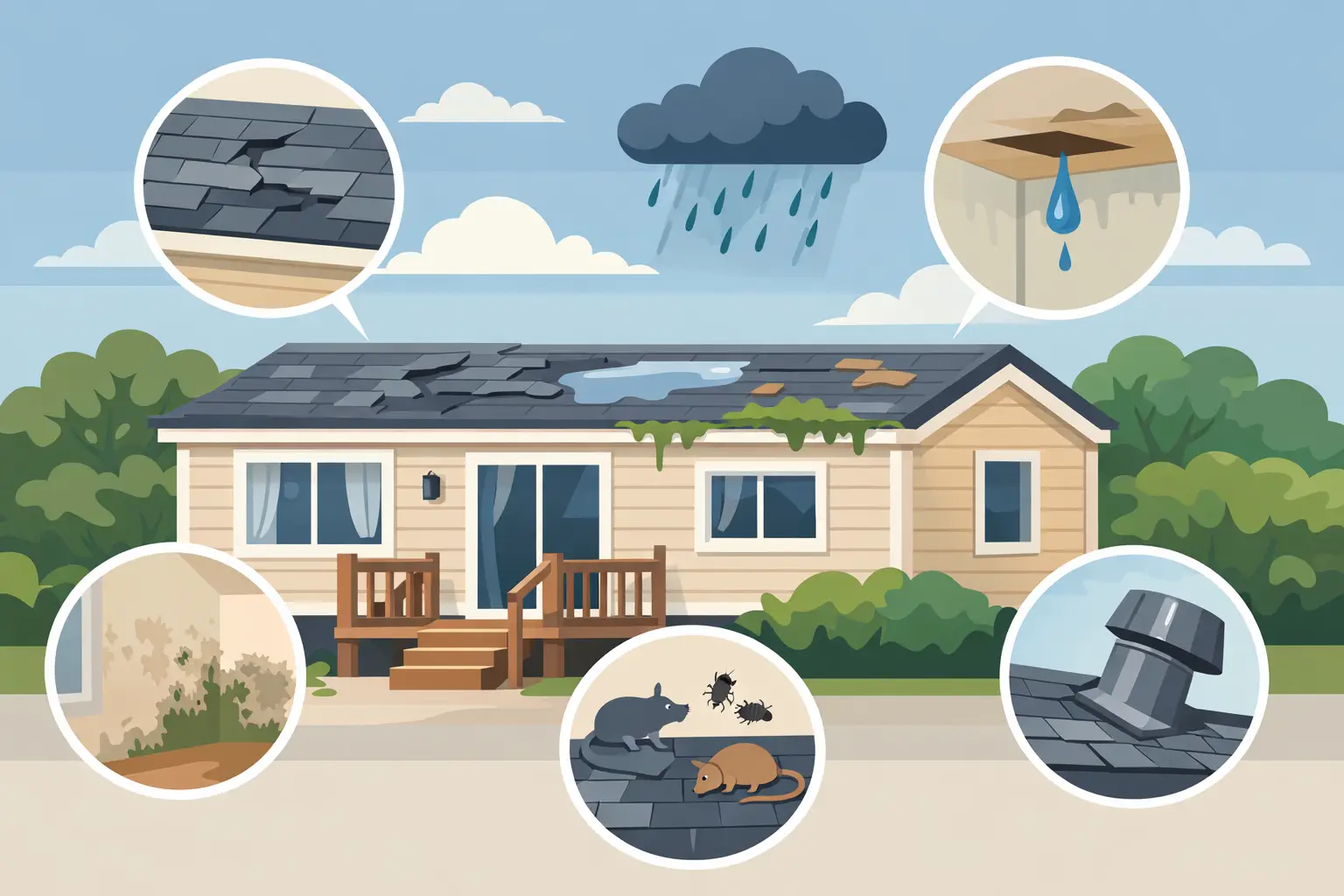
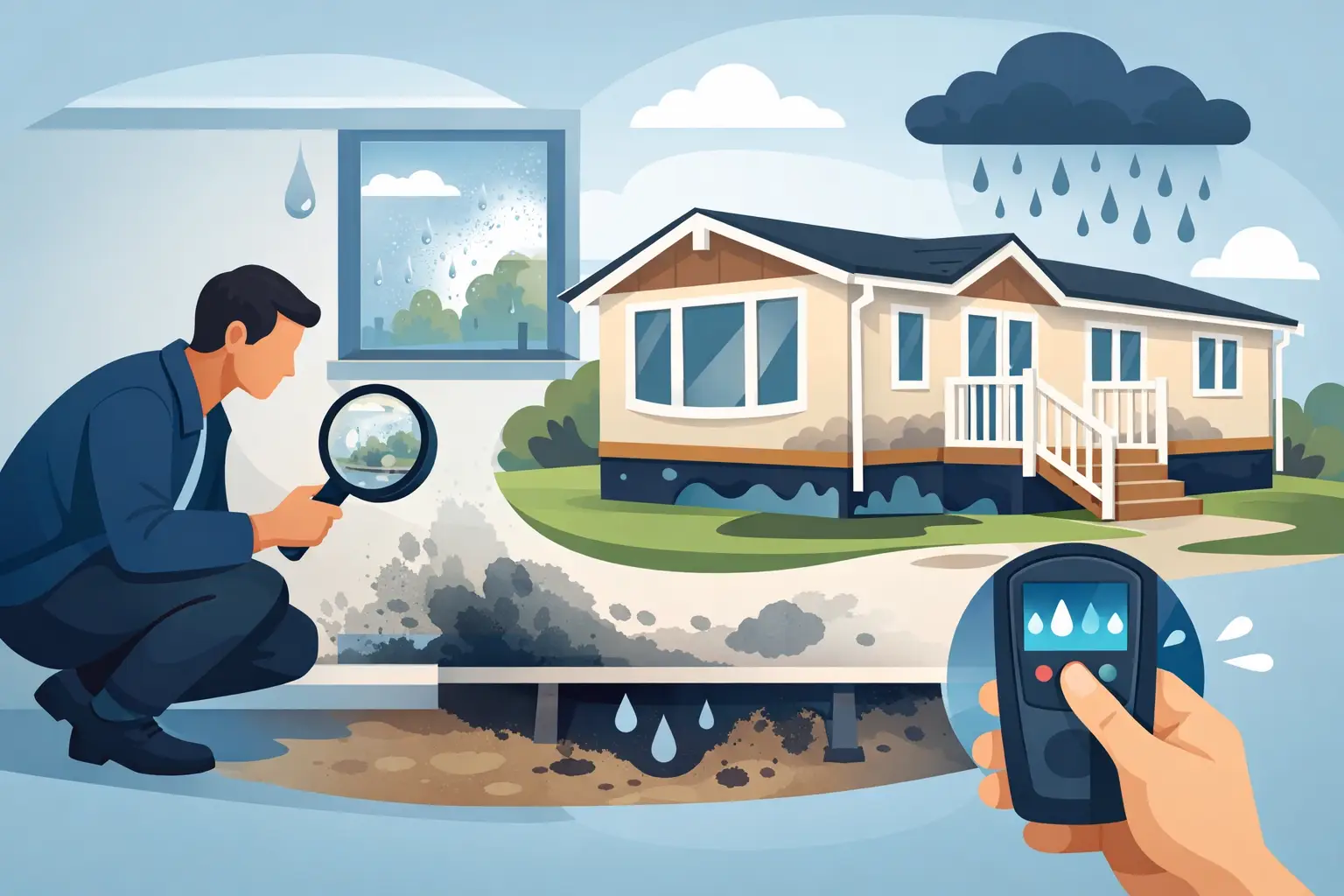
It may also be the wrong first step if the external structure is in poor condition. Loose cladding, damaged timbers, trapped moisture or signs of movement need investigation before any insulation system is installed. Covering over defects is never good practice.
Budget is another factor. External wall insulation is an investment, and while the benefits can be substantial, it needs to be measured against the age and condition of the property. In some cases, a broader refurbishment plan gives better value than treating one element in isolation.
Usually, yes, but expectations should be realistic. Better insulation can reduce heat loss and improve efficiency, which may lower heating costs. How much you save depends on several things: the age of the home, the existing wall construction, how you heat the property, how warm you like to keep it and whether other weak points have also been improved.
In practice, many owners find that the home becomes more economical to keep comfortable rather than dramatically cheap to heat overnight. That is still worthwhile. A home that holds warmth better is generally more pleasant to live in and less wasteful to run.
For full-time residents, the value often shows itself over years rather than weeks. You are paying for improved comfort, reduced heat loss, a refreshed exterior and better long-term performance, not just a single winter’s bill reduction.
This is one area where general building experience is not enough on its own. Park homes have their own construction methods, detailing requirements and common weak points. The way insulation is fitted has to work with the structure, not against it.
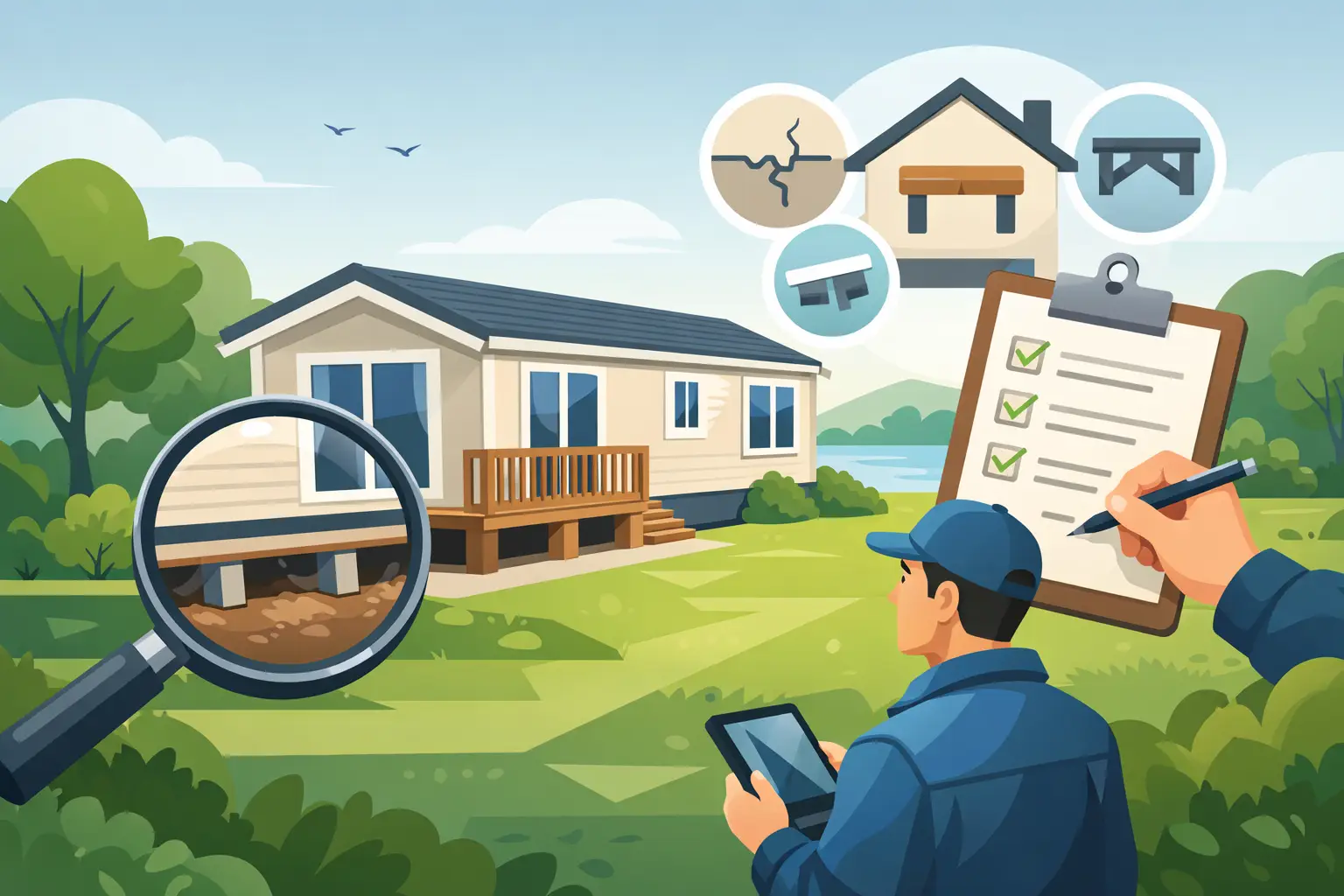
A specialist will look at the property as a whole. That includes the existing wall build-up, external finish, joints, trims, ventilation needs and how the new system will tie into windows, doors and roof edges. These details affect both performance and durability.
Poor workmanship can lead to problems that are expensive to put right. Gaps, bad sealing, trapped moisture and poor finishing all reduce the benefit of the insulation and may create new issues. This is why many owners prefer a company that deals with park homes every day rather than a contractor applying house-building methods to a very different type of property.
At New Look Park Homes Ltd, this is exactly the sort of work where specialist knowledge matters. The right result is not just a thicker wall. It is a warmer, smarter and more durable home that has been improved properly.
Start with the condition of the home. If the exterior is ageing, the walls are underperforming and the property feels cold through winter, external wall insulation could be a very sensible upgrade. If the home also needs new cladding or broader refurbishment work, the value becomes even clearer.
Think about how you use the property as well. For someone living in the home all year round, warmth and efficiency improvements are likely to be felt every day. For occasional use, the return may be more about comfort and condition than ongoing bill savings.
It is also worth considering the wider thermal picture. Walls matter, but so do the roof, windows and floor. The best outcomes usually come from assessing the property properly and improving the areas that are causing the most heat loss.
A good contractor should explain what will help, what will not, and whether your home is suitable. Straight answers are worth far more than a sales pitch.
For many park home owners, yes. External wall insulation can make a home warmer, more comfortable, more efficient and more attractive from the outside. It is especially worthwhile when the home is older, poorly insulated or already due for external refurbishment.
But the quality of the result depends on the quality of the assessment and installation. The best projects are the ones planned around the actual condition of the home, with proper materials and specialist fitting.
If your park home never quite feels warm enough, or the exterior is starting to look tired, external wall insulation may be more than a nice extra. It may be one of the soundest improvements you can make for everyday comfort and long-term peace of mind.