Cold feet usually tell you the truth before the thermostat does. If your park home feels chilly from the floor up, or certain rooms never seem to warm properly, the problem is often underneath the home rather than inside it. Knowing how to insulate a park home floor properly can make a noticeable difference to comfort, heating costs and the overall feel of the property.
Park homes are built differently from brick houses, which is why floor insulation needs a specialist approach. There is usually a ventilated void beneath the structure, and that gap plays an important role in keeping the home dry. The aim is not to block airflow completely. It is to reduce heat loss through the floor while protecting the structure from damp, sagging insulation and long-term wear.
A poorly insulated floor does more than make the home uncomfortable. Heat escapes quickly through the underside, especially in winter or on exposed parks where wind can get underneath the unit. That can leave you with cold rooms, higher heating bills and a home that never feels quite settled.
There is also a knock-on effect on the structure itself. When cold air and moisture circulate freely below the floor, materials can deteriorate faster. Timber components, insulation boards and fixings all perform better when the underfloor area is in good condition. Good insulation is not only about warmth. It supports the long-term health of the home.
In many older park homes, the original insulation may be thin, poorly fitted or simply no longer doing its job. It is common to find gaps, damaged boarding, damp patches or insulation that has dropped away altogether. In those cases, adding more material is not enough. The condition of the underfloor area needs checking first.
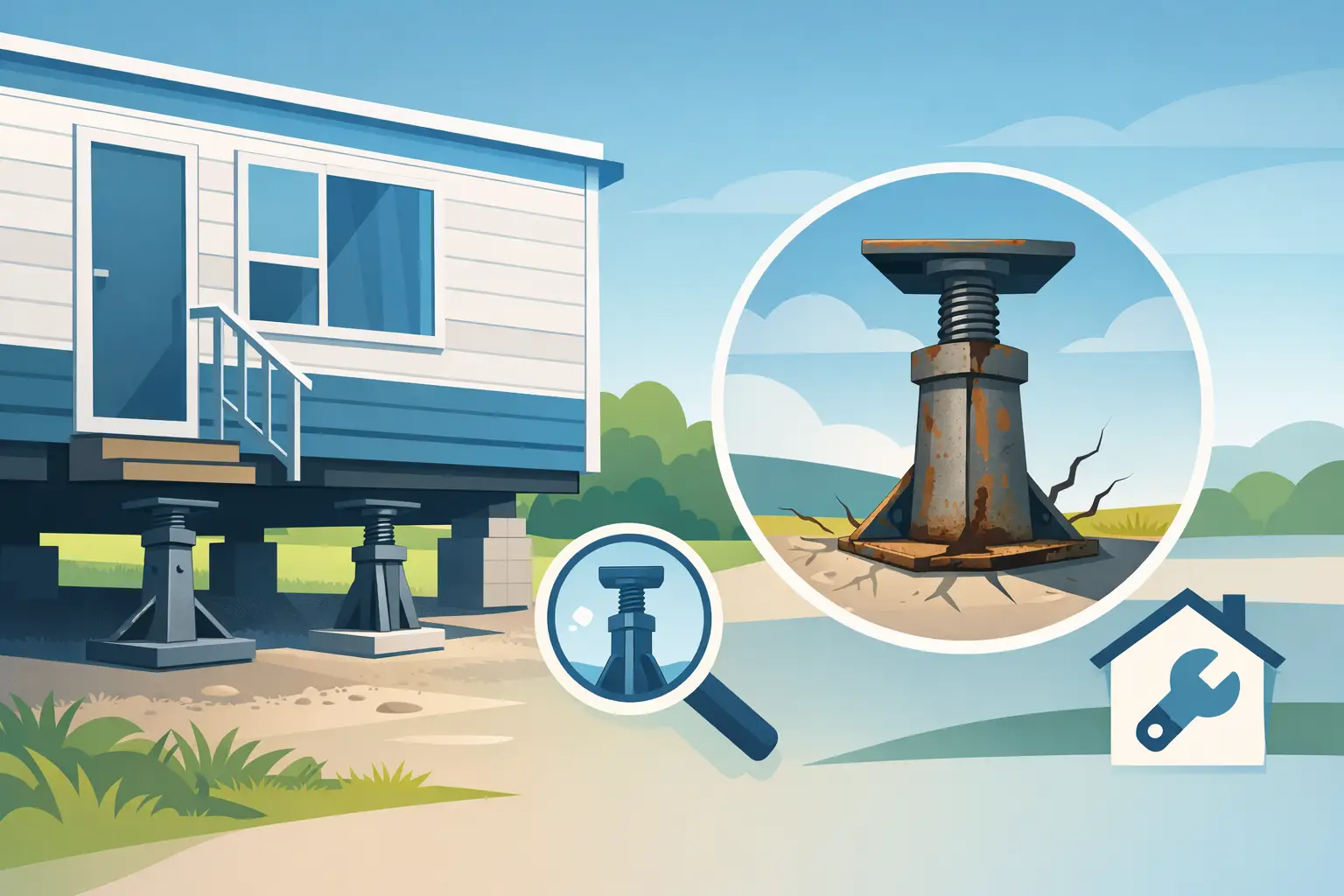
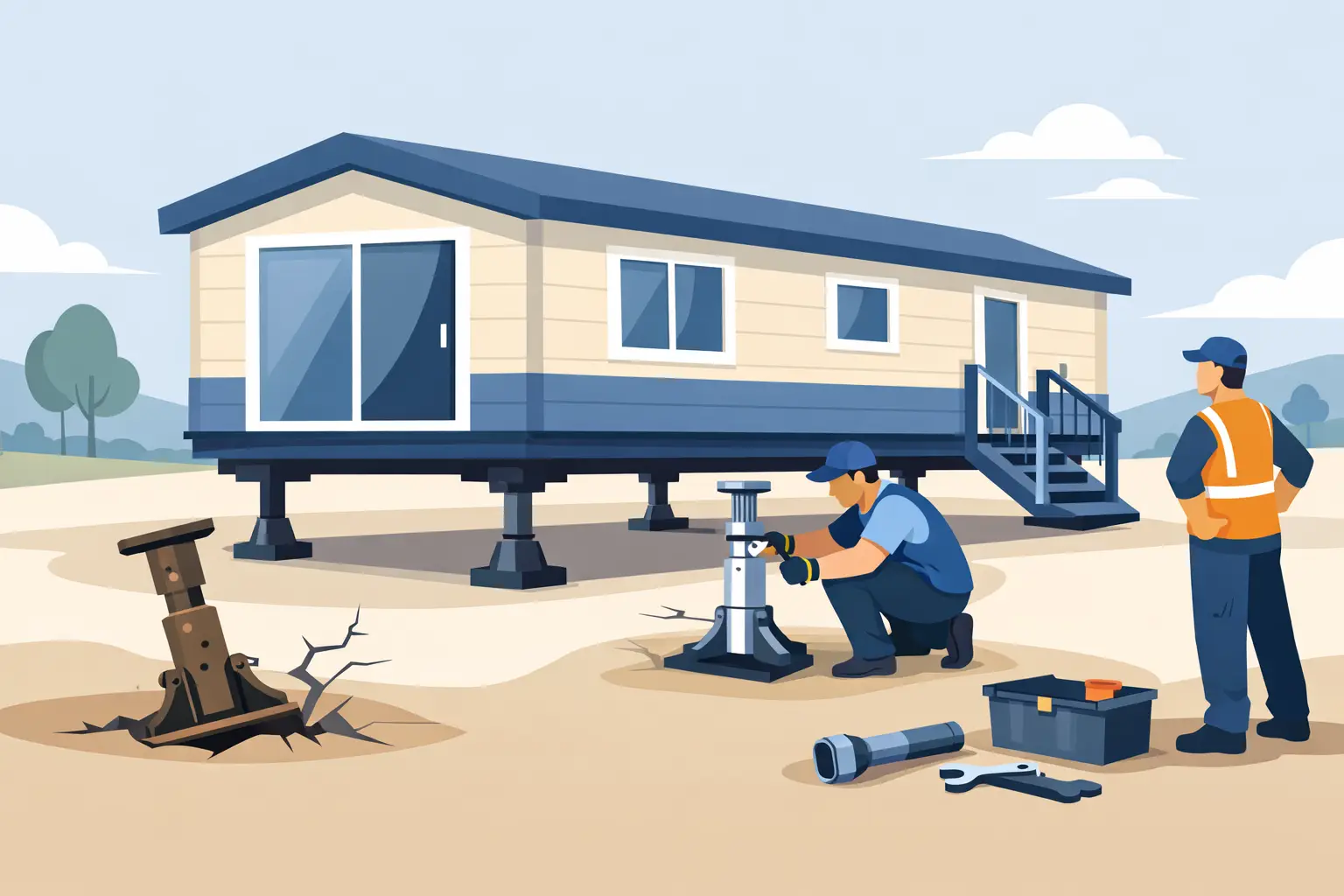
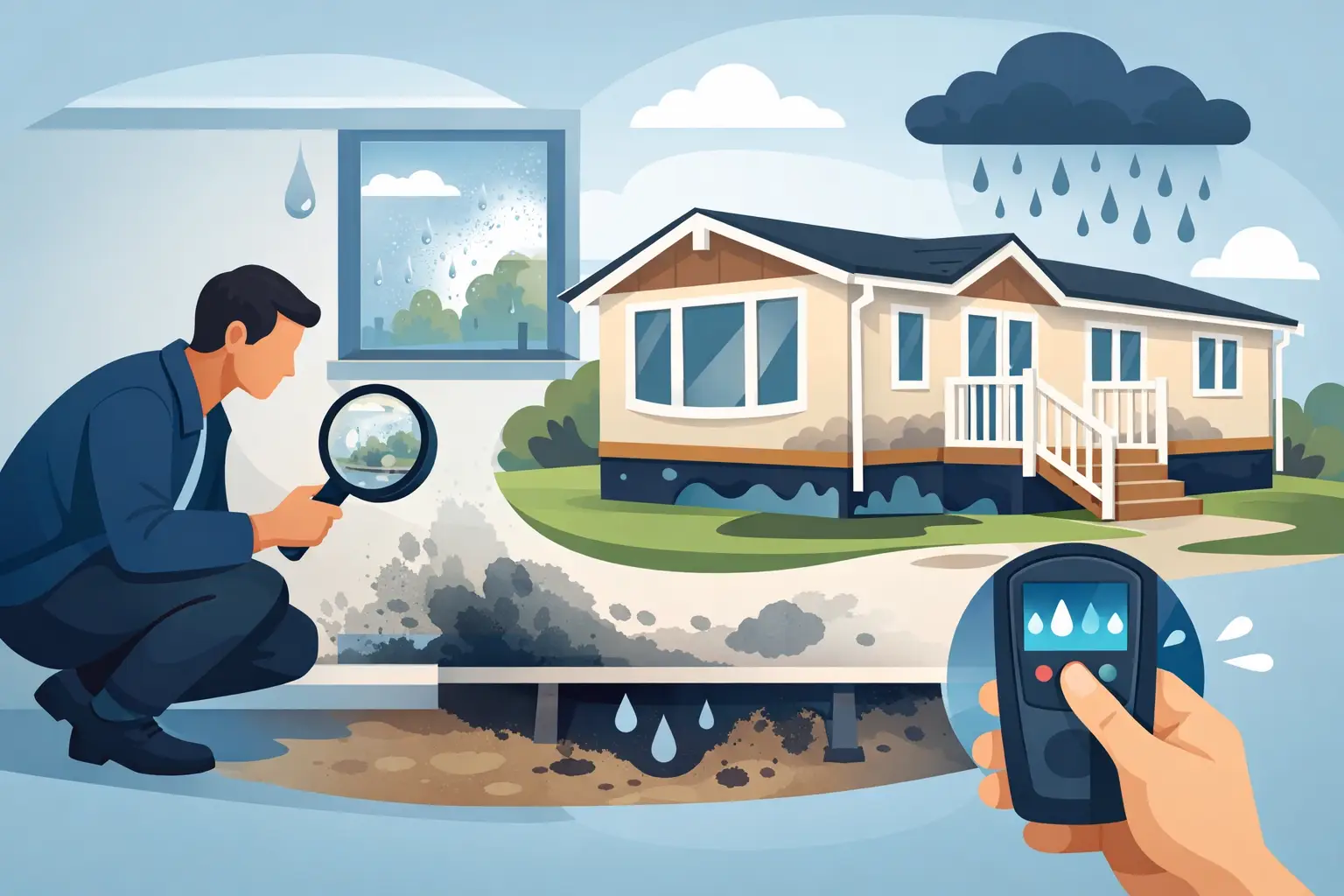
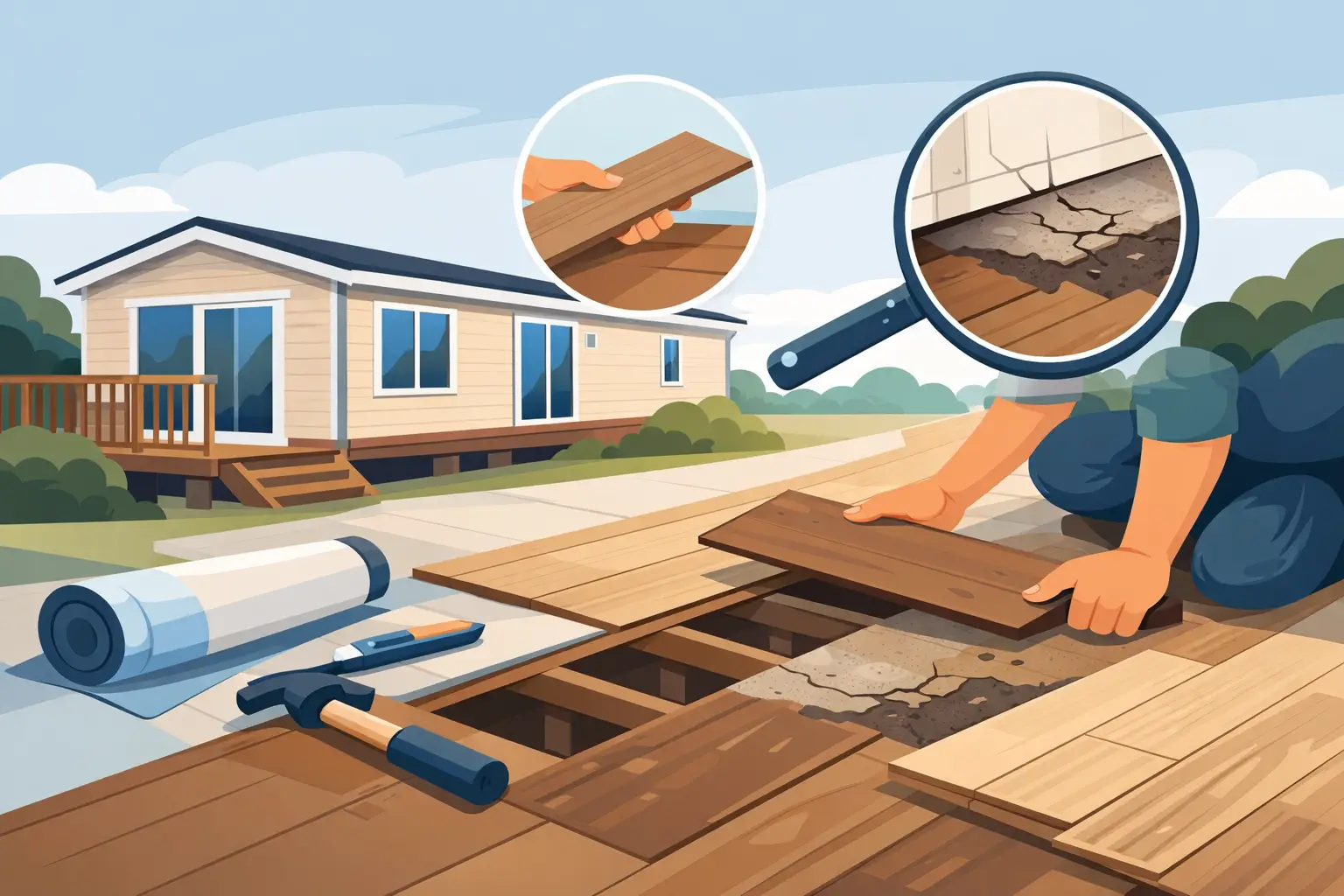
The first step is assessment. Before any insulation is installed, the underside of the home should be inspected carefully. That means checking the chassis, support jacks, pipework, existing insulation, damp barrier and the general condition of the floor structure. If there is water ingress, rot or movement in the supports, those issues should be dealt with before the insulation work begins.
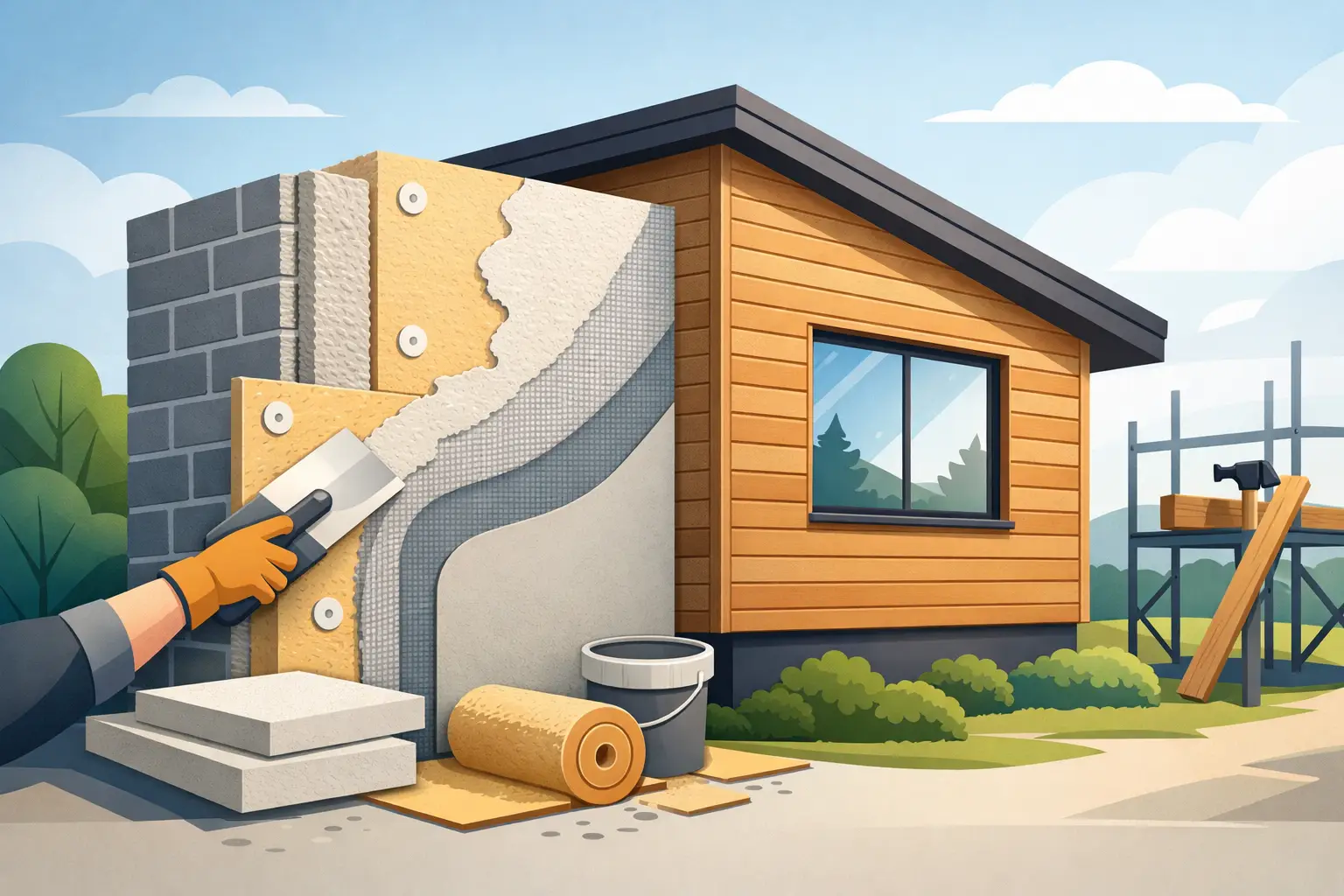
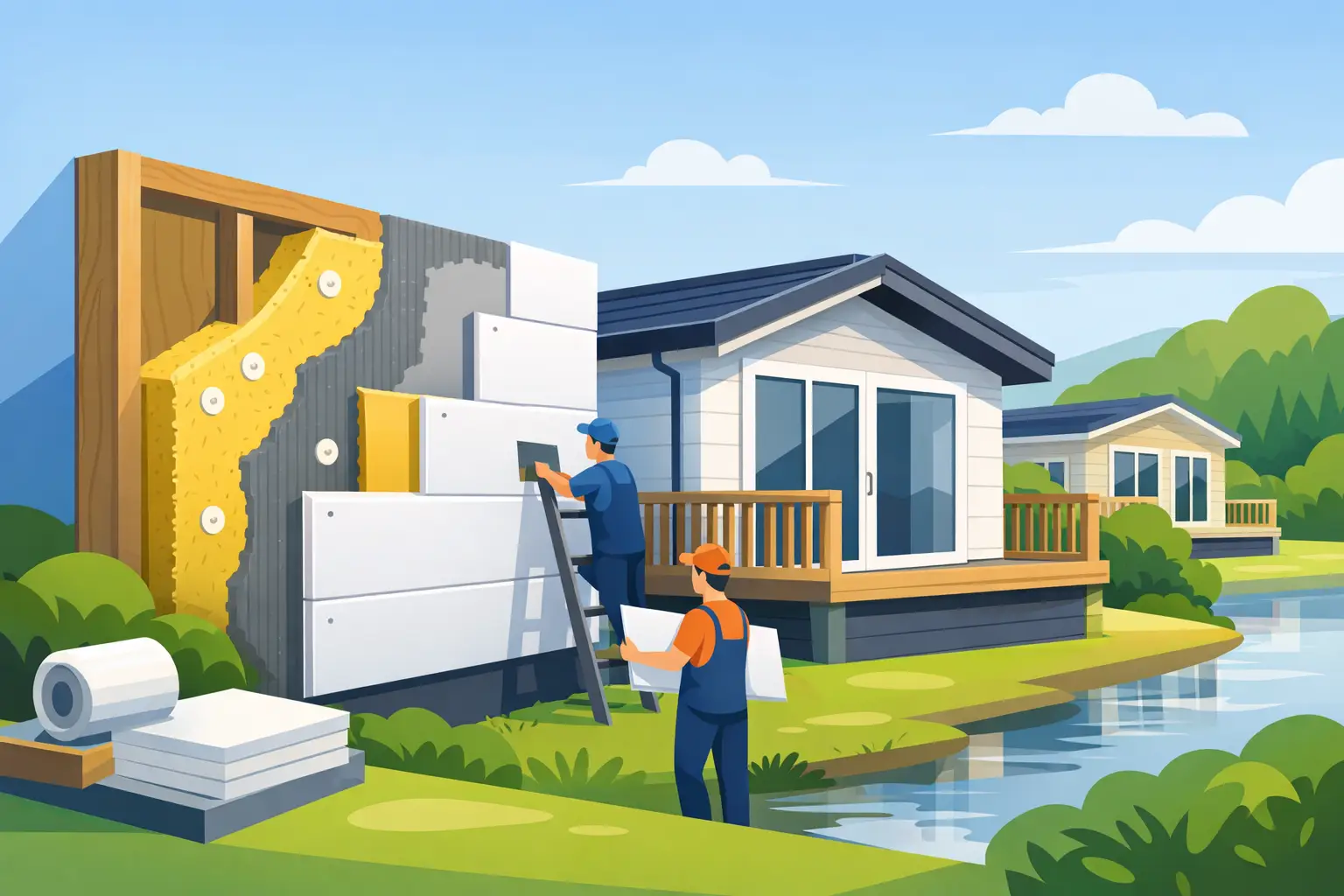
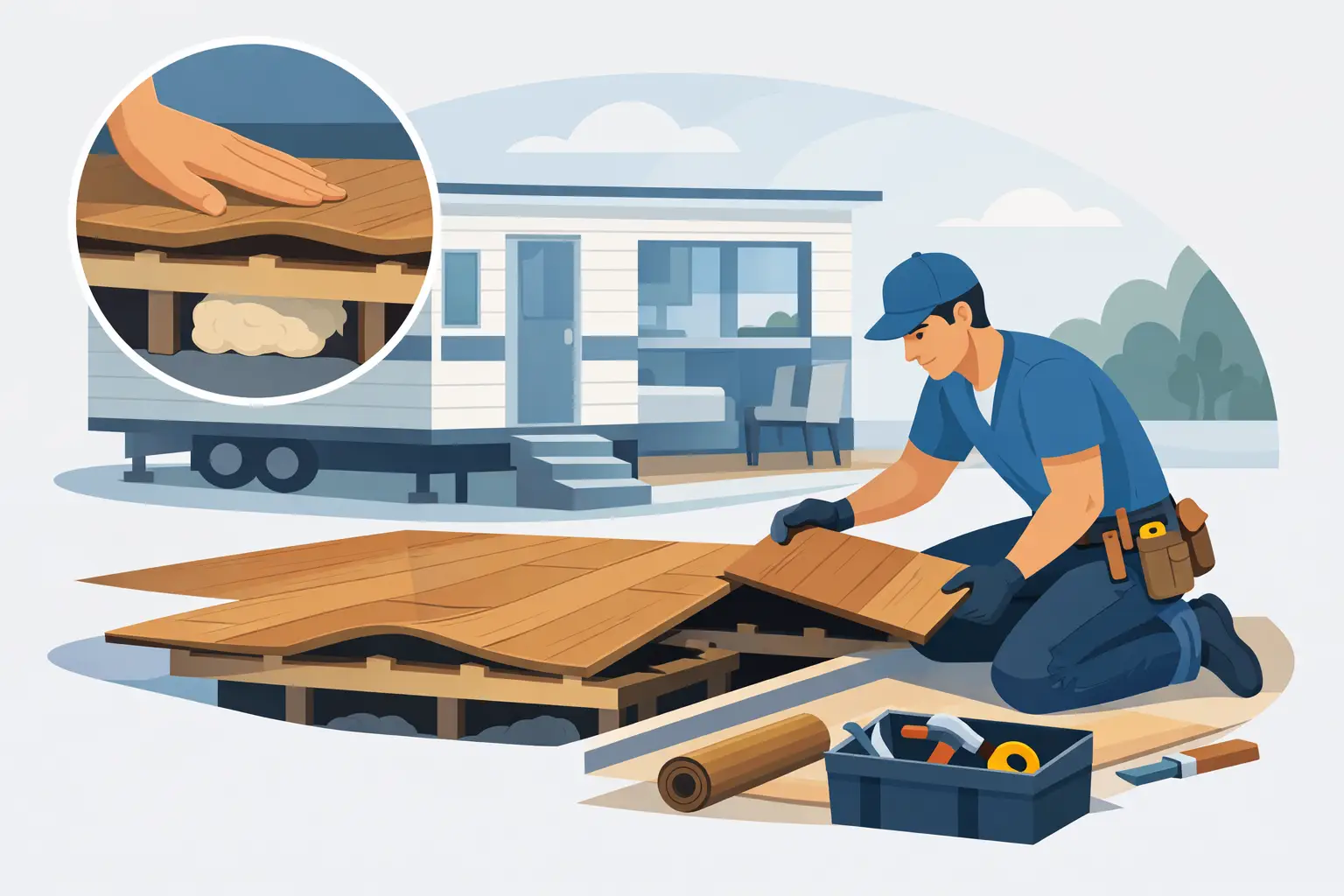
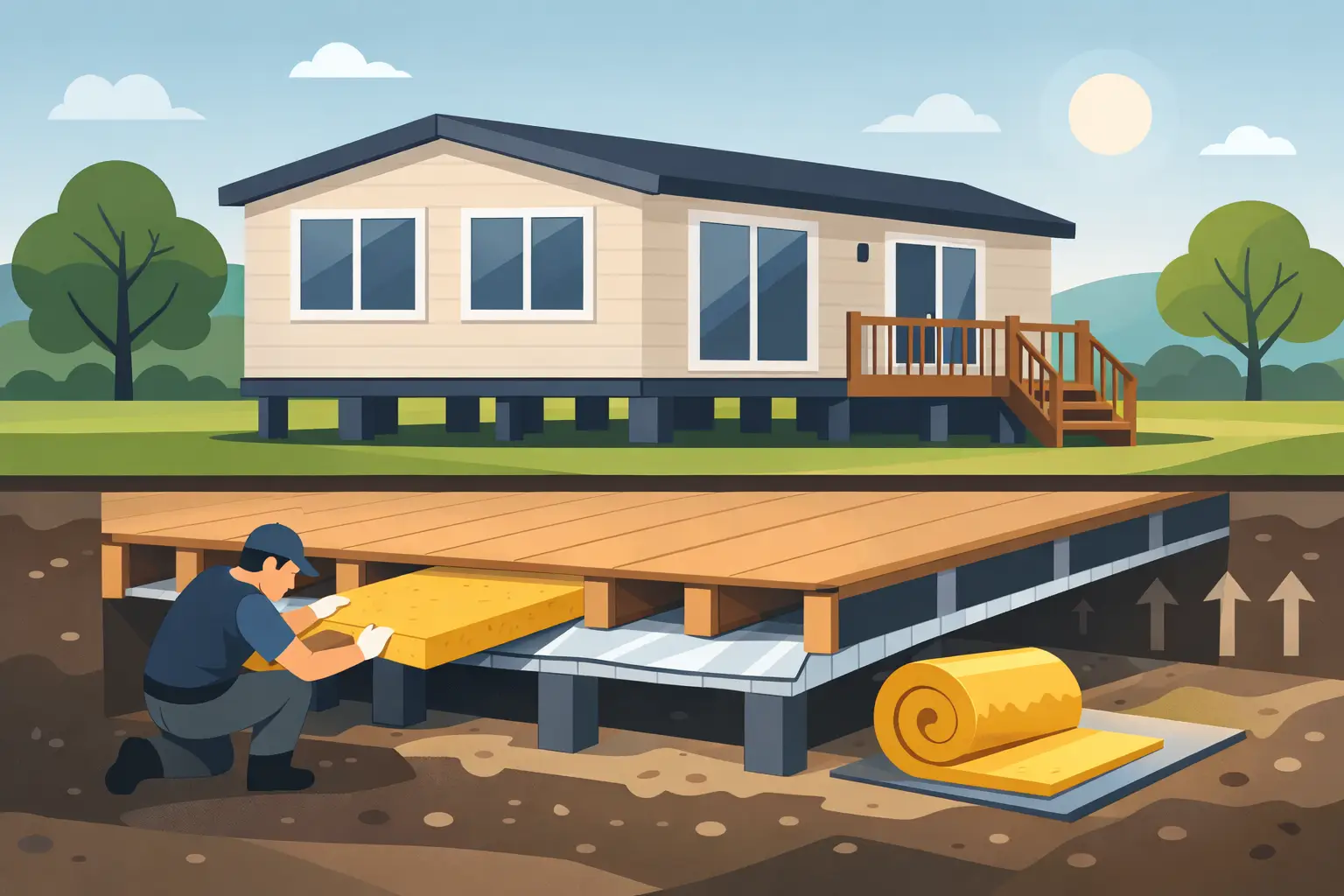
Once the condition is clear, the method depends on how the home is built and what is already in place. In many cases, the most effective approach is to fit rigid insulation board or specialist underfloor insulation between or beneath the floor joists, then secure protective boarding below it. This creates a more stable insulated layer and helps stop wind washing, where moving cold air strips heat away from the insulation.
The details matter here. Boards need to be cut and fitted accurately so there are no open gaps around edges, service entries or junctions. Loose-fitting insulation can leave cold spots and reduce the overall benefit. At the same time, ventilation to the underfloor space must still be maintained. A park home needs controlled airflow underneath. If that airflow is blocked completely, condensation and damp problems can follow.
For some homes, foil-backed insulation products may be used as part of the system, but they are not always a full answer on their own. Reflective materials can help in the right build-up, yet they still need correct installation and should not be seen as a quick fix for a badly insulated or damaged floor. What works best depends on the age of the home, access underneath and the existing construction.
There is no single product that suits every park home. The best insulation material is the one that performs well in a ventilated underfloor environment and stays effective over time. Rigid insulation boards are often chosen because they offer good thermal performance and resist sagging better than softer materials. They can also be fitted neatly within a framed system.
Mineral wool may be used in some situations, but it needs careful support and protection. If it becomes damp or starts to slump, its performance drops. In exposed underfloor spaces, that risk is worth taking seriously. This is one reason specialist installers tend to favour systems designed specifically for park homes rather than general domestic solutions.
Protective boarding is just as important as the insulation itself. The underside of the home needs a durable finish that helps shield the insulation from moisture, pests and weather exposure. If the boarding is weak, damaged or poorly fixed, the whole system is more likely to fail early.
The biggest mistake is treating a park home like a standard house extension or timber floor in a conventional property. Park homes have different structural demands, and underfloor work needs to respect those differences.
Another common problem is sealing everything too tightly. Homeowners often assume that stopping every bit of airflow underneath must be a good thing, but that can create trapped moisture and cause more harm than good. Proper insulation reduces heat loss while still allowing the home to breathe where it should.
Poor fitting is another issue. Small gaps may not look serious, but they can make a surprising difference to performance. Cold air will always find the weak points. If insulation is installed around pipework, corners and service penetrations without enough care, the floor may still feel cold even after the work is done.
Then there is the question of hidden defects. If the support jacks are unstable, the chassis is showing corrosion or the existing underfloor boarding has deteriorated, insulation alone will not solve the wider problem. This is why an experienced inspection matters. A proper job looks at the whole understructure, not just the insulation layer.
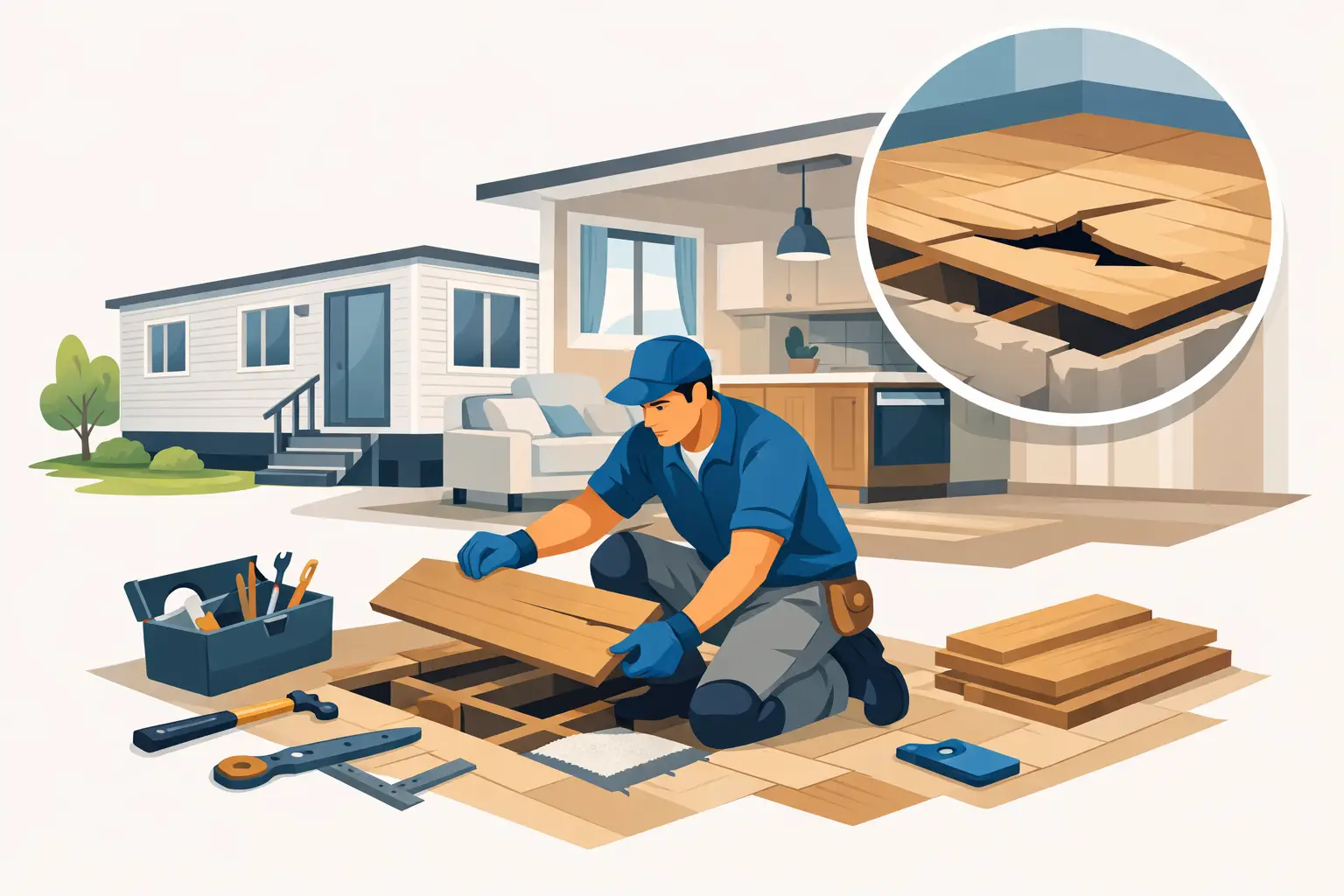
It depends on the home, the access and your confidence working underneath the structure. Some owners are comfortable carrying out minor repairs, but underfloor insulation is often more demanding than it first appears. Access can be tight, the ground conditions can be awkward and the work needs to be accurate to be worthwhile.
There are also safety and quality considerations. Pipework, ventilation, damp protection and structural elements all need to be understood before anything is removed or replaced. A DIY job that compresses insulation, blocks air paths or leaves materials exposed can lead to disappointing results or later repair costs.
For straightforward homes in good condition, some owners may attempt basic underfloor improvements. But where the home is older, draughts are severe or there are signs of movement or damp, specialist help is usually the better option. In practice, the best results come from a system that has been designed around the structure rather than improvised on the day.
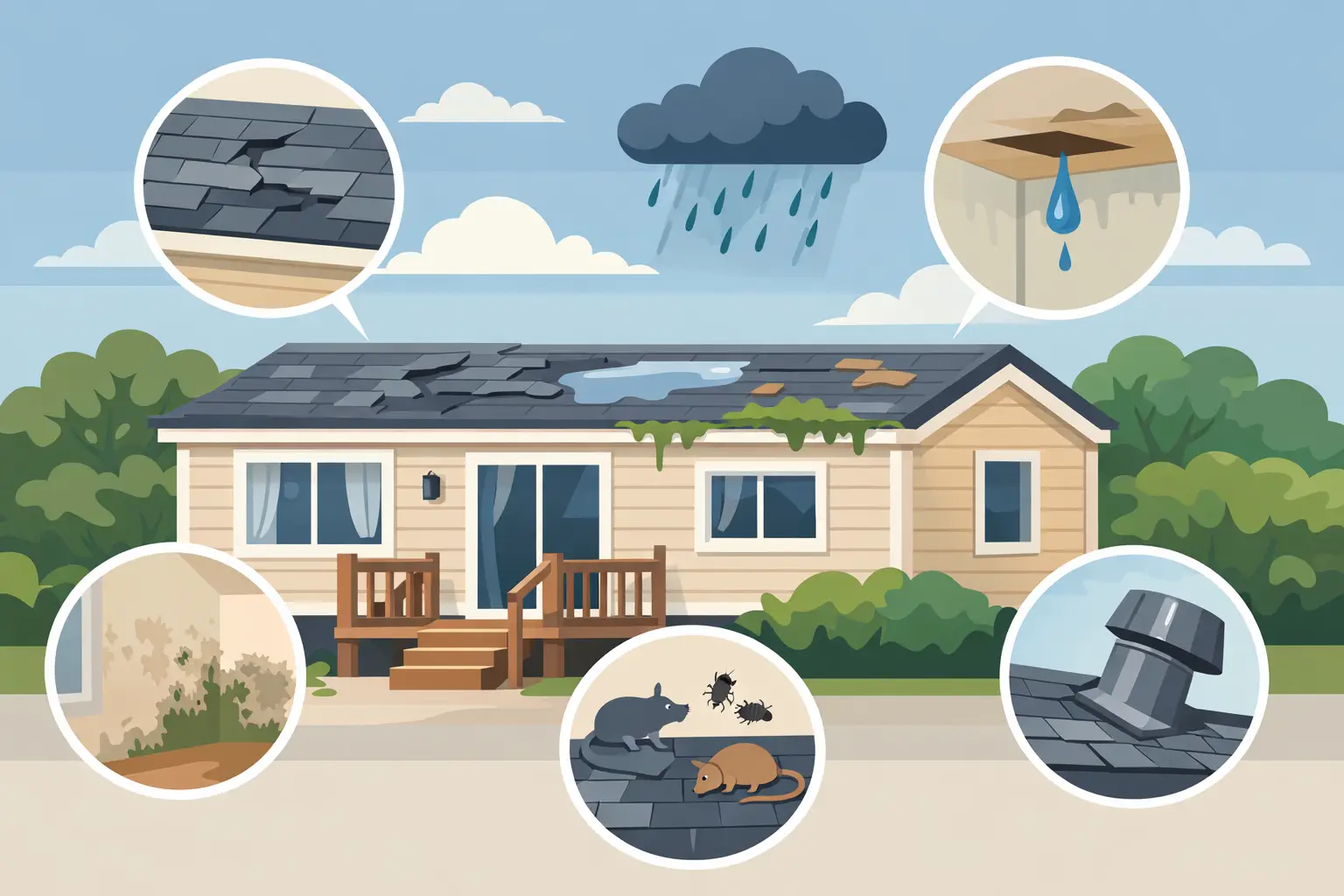
You do not always need to look underneath the home to know something is wrong. Persistent cold underfoot, rising heating bills and draughts around the base of internal walls are often early signs. Floors that feel particularly cold in one room may point to missing or failed insulation in a localised area.
A musty smell, visible damp patches or signs of rodents under the home also suggest the underfloor area needs inspection. If the home is older and has never had insulation upgraded, there is a fair chance the original materials are no longer performing as they should.
Many owners notice the difference most in winter mornings. The heating may be on, but the floor still feels uncomfortable and the warmth does not seem to hold. That usually means heat is escaping faster than it should through the underside.
Park home refurbishment is a specialist trade for a reason. The materials, access requirements and ventilation needs are not the same as those in traditional housing. Getting the insulation right means understanding the whole underside of the property, from the chassis and supports to the boarding and moisture control.
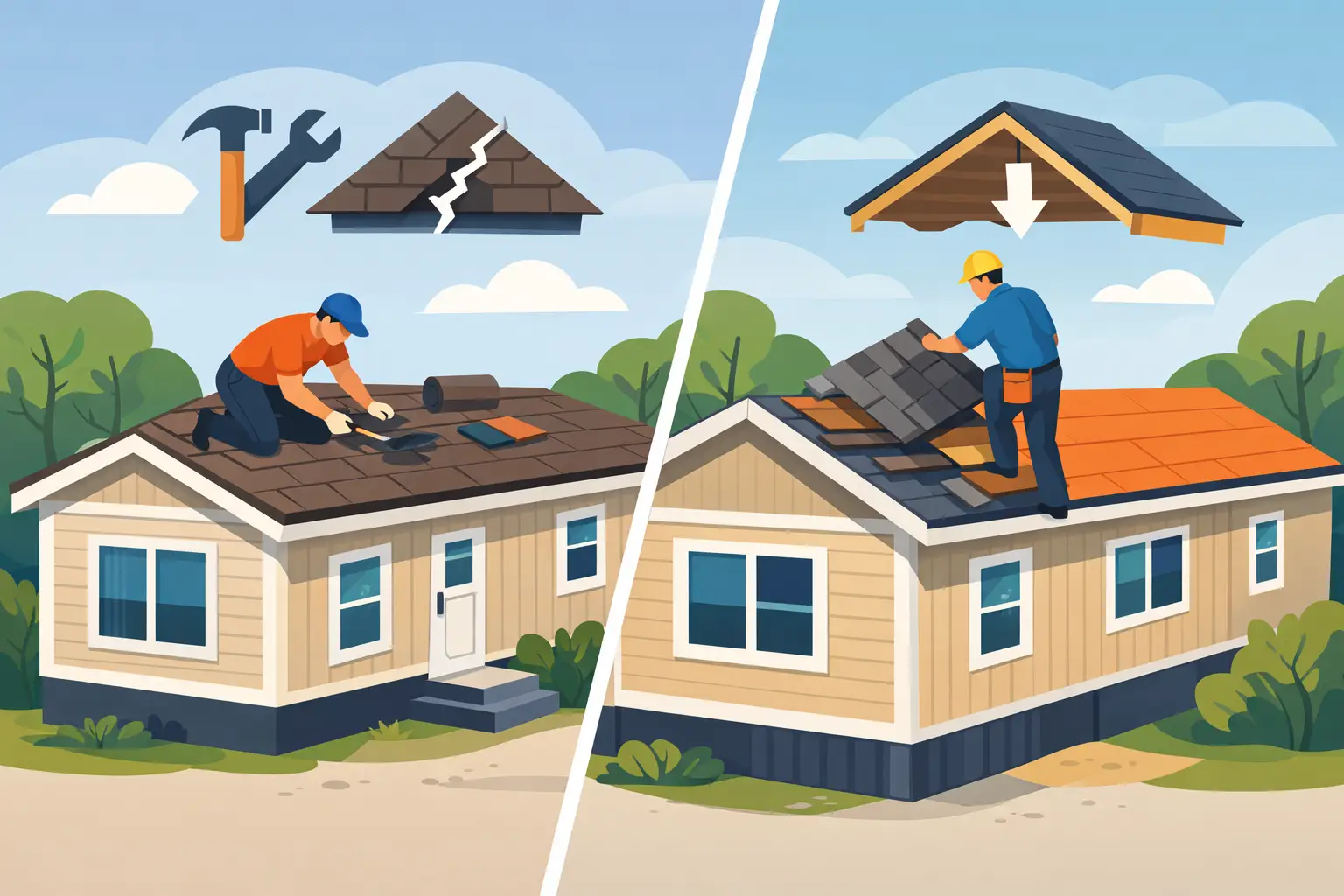
That is where experienced park home contractors bring real value. They can identify whether the issue is simply insulation failure or part of a wider problem involving the subfloor, supports or exterior condition. Companies such as New Look Park Homes work specifically on these types of properties, which matters when you want a repair or upgrade that lasts rather than a short-term patch.
A properly insulated floor should leave the home feeling warmer, steadier and more economical to run. Just as importantly, it should be fitted in a way that protects the structure underneath instead of creating new problems. If your floors are cold now, the right time to act is before another winter settles in beneath the home.