A park home that feels cold underfoot, shows staining around a ceiling joint or has tired cladding is not necessarily reaching the end of its life. These are often signs that maintenance or refurbishment is due. Park home lifespan is not decided by one date on a certificate. It is shaped by the home’s original build quality, its location, how quickly small defects are addressed and the standard of work carried out over the years.
For many owners, this matters because a park home is not simply a place to live. It is their long-term home, comfort and investment. Looking after the structure before water, draughts or movement cause wider damage is usually the most sensible and cost-effective route.
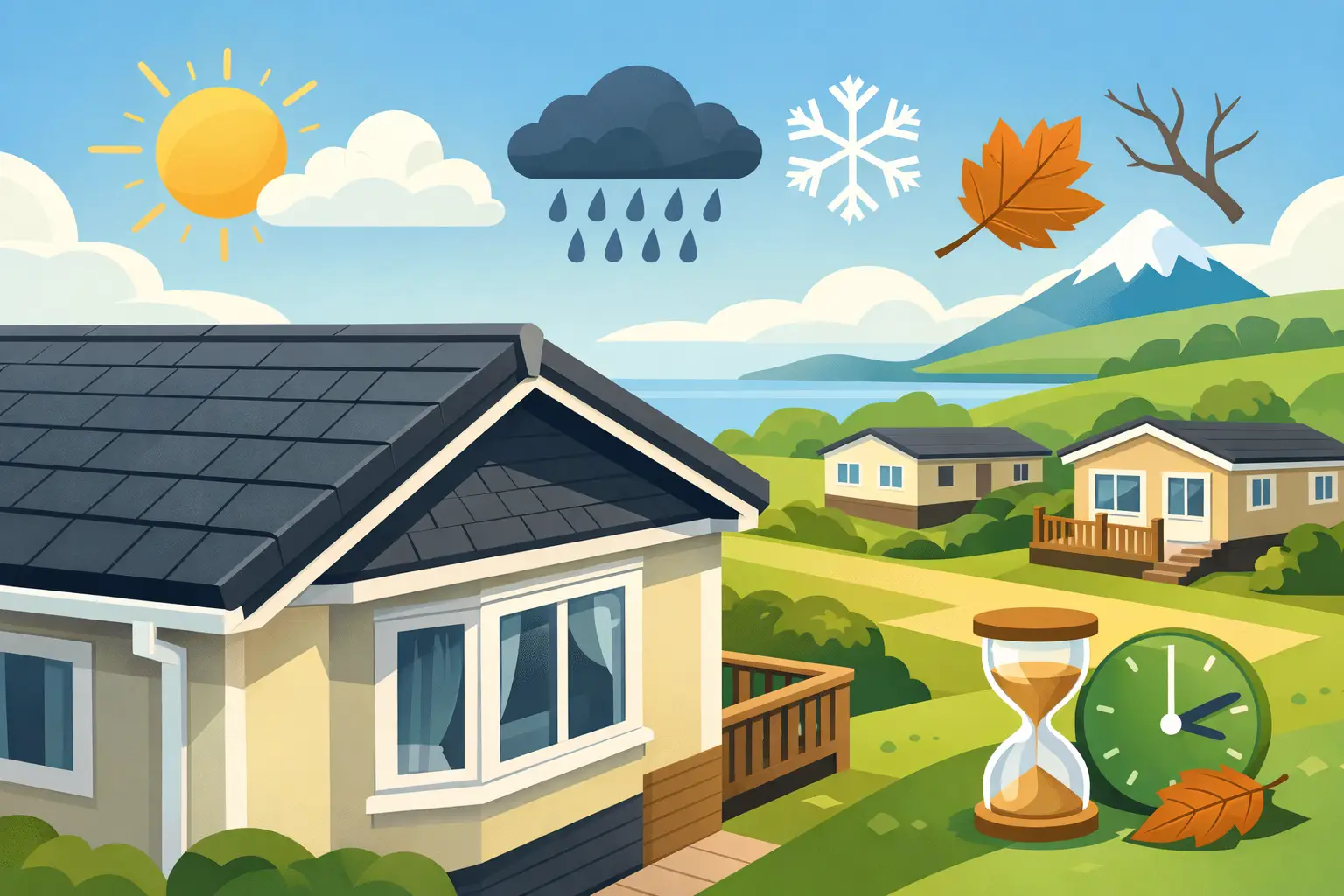
There is no single answer that applies to every park home. Some homes will have a stated design life of around 60 years, but this should not be treated as an automatic end date. A well-maintained home may remain safe, attractive and comfortable beyond that point, while a neglected home can need major work much earlier.
The practical question is not simply how old the home is. It is whether its key components are still doing their job. The roof must keep water out, the external envelope must protect the structure, insulation must control heat loss, and the chassis and supports must remain sound and properly positioned.
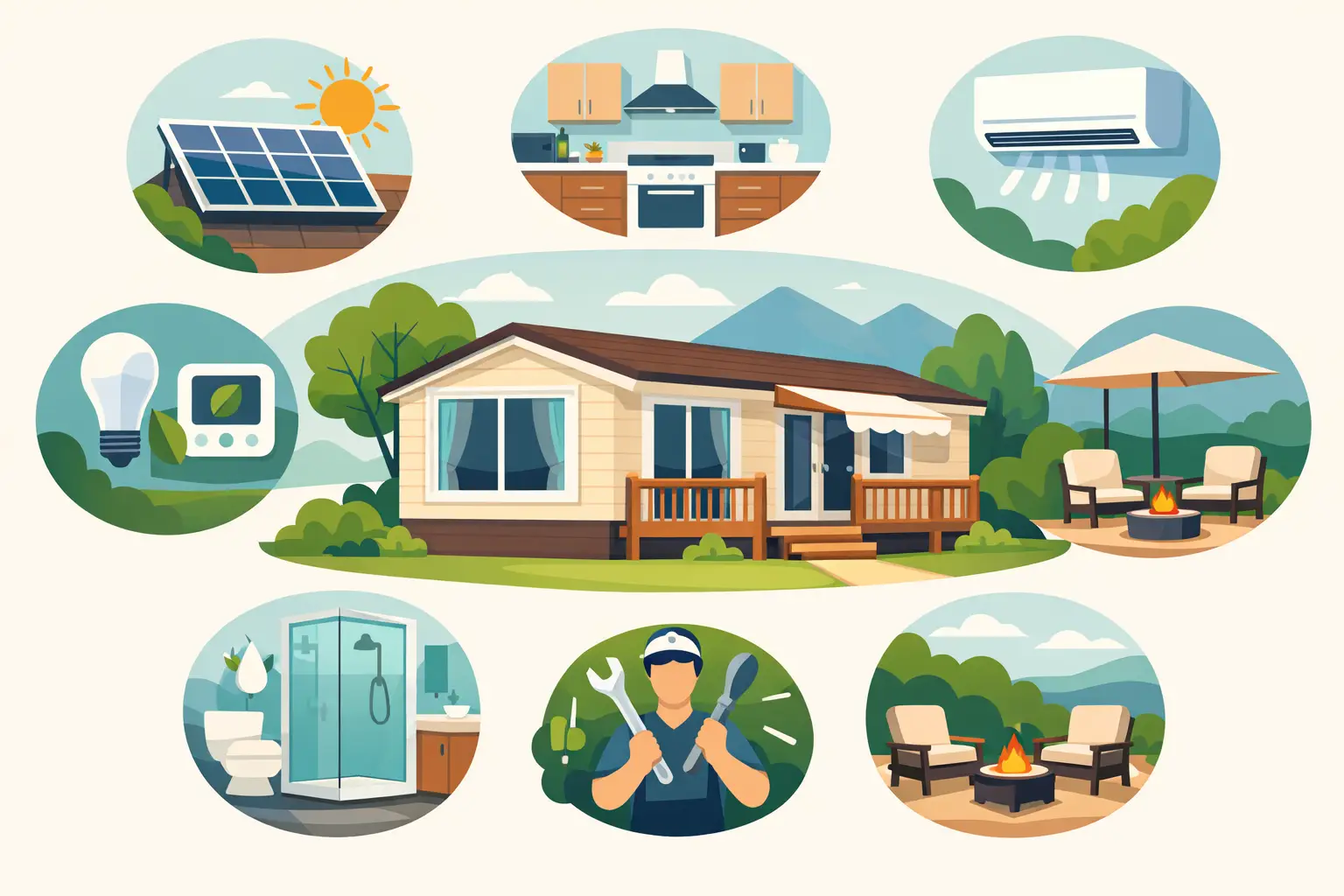
Older park homes can be particularly rewarding refurbishment projects. They may have a solid basis but lack the insulation, cladding condition, bathroom fittings or roof protection expected today. Targeted upgrades can make a noticeable difference to everyday comfort without replacing the home itself.
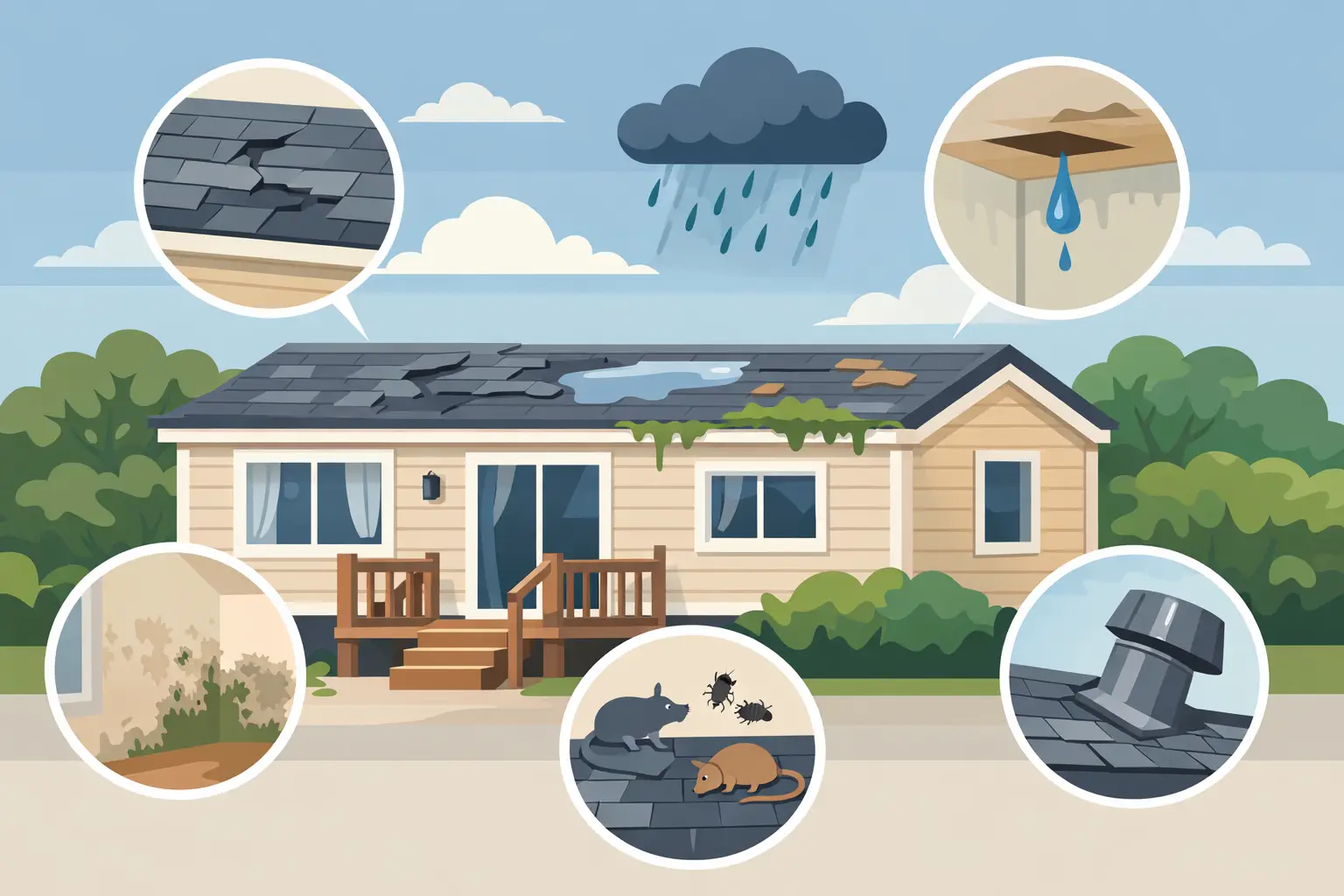
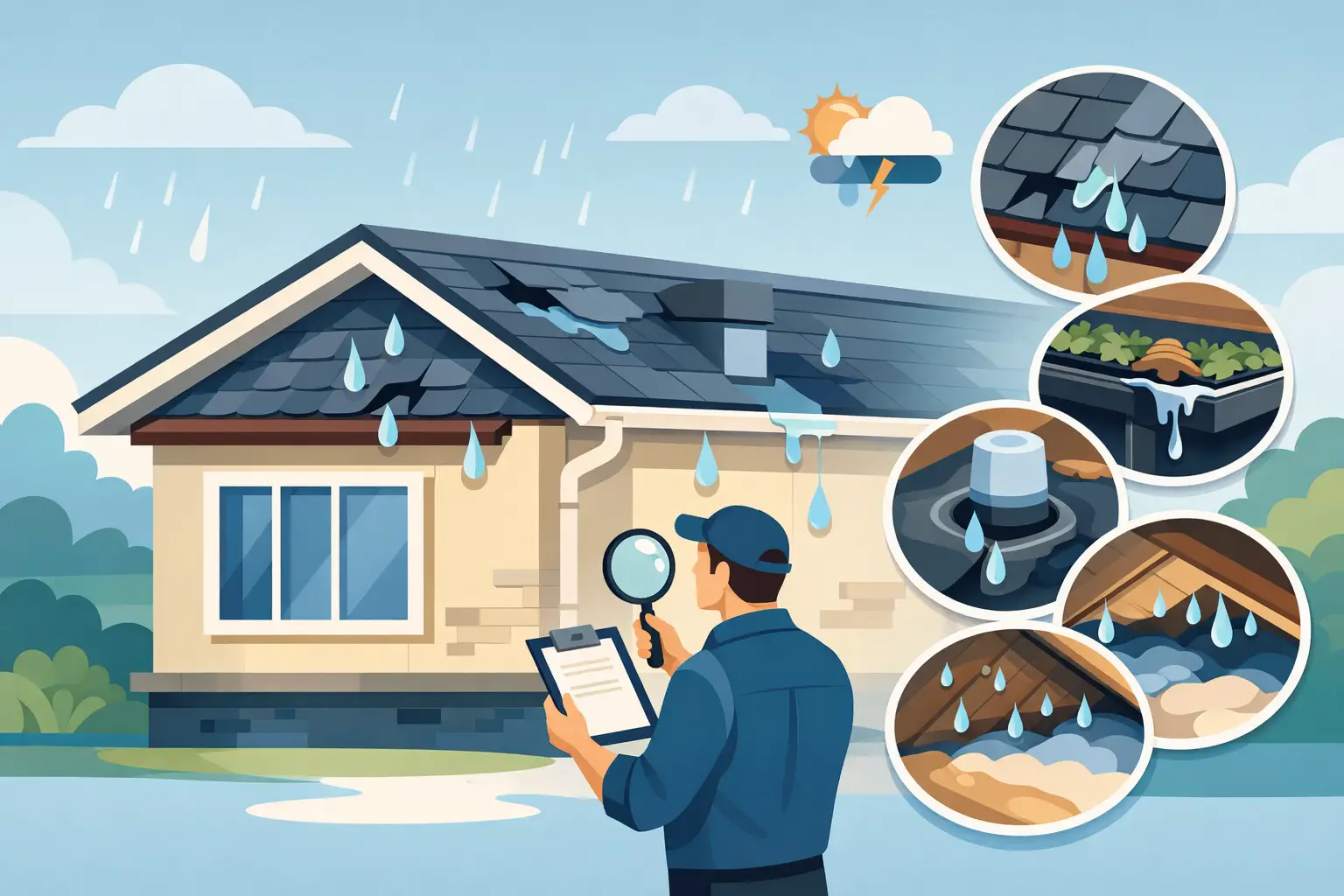
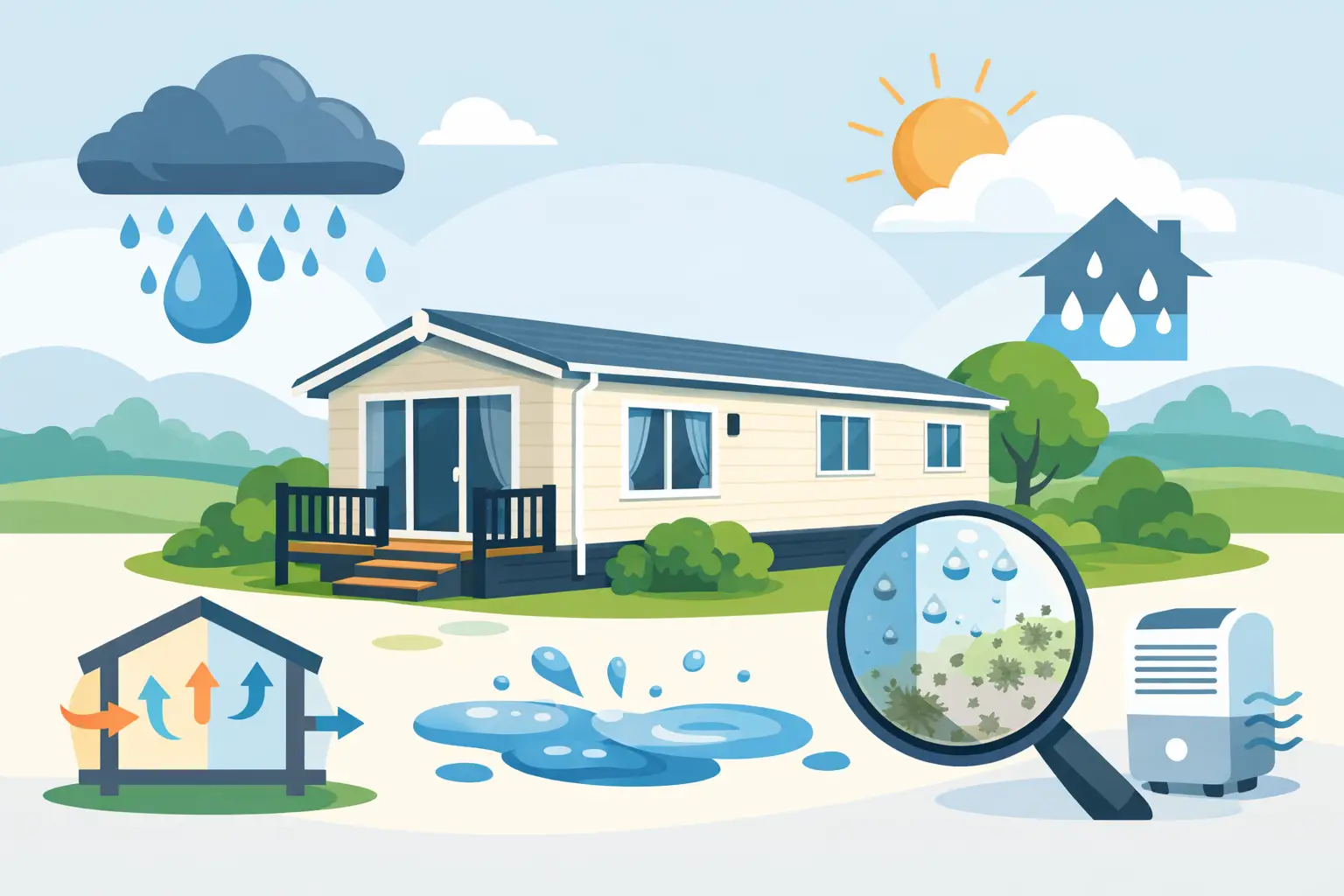
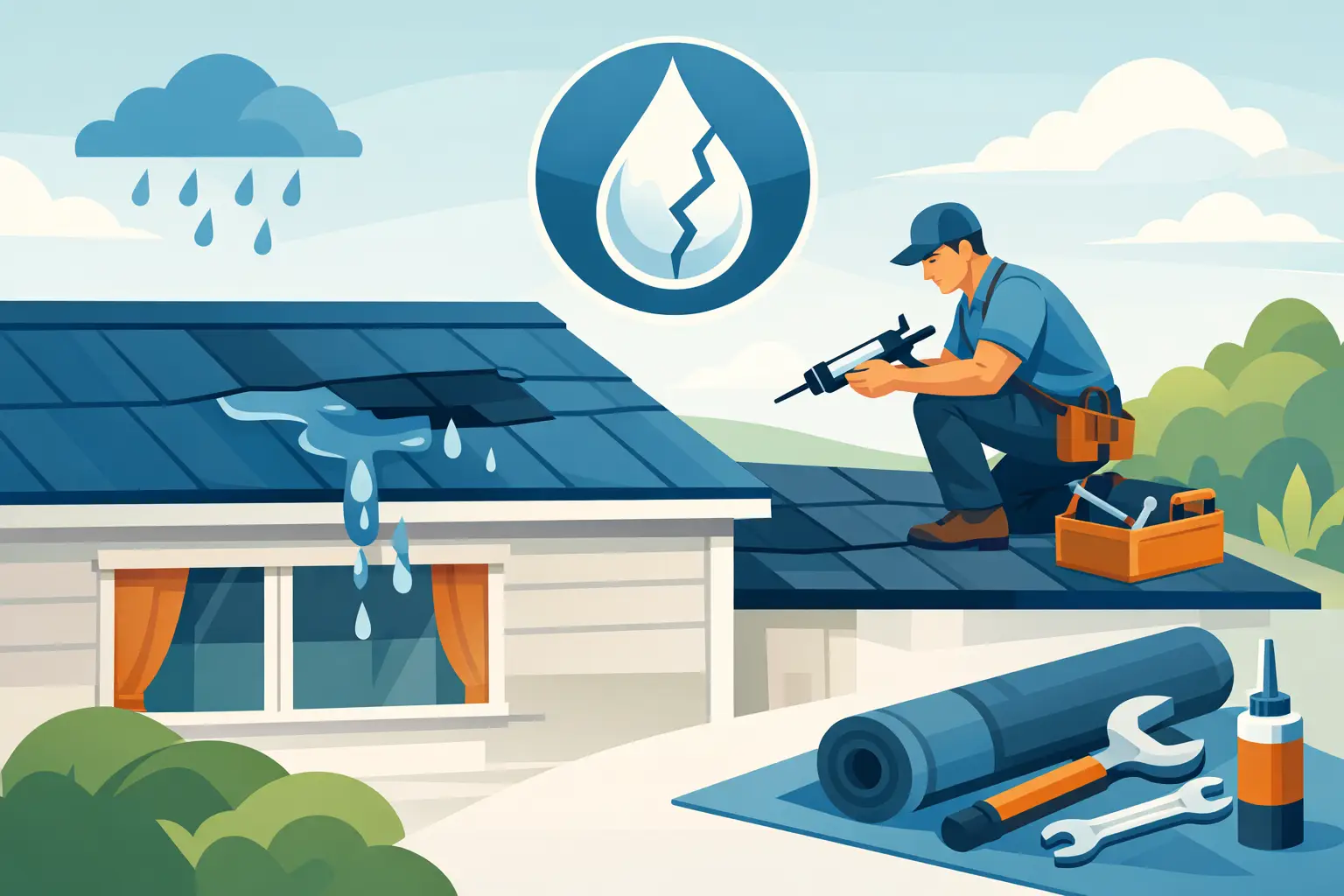
Water is the biggest enemy of any park home. A small roof leak, failed seal around a window or damaged joint in cladding can allow moisture into timber elements that should remain dry. Left alone, this can lead to soft areas, mould, deterioration and a much larger repair bill. Regular inspection is far less disruptive than waiting for an obvious internal leak.
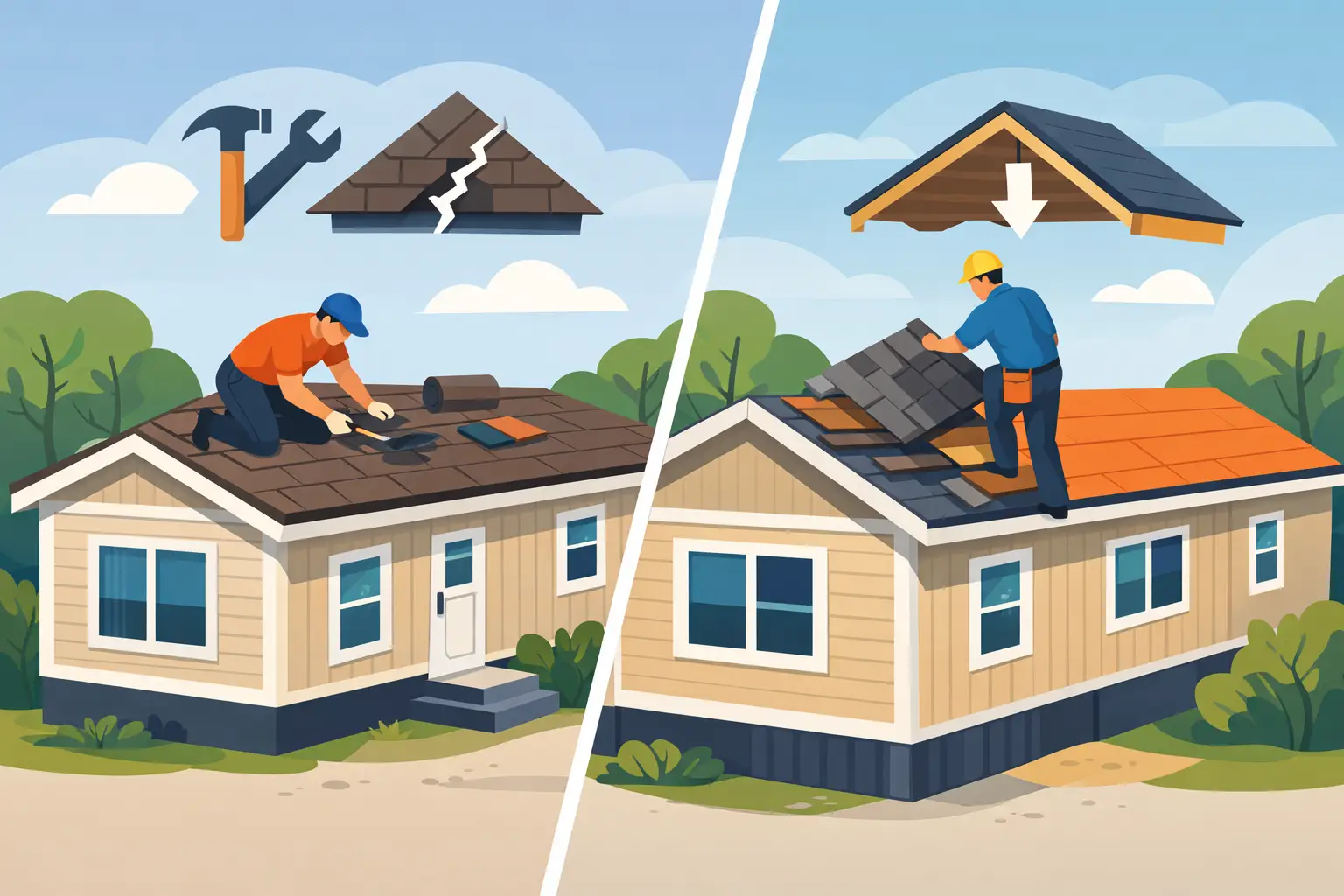
The condition of the roof has a direct bearing on the whole property. Roof coverings, flashings, gutters and drainage all need attention over time. Moss build-up, cracked seals, loose edging and standing water are not cosmetic details. They are early warnings that the weatherproof layer may be compromised.
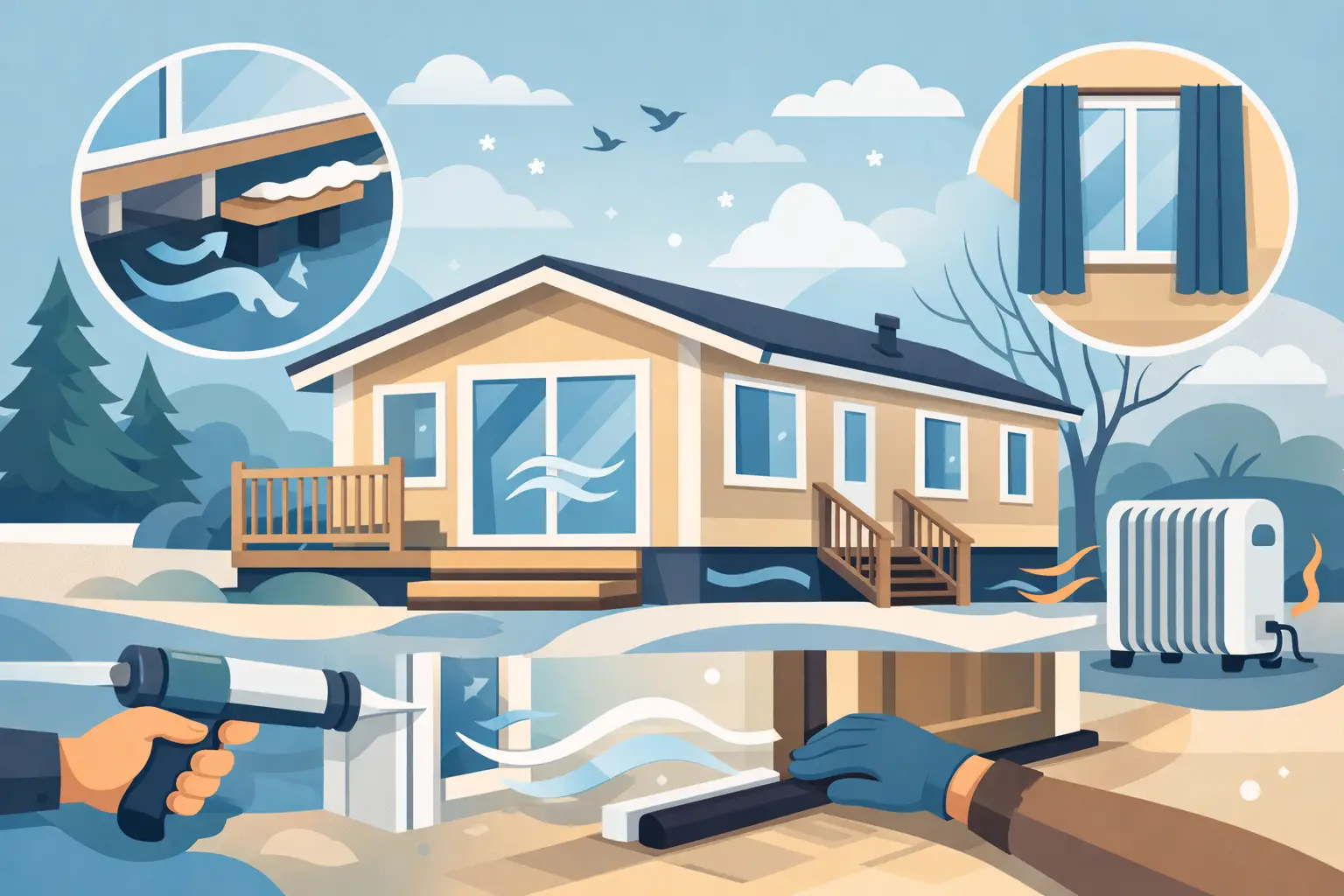
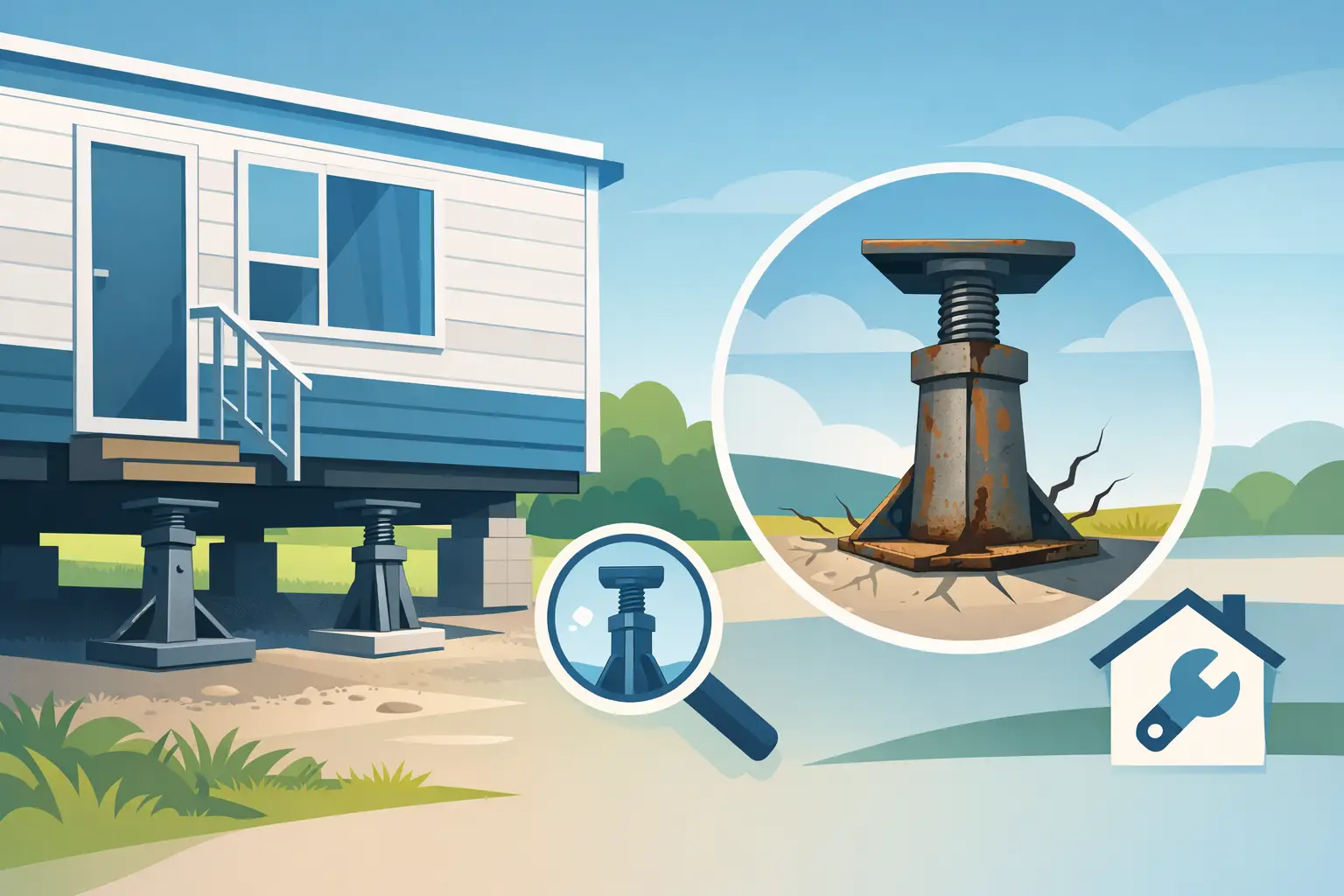
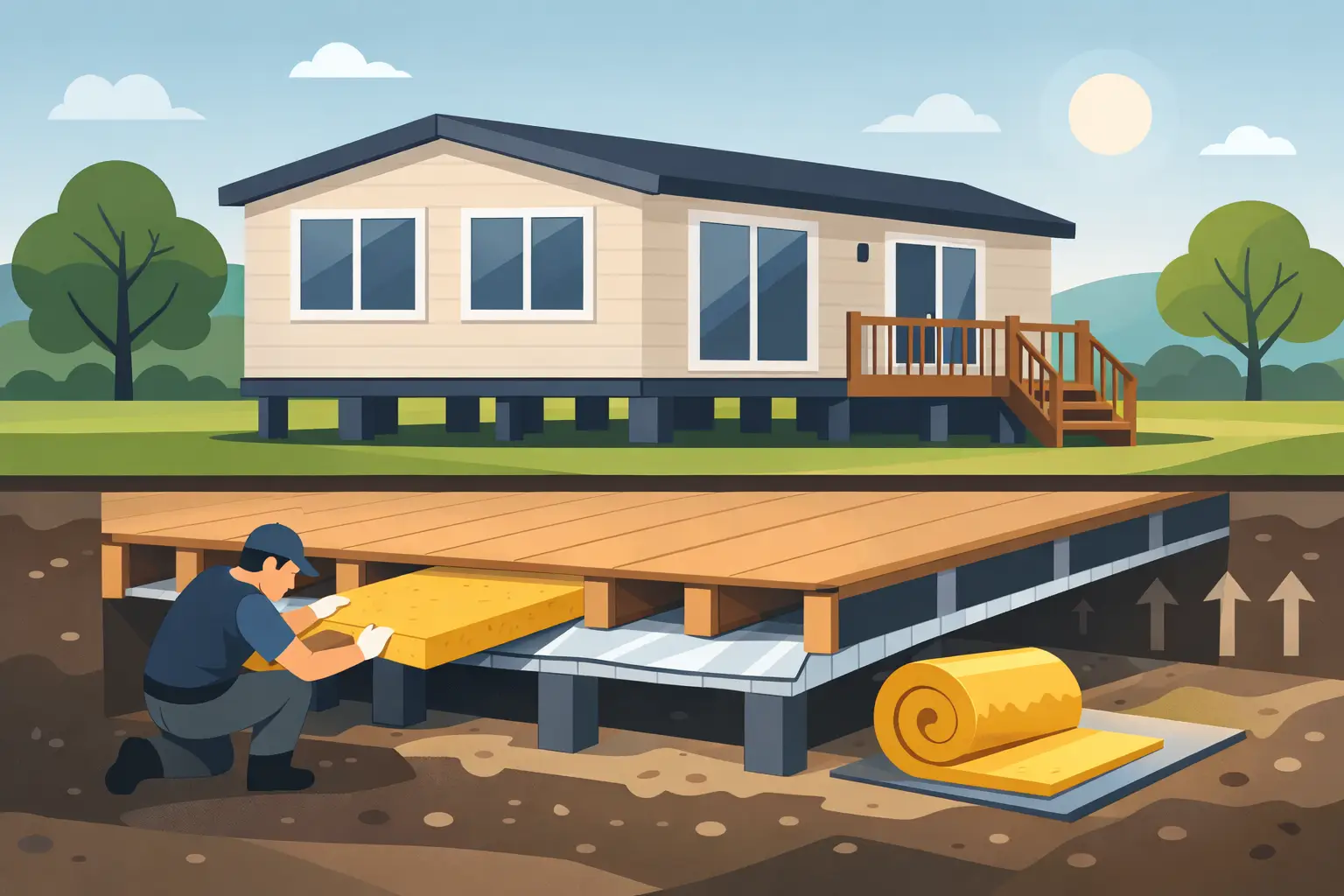
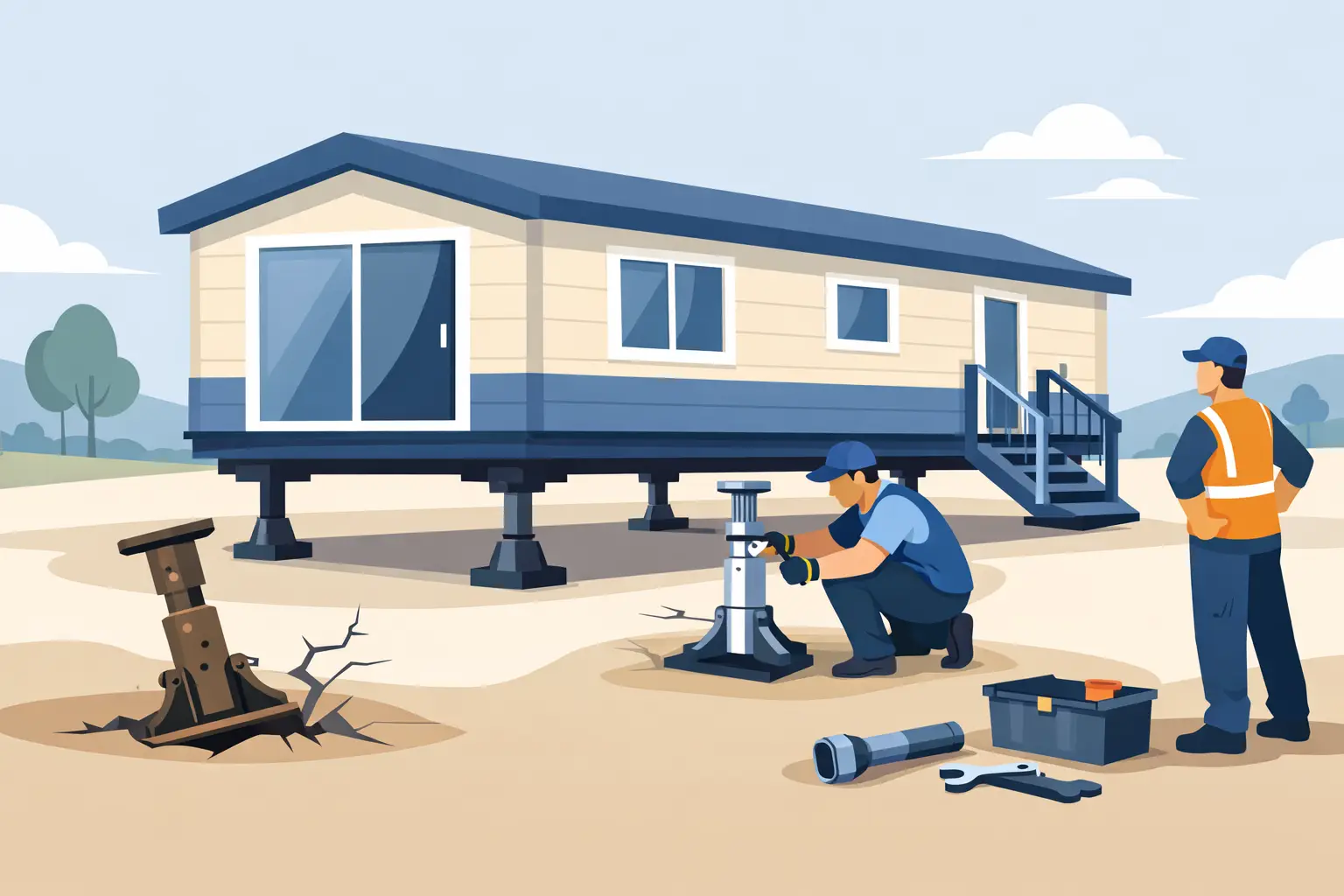
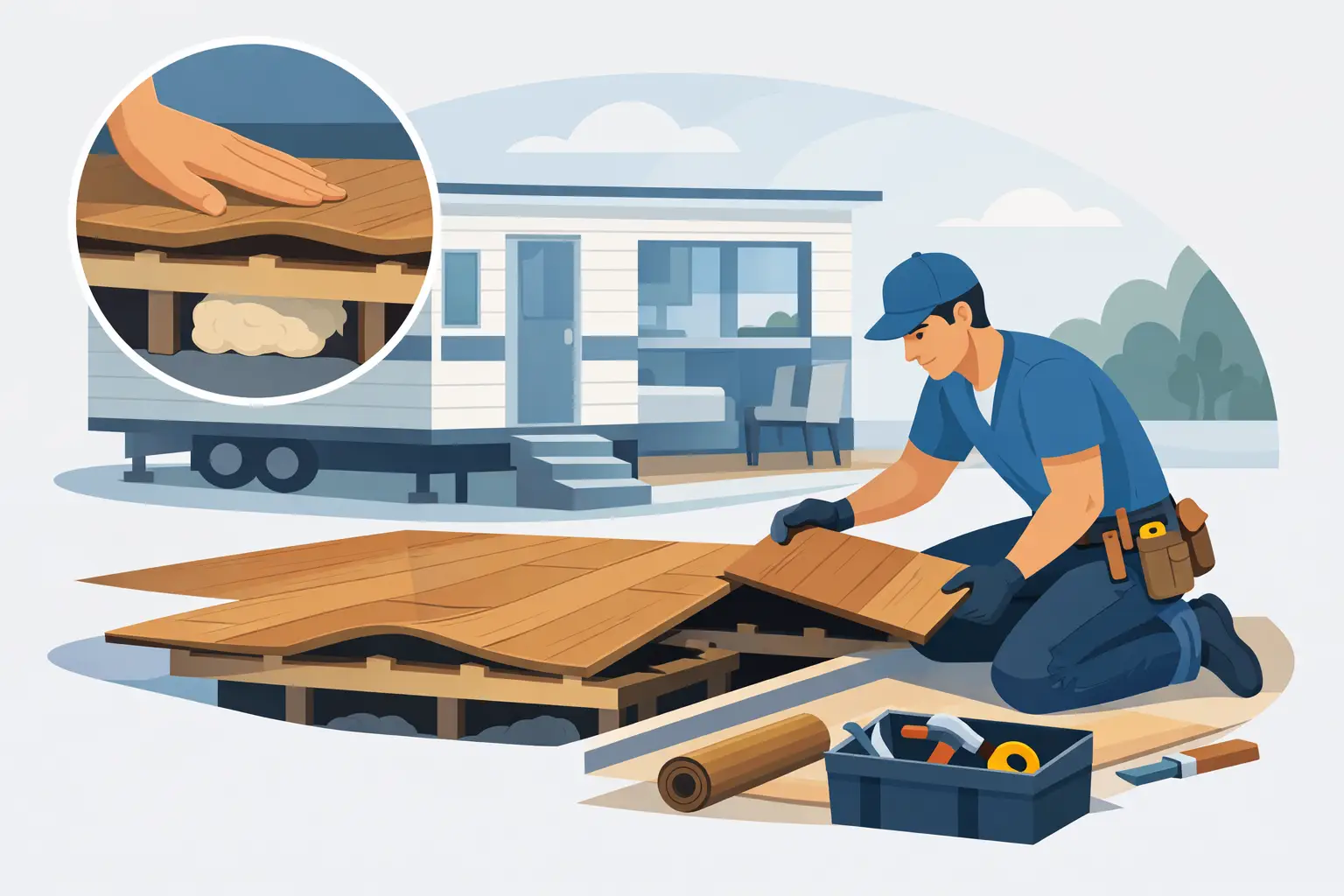
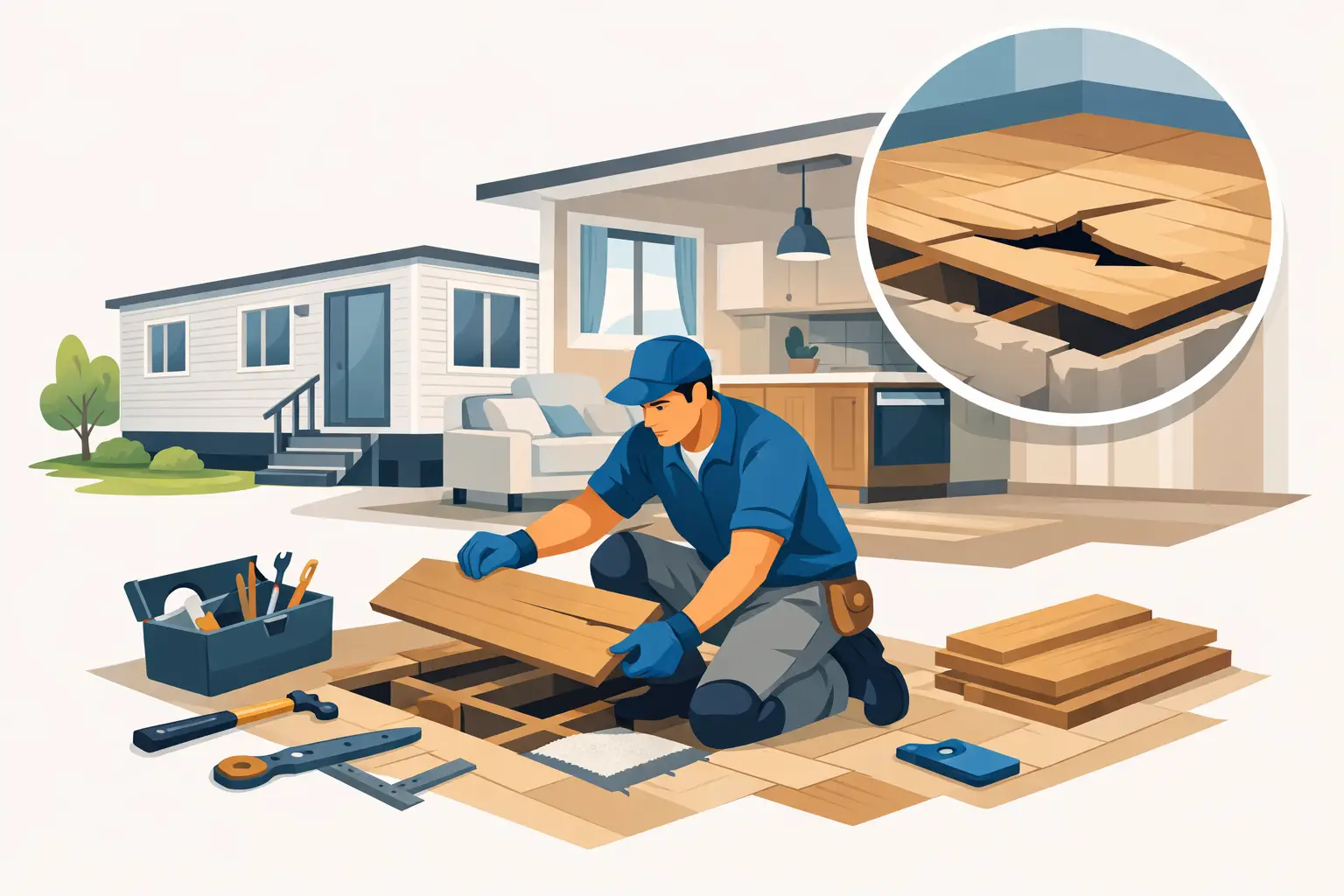
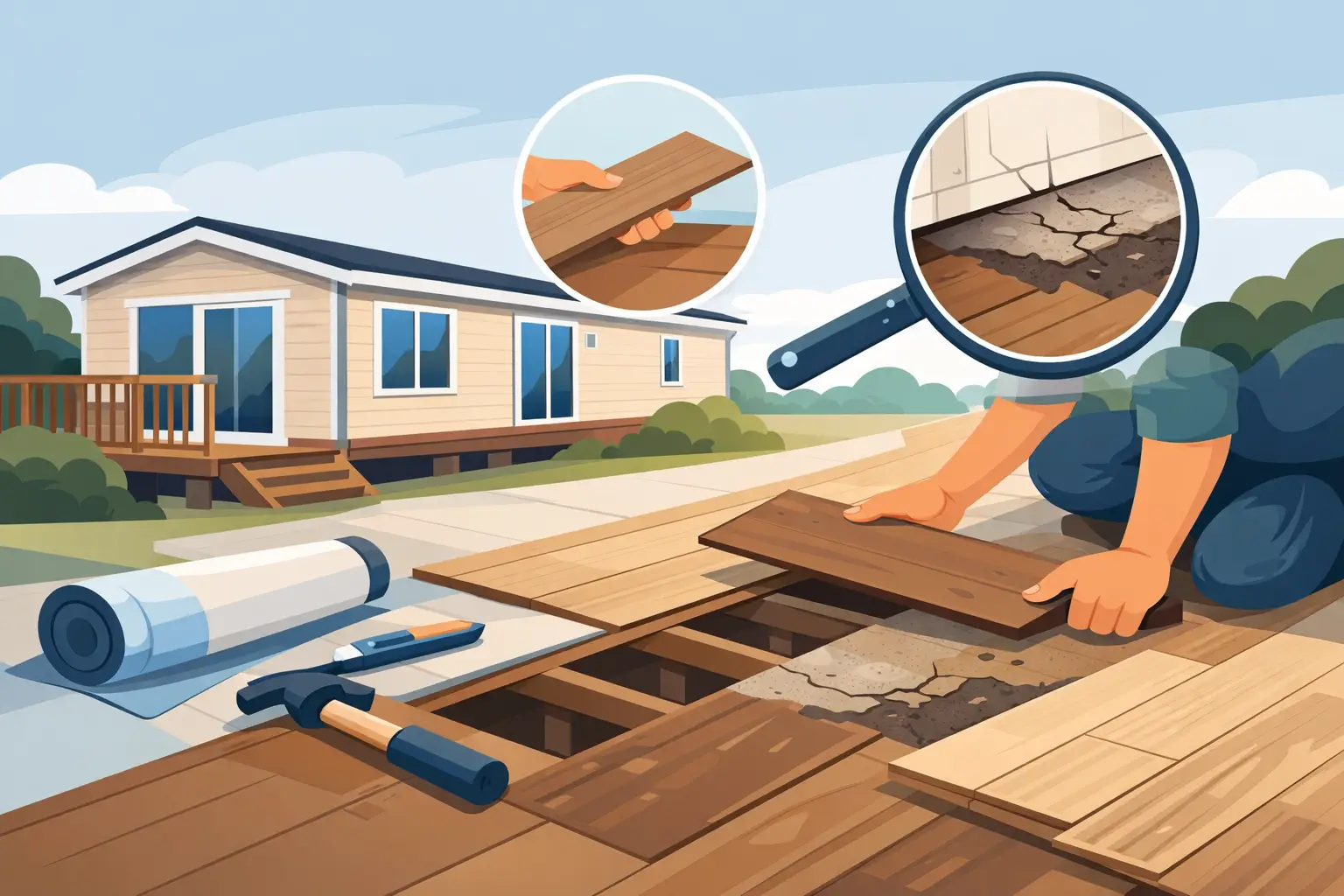
Underfloor conditions matter just as much, although they are easier to overlook. Park homes are raised from the ground and rely on the chassis, support jacks and underfloor structure to remain stable. Ground movement, corroded steelwork, poor ventilation, damaged insulation or ageing supports can affect warmth, stability and confidence in the home. A draughty floor may point to insulation that has deteriorated, gaps in the underfloor protection, or a combination of both.
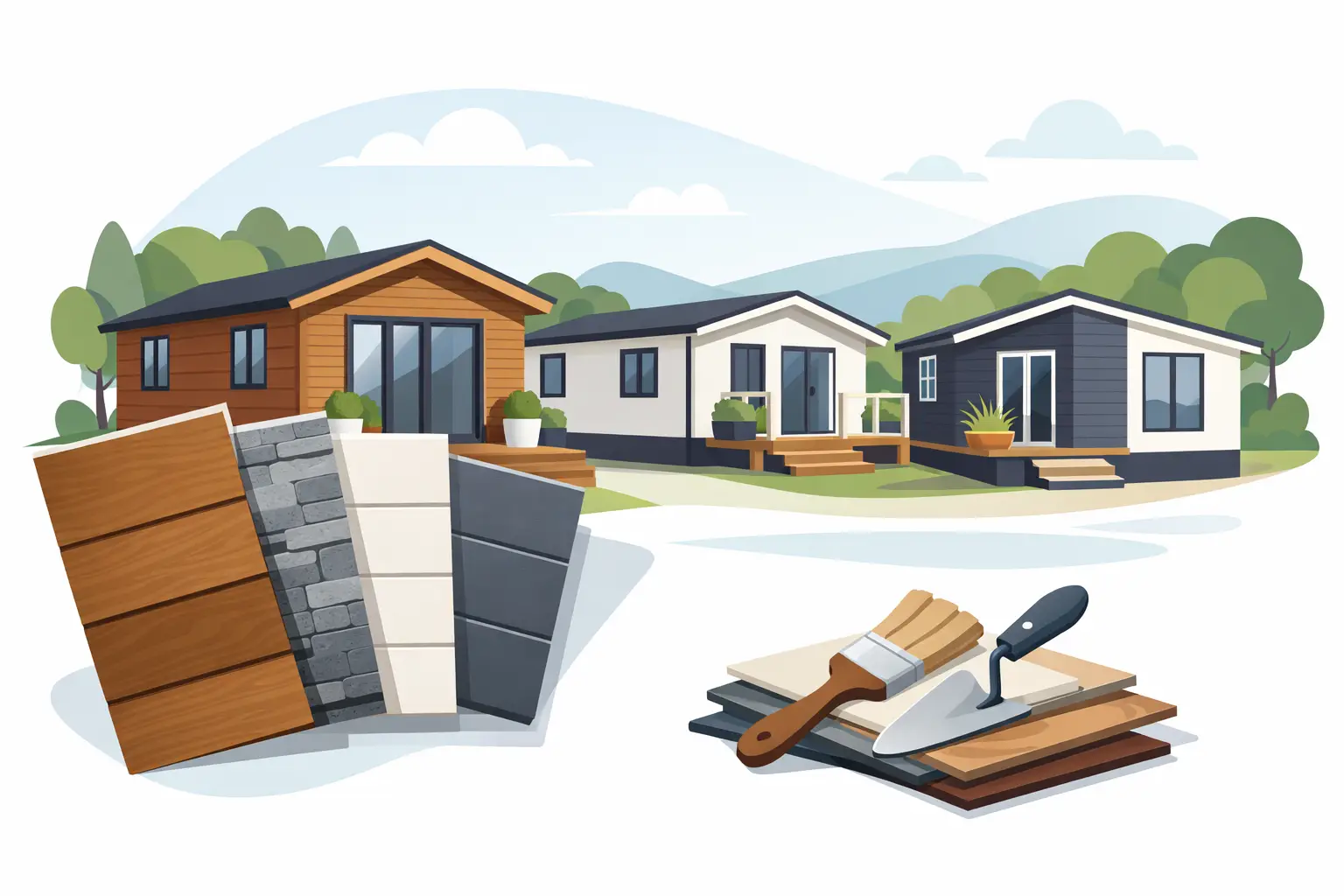
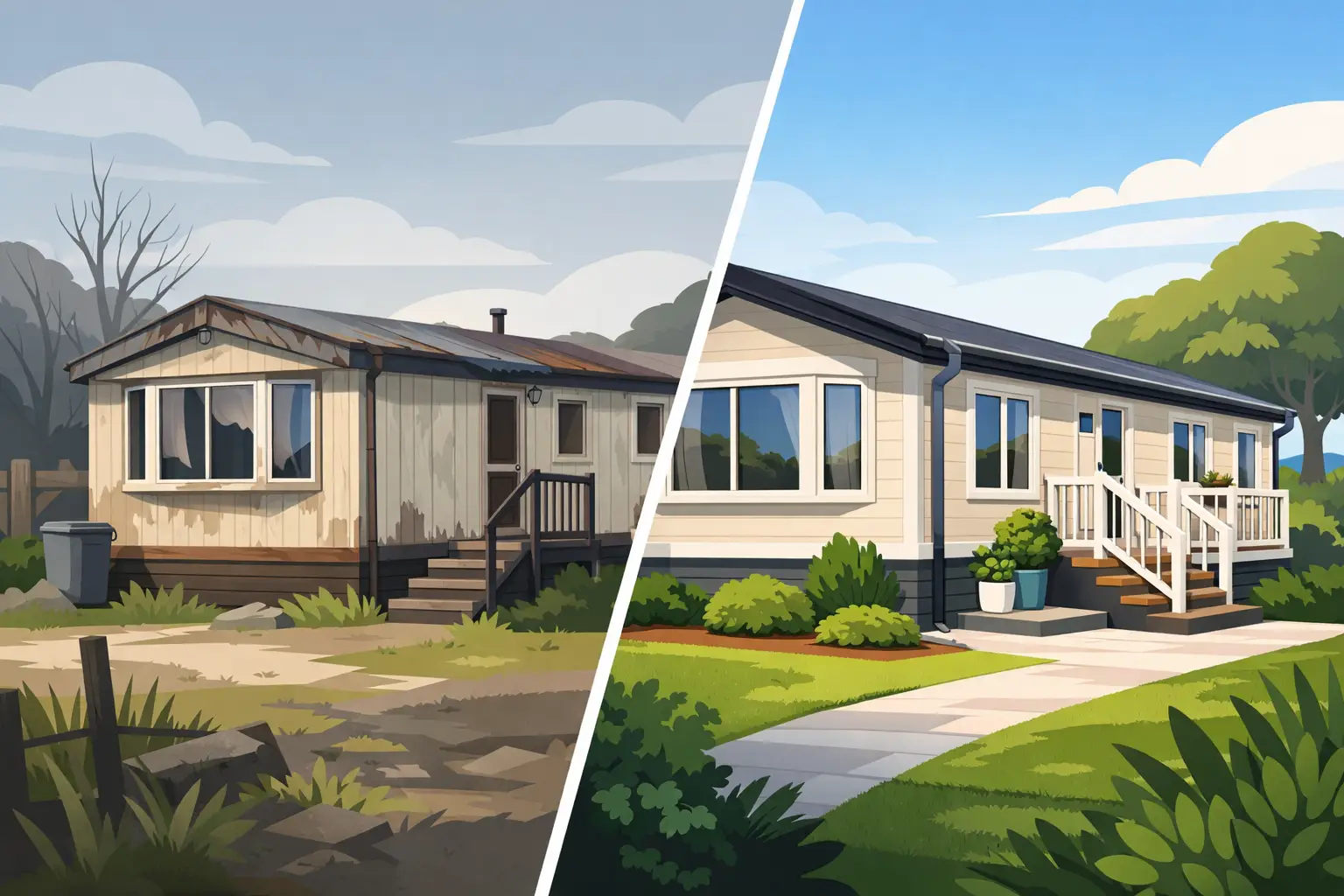
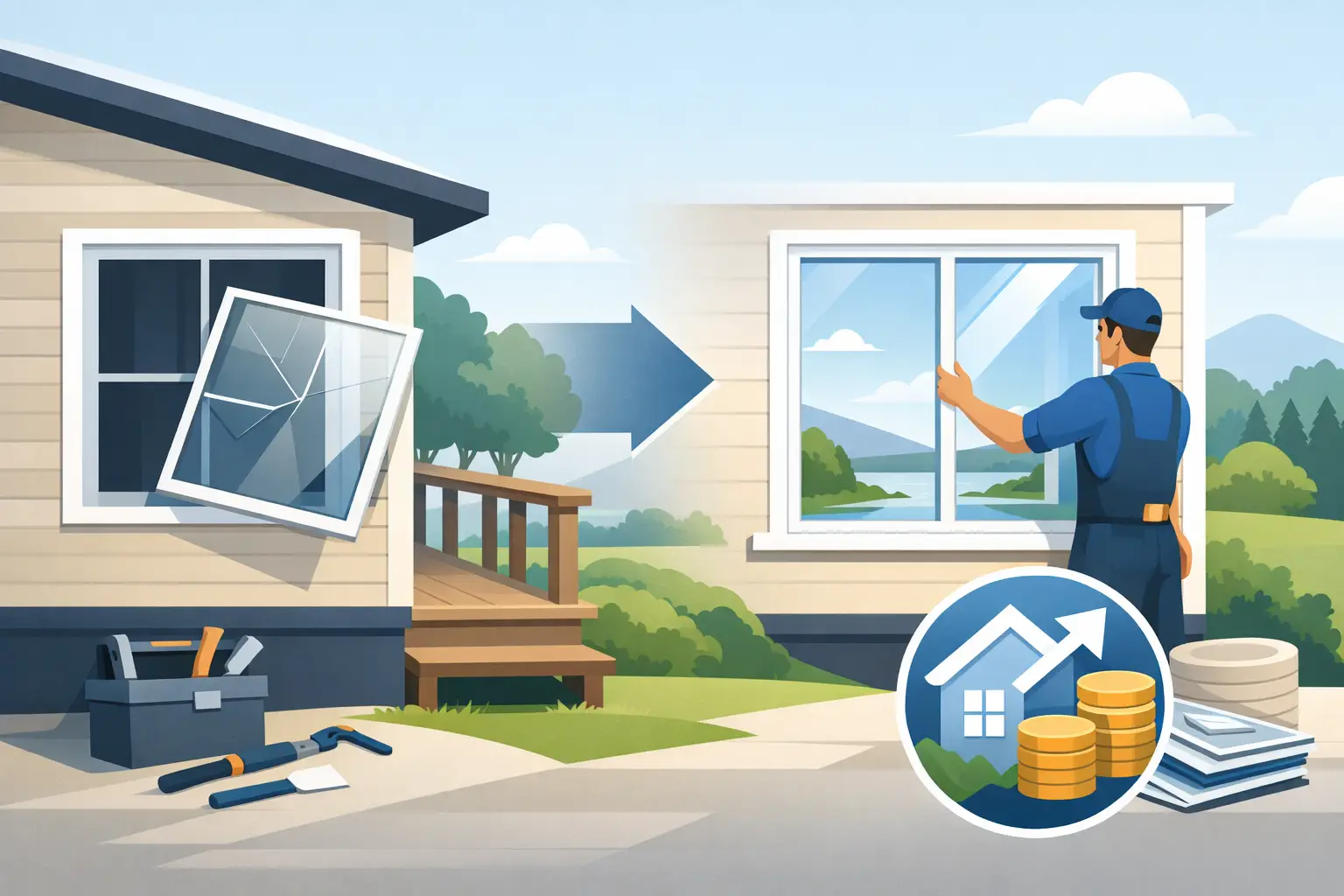
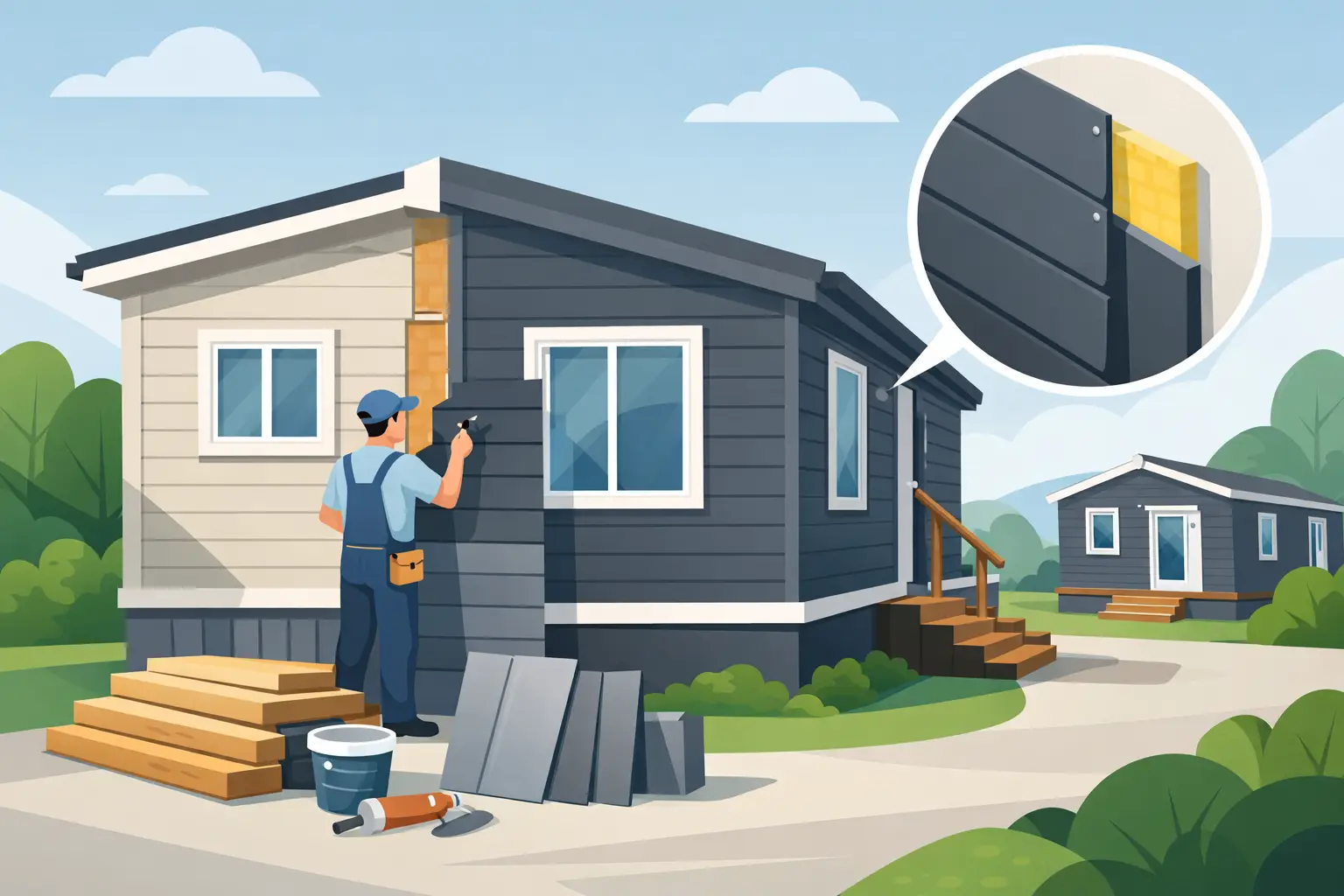
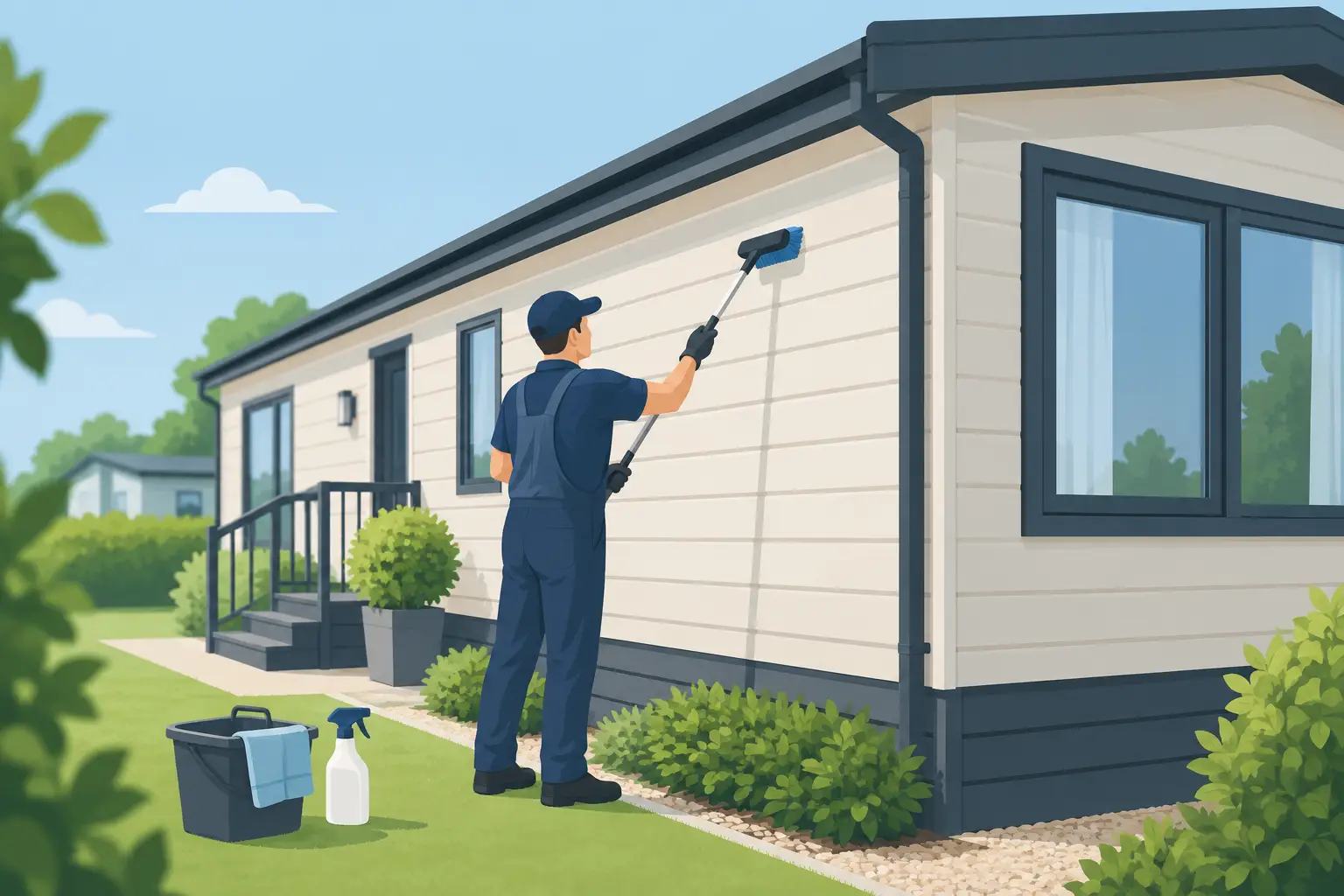
External cladding also earns its keep every day. It protects the walls from rain and wind while contributing greatly to the home’s appearance. Faded, cracked or loose cladding can allow problems to develop behind the surface. Re-cladding is sometimes chosen for a fresh look, but it can also be a practical opportunity to improve insulation and weather resistance.
Location plays a part too. Homes in exposed coastal areas, open rural parks or places with driving rain and strong winds can face greater weathering. Trees close to the home may increase moss, blocked gutters and leaf build-up. None of this means a home cannot last well, but it does mean its maintenance plan should reflect its surroundings.
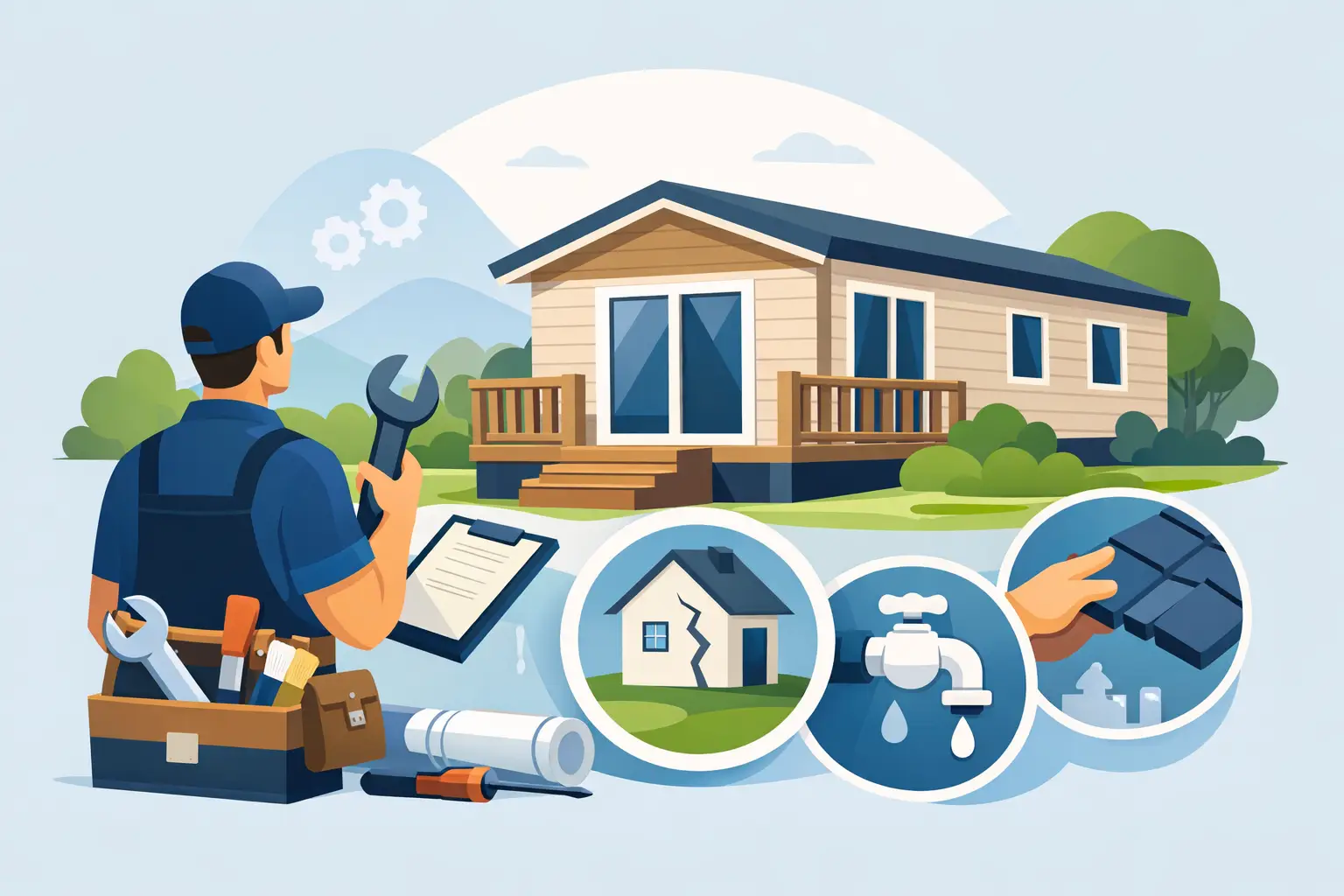
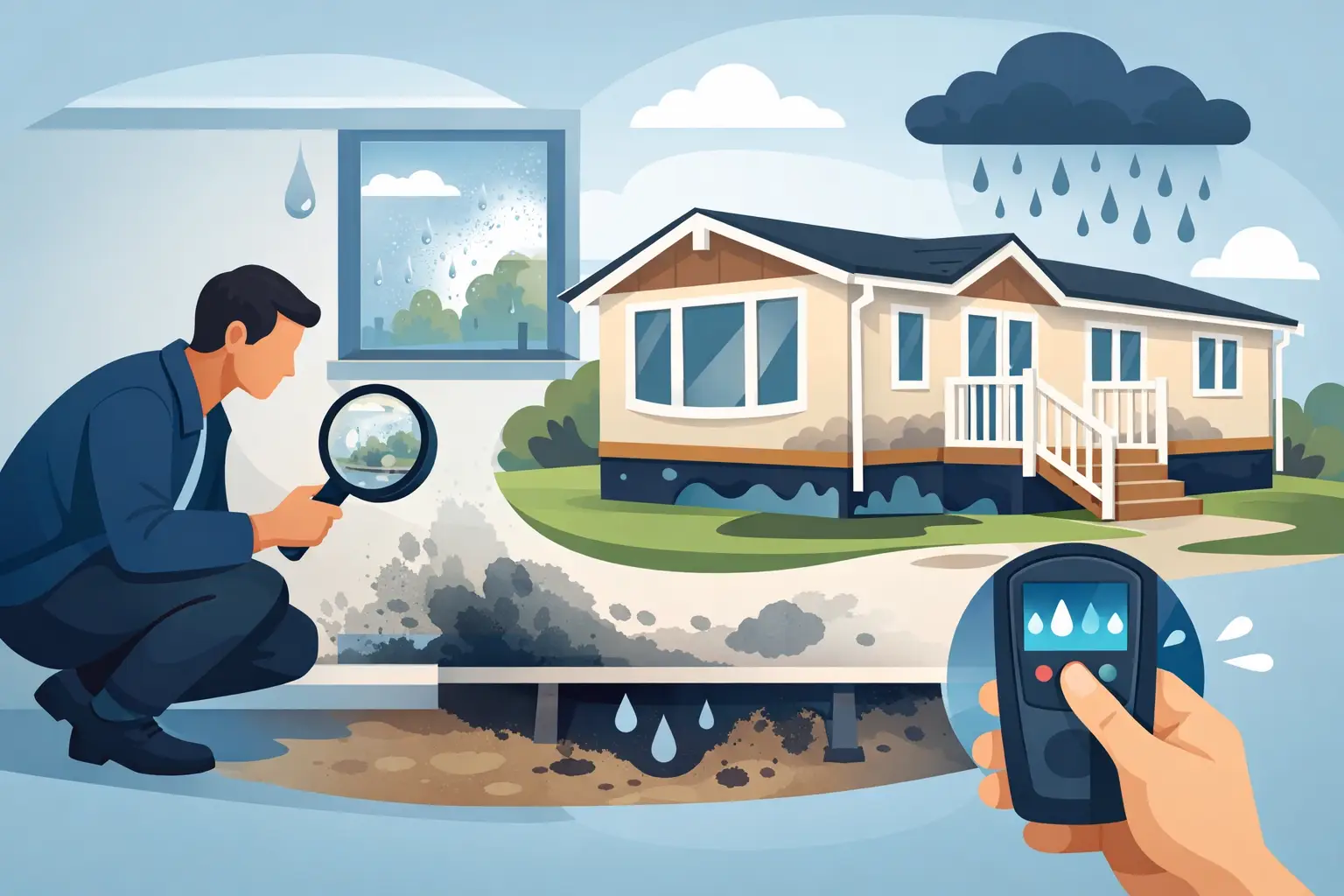
A proper assessment looks beyond what can be seen from the driveway. Owners should take action when they notice persistent damp smells, discoloured ceilings or walls, springy flooring, visible cracking, failing seals, cold rooms or increased condensation. Changes in doors and windows can also be relevant. If they begin sticking, gaps appear around frames or internal finishes crack, it is worth checking whether movement or moisture is involved.
Outside, look for damaged cladding, staining beneath gutters, overflowing rainwater goods, loose roof trims and sagging or uneven areas. Underneath the home, corroded chassis sections, deteriorated insulation and support jacks that need adjustment or replacement should be dealt with by people who understand park home construction.
Not every issue calls for a full refurbishment. A local repair may be enough if the cause has been found early. Equally, patching over several connected problems can be false economy. For example, replacing a damaged section of cladding without resolving trapped moisture or poor insulation behind it may only delay further work.
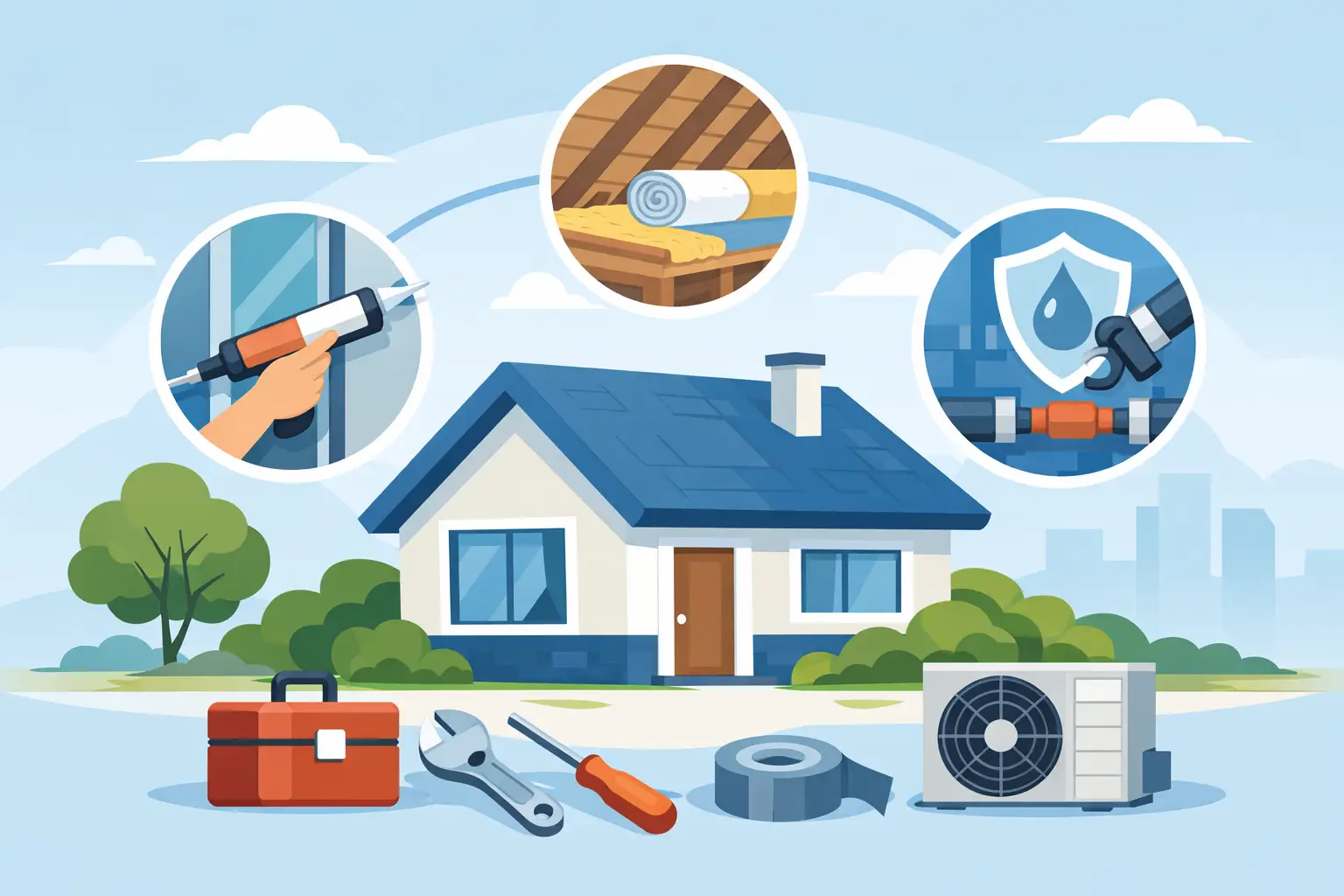
The most effective projects deal with the cause of deterioration as well as the visible symptom. Roofing repairs or replacement protect the entire structure from further water ingress. Where a roof is approaching the end of its useful service, a planned replacement is usually preferable to repeated emergency repairs.
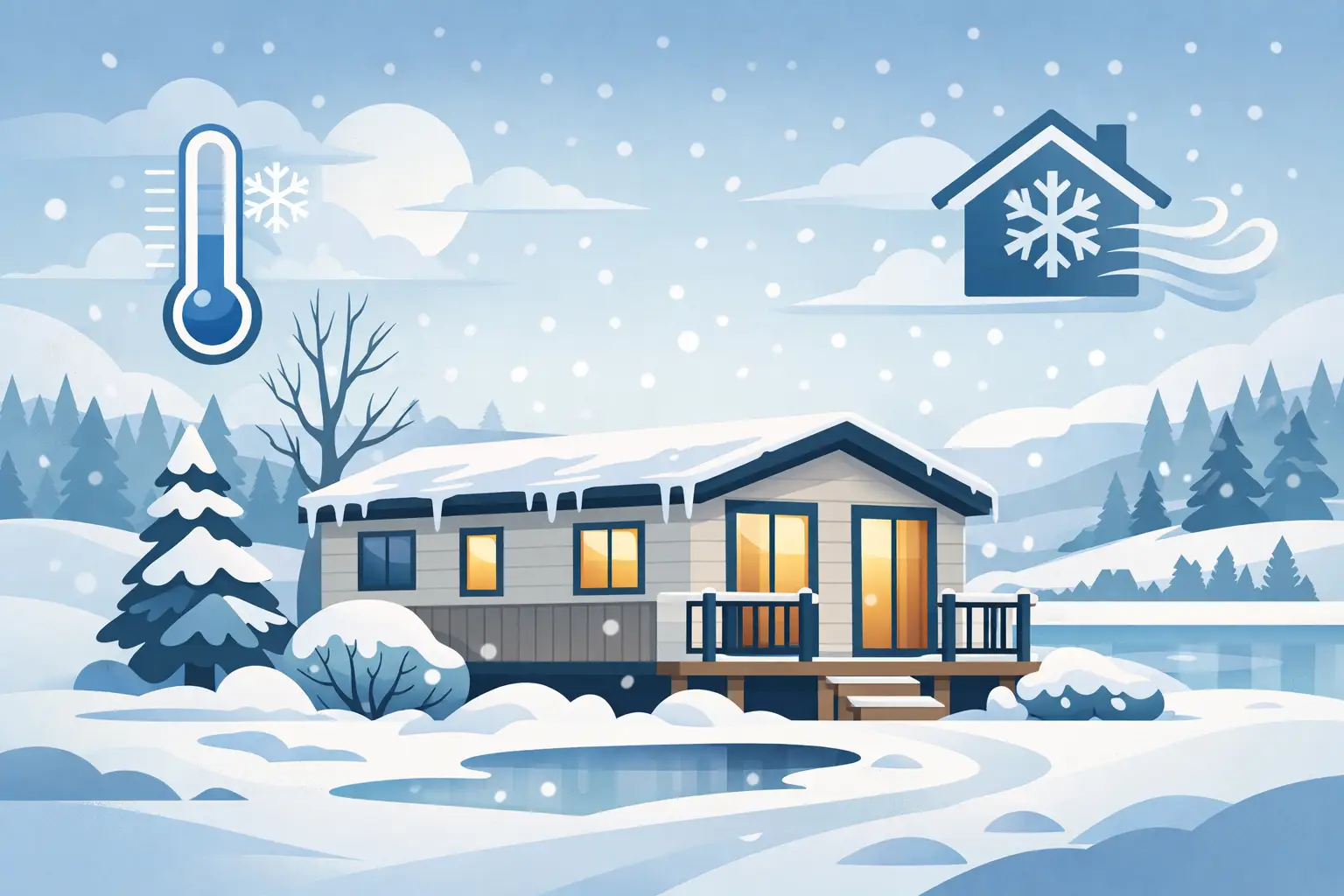
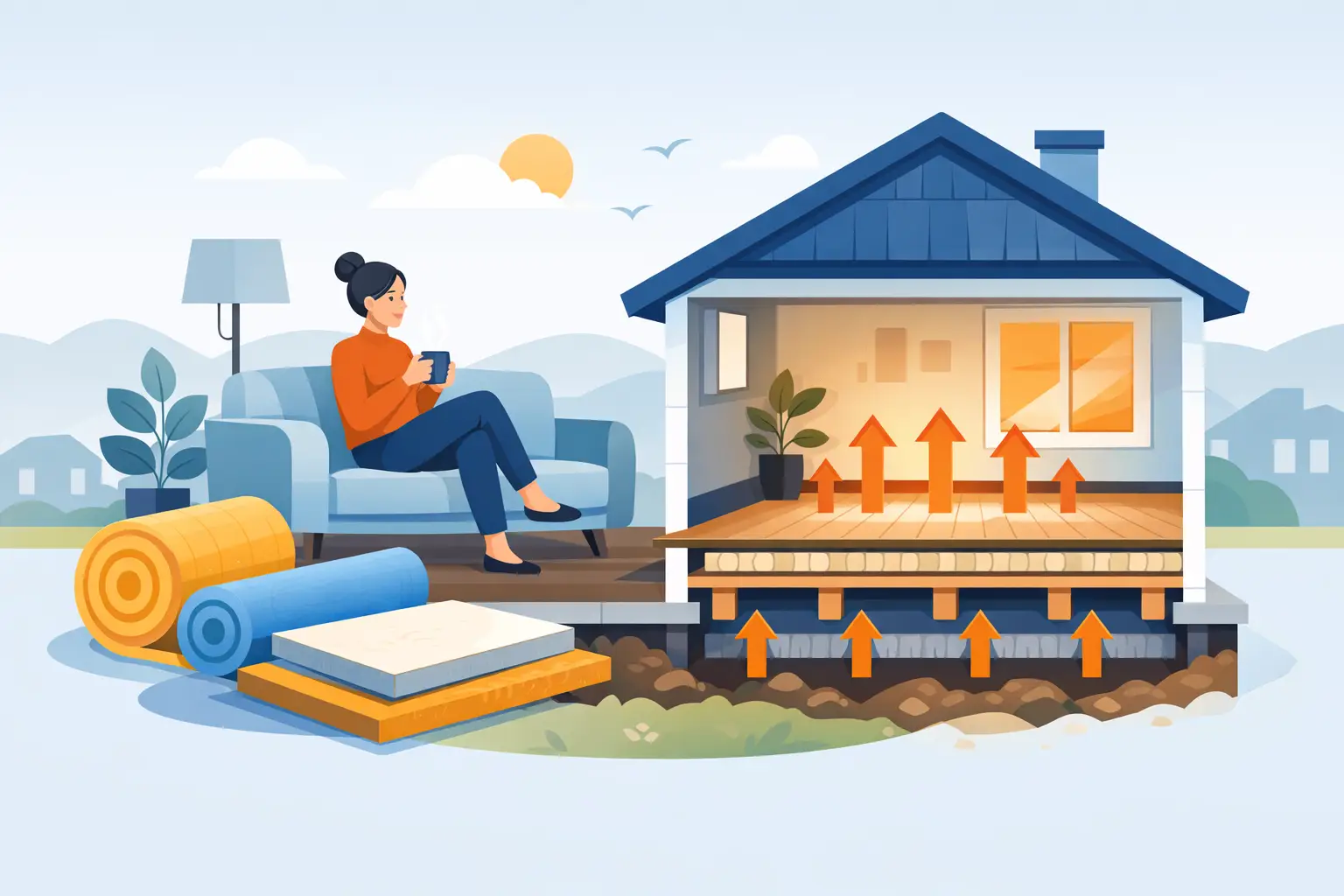
Underfloor insulation is one of the upgrades owners often feel straight away. Better insulation can reduce draughts and make floors warmer, particularly during colder months. It may also help the heating system work more efficiently. The right approach depends on the existing construction and condition below the home, which is why inspection comes first.
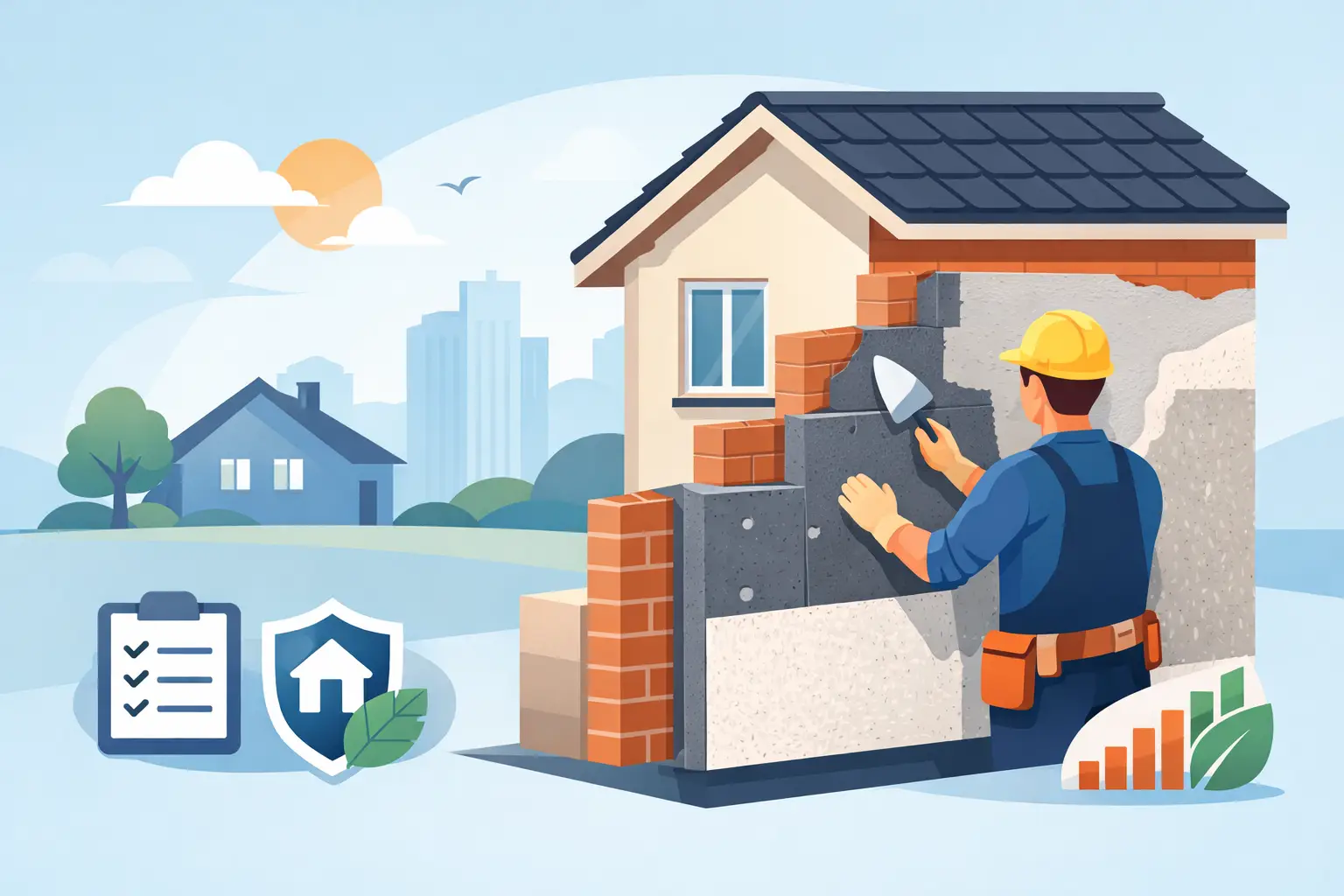
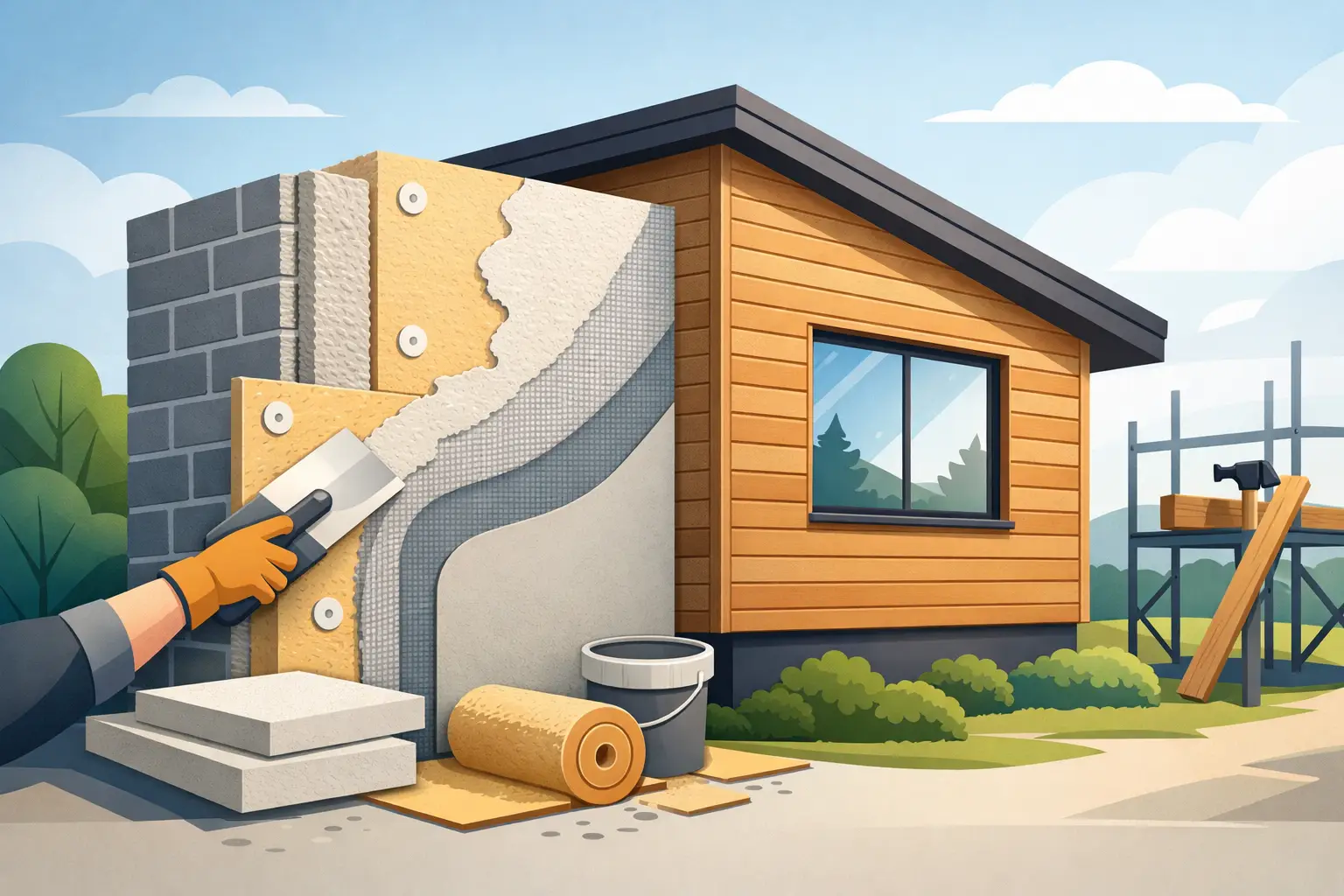
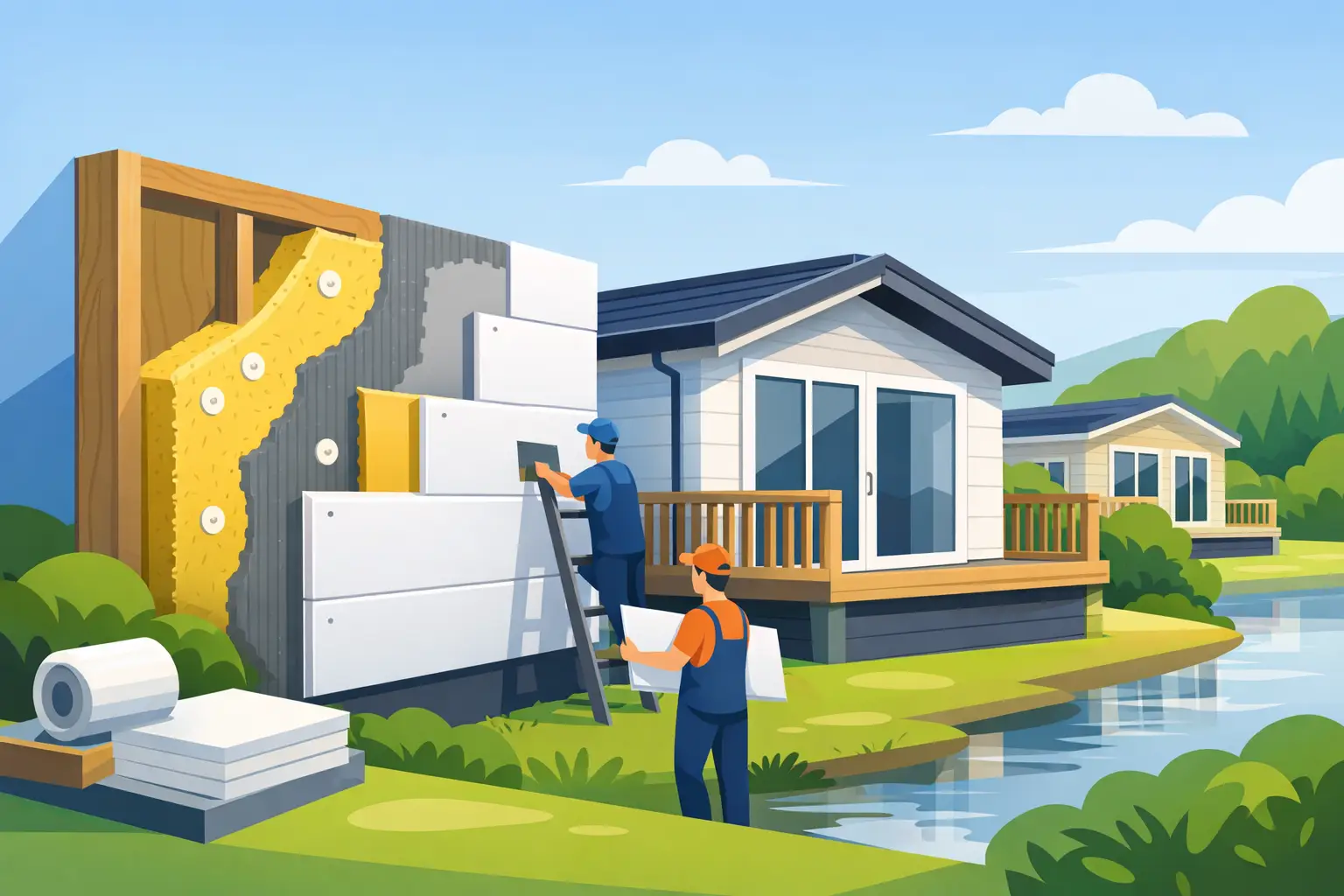
Wall insulation and replacement cladding can offer a similar double benefit. They can improve thermal performance while giving an ageing exterior a cleaner, lower-maintenance finish. The workmanship matters here. Details around openings, joints, trims and ventilation must be handled correctly so the home is protected rather than sealed up in a way that creates moisture problems.
Chassis refurbishment and support jack replacement are less visible but no less valuable. The chassis is fundamental to the home’s support, and the jacks must be suitable, secure and correctly adjusted. Work below a park home should never be treated as a general building job. It requires safe access, a clear understanding of the home’s construction and careful attention to the supporting structure.
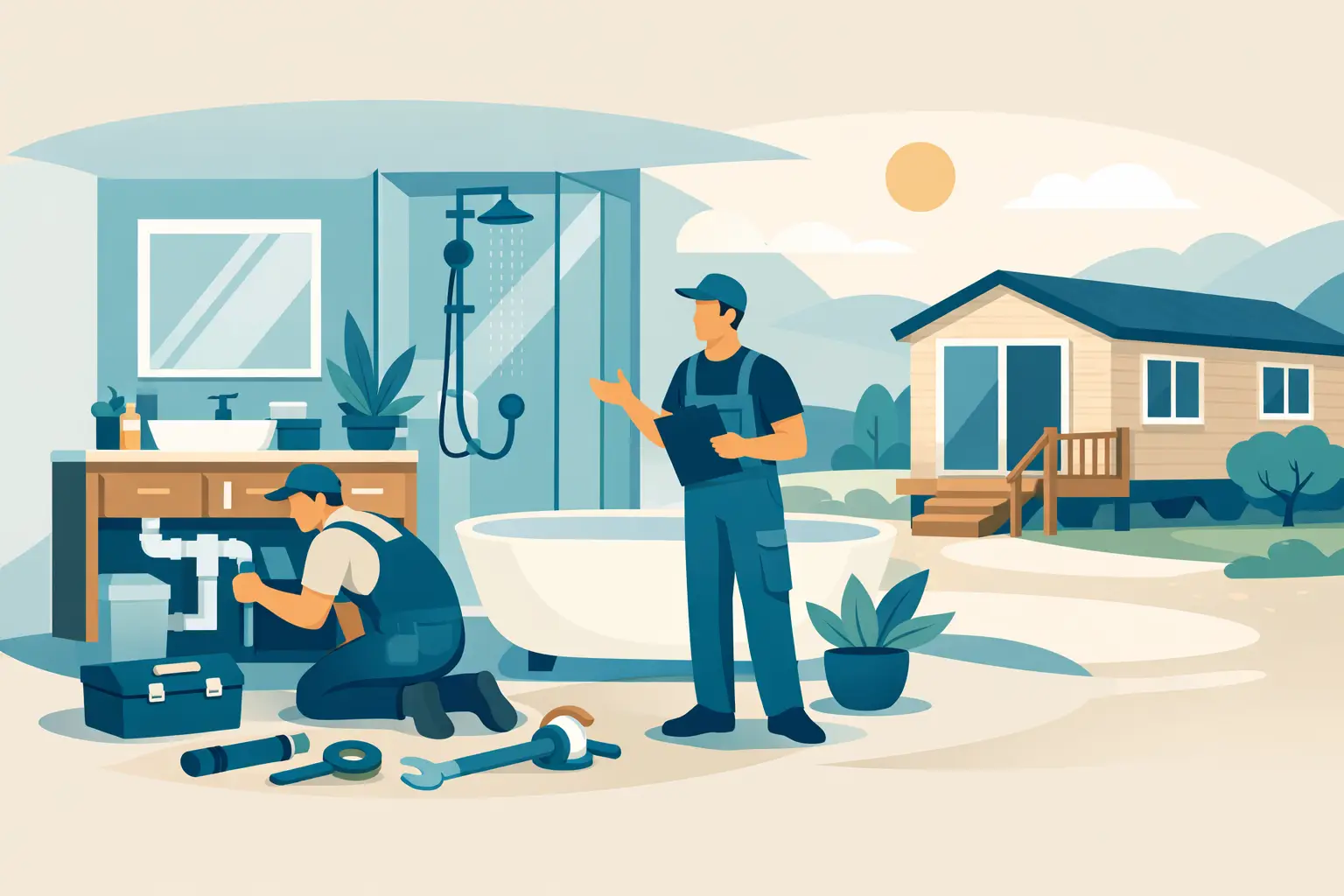
Bathrooms are another area where refurbishment can protect the property as well as improve daily life. Old shower trays, failed seals, leaking pipework and worn flooring can cause concealed water damage. A well-planned bathroom installation brings the chance to update the room while ensuring plumbing, surfaces and finishes are properly renewed.
Owners do not need to inspect every part of a park home themselves, but a regular routine helps catch changes early. Check gutters and roof edges after severe weather, keep air vents clear, look for changes in seals and cladding, and pay attention to new draughts, smells or marks indoors. Avoid allowing stored items, plants or debris to block ventilation below the home.
An annual professional inspection is a sensible precaution, particularly for older homes or those that have not had recent structural work. It provides a clearer picture of the roof, exterior, insulation, chassis and supports, allowing repairs to be prioritised before they become urgent.
Keep records of work completed, including photographs where available. This helps you understand the home’s maintenance history and can be useful when planning future upgrades or discussing the property with a prospective buyer. Quality materials and guaranteed workmanship may cost more than a quick patch at the outset, but they offer better value when they prevent repeat problems.
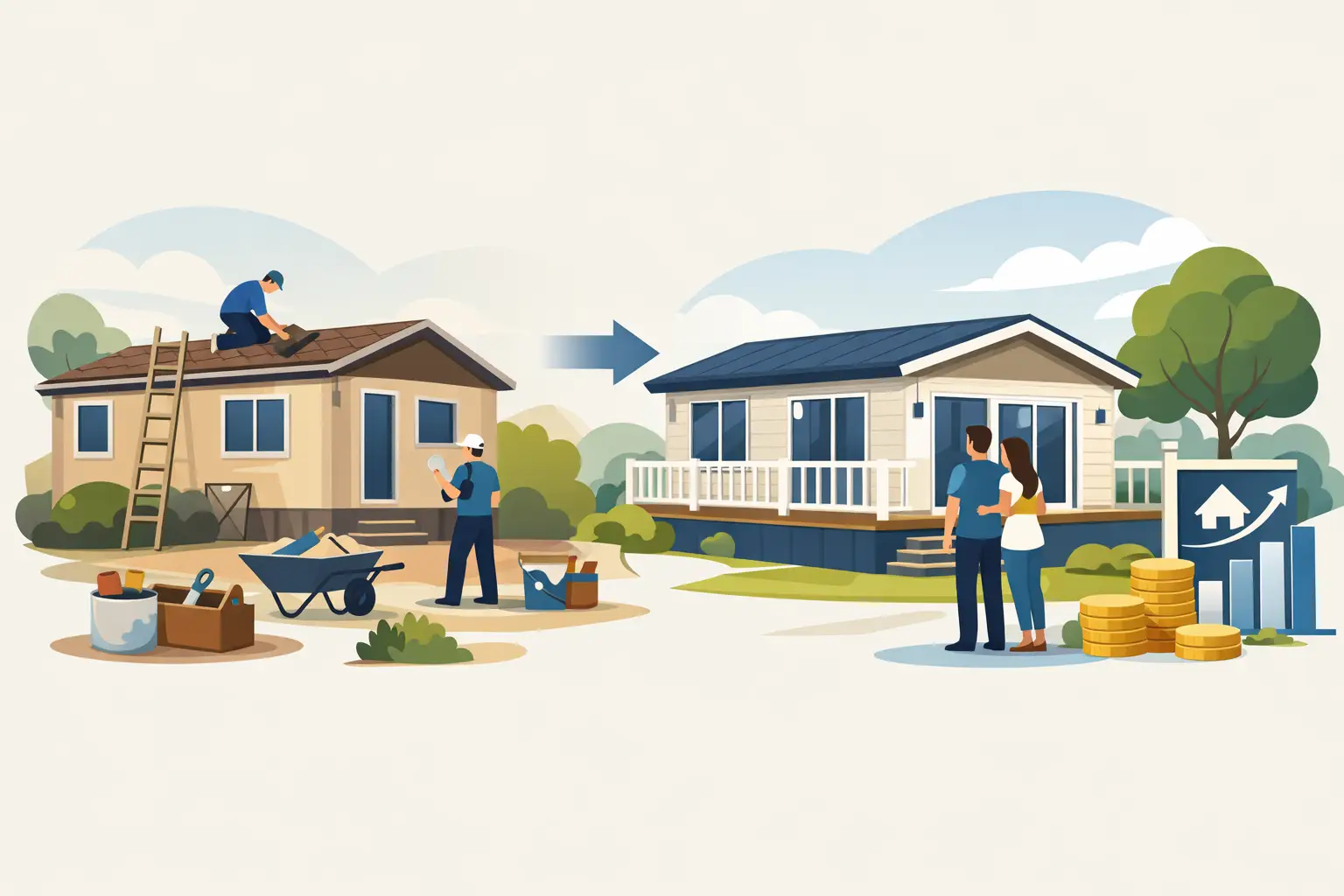
Replacement is not always the answer. If the underlying structure is sound and problems are limited to worn finishes, ageing insulation, a roof covering or sections of cladding, refurbishment can extend the usable life of the home considerably. It also allows improvements to be planned around your budget and carried out in stages where appropriate.
A more extensive decision may be needed where there is widespread water damage, major structural deterioration or repeated problems caused by previous poor repairs. Even then, an honest assessment should identify what is genuinely necessary, rather than treating the home’s age alone as the deciding factor.
At New Look Park Homes, we see first-hand how the right repairs can transform an older property into a warmer, smarter and more dependable home. The best time to act is when a concern is still manageable – protecting the home you enjoy now and giving it every chance to serve you well for many years to come.