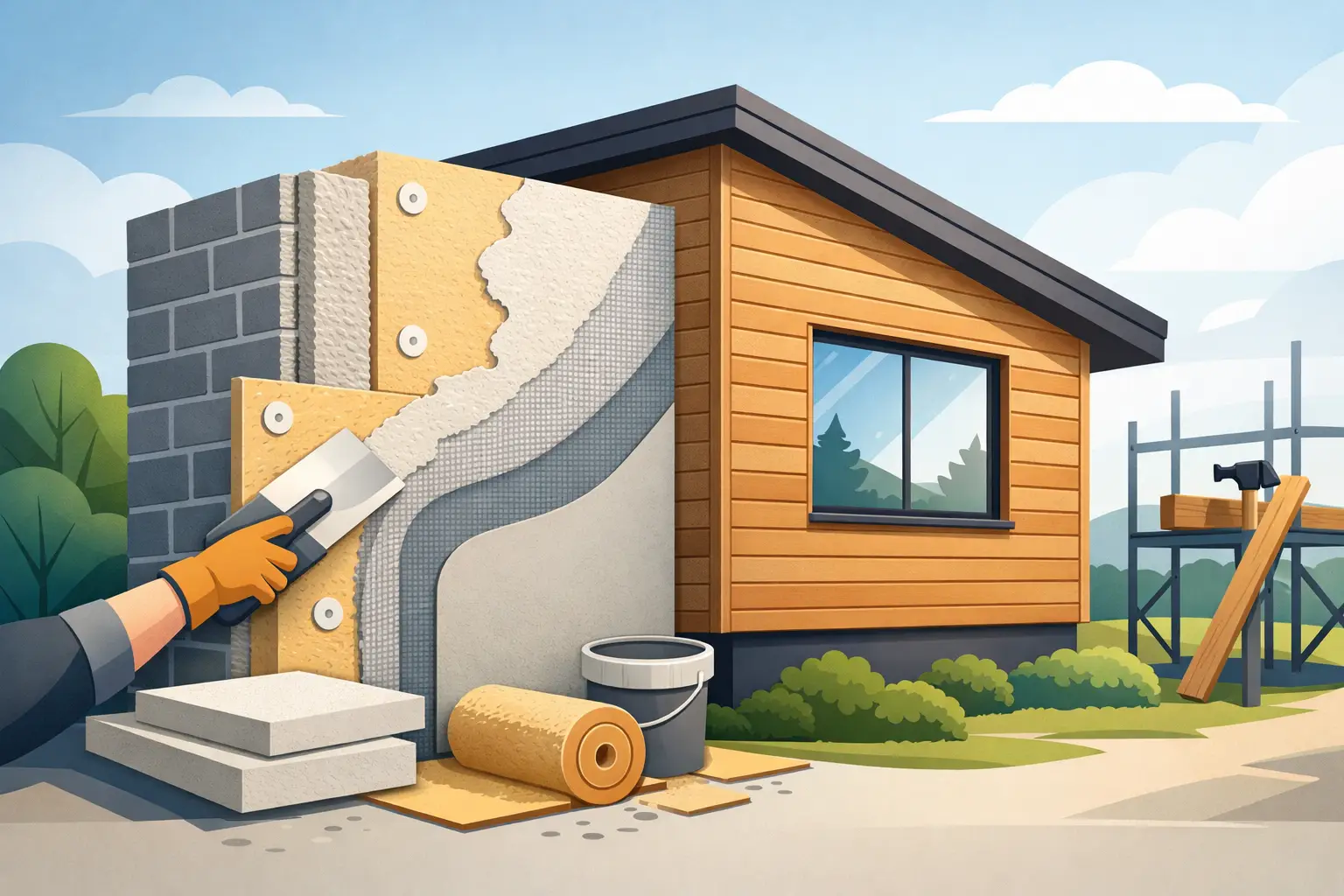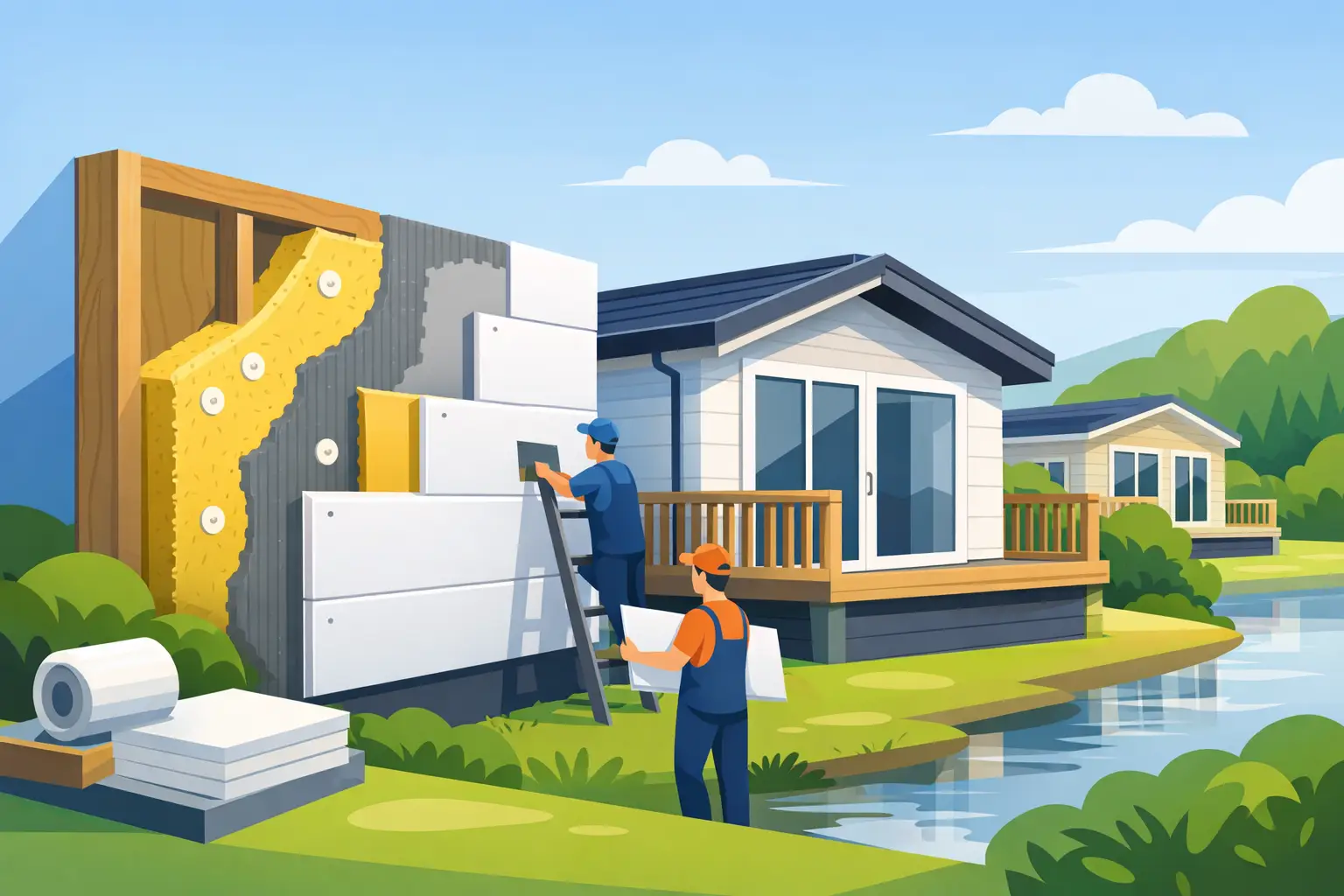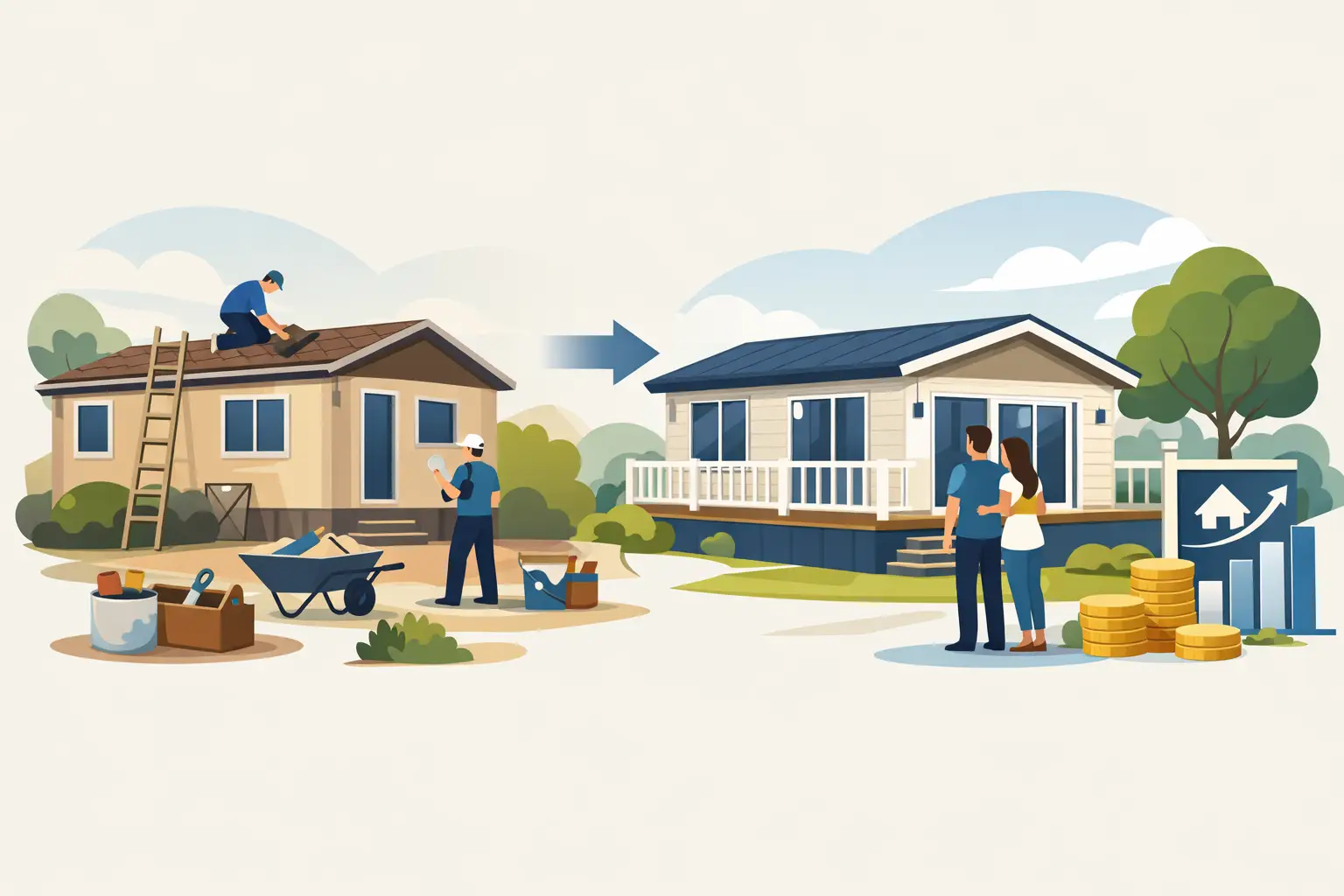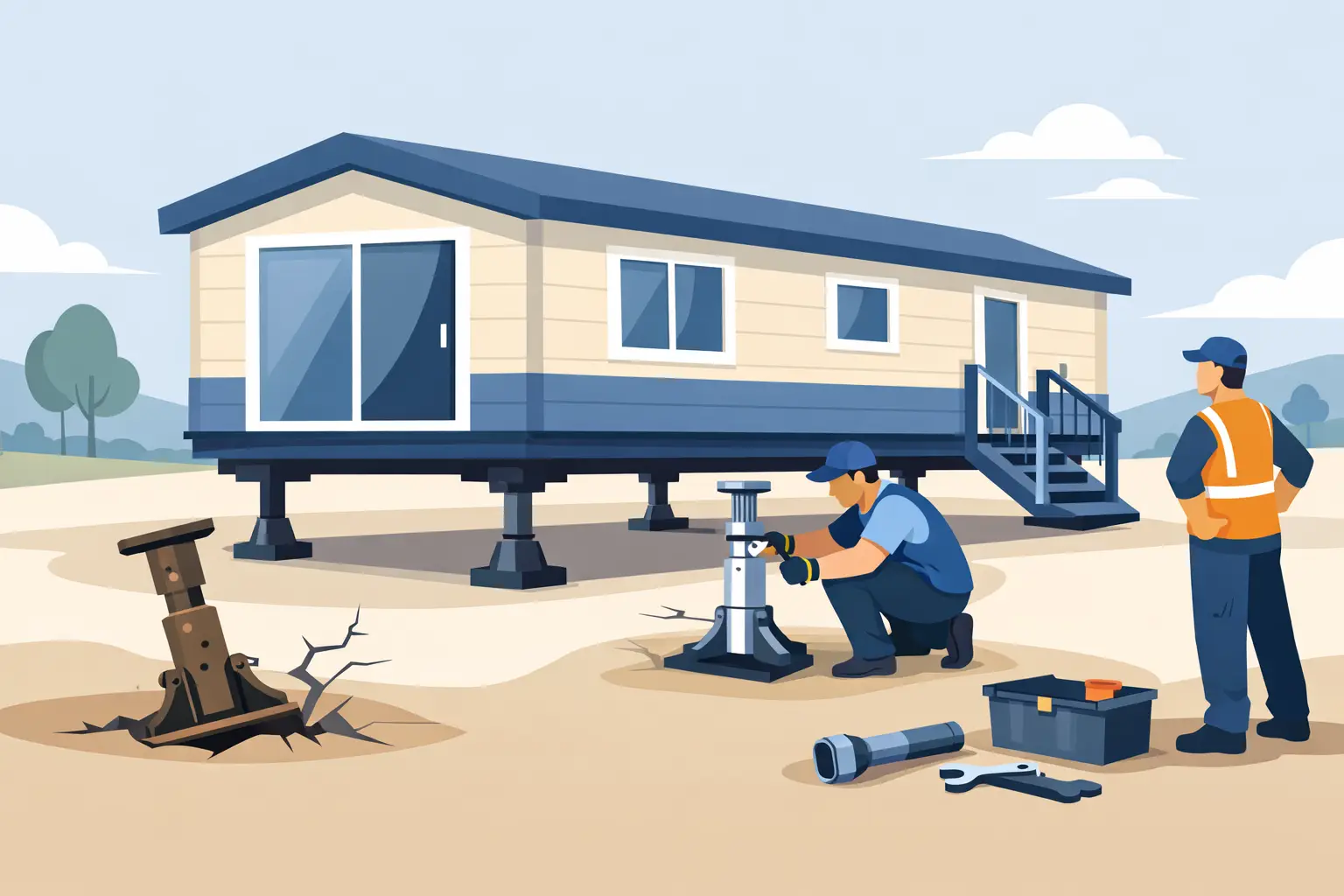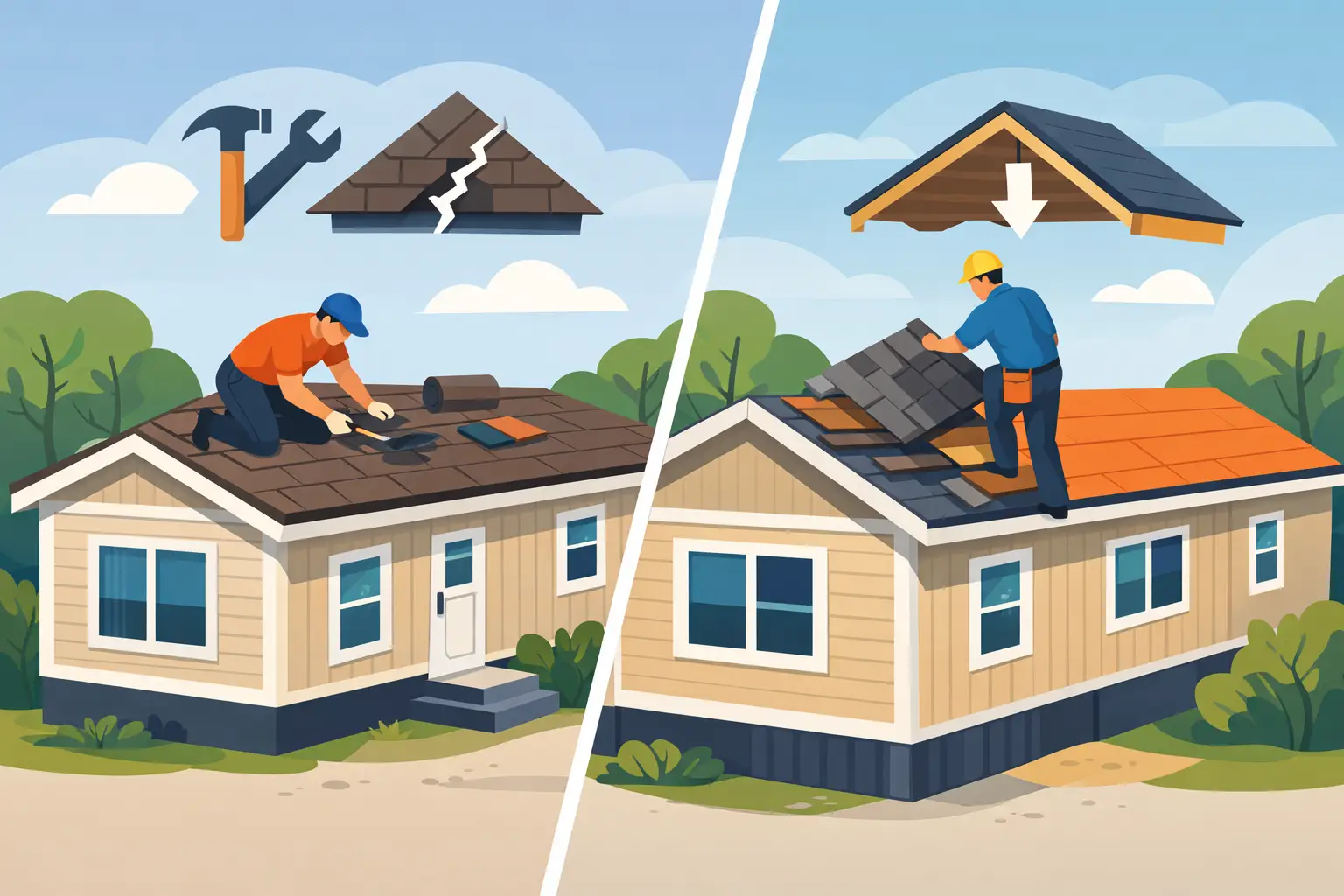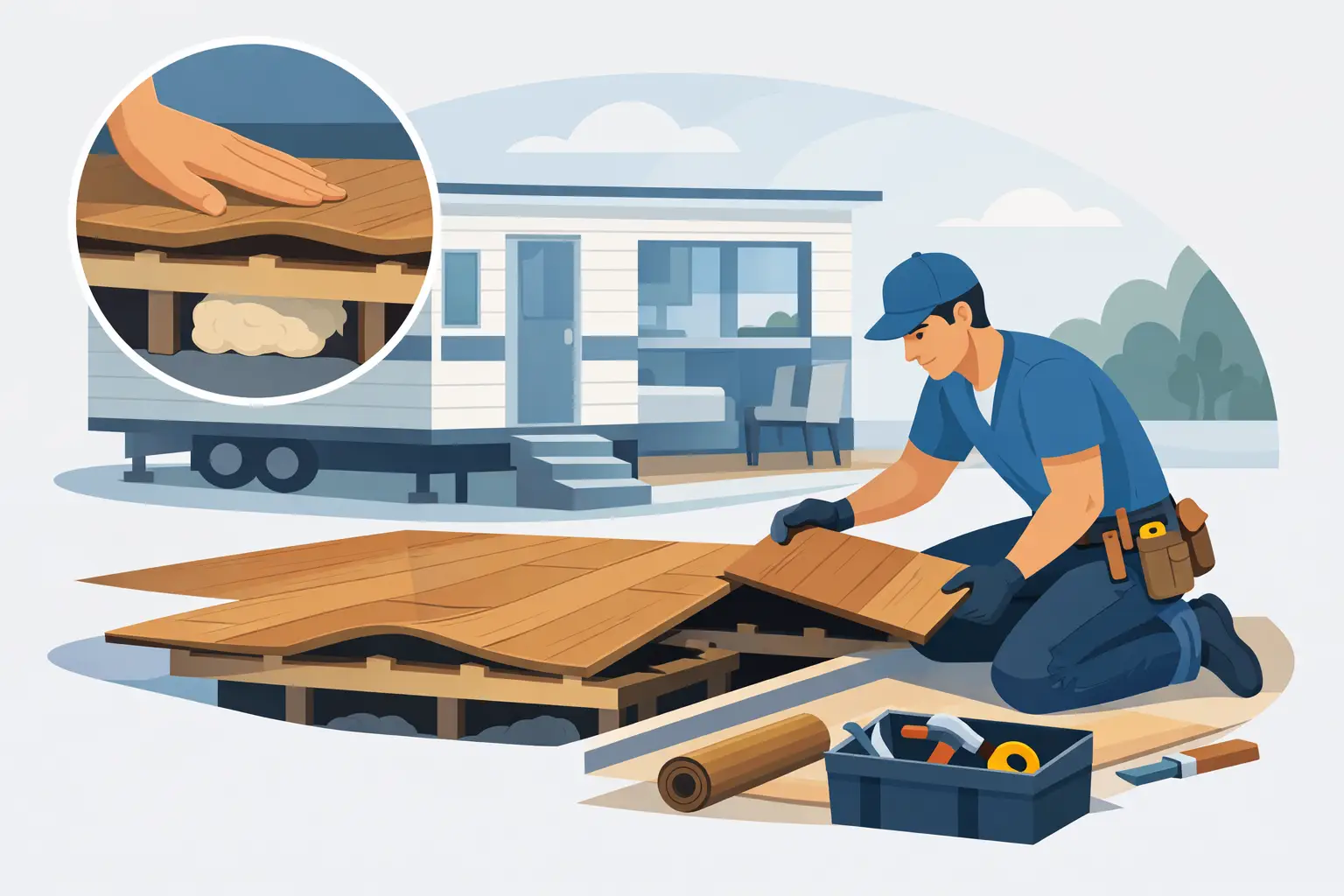
A faded, cracked exterior does more than make a park home look tired. It can leave the structure exposed to wind-driven rain, create ongoing maintenance jobs and undermine the pride you take in your home. Static cladding is a practical way to protect the outside of a static or park home while giving it a clean, well-kept appearance that lasts.
For many owners, cladding becomes a priority after repeated painting, visible movement in old panels or signs that the home is feeling colder around the walls. The right solution is not simply to cover over an ageing exterior. It is to assess what sits behind it, deal with any defects properly and fit a cladding system suited to the particular construction of the home.
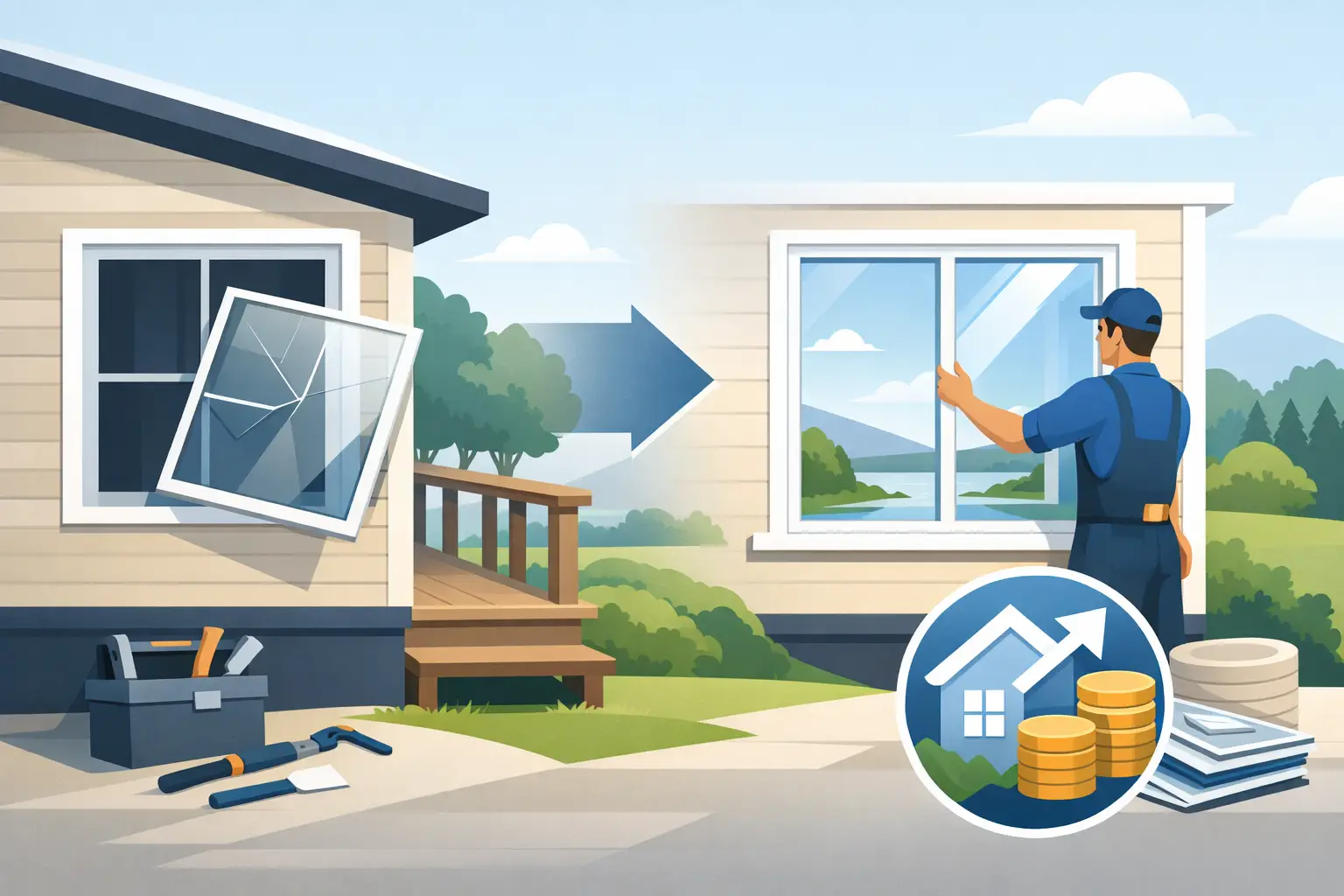
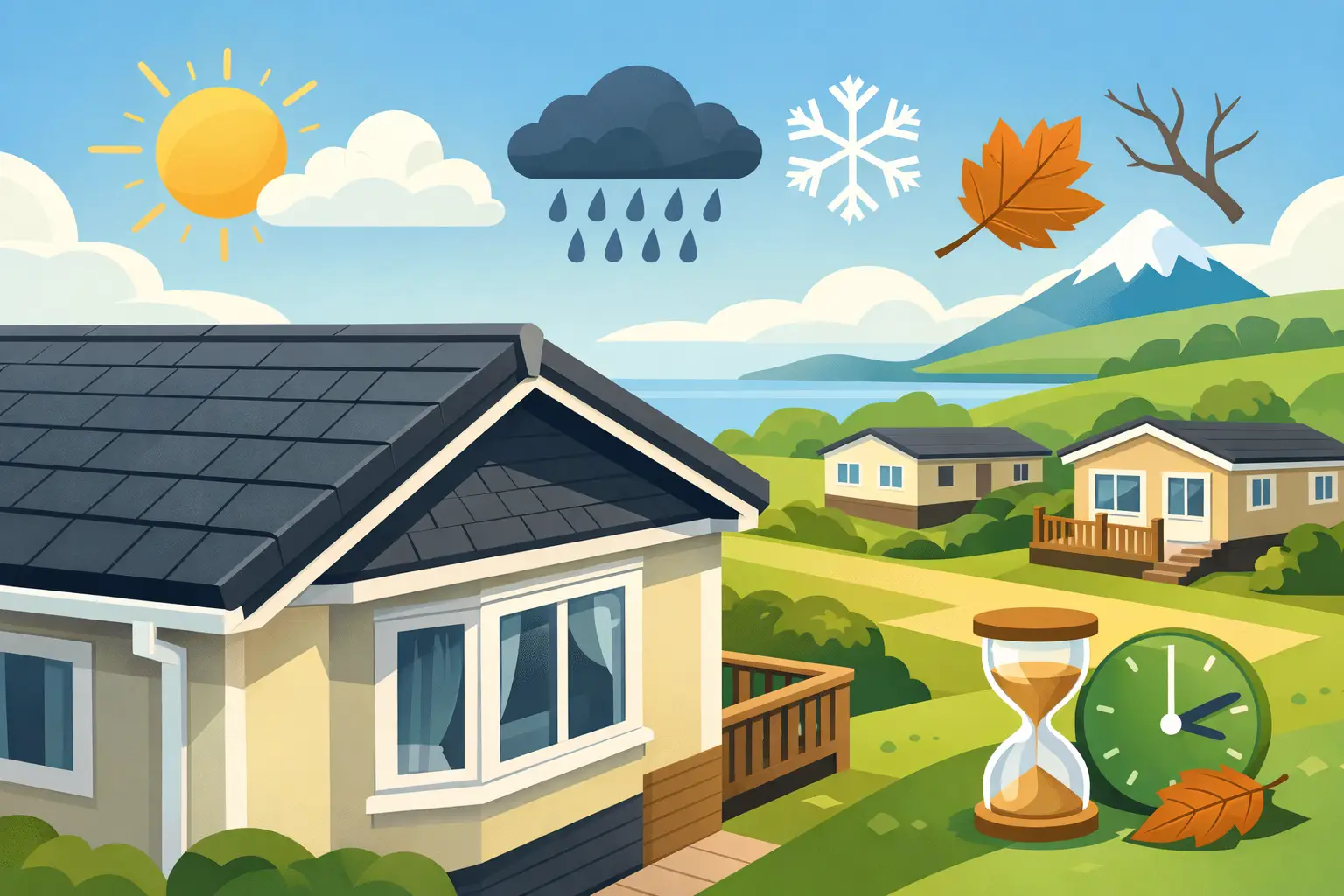
External cladding forms a durable weather-resistant skin around the home. On park homes, it is commonly used to replace worn timber-effect panels, ageing aluminium or damaged previous cladding. Modern systems are designed to cope with the varied British weather, from summer heat to persistent rain and winter frost.
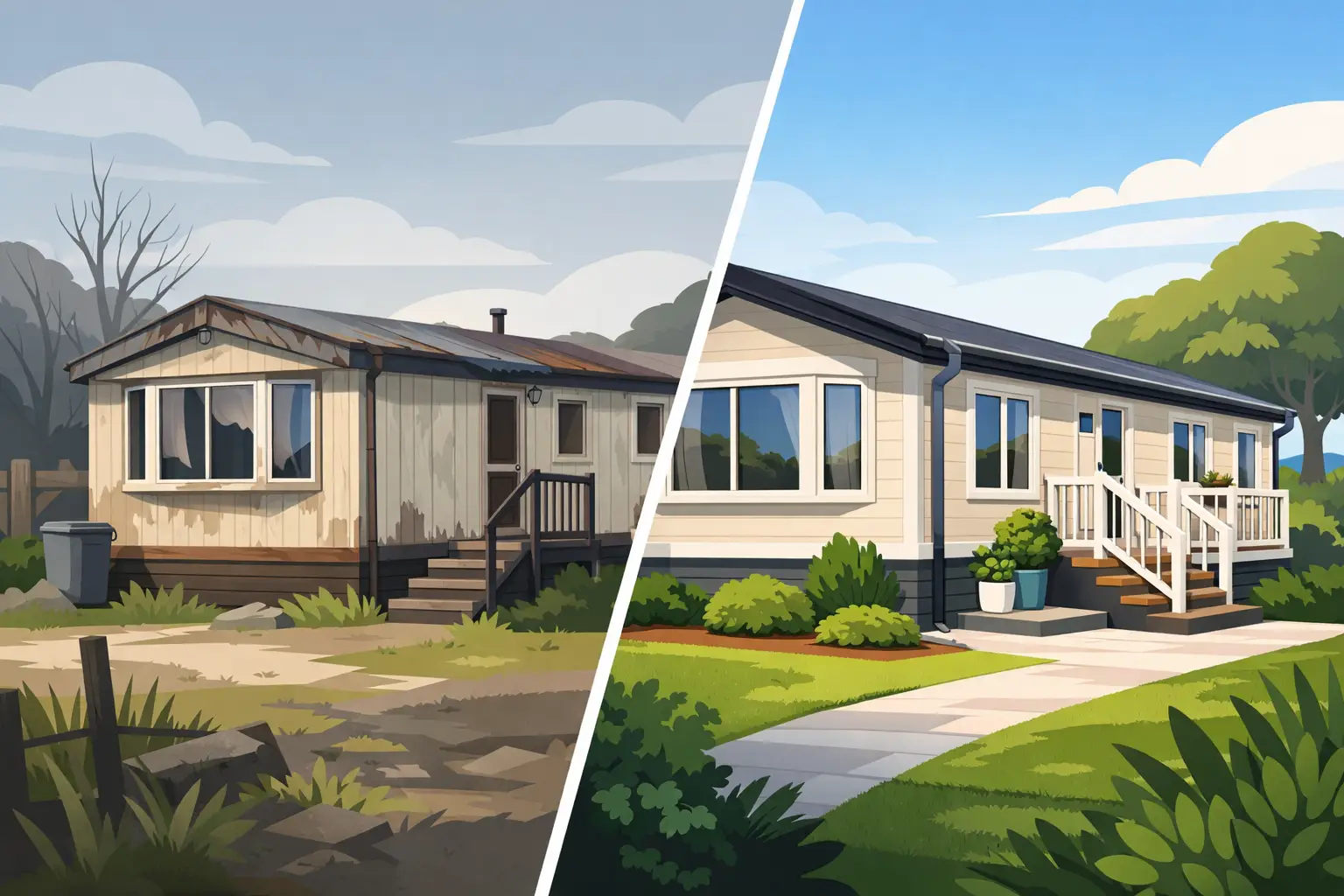
The most immediate benefit is appearance. Fresh cladding can transform an older unit, making it look brighter, more modern and better cared for. This matters whether you plan to enjoy the home for many years or want to protect its appeal and value for the future.
There are practical benefits as well. Quality cladding needs far less upkeep than painted timber finishes. It will not require regular repainting, and routine cleaning is usually enough to keep it presentable. When installed correctly, it also helps shield the wall structure from moisture and reduces the chance of small exterior issues becoming larger repair work.
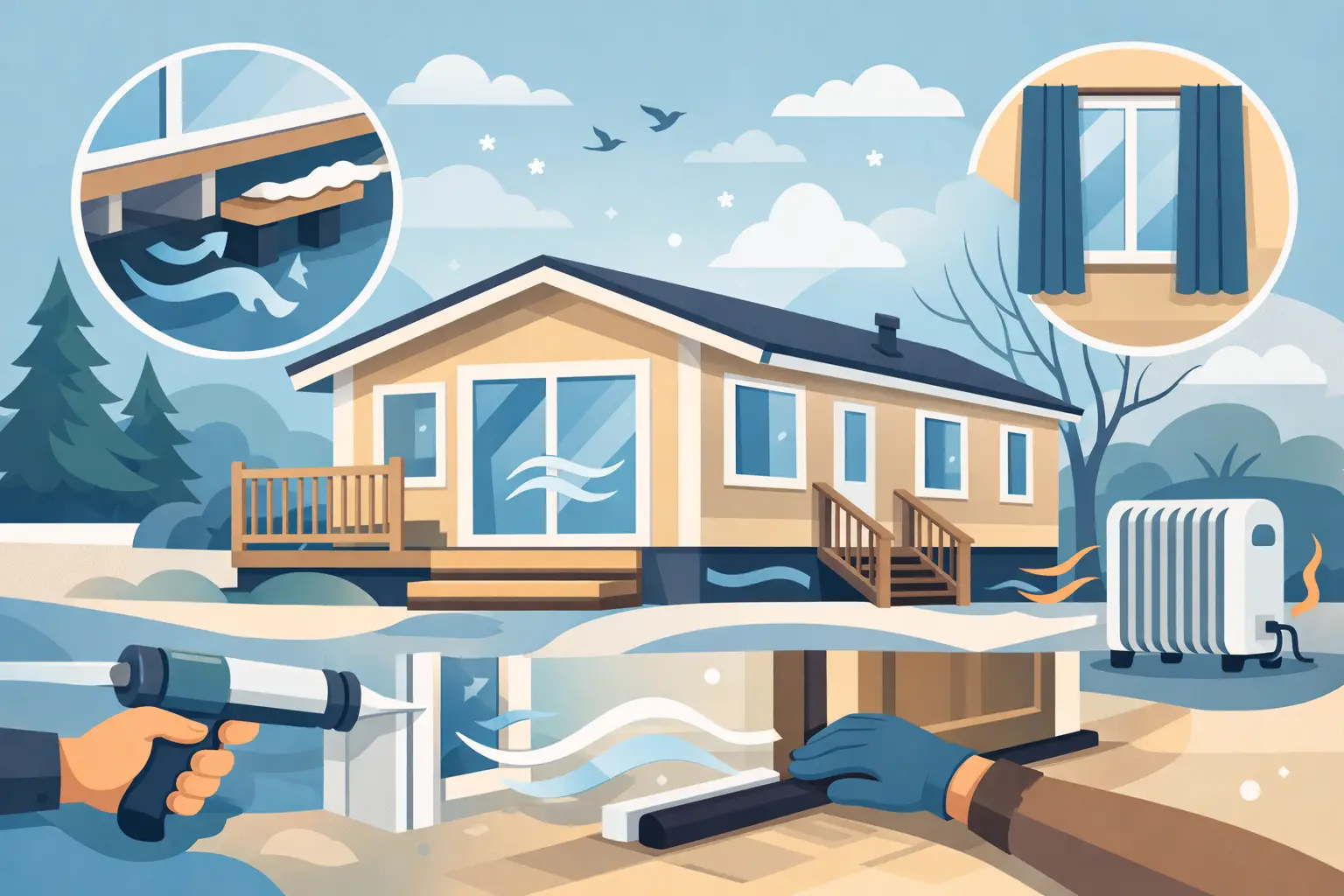
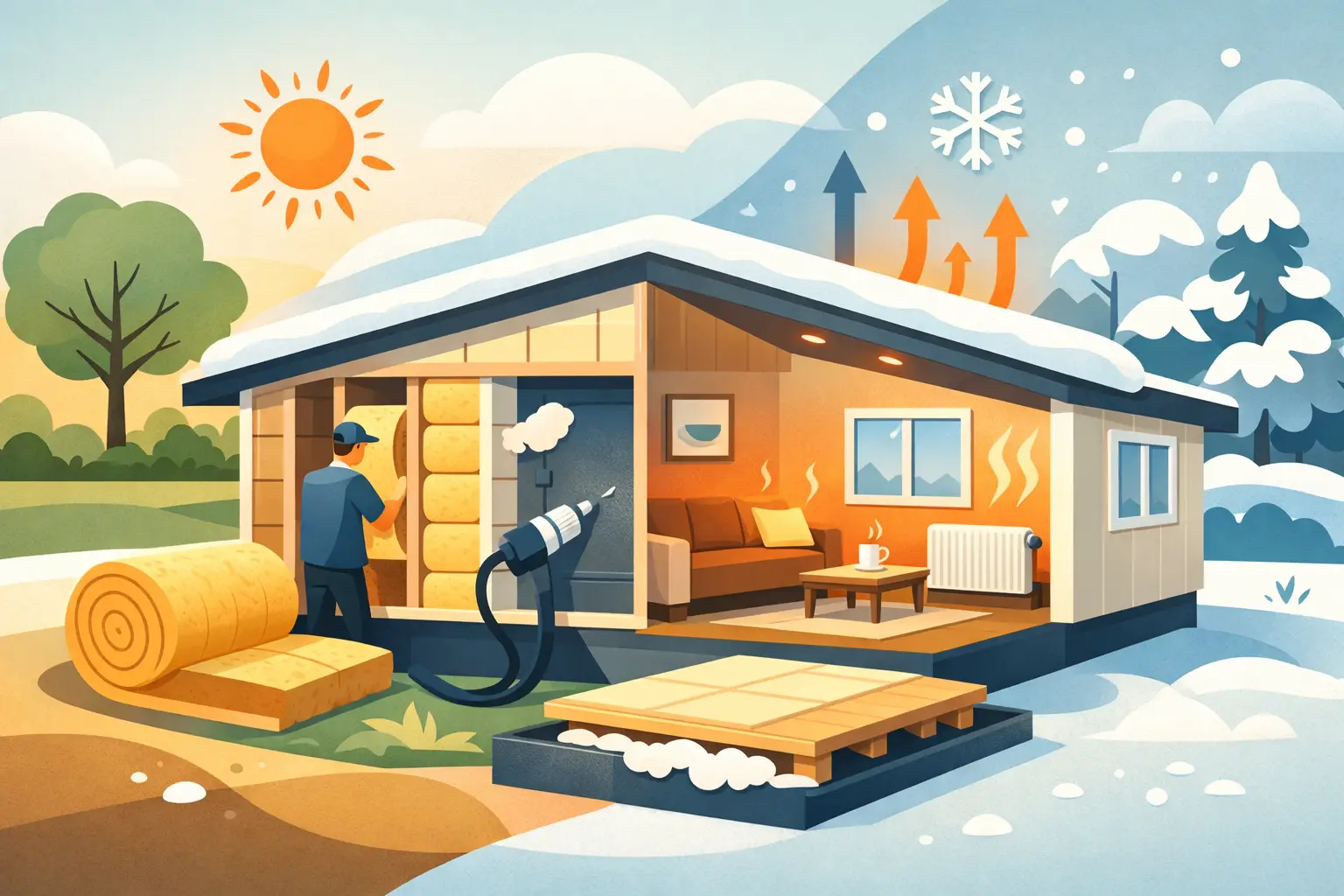
Cladding should not be confused with insulation, although the two projects are often considered together. New external panels can improve the overall feel of the home, particularly where gaps and poor seals are addressed during the work. However, significant heat-saving gains usually require a proper assessment of wall insulation, underfloor insulation, windows, roof condition and ventilation.
Some surface marks can be cleaned and isolated damage may be repairable. Full replacement becomes the more sensible option when the exterior is extensively faded, brittle, loose or repeatedly letting in water. It can also be worthwhile when different repairs have left the home looking patchy or when the original finish has reached the end of its useful life.
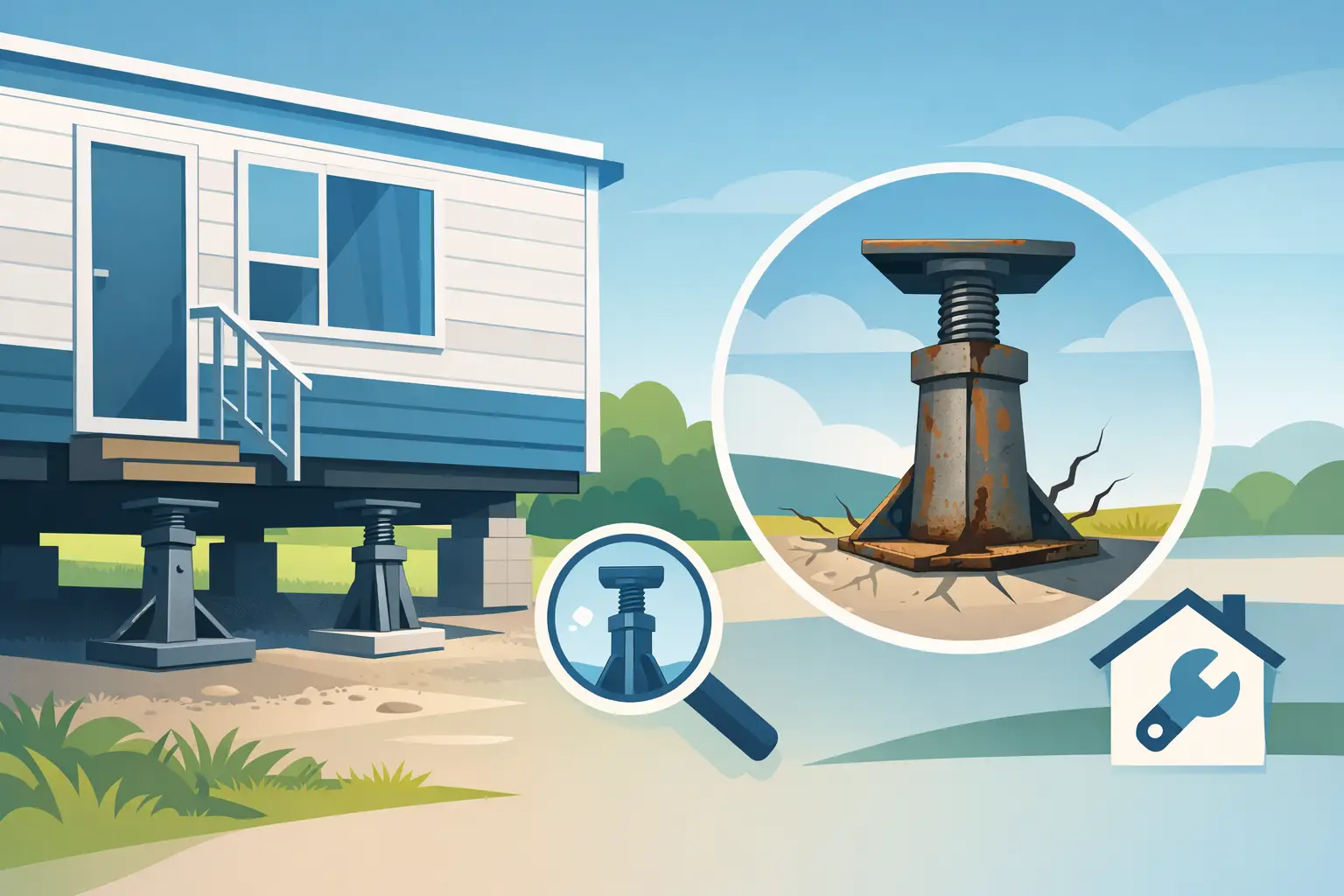
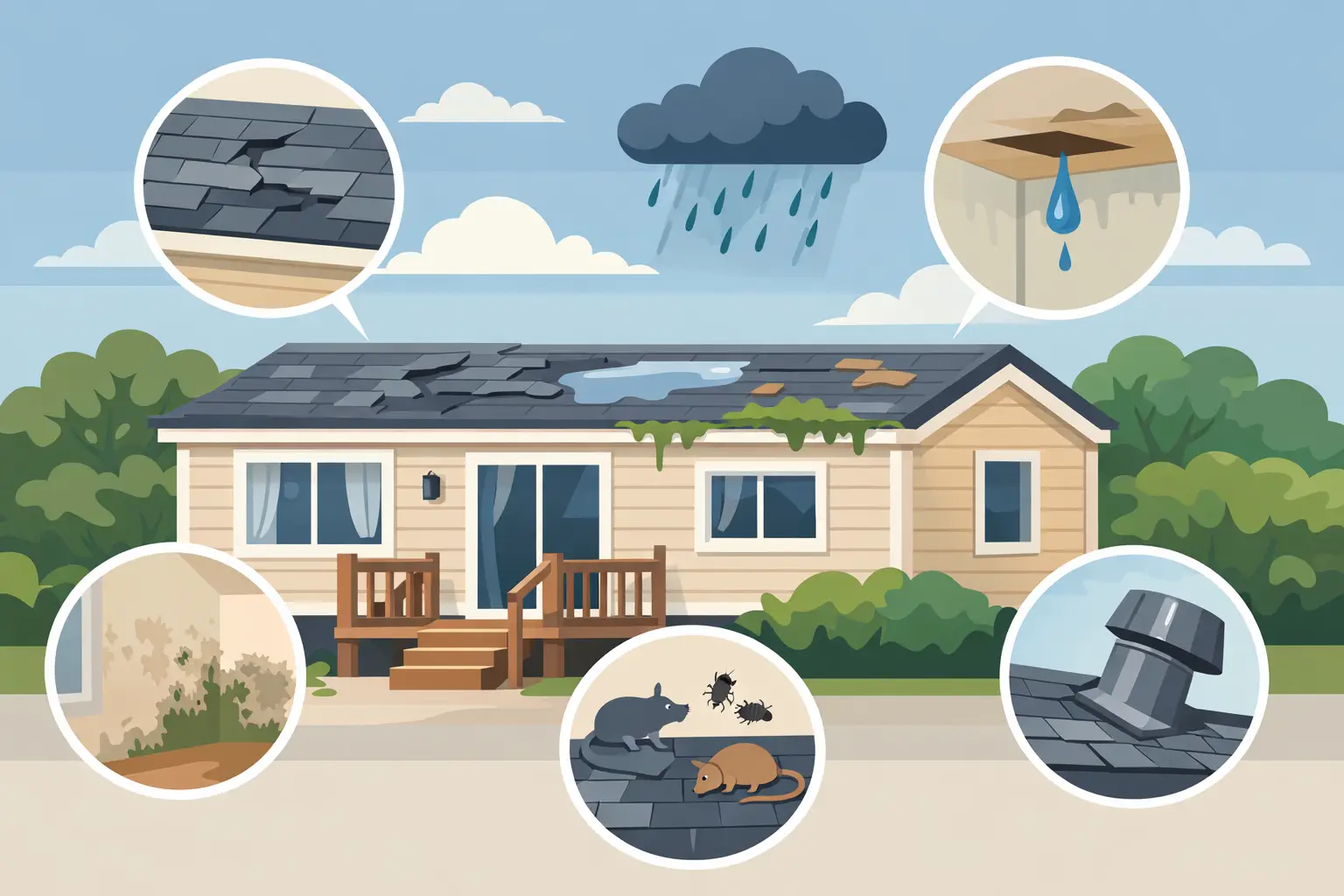
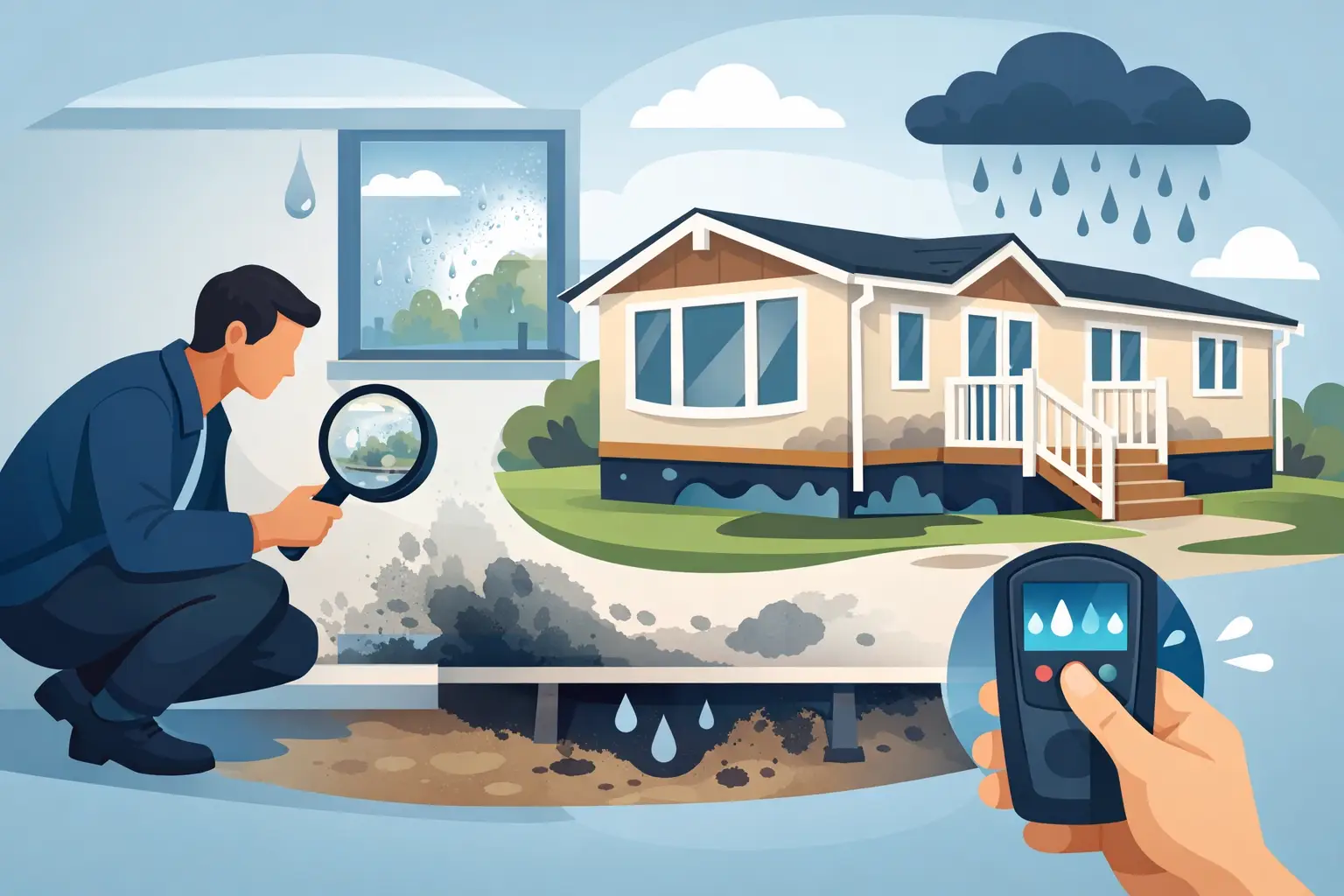
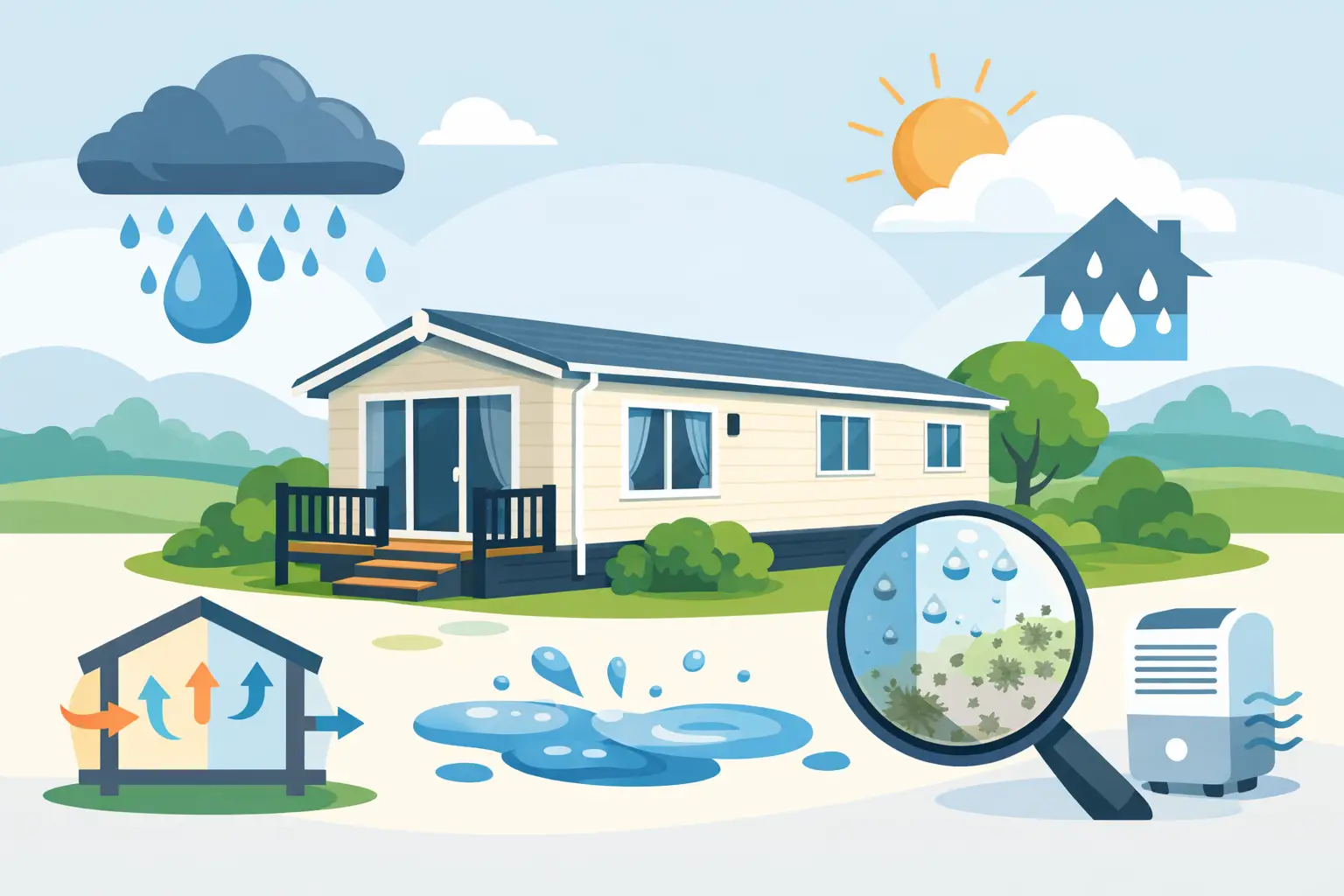
Pay attention to panels that have bowed, cracked around fixings or separated at joints. Staining beneath windows, soft areas around corners and unexplained draughts are also reasons to investigate further. These signs do not always mean there is serious structural damage, but they should not be ignored. Park homes have their own methods of construction, and water entering at a joint can travel behind the visible surface before it becomes obvious indoors.
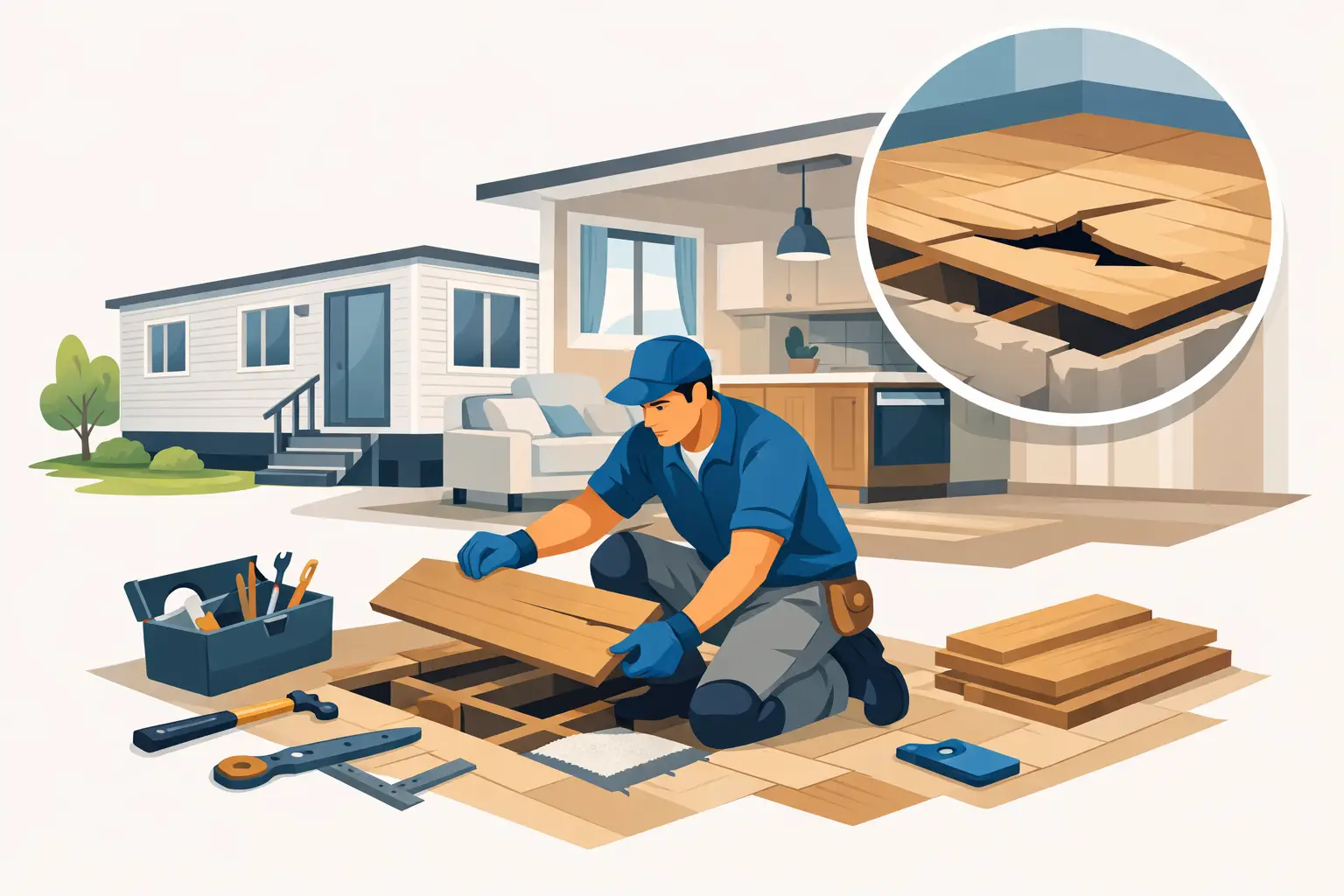
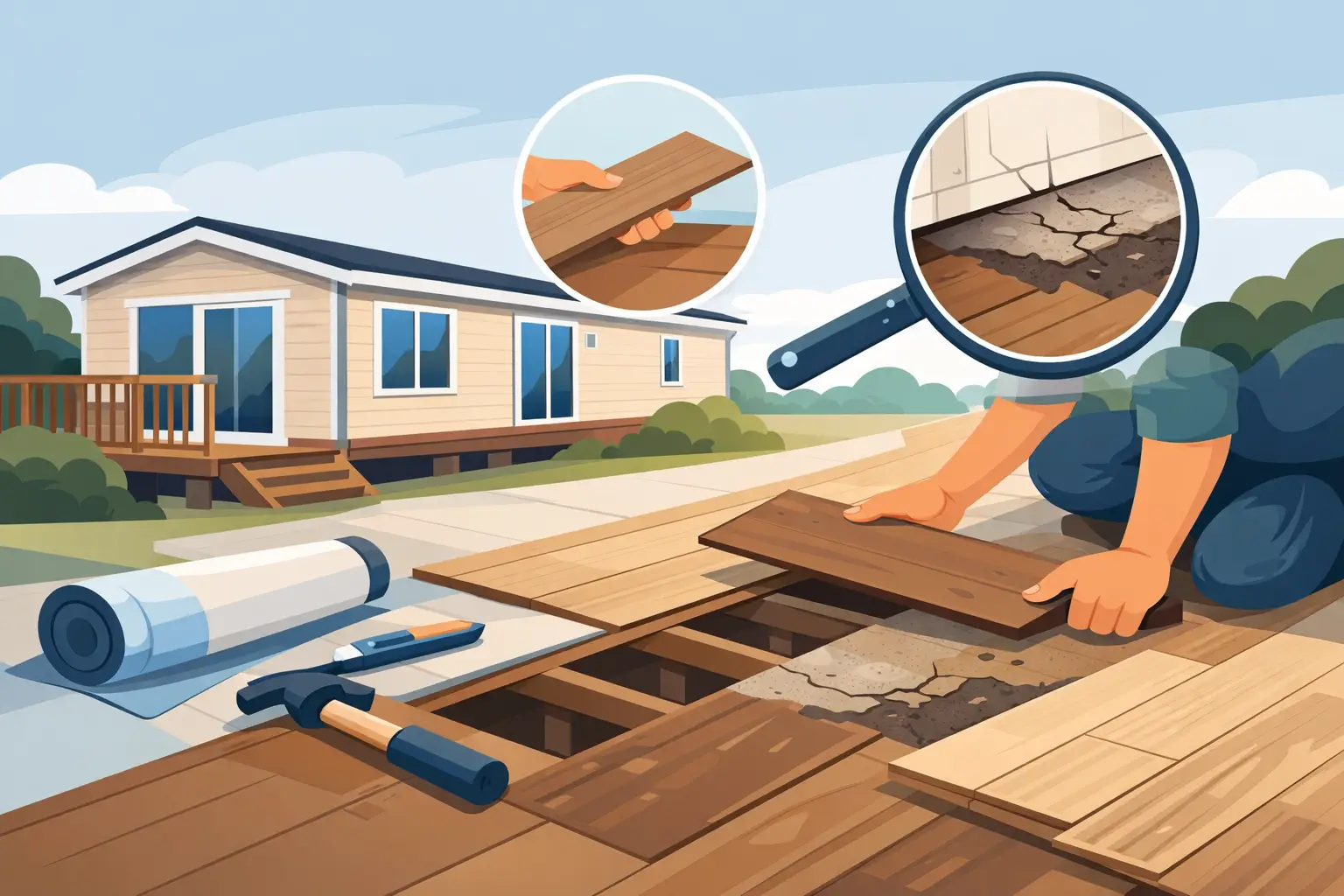
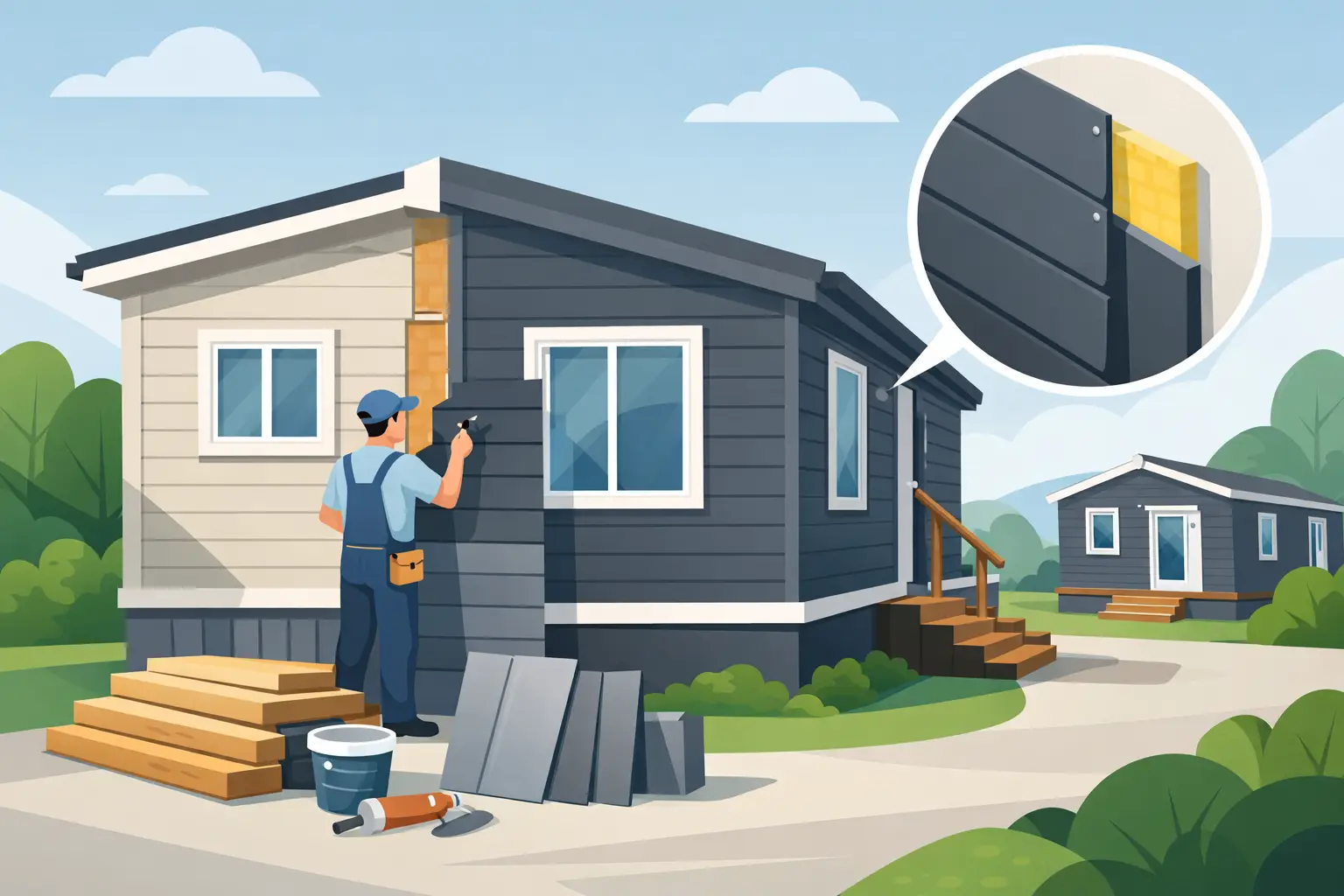
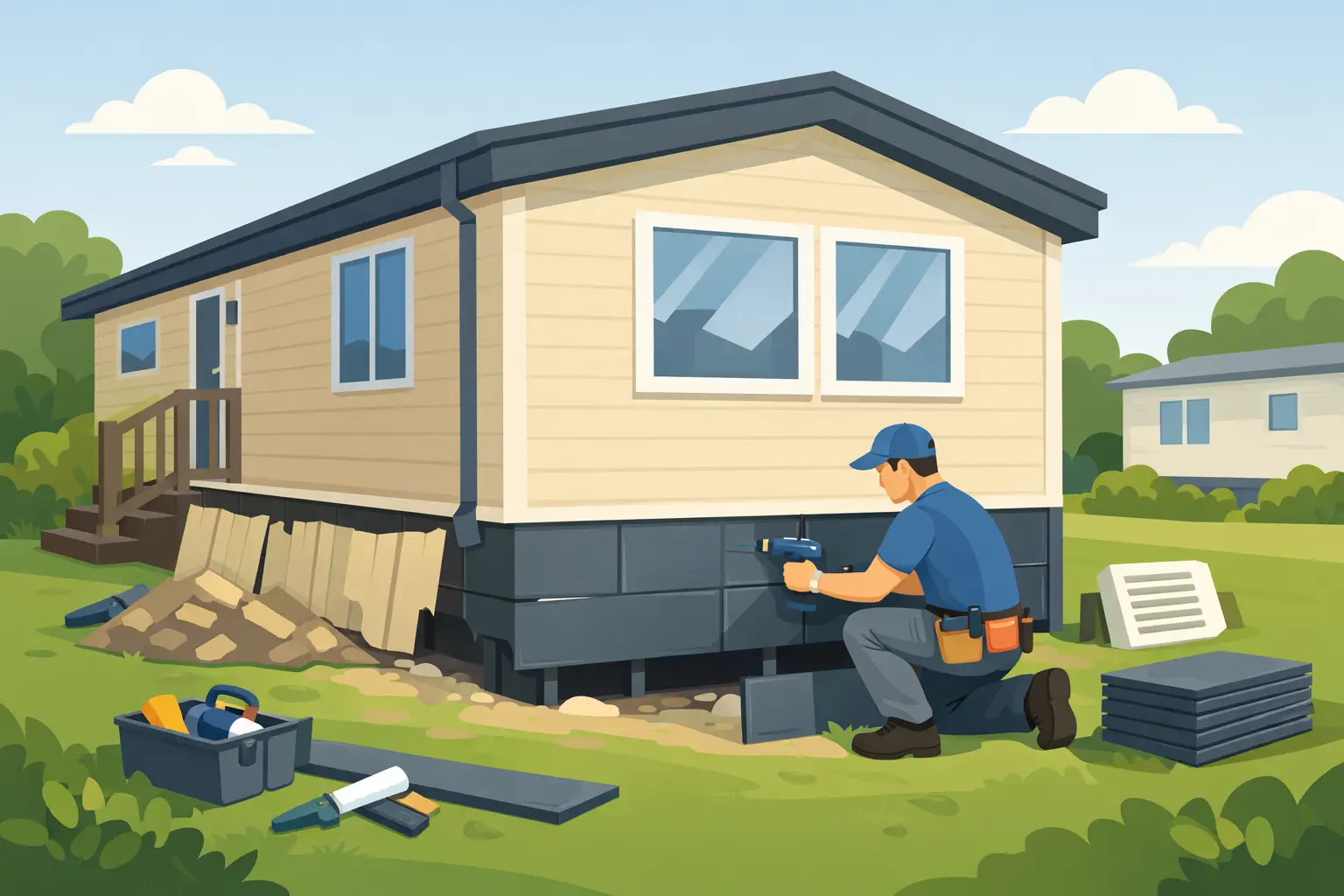
An inspection before work starts is vital. The condition of the existing framework, wall boards, trims, seals and openings must be checked. If damaged timber or deteriorated sections are hidden behind the old cladding, fitting new panels over the top may only conceal a problem that continues to worsen.
A park home is not built in the same way as a traditional brick property. Its walls, roofline, corners, service entries and windows all need to be treated with care. General building experience is useful, but it does not replace an understanding of how static and park homes are put together.
The finish depends on accurate preparation. Old materials must be removed safely where necessary, the background must be sound, and details around doors and windows need to be properly sealed. Panels have to be aligned carefully, with suitable trims and allowances for normal movement. Rushed work is often revealed by uneven lines, poor joints and water finding its way behind the cladding.
Ventilation also deserves attention. A home needs to manage moisture effectively, particularly where insulation improvements are being made at the same time. Blocking intended airflow or using unsuitable materials can lead to condensation issues. A specialist will look at the whole exterior rather than treating each panel in isolation.
At New Look Park Homes Ltd, this is the difference a dedicated park home refurbishment service brings. The work is planned around the condition and construction of the individual home, with a focus on sound preparation, quality materials and a finish that performs as well as it looks.
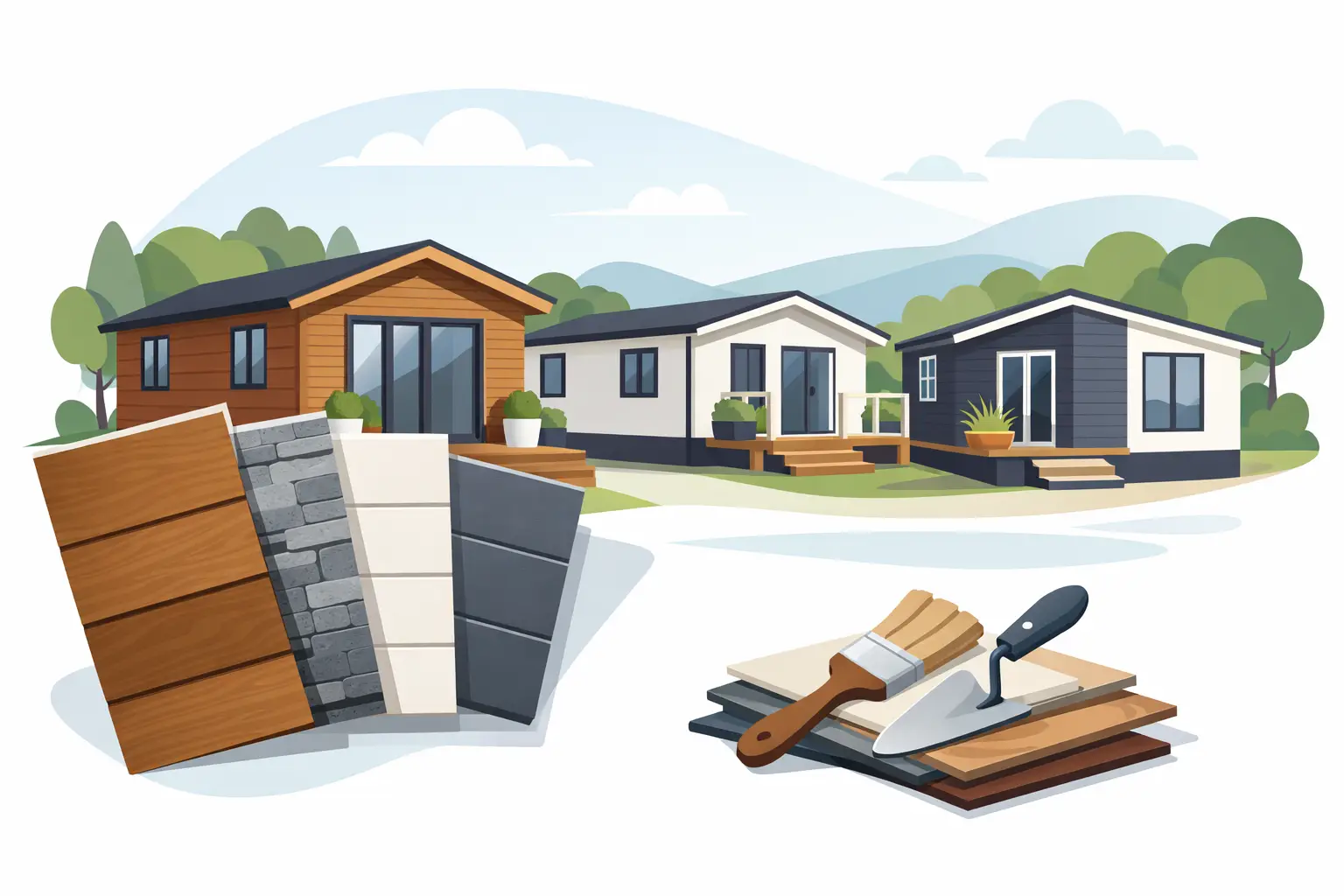
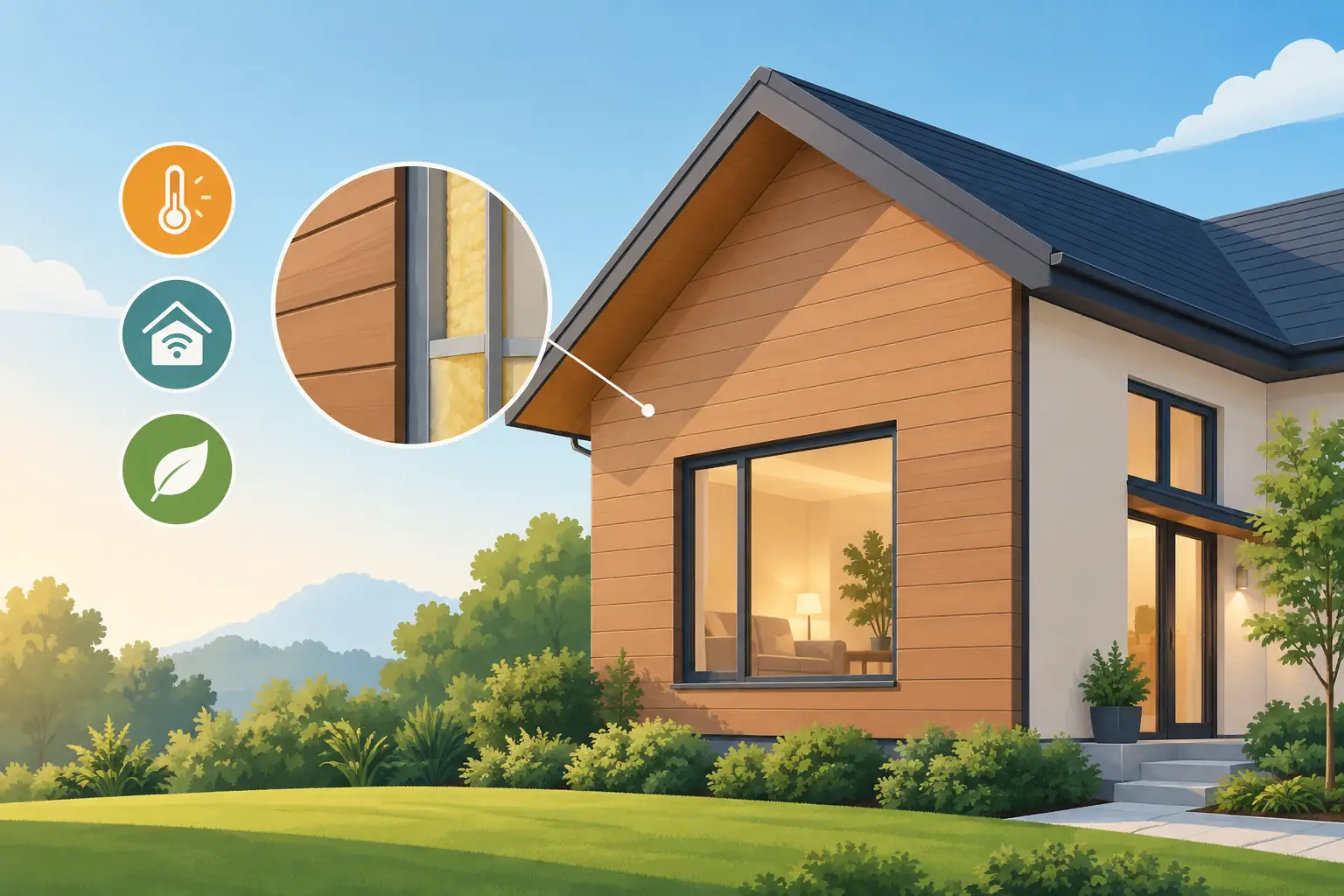
Most owners want an exterior that is smart, low-maintenance and appropriate for their park. Modern uPVC cladding is a popular choice because it is durable, straightforward to clean and available in a range of colours and profiles. Woodgrain finishes can offer a traditional look without the regular painting associated with timber.
The best choice depends on the home, its surroundings and the condition of the structure beneath. A light neutral colour can make a compact home feel fresh and spacious, while darker shades may suit certain roof colours or more contemporary styles. It is worth considering how the cladding will sit alongside existing windows, guttering, skirting and any veranda or steps.
Do not choose on colour alone. Ask about panel quality, UV resistance, trim systems, guarantees and how the material will be fixed. Cheaper cladding may look acceptable on day one but can fade, distort or become brittle sooner than expected. A well-specified system costs more initially, yet it is often the better long-term investment when it avoids repeated maintenance and early replacement.
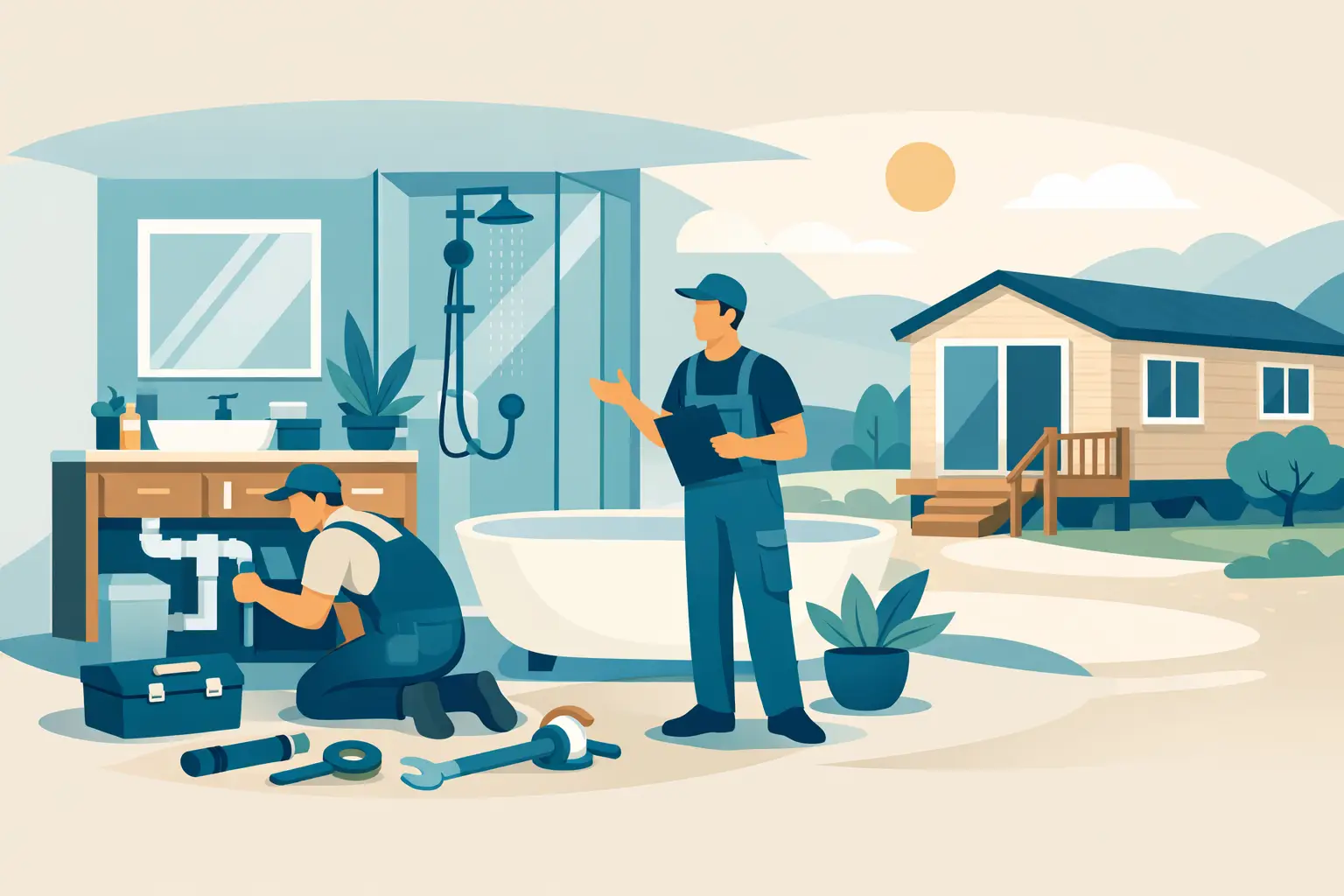
Replacing the outer finish provides a valuable opportunity to deal with work that is difficult to reach later. If the survey identifies damaged wall sections, weak seals, faulty gutters or worn window trims, these should be resolved before the new cladding is completed.
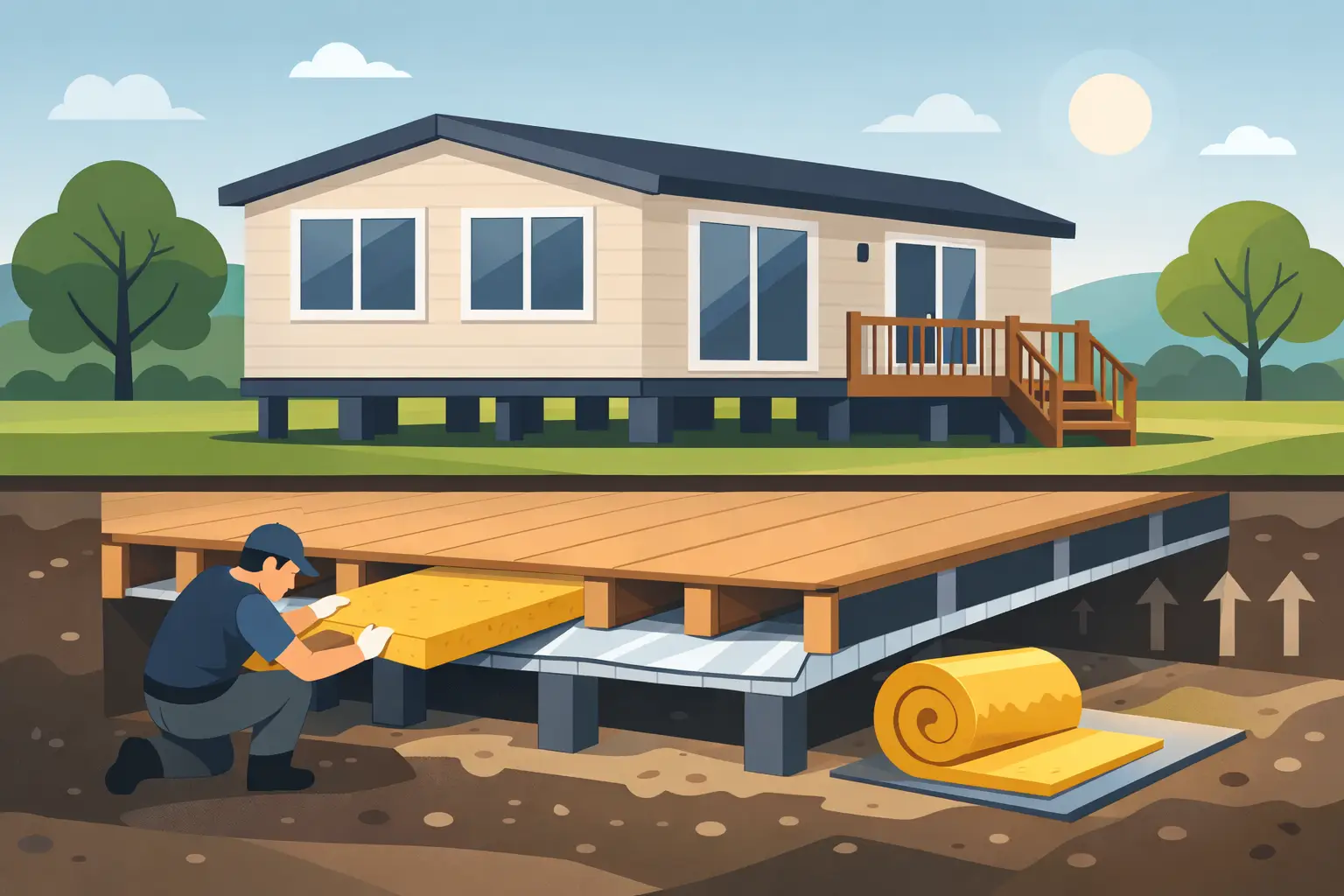
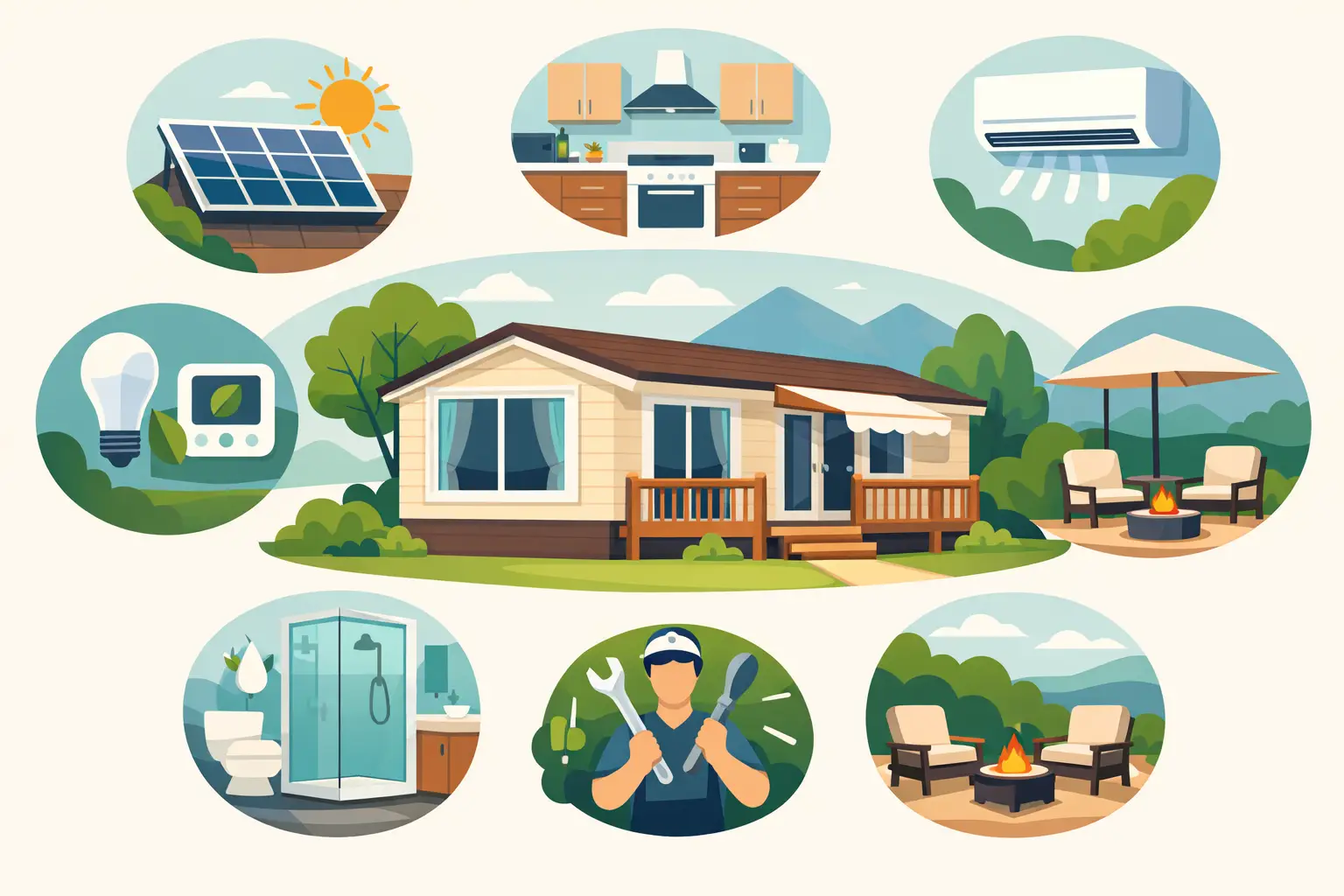
This is also a sensible time to consider related improvements. Wall insulation may be appropriate where the construction allows it and where heat loss is a known concern. Underfloor insulation can make a noticeable difference to comfort underfoot, especially in older homes with cold floors. Roof repairs, replacement guttering and new skirting can all support a more complete refurbishment.
There is no need to take on every improvement at once. Priorities should be based on condition, budget and the problems you experience day to day. If rainwater is getting behind panels, repair and weather protection come first. If the exterior is sound but the home feels cold, an insulation assessment may offer better value than cosmetic work alone.
Before agreeing to work, you should have a clear explanation of what is being replaced, what repairs are included and whether any hidden defects could affect the scope once old materials are removed. Honest contractors will explain that it is not always possible to see every issue until the existing exterior is opened up.
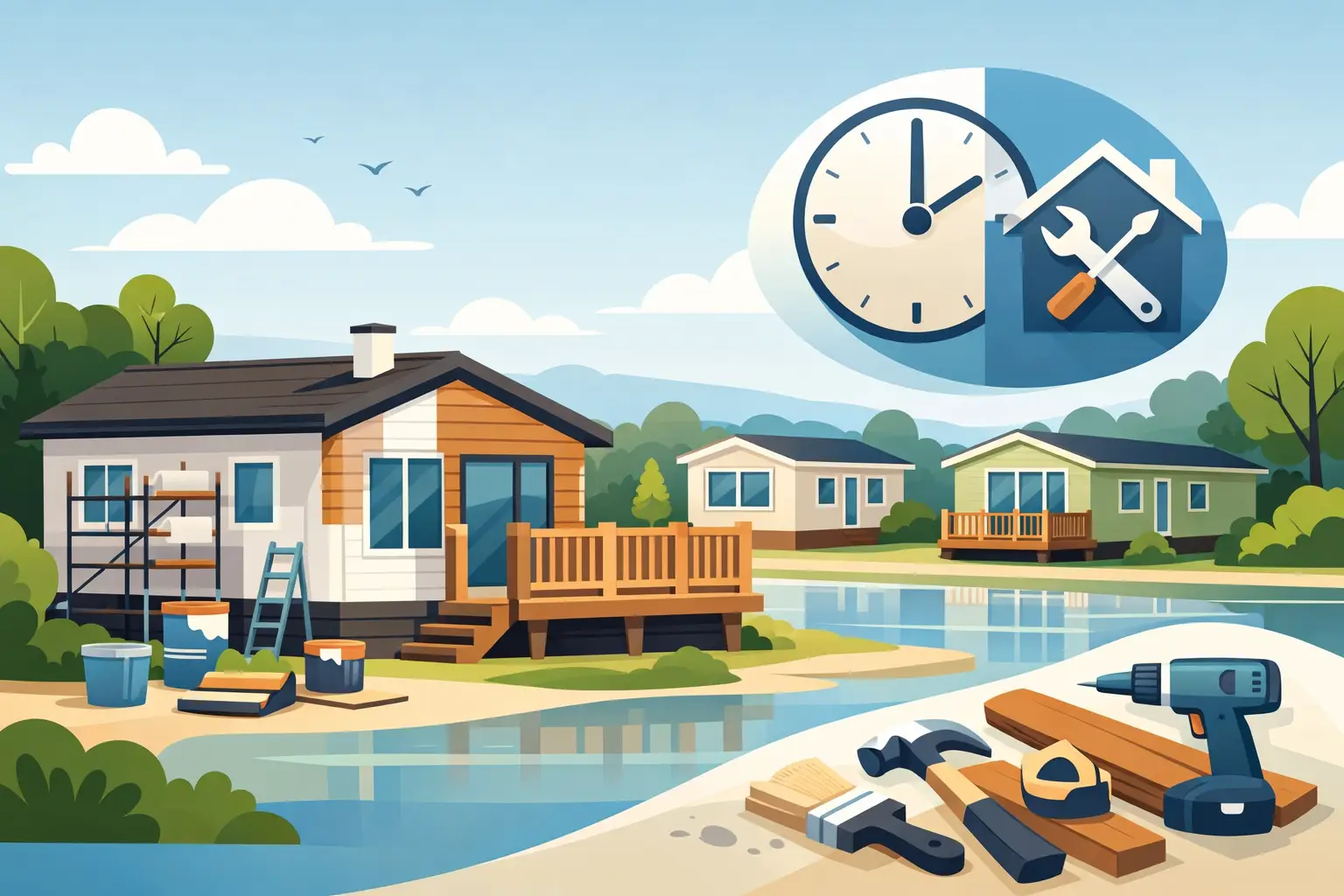
A professional project should begin with a close inspection and a written plan. This should cover preparation, removal of unsuitable materials, repair work where required, fitting of panels and trims, sealing around openings, and the finishing details that give the home a tidy appearance. Waste removal, access arrangements and the expected working period should also be discussed beforehand.
It is sensible to ask how the team will protect surrounding areas, particularly if you have a veranda, established planting or limited space between homes. Good workmanship is not only about the finished panels. It is about leaving the site clean, treating your home with respect and making sure you understand the work being carried out.
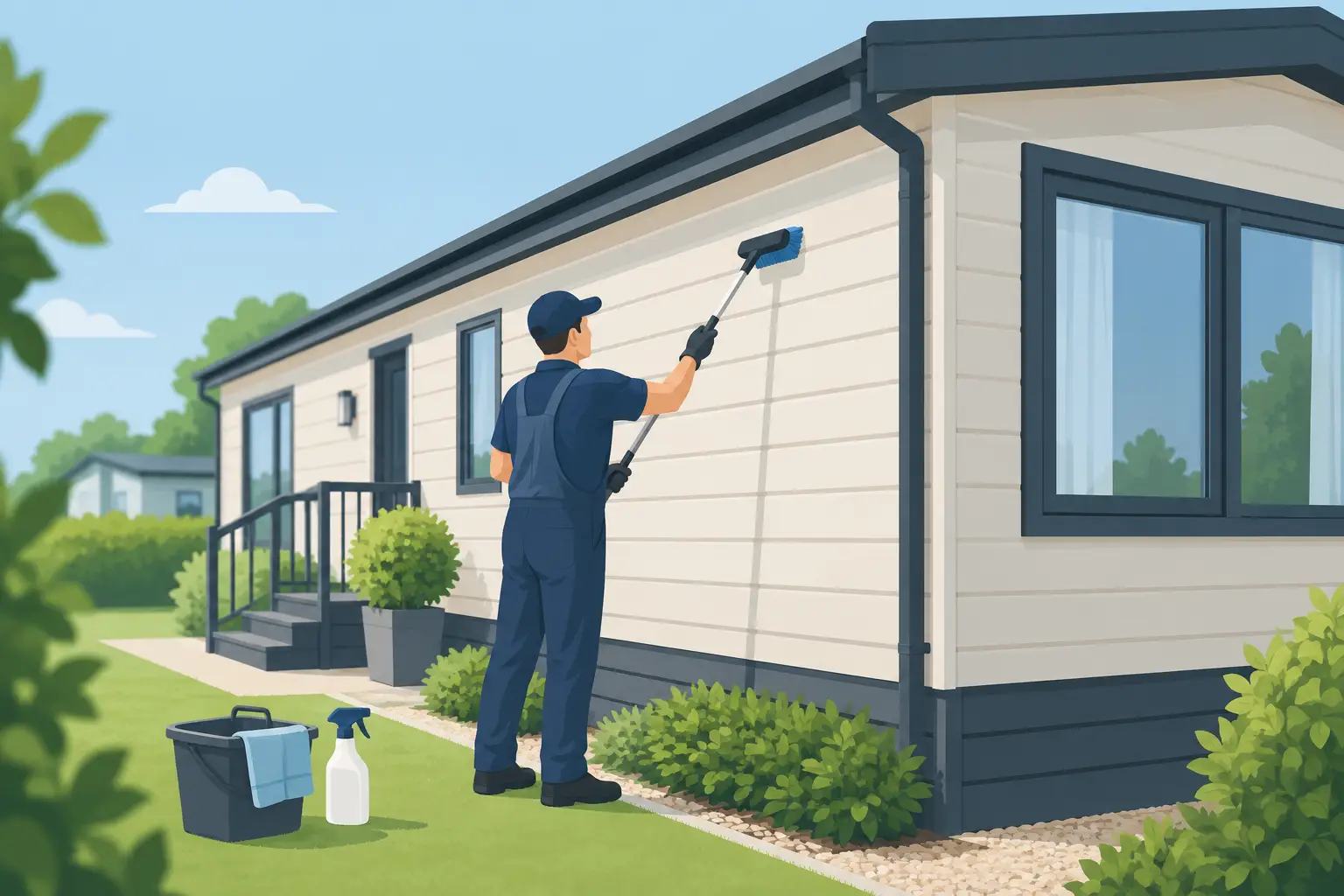
One of the main attractions of new cladding is the reduction in maintenance. Even so, a little regular care will help preserve its appearance. Wash the surface periodically with warm water and a mild detergent, using a soft brush or cloth. Avoid abrasive pads and harsh solvents that could mark the finish.
Check joints, trims, gutters and sealant around windows from time to time, especially after severe weather. Keep gutters clear so water does not overflow onto the walls, and trim back vegetation that constantly rubs against the cladding or holds moisture against it. If you notice a loose panel or damaged trim, arrange a repair early rather than waiting for water to enter.
A well-clad park home should feel like a home you can rely on: warmer-looking, easier to maintain and properly protected from the elements. Start with a careful inspection, choose materials for long-term performance rather than a quick visual fix, and make sure the work is carried out by people who understand how park homes are built.