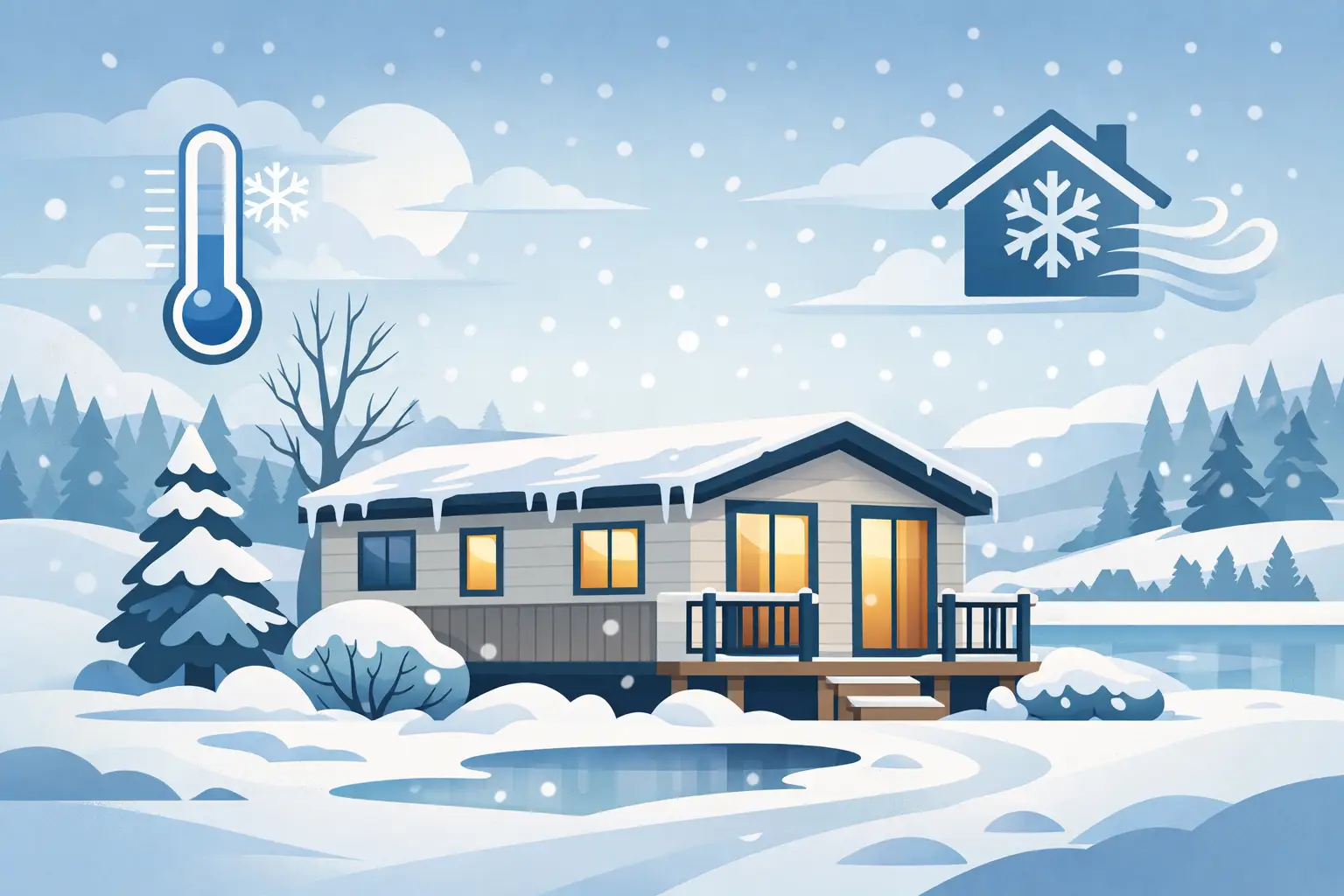
The first cold snap usually finds the weak spots fast – a chilly floor underfoot, condensation on the windows, a draught near the skirting, or a roof issue that suddenly looks more urgent than it did in August. A proper park home winter preparation checklist helps you deal with those problems before winter settles in, when repairs become harder, more disruptive and often more expensive.
Park homes need a different approach from brick-built houses. Their construction, ventilation, insulation and support systems all behave differently in cold and wet weather. That means winter preparation is not just about comfort. It is about protecting the structure, managing moisture, keeping heating costs under control and avoiding damage that can worsen quietly over a season.
Cold weather tends to highlight three main issues in park homes – heat loss, moisture and wear in older components. If underfloor insulation is poor, the home can feel cold even when the heating is on. If ventilation is unbalanced, everyday moisture from cooking, bathing and drying clothes can turn into condensation and damp. If the roof, cladding, seals or chassis have been left too long, winter rain and frost can quickly expose those weak points.
The trade-off is that not every home needs major work. Some owners only need straightforward maintenance, fresh sealant and a careful inspection. Others are living with ageing insulation, deteriorating supports or roof coverings that have reached the point where patch repairs are no longer the best value. The key is knowing which is which before winter gets properly underway.
The best place to begin is the outside of the home, because this is where weather gets in first. Walk around the property and look carefully at the roofline, gutters, downpipes, cladding, skirting and any visible seals around doors and windows.
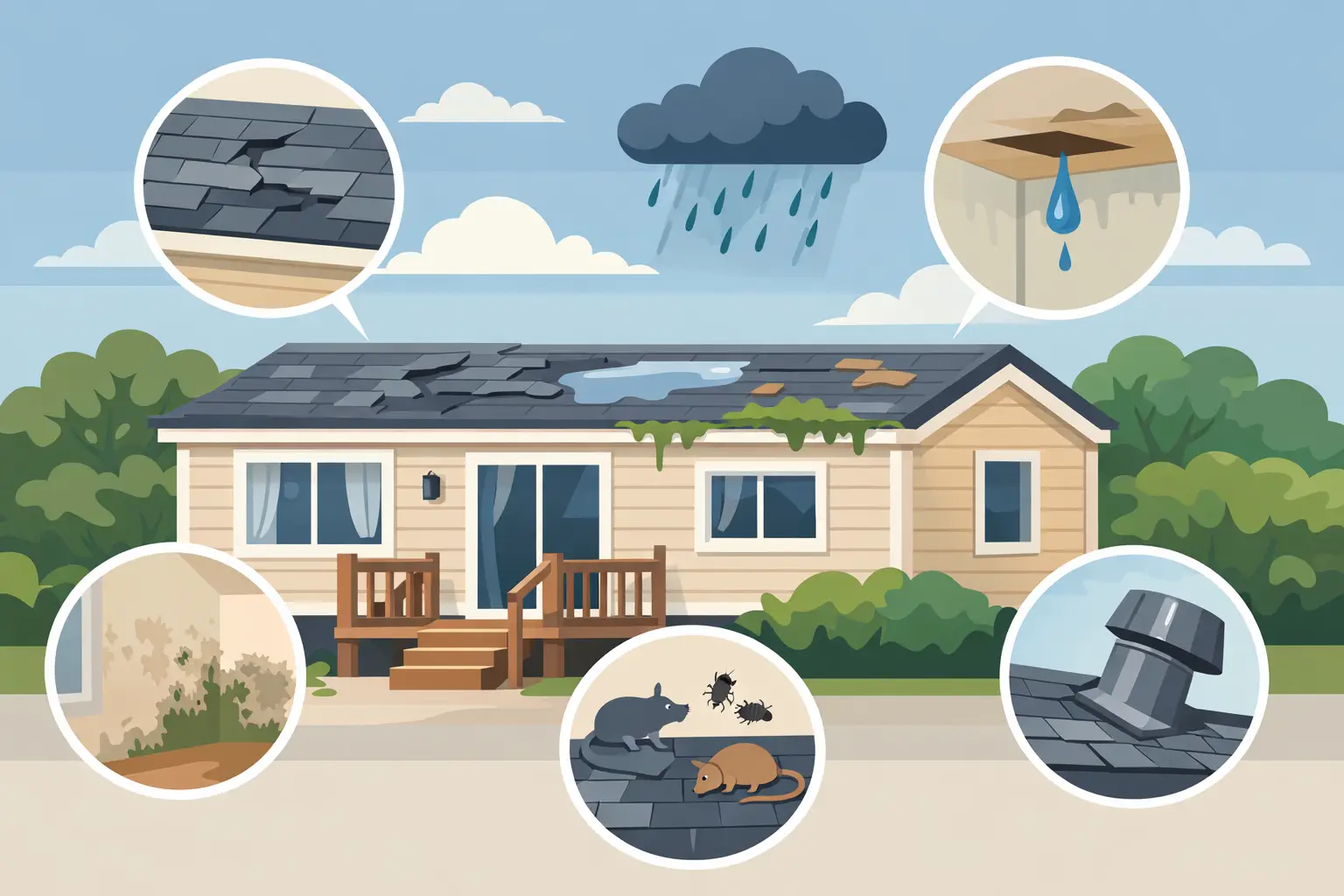
Your roof should be checked for signs of wear, lifting edges, cracks, damaged flashing or areas where water may be getting in. A small roof defect can become a much larger problem after repeated rain, wind and freezing temperatures. If your home has an older roof that has already had multiple repairs, it may be worth considering whether repair is still economical or whether replacement would give better long-term protection.
Gutters and downpipes should be clear and draining properly. Overflowing rainwater can run onto walls, saturate areas around the base of the home and contribute to damp problems below. In winter, standing water and blockages can also freeze and worsen joints or fixings.
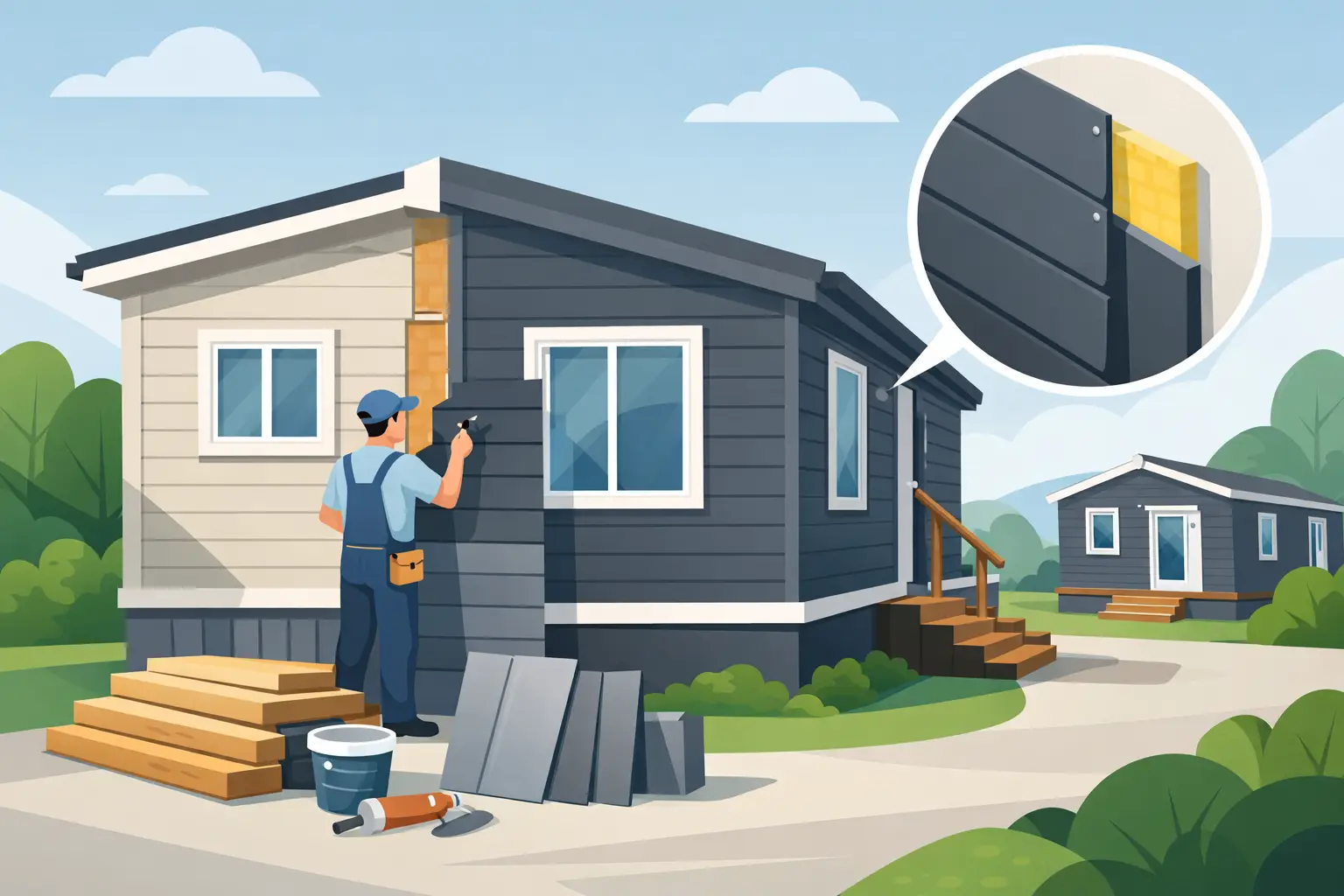
Cladding and external panels should be checked for cracks, loose sections, weathered joints or areas where water could penetrate. External finishes do more than affect appearance. Sound cladding helps protect the structure beneath and reduces maintenance over time.
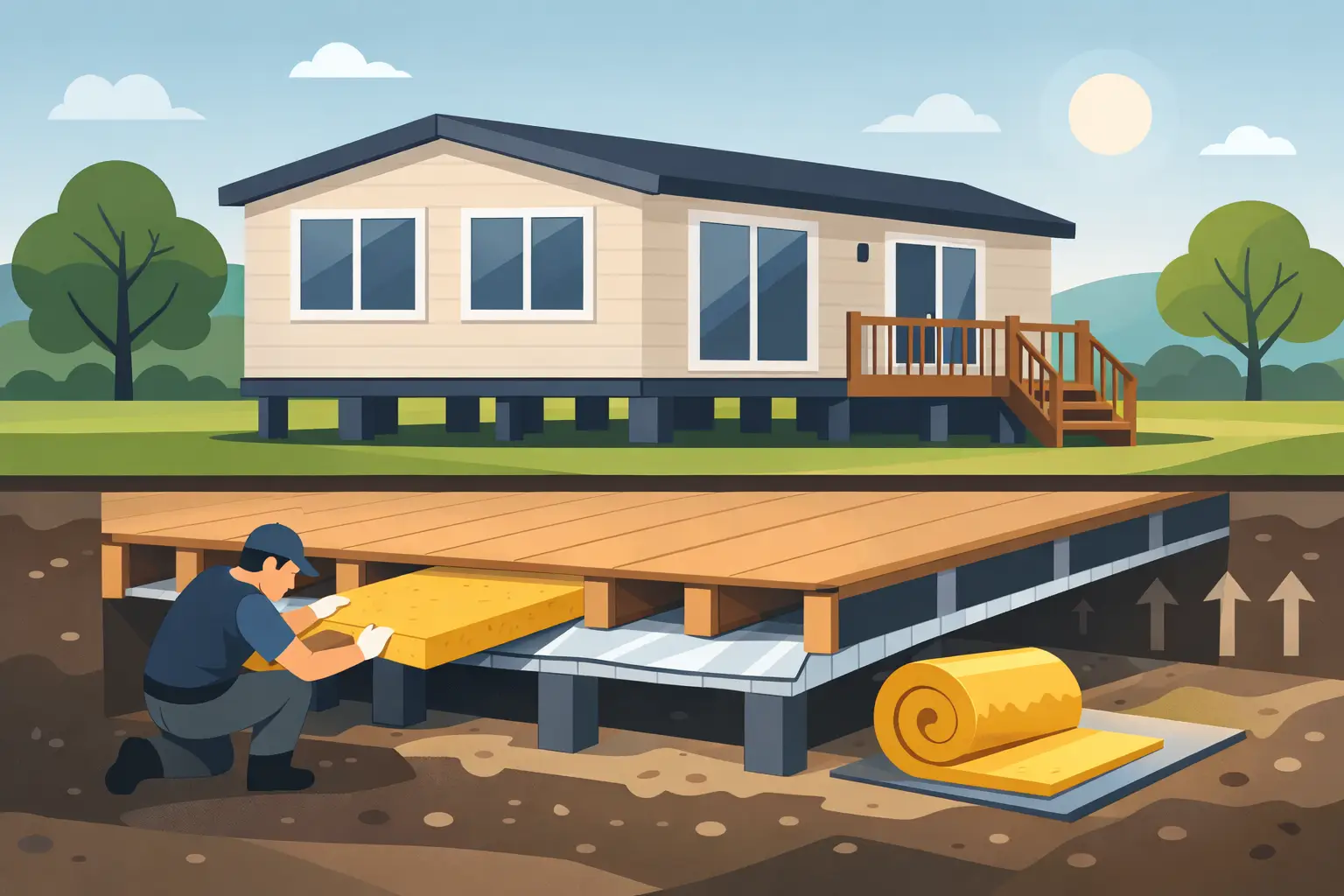
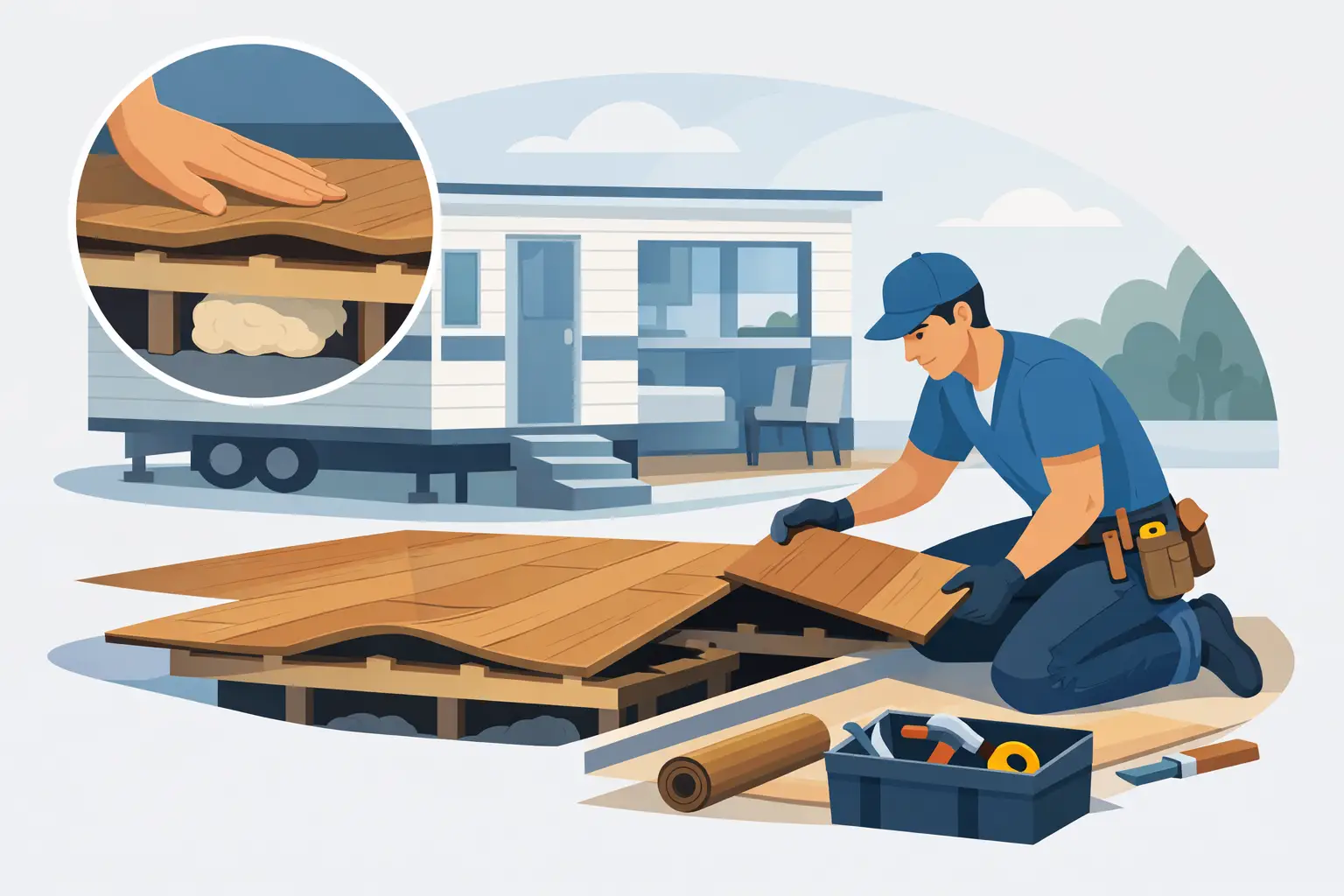
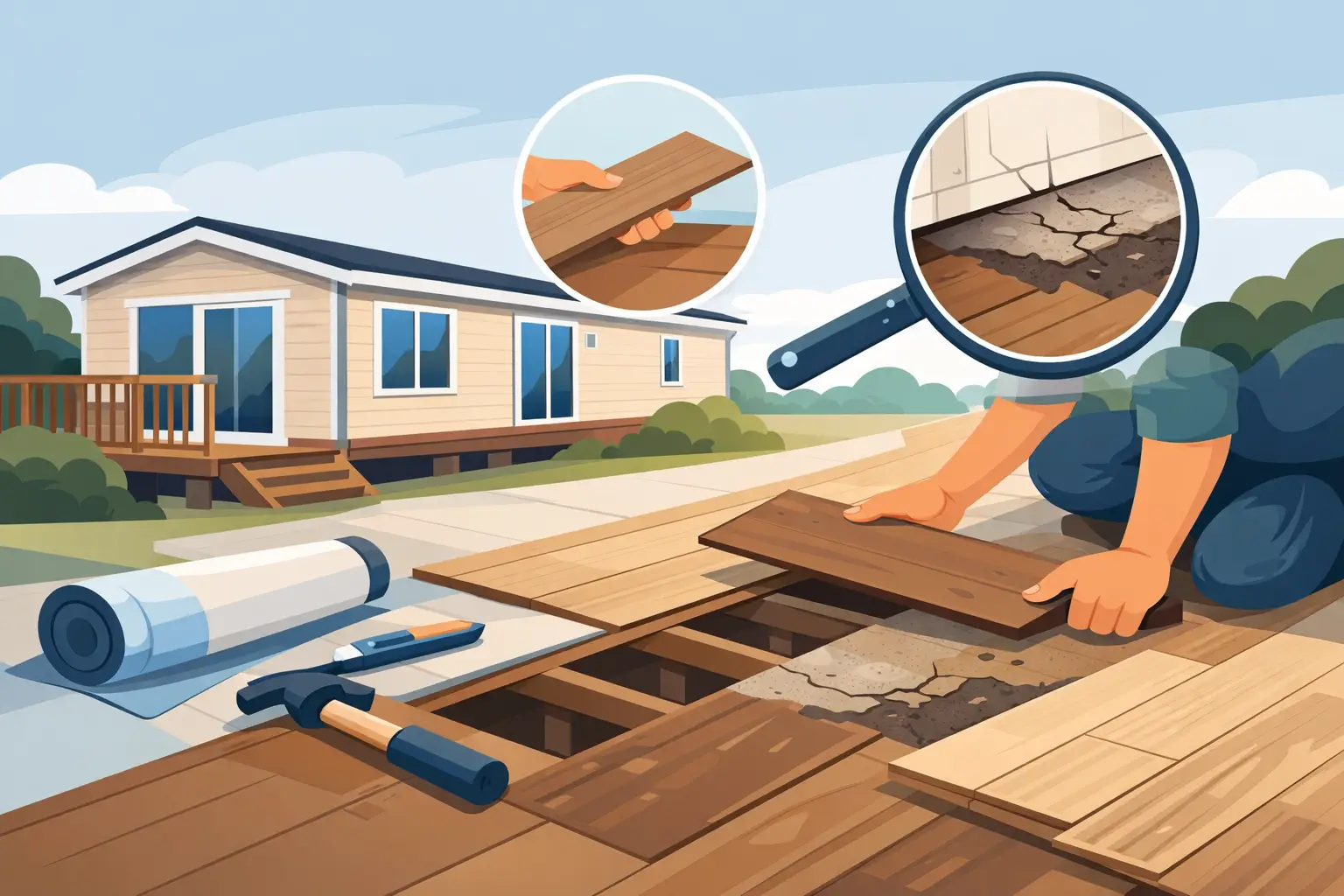
If your park home always feels cold from the floor up, underfloor insulation is one of the first things to assess. This is a common issue, especially in older homes where insulation may be poor, damaged or simply no longer performing as it should. Better underfloor insulation can make a noticeable difference to comfort and can help the heating work more efficiently.
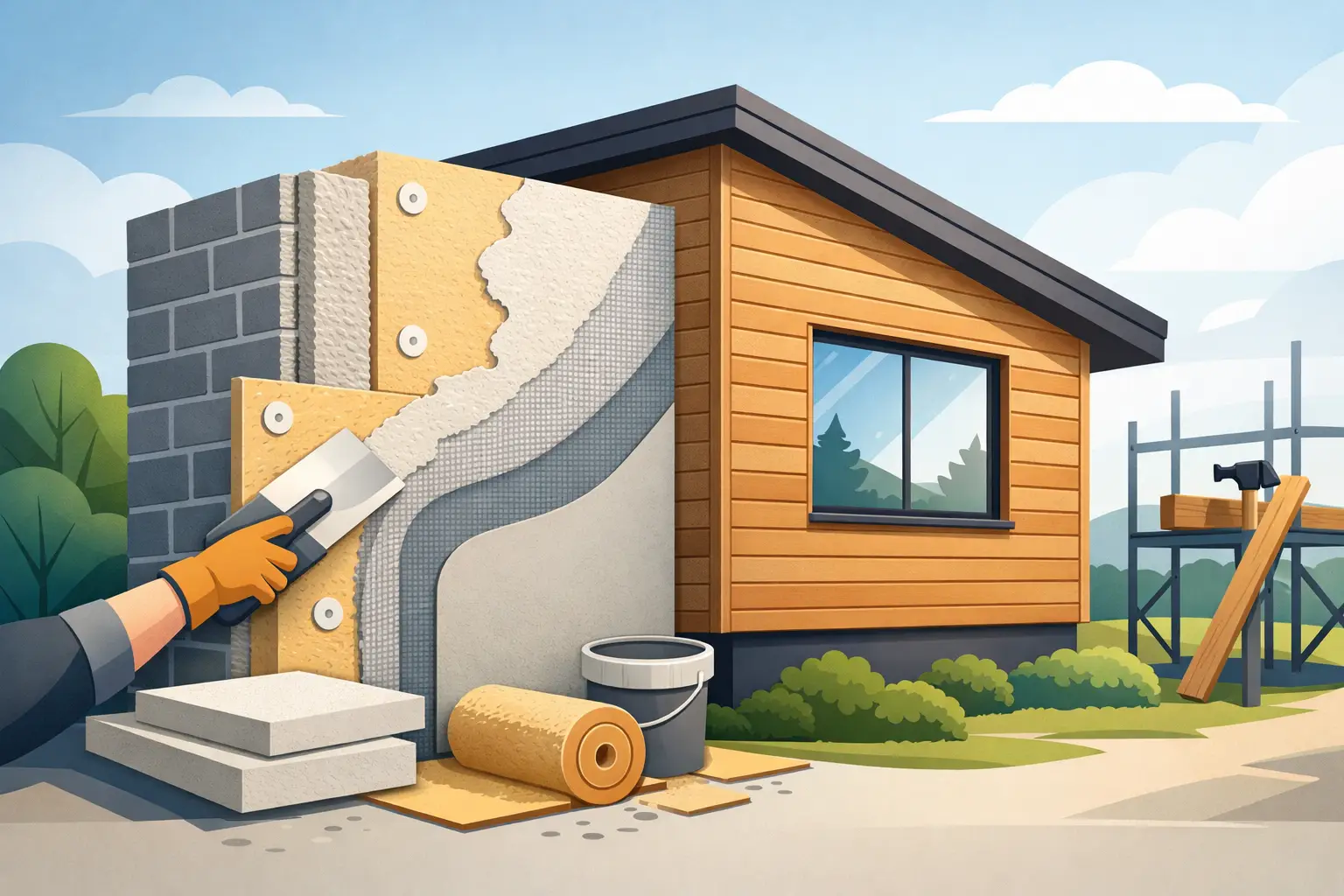
Wall insulation matters too, particularly if certain rooms feel consistently colder than others. In some homes, heat loss through walls is obvious in winter because surfaces feel cold to the touch and the heating seems to disappear quickly once it is switched off. The right upgrade depends on the age and construction of the home, so it is not always a one-size-fits-all decision.
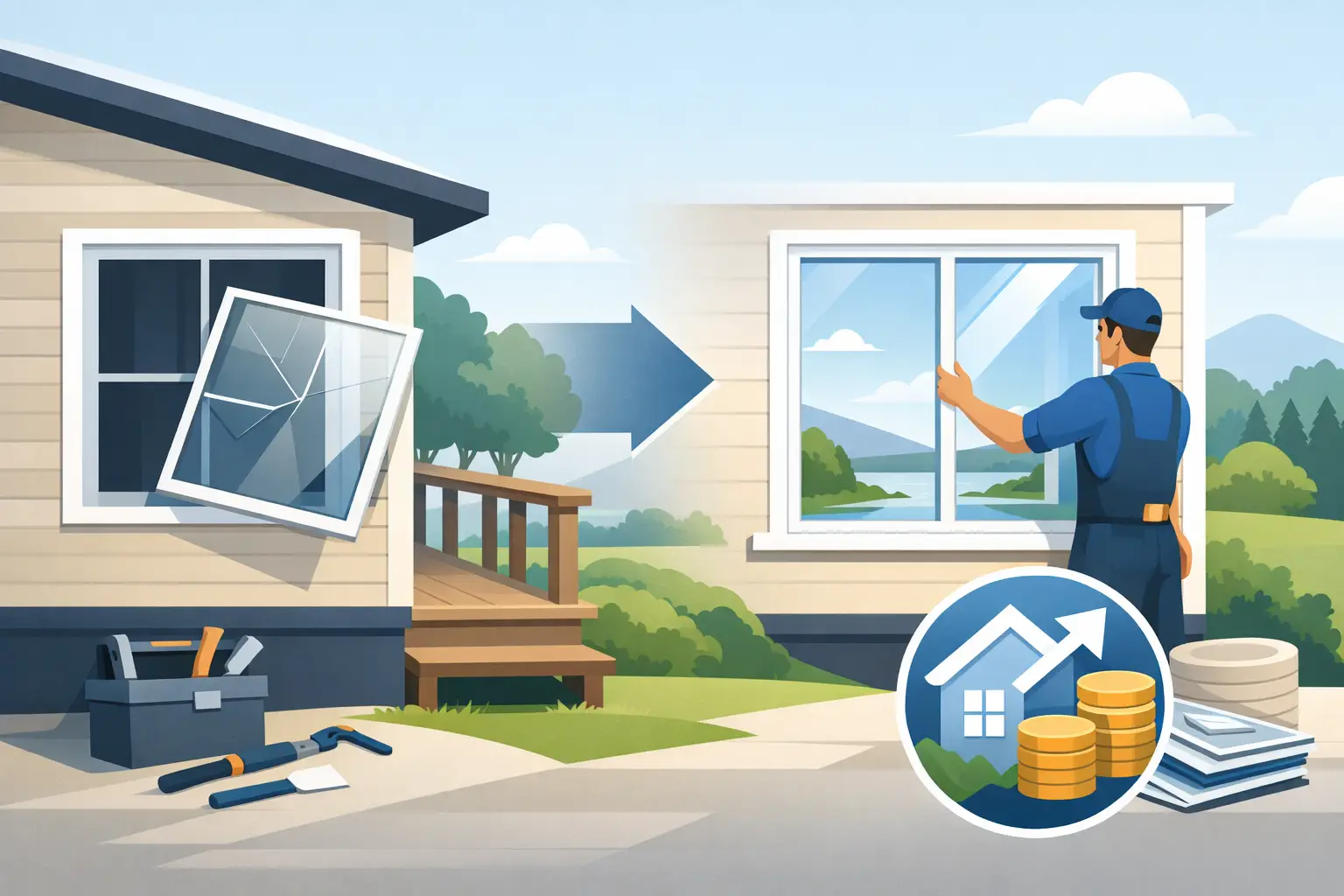
Doors and windows should be checked for failing seals, draughts and difficulty closing properly. Not every draught means replacement is needed, but worn seals and poor fitting can let in cold air and moisture. Sometimes a targeted repair is enough. In other cases, especially where older units are involved, replacement may be the more sensible option.
Warmth matters in winter, but so does moisture control. Park homes can suffer with condensation when indoor humidity meets cold surfaces, particularly around windows, in bedrooms and in bathrooms. Left unchecked, this can lead to mould, staining and a generally damp feeling indoors.
Start by looking at ventilation. Extractor fans in bathrooms and kitchens should be working properly and used consistently. Trickle vents, where fitted, should not be blocked. It can feel tempting to seal everything tightly in cold weather, but cutting off ventilation altogether often makes condensation worse.
Heating habits also play a part. A steady background temperature is usually better than letting the home get very cold and then trying to heat it quickly. That sudden swing can create more condensation, not less. If you are drying clothes indoors, take extra care to ventilate the space, as this adds a surprising amount of moisture to the air.
If condensation is heavy despite sensible heating and ventilation, it may point to deeper issues with insulation, cold bridging or general thermal performance. In those cases, surface-level fixes are rarely enough.
Frozen pipes are disruptive in any property, but in a park home they can be especially awkward if they occur beneath the unit or in exposed areas. Insulating vulnerable pipework is a sensible step before temperatures drop. Pay attention to external taps, service entry points and any pipe runs in colder spaces.
Now is also a good time to check your boiler or heating system, if fitted, and make sure it is working efficiently before you really need it. If your heating has been inconsistent, noisy or slow to respond, deal with that early rather than waiting for the middle of winter.
Bathrooms deserve a closer look too. Small leaks, ageing seals around showers or baths, and worn flooring can all contribute to moisture issues. In a compact home, even a minor bathroom problem can affect surrounding surfaces more quickly than many owners realise.
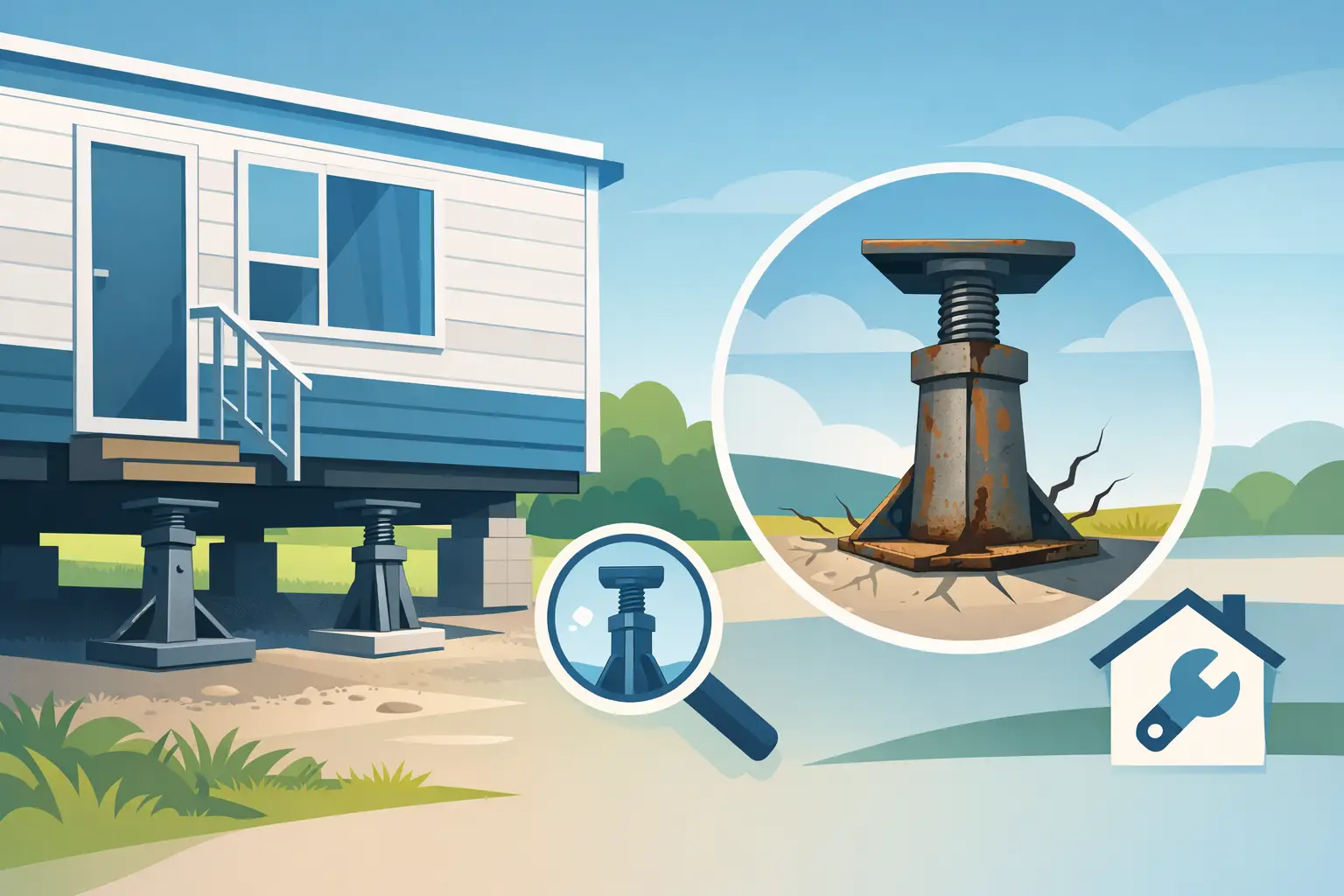
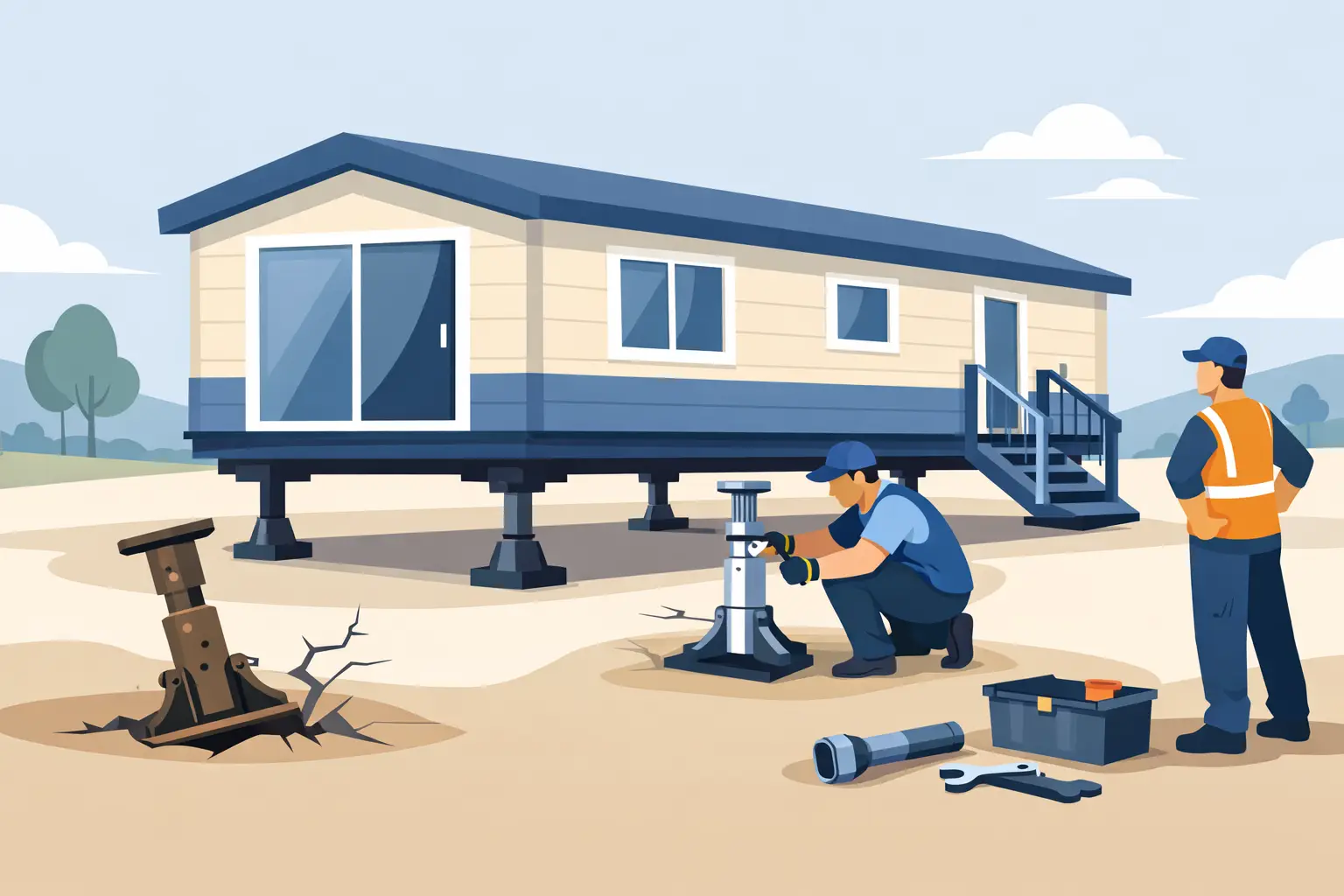
One of the biggest differences between a park home and a conventional house is what is happening underneath. The chassis, support jacks and base structure all need to remain sound and properly supported. If these elements are deteriorating, winter weather can make movement, damp and structural stress more noticeable.
Signs of trouble may include uneven floors, doors that no longer shut squarely, cracks appearing internally, or a general sense that the home has shifted. Not every issue means major structural work is required, but these are not symptoms to ignore. Support jack replacement and chassis refurbishment are specialist jobs, and they are best dealt with by people who understand park home construction rather than general builders.
This is one area where a professional inspection can save both money and worry. Problems below the home are often missed because they are not part of everyday view, yet they have a direct effect on comfort, stability and long-term value.
If you want to make your park home winter preparation checklist manageable, tackle it in order of risk. Start with anything that could let water in, then anything affecting warmth and safety, then the items that improve efficiency and day-to-day comfort.
A sensible order is usually roof and rainwater goods first, then cladding and seals, then insulation and ventilation, followed by heating, pipework and finally the chassis and supports if there are warning signs. That approach helps you deal with urgent protection first instead of spending money in the wrong place.
For some owners, this process confirms the home is in good shape and only needs routine upkeep. For others, it highlights that repeated small repairs are masking bigger issues. If your park home is cold every year, costs too much to heat, or shows recurring signs of damp and wear, a more comprehensive refurbishment may be the better investment.
At New Look Park Homes Ltd, we see this regularly with older homes that have reached the stage where proper insulation, external upgrades or structural work make a far greater difference than another temporary patch.
There is nothing wrong with carrying out basic visual checks yourself. In fact, homeowners often spot the first signs of change because they live with the home every day. But when it comes to roofs, insulation performance, chassis condition or support systems, specialist knowledge matters.
Park homes are not just smaller versions of traditional houses. Their construction details are different, and repairs need to suit that structure. A general tradesperson may deal well with standard domestic jobs, but that does not always translate to park home work. If the aim is lasting warmth, weather protection and proper structural support, experience in this sector makes a real difference.
Winter preparation is really about peace of mind. A warmer floor, a drier bedroom, a sound roof and a stable structure all make daily life easier when the weather turns. If you start early and deal with the weak spots properly, winter becomes far less of a test and much more of a season you can sit through in comfort.