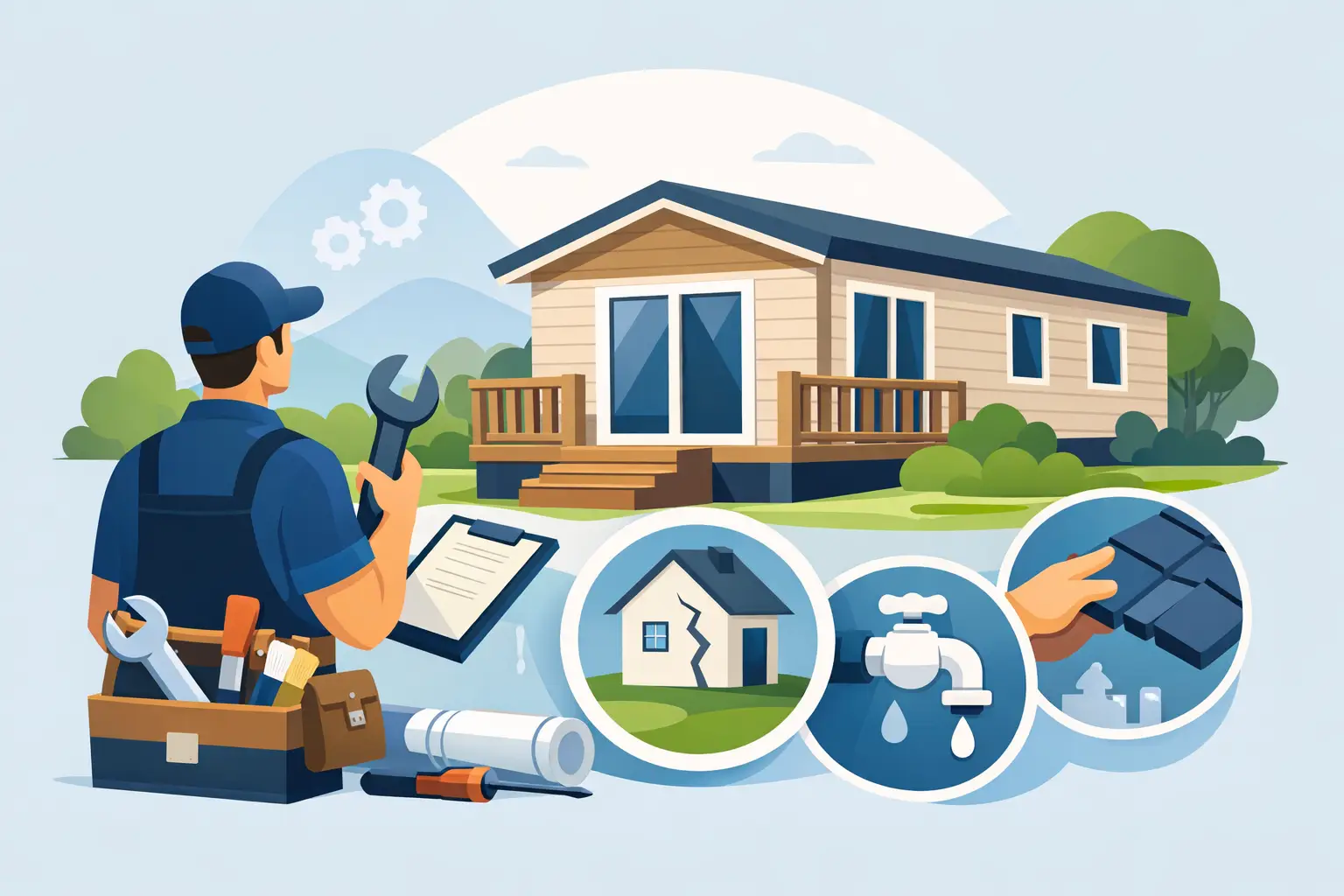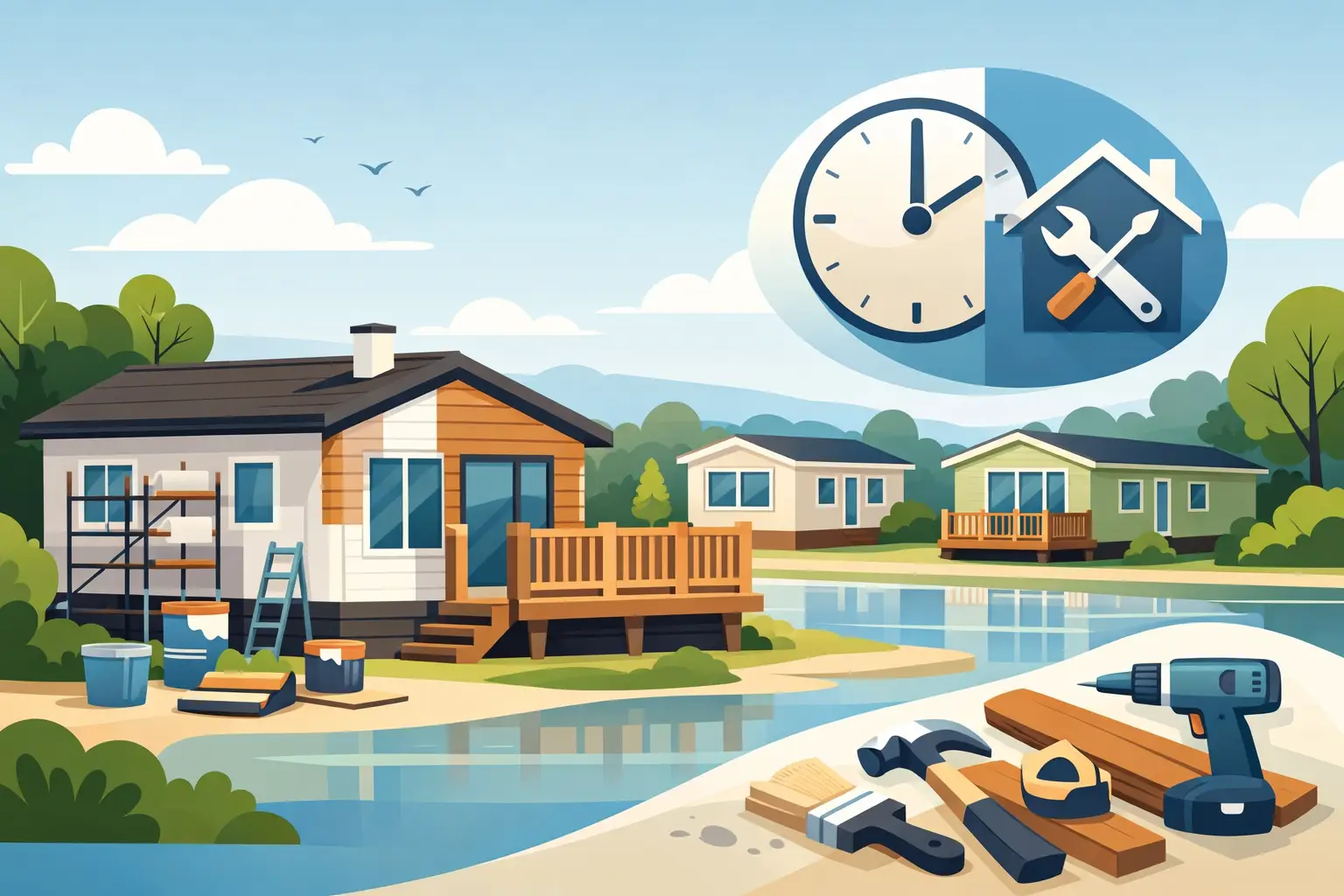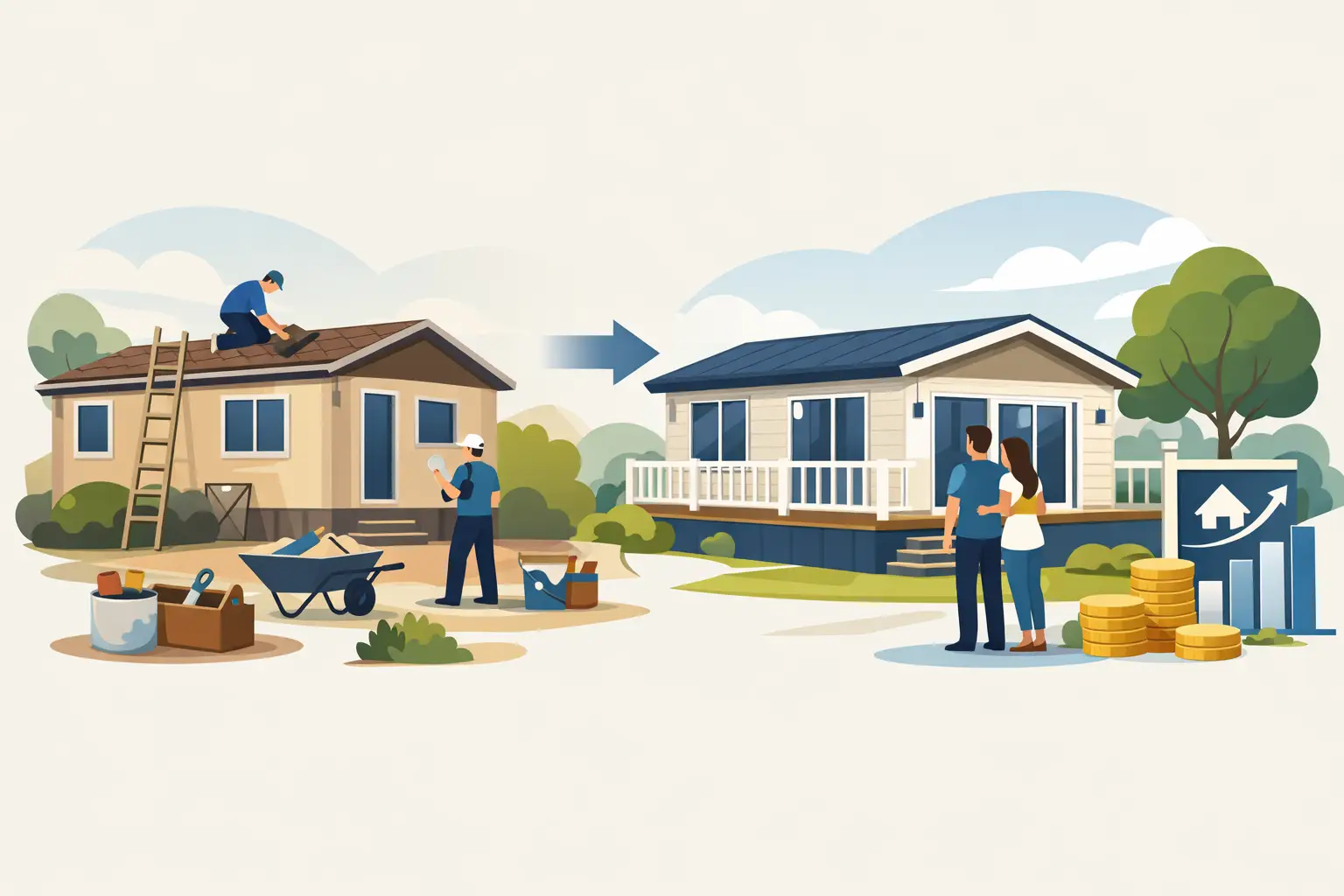
A tired exterior, cold floors and an ageing roof do more than make a park home less pleasant to live in – they can also put buyers off and drag down its perceived worth. So, does park home refurbishment add value? In many cases, yes, but not every improvement delivers the same return. The value comes from choosing the right work for the condition of the home, the age of the property and what matters most to future buyers as well as current owners.
Park homes are not the same as standard bricks-and-mortar houses, and they should not be assessed in the same way. Buyers tend to look closely at warmth, weather protection, structural soundness and how much immediate work the home is likely to need. A well-refurbished park home often feels safer, warmer, more attractive and easier to maintain. That can support a better sale price, but just as importantly, it can make the home easier to sell in the first place.
The honest answer is that it depends on the type of refurbishment and the starting condition of the home. If the property has visible wear, draughts, outdated fittings or signs of neglect, refurbishment can make a noticeable difference. If the home is already in very good order, the uplift may be smaller and more about protecting value than dramatically increasing it.
In practical terms, value is not only measured by the final figure a buyer agrees to pay. It also shows up in reduced objections during viewings, fewer concerns raised about future maintenance and a stronger first impression. Buyers are often willing to pay more for a home that looks cared for and does not appear to need immediate attention.
For many owners, the biggest gain comes from avoiding value loss. Leaving problems untreated can lead to more expensive issues later, especially where roofs, chassis, supports or external cladding are involved. Refurbishment is often as much about preserving value as adding to it.
Some upgrades are largely cosmetic. Others affect the structure, thermal performance and long-term reliability of the home. The latter usually carry more weight when it comes to value.
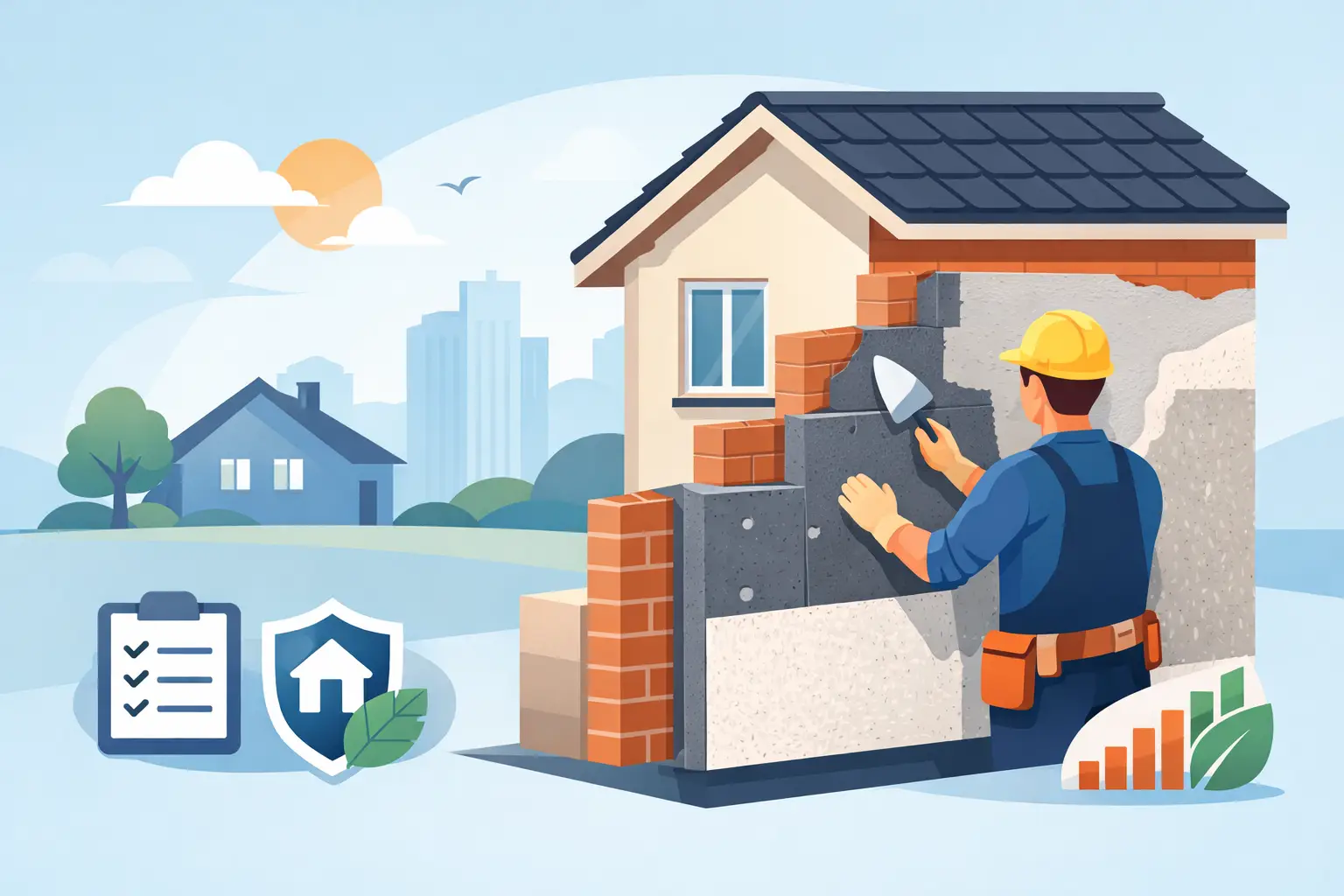
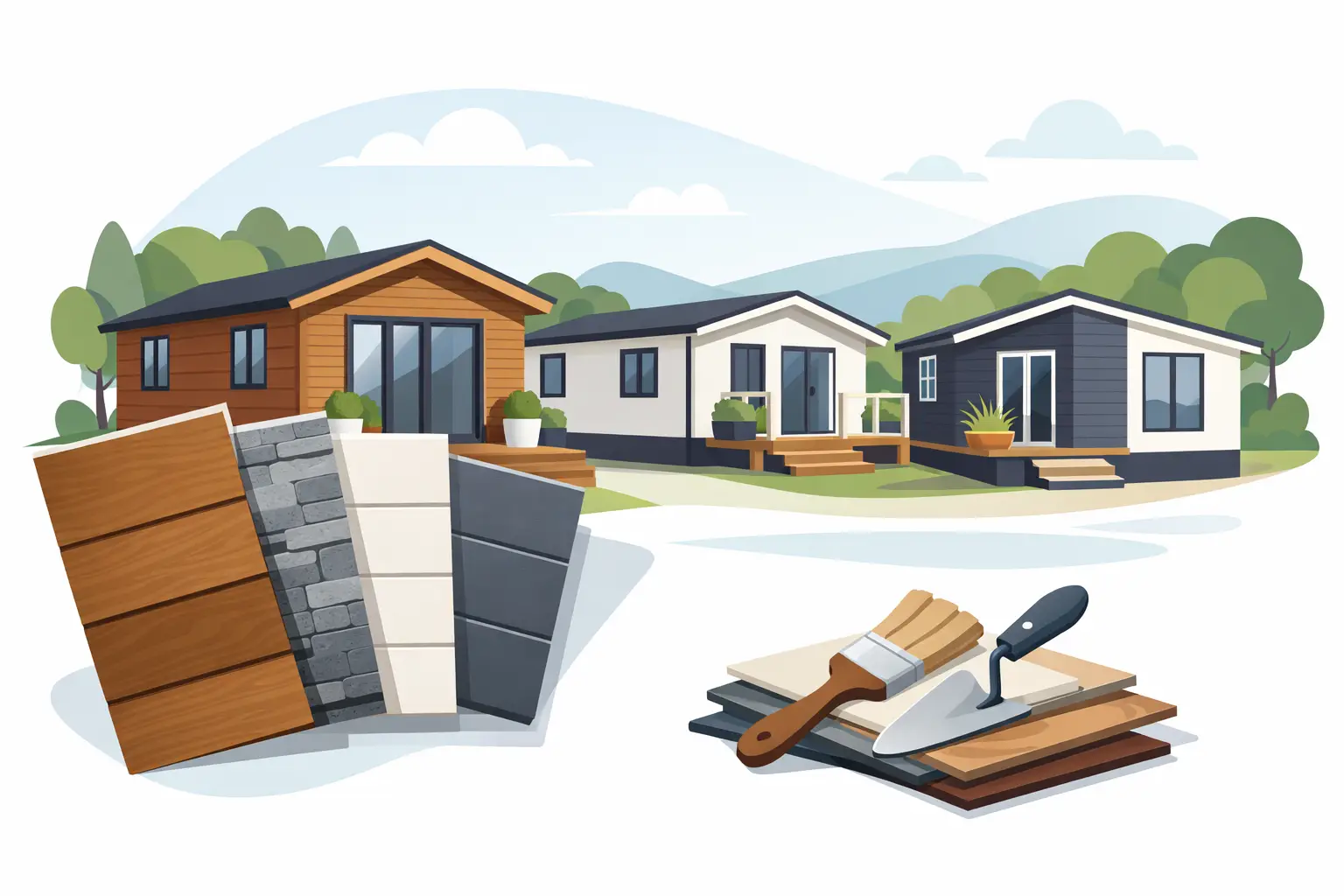
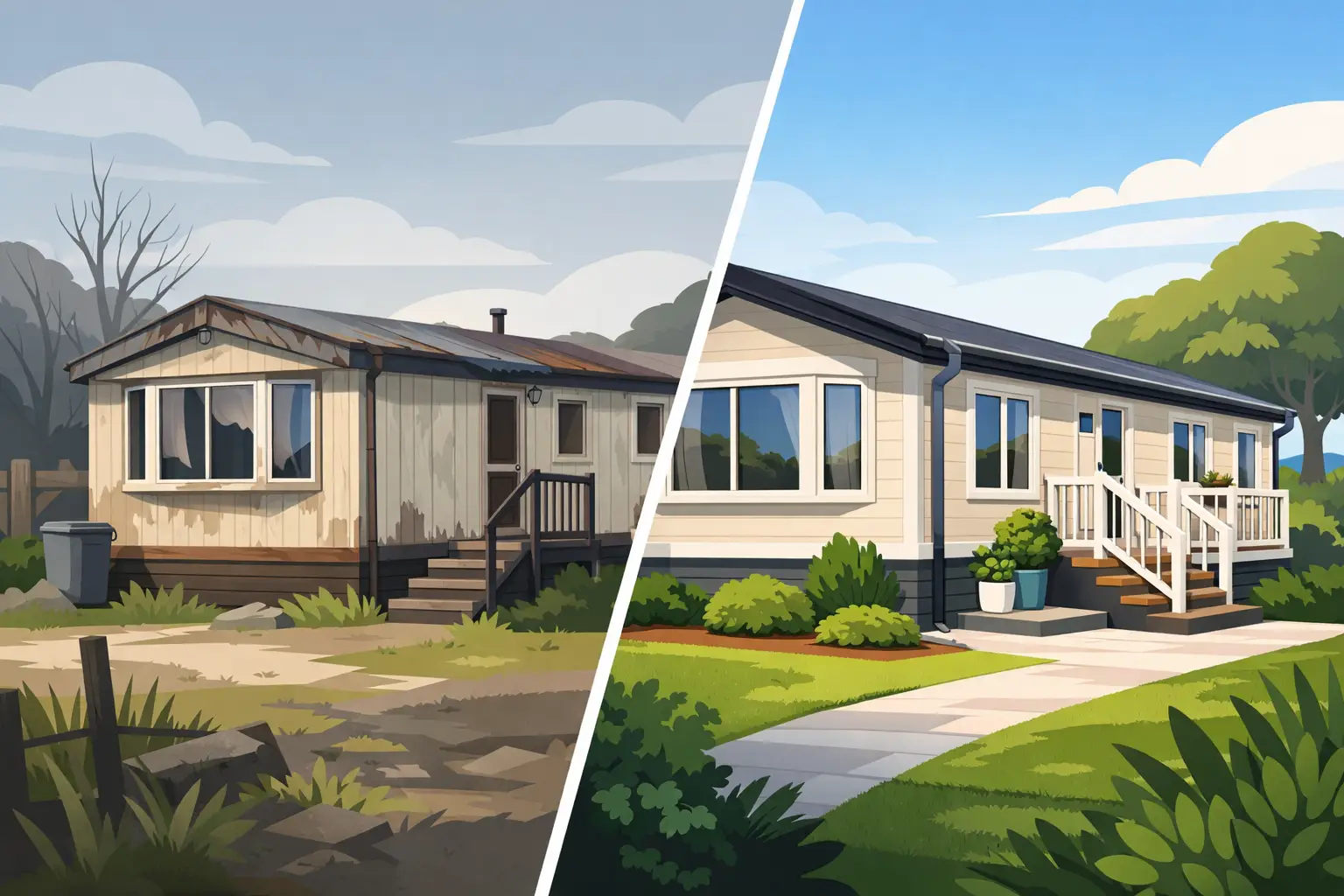
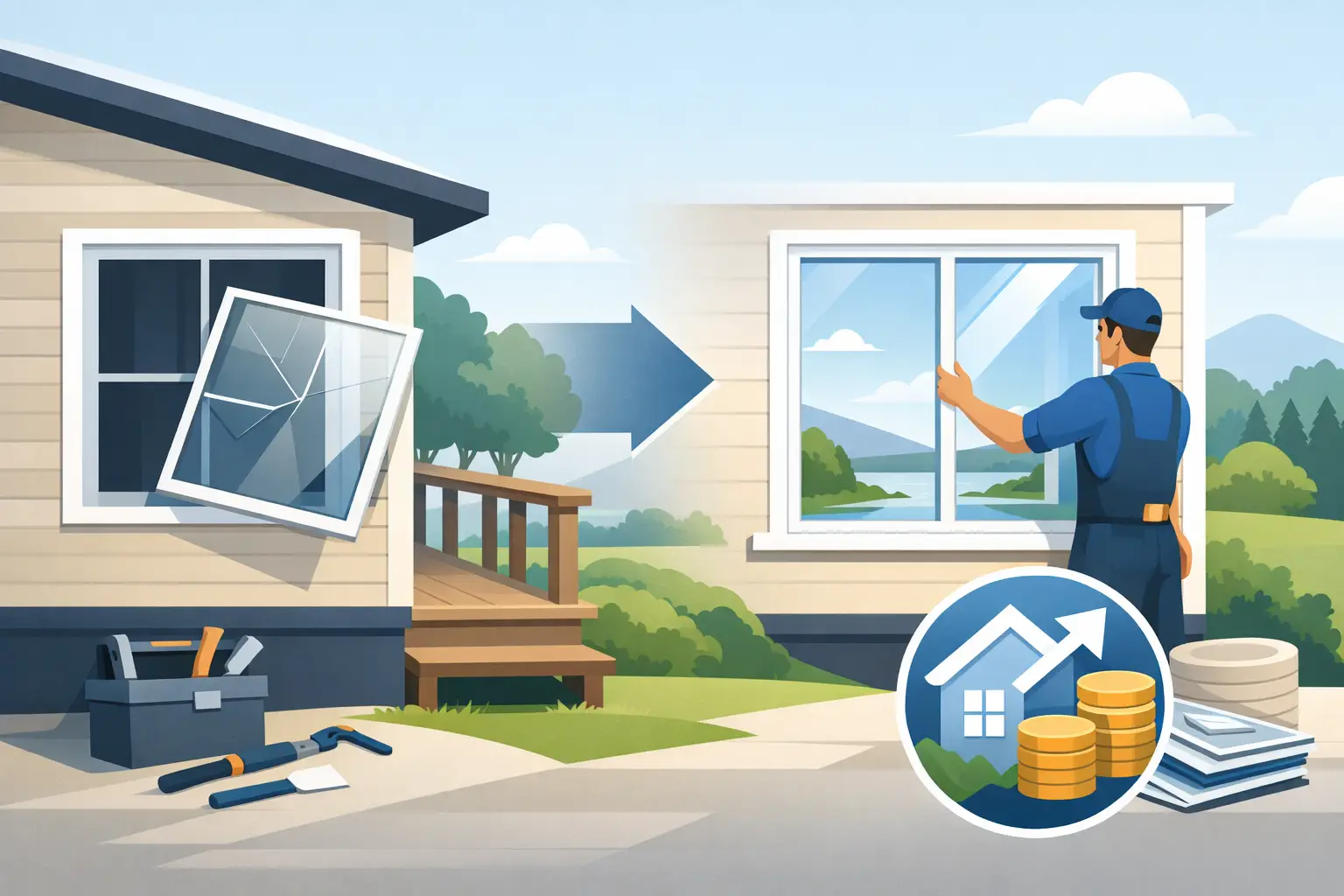
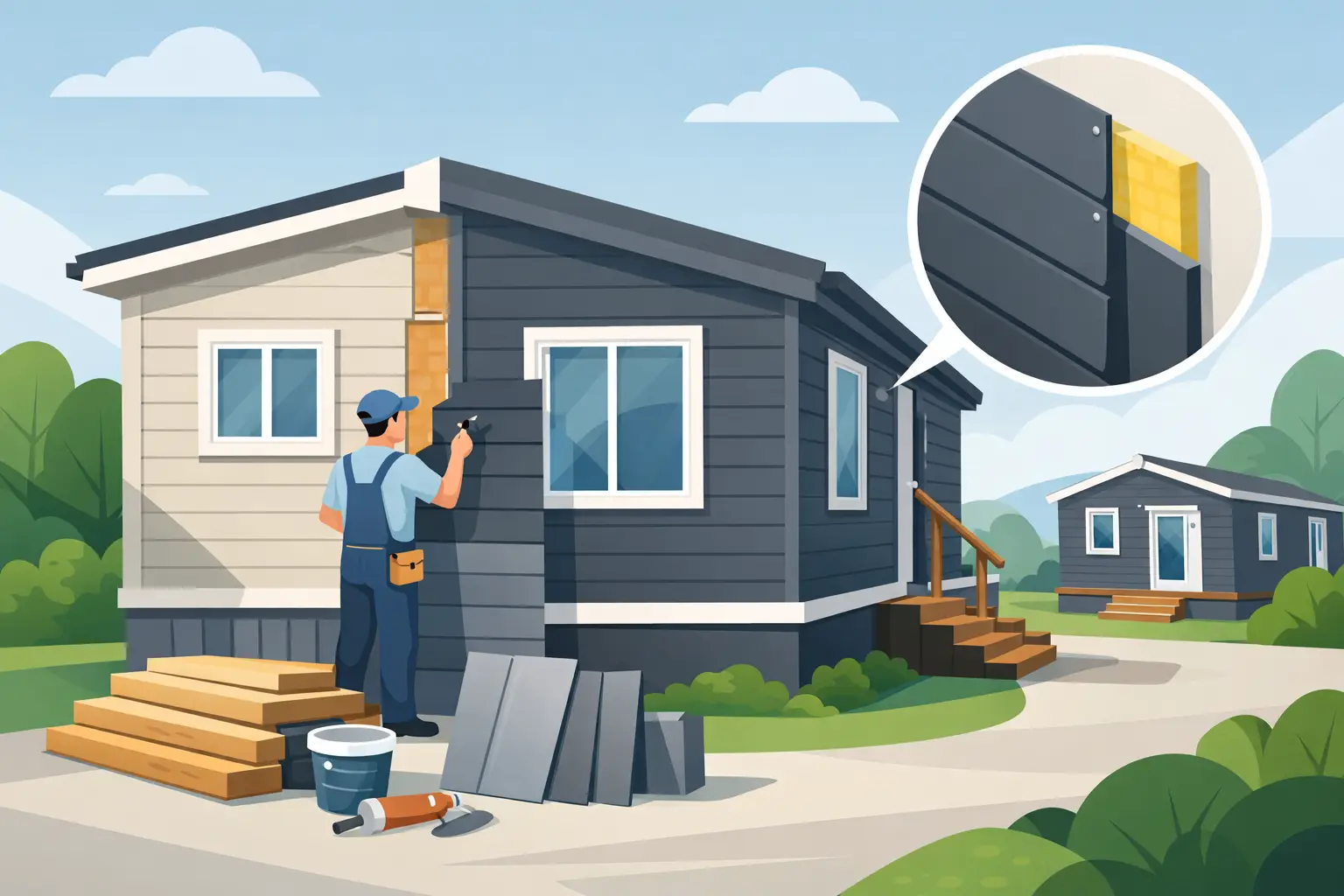
First impressions count. Worn, faded or damaged exterior finishes can make an otherwise sound park home look older than it is. Refurbishing the outside with modern, low-maintenance cladding can improve appearance straight away, while also helping to protect the structure from weather exposure.
This is one of the clearest areas where refurbishment can add value, because buyers see it immediately. A smart exterior suggests the home has been looked after properly. It also gives reassurance that they are not buying a property with hidden neglect.
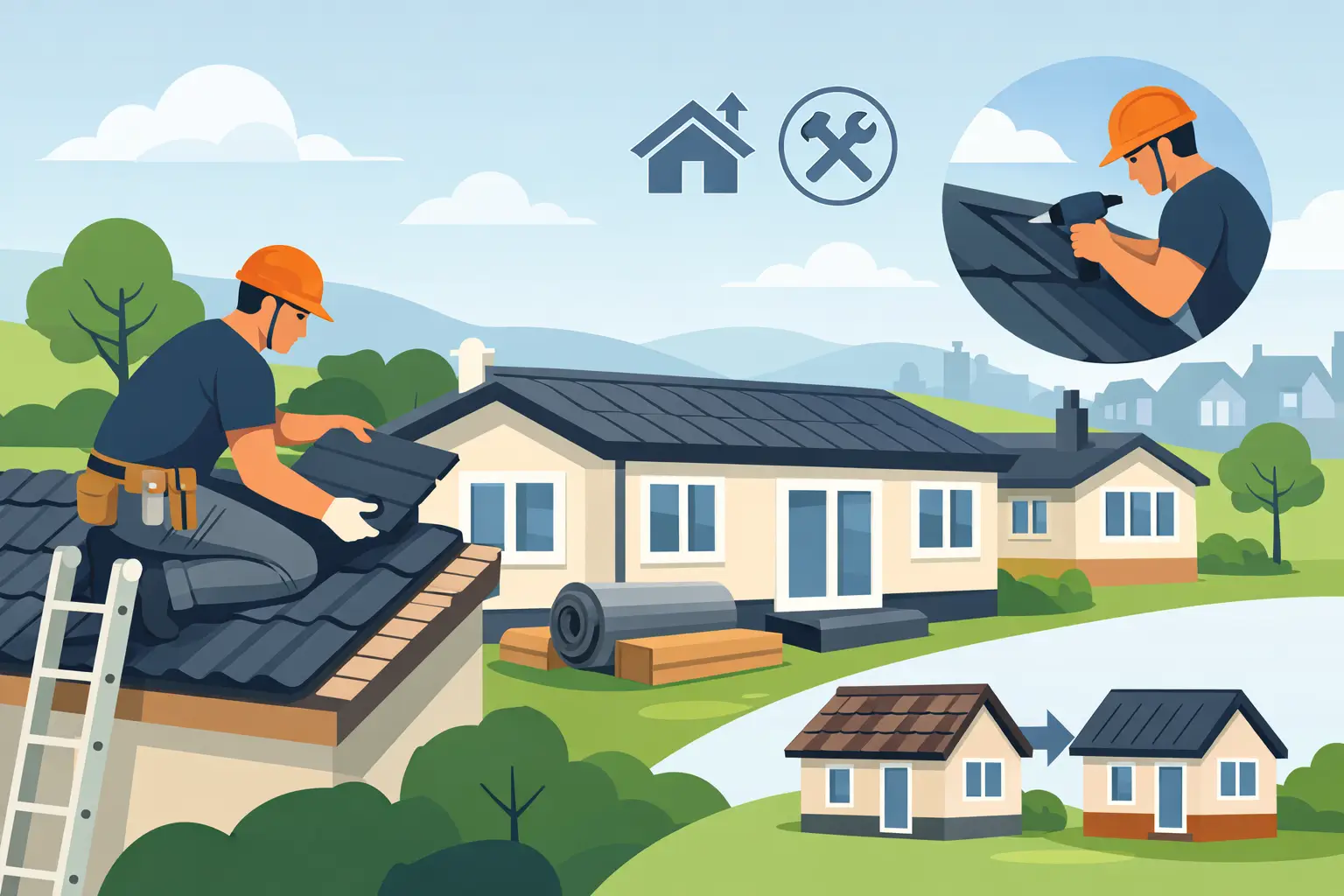
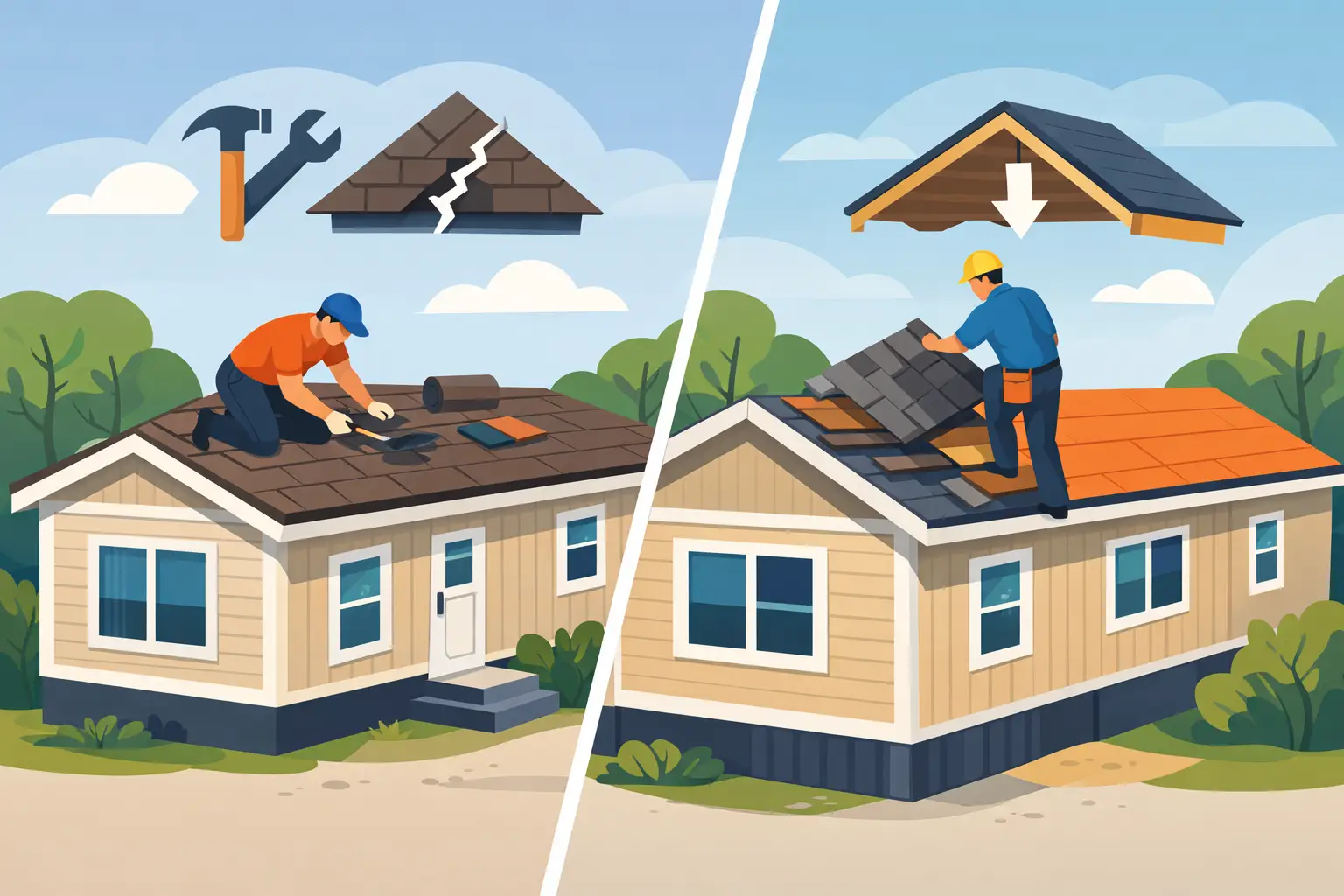
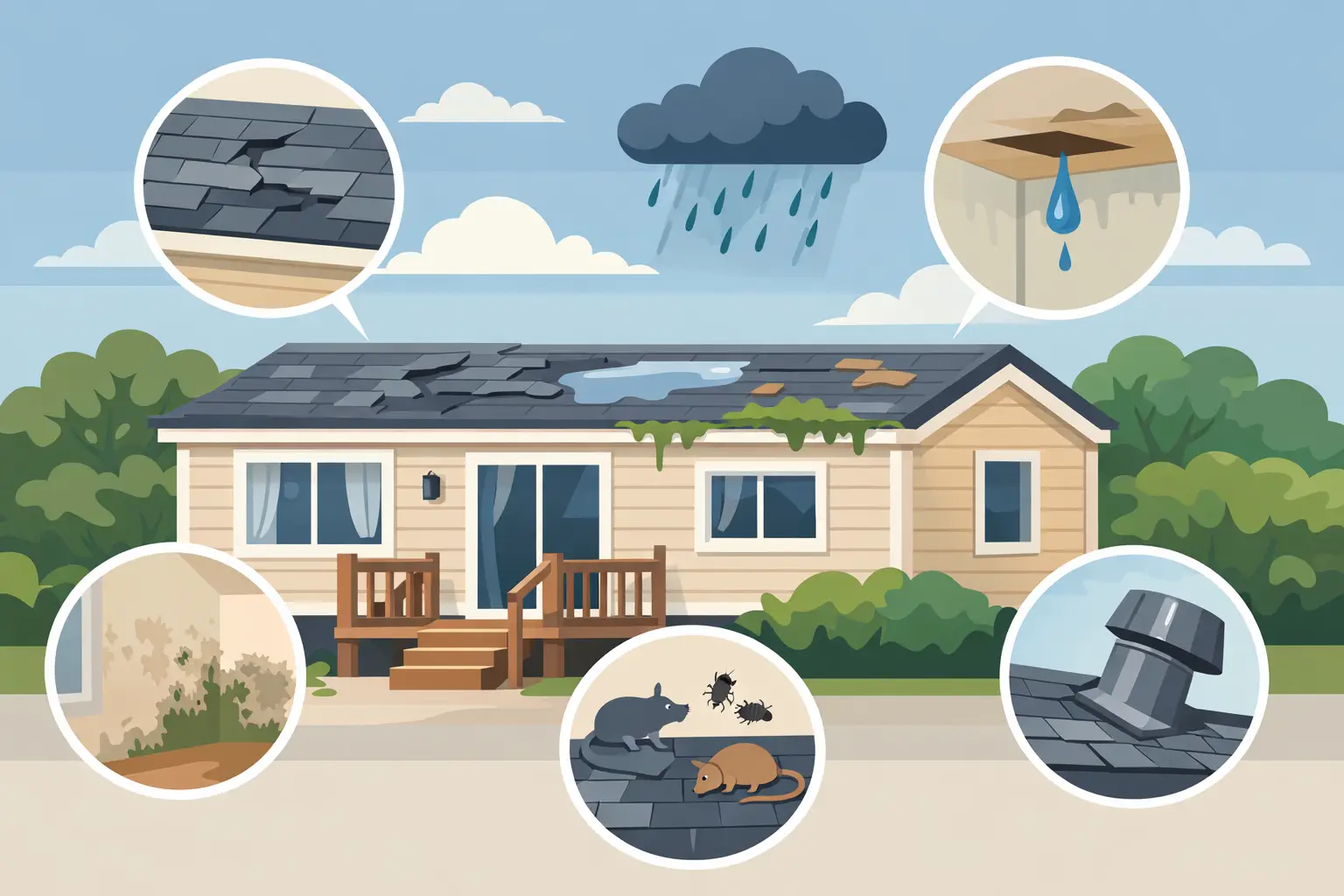
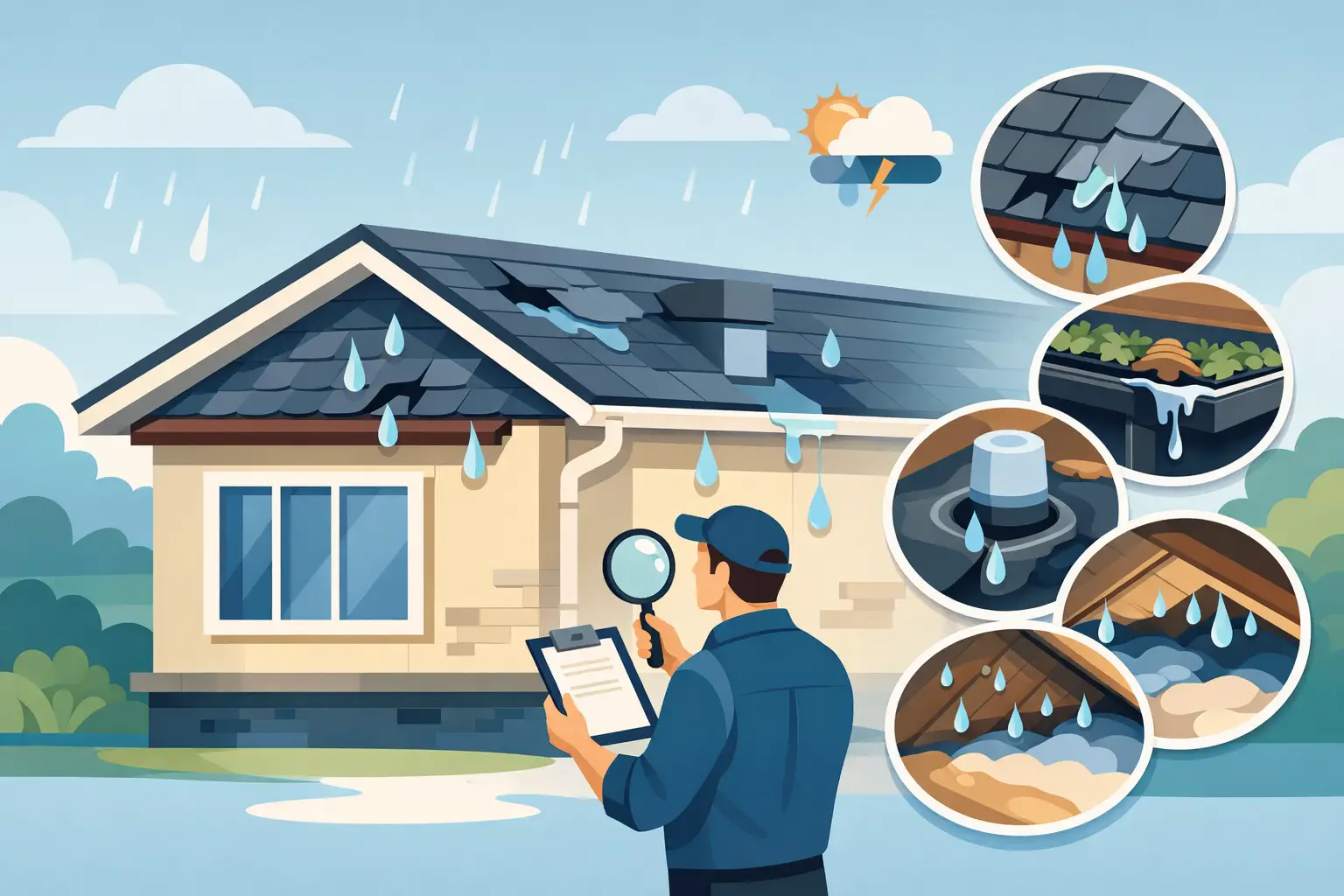
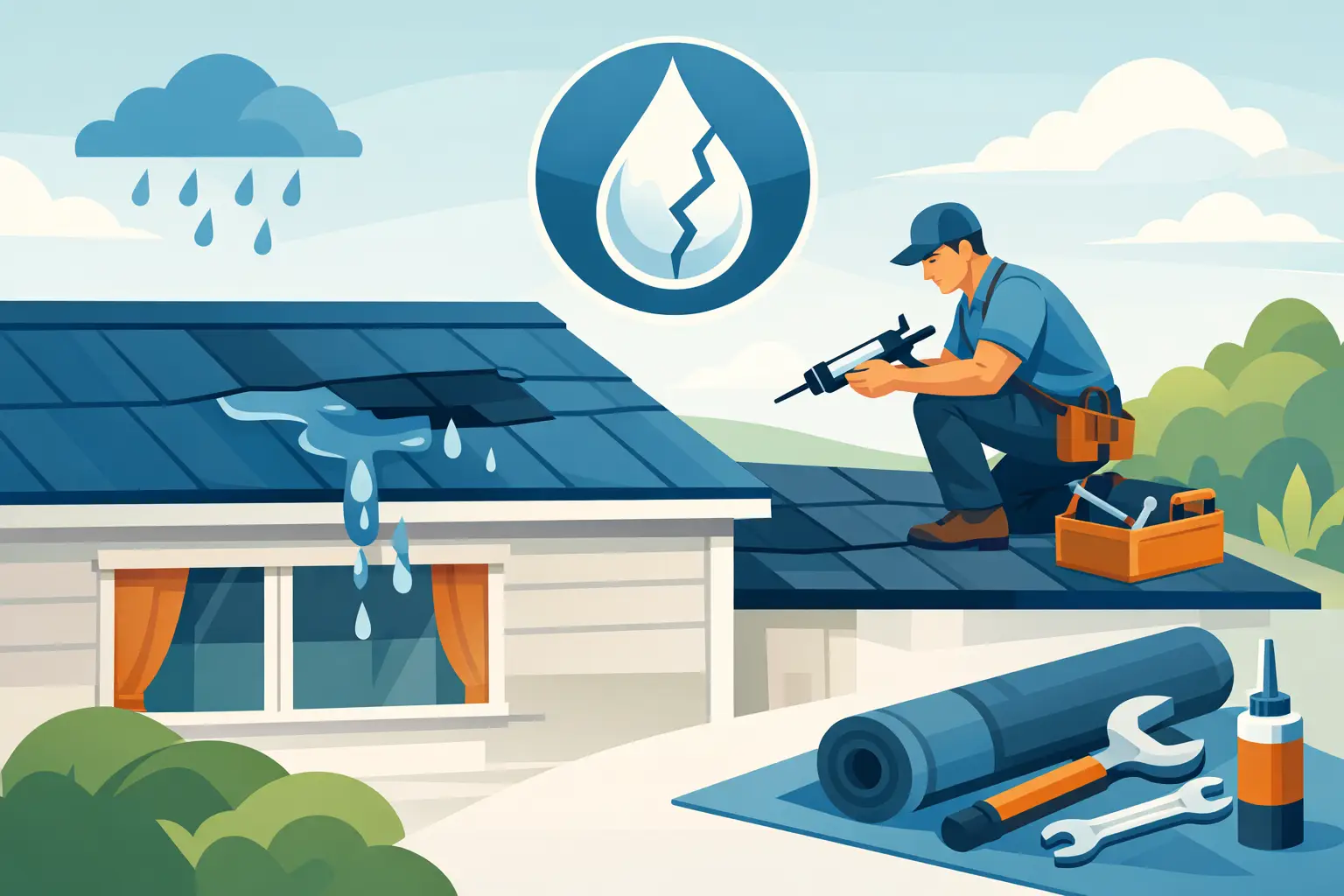
A roof in poor condition is one of the quickest ways to weaken buyer confidence. Signs of leaks, patch repairs or visible ageing raise obvious concerns. A sound roof, by contrast, tells buyers the home is protected where it matters most.
Roof work may not always have the visual appeal of a bathroom or new cladding, but it often has greater practical importance. If a buyer knows the roof has recently been repaired or replaced properly, that can remove one of the biggest worries attached to an older park home.
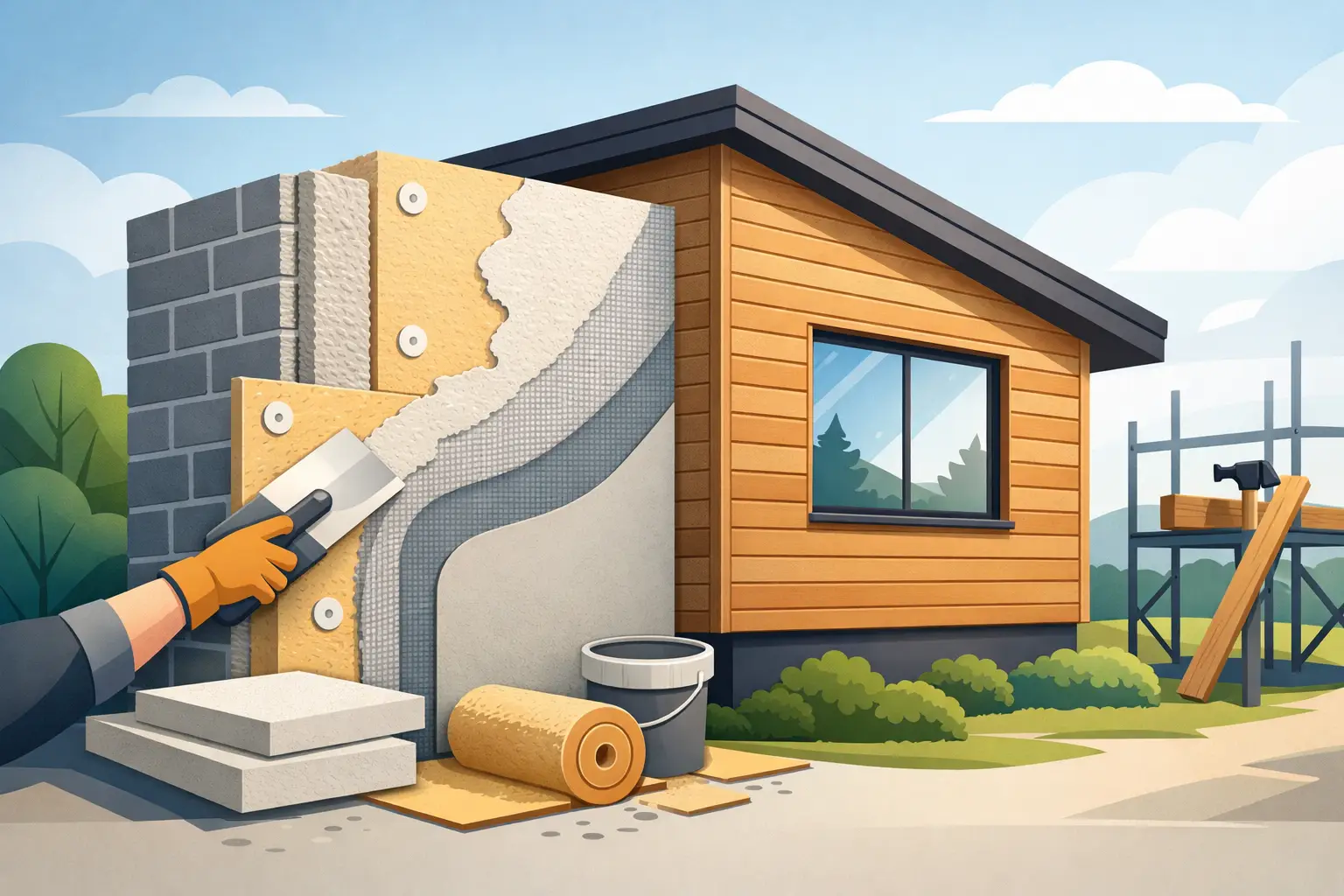
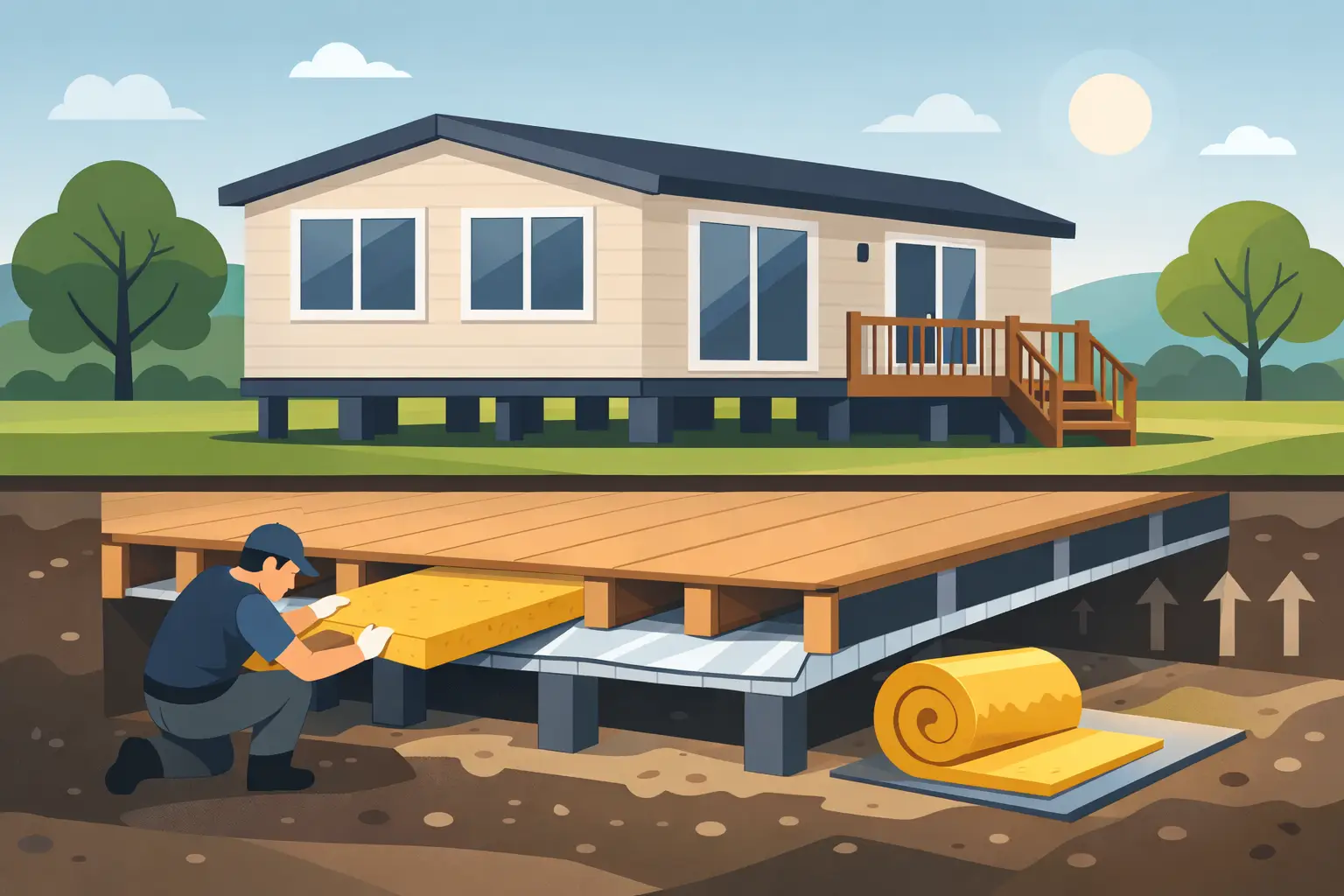
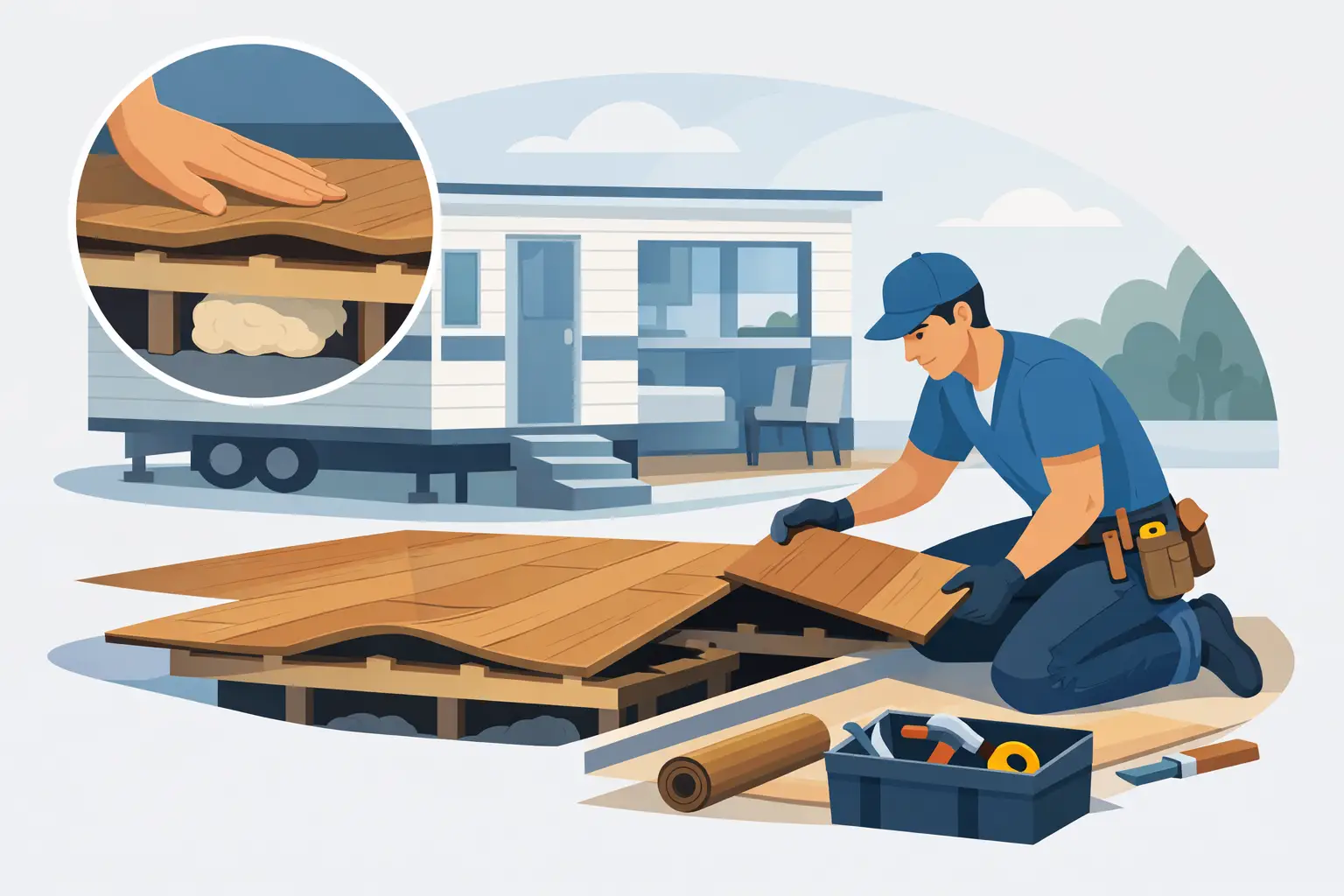
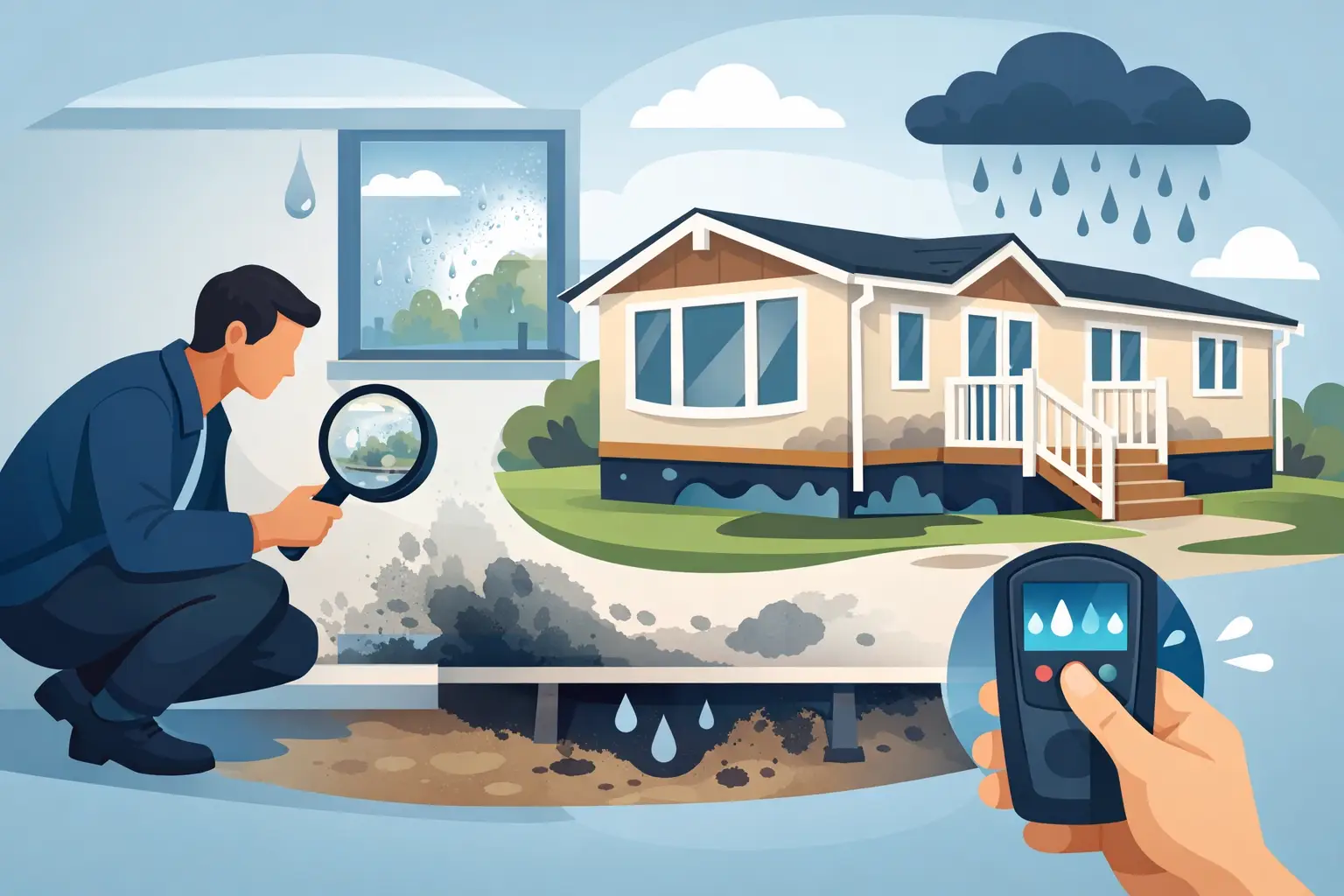
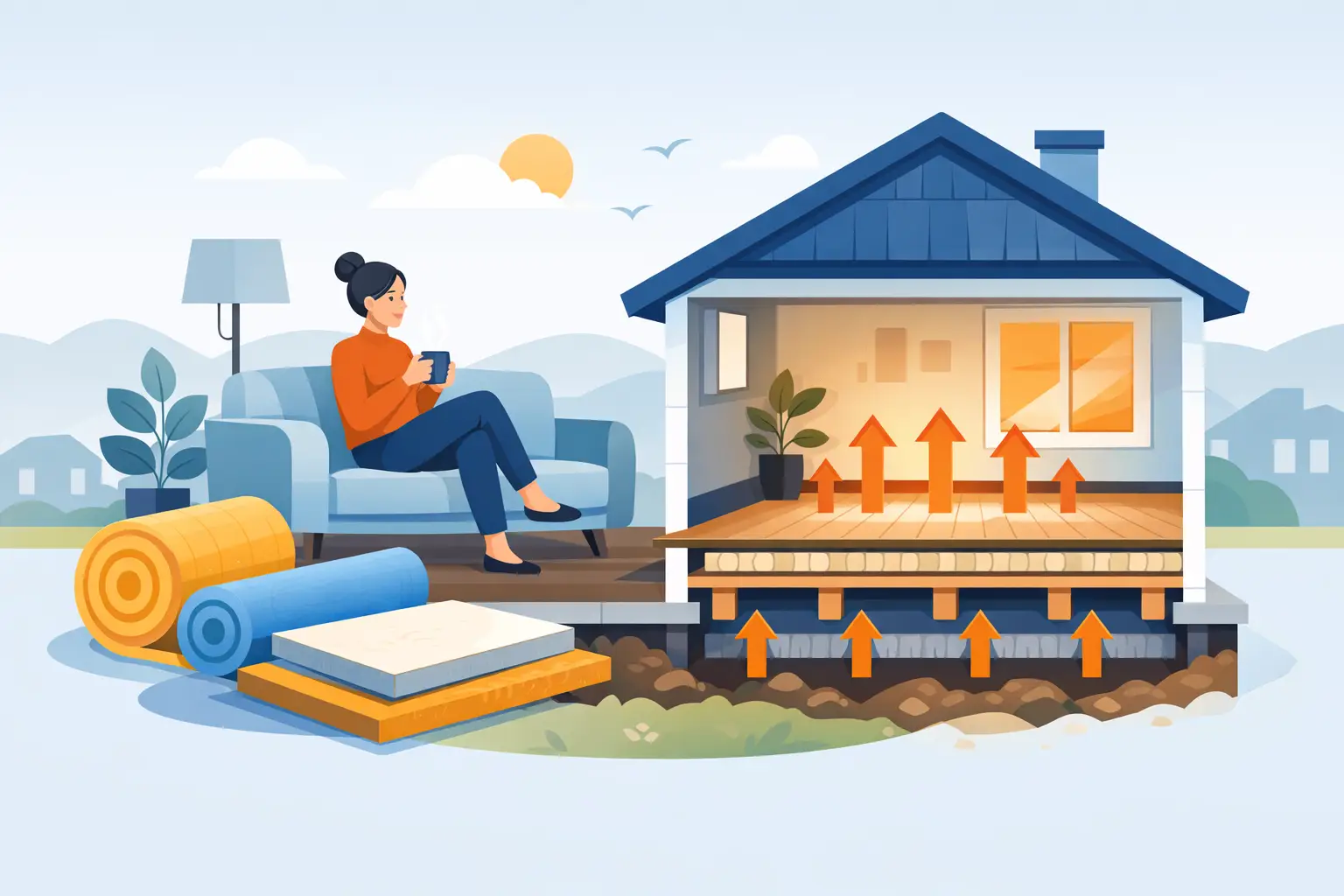
Comfort sells. Cold floors, draughts and high heating costs are common complaints in older park homes, and they can affect both day-to-day living and market appeal. Insulation improvements can make the home warmer, more efficient and more comfortable through the winter.
This kind of refurbishment does not always show in photographs, but viewers notice the difference when they step inside. A warmer home feels better maintained and more liveable. For many buyers, especially older residents, that matters a great deal.
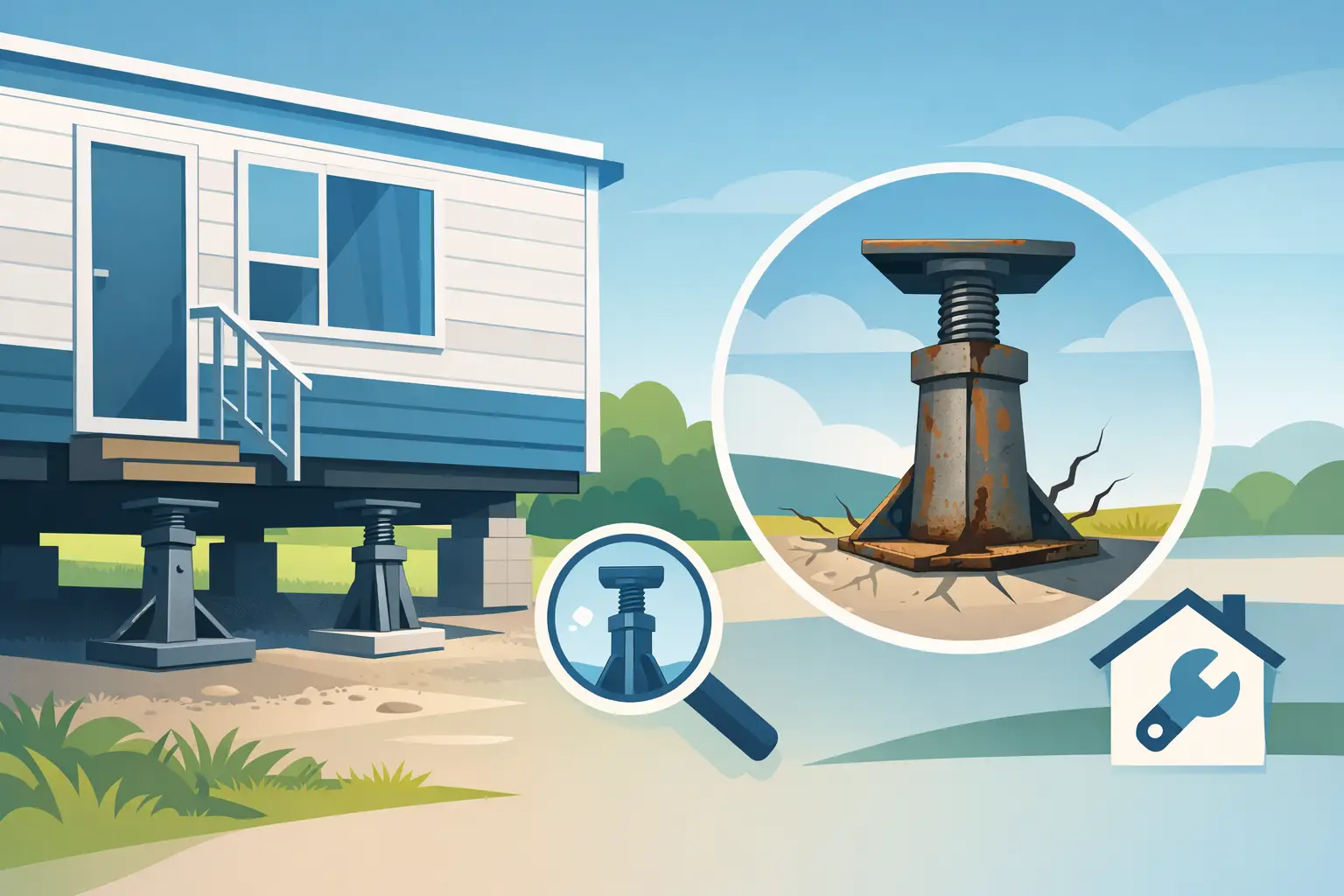
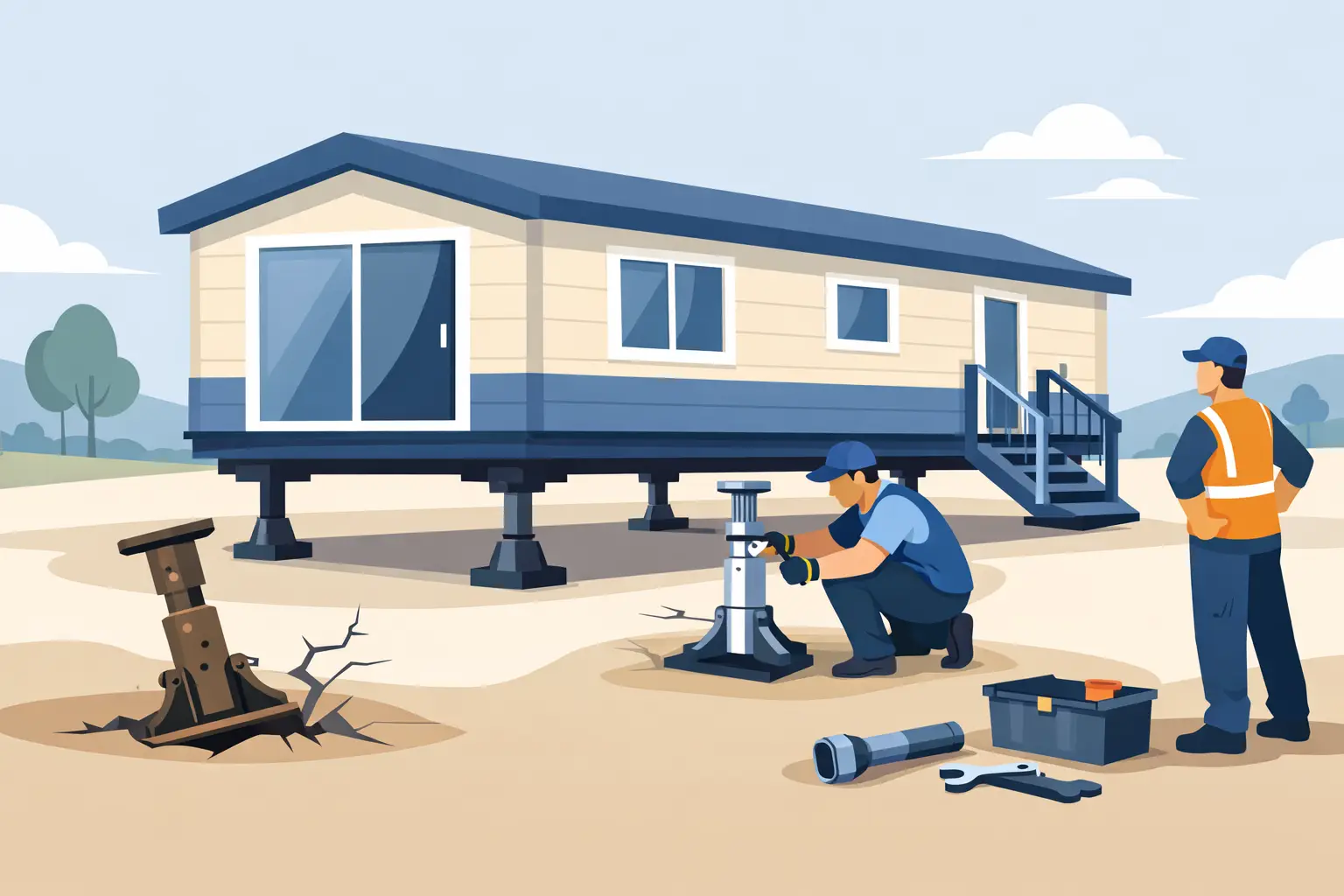
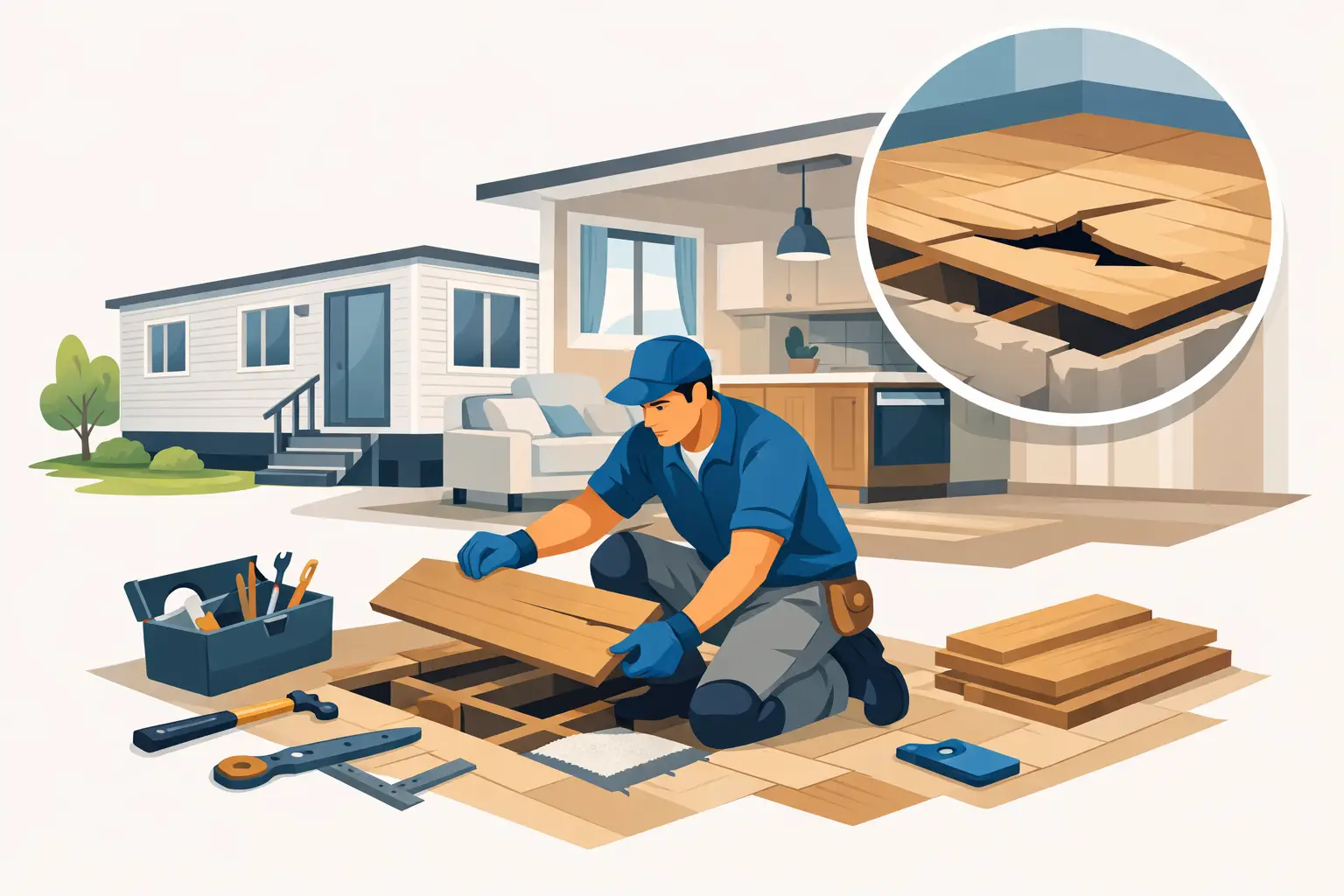
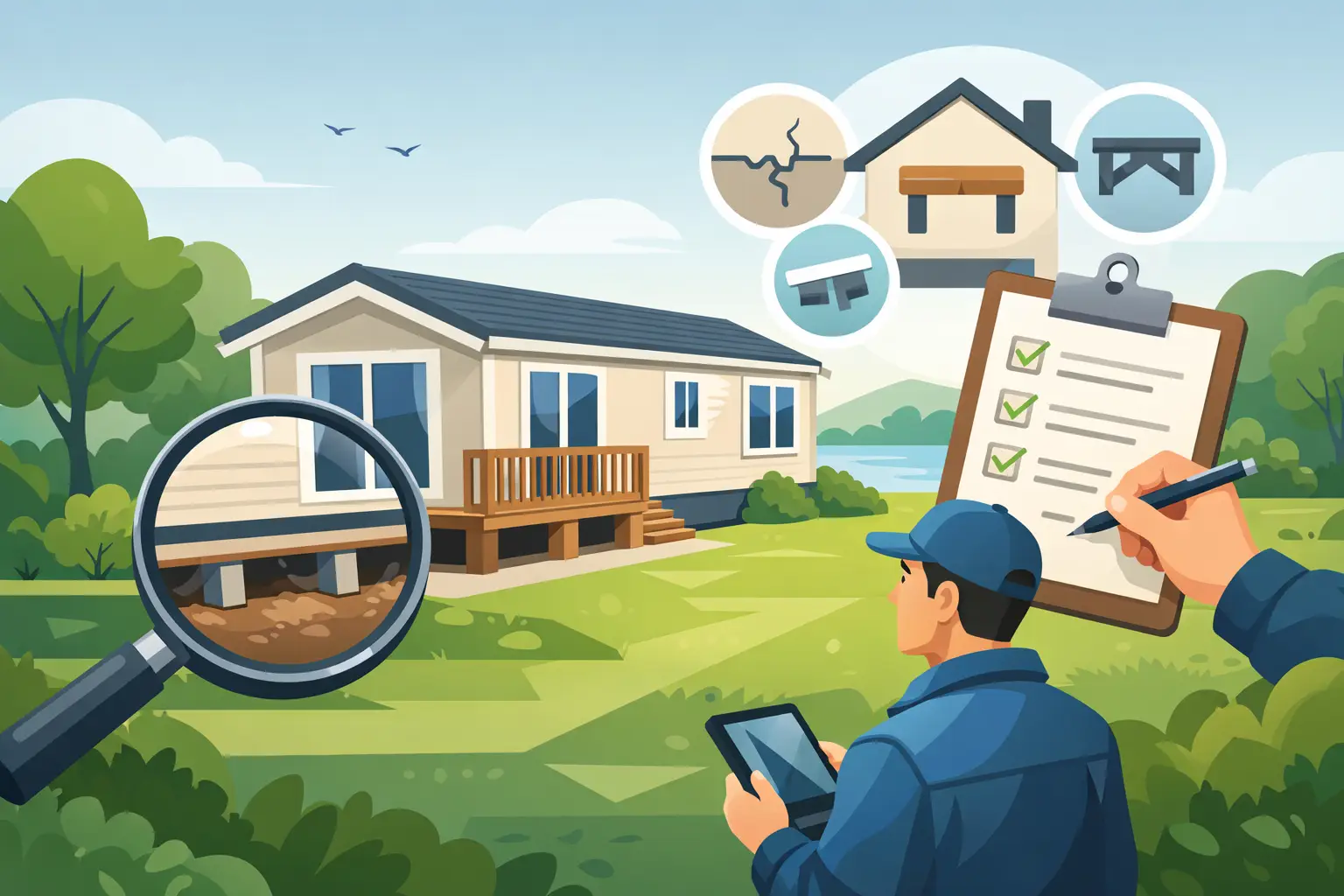
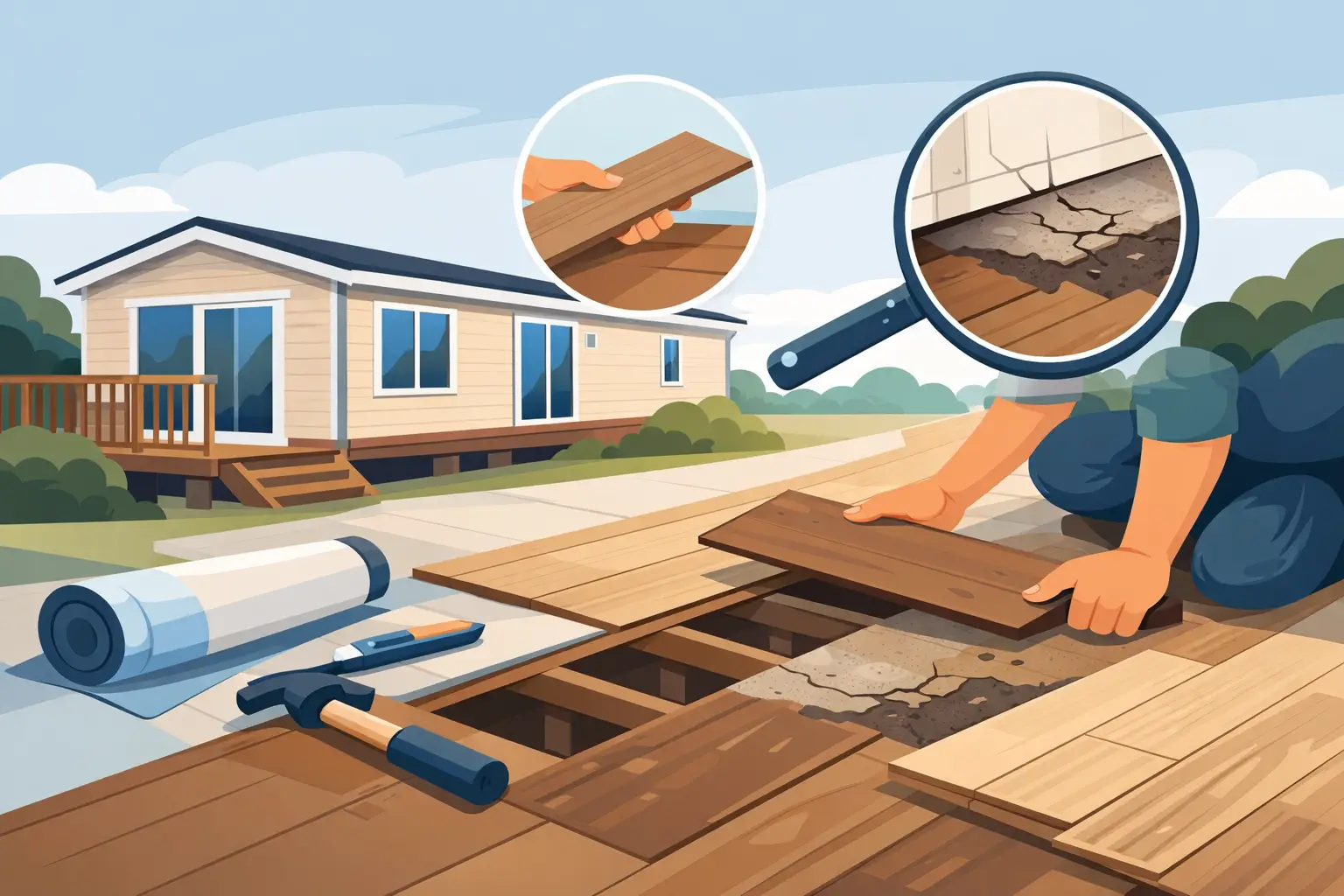
These are not the glamorous parts of a refurbishment, but they are vital. Structural stability underpins the whole property. If supports are failing or the chassis is showing signs of deterioration, value can be seriously affected.
Refurbishing these elements can protect the home against further movement, unevenness and long-term structural issues. It also gives buyers confidence that the home has been maintained by someone who understands park home construction properly, rather than treating symptoms on the surface.
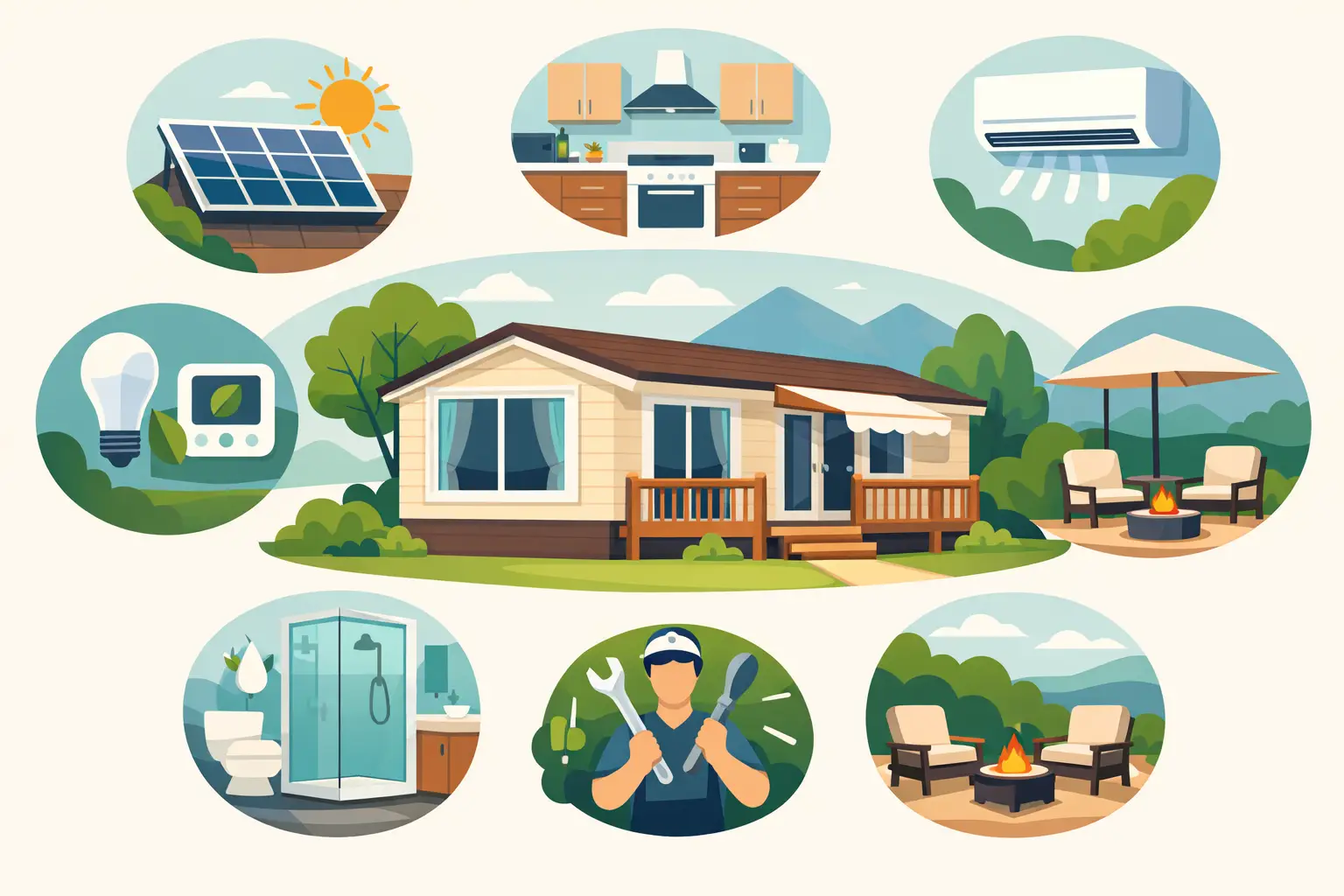
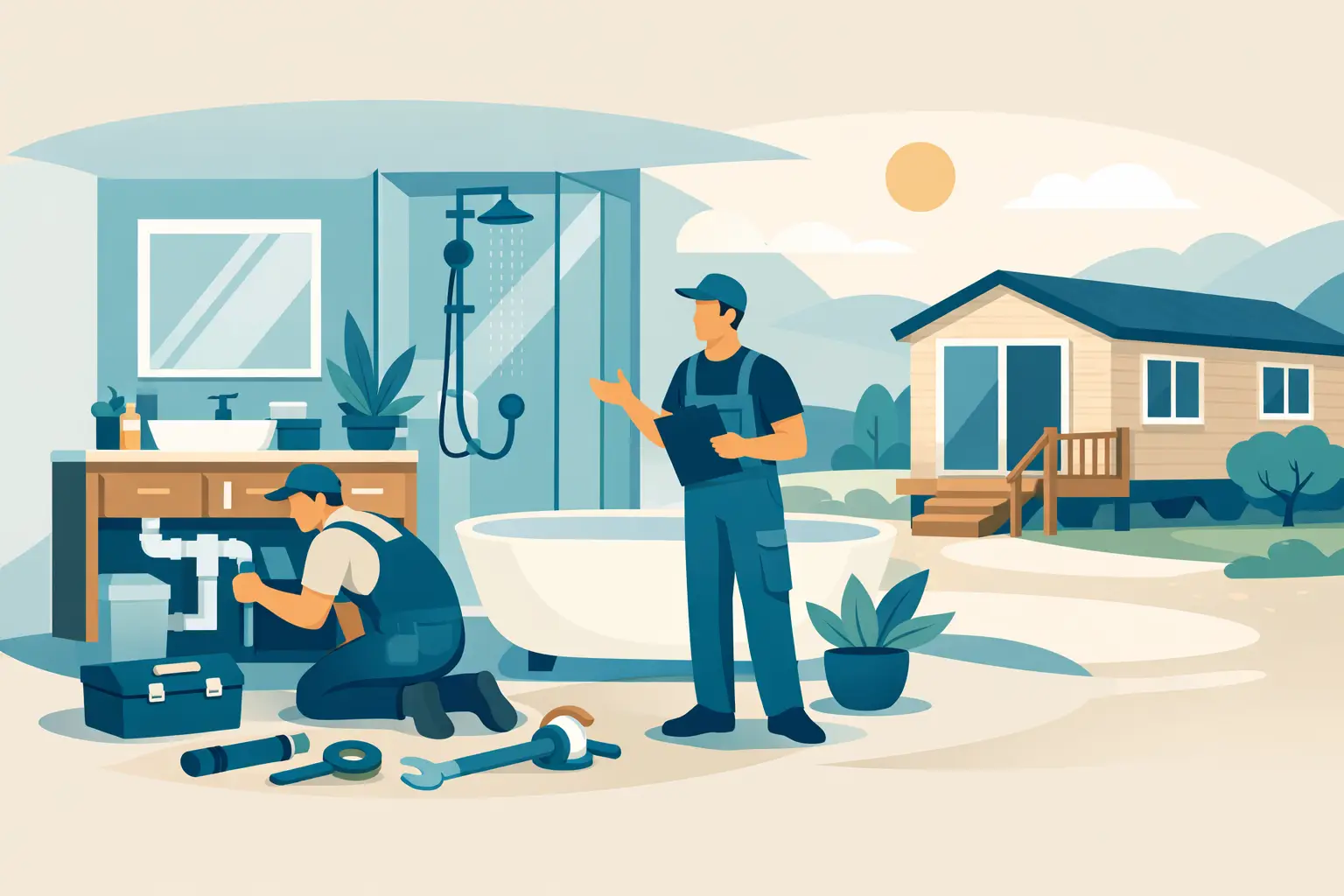
Internal updates can help, especially when fittings are clearly dated or worn out. A clean, modern bathroom or refreshed interior can make the home more appealing and easier to market. That said, cosmetic improvements usually add the most value when the structure and external envelope are already in good condition.
There is little point fitting a smart new bathroom if the floor below is still cold and the roof above is near the end of its life. The best results usually come when cosmetic upgrades follow essential repair and efficiency work, not the other way round.
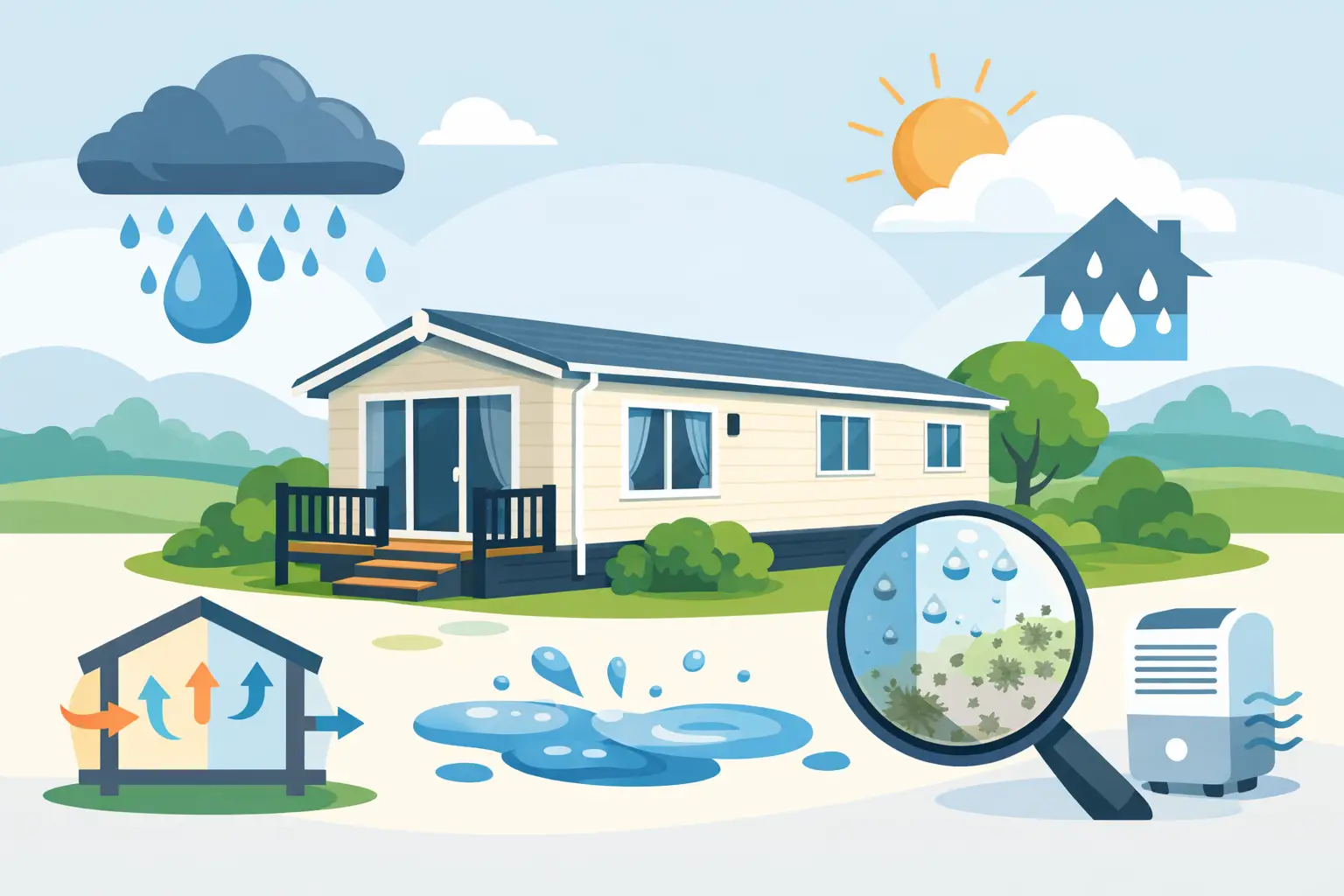
When someone views a park home, they are often asking simple but important questions. Does it feel warm? Does it smell damp? Is the exterior tidy and weatherproof? Does the floor feel firm underfoot? Has the property clearly been maintained by specialists who understand this type of home?
Those questions influence value more than many owners realise. A buyer may not know the technical detail of underfloor insulation or support systems, but they know when a home feels solid, comfortable and well looked after. Refurbishment works best when it answers concerns before they are spoken aloud.
That is why specialist work matters. General building knowledge is not always enough with park homes. These properties have their own construction methods, common weak points and maintenance demands. Work carried out properly can strengthen confidence in the home as a whole.
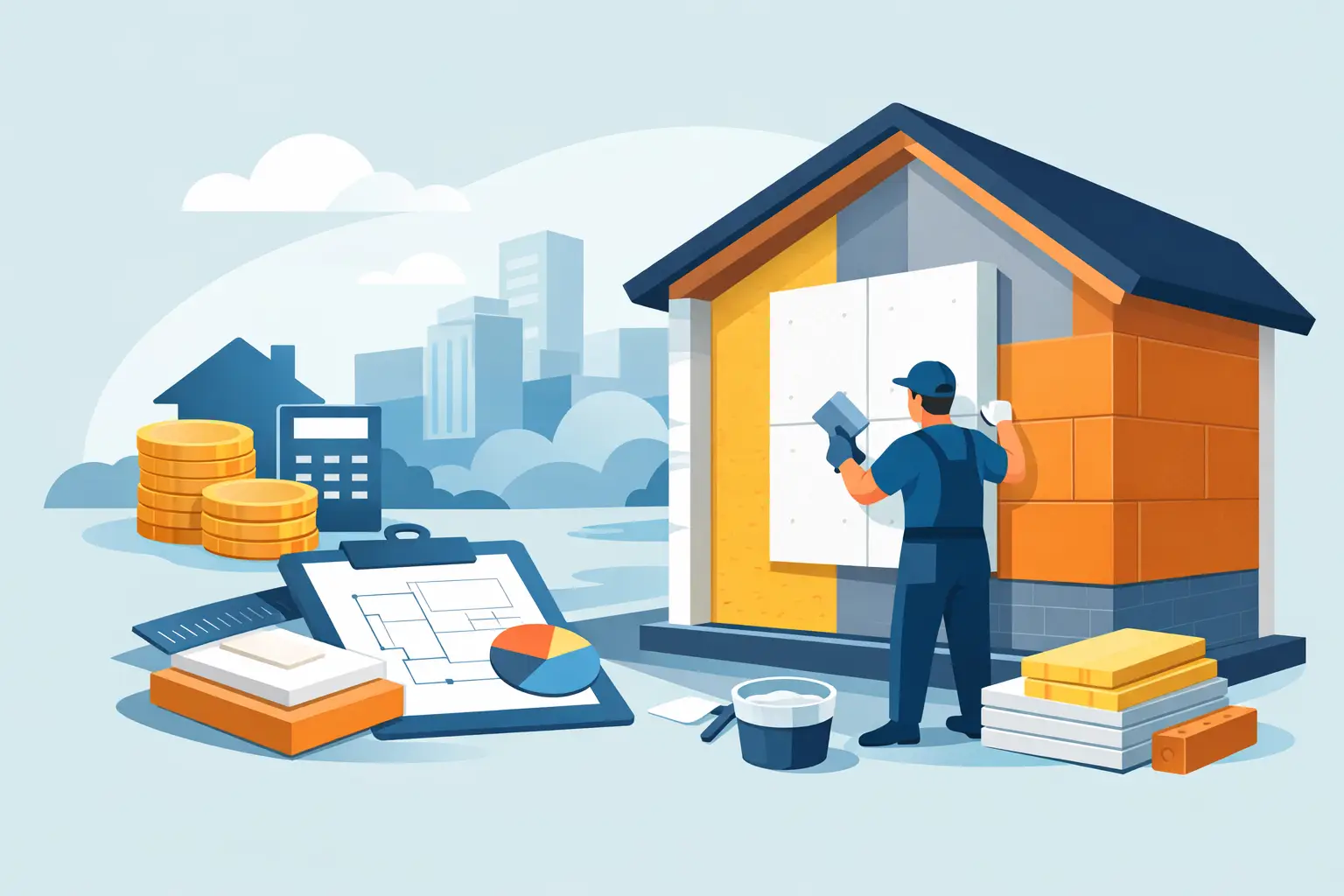
Not every pound spent produces a matching increase in sale price. Over-improving a park home for its location, age or surrounding market may not deliver full return. The same applies if money is spent on appearance while essential repairs are ignored.
For example, premium interior finishes may not add much if the outside still looks tired. Likewise, decorative improvements will struggle to influence value if the home has obvious issues with roofing, supports or insulation. Buyers tend to be more cautious than sellers expect, especially if they suspect future costs are waiting beneath the surface.
There is also a timing question. If you are planning to stay in the home for years, the value of refurbishment is not purely about resale. Warmer rooms, lower maintenance and better reliability have a real day-to-day benefit. In that case, the return is partly financial and partly about quality of life.
The most sensible approach is to start with condition, not wish lists. Look first at the areas that affect weatherproofing, warmth, structure and safety. Once those are in hand, consider the upgrades that improve appearance and comfort.
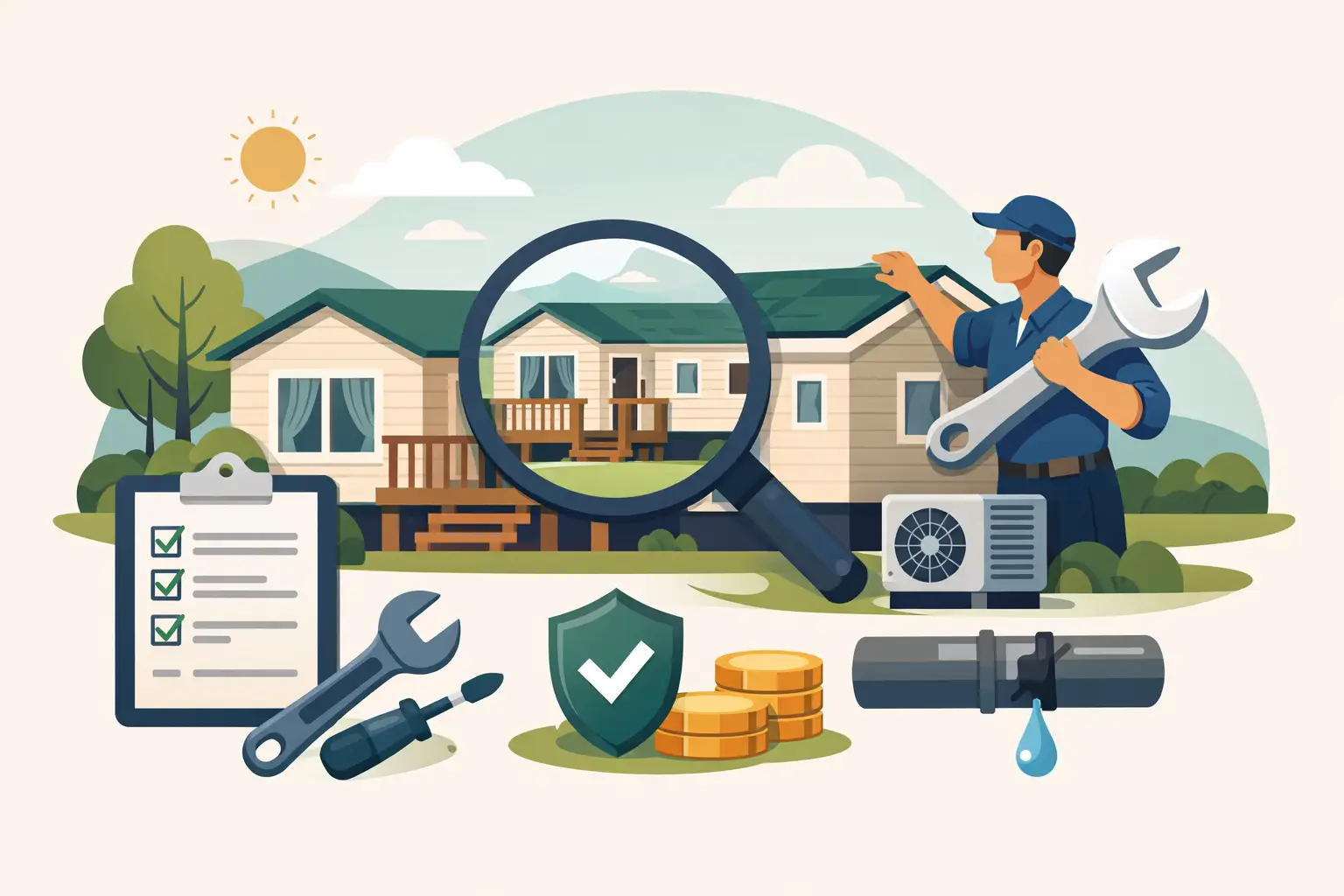
A proper inspection helps you prioritise. It can show whether the real value lies in external refurbishment, roof work, insulation, chassis repairs or a combination of several areas. In many cases, a phased approach is the most practical choice. It allows owners to deal with essential items first and improve presentation over time.
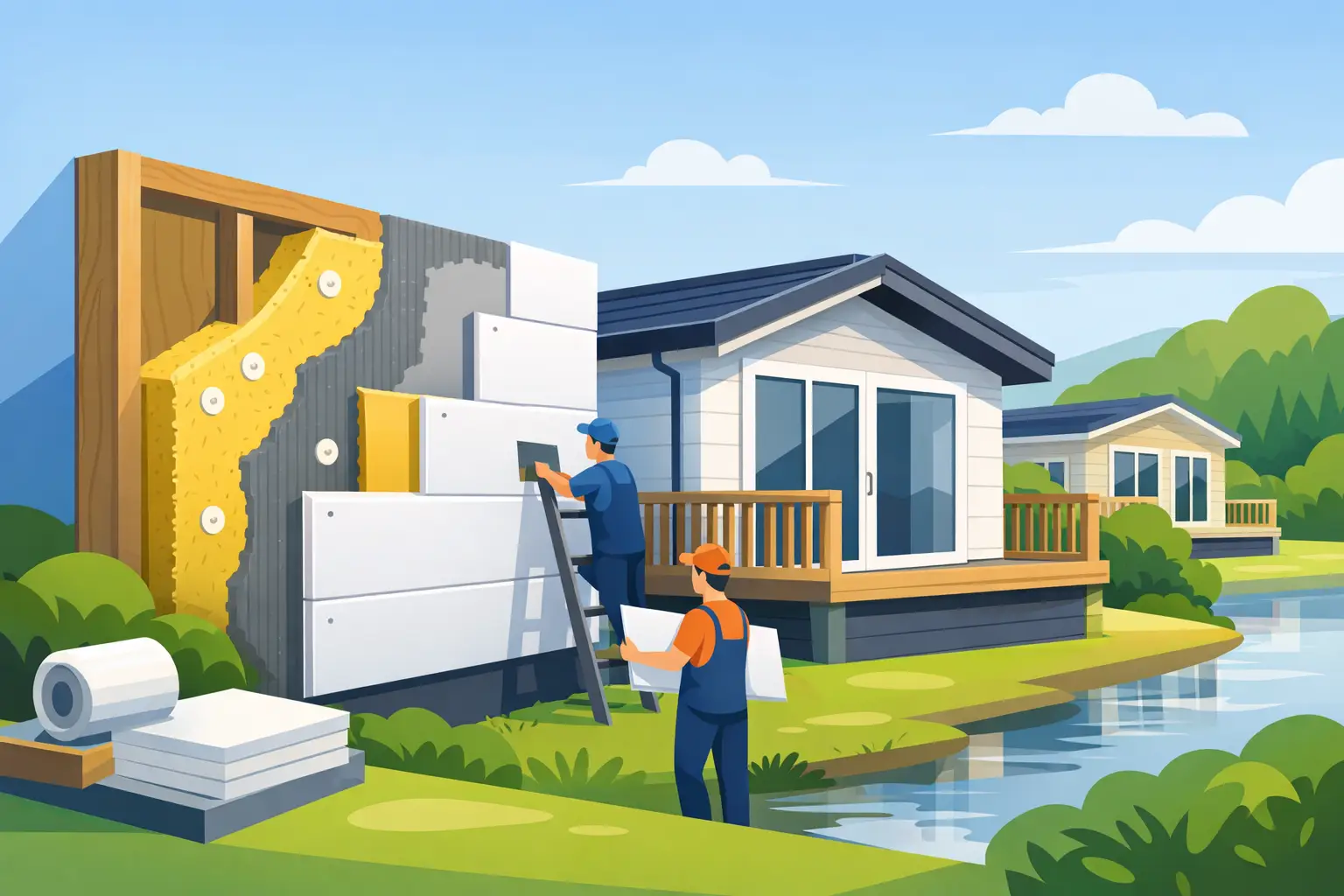
This is where specialist experience makes a difference. A company such as New Look Park Homes Ltd works specifically with park homes and static homes, which means refurbishment decisions are based on how these properties actually perform, not on assumptions borrowed from standard housing.
Yes, often it does, especially when the work removes the main reasons a buyer would negotiate the price down. If a home is warmer, smarter, structurally sound and clearly maintained, buyers tend to see less risk. Less risk usually means stronger offers and fewer delays.
That does not mean every refurbishment project should be aimed purely at profit. The better question is whether the work makes the home more desirable, more durable and less costly to maintain. If it does, value usually follows.
A park home holds its worth best when it is looked after properly, with attention to both the visible finish and the hidden structure beneath it. If your home is starting to show its age, thoughtful refurbishment is rarely money thrown away. Done well, it can protect what you already have, improve how you live now and put you in a stronger position when the time comes to sell.