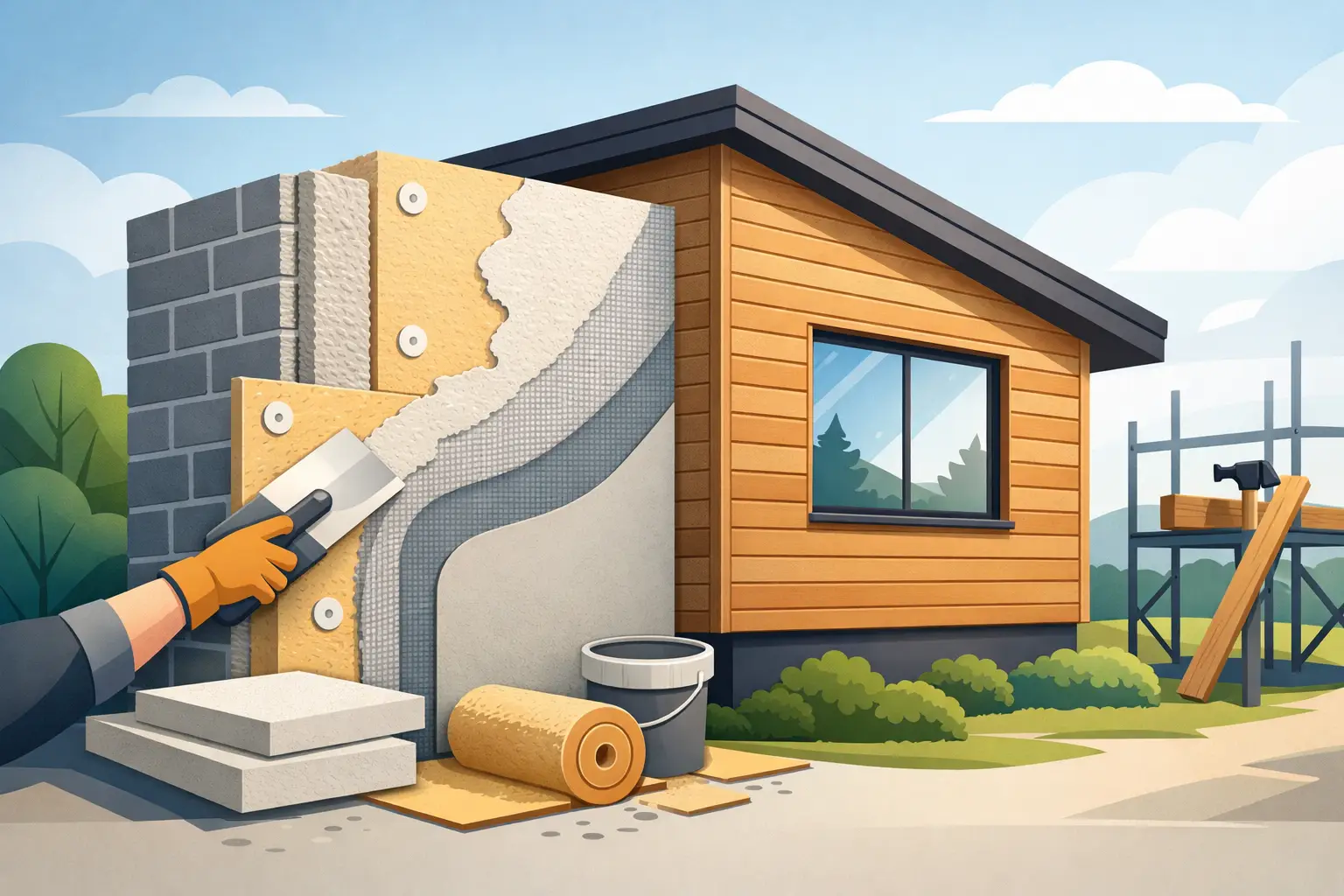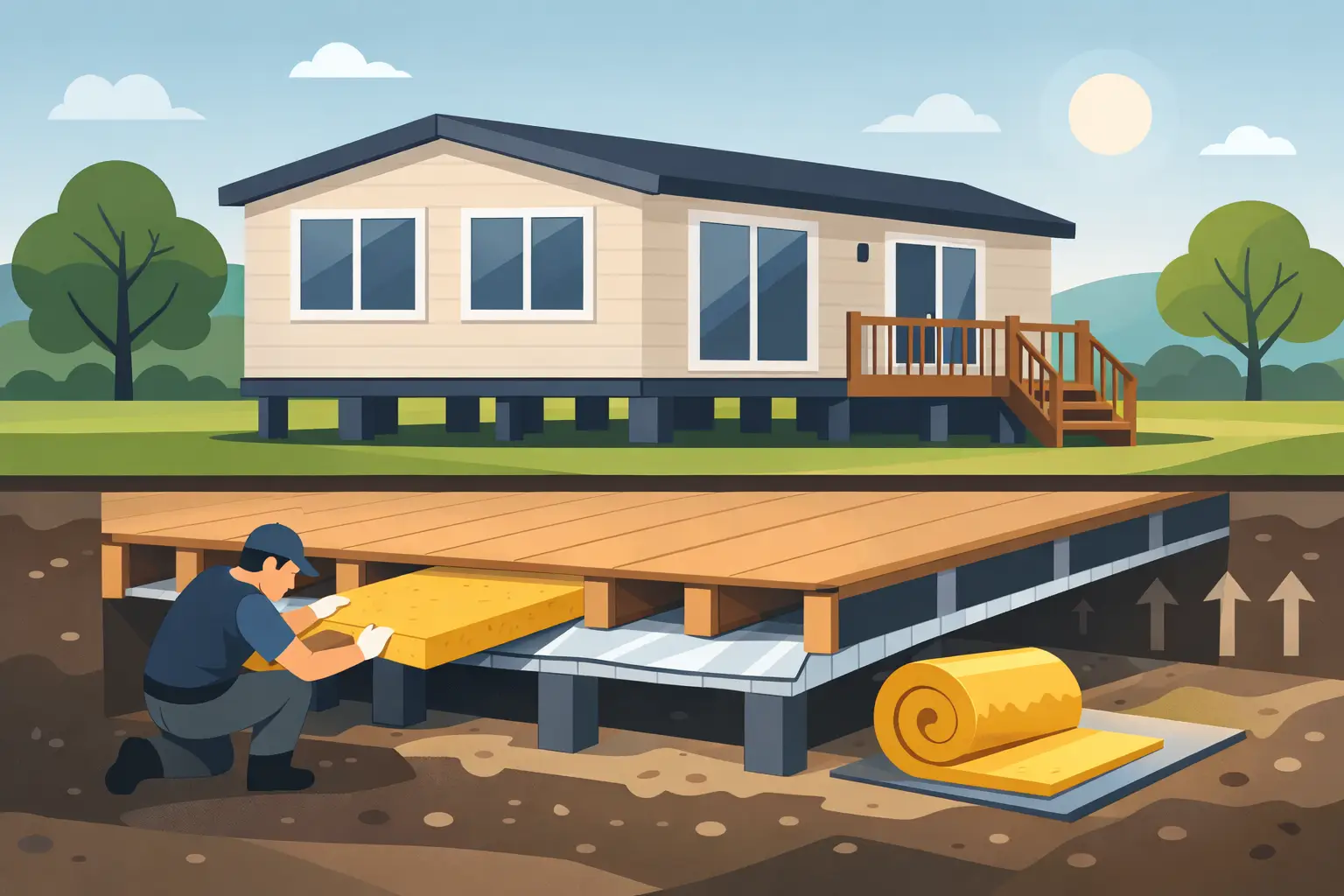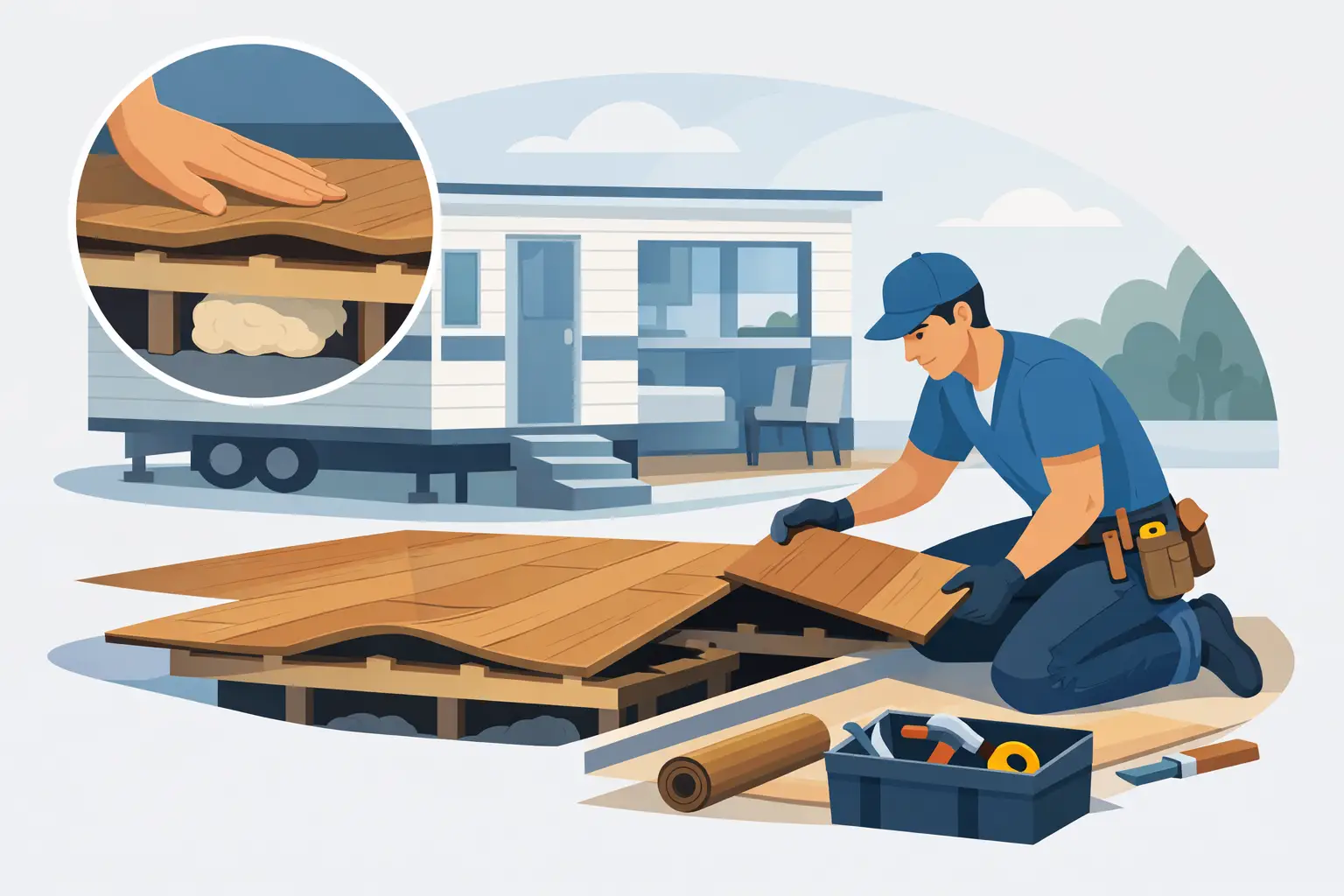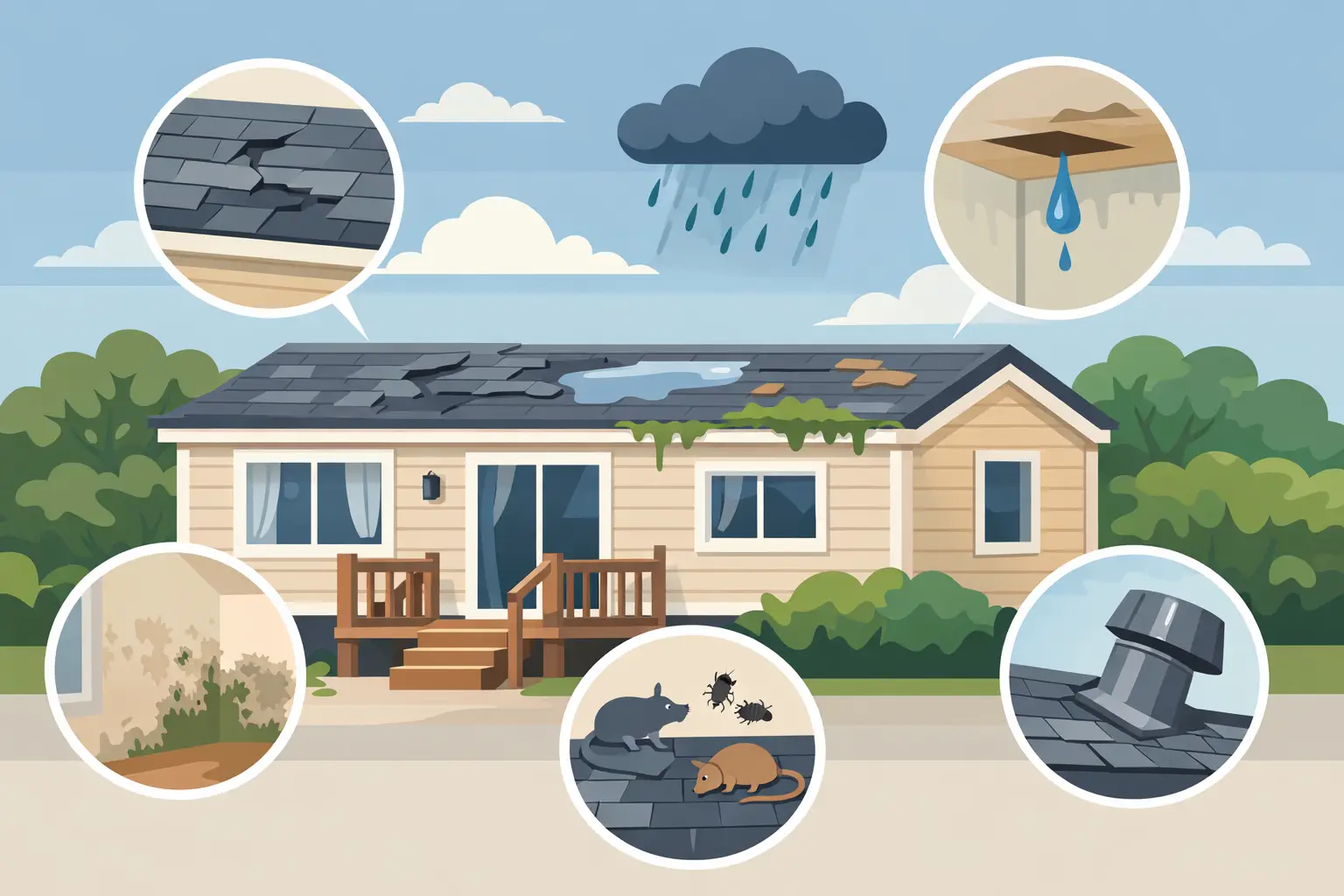
A small brown mark on a ceiling panel, a musty smell in a cupboard or a drip after heavy rain can be the first sign of a much bigger problem. Static home roof leaks should never be treated as a cosmetic nuisance. Water can travel a surprising distance before becoming visible indoors, soaking insulation, damaging timber and allowing hidden deterioration to develop around the roof structure.
For static and park home owners, prompt investigation matters. These homes are built differently from a traditional brick property, and their roofs, wall joints, trims and service penetrations need repairs that suit the construction. A quick patch may stop a drip for a while, but it will not necessarily deal with the reason water found its way in.
A roof is there to keep the whole home dry, but it also protects the insulation and internal finishes that make it comfortable. Once moisture gets beneath the outer roof covering, it can remain unnoticed for weeks or months. By the time staining appears on the ceiling, there may already be damp insulation or decaying timber above it.
Moisture also affects day-to-day comfort. Wet insulation loses much of its effectiveness, meaning rooms become harder to heat and cold spots may develop. In a static home, where thermal efficiency is especially important, a roof leak can lead to higher heating costs as well as repair costs.
There is also the risk of mould. A damp roof void or ceiling area can create conditions for mould growth, particularly through autumn and winter when the home is closed up more often. This is not something to cover over with paint. The source of the water must be found and properly resolved first.
The cause is not always a visible hole in the middle of the roof. Water usually enters where materials meet, where a fitting has aged or where rainwater is being directed to the wrong place. A careful inspection is the best way to identify the true entry point.
Many static homes have lightweight roof systems, often using coated metal sheets, panels or membrane materials. Over time, coatings can wear, seams can open and fixings can loosen. Sunlight, frost, wind and continual expansion and contraction all take their toll.
A small gap at an overlap or joint can admit wind-driven rain. Because water can run along the underside of a roof covering, the internal damp patch may be some distance from the actual defect. This is why repairs should begin at roof level rather than simply focusing on where the ceiling has marked.
Flashing and edge trims are critical around chimneys, vents, roof edges and where the roof meets adjoining walls or sections. Sealants eventually become brittle, shrink or split. Flashing can lift at a corner, and trims may loosen after repeated exposure to strong winds.
These areas need more than an extra bead of sealant if the underlying material has moved or deteriorated. A lasting repair may involve replacing the affected trim, renewing the flashing detail and ensuring the roof covering is properly secured beneath it.
Extractor vents, flues, pipes and aerial fittings all pass through or close to the roof. Each one creates a point that must be carefully weatherproofed. Old collars, cracked seals or poorly finished previous work can allow water through during persistent rain.
This type of leak can be difficult to spot from the ground. It may only show itself after rain is blowing in a particular direction, which can make owners think the problem has disappeared when the weather improves.
Leaves, moss and debris can prevent water from flowing freely along gutters and into downpipes. Water then backs up, overflows onto the fascia or runs behind guttering where it can reach vulnerable roof edges. Gutters that have dropped or are incorrectly aligned can cause the same issue.
Cleaning gutters is straightforward preventative maintenance, but it must be done safely. If there is any doubt about the condition of the roof edge, gutter brackets or fascia, it is sensible to have the area assessed at the same time.
High winds can lift a sheet edge, dislodge a ridge section or damage a roof fitting. Falling branches can dent roof panels and crack protective coatings. Even without an obvious storm event, gradual movement in an older home can affect joints and seals over time.
It is worth checking the roof after severe weather, especially if you notice a new rattle, a loose trim or water marks inside. Early repairs are generally smaller, cleaner and less disruptive than waiting for water damage to spread.
Not every warning sign looks like an active drip. Look out for discolouration on ceilings or high wall panels, peeling internal finishes, a persistent damp smell, mould near ceiling joints or insulation that feels wet or compressed. Outside, loose trims, cracked sealant, damaged guttering, rust marks around fixings and visible gaps at roof edges all deserve attention.
Condensation can sometimes be mistaken for a roof leak, particularly in kitchens, bathrooms and bedrooms. The difference is not always obvious. Condensation is usually linked to moisture in the air and poor ventilation, while a leak tends to worsen after rain or appear in a localised area. In some homes, both problems may be present, so a proper assessment is valuable before work is planned.
The right repair depends on the roof type, its overall condition and the extent of water damage beneath the surface. A localised split in a sound roof may only need a carefully prepared repair to the covering, joint or flashing. If several areas have failed, the coating is worn throughout or the roof has reached the end of its useful life, a larger refurbishment or replacement may offer better value.
Preparation is a major part of good roof work. The roof needs to be clean, dry and checked for loose fixings, damaged sections and failed edges before any repair system is applied. Applying a coating or sealant over dirt, trapped moisture or unstable material is unlikely to provide a dependable result.
Where water has entered the roof void, internal materials should also be inspected. Damaged insulation may need replacing to restore warmth and prevent lingering damp. Any affected timber should be assessed before ceilings are closed or redecorated. Repairing only the outer surface without considering what has happened underneath can leave problems hidden inside the home.
A specialist will also consider how the roof connects with the walls, gutters and external cladding. Park and static homes rely on these junctions working together. Attention to the details around edges and openings often makes the difference between a temporary repair and long-term weather protection.
A roof repair is often the sensible choice when damage is limited and the wider roof remains in good condition. Replacing a section of damaged material, securing loose trims or renewing flashing can restore protection without unnecessary work.
However, repeated leaks, widespread corrosion, multiple failed seams or evidence of persistent damp may point towards a more comprehensive solution. Roof replacement or refurbishment can be a larger investment, but it can remove ongoing uncertainty and provide an opportunity to improve insulation and weather resistance at the same time.
The decision should be based on an honest inspection, not a one-size-fits-all recommendation. Owners should understand what has failed, why it has failed and what the proposed work will achieve before committing to repairs.
A simple maintenance routine helps extend the life of a static home roof. Keep gutters clear, check downpipes are carrying water away properly and look for loose or damaged roof trims after periods of bad weather. Avoid walking on a roof unless it is designed for access and you have the right safety measures in place. Lightweight roof systems can be damaged easily, and working at height carries obvious risks.
Arrange an inspection if the roof is ageing, if you have noticed internal staining or if previous patch repairs are beginning to fail. New Look Park Homes Ltd works specifically with the construction and maintenance needs of park and static homes, where the right materials and workmanship matter.
A dry, well-maintained roof protects far more than the ceiling beneath it. Dealing with the first signs of water ingress can preserve insulation, safeguard the structure and help keep your home warm, comfortable and ready for the years ahead.