A severe weather warning can make any homeowner look at their roof, windows and garden with fresh concern. So, are park homes storm safe? A well-maintained park home can cope very well with the high winds and heavy rain commonly experienced across the UK. But storm resistance is not something to take for granted. It depends on the home’s age, condition, siting and, above all, how well its roof, exterior and support system have been looked after.
Park homes are built differently from brick-built houses. Their lightweight construction, timber framework and raised chassis offer real benefits, but they also mean that small defects can have a bigger effect when the weather turns. A loose roof edge, cracked sealant or deteriorating cladding may be manageable in calm weather, then allow wind-driven rain to enter during a storm.
Park homes are designed for permanent residential use and, when correctly installed and maintained, are secure structures. They are fixed to a prepared base and supported on a steel chassis, with support jacks carrying the home evenly. They are not simply placed on the ground like a touring caravan.
That said, a park home’s ability to withstand a storm is closely tied to its condition. Wind finds weaknesses. It can lift loose ridge caps, work underneath damaged roof trims and put pressure on ageing windows, doors and exterior panels. If the home has settled unevenly or its supports have deteriorated, doors and windows may no longer close properly, creating further opportunities for rain and draughts to get in.
Location matters too. A sheltered park with mature boundaries will feel very different to an exposed coastal or hillside location. Homes at the edge of a park, or those with open land around them, may receive the full force of prevailing winds. In these situations, regular inspections are particularly worthwhile.
The reassuring point is that most storm-related damage is preventable or limited by tackling wear before it becomes a failure. Good maintenance is not just about appearance. It protects the structure behind the exterior finish.
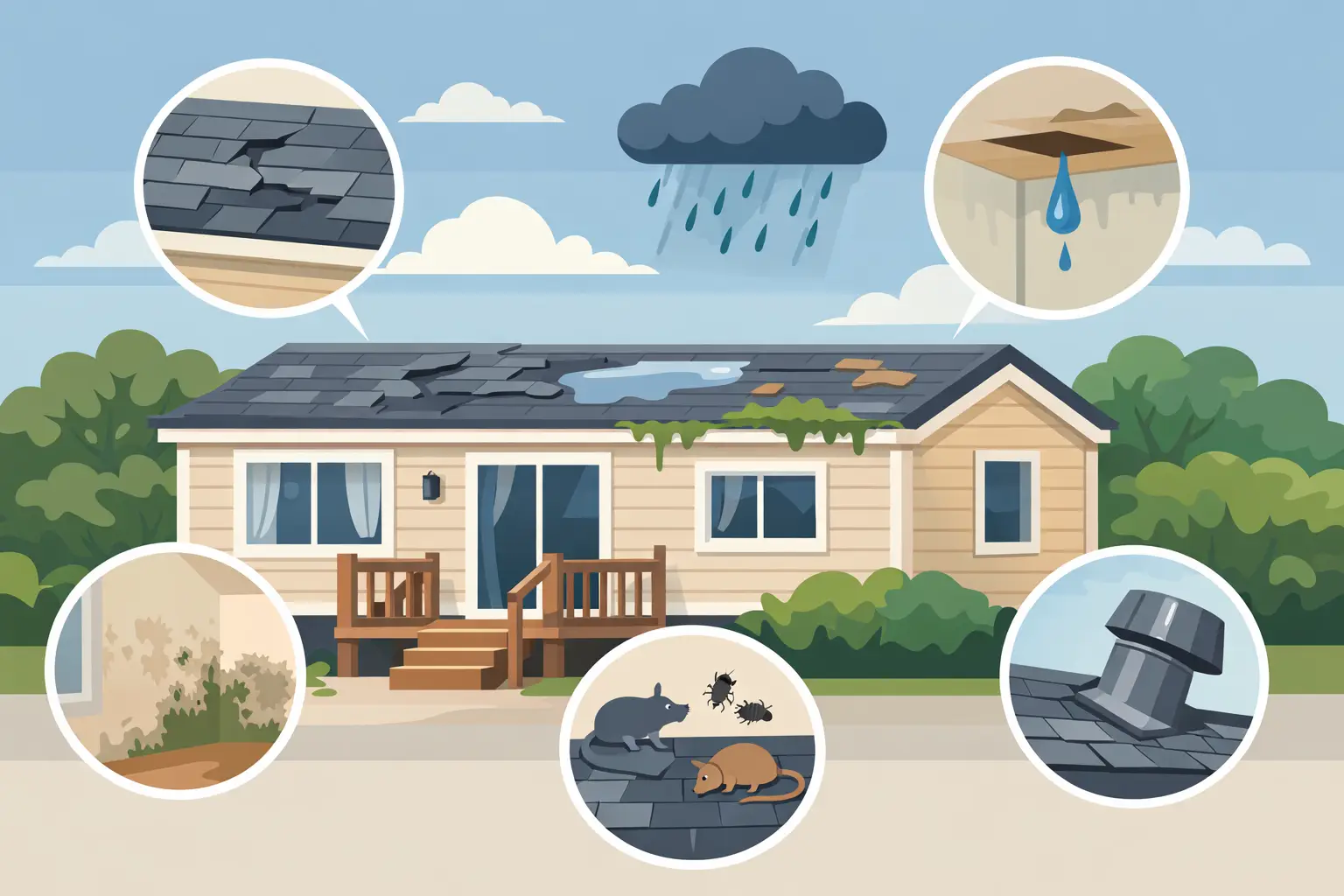
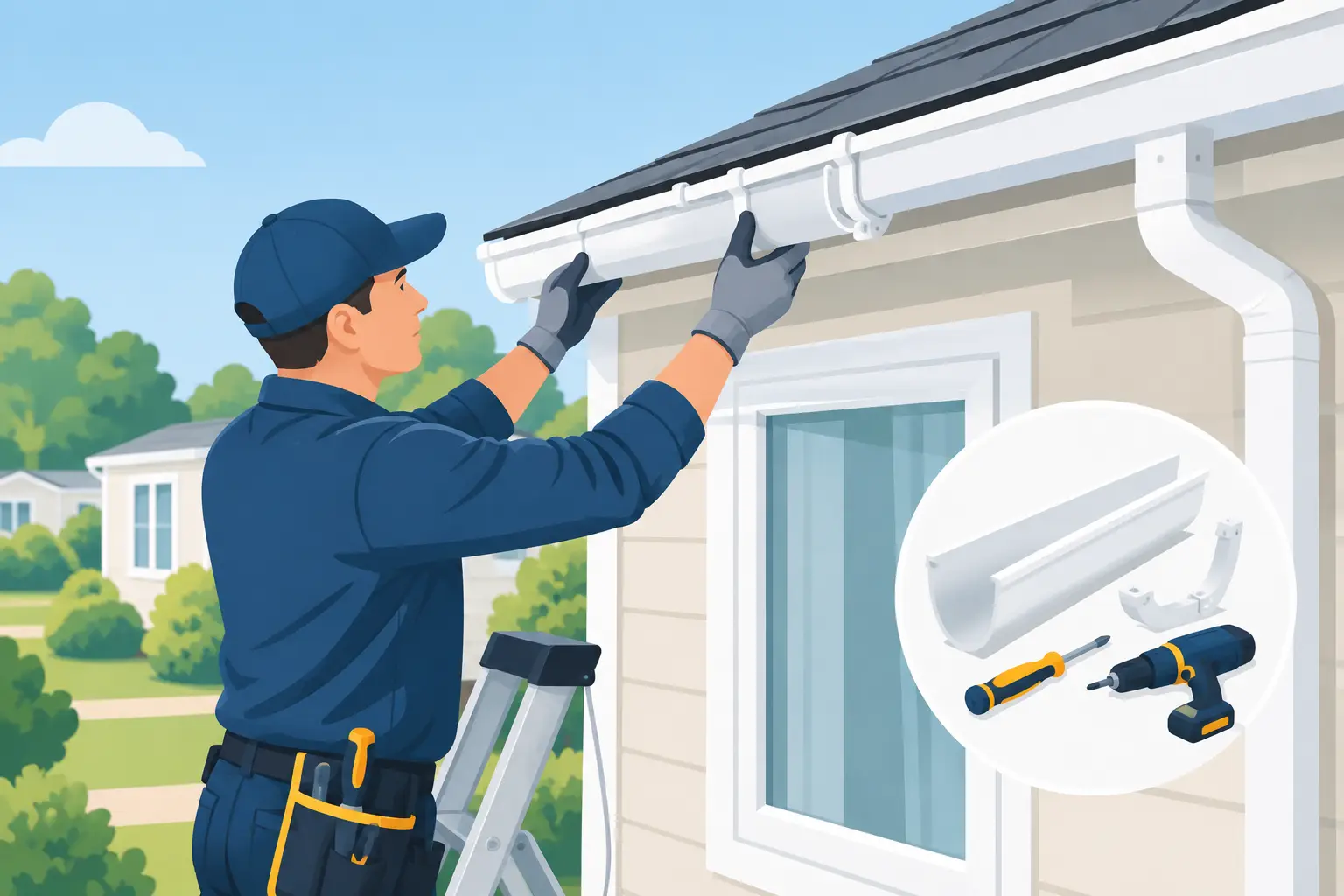
The roof is the first line of defence against rainfall, yet it is often only noticed once a leak appears inside. Ageing felt, worn tiles, loose flashings, damaged ridge sections and failing seals can all let water through. High winds can worsen a fault quickly, particularly where the roof edge or trim has started to lift.
Look for staining on ceilings, damp patches near exterior walls and water marks around roof vents. Outside, check from ground level for slipped materials, uneven edges or gutters that have come loose. Avoid climbing onto the roof yourself. Park home roofs need careful assessment, as unnecessary weight or incorrect access can cause damage.
A sound roof also keeps insulation dry. Once insulation becomes damp, it loses effectiveness and can contribute to cold rooms, condensation and further deterioration.
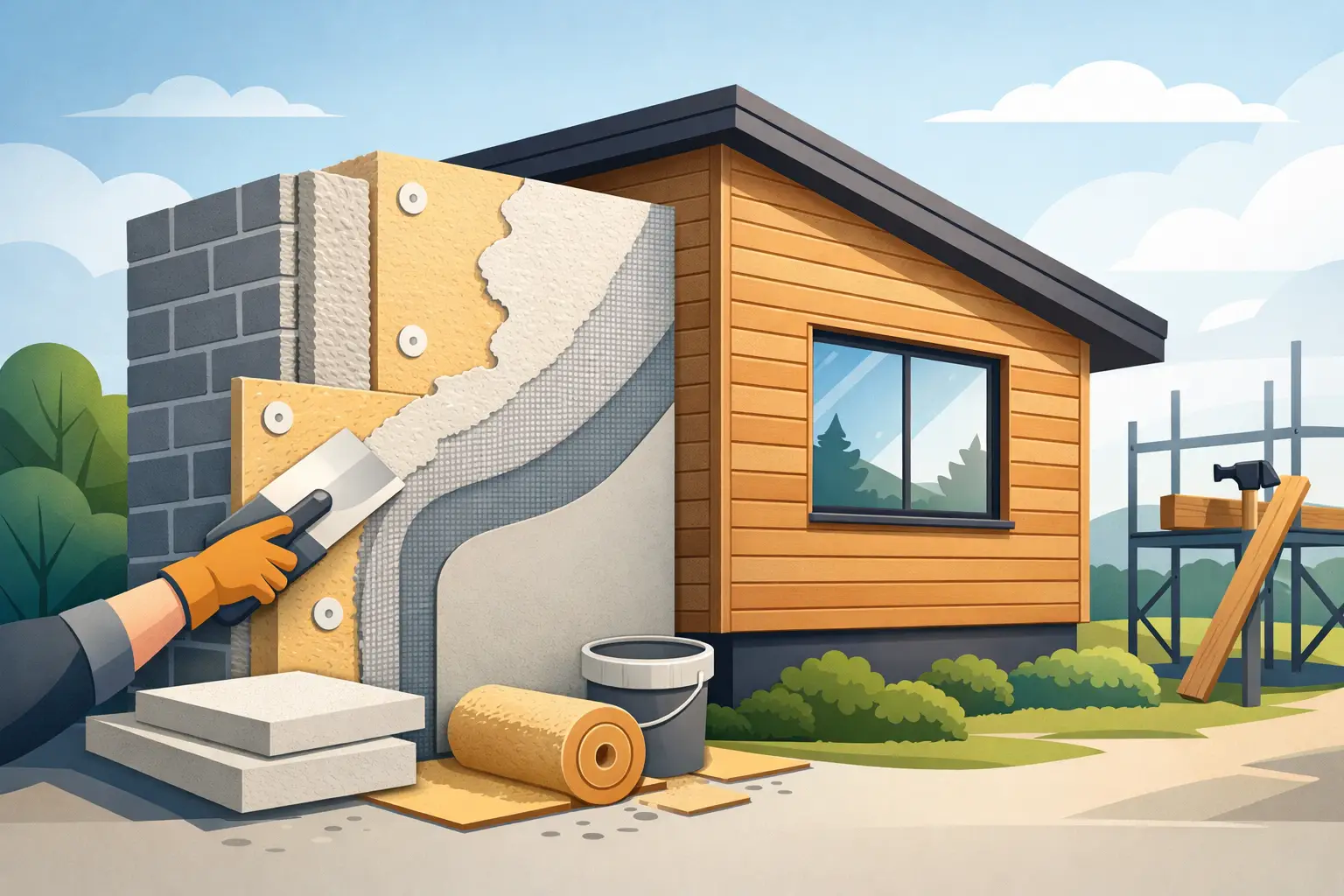
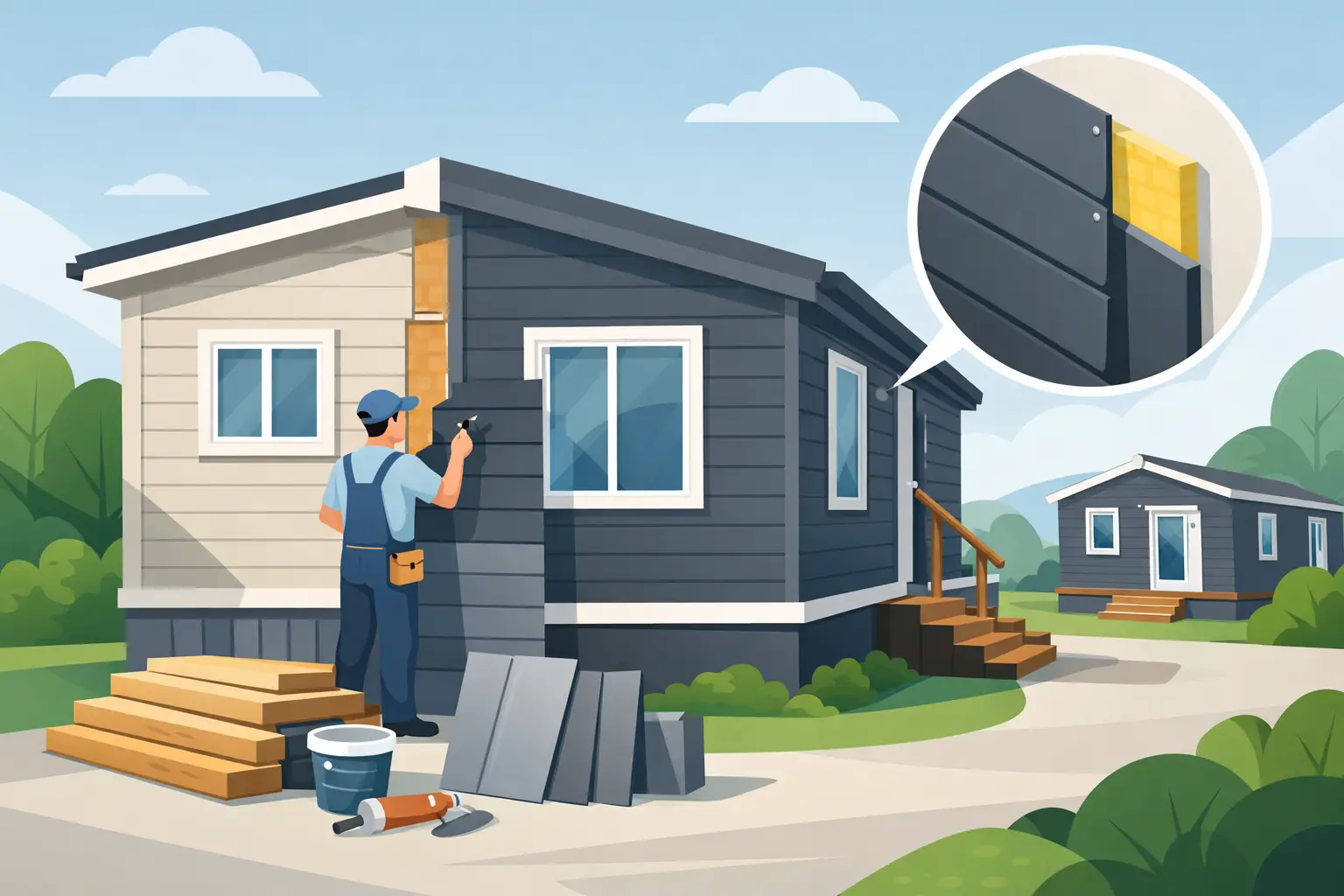
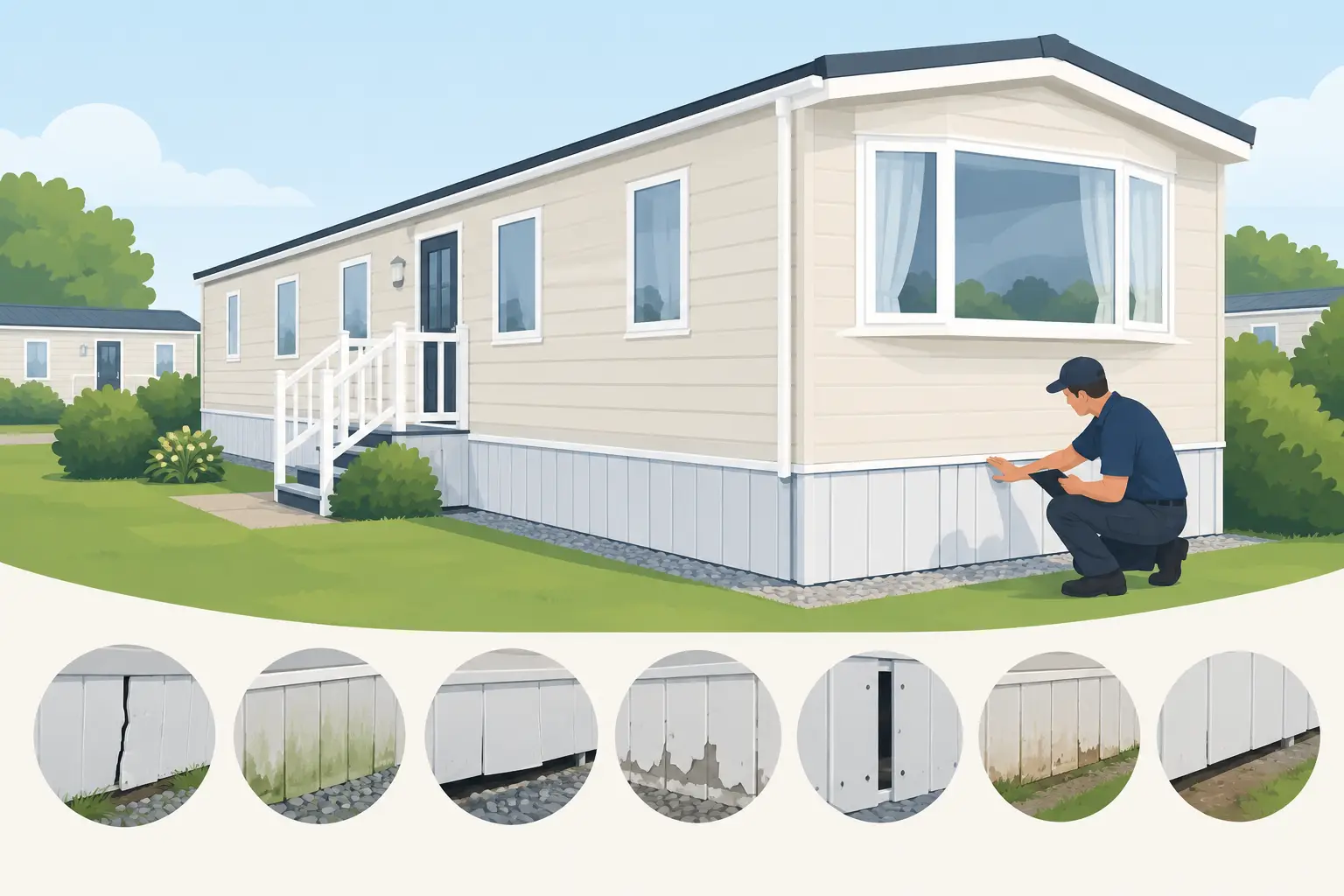
Cladding protects the wall structure from rain while giving the home its finished appearance. Cracks, open joints, brittle sealant and loose trims can allow wind-driven rain to reach the timber framework or insulation behind. This may not cause an immediate visible leak, but repeated water ingress can lead to hidden damage over time.
Pay close attention to corners, window surrounds, door frames and service entry points. These are the places where different materials meet and where seals naturally age. A fresh, properly finished exterior can reduce maintenance and improve kerb appeal, but its more valuable job is keeping moisture out.
Windows and doors do more than keep the weather outside. They also affect warmth, security and day-to-day comfort. During a storm, worn seals or poorly fitting frames can allow draughts and rainwater into the home.
If you can feel a cold draught around a closed window, see movement in the frame, or need to force a door shut, it is worth arranging an inspection. The issue may be with the unit itself, or it may indicate that the home is not sitting level on its supports. Either way, leaving it can make the problem more expensive to correct.
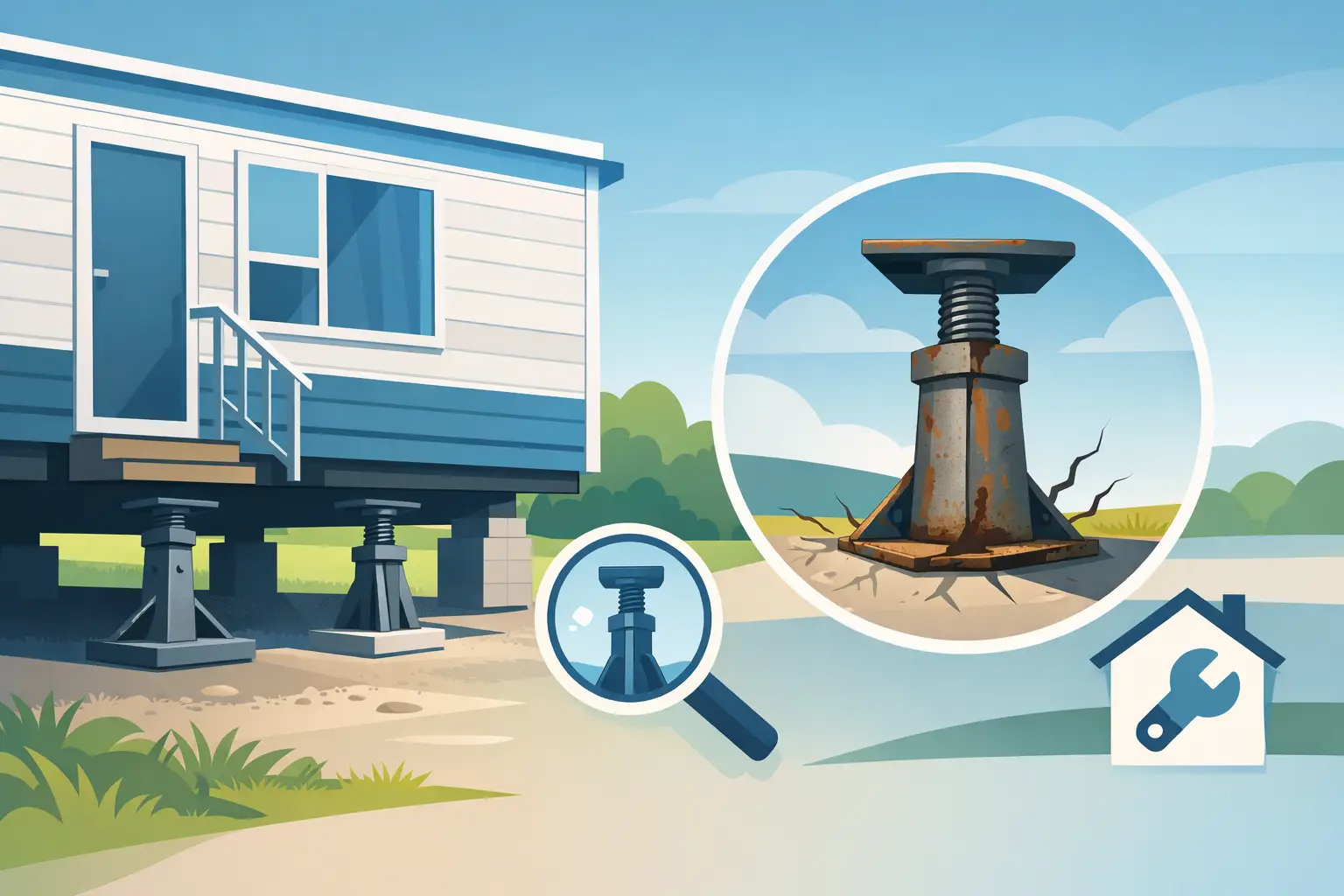
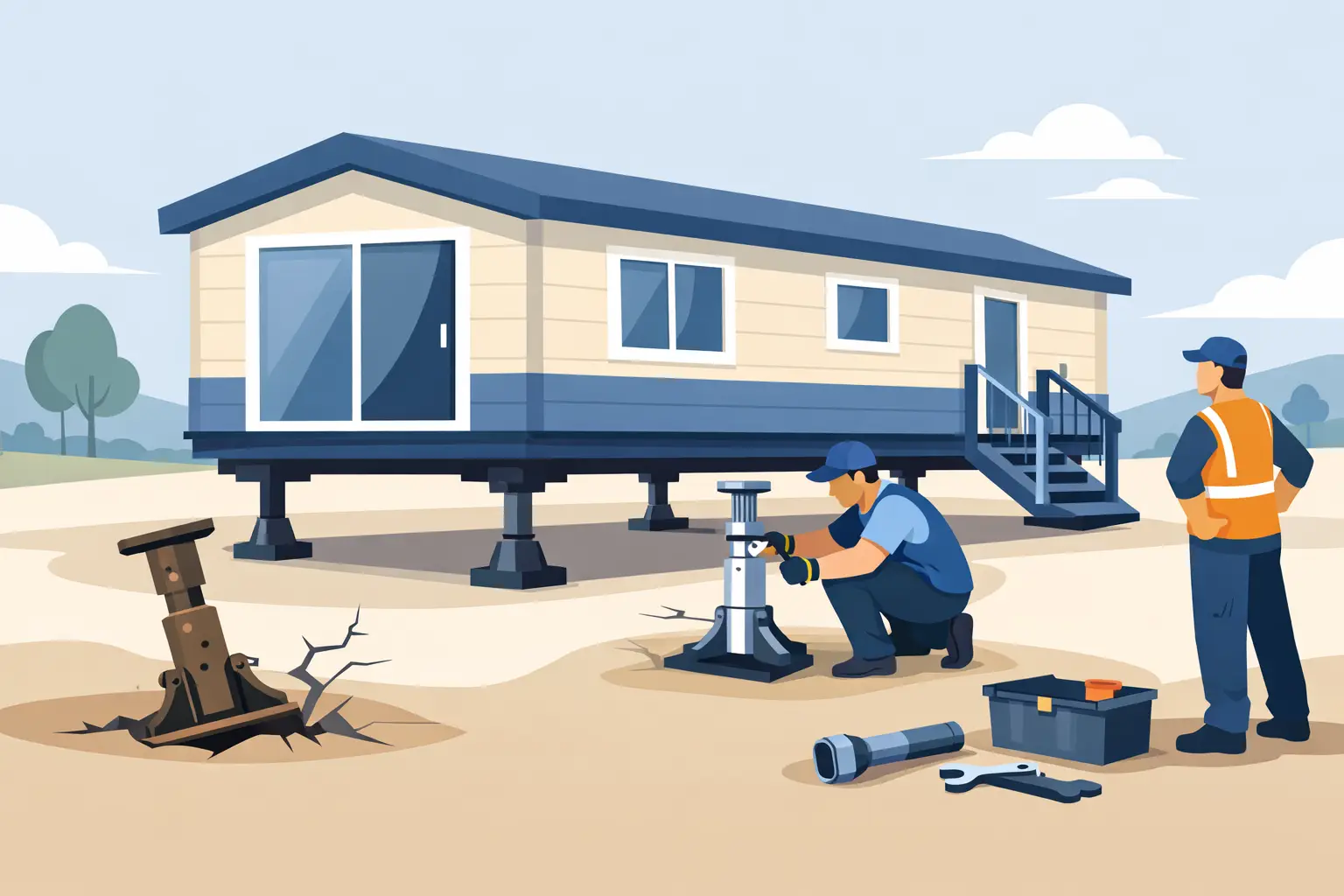
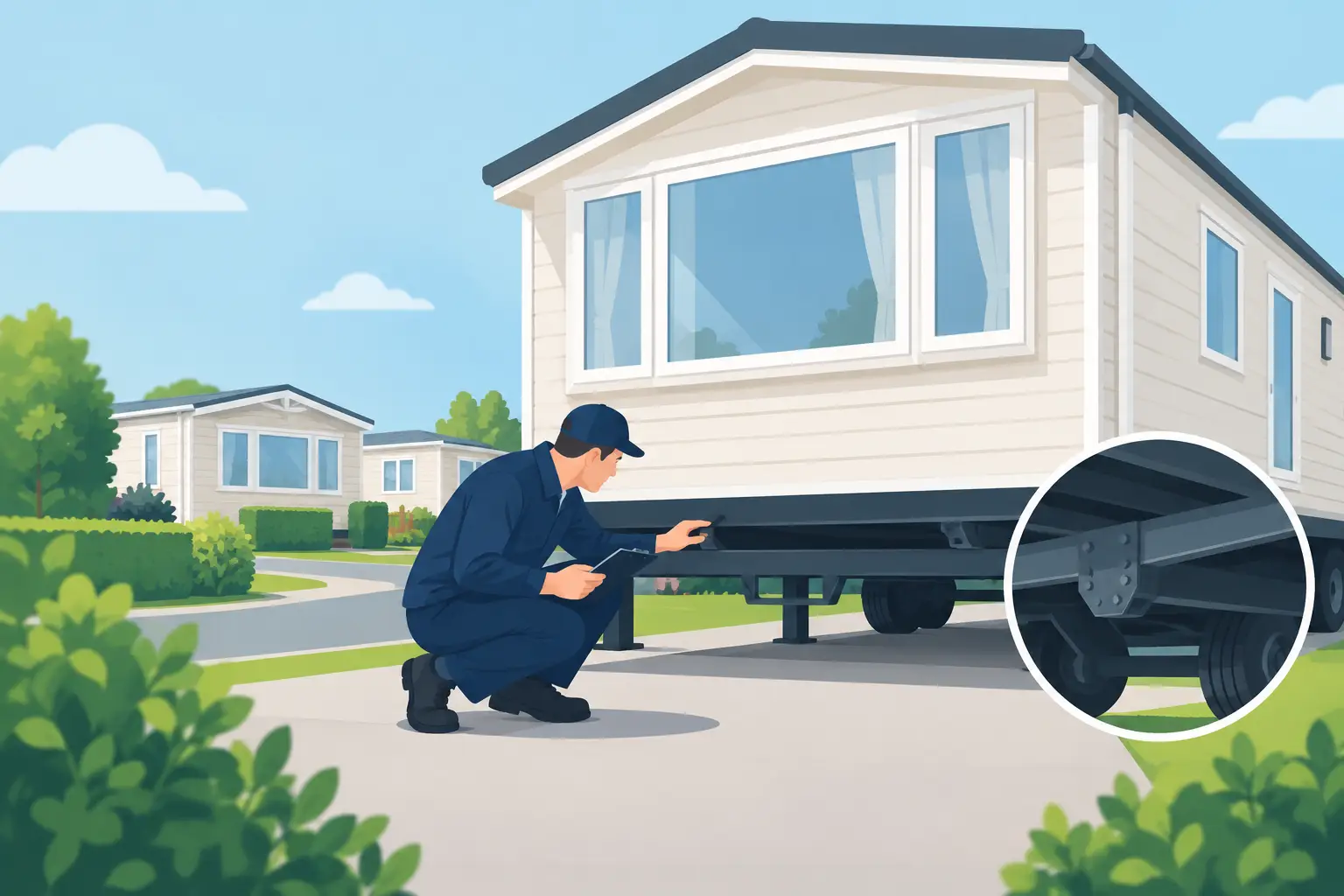
The chassis and support system are fundamental to a park home’s stability. Support jacks should carry the home evenly and remain in good condition. Over time, ground movement, corrosion and general wear can affect the level of the home.
Uneven support may show itself through sticking doors, cracks in internal finishes, sloping floors or gaps appearing around windows. In stormy conditions, a stable and correctly supported home is better placed to withstand repeated wind pressure without placing extra strain on the structure.
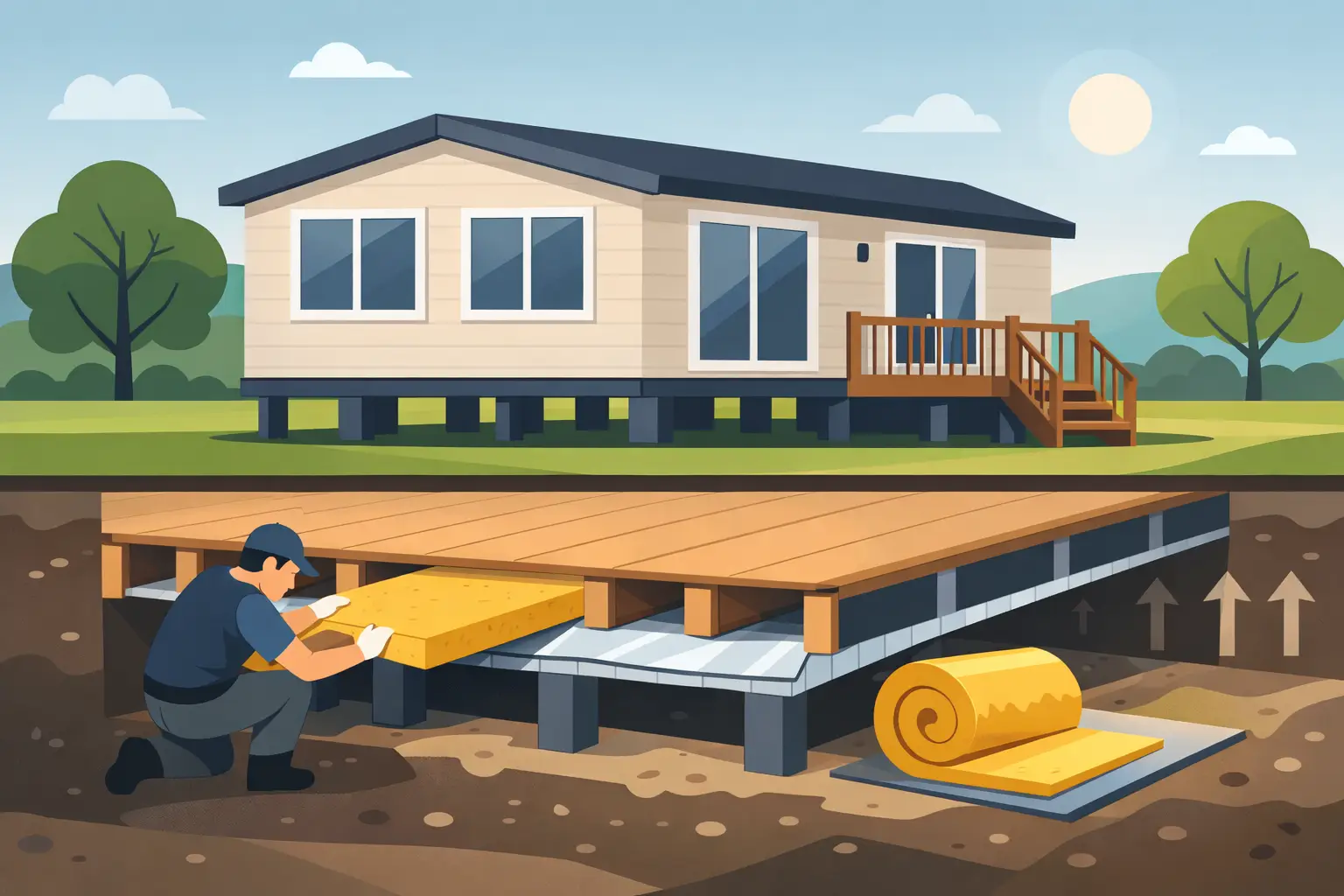
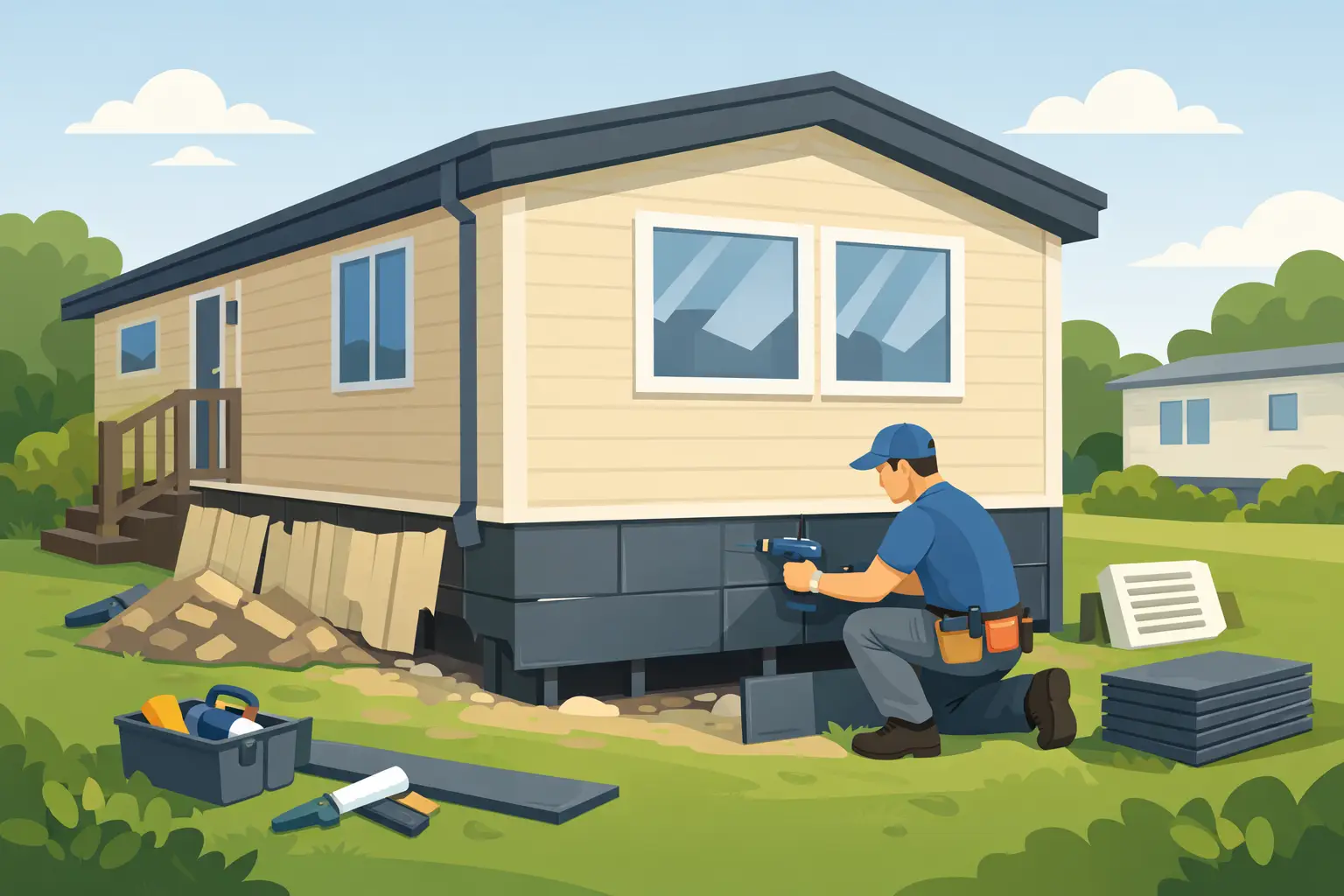
The underside also deserves attention. Missing or damaged skirting can expose pipes and underfloor areas to wind, rain and cold air. Proper underfloor insulation and well-fitted skirting help retain heat, reduce draughts and protect vulnerable areas from the weather.
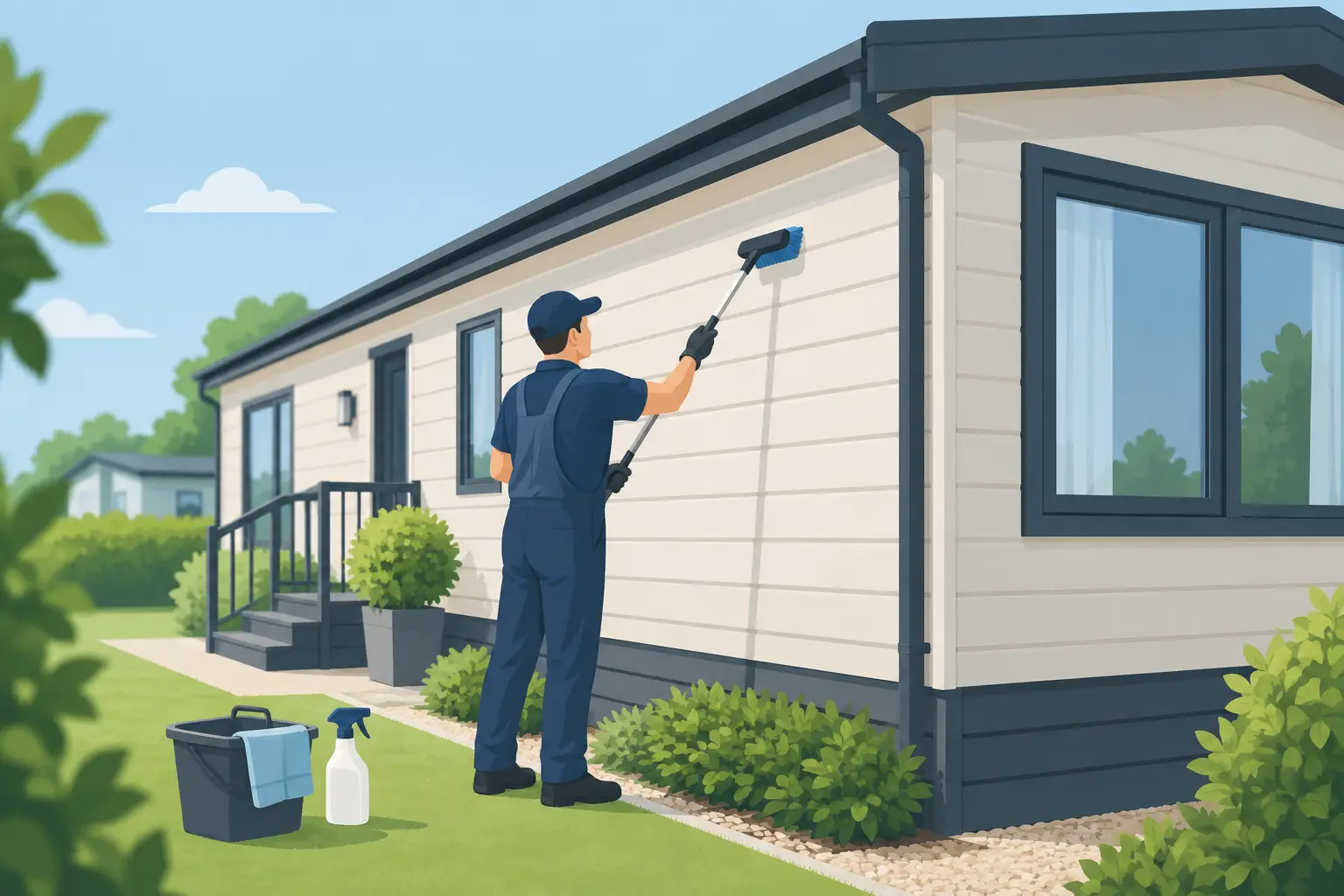
A simple inspection before the autumn and winter weather sets in can make a real difference. Walk around the home on a dry day and look for anything loose, cracked, blocked or worn. Clear leaves from gutters and downpipes so rainwater can drain away freely. Water overflowing onto walls or collecting beneath the home can create problems that are easily avoided.
Secure or store loose garden furniture, plant pots, bins and ornaments. These are more likely to become hazards in strong winds than many owners expect. Check that fences, gates and sheds are secure as well, as damage nearby can affect the home itself.
Inside, keep an eye out for small changes. A new musty smell, a stain on a ceiling, a cold patch near an outside wall or a floor that feels unusually draughty are all worth investigating. They may have a straightforward cause, but prompt action prevents minor defects from developing into structural repairs.
It is also sensible to know where your mains water stop tap and electricity consumer unit are located. If storm damage causes a leak or electrical concern, being able to act quickly is useful. Never touch damaged electrical fittings or cables, and report any suspected danger to the appropriate emergency service or qualified professional.
Once it is safe to go outside, inspect the home from ground level. Check the roofline, gutters, cladding, windows, doors and skirting. Look for dislodged materials, broken seals, standing water and debris that may be blocking drainage.
Inside, inspect ceilings, cupboards along external walls and areas around windows for moisture. Take clear photographs of any damage before temporary repairs are made, particularly if you may need to speak with your insurer. If water is entering the home, use buckets or towels to limit immediate damage, but do not attempt a risky roof repair in poor conditions.
Some issues need urgent attention, such as a significant roof leak, loose external panels, damaged electrical equipment or visible movement in the structure. Others, including ageing sealant or minor gutter faults, can be planned into a maintenance visit. The key is not to dismiss a defect simply because it looks small after the storm has passed.
There is no single upgrade that makes every park home storm-proof. Good protection comes from a combination of a watertight roof, sound cladding, secure windows and doors, clear drainage, effective underfloor protection and a stable chassis support system.
For older homes, refurbishment can be a practical way to address several weak points at once. Replacing a failing roof, renewing exterior cladding, improving insulation or refurbishing the chassis can make the home warmer and easier to maintain while strengthening its defences against the weather. The right work will depend on the condition of the individual home, not a one-size-fits-all package.
New Look Park Homes Ltd works exclusively with park and static homes, so inspections and repairs are based on the way these properties are built and supported. That specialist knowledge matters when deciding whether a concern is cosmetic, a maintenance issue or a sign that more substantial work is needed.
A storm does not have to be the moment you discover a problem. A careful check before the weather changes can help keep your home dry, stable and comfortable when the wind picks up.