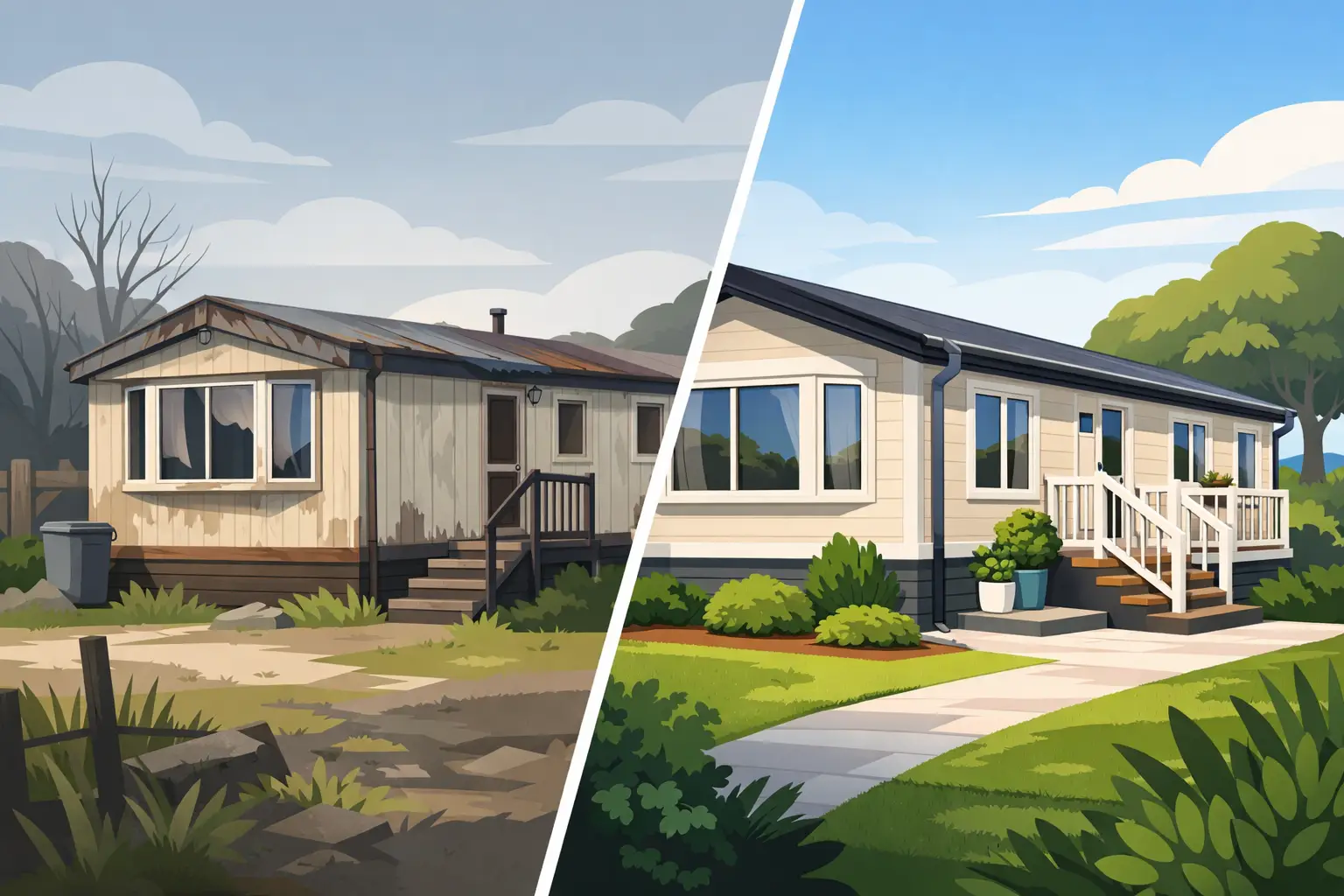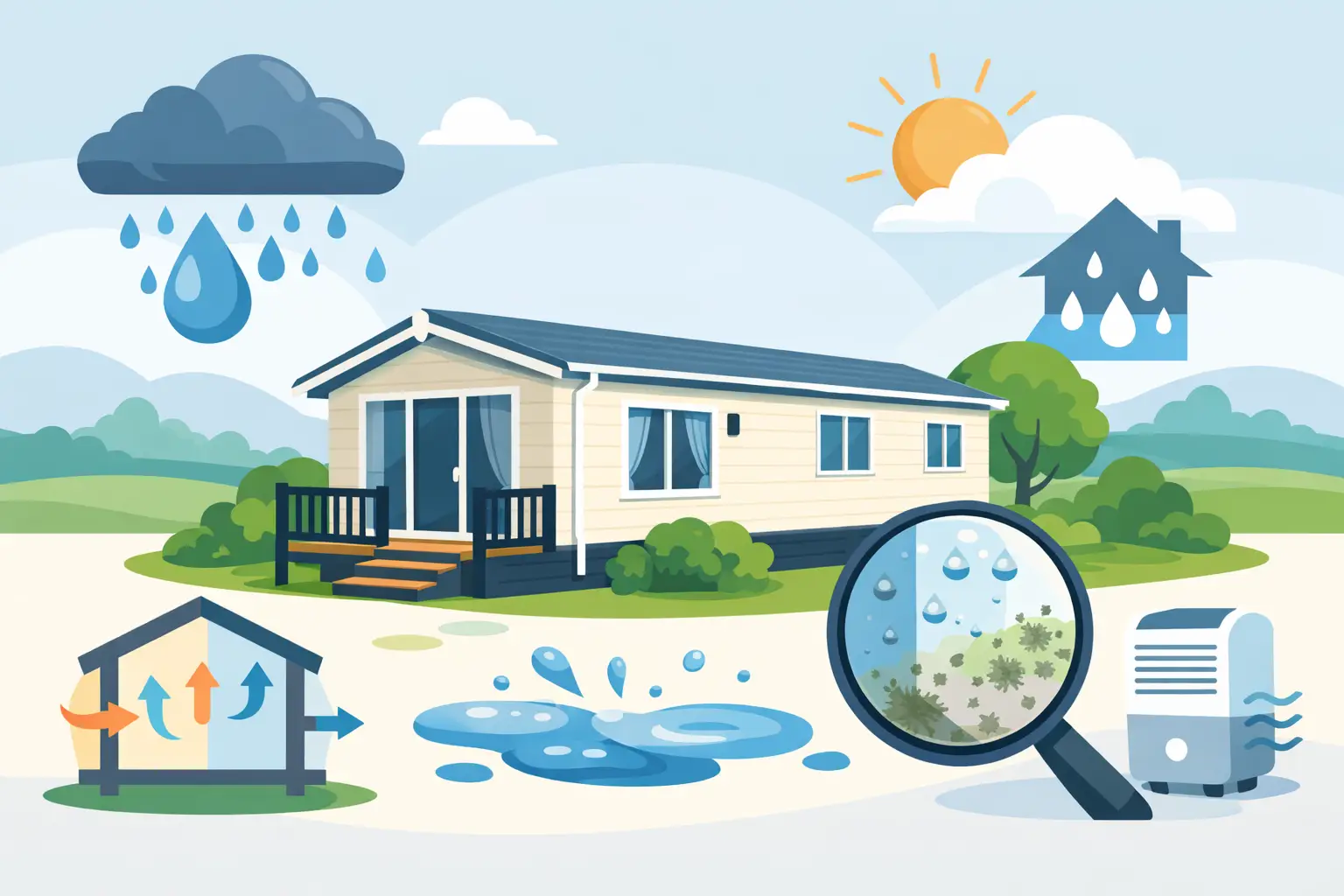
A tired exterior is rarely just a matter of appearance. Cracked cladding, a leaking roof edge or a cold, draughty floor can allow small problems to become expensive repairs. The top park home exterior improvements protect the structure first, then make the home warmer, smarter and easier to maintain for years to come.
Park homes are built differently from brick properties. Their lighter construction, raised chassis and panelled exterior mean that materials, ventilation and fixing methods all need careful consideration. A general builder may be able to improve the look of a home, but specialist knowledge helps ensure the work also supports its long-term condition.
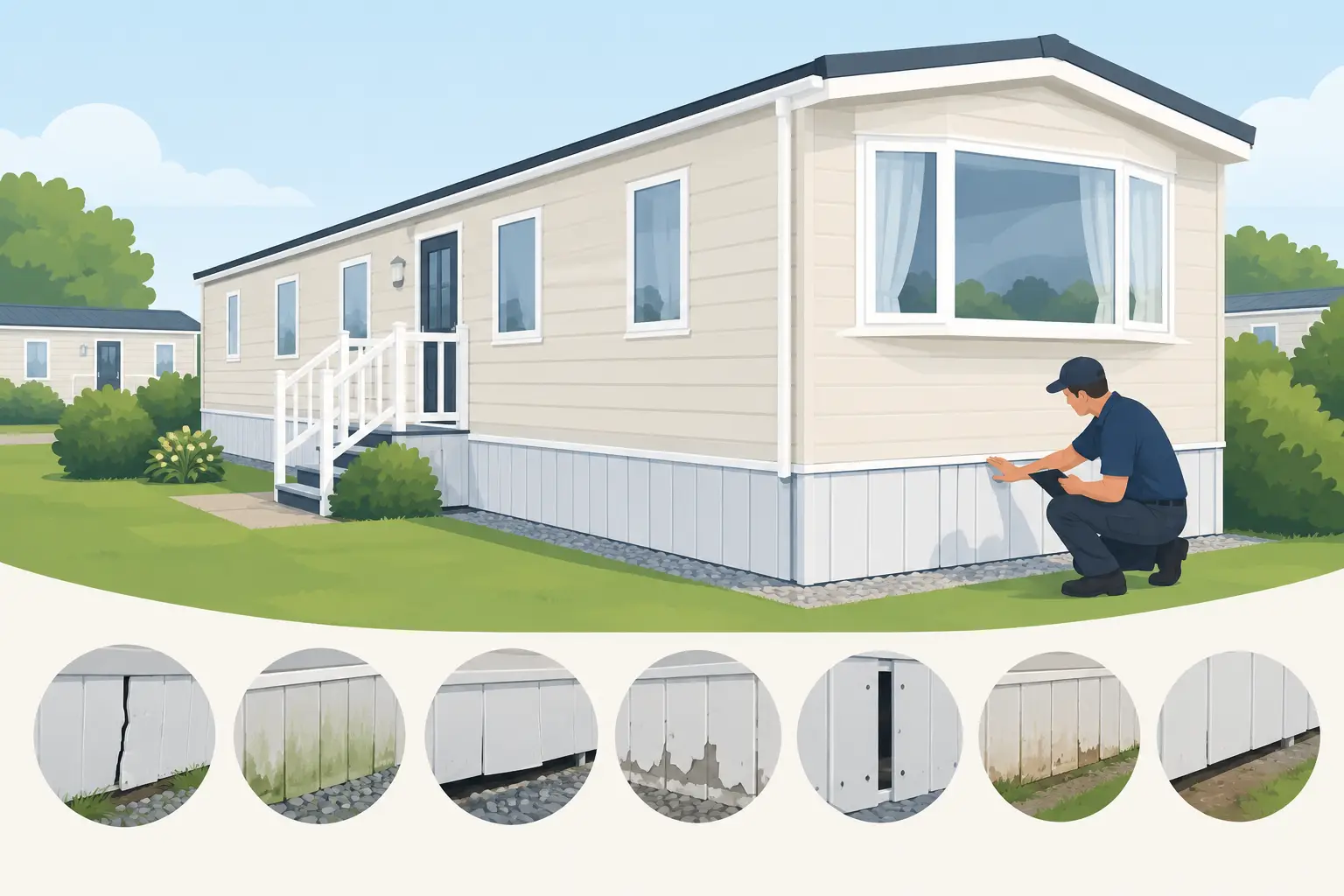
Before choosing new cladding or a fresh roof covering, establish what is happening underneath. An exterior that looks worn may only need targeted repairs, while a clean-looking wall can hide moisture damage, failing insulation or deteriorating framework.
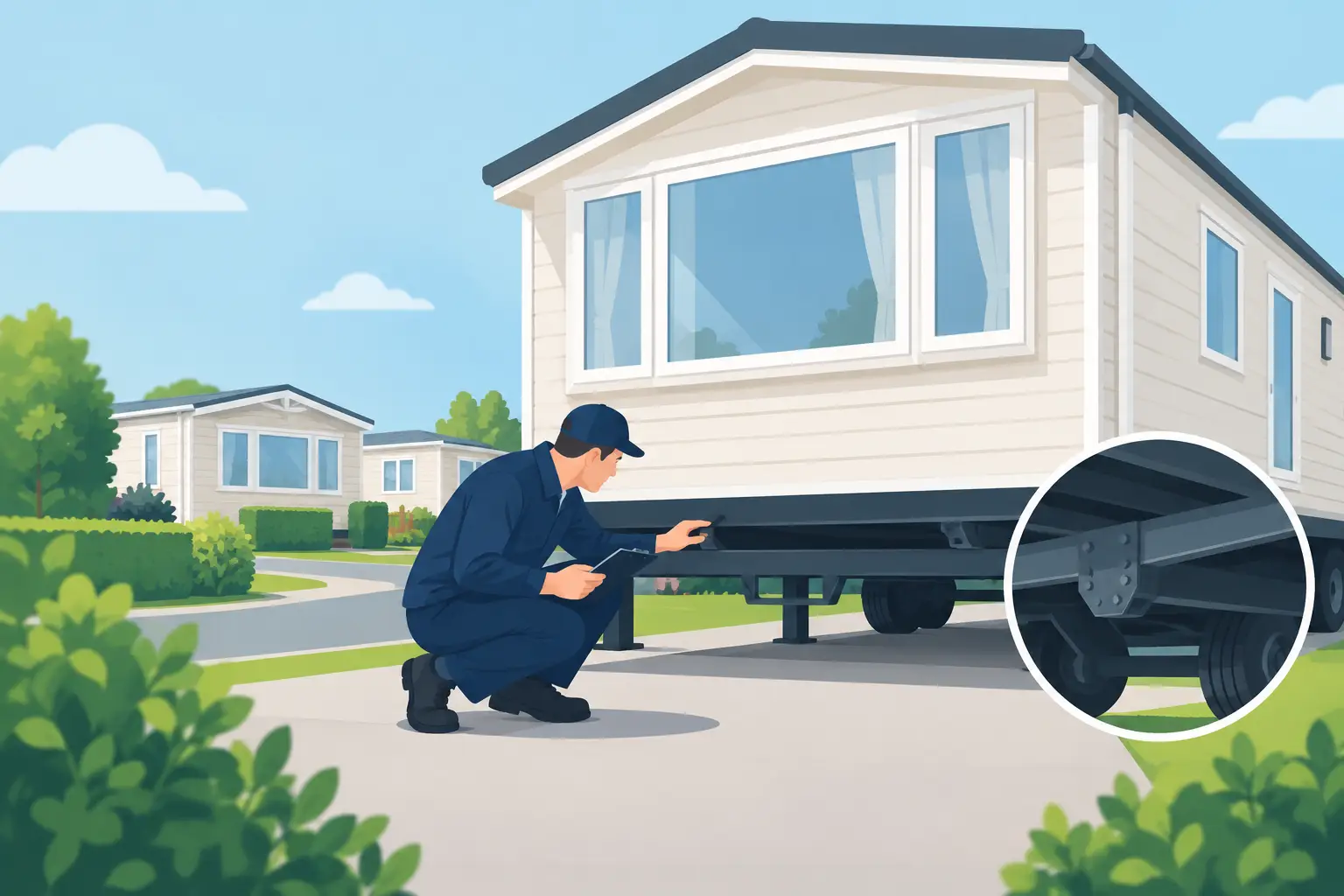
A detailed inspection should consider the roof, gutters, wall panels, seals around doors and windows, skirting, underfloor area, chassis and support jacks. It should also look for signs of movement, corrosion, soft spots, staining and gaps where wind or water can enter.
This approach prevents money being spent in the wrong order. For example, fitting attractive new cladding before addressing a roof leak can trap an existing problem behind the finish. Likewise, replacing skirting without checking the underfloor insulation may leave the home cold despite the visual improvement.
The right project depends on the age, construction and condition of the home, as well as whether your main concern is warmth, weather protection, appearance or resale value. In many cases, combining several improvements at the same time is more cost-effective and causes less disruption than arranging separate jobs over several years.
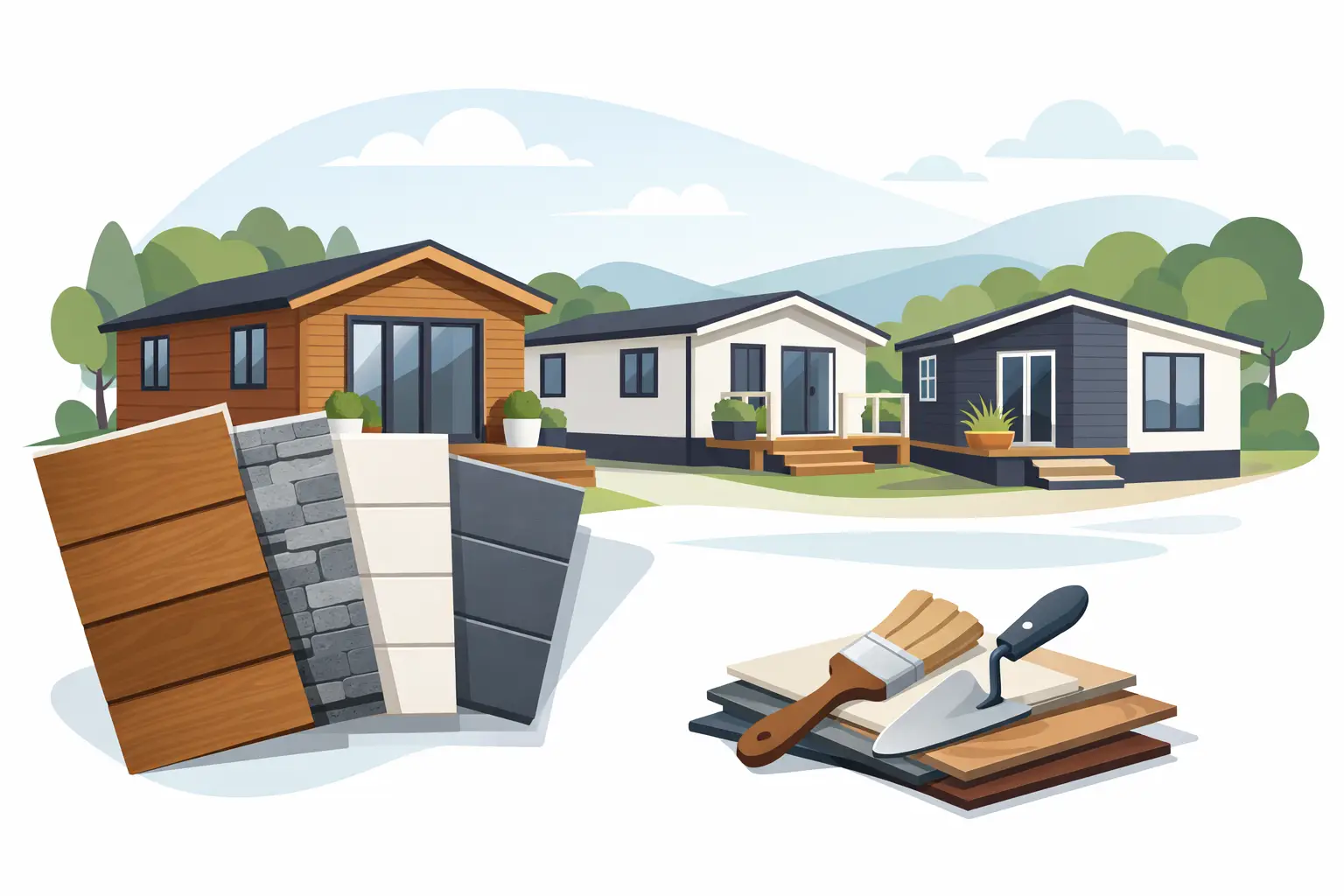
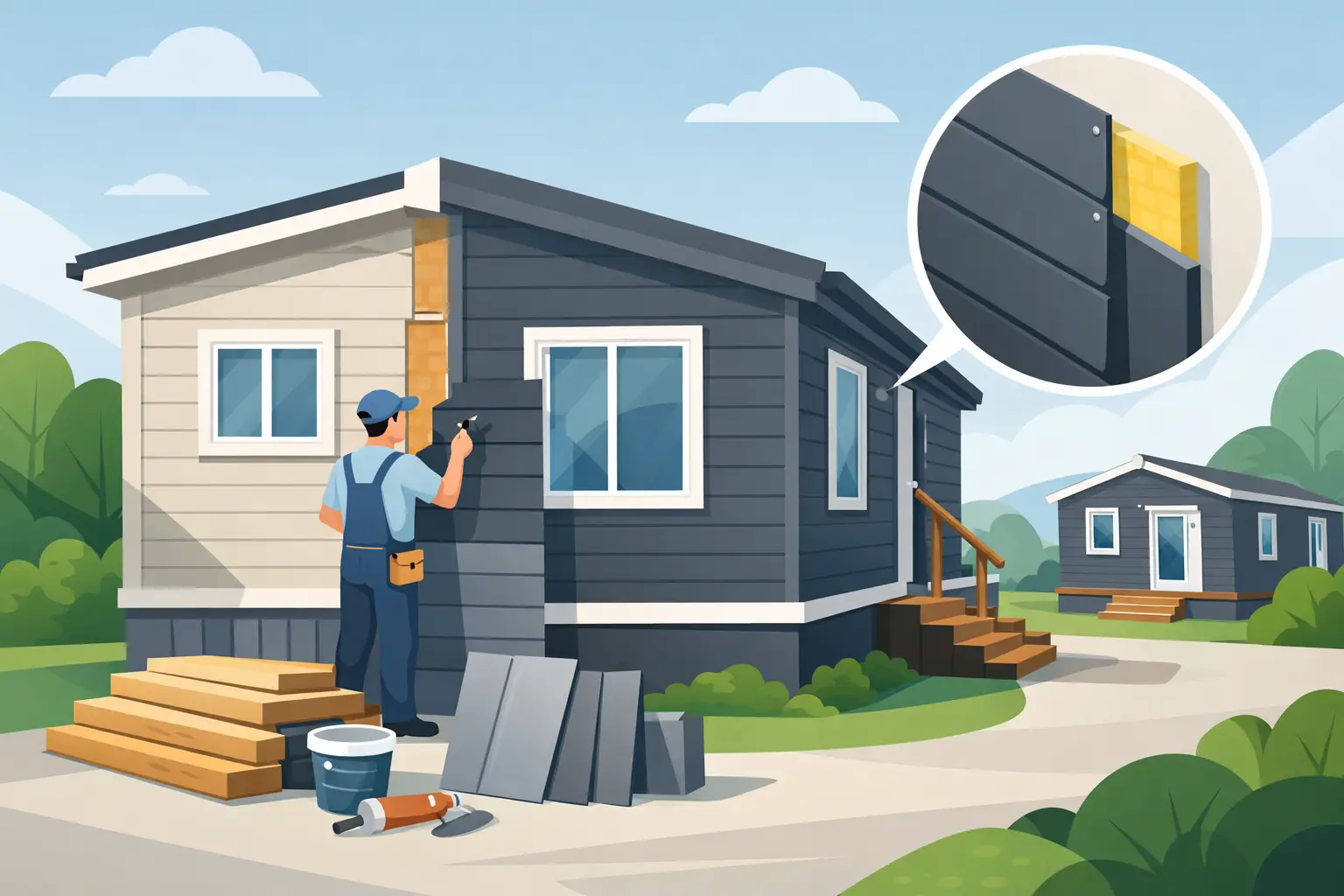
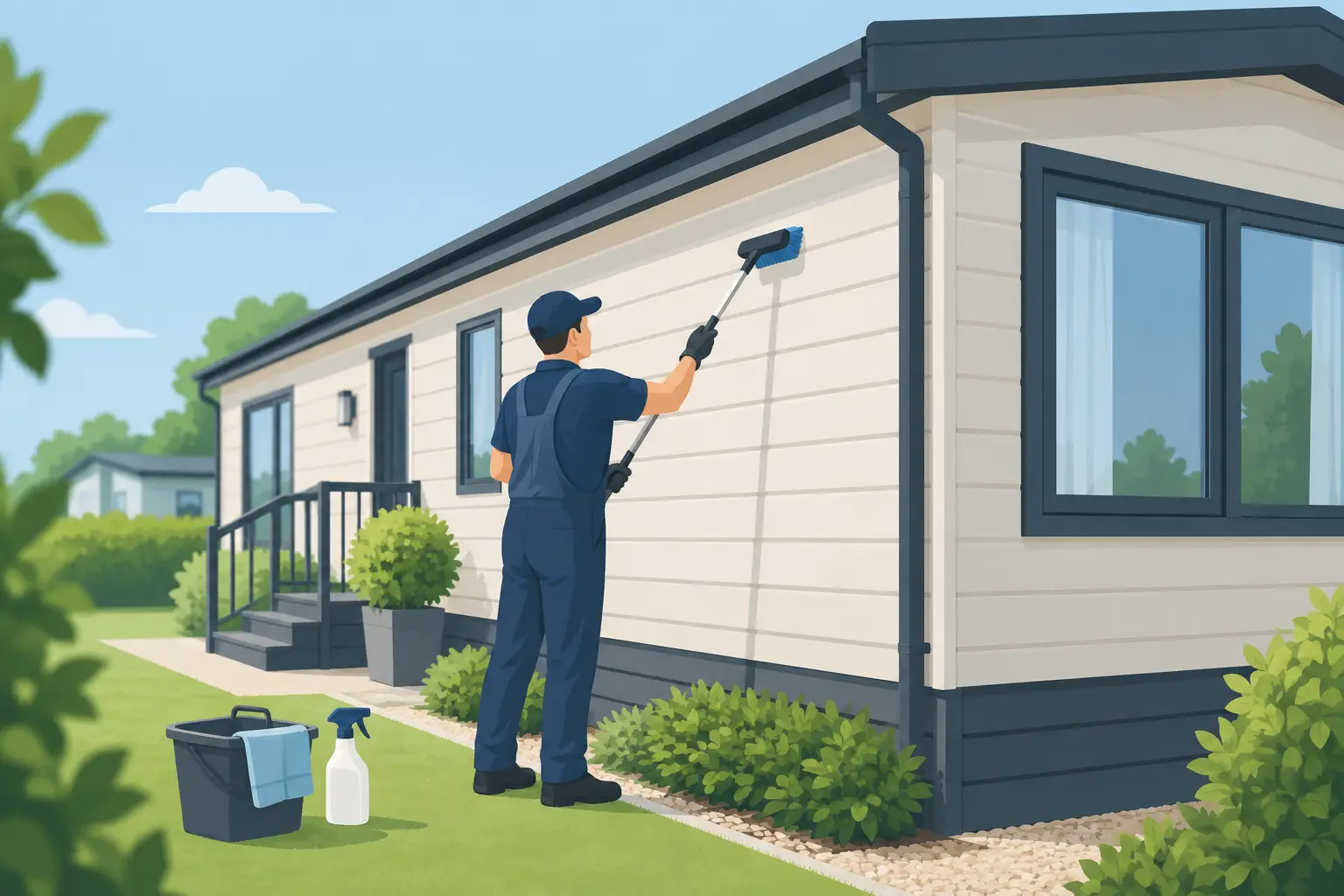
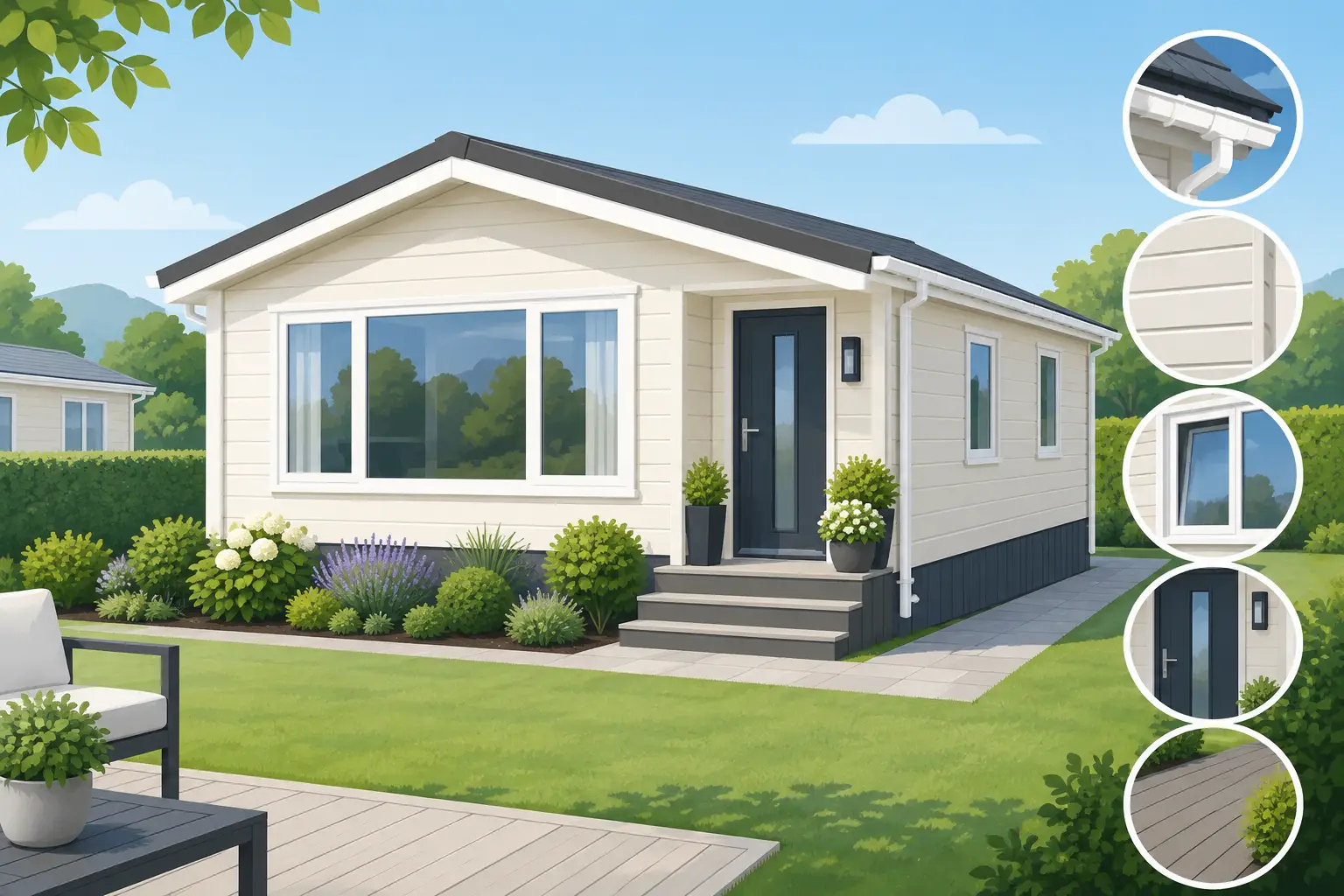
New external cladding is one of the most noticeable ways to transform an ageing park home. Modern cladding can give the property a clean, well-kept finish while reducing the ongoing need for painting and patch repairs.
Its real value, however, lies in protection. Quality cladding shields wall structures from rain and wind, helping to prevent moisture from reaching vulnerable areas. It can also be fitted as part of a wider insulation upgrade, improving comfort indoors as well as kerb appeal outside.
There is no single best cladding choice for every home. The correct system must suit the existing construction and allow the building to manage moisture properly. Careful preparation, sound detailing around windows and doors, and secure fixings matter as much as the visible finish.
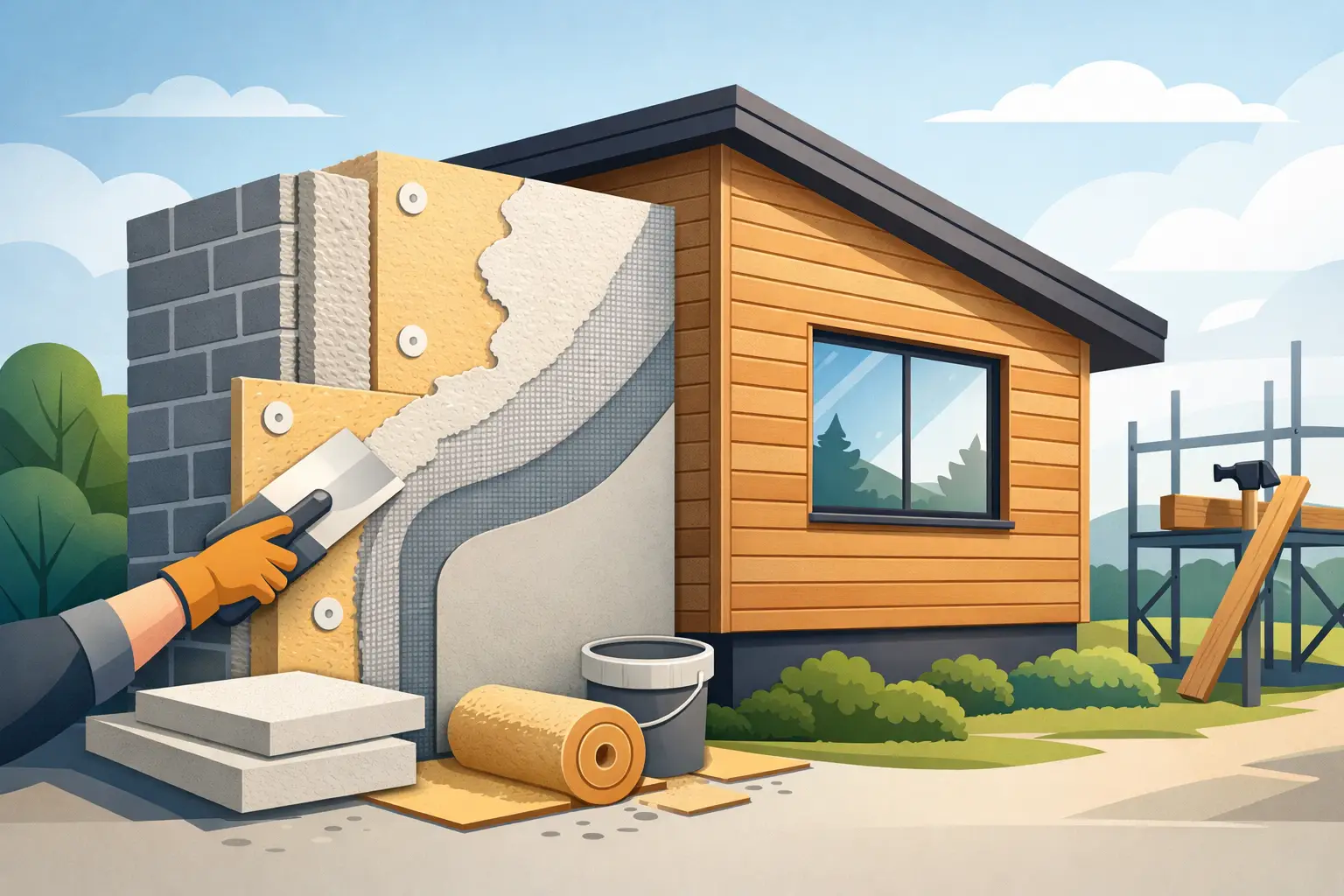
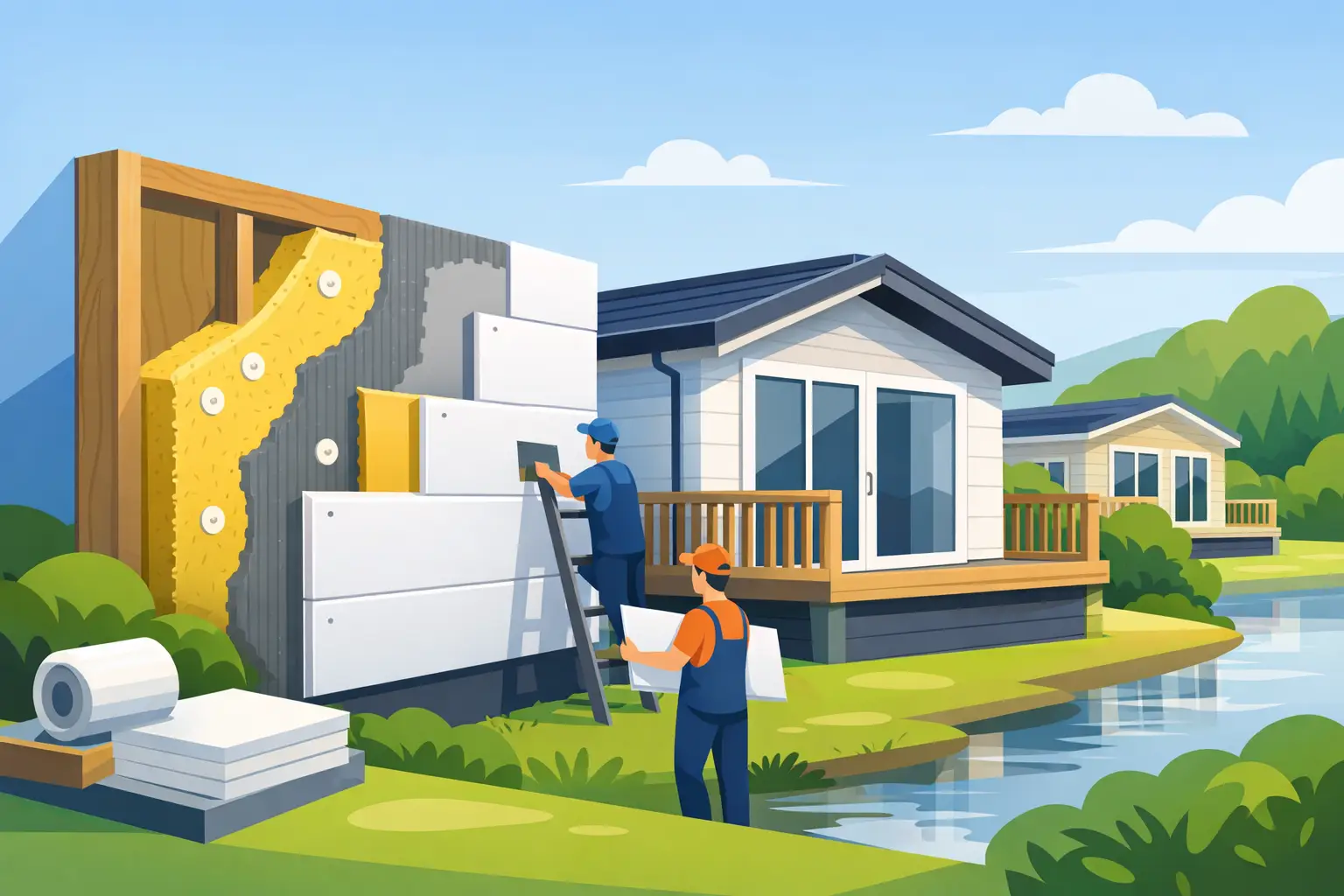
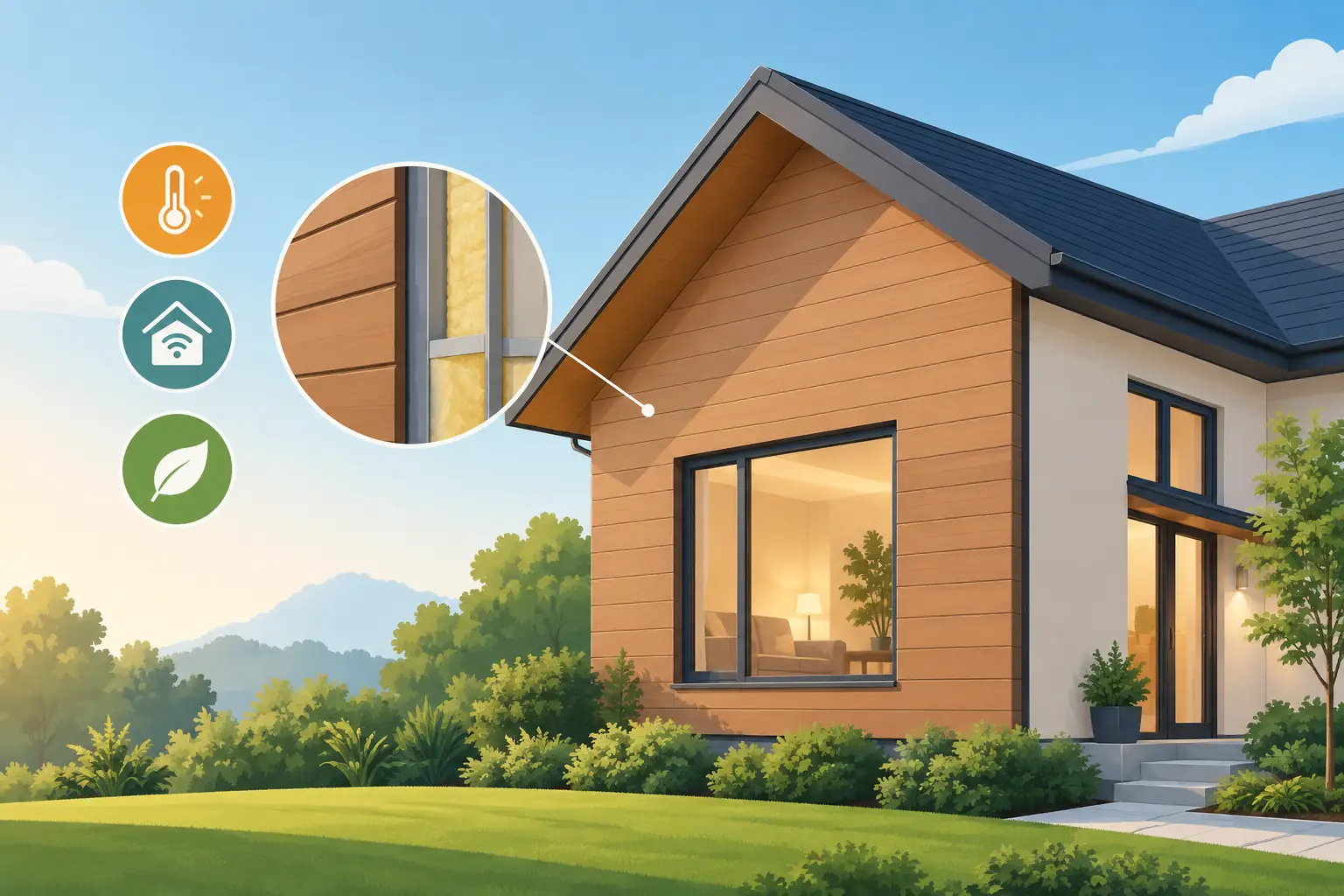
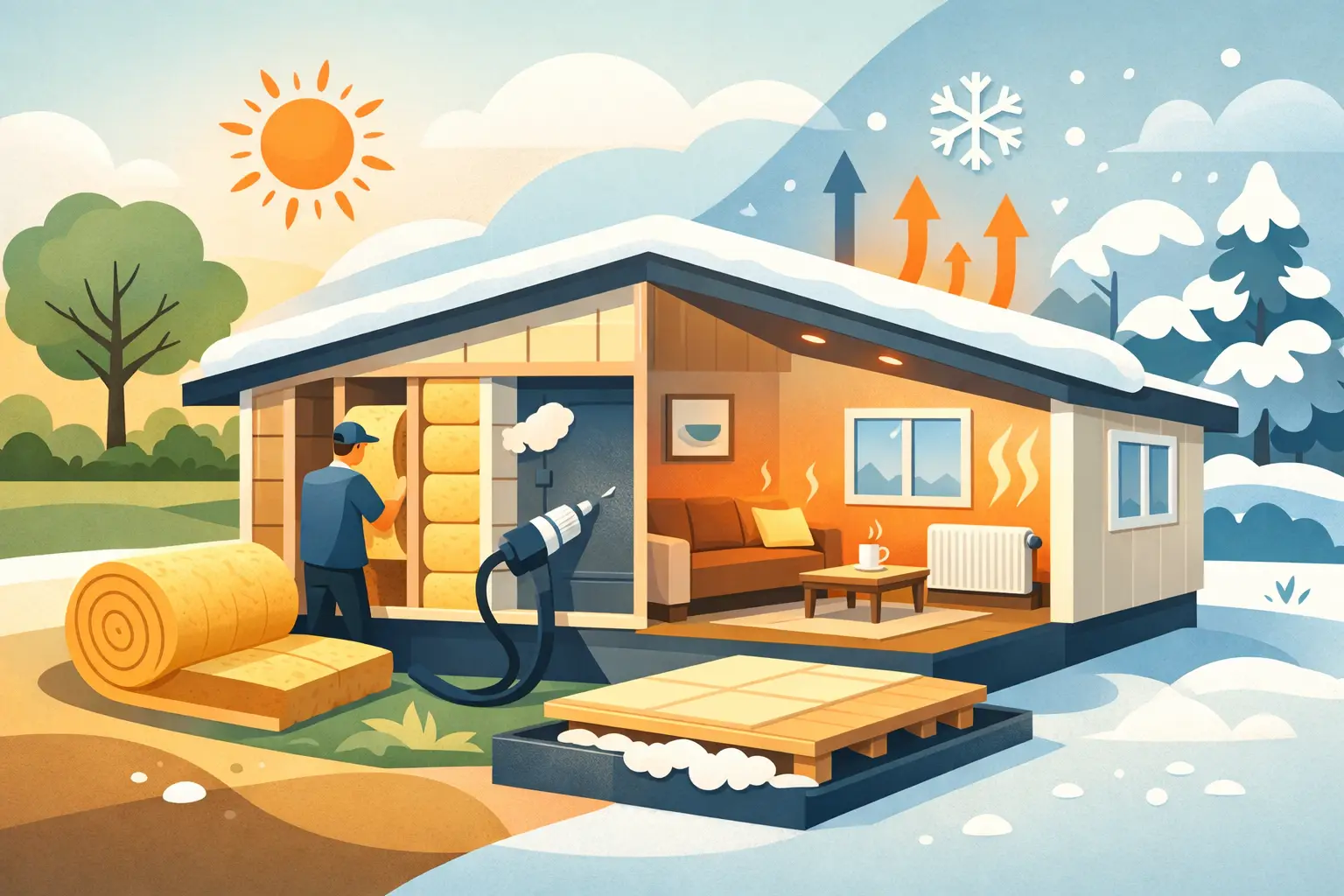
If rooms feel cold even with the heating on, heat may be escaping through the walls. External wall insulation can make a marked difference to day-to-day comfort, particularly in older park homes with limited original insulation.
An insulated external refurbishment can reduce draughts, help rooms hold their temperature for longer and make the home feel less affected by cold spells. It may also reduce heating demand, although the savings will vary according to the home’s size, existing condition, heating system and how it is used.
Weatherproofing should include more than wall surfaces. Seals, trims, joints and flashings all deserve attention. A small failed seal around a window or service entry point can allow persistent water ingress, which is far easier to prevent than repair later.
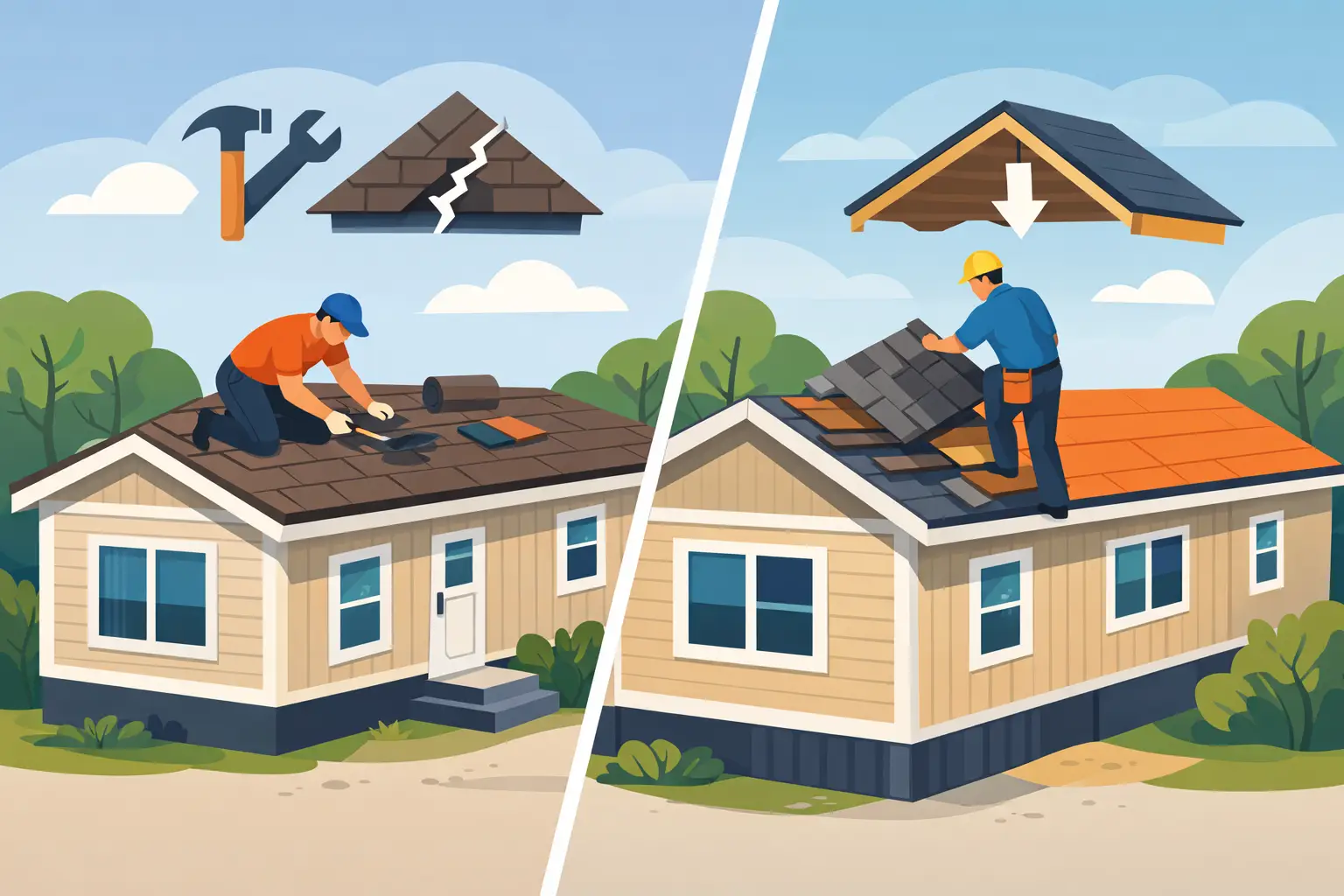
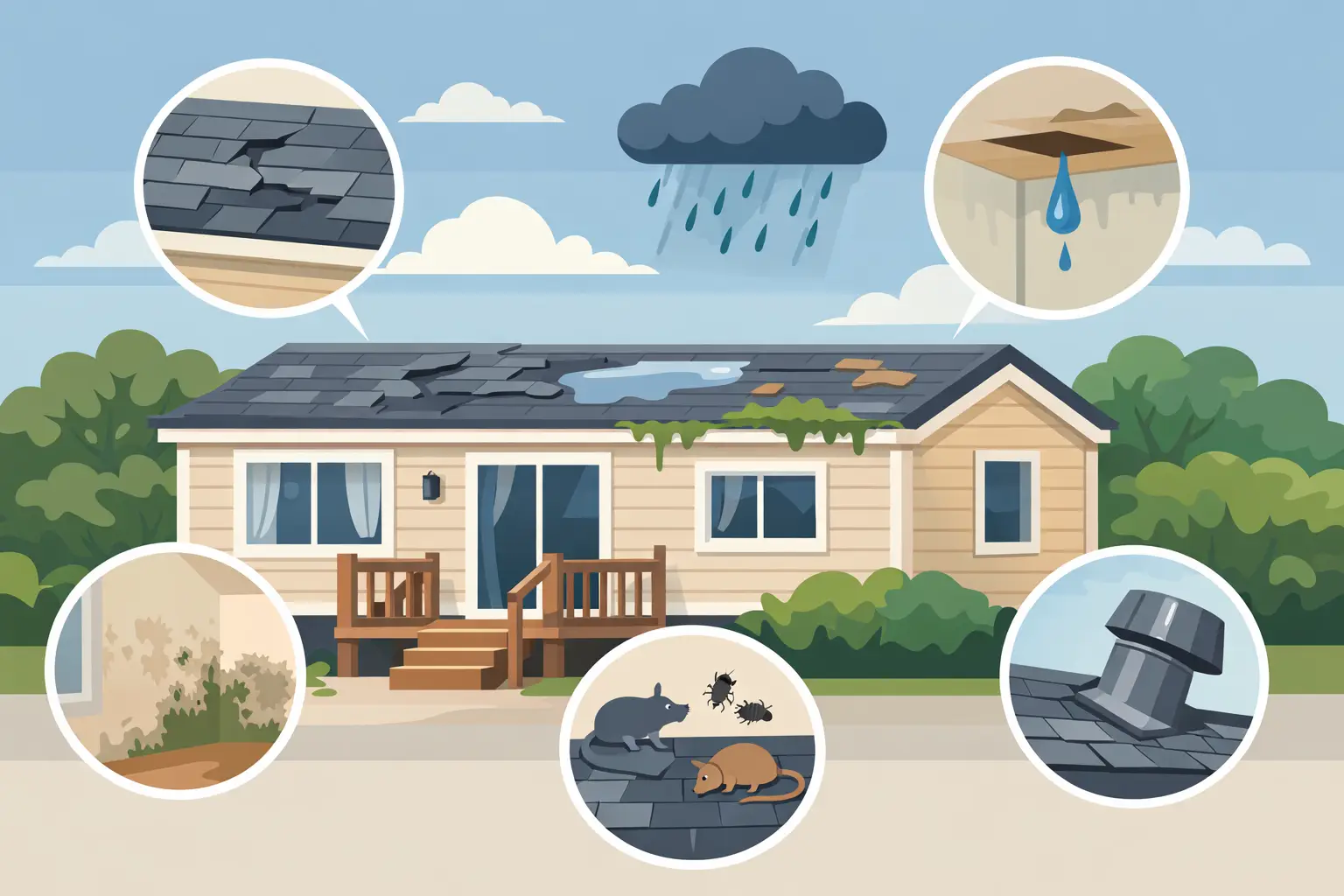
Roofs take the full force of rain, wind, frost and summer heat. Warning signs include water marks on ceilings, damaged edges, lifting material, recurring leaks, moss build-up and gutters that overflow despite regular clearing.
A roof repair can be the sensible choice where damage is localised and the remainder is sound. Where the covering is reaching the end of its useful life, a replacement may offer better value and greater peace of mind. The decision should be based on the roof’s overall condition, not simply the most visible defect.
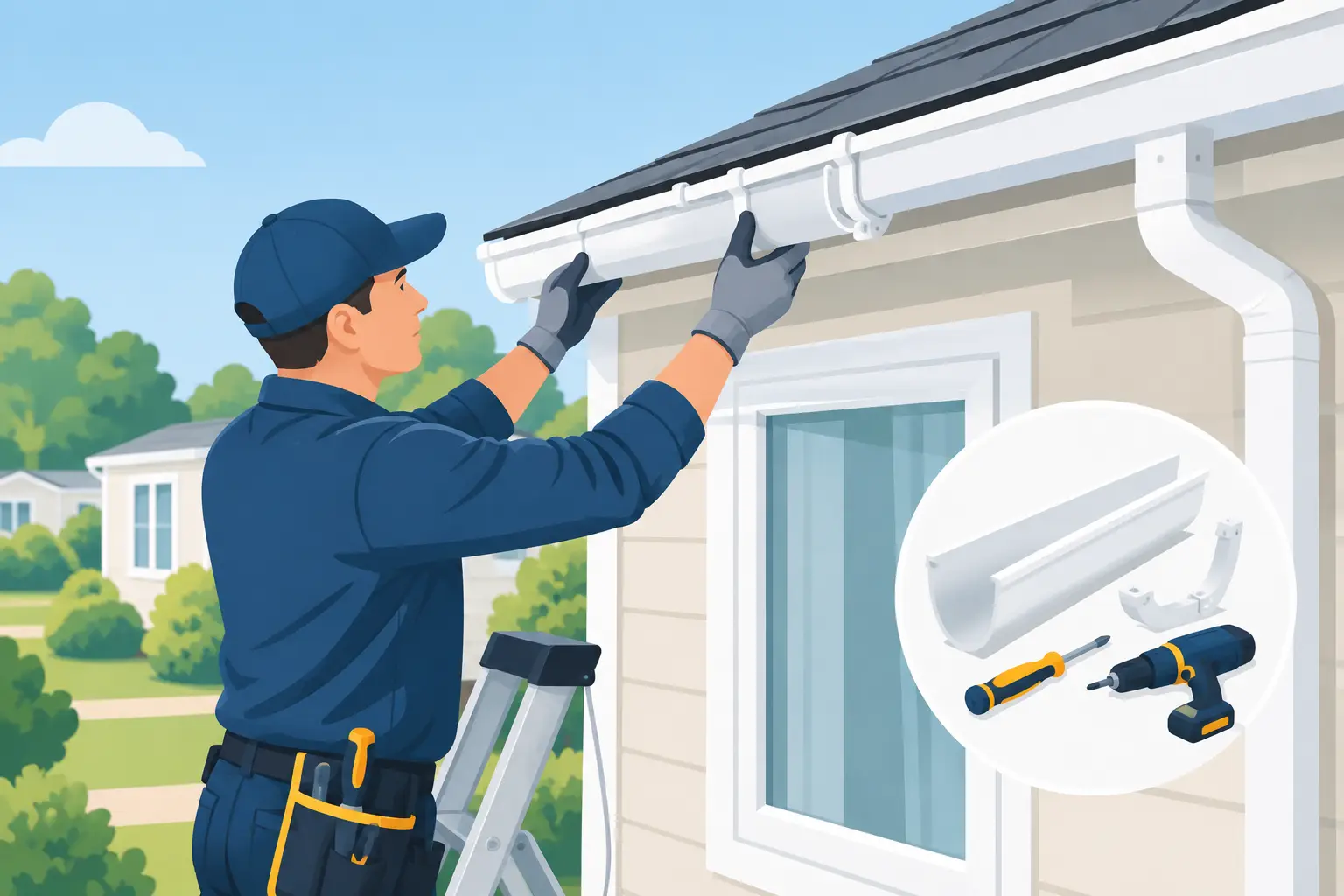
A well-planned roof project should also address drainage and edge details. Water needs a reliable route away from the home. Fresh roof materials will not perform as they should if gutters, downpipes or flashings are neglected.
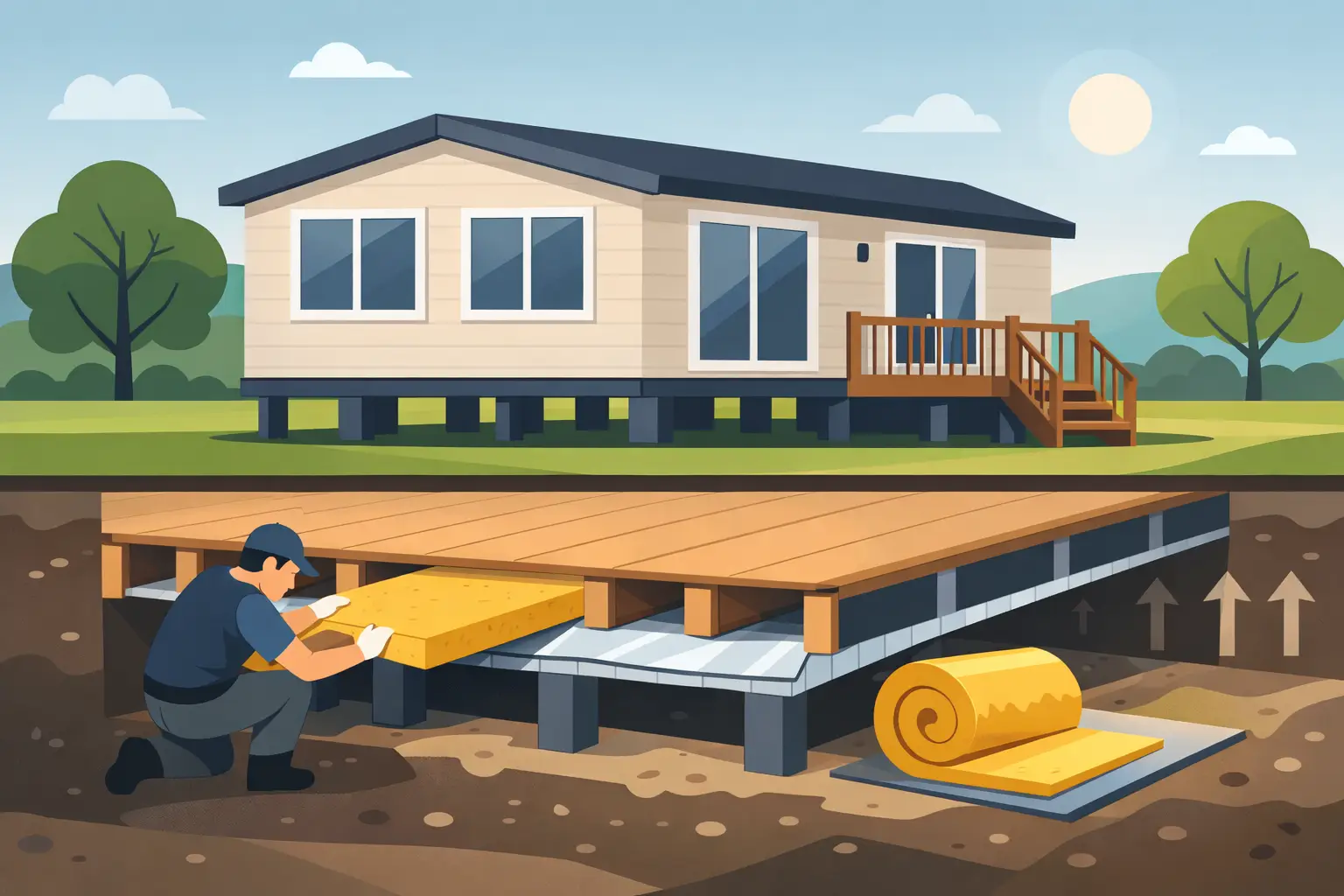
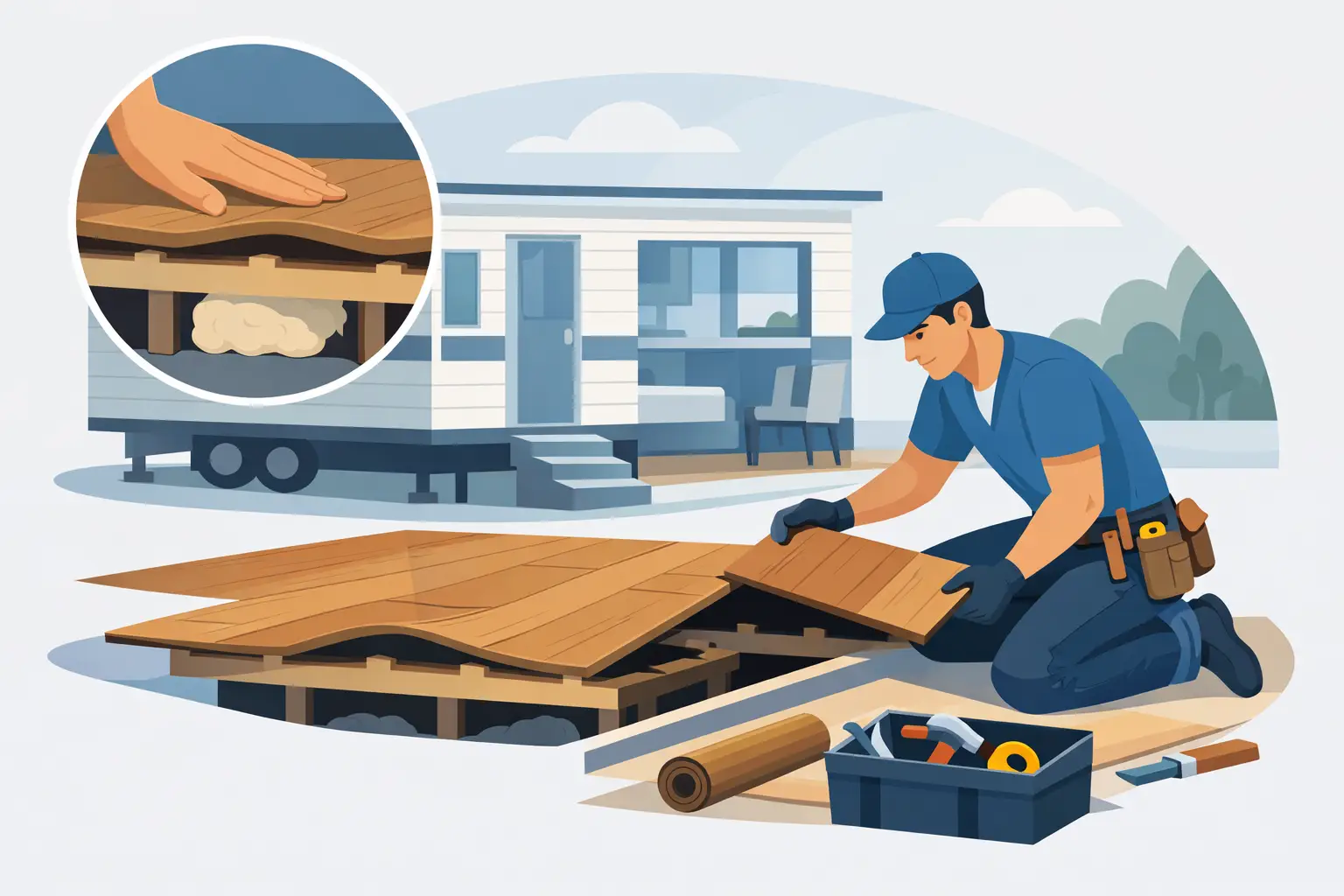
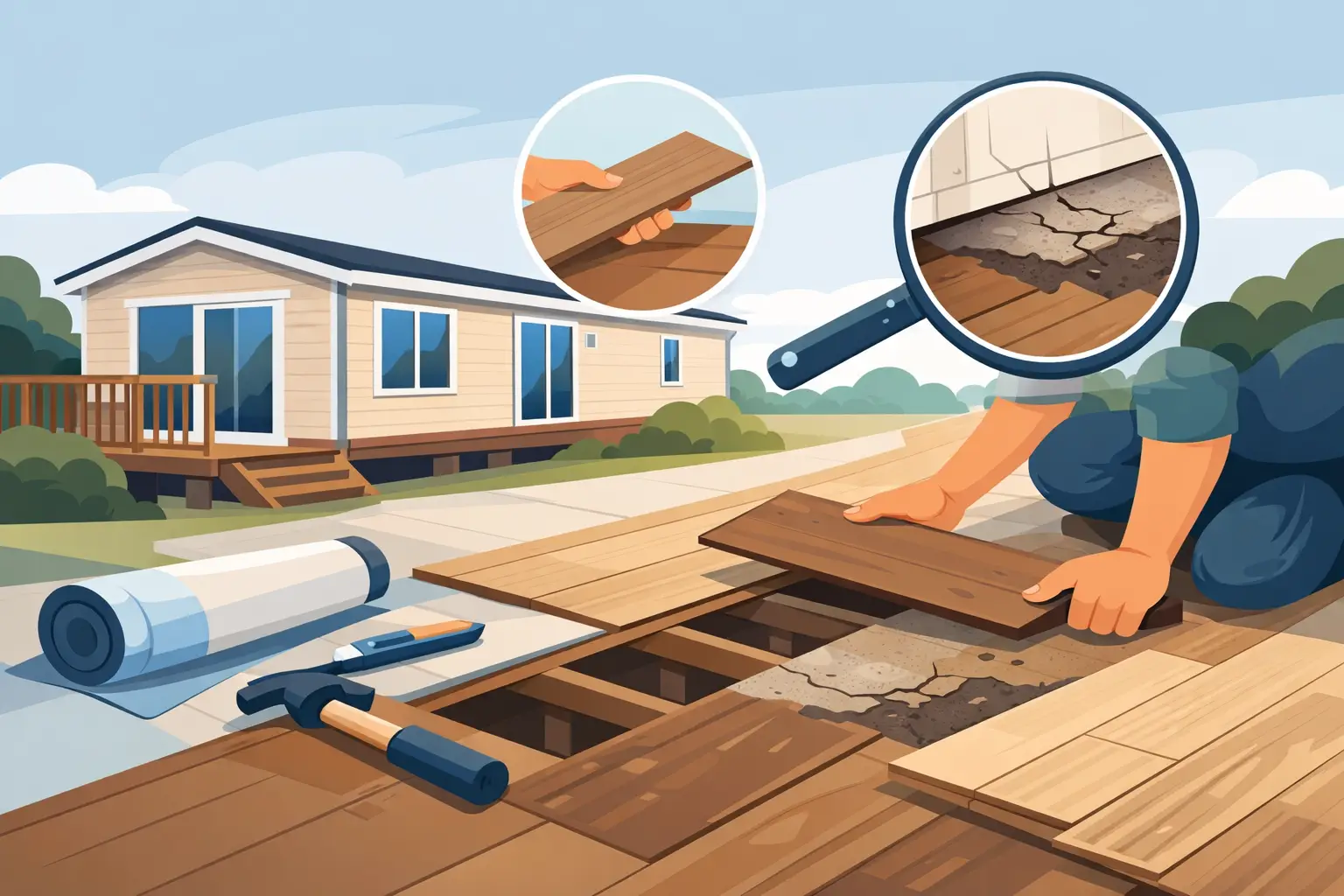
Cold floors are one of the most common complaints among park home owners. Because the home sits above ground level, cold air can circulate beneath the floor and draw warmth out of the living space. This can make heating feel less effective, particularly around the perimeter of rooms.
Underfloor insulation helps reduce that heat loss and can make floors feel noticeably warmer underfoot. It is often one of the most practical comfort upgrades available, particularly when carried out alongside external repairs.
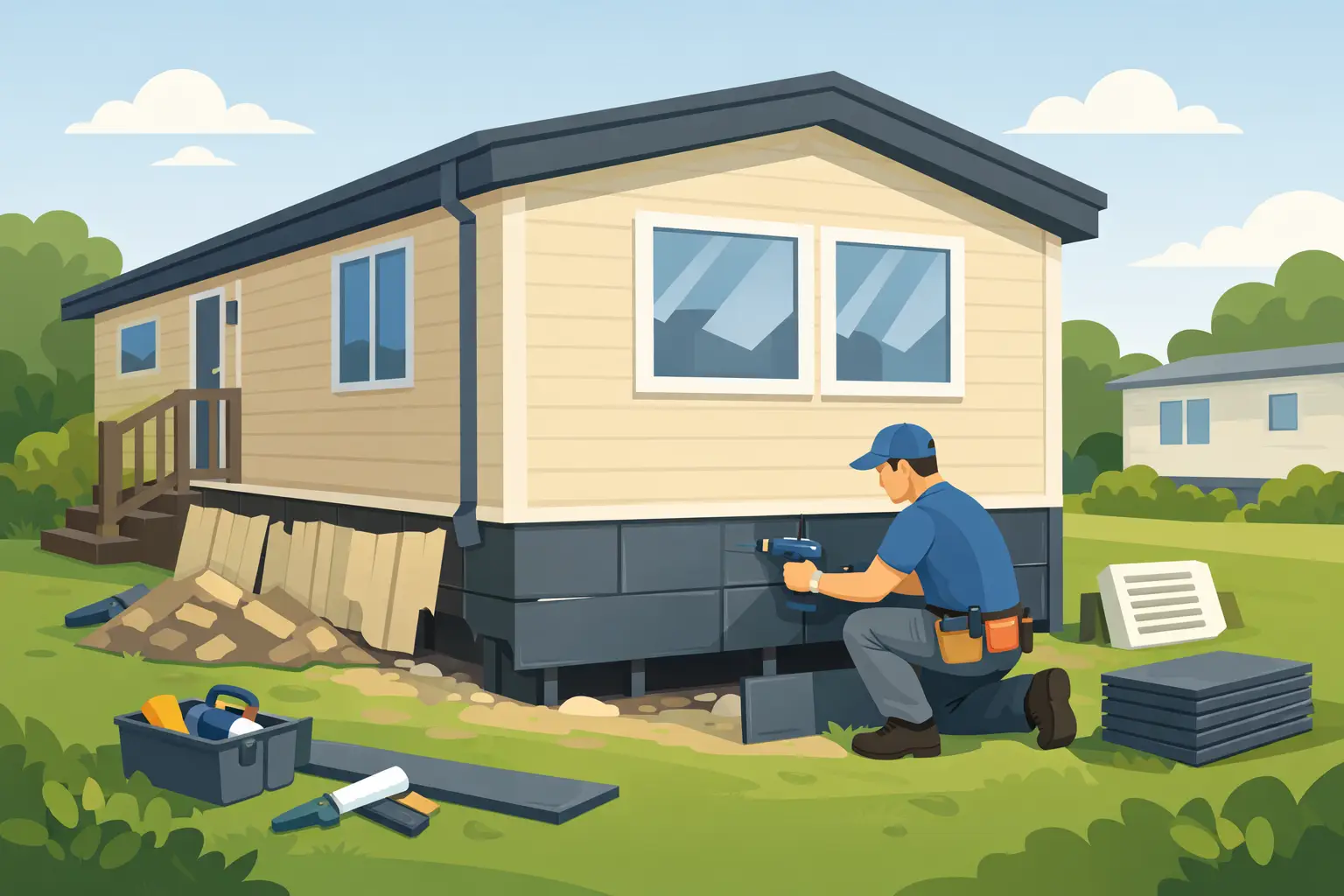
Skirting has an equally useful role. Properly fitted skirting improves the appearance of the base of the home, protects the underfloor area from wind-blown debris and discourages unwanted access beneath the property. It must not, however, block essential ventilation. The balance between protection and airflow is important for preventing damp and maintaining the condition of the floor structure.
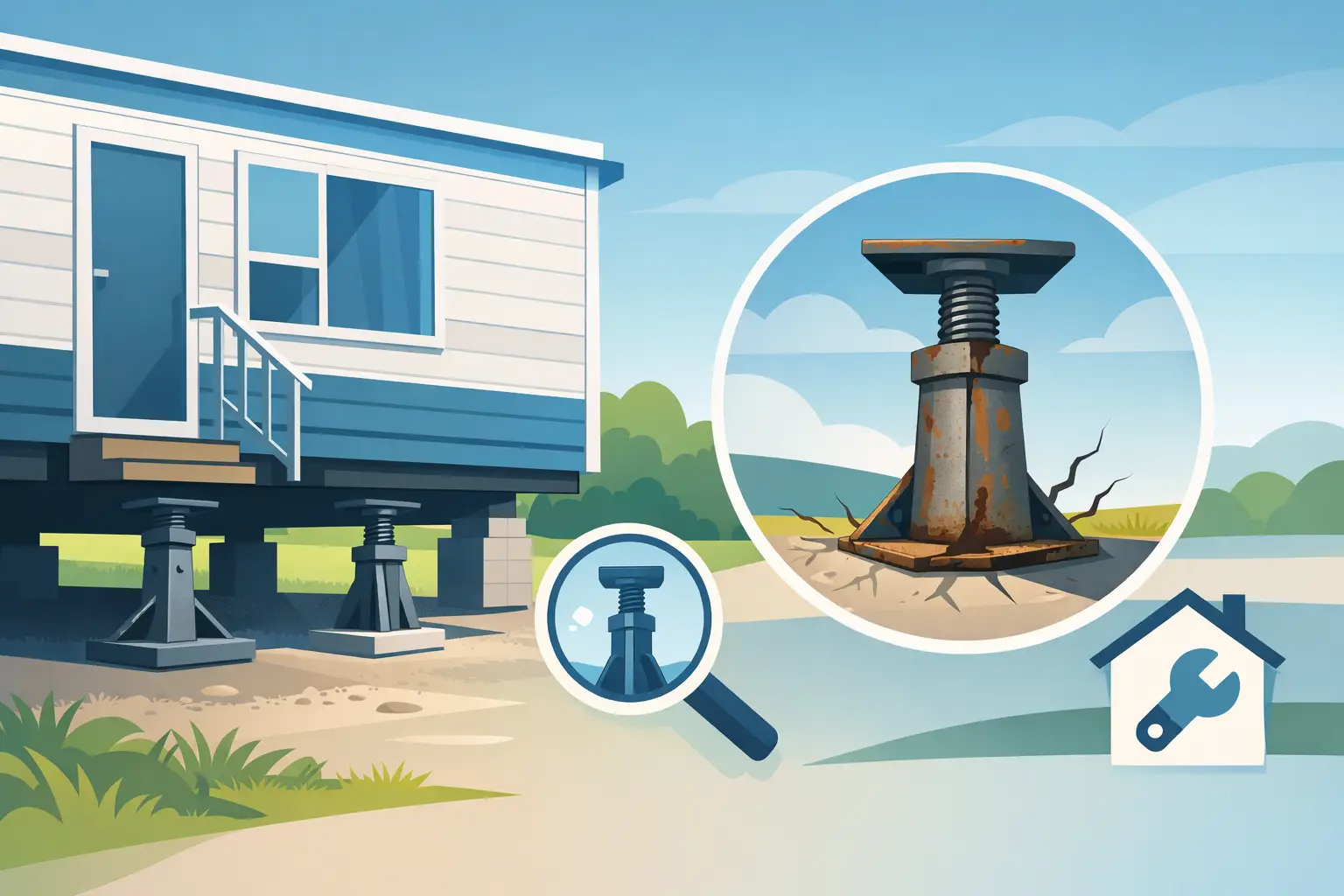
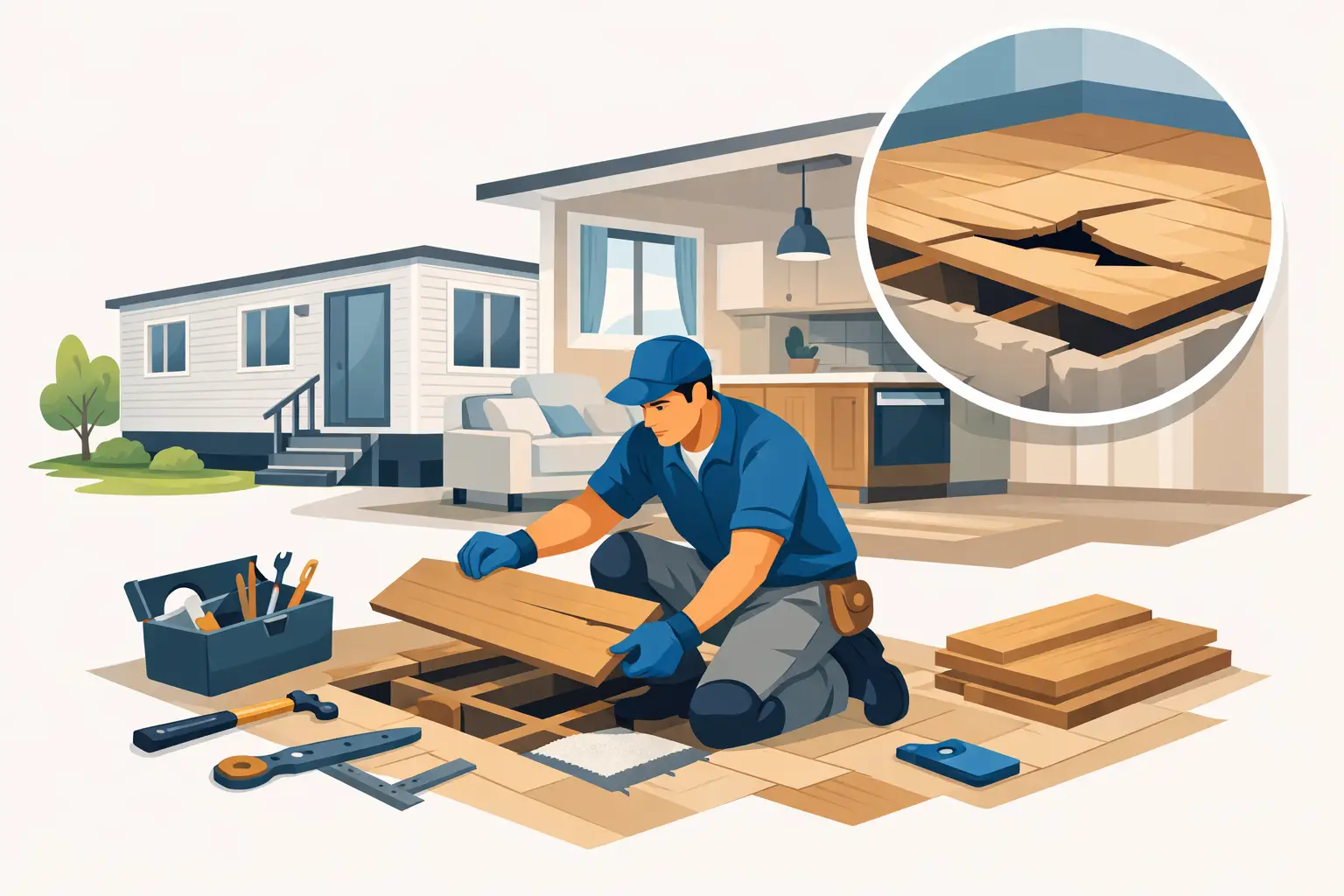
The chassis is the foundation of a park home’s support system, yet it is often out of sight and overlooked. Over time, corrosion, ageing supports or changes in ground conditions can affect stability. Doors that no longer close smoothly, cracked internal finishes or uneven floors may indicate that an assessment is needed.
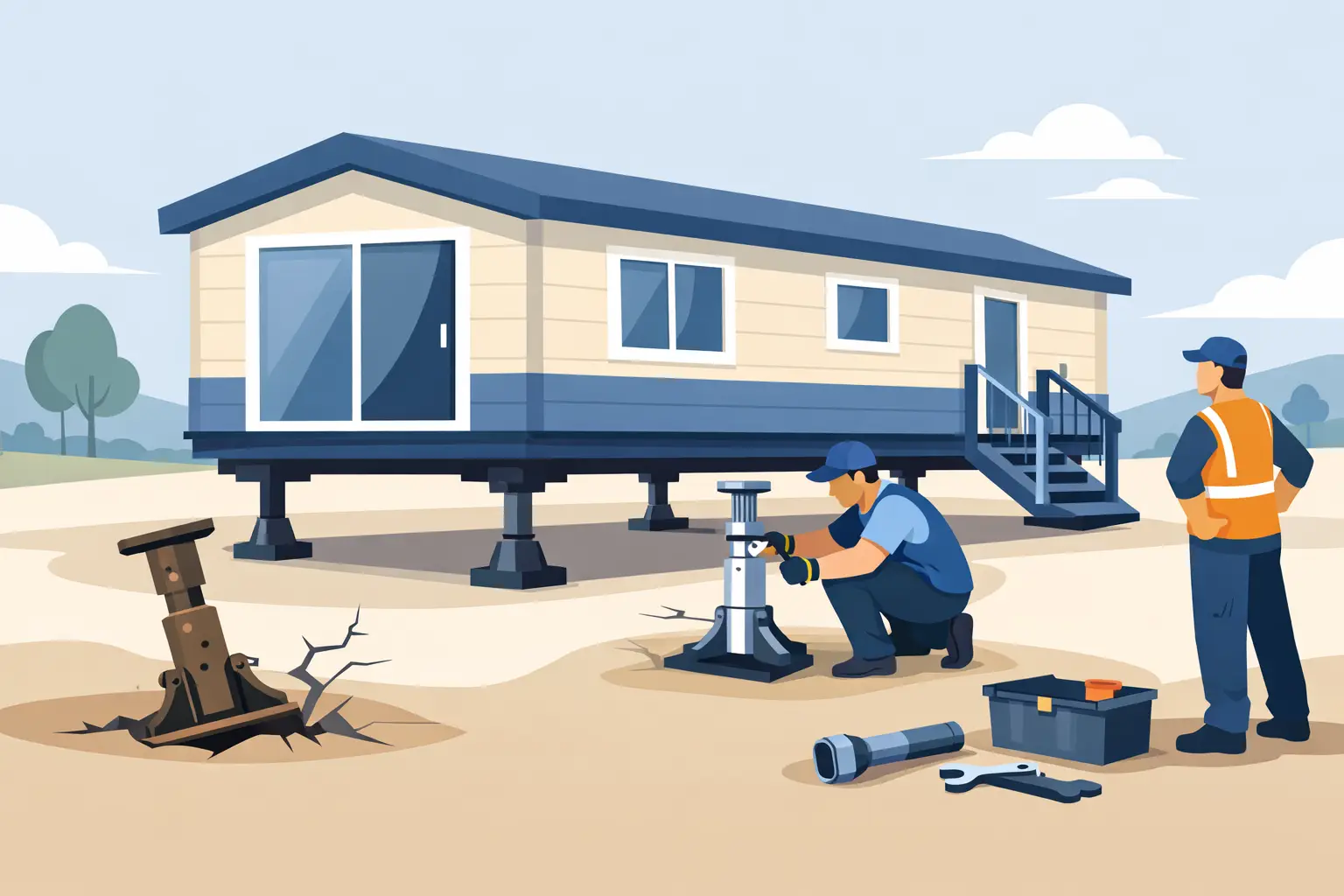
Chassis refurbishment can involve cleaning and treating corrosion, applying protective coatings and inspecting the integrity of key structural areas. Replacing worn or unsuitable support jacks helps ensure the home is properly supported and level.
This is not a cosmetic improvement, but it is among the most valuable. A stable, well-maintained chassis supports every other upgrade, from new bathrooms and flooring to external wall work. It should always be carried out by people who understand park home construction and safe lifting procedures.
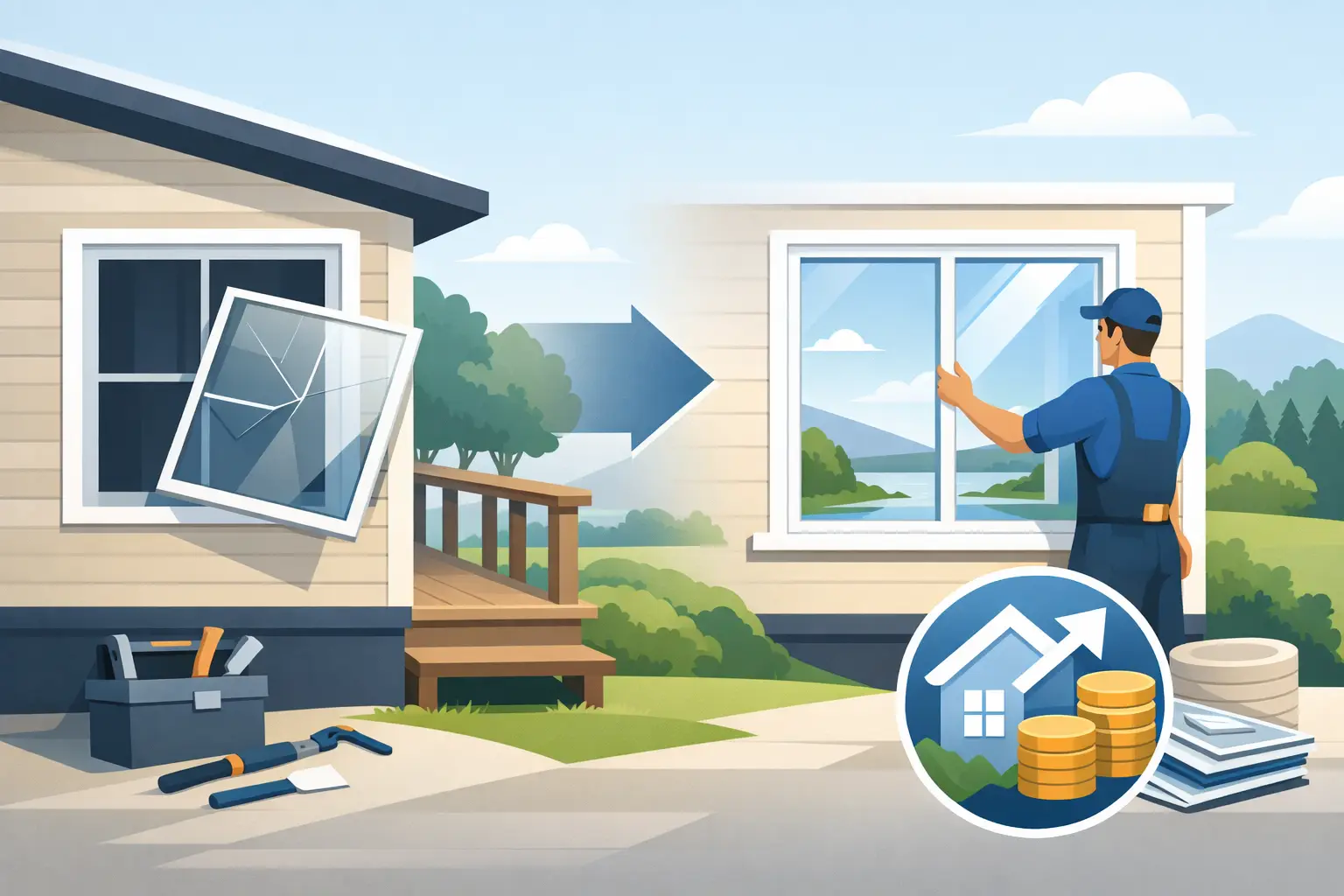
Older doors and windows can be a major source of draughts and heat loss. If seals have failed, frames are deteriorating or condensation is a regular issue, replacement may improve both comfort and security.
New units should be selected and fitted with the home’s wall system in mind. Good installation is vital: poorly sealed frames can create gaps for water and cold air, even when the windows themselves are high quality. Exterior trims and finishing details may seem minor, but they give the job a neat appearance and provide important protection at vulnerable joins.
For most homes, structural and weatherproofing concerns should come before cosmetic changes. Deal with leaks, unstable supports, corroded chassis areas and damaged wall sections first. Then consider insulation, cladding, roofing finishes and appearance-led upgrades.
If the budget will not stretch to a complete refurbishment, a phased plan is often the answer. Start with the work that protects the home from further deterioration, then schedule comfort and appearance improvements around it. A clear assessment makes those decisions easier and avoids repeat disruption.
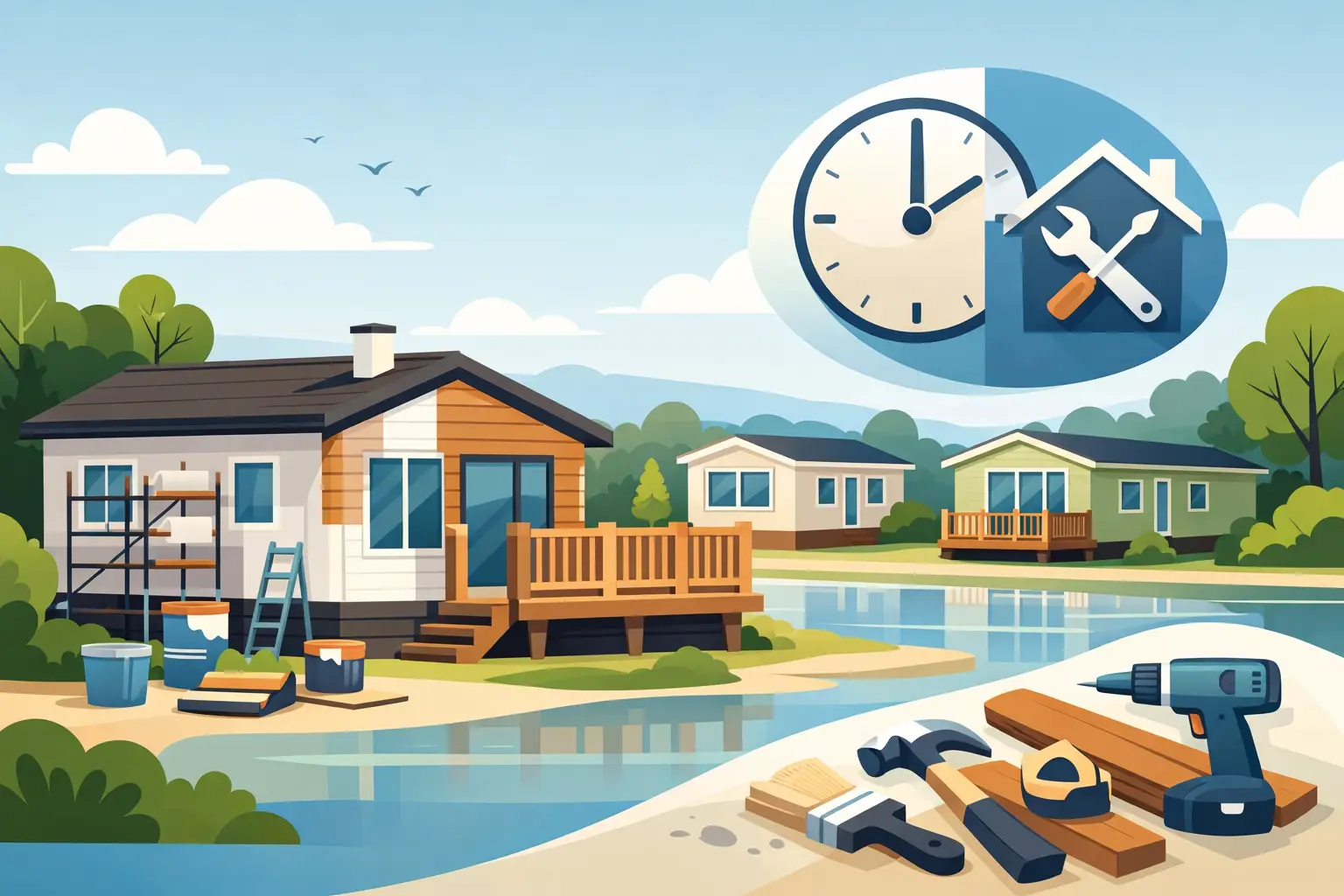
It is also worth considering the timing of each job. Exterior work is possible throughout much of the year, but dry conditions can make certain repairs and finishes more straightforward. Reputable specialists will advise on realistic scheduling rather than rushing work in unsuitable weather.
Park homes require more than standard building methods. Their construction, ventilation needs and raised underfloor areas create practical challenges that need experience to manage properly. The wrong materials, blocked vents or inappropriate fixings can create problems that are not immediately obvious.
New Look Park Homes Ltd works solely with park and static homes, bringing more than 20 years of hands-on experience to repairs, insulation and full exterior refurbishment. Quality materials, careful preparation and guaranteed workmanship give owners confidence that improvements are built around the needs of their home, not adapted from a generic building approach.
Ask for a clear explanation of the proposed work, including what will be repaired, what will be replaced and how the home will be protected during the project. A good contractor should be willing to discuss the condition of the property honestly, including where a repair is sufficient and where replacement is the wiser long-term choice.
A well-kept exterior does more than make a park home look welcoming when you return from the shops or greet neighbours. It helps keep warmth where it belongs, keeps rain and draughts outside, and gives you greater confidence in the home you rely on every day.