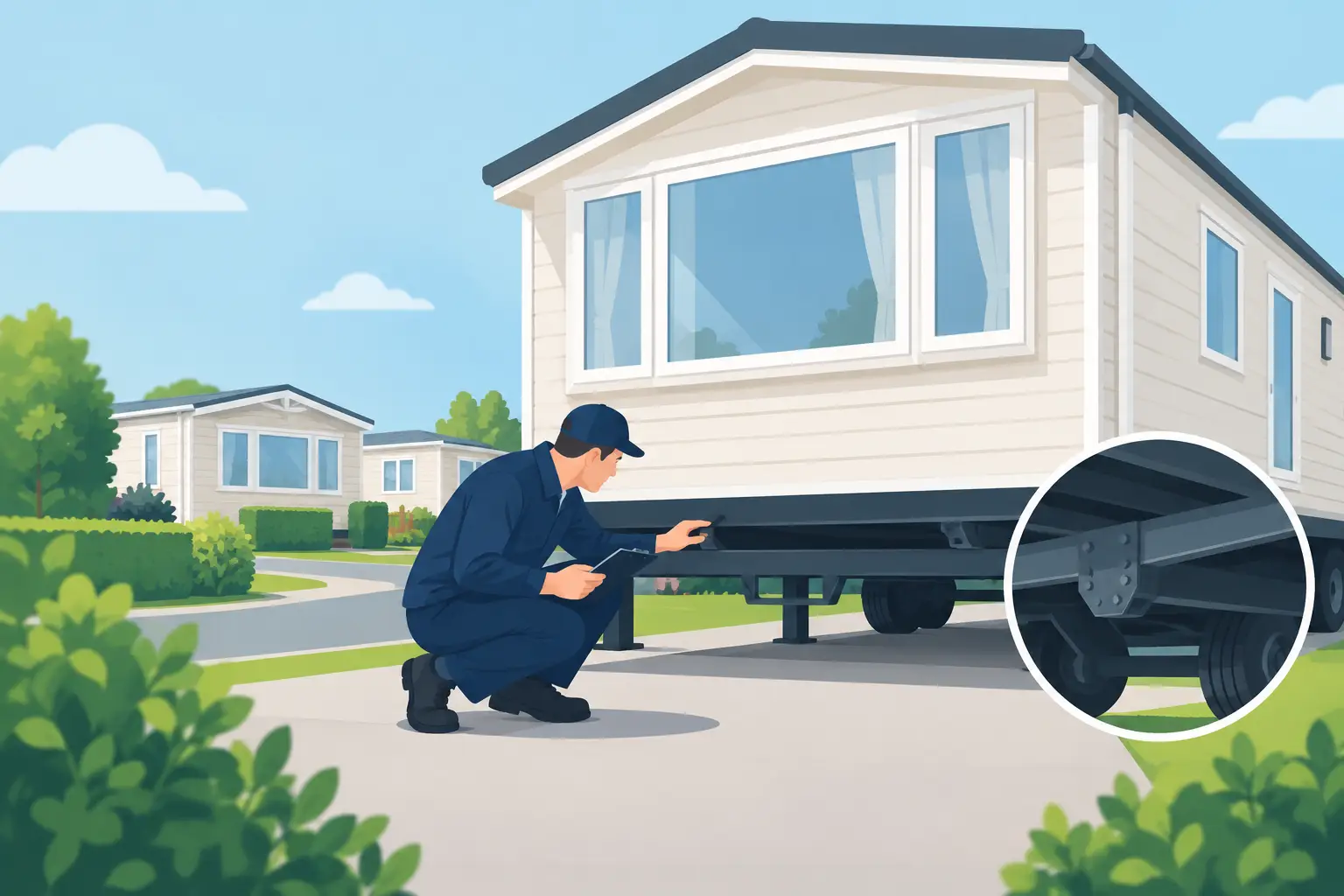
A park home can look well cared for above ground while its support system and steel chassis are quietly deteriorating underneath. The choice between support jacks vs full chassis refurbishment is therefore not simply about the size of the repair. It is about identifying whether a specific support needs attention or whether the structure carrying the home needs more extensive protection.
For many owners, the first signs are practical ones: a floor that feels uneven, doors that begin to catch, cracks appearing around internal finishes, or concerns raised during an inspection. These symptoms do not always mean the chassis is failing, but they should never be ignored. Park homes are built differently from conventional brick properties, and the area beneath the home requires specialist assessment before work is specified.
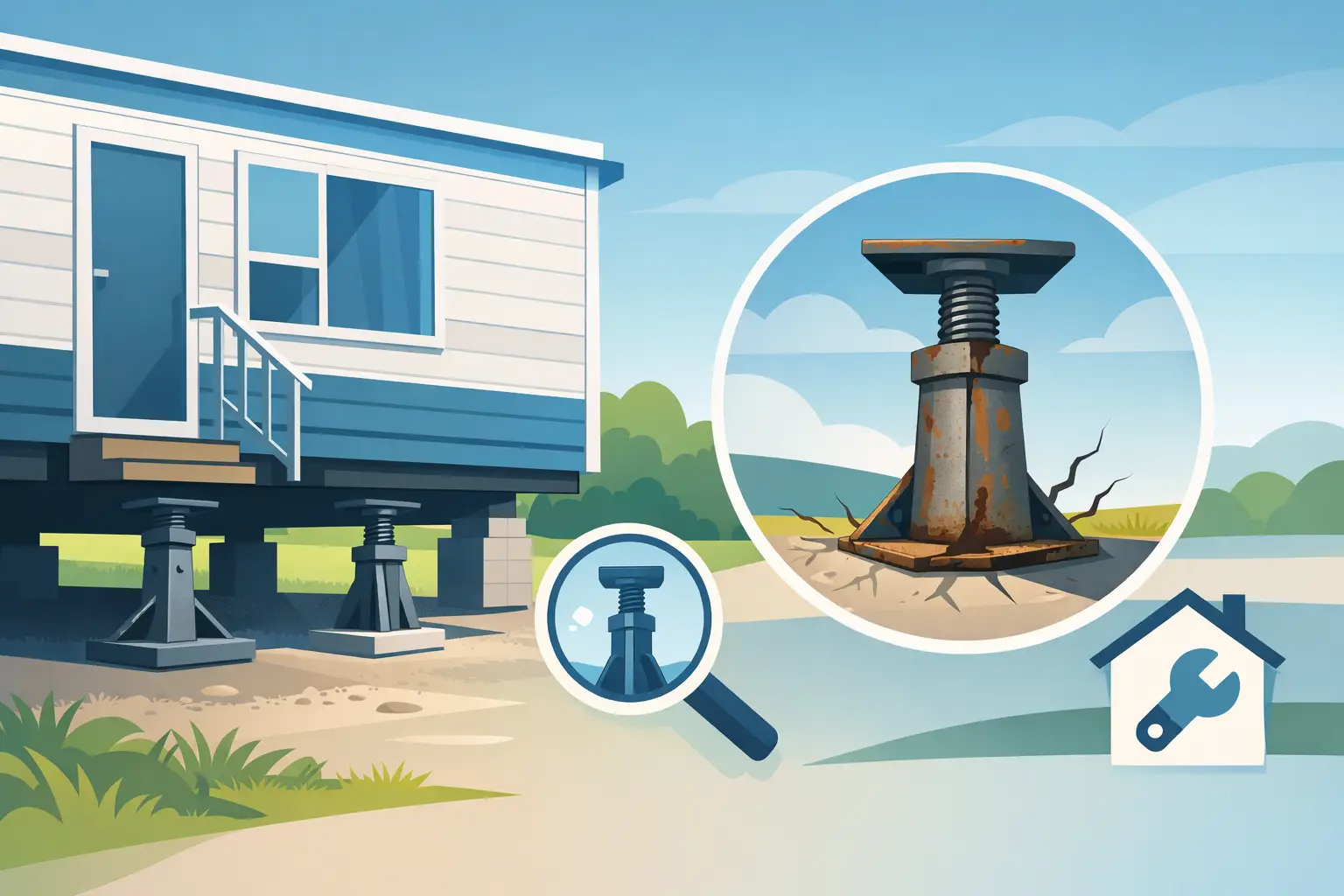
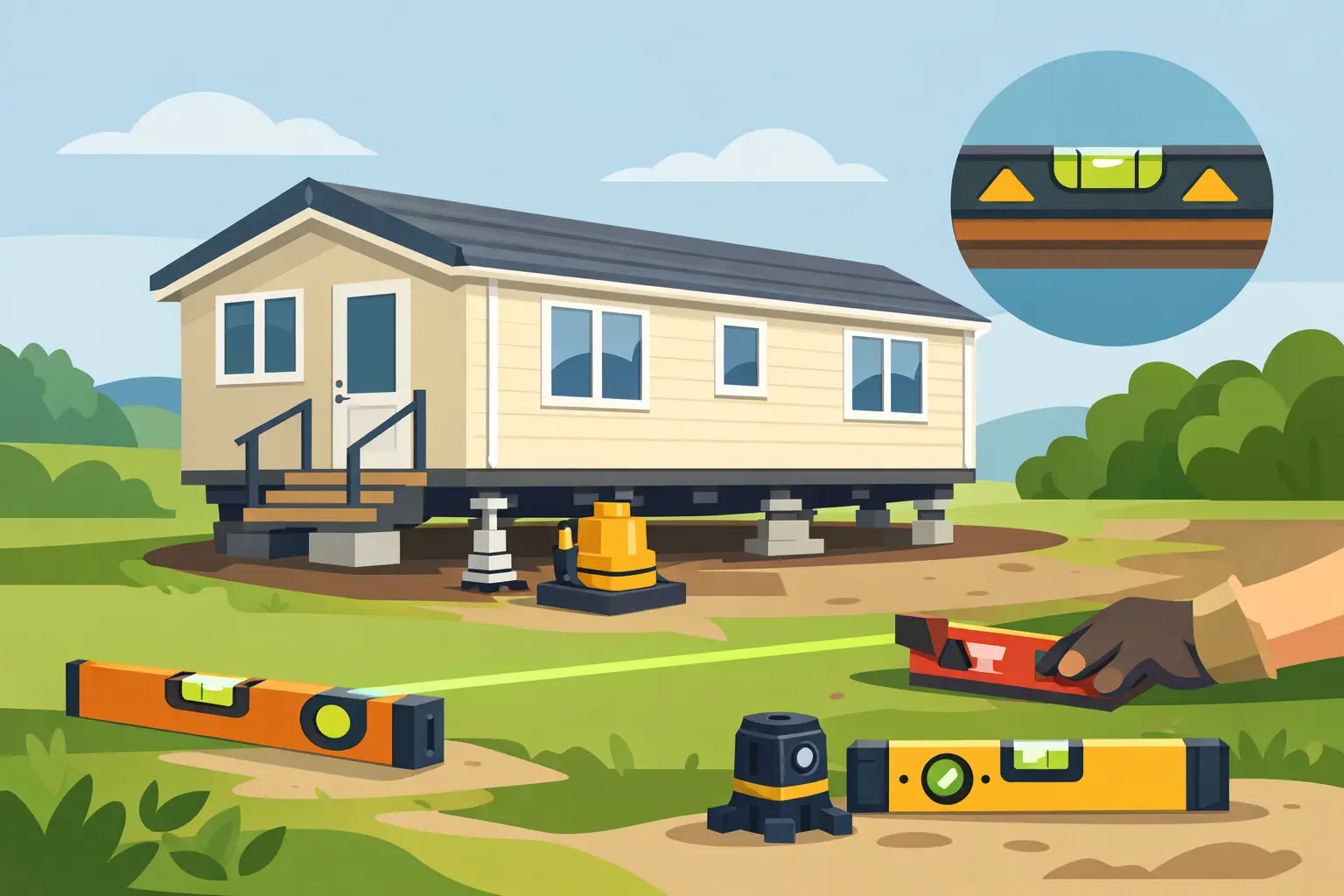
Support jacks carry the weight of a park home through designated points on the steel chassis. Correctly positioned and maintained jacks help keep the home level, stable and properly supported above its base. They are an essential part of the installation, not an optional extra.
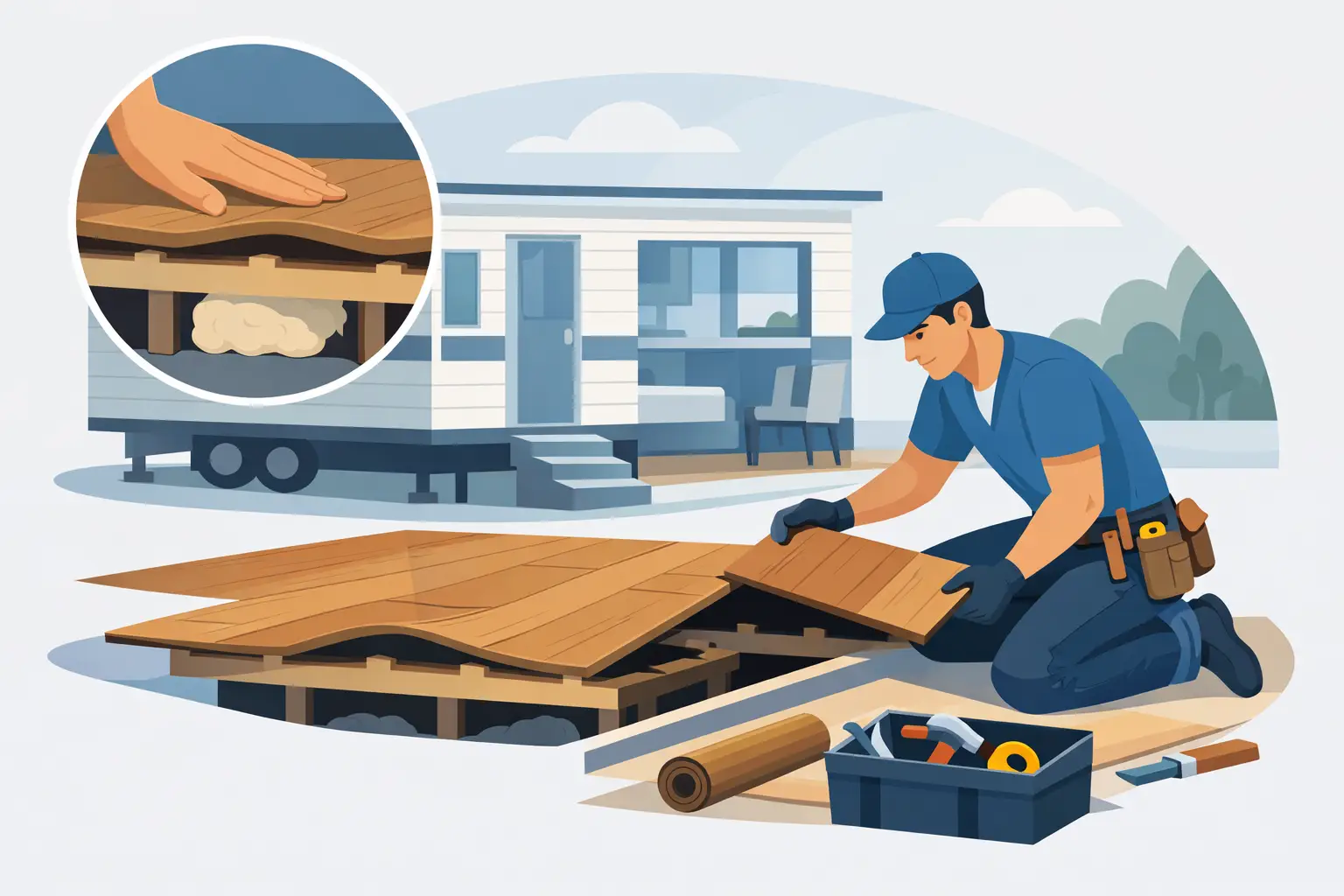
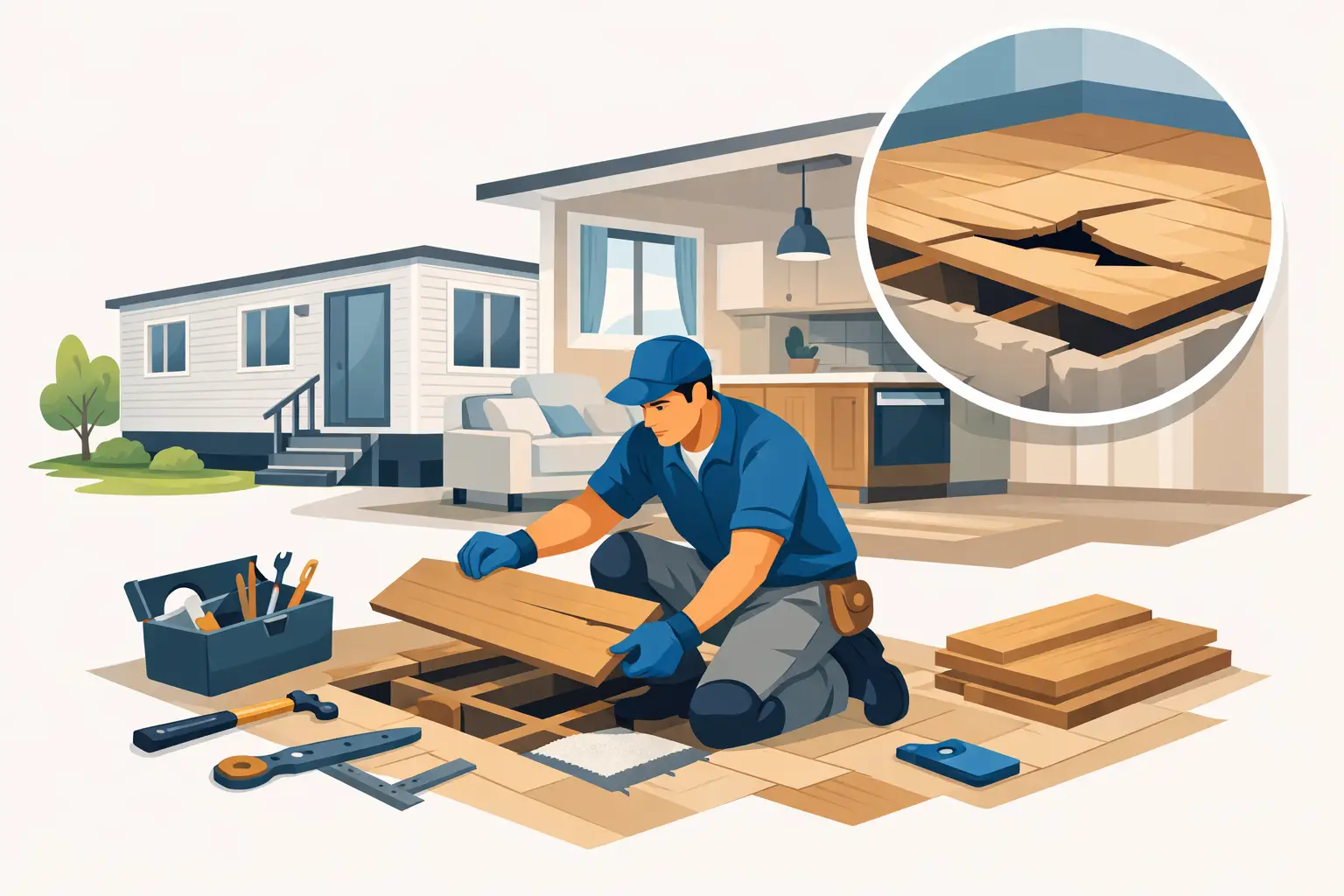
Over time, jacks can corrode, settle, become damaged or no longer provide even support. Ground movement, poor drainage, prolonged damp conditions and age can all contribute. If one or more jacks are no longer doing their job, the load can be transferred unevenly through the chassis. That may show itself inside the home, but the cause is underneath.
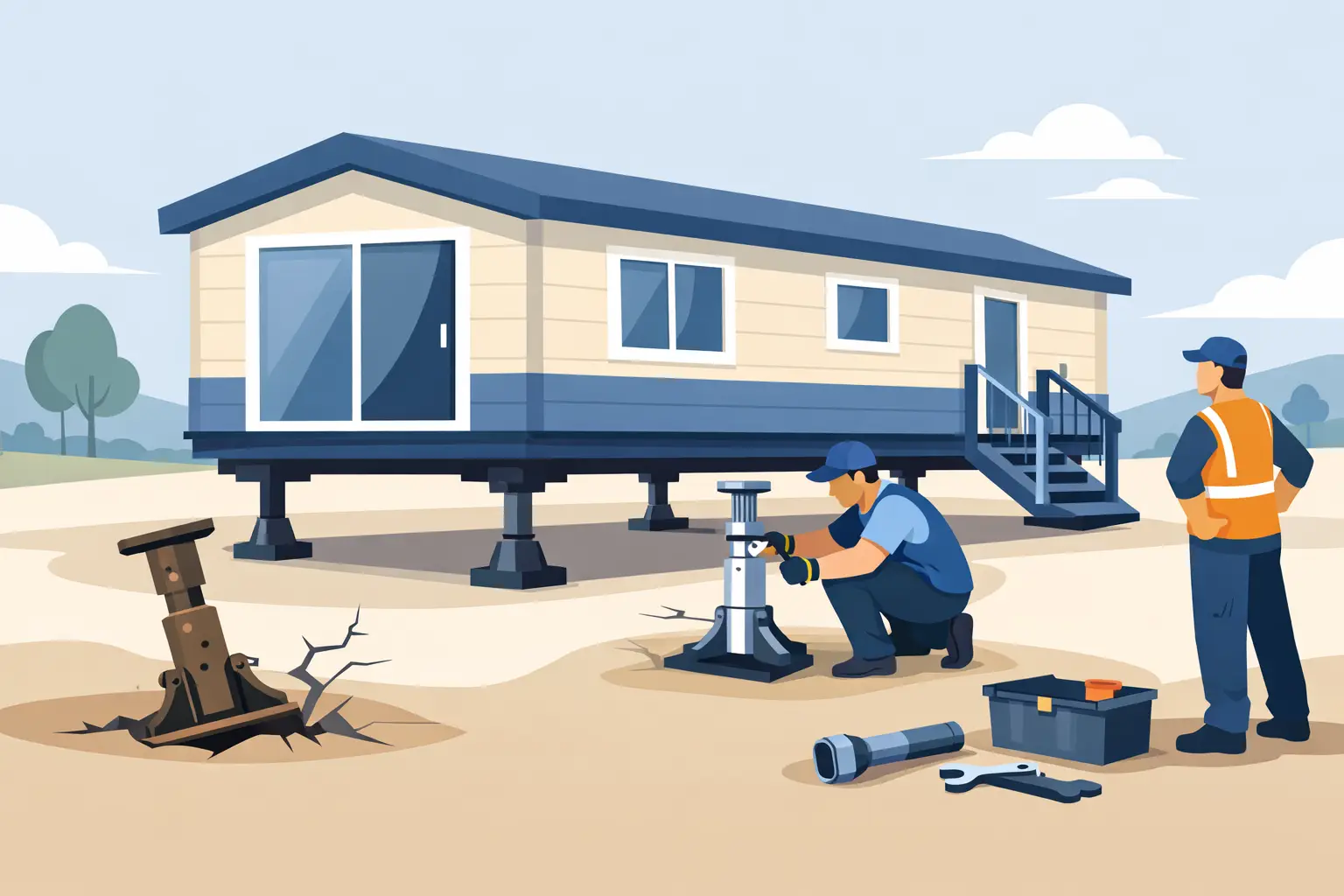
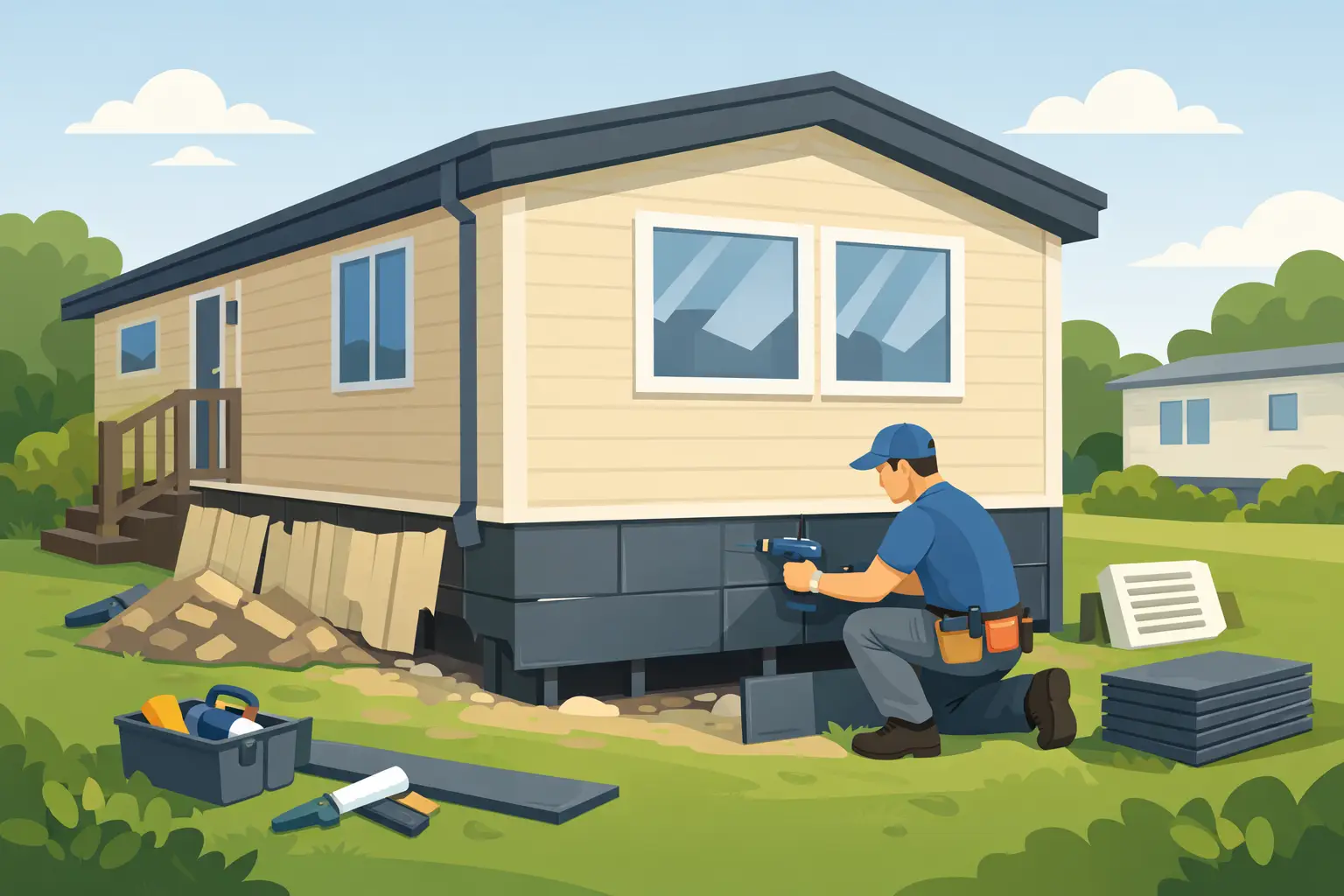
Replacing or adjusting support jacks can be the right solution where the chassis itself remains sound. It is a focused repair that addresses a known problem without unnecessary work. A specialist will assess the number, position and condition of the existing supports, as well as the condition of the ground beneath them, before recommending replacement.
The important point is that a jack replacement should not be treated as a quick levelling job. Lifting a park home incorrectly, supporting it in the wrong places or failing to investigate the reason for movement can create further problems. Safe, controlled work and a proper inspection are essential.
Support jack work deals with the points that hold the chassis up. Full chassis refurbishment deals with the steel framework itself. The two services are closely connected, but they solve different problems.
A chassis is the structural foundation of a park home. It supports the floor construction, walls, roof and all the fittings that make the property comfortable to live in. Although it is largely out of sight, it is exposed to cold air, moisture, road salt in some locations and years of condensation beneath the home. If protective coatings have failed, corrosion can take hold.
A full chassis refurbishment normally involves a detailed inspection, preparation of the steelwork, treatment of corrosion, repairs where required and the application of appropriate protective coatings. The exact scope depends on the home’s age, access beneath it and the extent of deterioration. It may also be sensible to replace weakened support jacks as part of the same project.
The difference matters because fitting new jacks to a badly corroded chassis does not resolve the underlying structural concern. Equally, commissioning a full refurbishment when only a small number of supports have reached the end of their serviceable life may be more work than the home needs. The right answer comes from condition, not assumption.
If an inspection shows that the chassis is structurally sound, with only surface ageing to its protective finish, support jack replacement or adjustment can provide a sensible and cost-effective repair. This may be the case where a particular area has settled, a jack has corroded more quickly than the others, or previous supports are no longer suitable.
The best outcome is not merely a home that feels level on the day work is completed. It is a home that is evenly supported, with the cause of the issue considered. For example, if water is collecting beneath the home, improving drainage or ventilation may be just as important as fitting new jacks. Otherwise, the replacement components may face the same harsh conditions.
Owners should also understand that minor internal movement can have several causes. Seasonal changes, ageing finishes and normal settlement may all play a part. That is why an under-home assessment is more valuable than making a decision based on a sticking door or uneven floor alone.
Chassis refurbishment is usually the better route when corrosion is widespread, protective coatings have broken down across substantial areas, or there are concerns about the condition of the steel sections themselves. It is preventative work as well as repair work. Tackling deterioration early can help avoid a more disruptive and expensive structural project later.
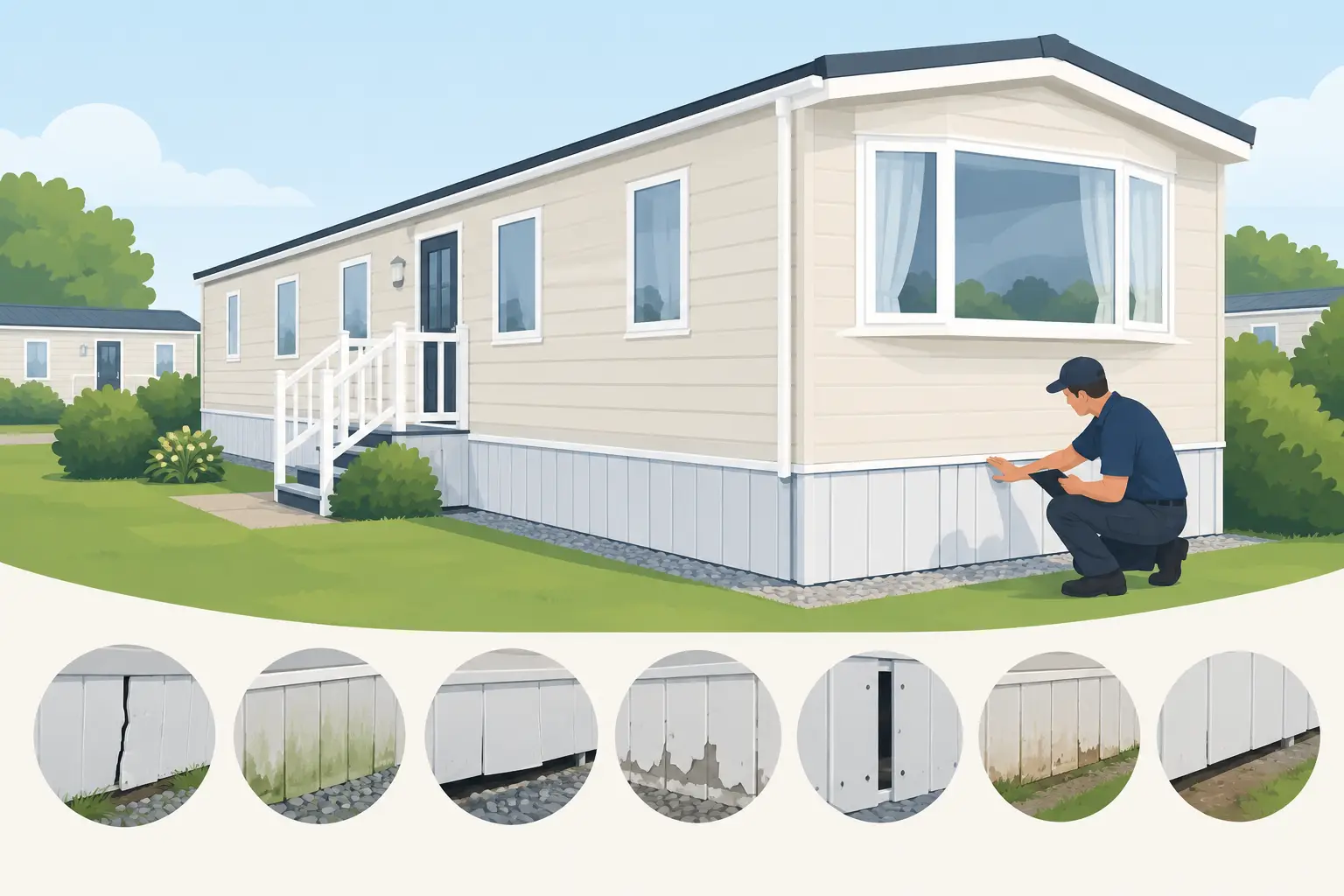
Warning signs worth investigating include:
These signs do not automatically mean every section of the chassis needs replacing. They do mean the steelwork should be inspected by people who work specifically with park homes. The aim is to establish what is sound, what needs treatment and where repairs are needed, rather than applying a one-size-fits-all solution.
Owners often delay work beneath a park home because it is not visible day to day. The difficulty is that corrosion and support issues tend to worsen gradually. By the time problems affect the interior, moisture control, insulation performance or structural alignment may already have been compromised.
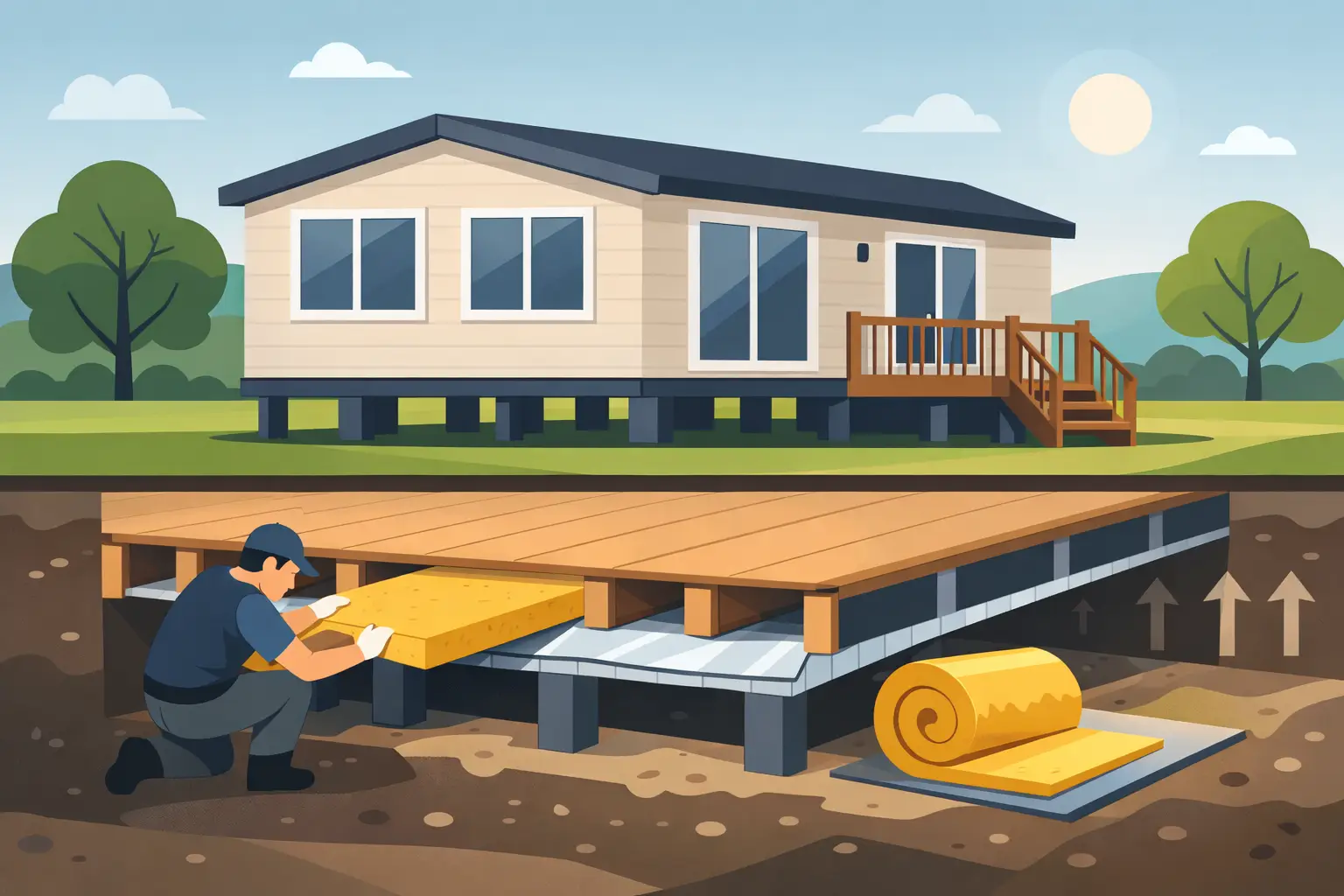
Early action can make refurbishment more straightforward. Treating surface corrosion and renewing protective coatings is generally less involved than repairing advanced deterioration. It also creates a good opportunity to check underfloor insulation, pipework and ventilation. When access beneath the home is available, joining up necessary work can reduce future disruption.
That does not mean every older park home needs a full chassis refurbishment immediately. Well-maintained steelwork can remain in good condition for many years. It means that regular inspection gives you a clearer basis for planning, rather than waiting for an urgent problem.
A useful inspection looks beyond the jacks alone. The condition of chassis rails, cross-members, welds, protective coatings, supports and the ground below the home all need to be considered together. Access restrictions, moisture levels and signs of previous repairs should also be taken into account.
The assessment should result in a clear explanation of what has been found and why a particular level of work is recommended. If only a number of jacks require replacement, you should be told that plainly. If corrosion is extensive enough to justify refurbishment, the proposed preparation, repairs and protection should be explained in practical terms.
At New Look Park Homes Ltd, this specialist approach matters because park homes need work that respects their particular construction. A general builder may be experienced with conventional properties, but safe lifting points, steel chassis condition and under-home access are not areas for guesswork.
A sound chassis and correctly fitted supports contribute to more than peace of mind. They help maintain the alignment of the home, protect internal finishes and support the performance of floors, insulation and external upgrades. A stable, well-maintained base makes it easier to keep the property comfortable and presentable over the long term.
If you are weighing up support jacks or chassis work, start with an inspection rather than a fixed idea of the repair. A clear view of what is happening beneath your home will help you spend money where it genuinely protects the property, its comfort and its future value.