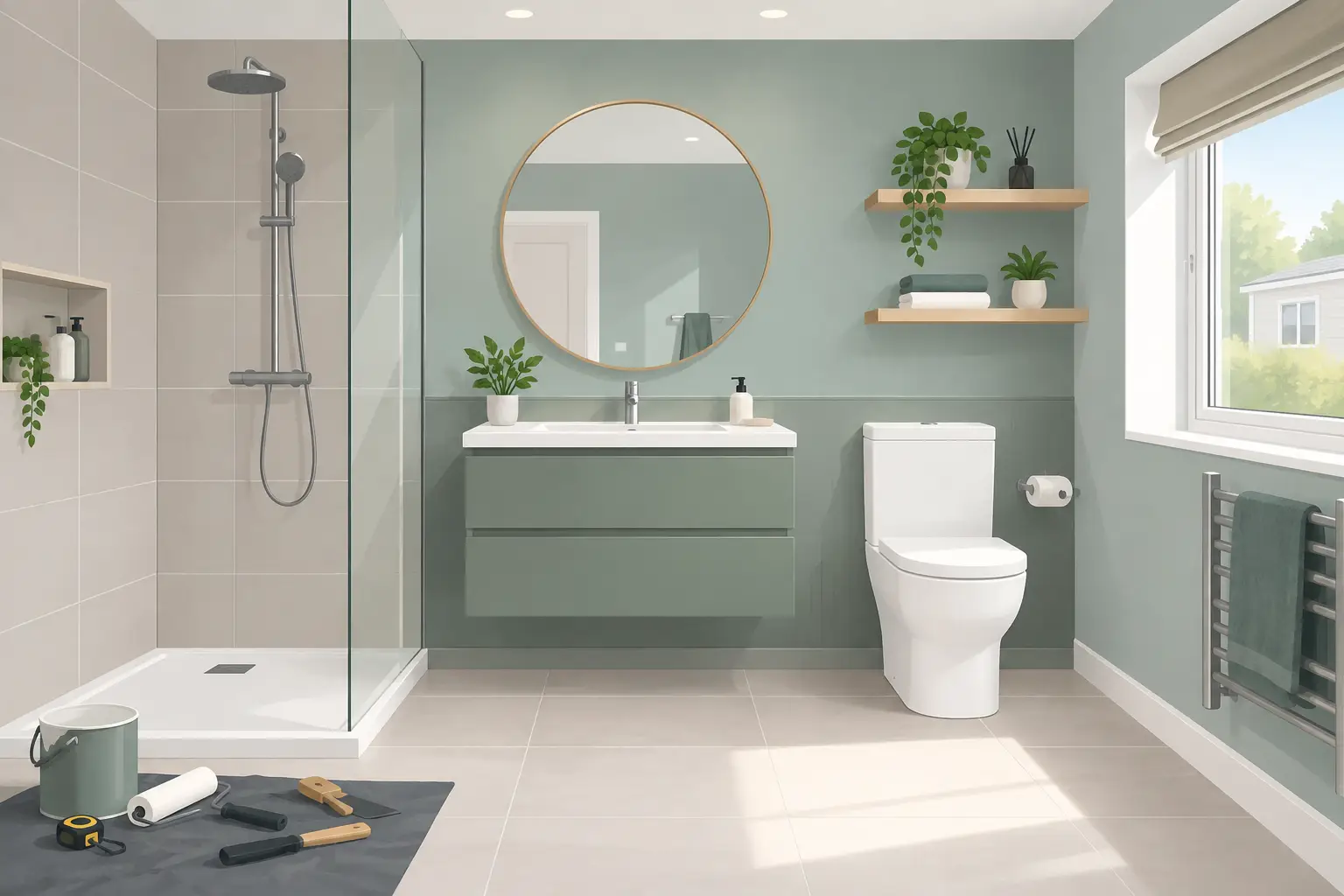
A tired bathroom can make an otherwise well-kept park home feel cold, inconvenient and harder to live in. A proper guide to park home bathroom refurbishment starts with more than new wall panels and a modern shower. It means checking what sits behind the finishes, protecting the home from moisture and choosing fittings that suit the space, the structure and the people using it every day.
Park homes and static homes are built differently from many brick properties. Their floors, walls, plumbing routes and ventilation arrangements all need to be considered before work begins. A bathroom that looks smart on completion is important, but a refurbishment should also improve comfort, safety and long-term reliability.
The bathroom is one of the few rooms where water, heat and restricted space meet every day. Small defects can quickly become larger problems if they are left hidden behind a bath panel or under vinyl flooring. Soft spots beneath the floor, peeling wall finishes, a persistent musty smell or staining around a shower tray all warrant a closer look.
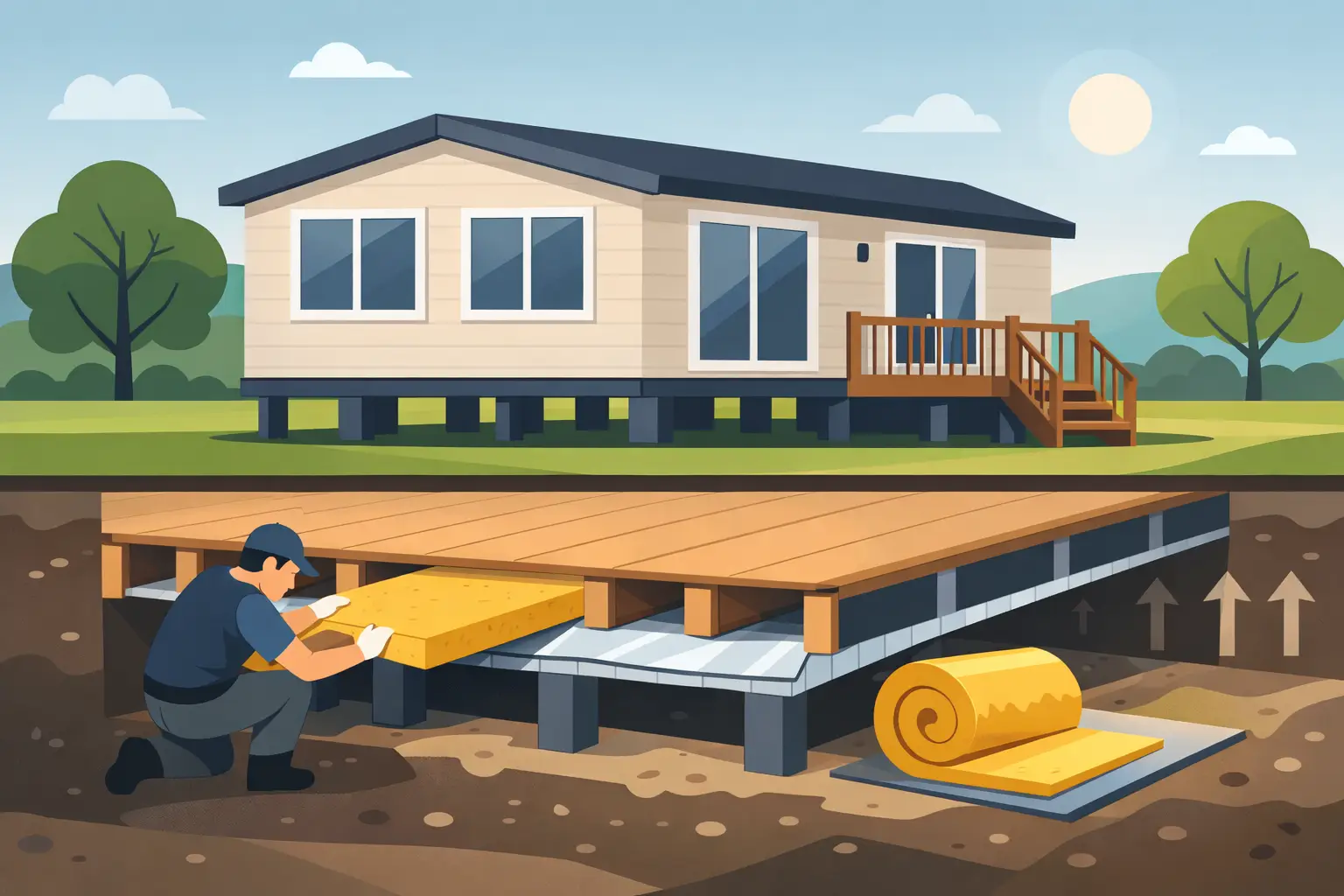
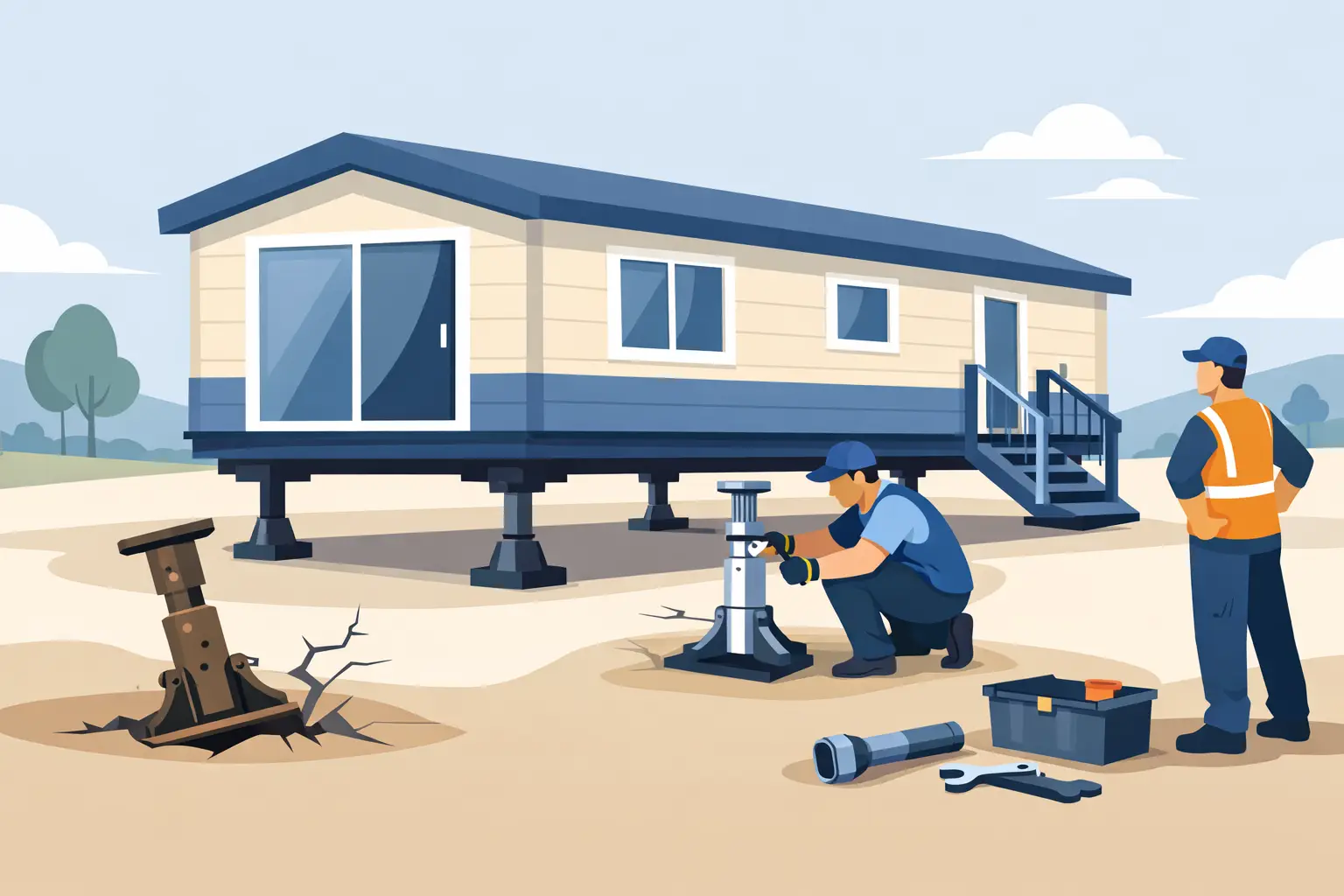
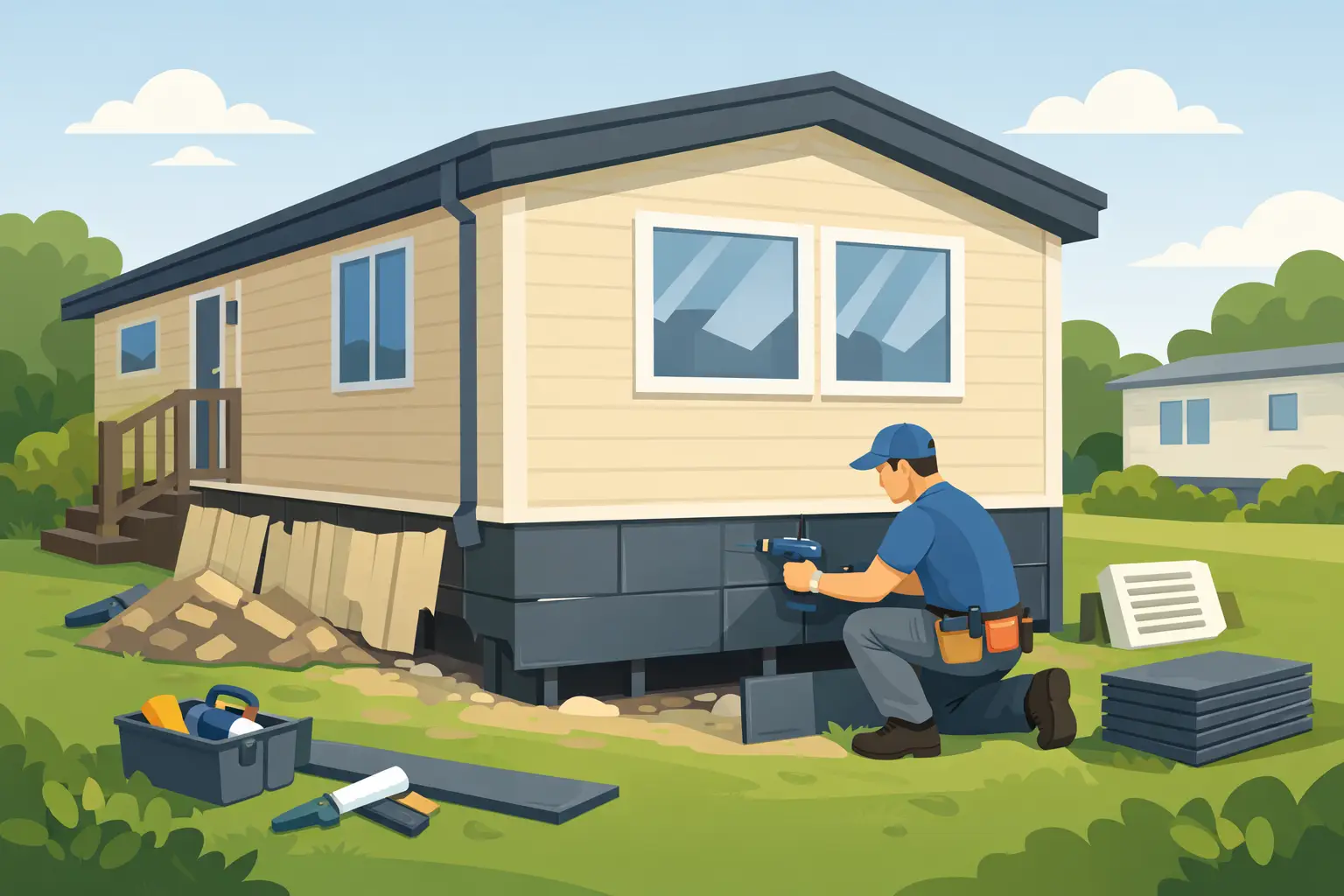
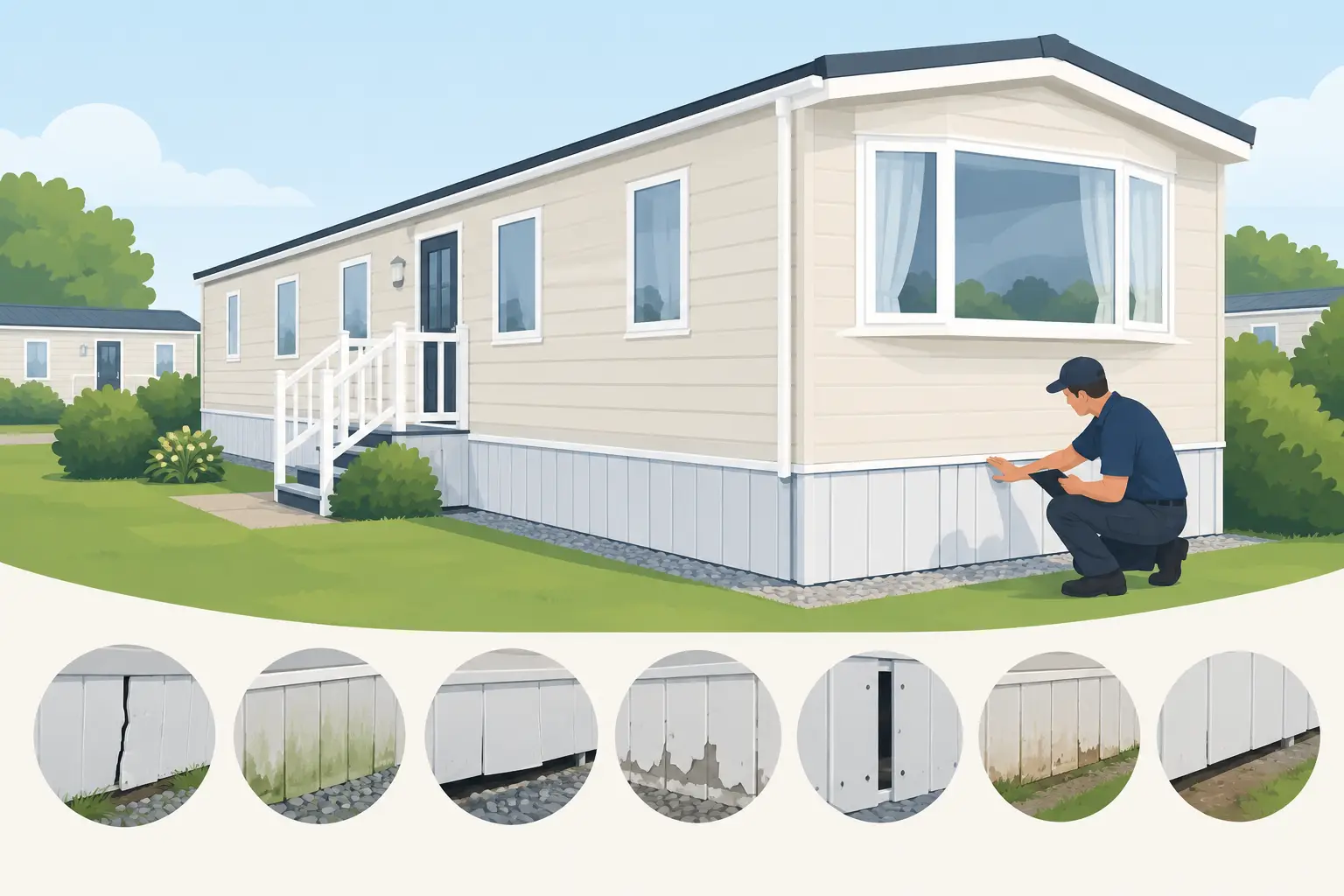
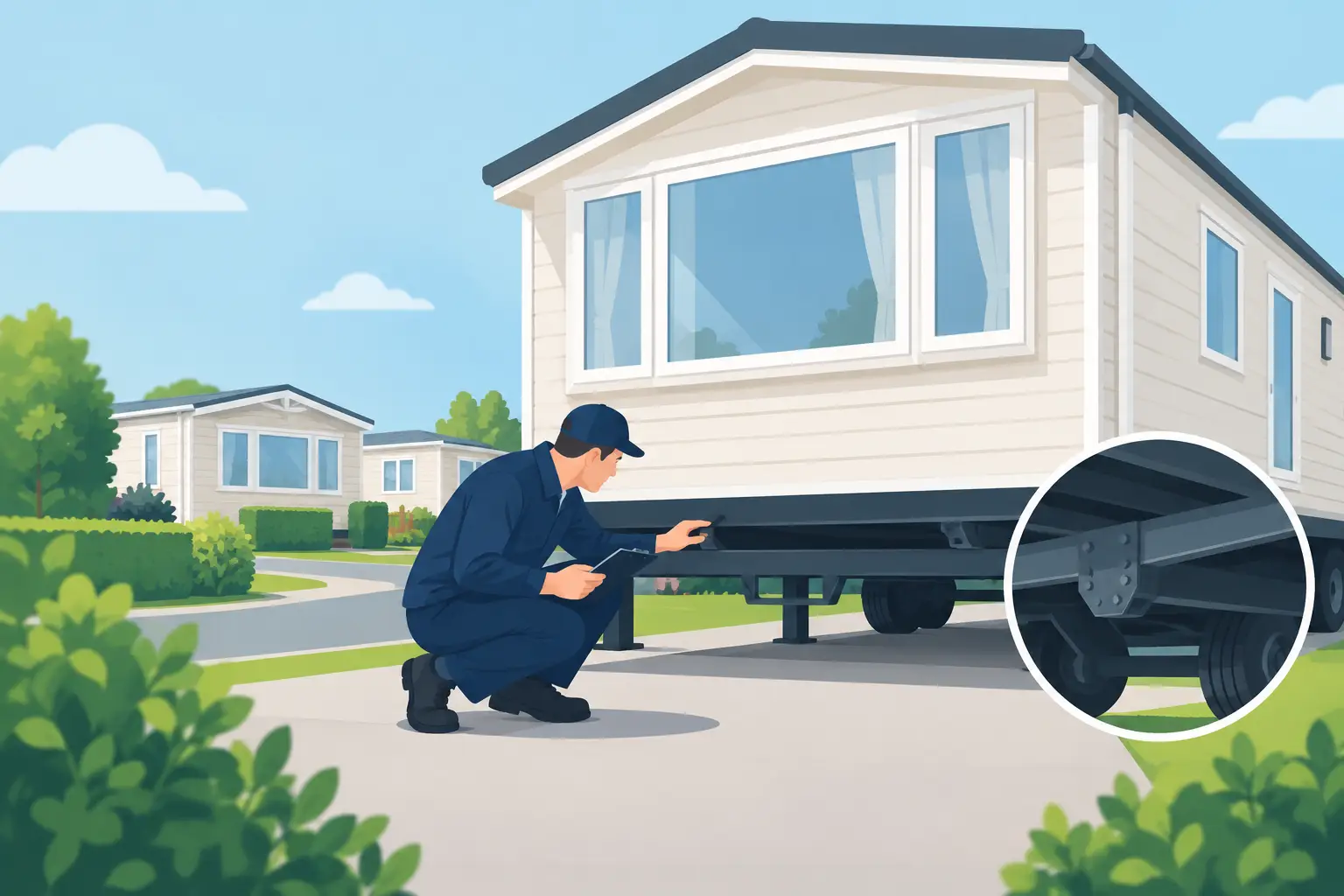
Before selecting a suite, assess the condition of the subfloor, waste pipes, water feeds, wall surfaces and ventilation. It is also worth considering the wider condition of the home. If there are signs of draughts, cold floors or movement elsewhere, the bathroom refurbishment may need to form part of a larger programme involving underfloor insulation, support checks or repairs to the external shell.
This is where specialist experience matters. General bathroom fitting knowledge is useful, but park homes have particular construction methods and access limitations. The job should be planned around the home rather than forcing a standard domestic installation into a space that was never designed for it.
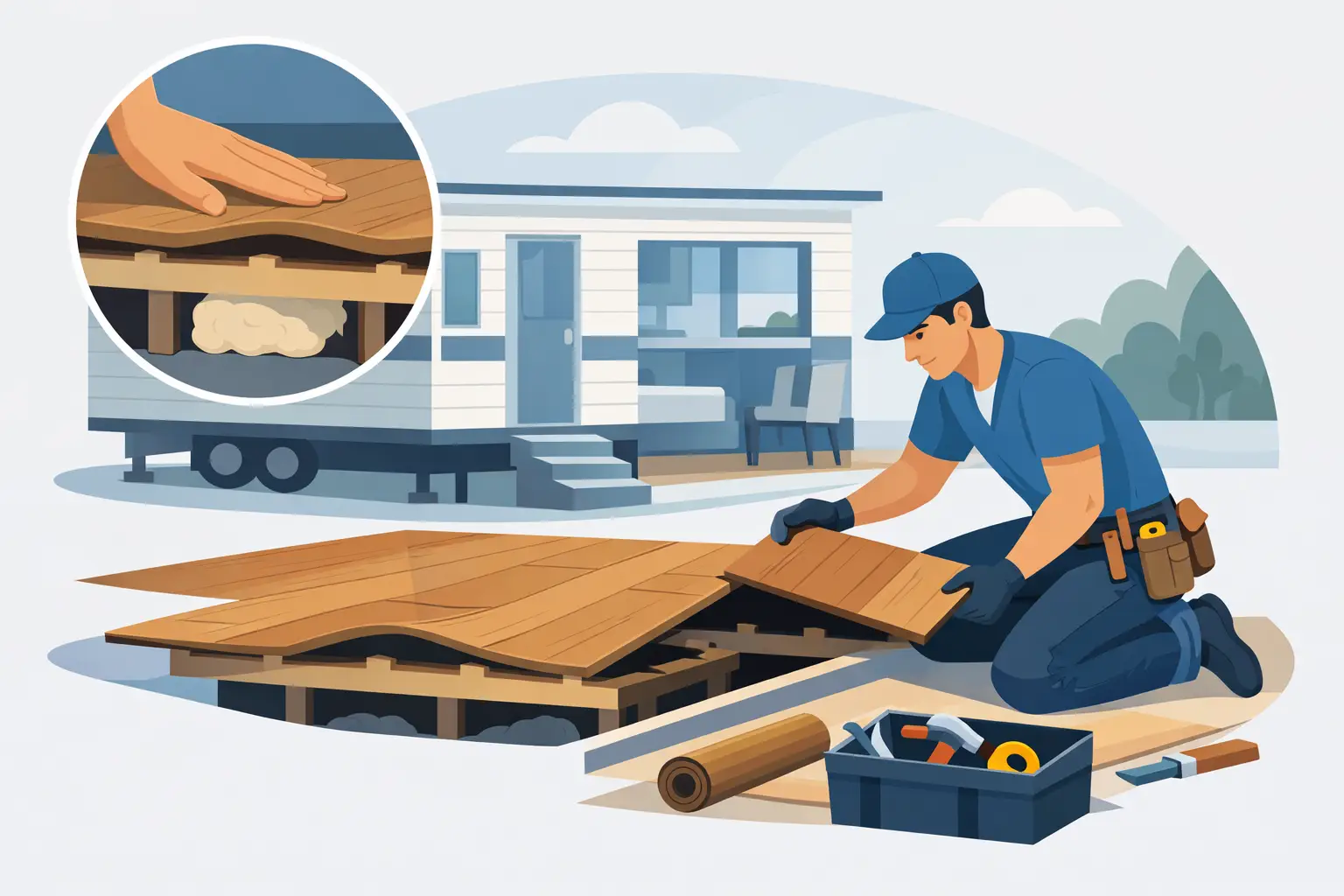
A bathroom floor has to withstand splashes, cleaning and regular foot traffic, but it must also be stable. In a park home, the floor construction can be more vulnerable to moisture damage than homeowners realise. If water has been escaping from a shower, toilet or pipe joint over time, boards may soften and lose strength.
Replacing the visible flooring without dealing with the cause is false economy. Any damaged sections should be repaired properly, the source of moisture resolved and the area allowed to dry before a new finish is fitted. This is also a sensible time to inspect pipework beneath the floor where access allows.
For many homes, sheet vinyl remains a practical choice. It is warm underfoot, easy to clean and available in finishes that resemble tile, stone or timber. A well-fitted vinyl floor with carefully sealed edges offers good water resistance without adding unnecessary weight. Tiles can look attractive, but they are heavier, colder and may not be suitable for every park home floor. The right choice depends on the condition and rigidity of the floor beneath.
Space is often limited in a park home bathroom, so every fitting should earn its place. A like-for-like replacement can be the simplest option if the existing layout works and pipe positions are sound. Keeping the toilet, basin and shower in similar locations can reduce disruption and avoid unnecessary alterations to water and waste runs.
That said, an outdated layout may be making daily life more difficult than it needs to be. Replacing a bulky bath with a low-profile shower tray can free up space and make access safer. A wall-hung vanity unit can provide useful storage while leaving more visible floor area, helping a compact room feel less crowded.
Think about how the bathroom will be used now and in the years ahead. Lever-style taps, an easy-to-reach shower control, a raised toilet height and secure grab rails can make a real difference without making the room feel clinical. For many park home owners, this is not simply a cosmetic upgrade. It is an investment in staying comfortable and independent at home.
A walk-in shower can be an excellent solution, but it needs careful detailing. The tray must sit level, the waste must drain efficiently and the surrounding walls need reliable waterproof protection. A poorly supported tray can flex, which may damage seals and allow water to reach the floor structure.
An enclosure with fewer moving parts is often easier to clean and maintain. However, the best arrangement depends on available room, access requirements and where doors can open without obstructing the basin or toilet. A specialist survey will identify these practical details before materials are ordered.
Wall panels are a popular option for park home bathroom refurbishment because they are clean, low-maintenance and quicker to install than traditional tiling. Quality panels provide a smooth, waterproof surface with fewer grout lines to clean. They can also cover tired walls effectively when the underlying surface has been prepared correctly.
Tiles remain a good choice in some bathrooms, particularly for smaller splashback areas, but they require a suitably stable backing and properly finished joints. Cracked grout or failed sealant should never be ignored, as it can allow water to travel behind the surface unnoticed.
Whatever finish is selected, the details around the shower, basin and bath matter most. Reliable trims, neat silicone sealing and properly finished corners keep water where it belongs. These are the parts of the job that may not stand out in a showroom photograph, yet they do much of the work in protecting your home.
Modern taps and shower fittings can improve appearance and water control, but the pipework serving them needs to be in good order. Old joints, poorly supported pipes or restricted waste runs can lead to leaks, slow drainage and repeat call-outs. Replacing worn pipework while the room is open is often more sensible than waiting for a failure later.
Ventilation deserves equal attention. Condensation is common in compact bathrooms, particularly during colder months when windows are kept shut. An effective extractor fan, correctly positioned and vented, helps clear moisture before it settles on walls, ceilings and cold surfaces. This reduces the likelihood of mould and helps keep finishes looking their best.
Heating should be considered at the planning stage too. A towel radiator can provide a useful source of warmth and helps towels dry, but it must be sized and positioned appropriately. If the floor feels particularly cold, investigate insulation and draught issues below rather than relying on bathroom heating alone to mask the problem.
The cost of a bathroom refurbishment varies according to the condition of the existing room, the level of structural repair required and the quality of fittings chosen. A straightforward replacement suite is very different from a project involving floor repairs, new pipework, shower alterations and wall panelling.
The most dependable approach is to allow for the unseen work from the outset. A survey may reveal issues that cannot be confirmed until old fittings and finishes are removed, particularly around the shower area. Good contractors explain this possibility clearly and discuss how any additional repair work will be handled.
It is worth choosing durable materials over the cheapest available options. Bathroom fittings are used constantly, and poor-quality components can soon spoil the value of the wider refurbishment. The aim is a room that is straightforward to clean, pleasant to use and built to stay that way.
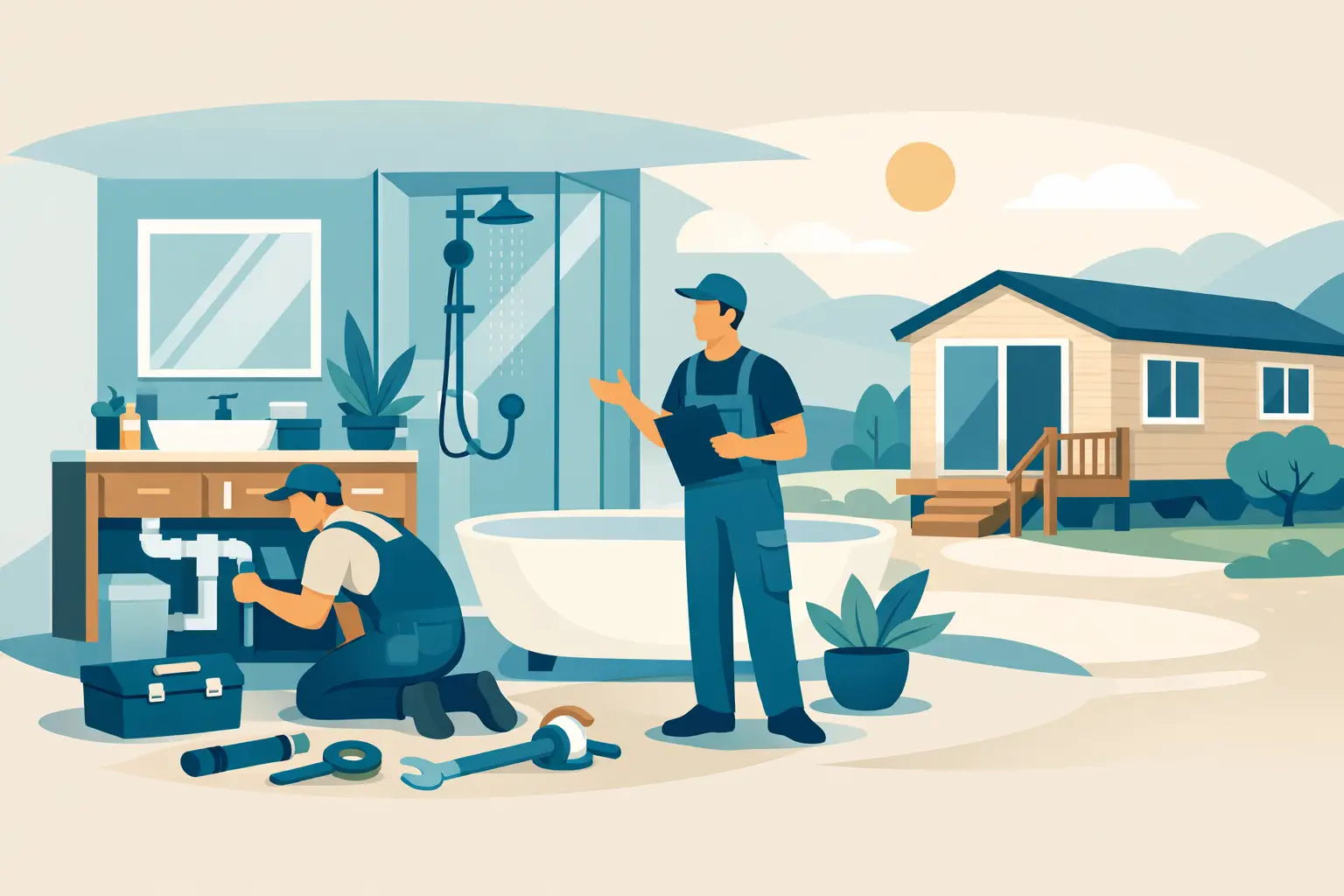
A bathroom installer should understand that the job does not begin and end with fitting a shower tray. They need to recognise the construction of the home, assess the supporting floor and plan around services without compromising the building. That knowledge helps prevent avoidable damage and gives you a clearer picture of what your investment will achieve.
New Look Park Homes Ltd carries out specialist refurbishment work for park and static home owners across Great Britain, with attention to the structural and practical details that standard building firms can miss. Clear assessment, quality materials and careful workmanship provide reassurance from the first inspection through to the finished room.
A well-planned bathroom should make every morning easier, every shower more comfortable and every winter a little less demanding. Start with the condition of the home, not the catalogue, and the finished space will have a far better chance of serving you well for years to come.