A tired park home bathroom can affect far more than appearance. A leaking shower tray, cold floor or poor extractor fan can quickly lead to damp, damage and an uncomfortable room that is difficult to use safely. The best bathroom ideas for park homes balance a fresh new look with the practical details that matter in a compact, purpose-built home.
Unlike a conventional brick-built property, a park home has its own construction methods, service routes and floor structure. That means a bathroom refurbishment should never be treated as a simple swap of fittings. Good planning protects the home beneath the finishes, makes the room easier to live with and helps avoid expensive problems later on.
Moving a toilet, basin or shower may be possible, but it can add cost and complexity where pipework, waste runs and access beneath the home are concerned. In many cases, the best result comes from improving the existing layout rather than rebuilding it completely.
Look at how the room works on an ordinary morning. Is there enough room to turn, dry off and open the door without catching it on a unit? Can you reach the basin comfortably? Does the shower enclosure make the room feel cramped? These everyday frustrations are often more useful than a picture from a showroom when deciding what needs to change.
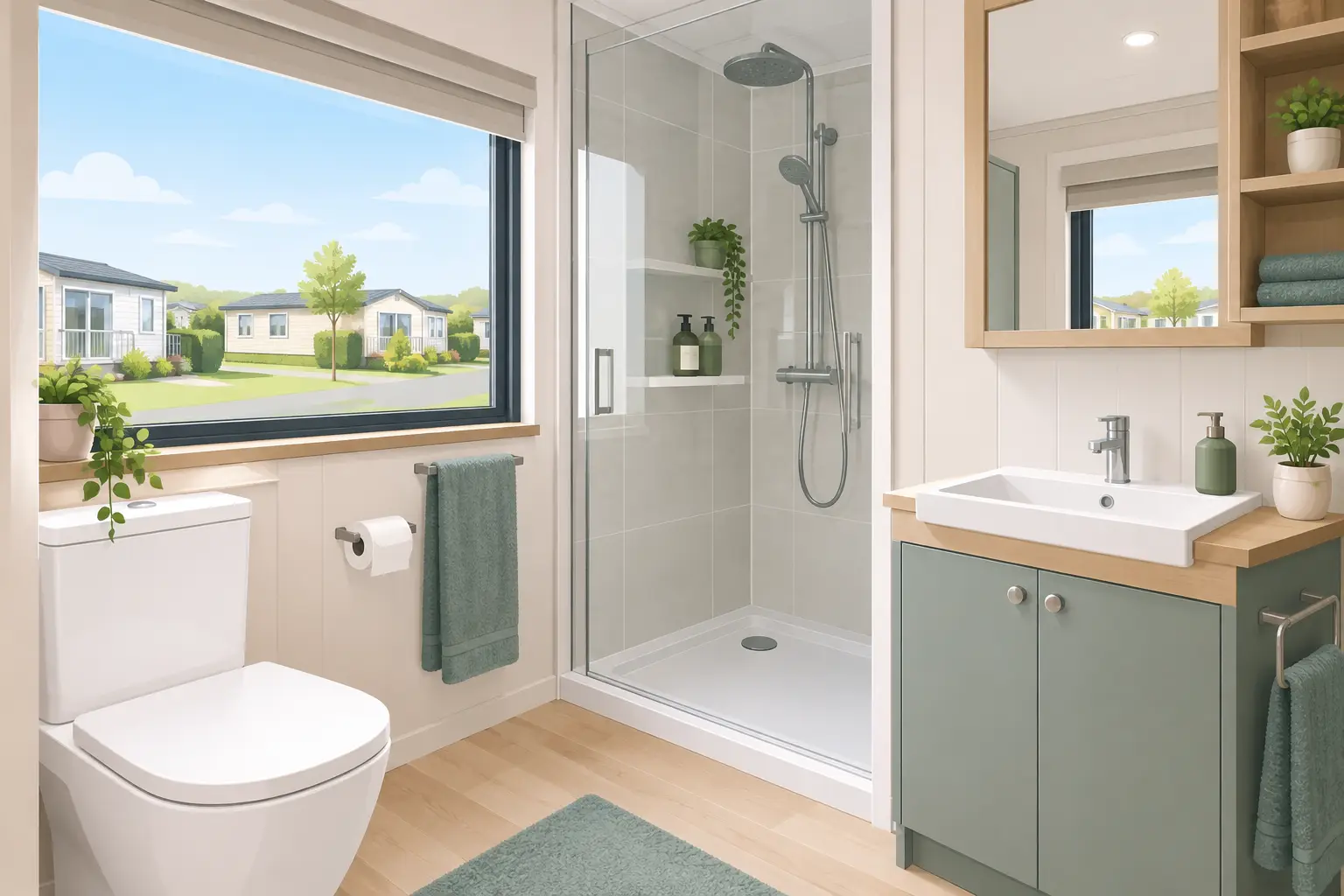
A wall-hung basin can free up valuable floor space and make cleaning easier. A vanity unit is a better choice where storage is limited, provided it does not make the room feel crowded. Slimline furniture, a mirrored cabinet and recessed shelving can keep toiletries close at hand without filling every surface.
Door choice deserves attention too. A door that opens outwards may create more usable space inside a small bathroom, although it must not obstruct a hallway or escape route. Pocket doors can look neat but need suitable wall construction, so they are not right for every park home.
For many owners, replacing a bath with a shower is one of the most practical bathroom ideas for park homes. It can make a small room feel larger, reduce stepping over a high bath side and leave room for useful storage. A low-level shower tray is particularly popular where comfort and confidence underfoot are priorities.
A walk-in shower with a fixed glass screen creates a clean, open look, but it needs careful design. The floor must fall correctly towards the waste, the screen must contain spray effectively, and there must be enough room to move in and out without water reaching the rest of the floor. In a very compact bathroom, a well-fitted quadrant enclosure may be the more sensible option.
If a bath is still important for relaxing, visiting grandchildren or personal preference, consider a compact bath with a shower over it. The key is not to squeeze in a large fitting simply because it looks impressive. A bathroom should be safe and comfortable every day, not just attractive in photographs.
Safety features no longer have to make a bathroom look clinical. Stylish grab rails are available in finishes that match taps and shower fittings, while fold-down shower seats offer reassurance without taking up permanent room. Non-slip flooring, easy-turn taps and a thermostatic shower valve are sensible additions for households of any age.
A thermostatic valve helps keep water temperature stable if another tap is used elsewhere in the home. This is a small detail, but it gives real peace of mind. It is also worth allowing clear space around the toilet and shower so the bathroom remains practical if mobility needs change in years to come.
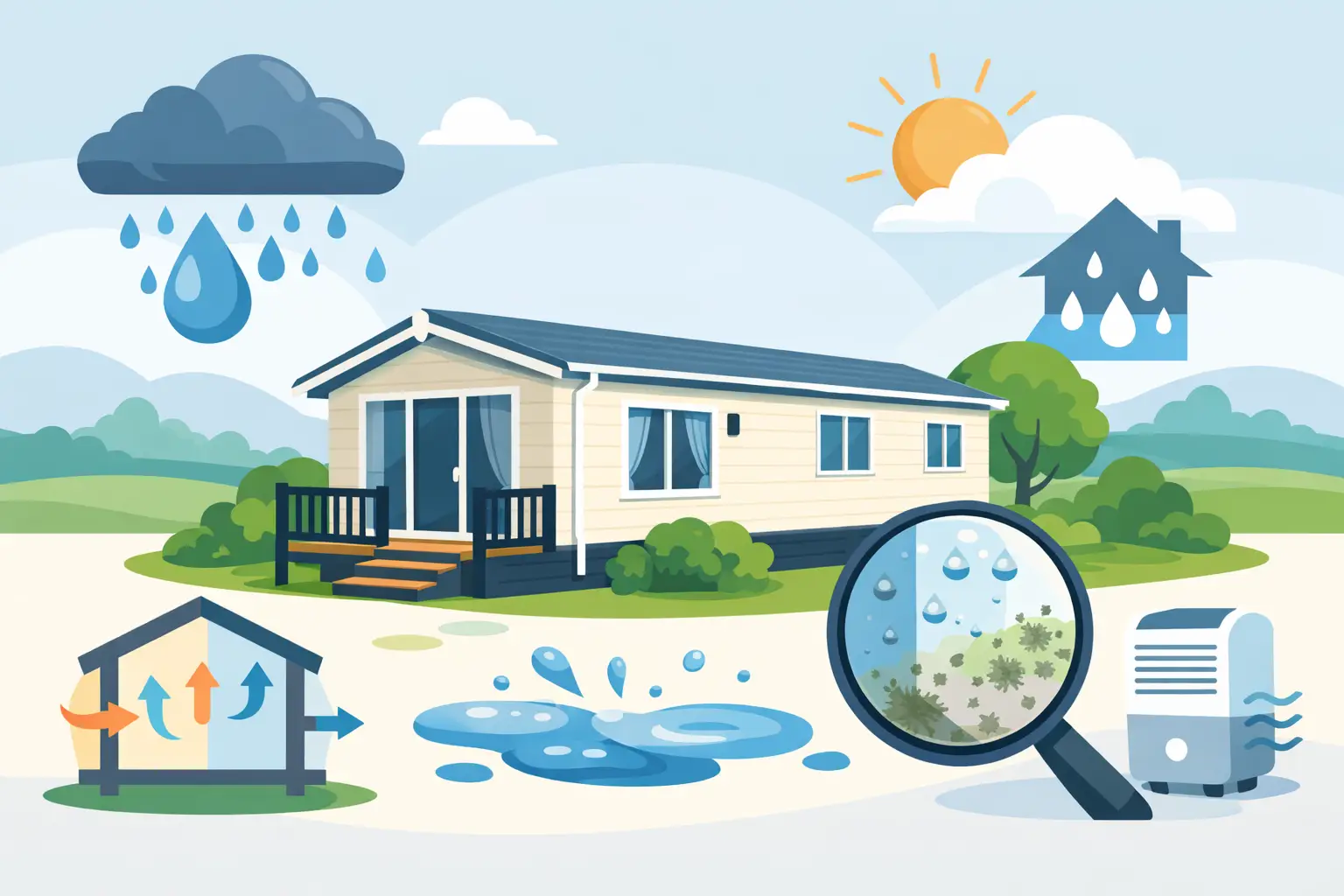
Bathrooms produce a great deal of moisture in a short time. In a park home, controlling it properly is essential. Steam that is not extracted can settle on cold surfaces, encourage mould and affect finishes around windows, ceilings and wall panels.
An effective extractor fan should be correctly sized for the room and vented to the outside, not simply into a roof or wall void. A humidistat model is a useful option because it continues running while moisture levels are high, even after you have left the room. If noise is a concern, choose a quiet fan rather than avoiding extraction altogether.
Water-resistant wall panels are often a practical alternative to tiles, especially in shower areas. They provide a smooth, easy-clean surface with fewer joints for moisture to penetrate. Quality panels must still be properly sealed around trays, baths and fittings. The workmanship behind the surface is what keeps water where it belongs.
Tiles remain a good option when installed over a suitable, stable backing. However, they add weight and require grout maintenance. Large-format tiles can reduce grout lines and create a modern finish, but they may involve more cutting in a small room. There is no single best material for every project. The right choice depends on the room’s condition, budget and the amount of maintenance you want to take on.
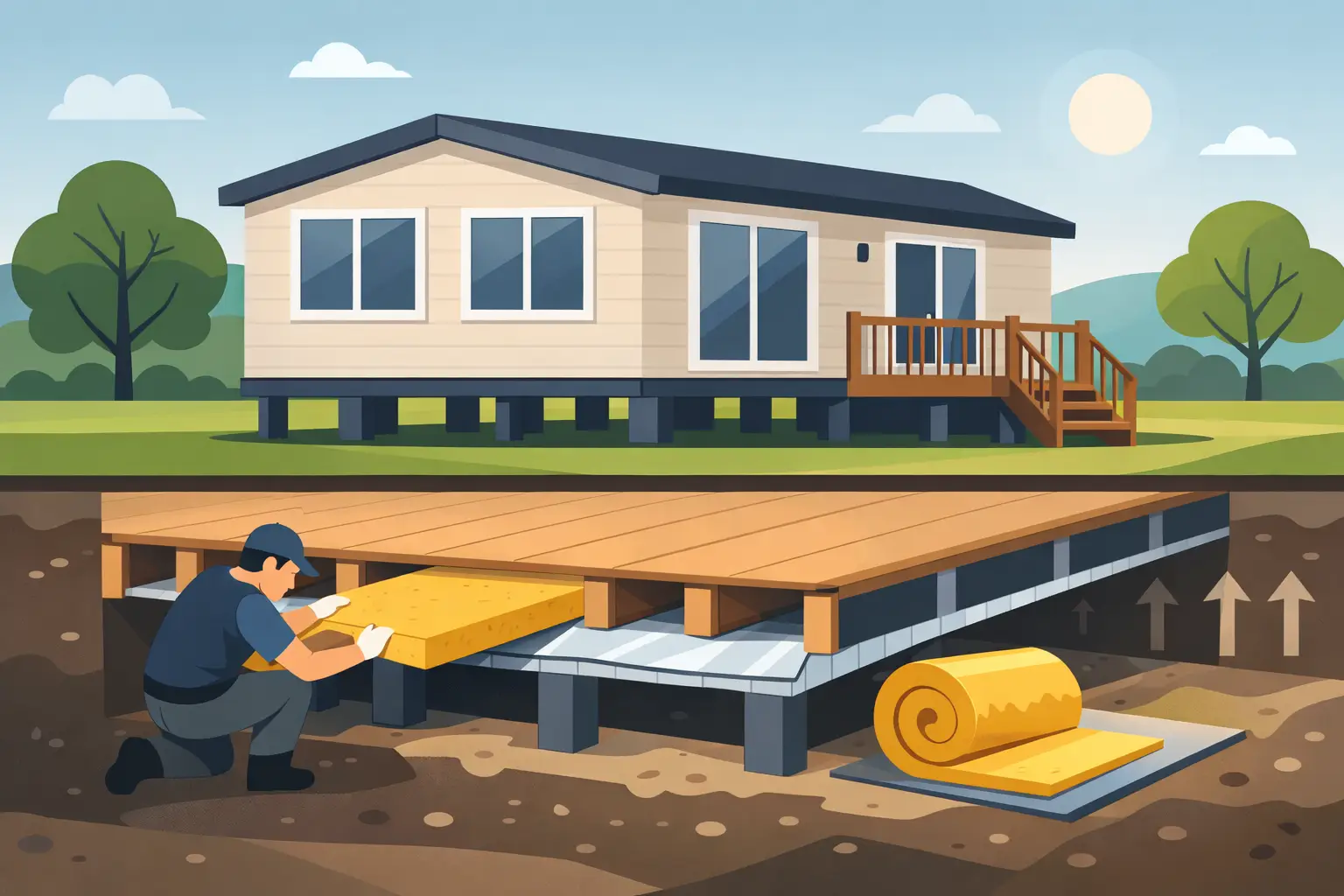
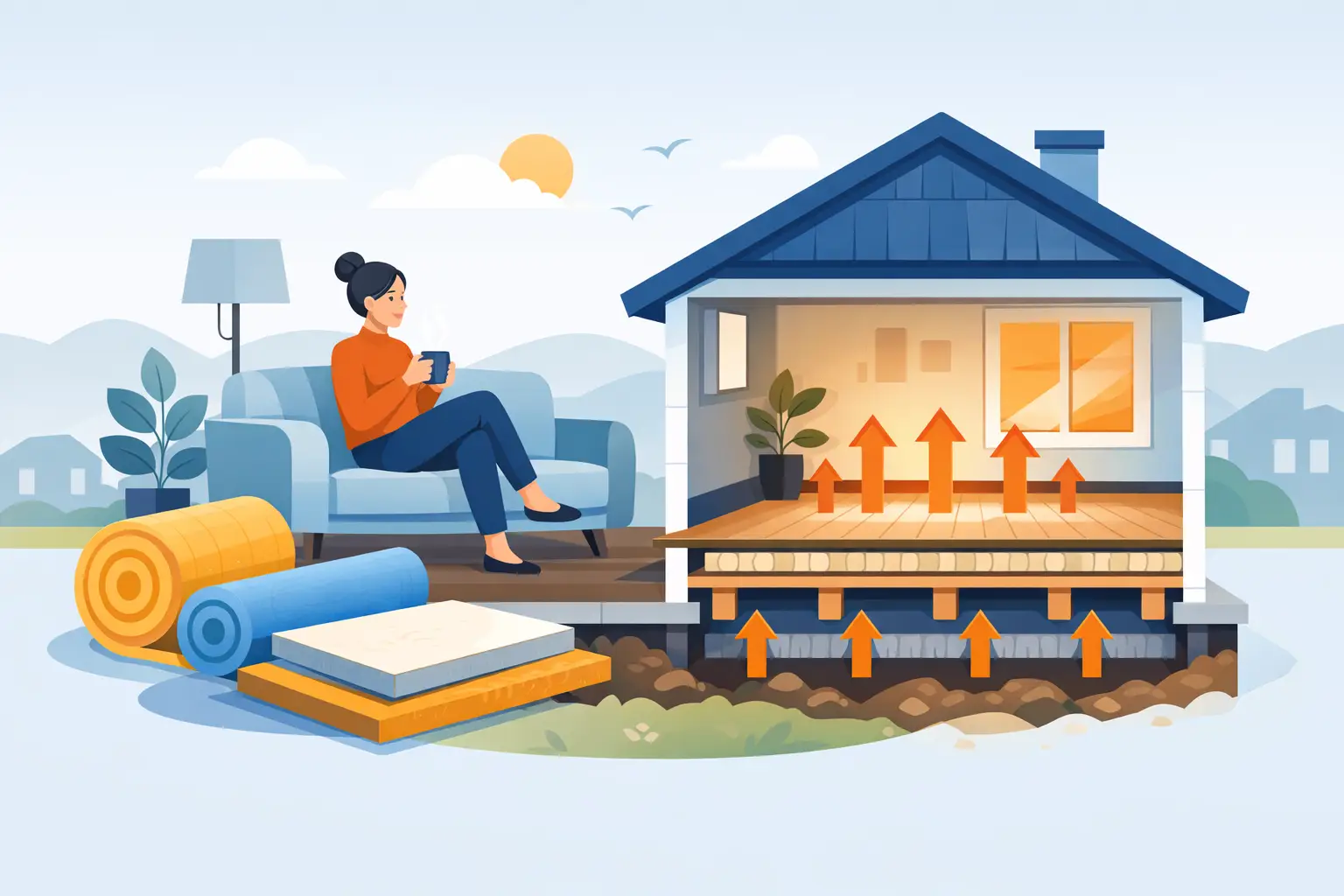
Nobody wants to step onto an icy bathroom floor on a winter morning. Warmth is especially valuable in park homes, where an ageing floor, gaps around services or poor insulation below can make rooms feel chilly despite the heating being on.
Electric underfloor heating can be a comfortable addition beneath suitable flooring, particularly in a small bathroom where it can take the chill off quickly. It should be considered as part of a wider plan rather than a substitute for dealing with draughts or insufficient insulation beneath the home.
Vinyl flooring is a popular choice because it is warm underfoot, water-resistant and available in convincing wood and stone-effect designs. Sheet vinyl has very few joins and can be an excellent practical option. Luxury vinyl tiles offer a more individual look, although the subfloor needs to be properly prepared for a lasting finish.
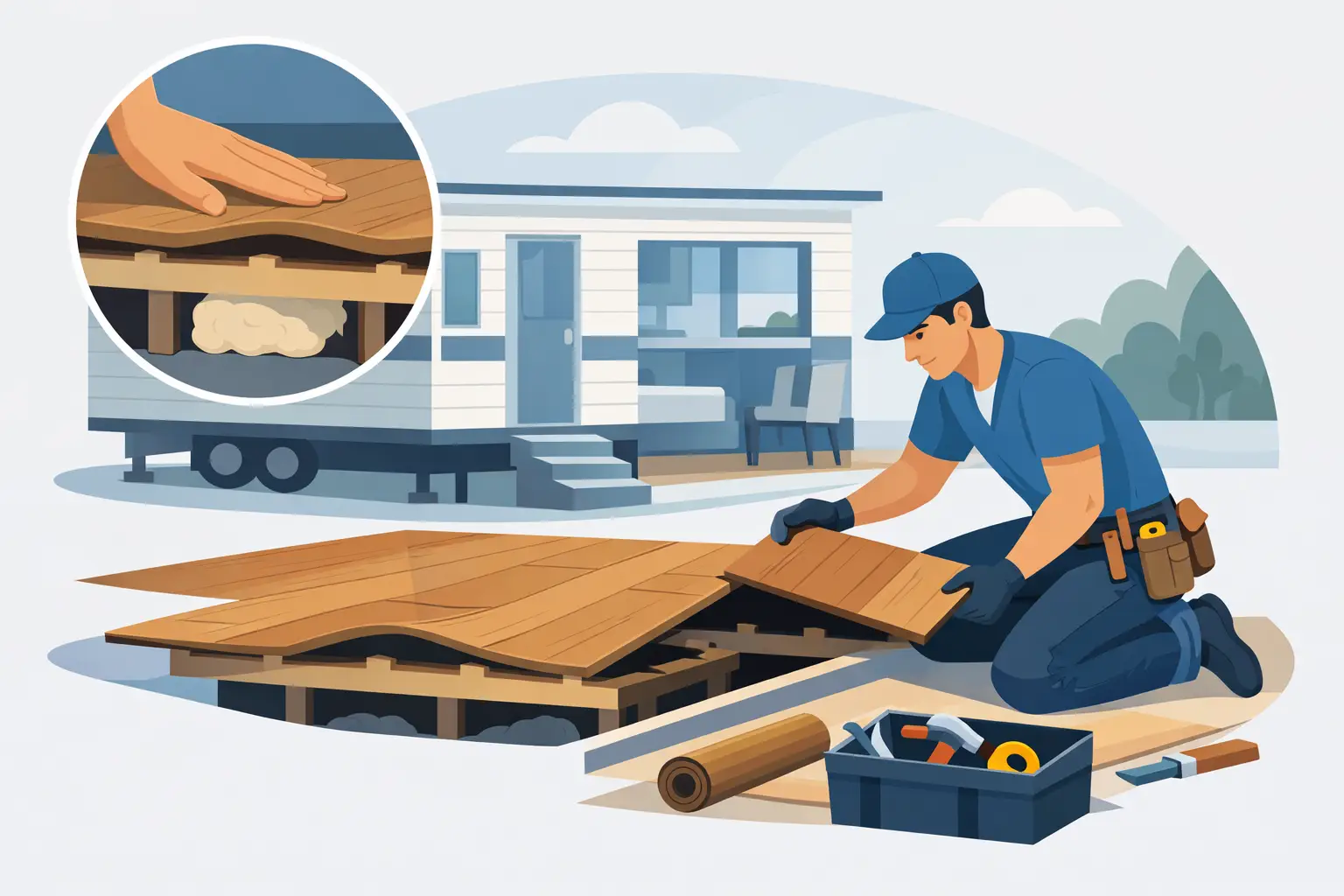
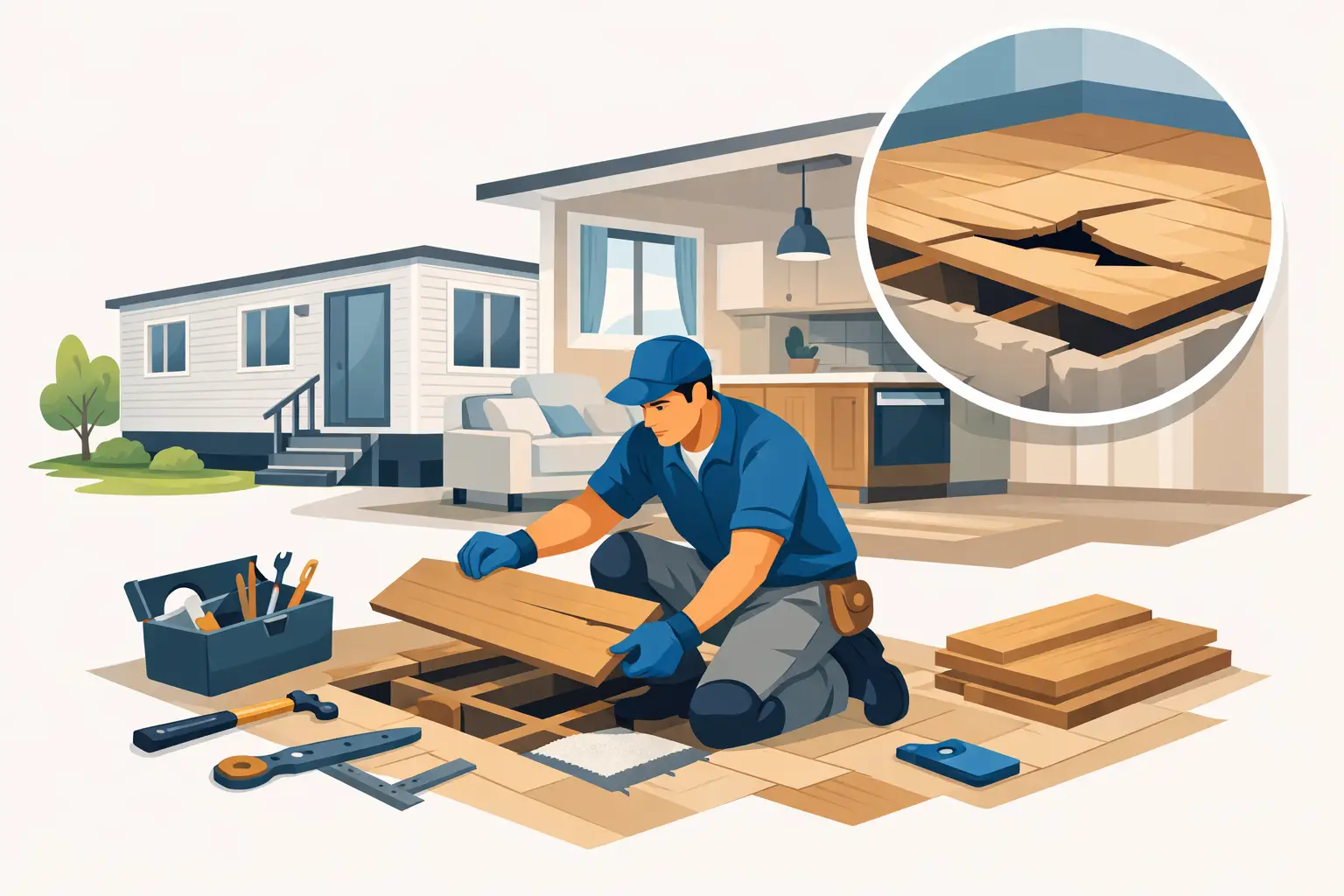
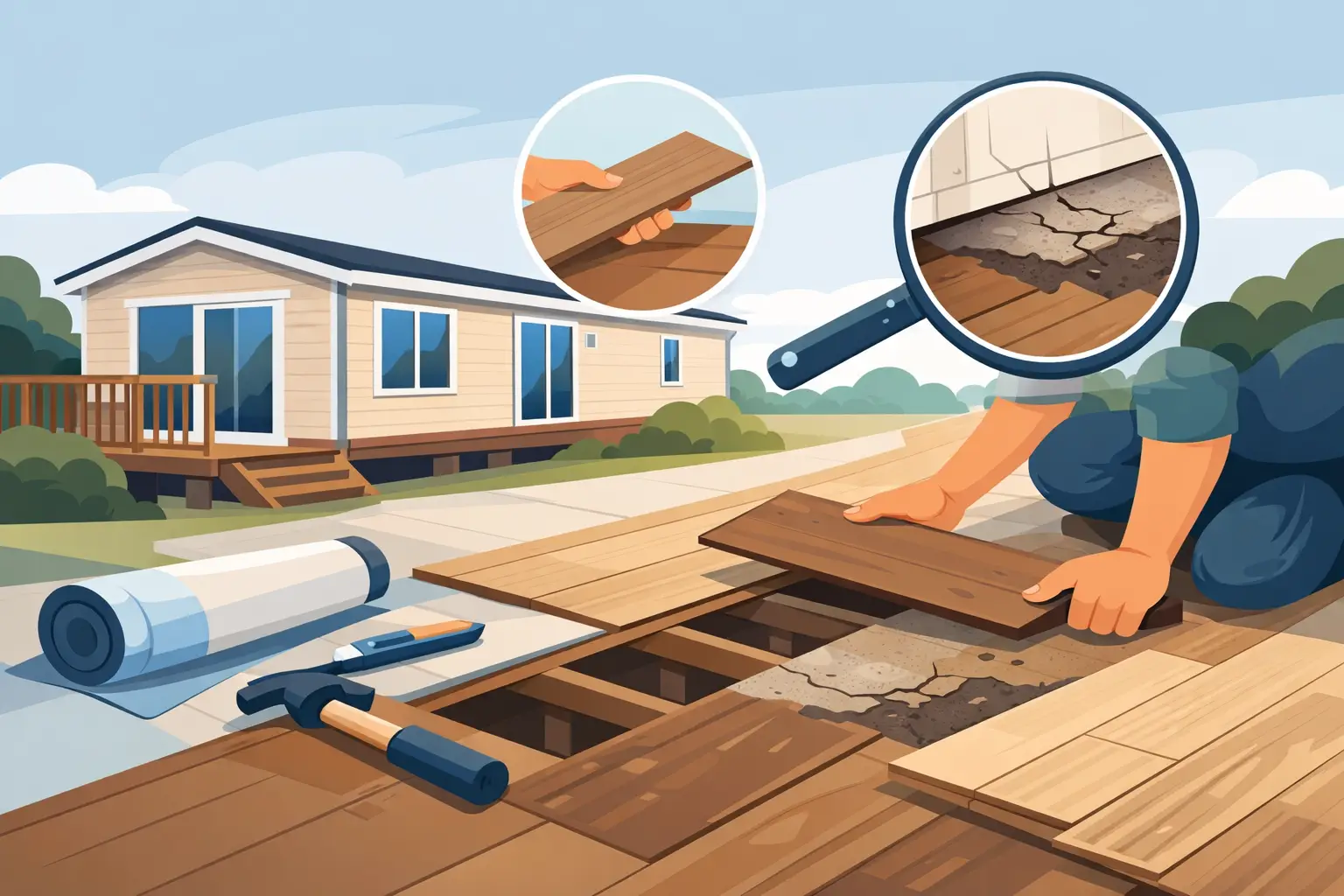
Before new flooring goes down, inspect the area around the toilet, shower and bath for any soft spots, staining or previous leaks. Covering a damaged floor only hides the issue. A sound repair first gives the new bathroom the stable base it needs.
In a small room, every fitting is noticed. Chrome remains a dependable choice and is easy to match, but brushed finishes, soft black details and warmer brass tones can work well when used with restraint. If you choose a darker finish, bear in mind that water marks and limescale may show more readily in hard-water areas.
Wall-mounted taps and furniture can make a bathroom appear lighter, but access for future maintenance should always be considered. Concealed pipework looks tidy, yet isolation valves and service points need to remain reachable. A reliable bathroom is one that can be repaired without unnecessary disruption.
Lighting has a major effect on both safety and comfort. Use a bright, properly rated light around the mirror for shaving, applying make-up and everyday grooming, then softer general lighting to prevent the room feeling harsh. Any electrical work in a bathroom must be planned and carried out to the required safety standards.
Light colours are often the easiest route to a more spacious feel, but an all-white bathroom can look cold if there is little natural light. Warm white, pale grey, soft sage and muted stone shades tend to work well, particularly when paired with timber-effect flooring or a warmer-toned vanity unit.
A large mirror can reflect available light and make a narrow room feel less enclosed. Keep patterns to one feature area, such as a shower wall or floor, rather than introducing several competing finishes. In a compact bathroom, calm choices usually look more expensive and remain appealing for longer.
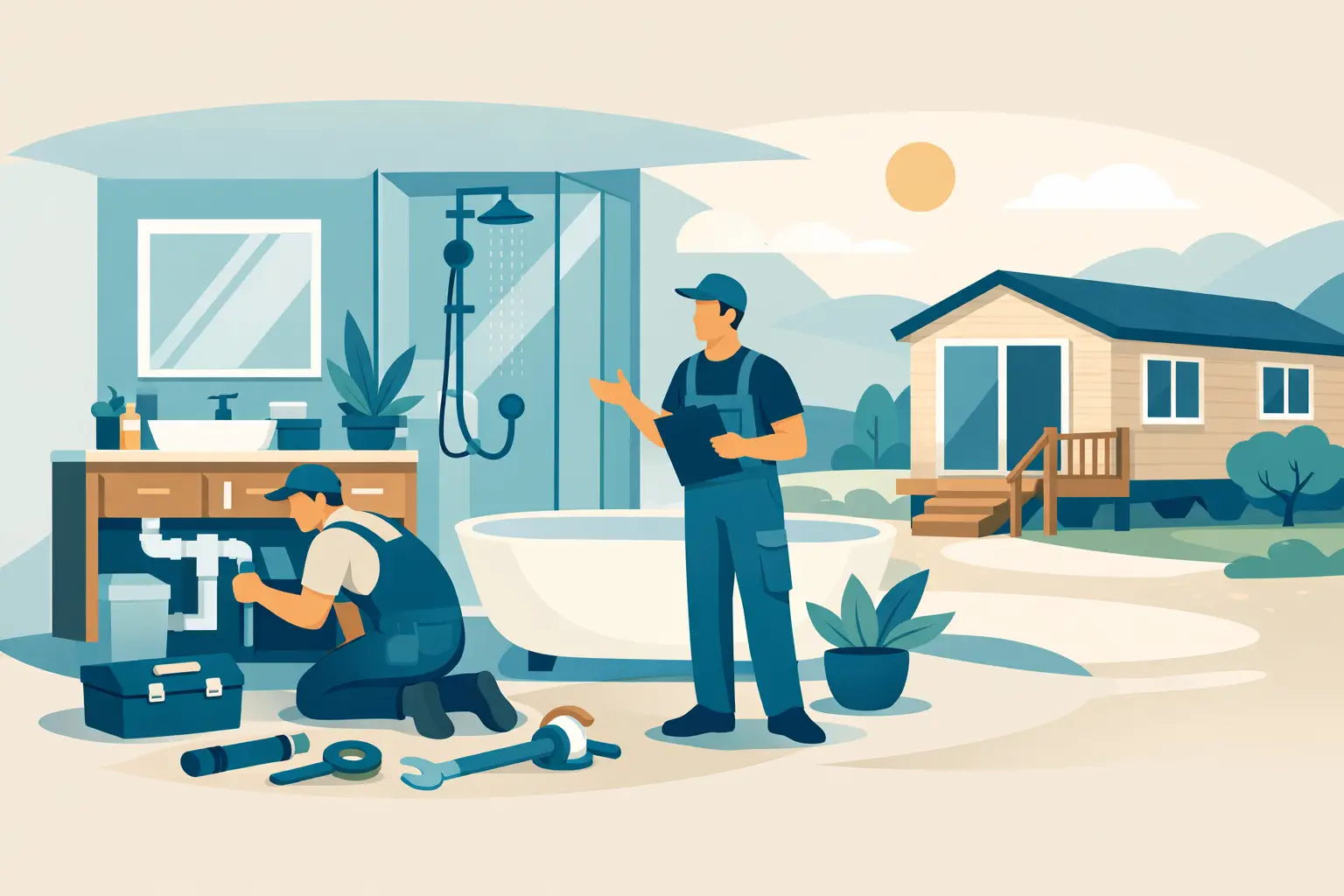
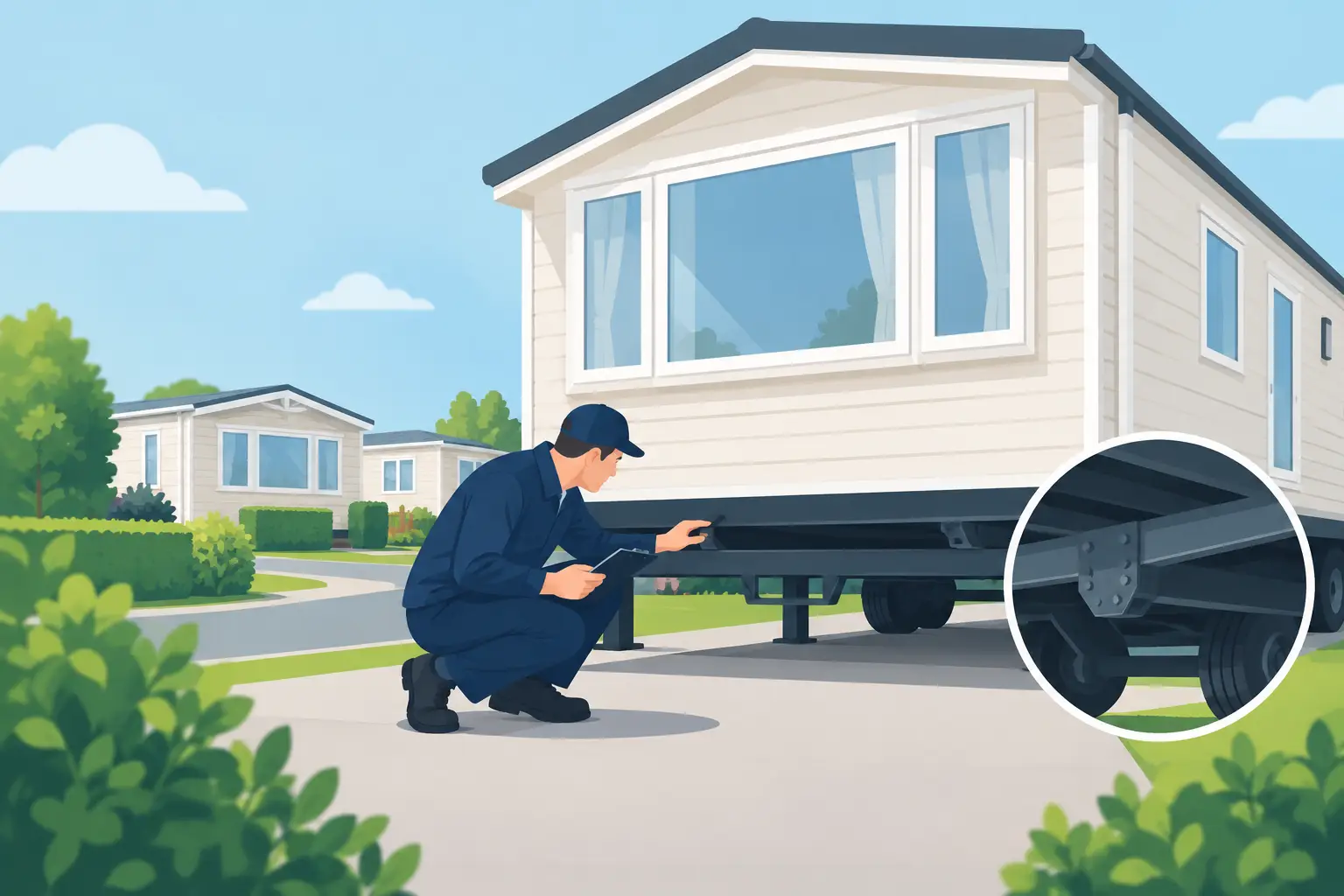
A bathroom refurbishment is the right time to check what cannot be seen once the new suite is fitted. That includes pipework, wastes, floor condition, ventilation routes and signs of moisture around external walls. If the bathroom feels cold, a wider assessment of insulation and draught points may also be worthwhile.
New Look Park Homes Ltd approaches park home improvements with the construction of the home in mind, not just the visible finish. This matters when bathroom work sits alongside repairs to floors, insulation or other areas affected by age and water ingress.
Before agreeing a design, make sure the quotation is clear about preparation, removal of old fittings, plumbing alterations, electrical work, waste disposal, finishes and any repairs discovered during the job. A cheaper figure can become costly if essential preparation has been left out.
The best bathroom is not necessarily the largest, glossiest or most fashionable one. It is the room that stays warm, dries properly, feels safe underfoot and gives you confidence that the work behind the walls and beneath the floor has been done properly. When planned around the way you live, a well-refurbished bathroom can make every day in your park home more comfortable.