A park home that feels cold underfoot, takes too long to warm up or loses heat as soon as the heating goes off is rarely suffering from one small problem. Heat can escape through the floor, walls, roof, windows and poorly sealed service openings. The best park home insulation upgrades deal with the parts of the home that are actually causing discomfort, rather than applying a quick fix where it is easiest.
Park homes are built differently from conventional brick houses. Their lighter construction, raised chassis and external wall systems mean they need a considered approach. The right improvement can make rooms warmer, reduce draughts and help keep heating costs more manageable. The wrong approach can trap moisture, restrict ventilation or leave the main source of heat loss untouched.
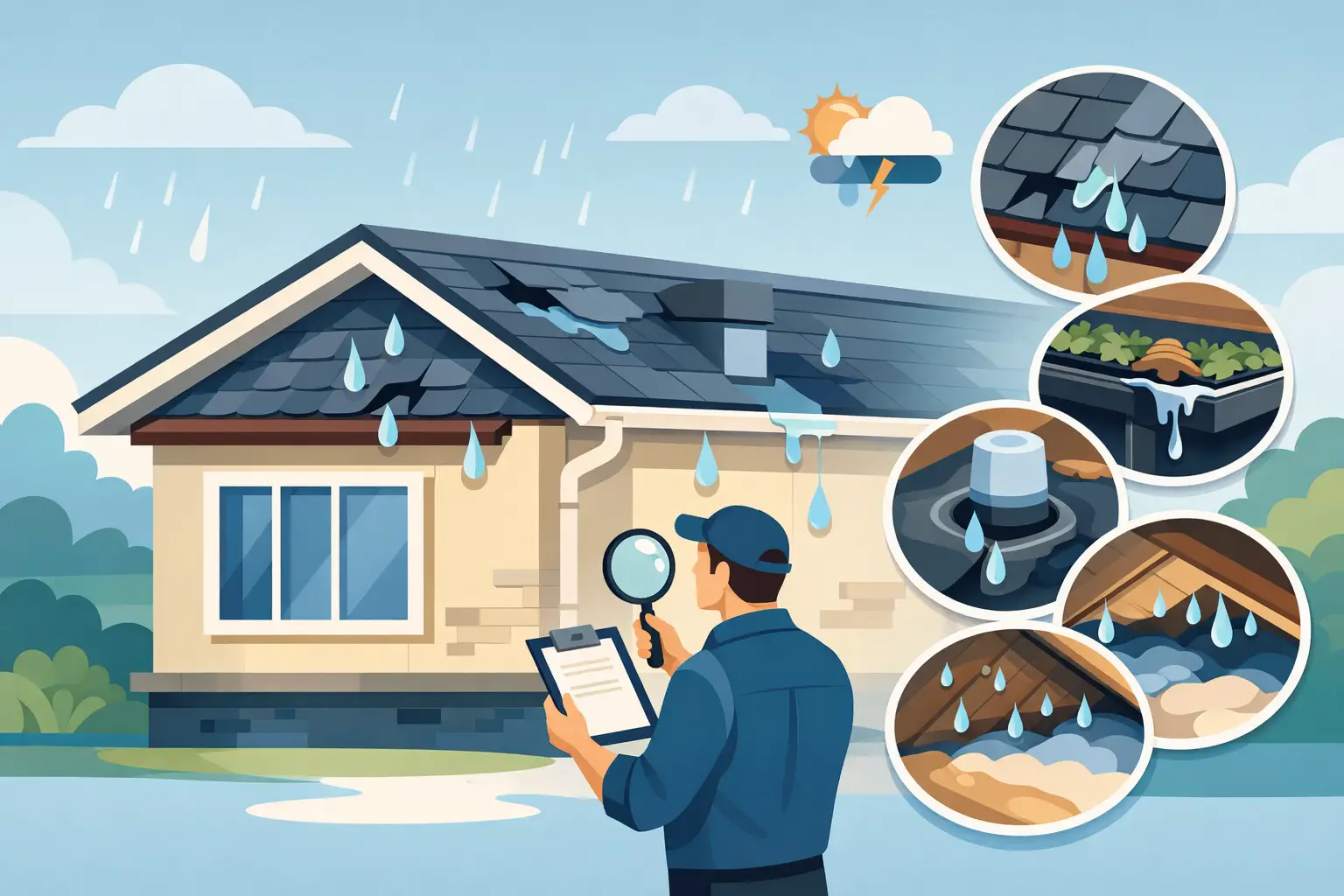
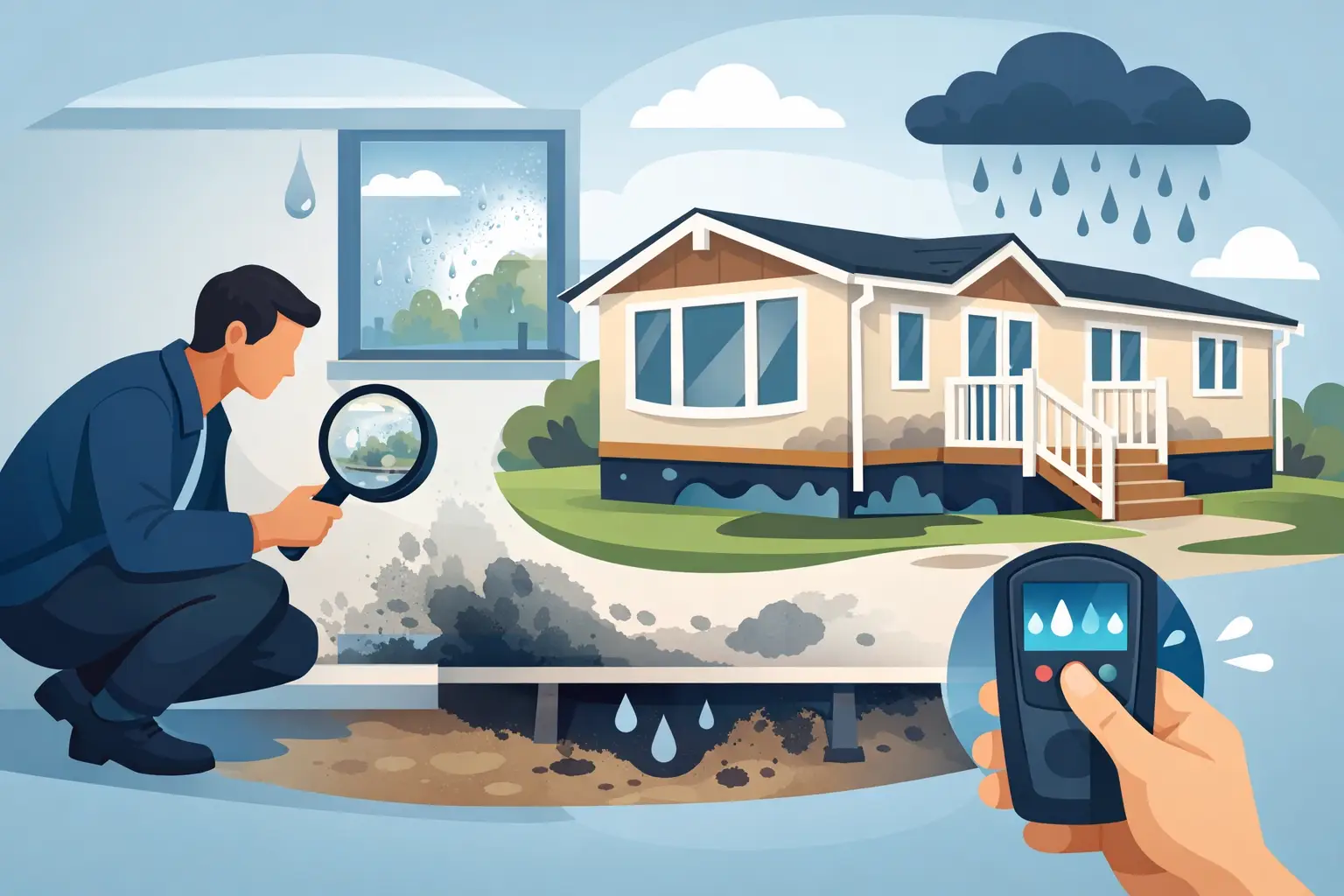
Before choosing insulation, it pays to understand where your home is losing heat. A cold lounge may be caused by uninsulated walls, while a bedroom that feels chilly despite warm walls could point to a cold floor void or ageing windows. Condensation, peeling internal finishes and musty smells should also be investigated before insulation work starts.
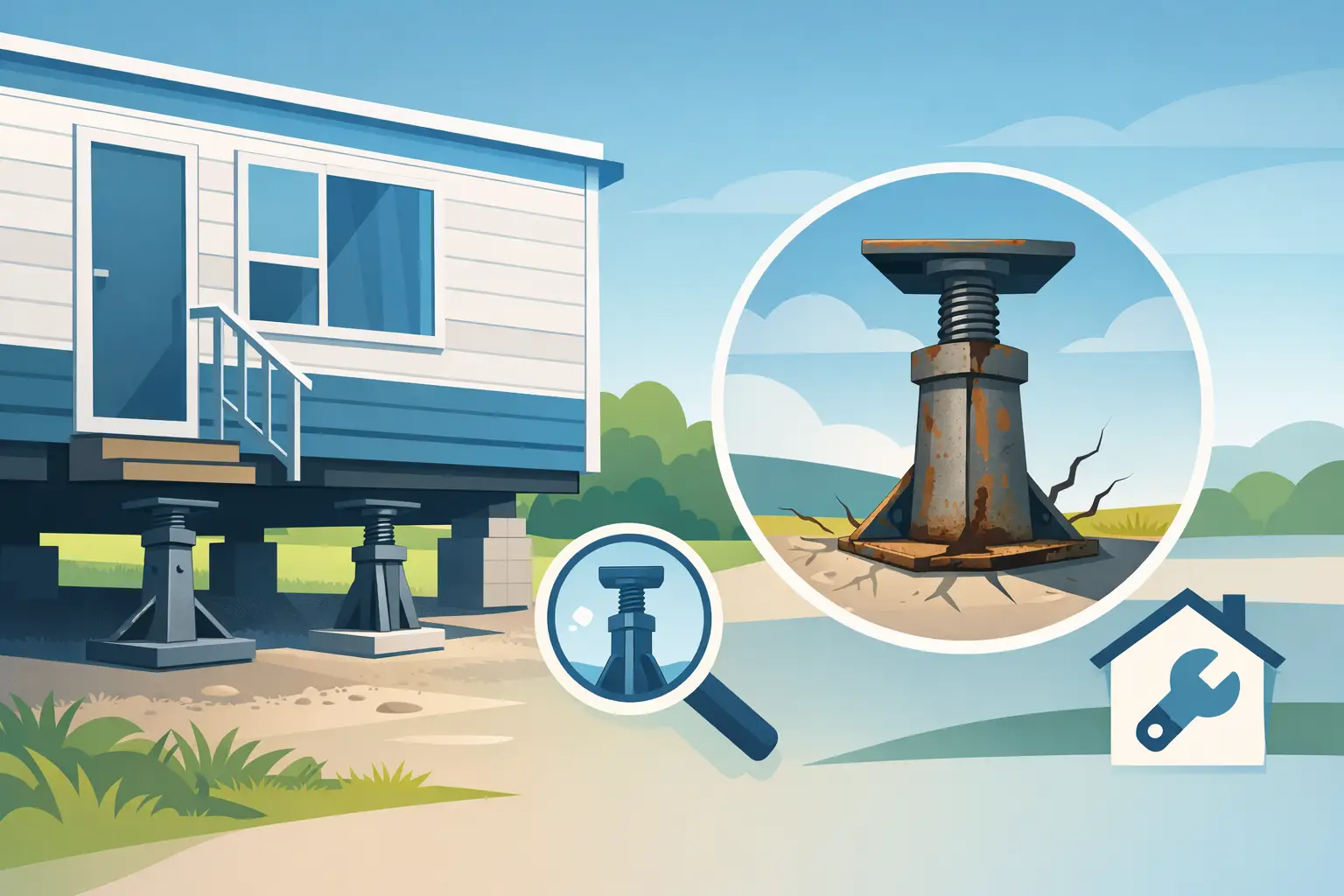
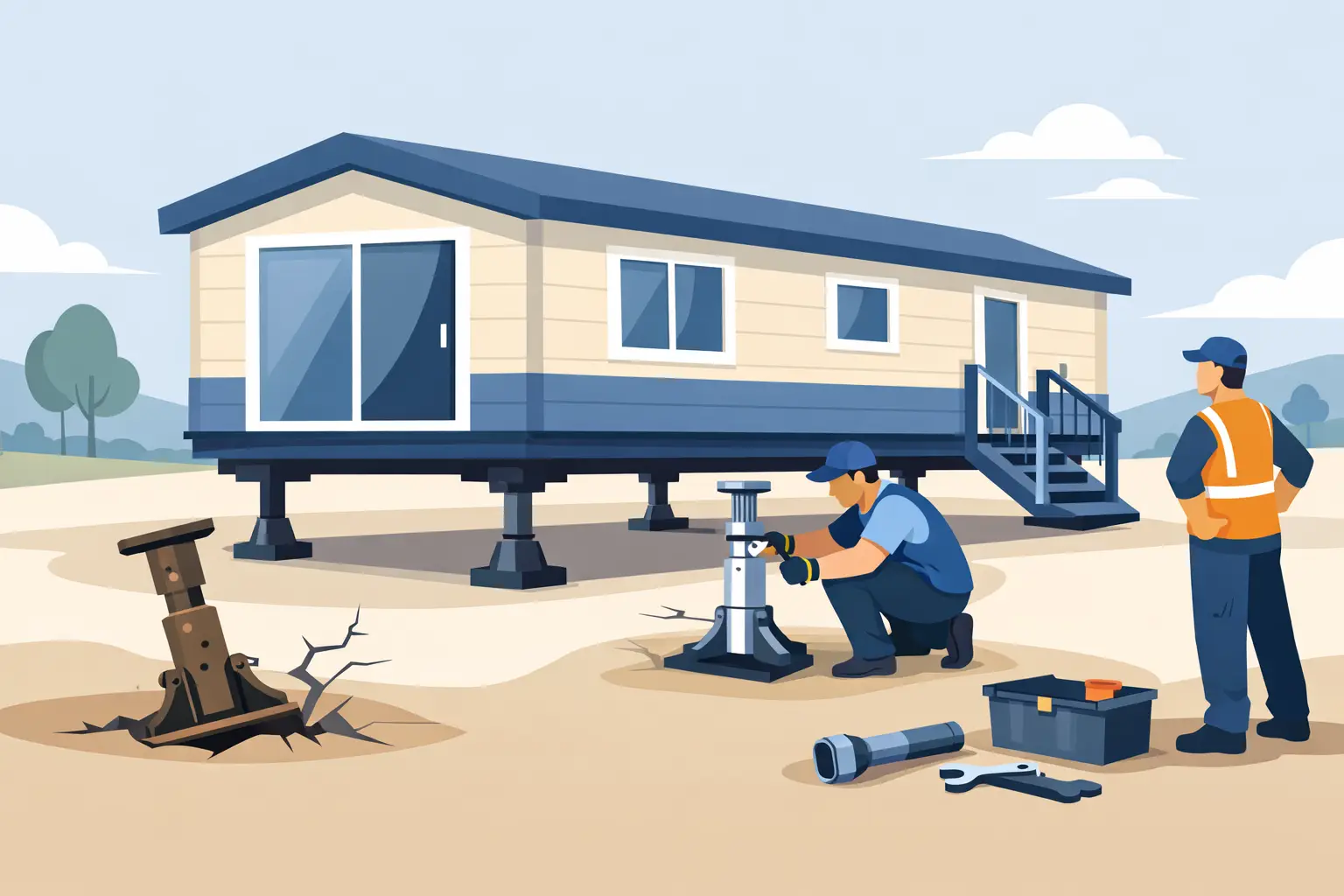
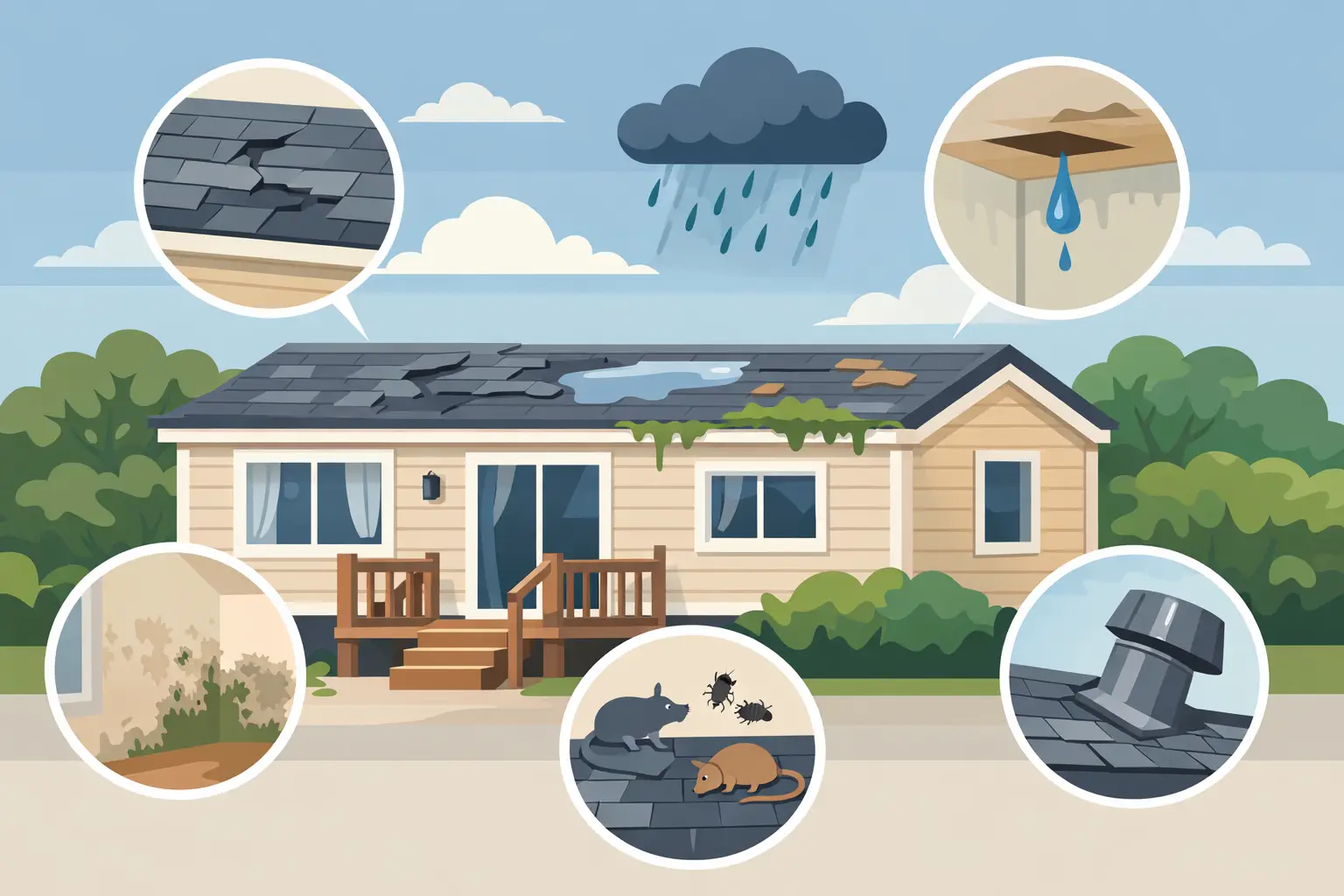
A specialist assessment looks at the condition of the external cladding, wall construction, underfloor area, roof, vents, pipework and seals around doors and windows. It should also identify damp, damage from rodents, loose boarding or concerns with the chassis and supports. Insulation works best when the structure around it is sound.
There is no single upgrade that suits every park home. Age, construction type, existing materials, the condition of the exterior and how the home is used all affect the right specification. For many owners, a phased refurbishment is the sensible choice, beginning with the areas causing the greatest heat loss.
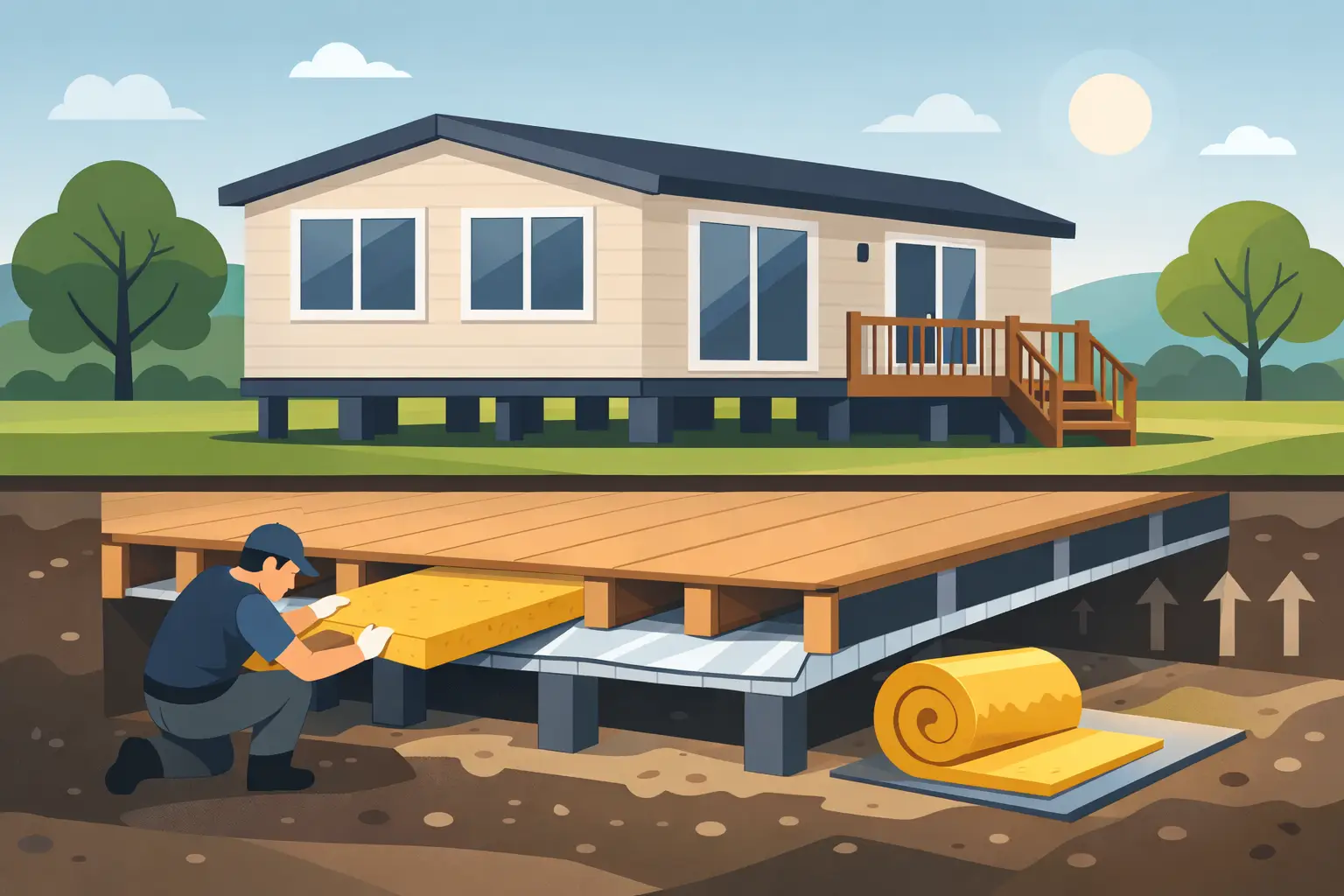
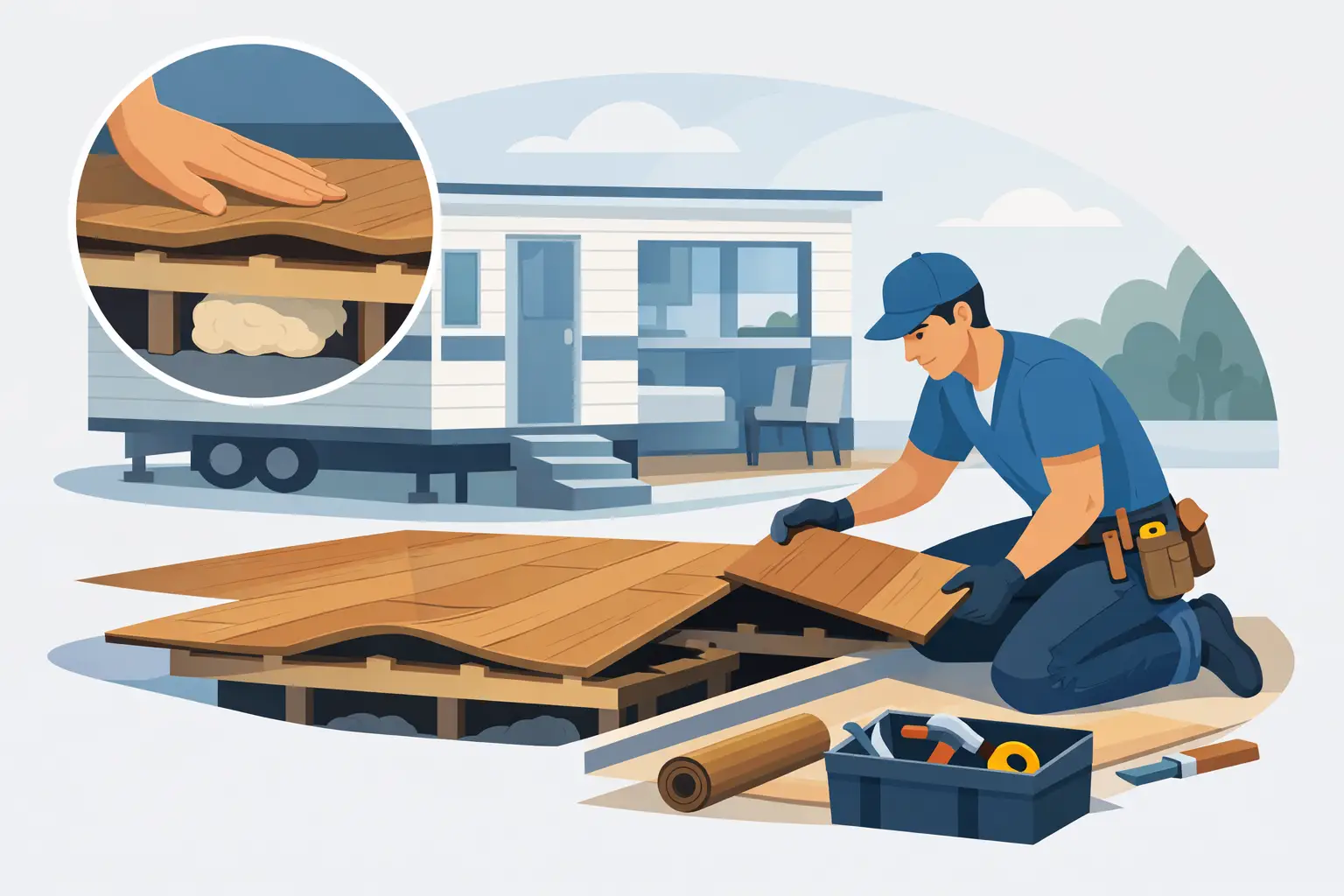
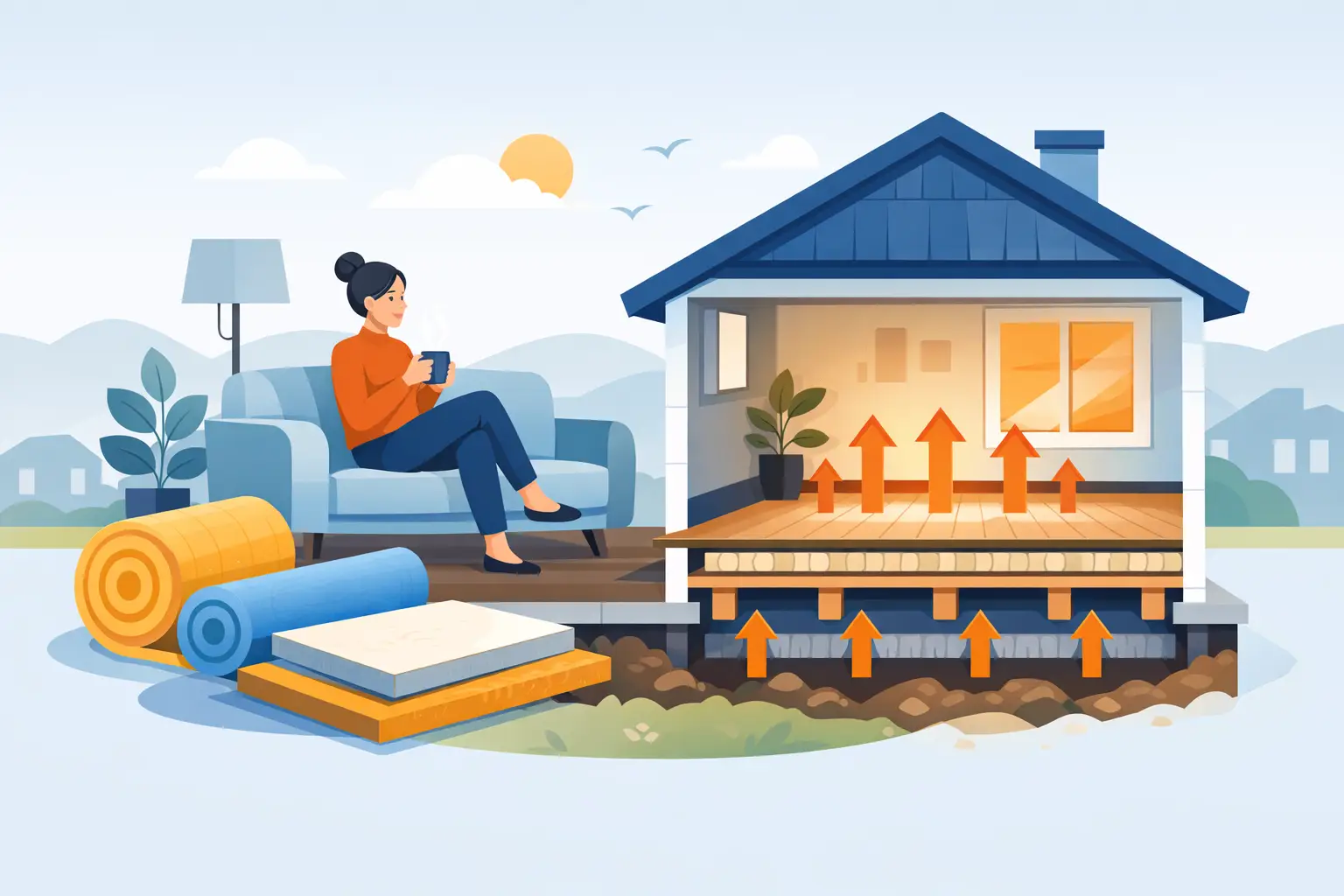
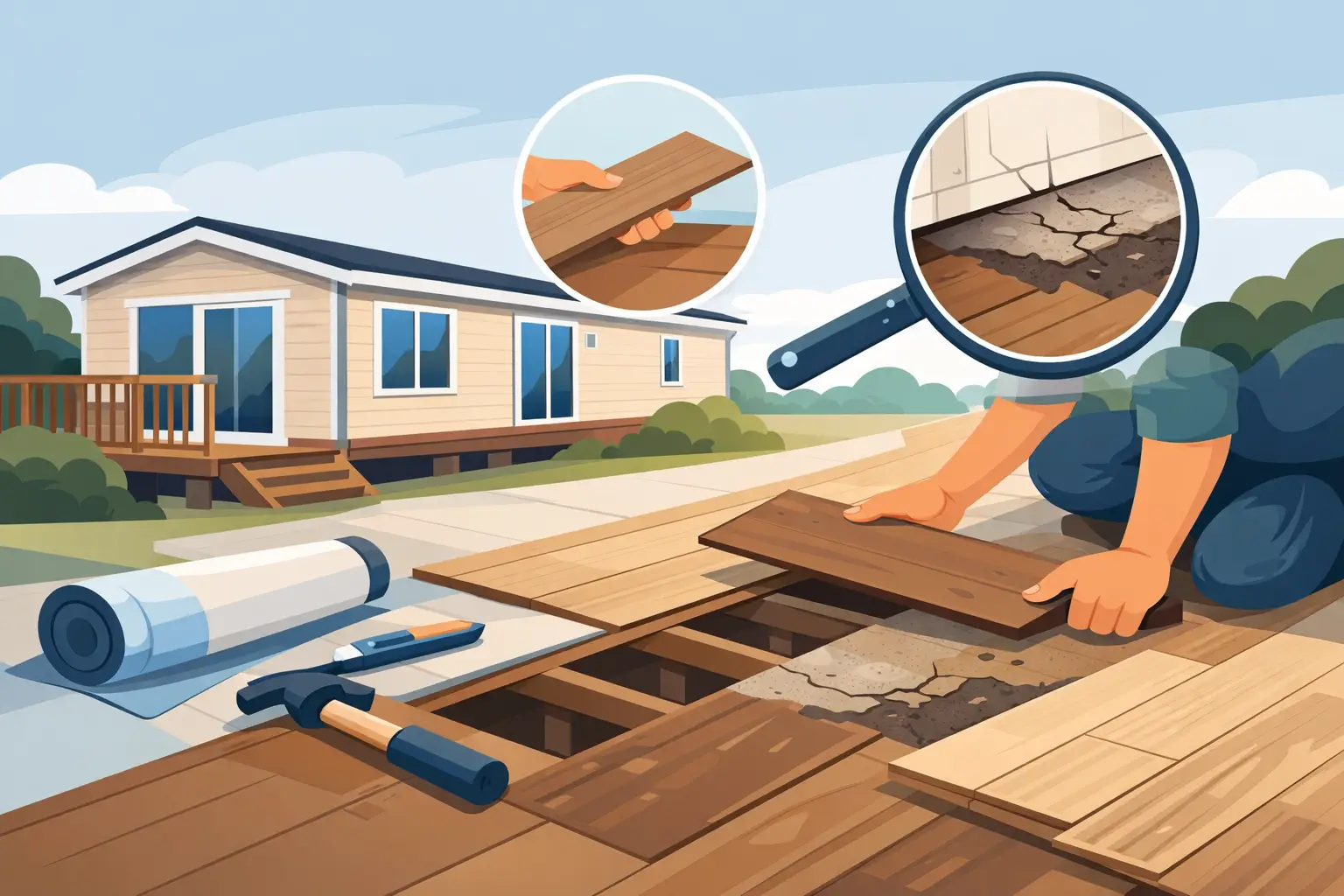
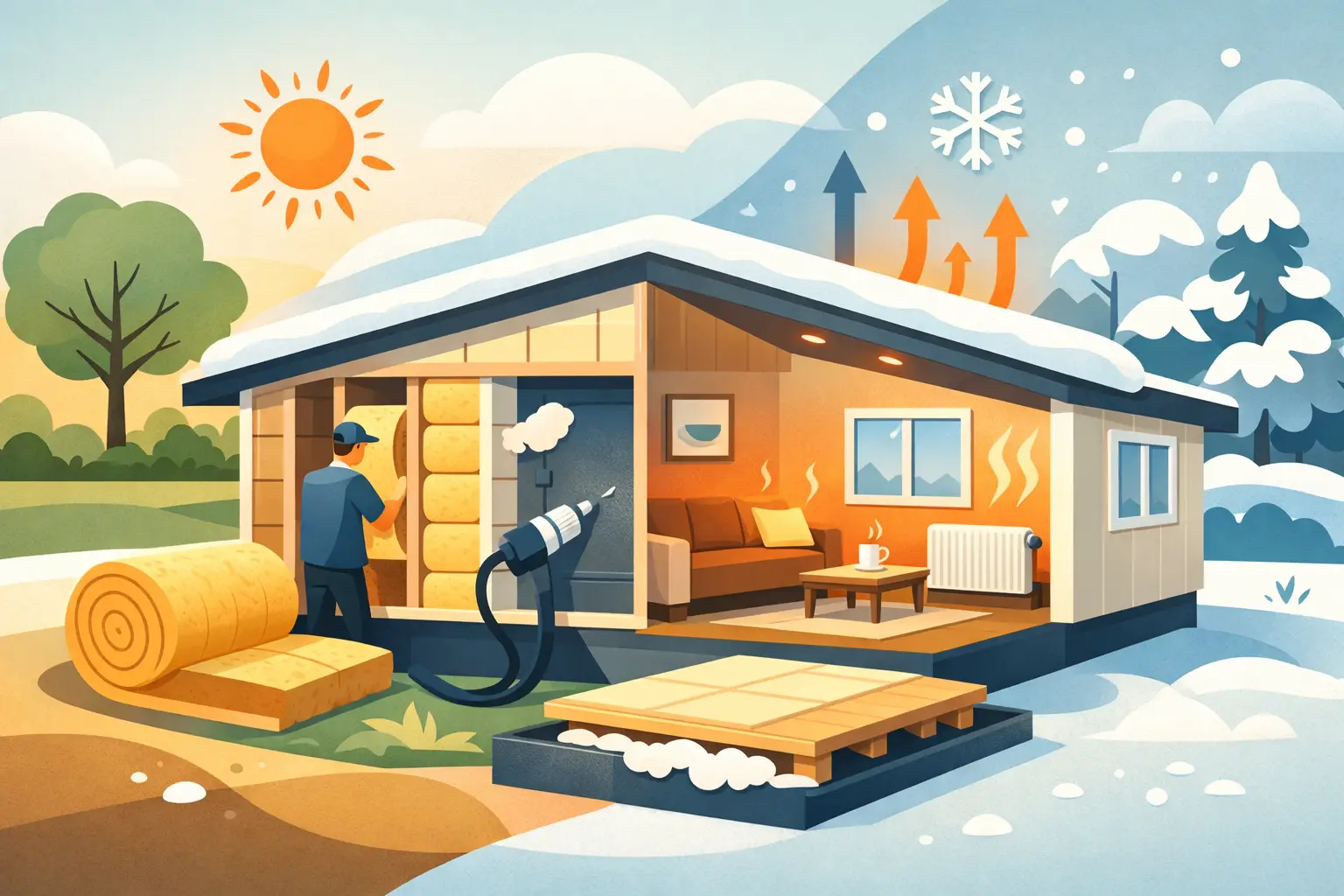
For many park home owners, the floor is the first place to look. Because the home sits above the ground on a chassis, cold air can circulate beneath it. If the underside has little insulation, or old insulation has slipped, become damp or been damaged, the effect is felt throughout the home.
Quality underfloor insulation helps create a warmer barrier between the living space and the cold void below. The difference is particularly noticeable in rooms with vinyl, laminate or tiled floors, where a cold subfloor can make the whole room feel uncomfortable even when the thermostat is set correctly.
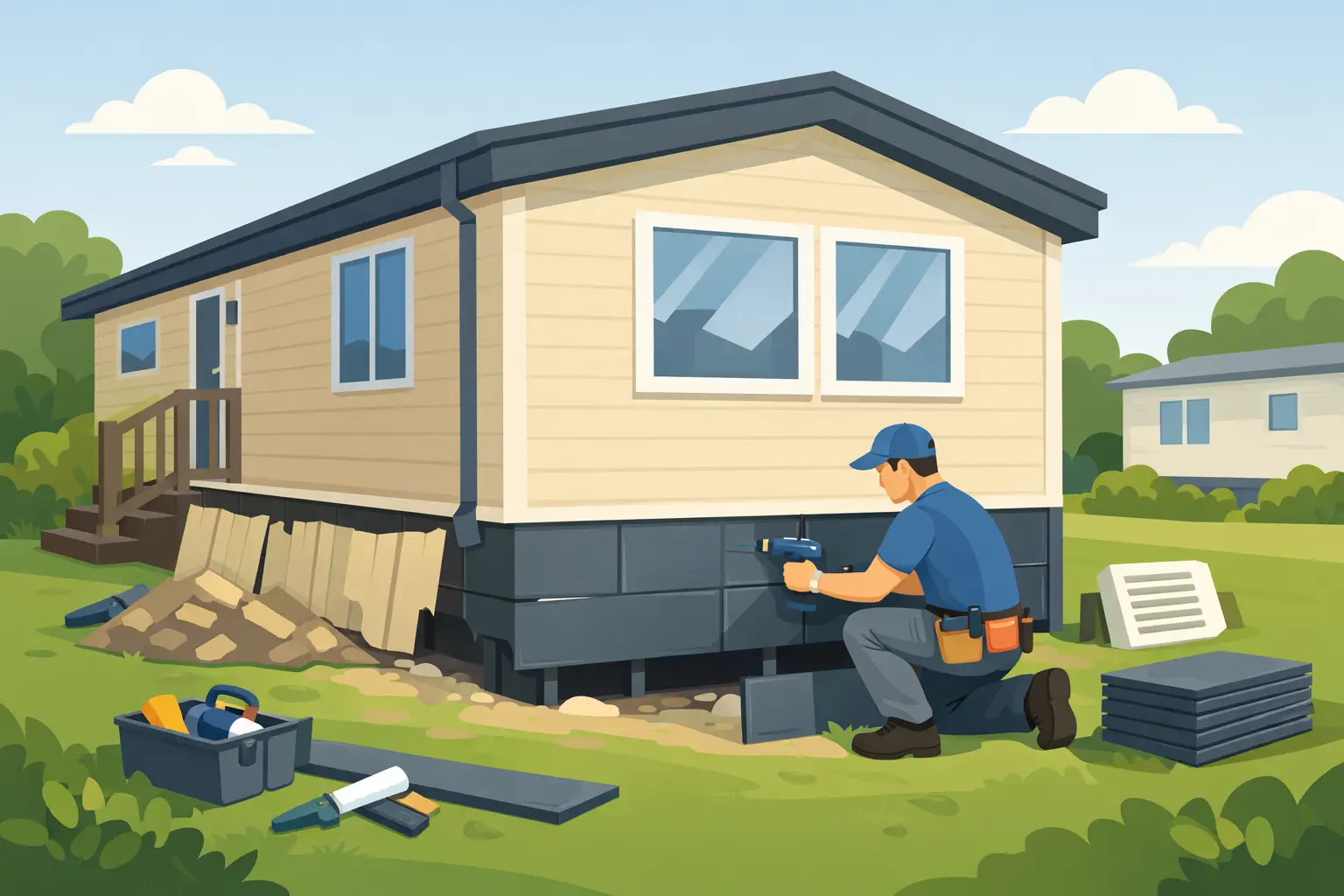
The work should not simply involve packing material beneath the home. A proper installation needs to be securely fixed, protected from weather and pests, and fitted around pipes, wiring and structural components without causing damage. Any weak or missing underboarding should be dealt with at the same time, as it can allow draughts and moisture into the floor structure.
Underfloor insulation can also help protect pipework from cold conditions. However, pipes and services must remain accessible where needed, and ventilation beneath the home must be considered carefully. Blocking every air route may seem like a way to stop draughts, but poor airflow can encourage damp and timber deterioration.
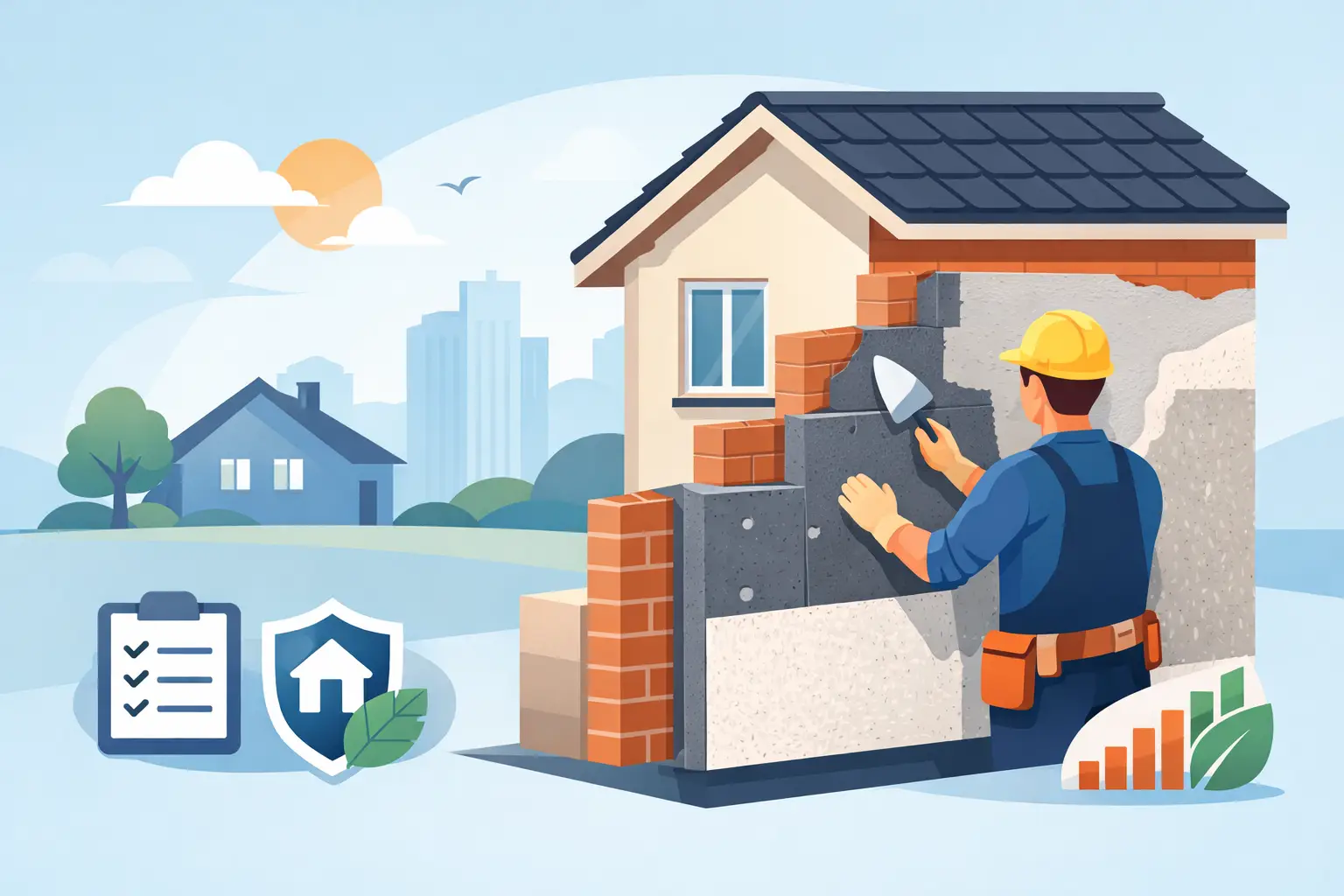
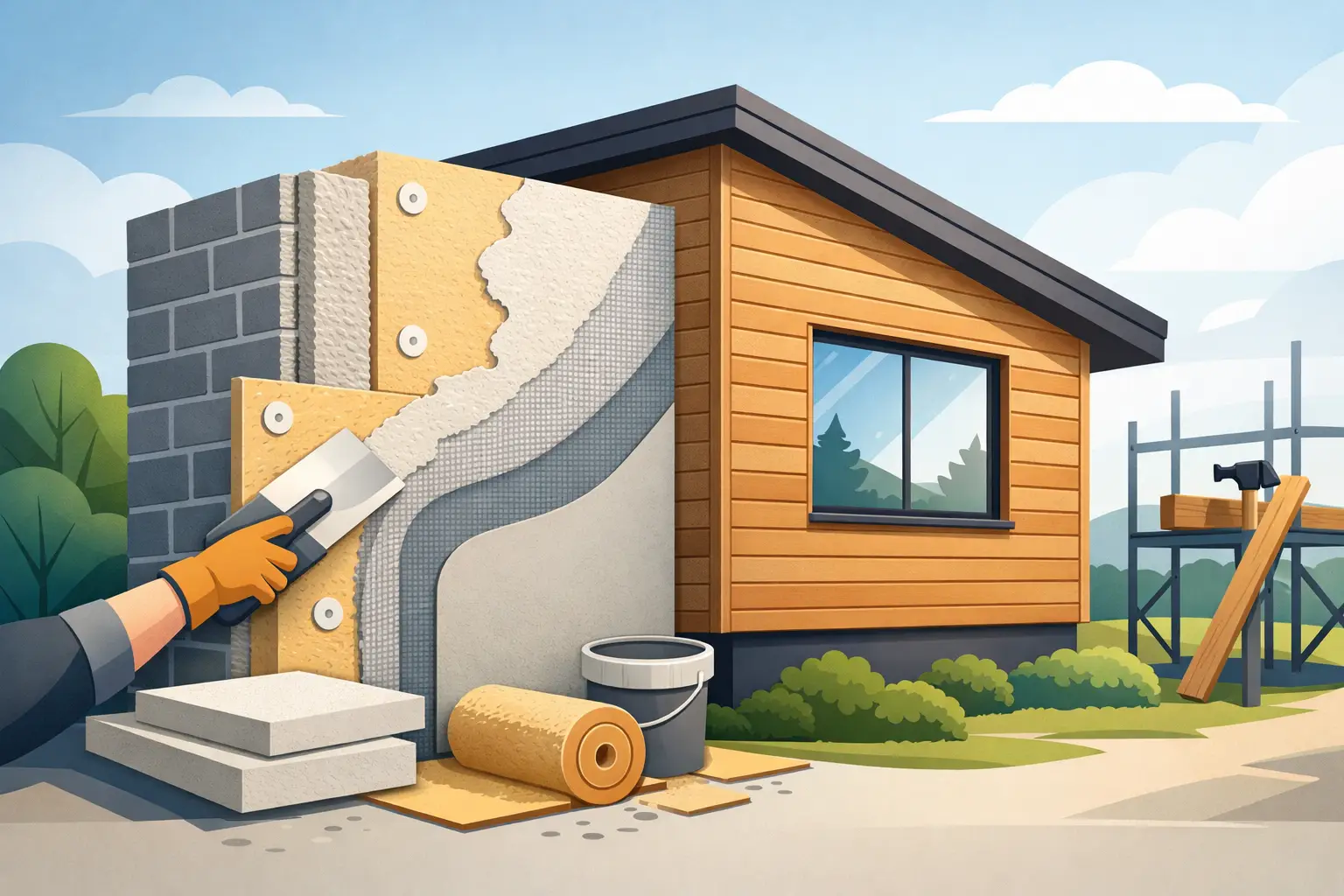
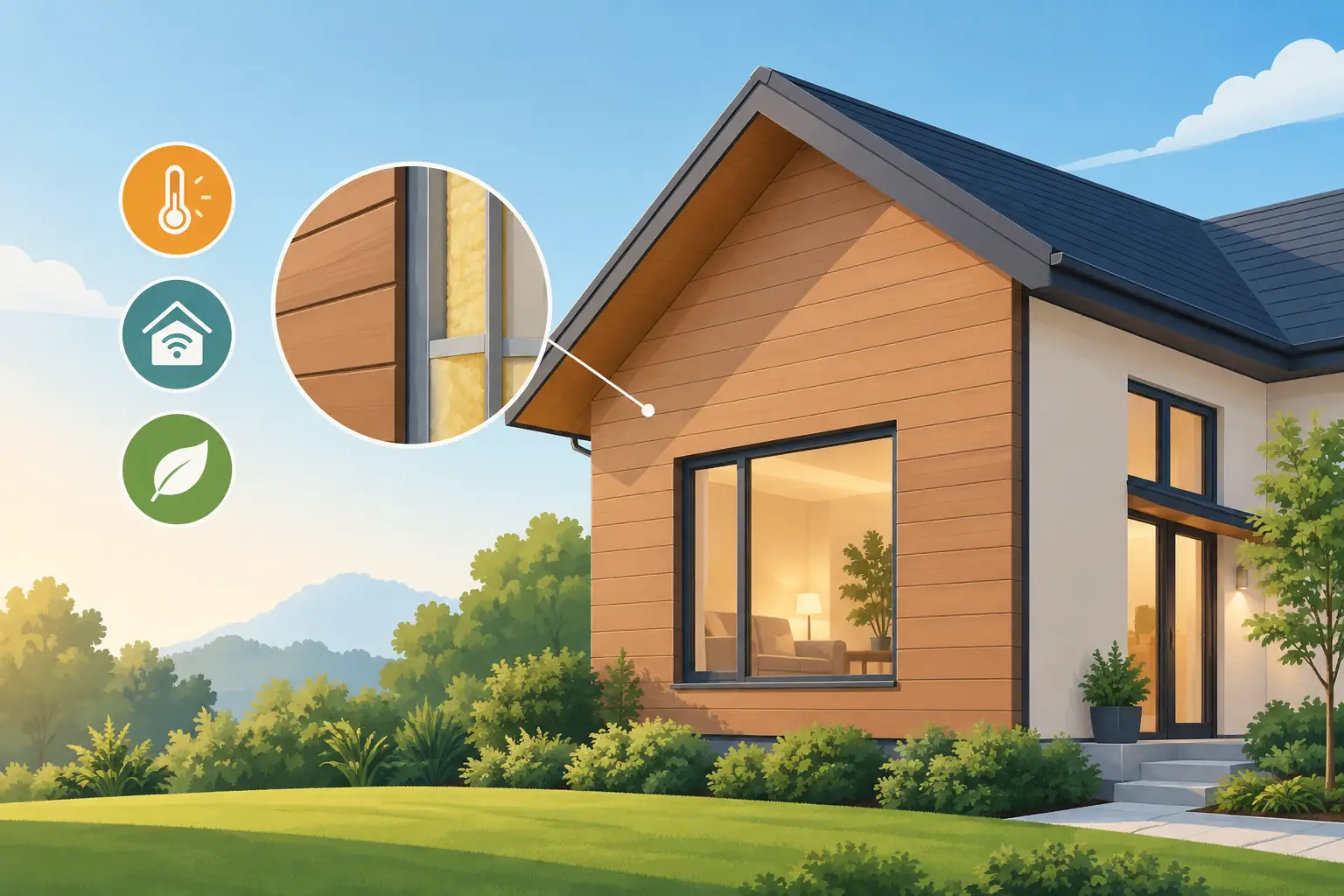
Park home walls can lose a significant amount of heat, especially where original cladding is ageing, damaged or no longer providing a reliable weatherproof finish. External wall insulation is one of the most effective longer-term upgrades because it improves thermal performance while giving the home a renewed exterior.
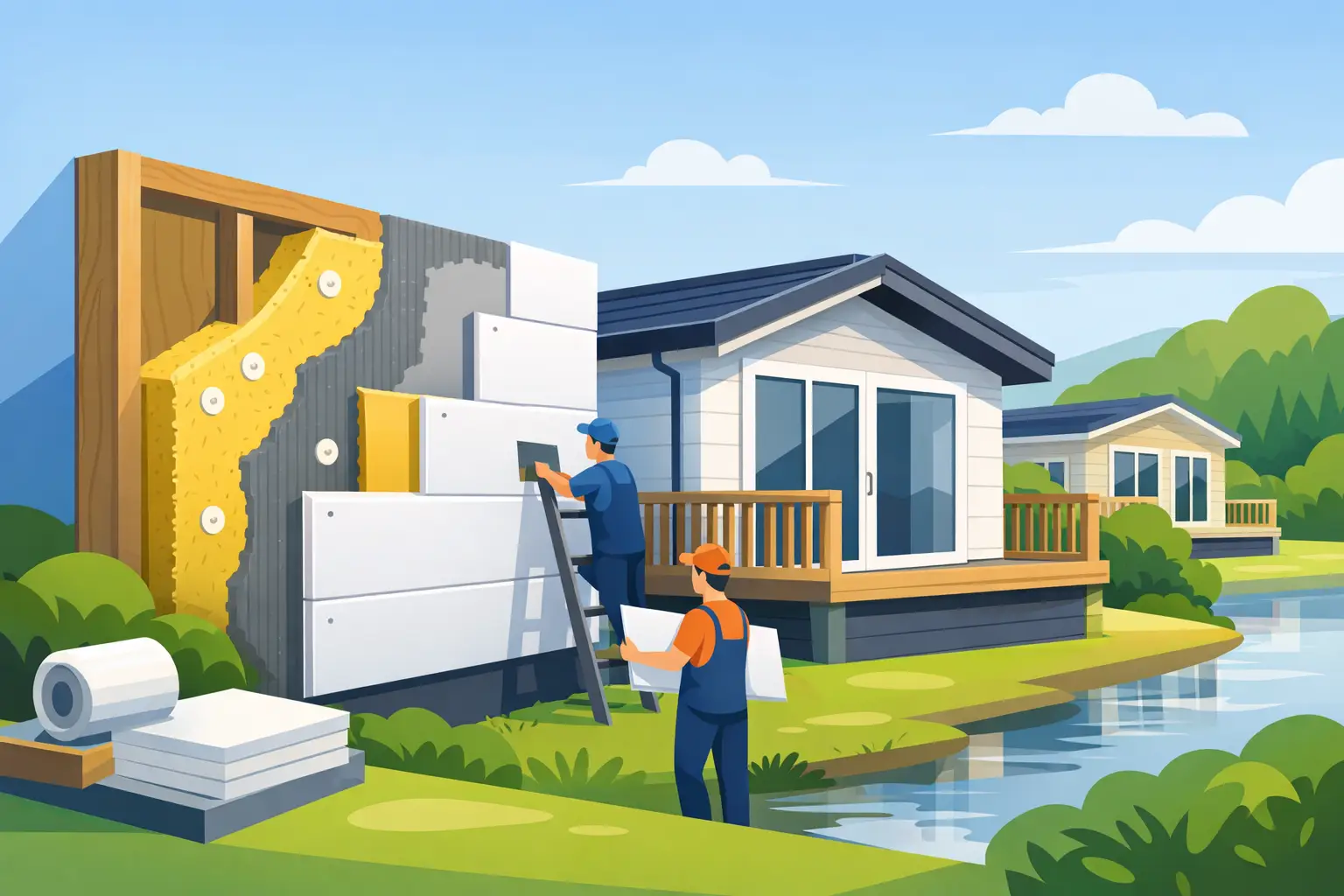
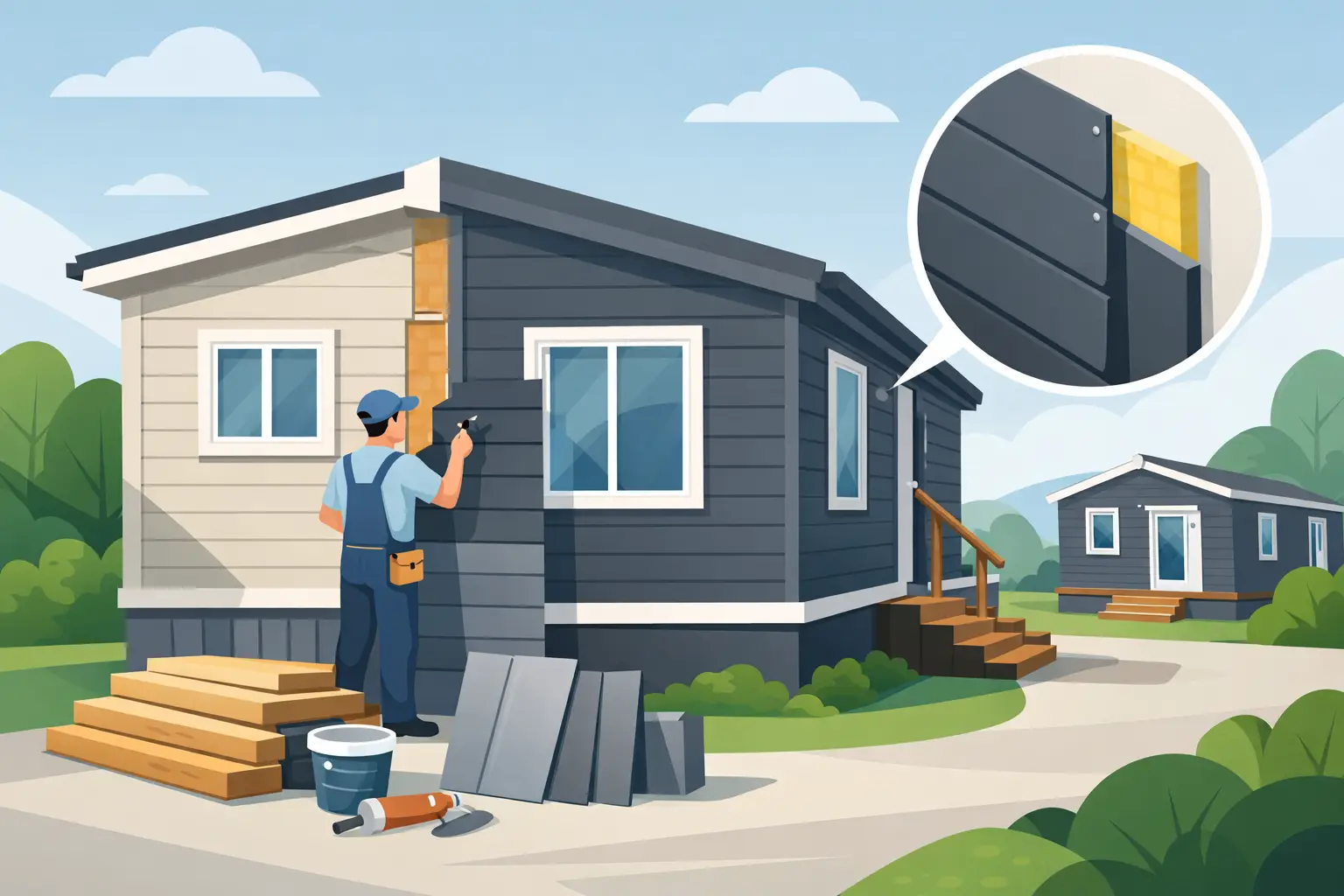
The system is normally installed as part of a wider external refurbishment. Insulation is fitted to the outside of the existing wall structure, followed by a durable cladding finish. This approach reduces heat loss without taking space from inside the home, which matters in rooms where every inch is useful.
It also provides an opportunity to inspect and repair the wall structure before new materials are fitted. Rotten timber, water ingress, damaged framework and poor seals should never be hidden behind fresh cladding. Addressing these issues first protects the investment and gives the new exterior the best chance of lasting well.
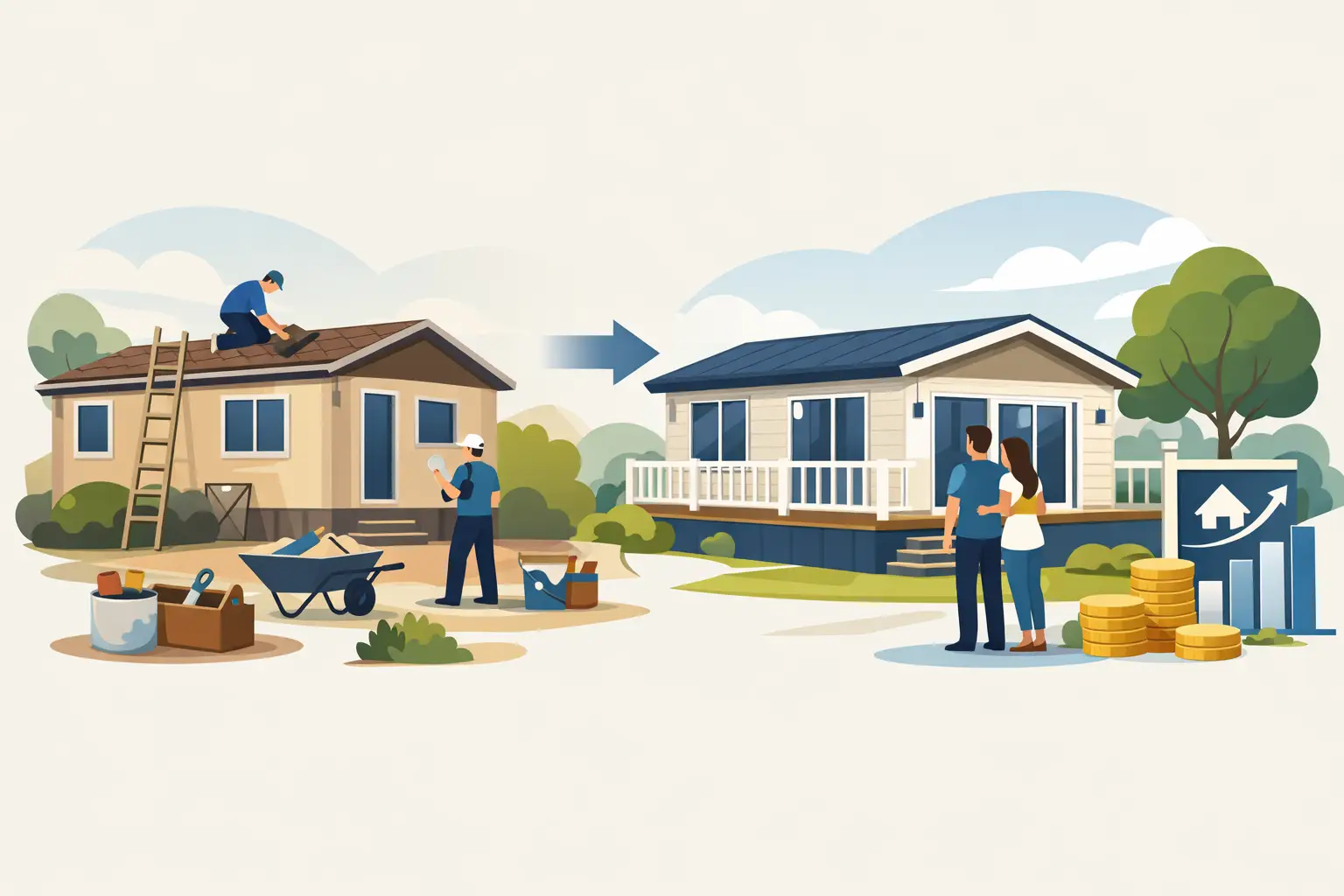
The finished appearance is an important benefit too. Modern cladding can give an older park home a cleaner, more cared-for look while reducing ongoing maintenance compared with tired painted surfaces. Colour, trim details and the condition of doors and windows should be considered as part of the overall result, rather than treated as separate jobs later.
Wall insulation is a substantial upgrade, so it may not be the immediate priority if the roof is leaking, the floor is severely draughty or the external structure needs urgent repair. In those circumstances, tackling water ingress and structural concerns first is the safer route. A warm home still needs to be dry, stable and properly ventilated.
Warm air rises, so a poorly insulated roof can quickly undermine the performance of the rest of the home. Signs to look for include cold ceilings, high heating use, stained ceiling areas, recurring condensation or a roof covering that is approaching the end of its working life.
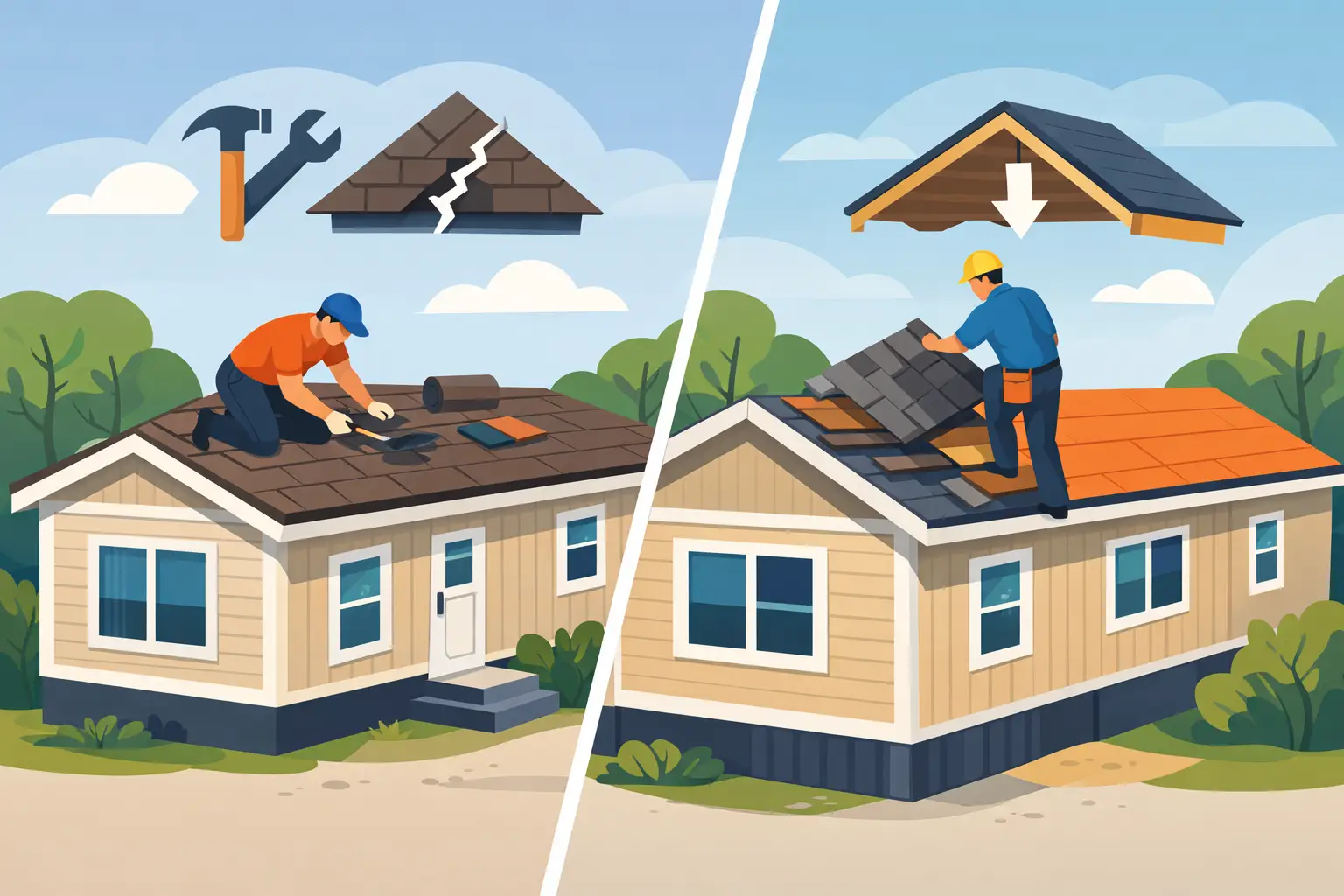
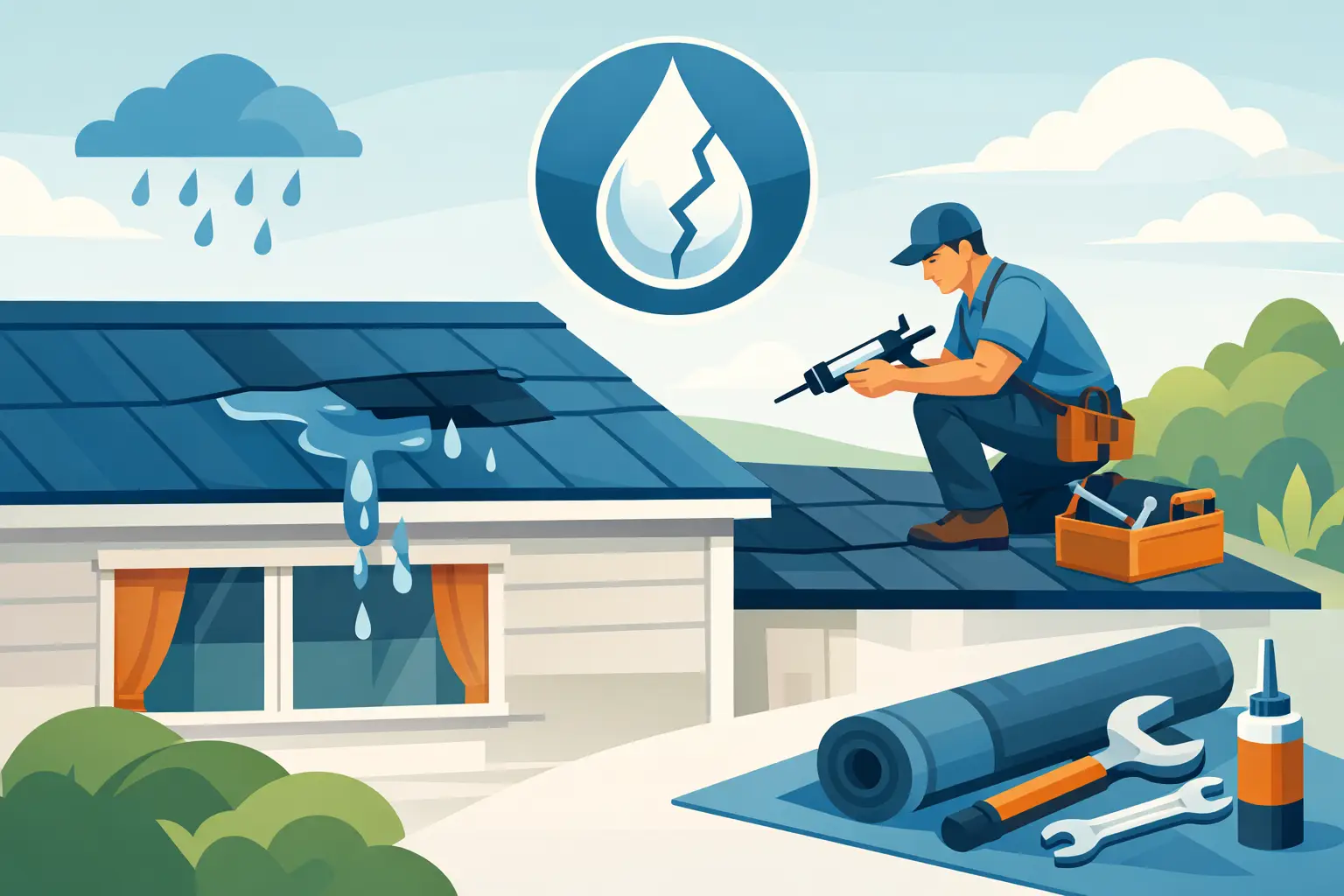
Roof insulation can be improved during repair or replacement work, allowing the system to be brought up to a more suitable standard. This is usually more efficient than opening up a sound roof solely to add insulation. Where a roof has leaks, damaged edges or failed coverings, repairs should come before any attempt to improve thermal performance.
A specialist must also consider ventilation within the roof structure. Insulation needs to limit heat loss without creating a moisture problem in the void above. The correct balance depends on the home’s construction and the roof system being used.
Insulation is not only about large areas of wall, roof and floor. Small gaps around windows, external doors, pipe penetrations and vents can have an outsized effect on comfort. A persistent draught by the skirting, a rattling letterbox or a poorly fitting door can make a warm room feel cold.
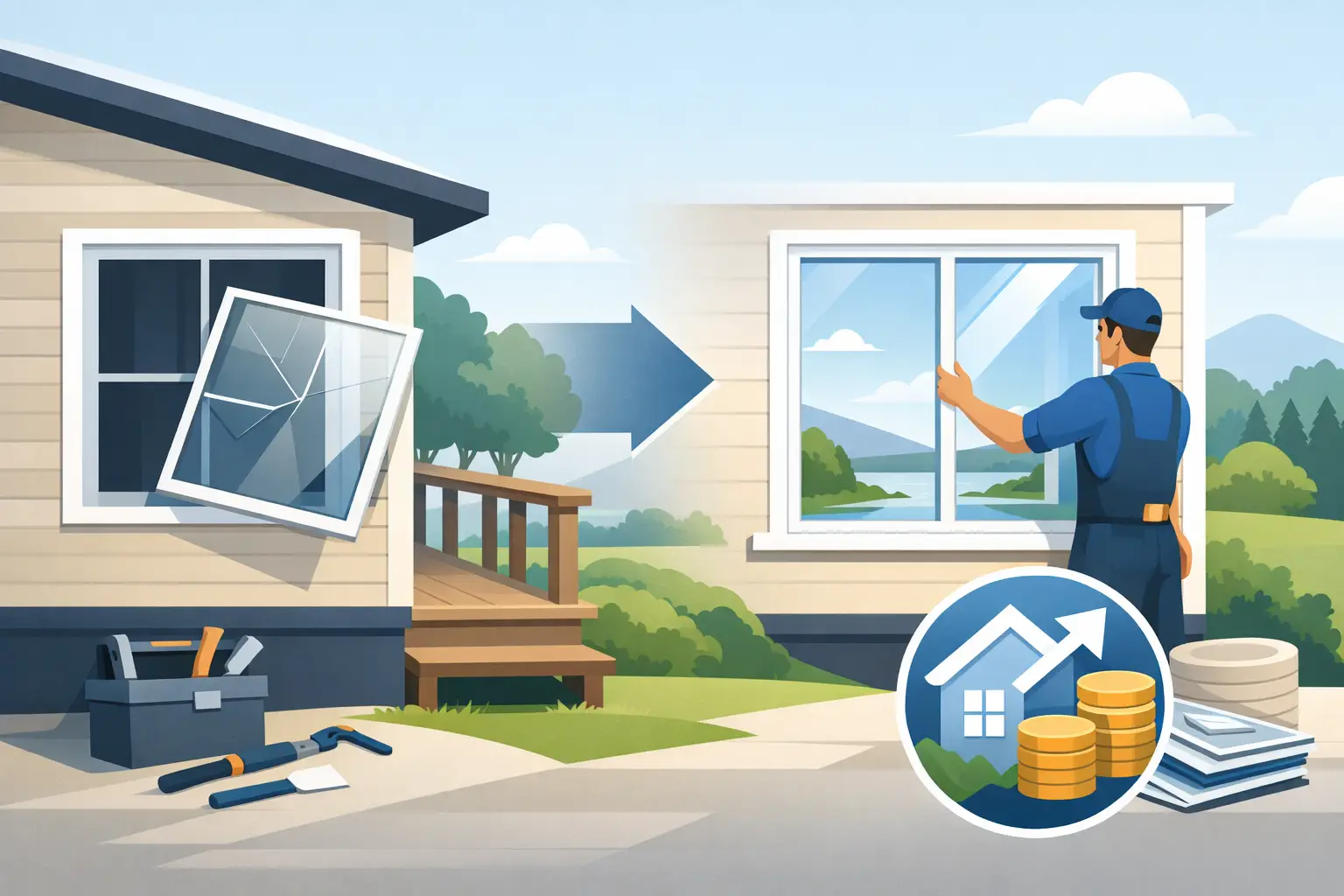
Replacement windows and doors may be worthwhile where existing units are worn, difficult to close or showing failed seals. Good-quality units can improve both thermal performance and security. Yet replacement is not always necessary. Sometimes new seals, adjustments, repairs to frames or careful draught-proofing will make a real difference at a lower cost.
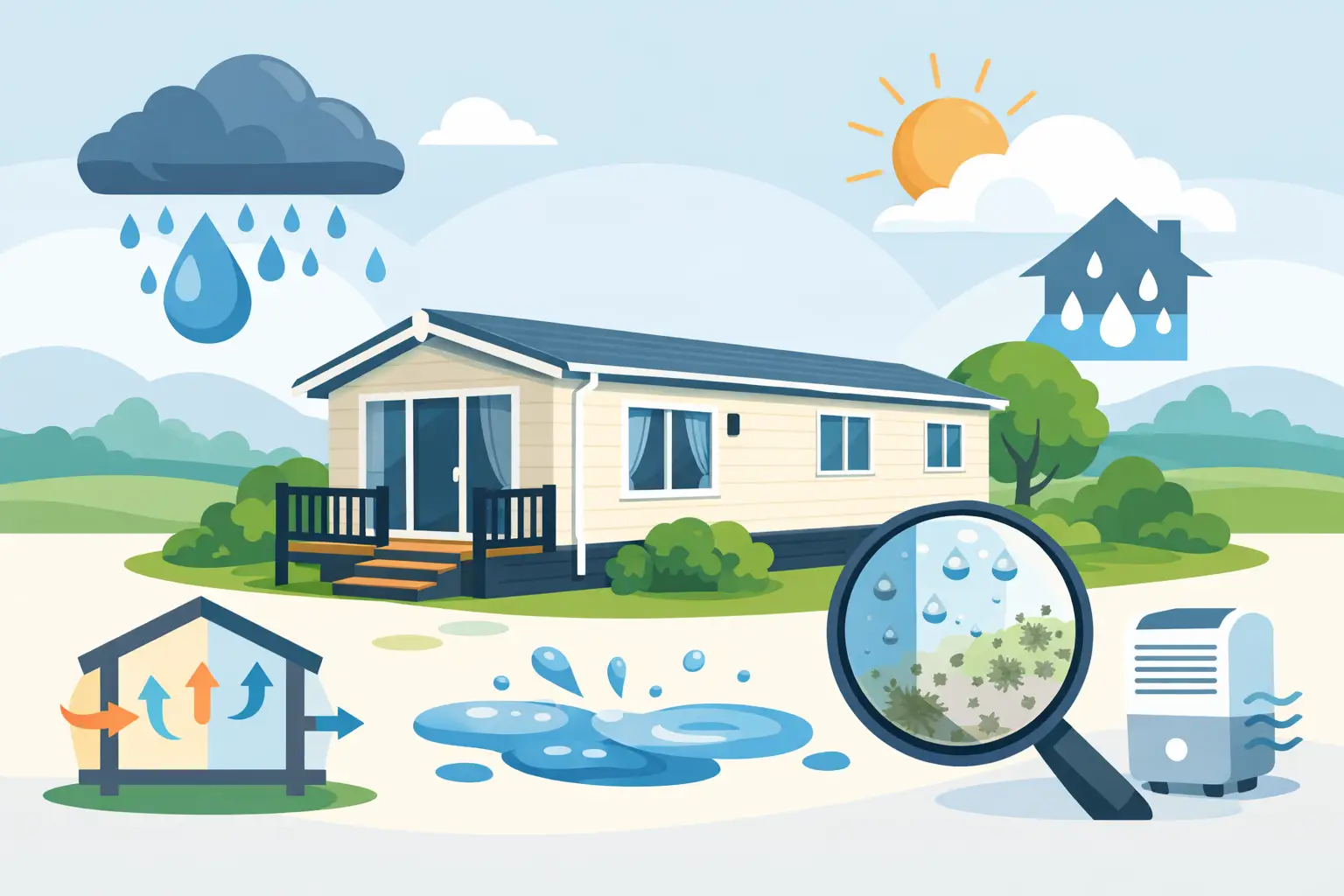
Permanent ventilation openings should not be sealed without professional advice. Park homes need controlled airflow to manage moisture and maintain a healthy internal environment. The aim is to stop unwanted draughts, not remove necessary ventilation.
The most successful projects treat the home as a whole. Underfloor insulation may make the living room noticeably warmer, but the benefit will be limited if cold air is entering through failed wall cladding or a leaking roof. Equally, new external wall insulation is more valuable when the floor void, roof and windows are in reasonable condition.
For owners planning major refurbishment, combining insulation work with external cladding, roofing repairs or replacement windows can reduce disruption and avoid paying twice for related work. It also allows the finished details, such as trims, vents and seals, to be properly coordinated.
At New Look Park Homes Ltd, this joined-up approach is central to park home refurbishment. The focus is on identifying the condition of the home, carrying out the necessary repairs and using quality materials that provide a practical, lasting improvement.
Park home insulation should be completed by a contractor who understands raised chassis construction, lightweight walls, external cladding systems and the need to protect ventilation and services. A general builder may be skilled, but park homes have specific requirements that should not be guessed at.
Ask what condition checks will be carried out before work begins, how moisture and ventilation will be managed, and whether damaged structure will be repaired rather than covered over. You should also be clear about the materials proposed, the protection of pipework and cabling, access arrangements beneath the home, and the guarantee provided for the work.
The cheapest quote is not always the best value if it excludes essential preparation or uses materials that will not stand up to weather and use. A clear scope of work and an honest explanation of any underlying repairs give you a much better basis for deciding.
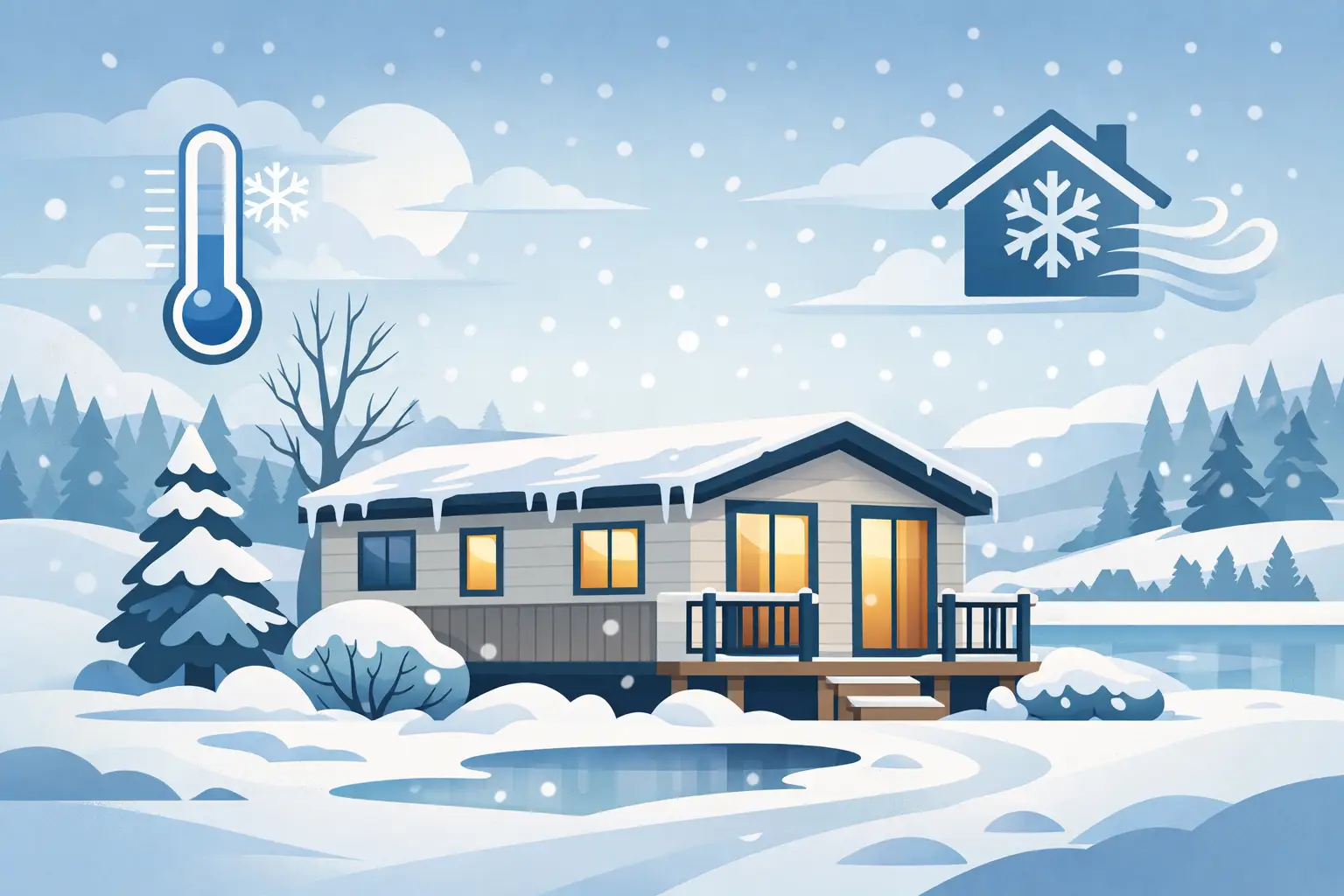
A warmer park home is not just about turning the heating up. It is about creating a home that holds its warmth, feels comfortable from floor to ceiling and remains protected for years to come. Start with the source of the problem, then choose improvements that respect the way your home is built.