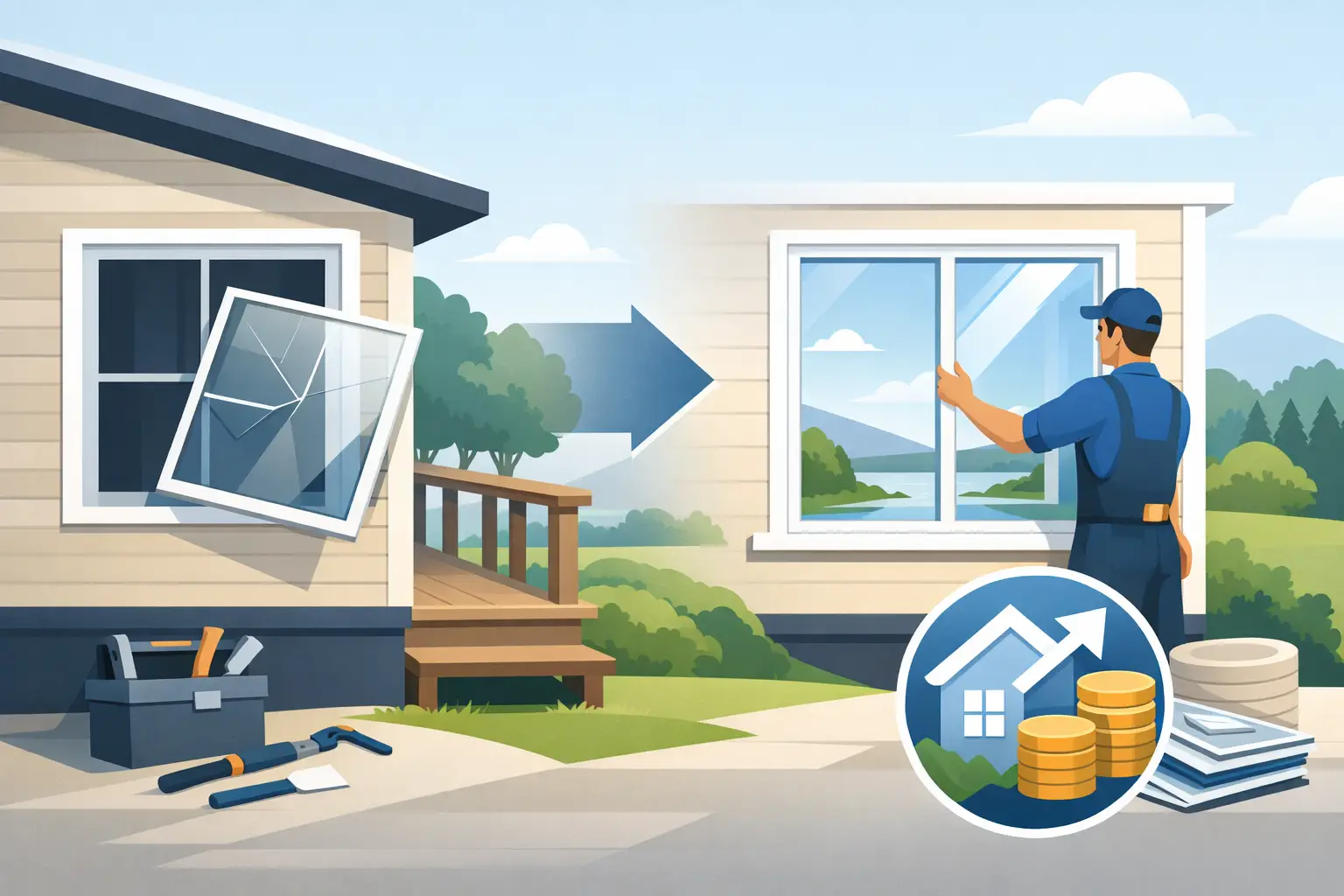
A cold patch beneath your feet, a new stain on the ceiling or a door that no longer closes cleanly can feel like a small annoyance. In a park home, however, these are often early signs that repairs are needed. Timely static home repairs protect more than appearance: they help keep your home warm, safe, dry and secure for years to come.
Park homes and static homes are built differently from conventional brick properties. Their construction, ventilation, chassis and external finishes all need specialist understanding. Treating a problem as though it were in a standard house can lead to the wrong repair, unnecessary disruption or a fault returning sooner than it should.
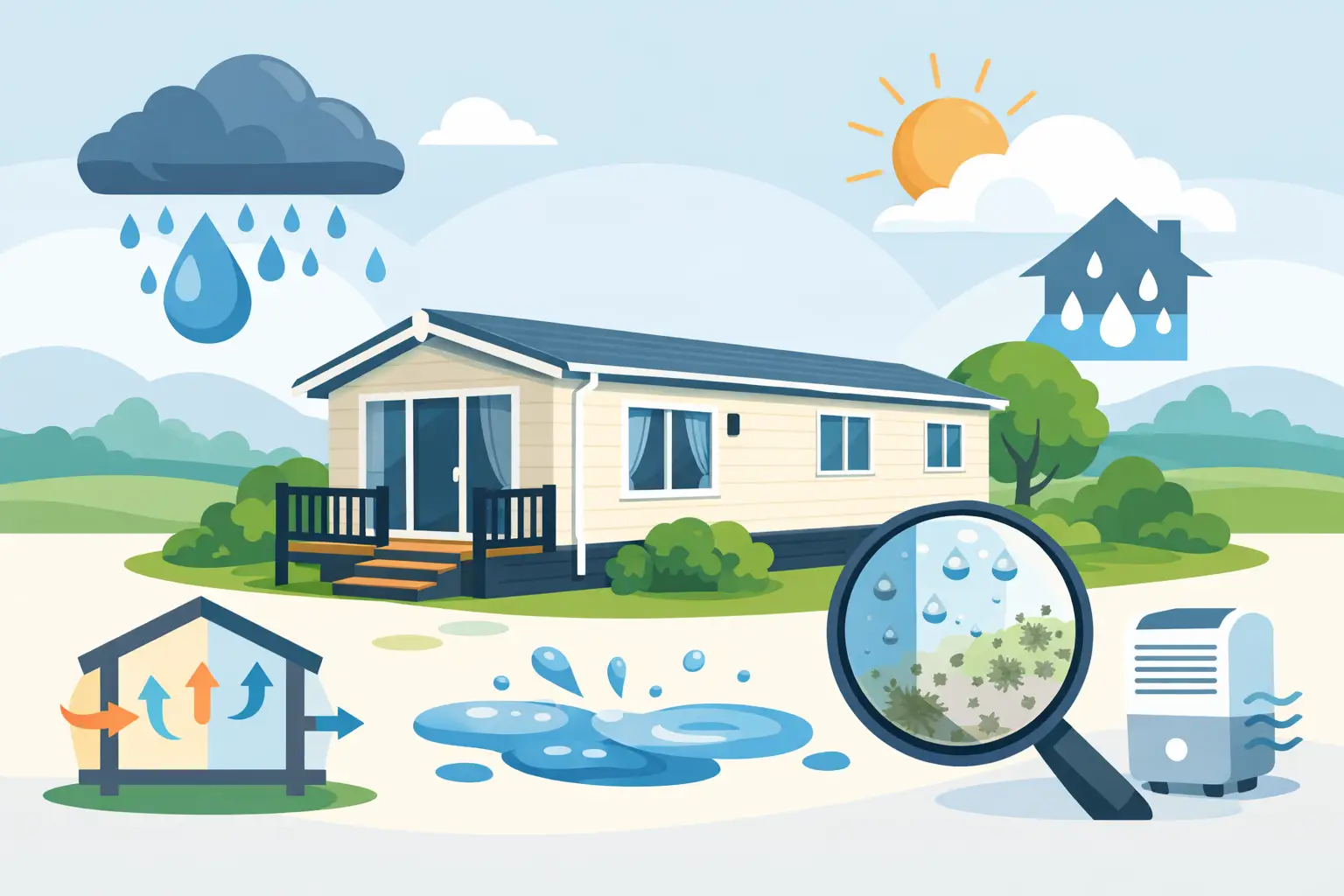
Many issues begin out of sight. Water may enter around a roof joint, an ageing seal or damaged cladding panel before it becomes visible indoors. Moisture can then affect insulation, wall timbers and internal finishes. Similarly, a draughty floor might be caused by deteriorated underfloor insulation, gaps around services or problems with the skirt and ventilation arrangement beneath the home.
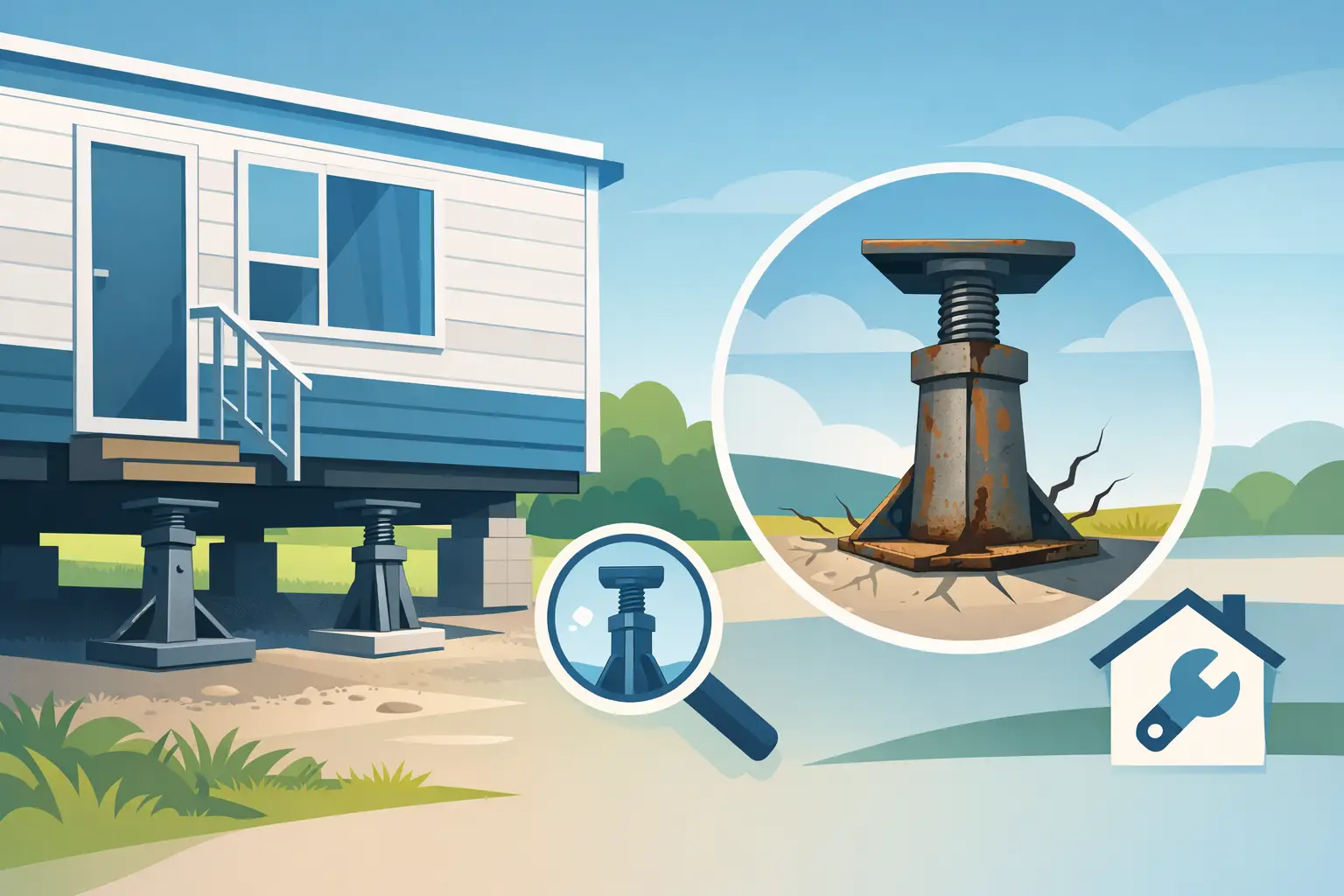
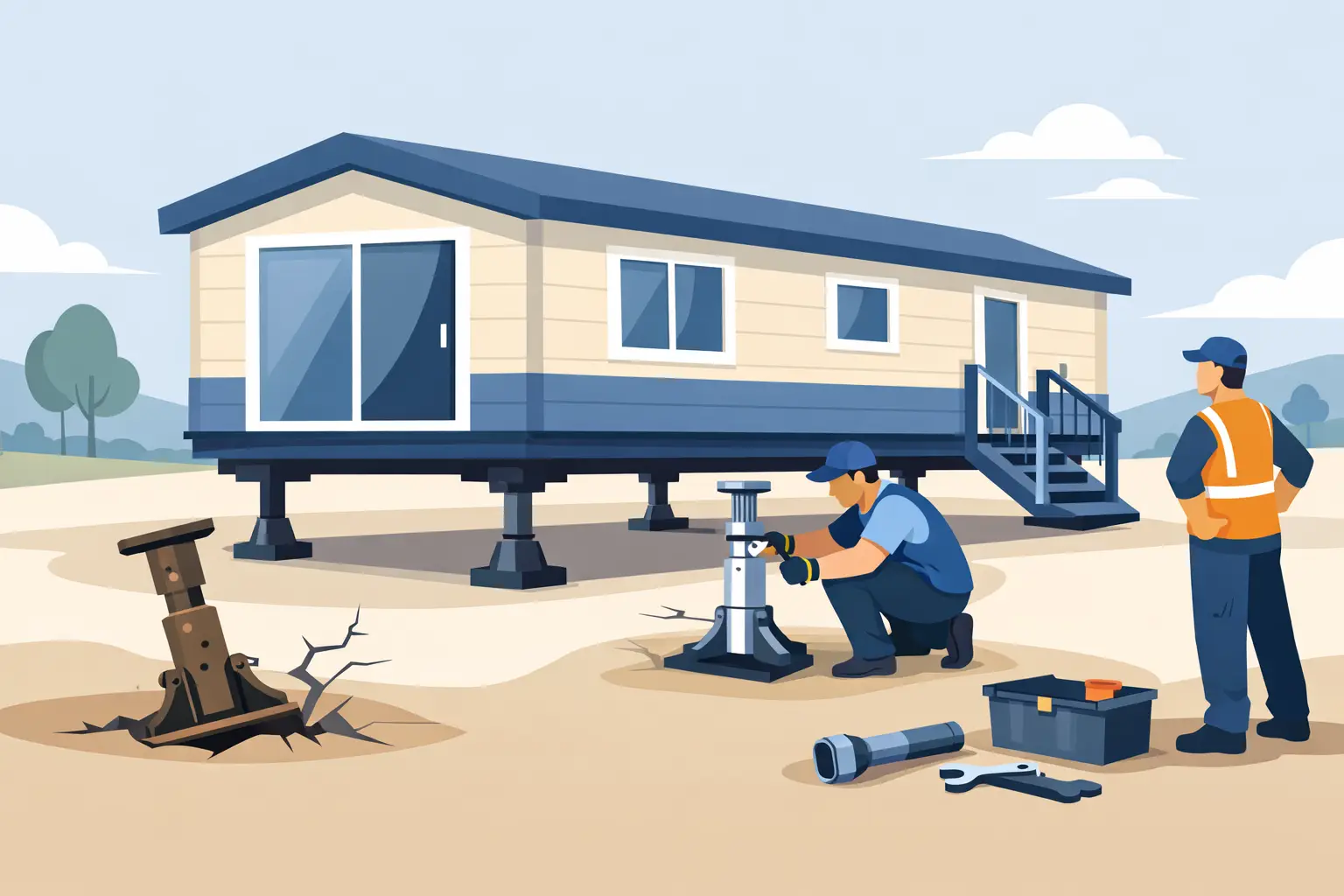
Acting early is usually less disruptive and more cost-effective than waiting for a visible failure. A local roof repair is very different from replacing damaged roof timbers and ceilings after a long-running leak. Replacing a worn support jack before it compromises level and stability is preferable to correcting doors, floors and pipework affected by movement.
That does not mean every mark or minor crack calls for major work. Homes naturally settle, and external surfaces can weather over time. The key is a proper assessment that identifies the cause, rather than simply covering up the symptom.
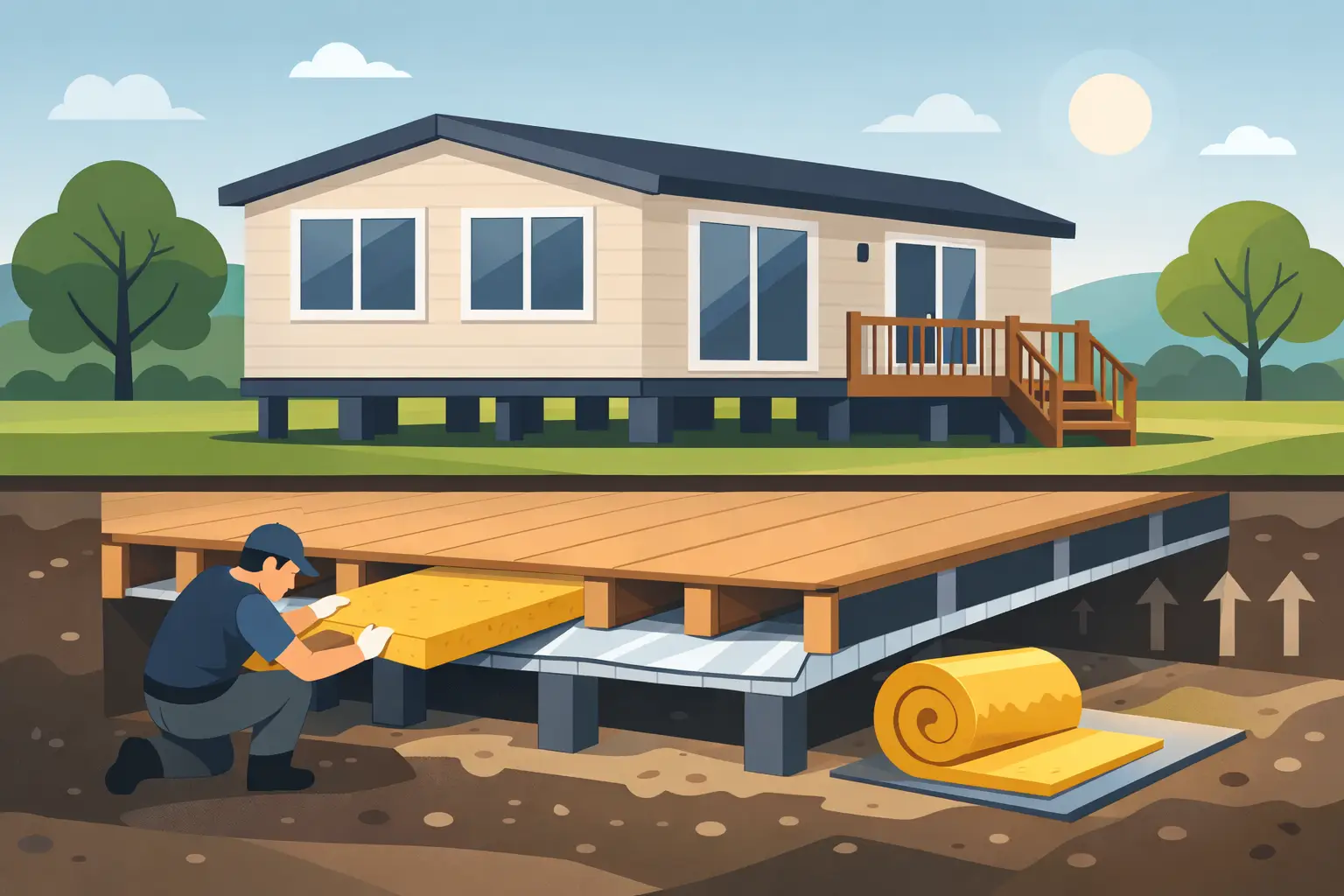
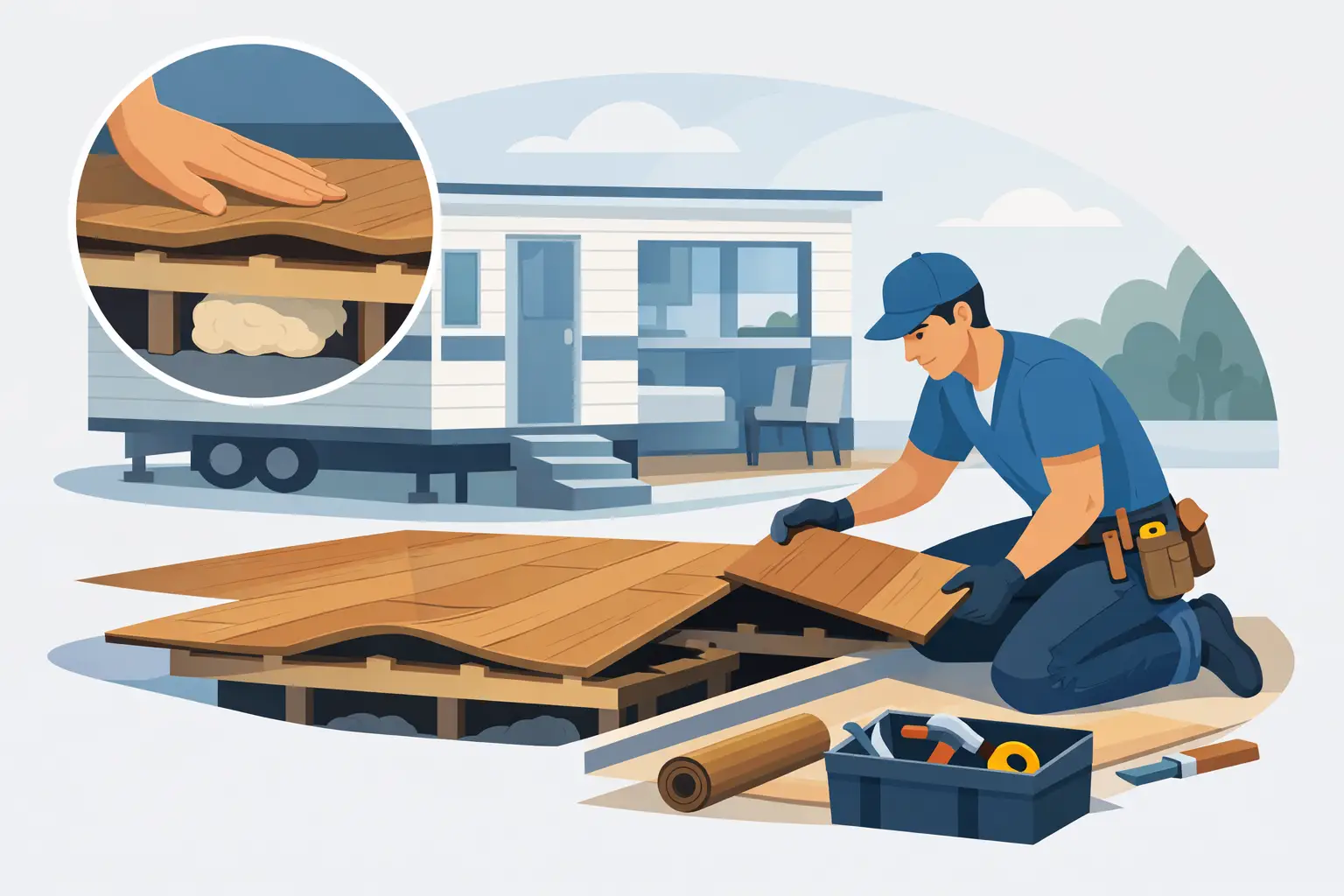
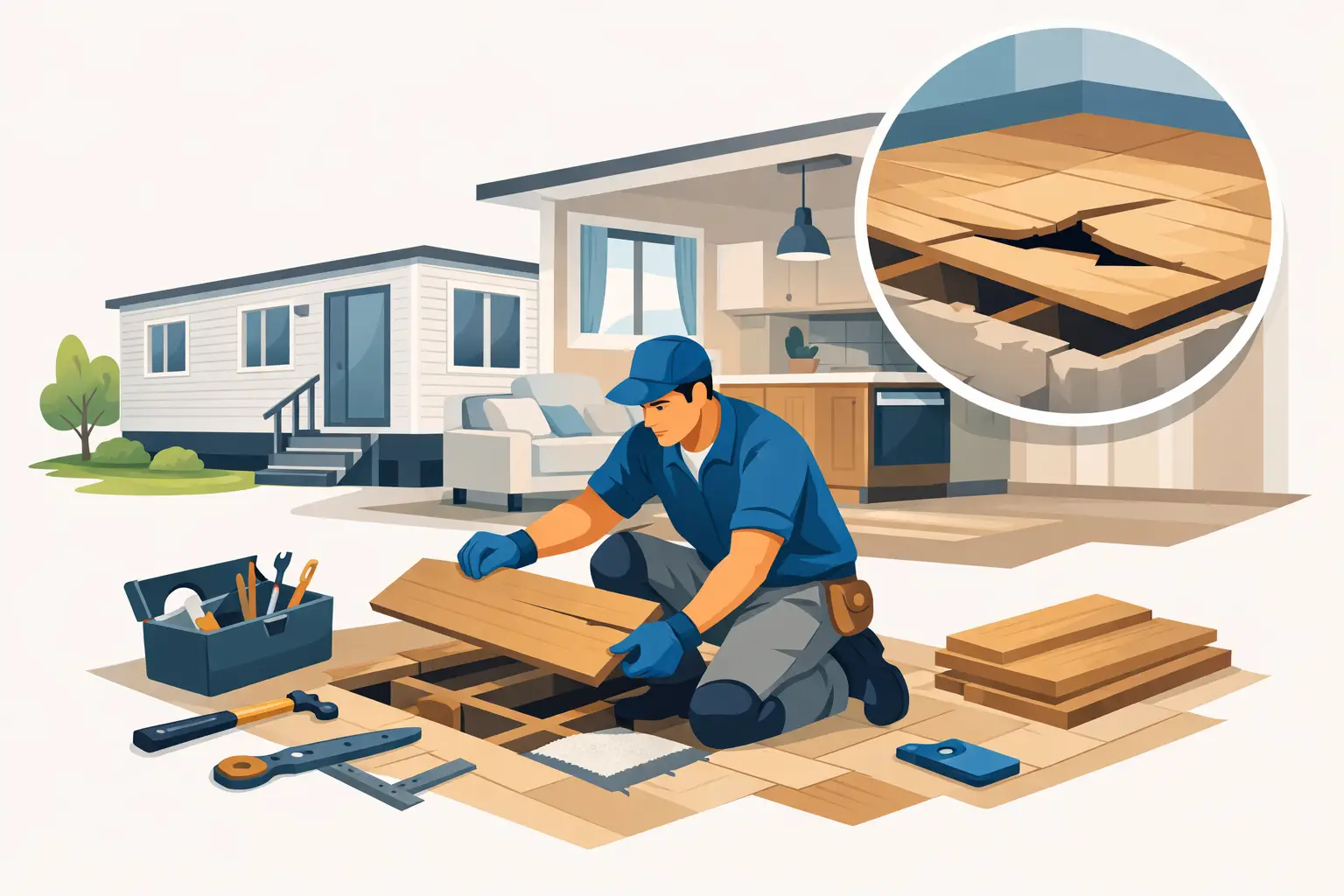
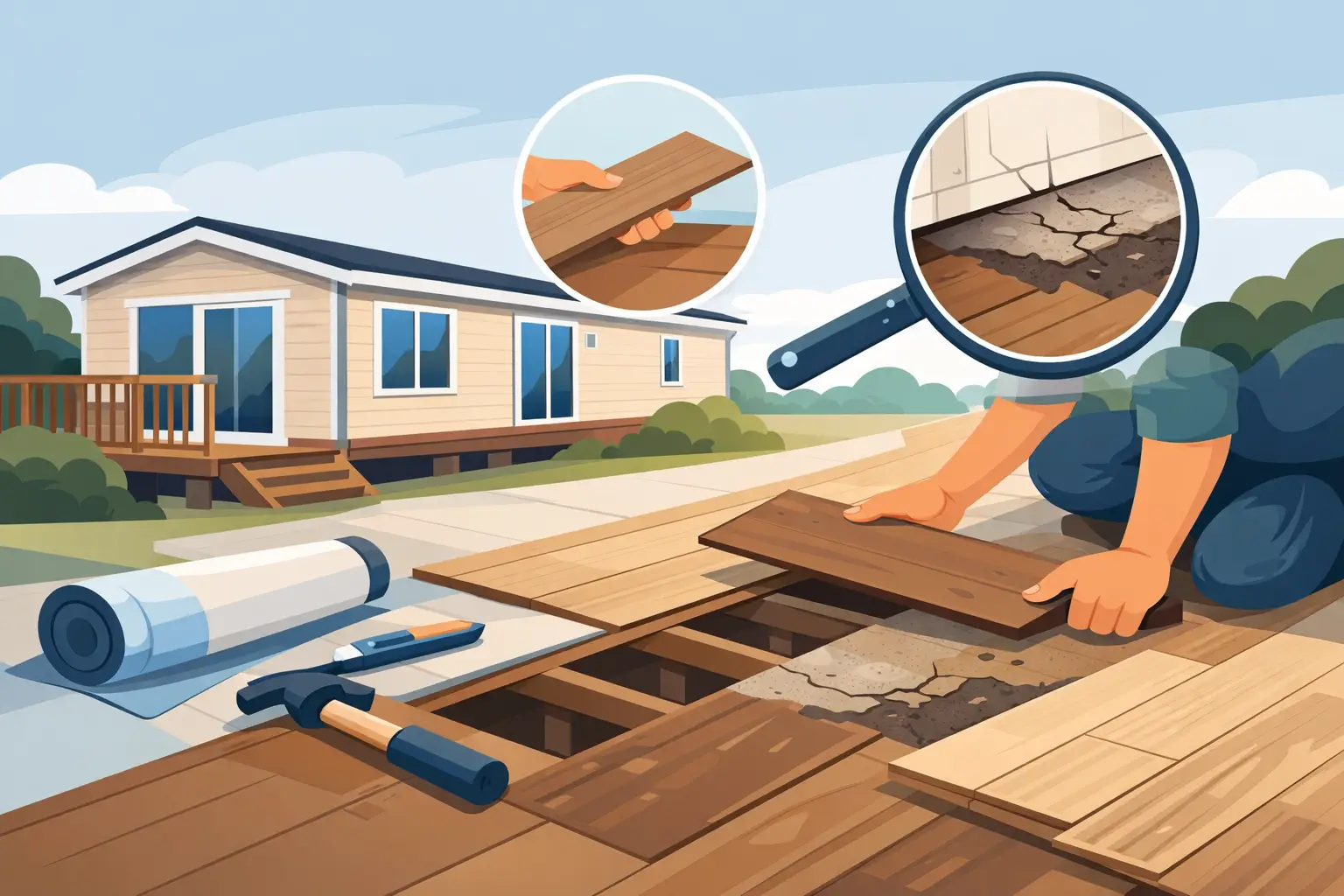
Cold floors are one of the most common complaints among park home owners, particularly through autumn and winter. Heat can escape quickly through an uninsulated or poorly insulated floor, leaving rooms uncomfortable even when the heating is working hard.
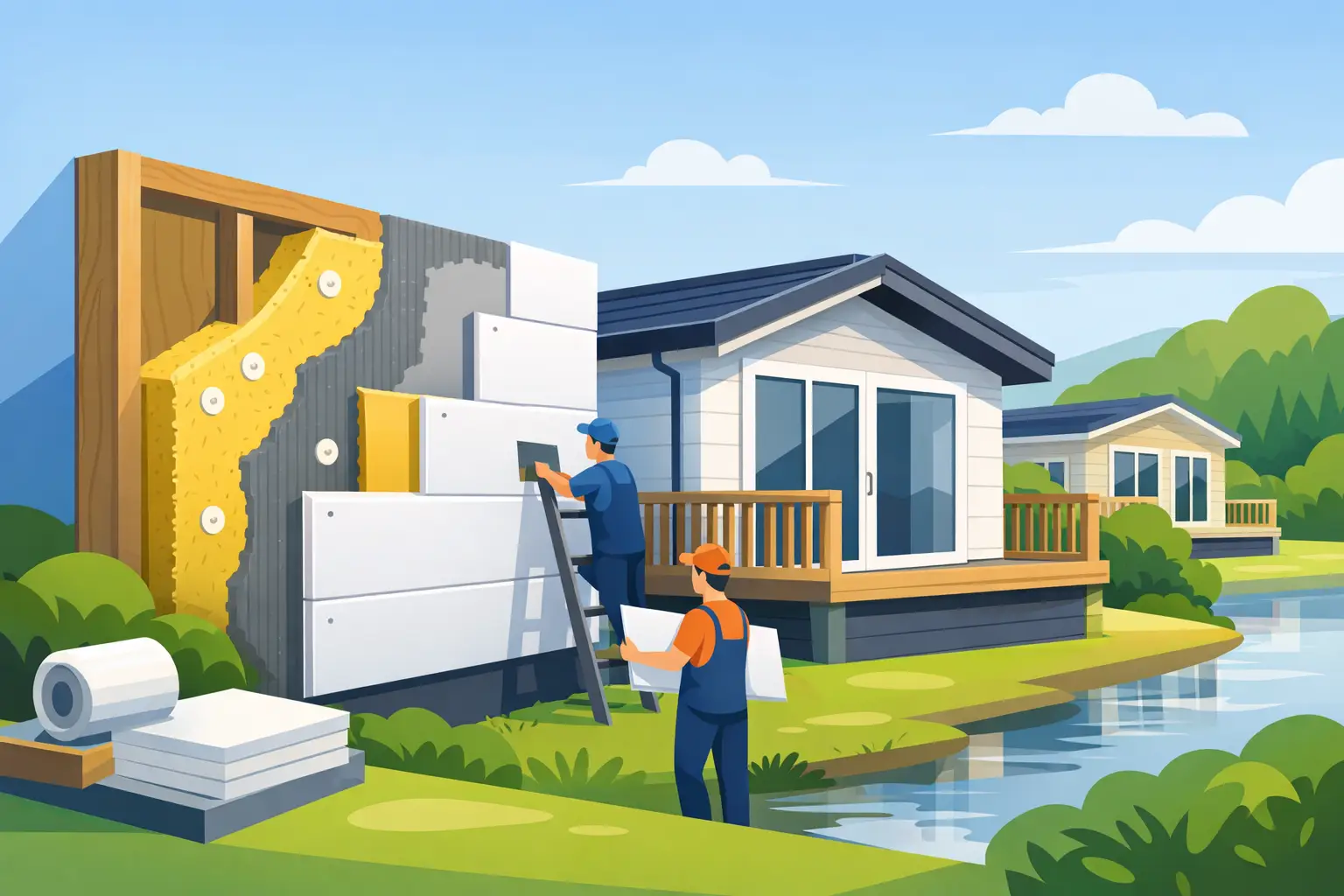
Underfloor insulation can improve warmth underfoot and help reduce heat loss. The condition of the home’s underside also needs checking at the same time. A specialist should look for gaps, damaged boarding, loose insulation, signs of damp and whether air bricks or ventilation have been blocked. Ventilation beneath the home is necessary, so the aim is not to seal every opening indiscriminately. It is to insulate correctly while retaining the airflow the structure needs.
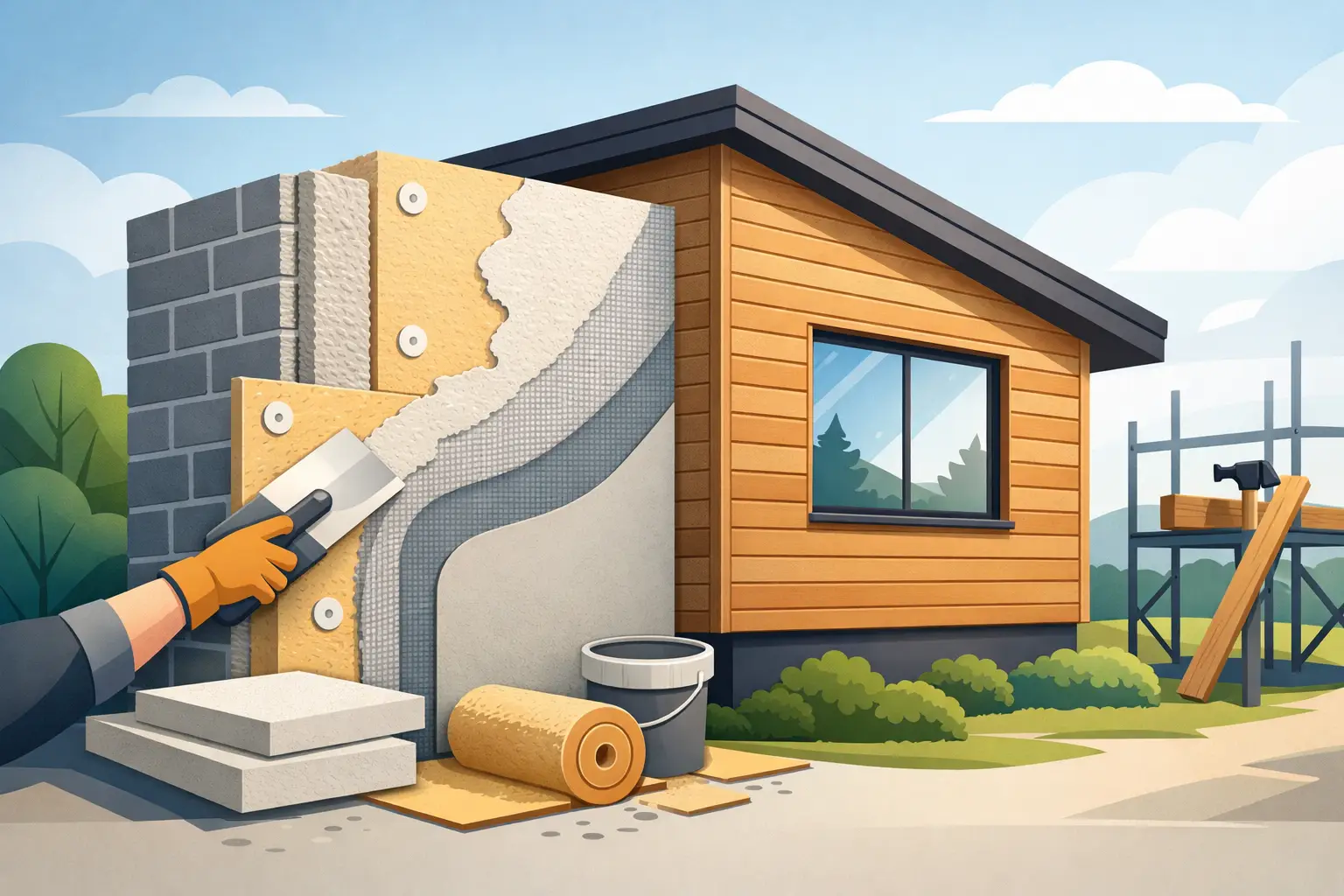
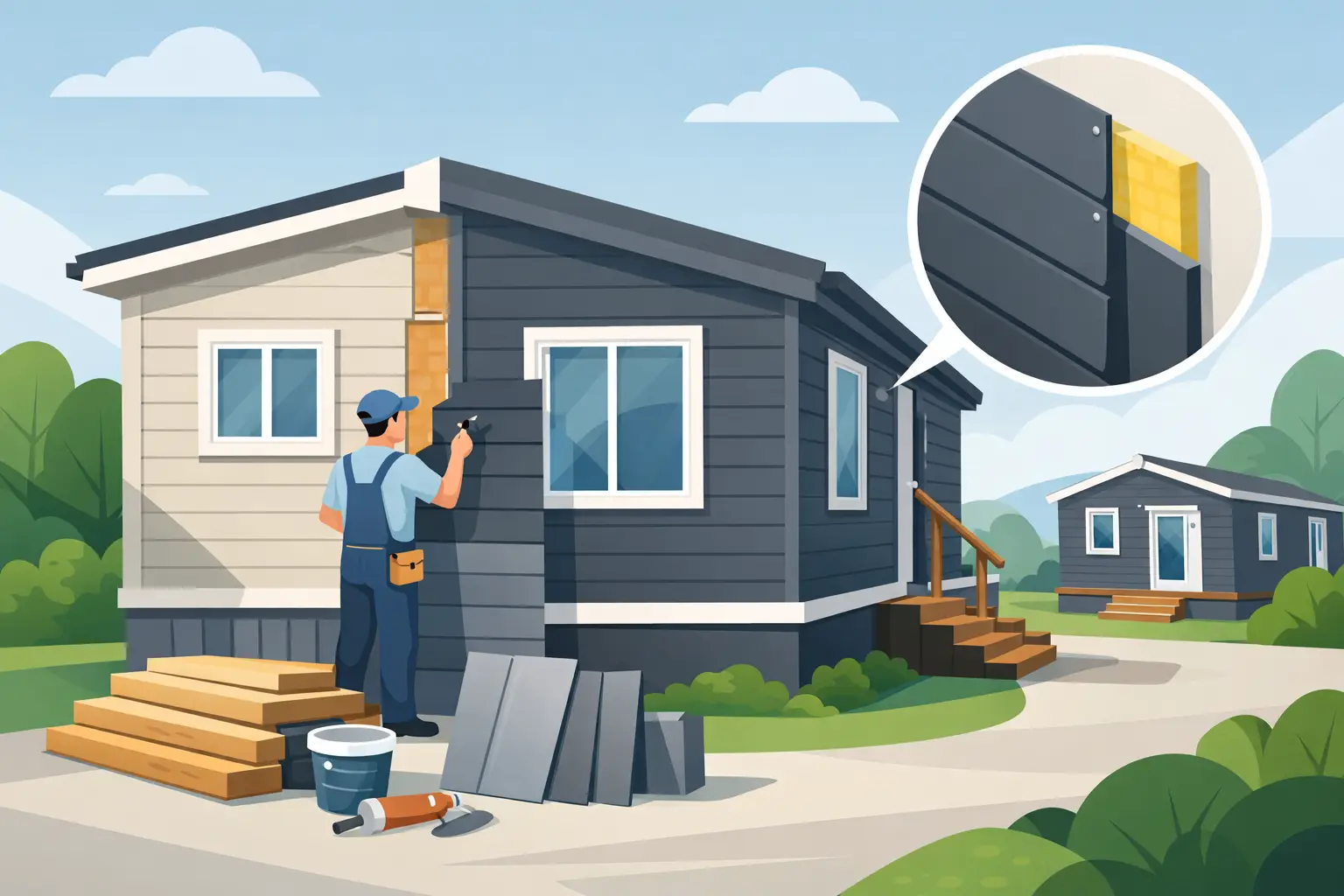
External cladding has a practical job as well as a cosmetic one. It protects the structure from weather, helps support thermal performance and gives a home its overall appearance. Faded, cracked, loose or warped panels can allow water behind the outer skin and make a well-kept home look tired.
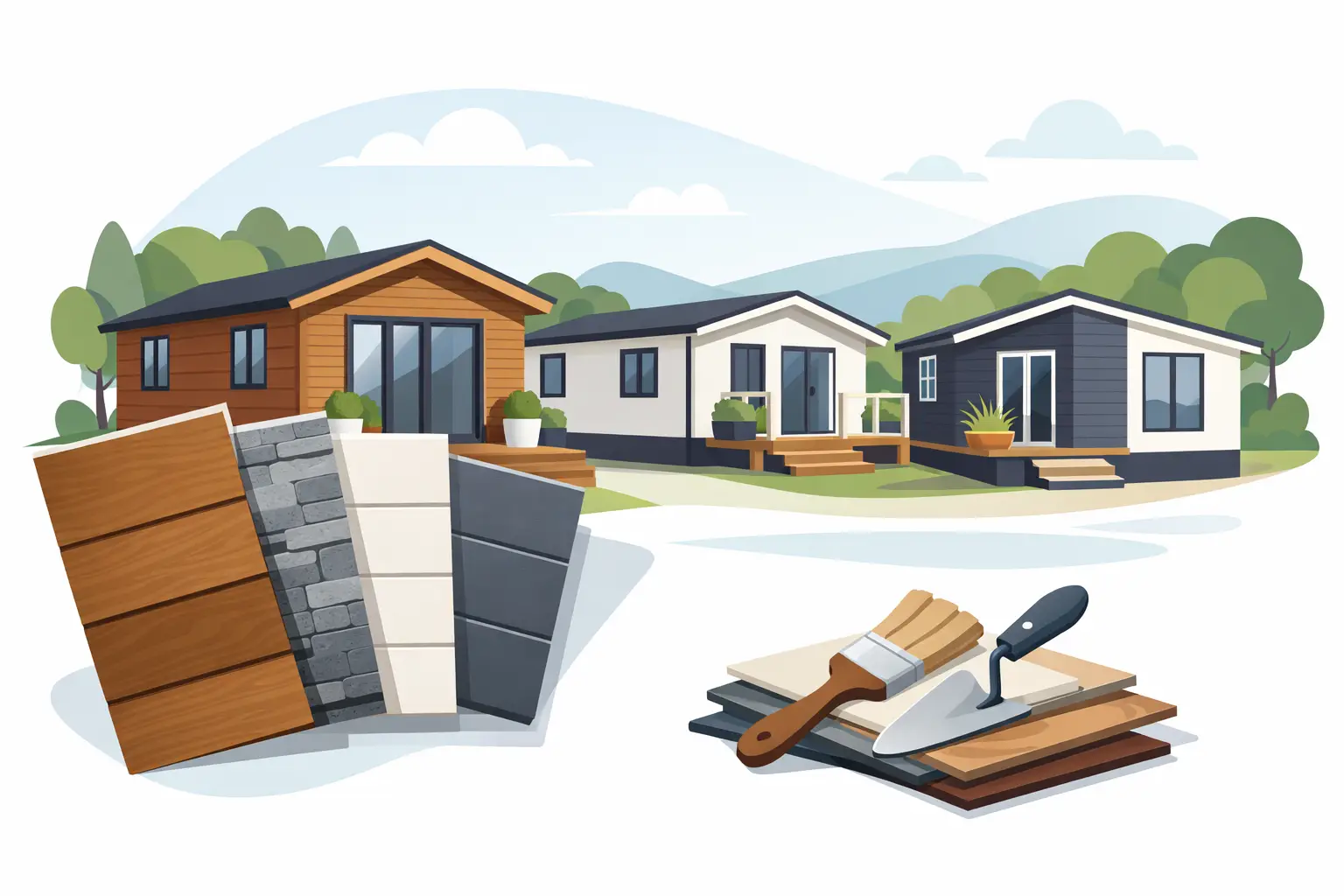
Replacement cladding can transform the look of a static home while reducing future maintenance. The right material depends on the existing construction, the park’s rules and the owner’s priorities. Some people want a traditional appearance, while others prefer a cleaner, low-maintenance finish. What matters is that trims, corners, joints and openings around windows and doors are properly detailed, because these are the areas where weather can find a way in.
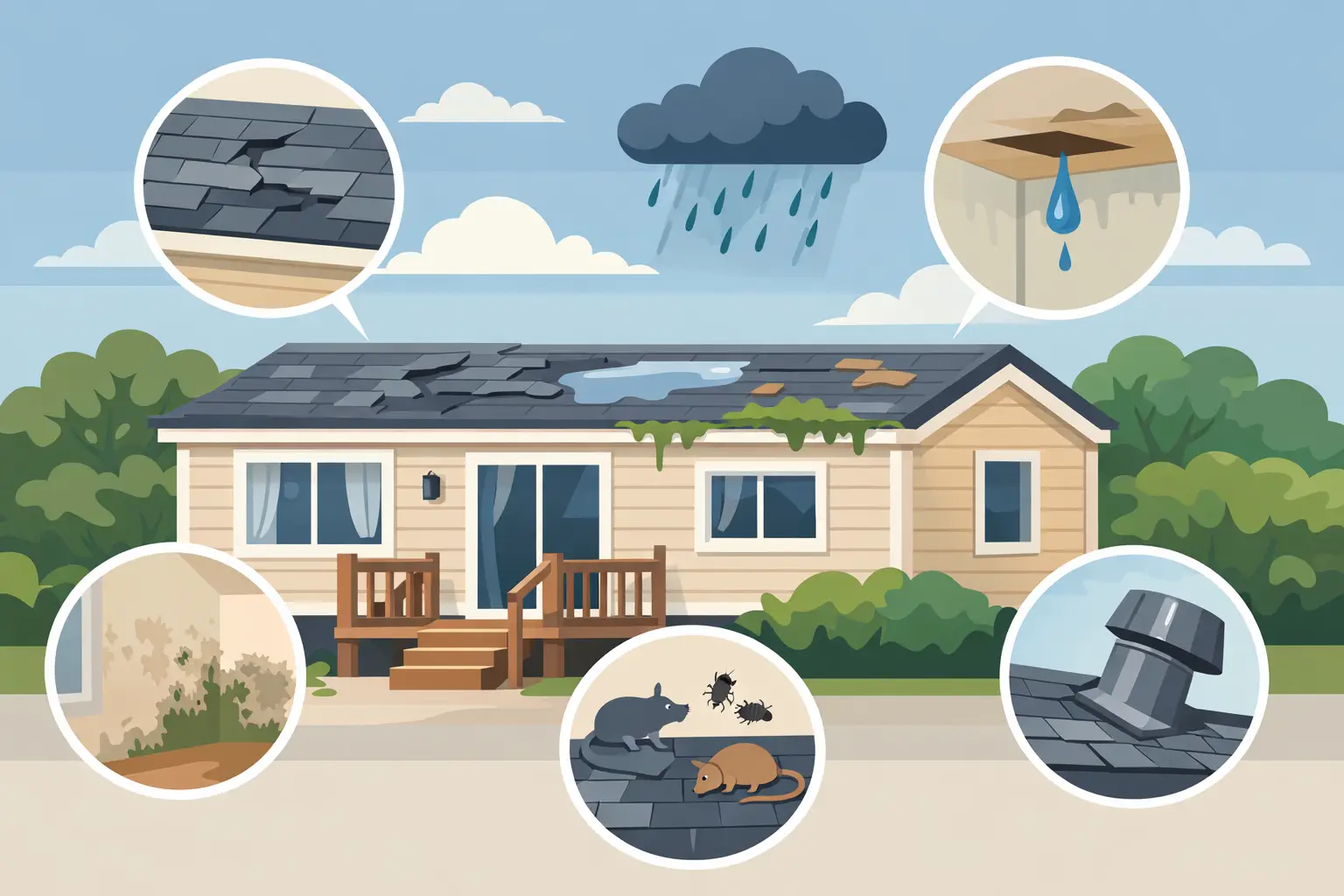
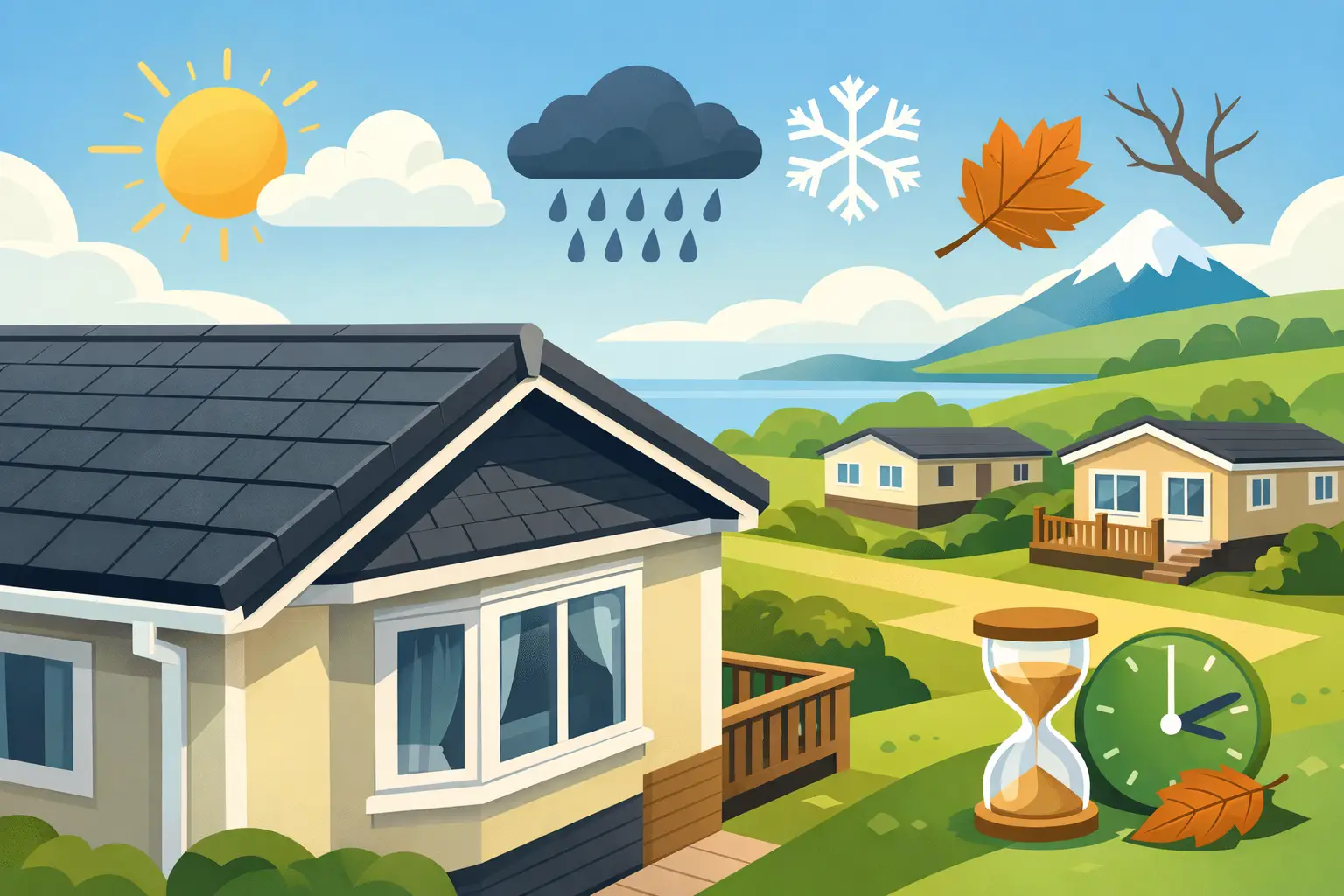
A roof does not need to be actively leaking to need attention. Loose edge trims, failing seals, ponding water, damaged coverings and staining around internal ceiling joints all warrant investigation. On older homes, the roof structure and insulation may also be less effective than modern standards.
The right solution depends on the roof’s condition. A sound roof with an isolated fault may only need a targeted repair. Where several problems are present, or the covering has reached the end of its working life, replacement can provide greater confidence and better long-term value. A thorough inspection should consider the roof surface, flashings, gutters, downpipes and the condition of the structure beneath, not just what can be seen from ground level.
The chassis is the foundation of a park home’s stability. Over time, ground conditions, corrosion and ageing supports can affect how the home sits. Doors that stick, uneven floors, cracking around internal finishes or gaps appearing at joints may all point to movement, although they can have other causes too.
Chassis refurbishment and support jack replacement are specialist jobs. They require safe access beneath the home and an understanding of how weight is distributed across the structure. Simply lifting or packing part of a home without a plan can create further stress elsewhere. A careful assessment will establish whether the issue is localised or whether a wider programme of support, levelling and corrosion treatment is needed.
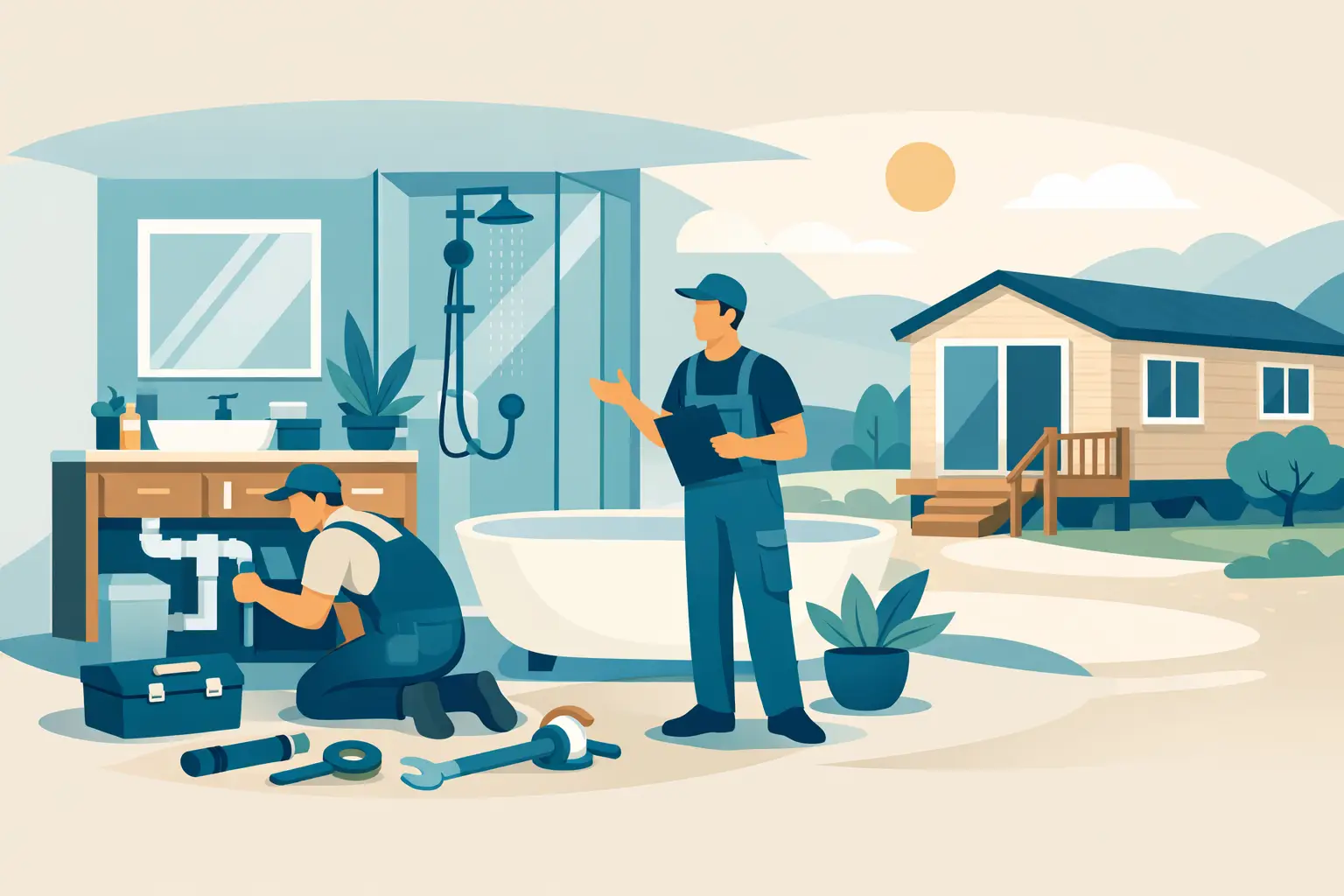
Bathrooms work hard in a compact home. Older shower enclosures, tired flooring, damaged wall panels and leaking plumbing can quickly make the room unpleasant to use and can cause hidden damage. A new bathroom is an opportunity to improve everyday comfort, but it should also be planned with the home’s construction in mind.
Waterproof wall finishes, secure flooring, suitable ventilation and properly supported plumbing matter as much as the choice of taps or furniture. For owners planning to remain in their home for many years, practical additions such as a larger shower, easy-to-use fittings and improved lighting can make a genuine difference to day-to-day living.
Before agreeing to repairs, it helps to know exactly what you are being asked to pay for and why. A useful inspection should consider the condition of the roof, external walls, windows and doors, floor insulation, plumbing, chassis and supports. It should also identify any signs of water ingress, damp, movement or poor ventilation.
Ask whether the recommended work addresses the root cause and whether there are connected issues that should be dealt with at the same time. For example, replacing external cladding while leaving damaged insulation behind it may create avoidable extra work later. Equally, it is not always sensible to replace an entire element when a well-executed repair will provide many more years of service.
A clear scope of work gives you confidence. It should explain the materials to be used, how the work will be carried out, what disruption to expect and what guarantee applies. For older homeowners especially, straightforward communication and reliable workmanship are not extras – they are essential.
A capable general builder may be excellent with brick houses, but park homes have their own construction methods and limitations. Their lighter structure, raised floor, external skin and steel chassis call for different techniques. Fixings, insulation, moisture control and access beneath the property all need careful consideration.
Choose a contractor who regularly works on park homes and static homes, is prepared to inspect before recommending work and can explain the options in plain language. Nationwide experience can also be valuable where local tradespeople have limited knowledge of this type of property. New Look Park Homes Ltd focuses solely on these specialist repairs and refurbishments, with workmanship designed around the way park homes are built.
Price matters, but it should not be the only deciding factor. A low estimate can become expensive if the work uses unsuitable materials, leaves underlying damage unresolved or needs repeating after a short period. Look for a realistic proposal, good-quality materials and a contractor willing to stand behind the finished job.
If several areas need attention, start with anything affecting safety, water ingress or structural stability. Roof leaks, damaged supports, serious chassis corrosion and faults that allow persistent damp should take priority. Once the home is sound and weatherproof, insulation, cladding and internal improvements can be planned to suit your budget and timetable.
Some work is best combined. Replacing cladding may be the ideal time to improve wall insulation, while a bathroom refurbishment can be the right moment to address old pipework or ventilation. Combining jobs can reduce repeated disruption, but only where it genuinely makes practical and financial sense.
Your home should feel comfortable in January, secure during heavy rain and easy to maintain throughout the year. If something has changed – colder rooms, a musty smell, recurring condensation, movement or visible wear – arrange an expert assessment before a modest repair becomes a much larger project.