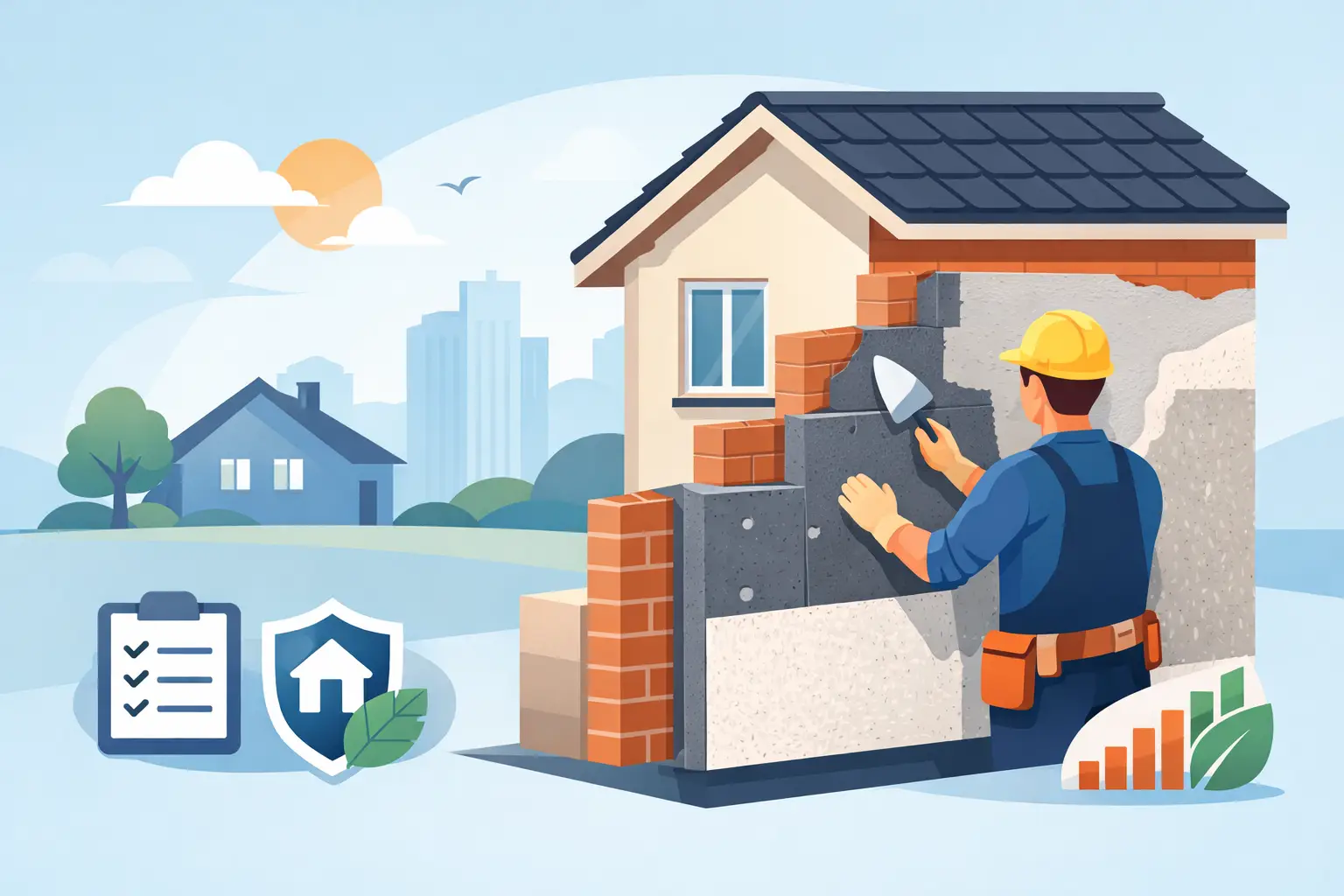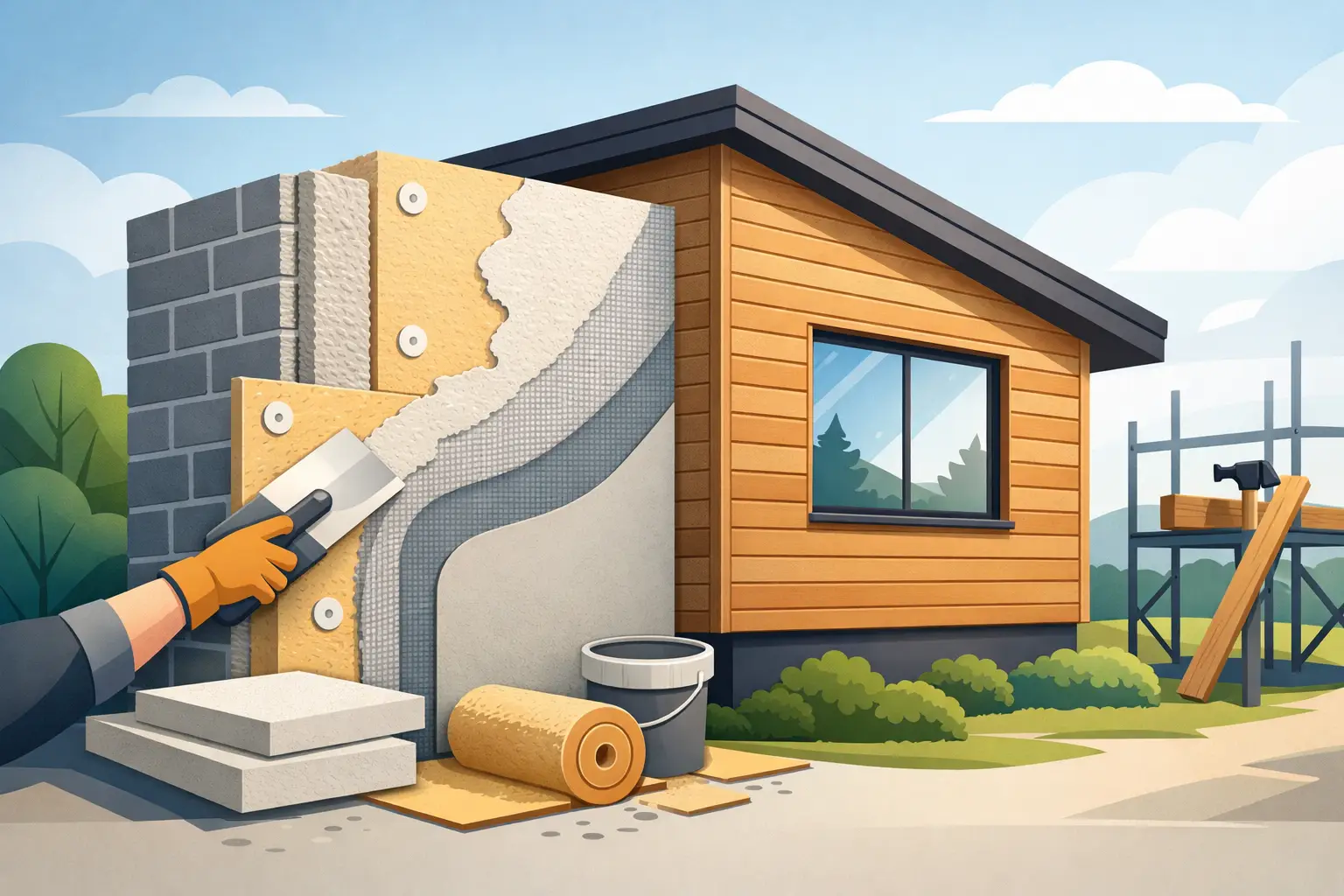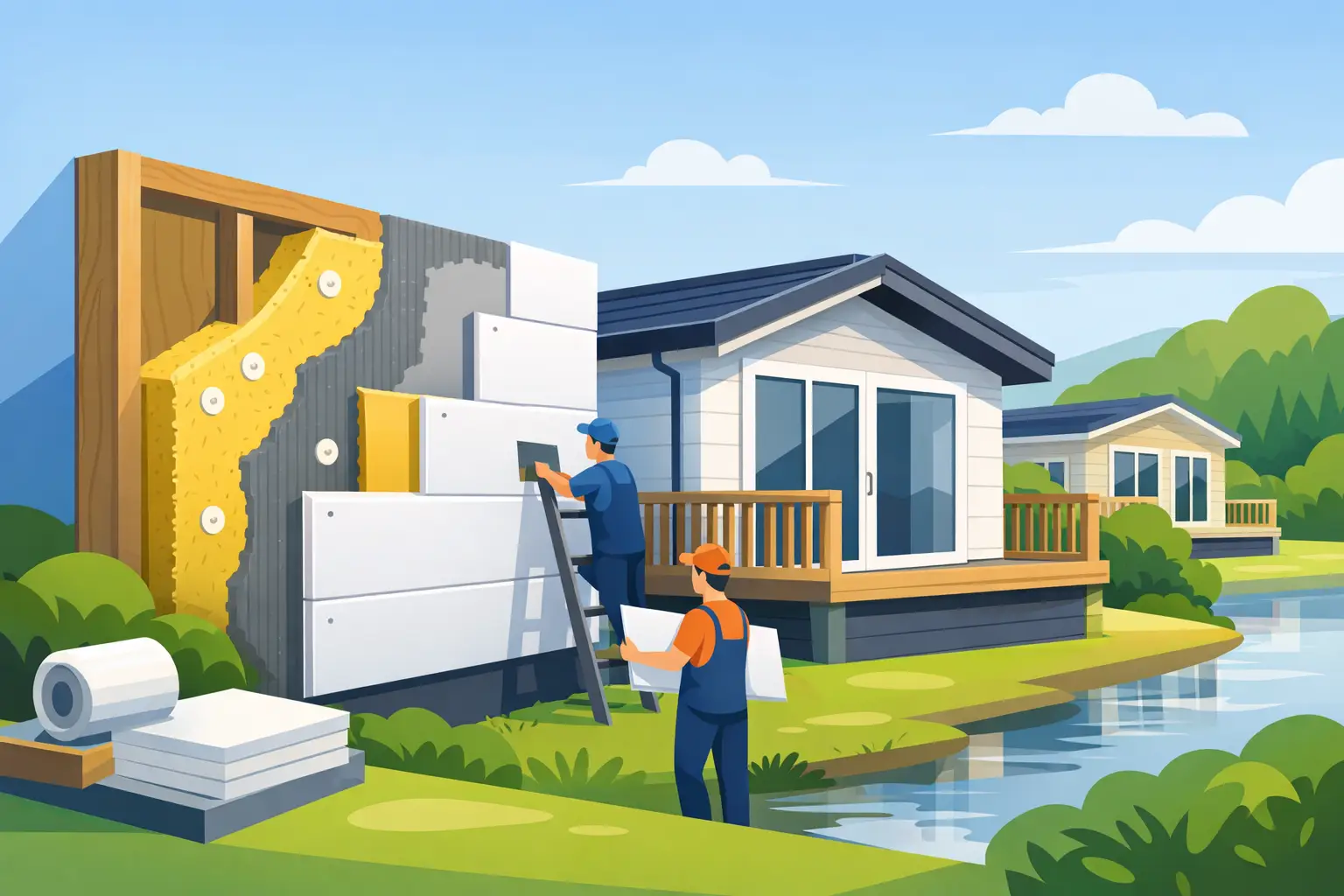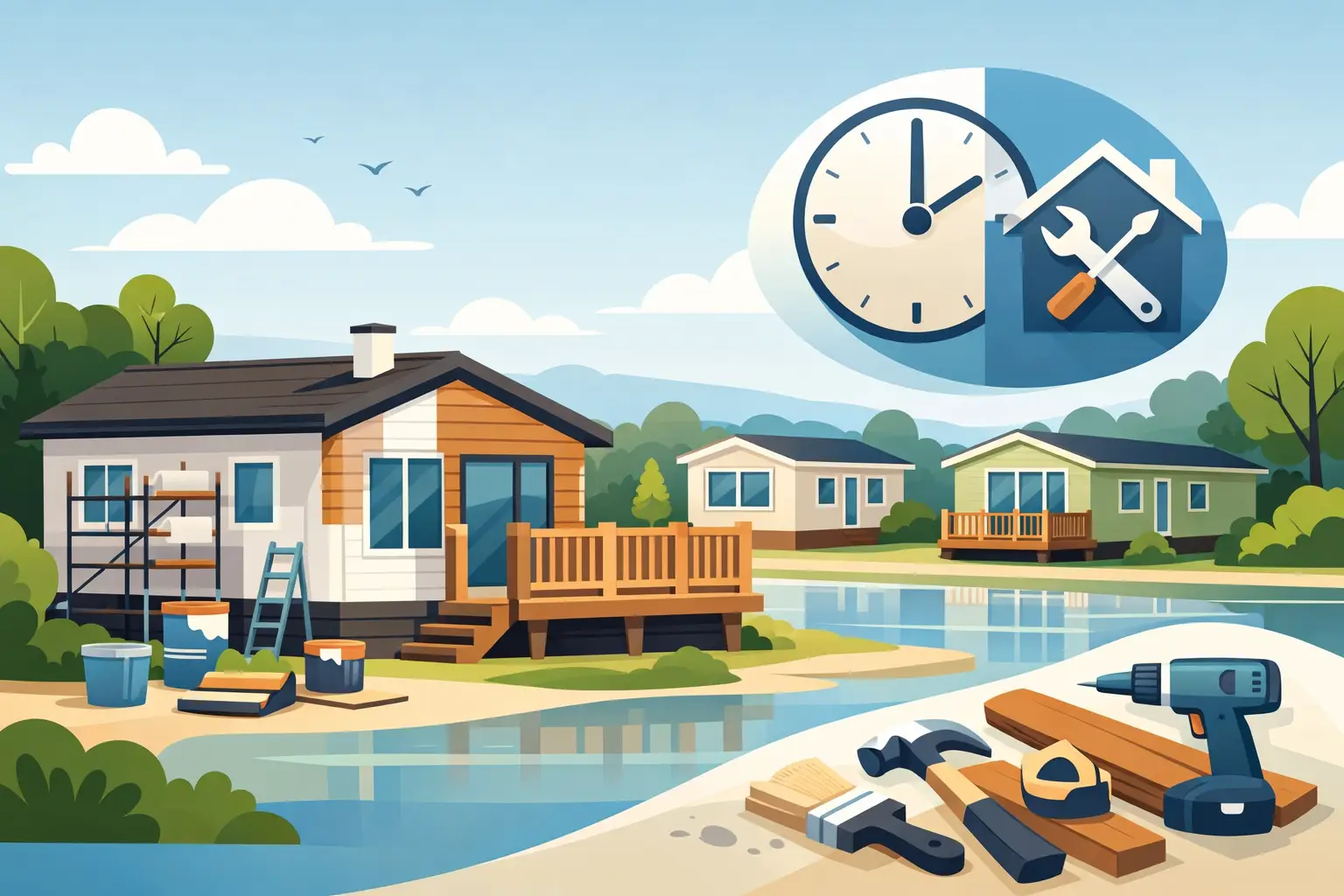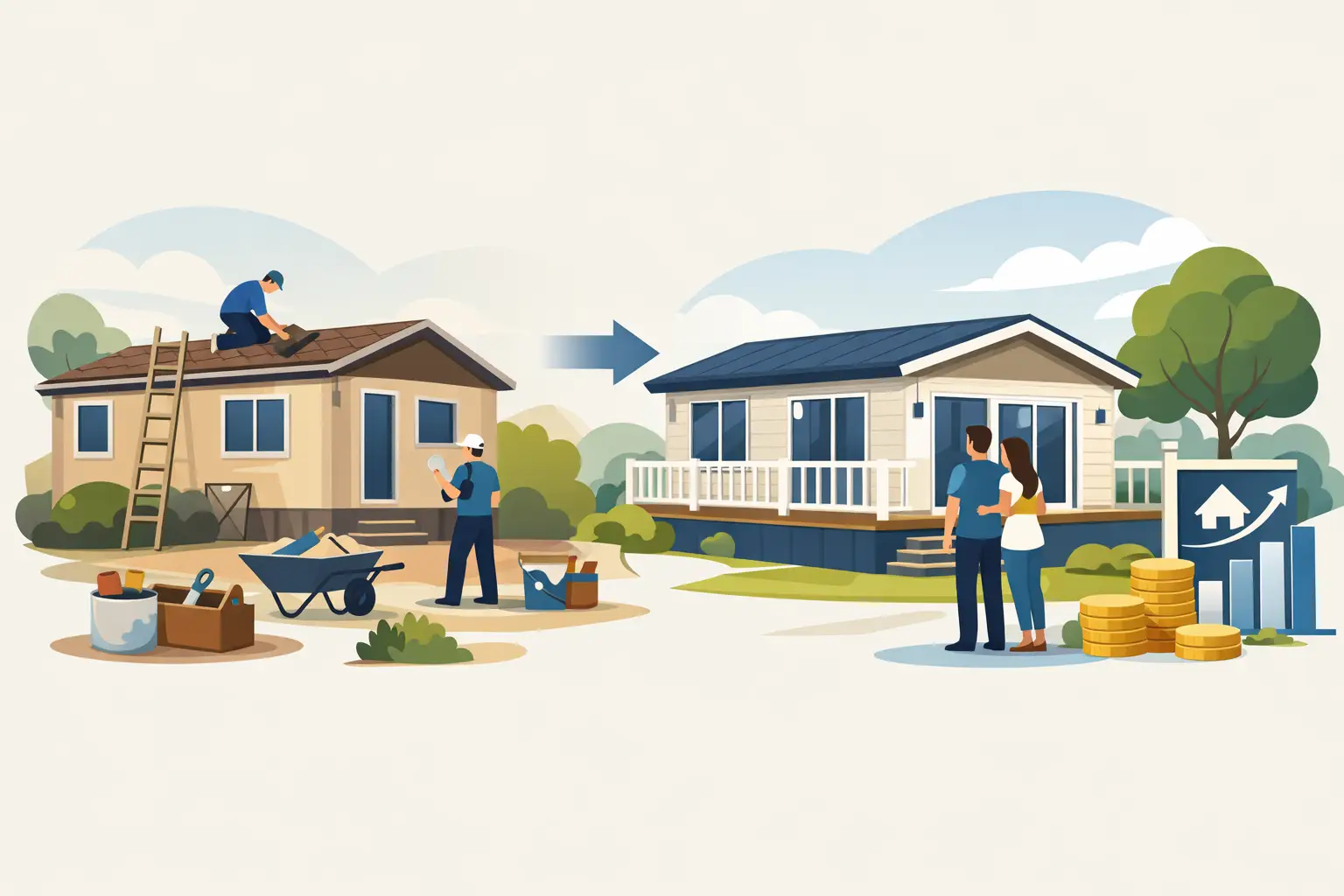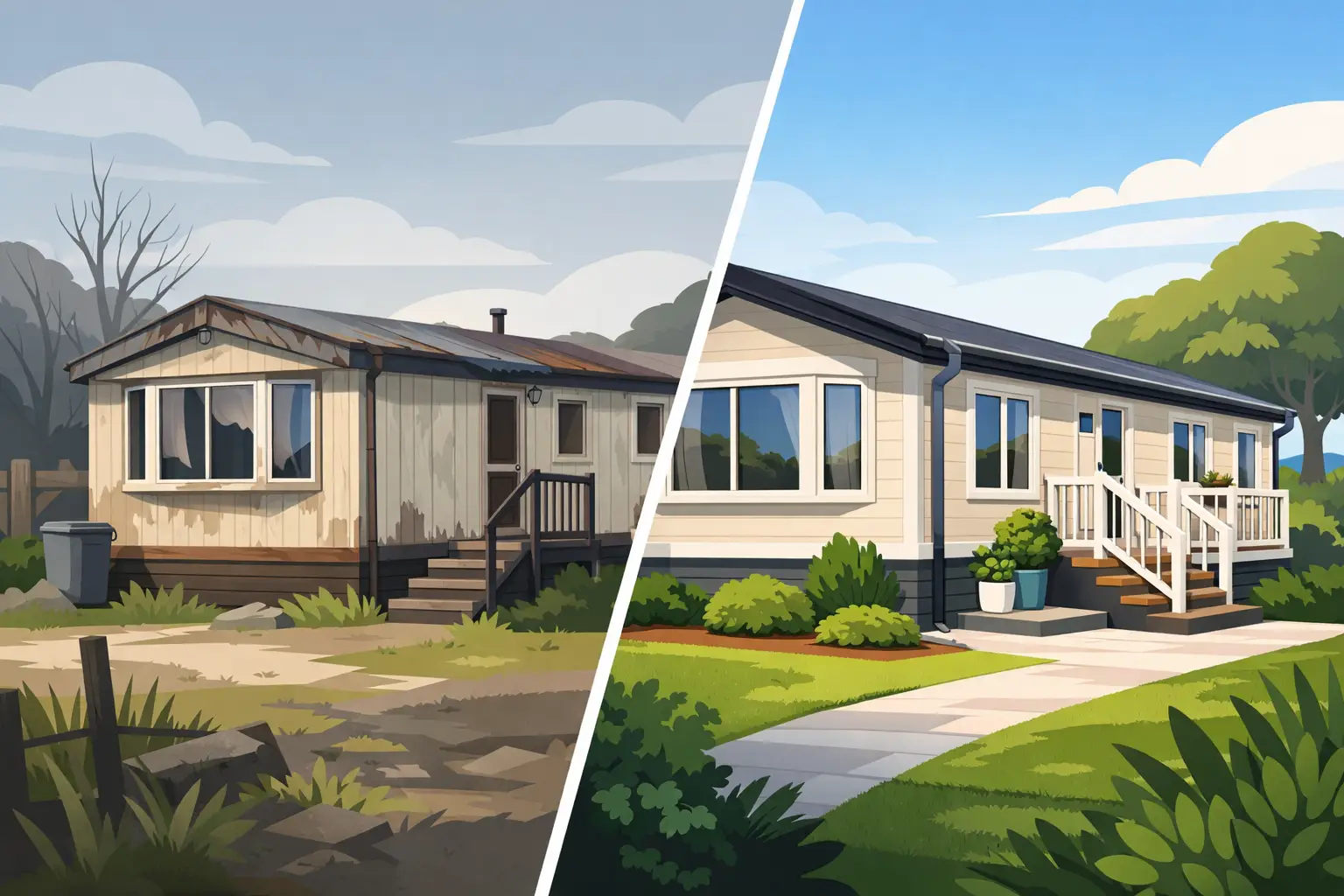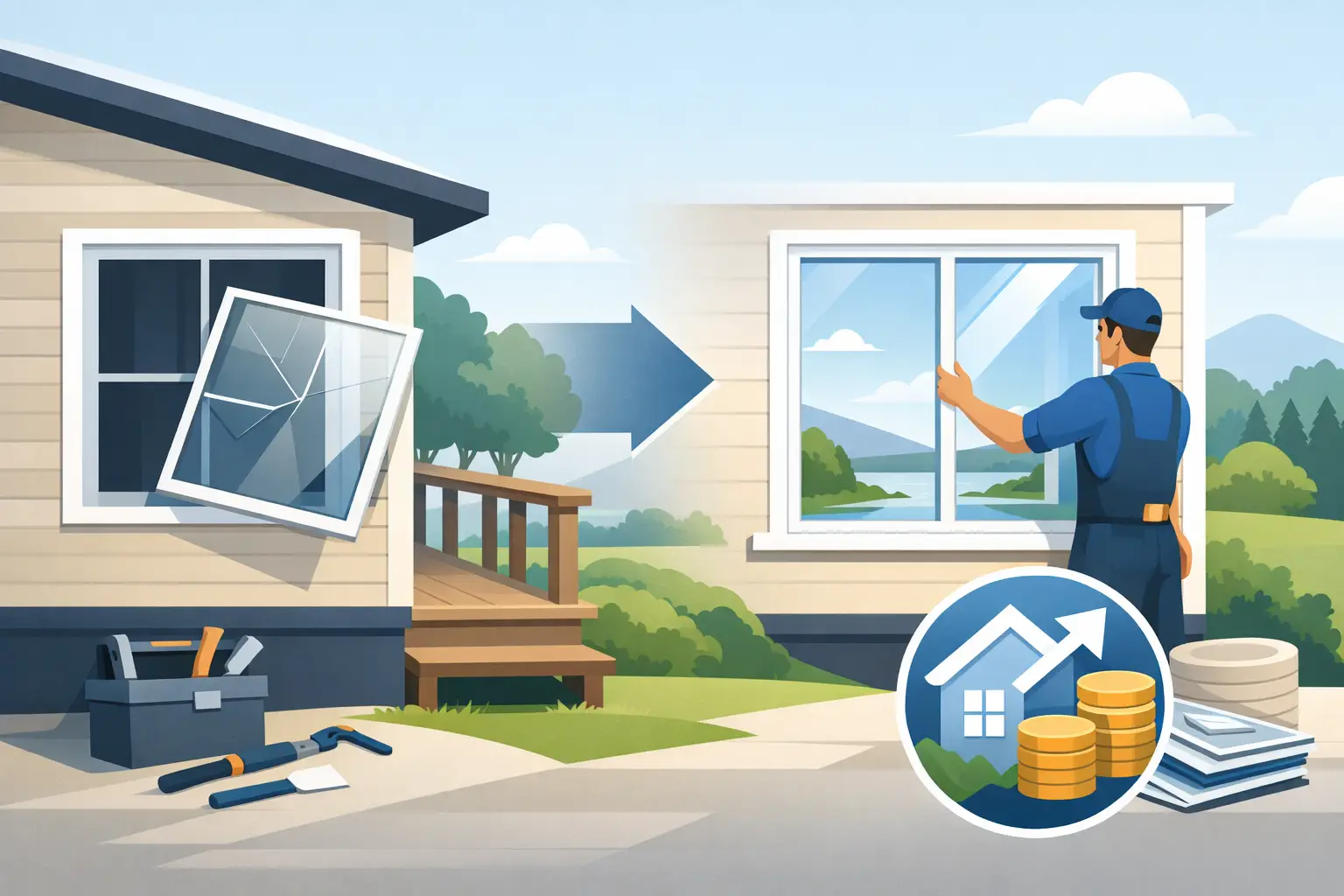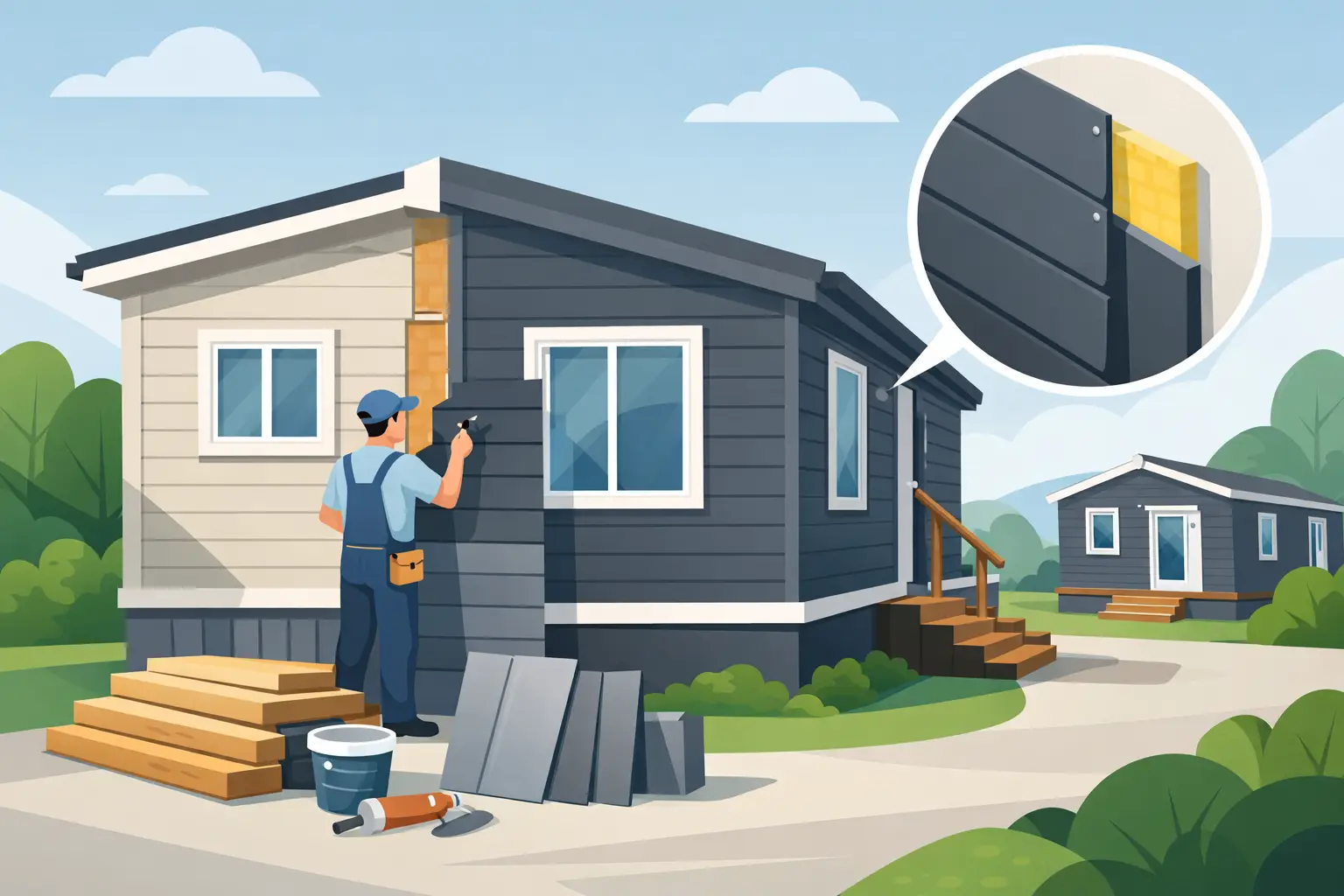
A faded, cracked or draughty exterior can make an otherwise well-kept park home feel tired before its time. So, can park homes be reclad? In many cases, yes. Recladding can transform the appearance of a park home while helping to protect the structure beneath it from rain, wind and day-to-day wear.
However, fitting new cladding should not be treated as a purely cosmetic job. Park homes are built differently from conventional brick properties, and the condition of the walls, insulation, framework and roofline must be properly assessed before work begins. A good recladding project solves the cause of deterioration, not just the visible signs of it.
Cladding does a demanding job. It forms the outer weatherproof layer of your home, helping to keep moisture out and giving the property its finished appearance. Over time, older panels can become brittle, warped, loose or discoloured. Seals around windows, doors and joins may also fail, allowing draughts and water to find their way behind the exterior.
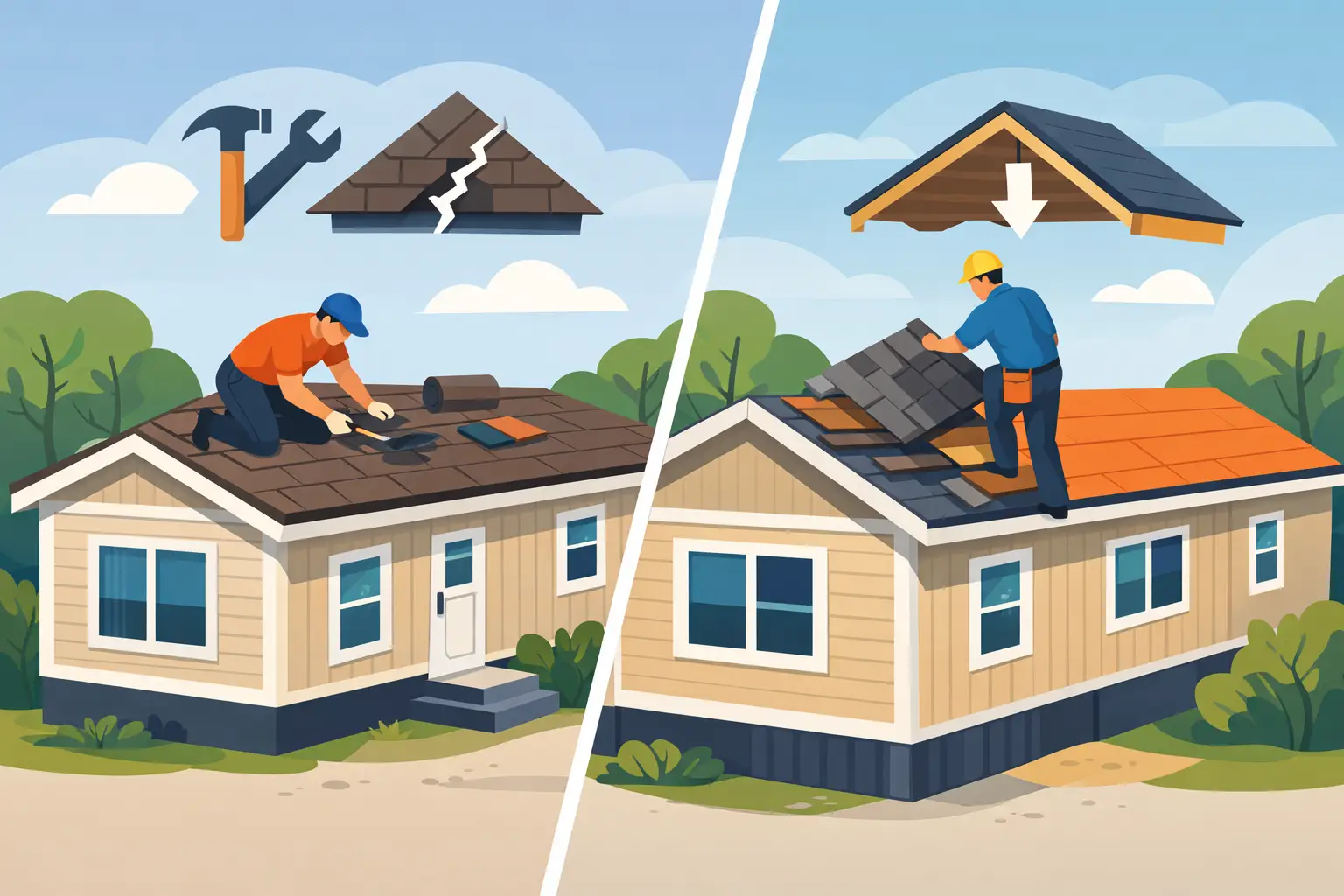
Recladding is often worth considering where the existing exterior is showing widespread wear rather than one small, isolated area of damage. Repeated repairs to ageing panels can become poor value if the surrounding cladding is close to failing as well.
Owners often start looking into recladding after noticing cold internal walls, persistent draughts, staining, soft spots around openings, cracks in panels or a finish that no longer suits the home. It can also be a sensible part of a wider refurbishment, alongside new insulation, roof repairs, replacement windows or upgraded guttering.
The key question is not simply whether the outer panels look old. It is whether they are still doing their job of protecting the home.
The level of disruption depends on the condition of the home and the scope of work needed. Where the framework is sound and the old cladding can be removed cleanly, the work is usually carried out from outside with residents remaining at home. There will naturally be some noise and access around the property while the project is underway, but a well-planned job should be managed carefully and respectfully.
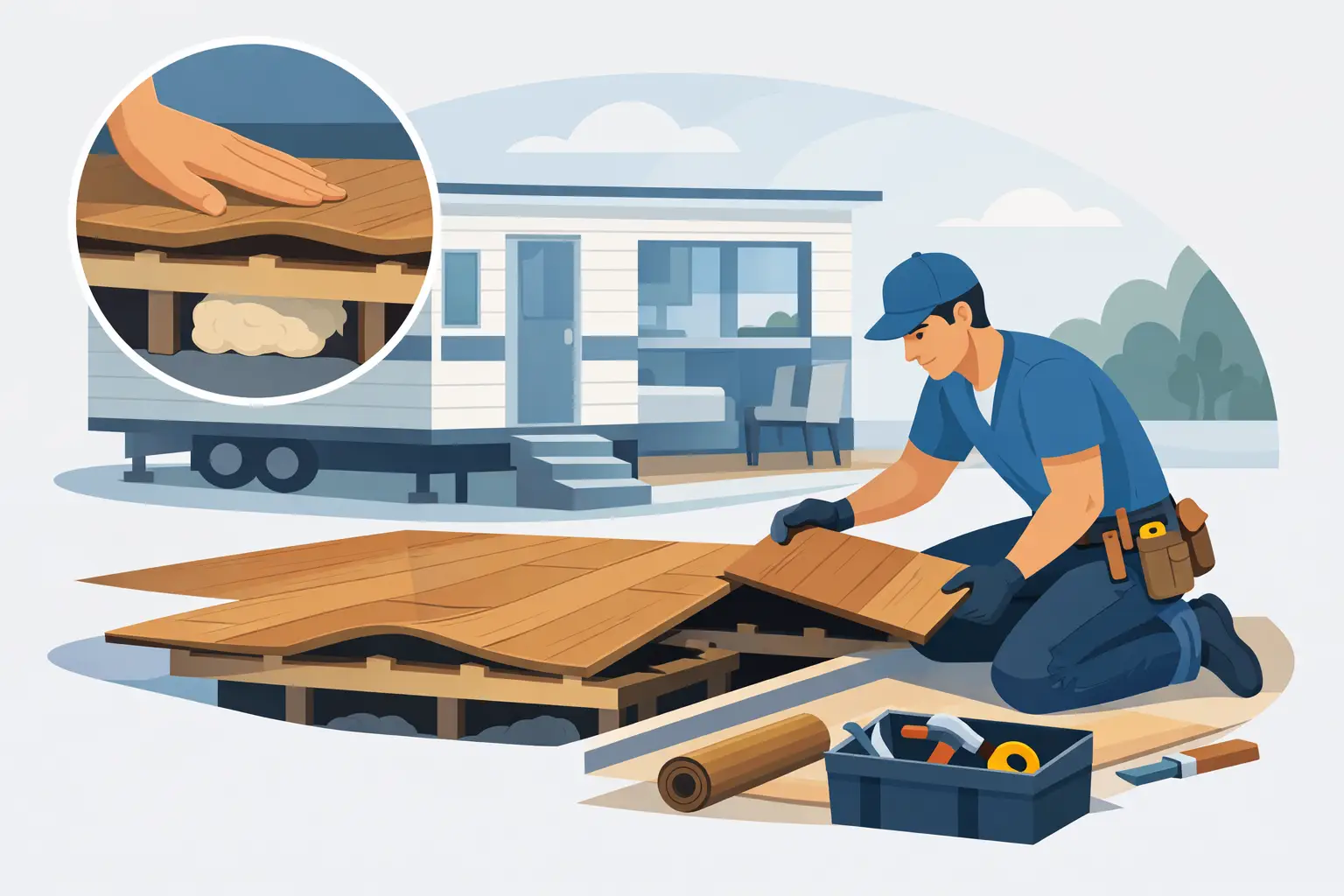
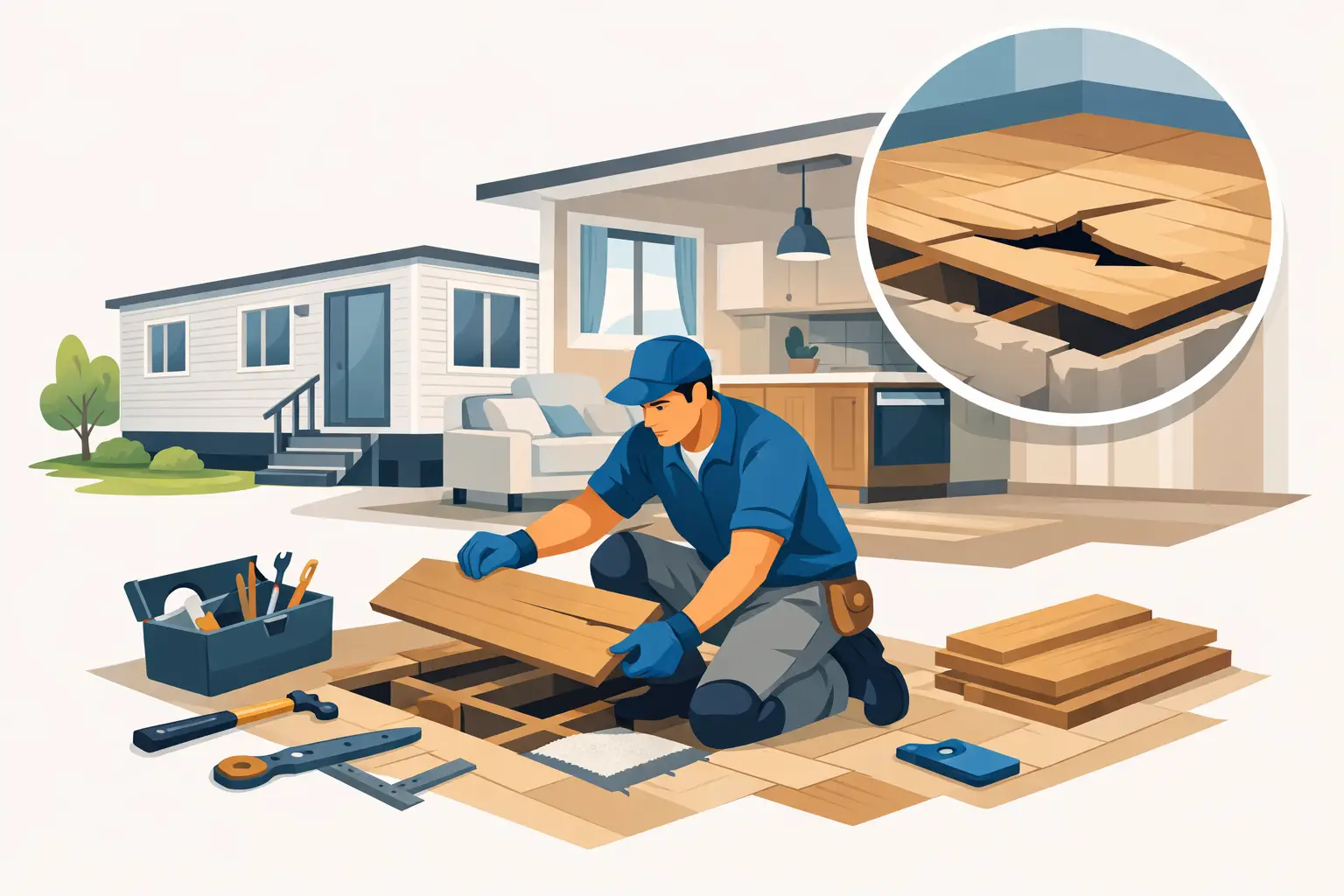
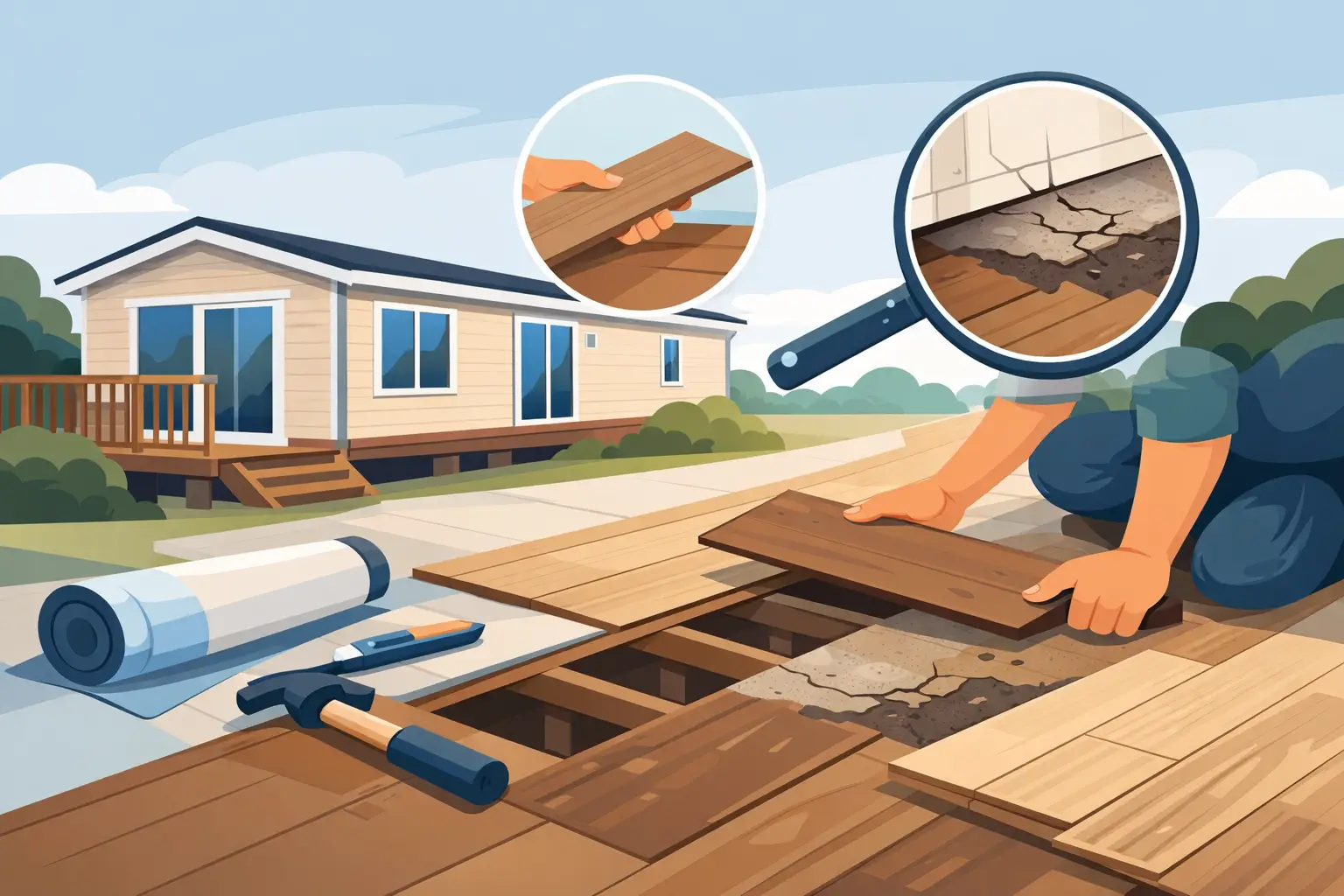
If inspection reveals damaged timber, water ingress, failed insulation or problems around windows and doors, repairs may be needed before the new finish is fitted. This can add time and cost, but it is far better to deal with these issues while the walls are open. Covering over damp or weakened materials can trap problems where they are harder and more expensive to correct later.
A specialist contractor will explain what has been found, what needs attention now and what can reasonably be left alone. That clear assessment matters, especially for owners who want a lasting improvement rather than a quick surface-level fix.
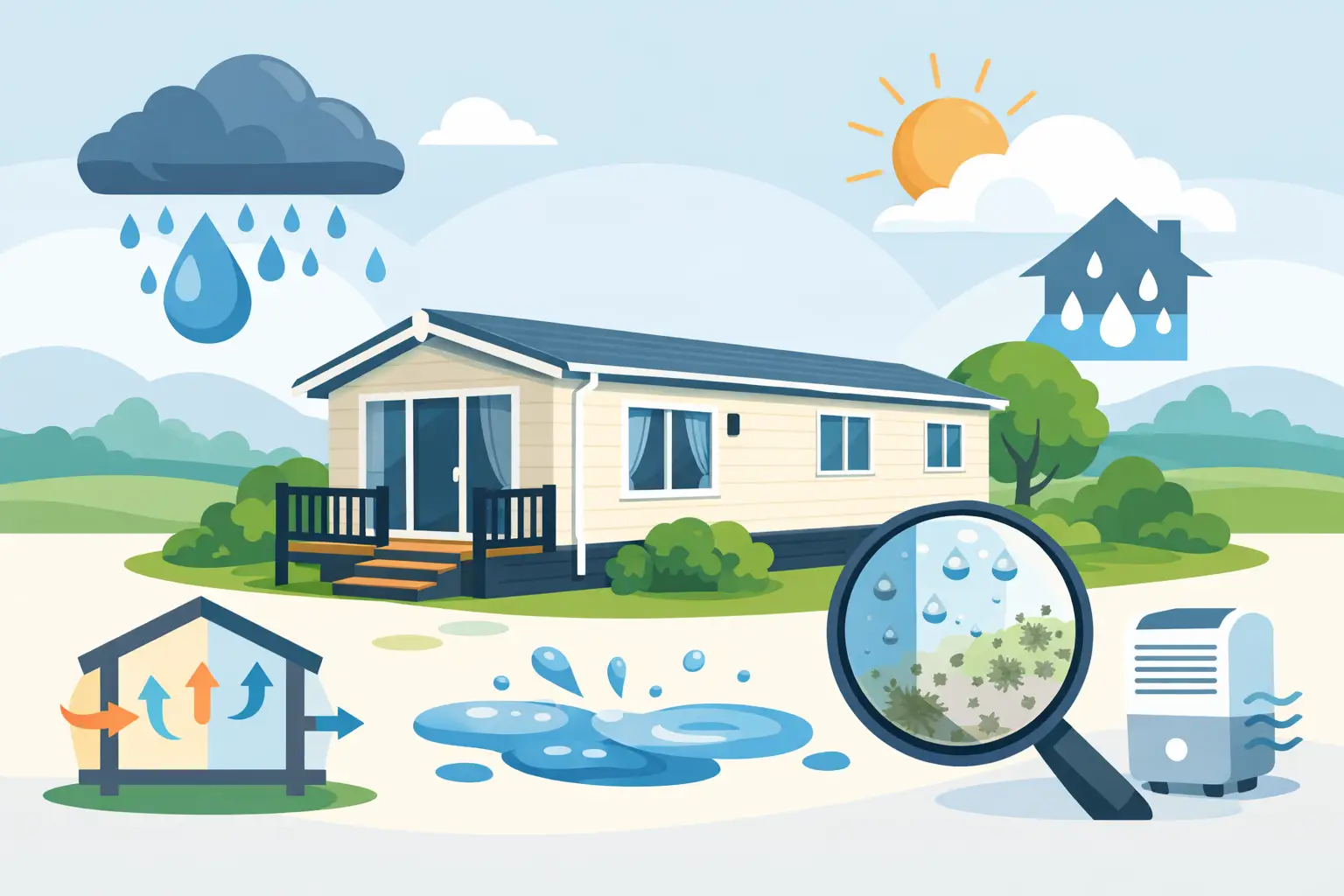
A new exterior can give an older park home a clean, modern look, but the practical benefits are often just as valuable. Quality cladding, correctly installed with sound trims and seals, helps the home withstand the British weather more effectively. It reduces exposed, tired surfaces where water can sit or penetrate.
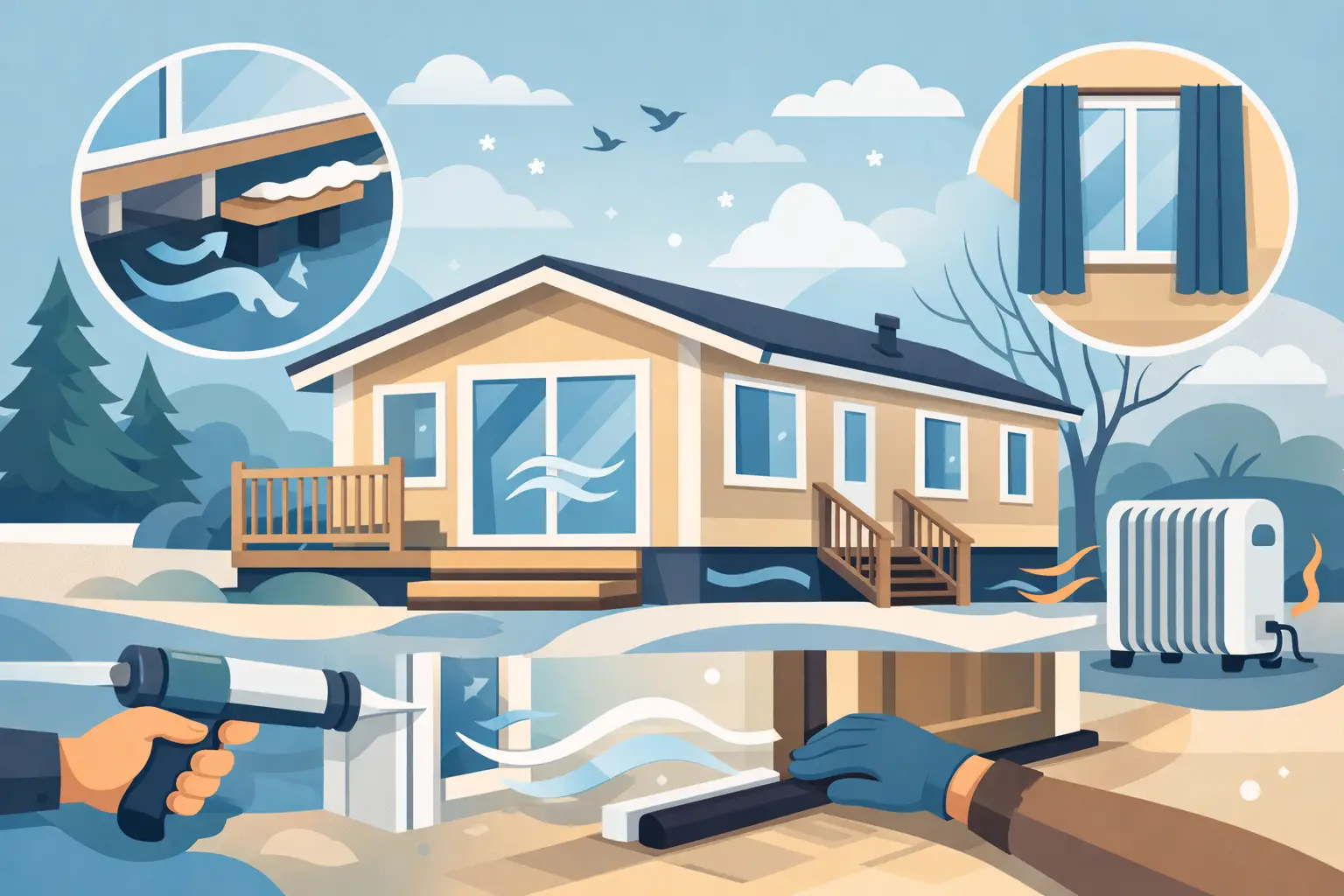
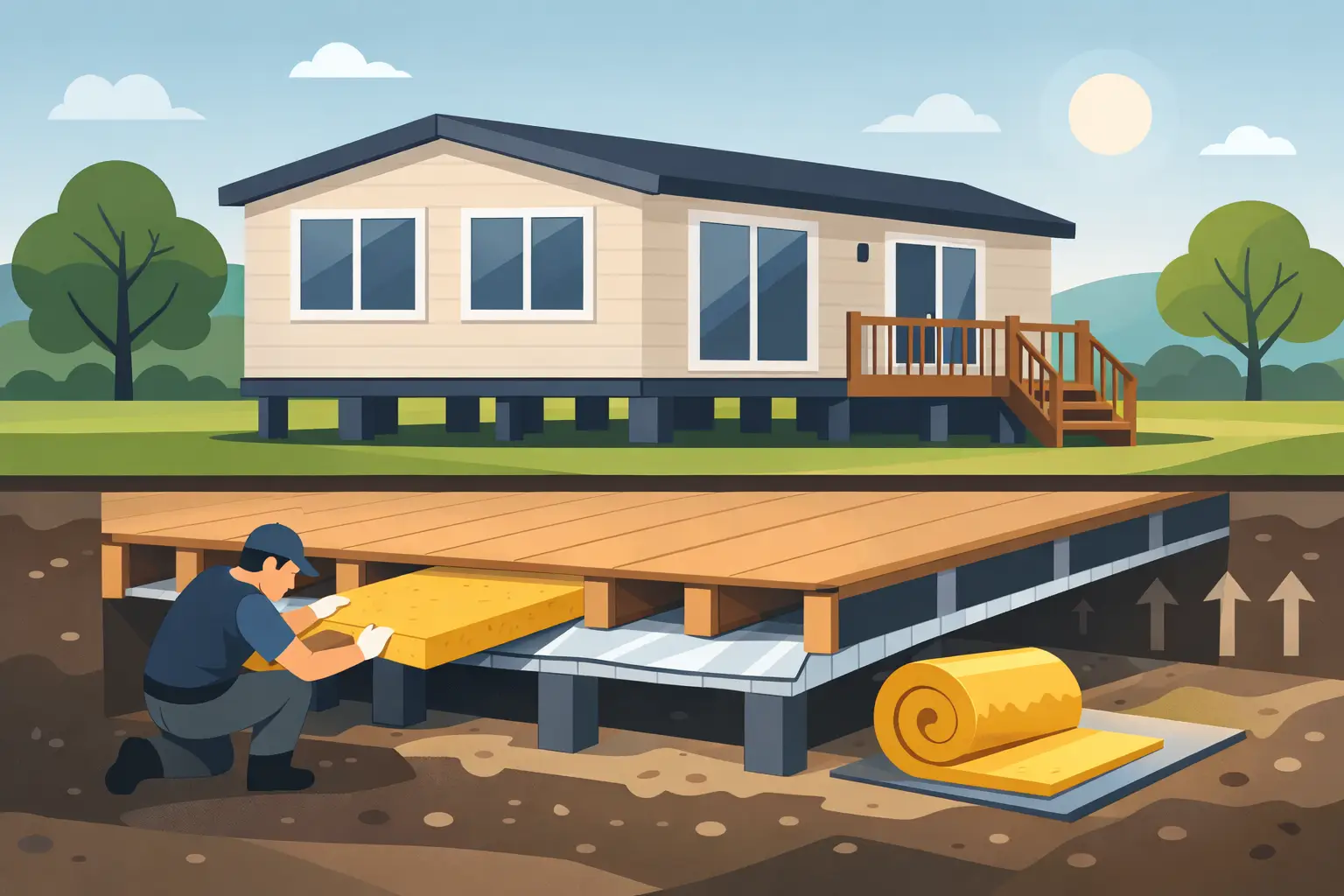
Recladding also provides the ideal opportunity to inspect and improve wall insulation. Many older park homes lose a considerable amount of heat through poorly insulated walls and gaps around the outer structure. If old cladding is being removed anyway, adding or renewing suitable insulation can make a noticeable difference to comfort.
That can mean fewer cold spots, less reliance on heating during cooler months and a home that feels more consistent from room to room. The benefit will vary according to the existing construction, insulation levels, windows and floor condition, so promises of a fixed saving should always be treated with care. Still, a properly planned exterior refurbishment can make a meaningful contribution to a warmer, more efficient home.
There is a further benefit in protecting value. A park home with a neat, well-maintained exterior is more appealing and gives prospective buyers greater confidence that the property has been cared for. While no improvement can guarantee a particular sale price, a sound exterior, updated insulation and visible attention to maintenance are strong positives.
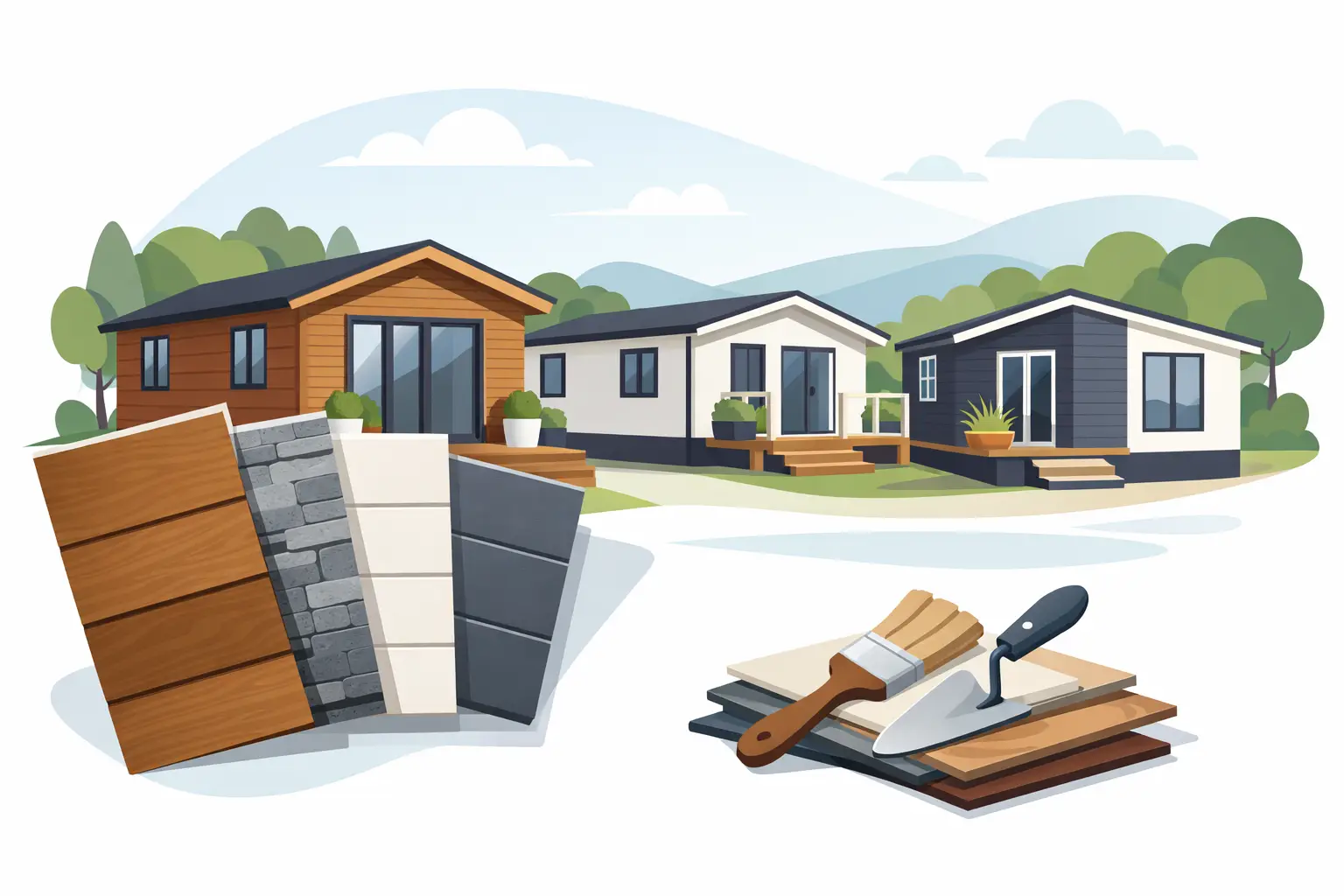
There is no single best material for every park home. The right choice depends on the home’s design, age, location, existing construction and your priorities for appearance, upkeep and budget.
Modern uPVC cladding is a popular option because it is durable, low maintenance and available in a range of colours and finishes. It can provide a crisp, clean result without the regular painting associated with some older exterior finishes. Timber-effect options may suit owners who prefer a more traditional look but still want the practical advantages of modern materials.
The finish should work with the proportions of the home, its roofline and the character of the park. A very dark colour may look striking, for example, but can show dust and weather marks more readily than a lighter shade. Equally, a design that looks attractive on a brochure may not be appropriate if the park has rules on exterior colours or materials.
Before committing to a style, check your site agreement and speak to park management where required. Some residential parks have clear standards covering external alterations. Getting this clarified early avoids unnecessary delay once work is ready to begin.
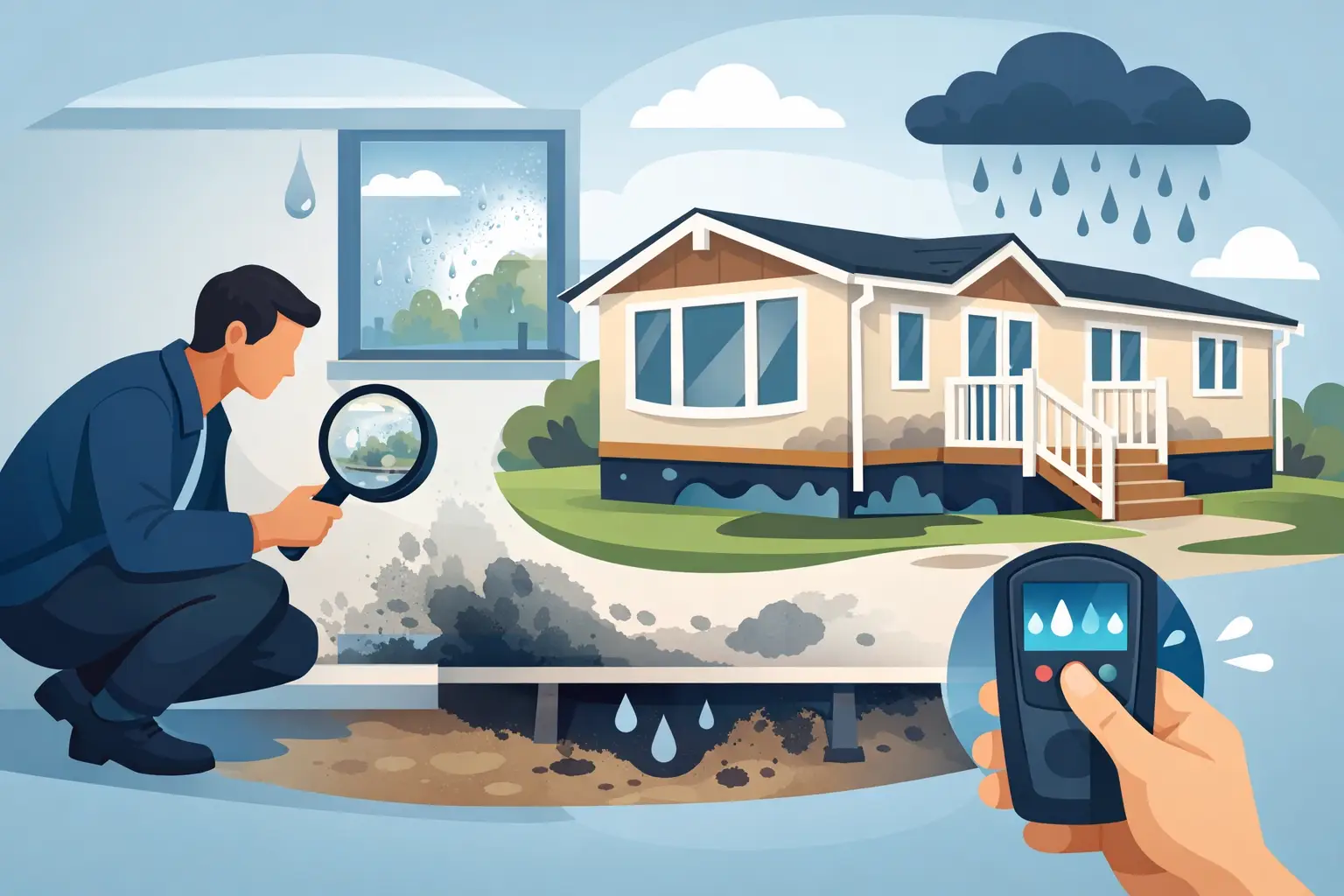
Recladding should begin with a close inspection, not a catalogue of colours. The old cladding may be hiding issues that need professional attention, particularly on homes that have been exposed to years of driving rain or have had repairs carried out at different times.
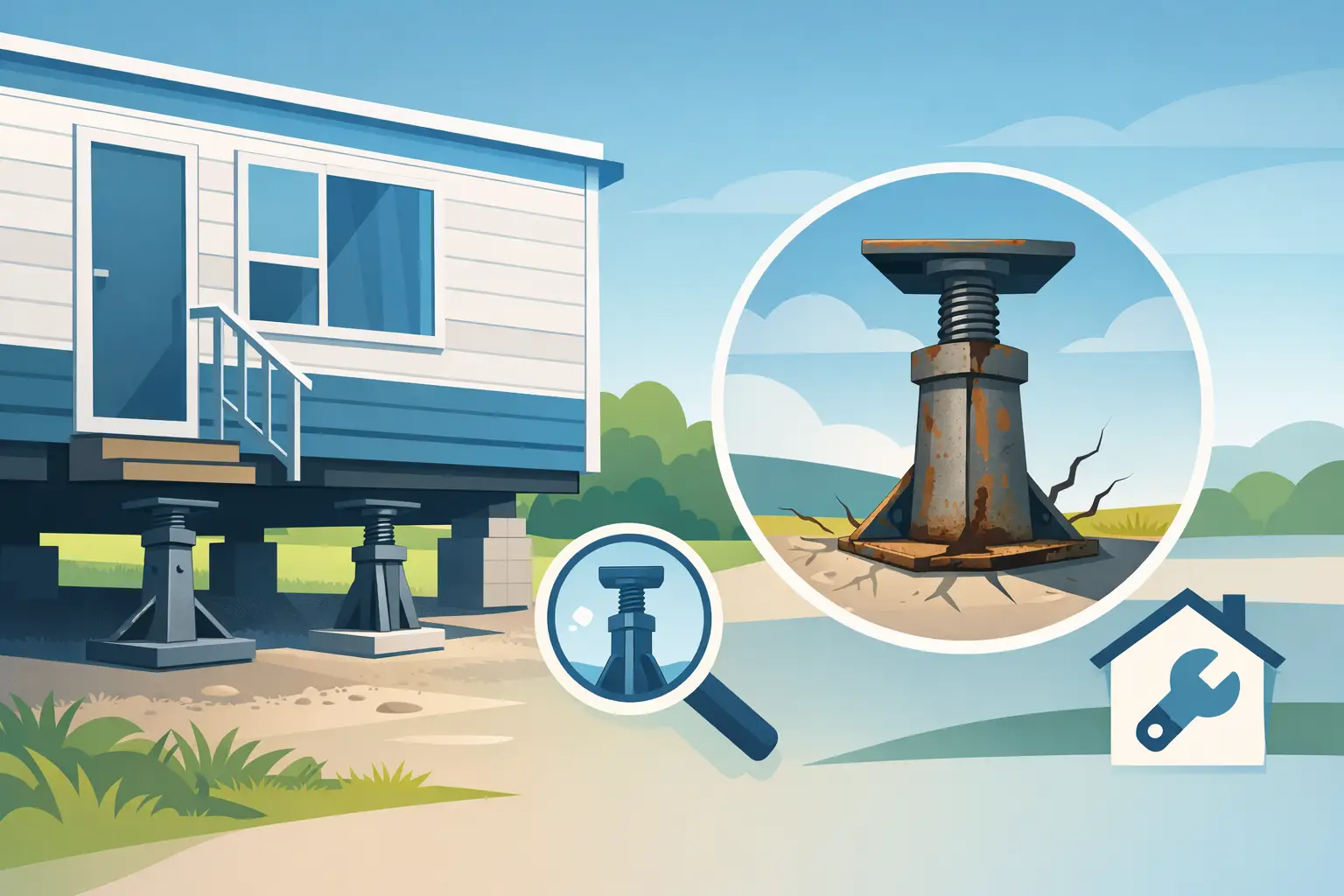
A thorough assessment should consider the condition of the wall structure, insulation, vapour control measures, openings around doors and windows, roof edges, flashings, guttering and external trims. The chassis, supports and underfloor area may also be worth checking as part of a wider refurbishment, particularly if the home has signs of movement, cold floors or poor ventilation.
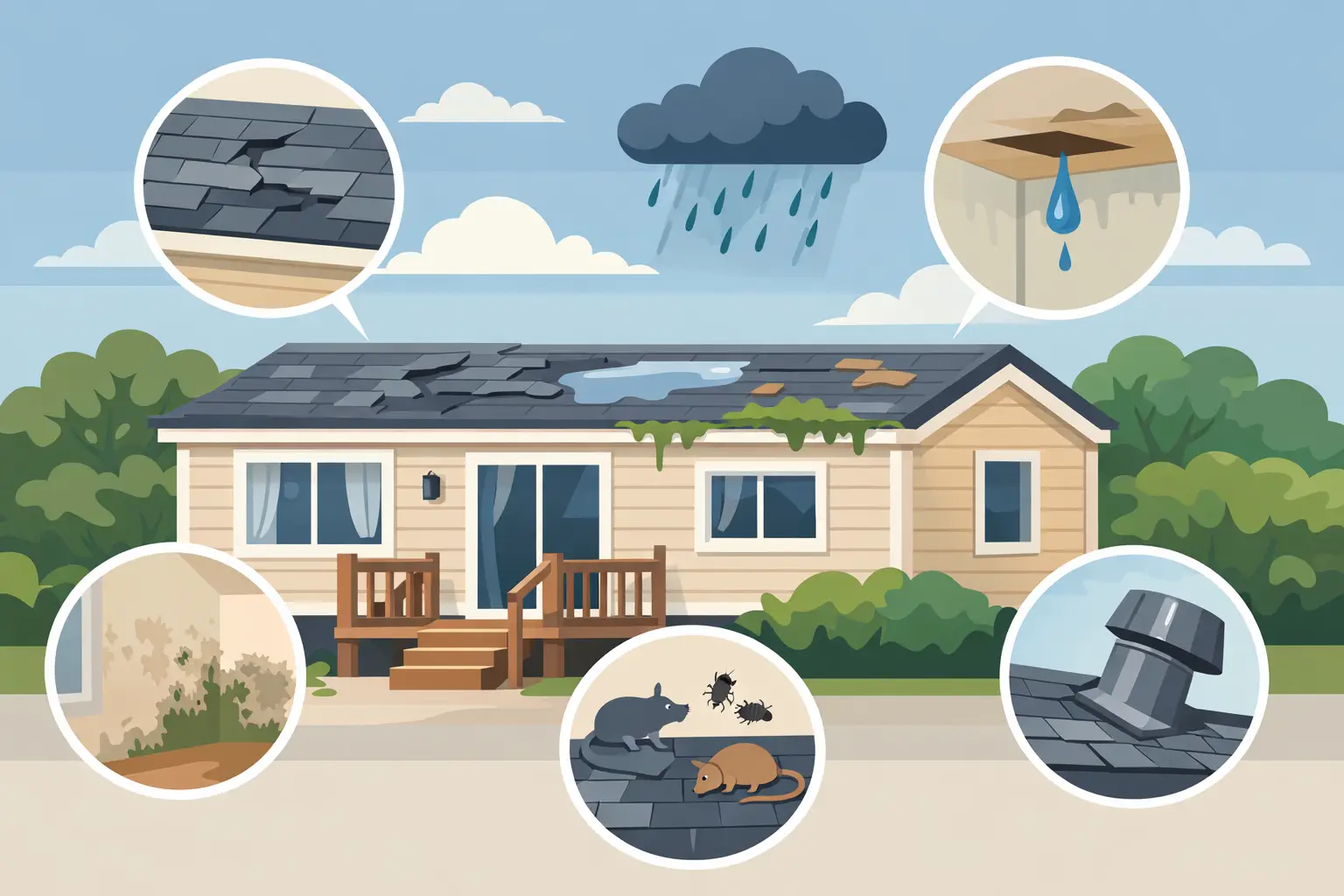
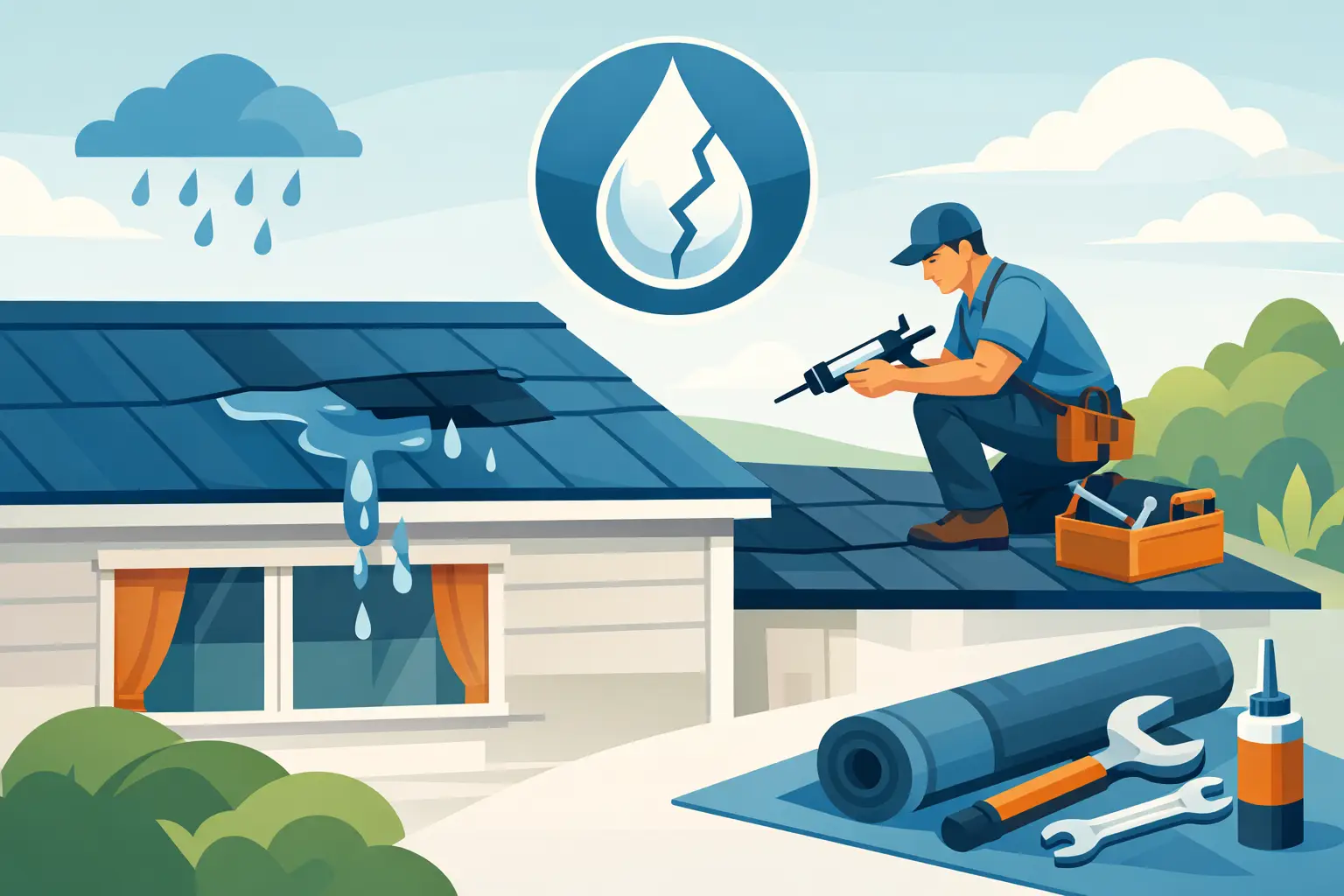
Water must be directed away from the home correctly. New cladding will not compensate for leaking gutters, damaged roof coverings or poorly sealed windows. These connected areas need to work together. It is this wider view that separates a lasting refurbishment from a job that only improves the first impression.
The size of the home is only one part of the cost. A straightforward replacement on a sound, accessible property will be different from a project involving timber repairs, insulation upgrades, difficult access, replacement trims and detailed work around conservatories or extensions.
Material choice also matters. Lower-priced products may appear attractive initially, but thinner or unsuitable materials can compromise the finished look and long-term durability. The quality of installation is equally important. Poorly fixed cladding, weak joints or inadequate sealing can lead to movement, water ingress and an untidy finish.
A detailed quotation should set out what is included, the preparation work allowed for, the materials to be used and how unforeseen defects will be handled if they are uncovered. Be cautious of estimates that focus only on a price per square metre without discussing the home’s existing condition.
Park homes require methods and materials suited to their lightweight construction. A general builder may be capable of fitting cladding, but experience with park homes helps ensure the work respects the structure, manages moisture correctly and integrates with windows, rooflines and existing insulation.
At New Look Park Homes Ltd, recladding is approached as part of the home’s overall condition. The aim is not simply to make the exterior look new, but to leave it better protected, easier to maintain and more comfortable to live in.
If your park home exterior is looking worn, do not wait for a small crack or loose panel to become a larger water-damage problem. A proper inspection can give you a clear, practical view of whether recladding is the right next step and what work will deliver the best long-term result.