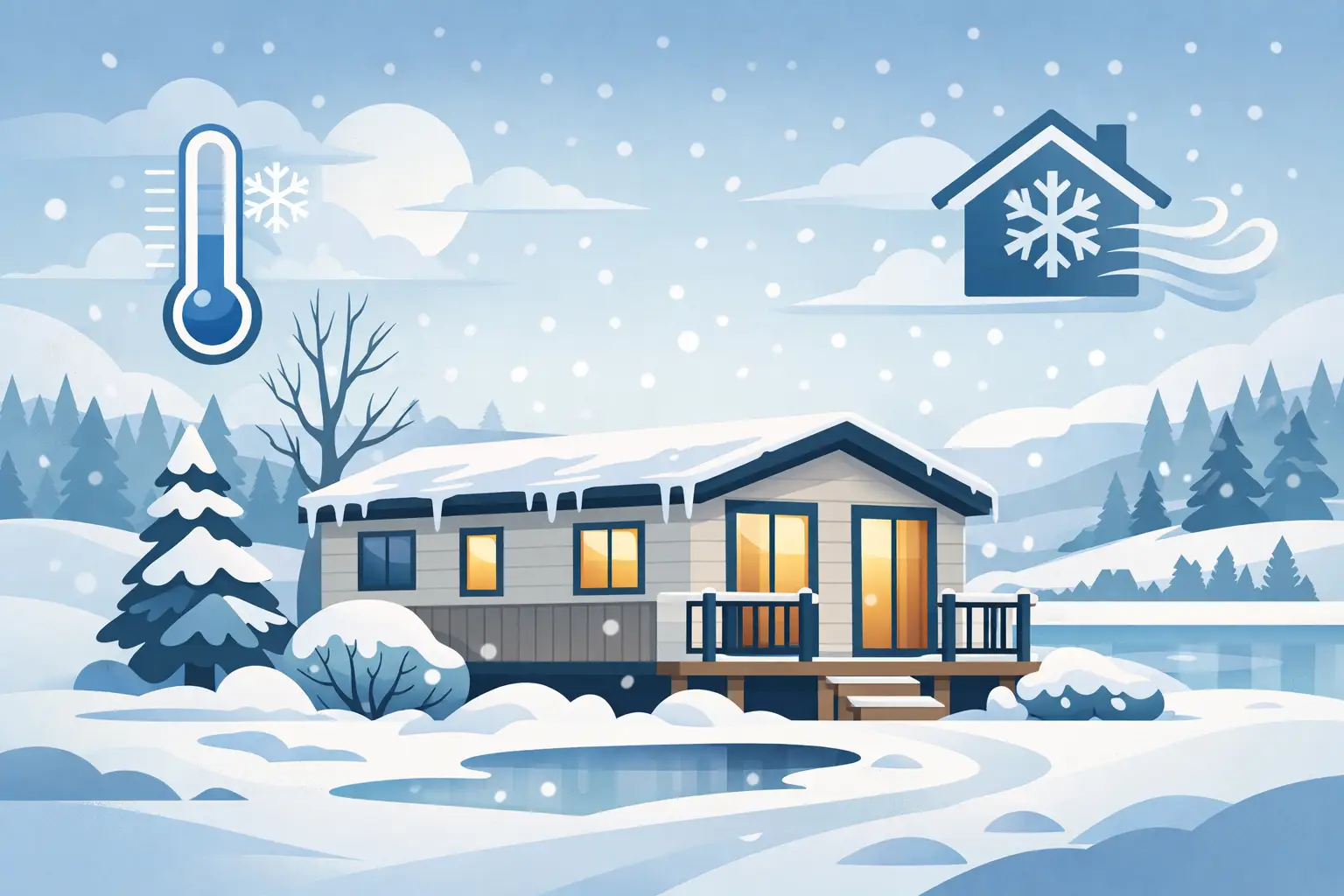
A park home can look tired on the outside and still lose most of its heat through the floor, walls or roof. Equally, a home may feel draughty even when the exterior cladding is in good order. That is why park home insulation vs cladding is not a simple choice between two competing jobs. They solve different problems, and the best result often comes from knowing which issue needs attention first.
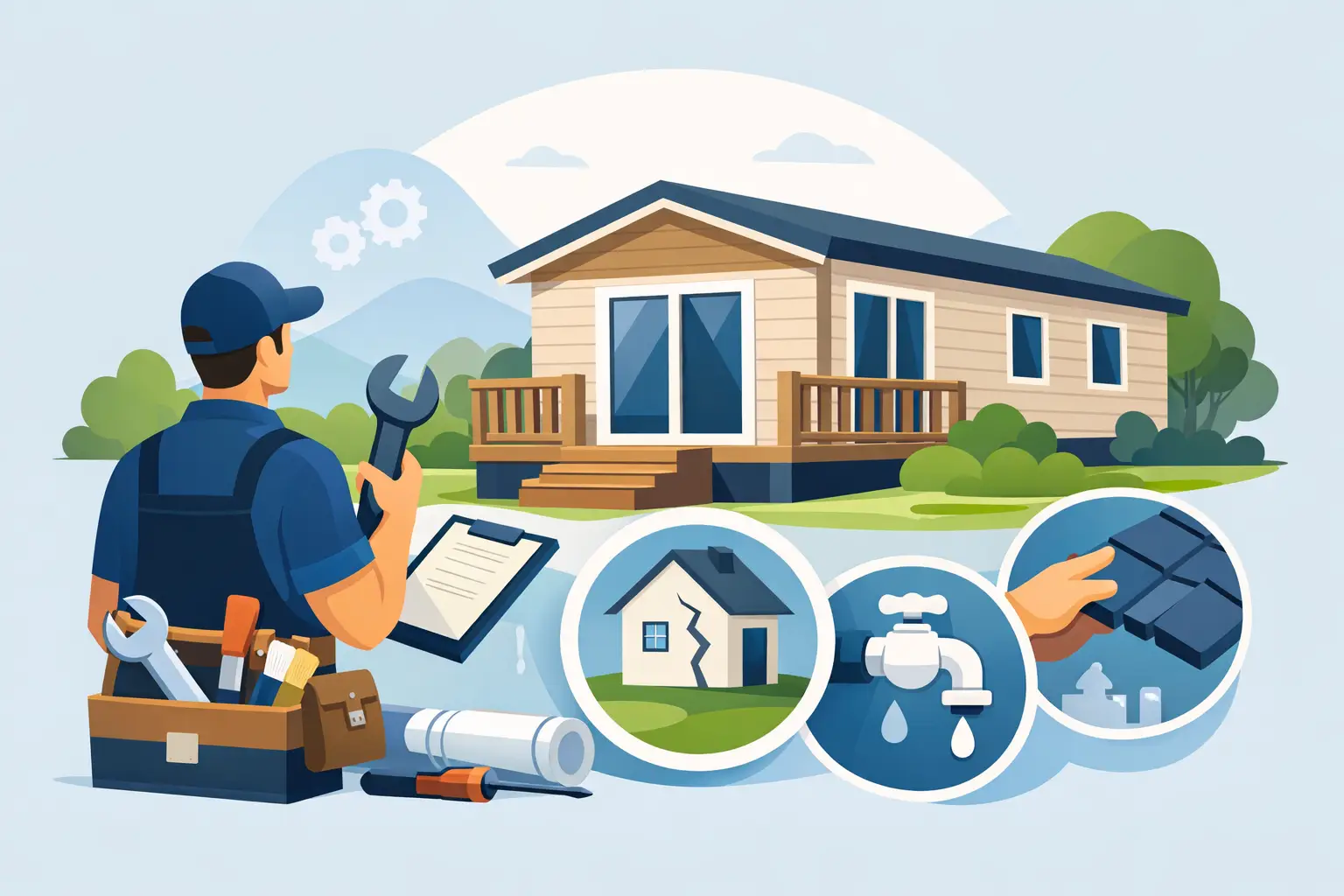
For many owners, the starting point is a cold floor in the morning, rising heating bills or condensation around windows. For others, it is cracked panels, faded finishes and an exterior that no longer gives proper protection from the weather. A careful inspection identifies the condition of the home beneath the surface before money is spent on an upgrade that only treats part of the problem.
Insulation is primarily about warmth, comfort and reducing heat loss. Park homes are built differently from brick houses, with lighter wall, floor and roof structures. If insulation has deteriorated, been damaged by damp, or was limited when the home was built, cold air can move through the structure surprisingly easily.
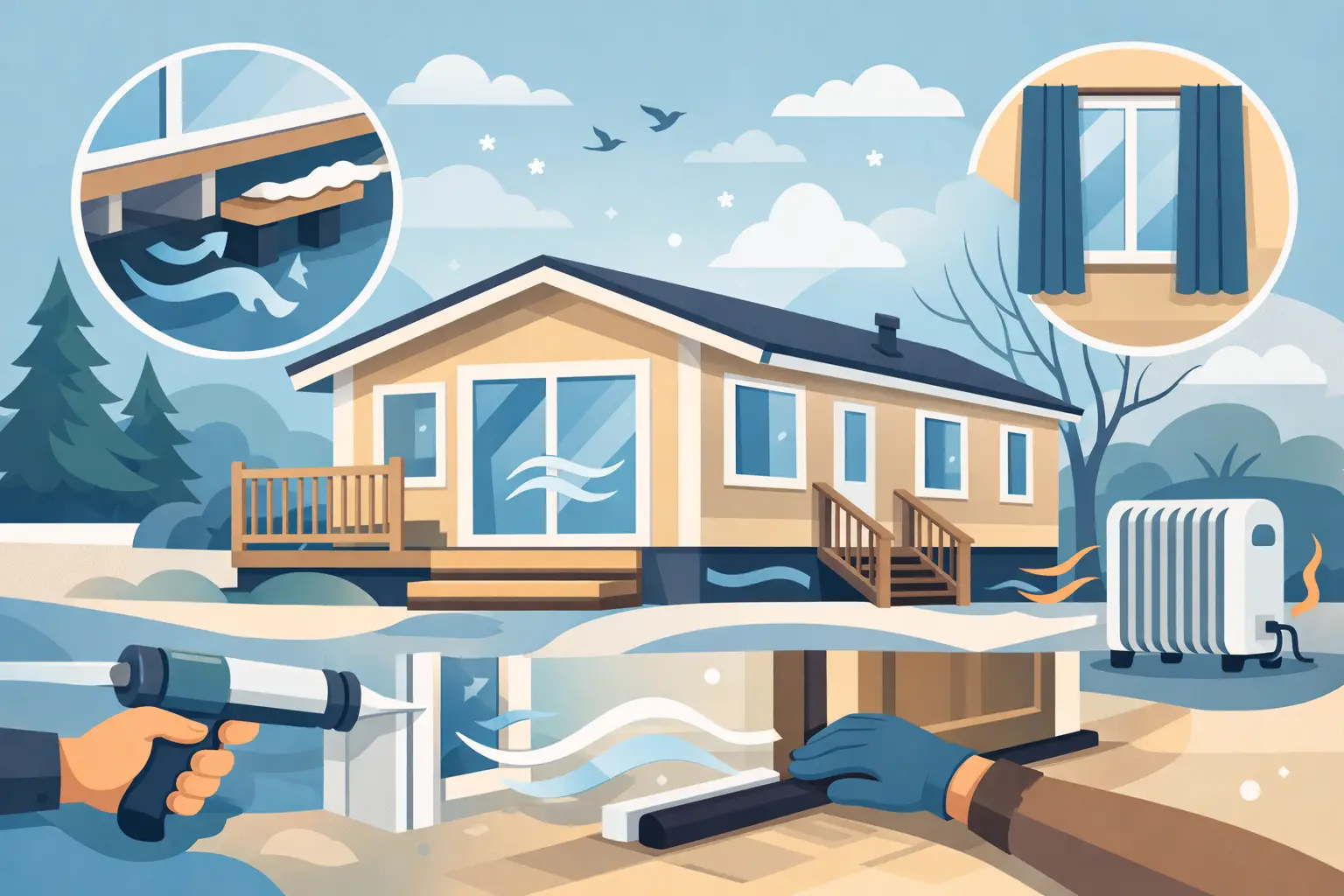
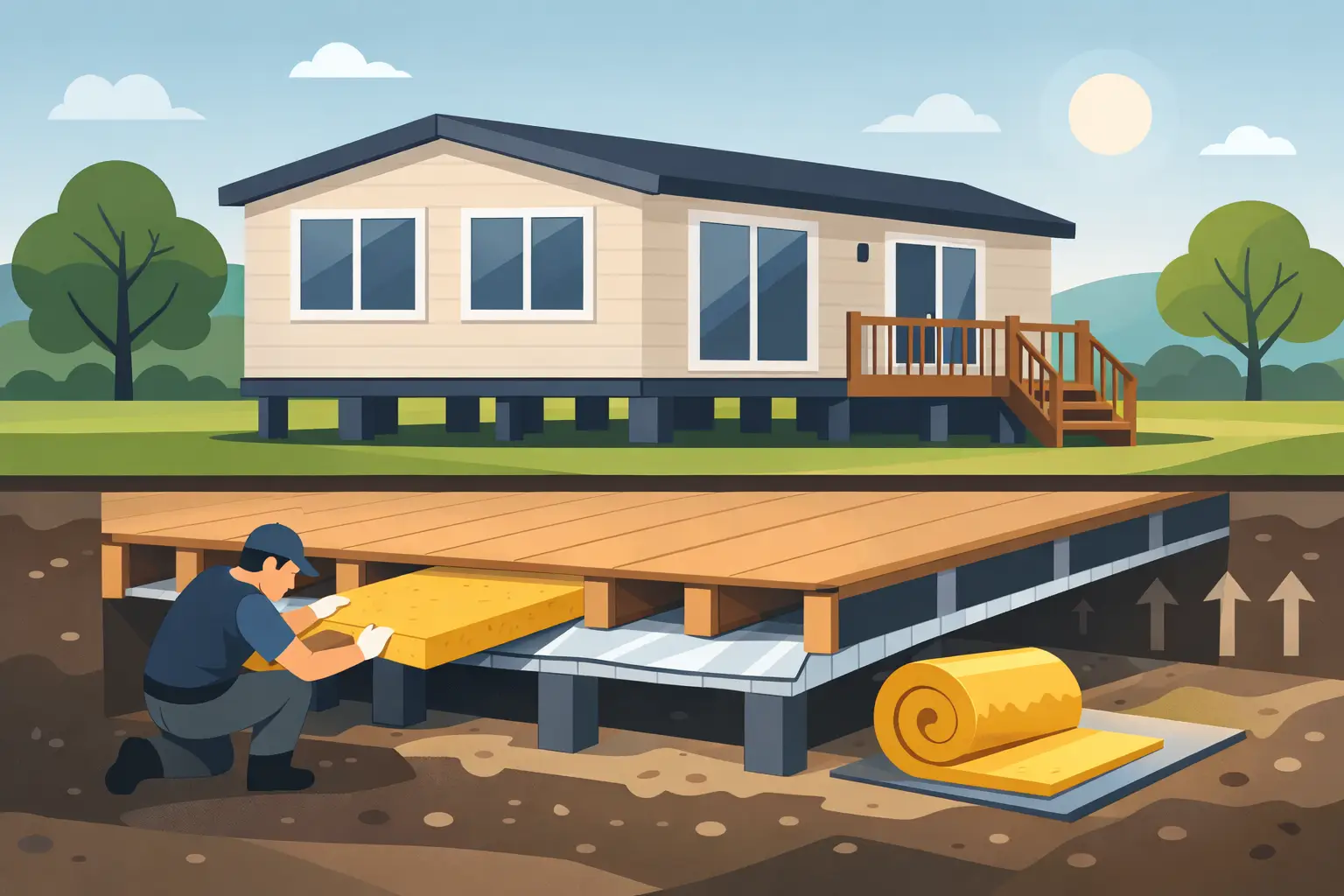
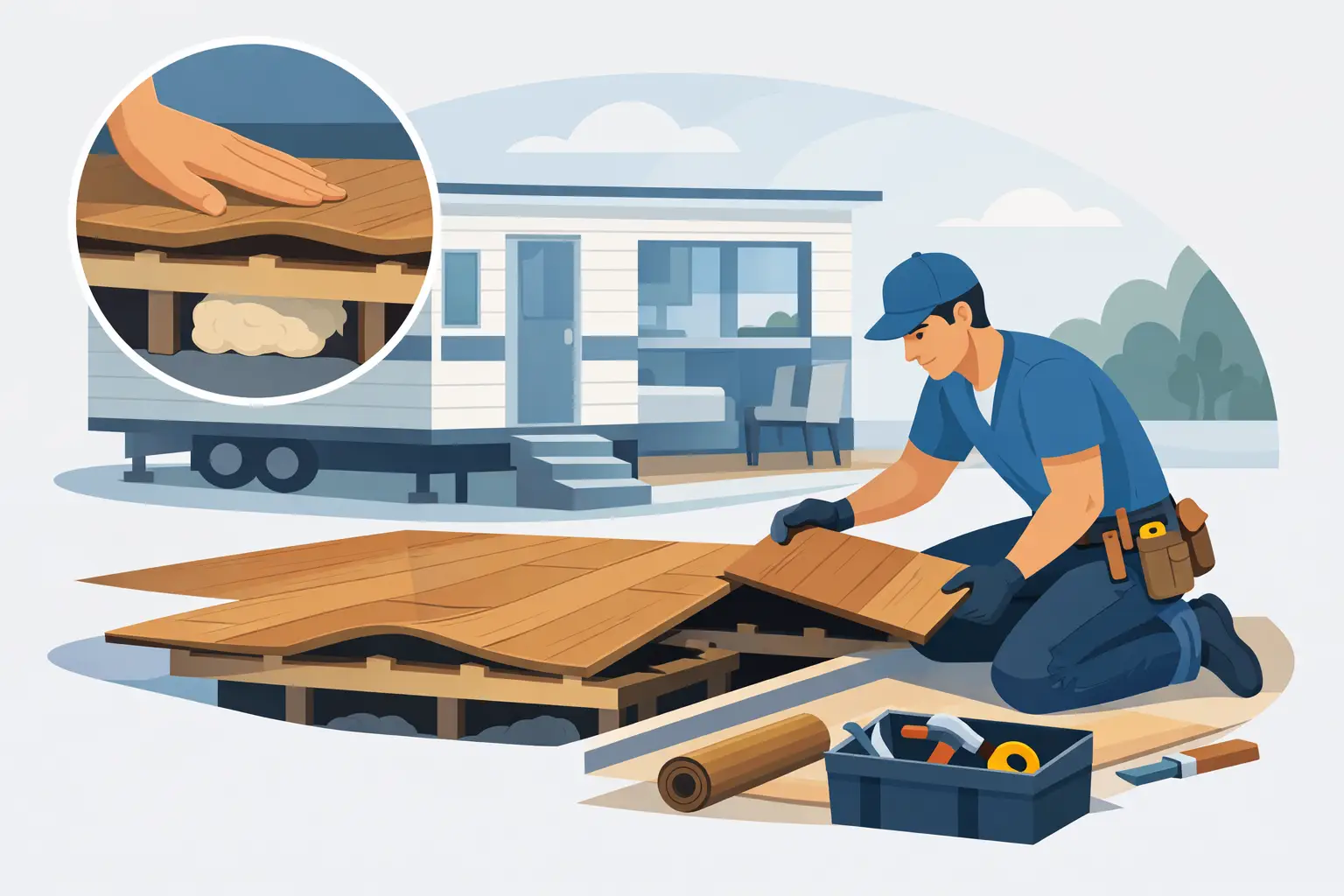
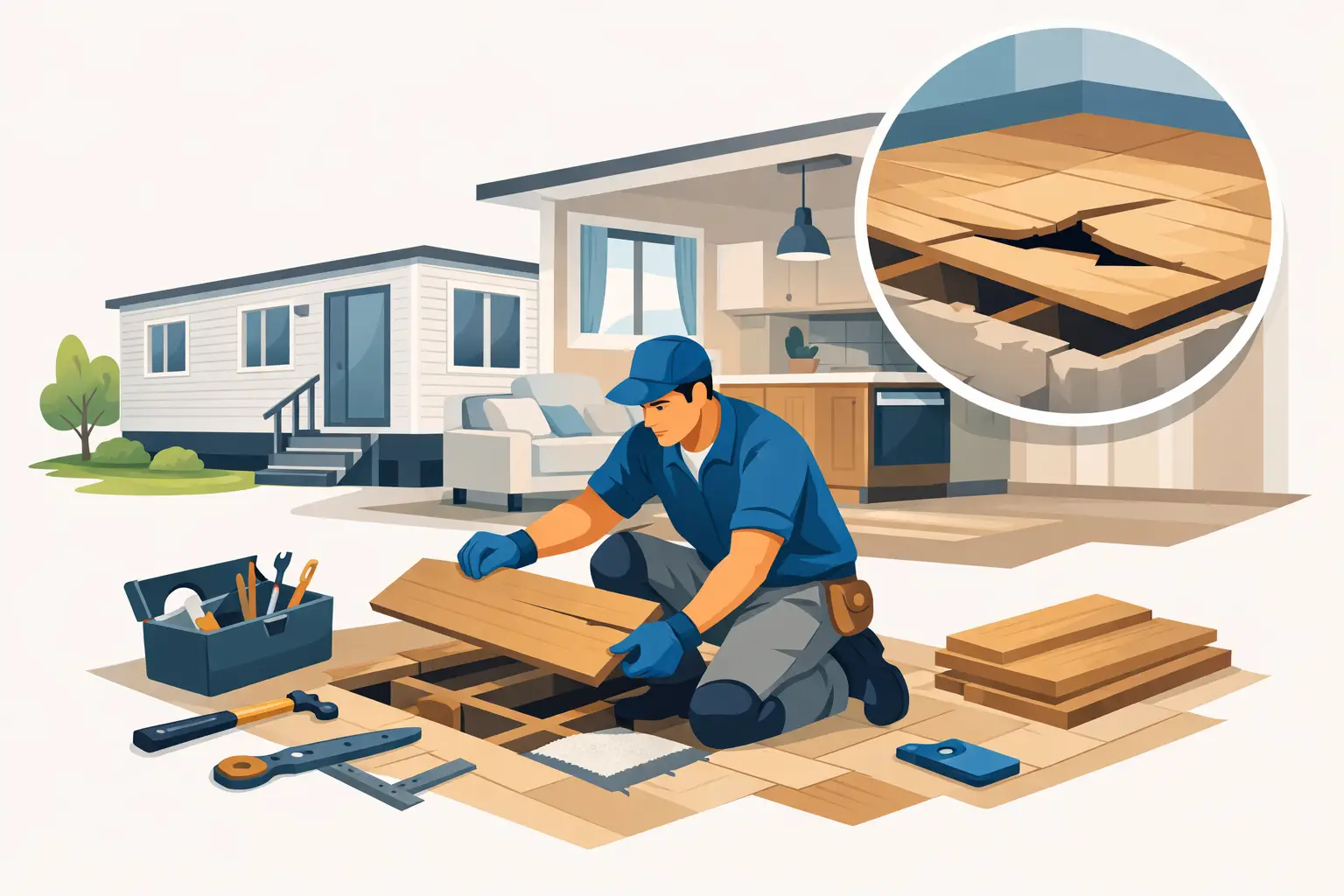
Underfloor insulation is often one of the most noticeable improvements. A draughty floor can make a room feel cold even when the heating is on. Properly fitted insulation beneath the home helps retain warmth, reduces cold spots and can make day-to-day living more comfortable during the colder months.
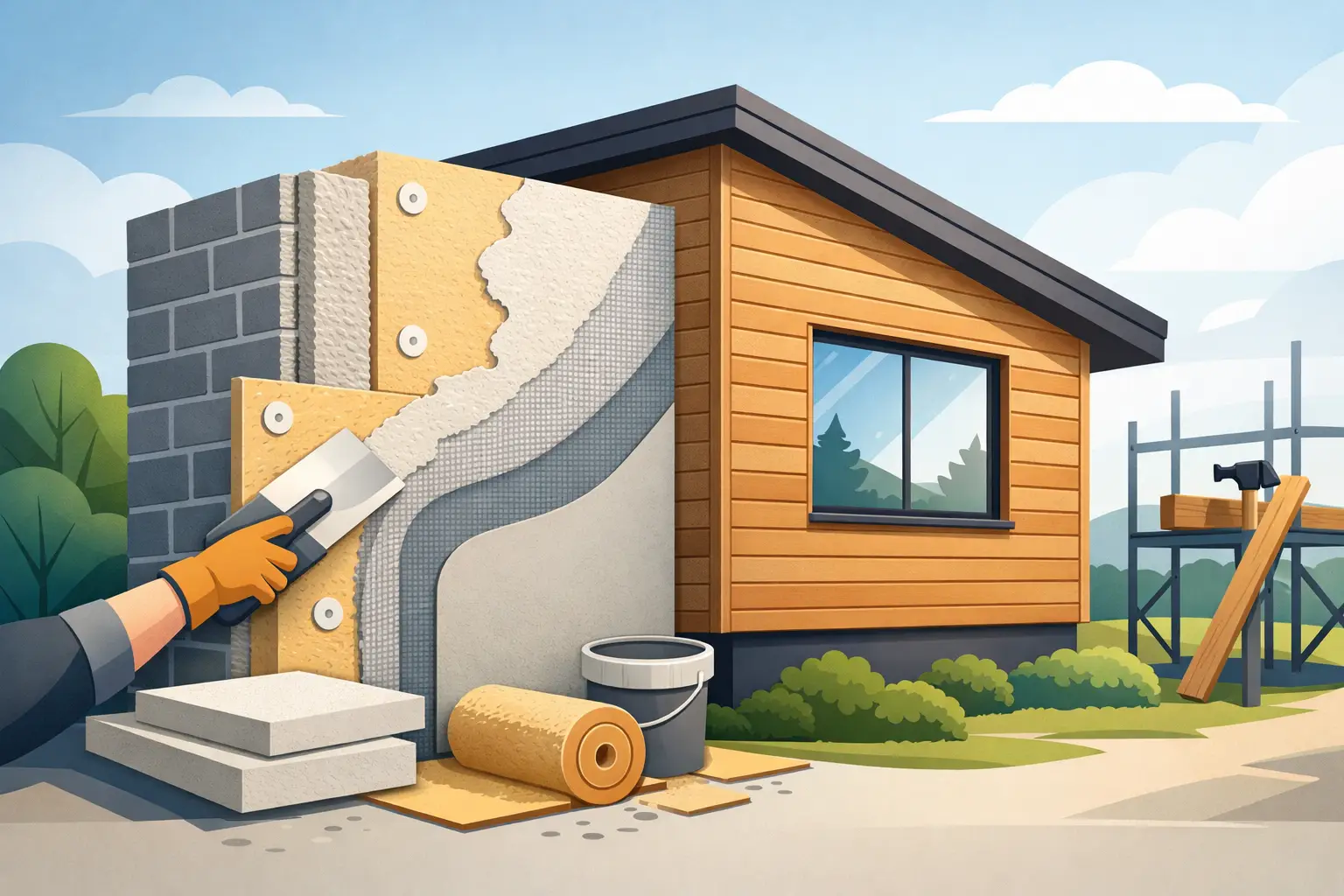
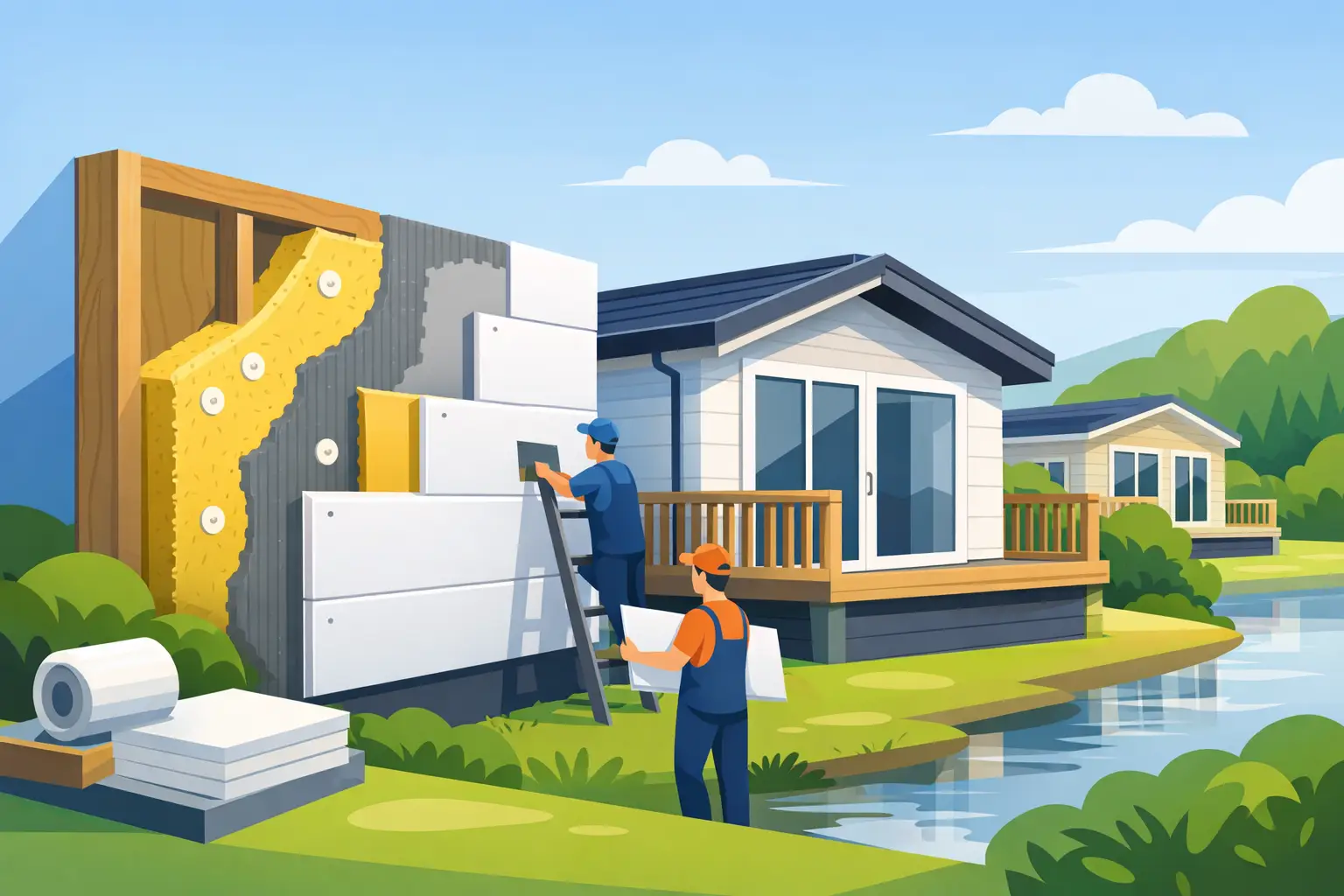
Wall and roof insulation can also make a substantial difference. The right approach depends on the construction of the park home, the space available and the condition of existing materials. It should never be treated as a one-size-fits-all job. Adding unsuitable materials or blocking necessary ventilation may cause moisture problems rather than solve them.
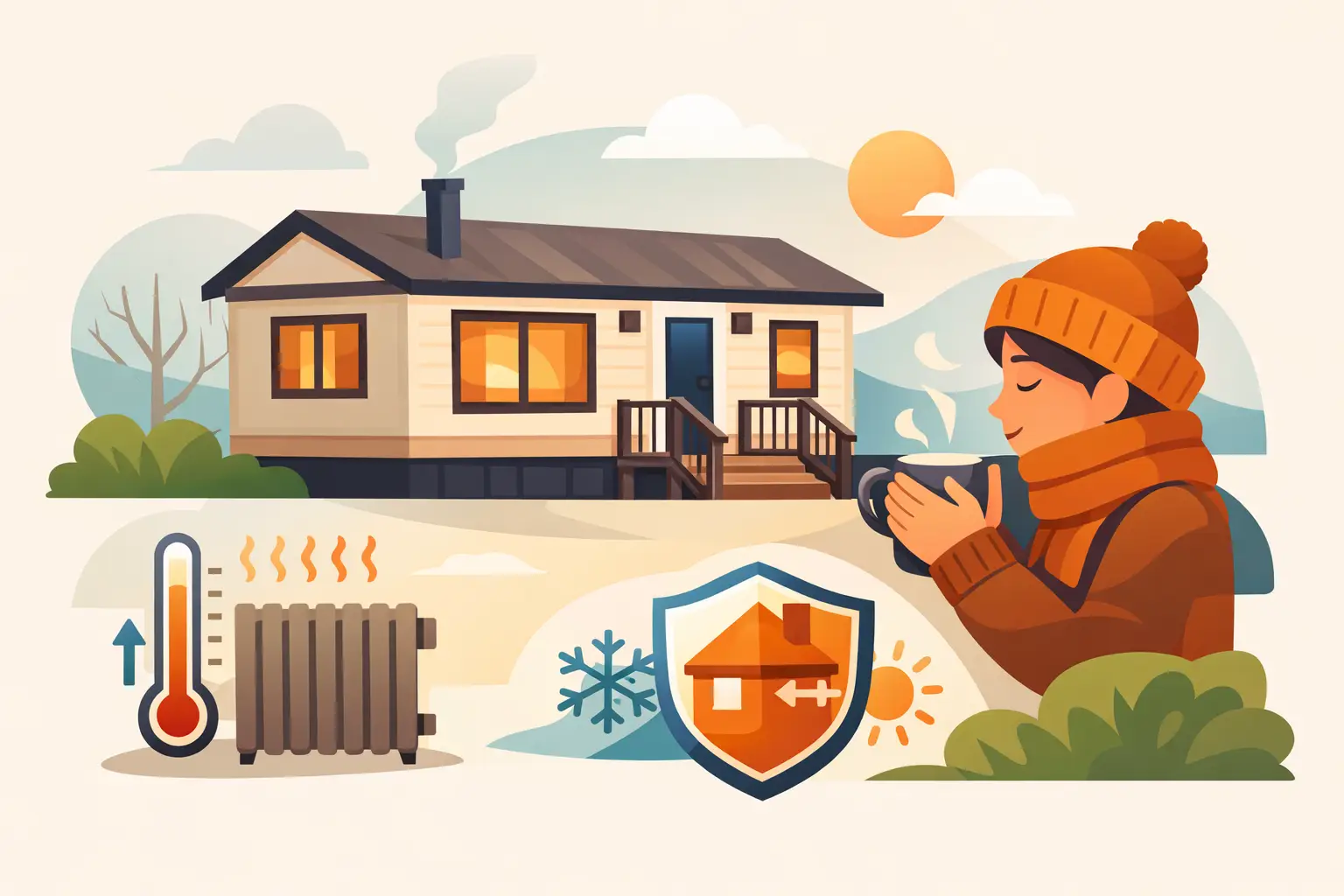
Insulation does not usually transform the look of a home. Its value is felt in quieter rooms, warmer floors and heating that does not need to work as hard. For owners who are comfortable with the appearance of their property but frustrated by cold rooms and high energy use, it is often the most direct route to a better living environment.
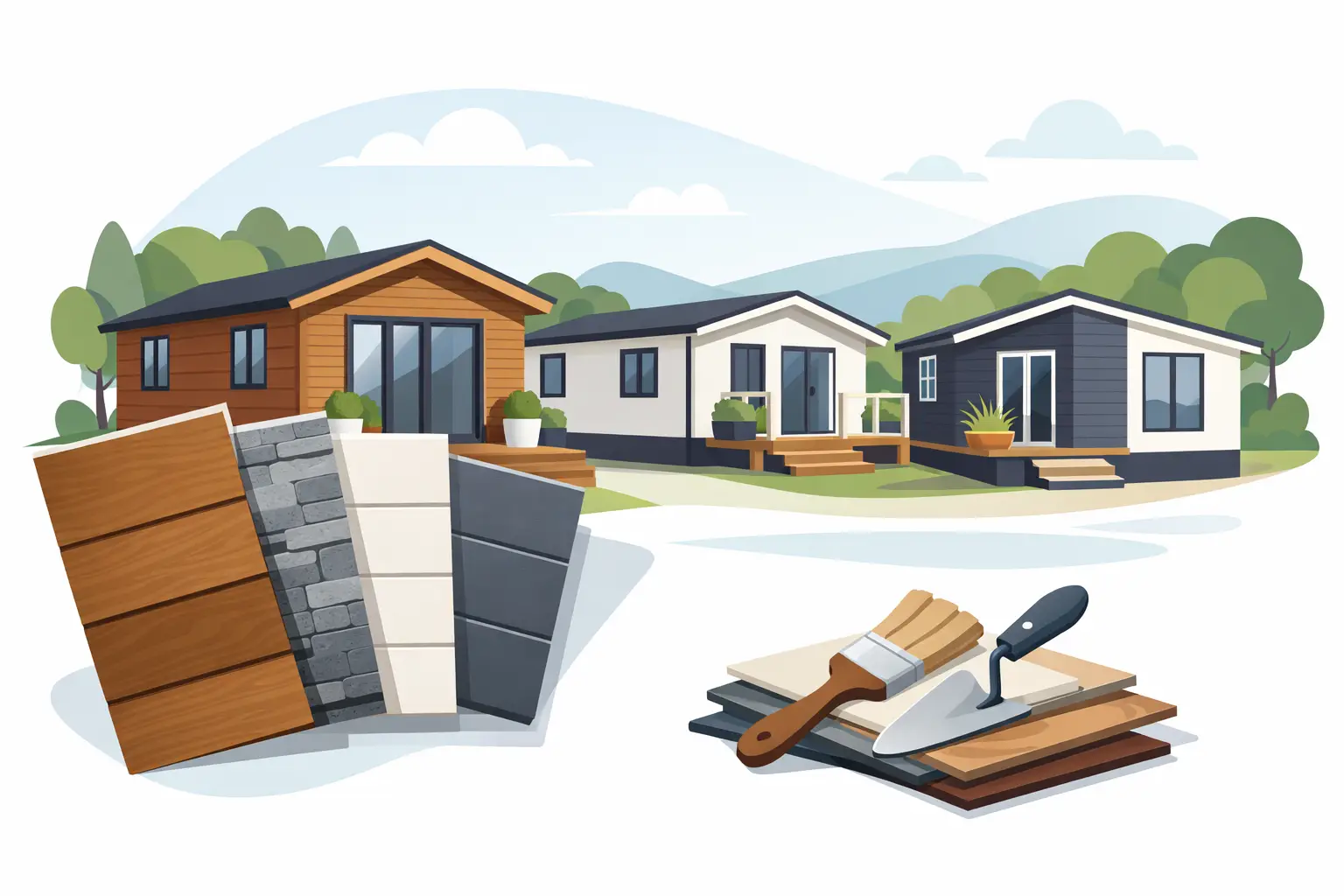
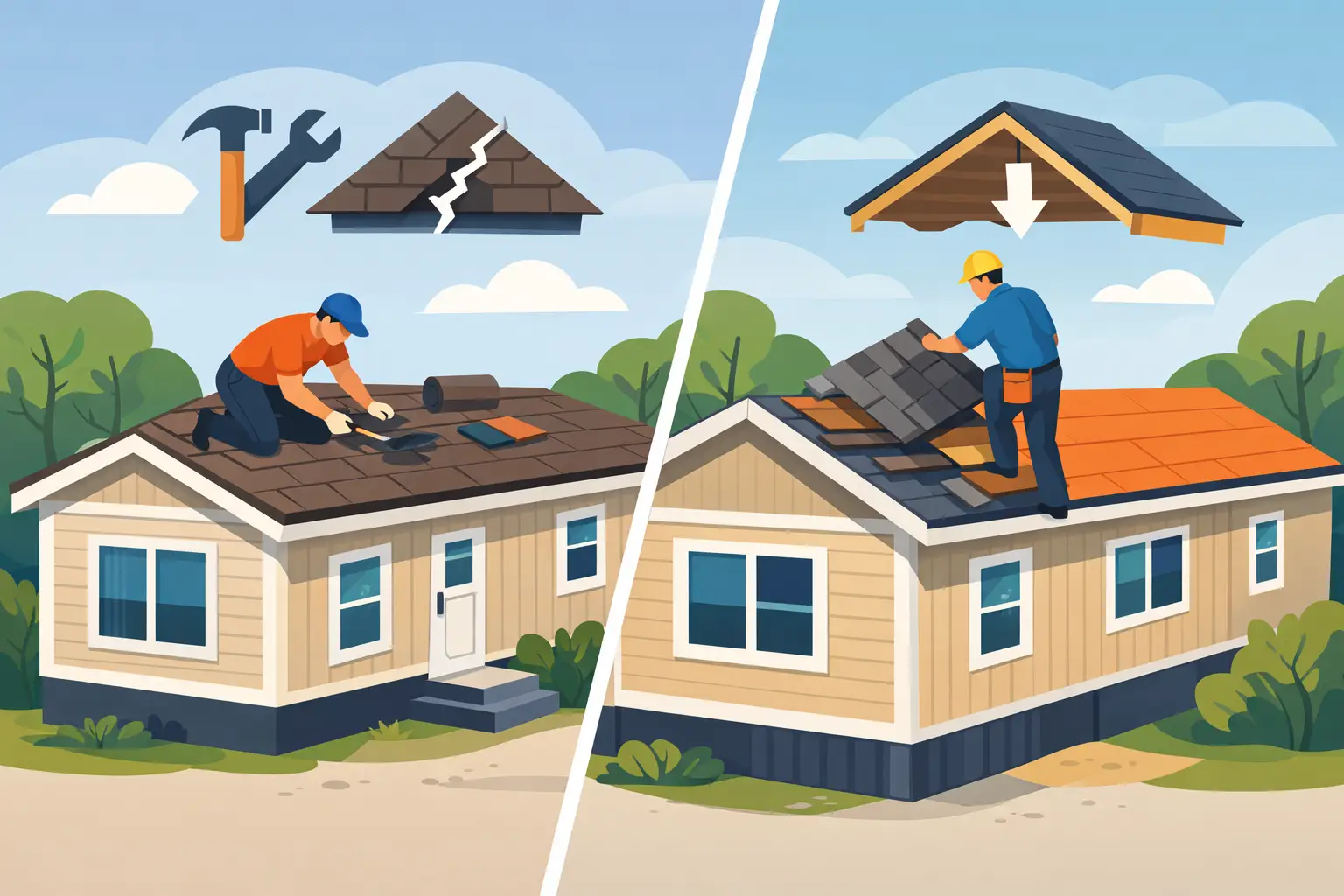
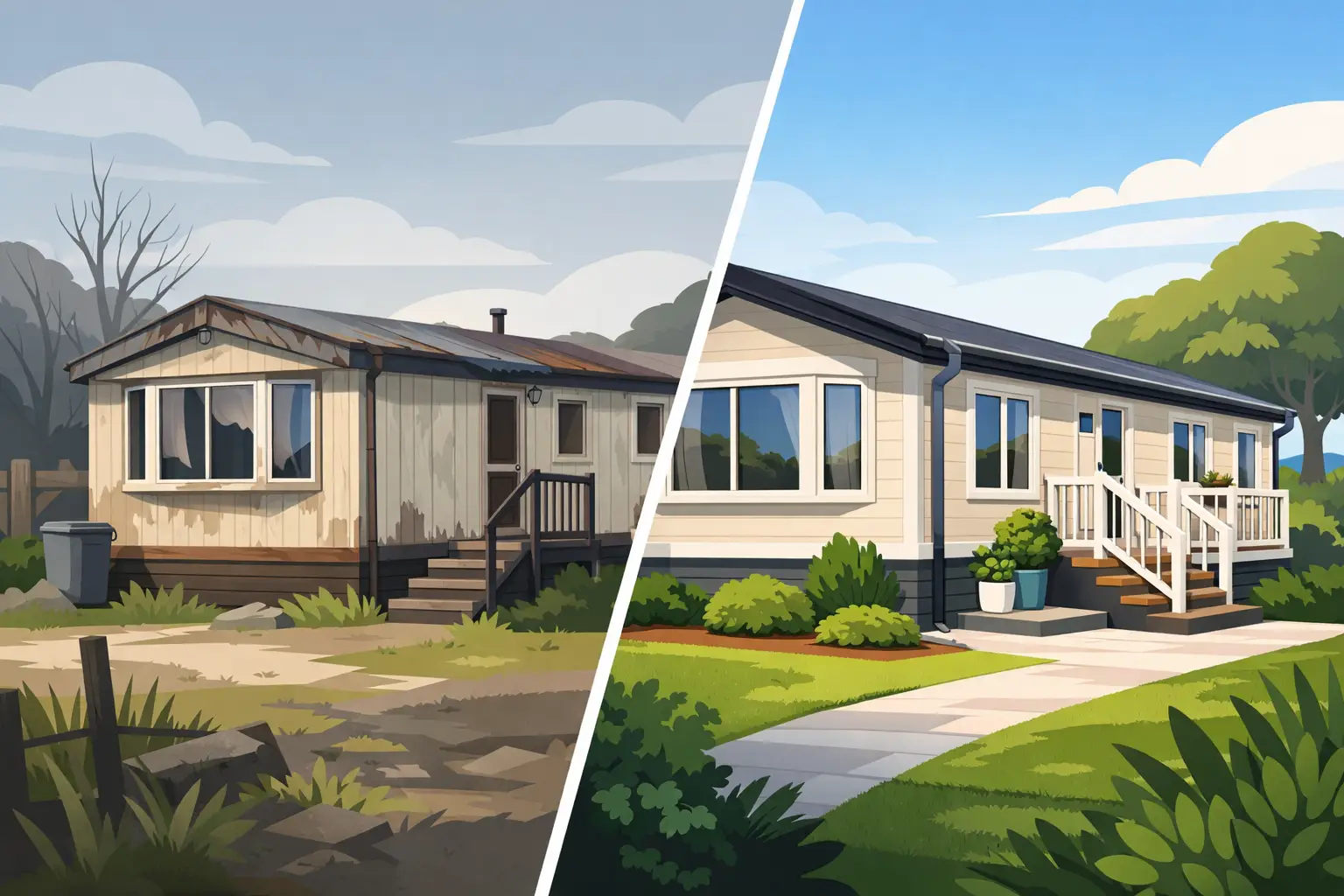
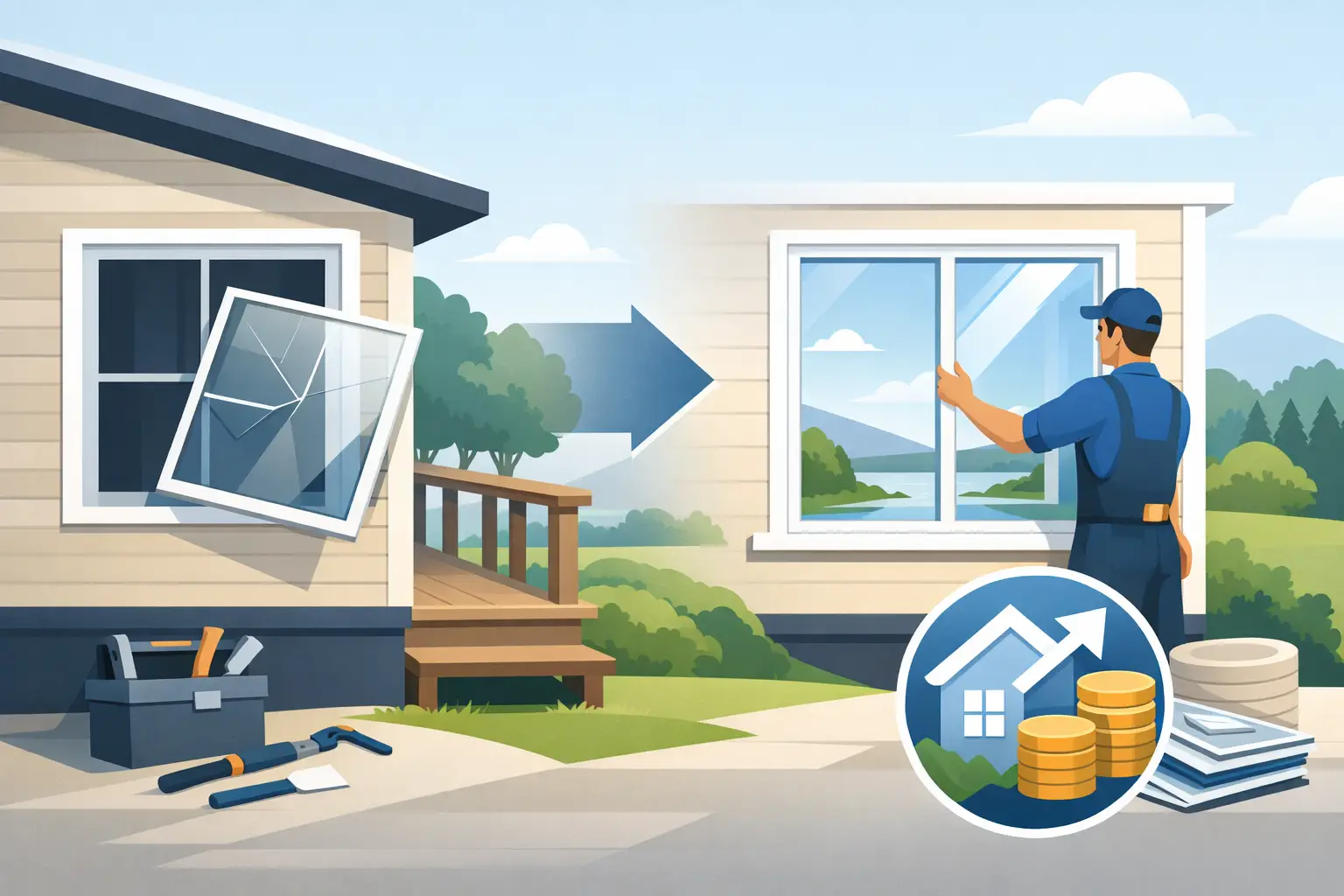
External cladding protects and refreshes the outside of a park home. It is particularly valuable where existing panels are worn, cracked, weathered or difficult to maintain. New cladding can give an older home a cleaner, more modern appearance while creating a durable outer layer against rain, wind and general exposure.
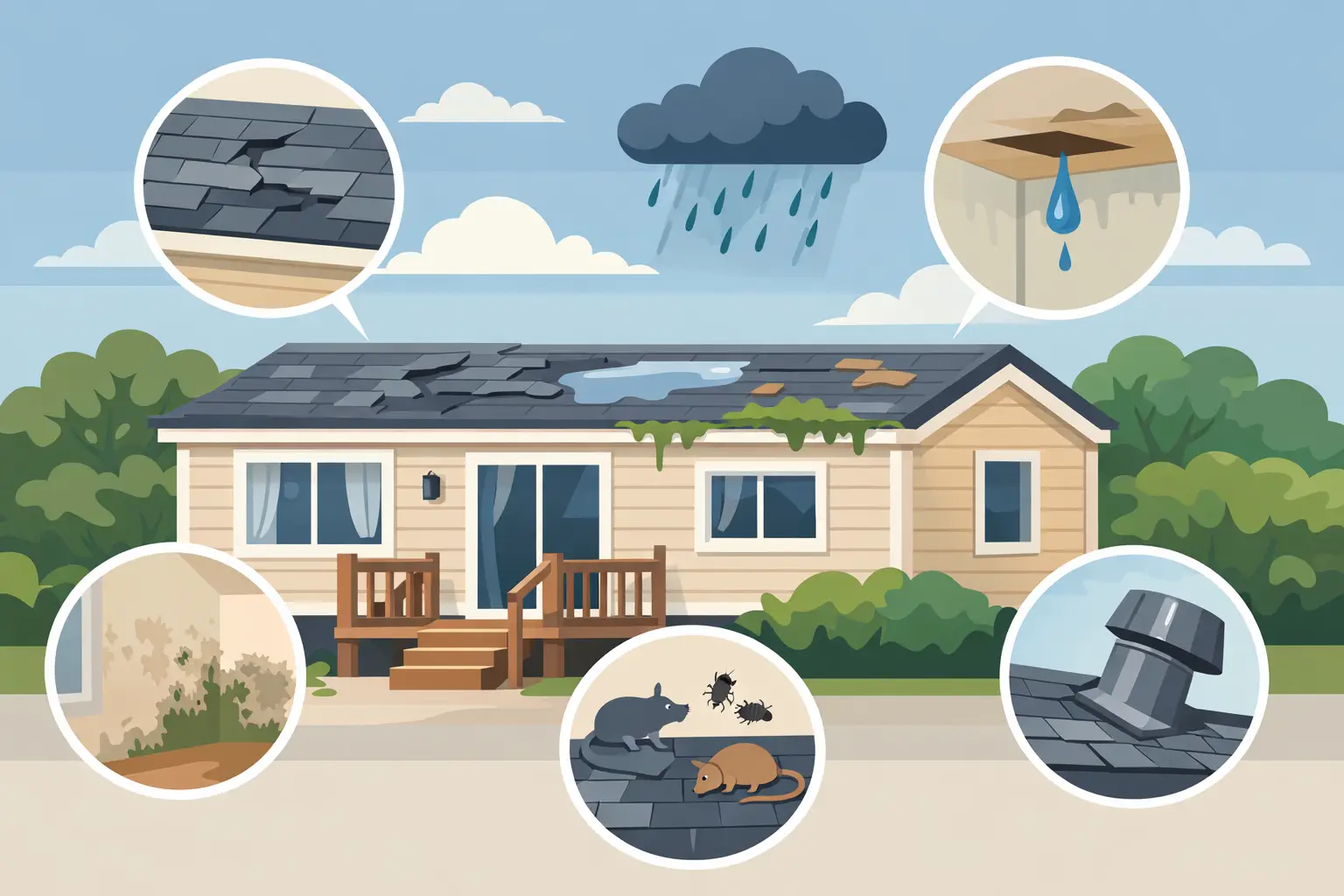
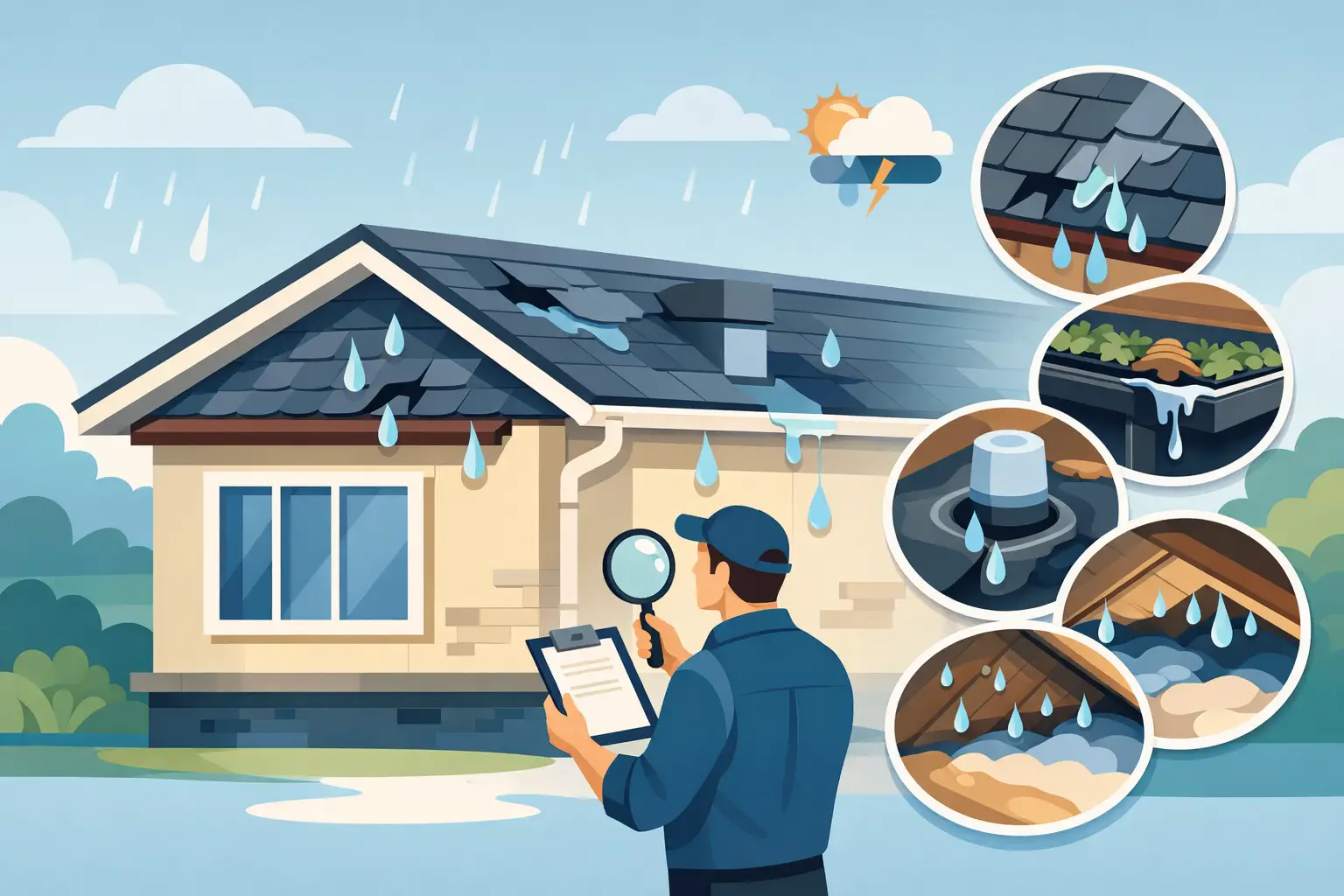
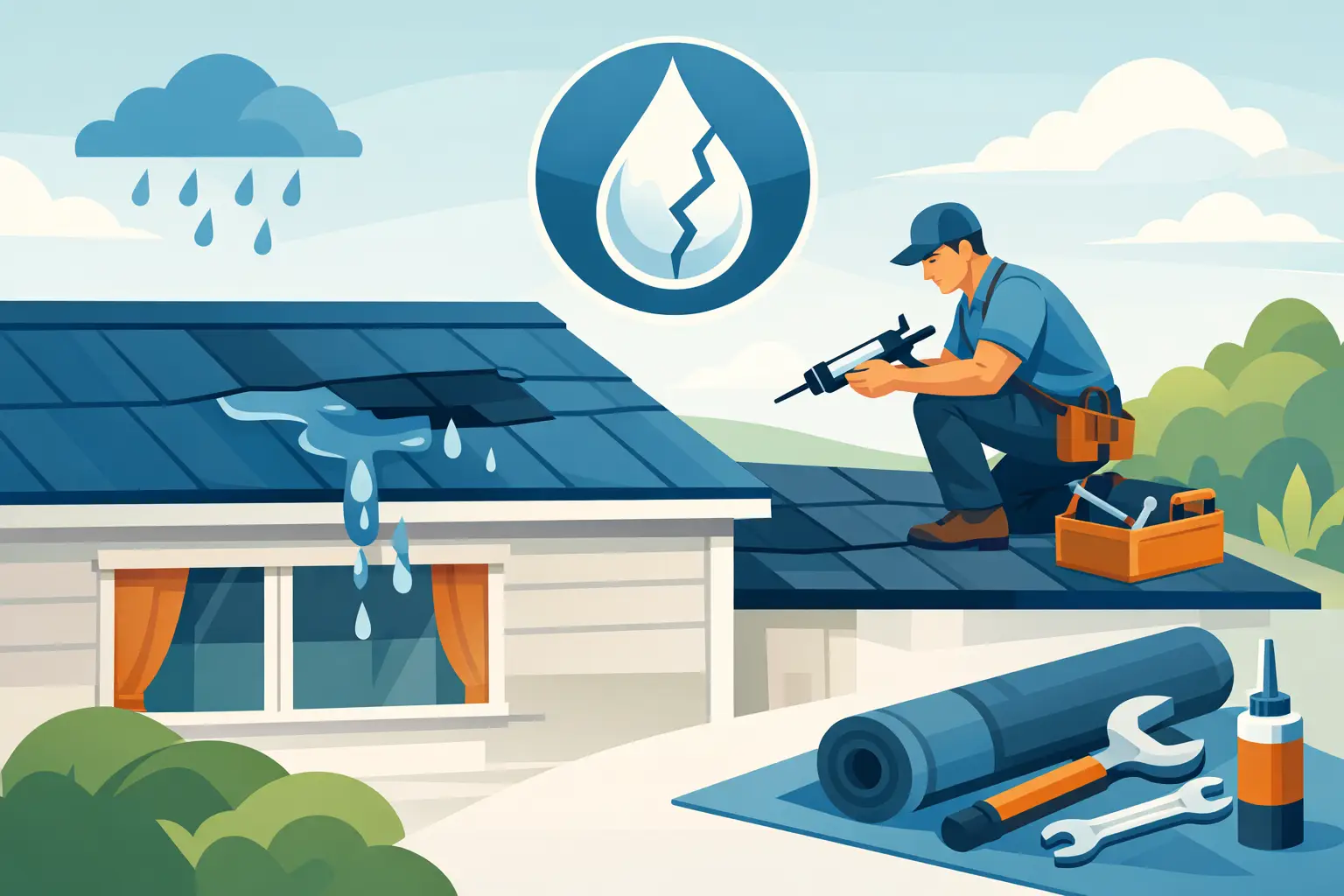
This matters because the exterior is the first line of defence. Damaged joints, failed sealants and ageing panels can allow water to reach areas it should not. Left unresolved, small defects may contribute to rot, damp insulation, damaged timbers and more expensive repairs.
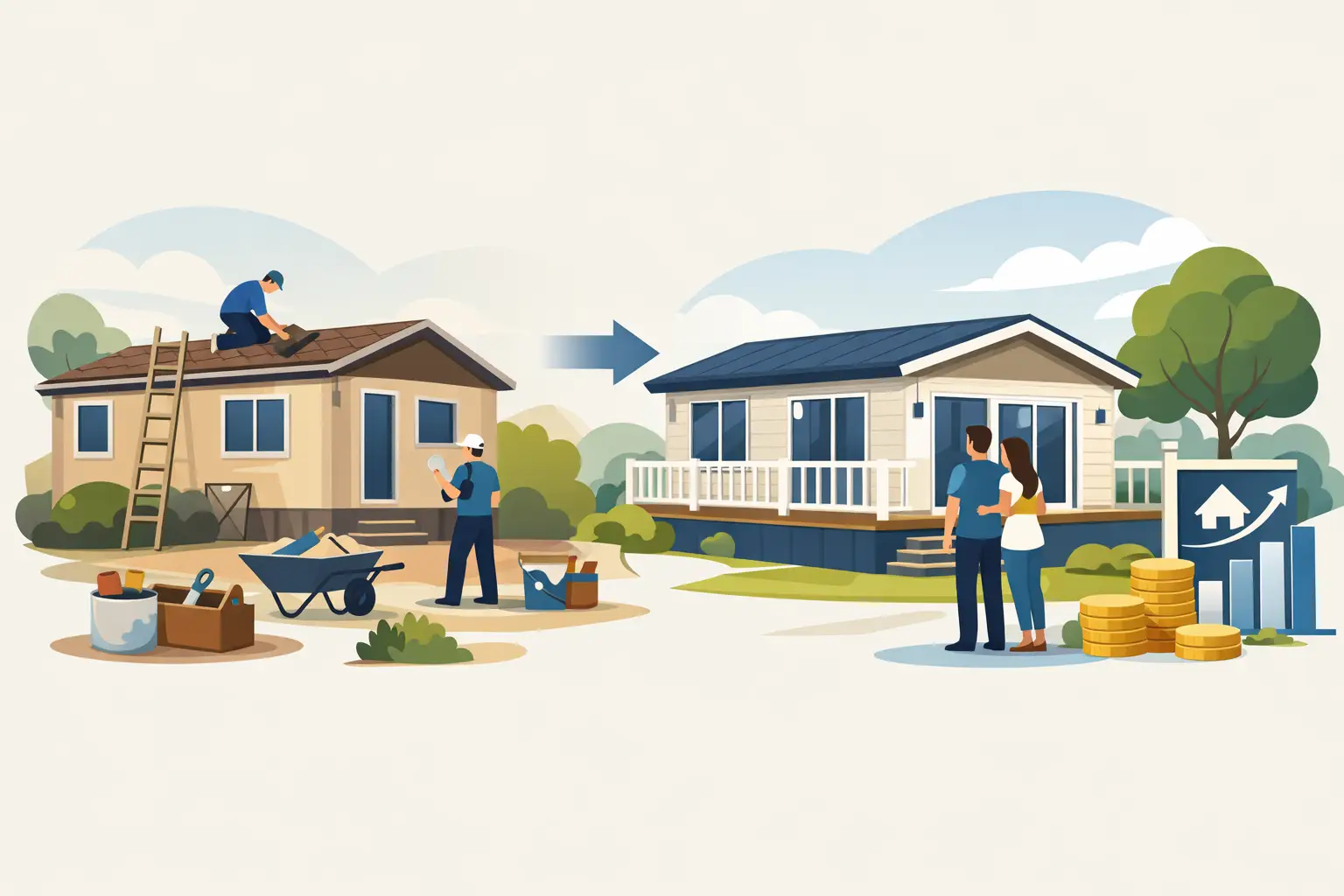
Quality cladding also reduces routine maintenance. Instead of regular painting and patching, a well-fitted system can provide a smart, consistent finish that is easier to keep clean. For owners looking to improve kerb appeal, protect the home and support its resale value, cladding can be a very worthwhile investment.
However, cladding is not automatically the answer to every warmth issue. Some systems can be installed alongside insulation, but cladding fitted on its own will not necessarily deal with heat escaping through an uninsulated floor, roof or poorly performing wall structure. The benefit depends on what sits behind it and how the whole home is performing.
The clearest difference is purpose. Insulation controls heat flow. Cladding protects the exterior and improves appearance. Both can contribute to a more comfortable, durable home, but they do so in different ways.
If the main concern is feeling cold, particularly underfoot or in rooms furthest from the heating source, insulation should be investigated first. A home with good-looking exterior panels can still be inefficient. Underfloor insulation, wall insulation or roof work may deliver more immediate comfort than an external facelift.
If the exterior is failing, letting in moisture or looking badly worn, cladding may be more urgent. There is little sense in ignoring damaged outer panels while focusing only on internal warmth. Water ingress can undermine insulation and affect the structure, so the building envelope needs to be sound.
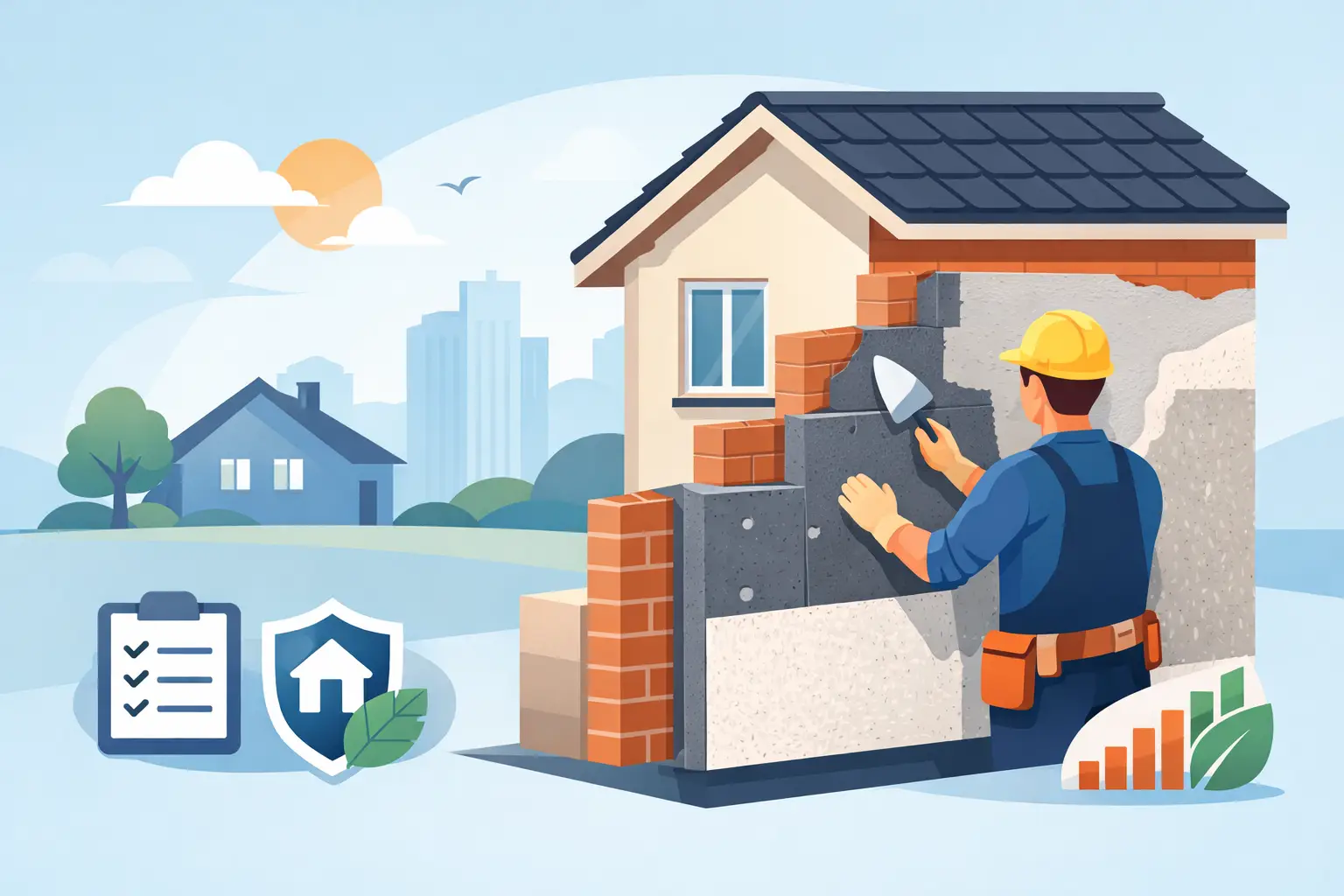
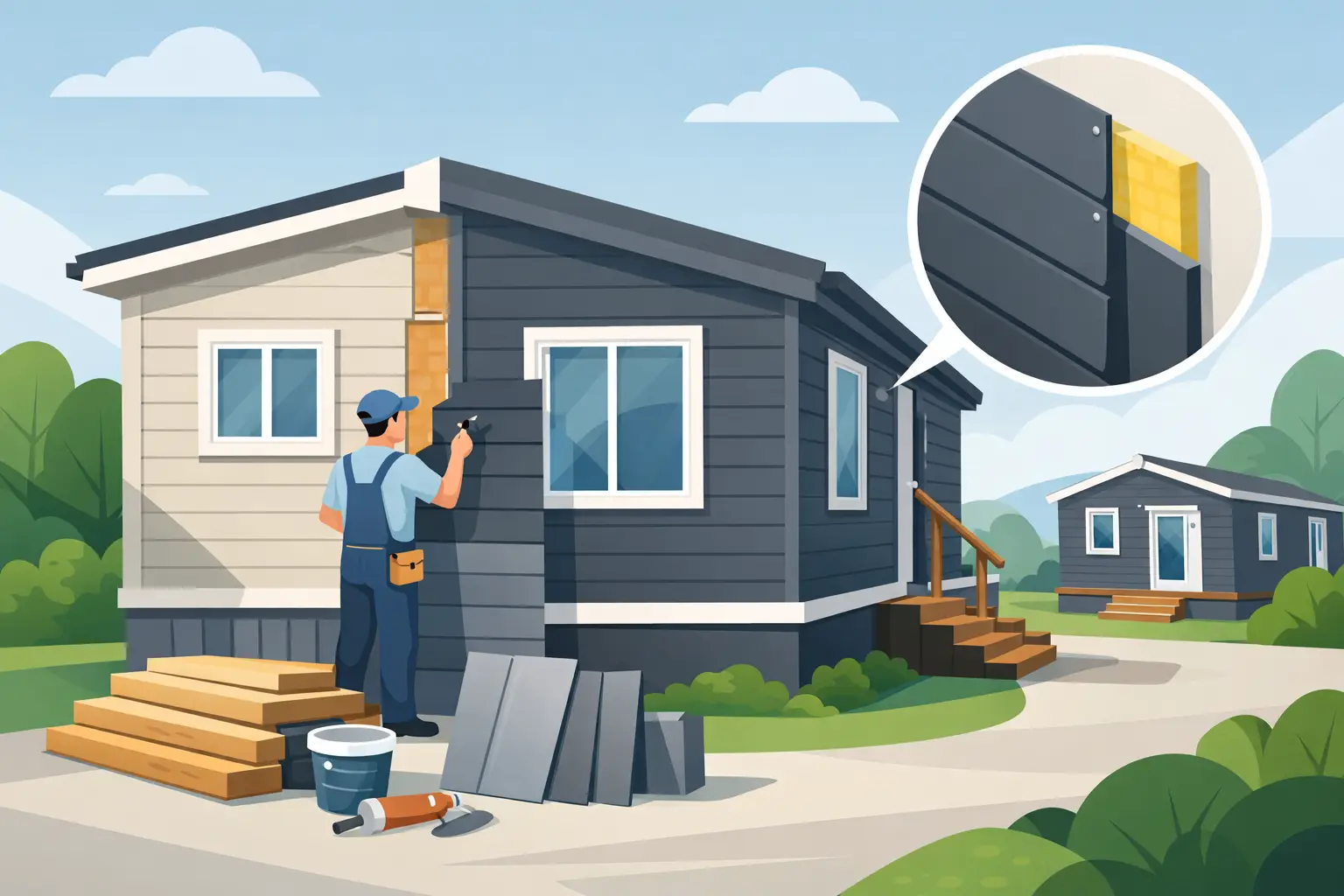
The strongest projects frequently combine the two. Where existing cladding is being removed or renewed, there may be an opportunity to assess the wall construction and install appropriate insulation at the same time. This avoids reopening completed work later and gives the home both a protective outer finish and improved thermal performance.
Insulation is usually the priority when the home is structurally dry and the outer shell remains serviceable, but comfort has noticeably declined. Common signs include cold floors, draughts around the base of walls, rooms that cool quickly after the heating goes off and higher-than-expected fuel costs.
It is also sensible to start with insulation where the chassis area and underfloor space are accessible. This work can address a source of discomfort that many owners simply accept as part of park home living. It should not be. A properly insulated floor can make a marked difference to how a home feels throughout the day.
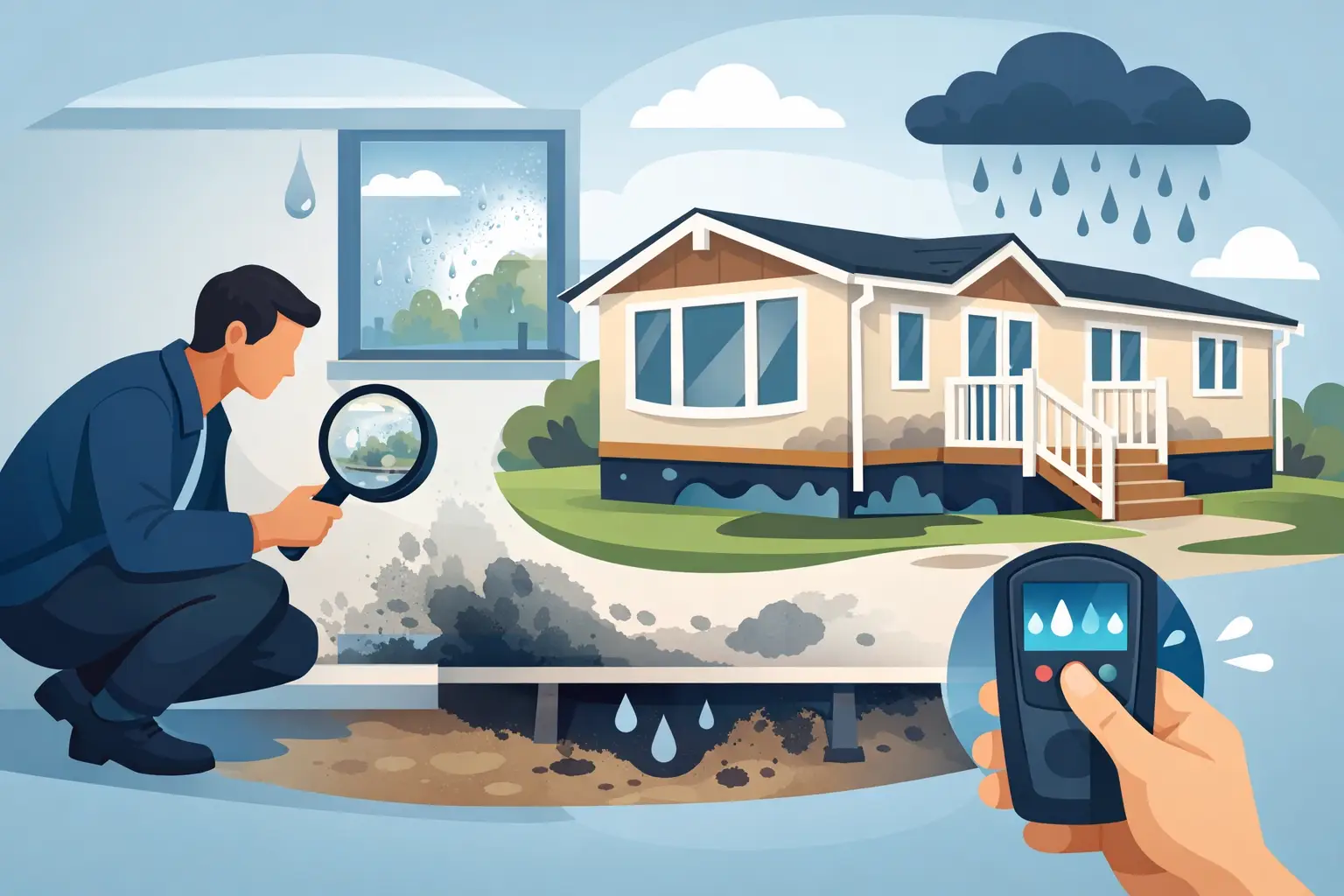
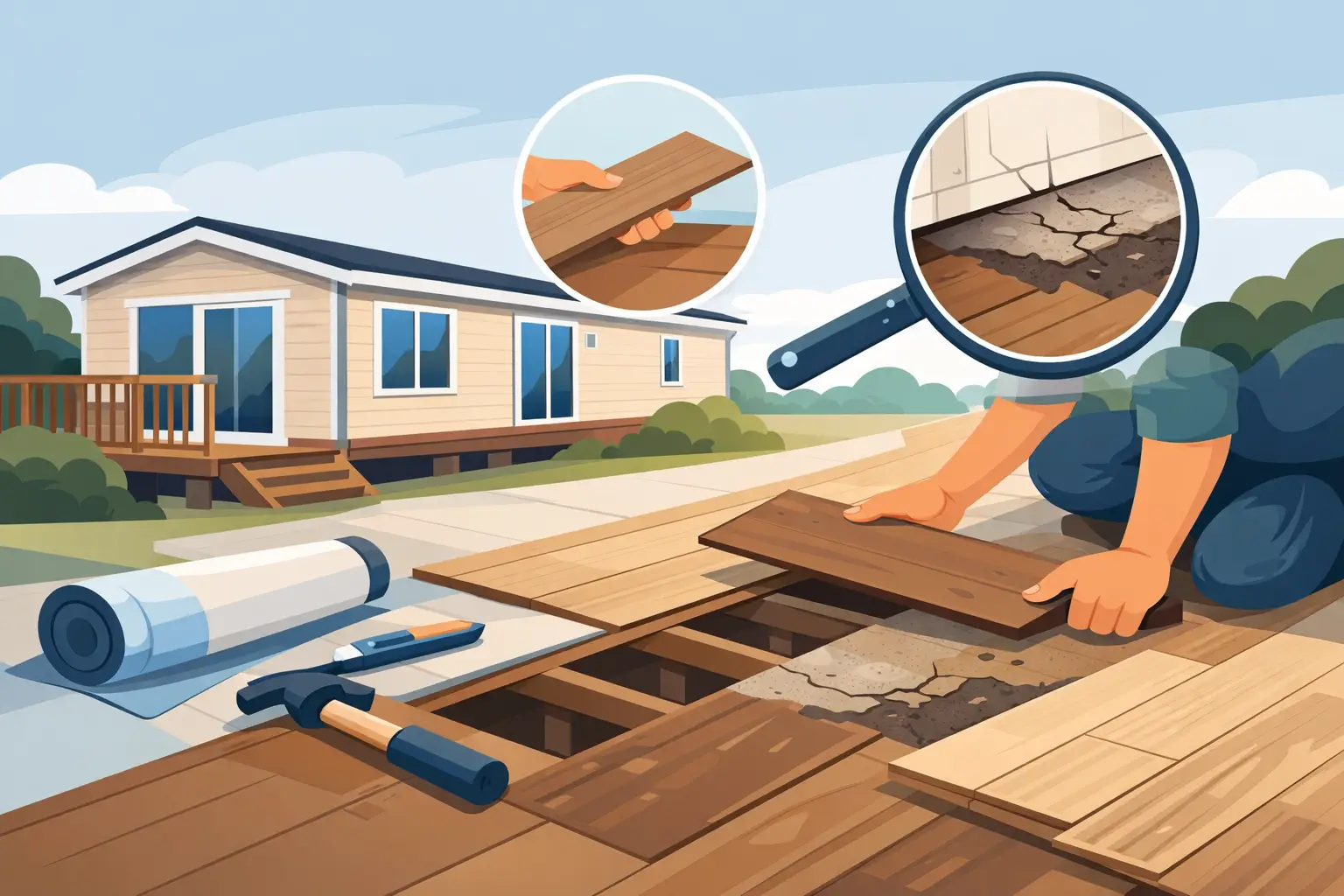
Before work begins, the underside of the home should be checked for damaged boarding, disturbed insulation, signs of pests, dampness and ventilation issues. There is no value in covering a problem without dealing with its cause. Repairs to the underfloor structure, pipe protection and ventilation may need to form part of the job.
Cladding should take priority if existing exterior panels are cracked, loose, warped, stained by water or reaching the end of their useful life. These are not only cosmetic concerns. They can indicate weak points where weather is getting through, especially around windows, doors, corners and roofline details.
A fresh cladding installation is also a practical choice where ongoing exterior maintenance has become a burden. Older finishes can require regular attention, and repeated patch repairs may become poor value over time. Replacing them with a durable, neatly finished system can protect the home and restore pride in its appearance.
That said, the condition of the framework behind the cladding must be assessed. Any rotten timber, damp areas or defective insulation should be repaired before new panels are fitted. A quality finish is only as reliable as the preparation beneath it.
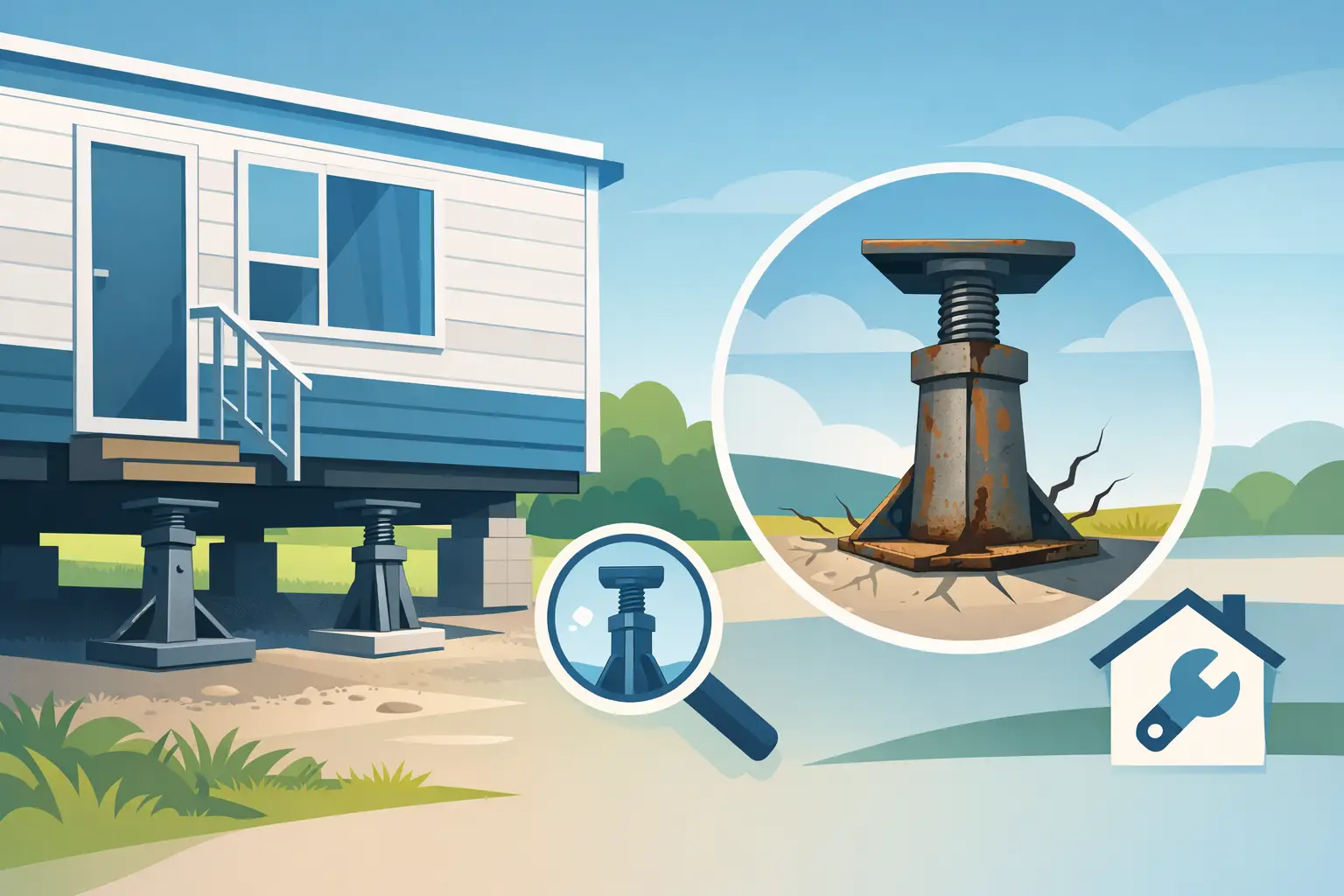
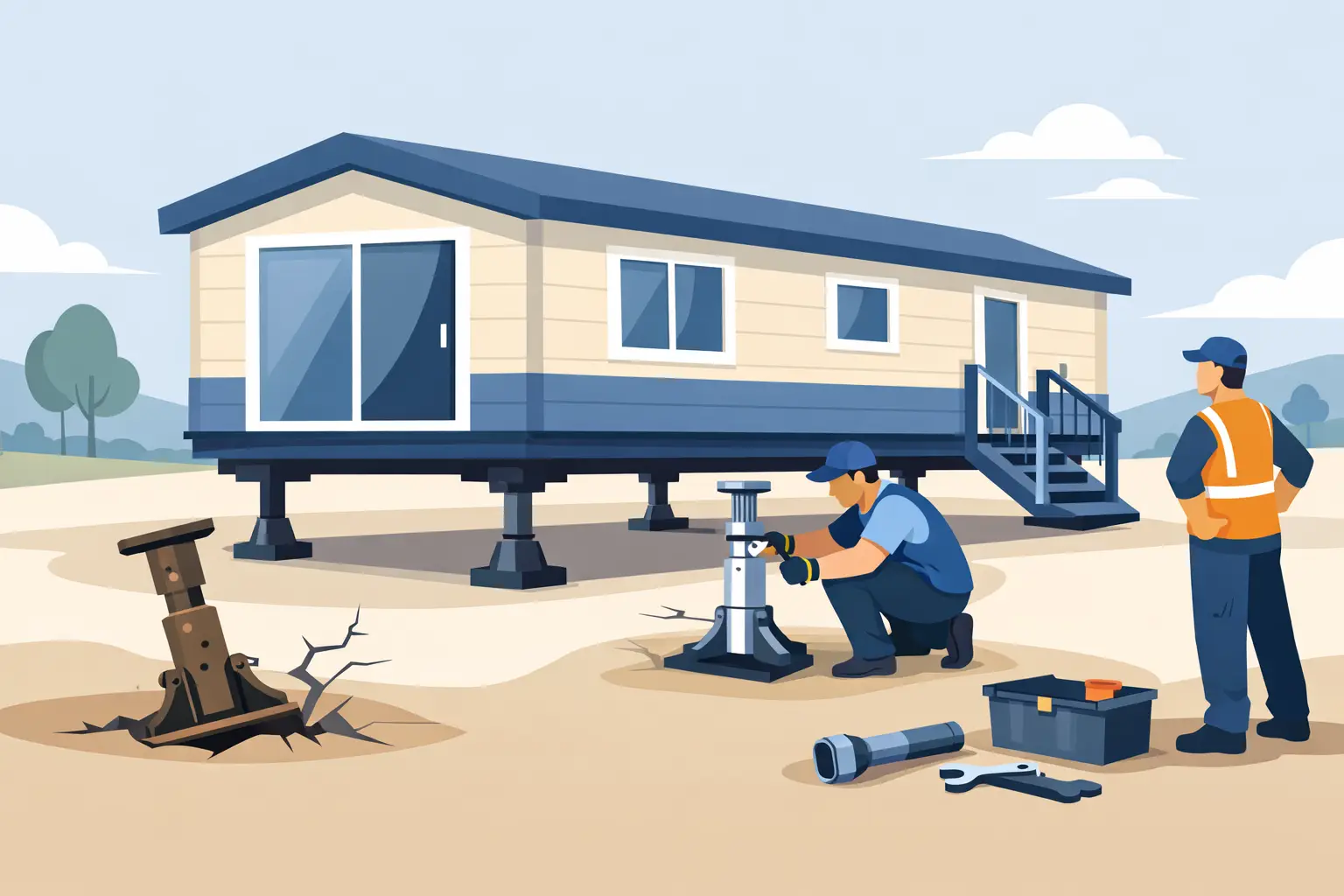
Deciding between insulation and cladding should not be done in isolation. A park home works as a complete structure. Roof defects can cause damp that affects walls. Poor drainage can splash water against lower panels. Failing supports or a neglected chassis can affect the level and security of the home.
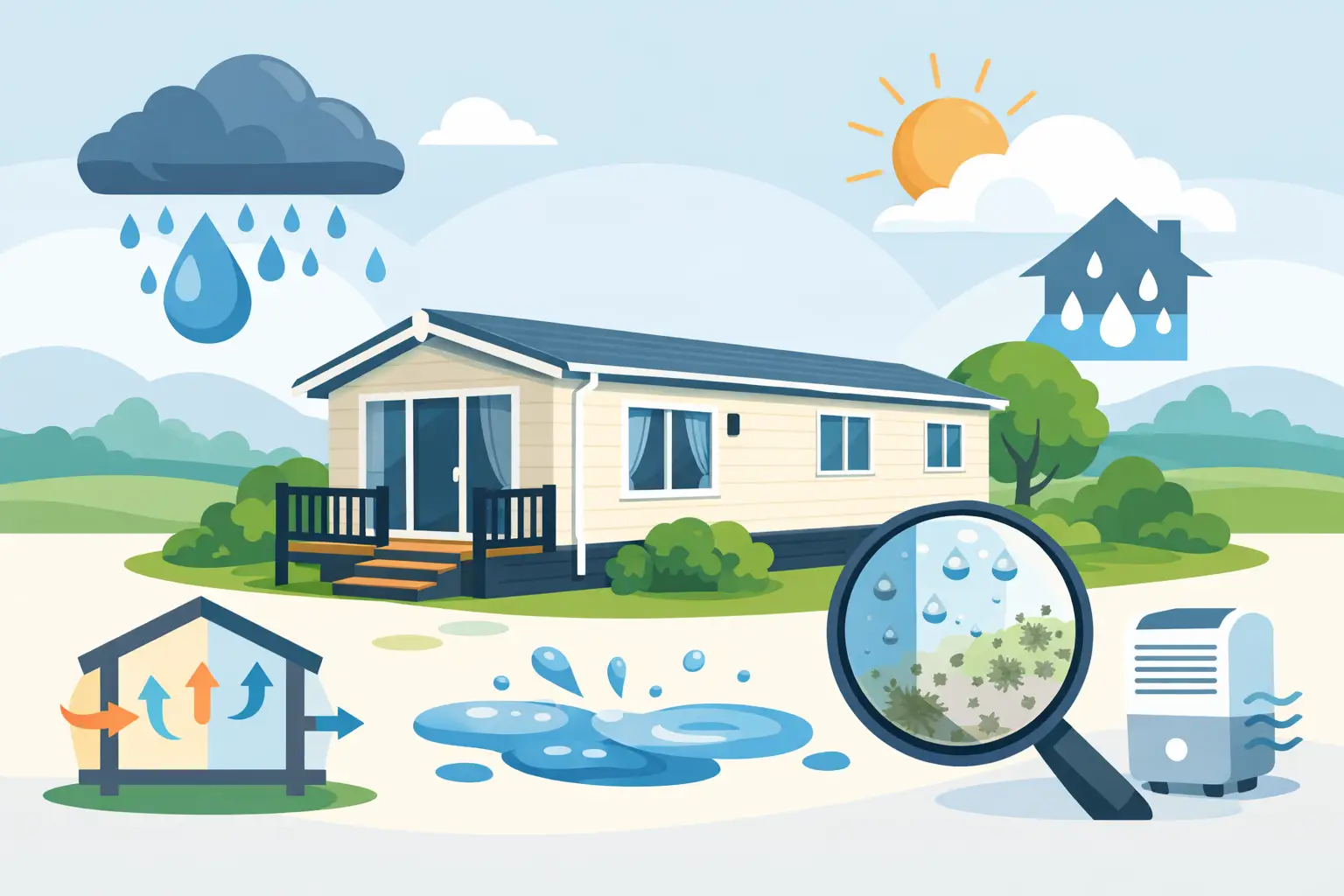
Ventilation also needs care. Park homes need to release moisture generated by everyday activities such as cooking, showering and drying clothes. Improving insulation and sealing gaps must be balanced with suitable ventilation, otherwise condensation can build up indoors. A specialist will consider the whole picture, rather than simply adding materials where they are easiest to fit.
This is one reason general building advice is not always enough. Park homes have their own construction methods, access requirements and maintenance needs. The right recommendation comes from inspecting the property rather than guessing from a photograph or applying a standard house-building solution.
Start with the problem you can see and the one you can feel. A weathered exterior, recurring sealant failures or loose panels point towards cladding and associated repairs. Cold floors, persistent draughts and expensive heating point towards insulation. If both are present, a planned refurbishment is often more economical and less disruptive than tackling each issue separately.
Budget matters, but so does timing. It may be sensible to repair urgent defects first, then plan wider improvement work in stages. On the other hand, if wall cladding is due for replacement, it can be sensible to investigate insulation while the wall construction is accessible. Doing the job properly once is generally better than paying to undo finished work later.
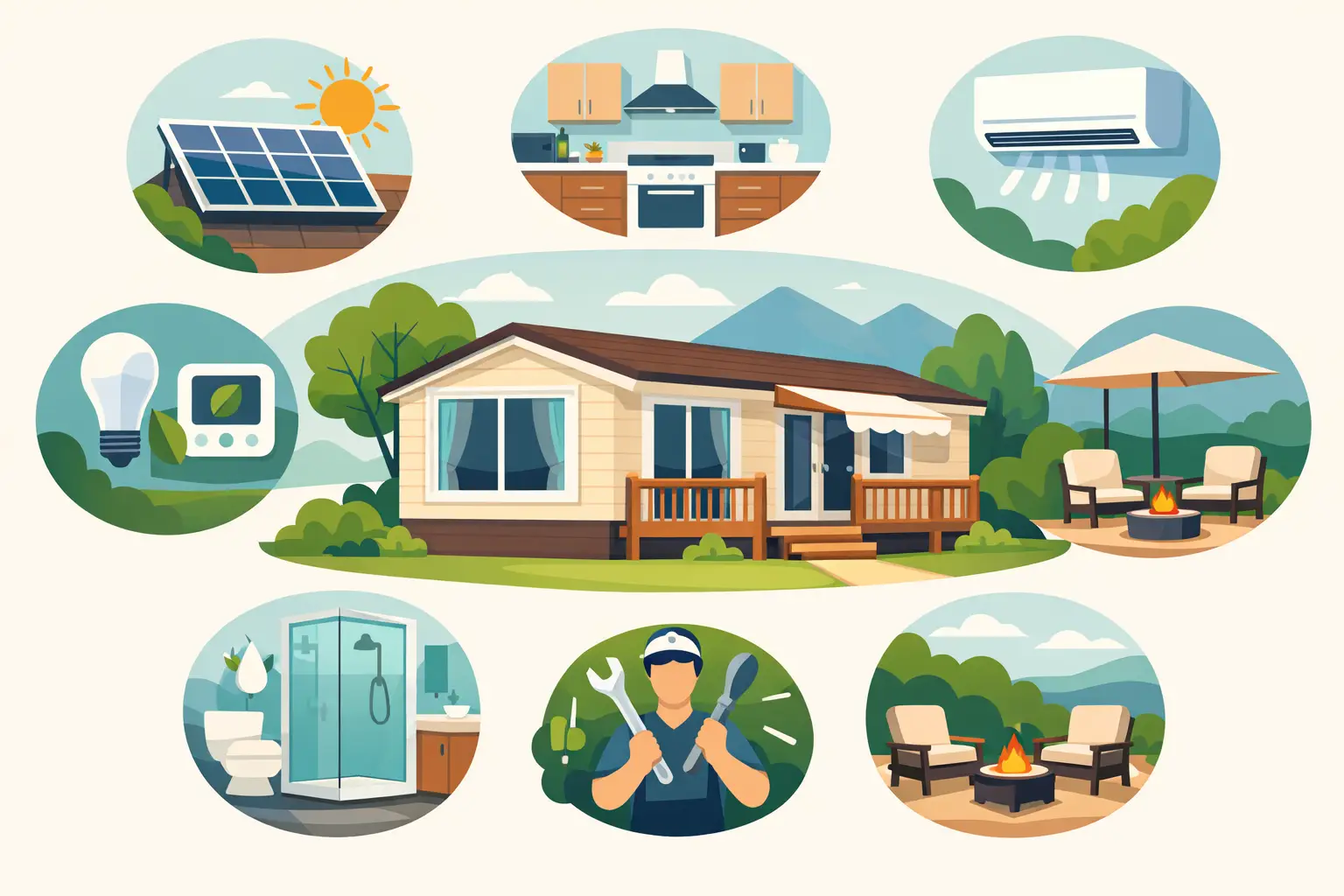
At New Look Park Homes Ltd, we assess the condition of each home before recommending a practical course of action. Our focus is on work that gives owners clear, lasting benefits: a warmer home, a protected exterior, less maintenance and confidence that the refurbishment has been carried out with park home construction in mind.
A home should not force you to choose between feeling warm inside and feeling proud when you arrive at the front door. With the right inspection and a properly planned upgrade, insulation and cladding can each play their part in making your park home more comfortable, protected and enjoyable for years to come.