A park home can look perfectly sound from the outside while small faults are developing underneath, behind the cladding or around the roofline. That is why regular park home maintenance matters. It is not simply about keeping the home looking smart. It protects warmth, stability, weather resistance and the long-term value of a property built differently from a conventional brick house.
Park homes and static homes need specialist attention because their construction, chassis, supports and external finishes all work together. A loose panel, a blocked gutter or a tired support jack can become a much bigger job if left for another winter. Checking the right areas at the right time gives owners more control over costs and helps avoid disruption later on.
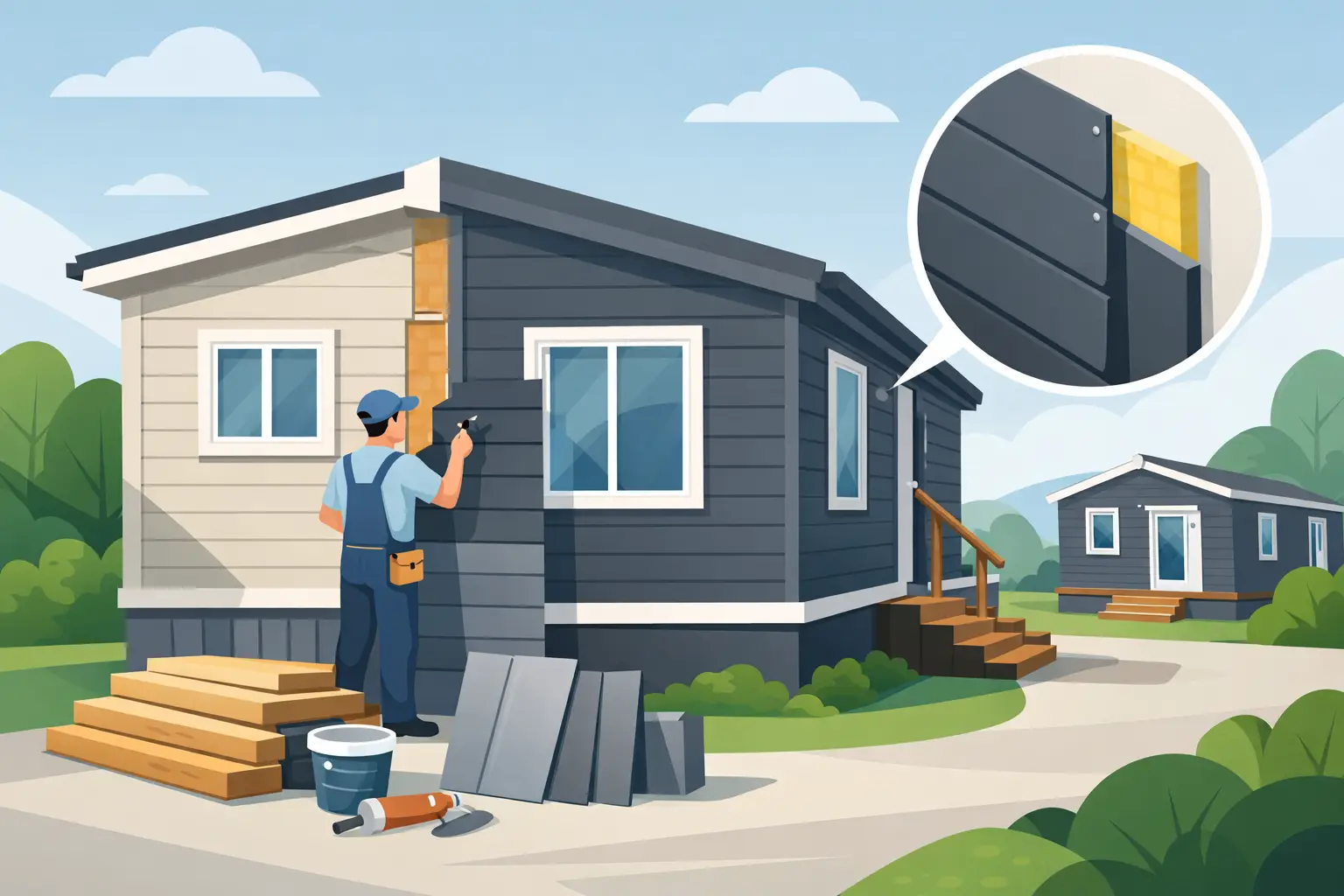
The exterior is the first line of defence against wind and rain. Walk around the home regularly, ideally in good daylight, and look for cracked or loose cladding, open joints, damaged trims and sealant that has hardened or pulled away. Pay particular attention to corners, window edges, door frames and service entry points, as these are common places for water and draughts to find a way in.
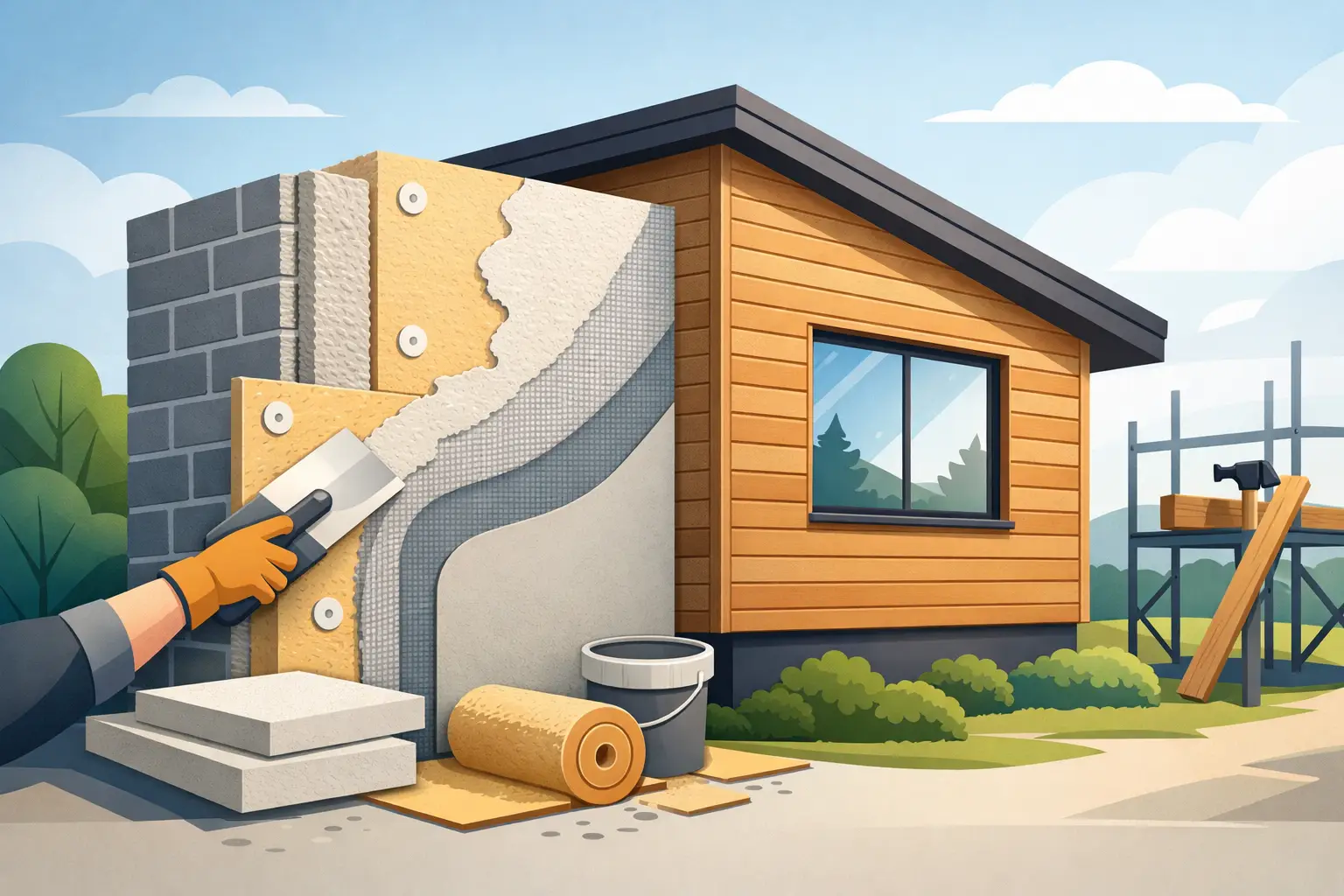
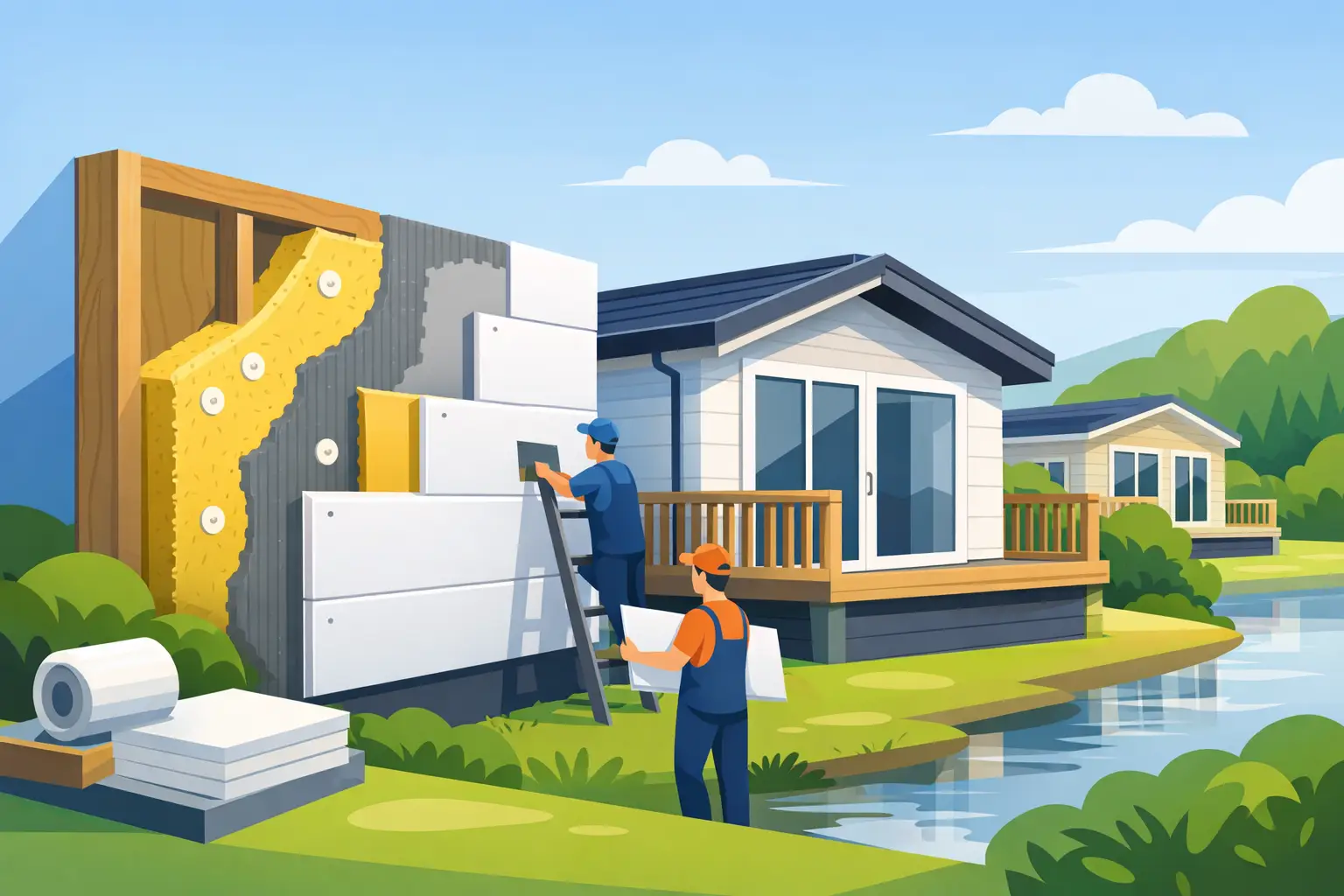
Cladding does not only improve appearance. It helps shield the structure from the weather and can make a major difference to how much routine upkeep the home needs. Fading, warping or movement in older exterior finishes may suggest that replacement cladding is worth considering, particularly where repeated patch repairs are no longer holding.
Gutters and downpipes deserve the same attention. Clear leaves and debris so rainwater can drain freely, then check that downpipes discharge away from the base of the home. Overflowing gutters can soak external walls, splash onto the chassis area and contribute to damp ground beneath the property. This is a straightforward task, but it is one of the most useful pieces of preventative maintenance.
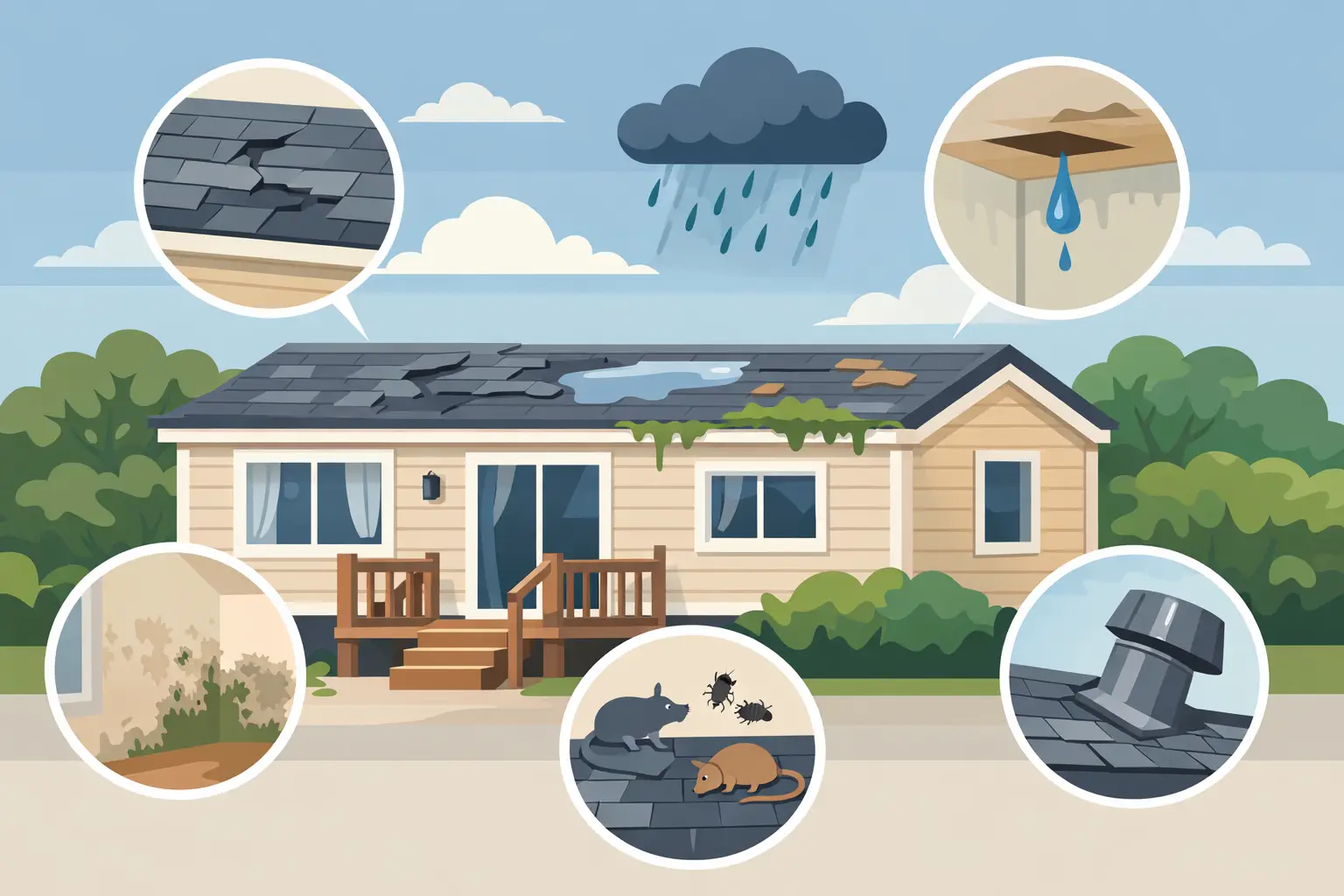
A sound roof protects every part of the home below it. After high winds, heavy rain or periods of snow, look from ground level for slipped or damaged roof coverings, loose flashing, cracked seals and sagging guttering. Inside, inspect ceilings and upper wall areas for staining, peeling finishes or a musty smell. These can be early signs of water ingress, even where a visible drip has not appeared.
Roofing repairs are best dealt with promptly. A small weakness around a joint, vent or edge detail may be relatively simple to repair. Once moisture reaches insulation, timber or internal finishes, the scope of work can grow quickly. The right solution depends on the roof’s age, condition and existing construction. Sometimes a targeted repair is sensible; on an ageing roof with widespread deterioration, replacement may offer better long-term value.
Avoid relying on a quick coating or sealant as a permanent answer without a proper assessment. Surface treatments have a place, but they cannot correct failed materials, movement or hidden structural problems.
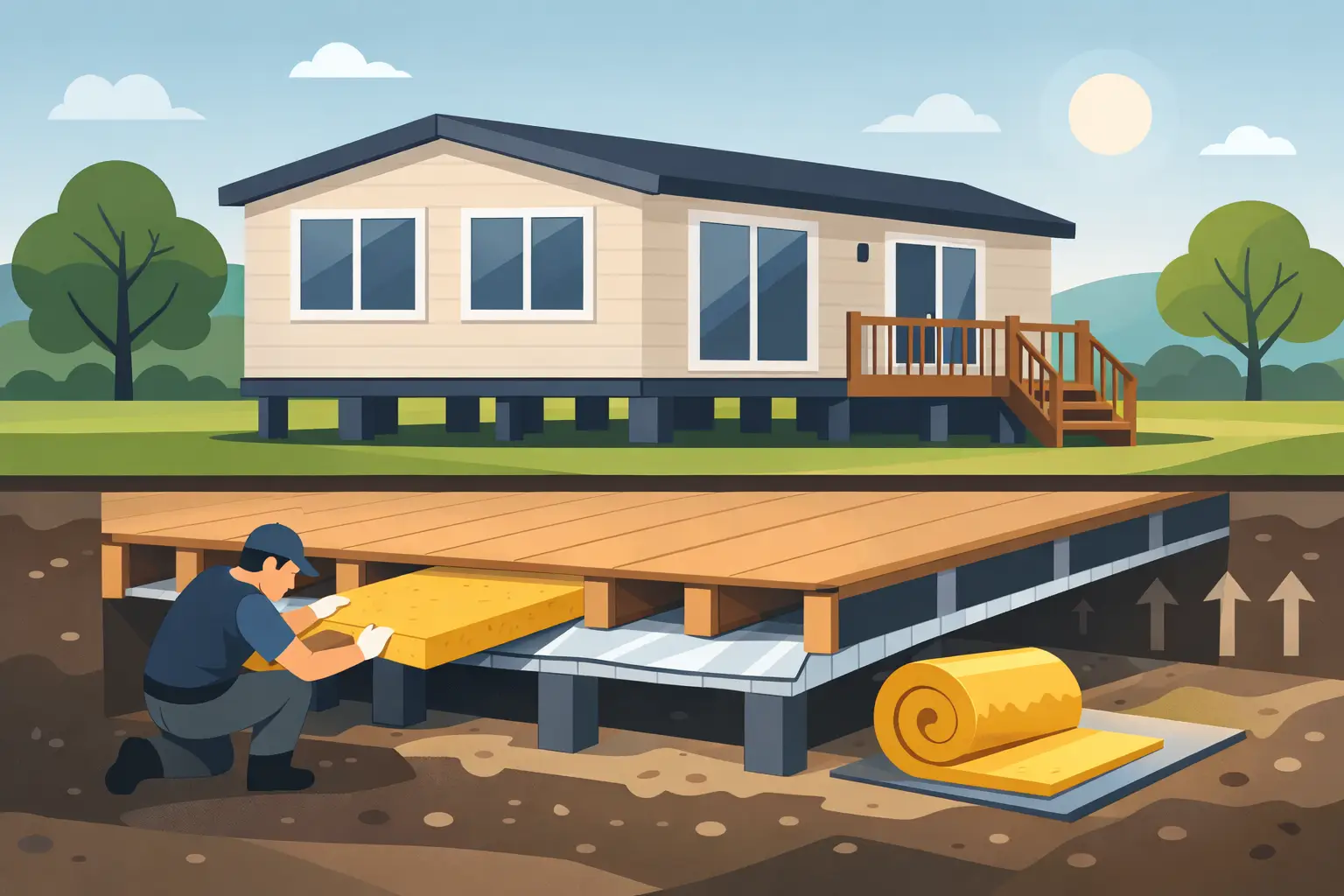
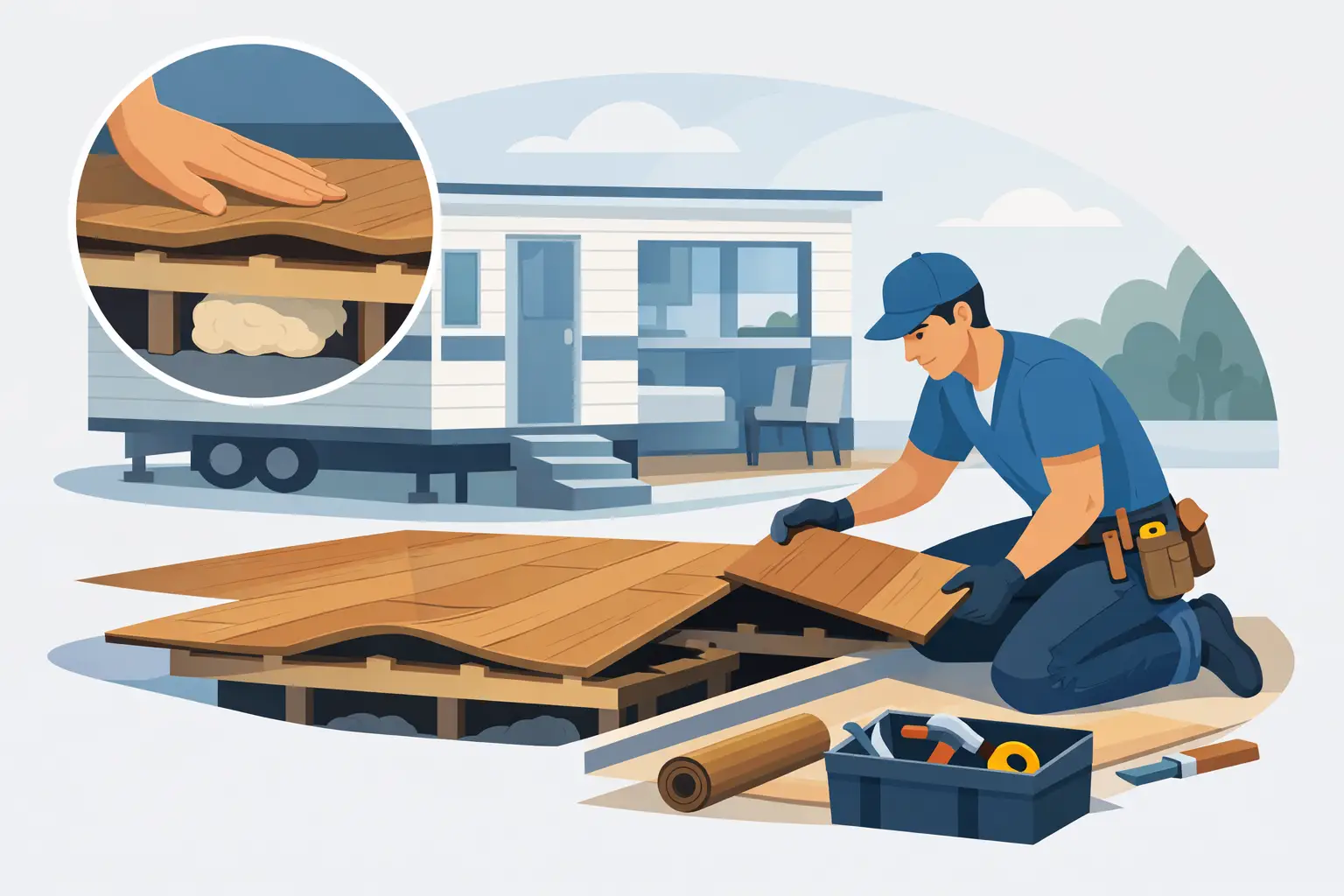
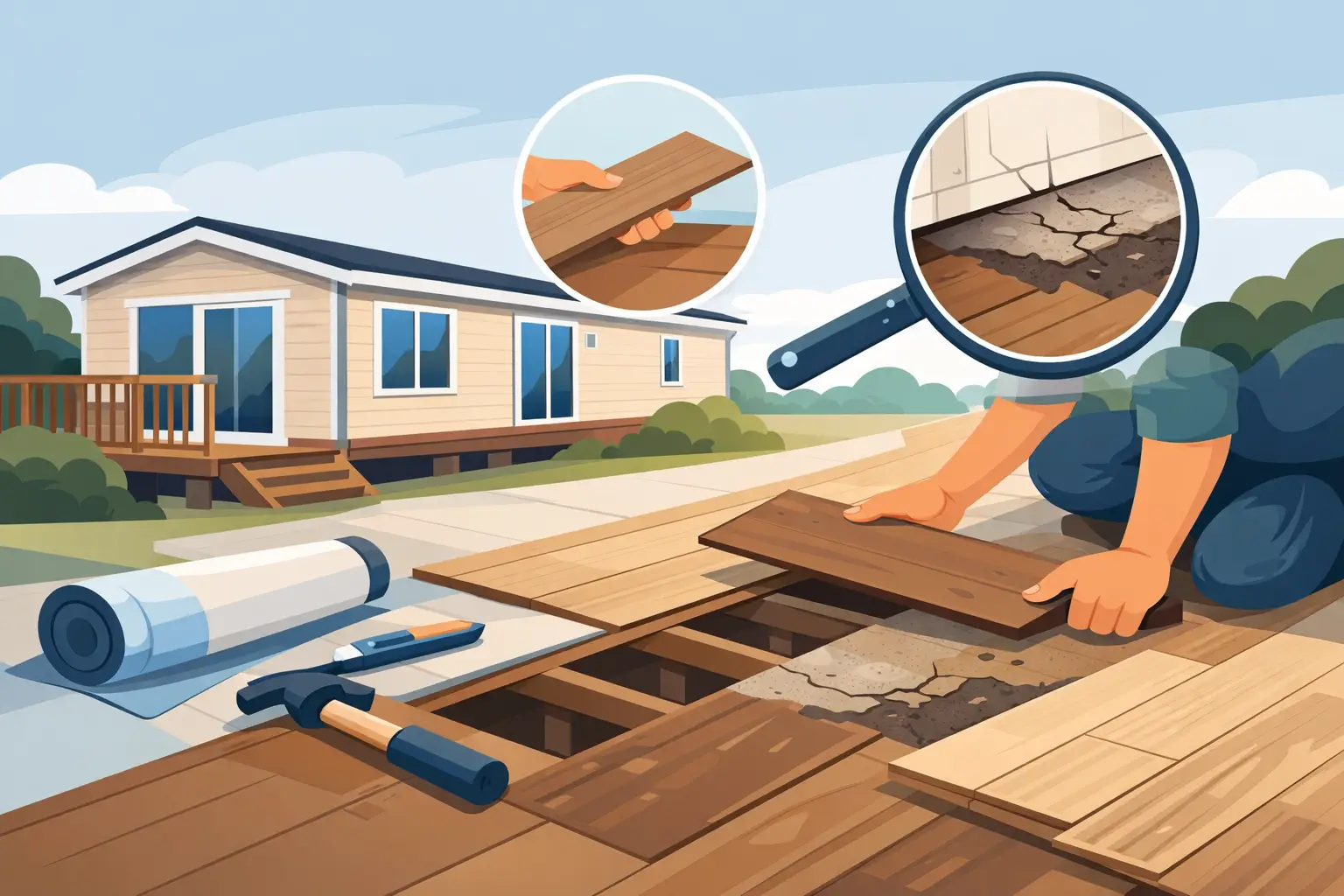
Many owners first notice a maintenance issue through comfort rather than appearance. Cold floors, rooms that take too long to warm up and persistent draughts are common signs that the underfloor area needs attention. Park homes are raised from the ground, so the condition of underfloor insulation and the integrity of the perimeter are especially important.
Look for gaps around pipework and air vents, damaged skirting, loose access panels and signs that insulation has dropped or been disturbed. Ventilation beneath the home must not be blocked completely, as airflow helps control moisture. The aim is to reduce unwanted cold air while retaining the ventilation the structure requires. This balance is one reason a park home specialist is preferable to a general builder applying a one-size-fits-all approach.
Underfloor insulation can make a noticeable day-to-day difference, particularly in older homes. Warmer floors improve comfort, help rooms hold their heat and may reduce demand on the heating system. It is also worth checking pipe insulation below the home before winter arrives, as exposed pipework is more vulnerable during a hard frost.
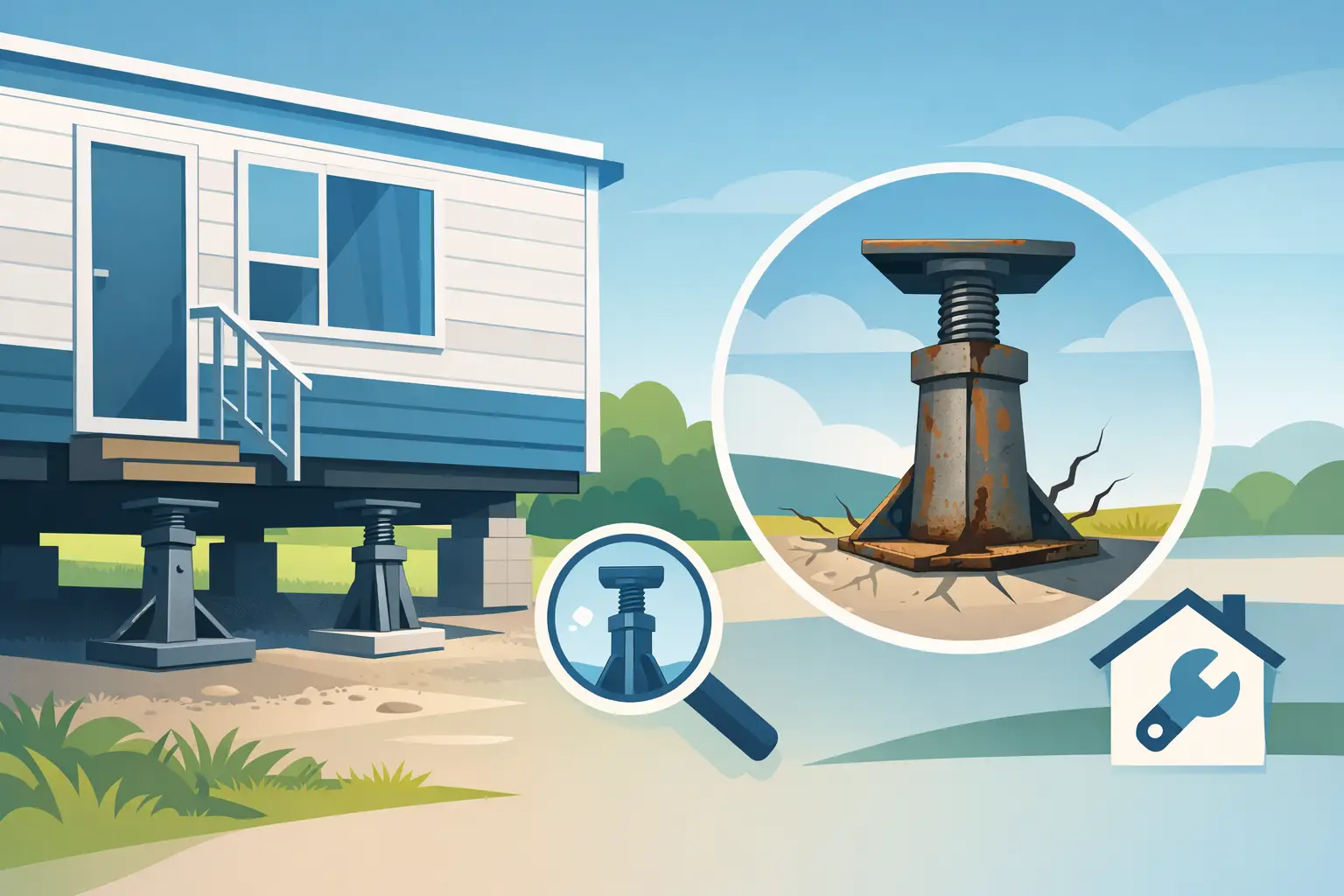
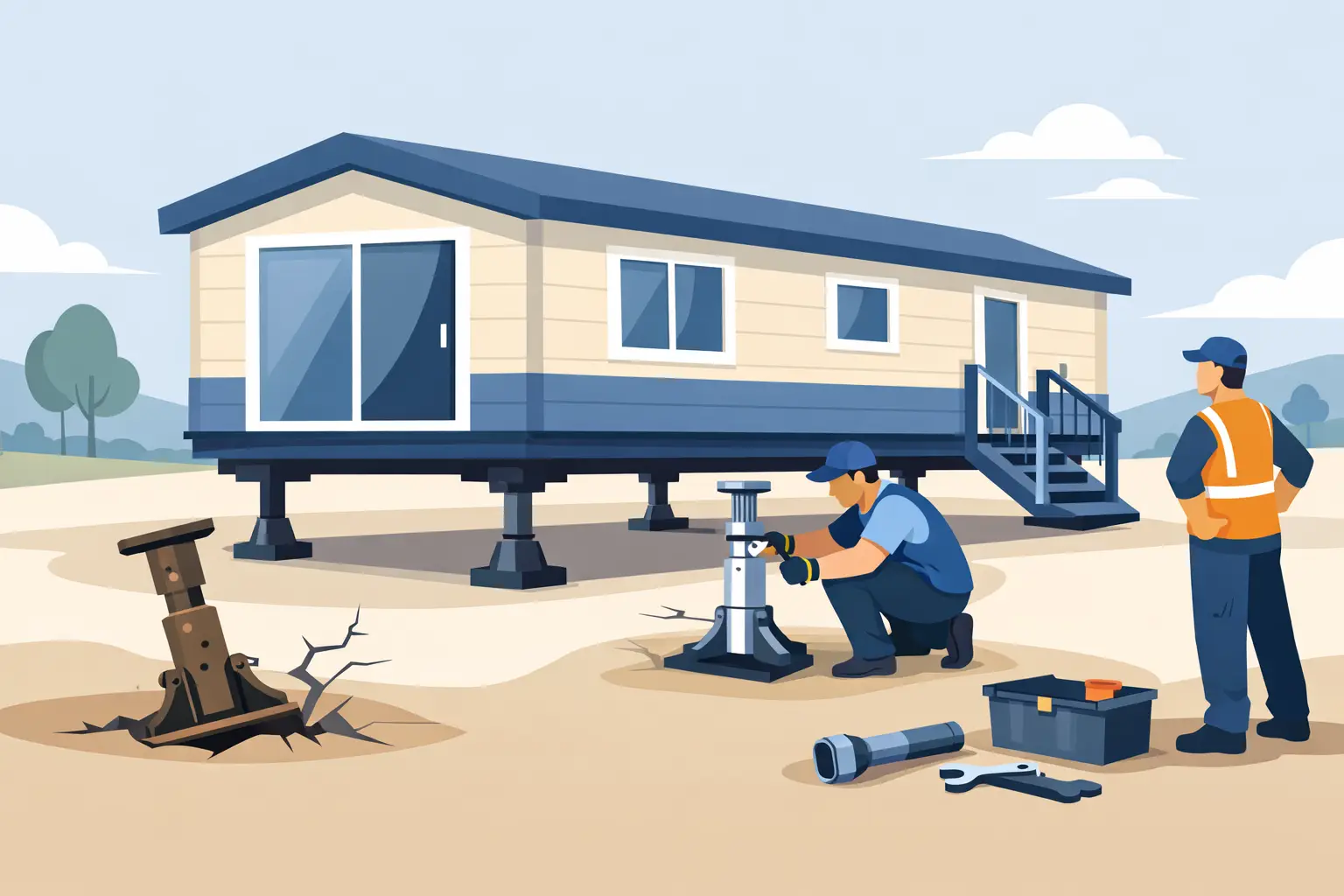
The steel chassis is fundamental to a park home’s stability, yet it is easy to overlook because it sits out of sight. Moisture, surface corrosion, poor drainage and ageing support jacks can all affect this area over time. An annual inspection beneath the home is a sensible precaution, especially if the property is older or has experienced movement.
Signs that need professional attention include uneven floors, doors or windows that suddenly catch, new cracks around internal finishes, visible corrosion, leaning or damaged supports, and standing water below the home. These symptoms do not always mean there is a serious structural fault, but they should not be dismissed.
Chassis refurbishment may involve cleaning and treating corrosion, repairing affected sections and improving protection against future deterioration. Support jack replacement or adjustment can restore appropriate support where existing jacks are worn, damaged or no longer performing as they should. Work in this area should be carefully assessed rather than guessed at. Incorrect lifting or support arrangements can create further problems.
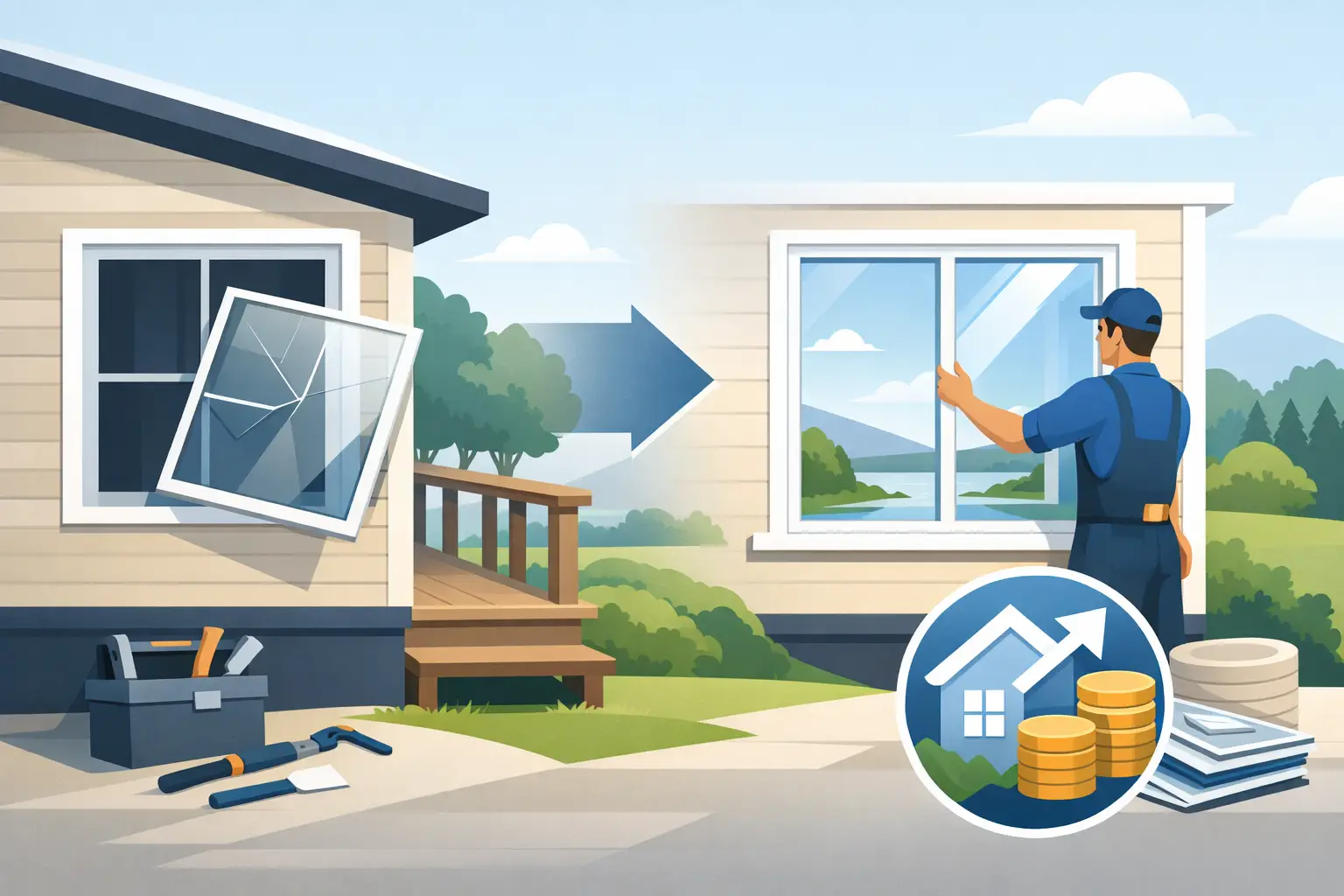
Windows and external doors are another frequent source of heat loss. Open and close them regularly, check that locks operate smoothly, and inspect seals for splits, flattening or gaps. Condensation between double-glazed panes can indicate a failed unit, while draughts around frames may point to tired seals or poor adjustment.
A clean, well-maintained frame lasts longer than one left with dirt and moisture sitting in drainage channels. Clear any drainage holes, wipe away grime and avoid harsh cleaning products that may damage finishes. If windows or doors are approaching the end of their serviceable life, replacement can improve security, reduce draughts and freshen the whole appearance of the home.
Good park home maintenance is not confined to outside jobs. Check bathrooms, kitchens and utility areas for slow leaks around taps, toilets, shower trays and pipe connections. A minor leak can cause damage to flooring and surrounding materials before it becomes obvious, so deal with loose fittings, cracked sealant and worn grouting early.
Bathrooms in particular benefit from planned upgrading rather than waiting for a failure. An accessible, modern bathroom can improve daily comfort and help protect the property from moisture damage when installed properly. If a shower enclosure, floor or wall finish is deteriorating, it is usually more cost-effective to assess the full area than repeatedly reseal small sections.
Also keep an eye on ventilation. Condensation on windows, mould in corners and a persistent damp smell should be investigated rather than covered up with paint. The cause may be insufficient extraction, a cold surface, a leak or a combination of issues. The remedy depends on the diagnosis.
A simple routine prevents essential checks being forgotten. In spring, clear gutters, inspect the roof after winter and look for signs of water damage. During summer, when conditions are drier, assess cladding, external seals and any work needed beneath the home. Autumn is the time to prepare pipework, drainage and insulation for colder weather. In winter, monitor heating performance, condensation and any changes in floor temperature or draughts.
Keeping a short written record of inspections, repairs and photographs can be useful. It helps track whether a crack, stain or movement is changing, and gives a specialist a clearer picture if an assessment is needed. It may also be helpful when planning larger improvements over several years rather than taking on every job at once.
Cleaning gutters, checking seals and watching for changes are sensible owner tasks. Roofing faults, underfloor insulation, chassis corrosion, support jacks and extensive cladding repairs require specialist knowledge of park home construction. The cheapest quote is not always the best value if it overlooks the underlying cause or uses materials unsuited to the home.
New Look Park Homes Ltd works exclusively with park and static homes, bringing more than 20 years of focused experience to repairs and full refurbishments across Great Britain. A clear inspection and honest assessment should explain what needs doing now, what can be monitored and where an upgrade will bring the strongest return in comfort and protection.
If something has changed in your home – a colder floor, a sticking door, a damp mark or a loose external panel – treat it as useful information rather than an inconvenience. Acting while the problem is small gives you the best chance of keeping your home warm, secure and enjoyable for years to come.