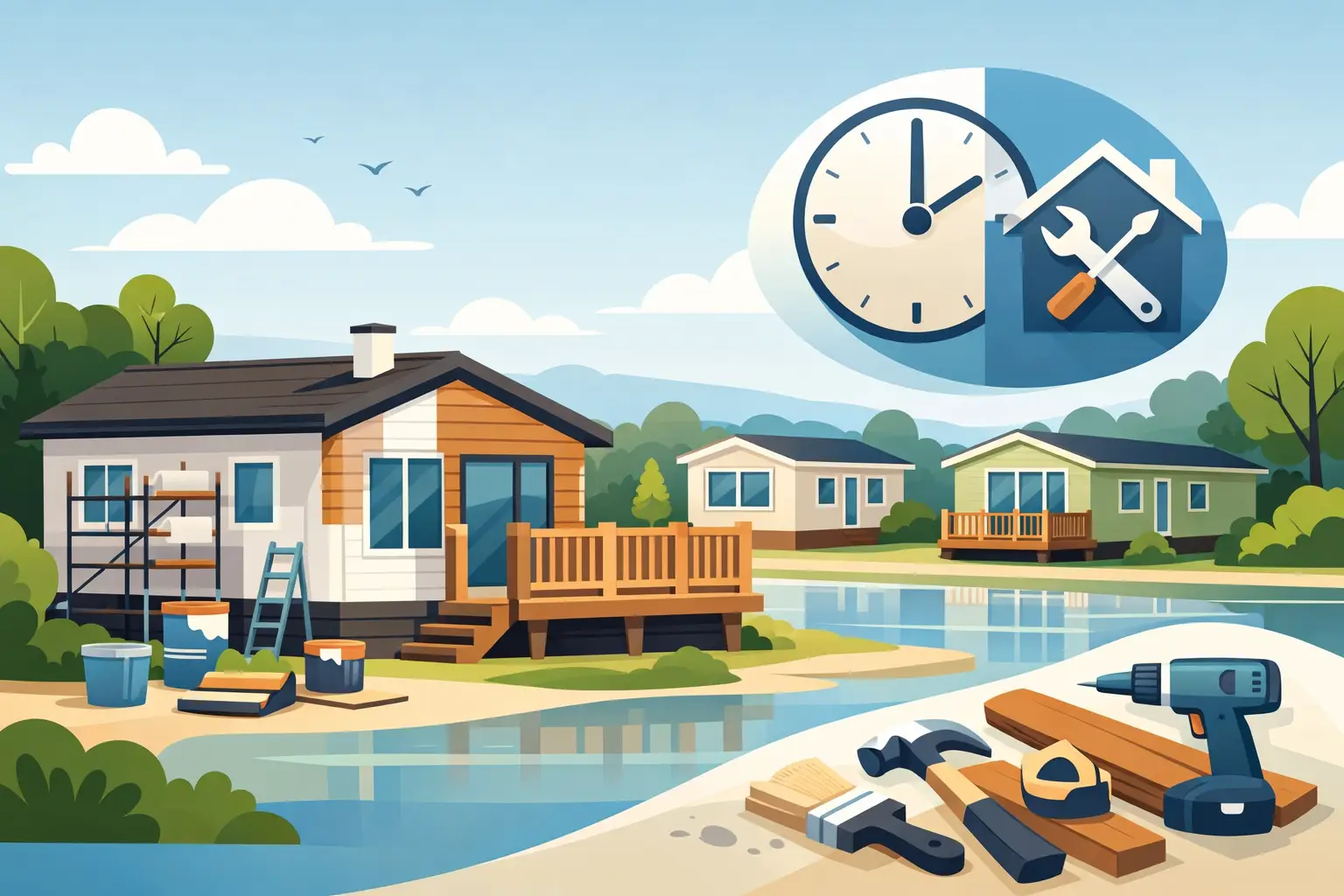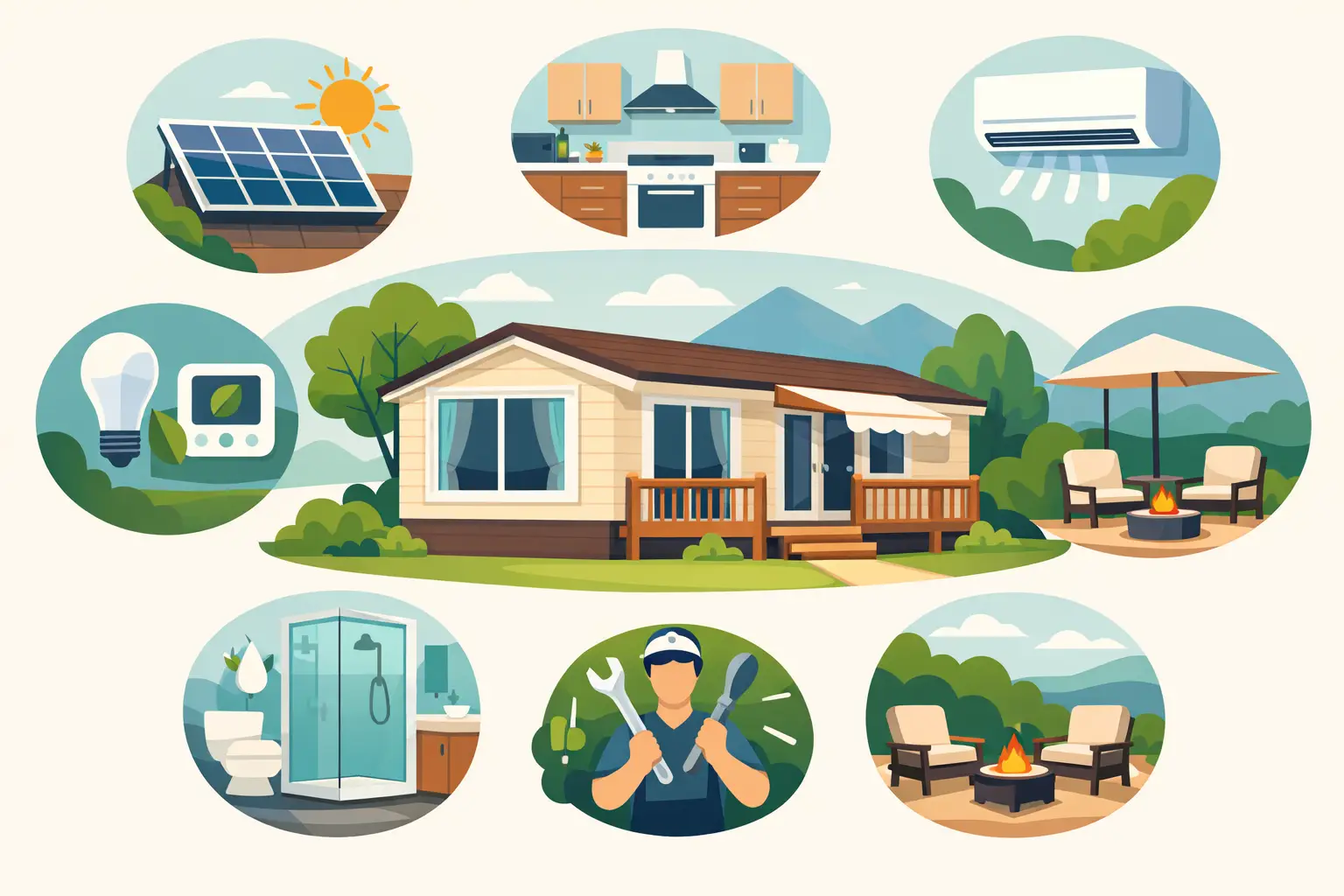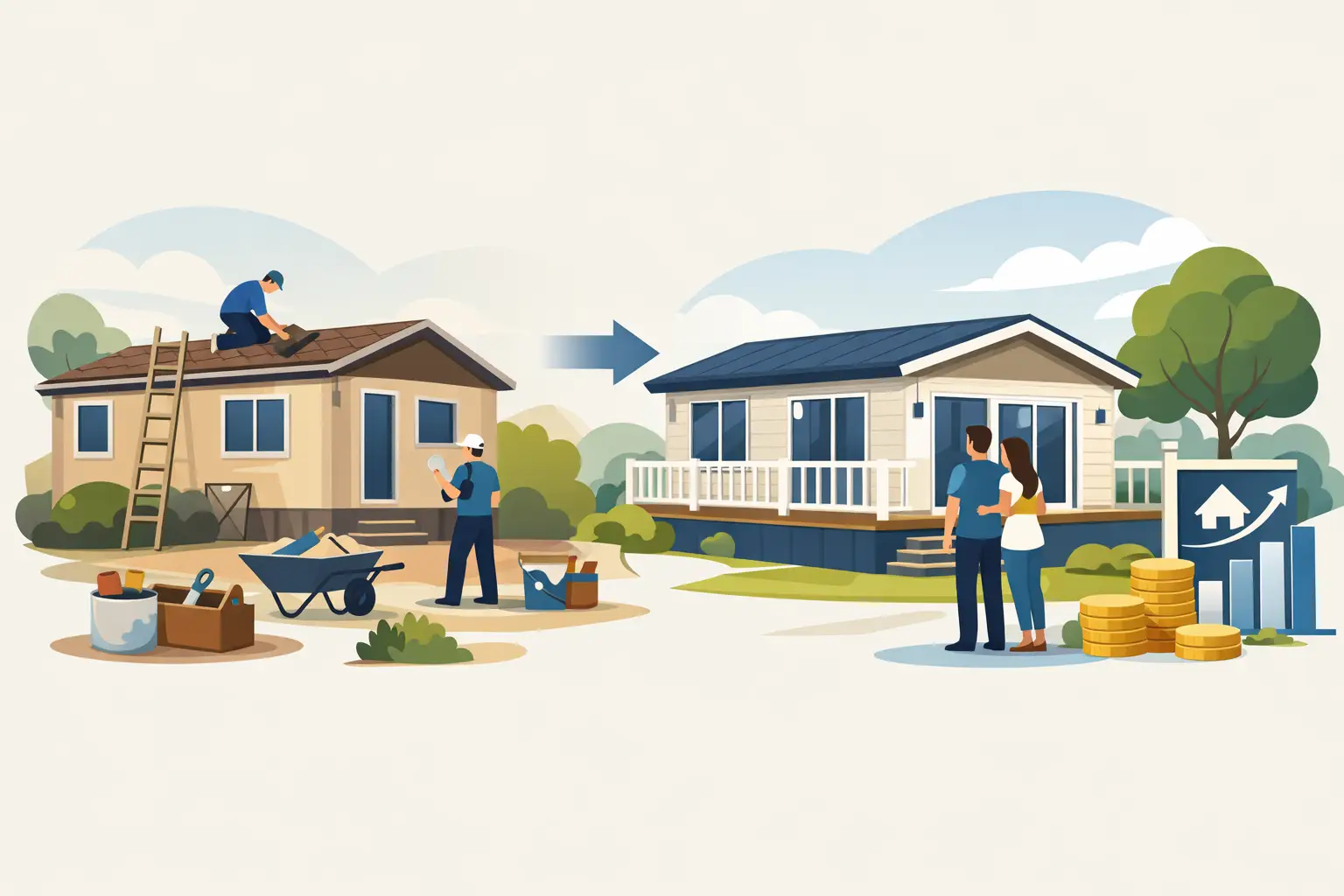
A cold floor underfoot, a persistent draught near a window or staining on an interior ceiling can make a home feel older than it is. In static homes, these are not issues to simply live with. They are often early signs that insulation, weatherproofing, roofing or structural supports need proper attention.
Unlike a conventional brick-built house, a static home has its own construction methods, materials and maintenance needs. The right improvements can make a noticeable difference to warmth, comfort, appearance and running costs. The wrong approach can hide a problem temporarily while allowing moisture, heat loss or structural deterioration to continue behind the scenes.
Static homes are designed around a lightweight structure, often with timber framing, external panels or cladding, a suspended floor and a steel chassis beneath. This construction is practical and efficient, but it means each part of the property works closely with the next. A poorly insulated floor affects room temperature. A roof leak can damage internal framing. Movement or corrosion around the chassis can affect the stability of the whole home.
General building experience is useful, but it is not always enough. Materials need to be compatible with the home, additional weight must be considered carefully, and the work must protect ventilation as well as improve insulation. Sealing every gap without thought, for example, may reduce draughts but can create condensation problems if moisture has nowhere to escape.
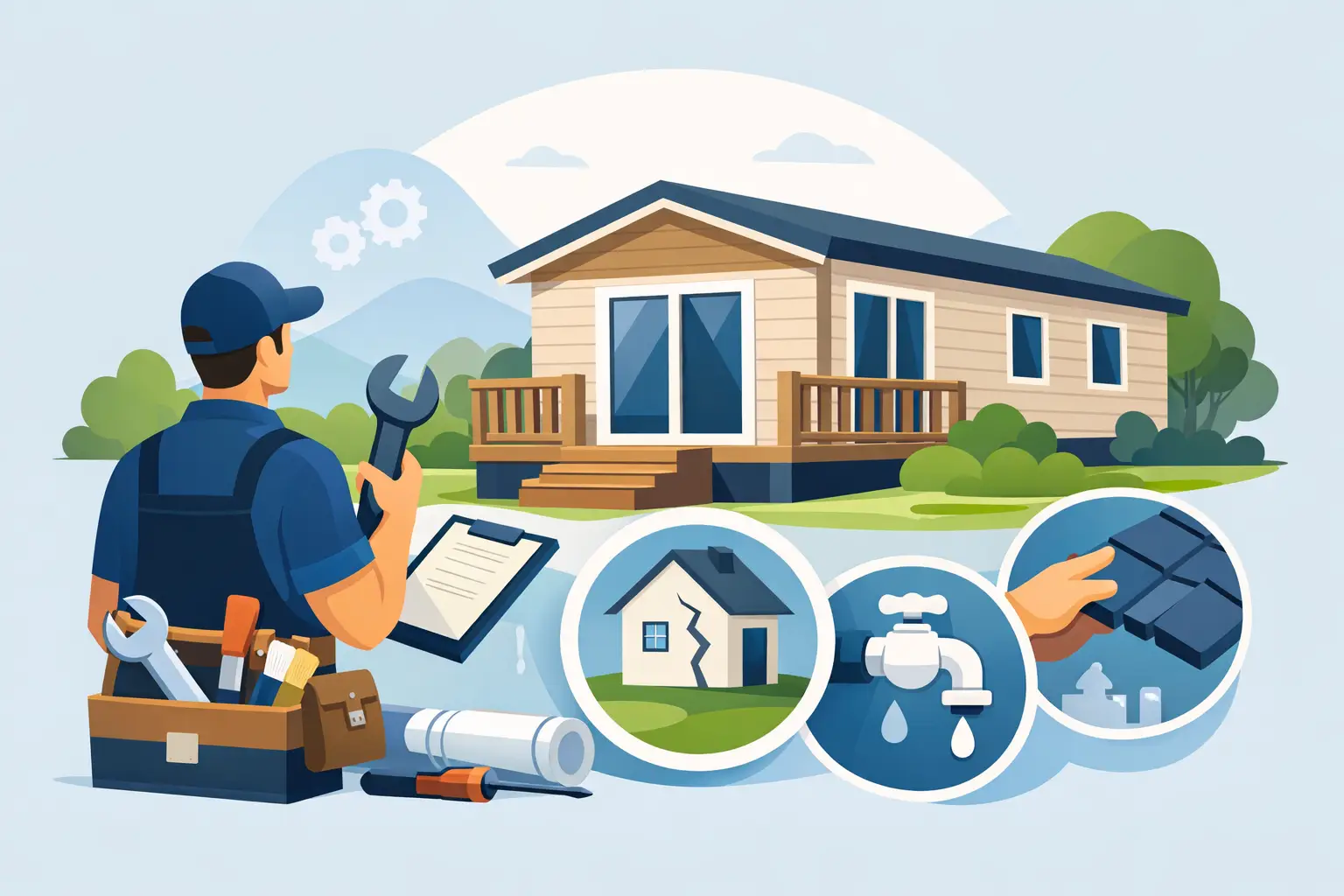
A specialist inspection looks beyond the most obvious cosmetic issue. It considers where water is entering, whether heat is escaping, the condition of the supporting structure and what will give the homeowner a lasting result rather than a quick patch-up.
Most refurbishment work begins because an owner notices a change in day-to-day living. Rooms may take longer to heat, the bathroom may feel tired or difficult to use, outside panels may look weathered, or floors may feel uneven. These signs deserve attention, particularly if the home has not been inspected for several years.
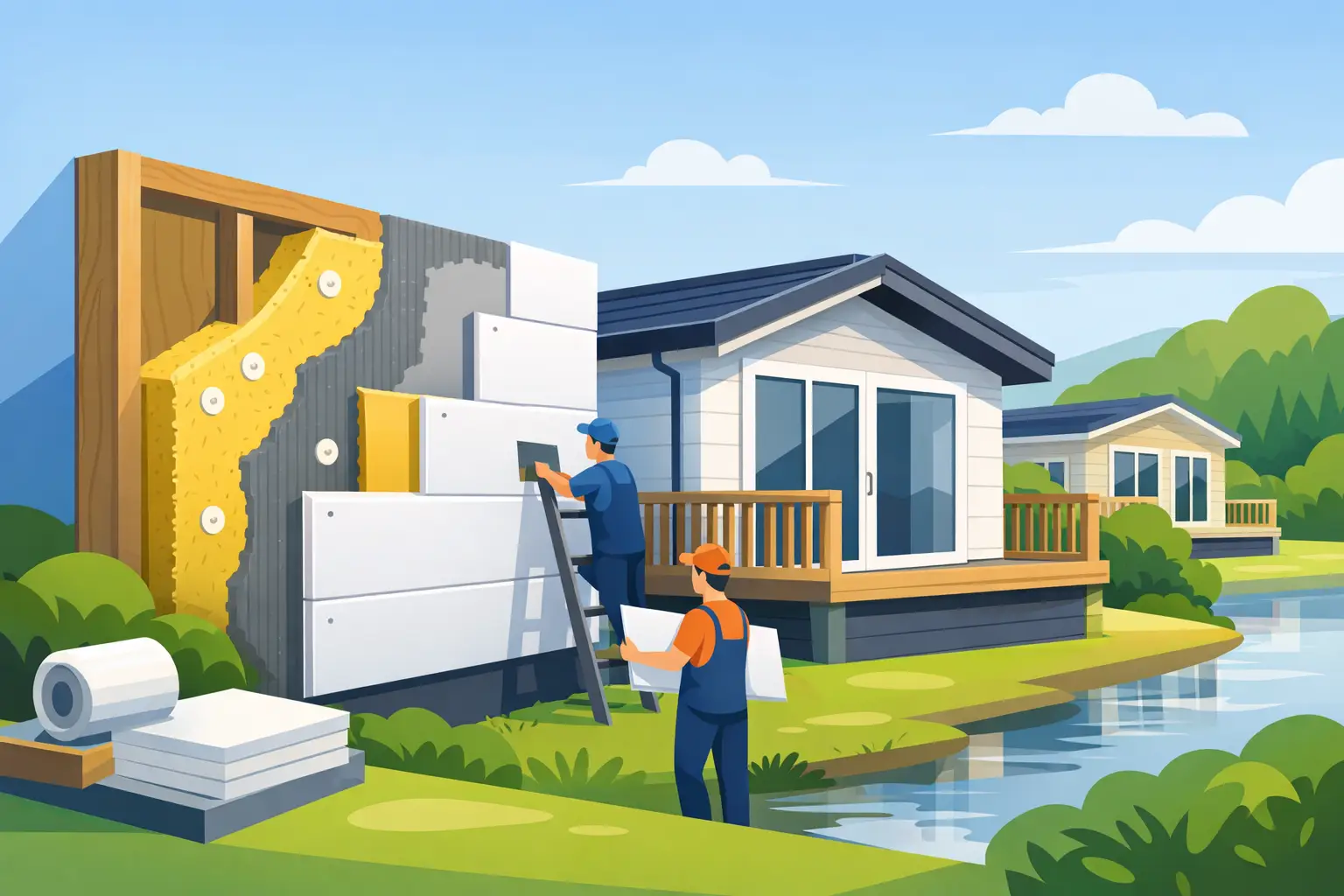
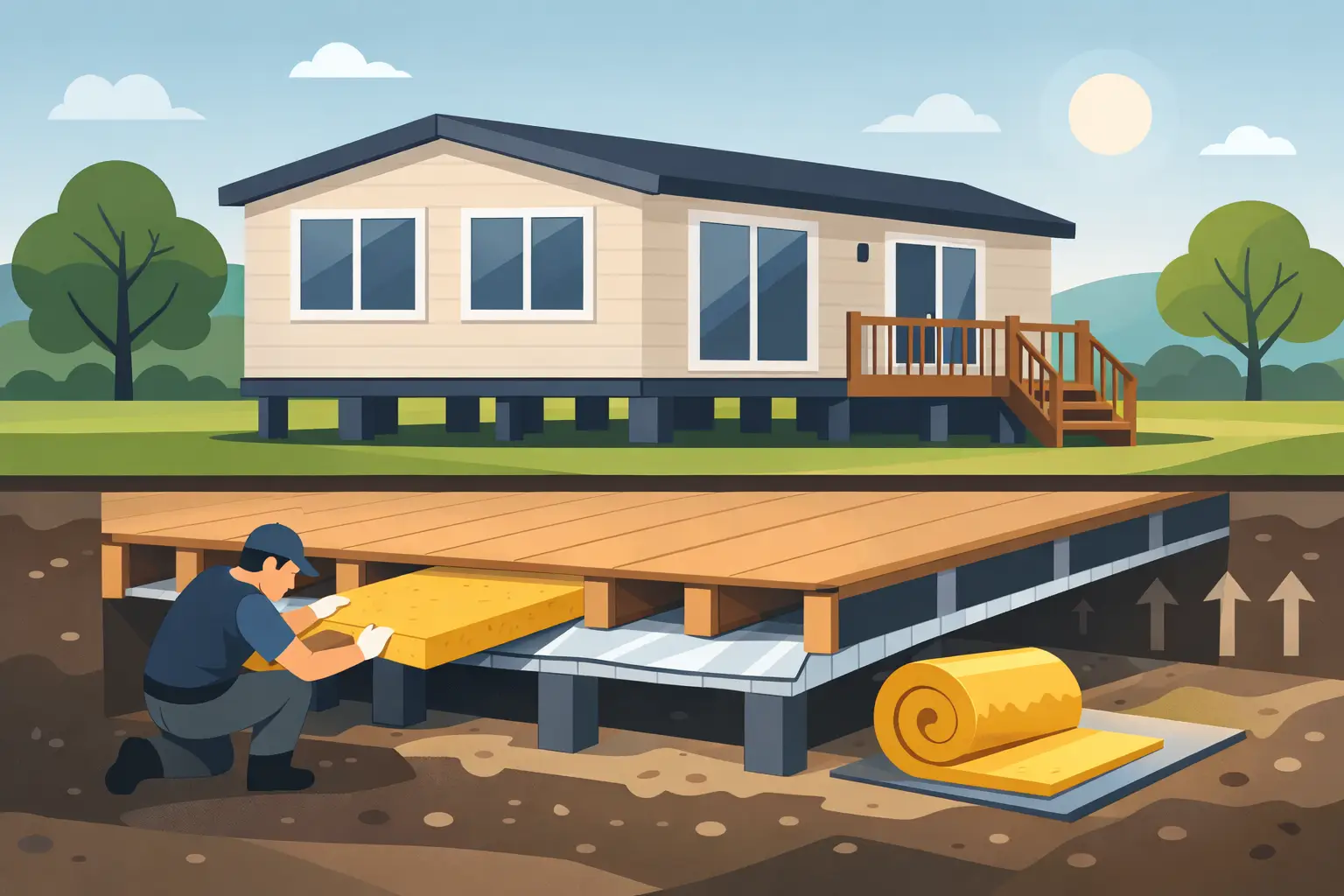
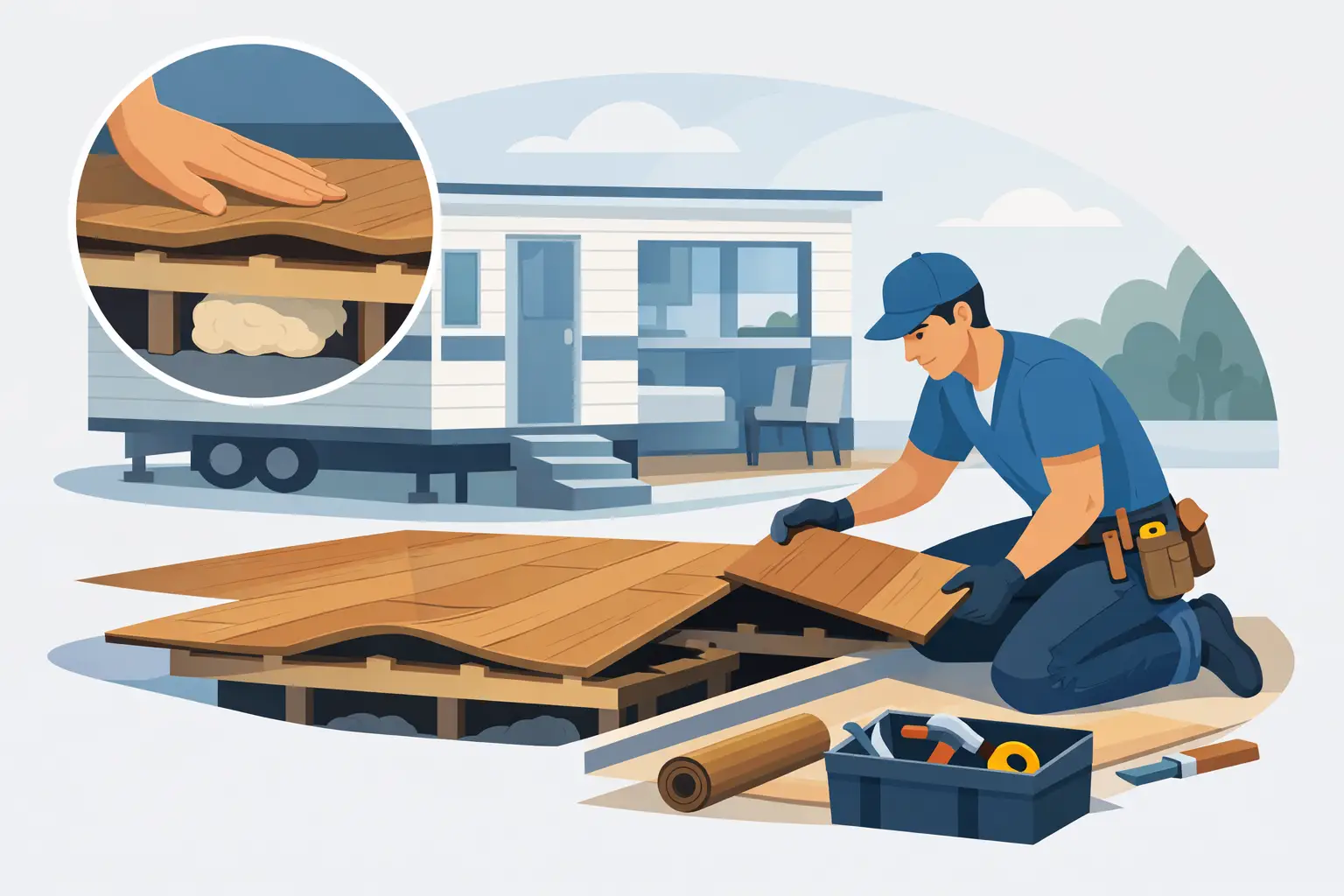
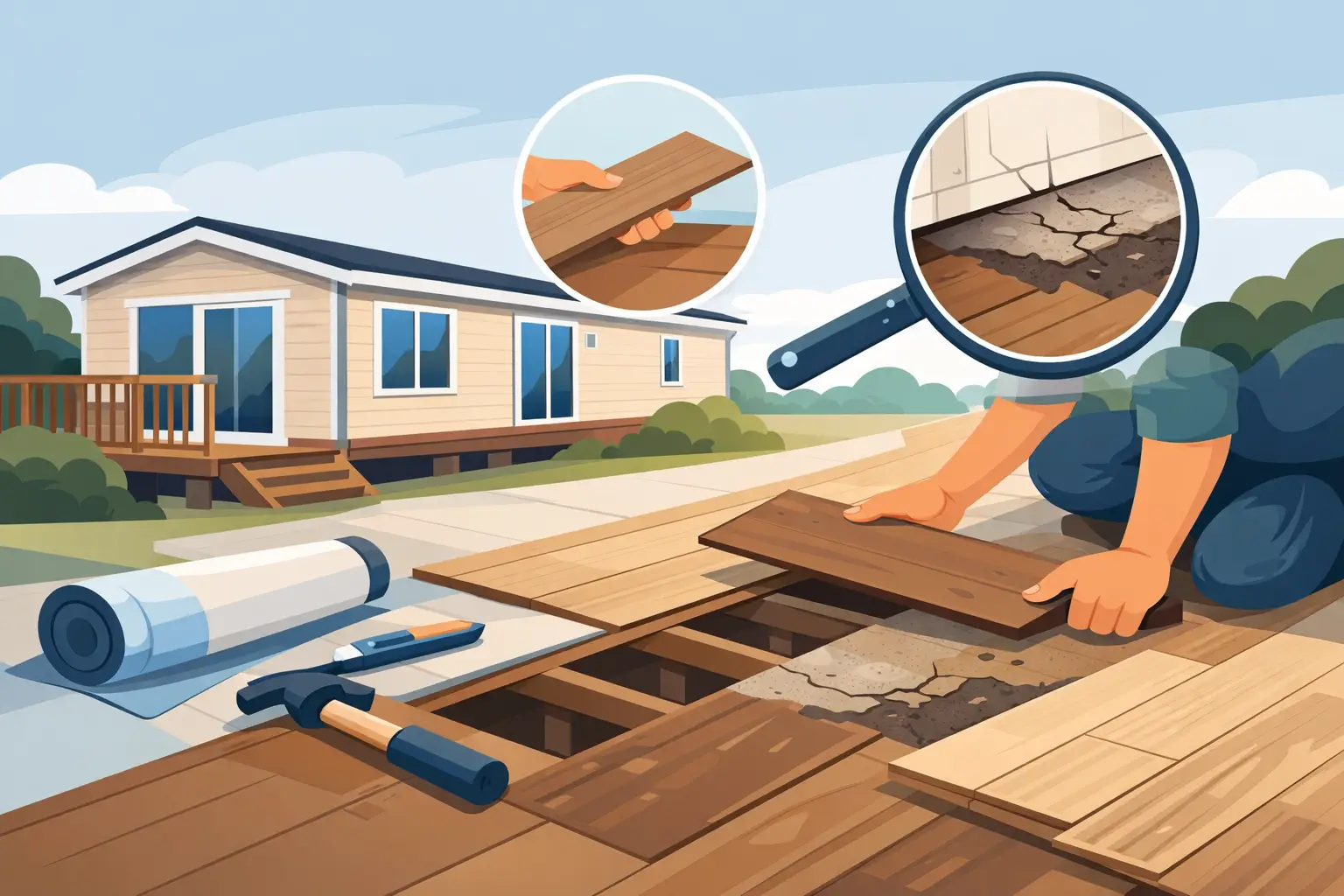
Cold floors are one of the most common complaints. As heat rises, it is easy to focus only on walls and windows, but heat can also be lost through the underside of the home. Underfloor insulation helps retain warmth where it is needed and can make rooms feel more comfortable at a lower thermostat setting. It may also reduce draughts travelling up through gaps around pipework and floor edges.
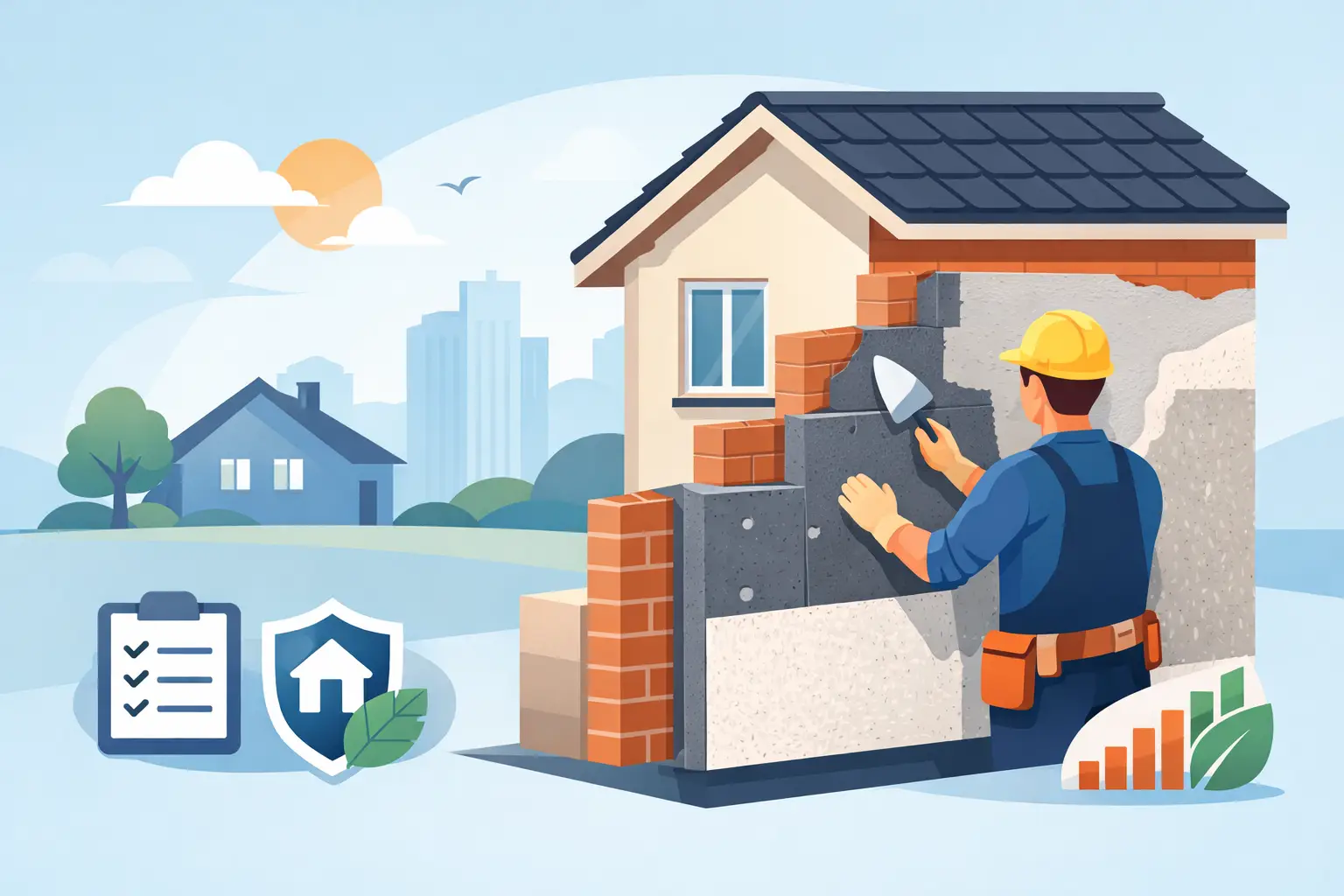
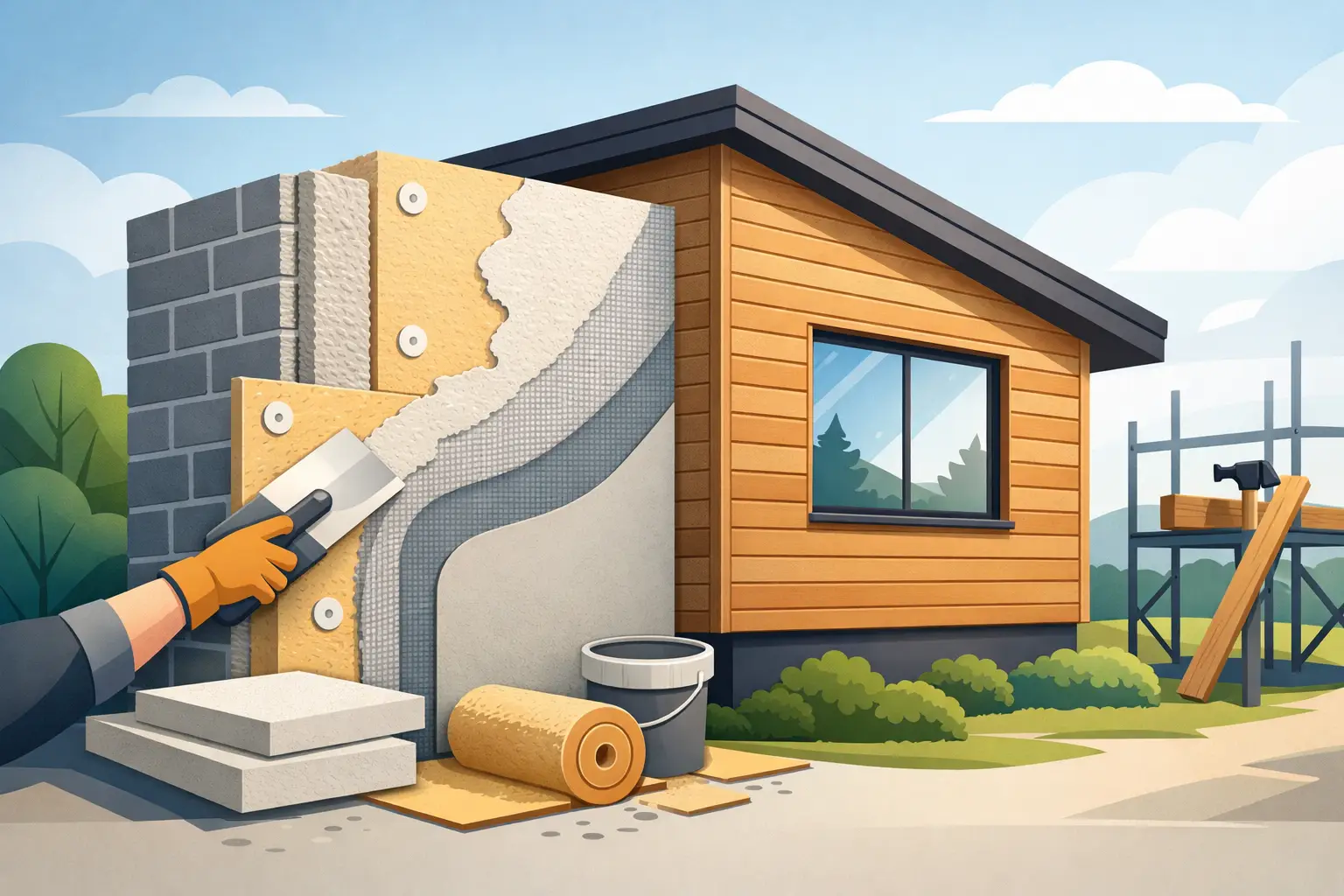
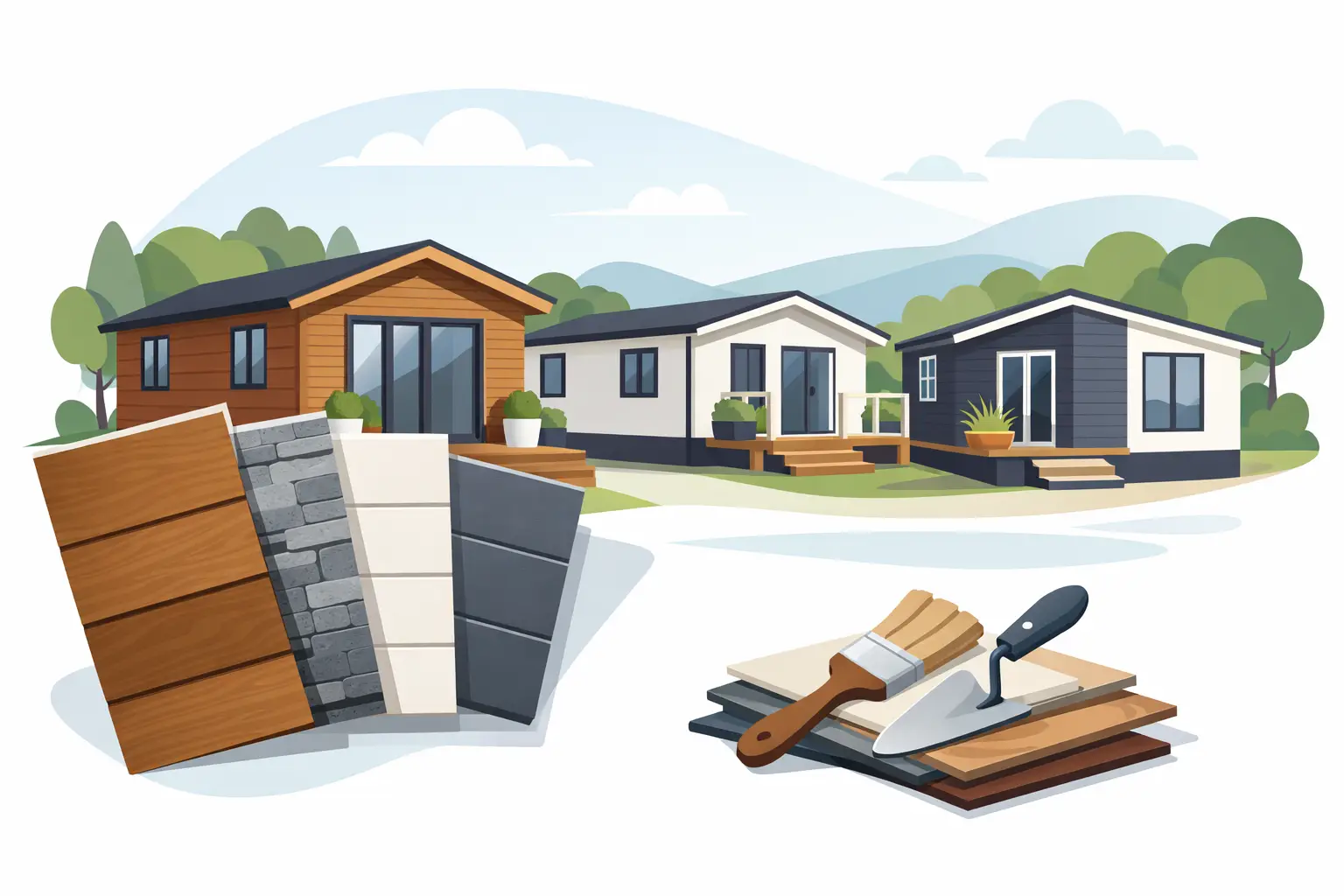
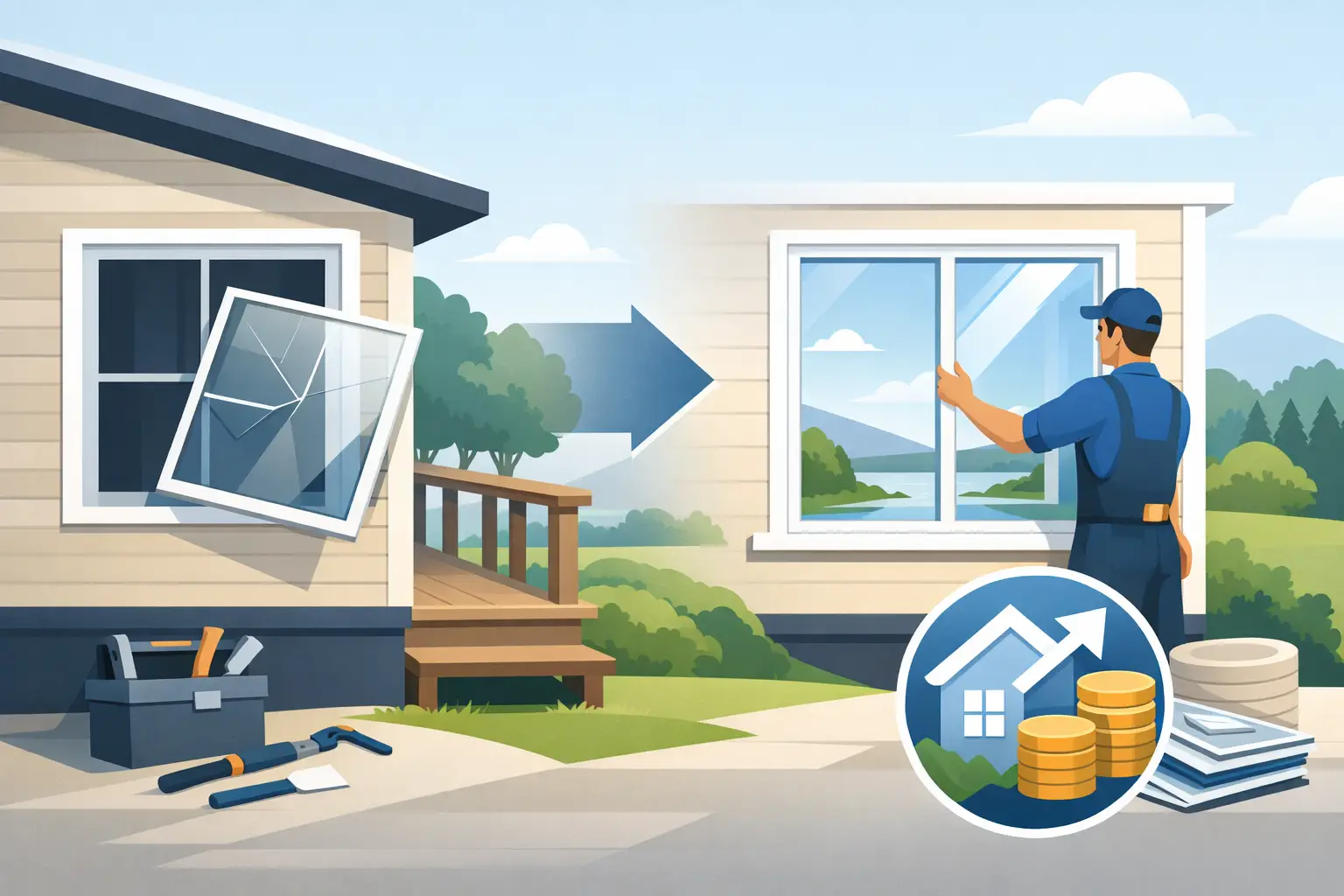
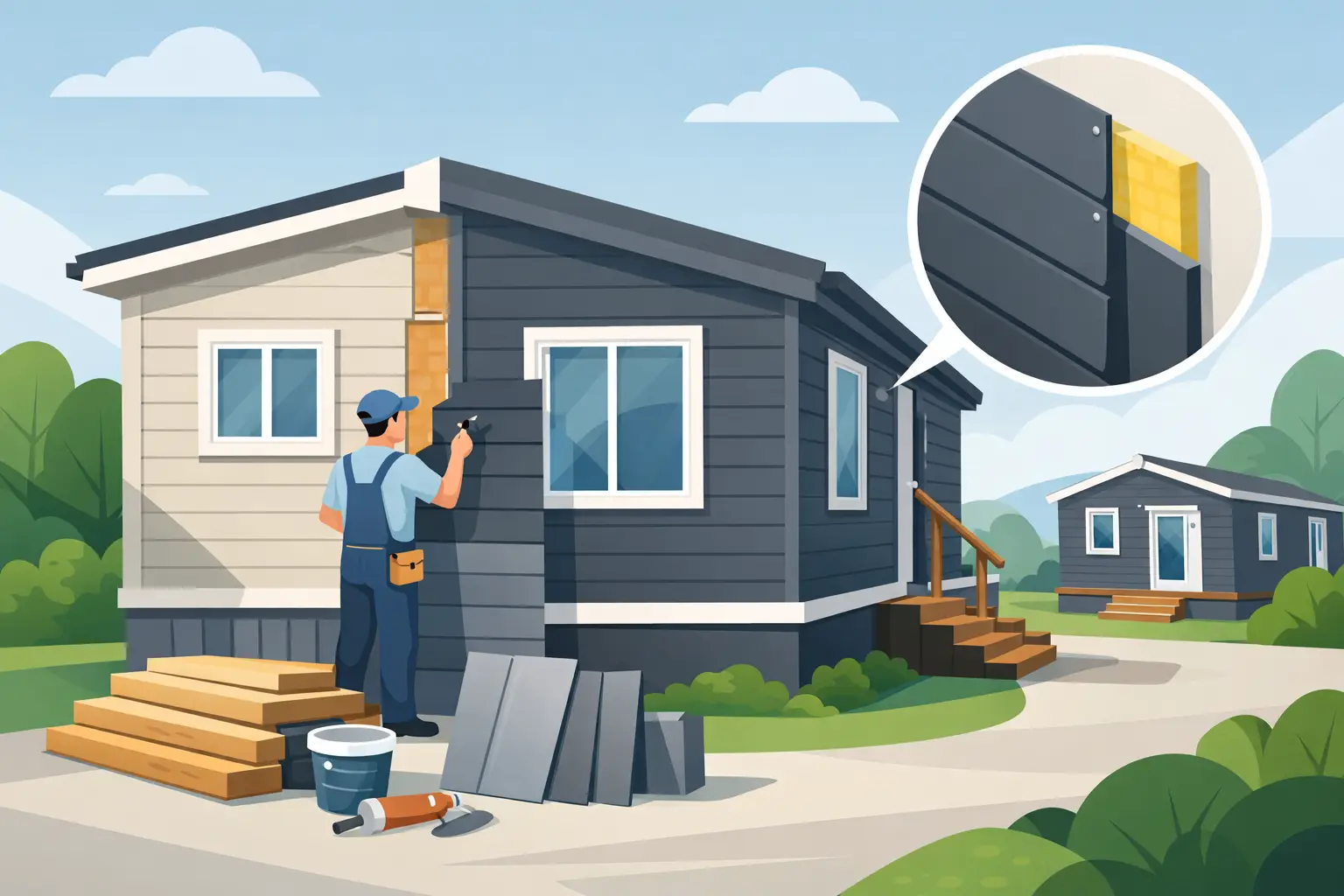
External cladding can be another important consideration. Ageing panels, cracked joints and failing seals allow wind and rain to reach areas that should remain dry. Re-cladding is not only about giving the home a fresh appearance. When completed properly, it can improve weather resistance, reduce maintenance and protect the structure beneath.
Wall and underfloor insulation are among the most worthwhile upgrades for many owners, especially where the home feels cold despite regular heating. However, the best solution depends on the property’s construction, its current condition and how it is occupied.
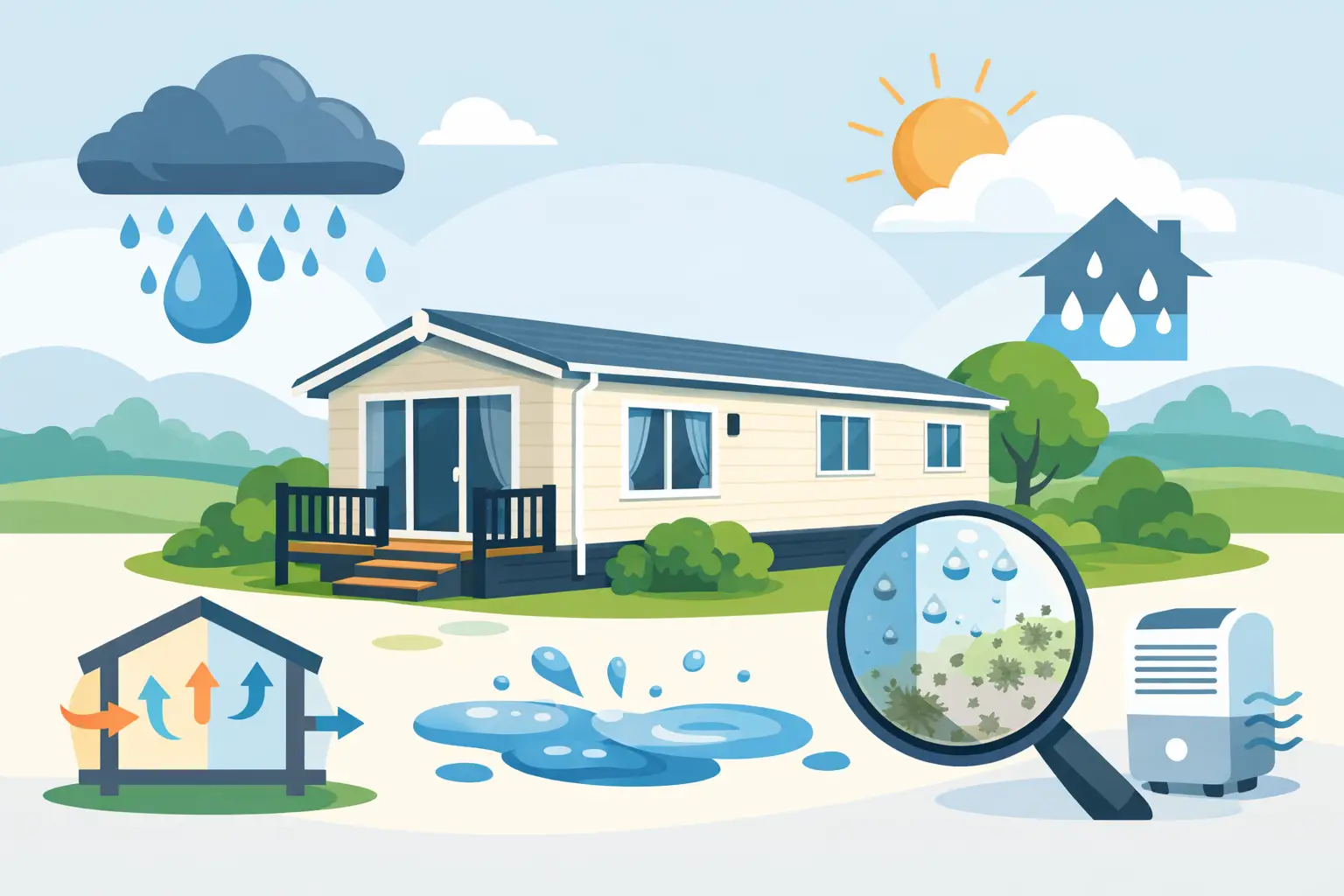
A home used throughout the year needs a different assessment from one that is occupied occasionally. A property on an exposed park may need greater protection from wind-driven rain and cold air. Existing ventilation, signs of condensation and the condition of the external envelope all need to be checked before work begins.
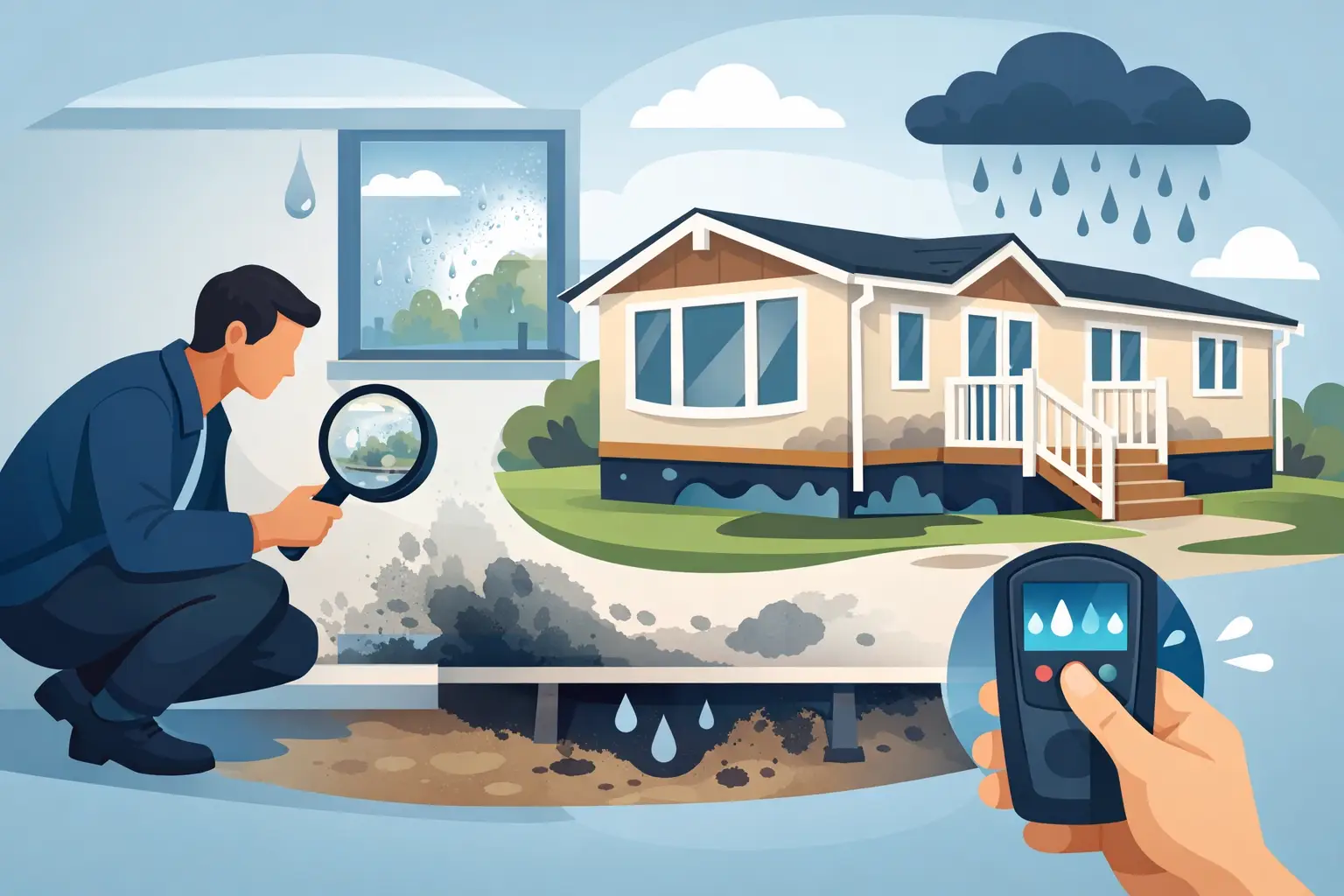
Good insulation does more than hold warmth in. It should be fitted as part of a wider plan that maintains suitable airflow and deals with damaged seals, leaking gutters or defective cladding. If moisture is already entering the property, insulation alone will not solve the cause. The water ingress must be identified and repaired first.
The practical benefit is felt every morning. A warmer floor, fewer cold spots and more even temperatures make a significant difference, particularly for homeowners who spend a great deal of time at home during the colder months.
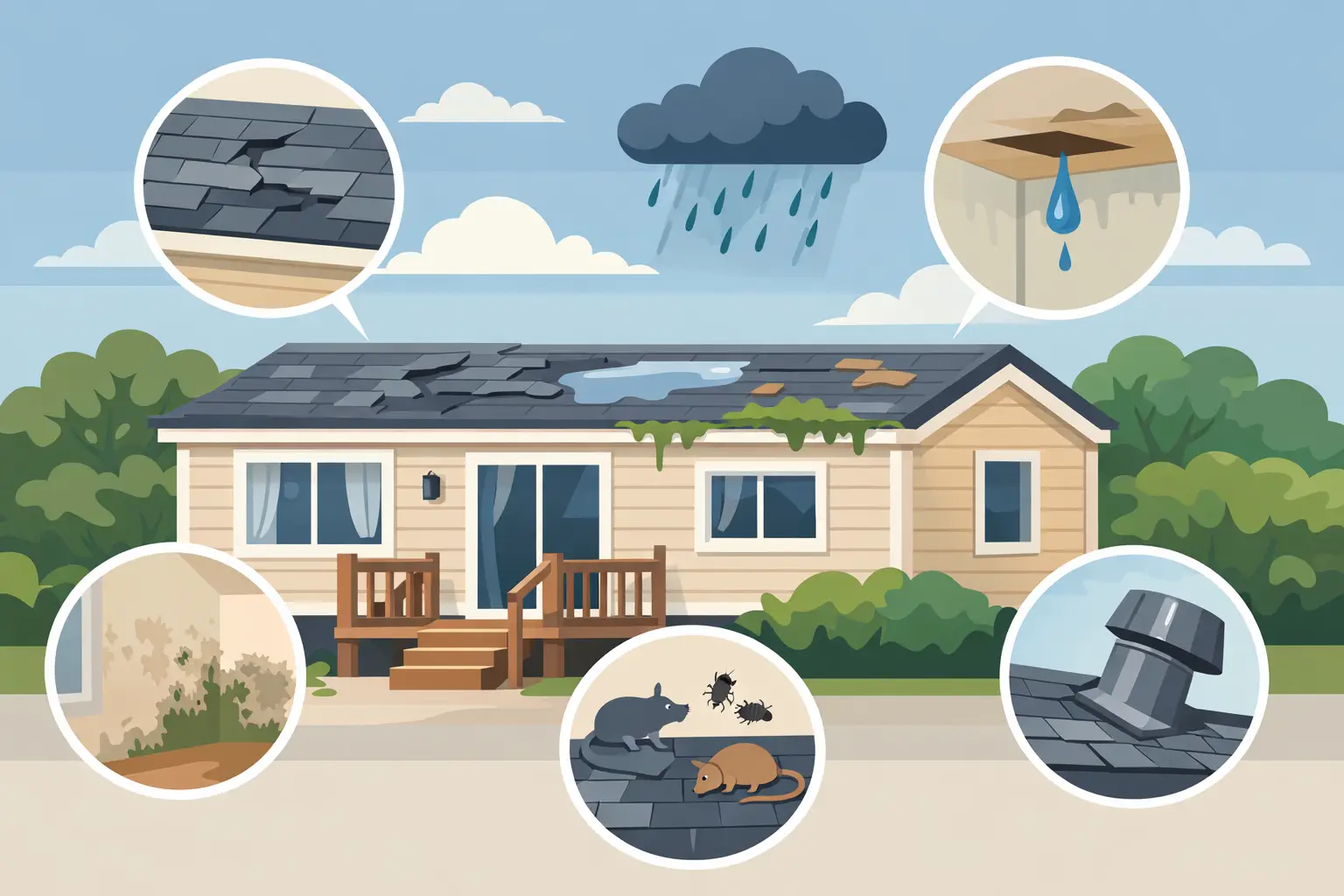
A roof may appear sound from ground level while small defects are allowing water through. Cracked coverings, loose trims, worn seals around vents, damaged flashing and blocked gutters can all lead to leaks. By the time staining becomes visible inside, water may have travelled some distance from the original entry point.
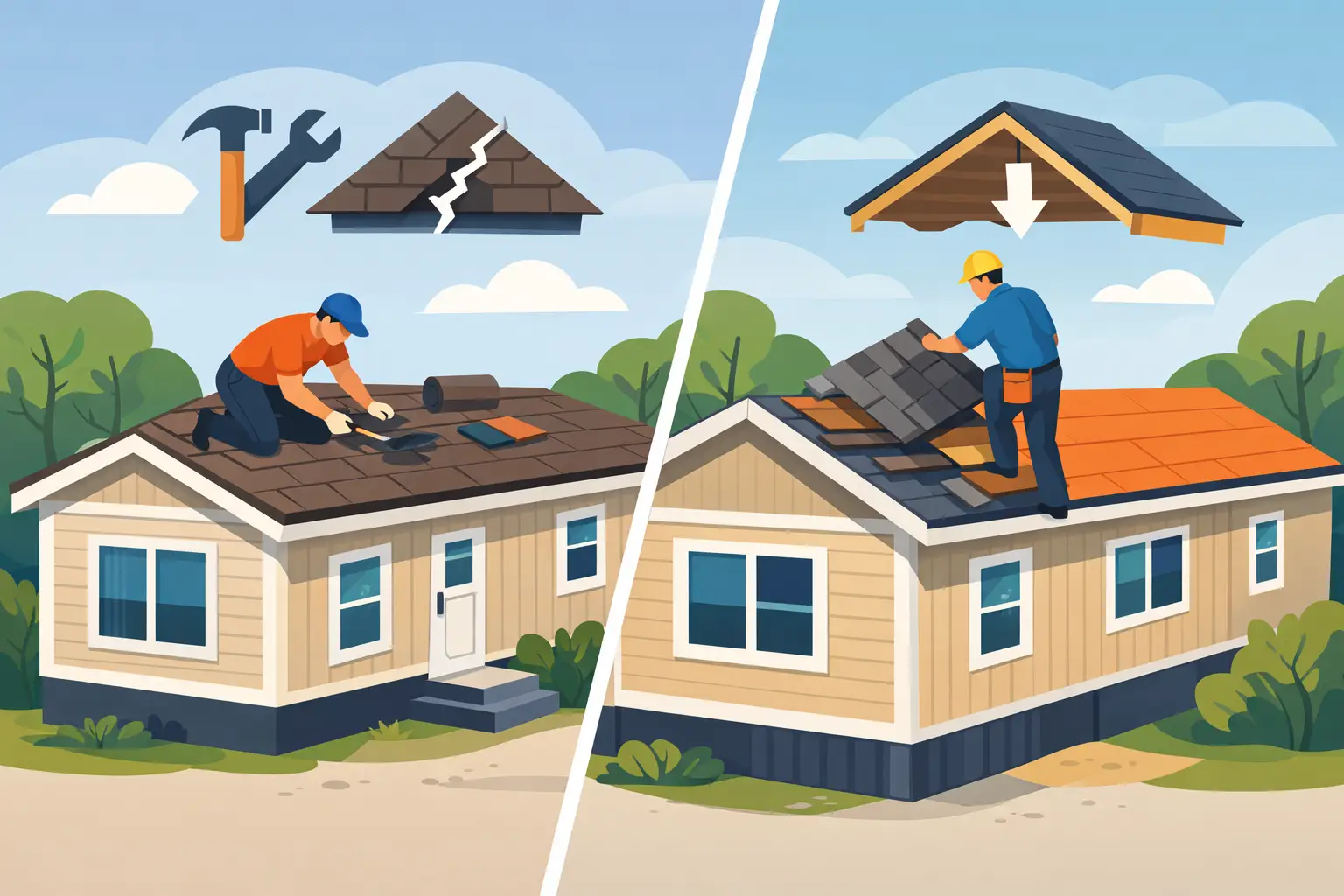
Prompt roofing repair is usually more economical than waiting. Small faults are often easier to resolve before wet insulation, damaged internal boards or timber decay become part of the job. Where a roof covering has reached the end of its useful life, replacement may offer better long-term value than repeated repairs.
A proper roof assessment should include edges, joints, roof penetrations, guttering and the condition of the supporting elements where accessible. The aim is to establish whether a local repair is appropriate or whether wider work is needed to protect the home properly.
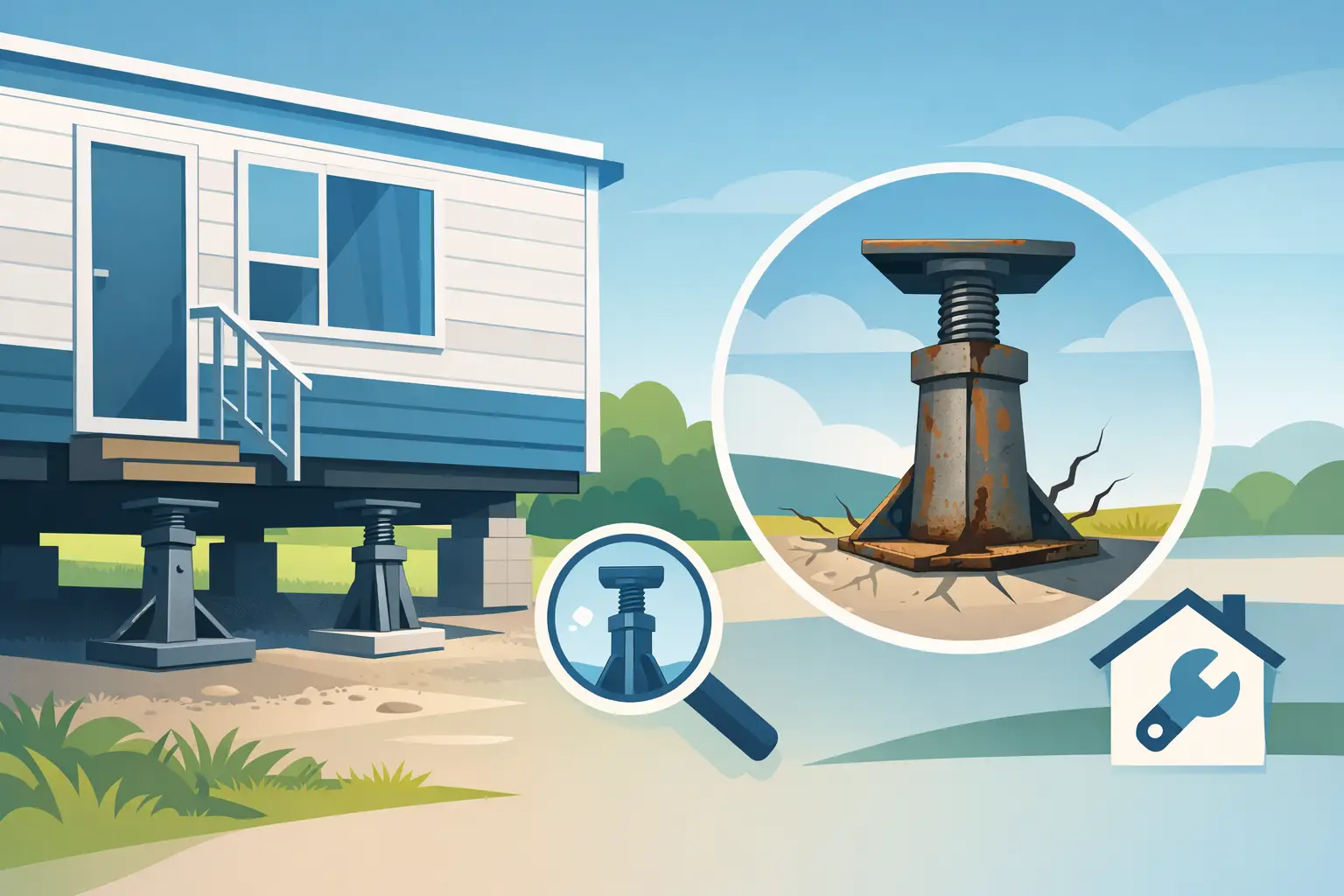
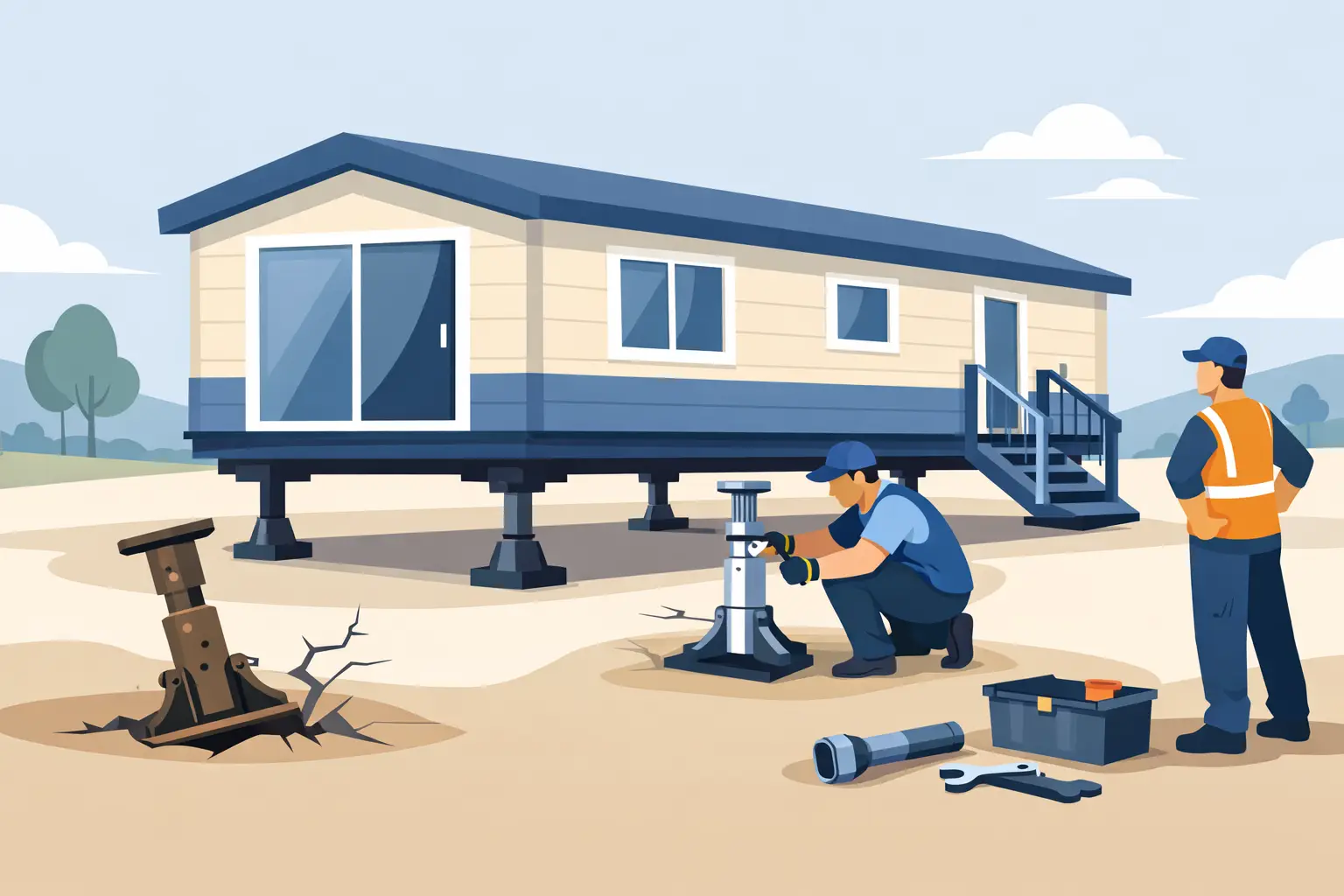
The chassis is out of sight, but it should never be out of mind. It carries the static home and relies on suitable support jacks and bases to remain stable. Rust, poor support, movement and deteriorated components can develop gradually, often without obvious signs inside at first.
Owners may notice doors catching, new cracks around finishes, uneven floors or a general feeling that the home has shifted. These symptoms do not always mean there is a chassis issue, but they should be investigated rather than ignored.
Chassis refurbishment can include treating corrosion, repairing affected steelwork and replacing worn support jacks where required. The exact work depends on the condition underneath the home and the extent of deterioration. This is not a place for guesswork. Safe access, a careful assessment and the correct equipment are essential.
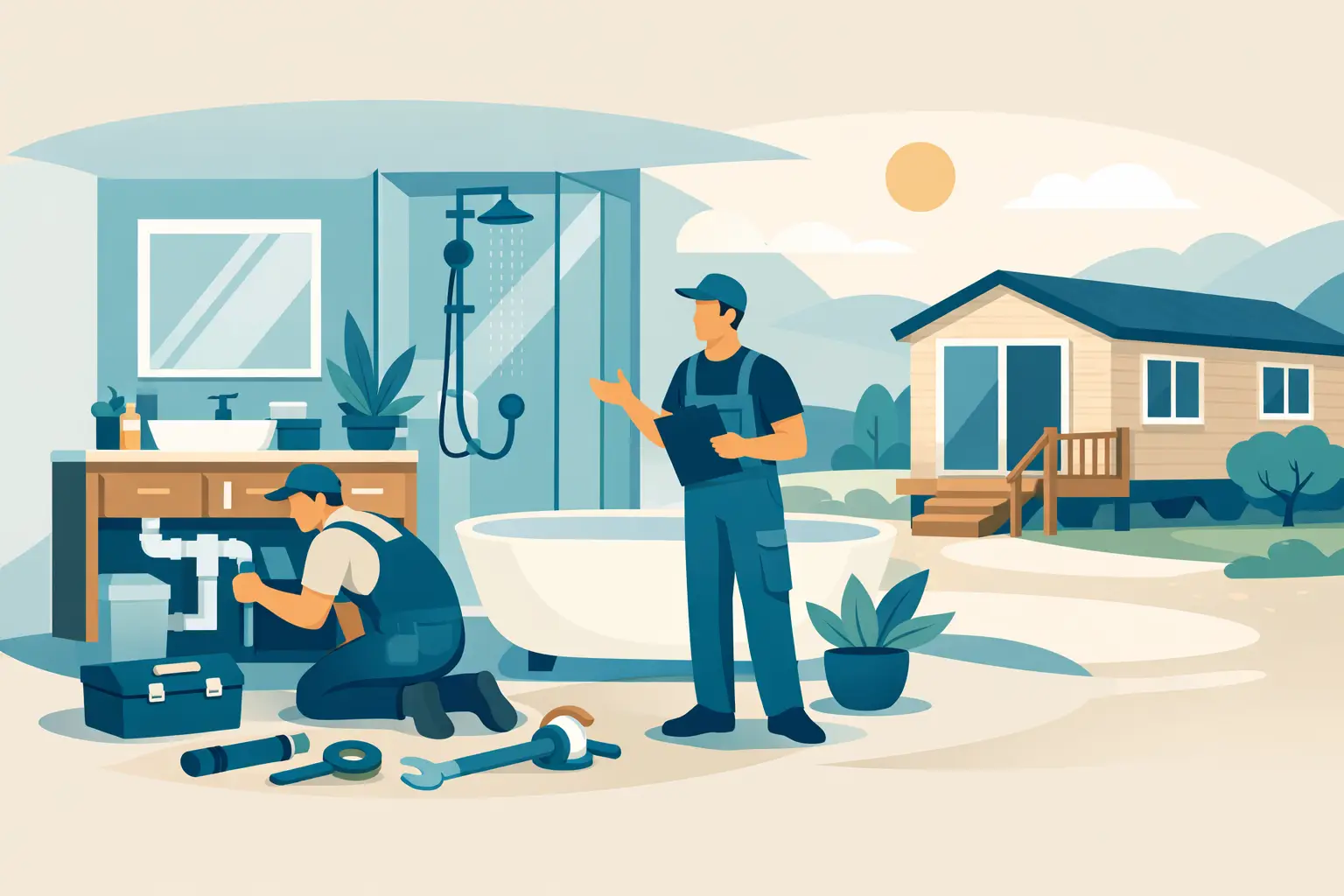
Not every project starts with a repair. Many homeowners choose refurbishment because the layout or finish no longer suits how they live. An older bathroom, for instance, may be perfectly usable but difficult to clean, poorly ventilated or lacking the comfort and accessibility the owner now needs.
A bathroom installation in a static home must take account of available space, plumbing routes, floor condition and the home’s lightweight construction. Practical choices often matter more than fashionable ones: easy-clean surfaces, reliable fittings, sensible storage, effective extraction and a layout that feels safe to use every day.
The same principle applies across the property. New external finishes, refreshed interiors and carefully planned repairs can give an older home a new lease of life without the upheaval of moving. Improvements should work together, not compete. There is little value in a smart new bathroom if an unresolved roof leak or cold floor is still affecting the home.
When several parts of a property need attention, priority matters. Water ingress, structural concerns and unsafe supports should generally come before decorative upgrades. Once the home is dry, stable and weatherproof, insulation and internal improvements can deliver their full benefit.
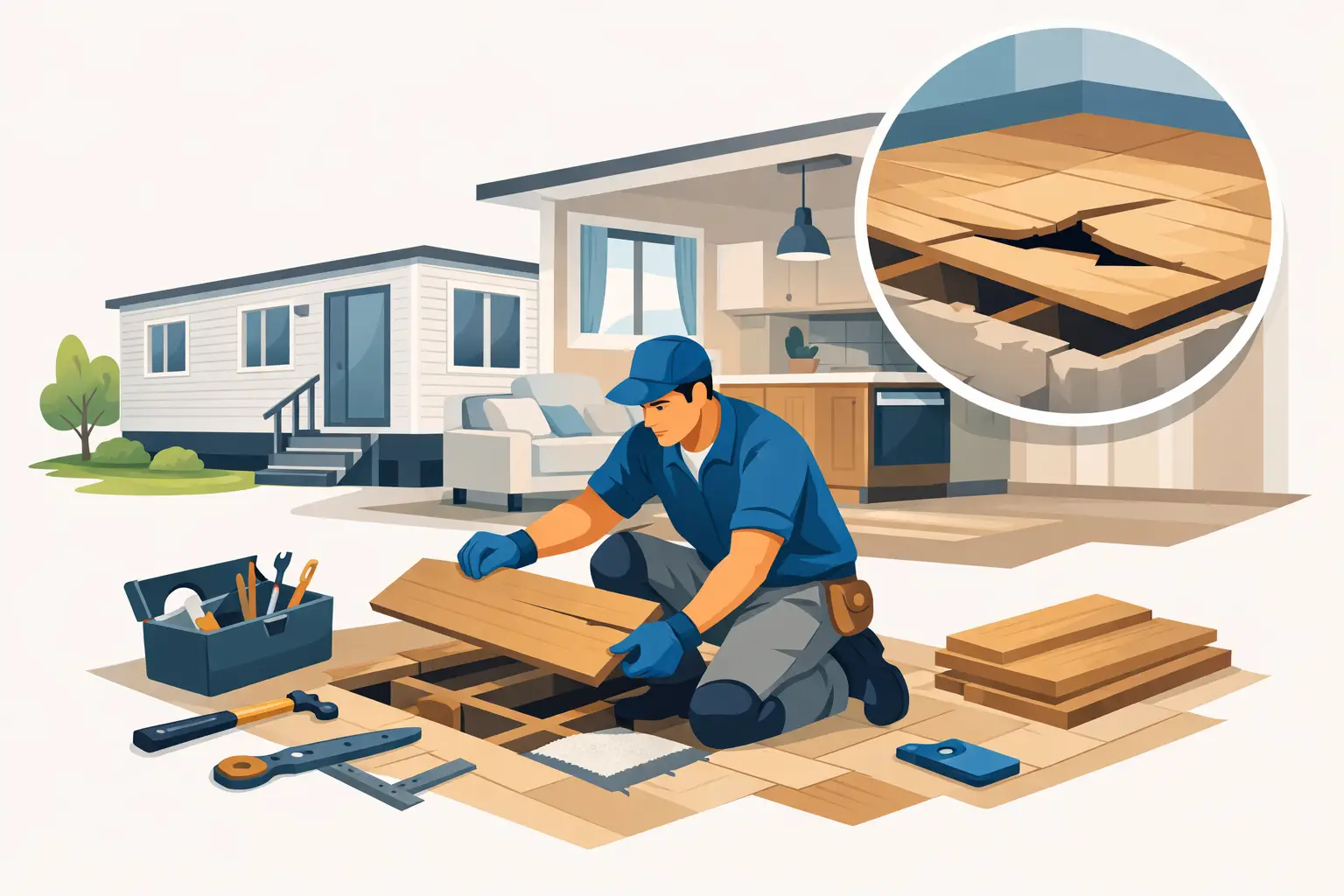
It is also sensible to consider work that can be completed at the same time. If cladding is being renewed, it may be the right opportunity to assess wall insulation and external seals. If a bathroom floor is being replaced, checking for any signs of damp or movement before fitting new finishes can avoid unnecessary future disruption.
A clear inspection and written scope help homeowners understand what is urgent, what can be planned for later and what outcome each part of the work is intended to achieve. This makes budgeting easier and reduces the risk of paying twice for work that could have been coordinated from the start.
The cheapest quote is not always the best value, particularly where the property requires specialist knowledge. Ask what experience the contractor has with static and park homes, how they will identify the cause of the problem, which materials they propose to use and whether their workmanship is guaranteed.
Clear communication matters just as much. You should know what will be done, why it is needed, how long it is likely to take and what the finished result should look like. At New Look Park Homes Ltd, the focus is on practical assessments and workmanship that addresses the condition of the home rather than simply covering it over.
A well-maintained static home is warmer to live in, safer to occupy and easier to enjoy. Acting when the first signs appear gives you more choices, better control of costs and the reassurance that your home is being looked after properly.