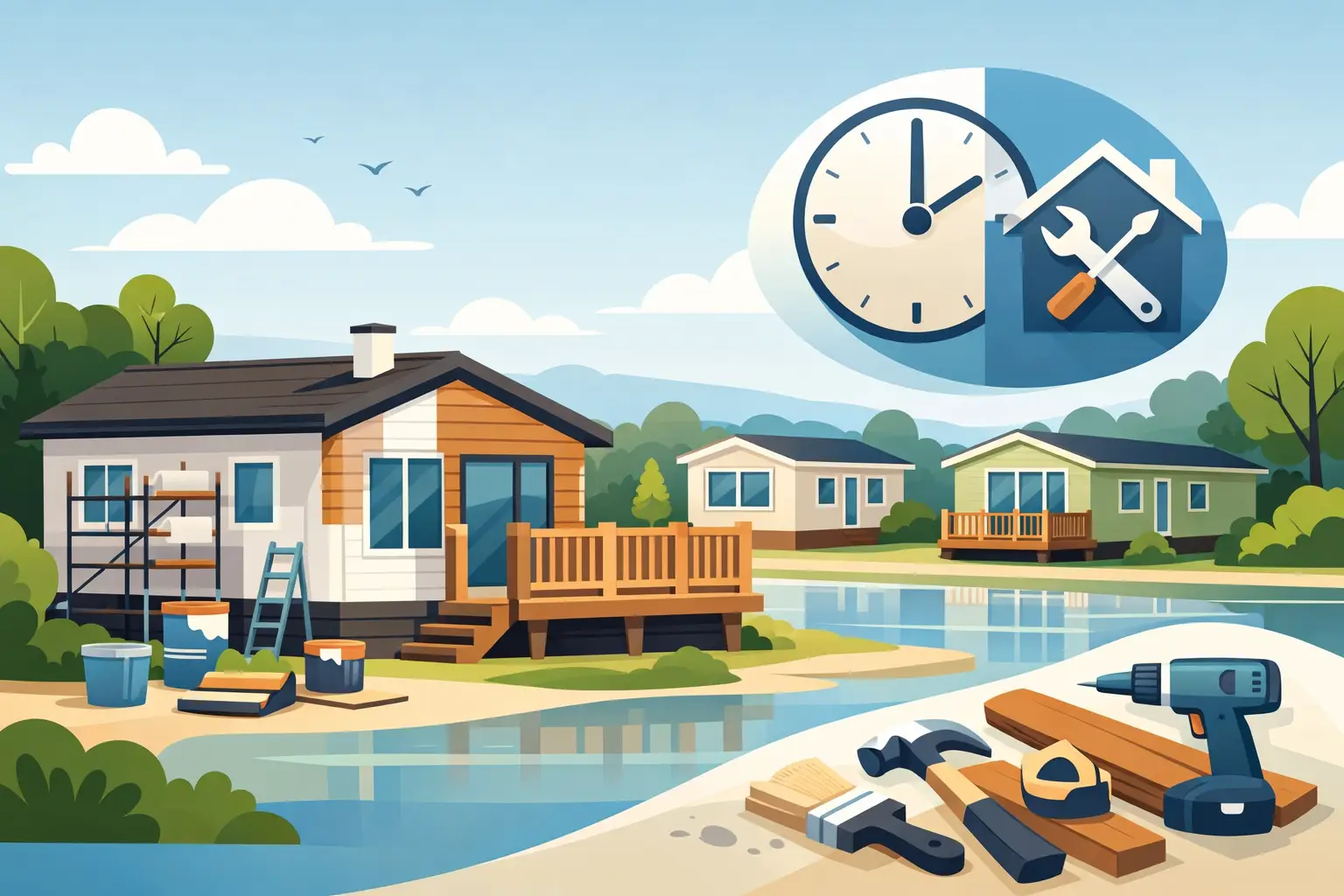
A cold floor on a winter morning, a persistent draught around the skirting or a roof that has begun to show its age can quickly affect how a home feels. Park homes are comfortable, practical places to live, but they need maintenance and improvements designed for their particular construction. The right work can make a noticeable difference to warmth, safety, appearance and the long-term condition of the property.
Unlike a conventional brick-built house, a park home has a lightweight structure, a chassis beneath it and services that need to be considered carefully before work begins. That is why choosing the right repair is not simply a matter of replacing what can be seen. A proper refurbishment looks at the cause of the problem, the condition of the home as a whole and the improvements that will give the owner lasting value.
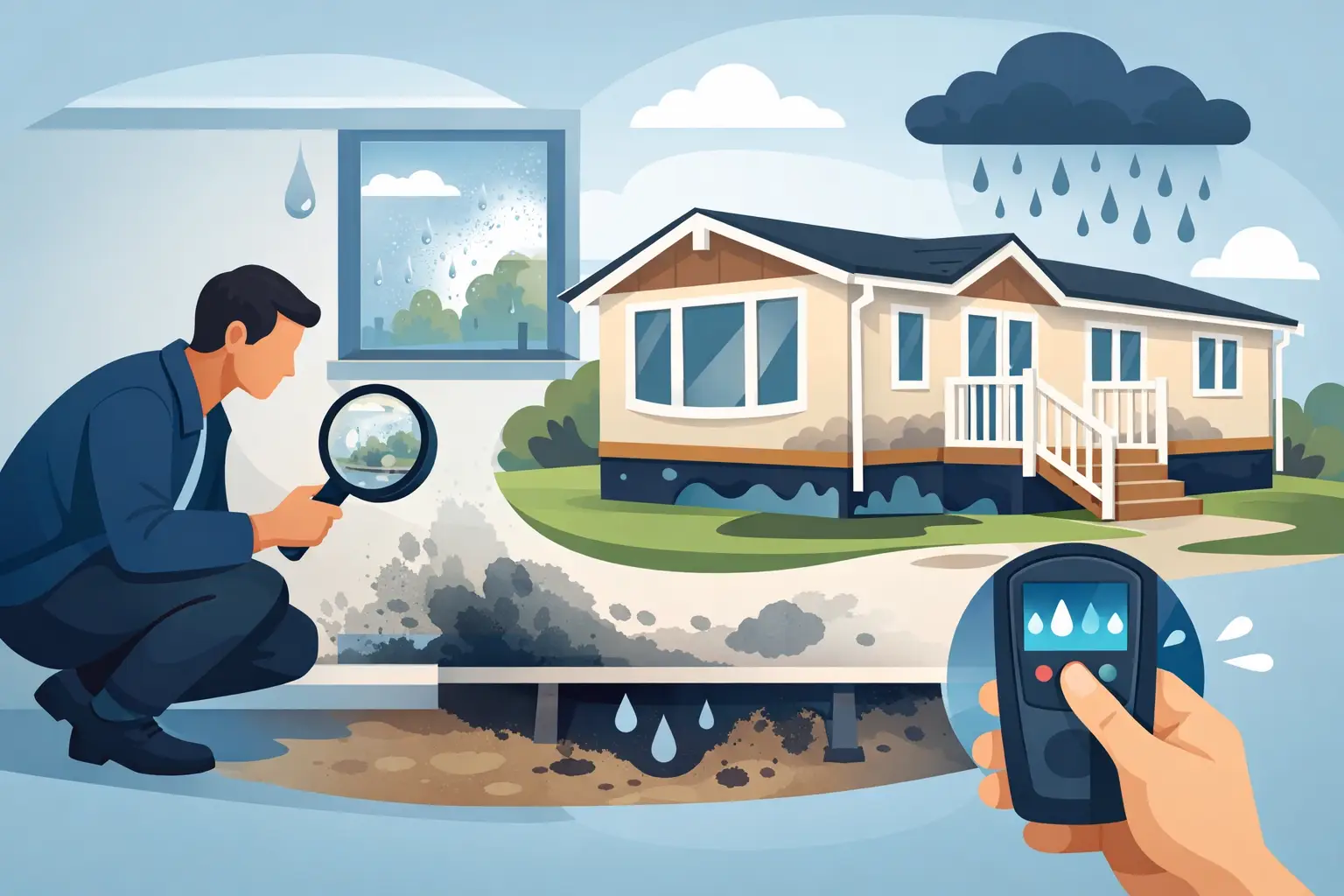
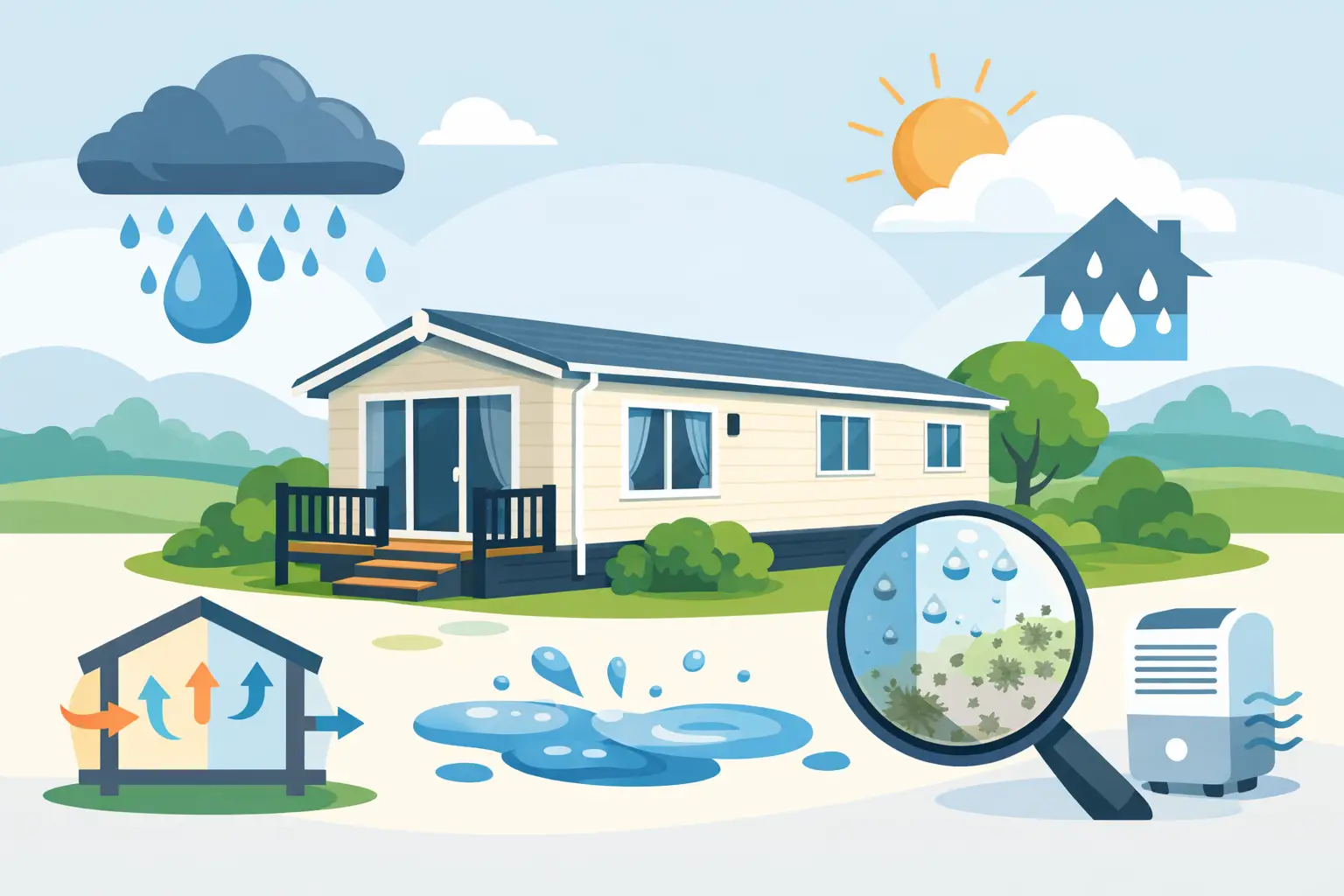
Many issues in a park home begin quietly. Insulation beneath the floor can deteriorate or become displaced, allowing cold air to circulate under the home. External panels can weather over time, seals can fail and moisture can find its way into vulnerable areas. Support jacks and parts of the chassis may also need inspection as the home ages.
A general builder may be very capable with brick, blockwork and traditional roofs, yet not understand the way a park home is built or how its components work together. Materials need to be suitable for a lighter structure, repairs must avoid placing unnecessary stress on the home, and access beneath the property often calls for specialist knowledge and equipment.
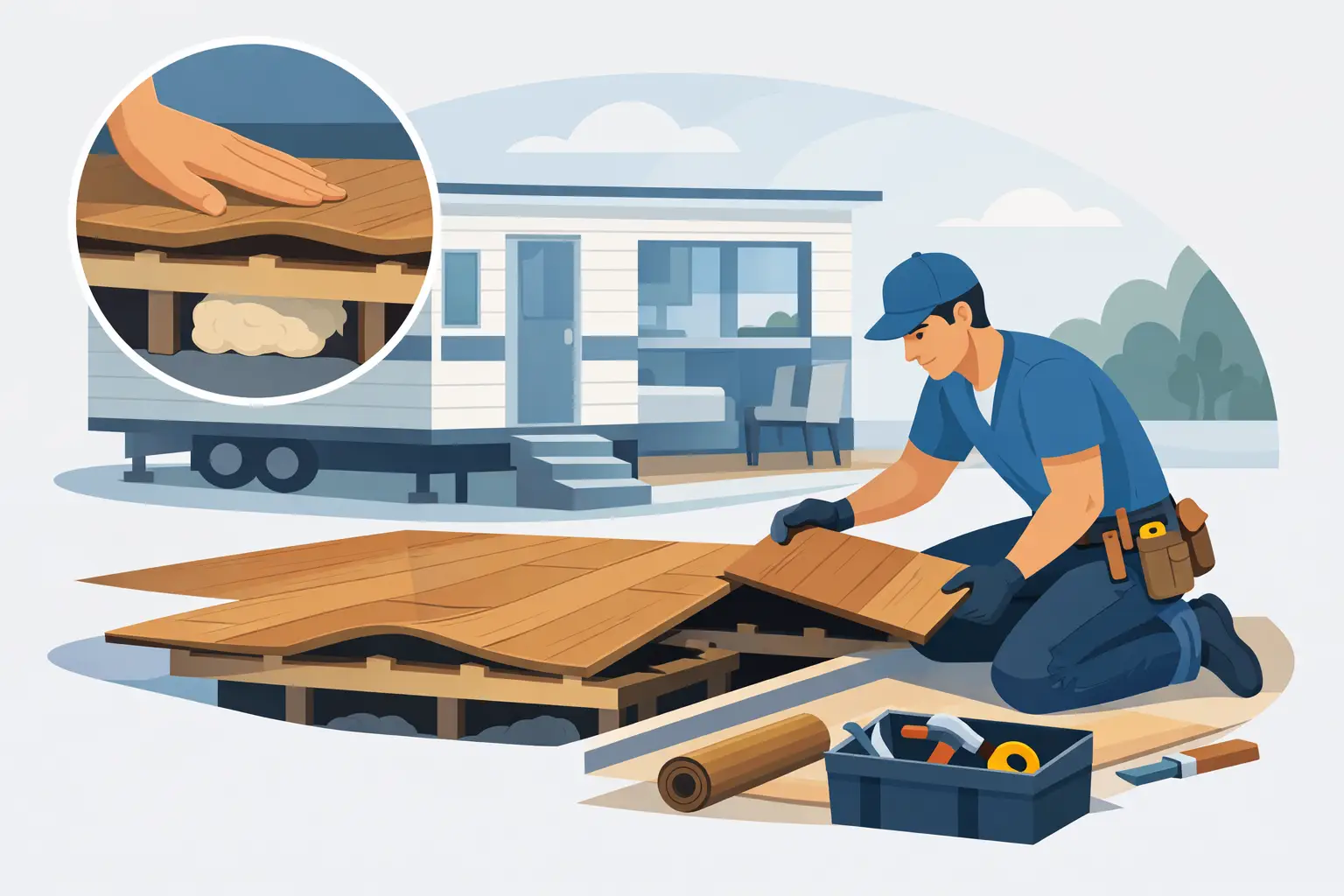
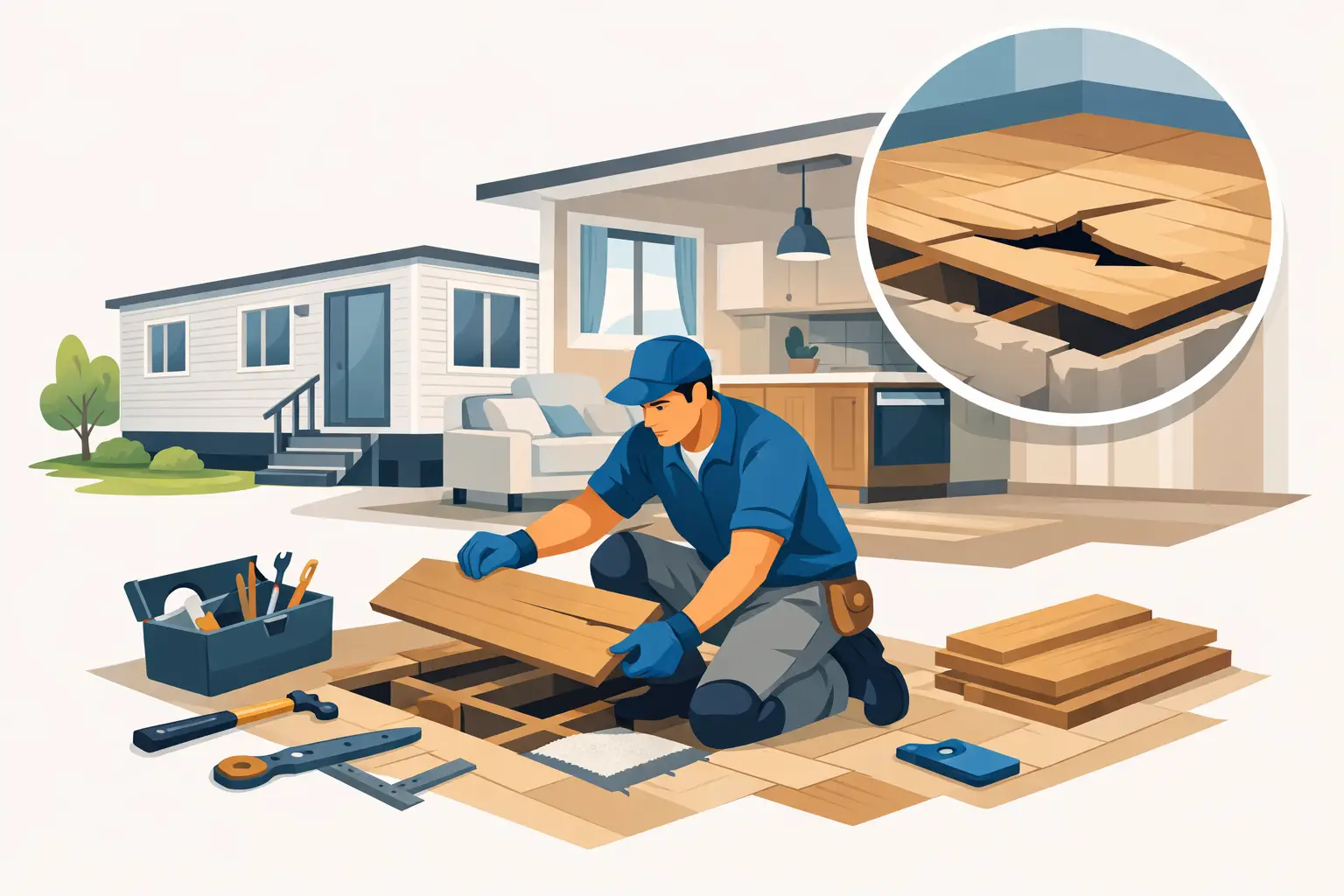
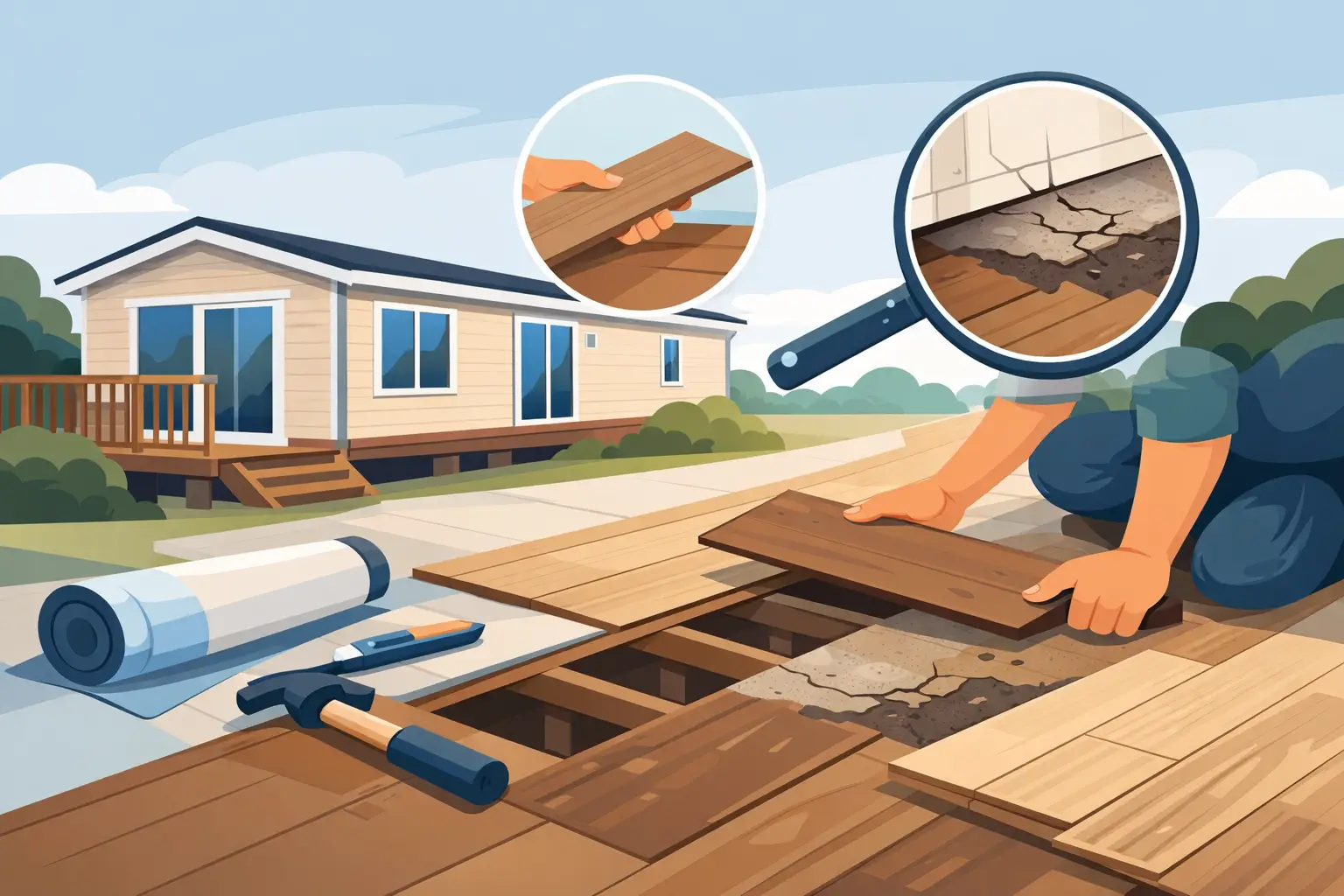
This is particularly important where a visible problem has a hidden cause. A damp patch inside may be linked to a failed external seal or roof detail. A bouncy floor may point to water damage, weakened boarding or an issue beneath the home. Treating only the surface can leave the main problem unresolved.
Before deciding on insulation, cladding or a new bathroom, it is worth having the home properly assessed. This gives a clear picture of what needs attention now, what can be planned for later and where money will make the greatest difference.
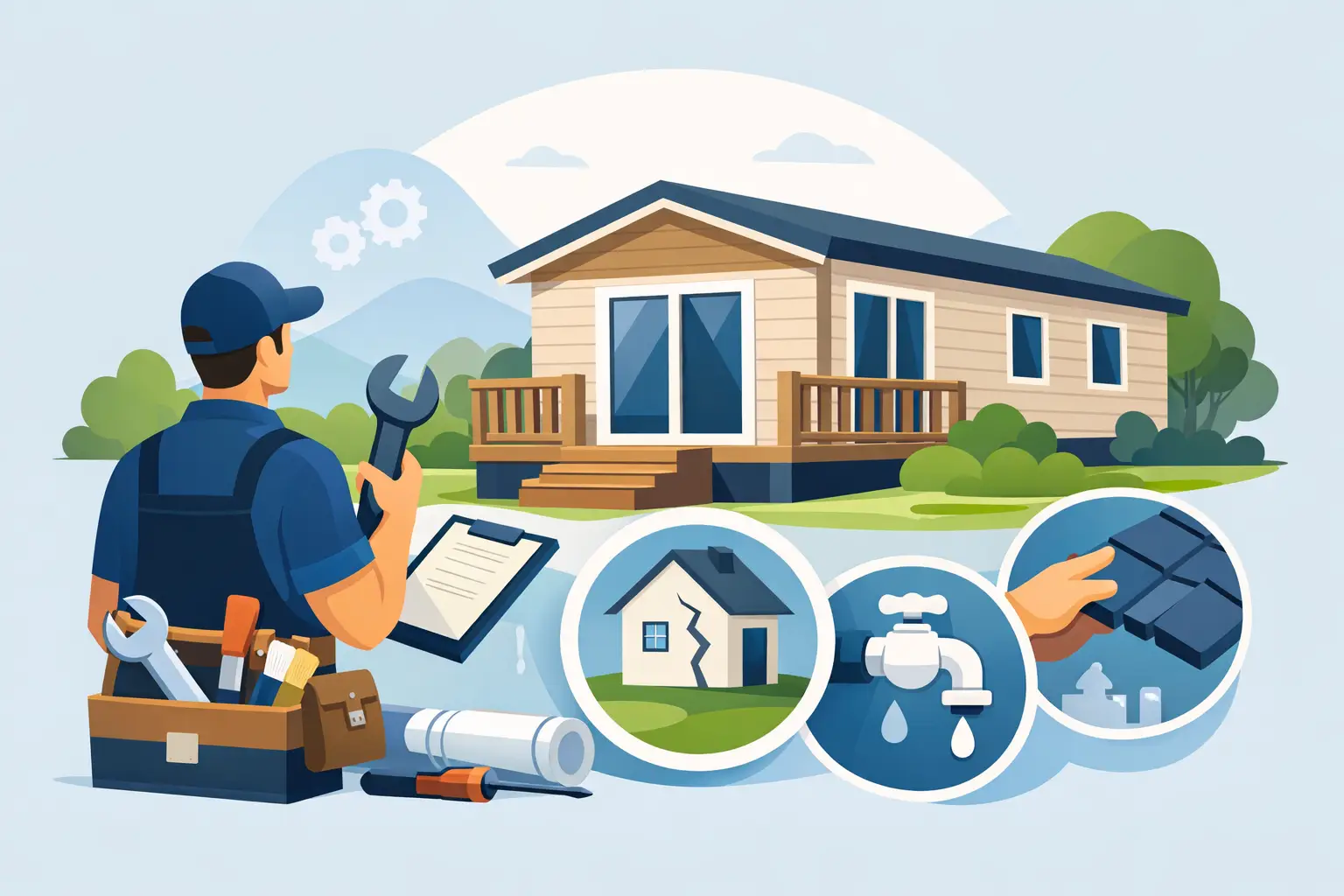
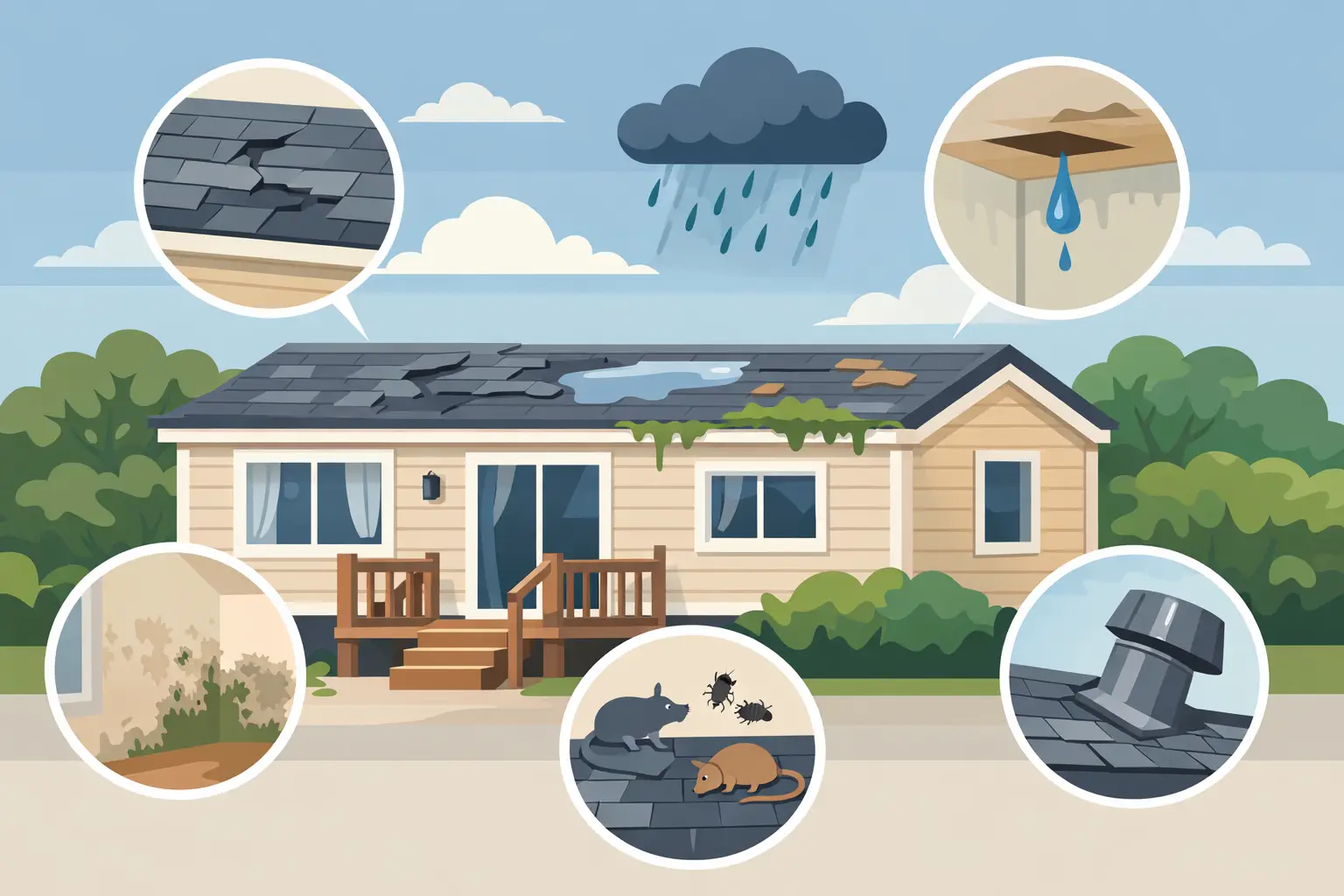
A practical inspection should consider the roof, exterior panels and trims, windows and doors, flooring, insulation, plumbing, bathroom areas, chassis condition and support jacks. It should also look for signs of movement, water ingress and inadequate ventilation. For many owners, this process brings reassurance. It replaces guesswork with a clear plan of work.
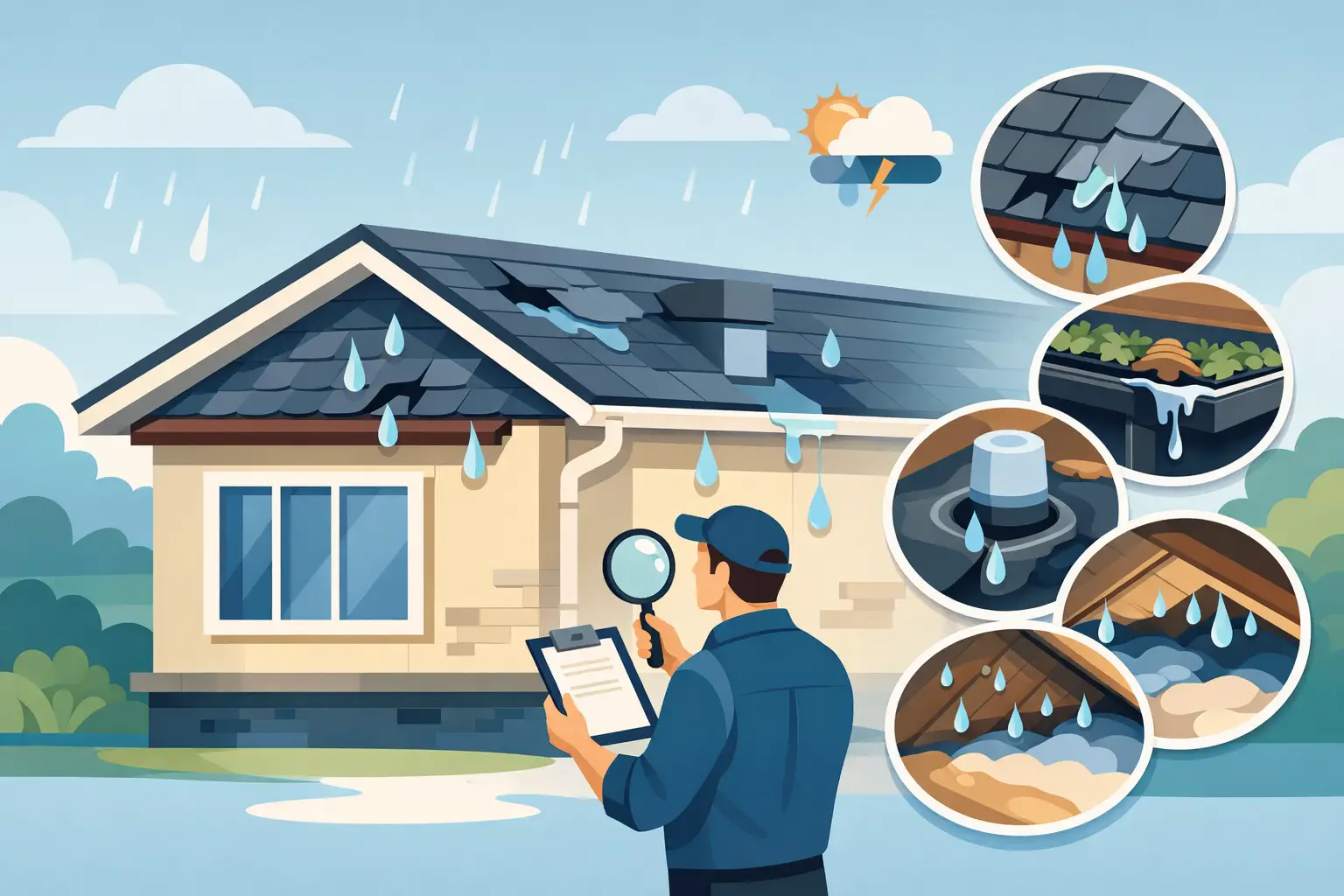
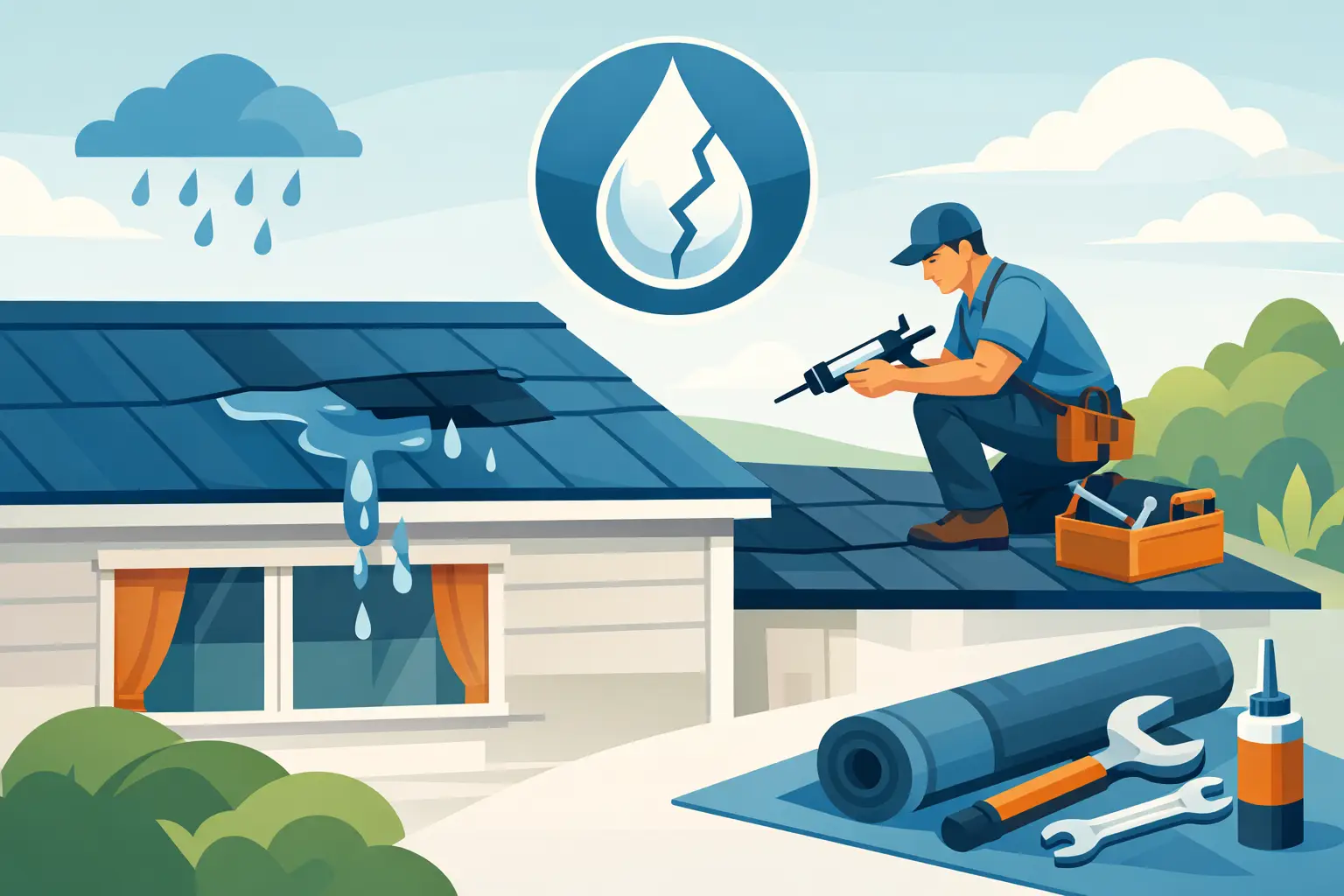
If there is any suggestion of a leak, cracked sealant, damaged roof covering or rotten timber, this should come before decorative changes. New internal wall finishes or a freshly fitted bathroom will not stay looking their best if water is still entering the structure.
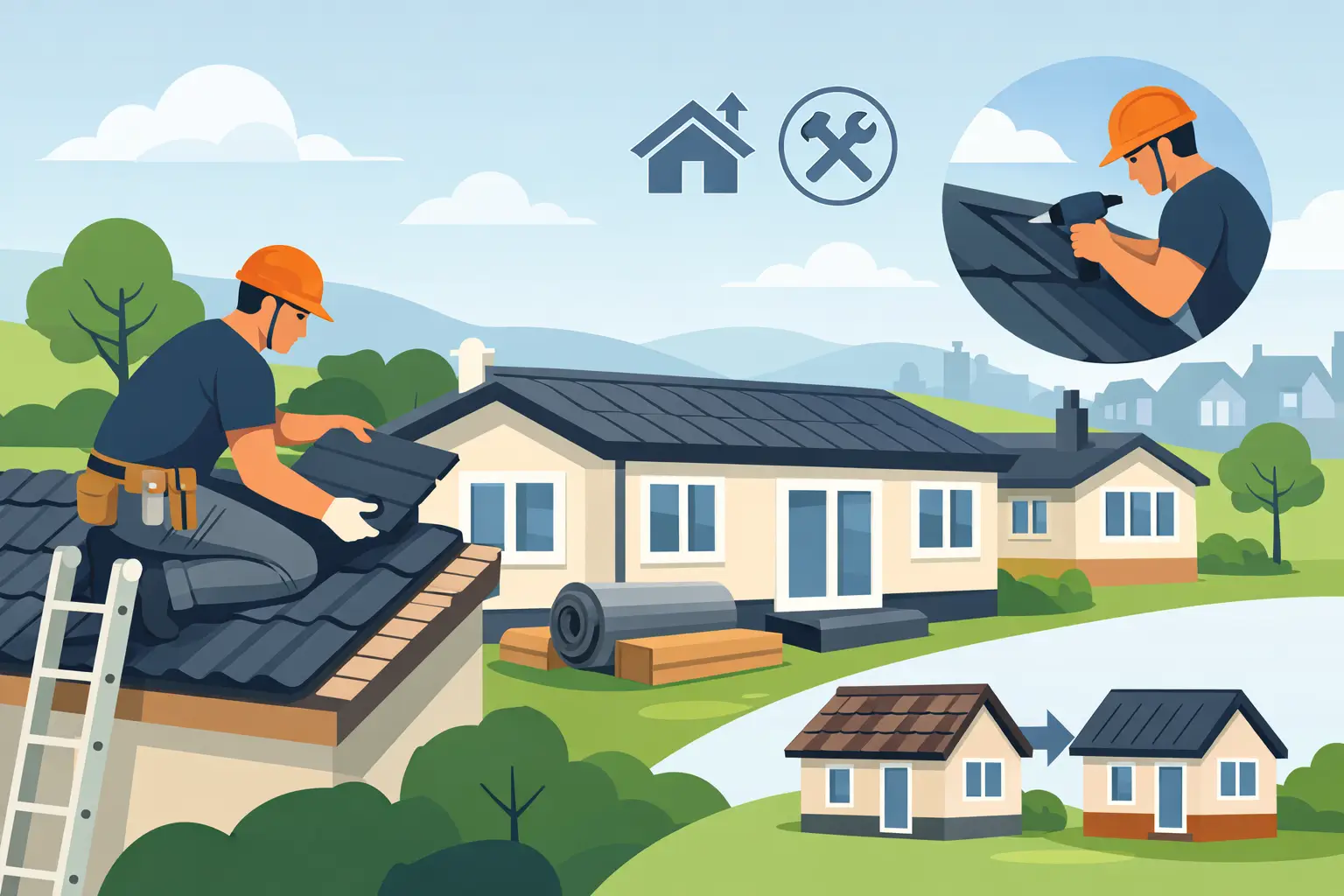
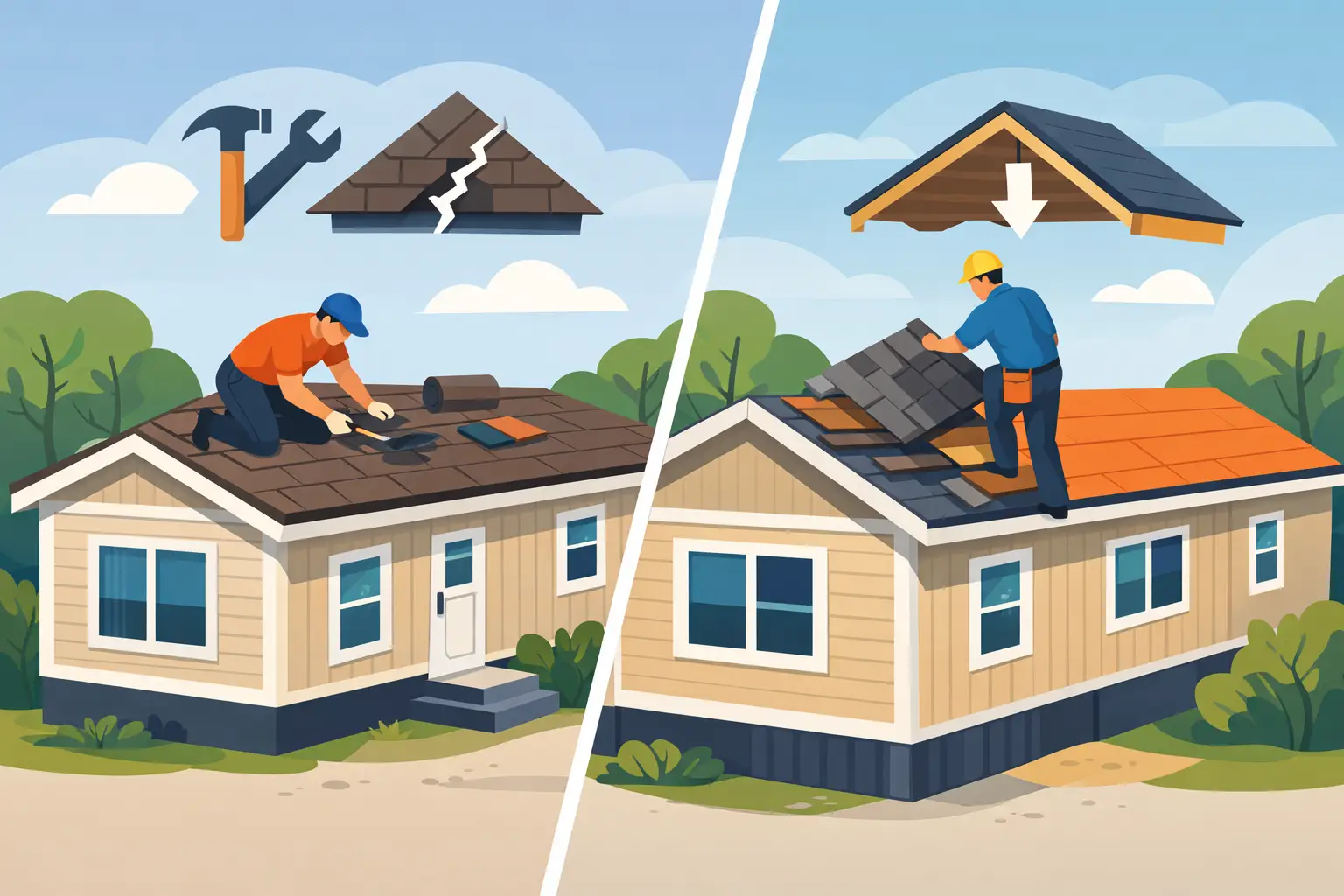
Roof repairs and replacement can range from renewing damaged areas to installing a more durable system across the whole home. The right answer depends on the age and condition of the existing roof, previous repairs and how long the owner intends to remain in the property. A localised repair can be sensible when damage is limited. Where the roof has reached the end of its useful life, a replacement may offer better value and fewer worries over the years ahead.
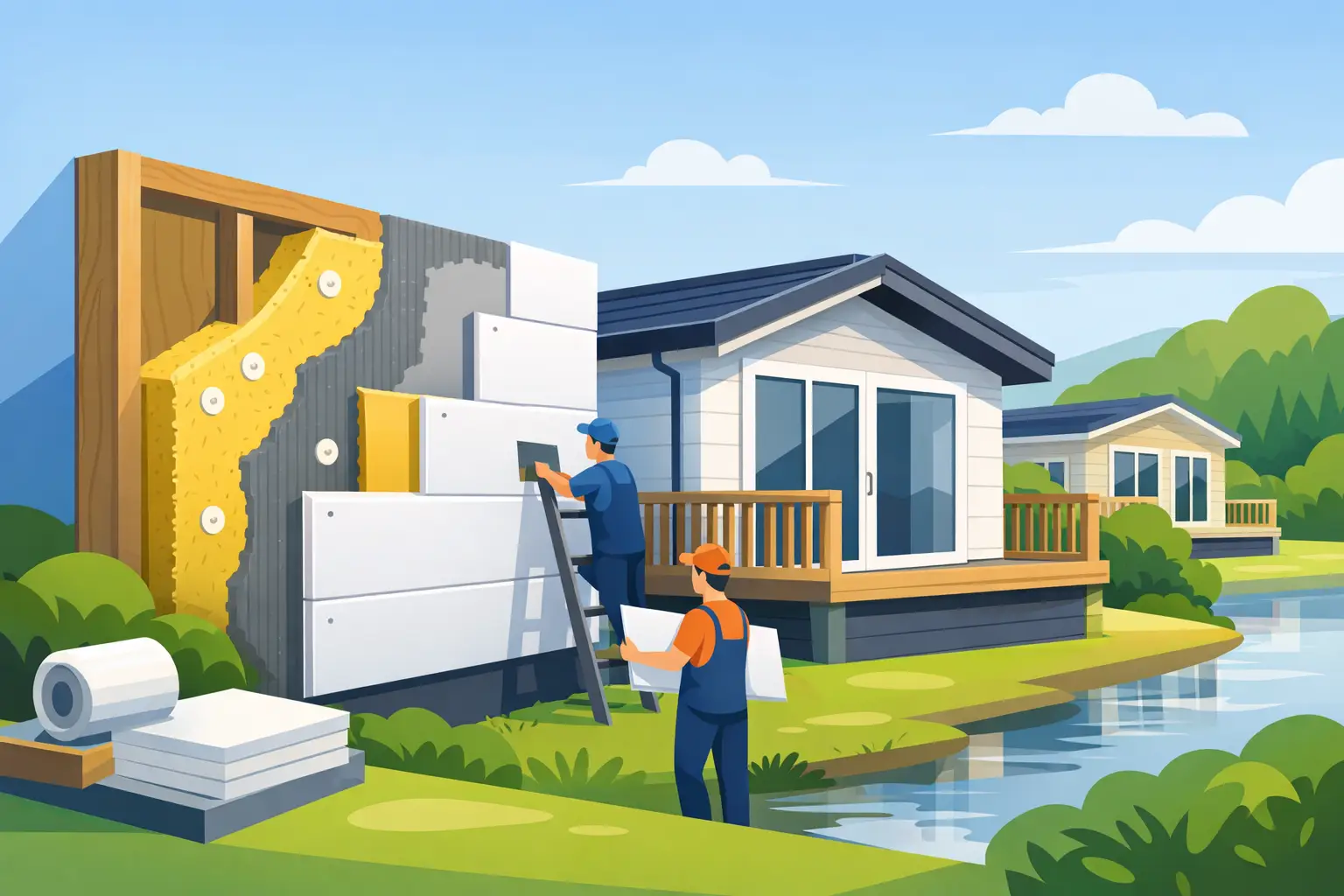
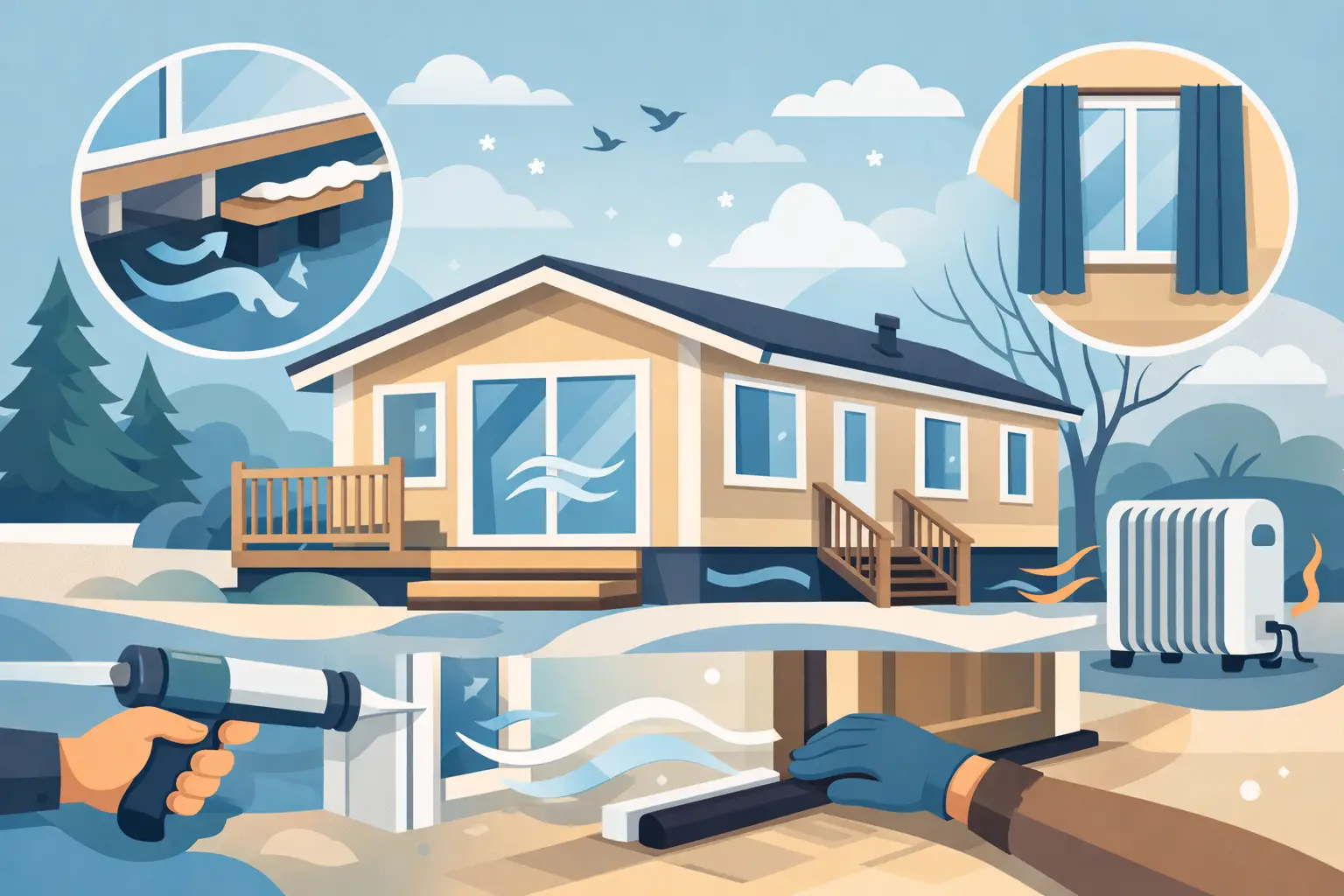
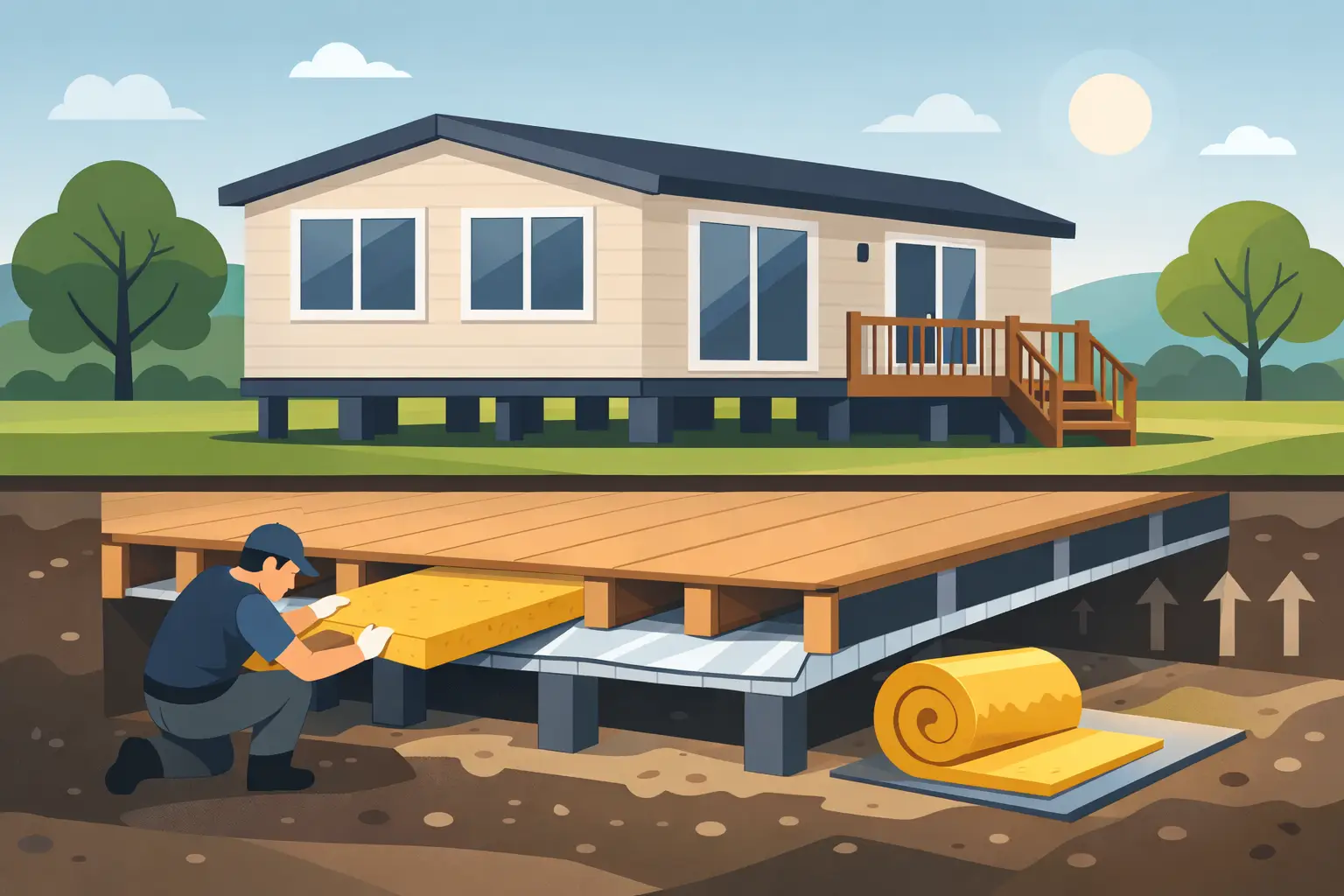
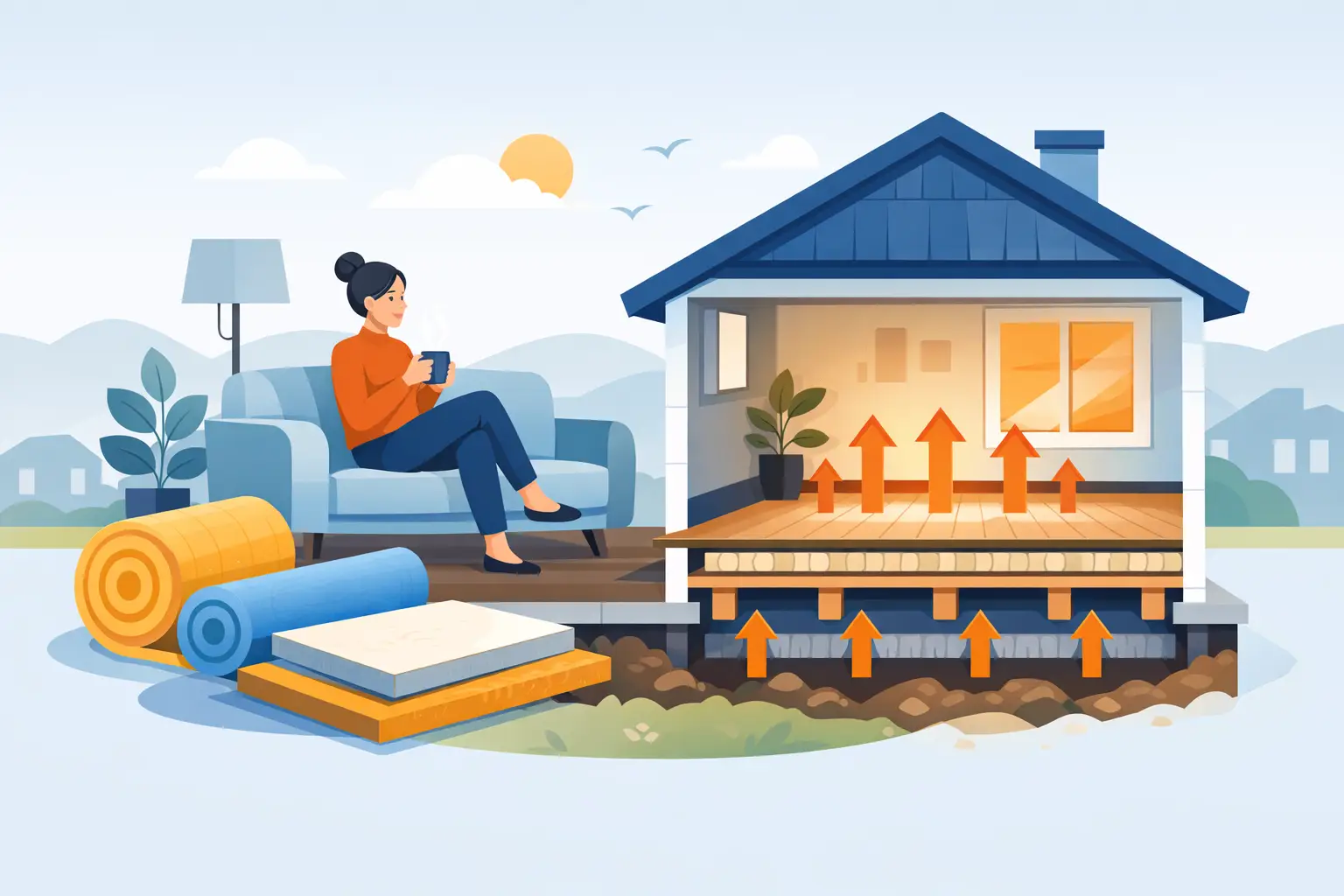
The space below a park home is easy to overlook because it is out of sight, but it has a direct effect on warmth and stability. Underfloor insulation is one of the most valuable upgrades for owners who feel cold through their feet or find that rooms never quite hold their heat.
Good underfloor insulation helps reduce heat loss and makes floors feel warmer underfoot. It can also help heating work more efficiently, although the exact saving depends on the home’s size, existing insulation, heating system and how it is used. Just as importantly, any work beneath the home should allow for appropriate ventilation and access where required. Sealing everything up without considering airflow can create different problems.
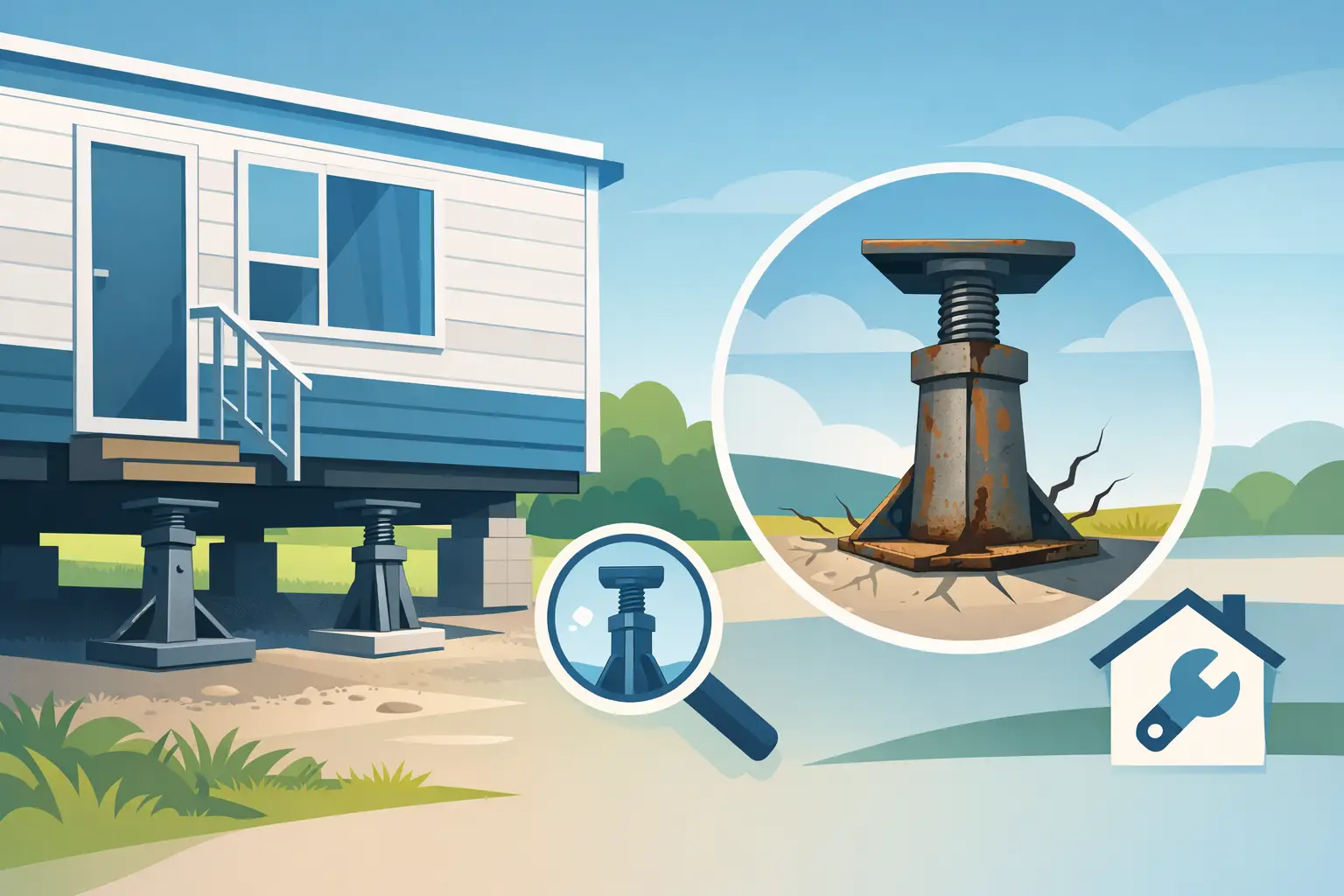
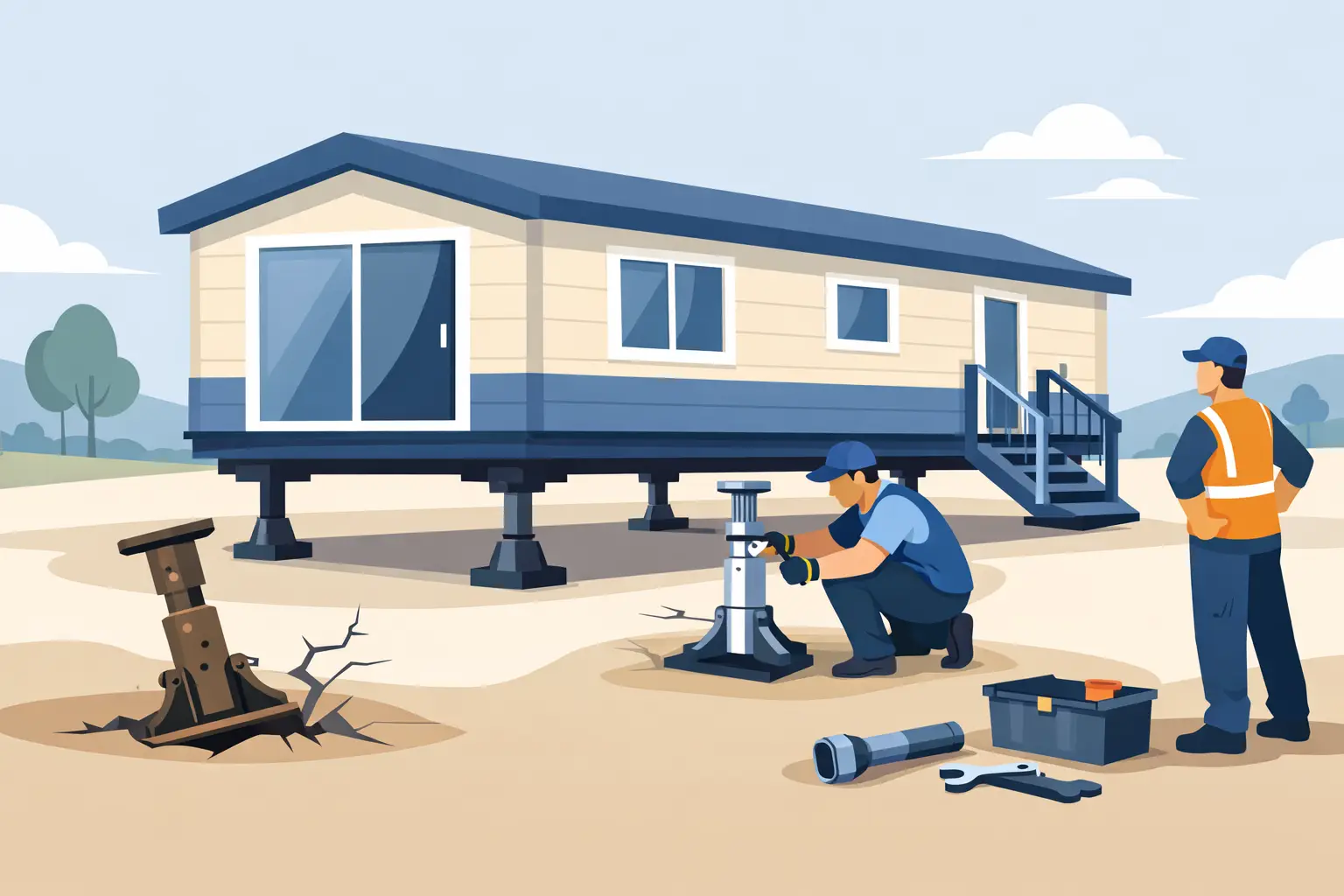
The chassis and support jacks deserve the same attention. A park home relies on these elements for support, and corrosion, wear or movement should never be ignored. Chassis refurbishment and replacement support jacks can improve confidence in the structure and help protect the home from further issues.
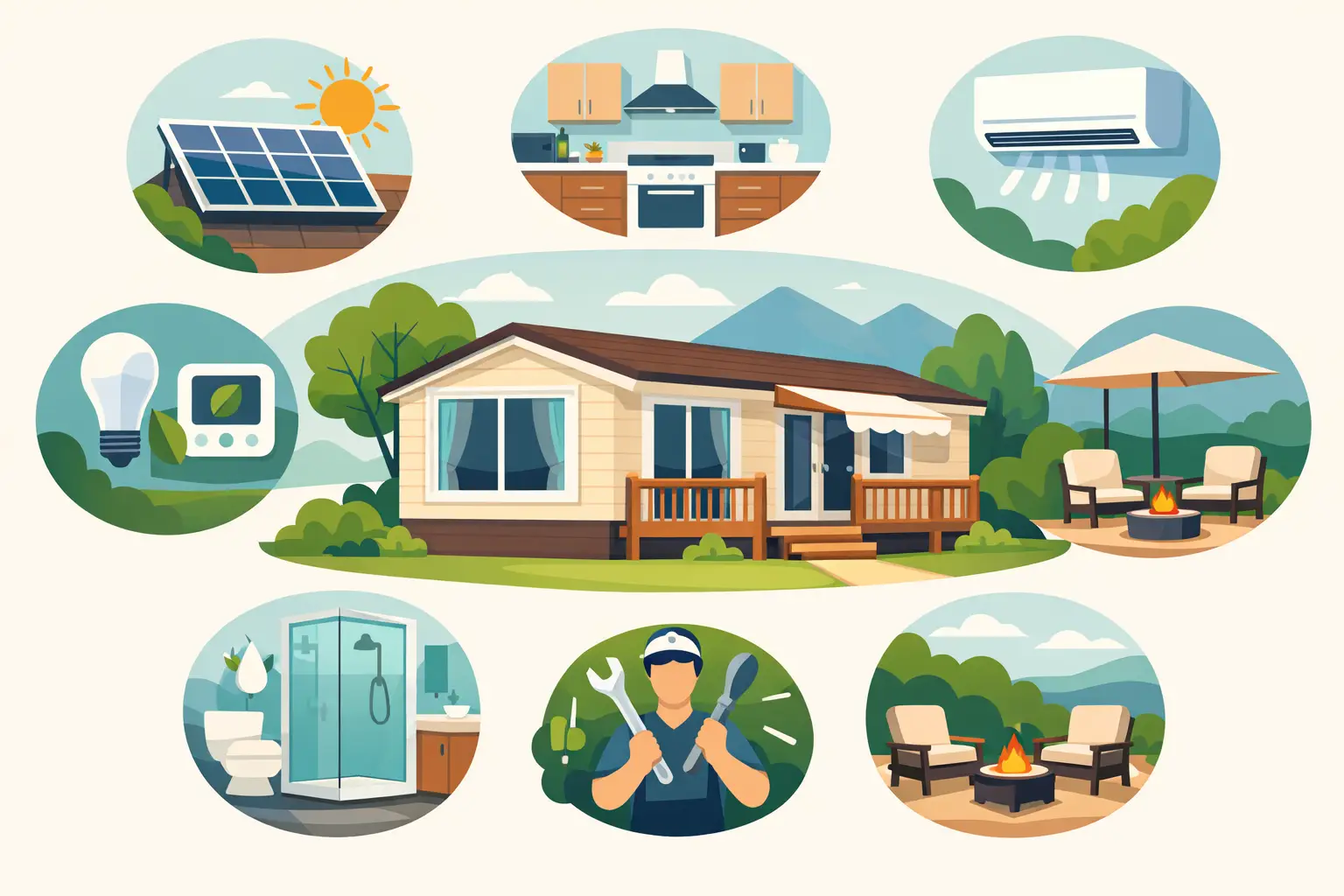
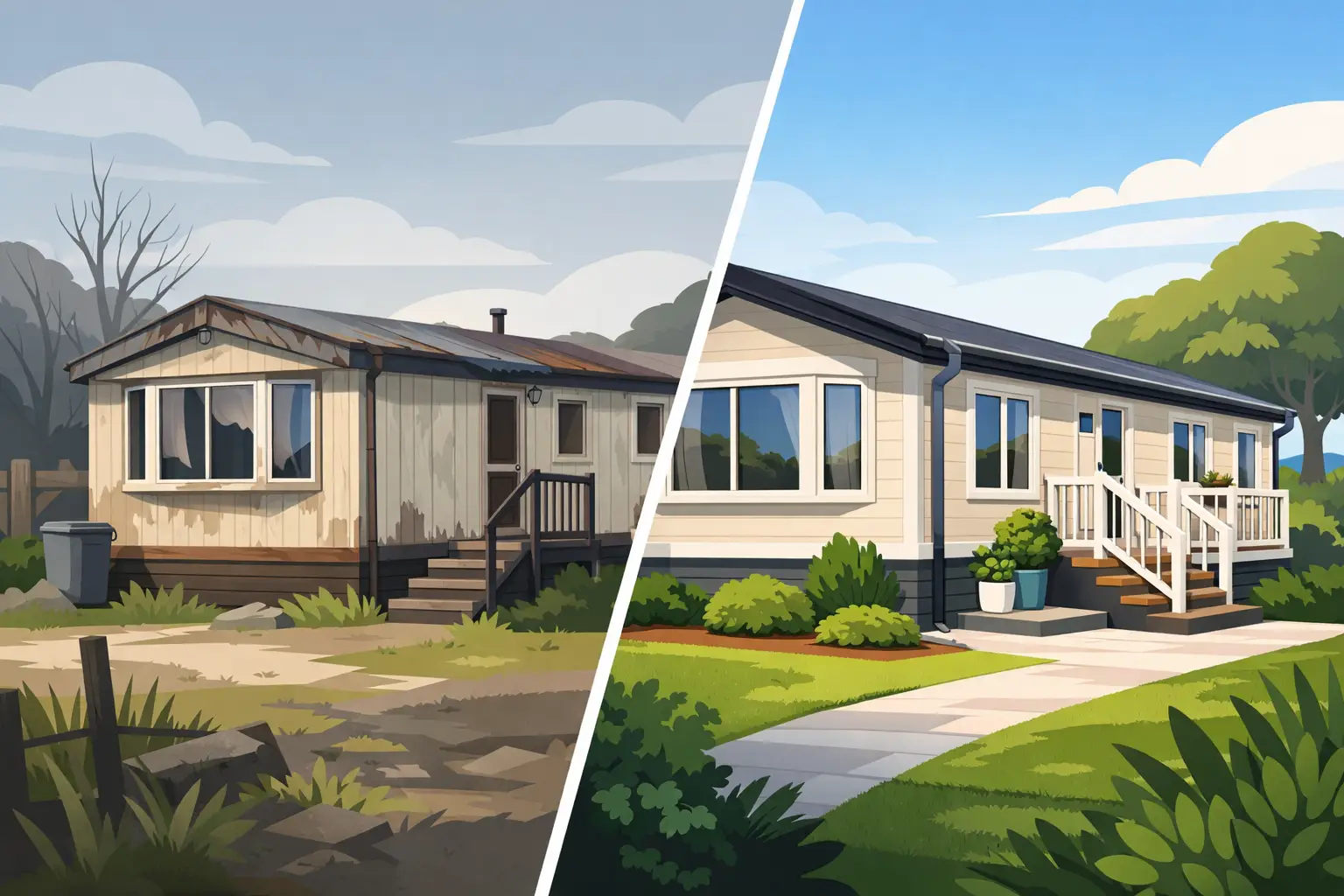
The best refurbishment projects do more than make a home look newer. They make daily life more comfortable and reduce the burden of upkeep.
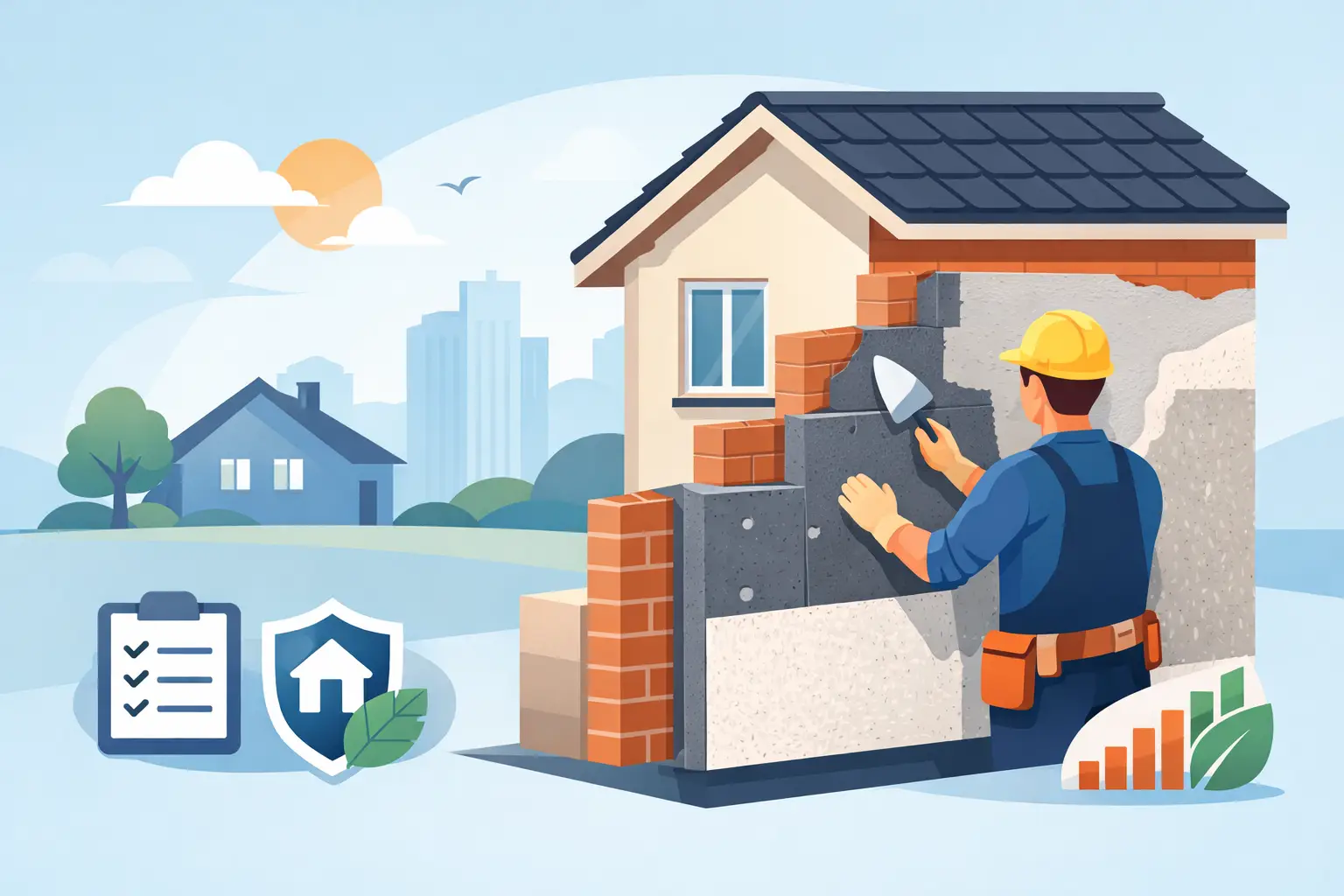
If rooms cool down quickly or external walls feel cold, wall insulation may be worth considering. It can improve thermal comfort and help create a more consistent temperature throughout the home. The appropriate method will depend on the existing wall construction and condition, which is why an assessment matters before work is specified.
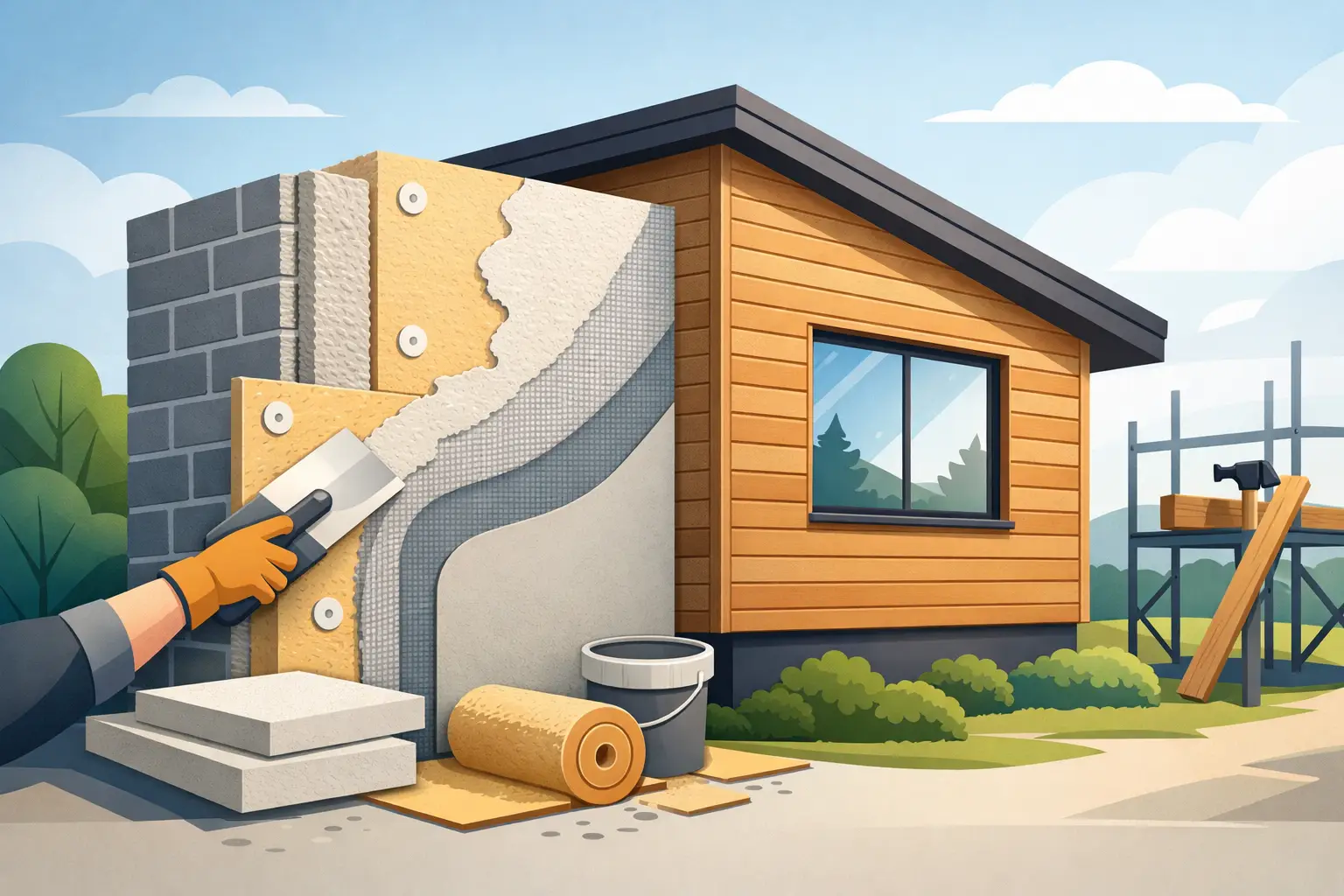
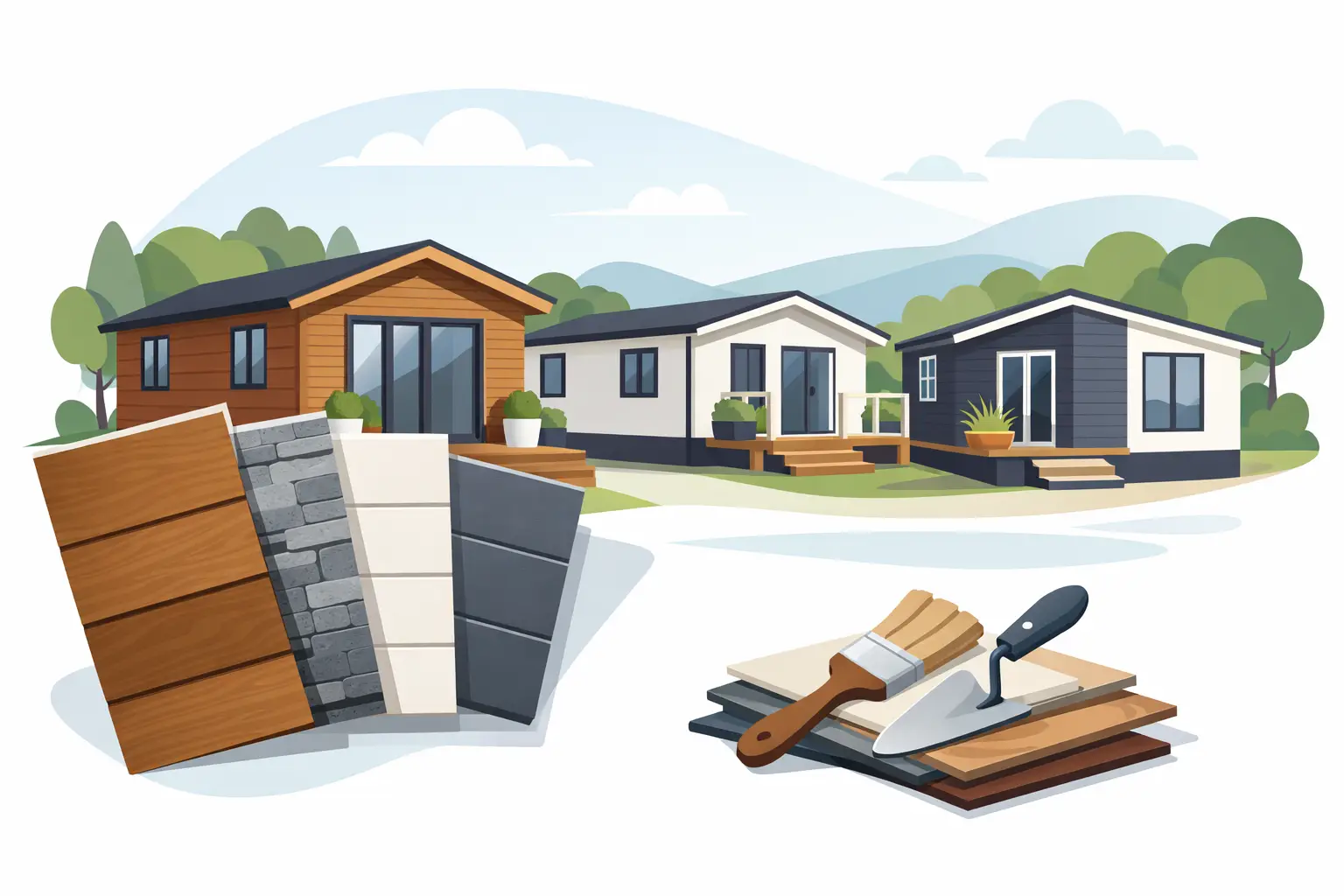
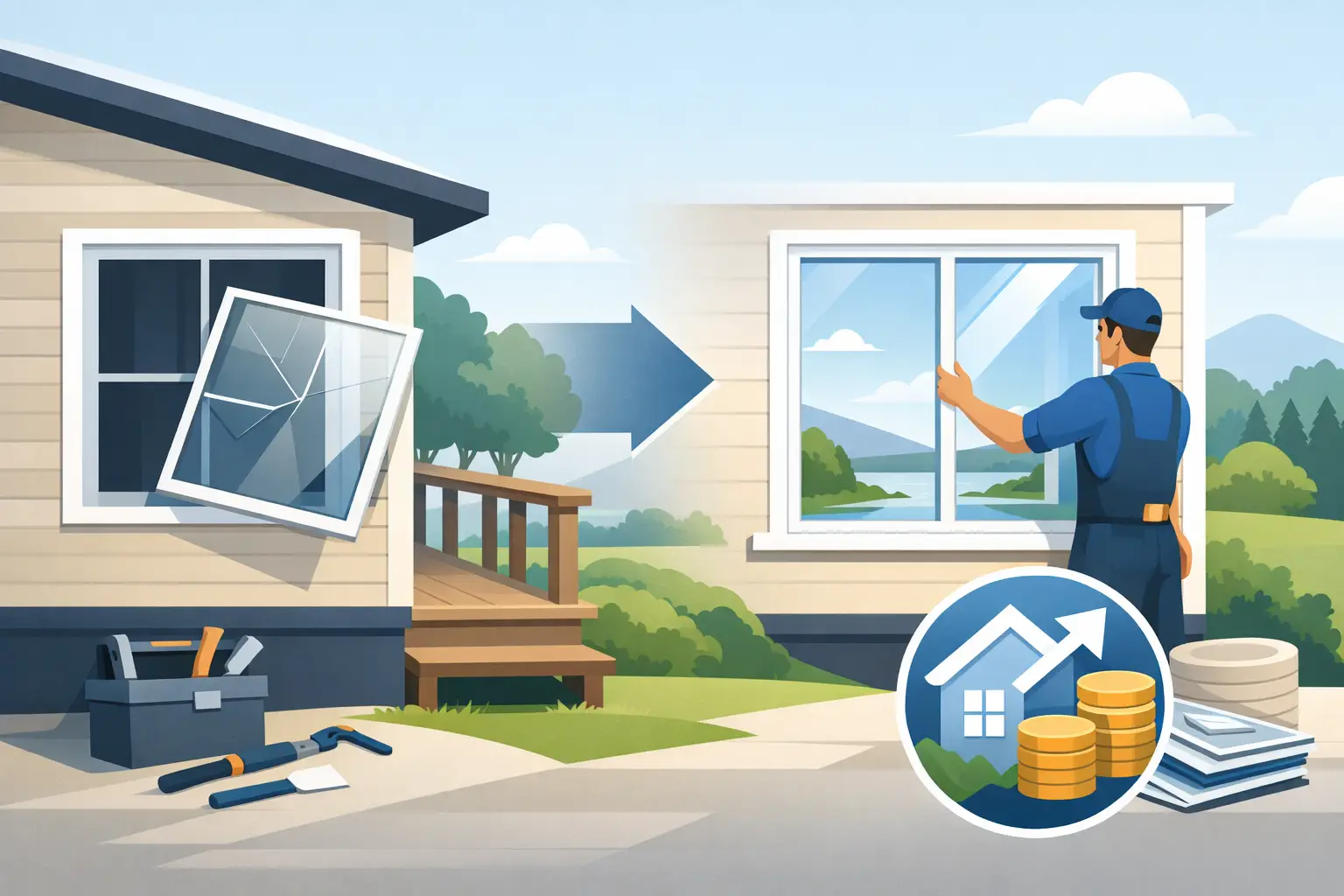
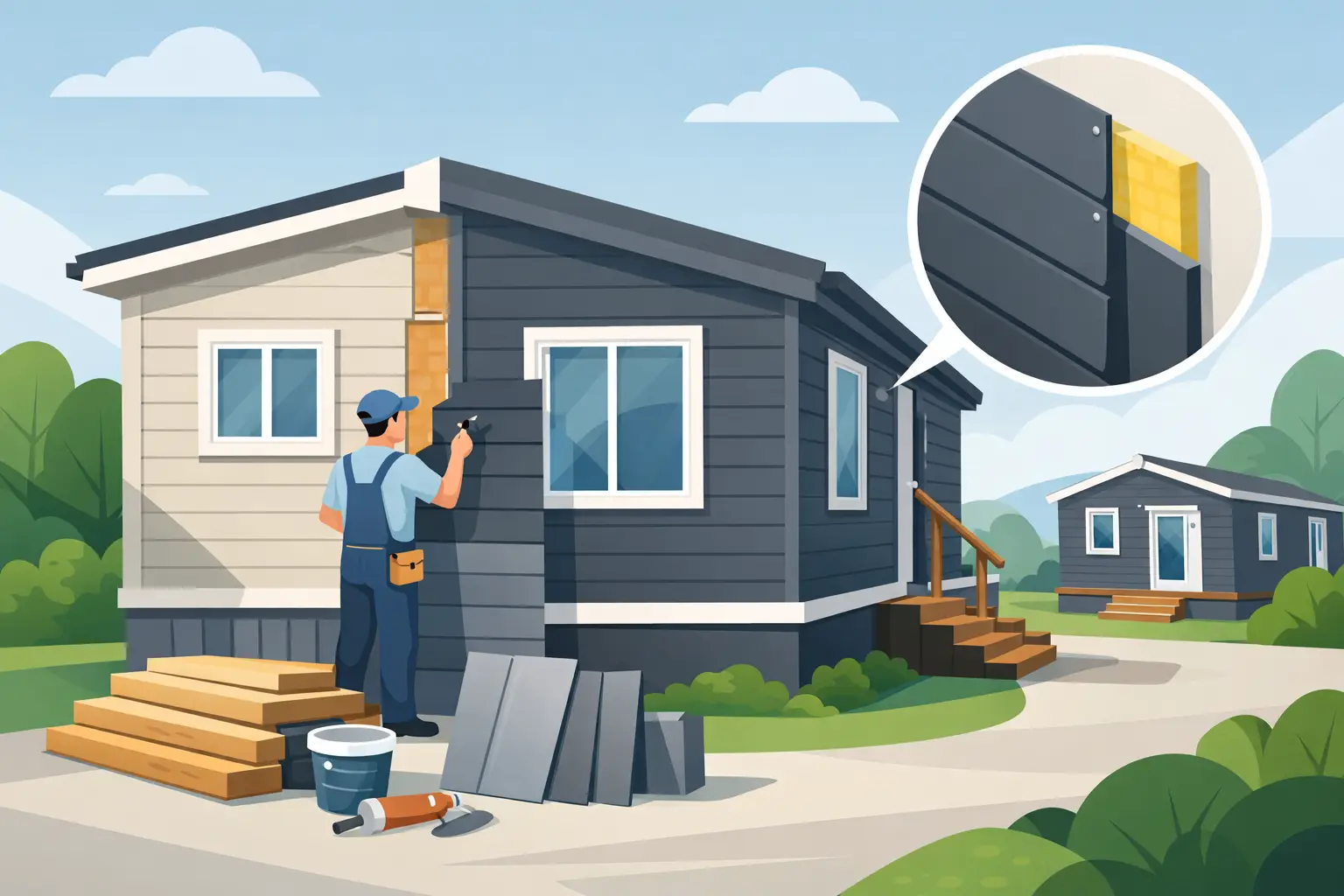
External cladding is often chosen for both practical and visual reasons. It can refresh a tired exterior, reduce ongoing maintenance and provide an added layer of protection from the weather. It is not simply a cosmetic covering. Installed correctly, with careful attention to trims, joints and openings, it can help safeguard the structure behind it.
There is a balance to strike. Choosing the cheapest material may reduce the initial cost but can lead to fading, cracking or early replacement. Quality materials and careful fitting tend to offer better value because they protect the home for longer and keep it looking smart with less maintenance.
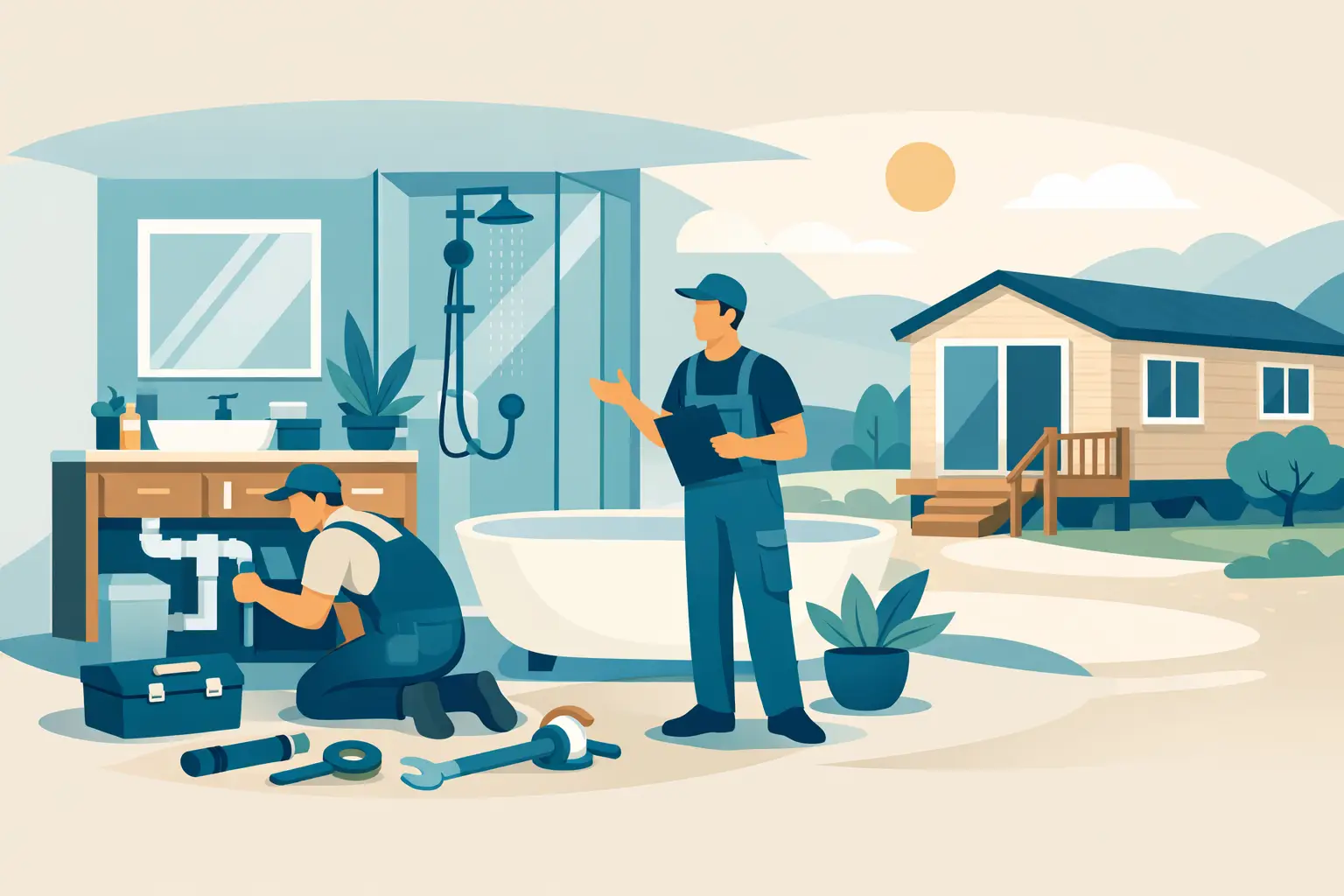
An outdated bathroom can be inconvenient as well as unattractive. Leaks around an old shower tray, failing seals, damaged flooring and poor ventilation can cause problems that extend beyond the bathroom itself.
A well-planned bathroom installation gives the opportunity to improve storage, lighting, shower access and ease of cleaning. For older homeowners, practical details can matter most: a lower-entry shower, secure grab rails, sensible tap choices and layouts that allow comfortable movement. These features can make the home easier to enjoy without making it feel clinical.
Because bathrooms contain plumbing, moisture and several finishes in a compact space, the work needs to be coordinated properly. The structure and floor beneath should be sound before new sanitaryware and wall panels are fitted. A bathroom that looks good on completion should also be built to stay dry and dependable.
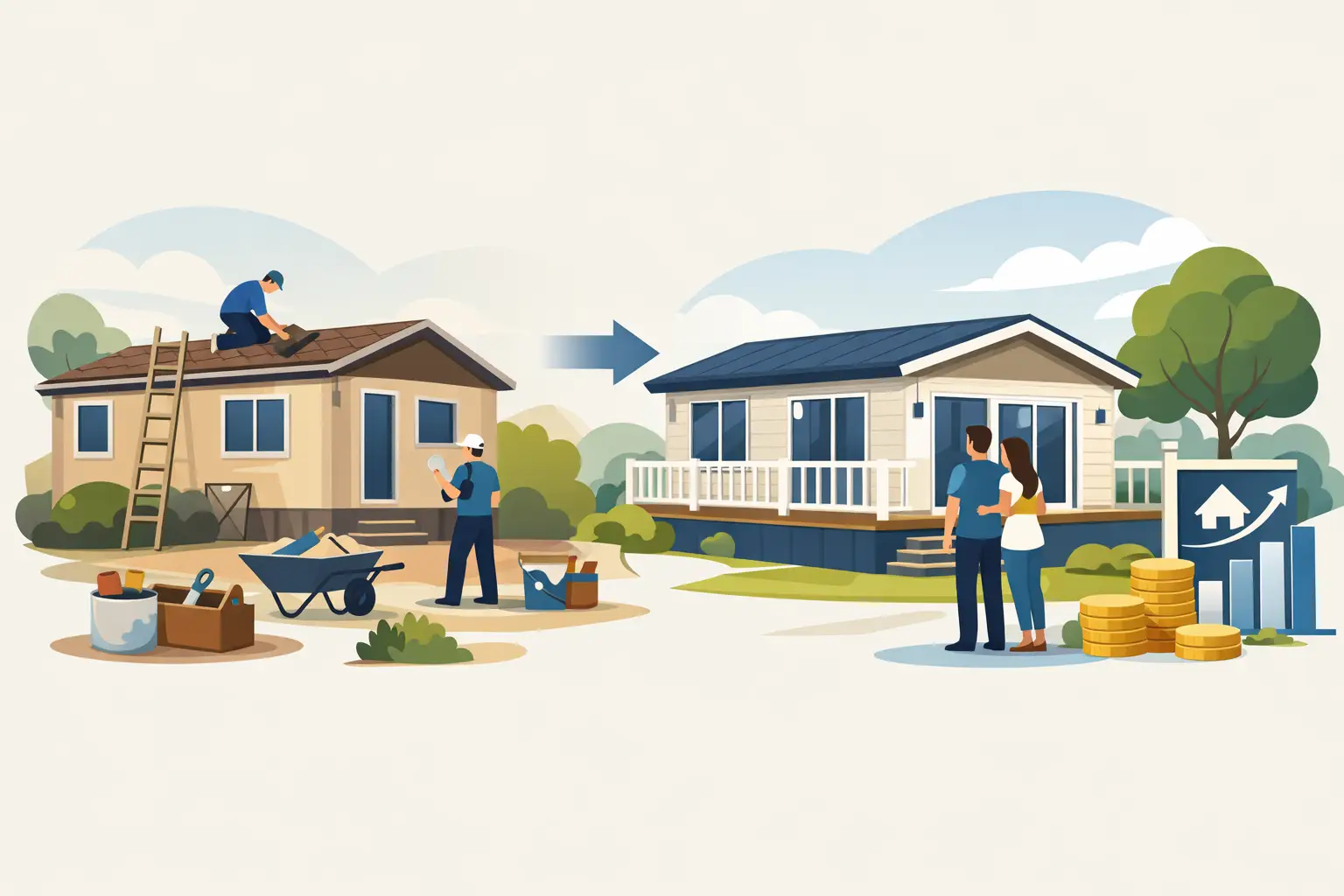
Not every park home needs a full refurbishment at once. In fact, phased work is often the sensible option, particularly where the home is generally sound but several improvements are approaching.
The usual priority is to protect the structure first, then improve warmth and stability, and finally concentrate on appearance and internal comfort. That may mean addressing a roof or water ingress issue before fitting cladding, or renewing underfloor insulation before replacing floor coverings. It can be tempting to start with the most visible change, but the less glamorous work often delivers the greatest benefit.
Owners should also consider how the work will affect day-to-day living. Some projects can be completed with minimal disruption, while a bathroom replacement or significant structural repair may require more planning. A clear scope of work, realistic timescale and straightforward explanation of materials help prevent surprises once the project is under way.
A park home rarely improves by being left alone. If you notice persistent draughts, cold floors, staining on ceilings or walls, damaged exterior panels, cracking sealant, soft flooring, signs of movement or a roof that is past its best, it is worth arranging an inspection rather than waiting for the issue to grow.
Early repairs are usually less disruptive than emergency work. They also give you more choice over how the refurbishment is carried out, rather than forcing a hurried decision after a leak or failure. For owners looking to remain in their homes for many years, planned maintenance is one of the strongest ways to protect both comfort and value.
New Look Park Homes Ltd focuses solely on this type of work, from insulation and cladding to chassis repairs, roofs and complete refurbishments. That specialist approach means each project can be considered in the context of how a park home is actually built and used.
A well-maintained home should feel secure when the weather turns, warm where it matters and straightforward to look after. If something no longer feels right, a professional assessment can be the practical first step towards putting it right properly.