A floor that feels cold underfoot, dips near a doorway or gives slightly when walked on is more than an everyday annoyance. In a park home, it can be a sign that moisture, poor ventilation, failed insulation or age is affecting the structure beneath you. So, can park home floors be replaced? Yes, they can, and in many cases replacement is the most reliable way to restore comfort, safety and confidence in the home.
The right solution depends on what is causing the problem. A sound floor with heat loss may benefit from underfloor insulation, while softened boards, damaged joists or long-standing water ingress may call for a more extensive repair or replacement. A proper inspection comes first, because a new floor covering alone will not resolve faults in the subfloor beneath it.
Park homes are built differently from conventional brick-built houses. They typically sit on a steel chassis, supported by jacks or piers, with a ventilated void below the home. The floor structure is lighter in construction and is closely connected to the walls, chassis and services.
That does not make a park home floor weak. It does mean repairs need to be planned around the way the home was made. Removing flooring without understanding where pipes, cables, structural supports and wall panels sit can create further problems. General building methods are not always suitable.
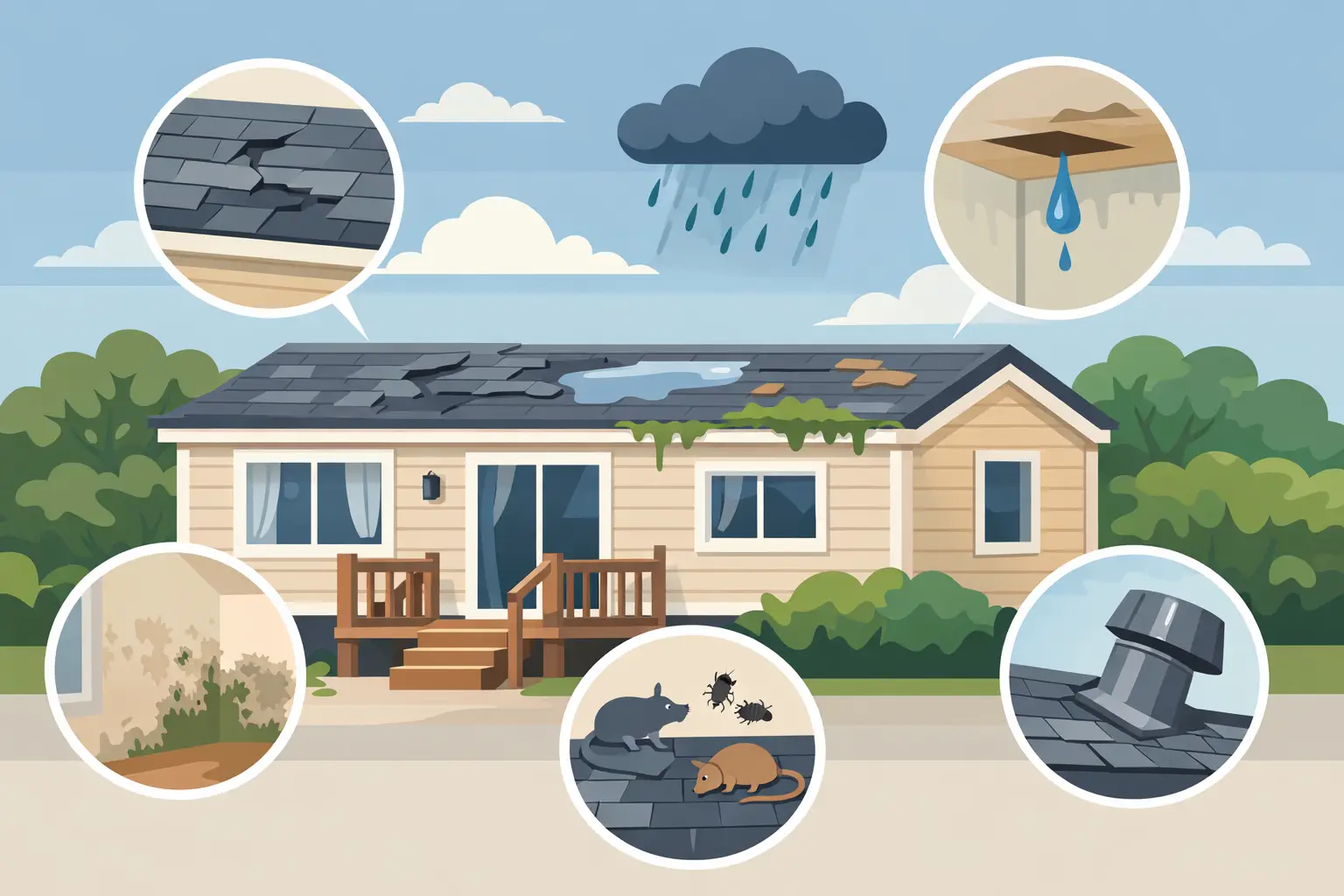
Older park homes are particularly vulnerable where the original underfloor protection has deteriorated. Road spray, damp ground conditions, blocked ventilation, leaking plumbing or damaged skirting can allow moisture to reach timber components. Over time, this can lead to rot, movement and heat loss.
A specialist assessment distinguishes between a localised repair and a floor that needs larger sections replaced. It also identifies the source of the damage, which must be dealt with before the new work is installed.
Some signs are obvious, such as a soft area in the kitchen or bathroom. Others are easier to overlook because they develop gradually. If furniture no longer sits level, internal doors begin catching, or the floor feels uneven in one area, it is worth arranging an inspection.
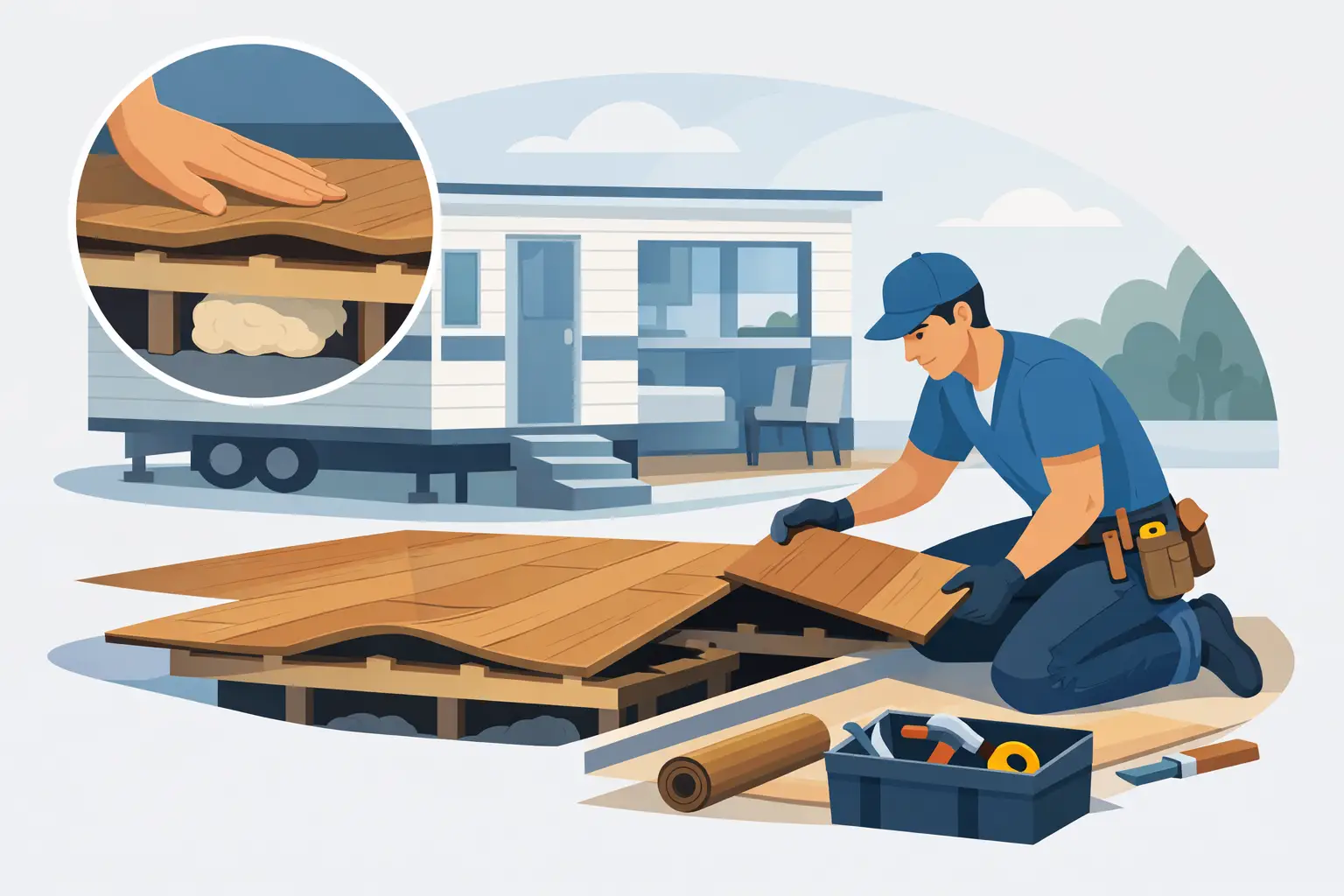
Cold floors are also significant. They may point to missing or compressed insulation, gaps in the underfloor membrane, draughts around service entries or an exposed floor void. Although insulation can often improve this, persistent cold combined with sponginess or movement can indicate deterioration in the floor structure itself.
Look out for a musty smell, staining around skirting boards, lifted vinyl, cracked tiles or recurring mould close to an external wall. These can all be linked to moisture. In bathrooms and utility areas, even a slow leak from a pipe, shower tray or appliance can cause hidden damage long before it becomes visible from above.
It is sensible not to wait until a small soft patch becomes a hole or a trip hazard. Early action usually gives more options and can limit the area that needs to be opened up.
Yes. In most situations, individual rooms or affected sections can be repaired or replaced without disturbing the entire park home. The work is tailored to the condition of the floor and the access available beneath and inside the property.
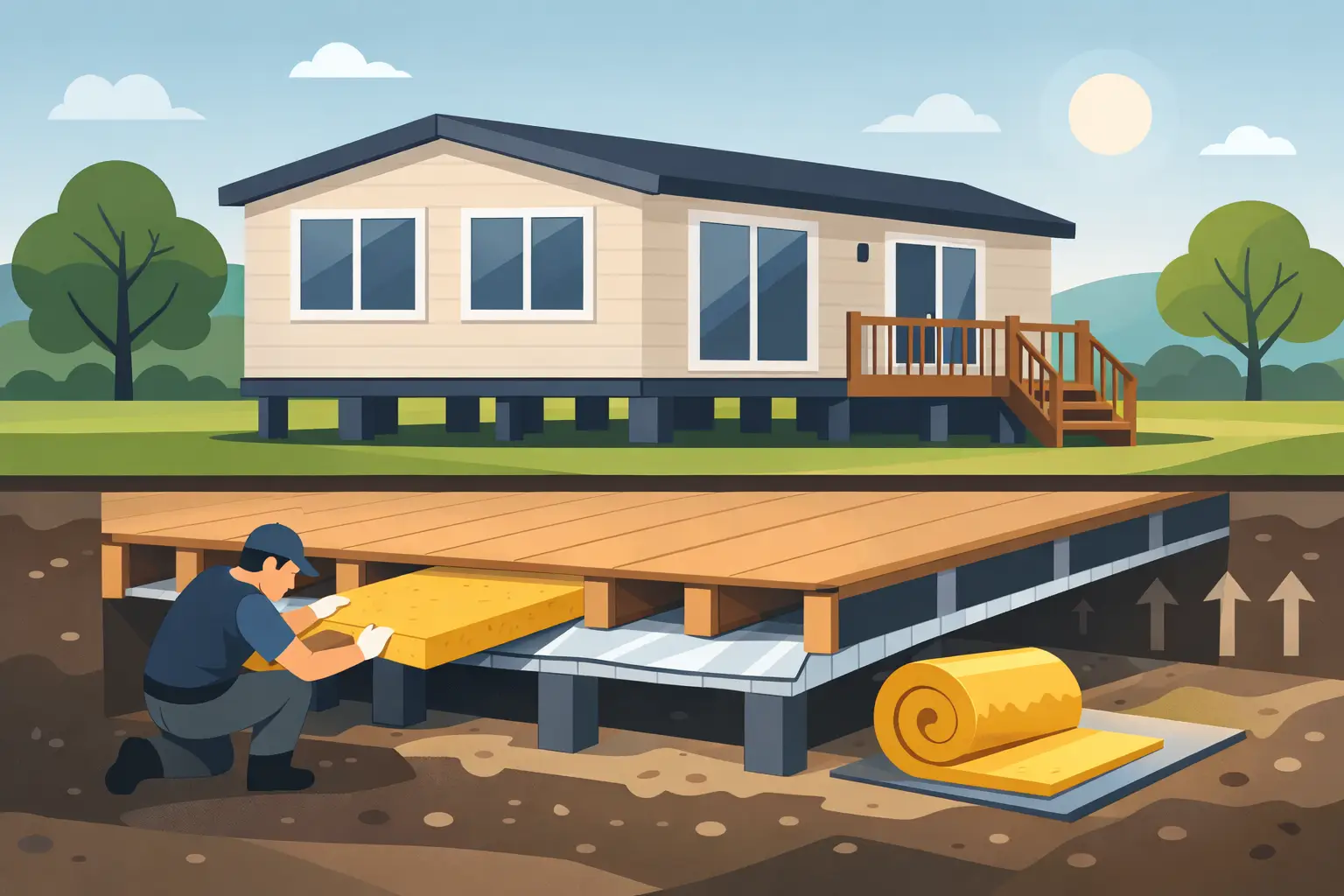
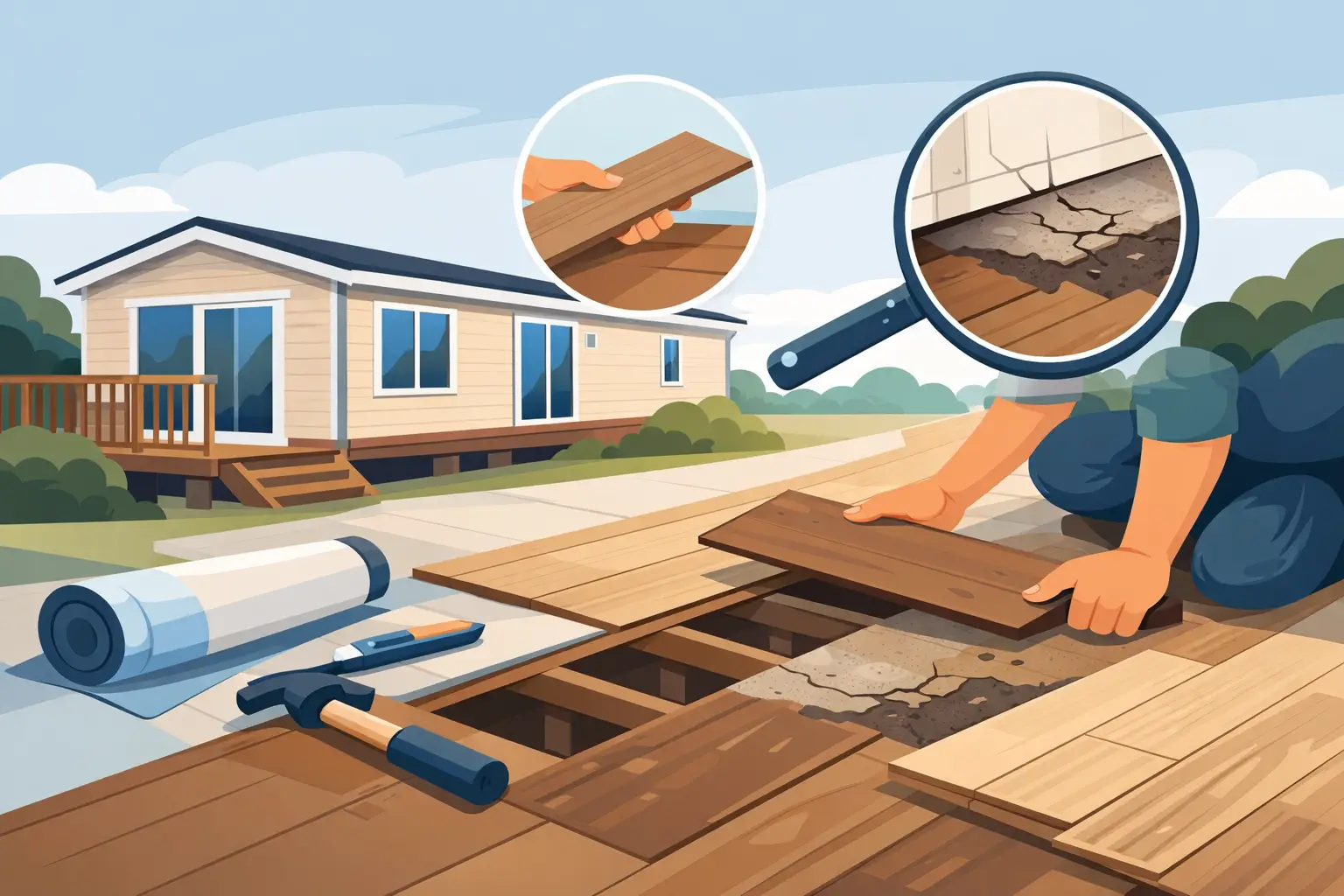
A typical project may involve carefully lifting the existing floor finish, exposing the damaged subfloor, removing decayed material and checking the supporting timber and chassis area. Any water ingress, ventilation issue or plumbing fault is addressed before new materials are fitted. The replacement floor is then insulated and protected as appropriate before the final surface is installed or made ready for a new covering.
The extent of the work can vary considerably. A leak contained beneath a bathroom may only affect one area. Widespread rot caused by years of underfloor moisture may require a larger refurbishment programme, potentially alongside replacement supports, chassis treatment, external repairs or improved insulation.
The aim is not simply to make the floor look level again. It is to ensure the structure beneath is dry, stable and properly protected for the years ahead.
Before recommending work, an experienced park home specialist should assess the floor from both inside and below where access permits. This helps establish whether the issue is in the floor finish, the boards, insulation, timber framework, underfloor membrane or supporting structure.
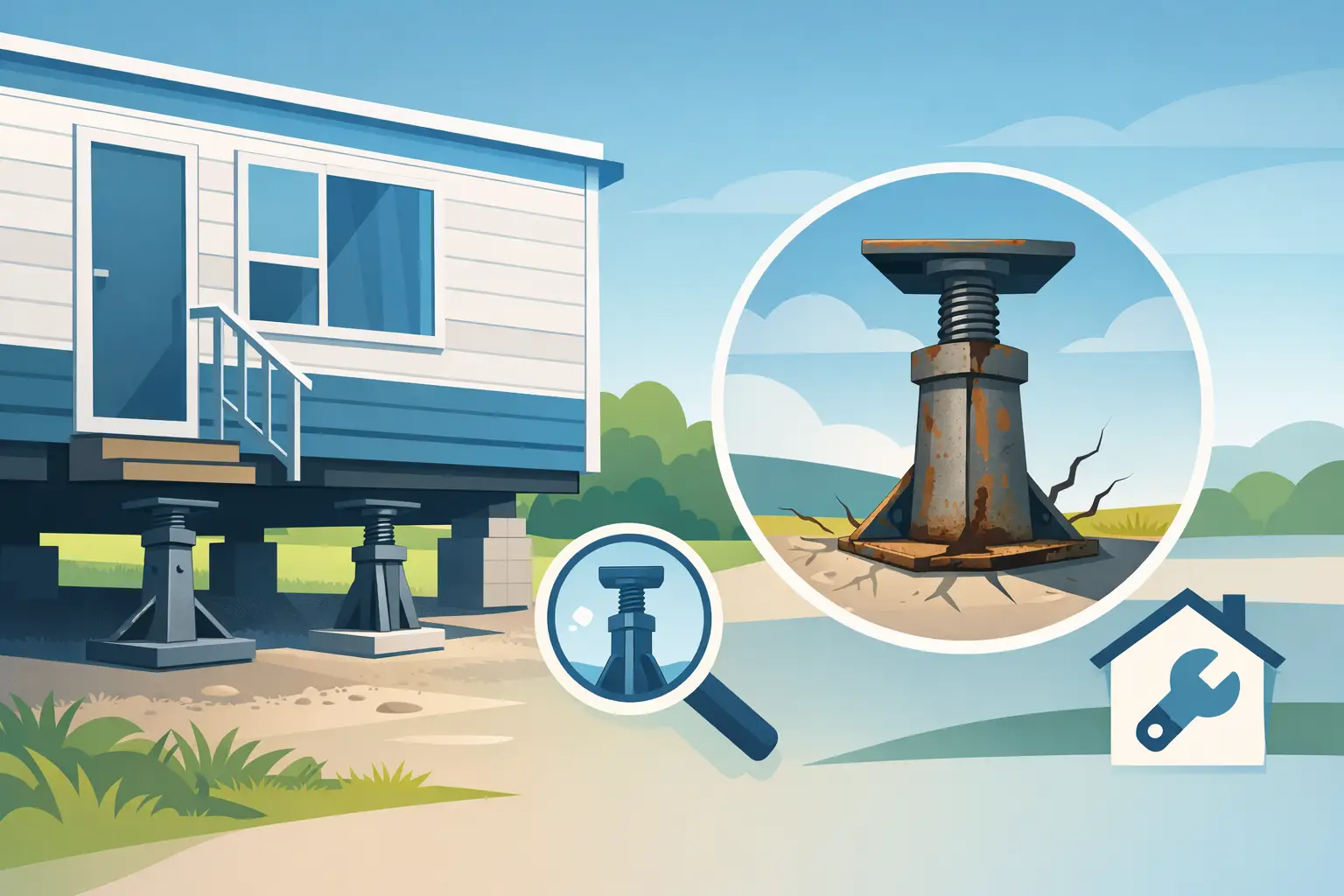
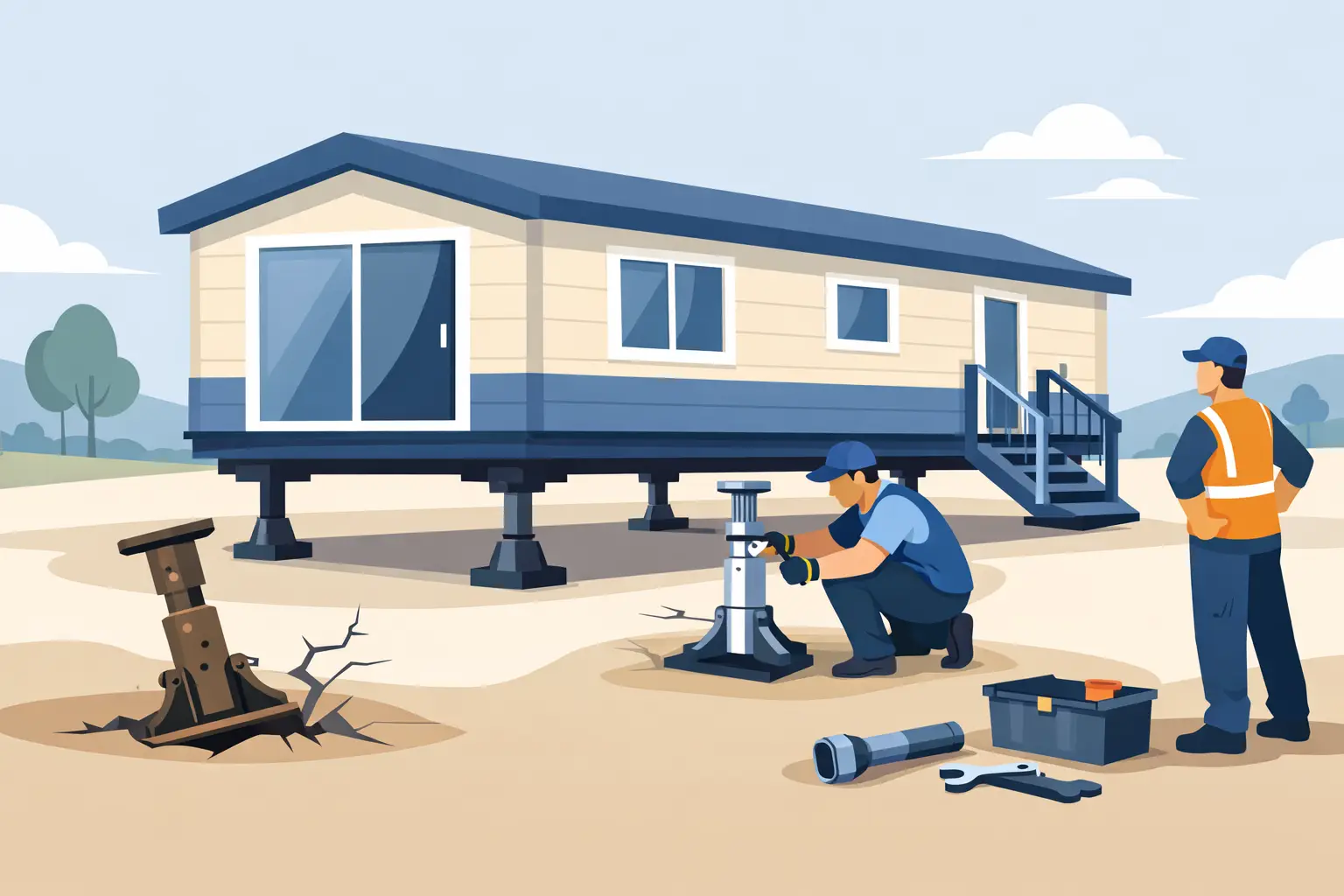
The inspection should consider the condition of the chassis and support jacks, as movement in these areas can affect how the floor feels. It should also check ventilation beneath the home. A ventilated void needs to remain dry and able to breathe. Blocking airflow in an attempt to stop draughts can trap moisture and make the underlying problem worse.
You should receive a clear explanation of what has been found, which parts need attention and why. For many owners, this is the most valuable stage of the process. It turns an unsettling symptom, such as a cold or uneven floor, into a practical plan of work.
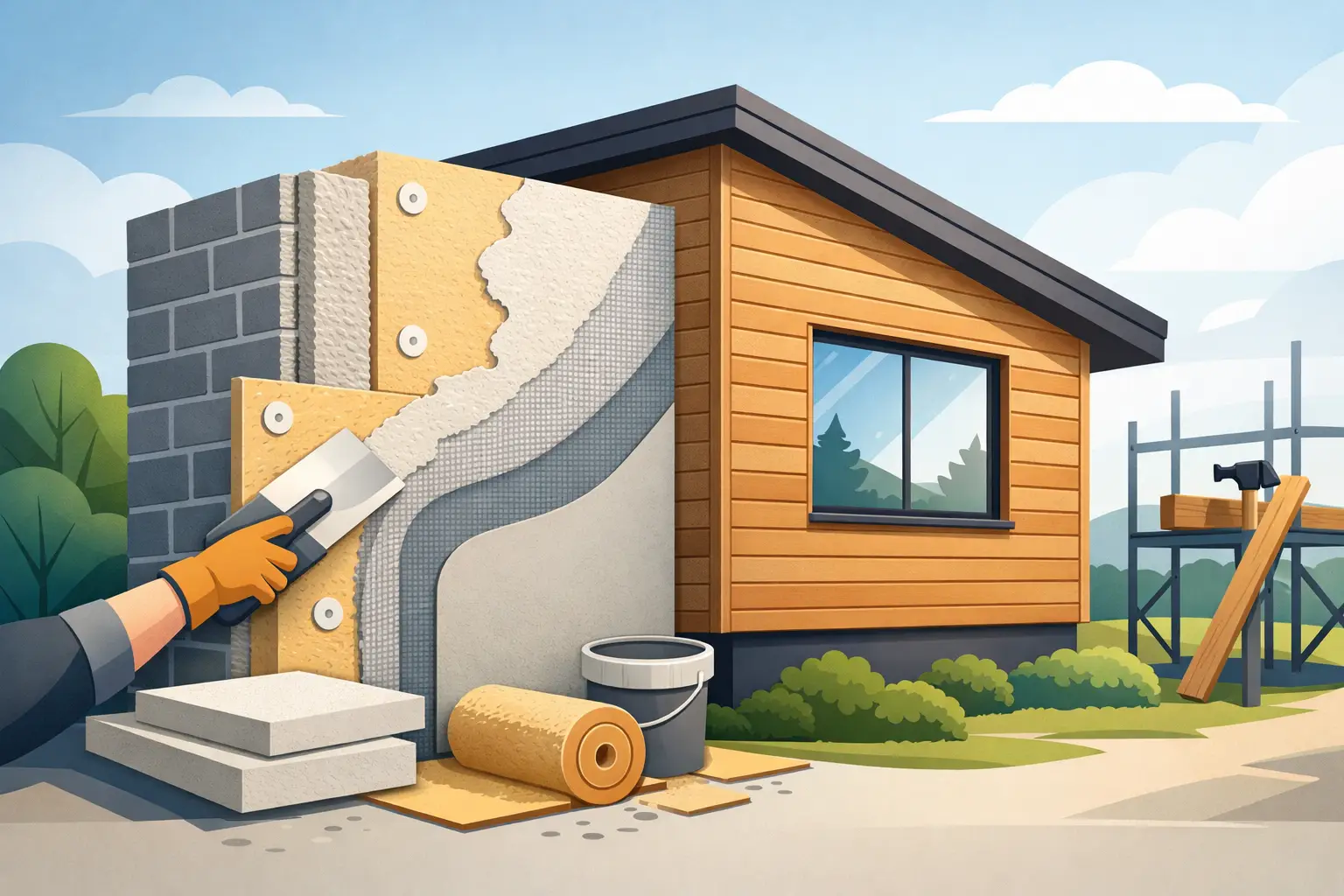
Not every cold park home floor needs replacing. If the structure is dry and firm, underfloor insulation and repairs to the protective membrane may provide a major improvement in warmth. This can reduce draughts and help the home retain heat without unnecessary disruption indoors.
Where there is localised damage, a targeted repair may be sufficient. This is often the case after a plumbing leak has been fixed quickly or where a limited section has been affected by an external defect.
Full or substantial floor replacement becomes the better option when boards have lost strength, timber has rotted, the affected area is extensive or repairs would only postpone a more serious issue. It involves greater disruption than insulation alone, but it provides the opportunity to correct hidden defects and improve thermal performance at the same time.
The best choice is therefore based on condition, not guesswork. Covering a weakened floor with thicker laminate or carpet may disguise the issue for a while, but it does not restore structural integrity.
Once a replacement or repair has been completed, a few maintenance checks can help protect the investment. Keep an eye on plumbing joints, shower seals and appliance connections, particularly in kitchens and bathrooms. Deal with leaks promptly, however minor they appear.
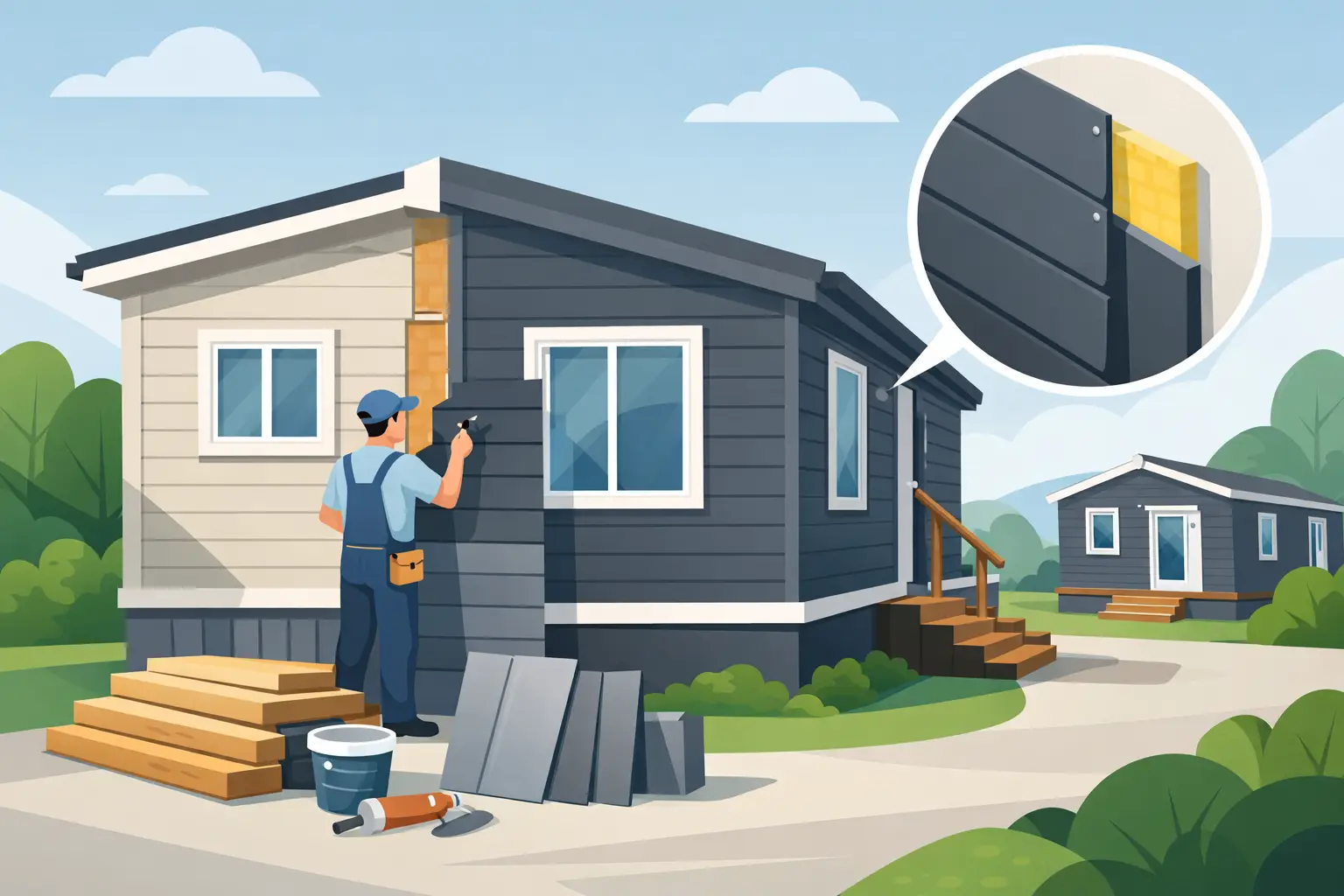
Check that skirting and under-home protection remain intact, especially after severe weather or work around the park home. Damage to these areas can expose the floor void to wind-driven rain and cold air. Ventilation should be clear and functioning, rather than sealed off completely.
It is also wise to have the chassis, support system and underfloor condition checked as part of wider park home maintenance. Park homes benefit from proactive care. Finding a small issue early can prevent it becoming a major refurbishment later.
Floor problems can feel worrying, particularly when the cause is hidden. But a cold, uneven or soft floor does not automatically mean the whole home is beyond repair. With the right assessment, it is possible to identify the cause, repair or replace the affected structure and make the home warmer to live in.
New Look Park Homes approaches this work as a specialist park home refurbishment, not a standard domestic flooring job. Quality materials, careful investigation and workmanship suited to the home’s construction matter just as much as the finished appearance.
If a floor no longer feels firm, warm or safe, treat it as a useful warning rather than something to live with. Acting while the issue is contained gives you the best chance of protecting both your comfort and the long-term condition of your park home.