A cold draught around a window can make a park home feel uncomfortable long before the heating has a chance to warm the room. Learning how to seal park home windows properly is one of the most effective ways to improve day-to-day comfort, reduce heat loss and prevent moisture from finding its way into vulnerable areas of the structure.
Park homes are built differently from conventional brick properties. Their lighter construction means small gaps around windows, trims and external panels can have a more noticeable effect on warmth and condensation. A careful approach is essential: the aim is to stop unwanted air and water ingress without blocking the ventilation your home needs.
Window seals do more than keep out a cold breeze. They protect the edges of the frame, internal finishes and wall structure from rainwater. When seals shrink, crack or detach, water can travel behind cladding or into timber surrounds, where it may remain hidden until damage becomes more serious.
Older park homes commonly have ageing mastic around the outside of the frame, worn rubber gaskets or gaps where trims meet the wall. Movement is normal in a park home, particularly as temperatures change and materials expand or contract. Over time, this movement can cause even a previously sound seal to fail.
Inside, you may notice a chill around the window, rattling in windy weather, staining on the sill, peeling wallpaper or persistent condensation. These are signs worth investigating promptly. Not every problem requires replacement windows, but leaving failed seals in place can lead to a larger refurbishment job later on.
The right repair depends on where the gap is and why it has appeared. Start by checking the window on a dry day, both from inside and outside. Look closely at the joint between the frame and the exterior wall, then inspect the opening sections of the window itself.
A draught from the opening sash is often caused by worn or flattened rubber seals. A draught around the outer edge of a fixed frame is more likely to point to failed external sealant, damaged trim or a gap between the frame and wall. If the window is loose, difficult to close or visibly out of square, sealing alone may only mask the real issue.
It is also sensible to look for signs of water damage around the internal reveal and below the window. Soft wallboard, staining, mould or a musty smell can indicate that rain has been getting in for some time. In that situation, the surrounding structure should be assessed before new sealant is applied.
Many park homes have fixed background ventilators, often called trickle vents, which allow a controlled amount of fresh air into the property. These should not be sealed over. They help manage humidity, reduce condensation and support safe airflow, particularly in kitchens, bathrooms and rooms with gas appliances.
The same applies to drainage holes in uPVC window frames. These small openings allow water that enters the frame channel to drain away outside. Blocking them can cause water to pool and may create a problem that was not there before.
For a small, accessible gap around a sound window frame, careful preparation makes the difference between a repair that lasts and one that peels away after a few months. Remove loose, cracked or detached old sealant first. A suitable sealant removal tool can help, but work steadily to avoid damaging the frame, cladding or weatherproof membrane behind it.
Once the old material is removed, clean the joint thoroughly and allow it to dry. Sealant will not bond well to damp, dusty or chalky surfaces. If there is a wide gap, a backing rod may be needed before applying sealant, rather than simply filling the whole space with a thick bead.
Use a high-quality exterior-grade, flexible sealant suited to the materials around the window. Park homes move slightly, so a rigid product is more likely to crack. The sealant should form a continuous, neat bead between the window frame and the outer wall finish, with no breaks at the corners.
Apply only enough to bridge and weatherproof the joint. A very thick bead is not necessarily better, and excessive sealant can look untidy or make future repairs harder. Smooth the bead while it is fresh, following the manufacturer’s instructions, and allow it to cure fully before exposing it to heavy rain where possible.
For worn opening-window gaskets, replacement seals must match the profile of the existing frame. Generic foam tape can provide a short-term reduction in draughts, but it is not a lasting answer where the original rubber gasket has failed or the window no longer closes correctly. Adhesive draught strips are best treated as a temporary measure, not a substitute for proper repair.
Fresh sealant cannot correct a damaged frame, rotten wall structure or poorly fitted replacement window. If you find recurring leaks after resealing, visible movement around the frame, cracked cladding, or internal damage, it is time to look beyond the joint itself.
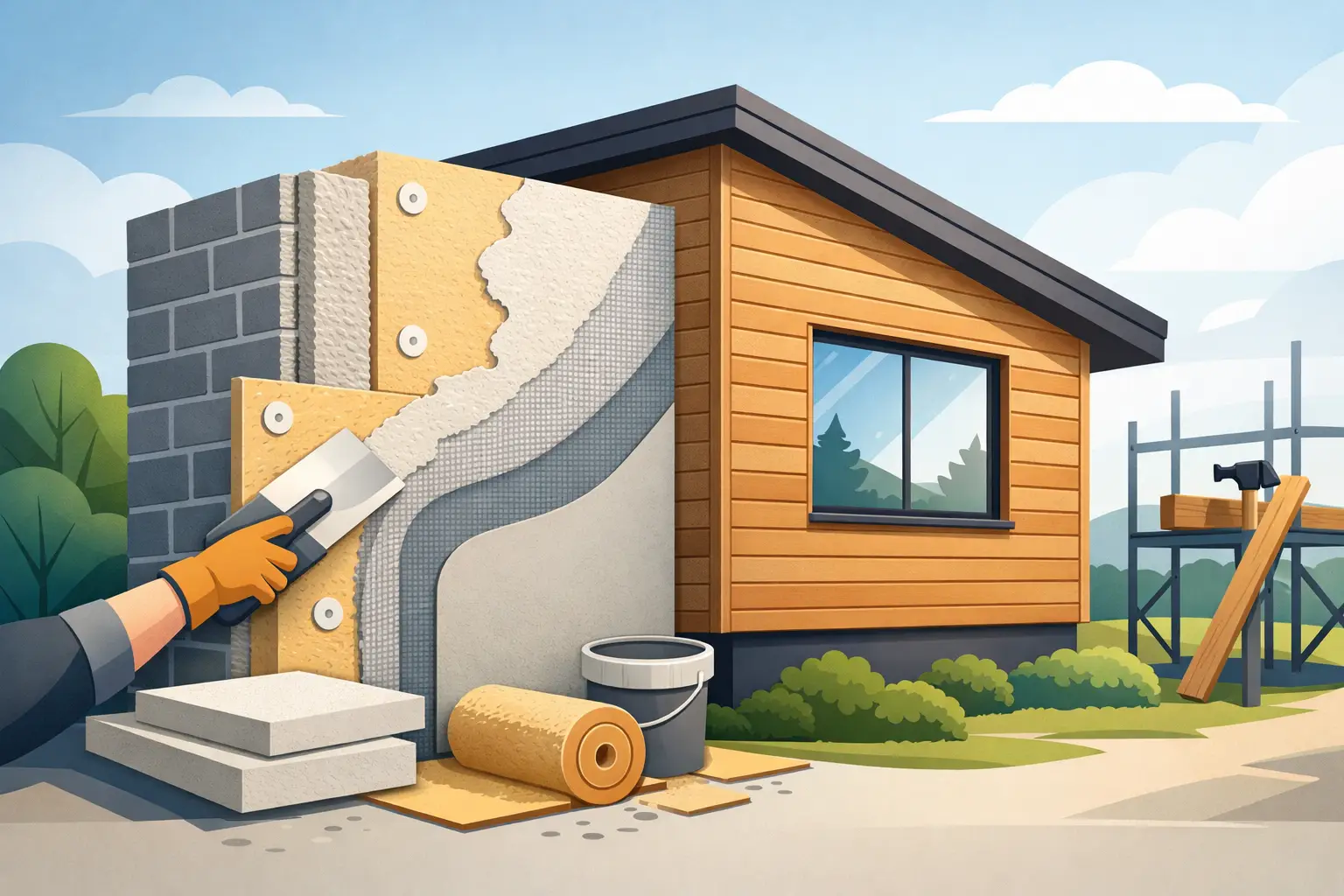
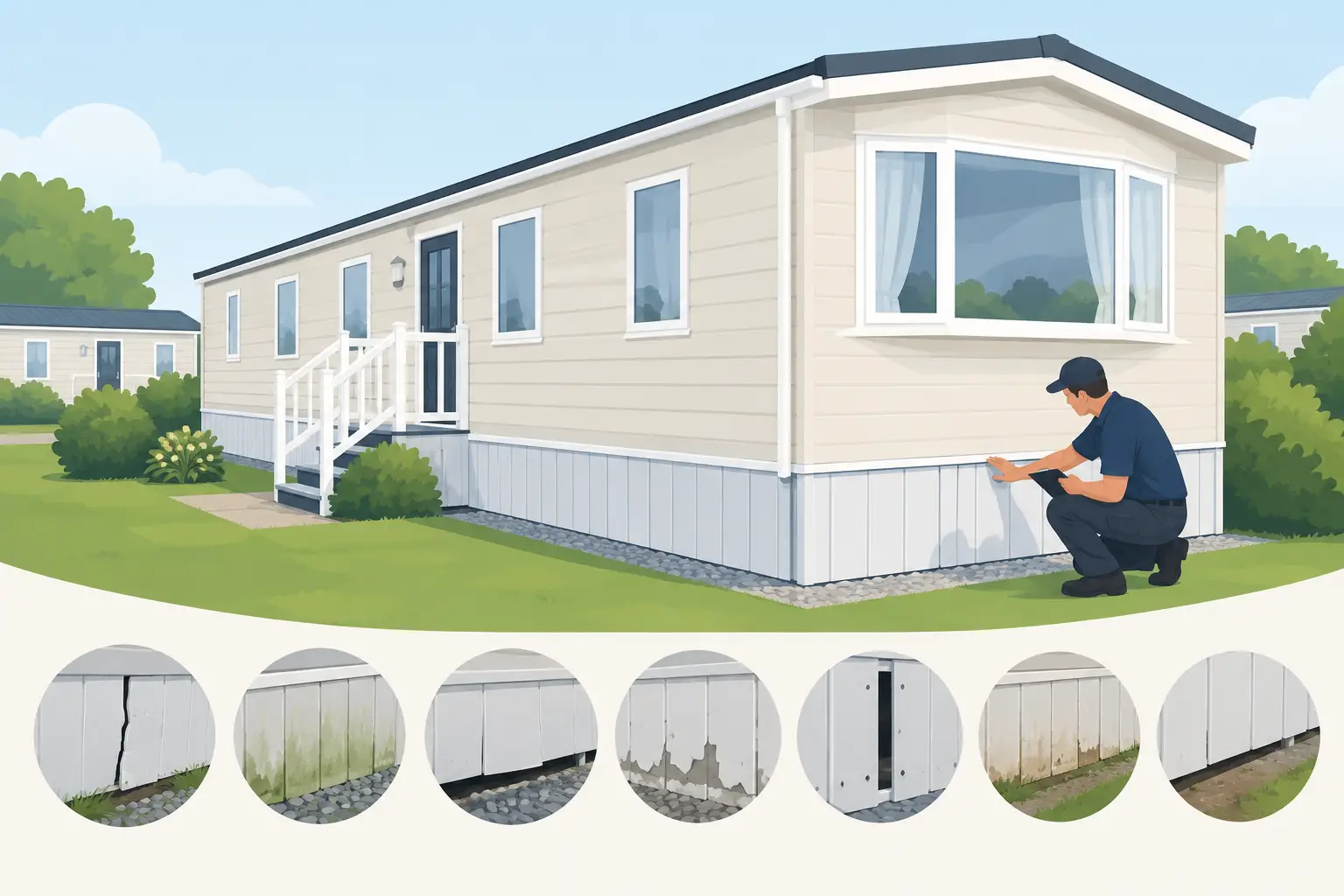
The issue may be connected to the home’s external cladding, insulation, flashing or roof drainage. Water can enter higher up and show itself around a window, making the window appear to be the cause. An experienced park home inspection can trace the route of the problem and identify whether repairs to the frame, wall panel or exterior finish are required.
Replacement windows can be worthwhile where units are old, misted, warped or no longer secure. Modern double-glazed units may improve warmth and reduce outside noise, but they must be fitted with an understanding of park home construction. The surrounding wall, trims and weatherproofing details matter just as much as the glass itself.
A brief check each spring and autumn helps catch problems before winter weather exposes them. Pay particular attention after periods of strong wind, driving rain or very hot weather, as these conditions can reveal movement and ageing sealant.
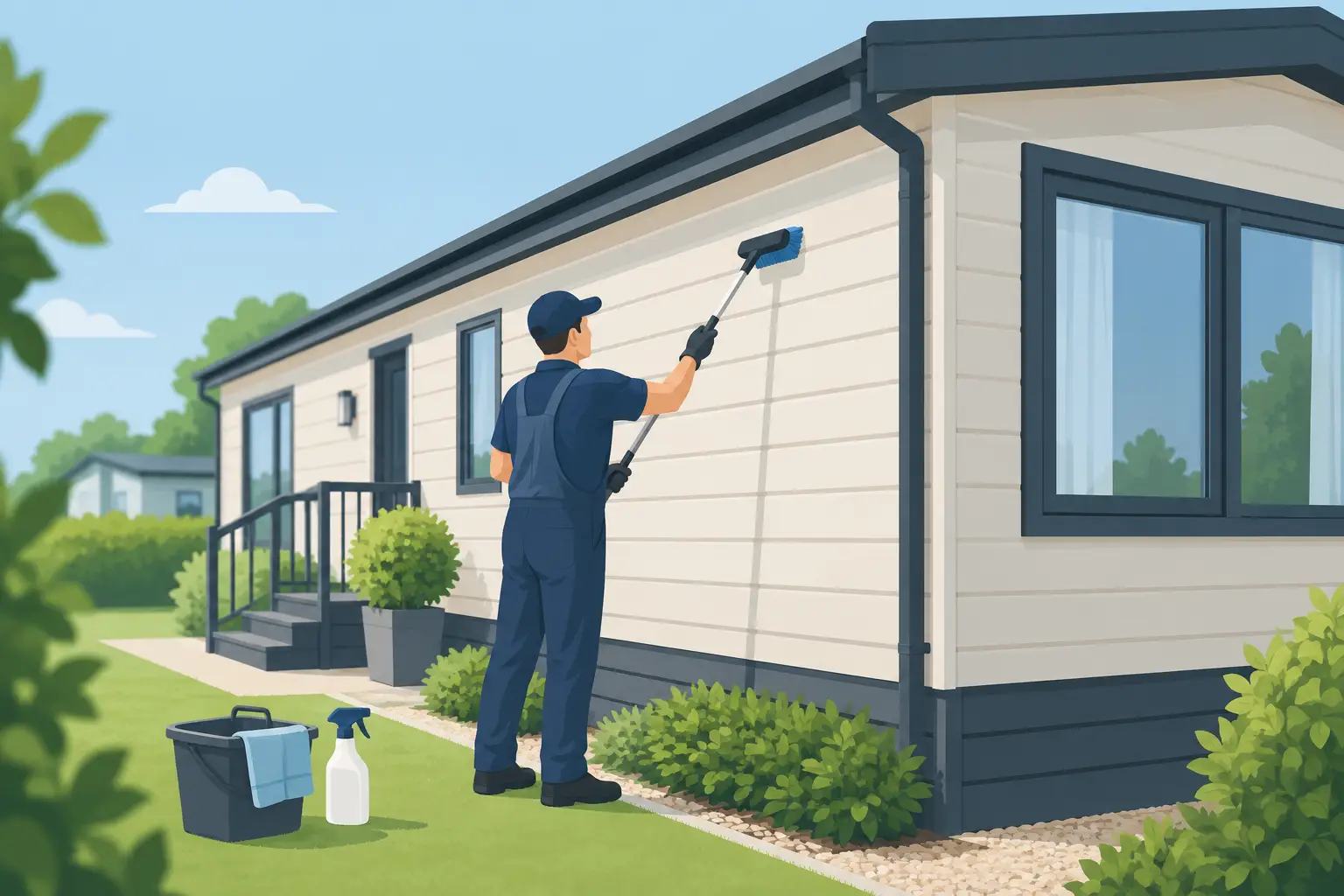
Keep window frame channels and drainage holes clear of dirt, leaves and debris. Wash frames with mild soapy water rather than harsh cleaners that may affect gaskets or finishes. Avoid painting over rubber seals, as paint can make them brittle and prevent windows from closing properly.
Inside the home, manage condensation by using extractor fans when cooking or bathing, keeping vents open and maintaining a steady background temperature in colder months. Condensation on the glass does not always mean the external seal has failed, but repeated moisture around frames should be addressed before it affects surrounding materials.
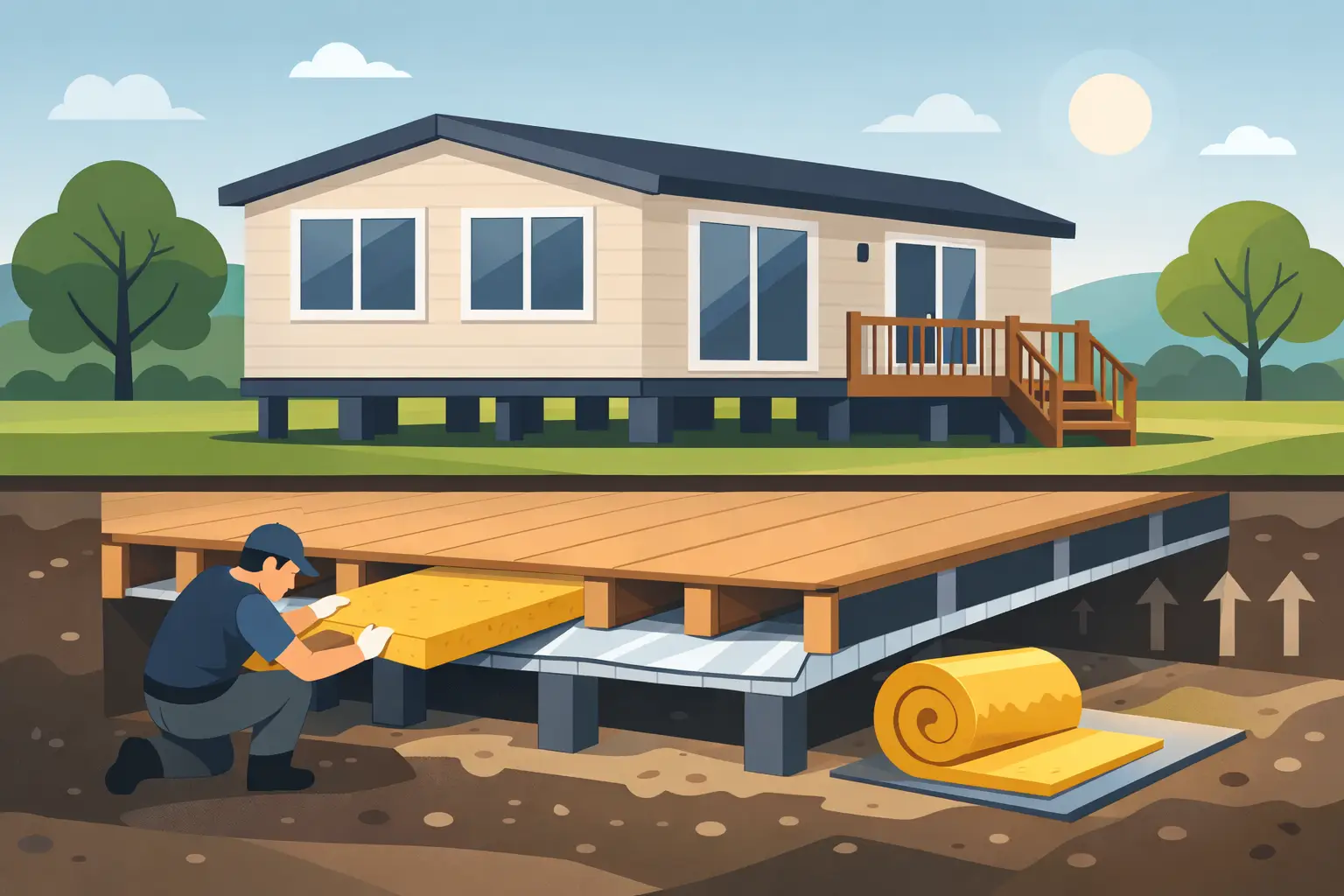
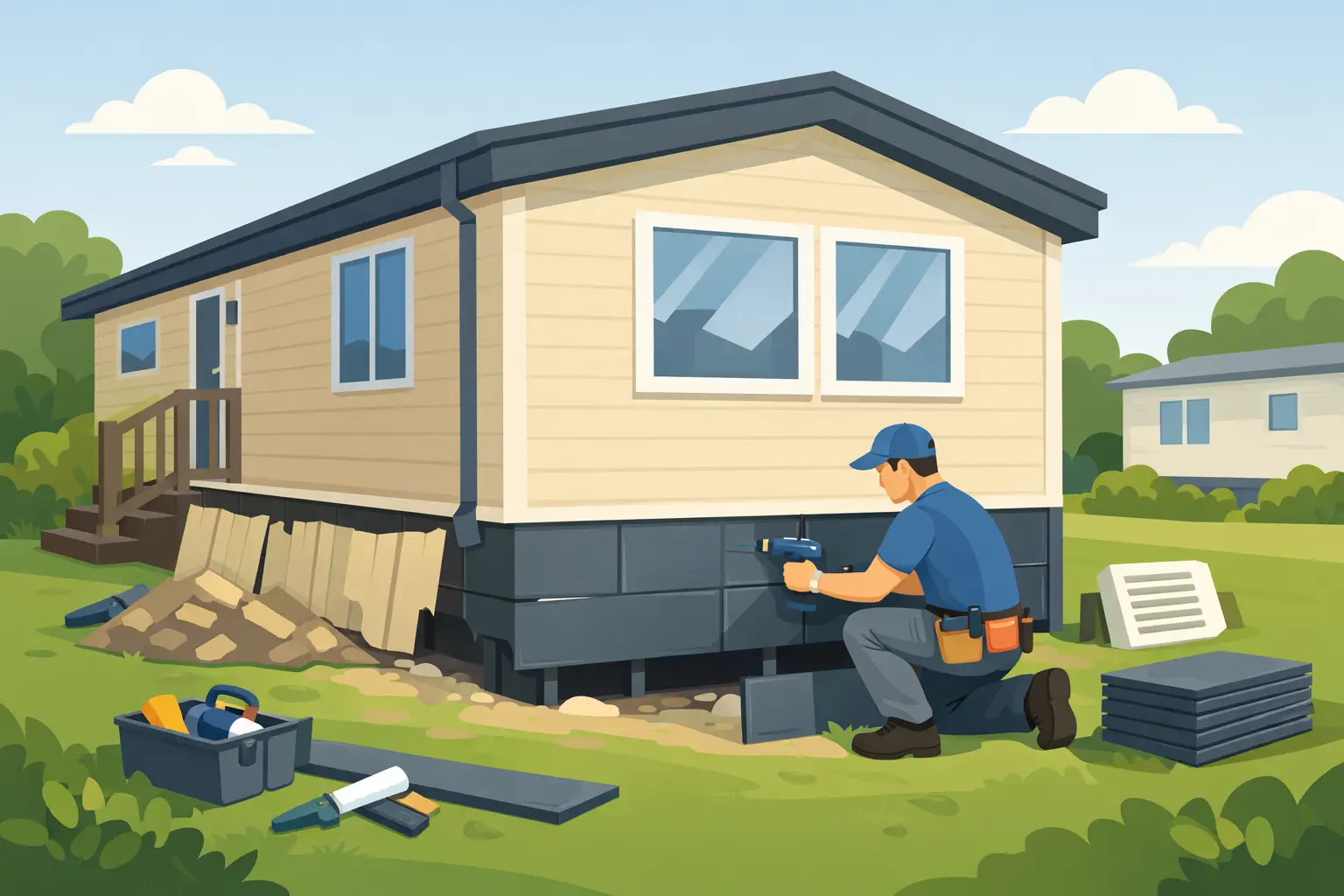
Park home maintenance is rarely about one isolated task. A cold window may be part of a wider pattern involving underfloor heat loss, deteriorating cladding, tired insulation or ageing external joints. Looking at the home as a whole gives owners a clearer picture of what will make the greatest difference to comfort, appearance and long-term protection.
New Look Park Homes Ltd works exclusively with park and static homes, so repairs and refurbishment work can be planned around the construction methods these properties require. Whether the answer is a localised window repair or wider external improvement, the focus should always be on sound preparation, suitable materials and workmanship that will stand up to British weather.
If a window seal has started to fail, deal with it while the repair is straightforward. A dry, draught-free window area makes the home more pleasant through every season and helps protect the fabric of the property for years to come.