A musty smell when you open a cupboard, a cold patch beneath your feet or wallpaper that no longer sits flat can be the first warning signs of a bigger problem. Knowing how to spot park home damp means you can deal with the cause before moisture affects insulation, timber, internal finishes and everyday comfort.
Park homes are built differently from conventional brick properties. Their lighter construction, underfloor void, wall panels, roof details and external joints all need to work together to keep water out and warmth in. Damp is not always obvious, and simply painting over a stain rarely solves it. A careful inspection can prevent a small repair becoming a costly refurbishment.
Damp often appears gradually. The first clues may be subtle, particularly in rooms that are not used every day or areas hidden by furniture. Start by looking, smelling and feeling rather than relying on one visible mark.
A persistent musty odour is one of the most common signs. It can be stronger in bedrooms, cupboards, corners of lounges and behind fitted units where air does not circulate well. Even if you cannot see mould, that smell suggests moisture has been trapped somewhere.
Look closely at walls, ceilings and around windows for discolouration. Yellow, brown or grey staining may point to a roof leak, failed seal, plumbing issue or water entering through external cladding. Peeling wallpaper, bubbling paint and swollen skirting boards are also worth investigating. These finishes react to moisture, but they are symptoms rather than the source of the problem.
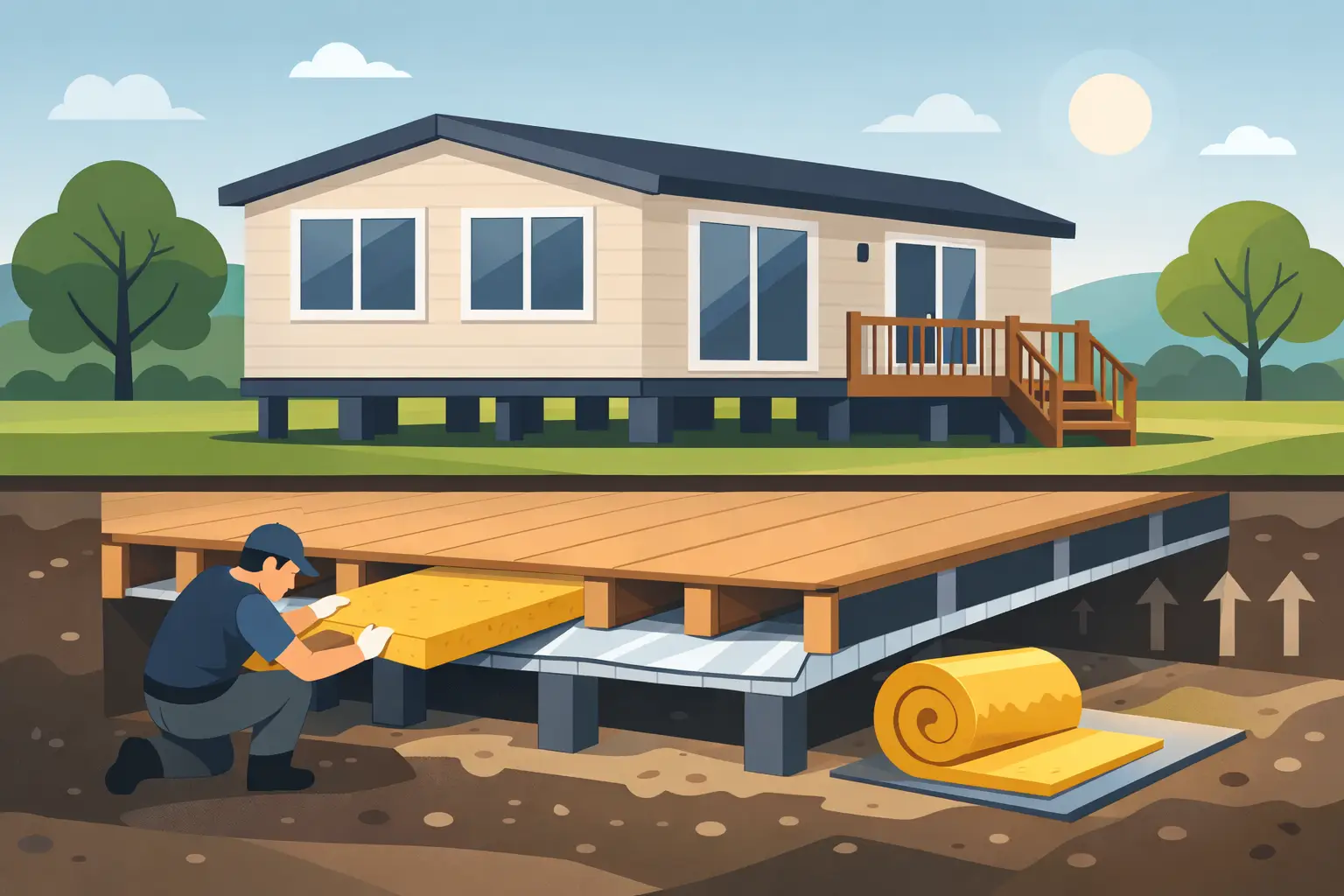
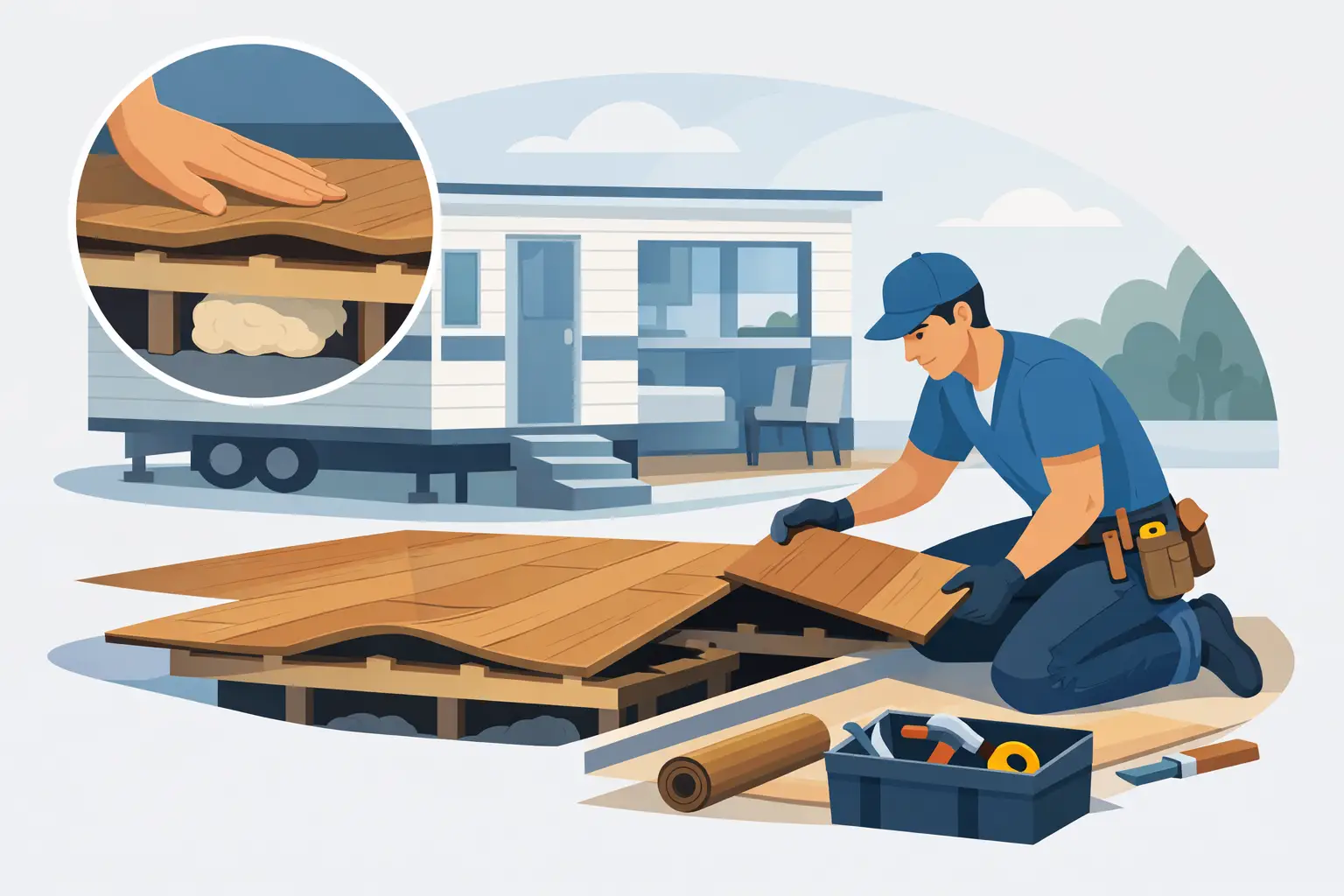
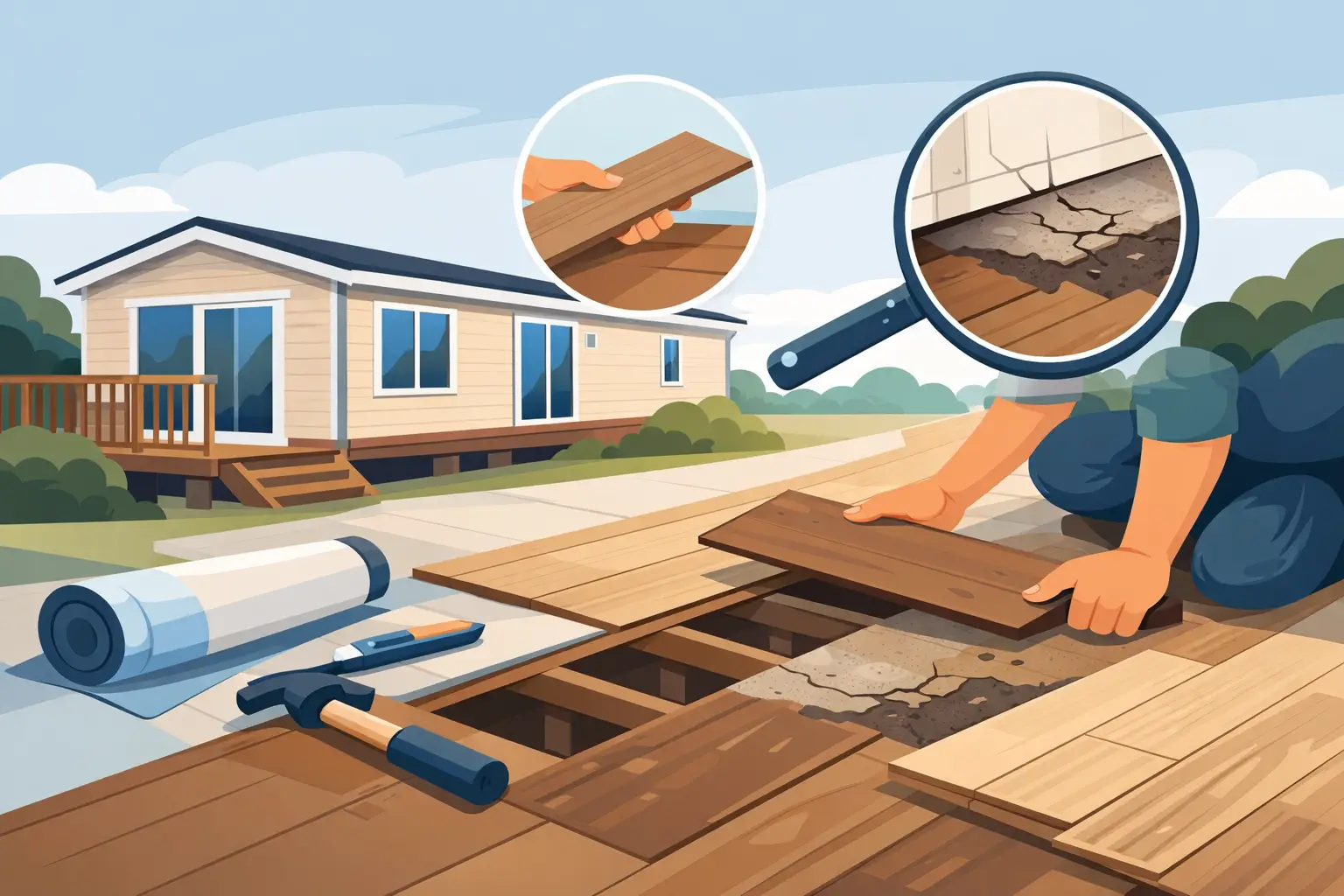
Cold or soft areas in the floor need prompt attention. In a park home, underfloor insulation can become wet or damaged, reducing its ability to retain heat. You may notice that one section of flooring feels colder than the rest, gives slightly underfoot, or has a damp smell rising through it. This can be caused by water beneath the home, poor ventilation in the underfloor space, damaged insulation or a plumbing leak.
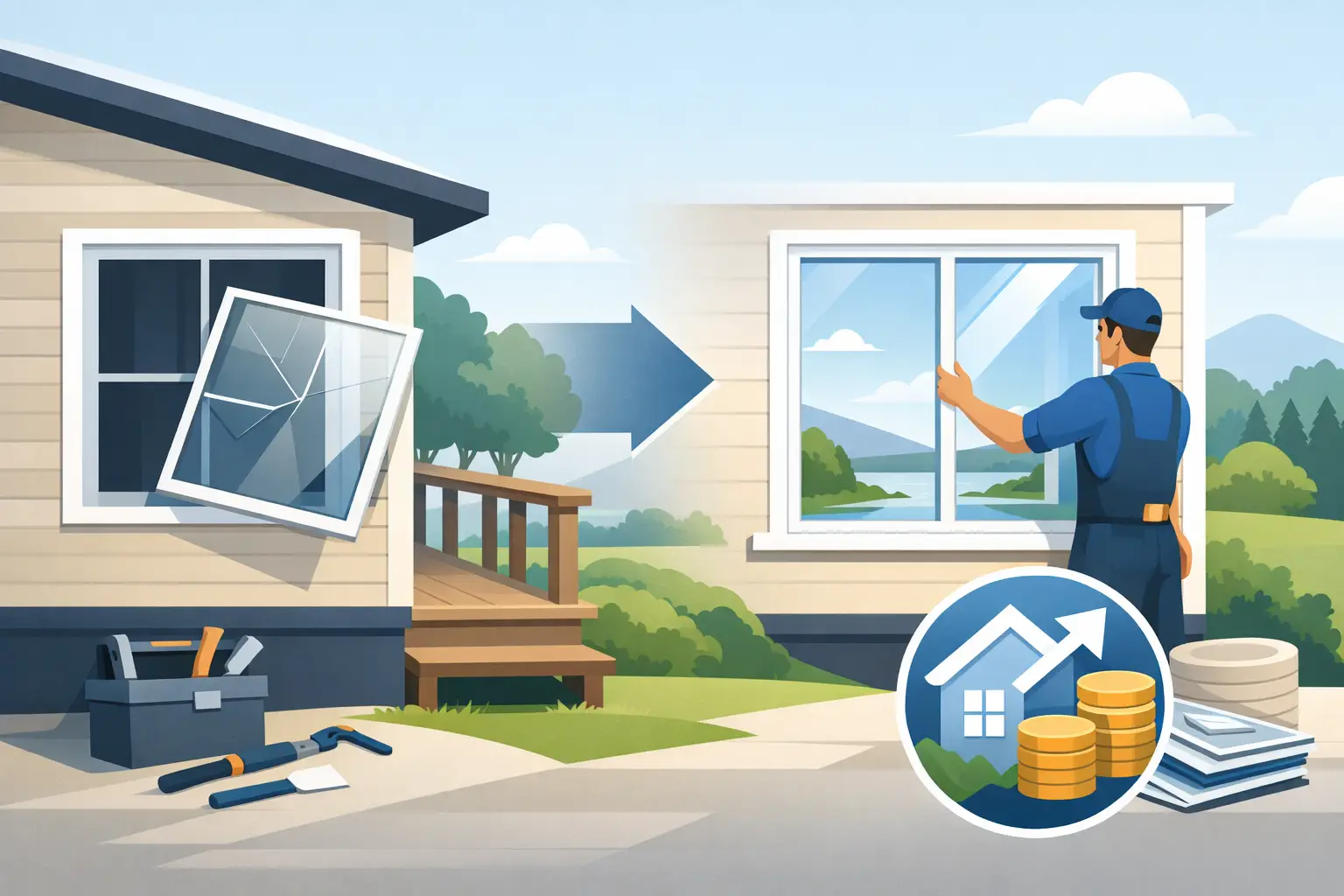
Condensation on windows is common during colder months, especially when homes are closed up. However, regular heavy condensation, black mould around frames, or water running down walls is not something to ignore. It may mean the home is losing heat, ventilation is inadequate, or there is a combination of condensation and an underlying damp issue.
Damp does not always present itself in the middle of a wall. It is more likely to develop where water can enter, collect or remain unseen. Move furniture away from external walls where possible and check behind wardrobes, sofas and bedside cabinets. A mouldy patch in these places can result from poor airflow, but it can also reveal a cold wall or compromised insulation.
Pay particular attention to bathrooms and kitchens. Check around shower enclosures, baths, sinks, toilets and pipework for staining, loose flooring or swollen panels. A slow leak can cause serious hidden damage long before it reaches the surface. If vinyl flooring has lifted at the edges or feels uneven, moisture underneath may be responsible.
Ceilings should be checked after periods of driving rain. A roof leak can travel along timbers or insulation before it becomes visible indoors, so the stain may not sit directly below the point where water is entering. Look around roof vents, chimney details where applicable, joins between sections, and at the top of internal walls.
Cupboards housing boilers, cylinders or plumbing are another sensible place to inspect. Look for corrosion on pipework, dampness around valves and unusual staining on wallboards. If there is an unexplained rise in water use, a hidden leak should be considered.
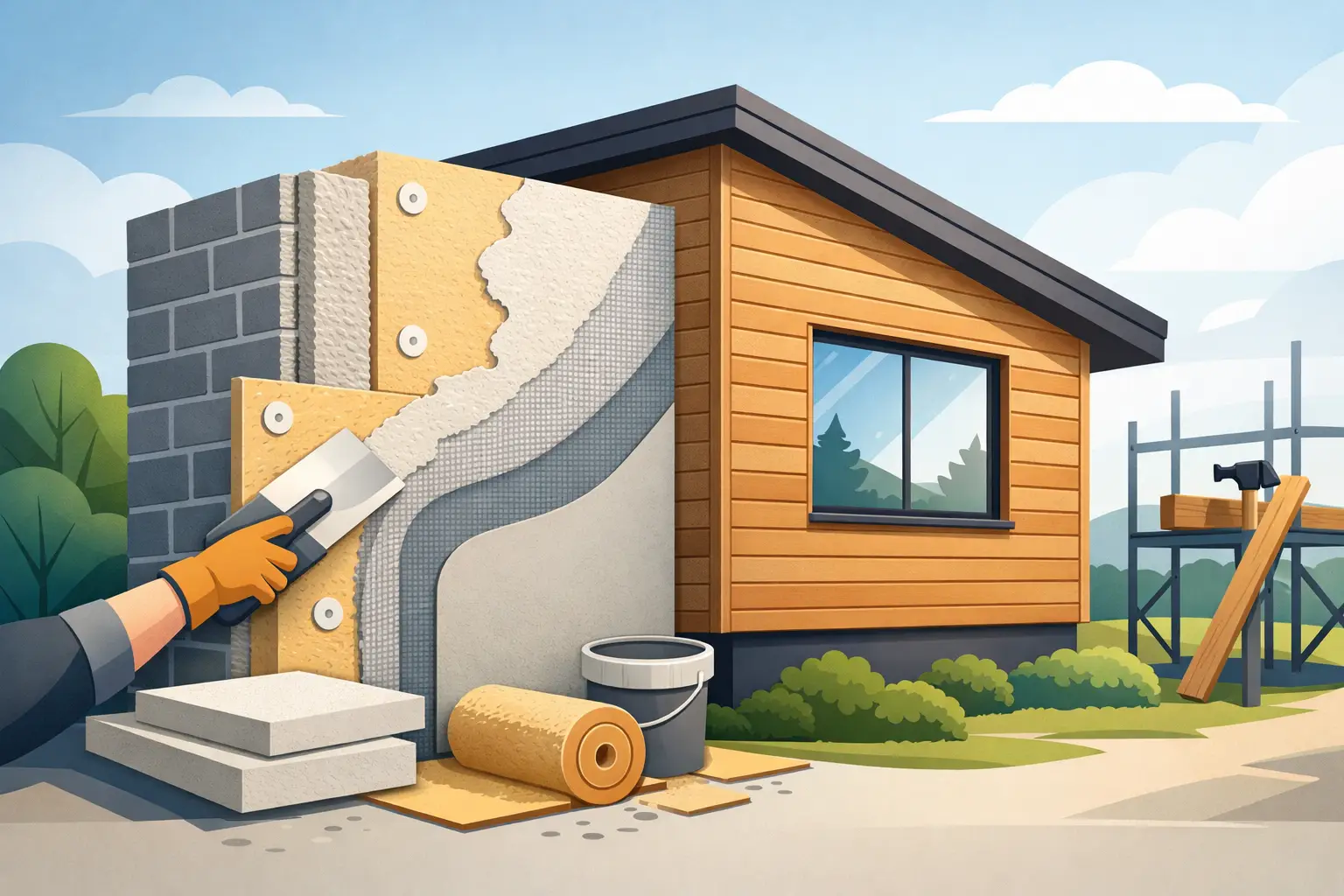
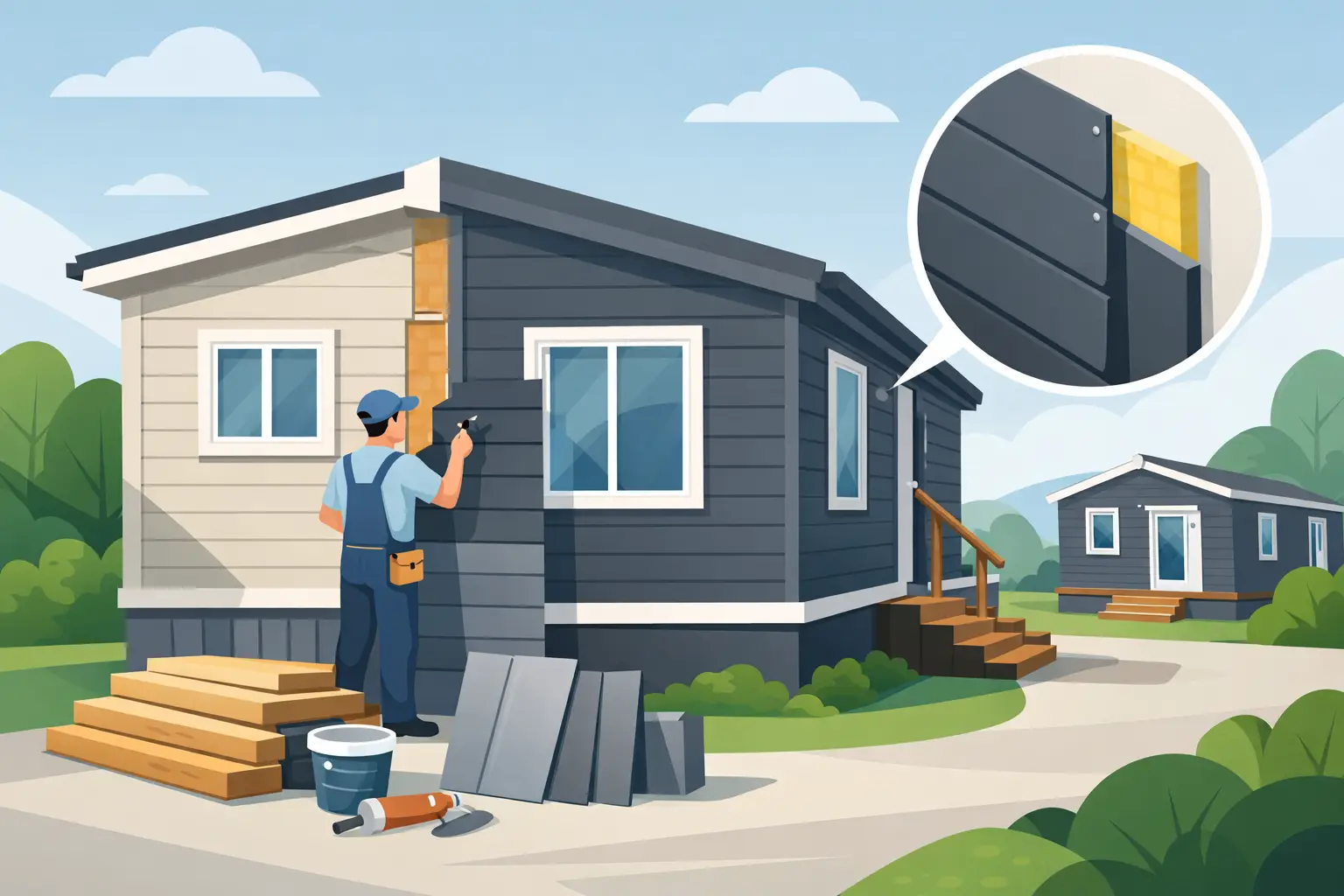
The exterior often provides the best indication of why damp has developed. Park home cladding, trims, seals and roof coverings are exposed to changing weather throughout the year. Age, movement and worn materials can create small gaps that allow rainwater to get behind the outer surface.
Walk around the home after rain if it is safe to do so. Check for loose, cracked or damaged cladding, failed sealant around windows and doors, gaps at corner trims, and signs of water tracking down the exterior. Green growth, staining or areas that remain wet for longer than expected can suggest water is not draining away properly.
Gutters and downpipes deserve close attention. Blocked gutters can overflow against the wall, while damaged joints can direct water into places it should never reach. Downpipes should take water away from the home rather than allowing it to pool beside the base.
Also look at the ground around the park home. Soil, paving or decking that sits too high against the structure can restrict ventilation below the property and encourage moisture to build up. The underfloor area needs airflow to help keep the structure dry. Stored items, garden materials and debris should not block ventilation points.
These issues can look similar, but they need different remedies. Condensation occurs when warm, moisture-laden air meets a cold surface. It is often worse in winter and tends to appear on windows, cold corners and behind furniture. Improving ventilation, using extraction in kitchens and bathrooms, maintaining steady background heat and addressing poor insulation can all help.
Penetrating damp is caused by water entering from outside. It may worsen after rain and often creates localised patches, staining or deterioration around a particular wall, roof edge, window or door. The repair normally involves finding and restoring the failed external detail, rather than treating the internal wall alone.
A plumbing leak may cause damp regardless of the weather. It can lead to a concentrated wet area, a drop in water pressure, staining near pipe runs or a constantly damp floor. Leaks need to be dealt with quickly, then the affected materials must be allowed to dry properly and assessed for damage.
Rising damp is often discussed in relation to traditional brick houses, but park homes have a different construction. Moisture below a park home can still affect the floor structure and insulation, but the cause is more likely to involve poor underfloor ventilation, standing water, damaged underfloor protection or failed plumbing. This is why a park home-specific assessment matters.
Do not wait for black mould to spread across a wall or for a floor to deteriorate before arranging help. A professional inspection is sensible when a damp smell persists, stains return after decorating, floor areas feel cold or soft, or mould keeps coming back despite cleaning and ventilation.
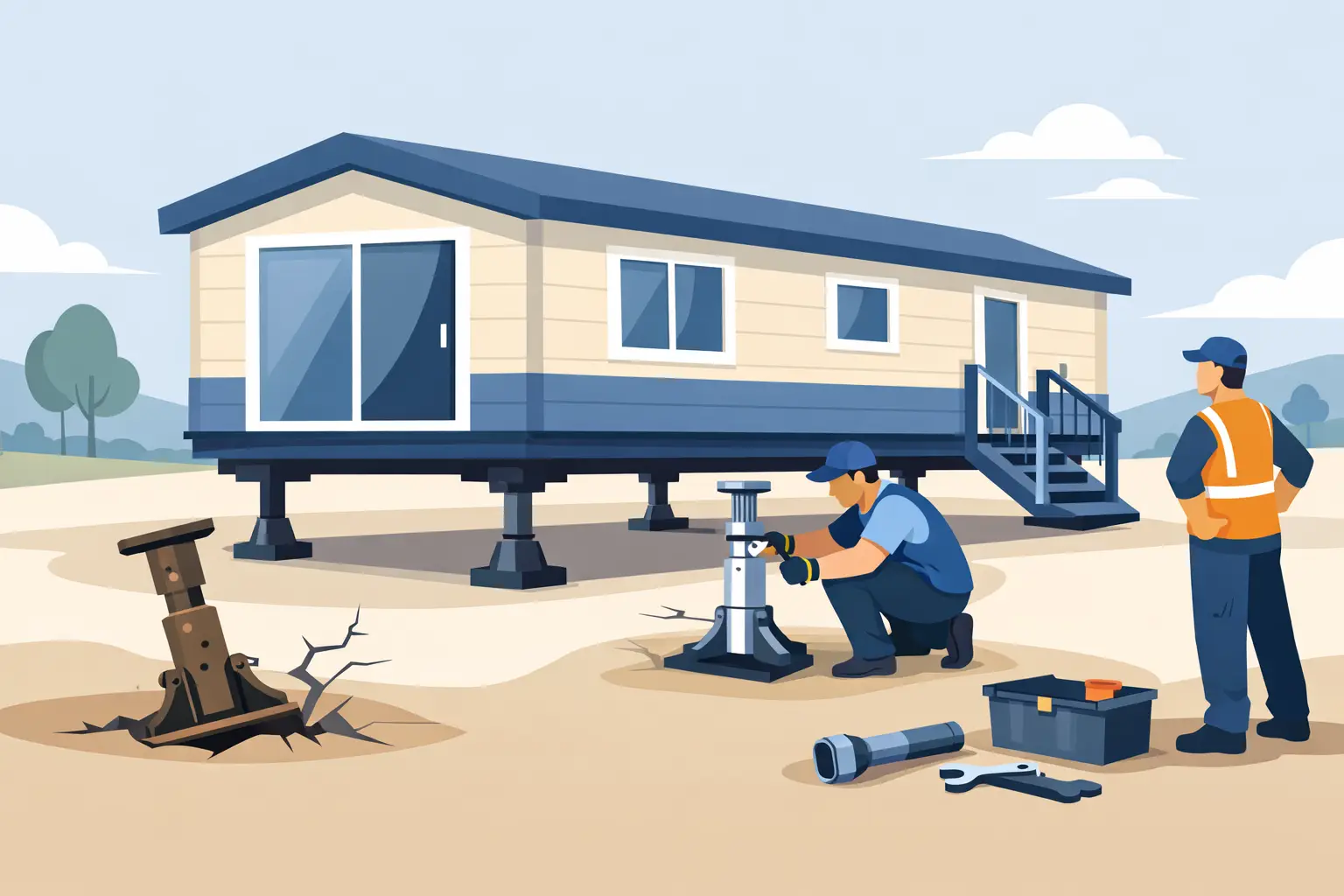
A proper assessment should look beyond the visible symptom. This may include examining the roof and external cladding, checking seals around windows and doors, inspecting gutters, assessing underfloor ventilation and insulation, and looking for signs of chassis or floor-structure concerns. The right repair depends on the cause. It could involve roof work, cladding repairs, replacement seals, improved drainage, underfloor insulation or repairs to damaged internal areas.
There is a trade-off in delaying the work. It can be tempting to wait until warmer weather or to cover a mark with fresh paint, particularly if the home still feels liveable. But moisture can quietly damage materials behind walls and beneath floors. Addressing it early is usually less disruptive, helps maintain a warmer home and protects its condition over the long term.
Once the source has been repaired, good maintenance helps keep the problem from returning. Keep gutters clear, inspect roof and cladding details regularly, and renew tired sealant before gaps widen. Ensure air bricks and underfloor vents remain unobstructed, especially after gardening work or storing items beneath the home.
Inside, use extractor fans when cooking or showering, keep background heating reasonably consistent in colder periods and leave a small gap between large furniture and external walls. If rooms are shut up for long periods, such as during a holiday, make sure they are aired properly on your return.
At New Look Park Homes Ltd, we see first-hand how much difference an early, accurate diagnosis makes. Damp repairs are most effective when they are tailored to the way a park home is built, using sound materials and workmanship that deals with the cause rather than disguising the evidence.
If something in your home feels colder, smells different or looks out of place, trust that observation. A timely inspection can provide reassurance where there is no serious issue, or give you a clear plan to protect the comfort and value of your park home.