A soft patch beneath the carpet, a door that suddenly catches, or a cold draught rising through the floor can seem like small annoyances. In a park home, they can also be early signs that the structure underneath needs attention. This guide to park home structural inspections explains what a proper assessment should cover, what to look out for and how timely repairs can protect your comfort, safety and home’s value.
Park homes are built differently from conventional brick properties. Their steel chassis, support system, timber floors, wall construction and ventilation all need to work together. A general builder may recognise an obvious defect, but a specialist inspection considers how each part affects the next – and whether a visible issue is actually being caused by a hidden one.
Every park home moves slightly over time. Ground conditions can change, support jacks can settle, moisture can affect timber components and weather can gradually wear down roofs, seals and external finishes. None of this automatically means that a home is unsafe, but ignoring early changes can turn a manageable repair into a larger refurbishment project.
A structural inspection gives you a clear picture of the home’s condition before you commit to cosmetic work, insulation upgrades or a sale. There is little value in fitting a new bathroom or external cladding if the floor beneath has deteriorated, the chassis requires treatment or the supports need adjustment.
For many owners, an inspection also provides reassurance. If your home feels sound, level, dry and warm, it confirms that your maintenance is working. If repairs are needed, you can prioritise them properly rather than guessing where to spend money.
A thorough inspection is not just a quick look around the outside. It should assess the condition of the home from the underside upwards, with particular attention given to the chassis, supporting system, floor structure, walls, roof and signs of water ingress.
The steel chassis is the backbone of a park home. It carries the weight of the building and distributes it through the support points below. Over time, surface corrosion is common, especially where moisture has been trapped beneath the home or protective coatings have broken down.
An inspection should establish whether corrosion is light and treatable or whether it has progressed enough to affect the steelwork. The condition of cross-members, outriggers and connections matters as much as the central rails. A well-maintained chassis can provide many more years of reliable service, while neglected corrosion can lead to costly structural work.
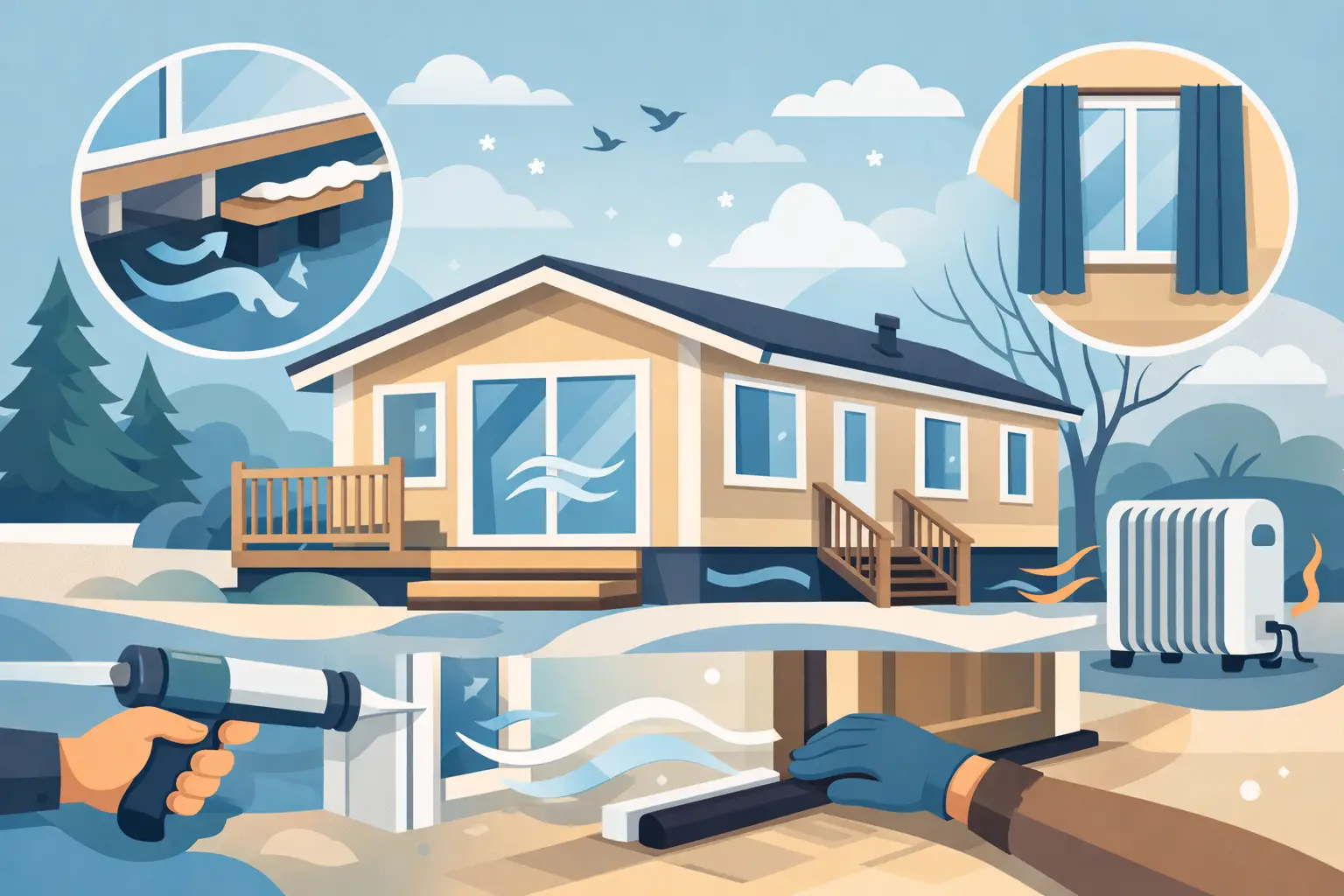
The underside should also be checked for poor airflow, damaged underbelly materials and leaking pipes. Moisture beneath a park home can contribute to cold floors, timber decay and increased corrosion, so ventilation is never a minor detail.
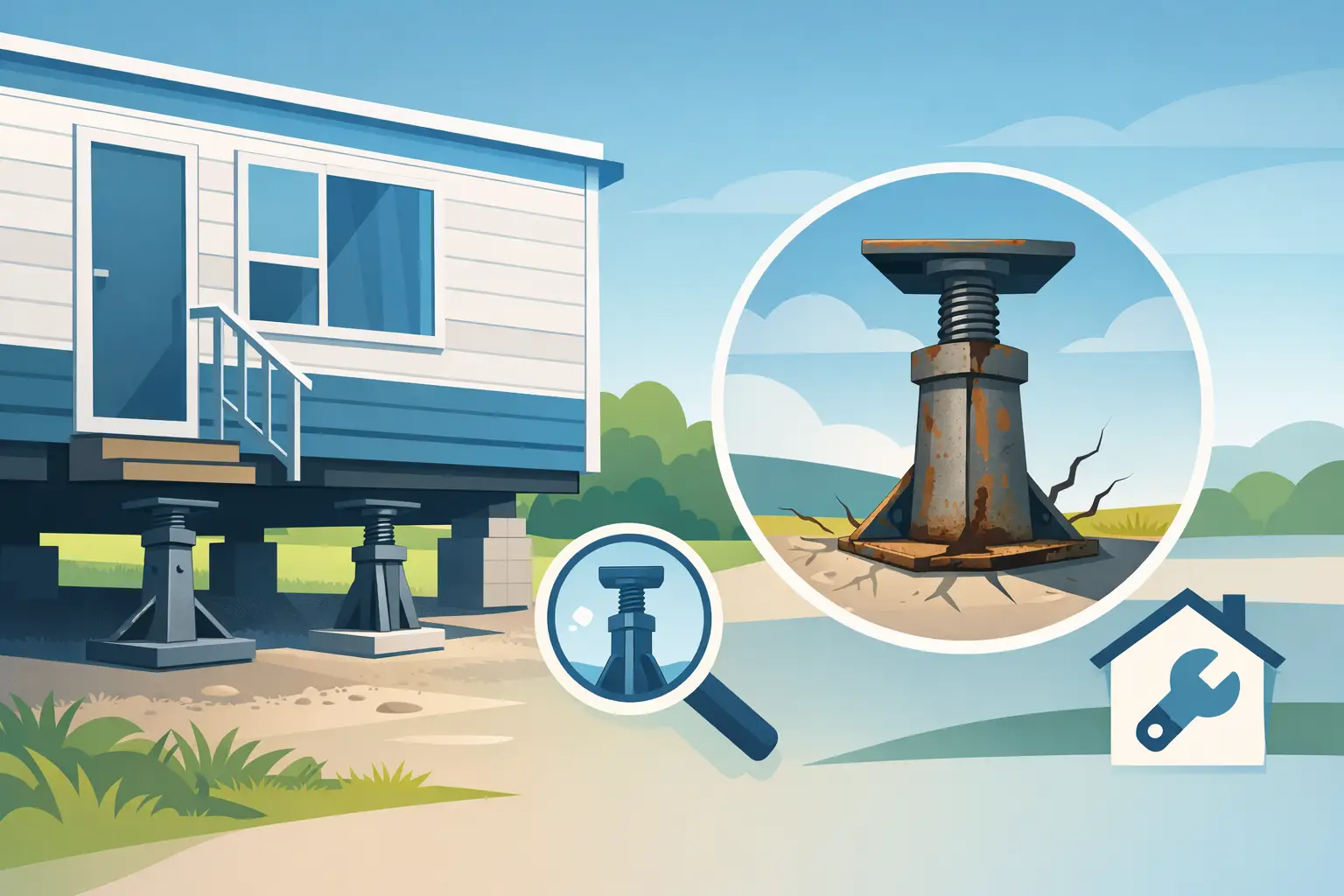
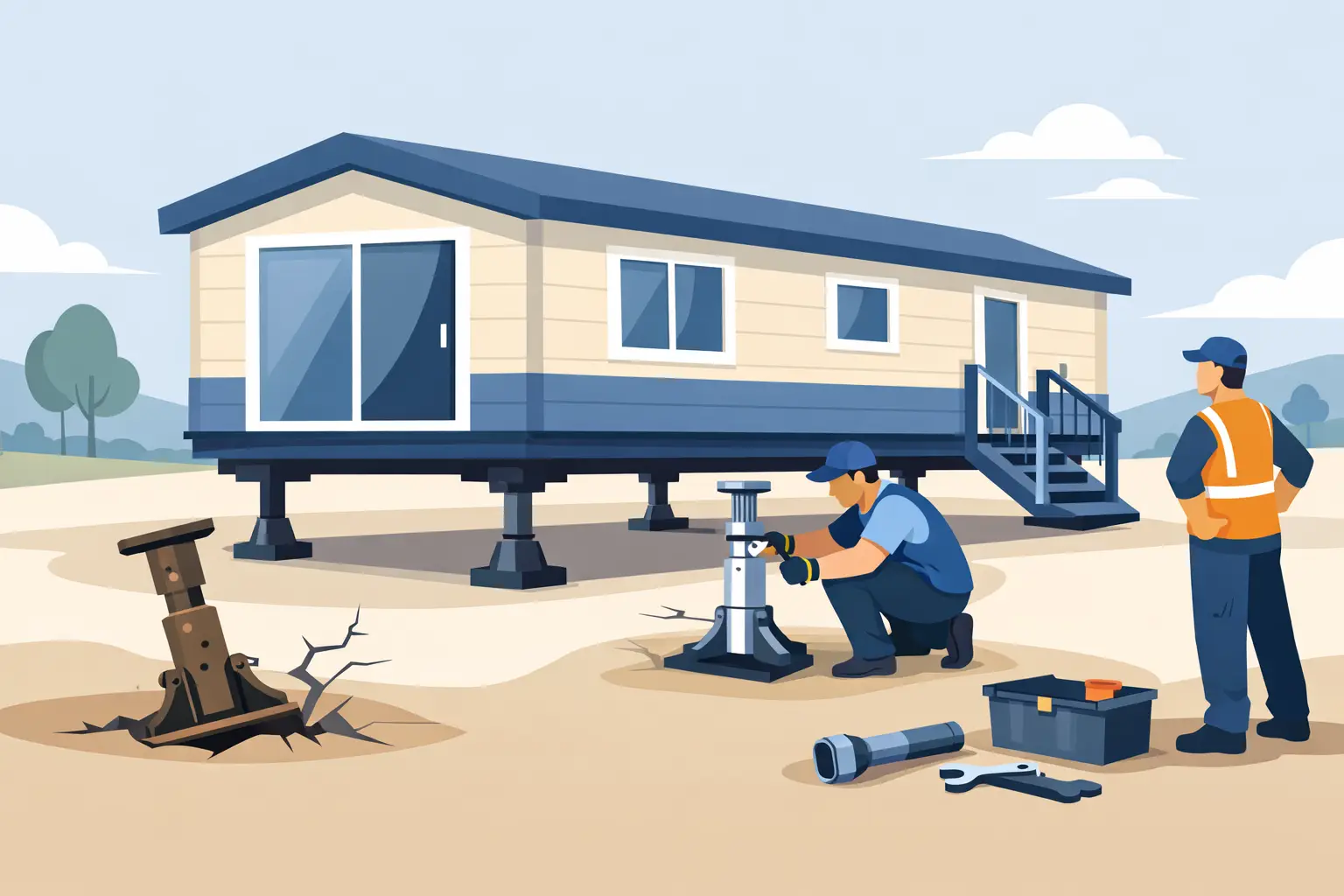
Park homes rely on carefully positioned supports to remain stable and level. These may include adjustable jacks, piers or pads, depending on the home and its original installation. If supports settle, corrode or become misaligned, the effects may show up inside as sticking doors, cracking finishes, uneven floors or windows that no longer close smoothly.
A specialist should check that supports are secure, correctly placed and carrying the load evenly. Re-levelling may be straightforward in some cases, but it must be approached carefully. Simply adjusting one point without considering the whole structure can transfer pressure elsewhere.
Ground conditions also need consideration. Persistent standing water, poor drainage or vegetation growth beneath the home can affect the support area and create a damp environment. Addressing the cause is often as necessary as adjusting the supports themselves.
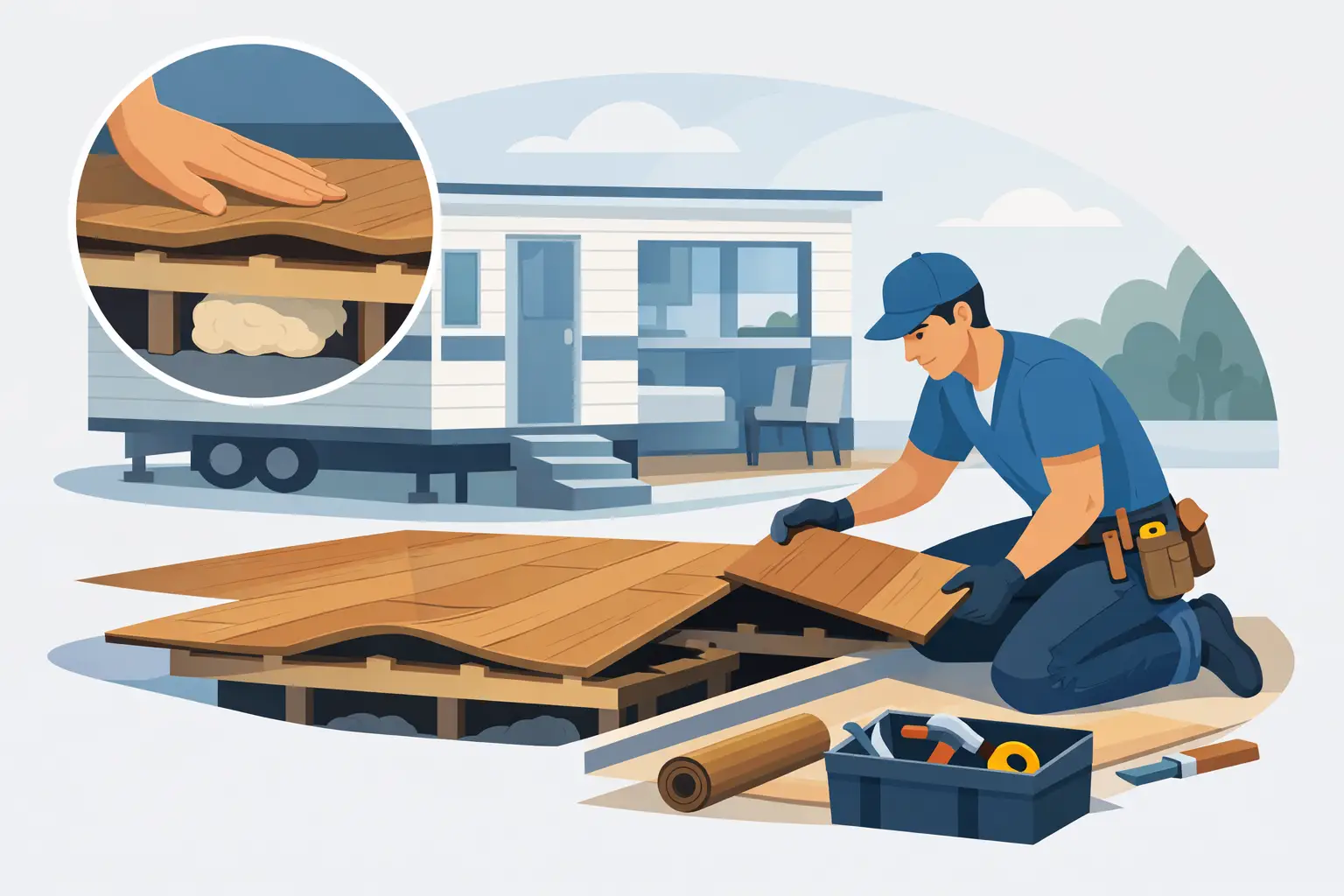
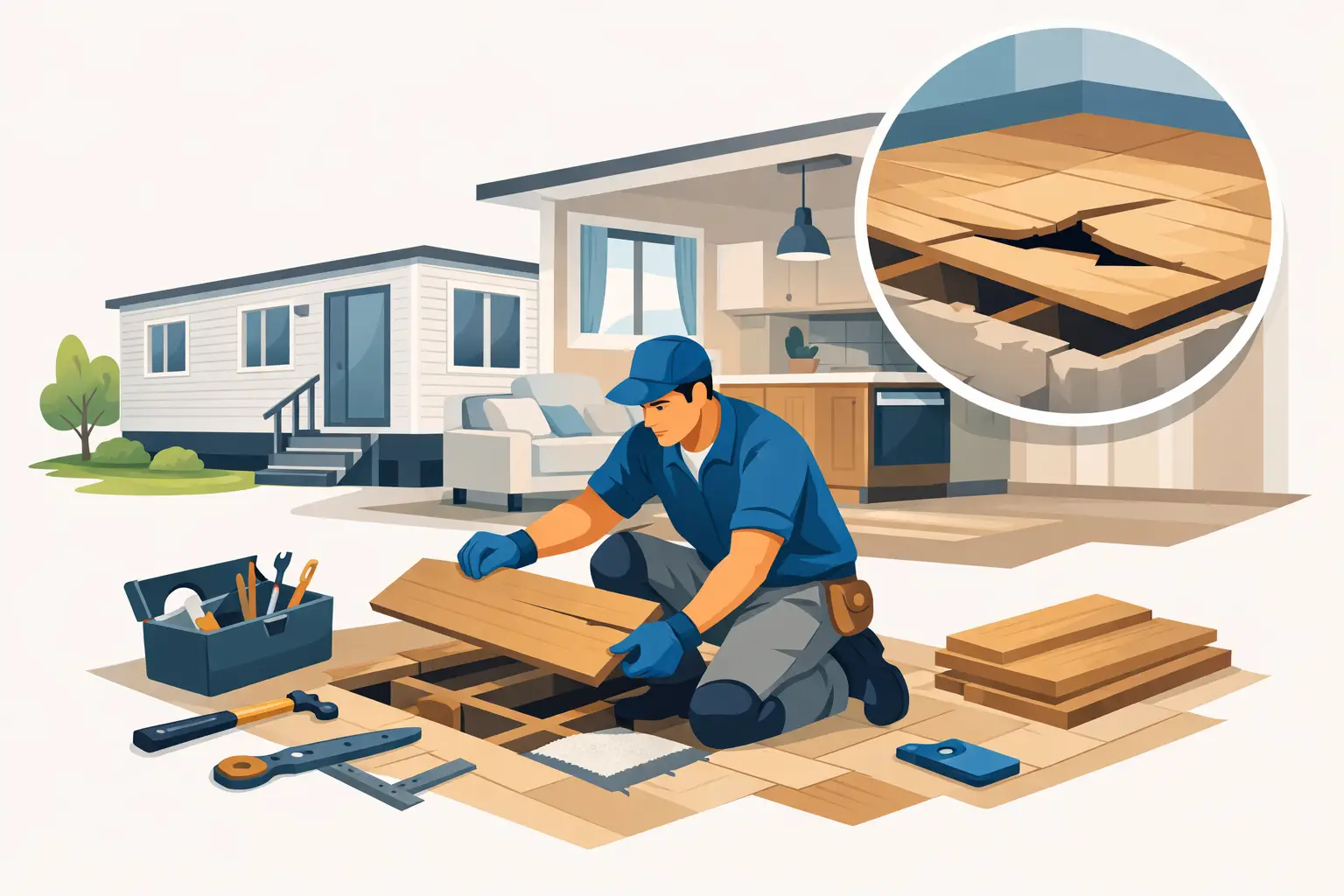
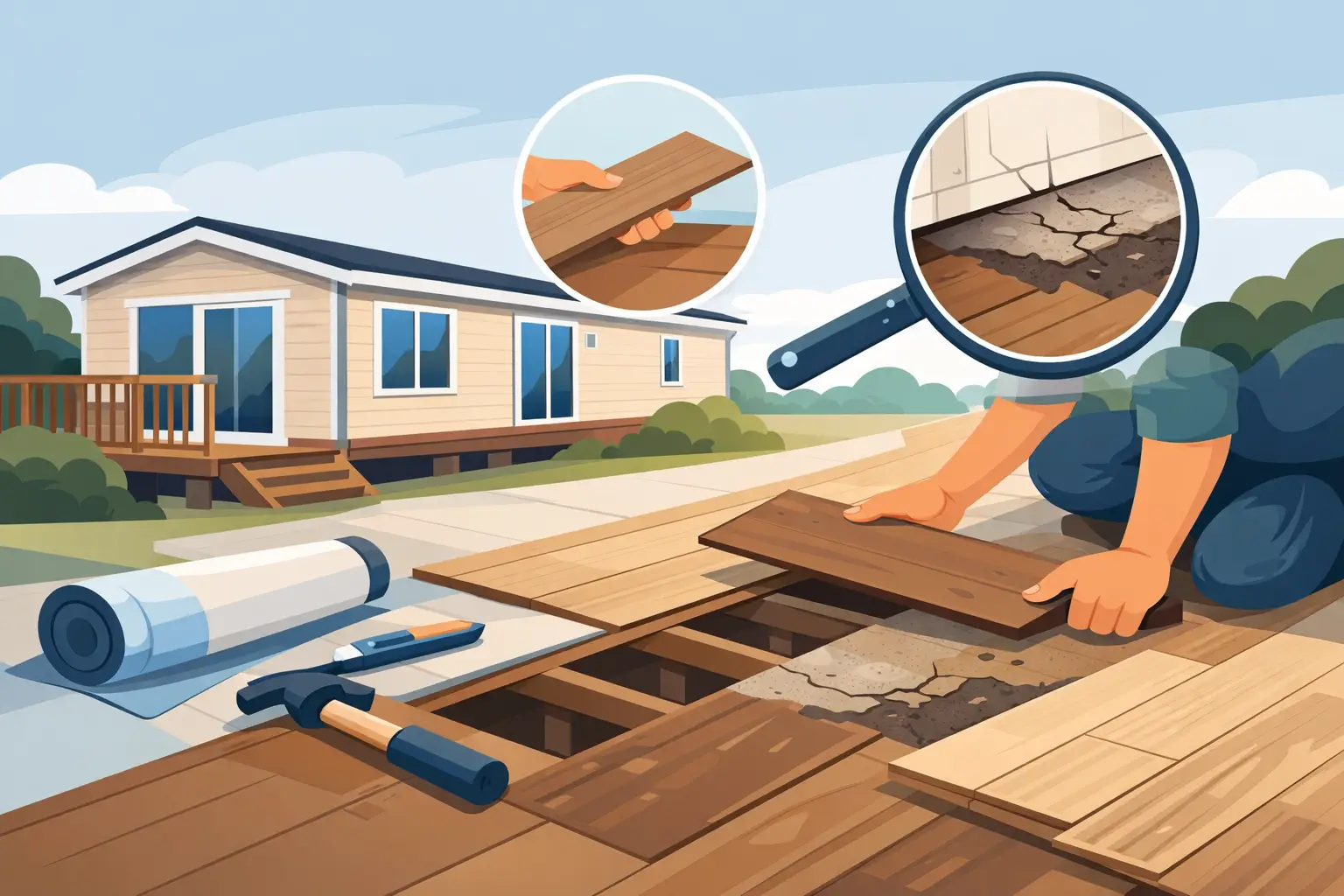
A bouncy floor does not always mean extensive damage, but it should never be dismissed. The issue may be caused by worn floorboards, weakened timber bearers, a failed fixing or moisture entering from below. In older homes, inadequate underfloor insulation can make the floor feel cold and highlight draughts that have been present for years.
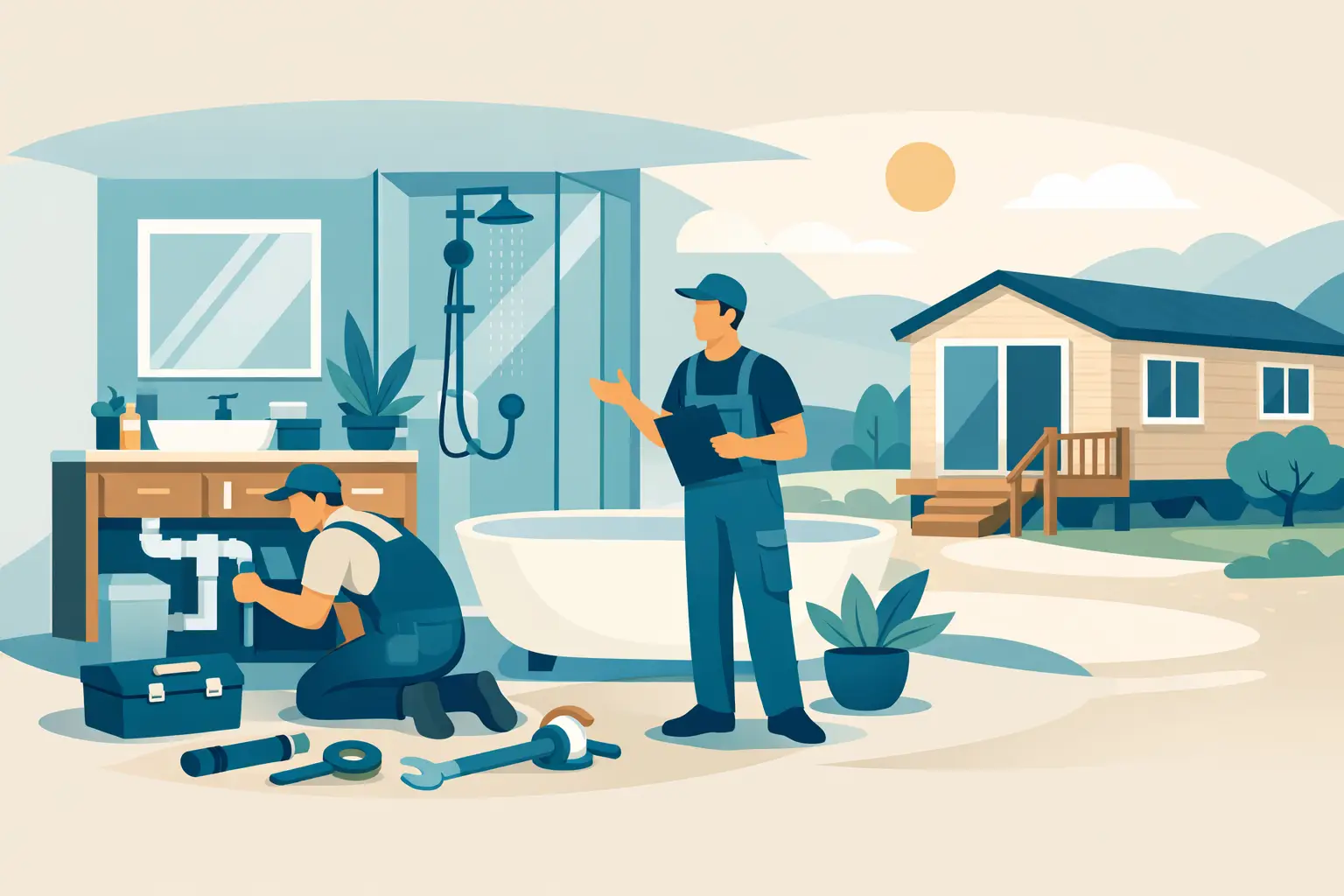
During an inspection, the floor structure should be assessed for movement, dampness and deterioration. Areas around bathrooms, kitchens, external doors and plumbing runs deserve close attention because they are more exposed to leaks and splashes.
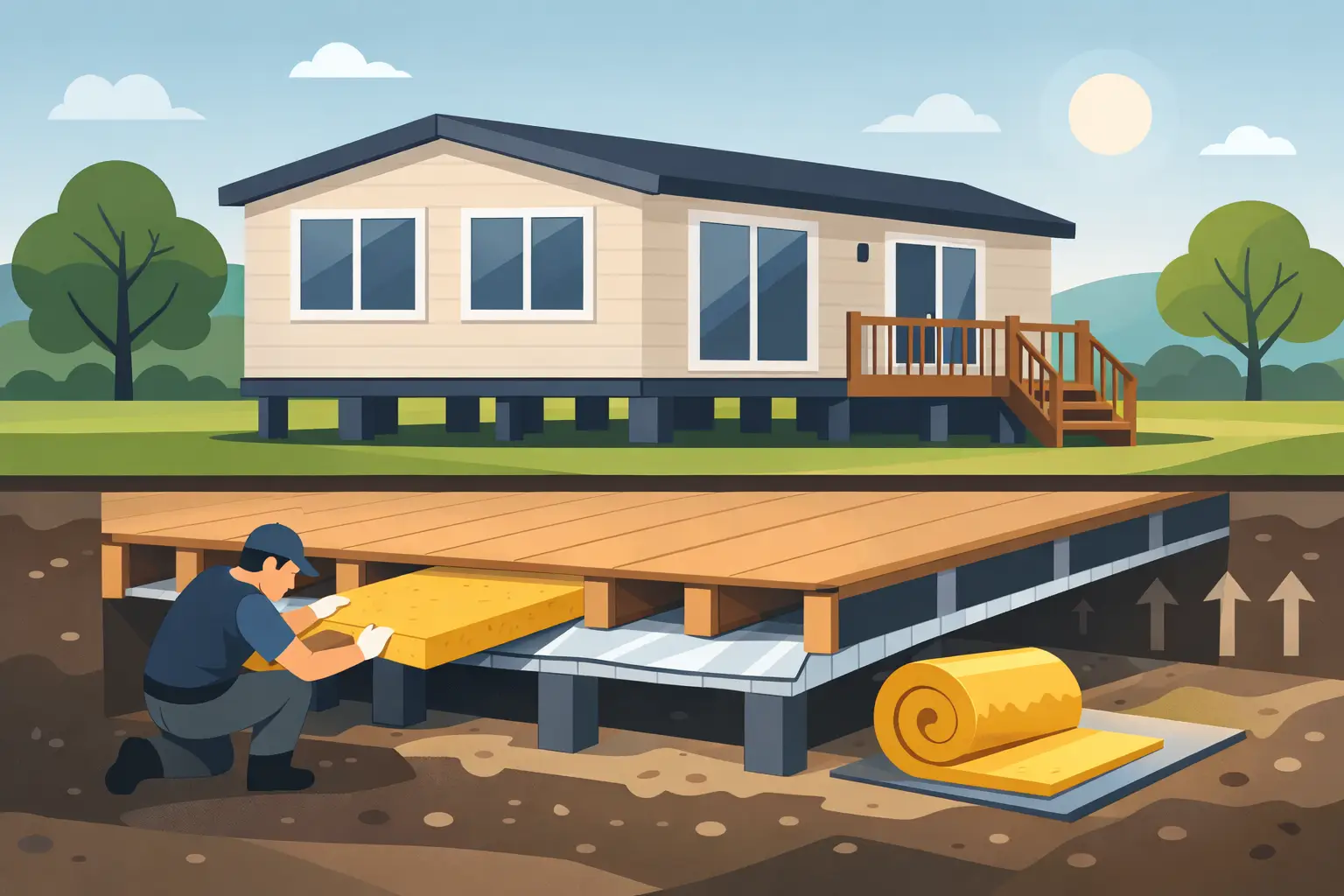
If repairs are required, it is often sensible to consider underfloor insulation at the same time. This reduces heat loss and makes the home more comfortable underfoot, but only after any structural or moisture problem has been put right. Insulation should not be used to cover a defect.
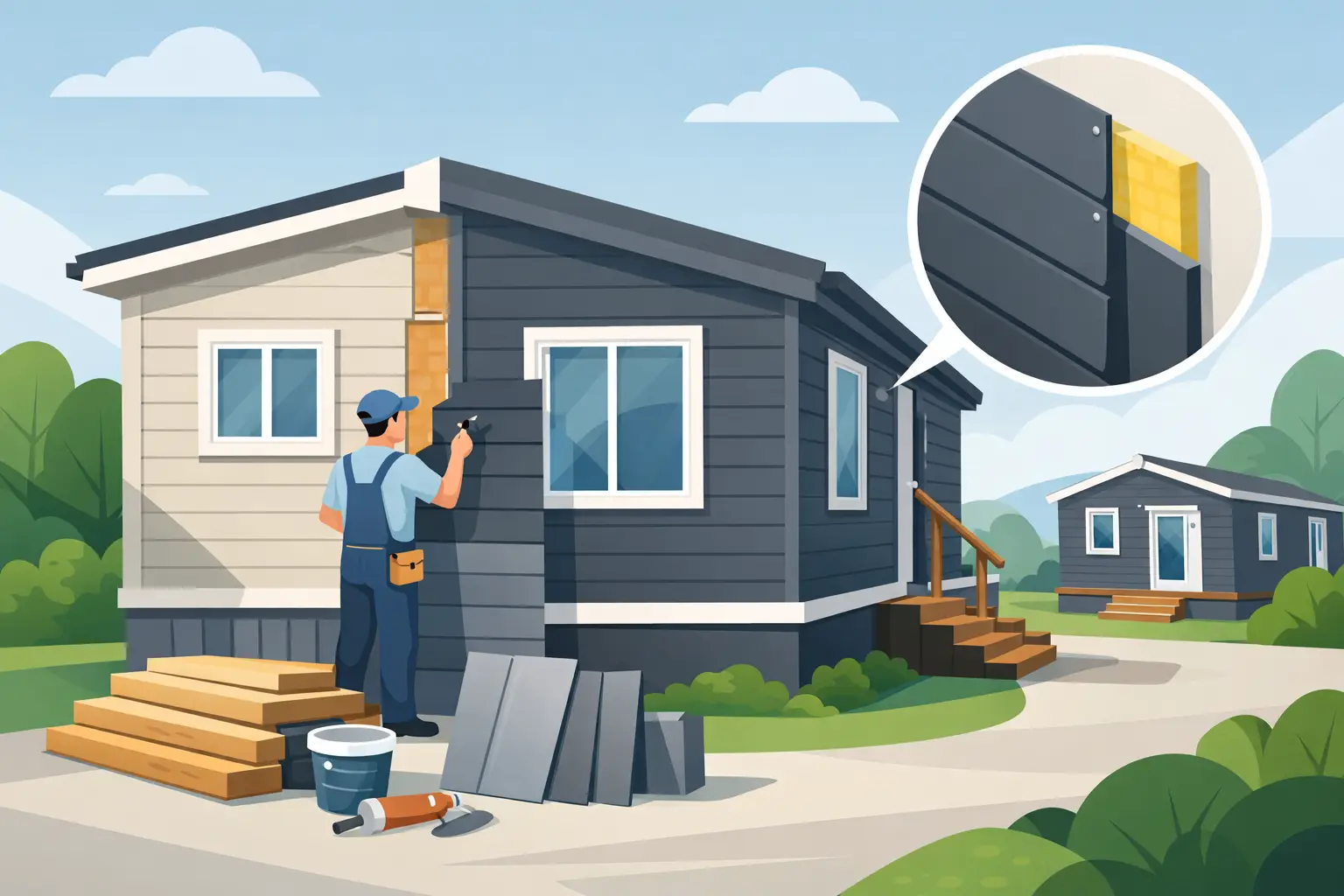
Cracks in internal wall finishes can be caused by normal movement, but they can also point to uneven support or moisture affecting the wall structure. External panels, cladding, trims and corner joints should be examined for damage, gaps and failed seals that could allow rainwater behind the outer skin.
Softness around windows or doors, bubbling internal finishes, staining and a musty smell may indicate water ingress. The source is not always where the stain appears. Rain can travel behind cladding or through a roof edge before becoming visible indoors.
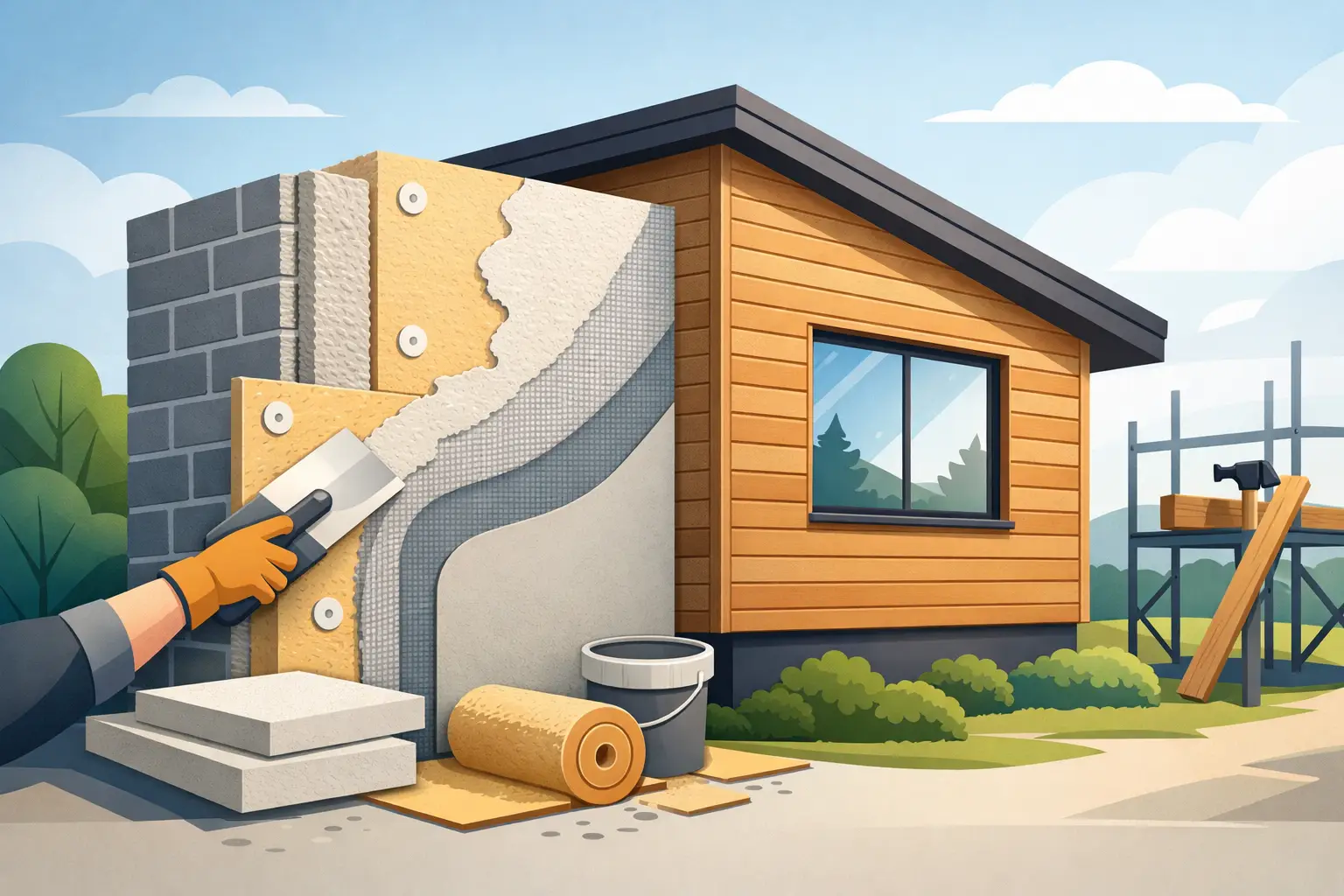
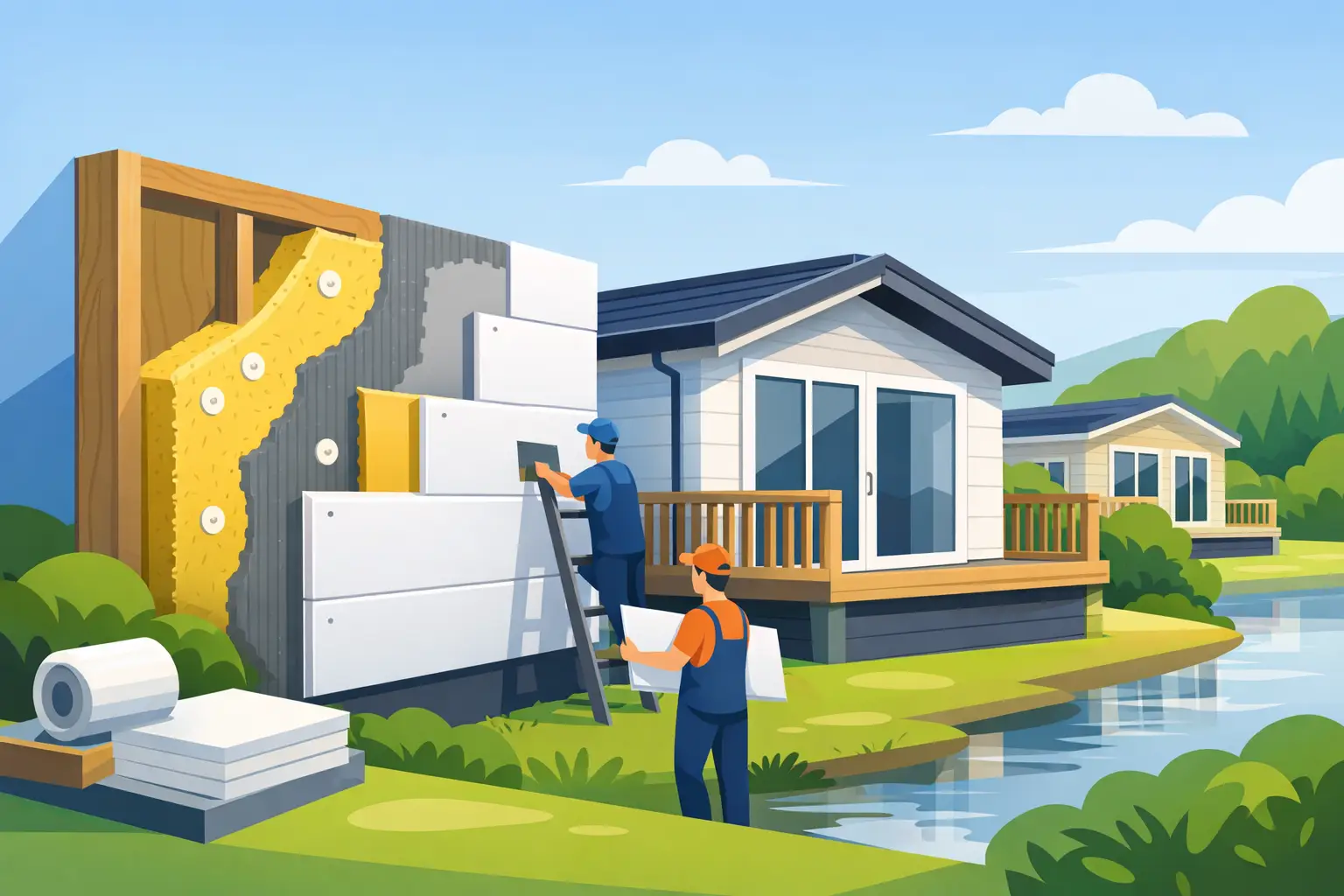
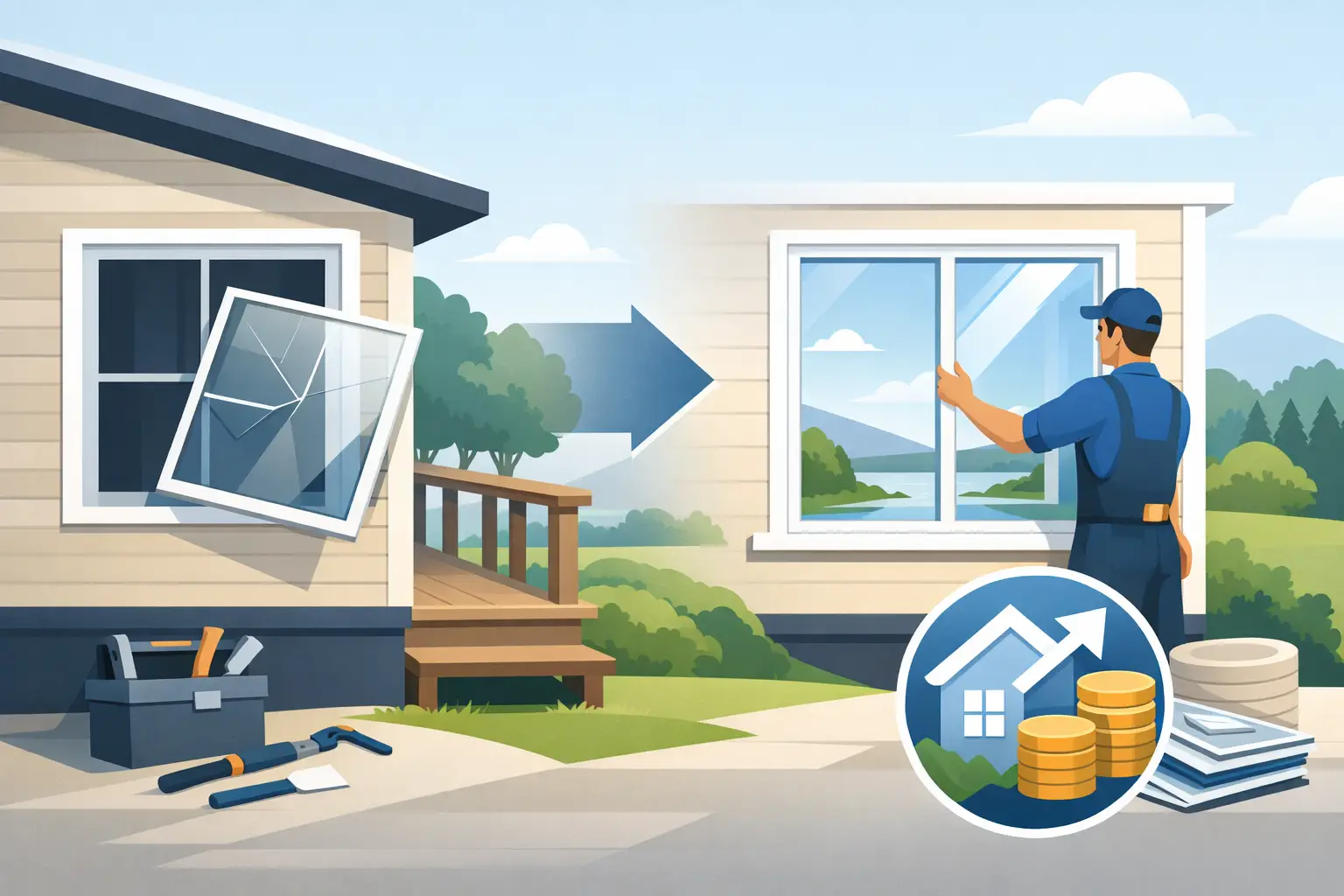
Where ageing external cladding is no longer keeping the weather out effectively, replacement can improve appearance as well as protection. The right approach depends on the condition of the wall beneath. Any damp or damaged timber must be dealt with first, rather than sealed behind new materials.
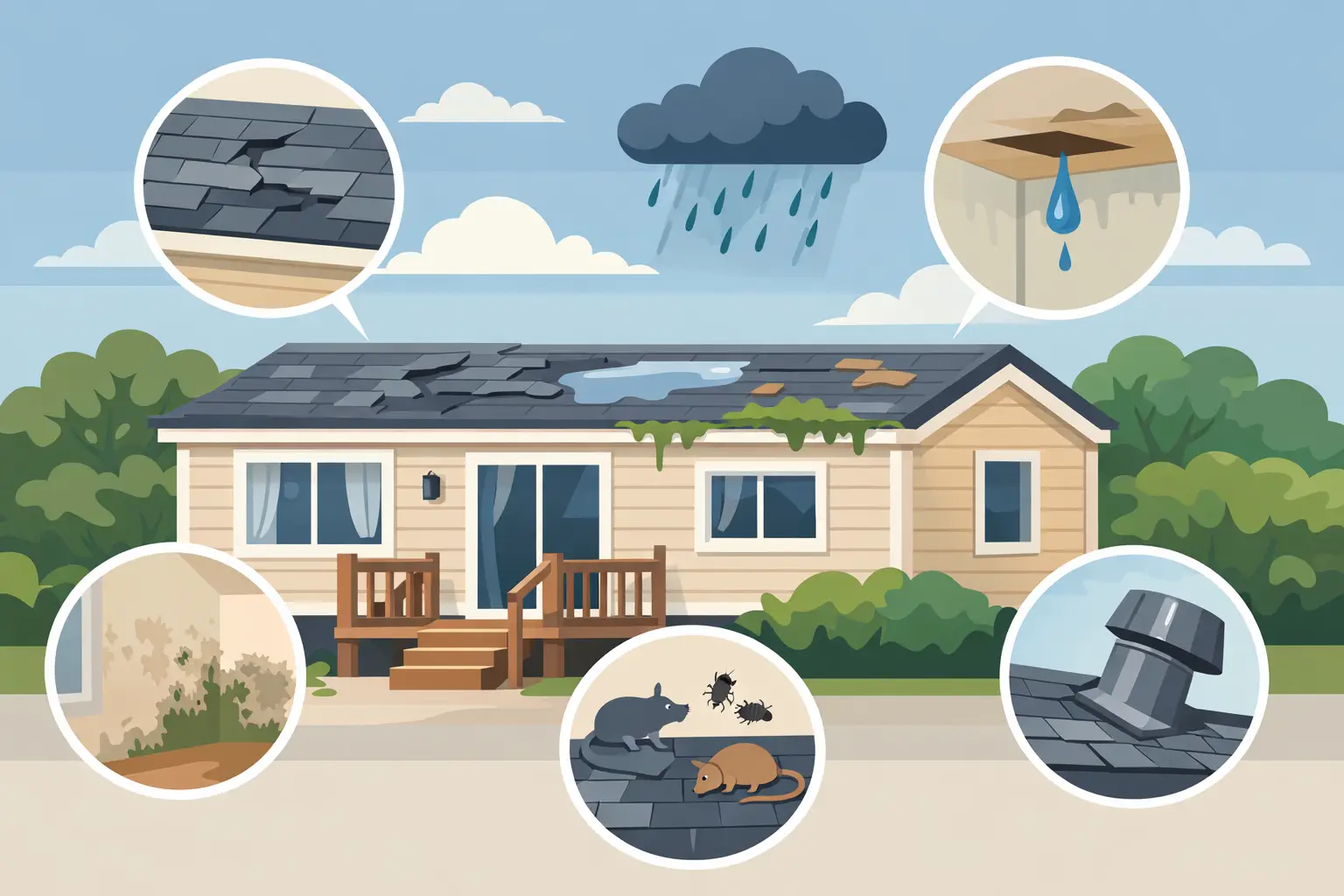
A roof inspection should look beyond obvious missing sections or visible leaks. It should include roof coverings, flashings, trims, joints, gutters and downpipes. Water that overflows from blocked gutters or falls too close to the home can create damp around the base and increase moisture under the chassis.
Inside, look for ceiling staining, sagging, peeling paper or mould, particularly near roof edges and around vents. A small leak may appear harmless during dry weather but worsen after repeated rainfall and wind exposure.
Roof repair can be the right answer where the structure is sound and damage is localised. Where a roof covering has reached the end of its serviceable life, replacement may offer better long-term value. The decision should be based on condition, not simply age.
Owners often know their own home better than anyone. A change in how it feels or performs is worth investigating, especially if it develops gradually. Arrange an assessment if you notice several of the following signs:
One symptom alone may have a simple explanation. Several occurring together can suggest movement, moisture or deterioration that needs a closer look.
There is no single timetable that suits every park home. A newer, well-maintained home on good ground may need little more than regular visual checks. An older home, a property with known damp issues or one that has not been inspected underneath for several years deserves more proactive attention.
An inspection is particularly worthwhile before buying a pre-owned park home, before major refurbishment, after severe weather or when you notice the warning signs above. It can also be useful before putting a home on the market, as resolving obvious structural concerns beforehand can make discussions with prospective buyers more straightforward.
Do not wait for a major failure before seeking advice. Water ingress, corrosion and floor deterioration generally become more expensive the longer they are left.
A useful inspection should lead to clear, practical recommendations. Some homes may only need routine maintenance, such as gutter clearing, improved ventilation or treatment of light chassis corrosion. Others may need support jack replacement, chassis refurbishment, localised floor repair, roof work or wall repairs before further upgrades are considered.
Ask for the findings to be explained in plain language. You should understand what needs urgent attention, what can be planned for later and why a particular repair has been recommended. This is especially valuable where several jobs overlap, such as repairing a floor and adding insulation, or renewing cladding after moisture issues have been addressed.
New Look Park Homes Ltd carries out specialist inspections and refurbishment work for park home and static home owners across Great Britain. With more than 20 years of focused experience, the emphasis is on identifying the real cause of the problem and carrying out work to a standard that lasts.
A well-kept park home should feel secure beneath your feet, warm in winter and ready to enjoy without constant worry. If something has changed, having it checked now can give you the confidence to plan the right repair, rather than face a larger problem later.