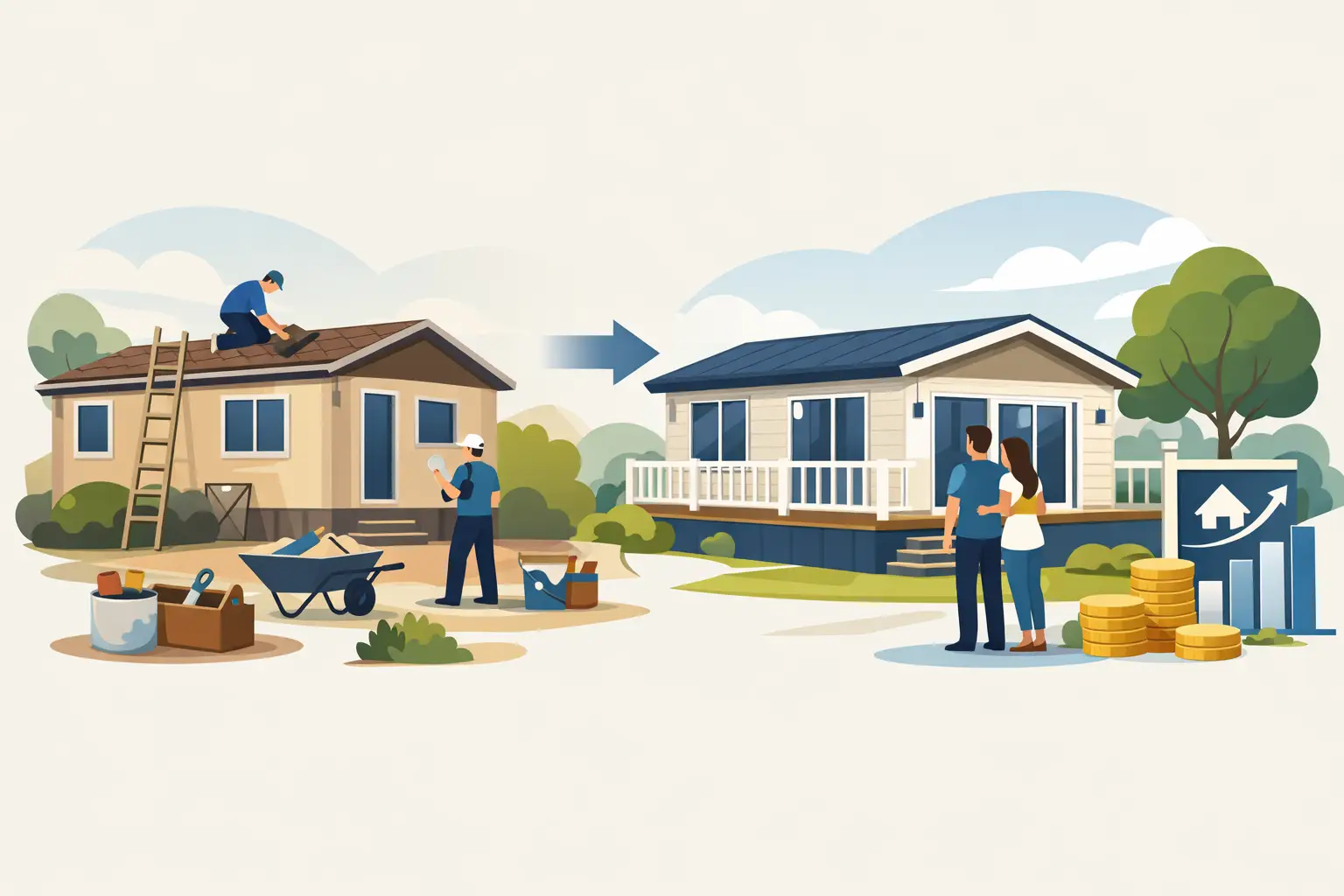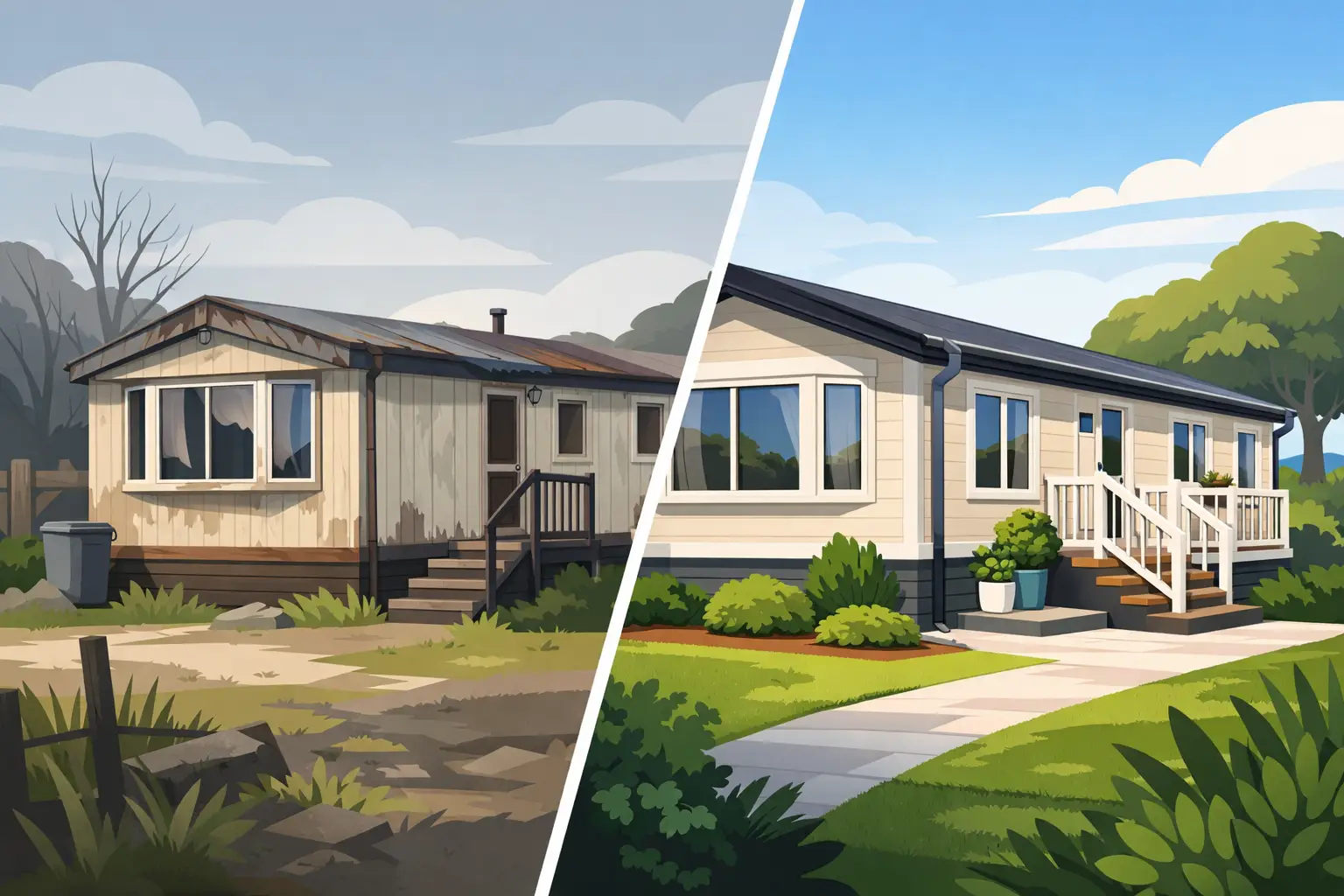
A successful before and after park home refurbishment is about far more than fresh cladding or a modern bathroom. The real change is felt on a cold morning, when the floor is warmer underfoot, the rooms are easier to heat and you no longer worry about what may be happening beneath the home or behind ageing panels.
Park homes need a different approach from conventional brick-built properties. Their construction, chassis, ventilation and external finishes all need to work together. A refurbishment should therefore begin with an honest assessment of the home’s condition, then focus on the repairs and improvements that will make the greatest difference to comfort, safety and long-term value.
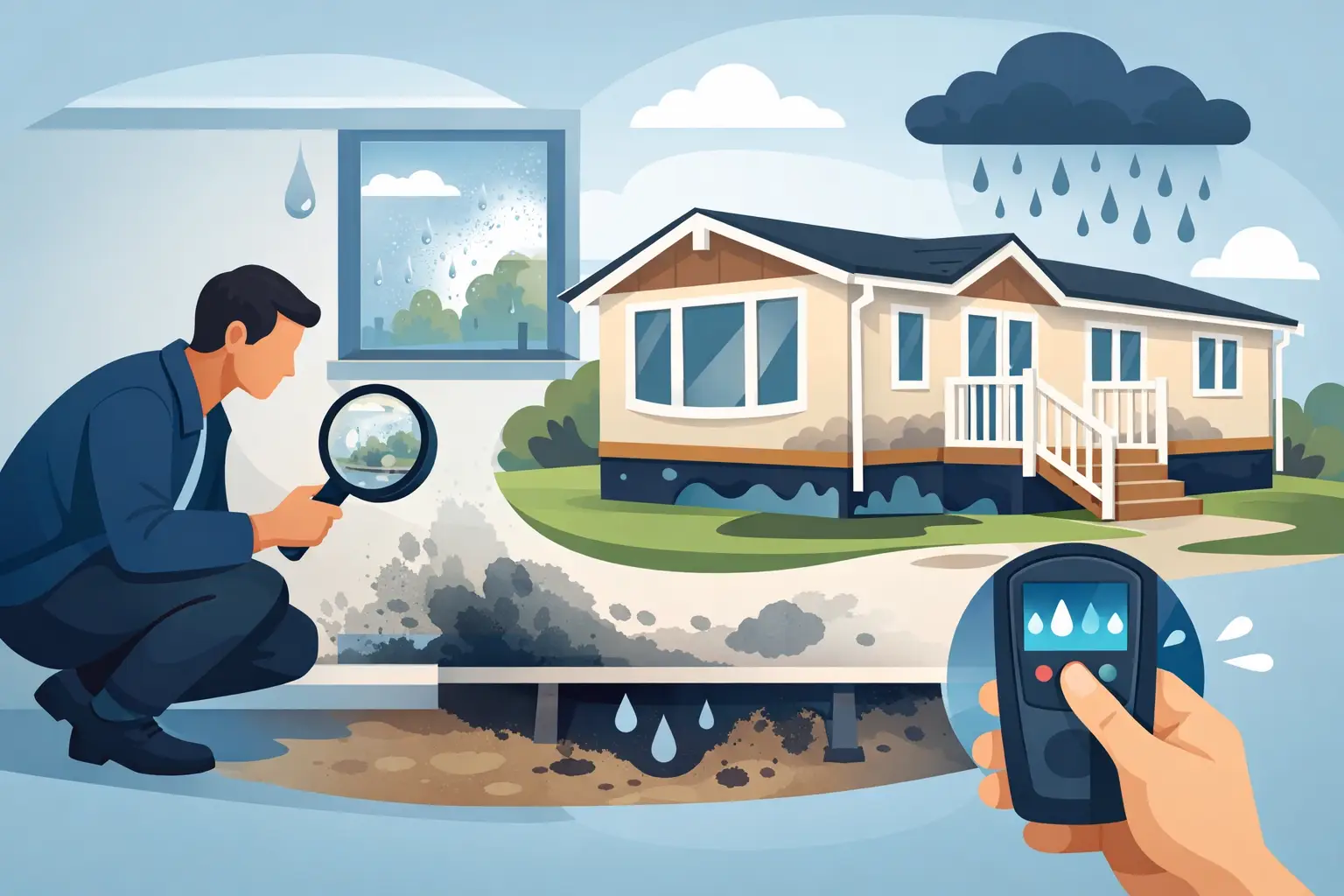
The ‘before’ stage is not always dramatic from the outside. A home may still look tidy while hiding problems that become more costly if left unattended. Draughts around the skirting, cold floors, cracked exterior panels, worn seals, uneven doors and unexplained damp patches are all signs that a closer inspection is worthwhile.
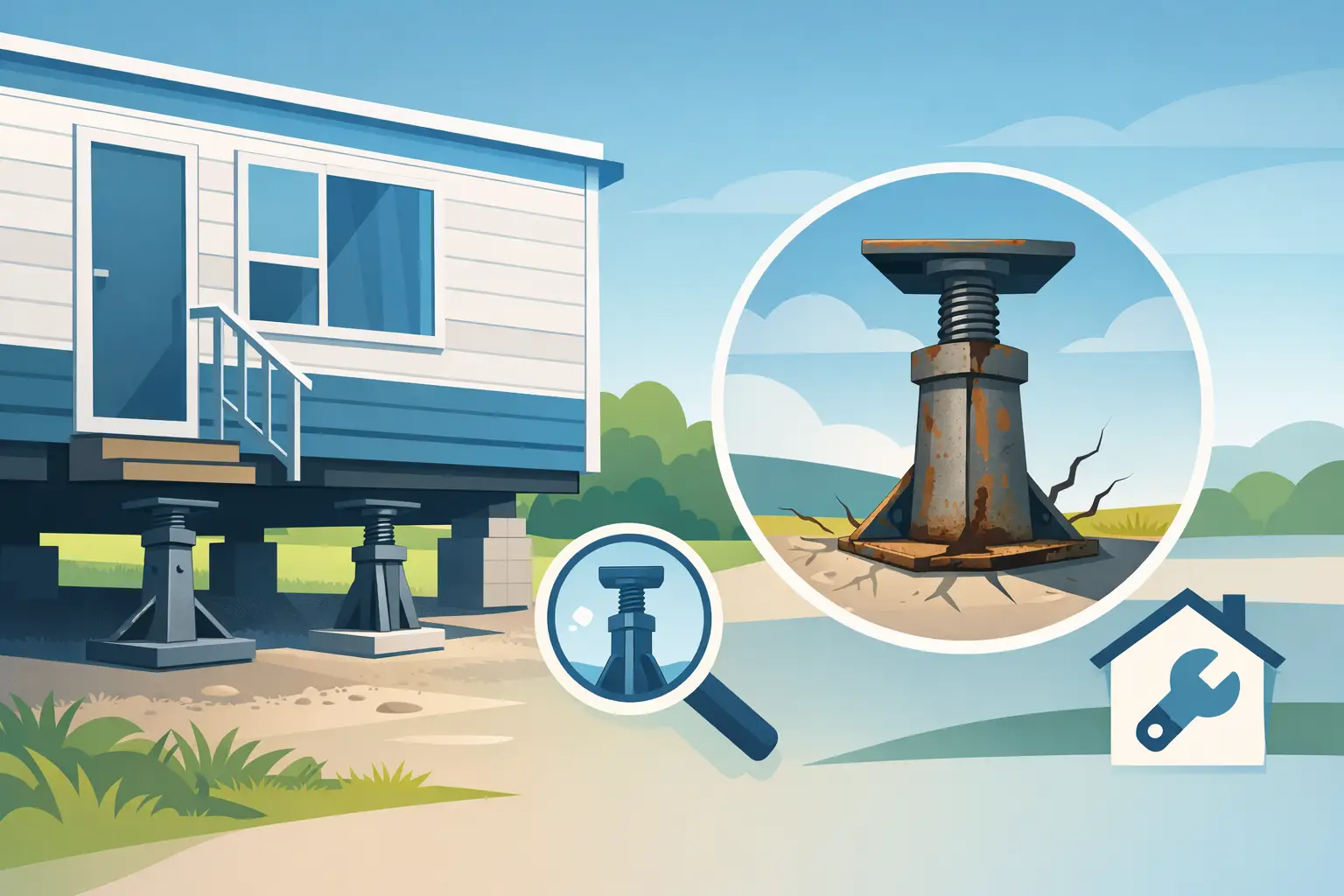
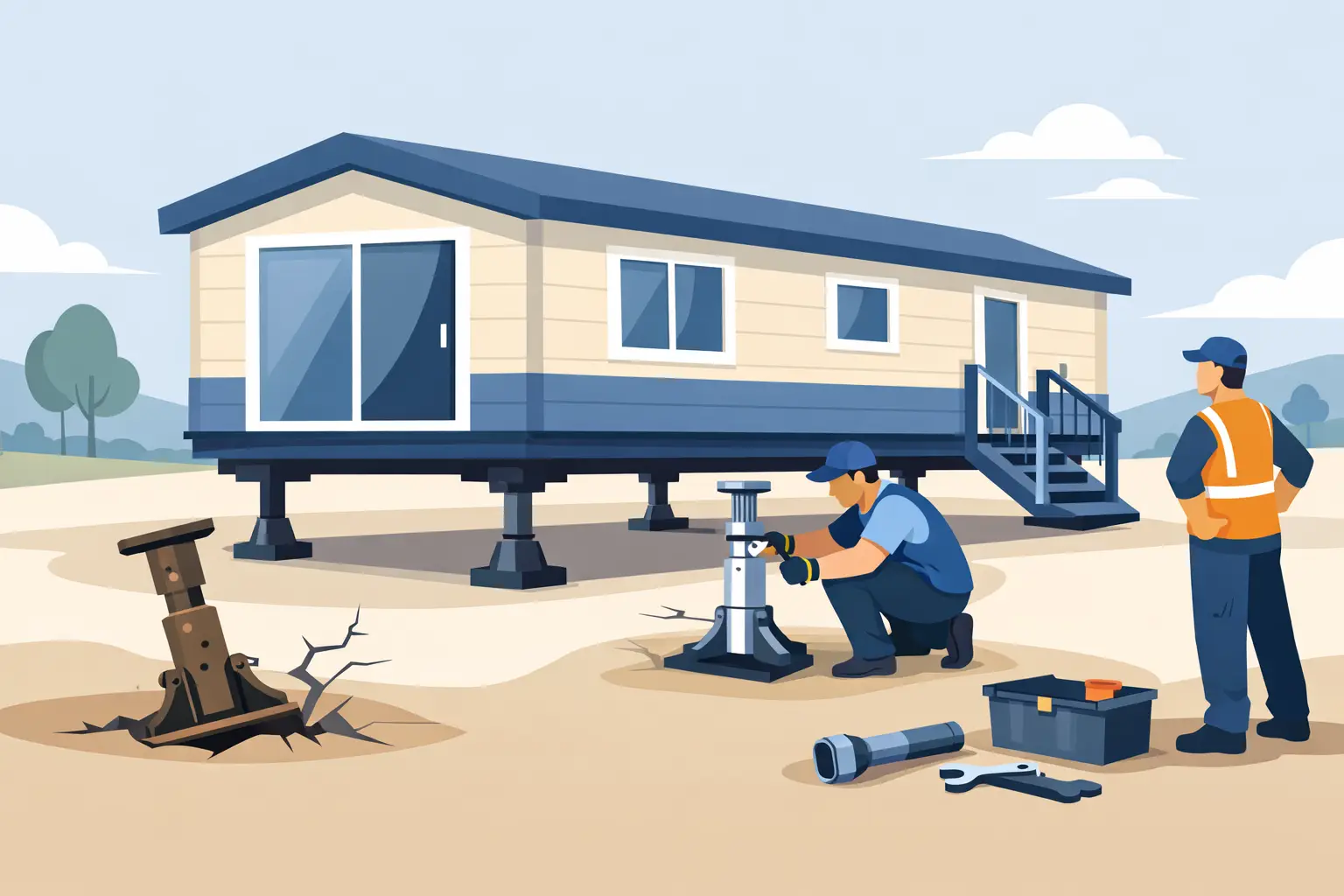
Underneath the home, the condition of the chassis, supports and jacks matters just as much as the appearance above ground. Park homes are designed to sit on a supported chassis, and movement or deterioration in this area can affect levels, drainage, doors, windows and the overall structure. This work is specialist work, not a job for a general builder who is unfamiliar with park home construction.
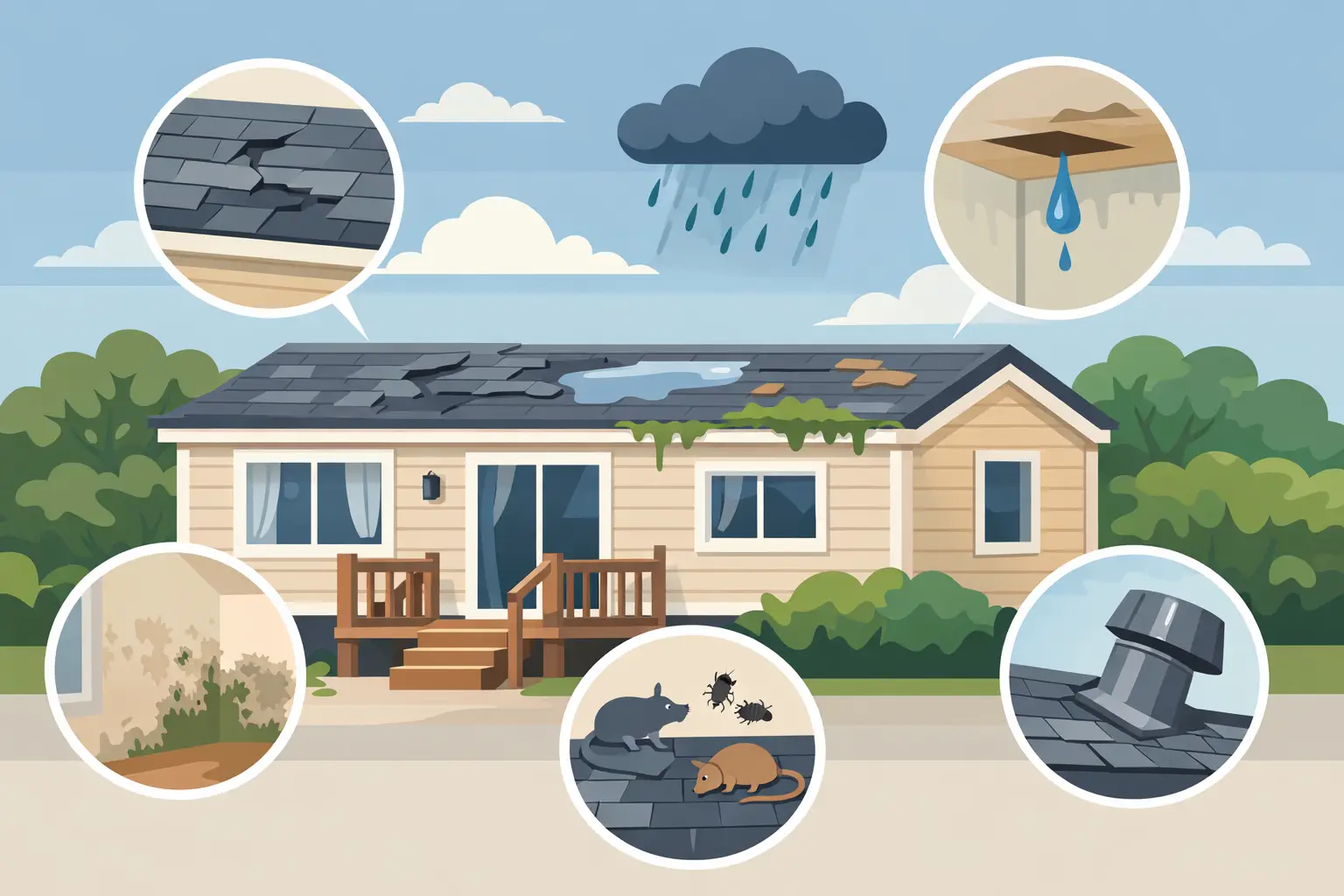
Roofing also deserves proper attention. Water ingress may start with a small weakness around an edge, joint or flashing, but it can lead to damaged boards, insulation problems and internal staining. Catching these issues early often gives owners more choice over the scope and cost of the work.
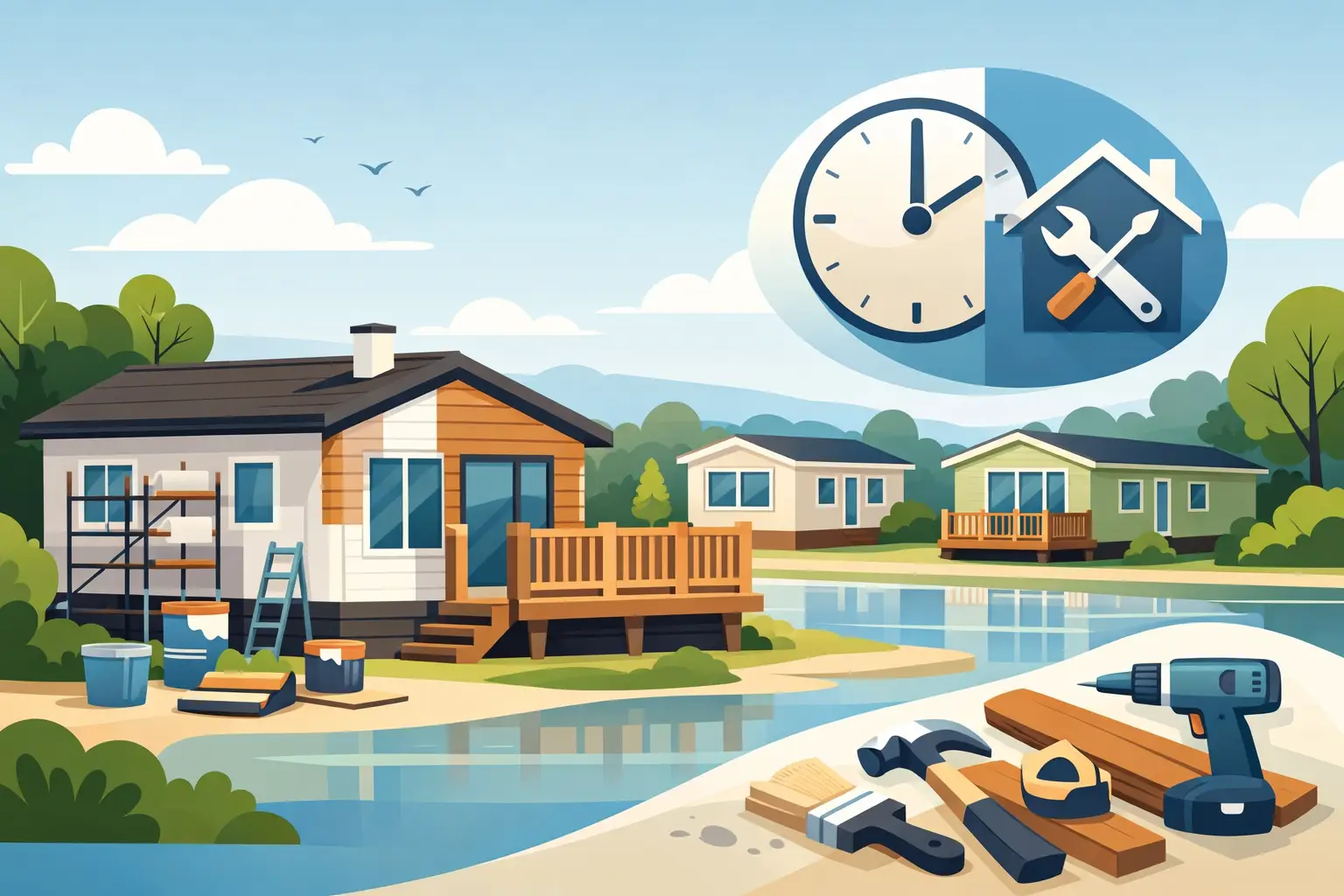
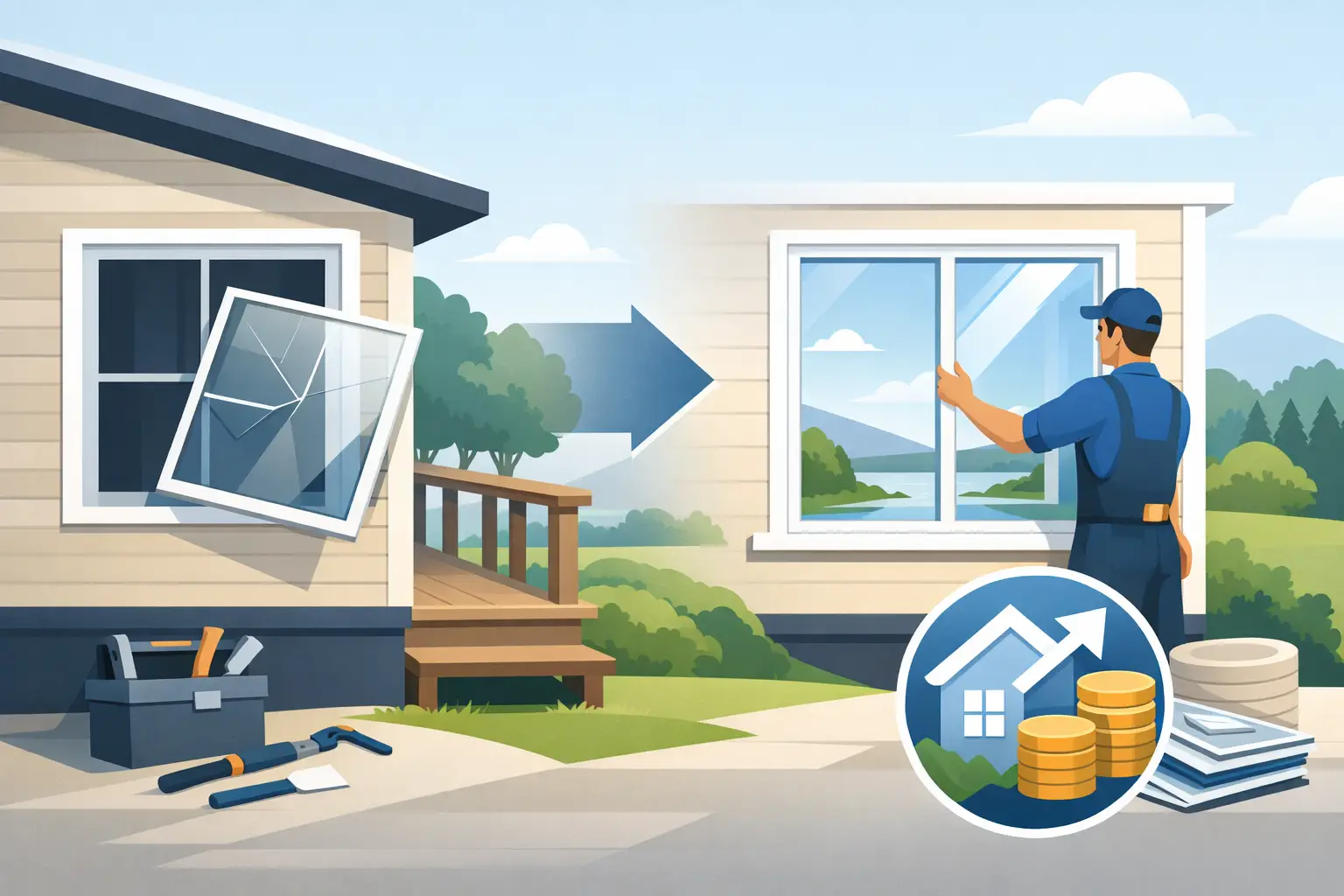
A thorough assessment should consider the exterior, roof, windows and doors, floor insulation, wall insulation, chassis condition, support jacks, plumbing and bathroom areas. Not every home requires a full refurbishment. Sometimes a targeted repair is the sensible answer. In other cases, several ageing elements have reached the end of their useful life, and completing the work together avoids repeated disruption later on.
The most satisfying transformations combine visible improvements with practical ones. A newly finished exterior can make a home look cared for and contemporary, but the best result is one that also reduces maintenance and protects the structure beneath it.
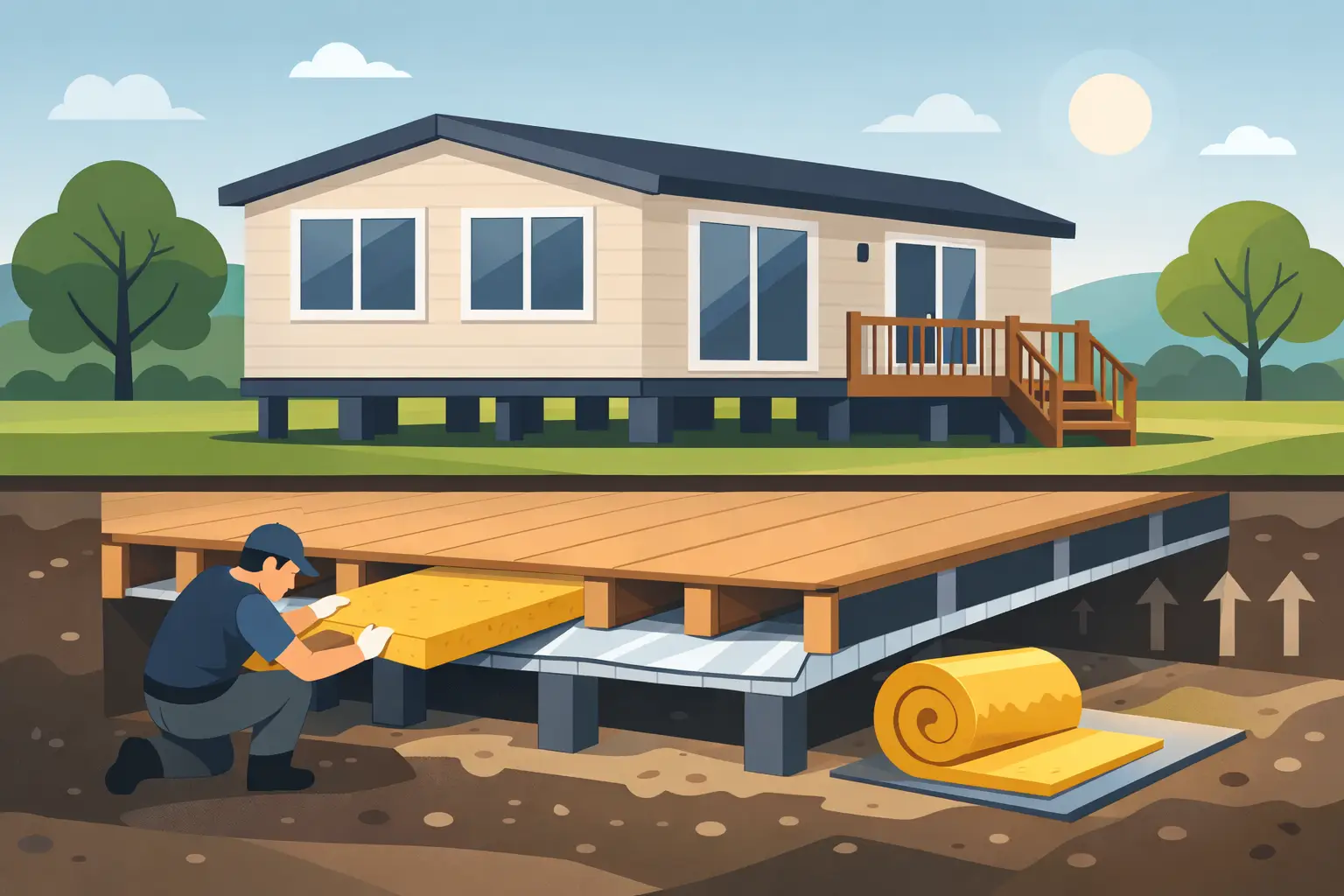
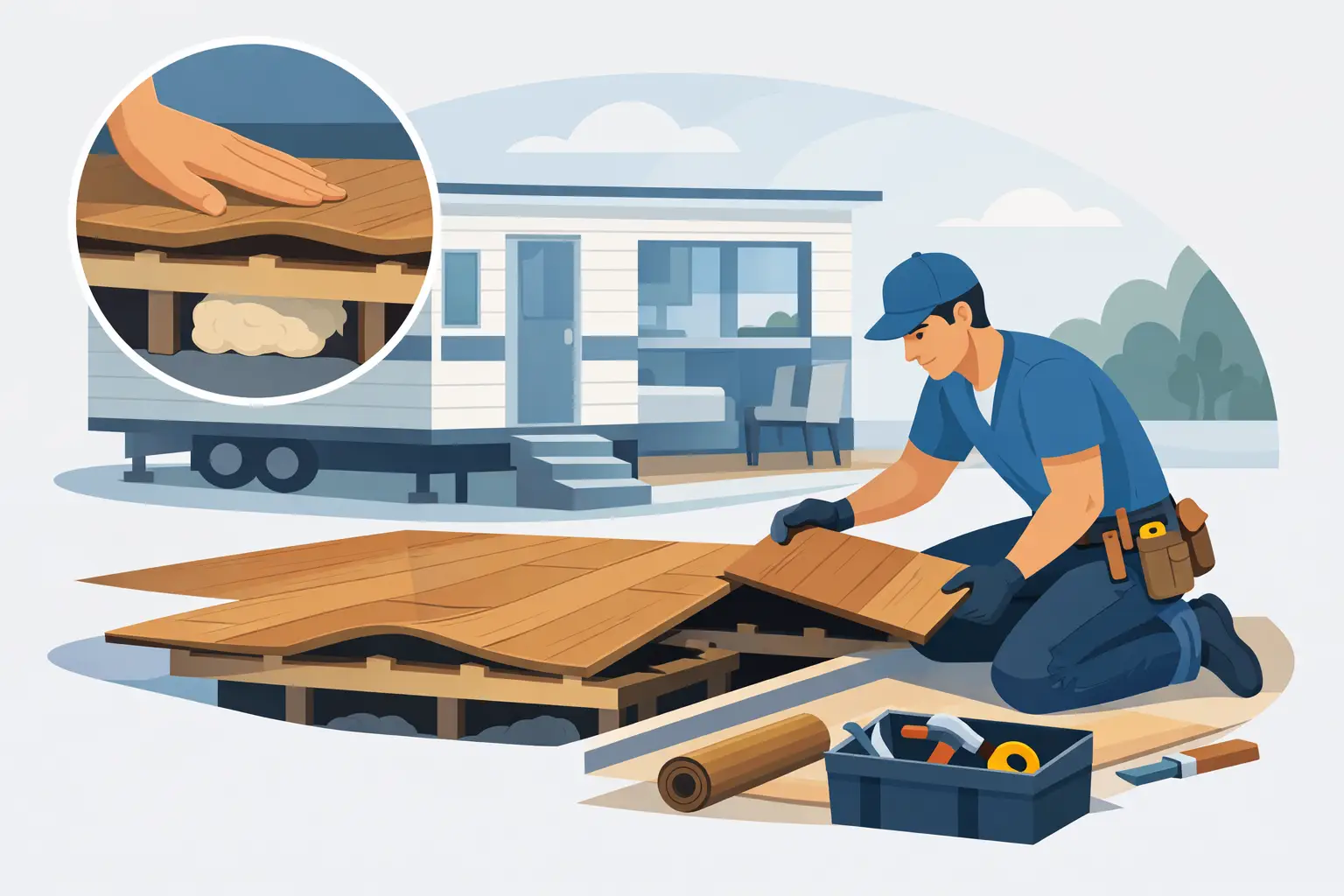
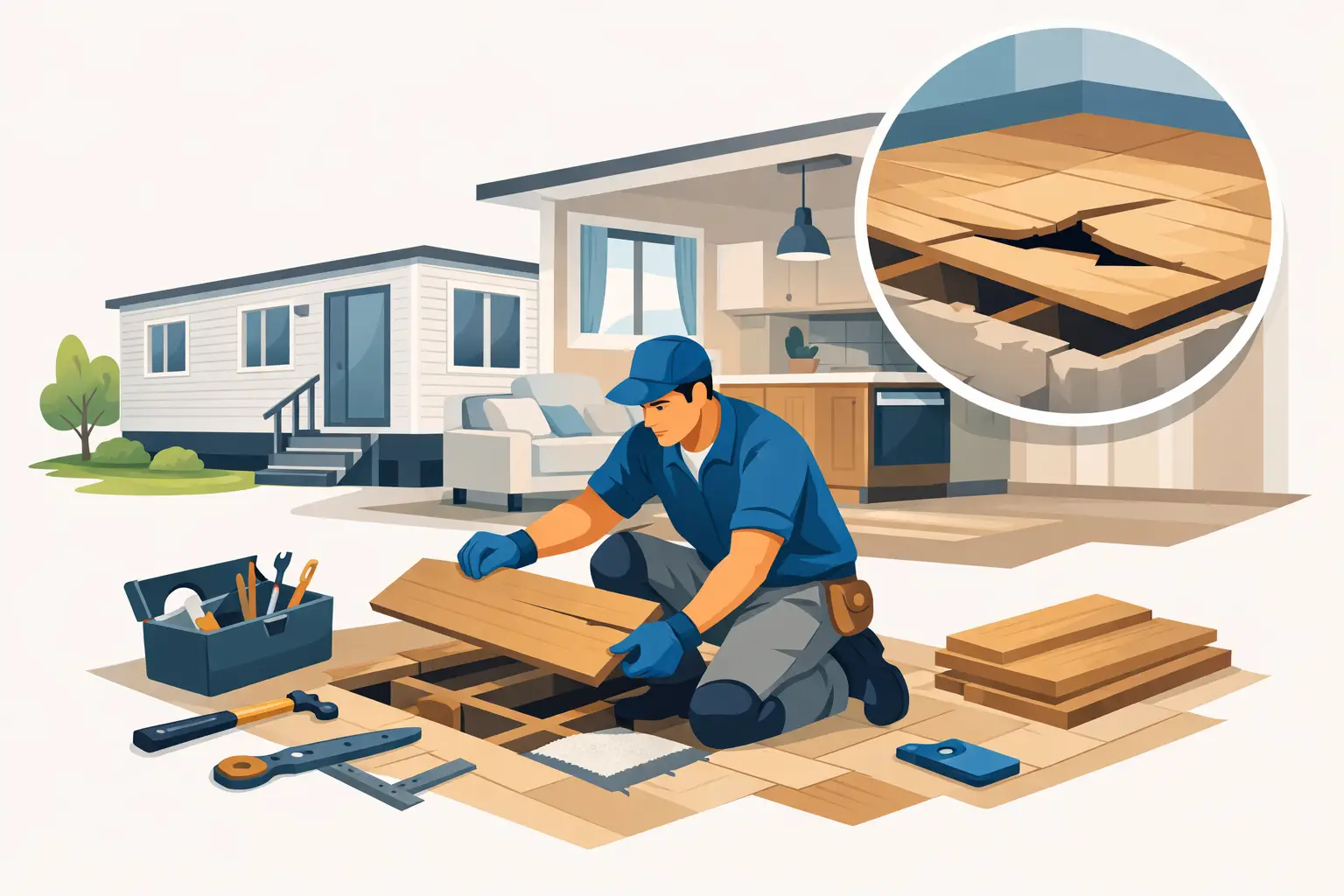
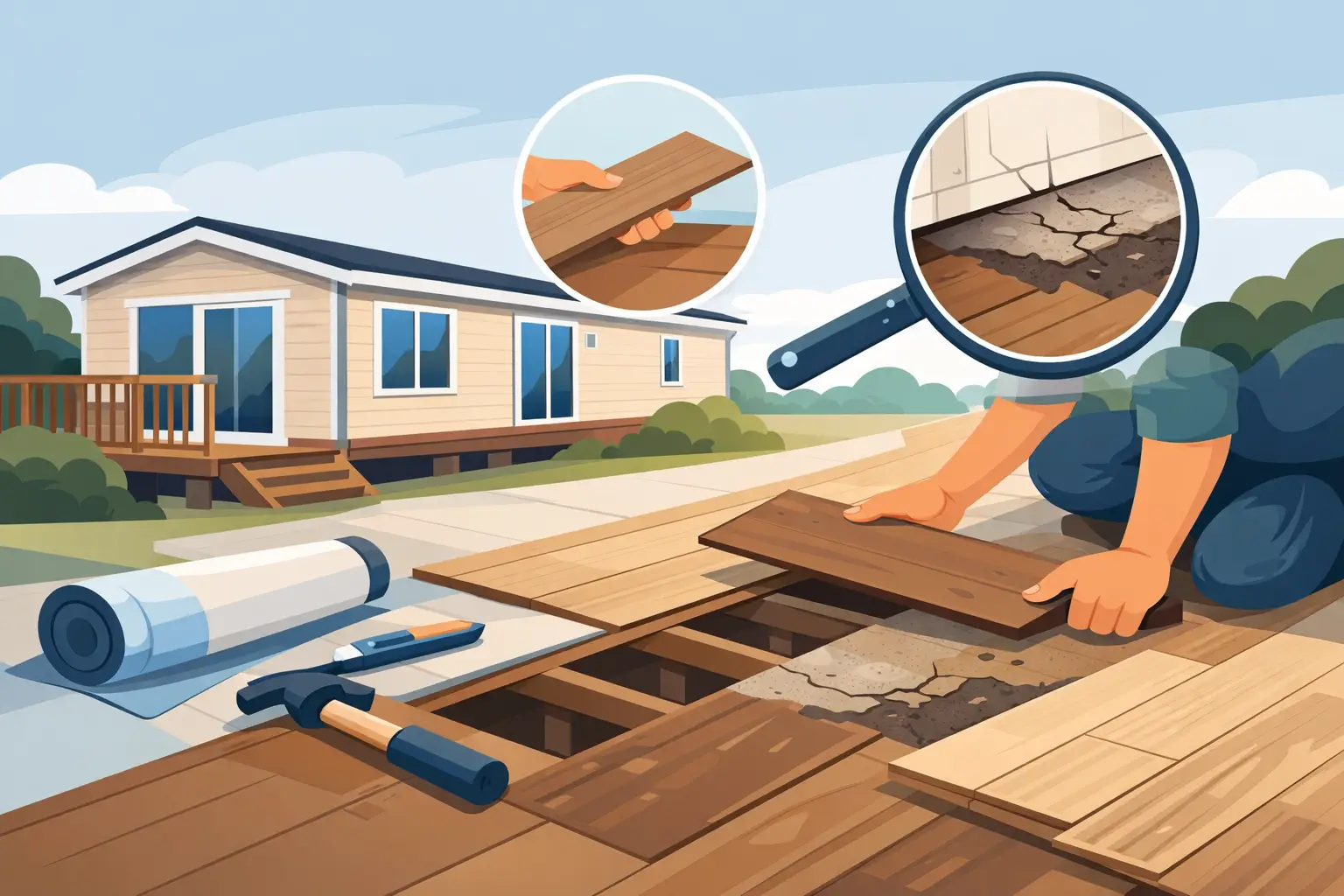
Cold floors are one of the most common complaints from park-home owners, particularly during the winter. Heat can be lost through an uninsulated or poorly insulated floor, while gaps around the underside can allow cold air to circulate beneath the home.
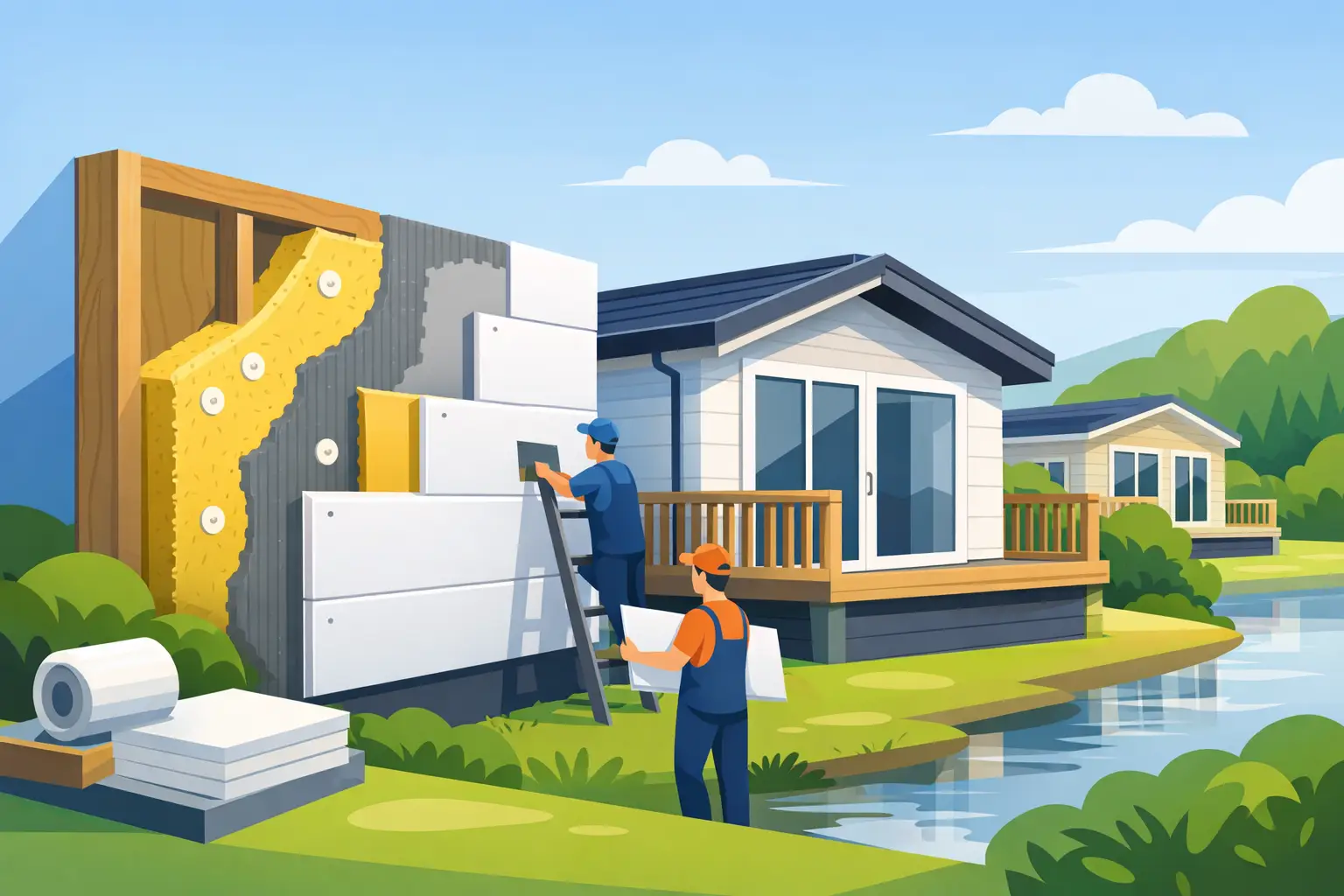
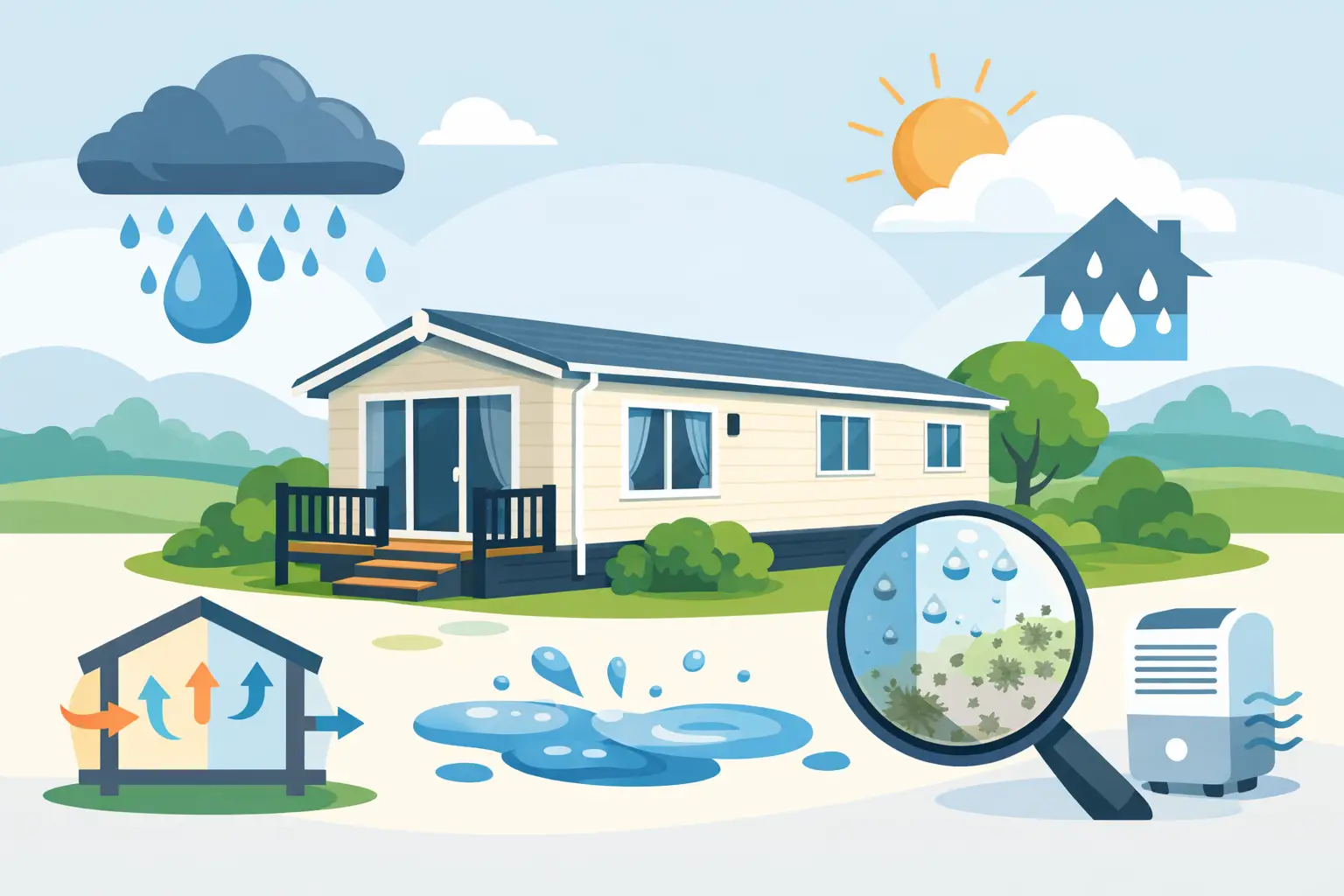
After suitable underfloor insulation and attention to the skirting system, homeowners often notice a more even temperature from room to room. Heating may not need to work as hard to maintain comfort, although the precise savings depend on the size, age and existing condition of the home. Good ventilation must still be maintained. Insulation should improve thermal efficiency without trapping moisture where it should not be.
Wall insulation can make a further difference where the construction allows it. This is particularly valuable in older park homes with thin walls or tired external finishes. The aim is a home that feels less draughty, quieter and more comfortable throughout the year.
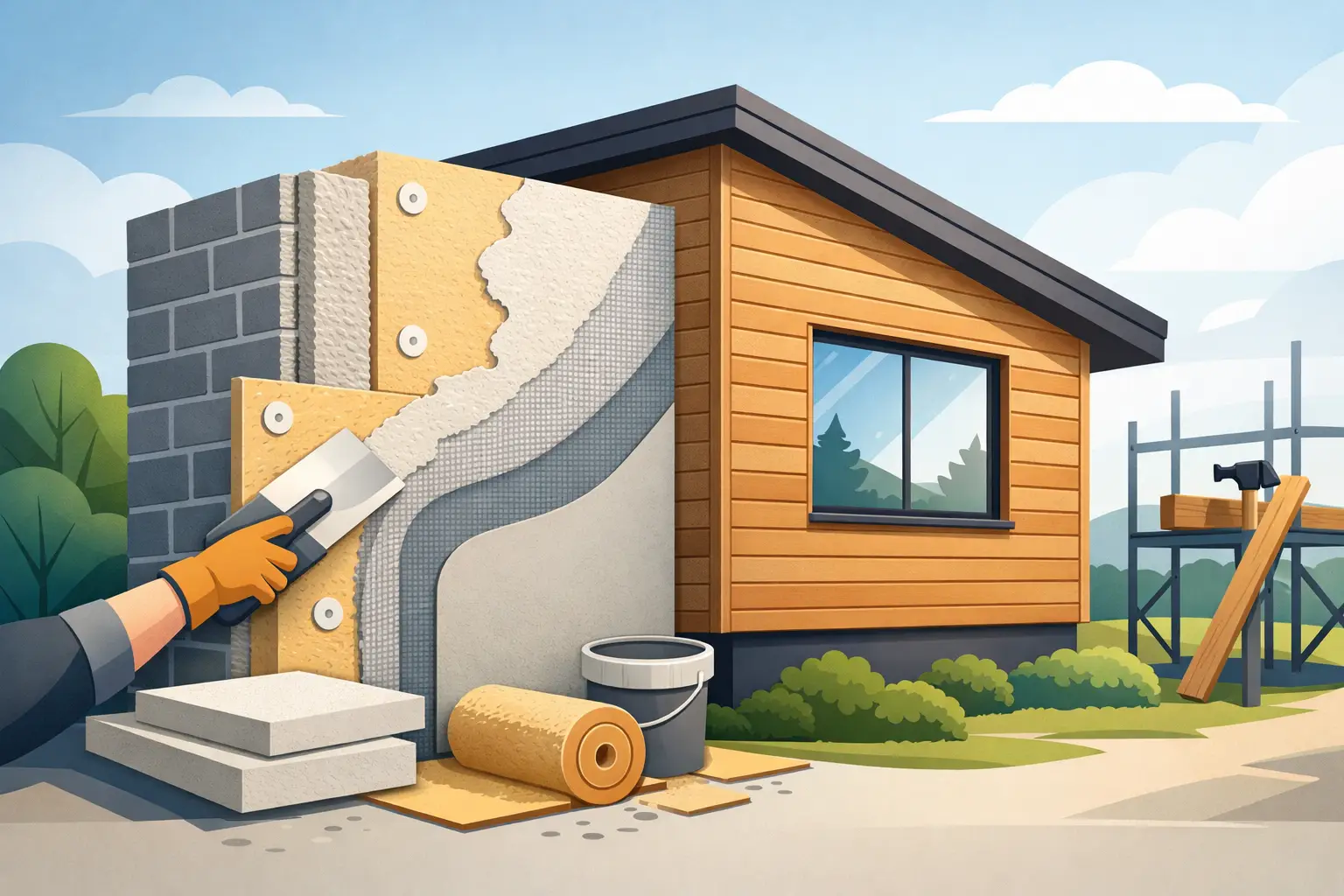
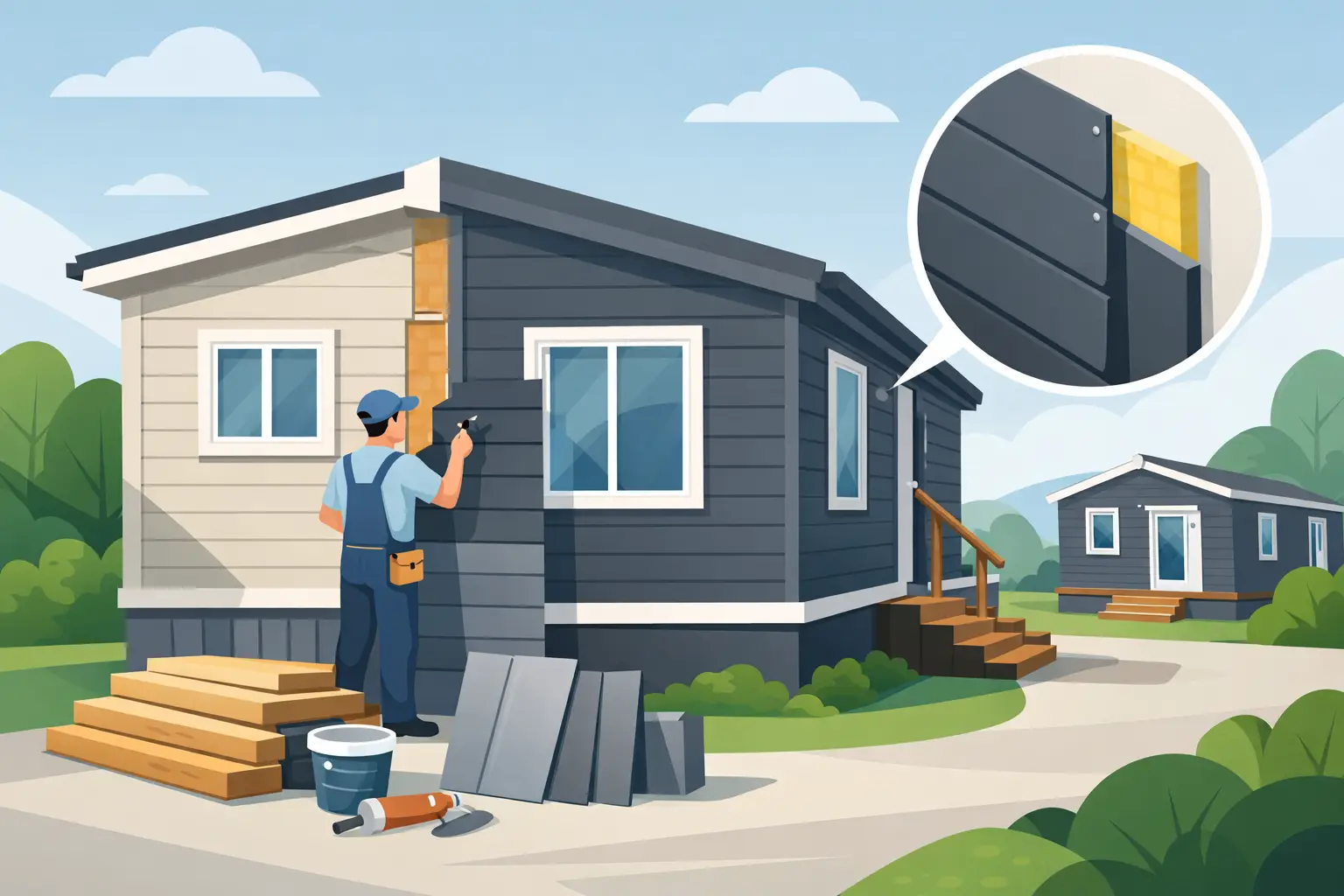
Faded, cracked or weathered cladding can make a well-loved home look older than it is. More importantly, damaged external surfaces can allow rain and wind to reach the layers beneath. Refurbishment may involve removing failed materials, repairing any affected areas and fitting durable new cladding with neat trims and properly finished details.
The visual difference can be striking. Clean lines, consistent colour and smart edging give the home a renewed appearance, while modern materials can reduce the need for regular painting and patch repairs. The right finish is not only about looks. It needs to suit the home, the site and the exposure to wind and weather.
If doors begin sticking, floors feel uneven or cracks appear around internal finishes, it is tempting to treat these as minor annoyances. They can, however, point to movement or issues with the support system. Replacing worn support jacks and carrying out chassis refurbishment where required helps ensure the home is properly supported.
This is one of the least visible parts of a project, yet it is often one of the most valuable. A sound chassis and correctly positioned supports provide the foundation for other improvements. There is little sense fitting a beautiful new bathroom or exterior finish without first addressing underlying structural concerns.
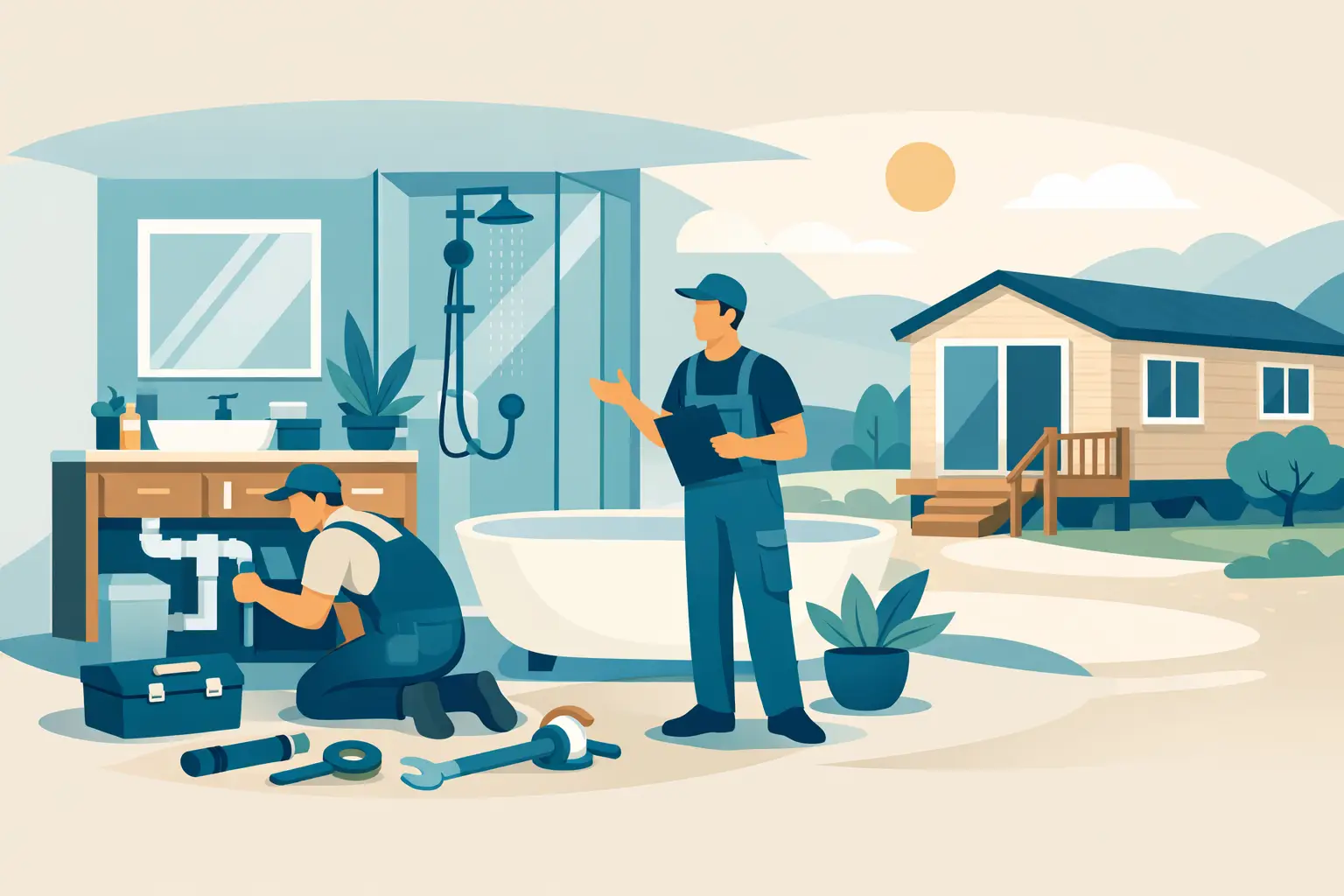
An outdated bathroom can be uncomfortable, difficult to clean and less practical than it should be. A well-planned replacement can improve storage, lighting, ventilation and accessibility without making the room feel cramped.
For many owners, a level-access shower, easy-to-use fittings and a sensible layout make day-to-day living easier. The work must also consider the park home’s plumbing arrangements and floor structure. Choosing suitable materials and fitting them correctly is essential in a compact room where every detail is noticeable.
The best refurbishment plans are based on condition, not a one-size-fits-all package. A newer home with a tired exterior may only need cladding and roof attention. An older home with cold floors, damaged skirting and movement concerns may benefit from a more complete programme of structural and thermal upgrades.
It is sensible to prioritise work in this order: safety and support, weatherproofing, insulation, then cosmetic improvements. This does not mean appearance should be left until last in every case. It means the home must first be stable, dry and protected before money is spent on finishes that could later need to be disturbed.
Owners should also think about how they use their home. A permanent resident may place the greatest value on year-round warmth and reduced heating demand. Someone preparing to sell may want to improve kerb appeal, maintenance requirements and buyer confidence. Often, the strongest result delivers both.
A clear written scope is valuable before work begins. It should explain what will be inspected, repaired, replaced and finished, as well as how any unexpected findings will be handled. Refurbishment can reveal concealed damage once old materials are removed. Honest communication at that point is a sign of good workmanship, not a cause for alarm.
Park homes are not simply small houses. Their materials, construction methods and support systems require knowledge built through regular hands-on work. The wrong repair method can create problems with moisture, ventilation, movement or future maintenance.
At New Look Park Homes Ltd, refurbishment work is approached with the full structure in mind, from the chassis and support jacks below to the roof and finishes above. This helps owners avoid piecemeal repairs that look good initially but fail to deal with the reason the problem developed.
Quality materials and careful fitting matter because a refurbishment is an investment in the years ahead. A good result should feel solid, look properly finished and give you confidence when the weather turns.
Once refurbishment is complete, simple ongoing checks will help protect the work. Keep gutters and drainage clear, look for signs of damage after severe weather, and deal with small defects before they become larger repairs. Maintain clear ventilation routes beneath the home, particularly where insulation and skirting improvements have been made.
Take photographs before, during and after the work, and retain details of the materials used. These records are useful for future maintenance and can provide reassurance to a prospective buyer. More than that, they show the true scale of the change: a park home that is warmer, safer, smarter and ready to be enjoyed with confidence for years to come.