A brown mark on a ceiling panel, a damp smell in a cupboard or water appearing after heavy rain can be worrying signs for any owner. But what causes park home roof leaks is not always obvious from inside the home. Water can travel along roof timbers, insulation or internal linings before it becomes visible, so the stain you can see may be some distance from the actual fault.
Park homes have different construction details to a conventional brick-built house. Their roofs are often lighter in construction, may have a lower pitch, and use materials and junctions that need specialist attention. Finding the source early protects the roof structure, insulation and interior finishes, and can prevent a manageable repair becoming a much larger refurbishment job.
A roof leak is rarely caused by one dramatic event alone. More often, weathering, small movements and neglected maintenance gradually create a route for rainwater. The following faults are among the most common causes seen on older and newer park homes alike.
Every roof covering has a working life. Felt can crack, blister or lift at its edges; roof coatings can become thin or brittle; and metal sheets can corrode, split or develop failed overlaps. Constant exposure to rain, frost, sunlight and wind gradually takes its toll.
Small splits are particularly deceptive. They may only admit water during wind-driven rain, which can make the problem seem intermittent. A coating applied over a surface that was not properly cleaned, prepared or repaired may also fail prematurely. The covering can look acceptable from ground level while allowing water through at vulnerable points.
Where two sections of roof meet, the joint is often more vulnerable than the main roof surface. Seams, laps, trims and flashings must shed water away from the building. If sealant has dried out, a lap has lifted or a flashing has come loose, rain can be drawn beneath the covering.
This is especially common around roof edges, where the roof joins a wall, and where additions such as porches or extensions meet the original home. These areas experience movement and are exposed to wind. A patch may stop water temporarily, but if the underlying joint has deteriorated, a longer-lasting repair may require the section to be properly renewed.
On roofs with metal sheeting or panels, each fixing point needs to remain watertight. Over time, screws can loosen and their sealing washers can perish. Corrosion around a fixing hole can enlarge the opening, allowing water to enter beneath the sheet.
Replacing an individual fixing can be straightforward where the surrounding material remains sound. If there are many failed fixings, widespread corrosion or distorted panels, it is usually a sign that the roof needs a more thorough assessment rather than a series of isolated repairs.
Not every apparent roof leak begins in the roof itself. Blocked gutters, overflowing downpipes and damaged gutter brackets can cause rainwater to back up against the roof edge or fascia. During a downpour, that water may find its way behind trims and into the structure.
Leaves, moss and debris are common culprits, particularly where trees are nearby. Gutters should be cleared regularly, but it is equally important to check that they have the correct fall towards the outlet. A clean gutter that holds standing water or spills over at one point may need realignment or replacement.
Anything that passes through a roof creates a potential weak point. Vent pipes, flues, extractor outlets, aerial brackets and solar cable entries all need suitable flashing and weatherproof seals. These seals can crack with age or pull away slightly as the roof moves through seasonal temperature changes.
A leak around a penetration may only show up in a particular room, such as the bathroom or kitchen. Do not assume the fitting itself is the issue. The fault may be in the flashing beneath or around it, where rainwater is getting past the outer surface.
Strong winds can lift trims, loosen ridge sections and damage roof sheets or felt edges. Heavy rain then exploits even a small gap. Fallen branches can puncture a roof or dent a metal panel, while repeated wind movement can weaken seams that were already ageing.
After a storm, check the ground around the home for fallen pieces of trim or roof material, and look from a safe distance for anything visibly out of place. Avoid climbing onto a park home roof yourself. The structure, pitch and surface may not be designed for foot traffic, and an inspection is safer when carried out with the right access equipment and experience.
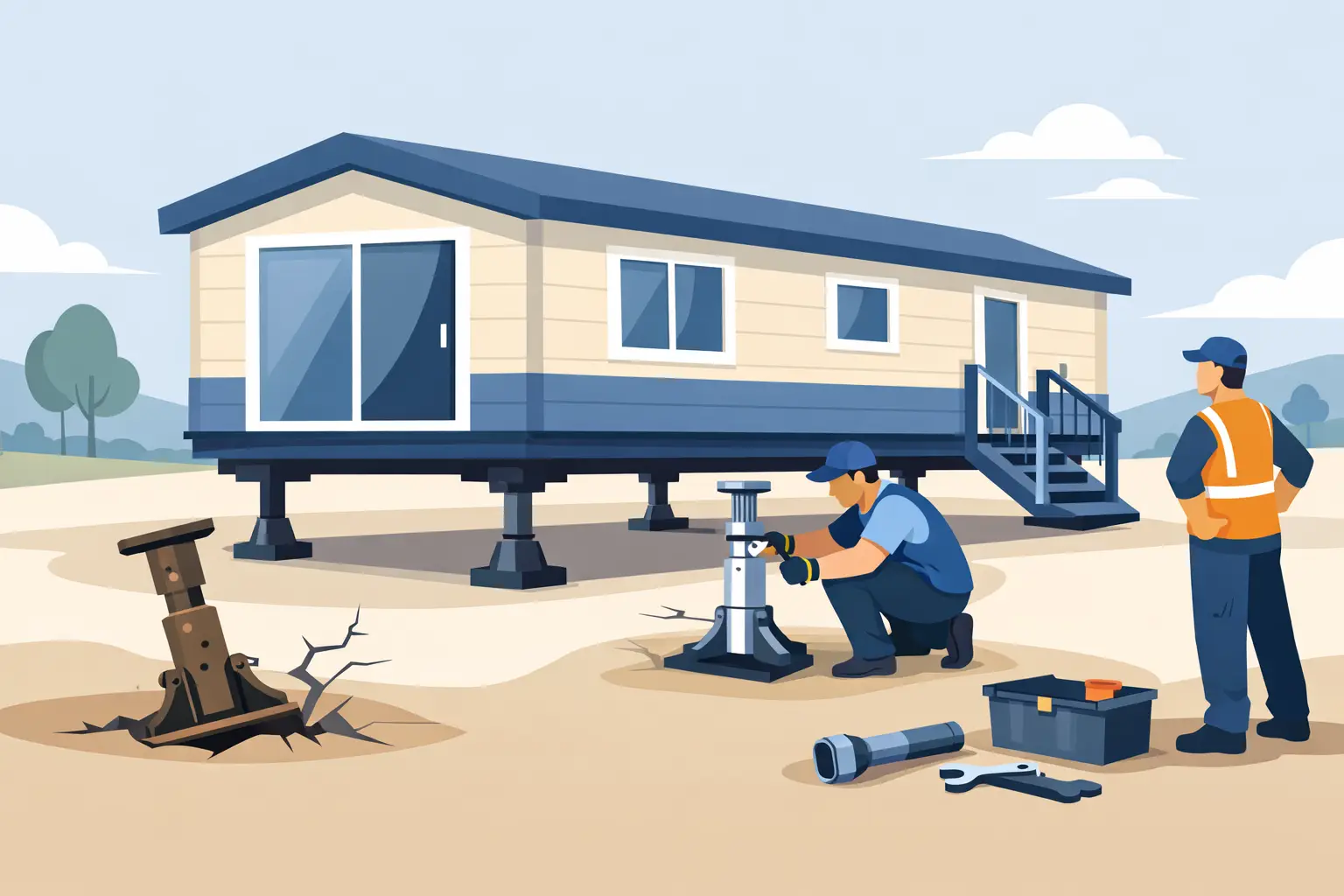
Park homes can experience minor movement over time. Changes in support jacks, chassis condition, ground settlement or poorly maintained base supports can affect how the structure sits. That movement may place strain on roof joints, flashings and seals.
This does not mean every leak indicates a serious structural issue. However, repeated leaking in the same area after repair, doors that begin sticking, new cracks in internal finishes or an uneven feel underfoot are all reasons to have the home assessed more broadly. Roofing, chassis supports and external cladding work together to keep a park home weatherproof and stable.
Water on ceilings or walls is not always rainwater. Poor ventilation, cold roof voids and inadequate insulation can lead to condensation, especially during colder months. Moist air from cooking, showering and drying clothes can condense on cold surfaces, leaving damp patches, mould or moisture within the roof space.
The pattern can help distinguish the two. A genuine roof leak is often worse during or shortly after rainfall and may be localised. Condensation is more likely to occur in cold weather, appear across a wider area and be accompanied by mould or excess moisture on windows. Both problems need attention, but the solution is different. Repairing a roof will not cure poor ventilation, while adding ventilation alone will not fix a split roof covering.
Water ingress does not always arrive as a drip. Look out for discoloured ceiling panels, peeling wallpaper, soft or swollen wallboard, musty odours, mould near ceiling lines, or a change in the feel of insulation. Outside, loose trims, cracked sealant, gutter overflow, rust marks and moss build-up can all point to a maintenance issue.
It is worth noting when the problem appears. Does it follow heavy rain from a particular direction? Is it only noticeable after snow or a prolonged wet spell? Does it worsen after using the shower? These details give a specialist a clearer starting point and can speed up diagnosis.
A leak repair should begin with identifying the route water has taken, not simply sealing the nearest visible crack. Water can enter at a roof edge and travel along a timber before staining a ceiling several feet away. Sealing the wrong location may hide the issue for a short time while moisture continues to affect the structure.
A proper park home roof inspection considers the roof covering, joints, ridges, edges, gutters, flashings and penetrations. It should also consider signs of trapped moisture and, where appropriate, the condition of supporting elements. This matters because damp timber and insulation can lose performance long before the internal damage becomes obvious.
The right repair depends on the condition of the roof as a whole. A localised split or failed seal may be suited to a targeted repair. Where the covering is extensively worn, repairs have been repeated or water ingress has affected several areas, roof refurbishment or replacement may offer better value over time. The cheaper option at the outset is not always the most economical if it means calling someone back after every winter.
Simple maintenance goes a long way. Keep gutters and downpipes clear, trim back overhanging branches where practical, and inspect roof edges and external trims from ground level after severe weather. Deal with loose sealant, damaged guttering and small external defects before they become entry points for water.
If you notice staining or damp indoors, move furniture away from the affected area where possible and avoid covering the evidence before it has been inspected. Photographs taken during rainfall, together with notes about the weather and location, can be useful when arranging a repair.
A dry, sound roof protects far more than the ceiling below it. It helps preserve warmth, prevents avoidable damage and keeps your park home comfortable through every season. When the cause is unclear or the problem keeps returning, a specialist assessment from an experienced park home contractor such as New Look Park Homes Ltd can provide the clear, practical answer needed before further damage takes hold.