A cold floor in winter, a roof that looks tired from the road, a bathroom that no longer feels safe or practical – these are often the first signs that repairs to park homes should not be put off. Unlike brick-built houses, park homes have their own structure, movement and insulation challenges. That means the right repair work is not just about appearance. It is about comfort, stability, energy efficiency and protecting the value of your home.
For many owners, the difficulty is not spotting that something needs attention. It is knowing what matters most, what can wait, and who actually understands how a park home is built. A general builder may be perfectly capable in other settings, but park homes need specialist knowledge. The construction is different, the materials are different, and the way problems develop is different too.
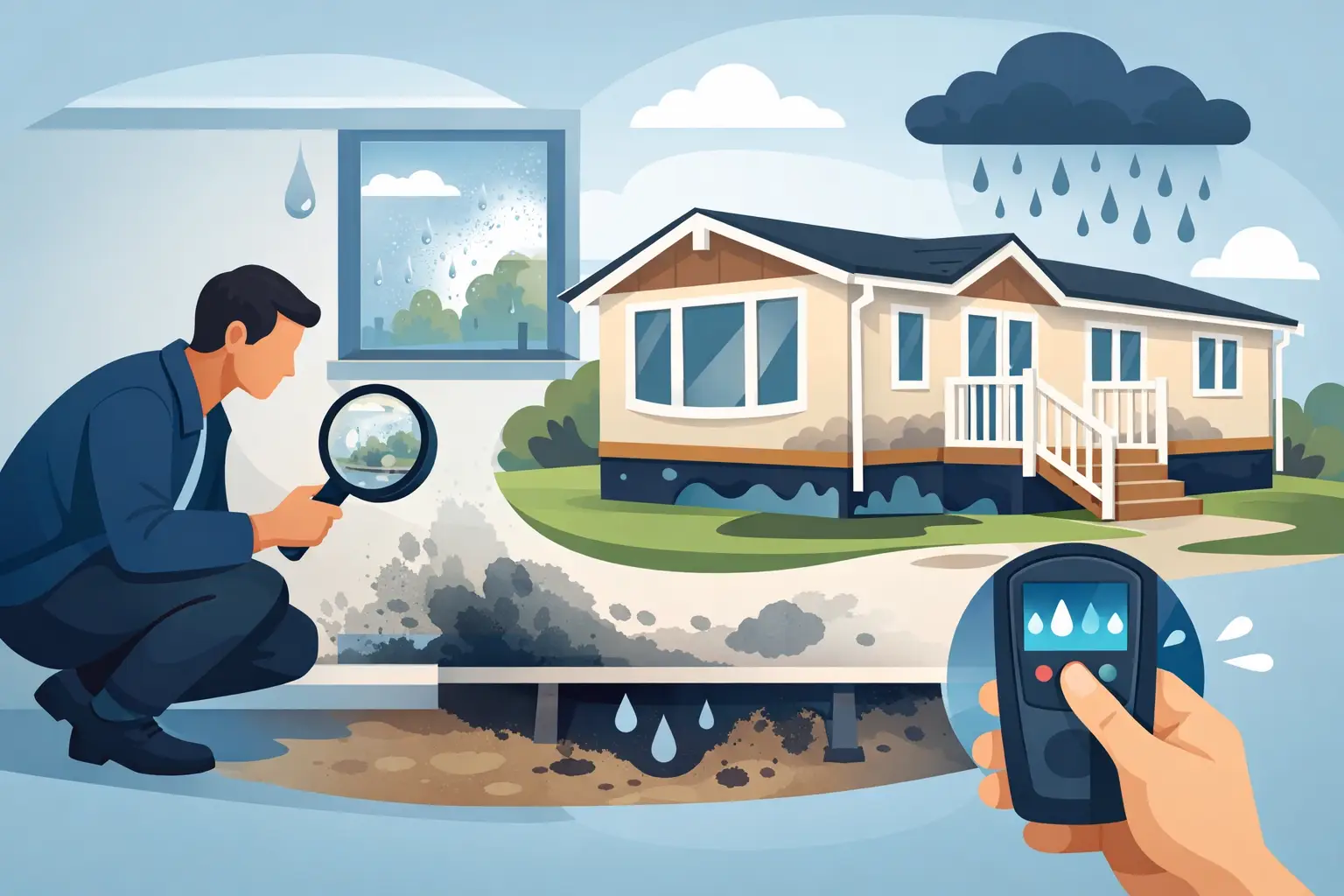
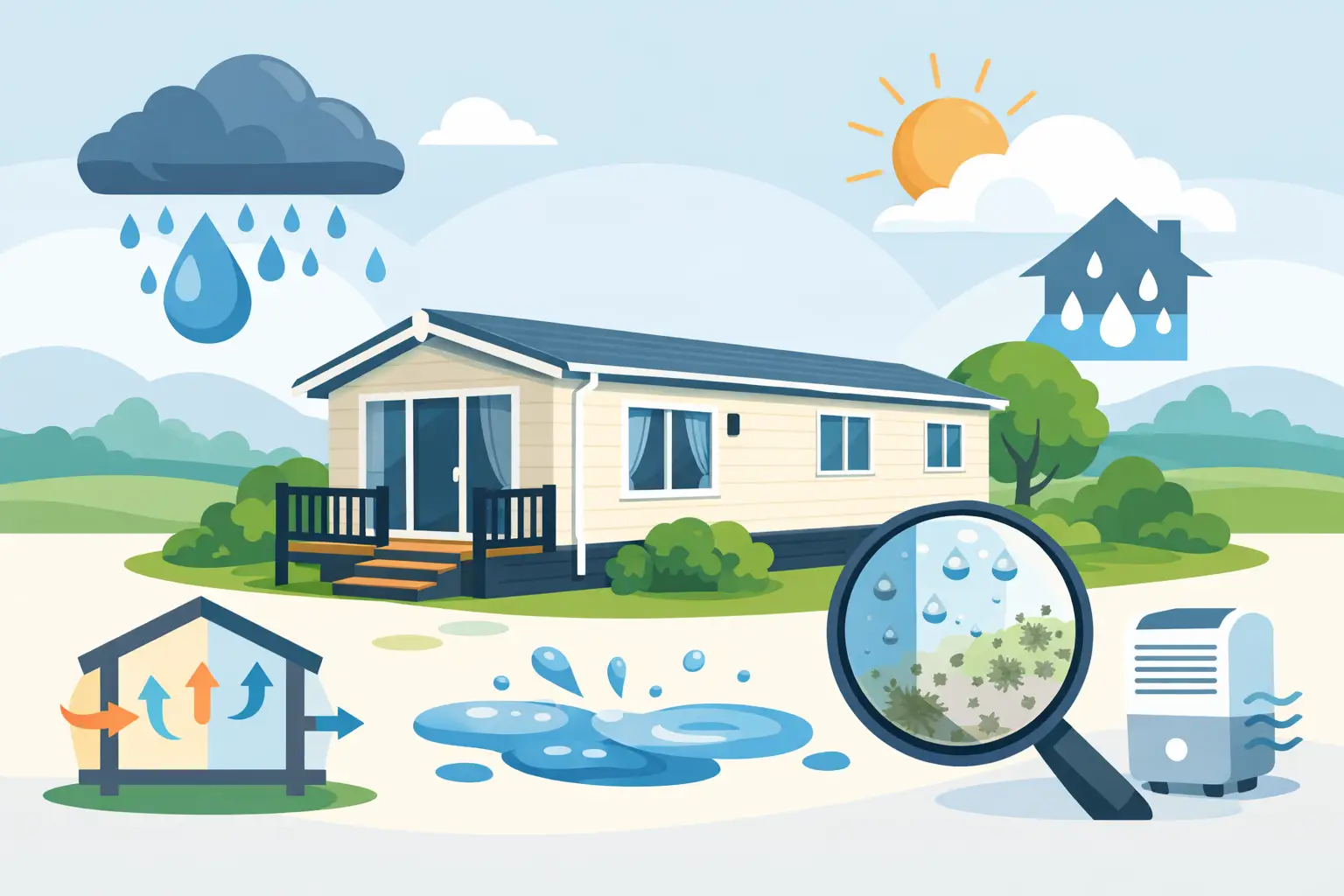
Park homes and static homes are exposed to weather from all sides. They can suffer from heat loss through the floor, movement over time, ageing cladding, roof wear, and problems around the chassis and support system. These issues rarely stay isolated for long. A minor weakness in one area often leads to a larger problem elsewhere.
Take a soft floor or a persistent draught. It may seem like a simple comfort issue, but it can point to failed insulation, water ingress or deterioration beneath the home. Likewise, cracks, unevenness or doors that no longer close properly may relate to support jacks or chassis condition rather than a cosmetic fault.
This is where specialist repair work makes the difference. The aim is not to patch over the symptom. It is to identify the real cause and carry out repairs that suit the structure of the home.
Most park home repairs fall into a handful of key areas, and each one affects day-to-day living in a very practical way.
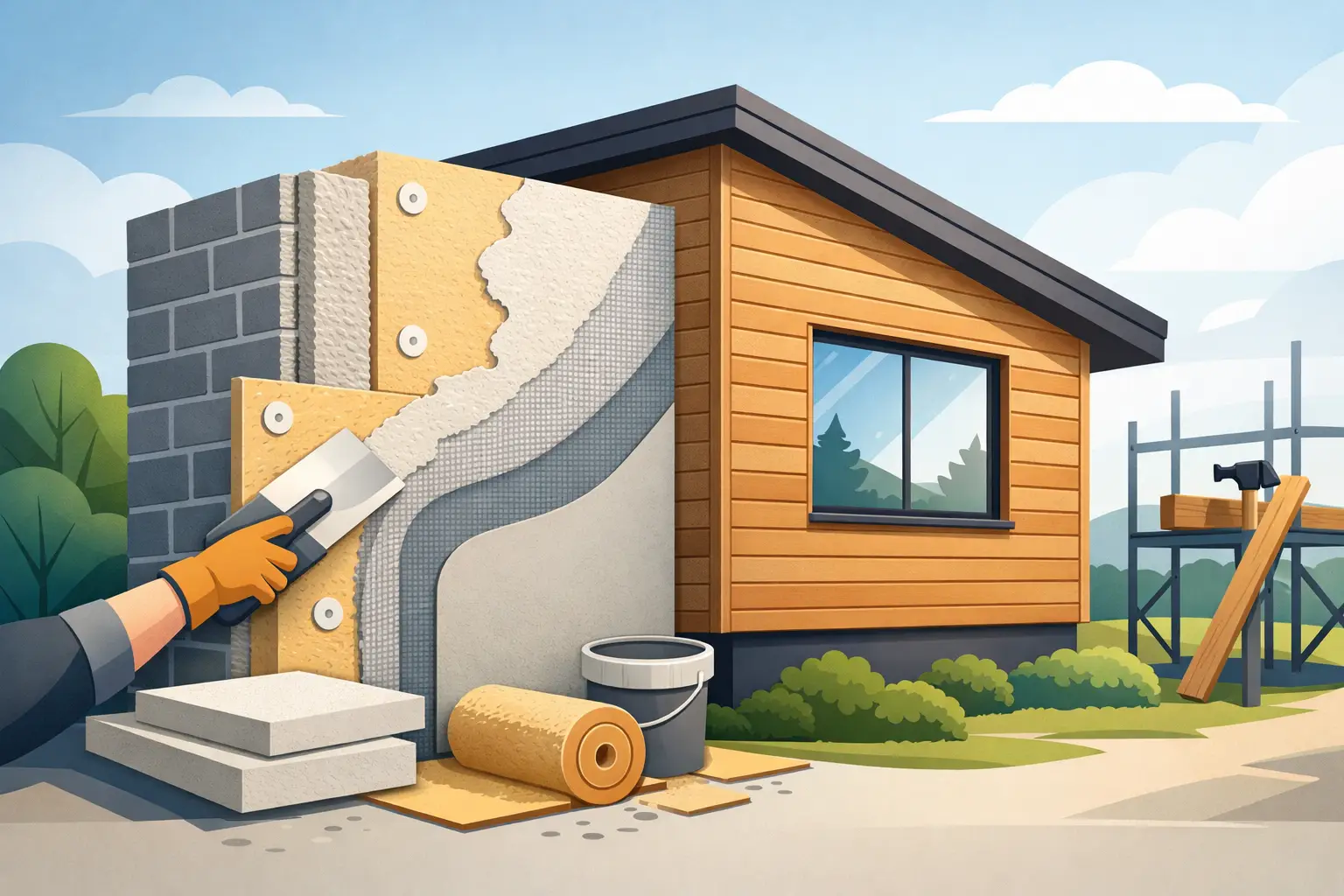
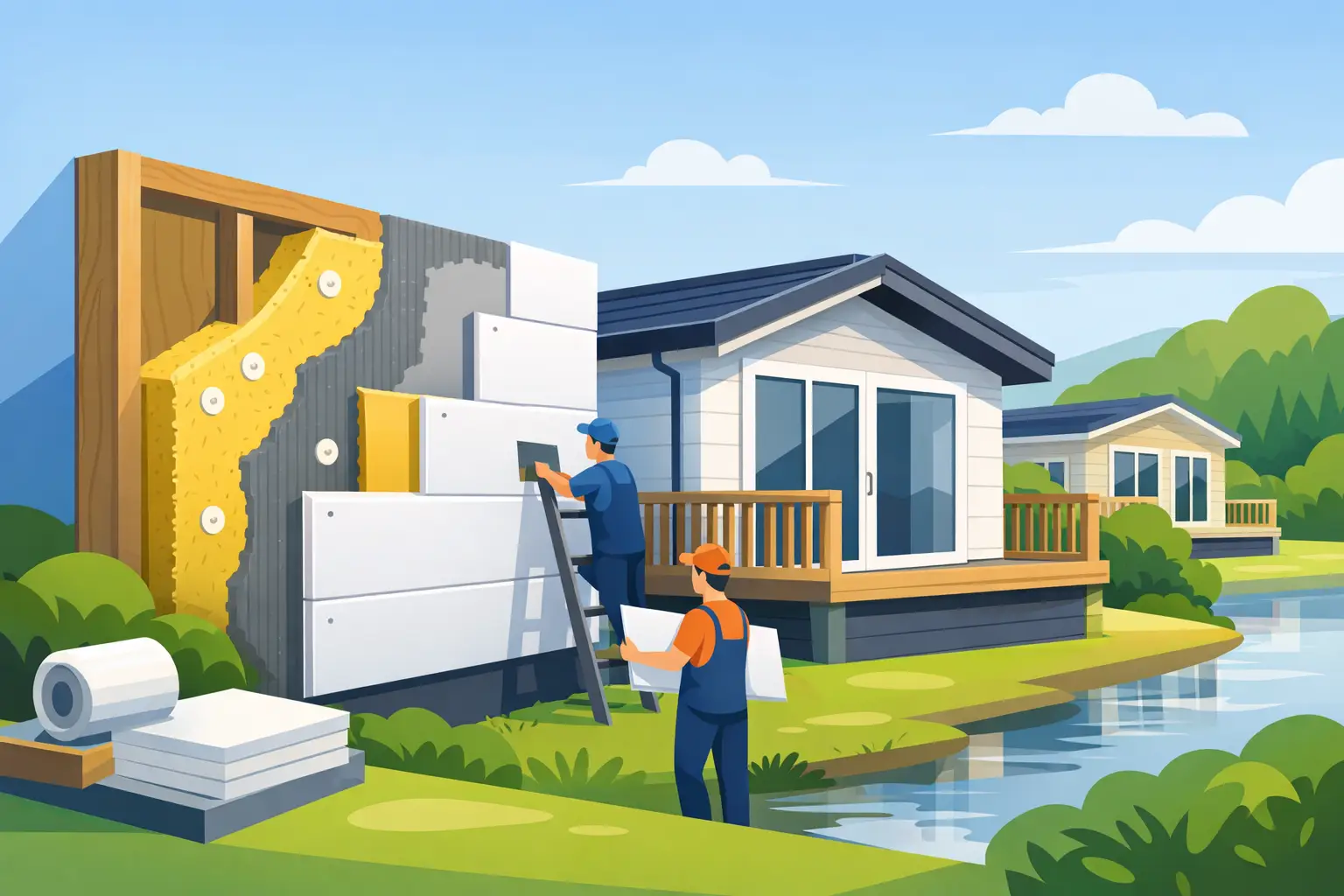
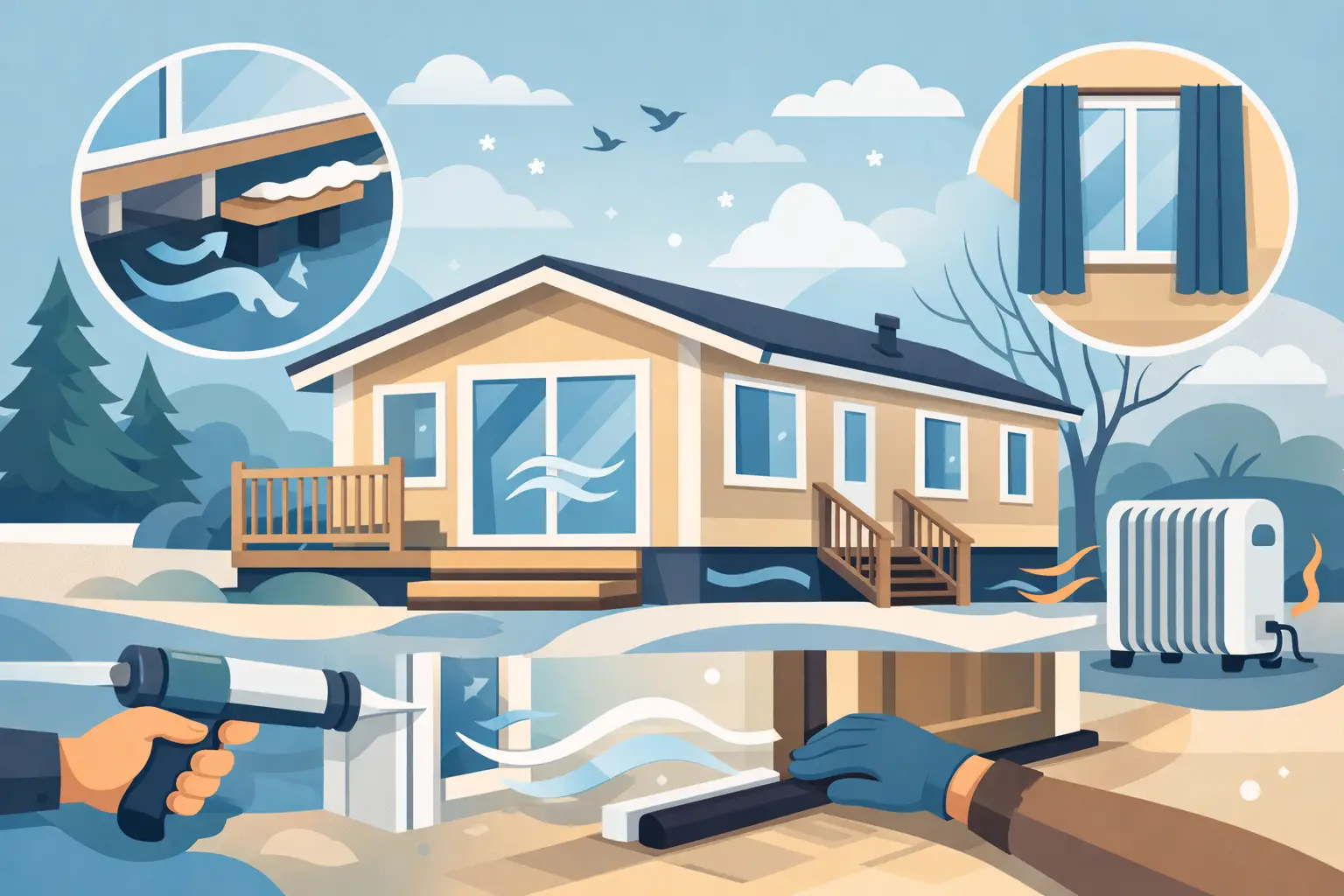
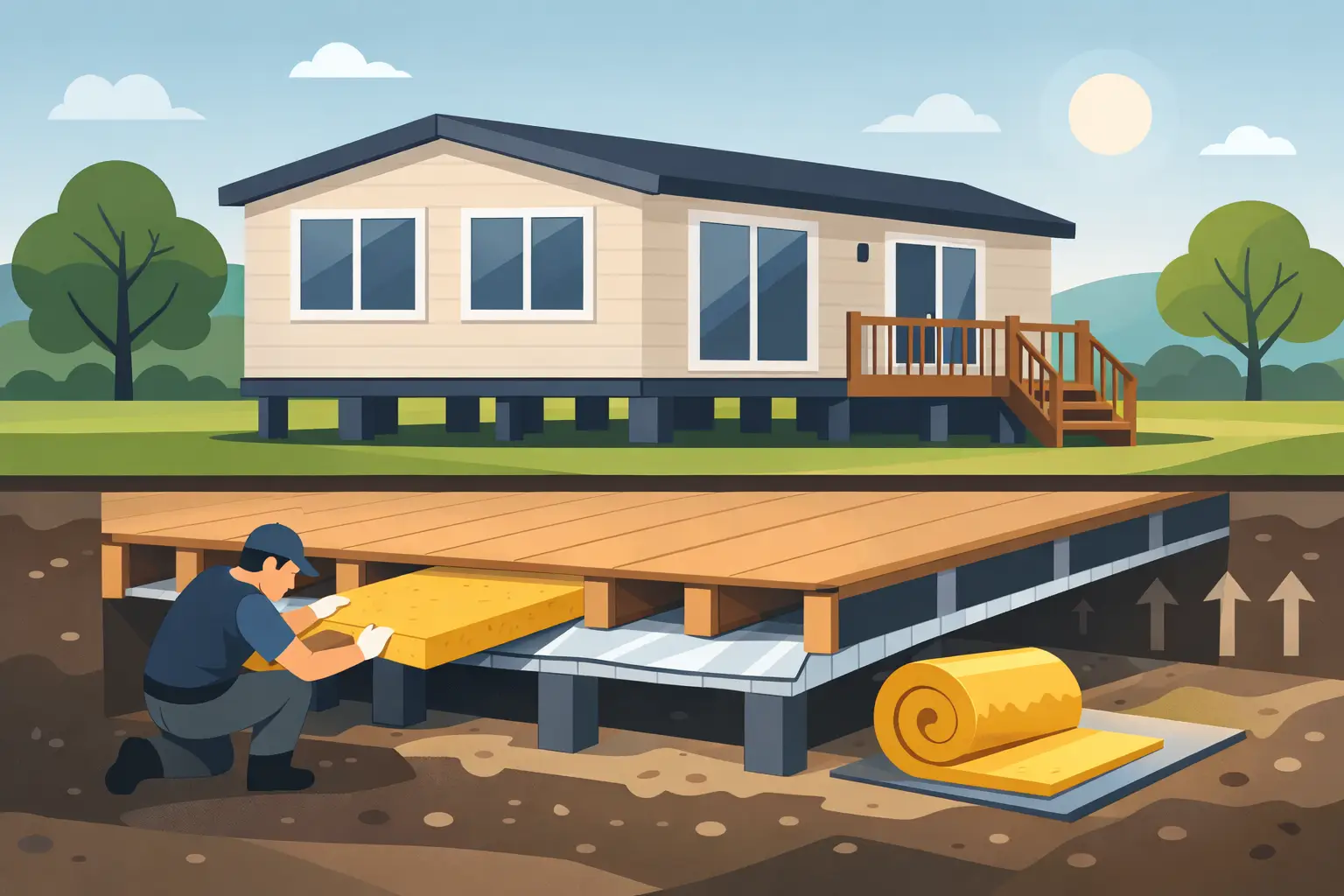
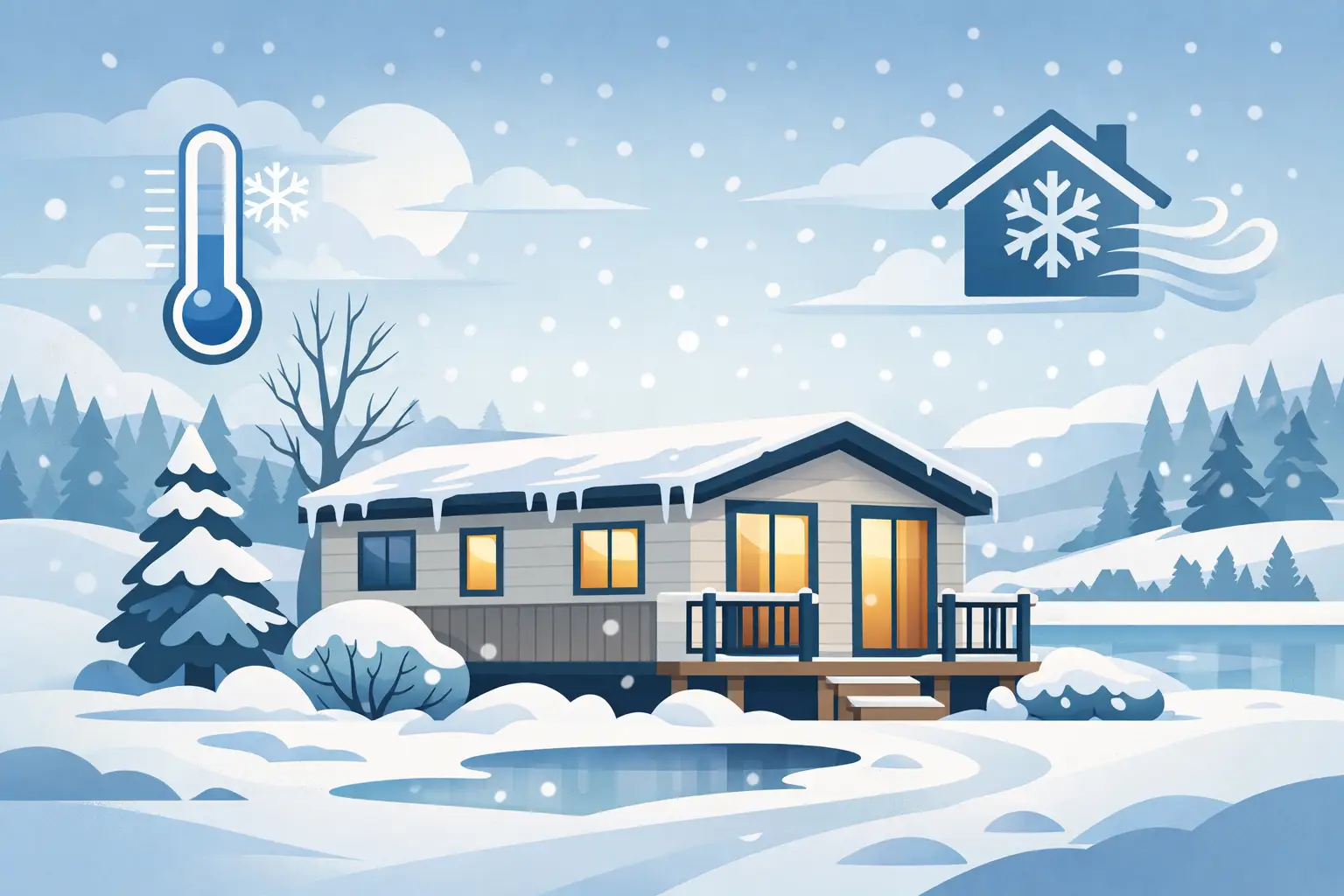
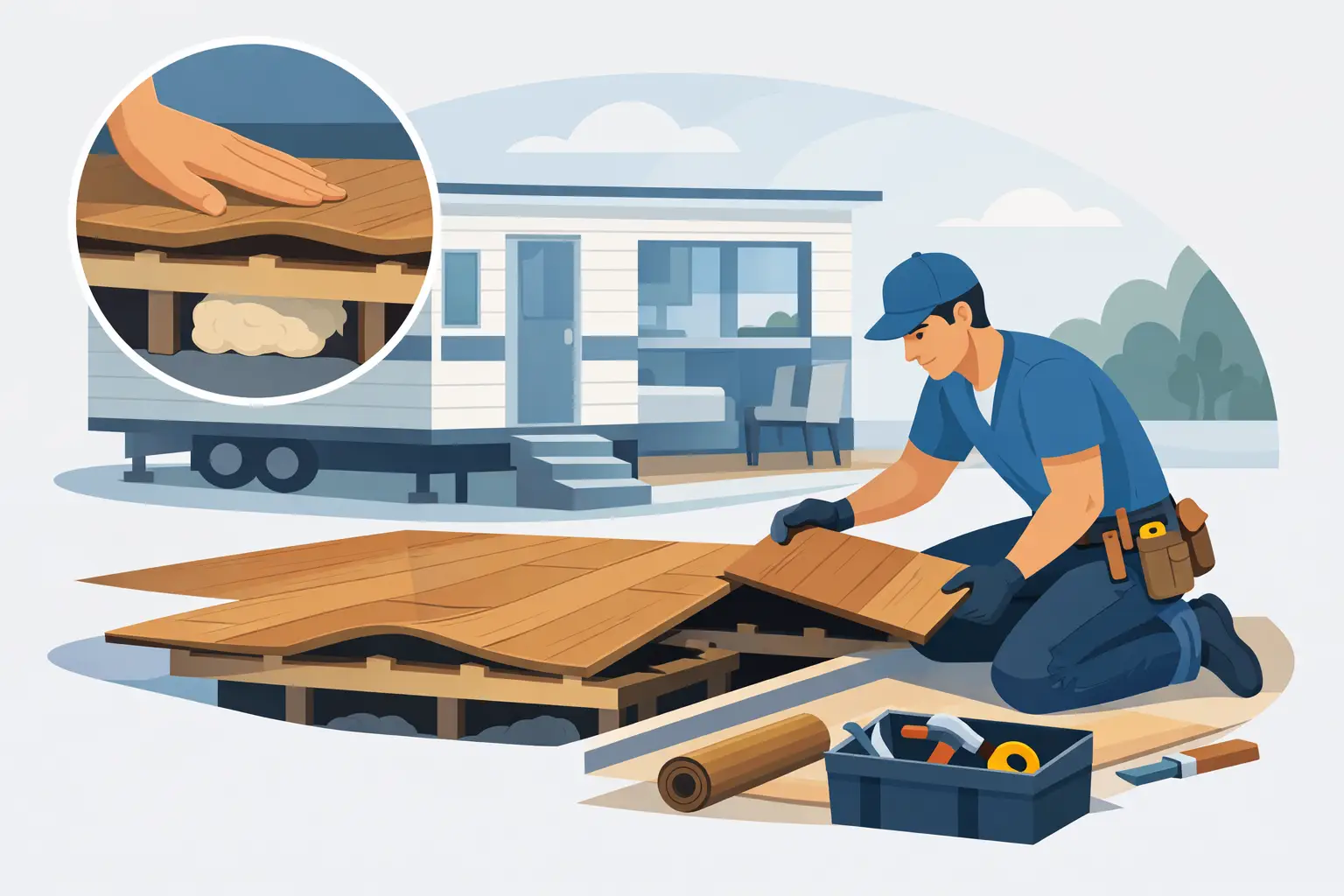
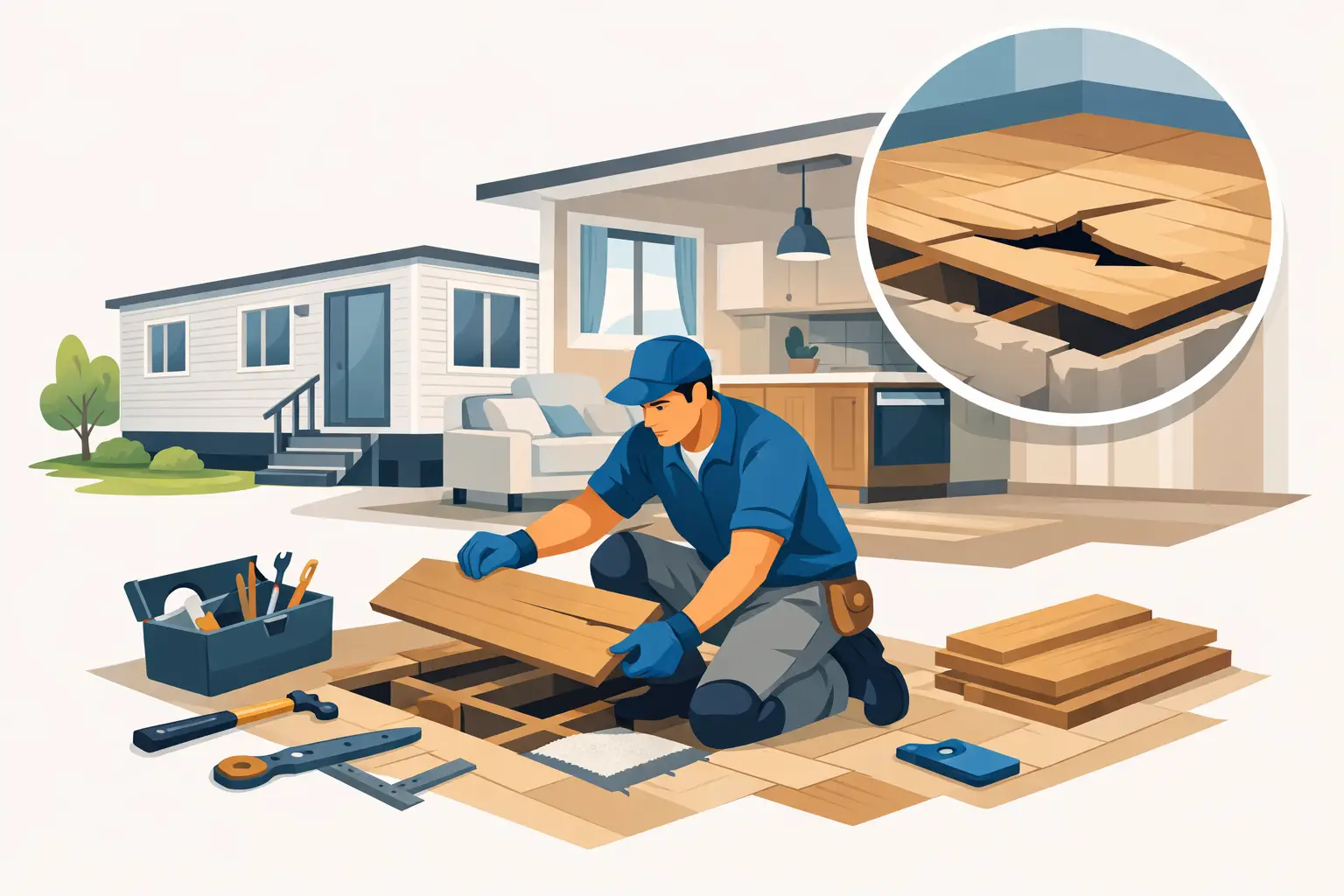
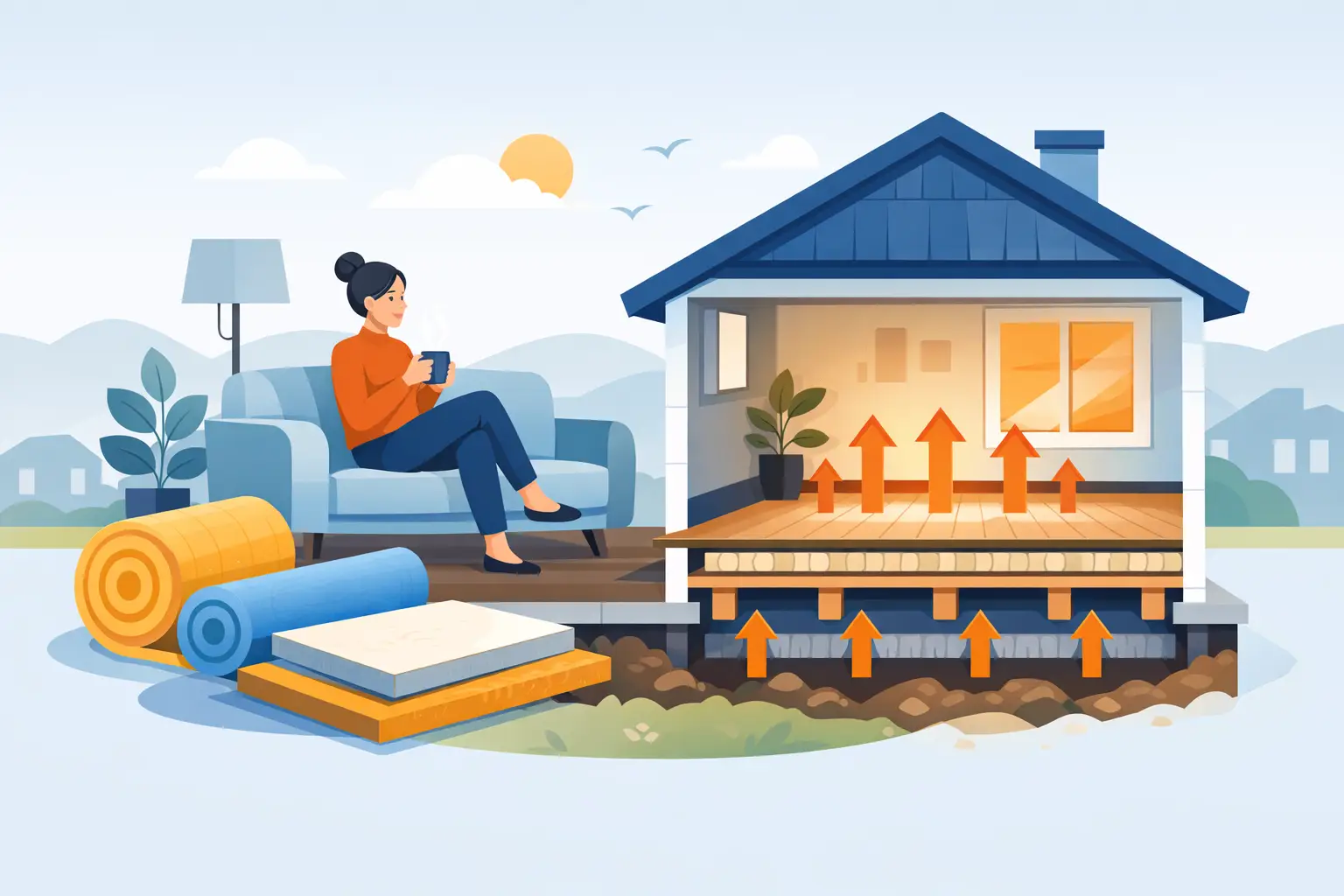
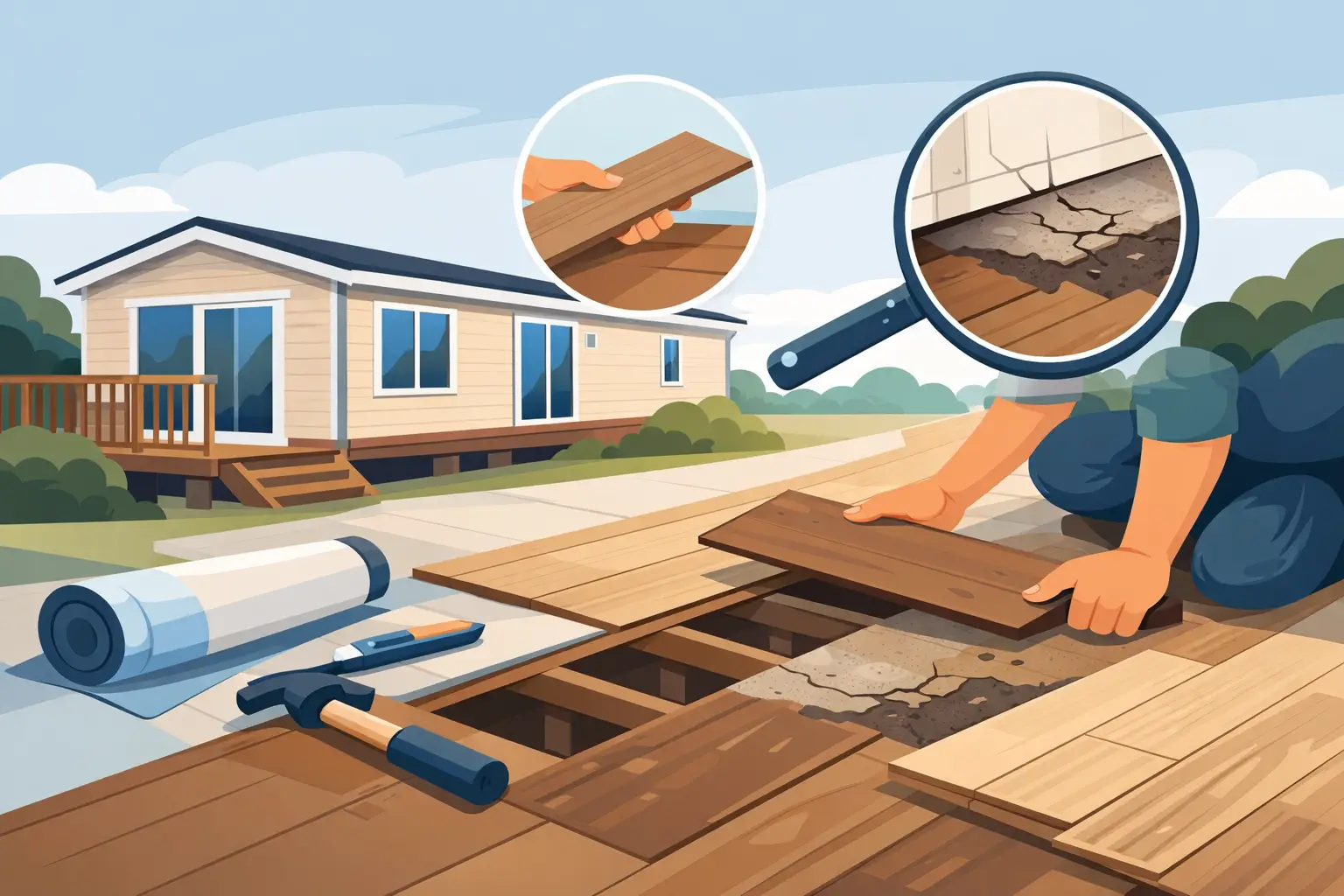
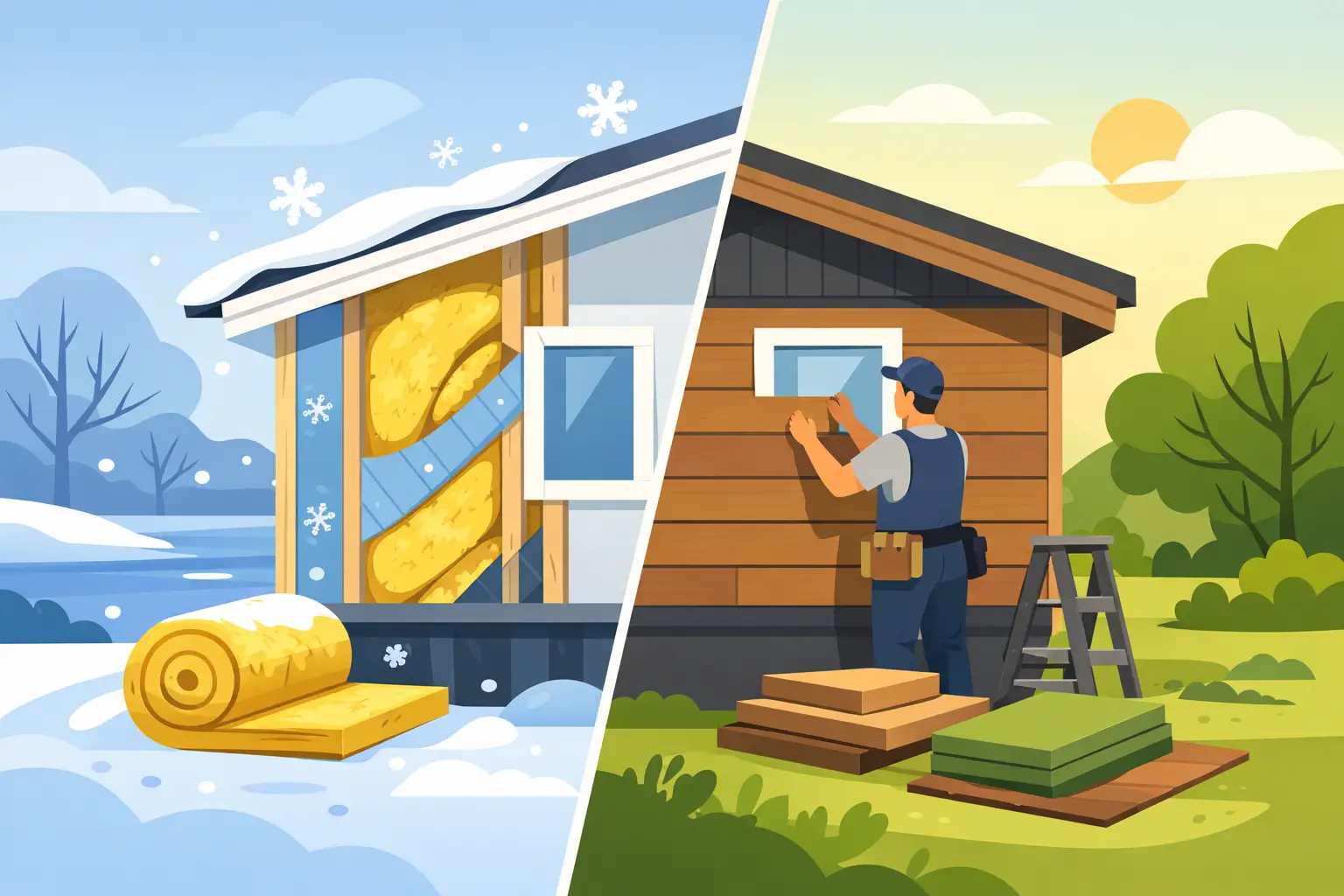
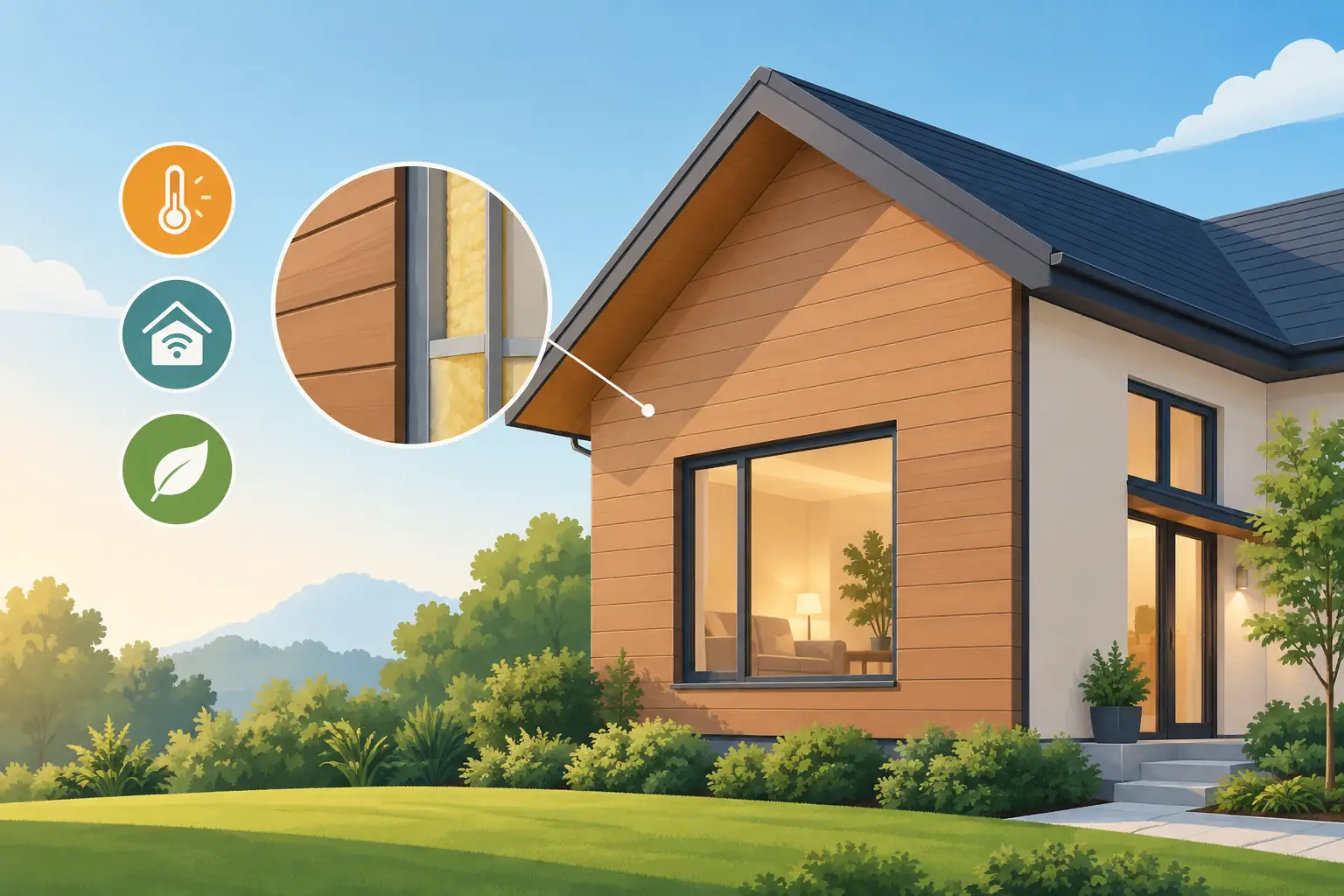
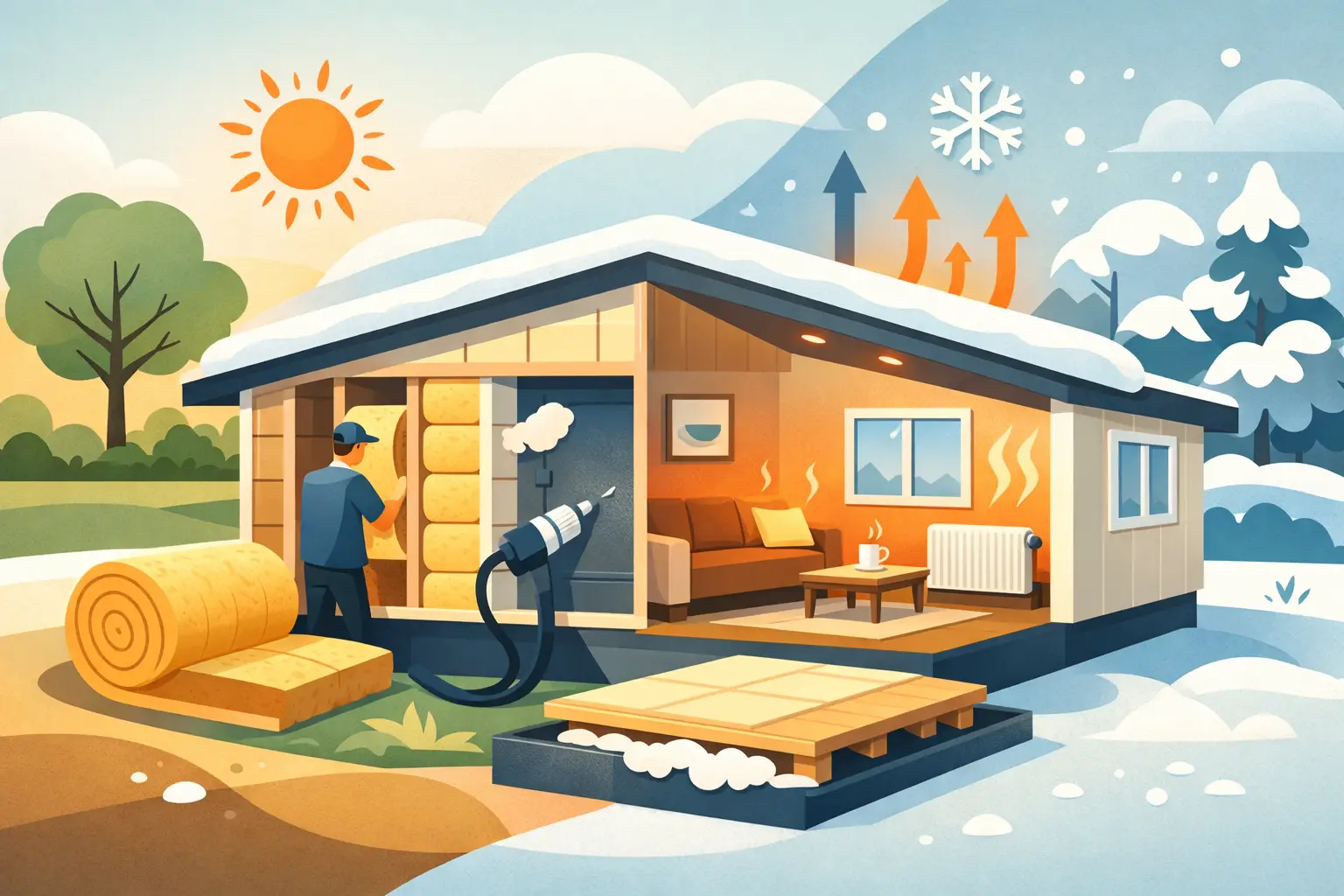
If your home feels cold underfoot, struggles to hold heat, or costs more to warm than it should, the floor is often the place to start. Underfloor insulation can degrade over time, become displaced, or simply fail to meet modern expectations for comfort and efficiency.
Repairing or upgrading this area can make a marked difference. Warmer floors improve comfort straight away, but there is also a longer-term benefit in reduced heat loss and less strain on your heating. In some cases, what looks like a heating problem is really an insulation problem.
There is a trade-off to consider. If insulation is replaced without addressing underlying moisture issues or damaged supports, the result may not last. Good repair work should always look at the full condition underneath the home, not just one element in isolation.
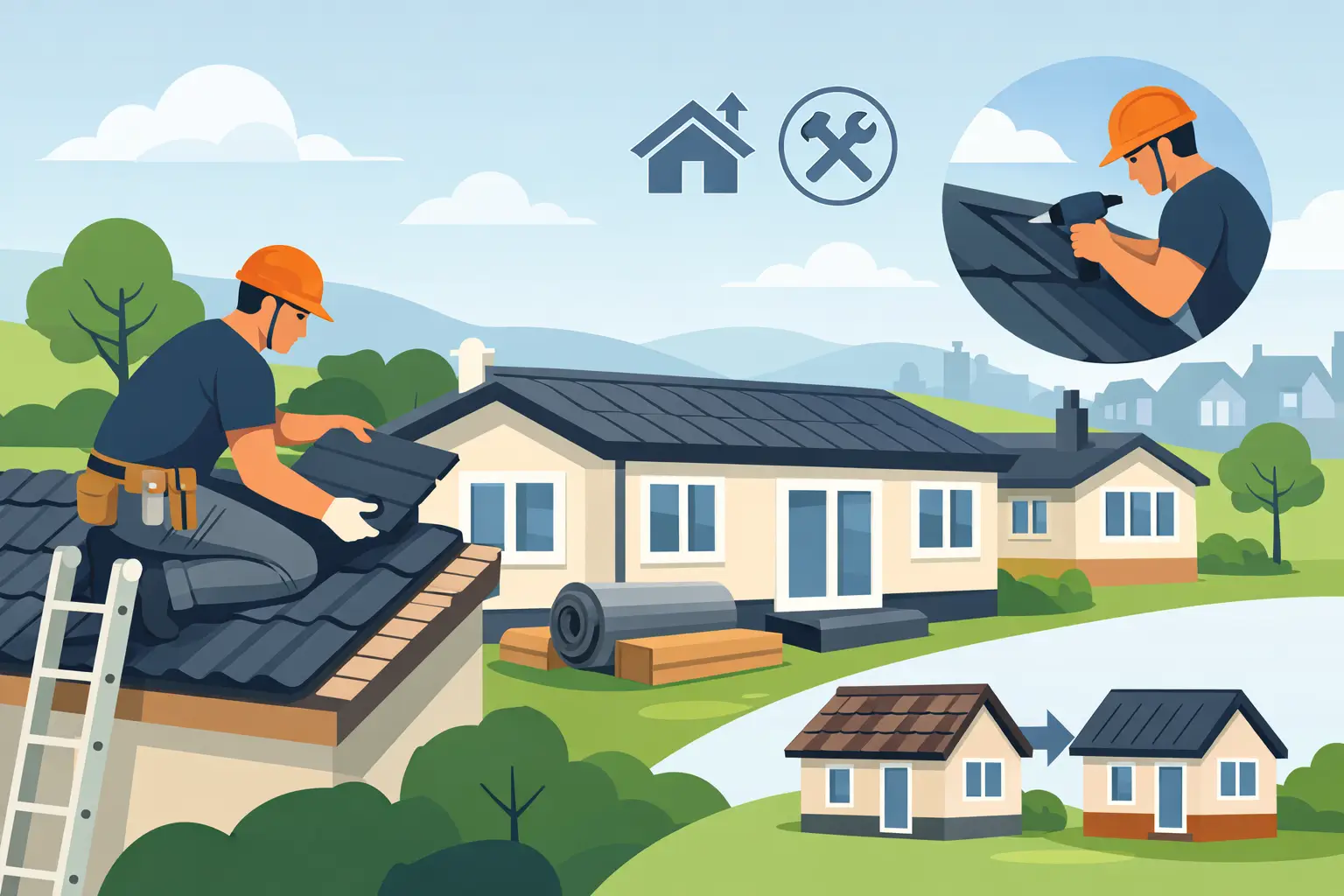
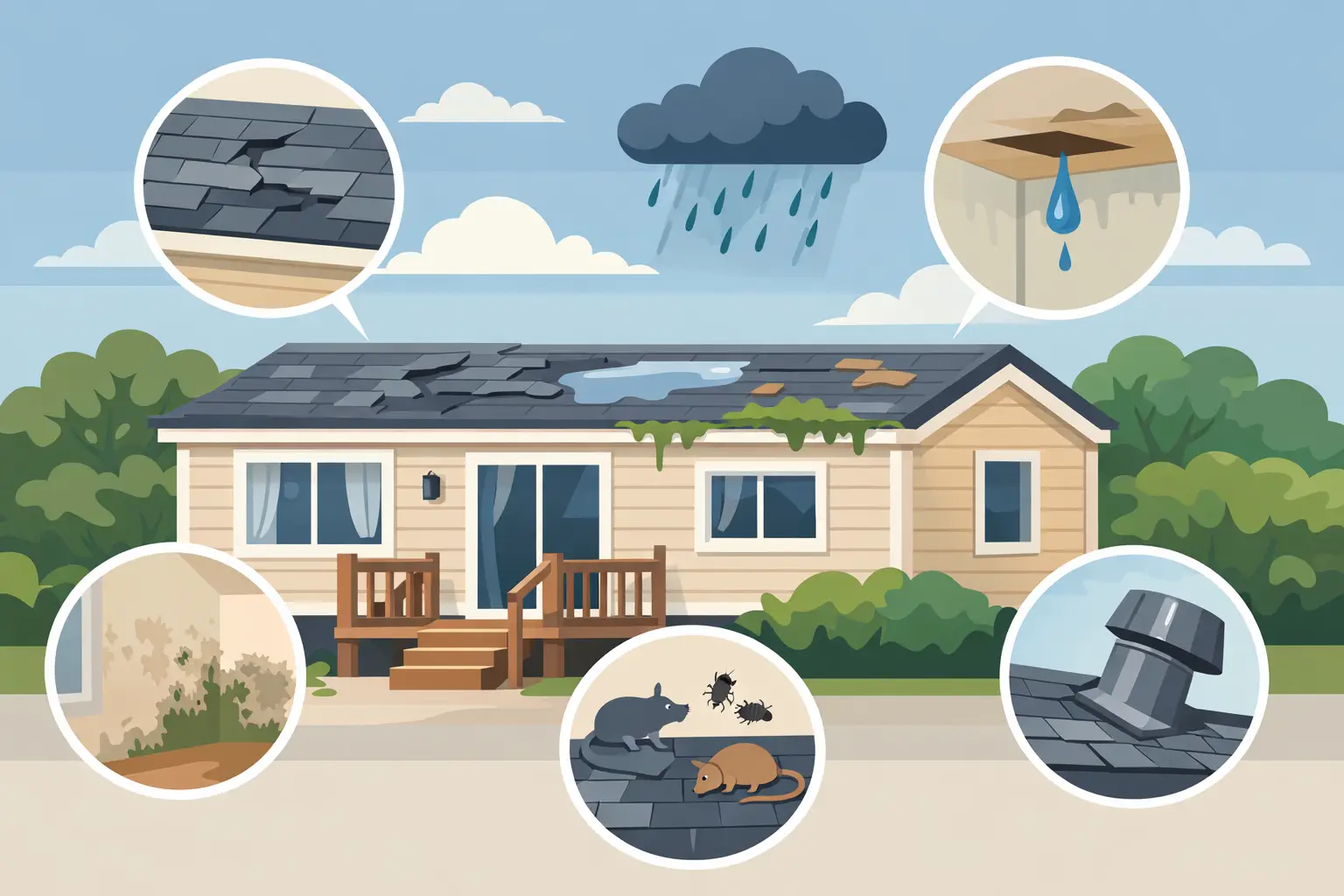
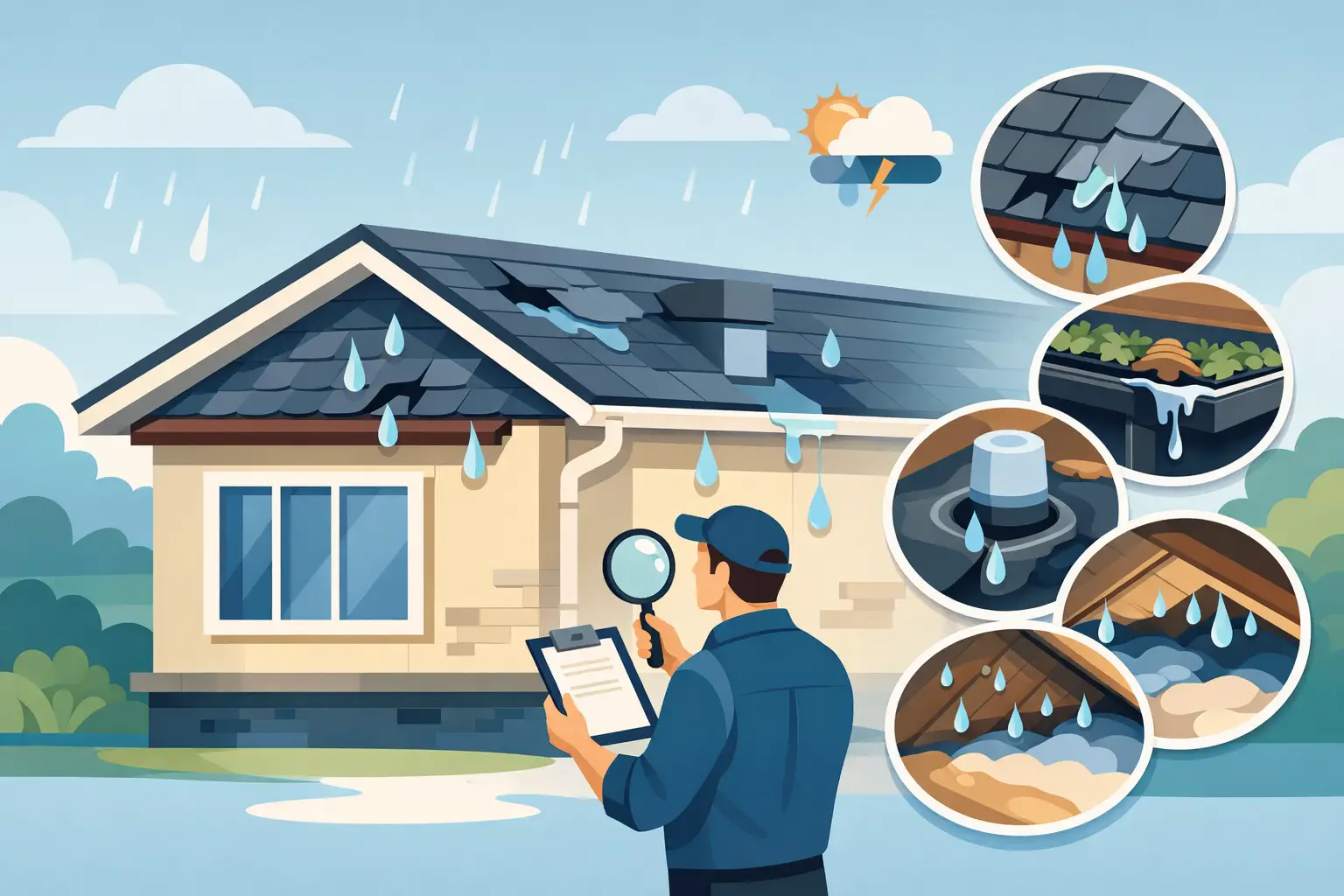
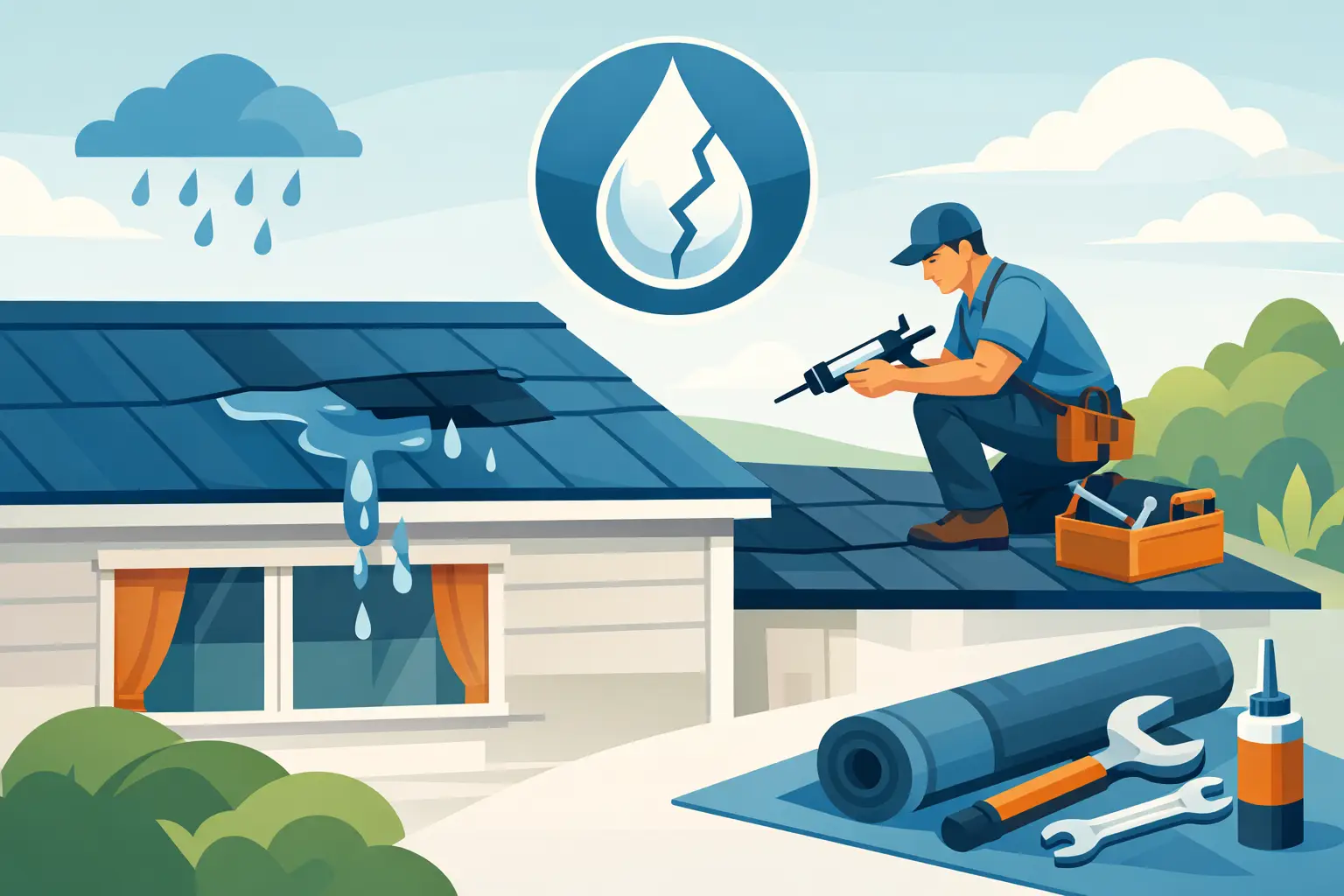
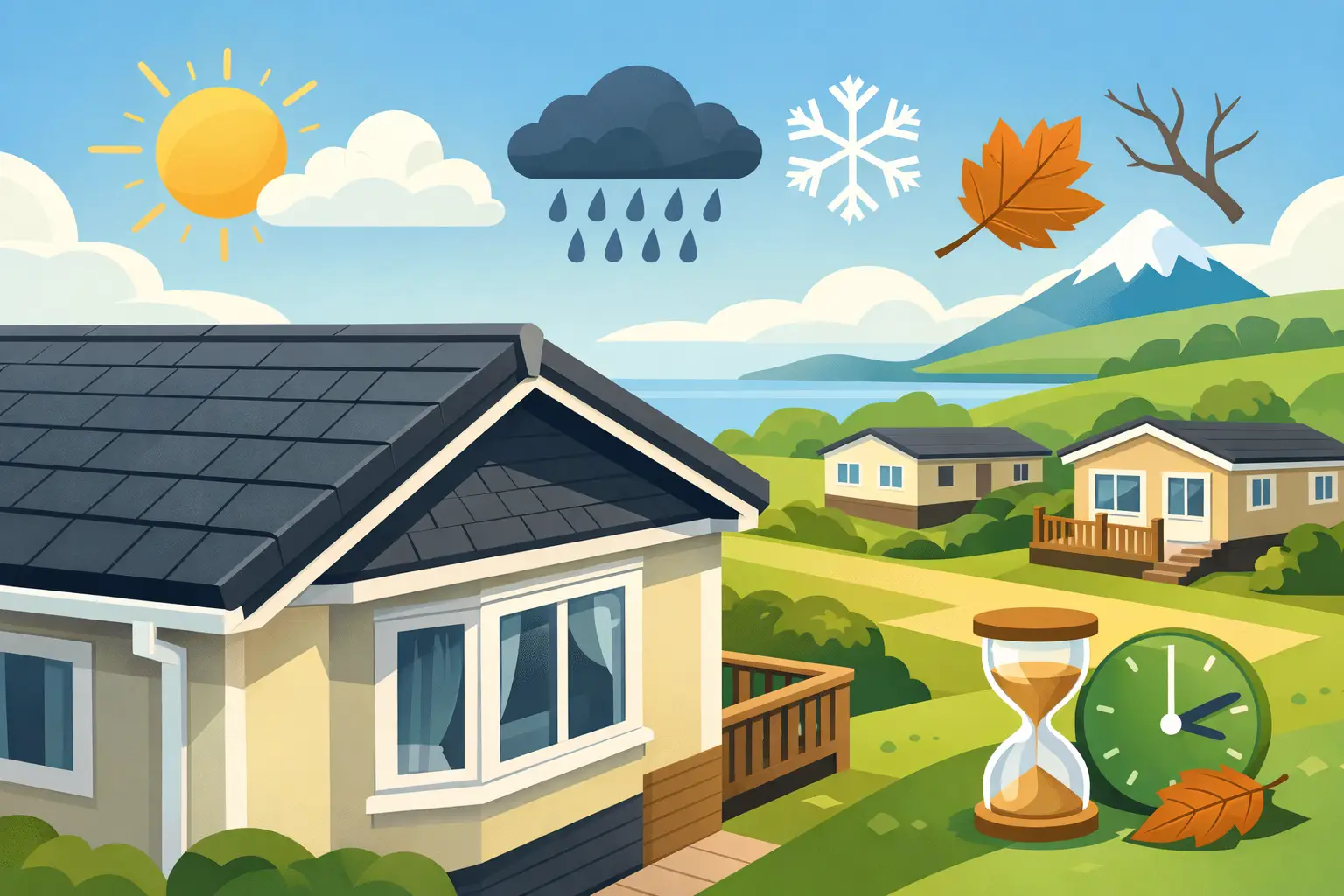
Roofs on park homes take a lot of punishment from the British weather. Over time, coatings can fail, seals can weaken, and small defects can allow water in. By the time a leak appears indoors, the damage may have been developing for some time.
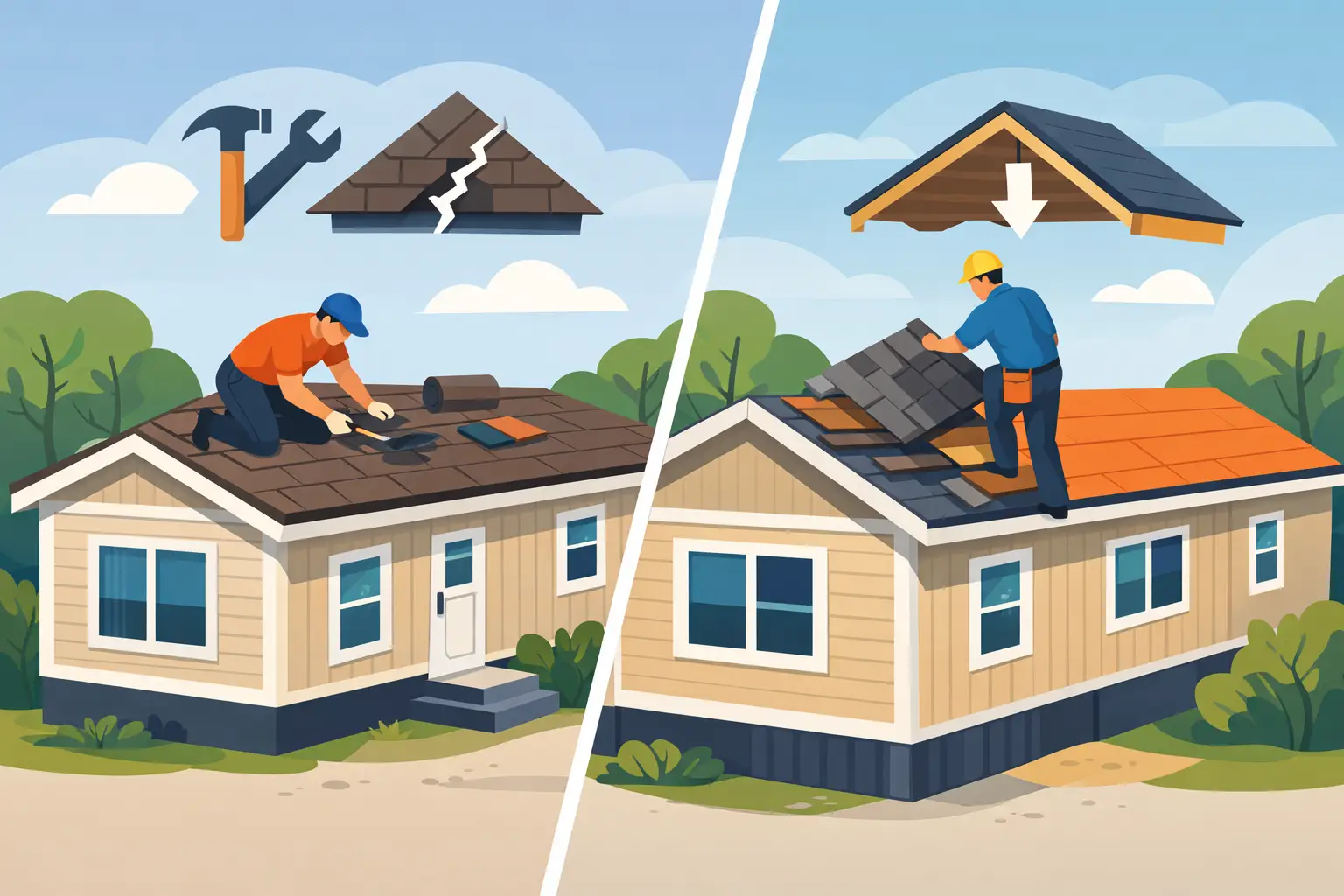
Roof repairs can range from dealing with localised defects to full replacement where the roof covering has reached the end of its serviceable life. The right option depends on age, condition and how widespread the problem is. A smaller repair can be cost-effective if caught early. If the roof is tired throughout, replacement is often the more sensible long-term decision.
A sound roof protects far more than the ceiling. It helps preserve insulation, internal finishes and the overall structure of the home.
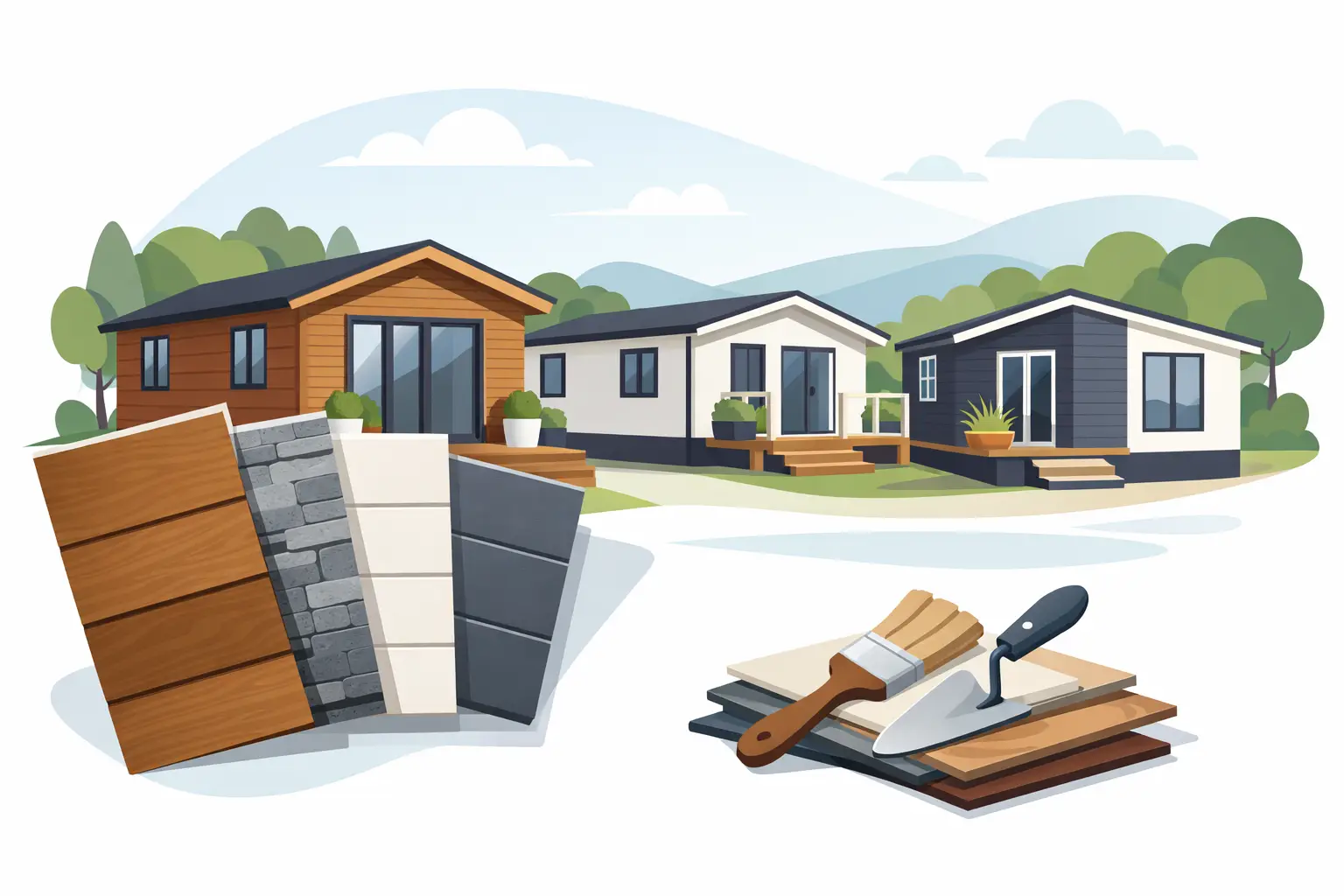
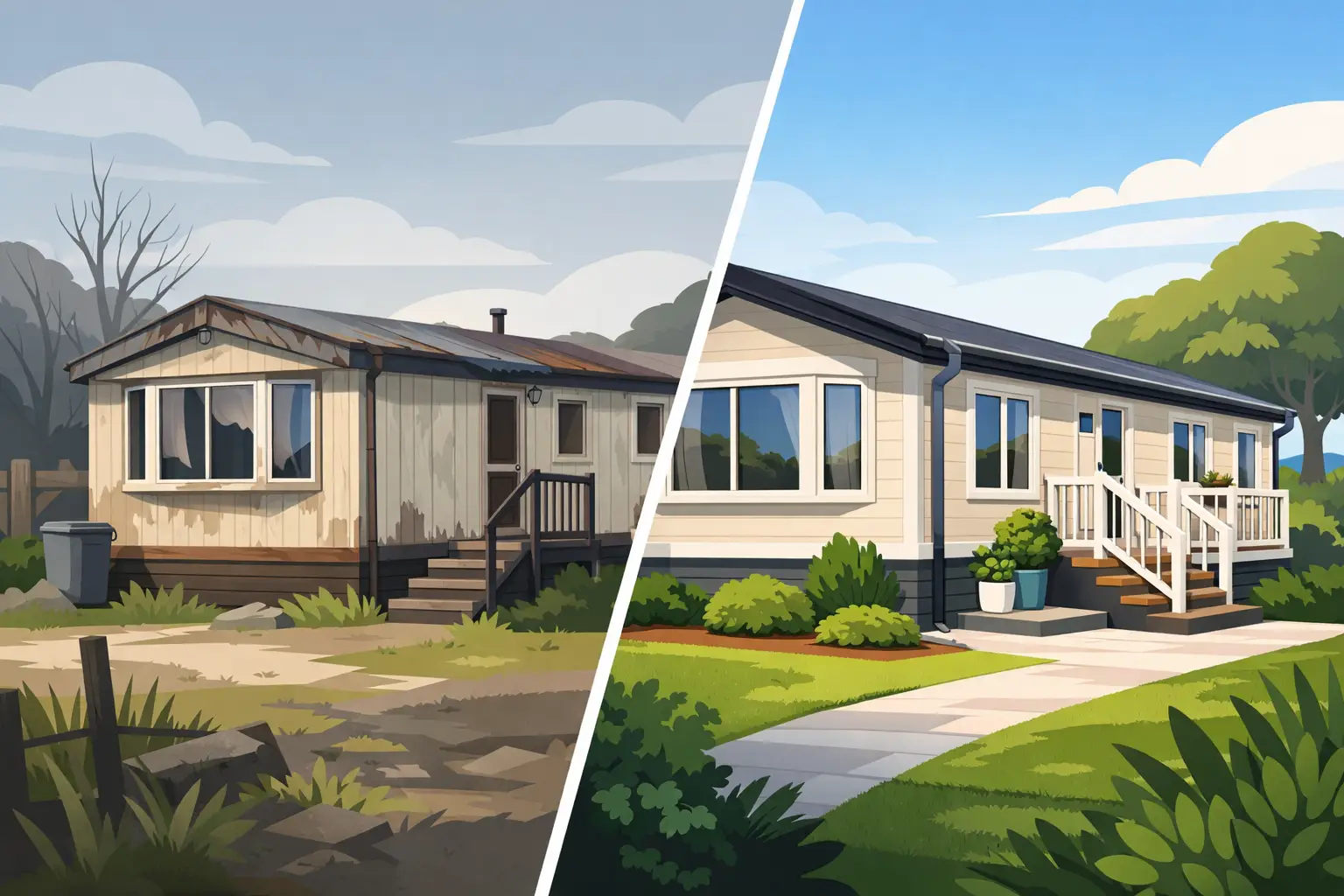
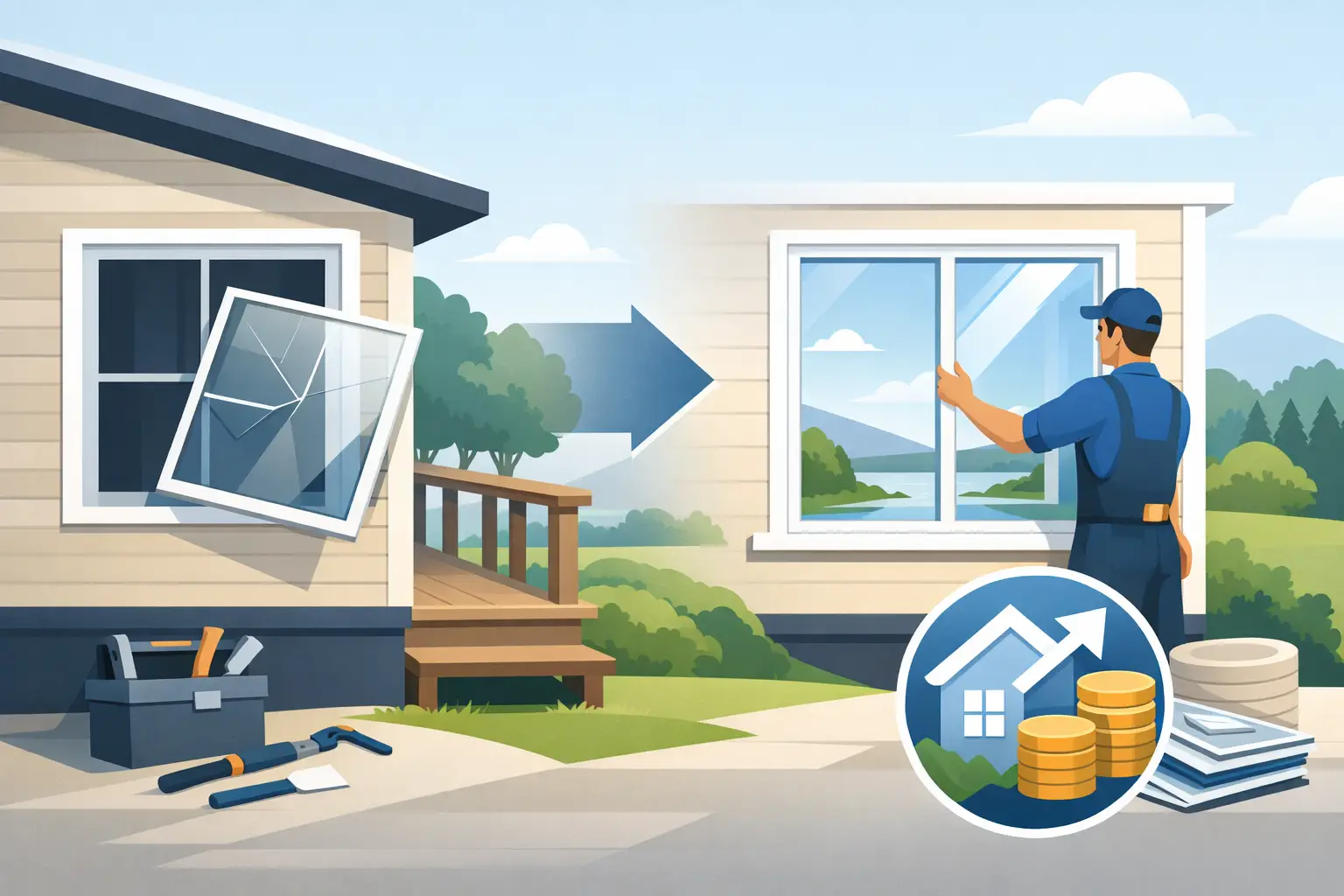
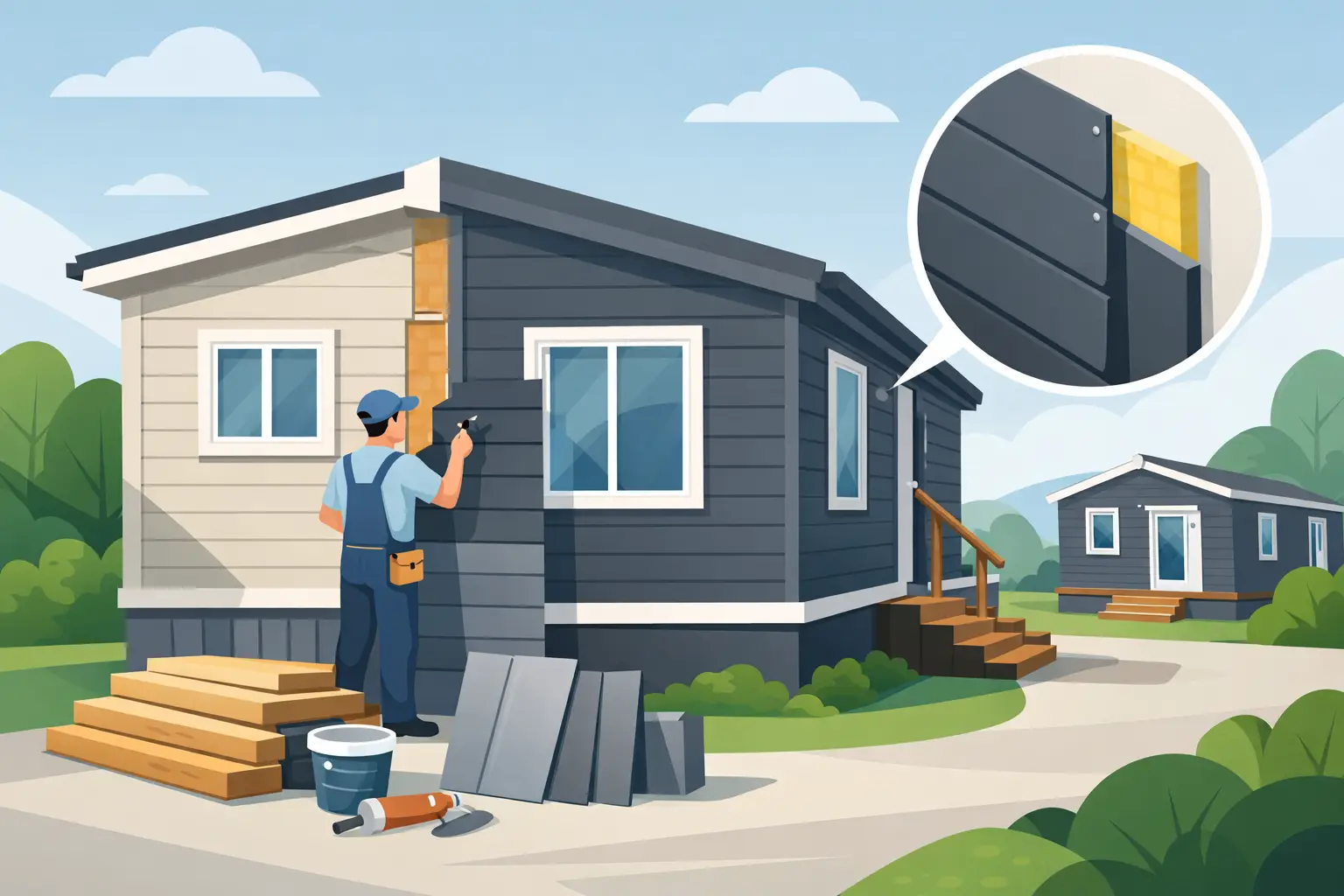
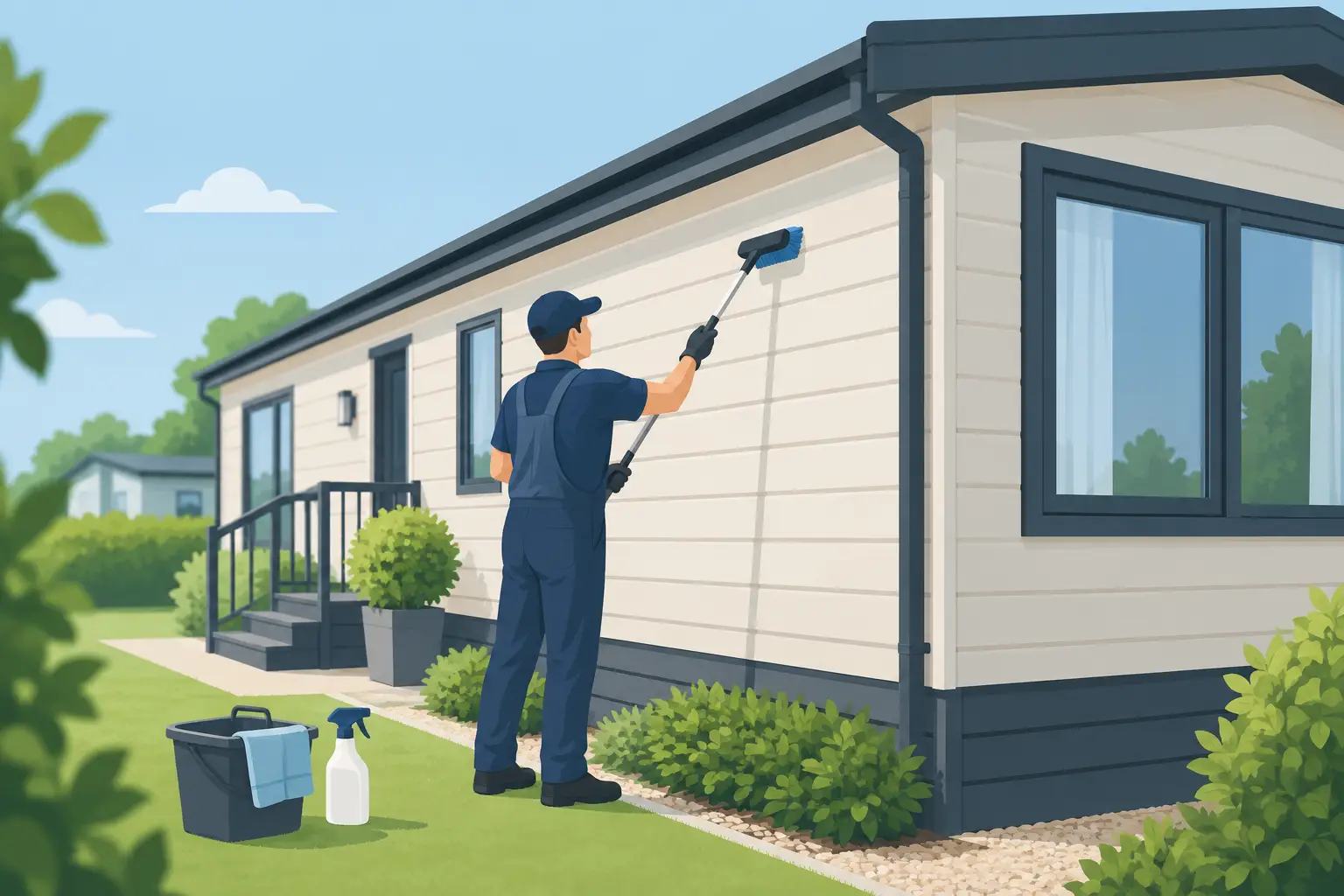
Ageing external finishes are not only about kerb appeal. Damaged cladding, tired panels and worn exterior surfaces can leave the home more vulnerable to weather and increase maintenance demands year after year.
Repairing or replacing exterior cladding can improve appearance immediately, but the bigger benefit is protection. Modern materials can offer better durability and lower upkeep, which is especially valuable for owners who want a home that looks good without needing constant attention.
There is no single answer for every property. Some homes need targeted external repairs. Others are better served by a broader refurbishment approach if the exterior is showing its age across multiple elevations.
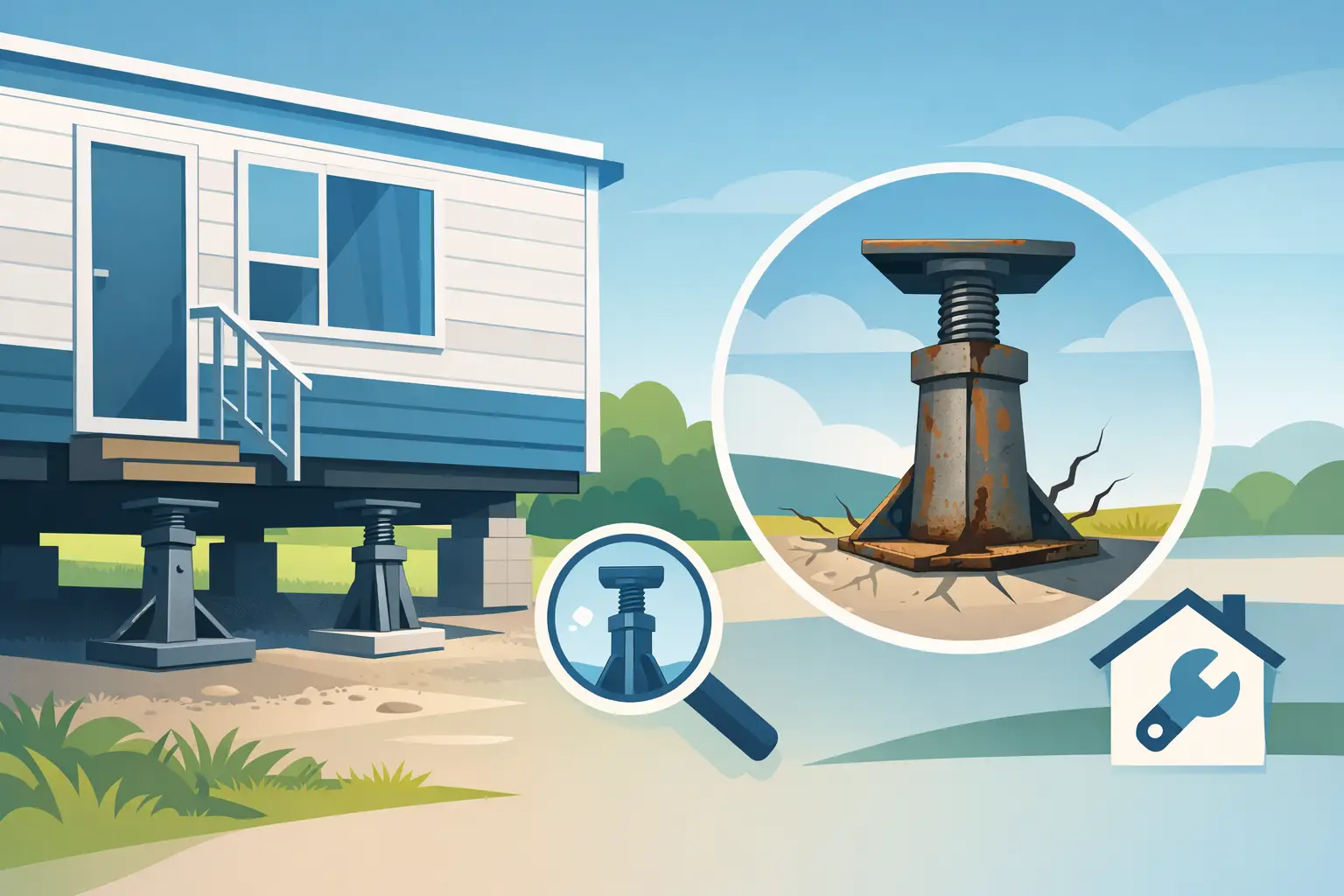
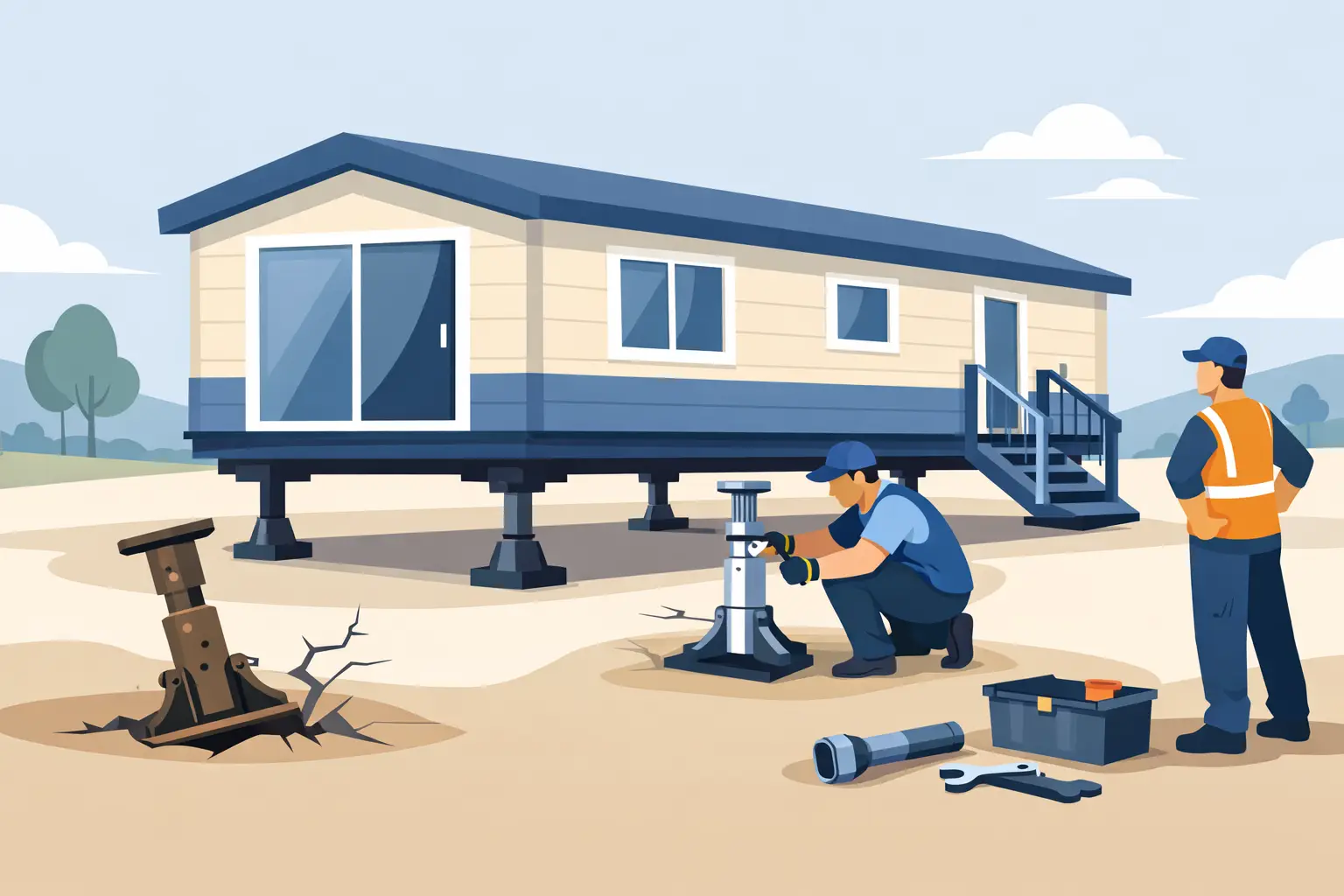
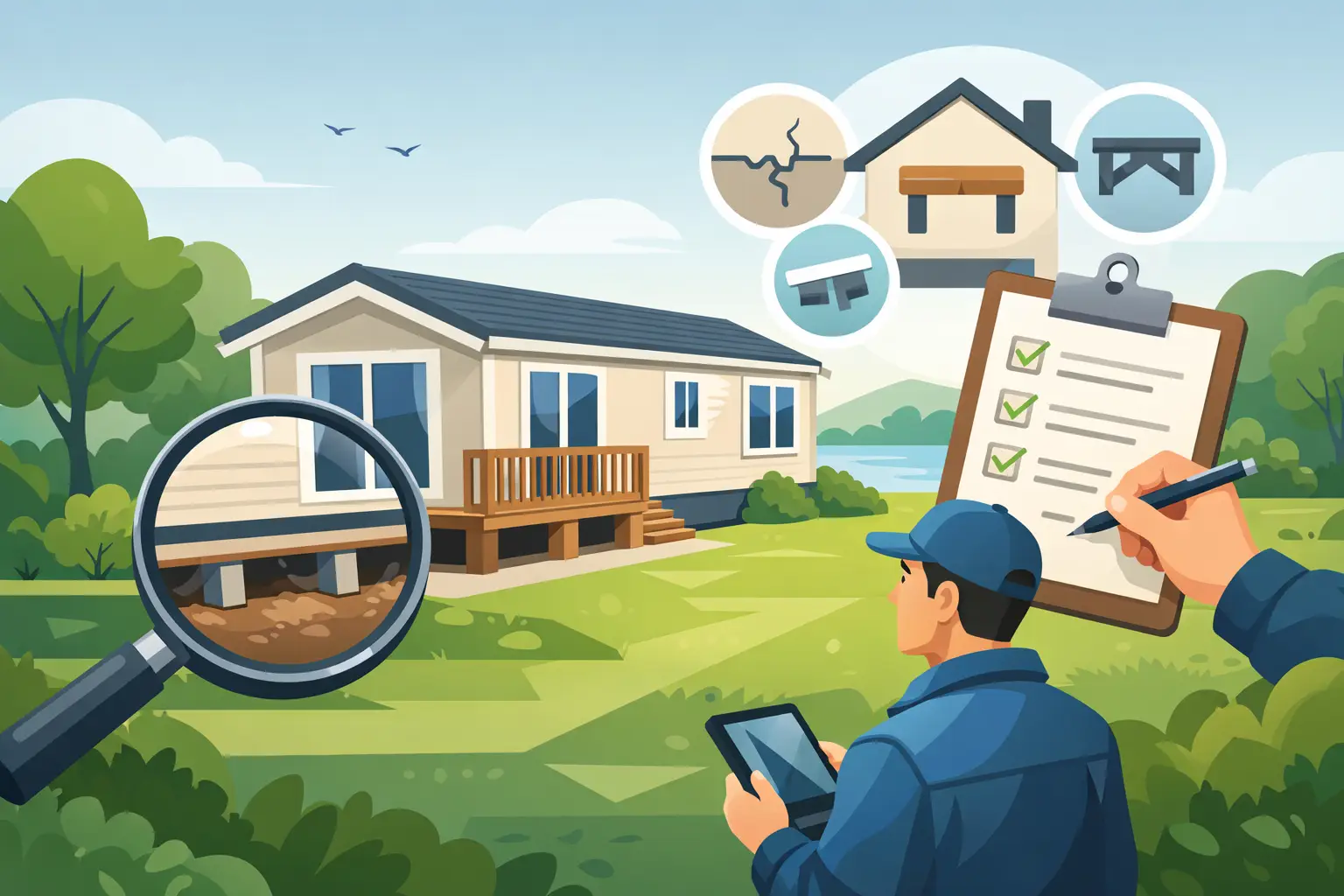
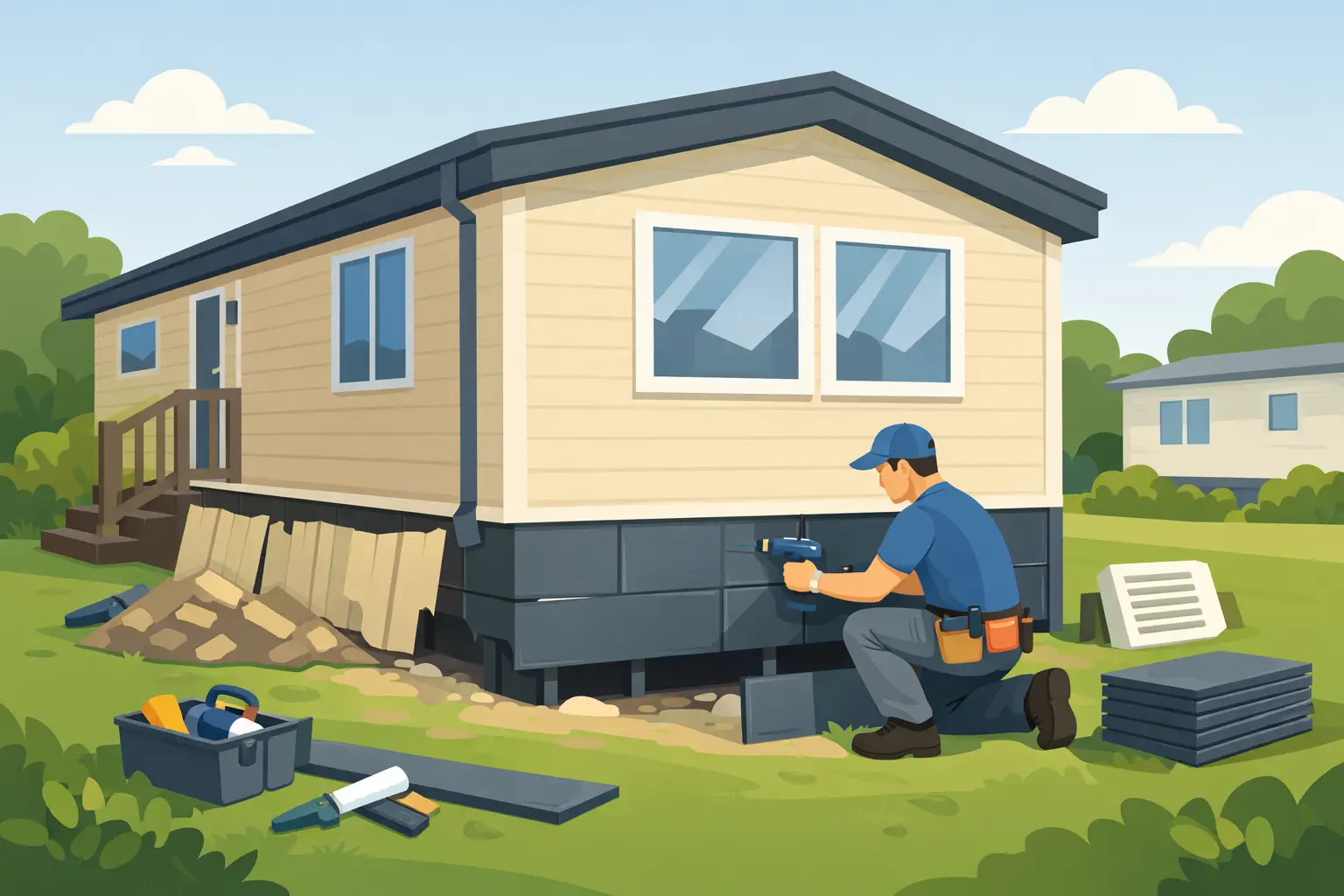
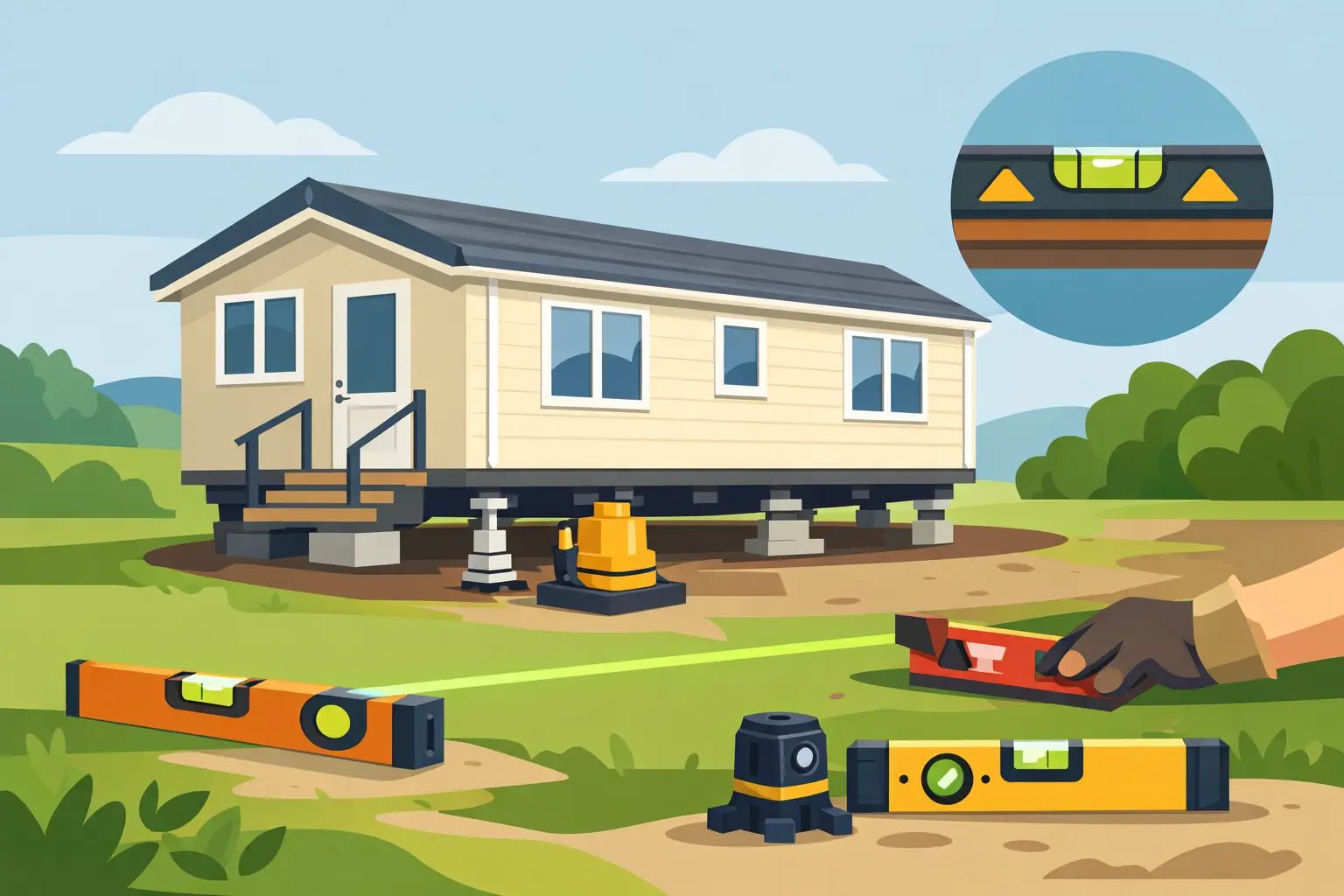
This is one of the most important areas, and one that many owners do not see until problems become obvious. The chassis and support system are fundamental to the stability of the home. If supports shift, corrode or fail, the effects can show up throughout the property.
You might notice uneven floors, cracks, sticking doors or windows, or a general sense that the home no longer feels quite right. These are not issues to ignore. Structural support problems tend to worsen rather than settle on their own.
Repairs here need to be handled properly, with a clear understanding of load, level and condition. It is skilled work, and it underpins the safety and performance of the entire home.
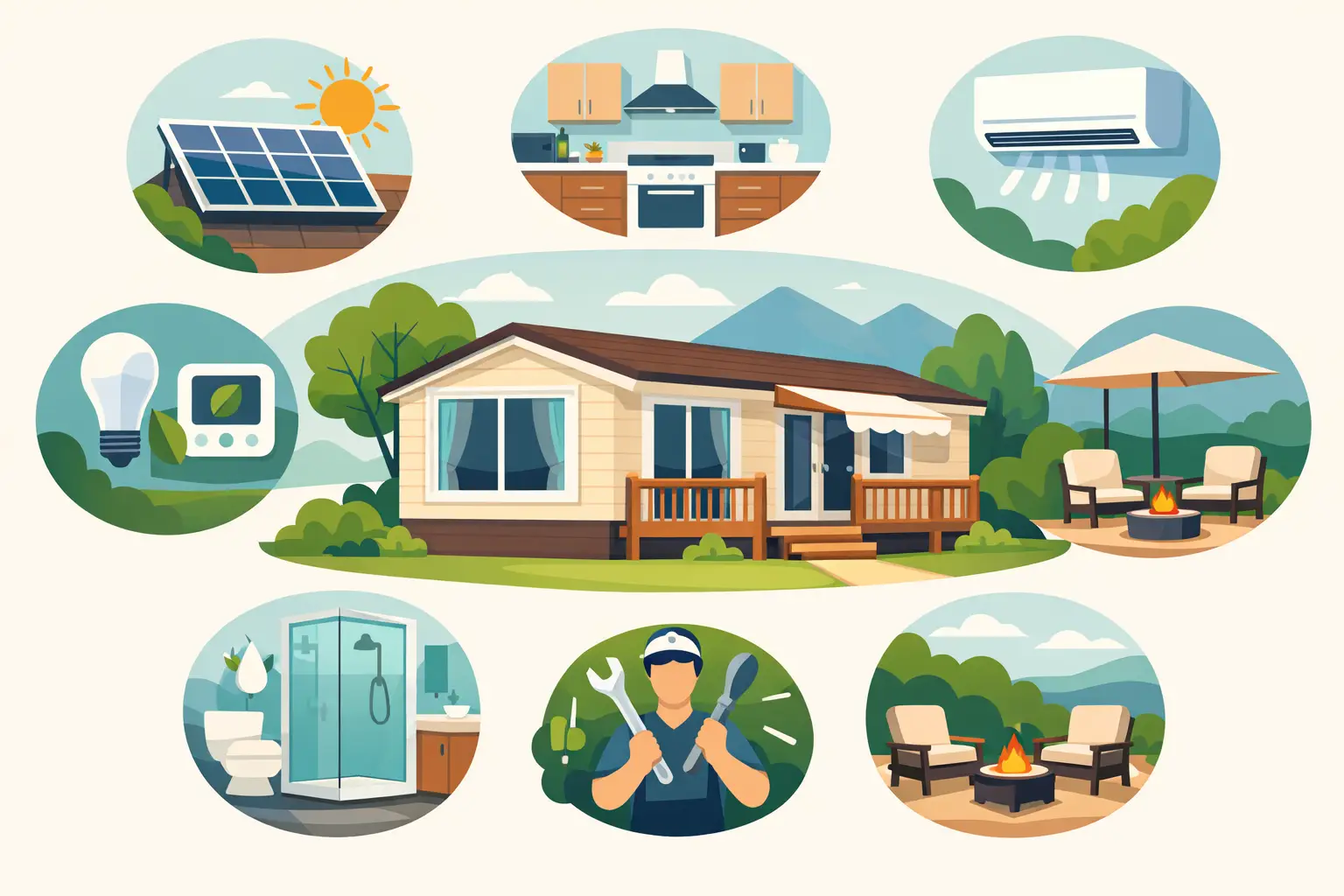
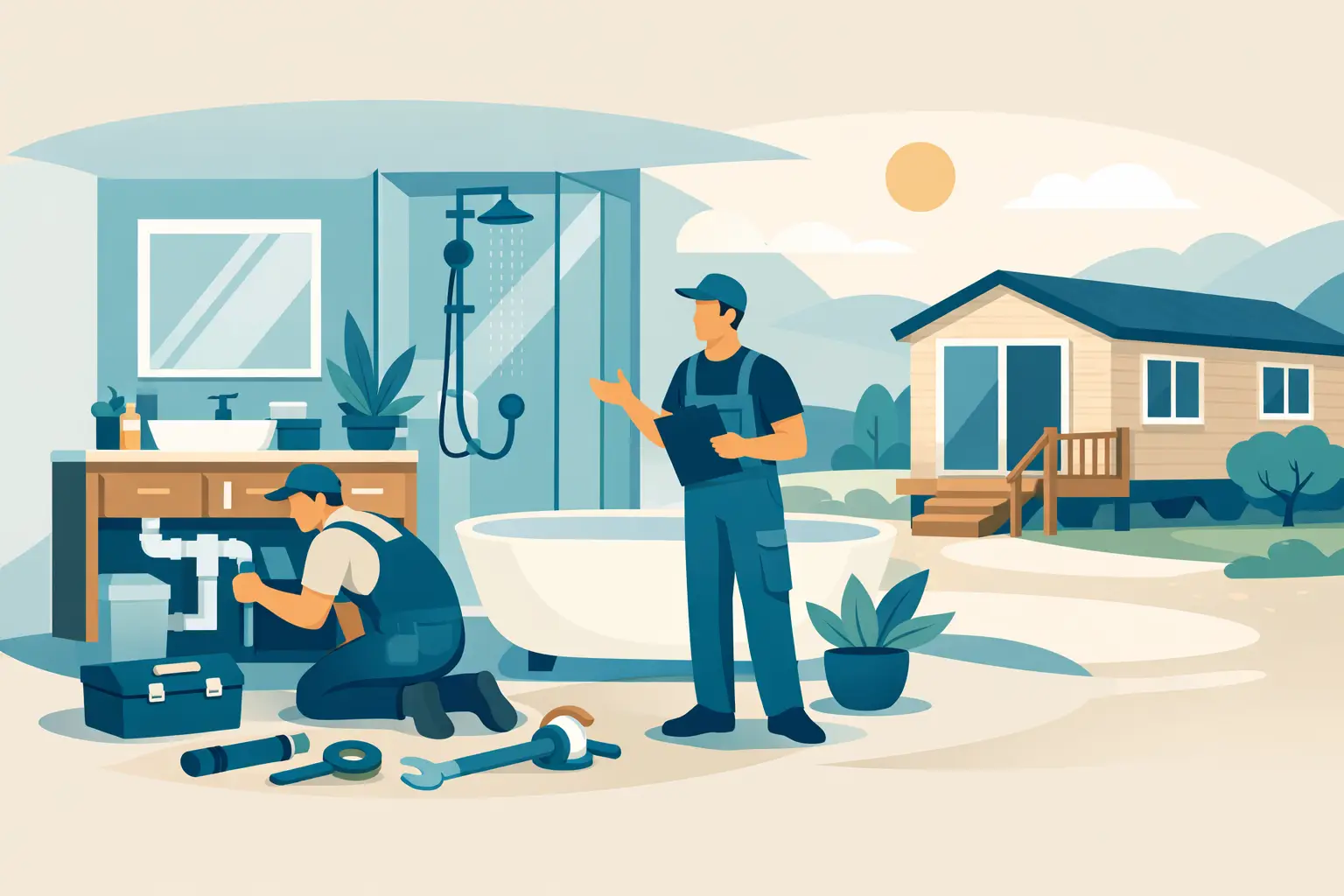
Not every repair is structural. In many park homes, the bathroom is one of the first spaces to show age. Worn fittings, dated layouts, water damage and poor use of space can all affect comfort and practicality.
A bathroom repair or replacement can solve immediate issues such as leaks or damaged surfaces, while also making the room safer and easier to use. That matters even more for older residents who want a home that works well now and into the future.
In some cases, an internal upgrade makes sense alongside external repair work. If a larger refurbishment is already under way, combining projects can reduce disruption compared with arranging separate works months apart.
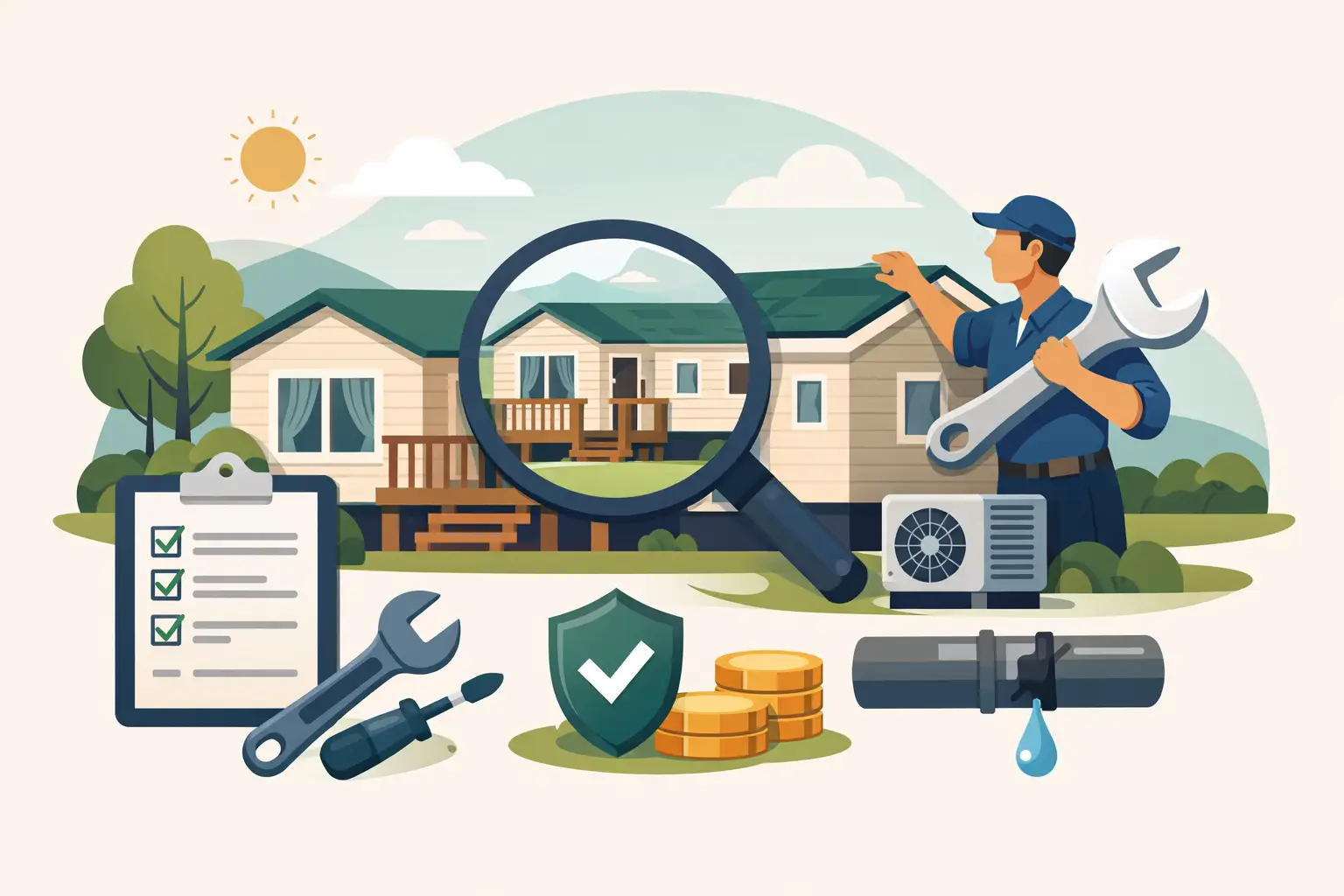
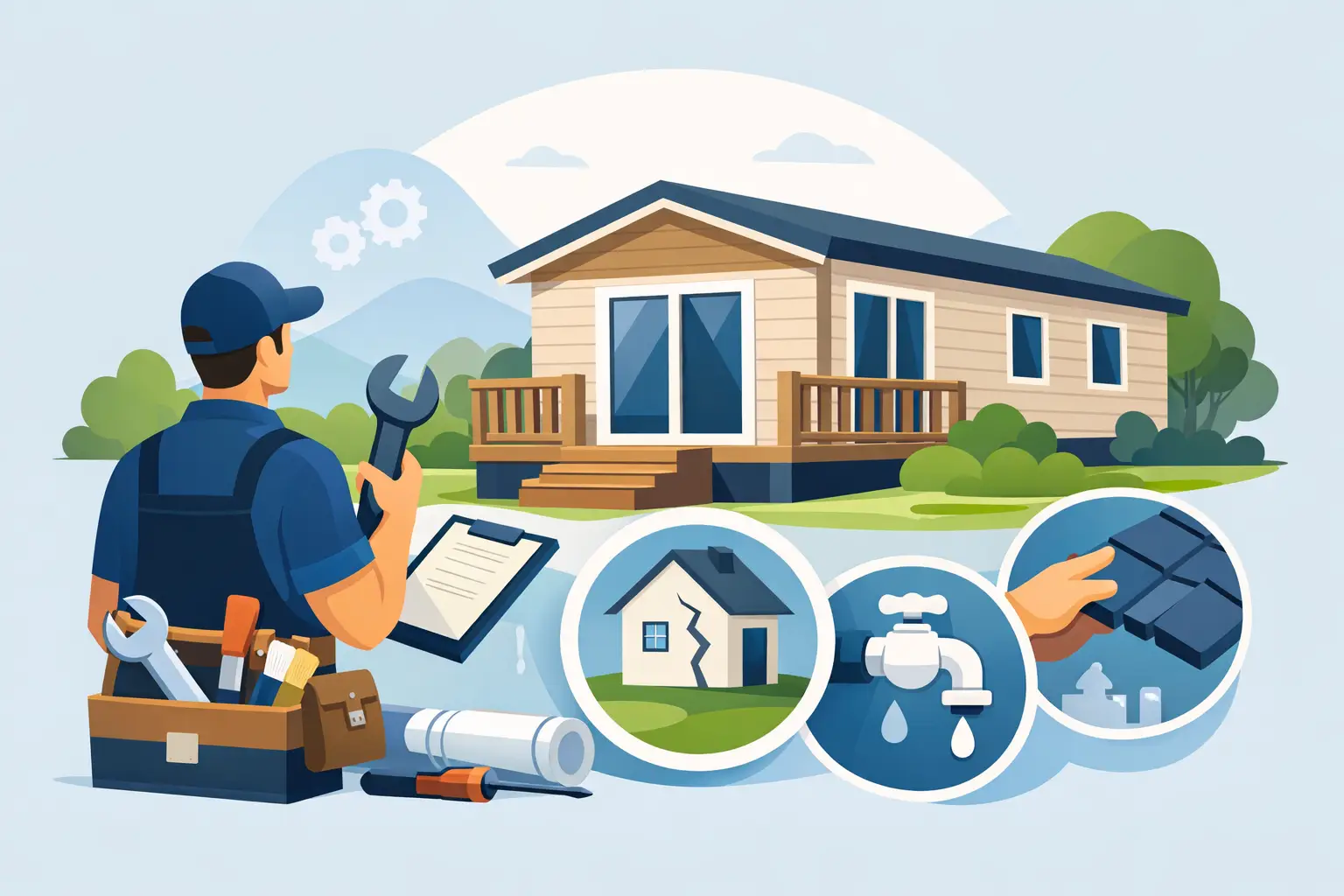
Some problems are obvious, but others build gradually. If you notice persistent draughts, cold floors, staining, movement, cracking, loose exterior sections or rising heating bills, it is worth having the home properly assessed. The same applies if the property simply feels more tired, less comfortable or more difficult to maintain than it used to.
Owners sometimes delay because they assume repair work will be extensive or disruptive. Sometimes that is true, but often the real cost comes from waiting. A manageable repair can turn into a larger job when water damage spreads, insulation fails further or structural supports continue to deteriorate.
A careful inspection helps separate urgent issues from planned improvements. That clarity matters. Not every home needs a full refurbishment, but every owner benefits from knowing the true condition of the property.
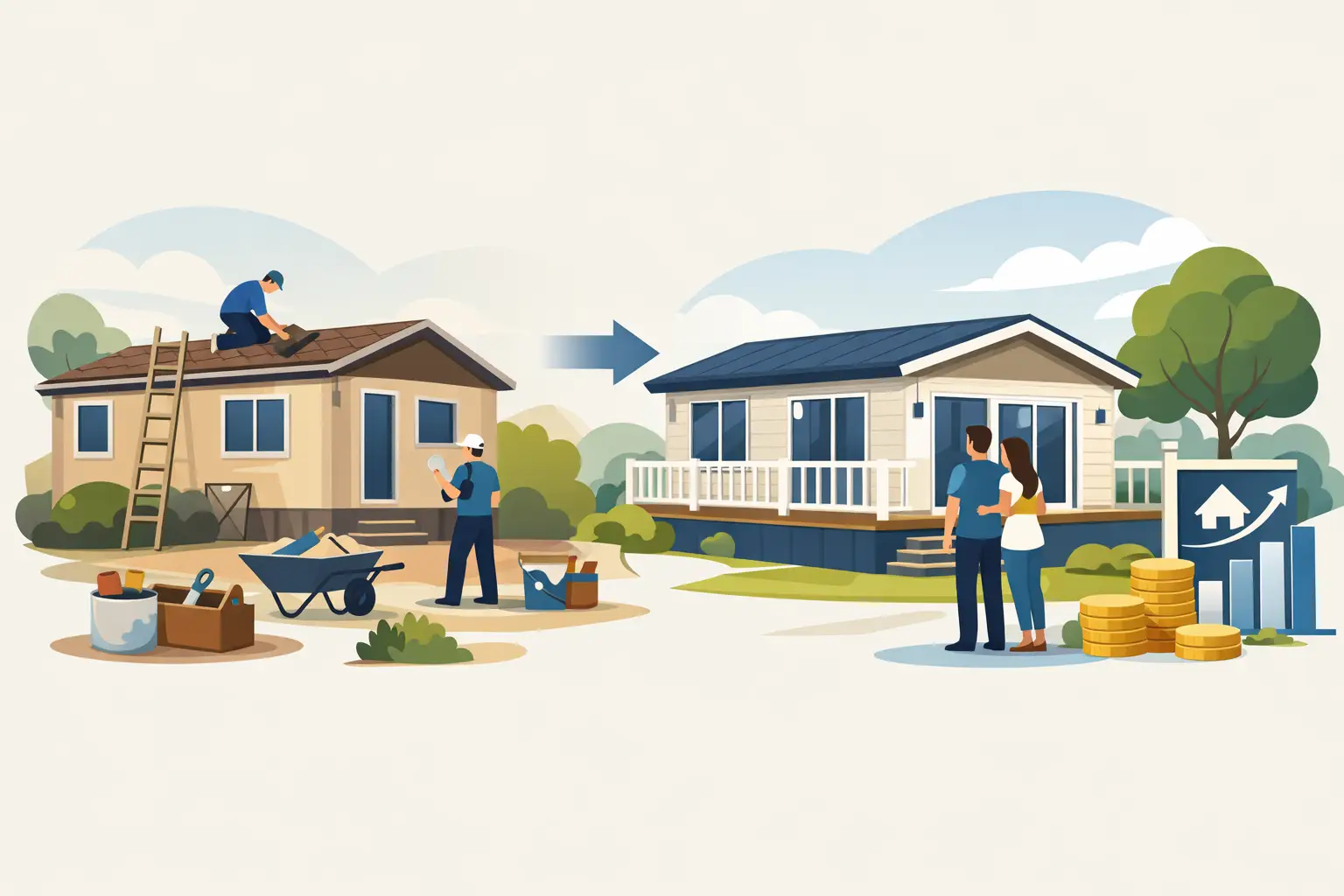
This depends on the age of the home, the number of problem areas and your plans for the future. If one element has failed but the rest of the property is in sound condition, a focused repair is often the right route. If several parts of the home are showing wear at the same time, a broader refurbishment can offer better value over the long term.
For example, if a roof needs replacing, the cladding is tired, the insulation is poor and the supports need attention, dealing with everything as one planned project may be more efficient than tackling each issue separately. It can also deliver a better overall finish and reduce the stop-start disruption of repeated works.
On the other hand, not every owner wants or needs a large-scale upgrade. Some simply want to solve the most pressing issue, make the home warmer, safer and easier to maintain, and plan future improvements in stages. That is a perfectly sensible approach when the work is properly prioritised.
This is where experience counts. Park home work should be carried out by people who understand the construction, know where hidden problems tend to lie, and use materials suited to this type of property.
It is worth looking for a specialist with a clear track record, practical knowledge across both structural and cosmetic repairs, and a straightforward approach to assessment and workmanship. Good contractors will explain what they have found, what needs doing now, and what may be planned later. They should also be honest about where a simple repair is enough and where a more substantial solution would be wiser.
That specialist focus is exactly why many owners turn to companies such as New Look Park Homes Ltd. The work is not treated like general building. It is approached as a park home specialist would approach it – with the right methods, the right materials and an understanding of what owners need from their home every day.
A well-maintained park home should feel warm, secure and easy to live in. If yours is showing signs of wear, the best next step is usually the simplest one: have it looked at properly, deal with what matters most, and give the home the standard of care it was built to need.