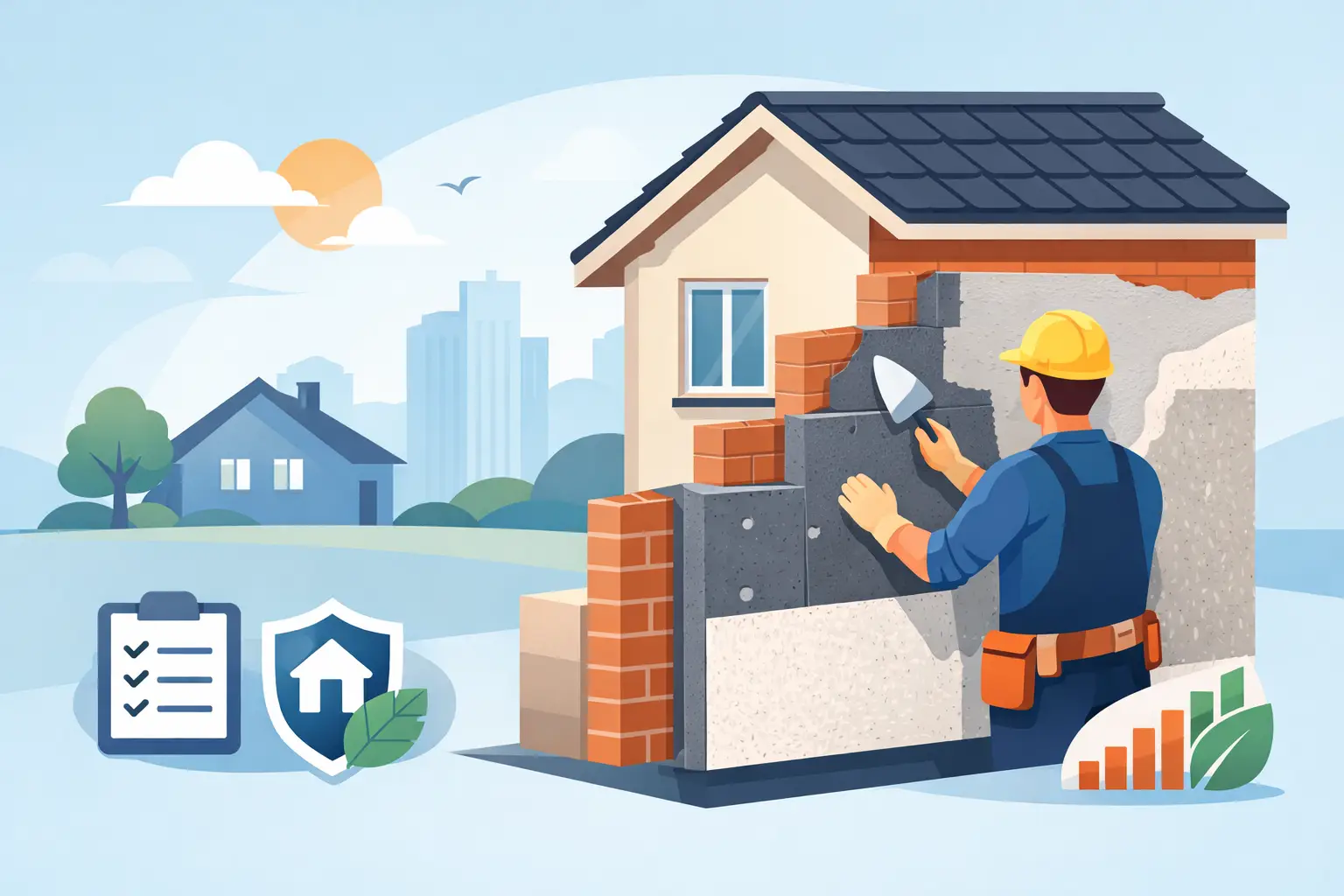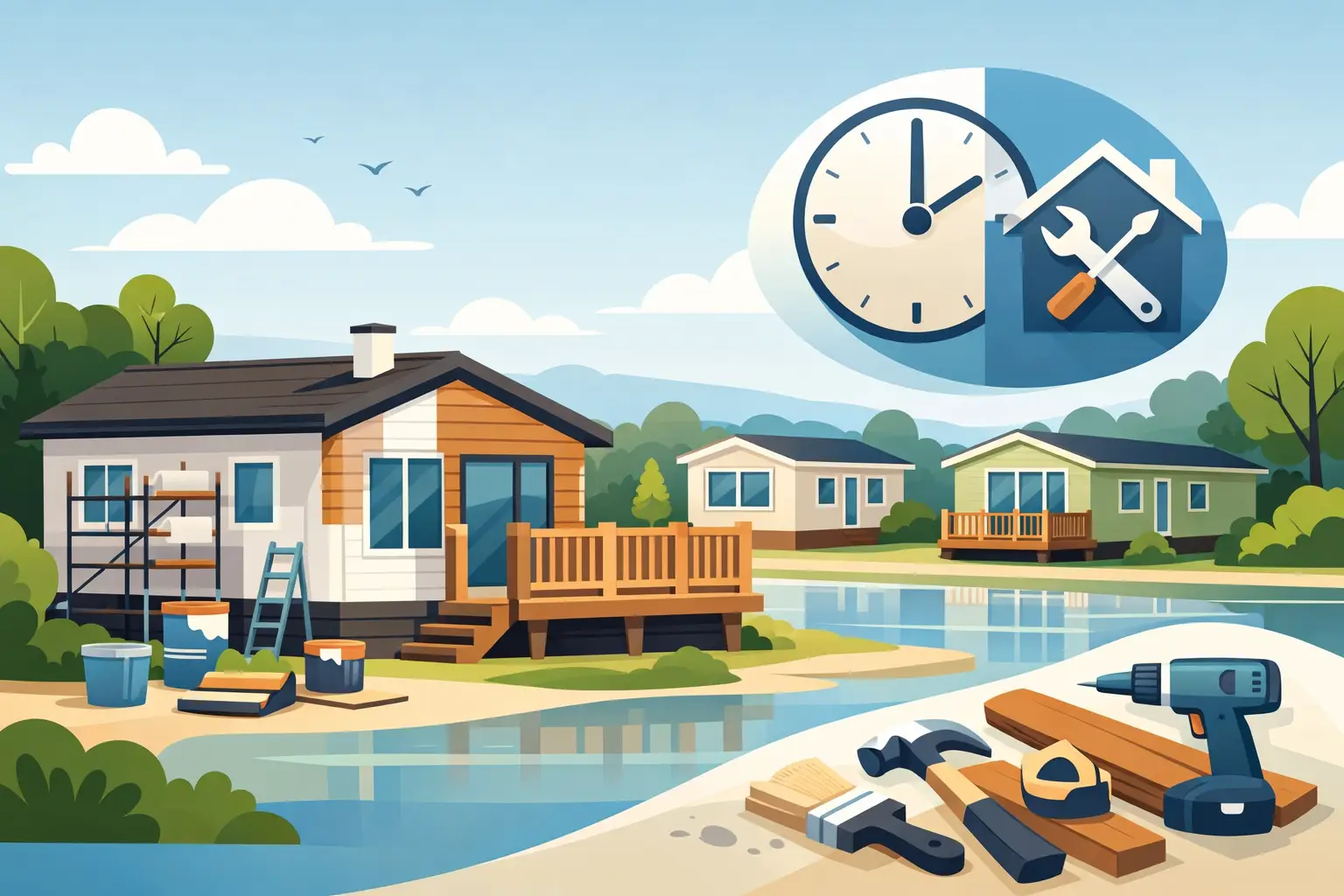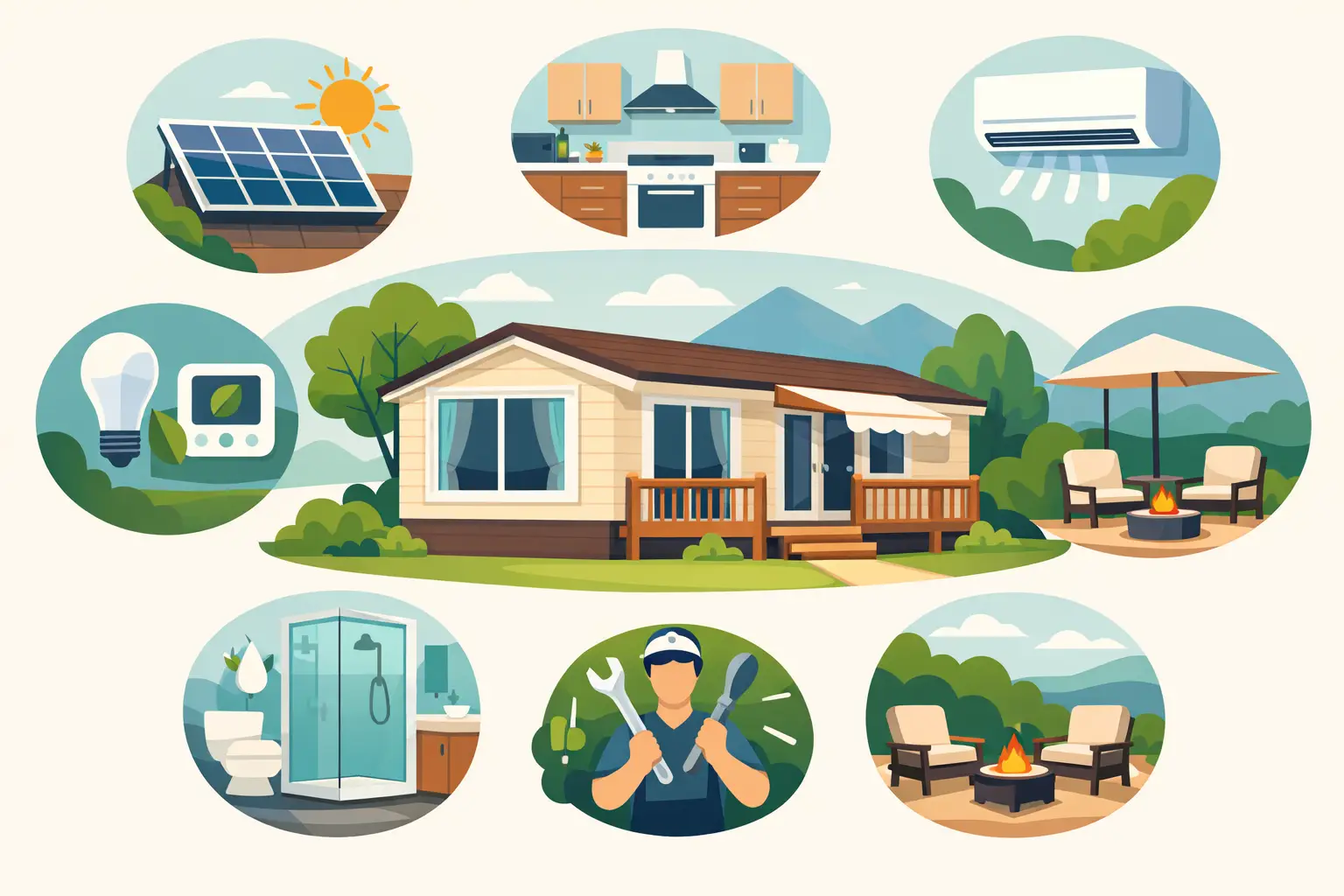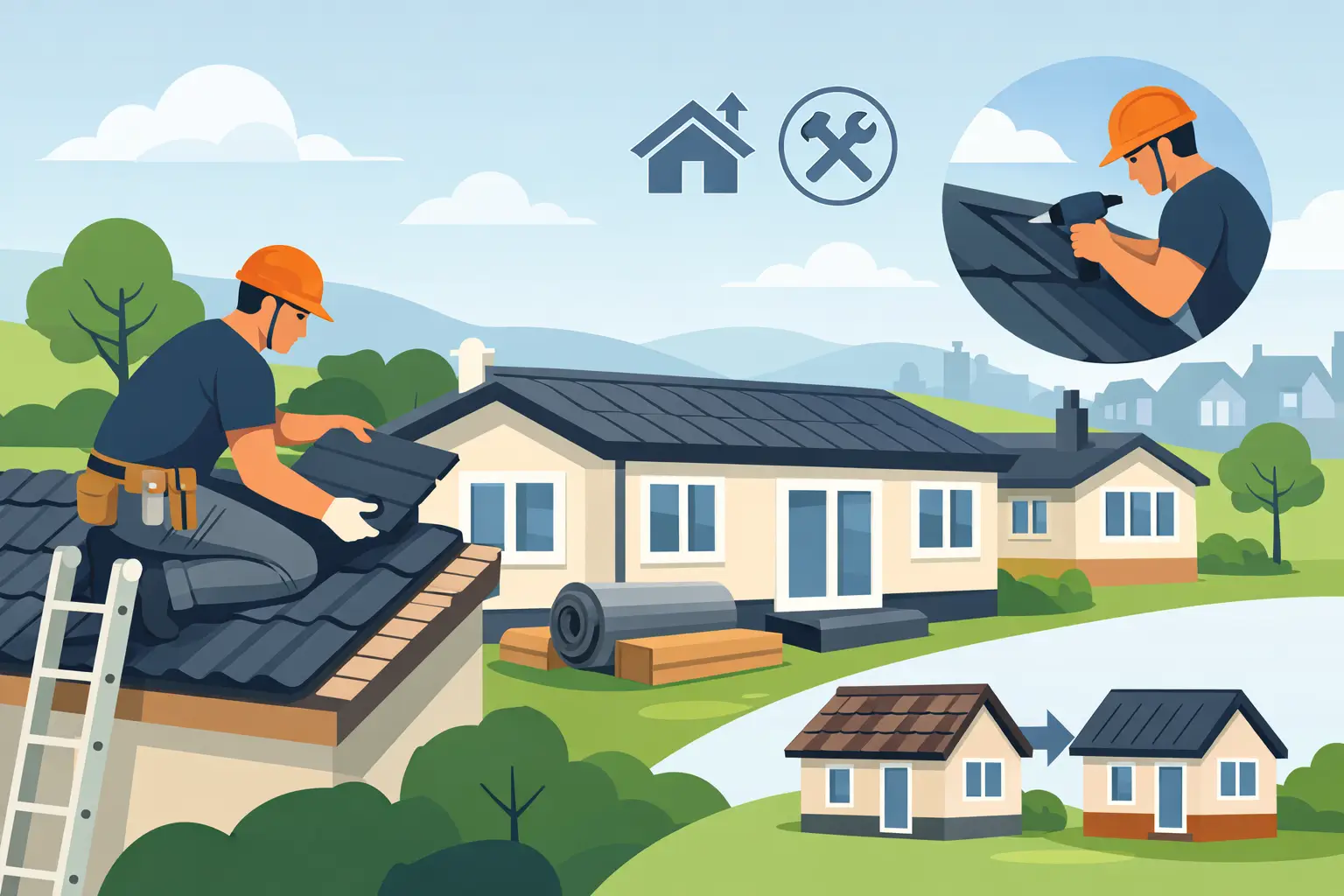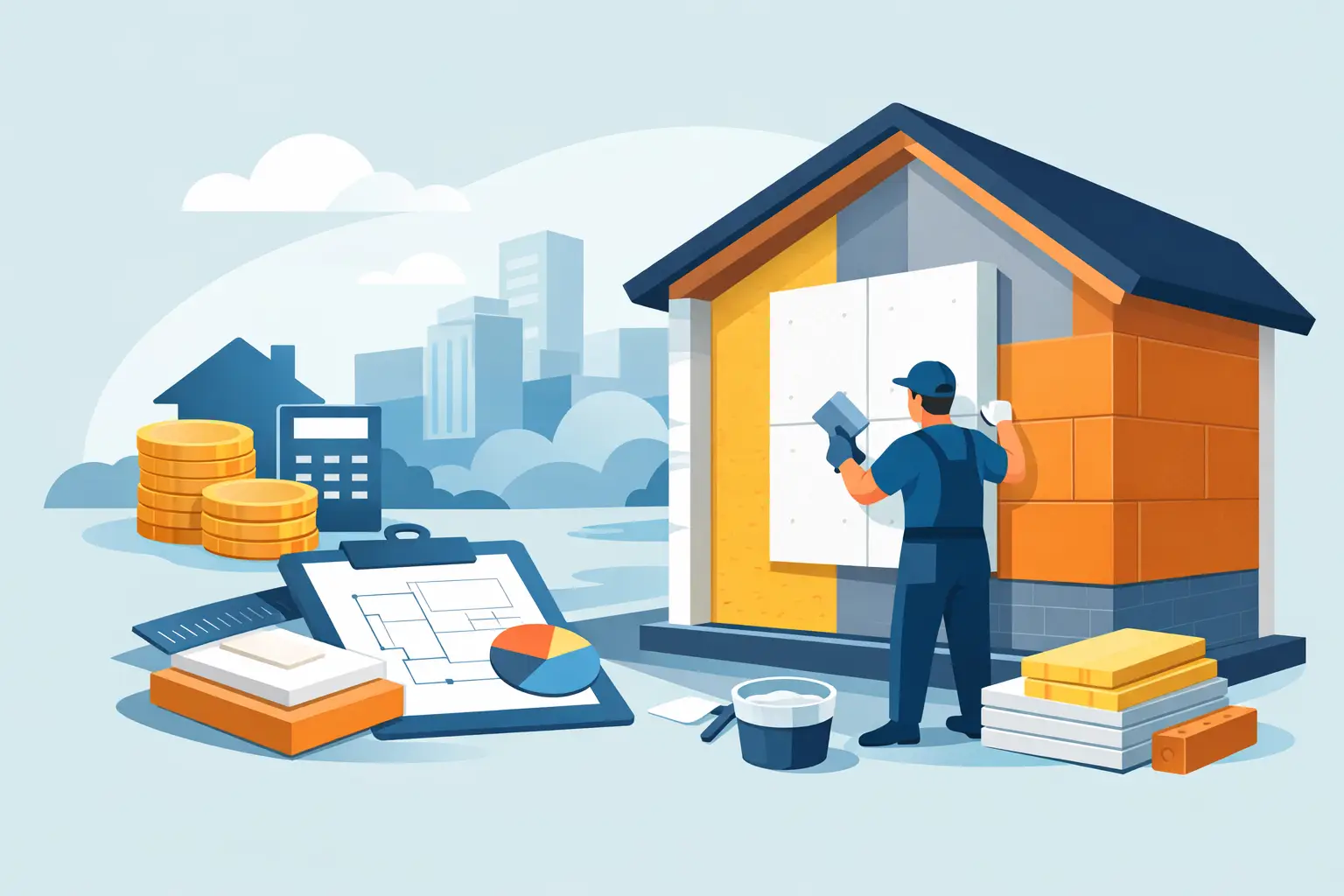
If your park home feels cold around the walls, looks tired from the outside, or needs constant repainting and patch repairs, external insulation cladding cost is likely already on your mind. For most owners, the real question is not simply what it costs, but what you get back in warmth, appearance, protection and longer-term peace of mind.
For park homes and static homes, external cladding is not a cosmetic extra. Done properly, it can improve thermal performance, reduce draughts, protect the structure beneath and give an older home a much cleaner, more modern finish. The cost can vary a fair bit, though, because no two homes are quite the same and the condition of the existing exterior matters just as much as the size of the property.
The biggest factor is usually the size of the home. A single unit with straightforward access will naturally cost less than a larger property with more wall area, awkward corners, additions or detailed trim work. Park homes may look simple from the outside, but once measurements are taken properly, there can be more labour and more finishing work involved than many owners first expect.
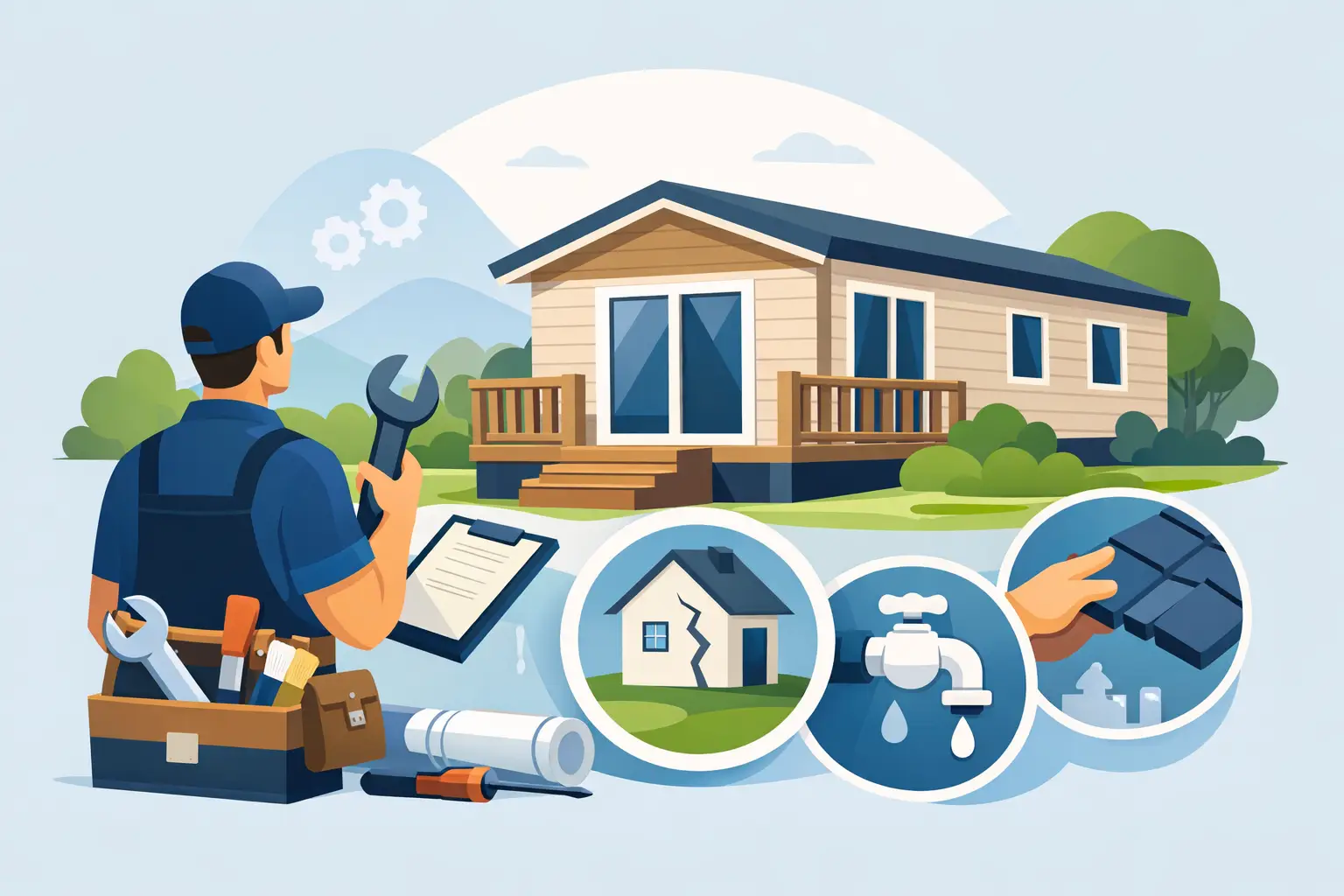
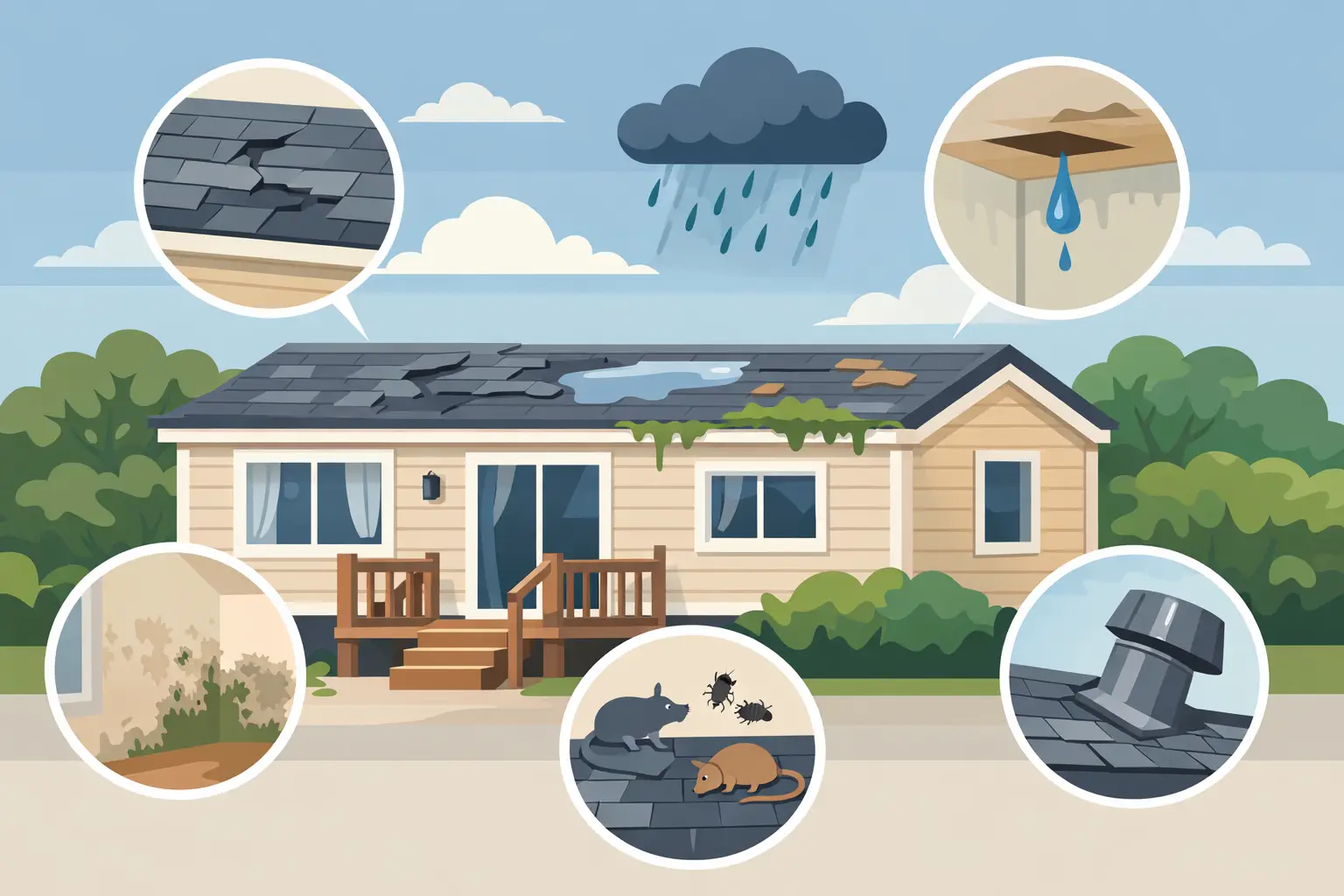
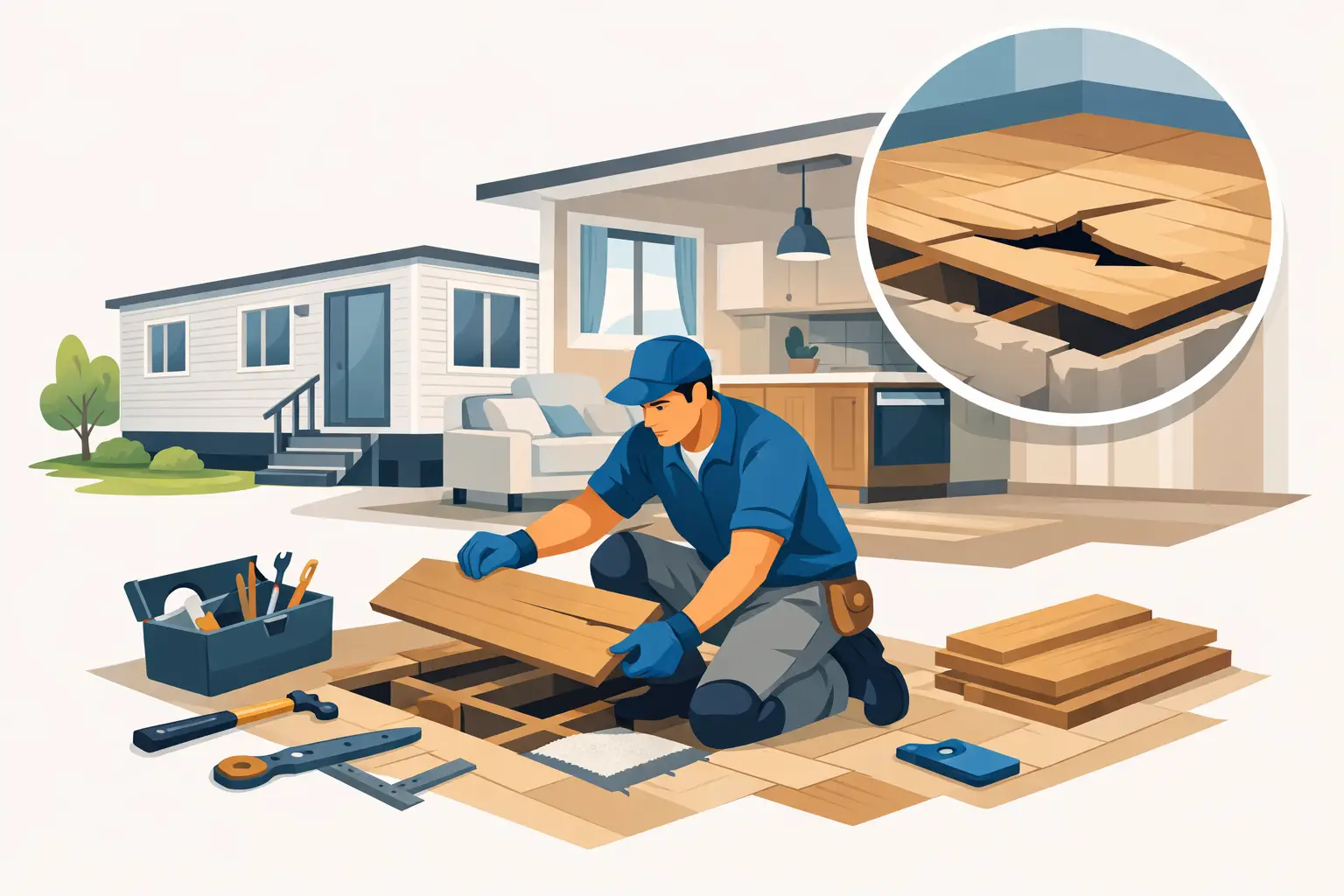
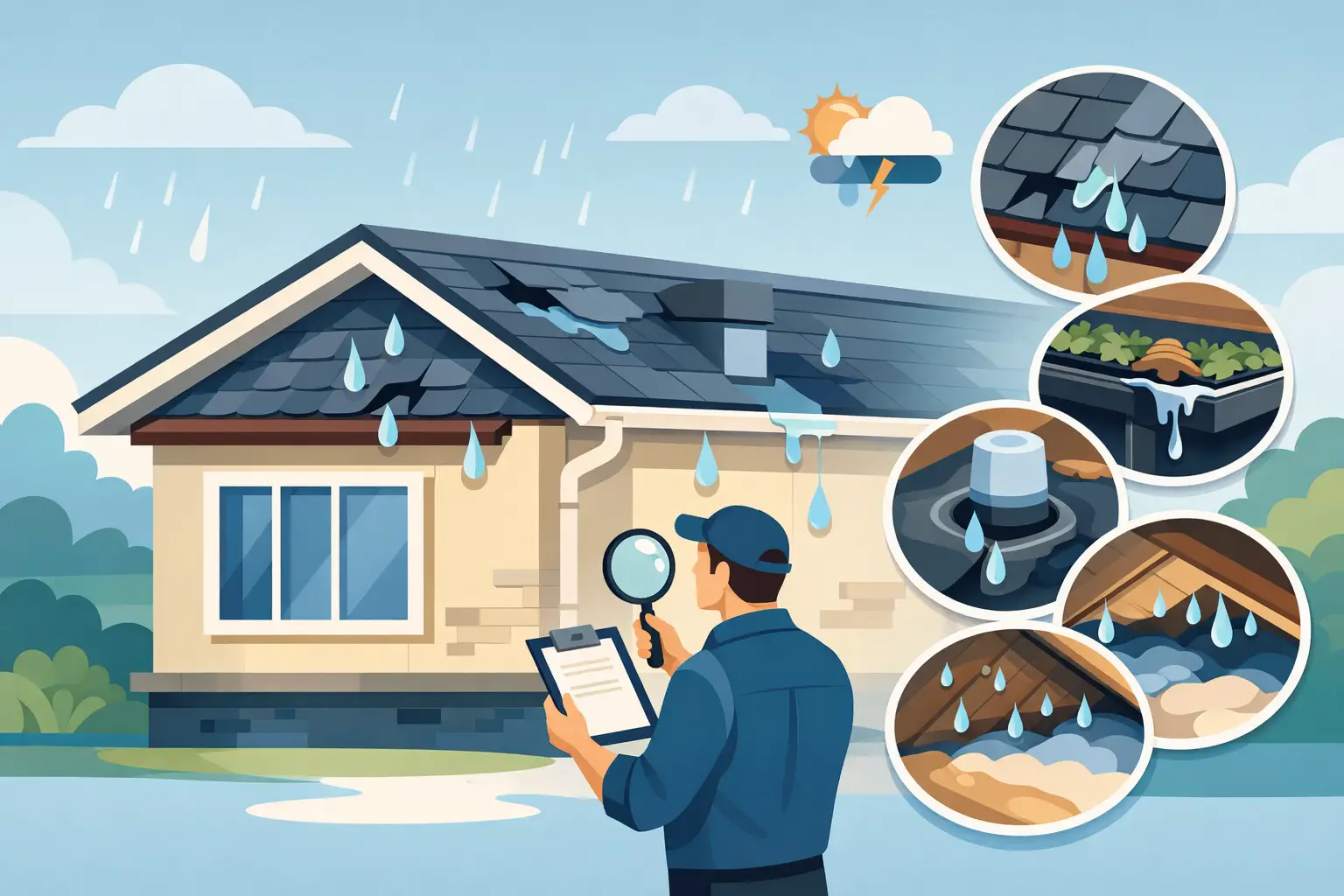
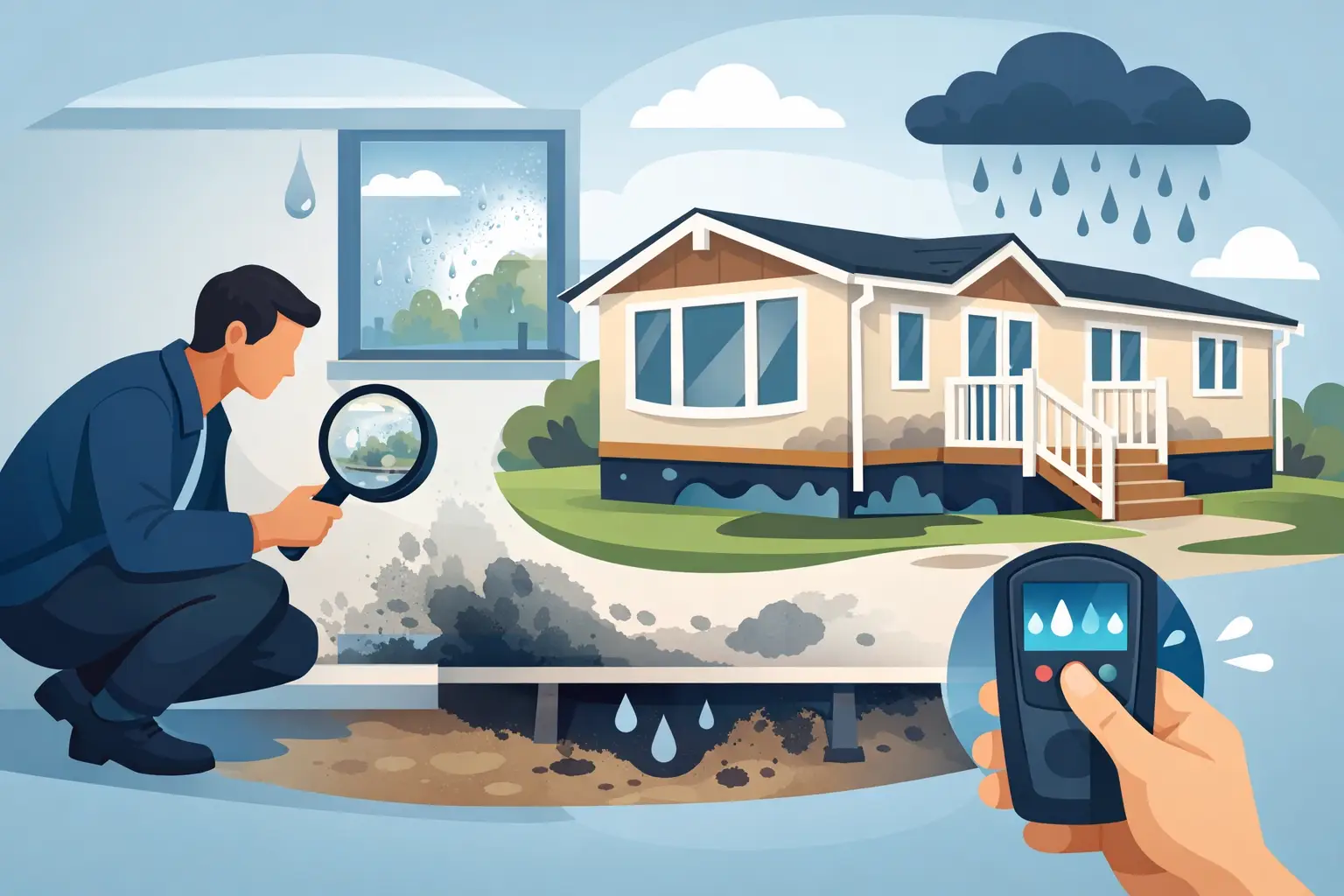
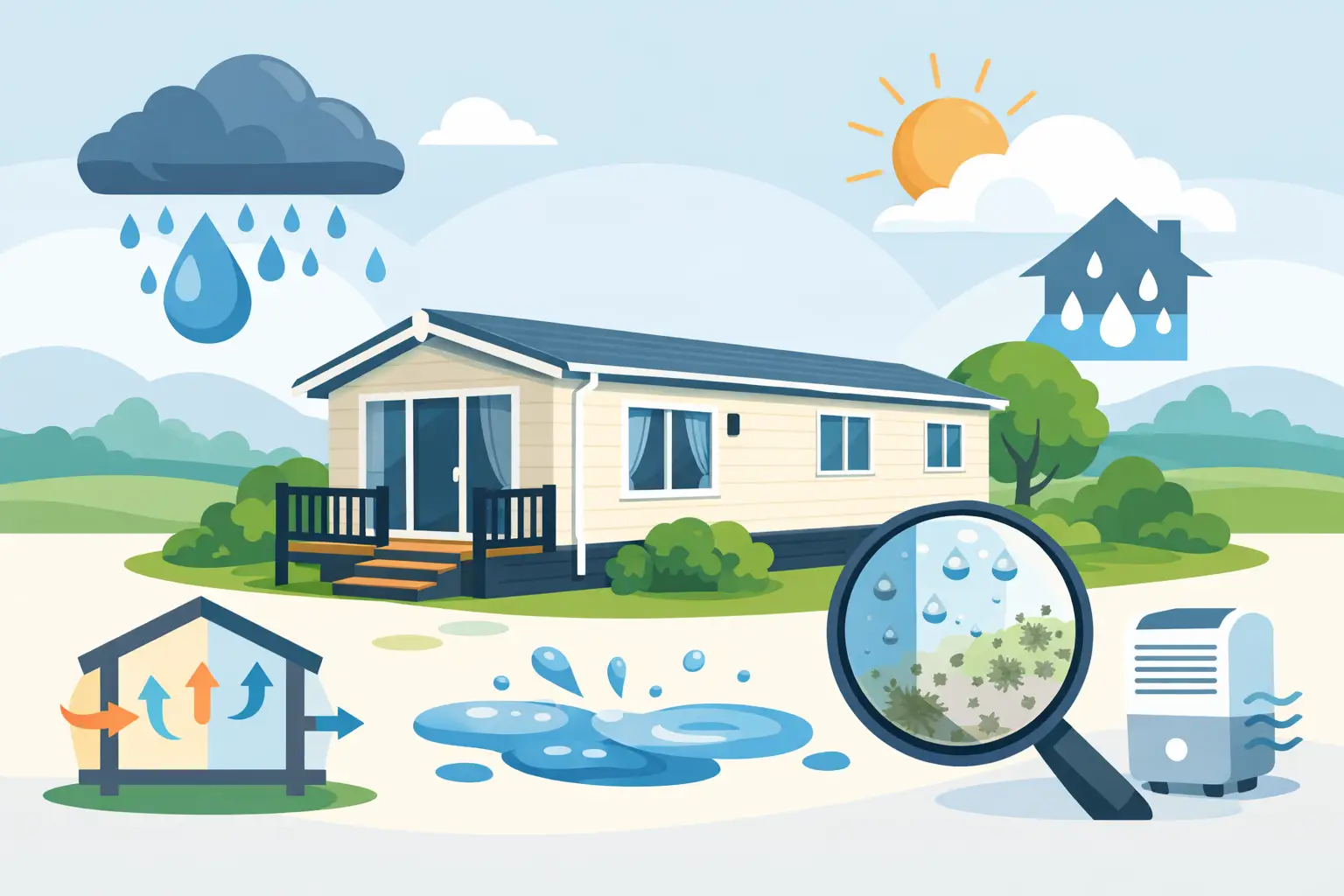
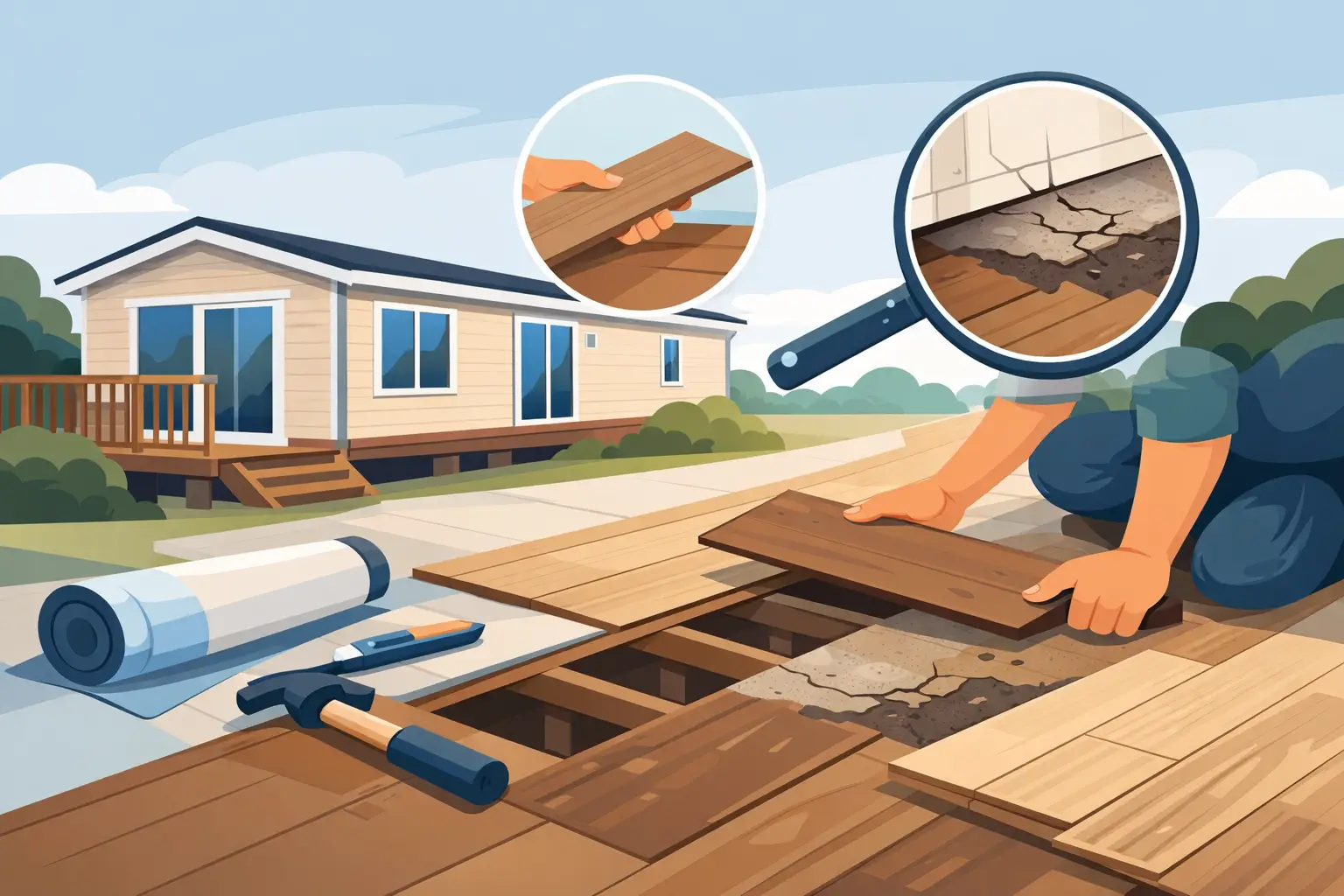
Condition is another major part of the price. If the existing wall surface is sound and reasonably even, preparation is simpler. If there is damaged boarding, signs of moisture ingress, failed trims or areas that need repair before cladding goes on, that adds time and materials. A proper job starts with the structure underneath. There is no value in covering over problems that should have been put right first.
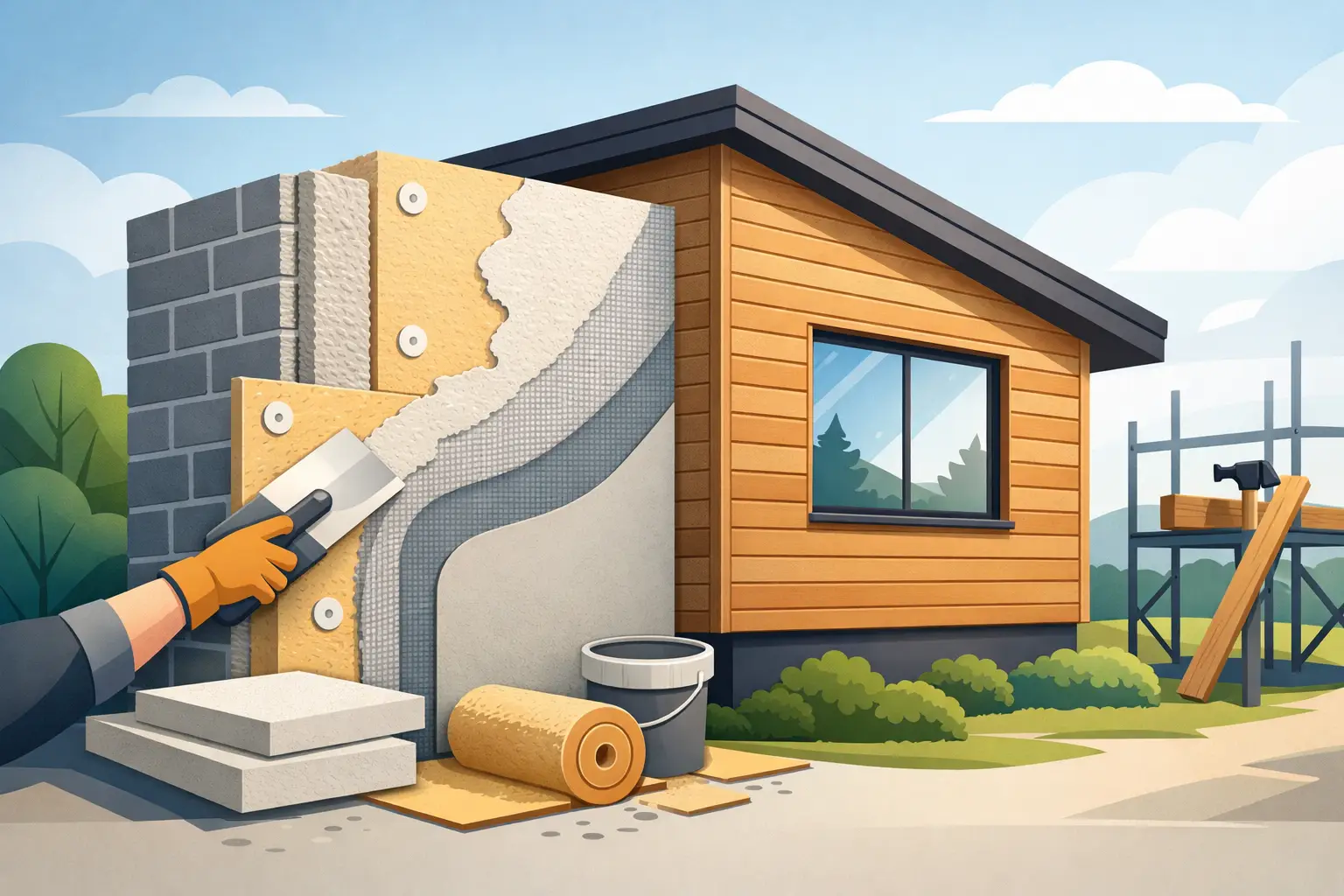
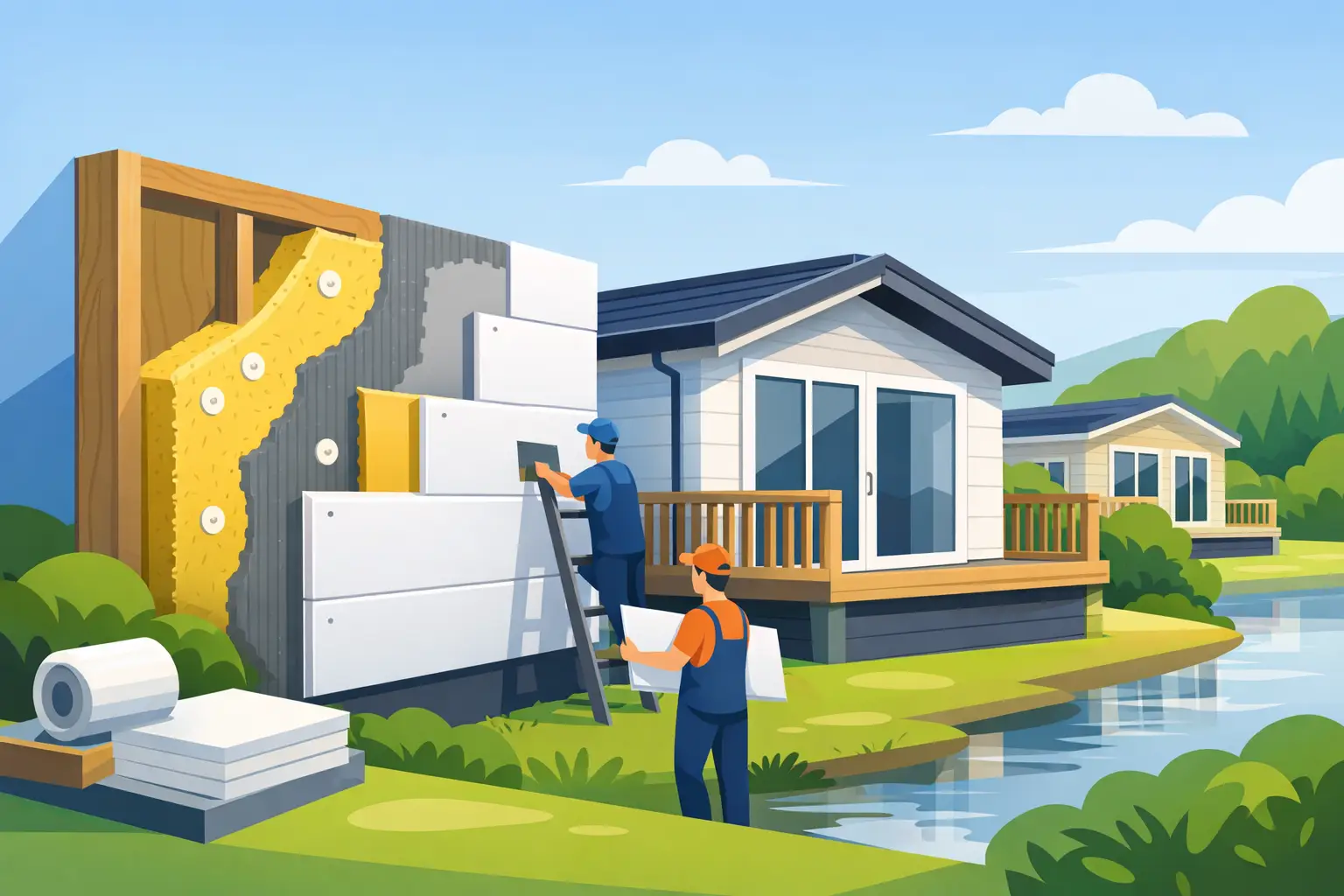
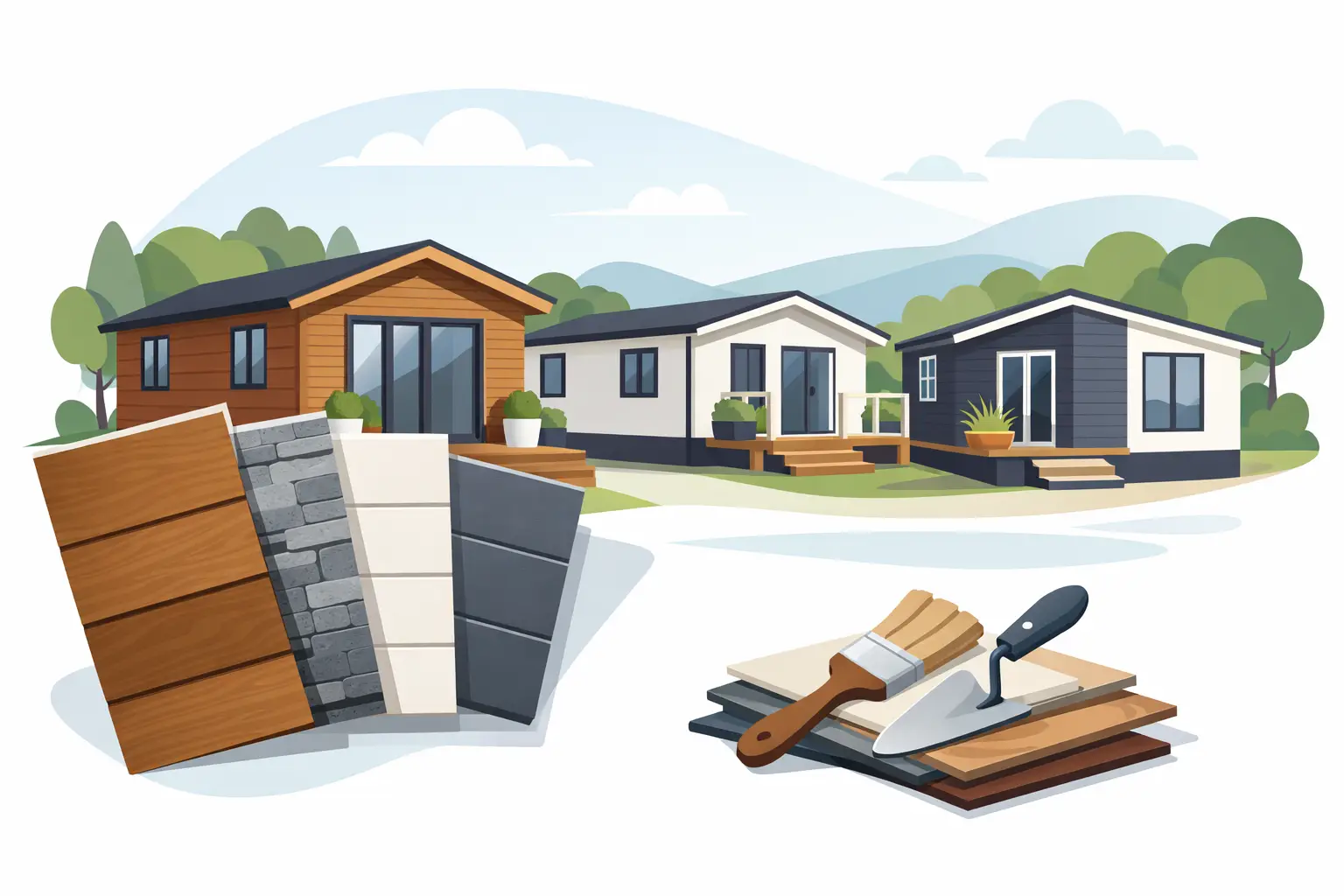
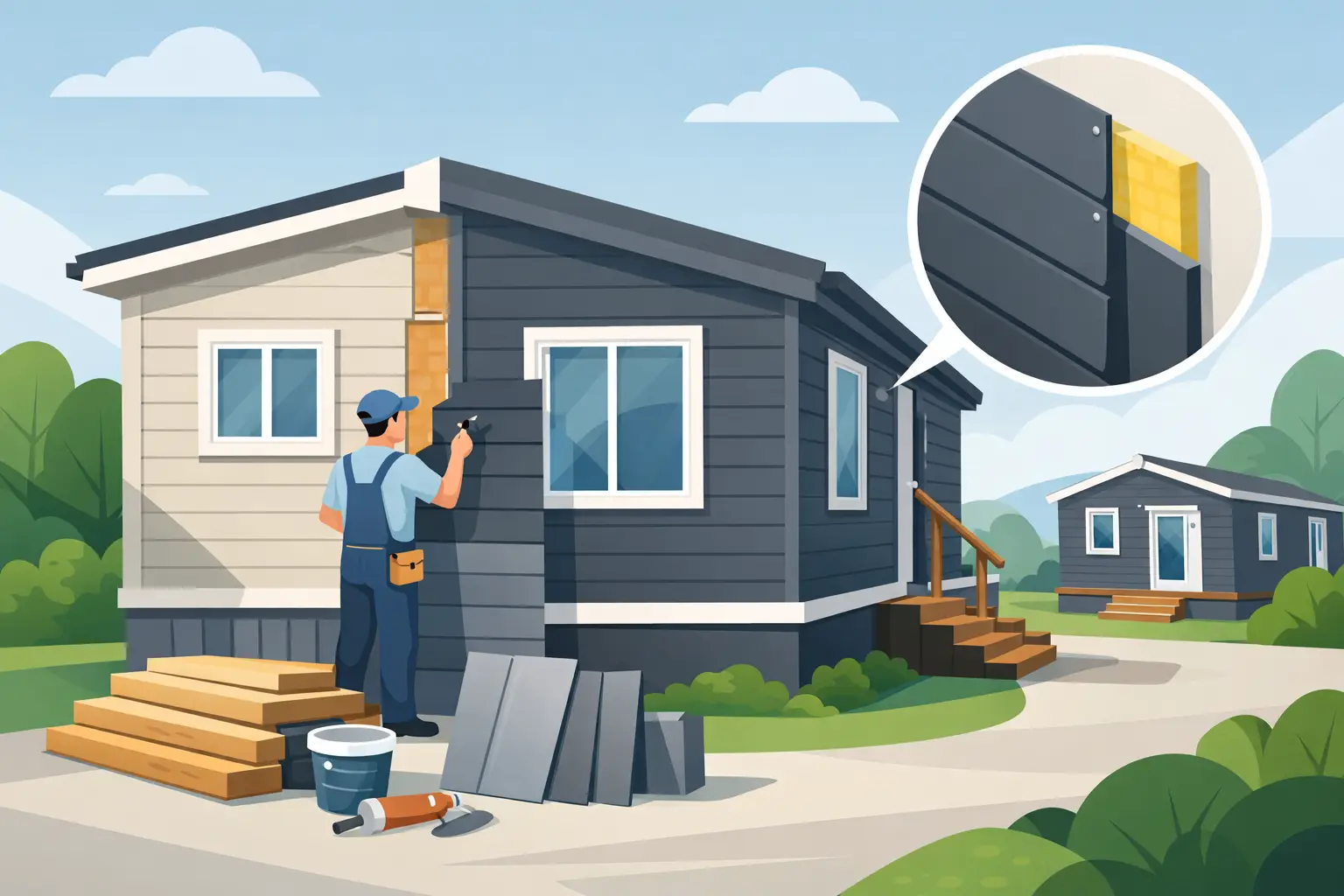
Material choice will also affect cost. Some cladding systems are designed mainly for appearance and weather protection, while others are built around improving insulation at the same time. In many cases, park home owners are looking for both. That means the quote may include insulation boards, battens or support systems, breathable membranes, trims, sealants and the outer cladding finish itself. When comparing prices, it is worth checking whether insulation is actually included or whether you are only being quoted for a decorative overclad.
Labour matters too. Specialist park home work is different from standard brick-built housing work. The construction methods, movement of the structure, detailing around windows and doors, and the need to maintain ventilation where appropriate all require experience. A lower quote can sometimes mean corners are being cut on preparation or detailing, and those are the areas that usually show up later.
There is no honest one-price-fits-all answer to external insulation cladding cost, but most projects fall within a broad range based on the home’s size, existing condition and the specification chosen. For many park homes in the UK, owners might expect a full external insulation and cladding project to run from several thousand pounds for a smaller, straightforward property to well into five figures for larger homes or more extensive refurbishment.
That is quite a wide bracket, but there is a reason for it. A simple external upgrade with minimal repairs is a very different job from stripping back failing sections, correcting underlying issues, fitting insulation properly and finishing the home with new trims and detailing throughout. If skirting, roofline work or associated repairs are required at the same time, the overall investment will increase again.
The sensible way to look at price is not by square metre alone. Area matters, but access, preparation, material specification and finishing standards all have a big impact. Two homes of similar size can still produce very different quotations.
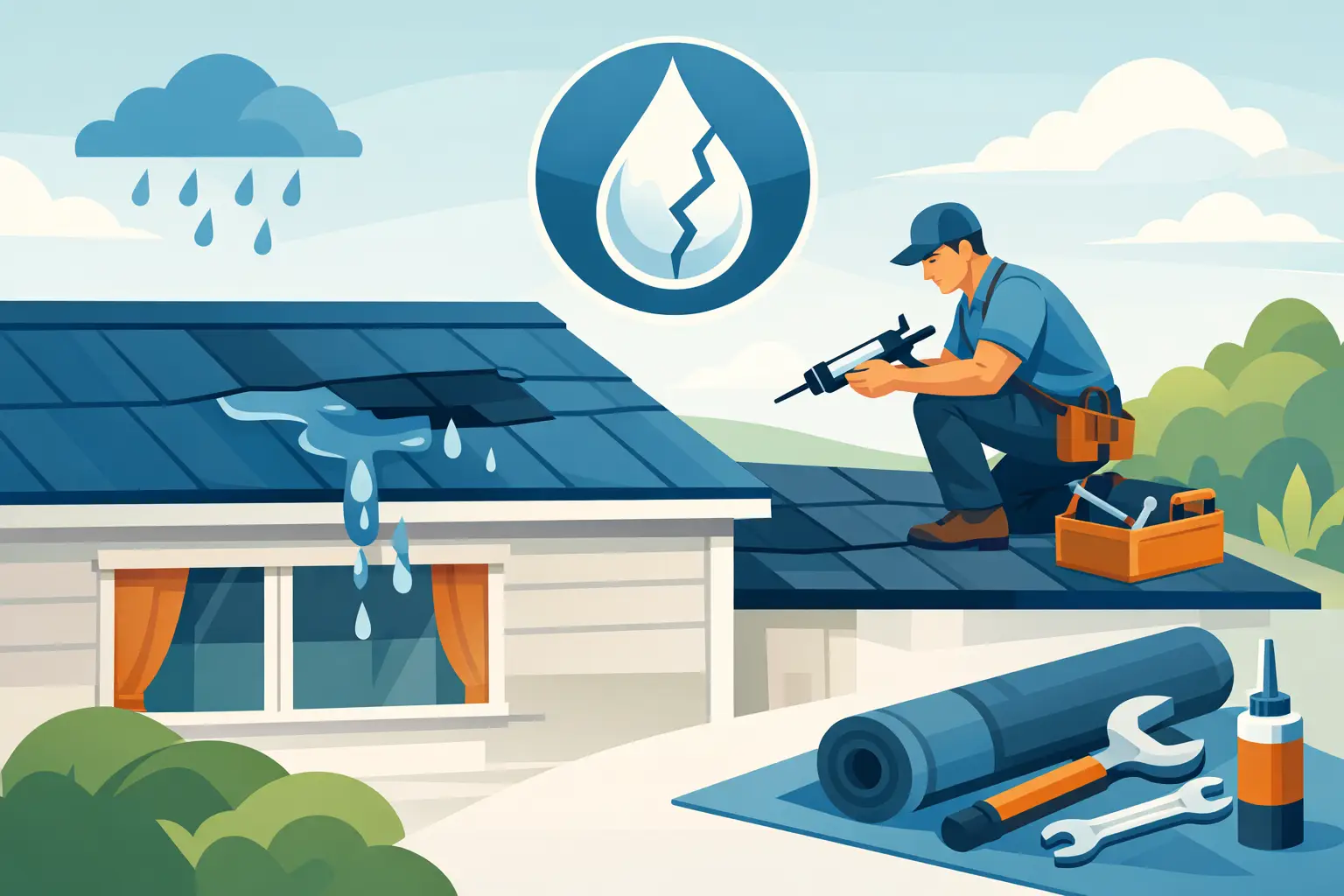
It is understandable to compare quotes closely, especially when major refurbishment work is involved. But with external cladding, cheap work has a habit of becoming expensive work later on. Poorly fitted boards, weak trims, rushed sealing around openings or inadequate preparation can allow water ingress, create cold spots and leave the finish looking dated far sooner than it should.
This is particularly important with older park homes. Many have already been through years of exposure to wind, rain and temperature changes. If the wall system beneath has any weakness, the new exterior needs to be installed by people who understand how these homes are built and how they perform over time. That is one reason specialist contractors often represent better value than general trades.
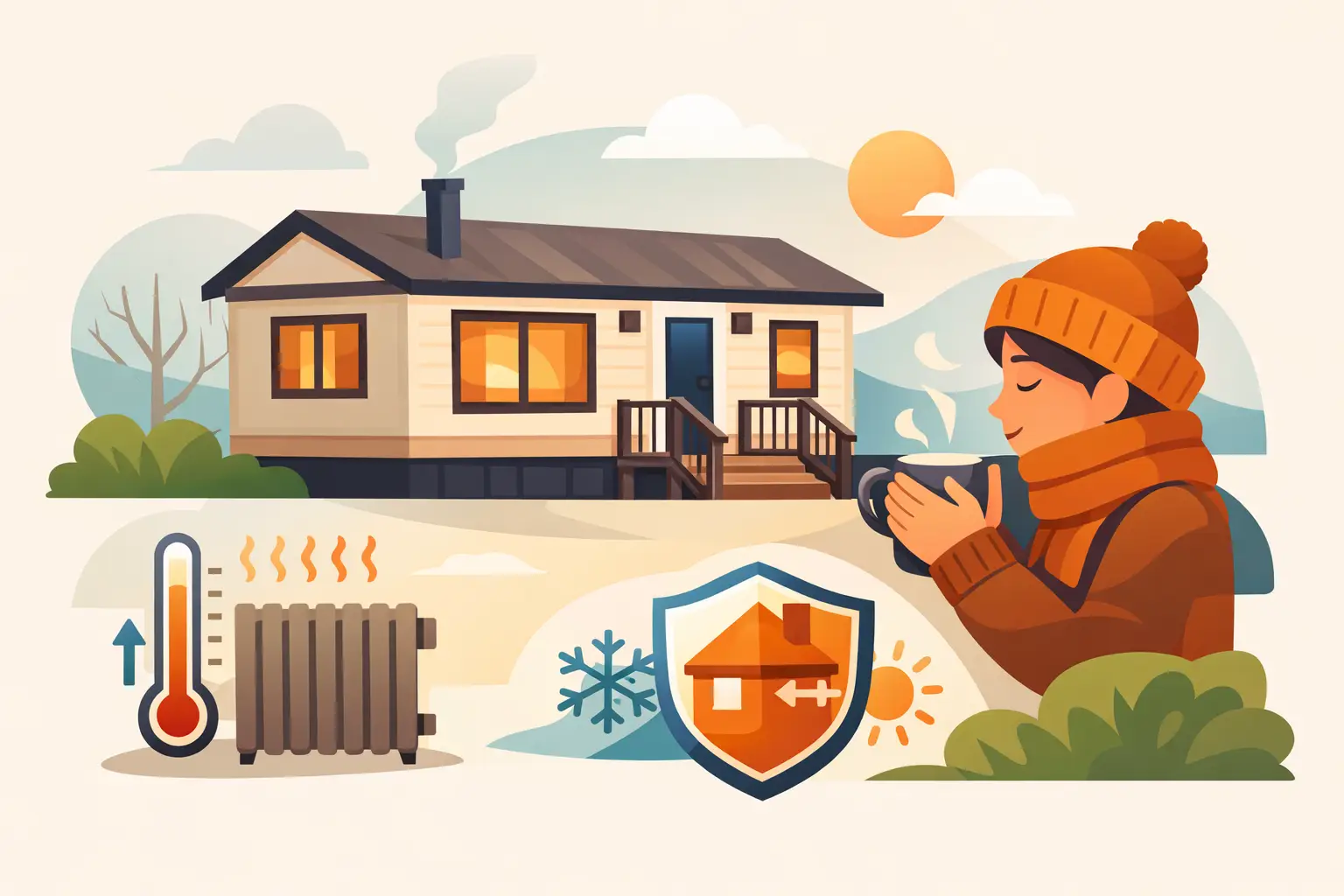
A sound installation should improve more than looks. You should notice a more comfortable internal environment, less heat escaping through the walls and a property that needs less frequent external maintenance. Those are the gains that help justify the initial spend.
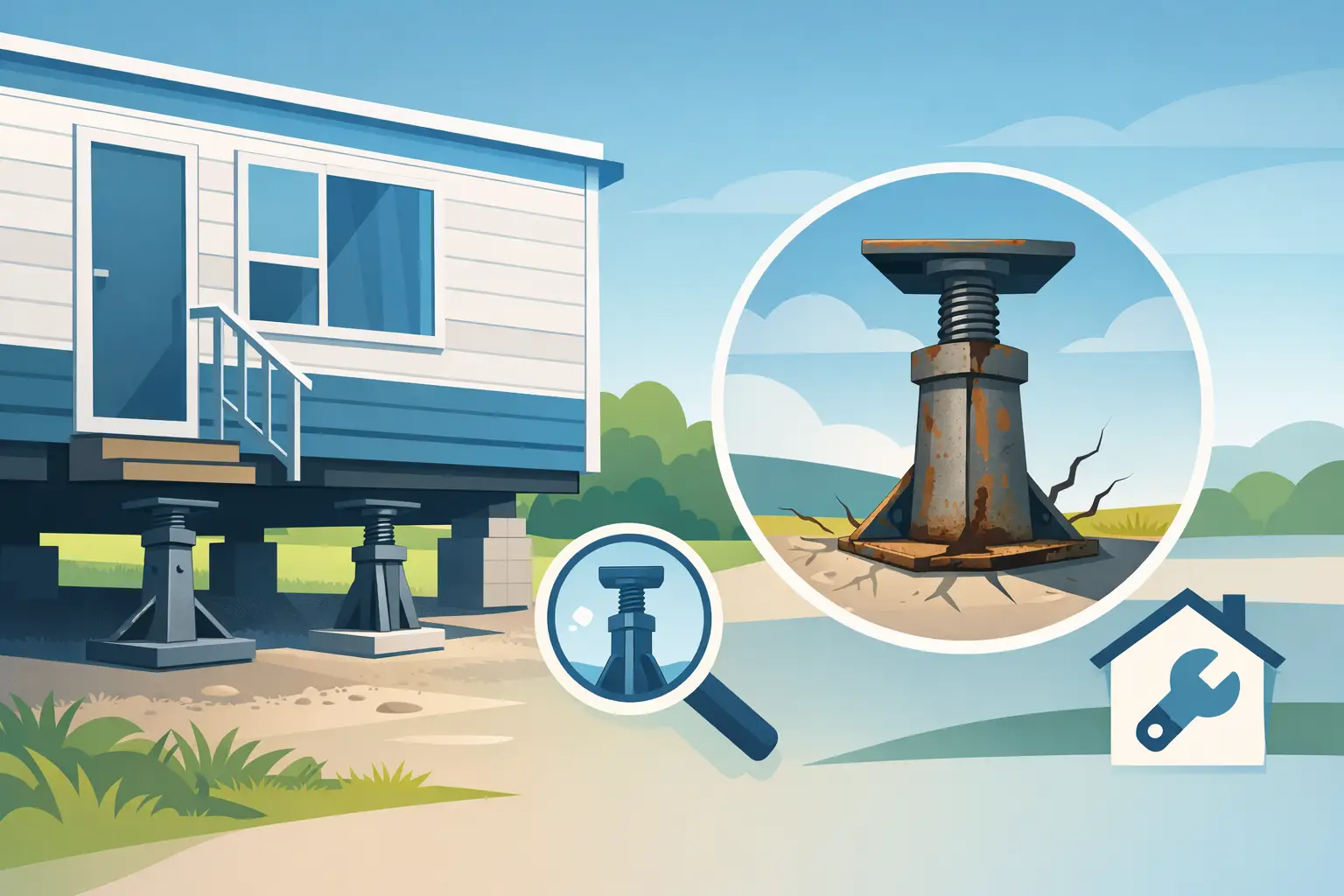
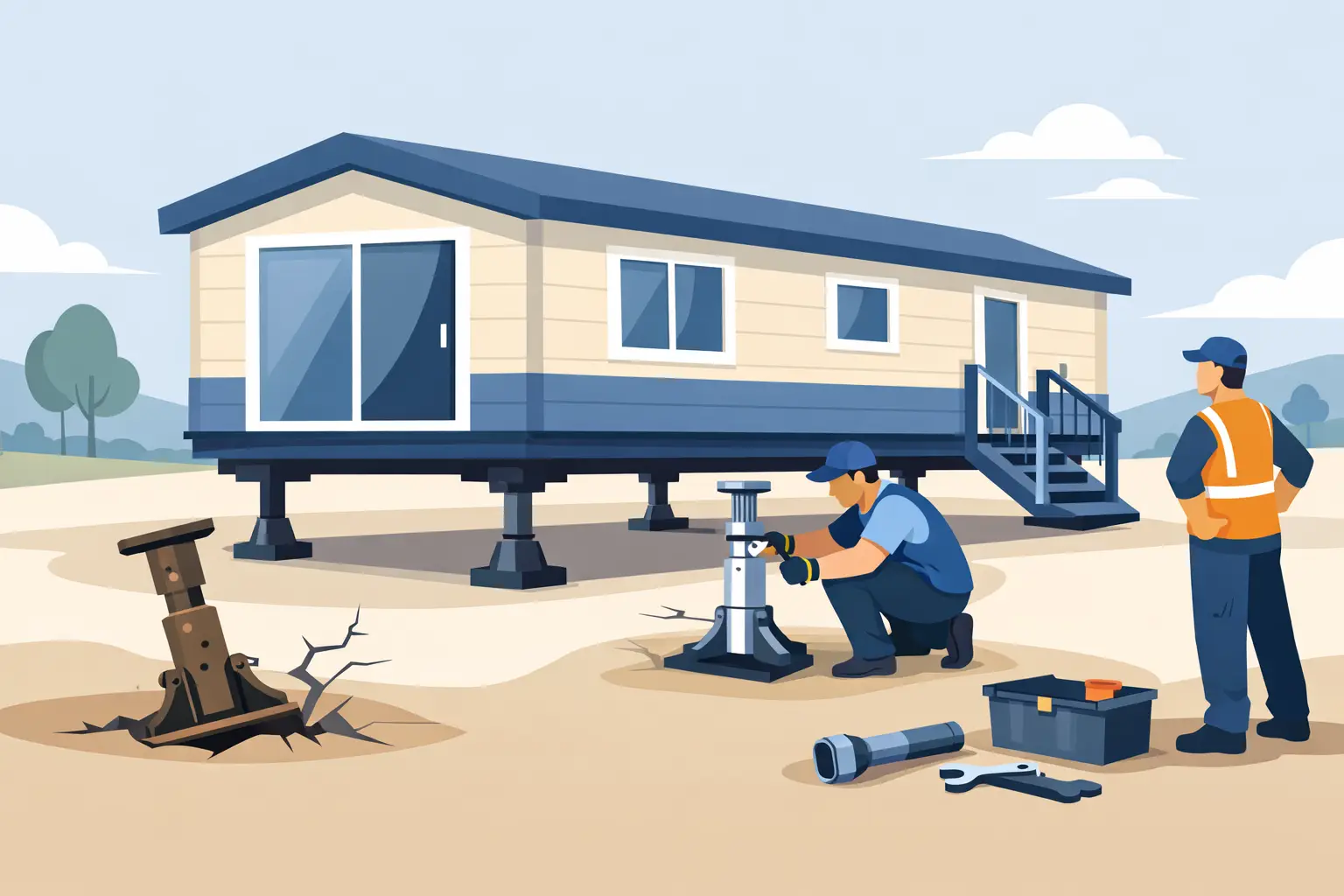
When owners ask about price, they are often weighing it against other pressing jobs such as roofing, underfloor insulation or chassis work. That is sensible. A park home should be viewed as a whole structure, and priorities need to be set in the right order.
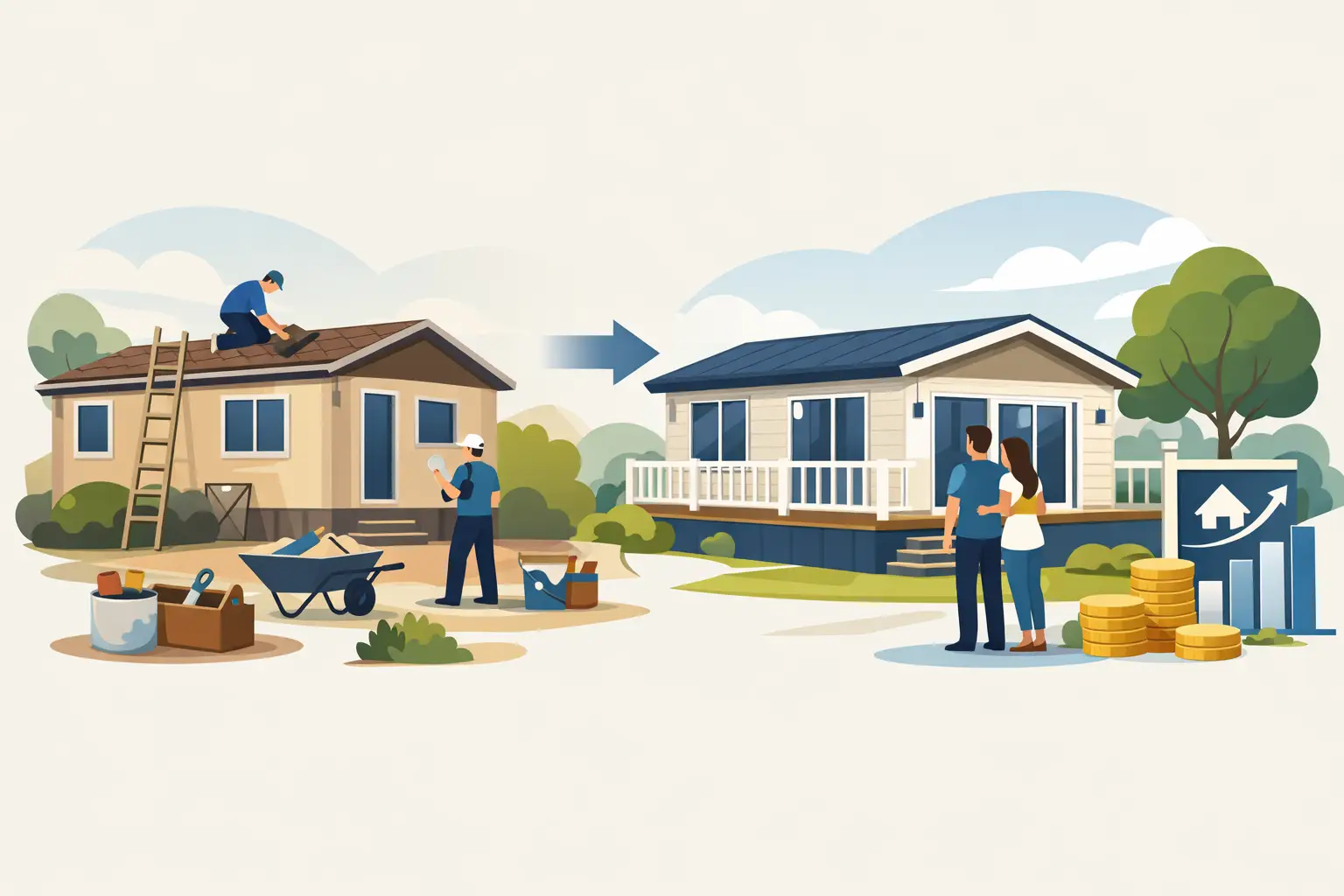
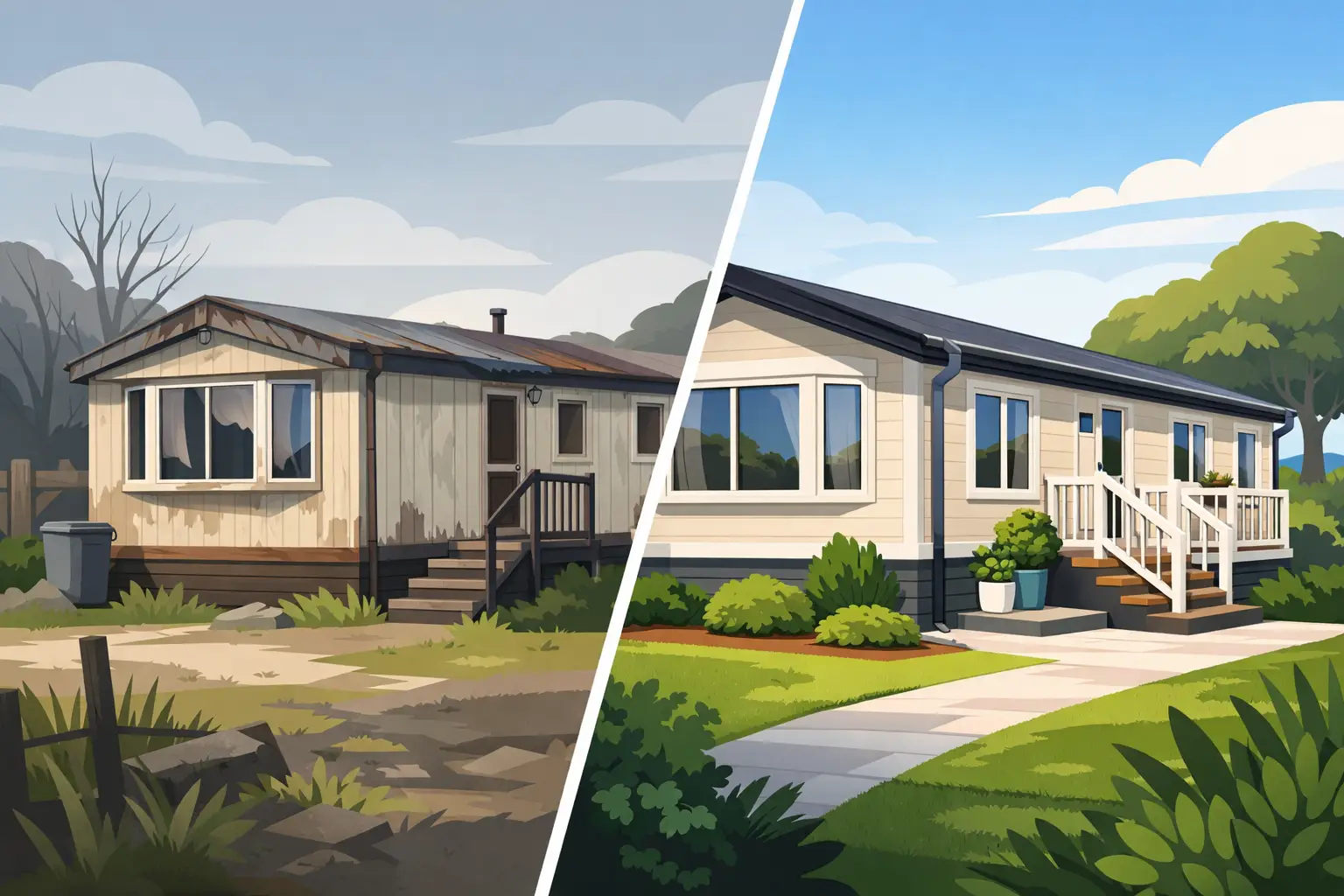
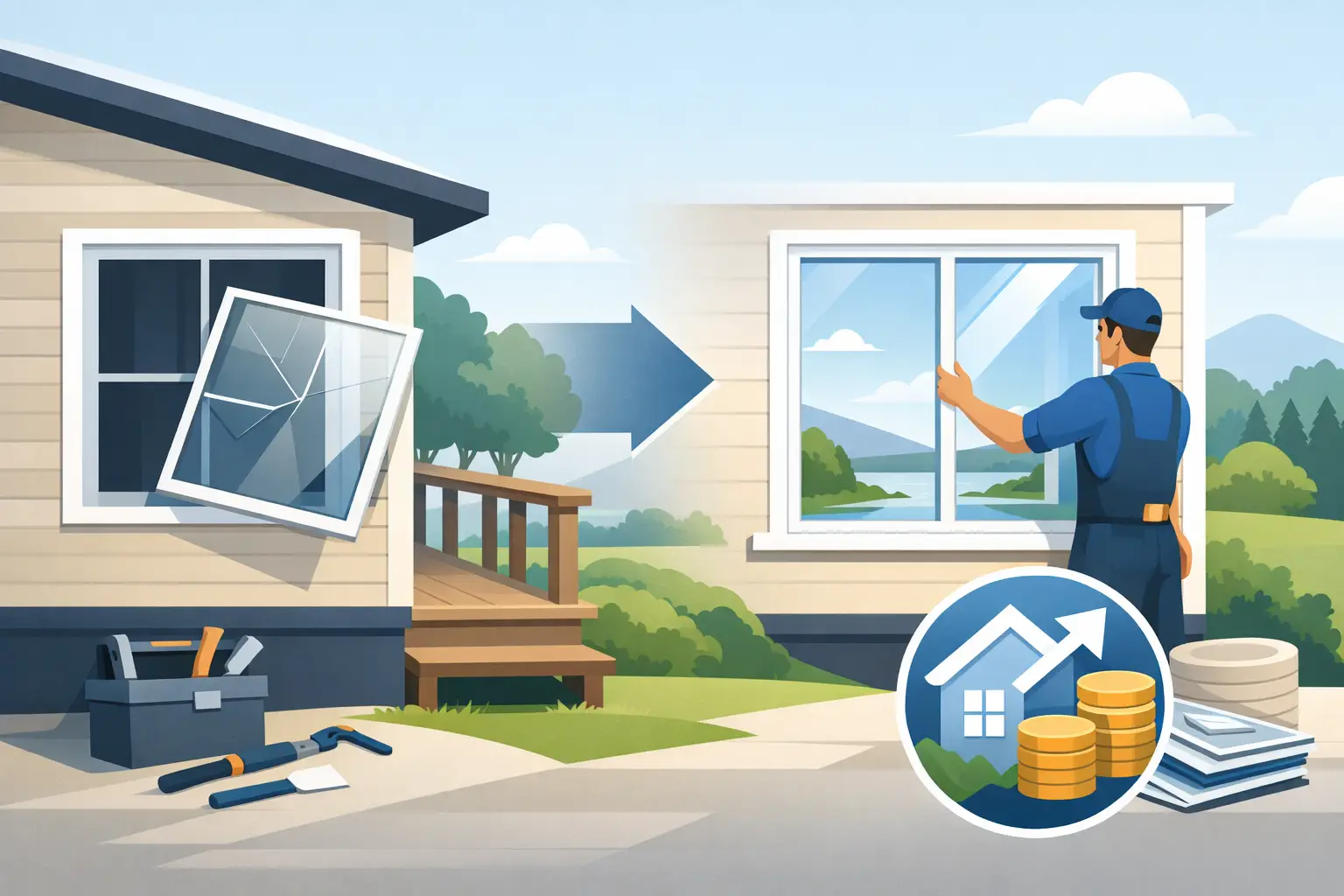
That said, cladding with insulation can bring several benefits at once. It can improve kerb appeal, make the home easier to heat, reduce reliance on repeated repainting and help protect ageing wall surfaces from further weathering. In practical day-to-day terms, that often means rooms feel more comfortable and the home looks cared for rather than tired.
There can also be a value benefit if you plan to sell in future. Buyers notice the exterior first. A clean, modern finish creates confidence, and if the work has been carried out properly, it can support the overall market appeal of the property. It may not be the only factor in value, but it certainly helps.
A useful quotation should do more than give a final figure. It should explain what is being supplied and what preparation is required. If the price is vague, it becomes difficult to compare one contractor with another.
For external insulation cladding cost, you should expect clarity on the cladding type, insulation thickness where relevant, trims and finishing details, any repairs to existing wall areas, waste removal and the likely timescale. It is also worth asking whether any related items are excluded, such as guttering adjustments, skirting alterations or making good around pipes and vents.
Guarantees matter as well. Good workmanship is not just about fitting boards neatly. It is about the whole system being installed in a way that lasts. Companies with solid park home experience should be comfortable talking through their methods and explaining why one approach suits your home better than another.
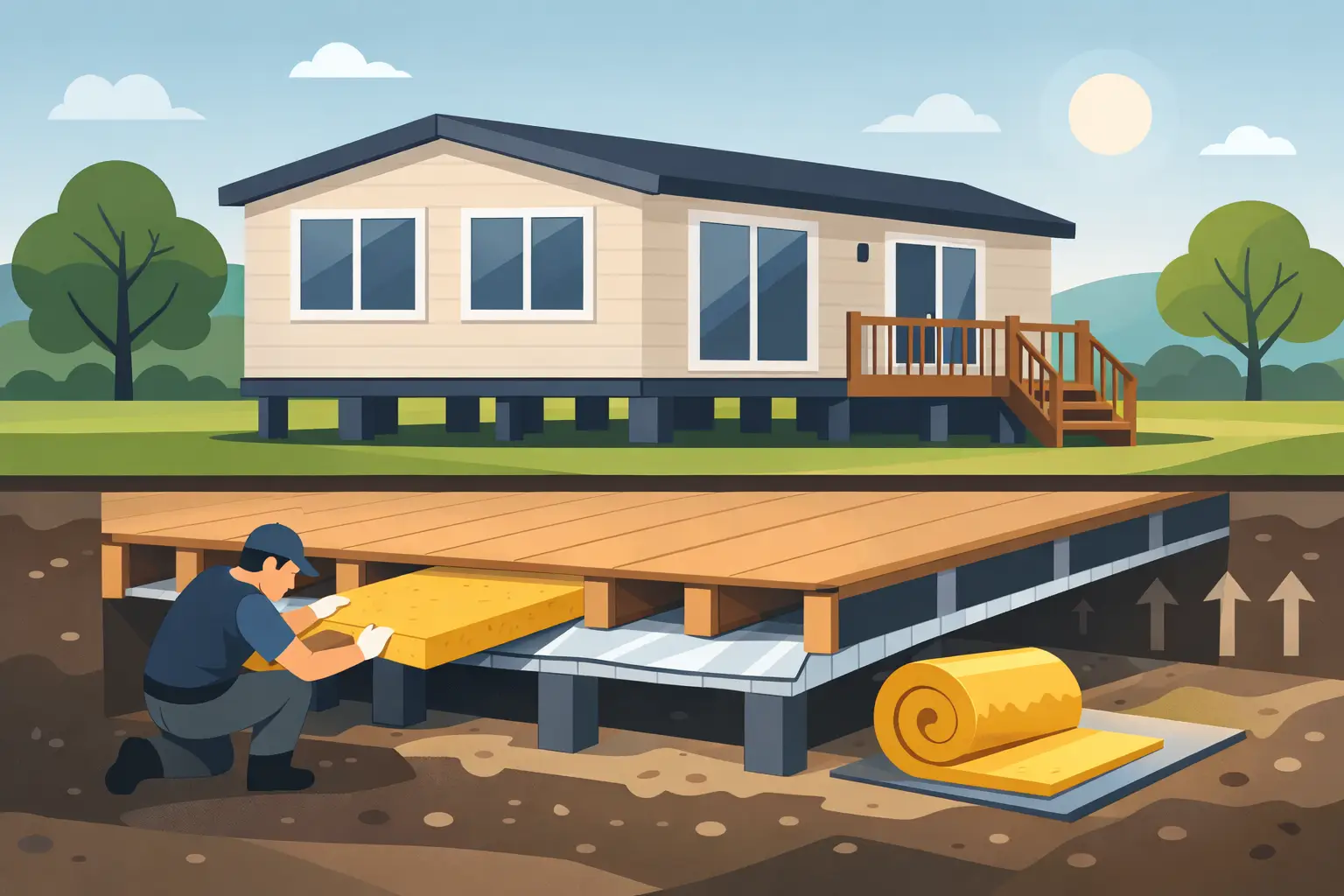
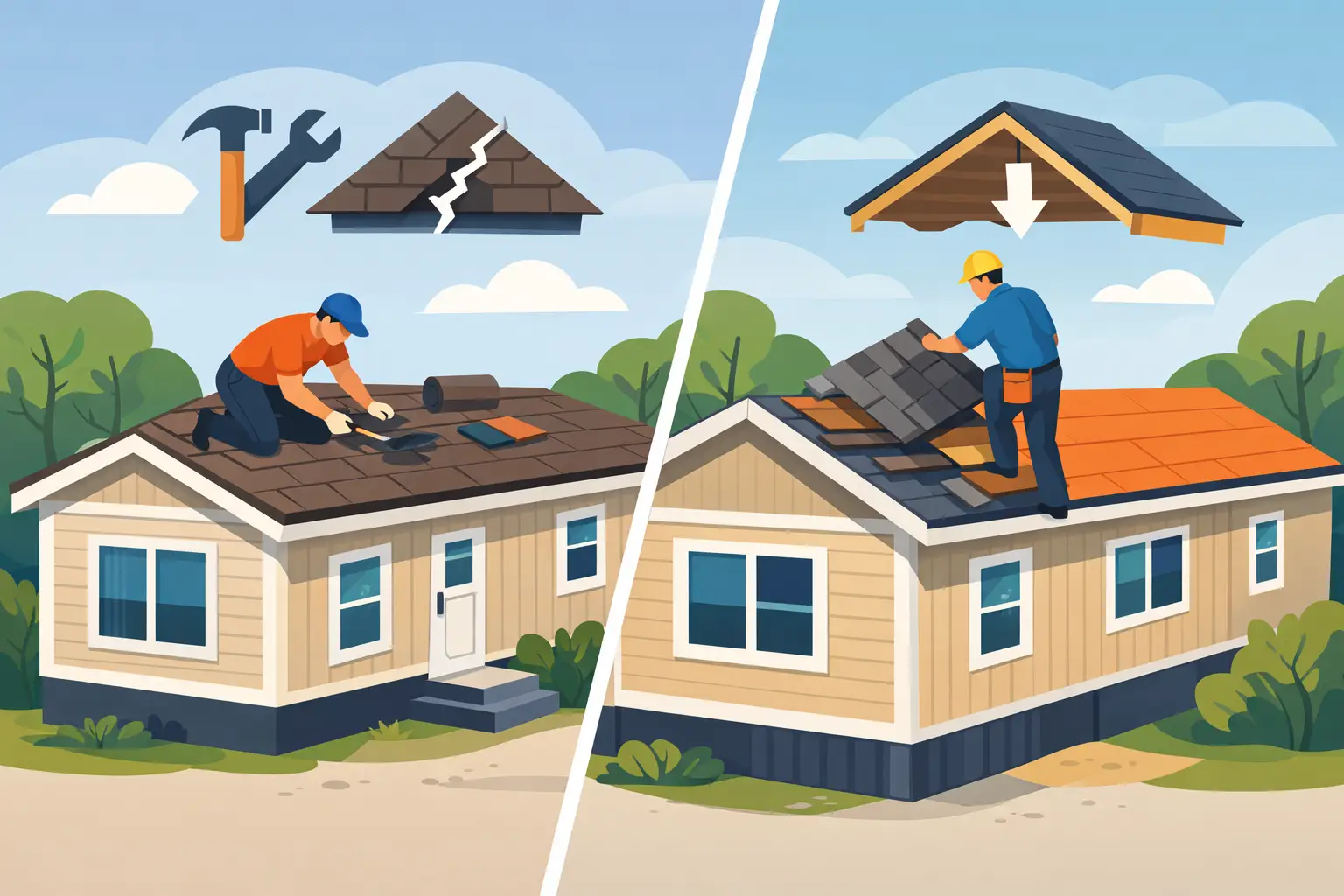
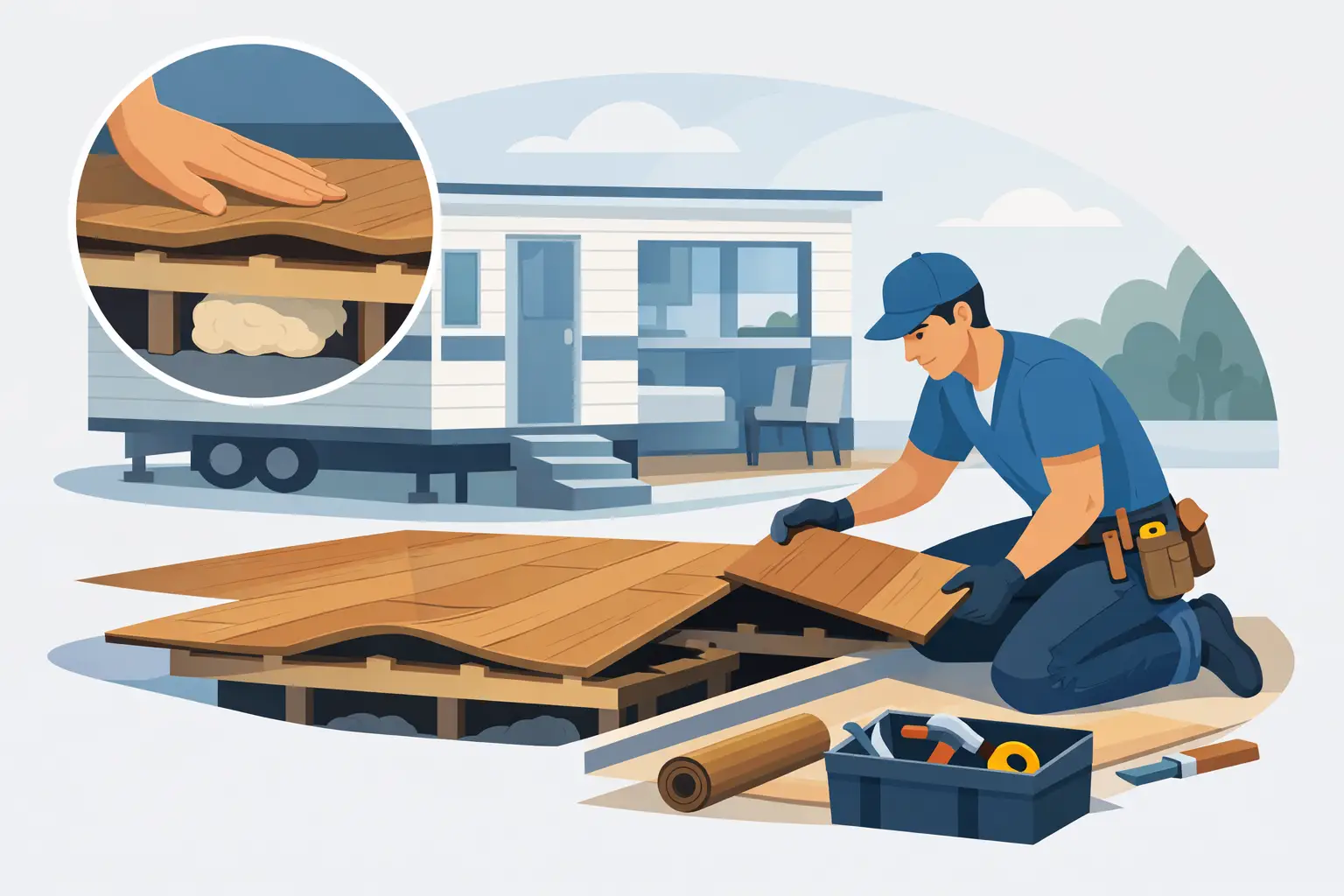
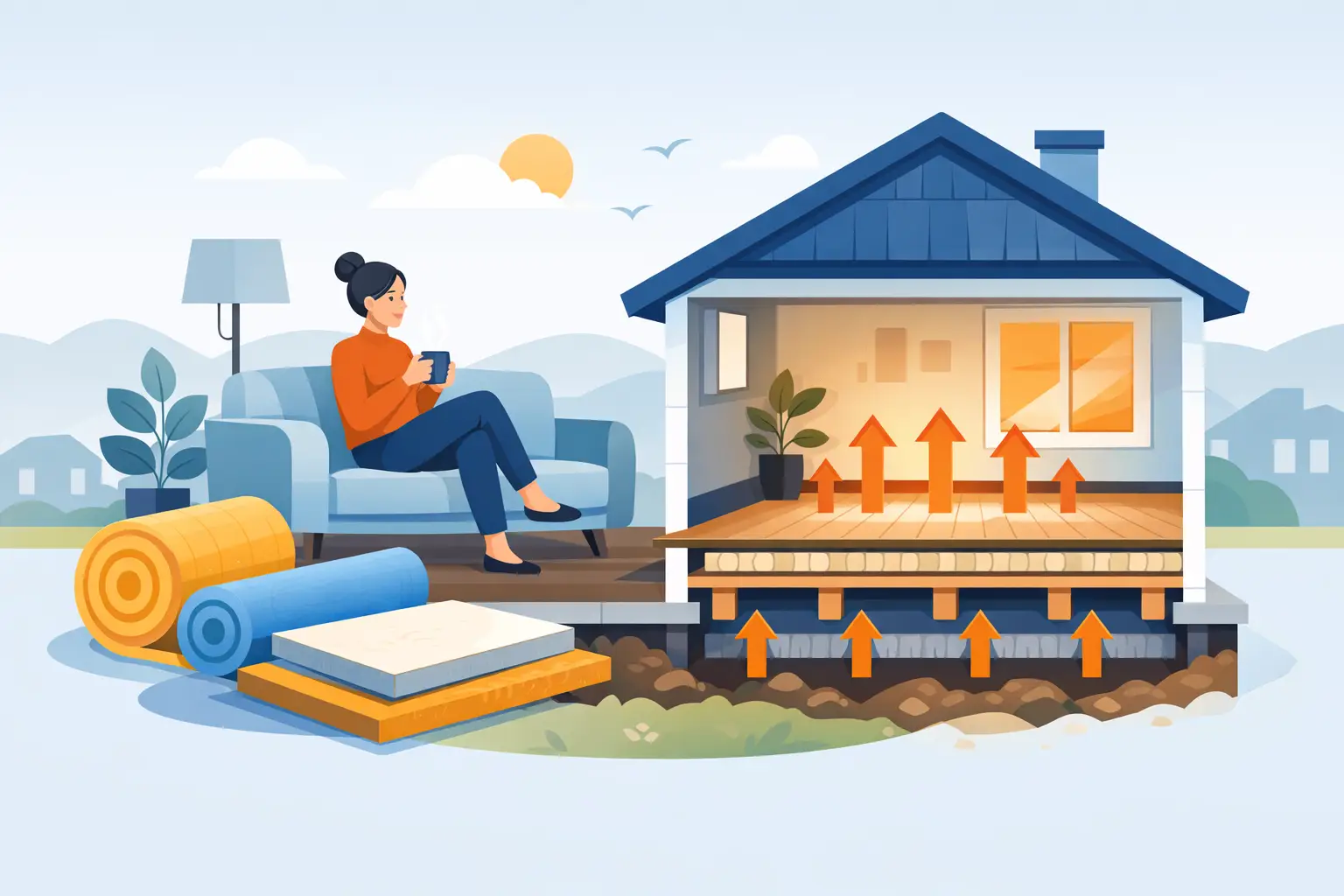
Not every home needs full external cladding immediately. If the exterior is generally in good condition and the main issue is elsewhere, another upgrade may take priority. Underfloor insulation, for example, can be the first step for homes with cold floors. Roof repairs may need doing before wall upgrades if there is water getting in from above.
Cladding tends to make the most sense when the exterior is looking worn, maintenance is becoming regular, or wall insulation is poor enough that comfort is affected. It is also a strong option when owners want to modernise the appearance of an older park home at the same time as improving performance.
The right answer depends on the home’s current condition and the owner’s goals. Some want the best thermal improvement possible. Others are more focused on weather protection and reducing upkeep. Most want a balance of both.
Park homes are a specialist area, and that matters when discussing external insulation cladding cost. A contractor who understands standard houses but has little experience with park homes may miss details that are crucial for durability and finish. These homes need the right materials, the right fixing methods and the right preparation.
At New Look Park Homes Ltd, this sort of work is approached as part of the wider health of the home, not as a quick cosmetic cover-up. That means looking carefully at what is already there, identifying any repairs needed first and recommending a specification that suits the property rather than forcing a one-size-fits-all package.
For owners, that usually leads to a better result and a clearer sense of where the money is going. It also makes planning easier, especially if the cladding project sits alongside other refurbishment work.
If you are weighing up external insulation cladding cost, the most useful starting point is a proper inspection and an honest conversation about what your home needs now, what can wait, and what will deliver the best return in comfort, appearance and lasting protection.